Heading South: Ten Days and Ten Nights, My First Complete Yunnan Road Trip
Heading South: Ten Days and Ten Nights, My First Complete Yunnan Road Trip
The Beginning: A Strange Shift from Northeast to Southwest
Last Spring Festival, our family of three drove to Fujian – 4,500 kilometers that satisfied my driving itch and gave me plenty of experience. I was confident we'd challenge 7,000 kilometers in Guangxi this year, but after scrolling through social media for weeks, I realized winter Guangxi still felt very "off-season" – not much to get excited about.
My wife initially swore that with limited vacation time, a long road trip wasn't realistic. She'd even bought a thick down jacket, ready to go see snow in Changchun. After my strong persuasion – plus her own experience hiking in freezing weather – she finally gave up on the Northeast trip. That jacket's tags are still attached. Well, since she hates the cold, let's go somewhere warm.
After a week researching Yunnan, my wife's vacation somehow got longer... Sticking to the principle of "can't let the research go to waste," I reluctantly abandoned other long-distance driving plans and settled on Yunnan. I just wouldn't get greedy with the route – ten days was perfect.
The original plan was Qingdao → Kunming → Xishuangbanna → Kunming → Qingdao, a round trip. But economics won out. I snagged direct flights to Xishuangbanna for 1,000 yuan, so we adjusted to Qingdao → Xishuangbanna → Kunming → Qingdao – saving time and money. It turned out we also saved effort and stress.
Rental Car Chronicles: Practical Experience with Ehi Car Rental
I stuck with Ehi Car Rental again, this time trying out their "keyless self-service pickup and return" and "one-way rental" features. Given Yunnan's complex road conditions, I chose an SUV – the Volkswagen T-Roc.

Pros: - Keyless self-service pickup and return: You can pick up the car at midnight without affecting your schedule at all. - One-way rental: Although Ehi is a bit pricier, they waive the one-way return fee – excellent value. - Cost-saving tip: Tweak your options. Renting for more than 7 days loses some discounts, so I rented for 6 days plus, then extended by one day. - It was dark when I picked up the car, so I didn't inspect it thoroughly – both sides had major scratches. But I bought "worry-free return," so I didn't have to deal with it.
Cons: - The car was okay, but it had 90,000 kilometers on it, and all four tires were nearly bald – pretty dangerous on Yunnan's mountain roads. - I'm used to a 2.0T engine; switching to a 1.4T meant it struggled on uphills. And the phone mount placement was infuriatingly awkward.
Day 1 (February 6): Departure, Flying to the Tropics
A 4-hour flight with Hunan Airlines – delayed and zero service. Before leaving, I even snagged a VIP lounge visit courtesy of Shandong Airlines. Thank you for that.
After landing, we stayed at the Meihao Hotel just outside Gaozhuang – quiet and convenient.
Day 2 (February 7): First Impressions of Xishuangbanna
Downtown Xishuangbanna wasn't the focus of this trip, but "since we're here," we had to explore.
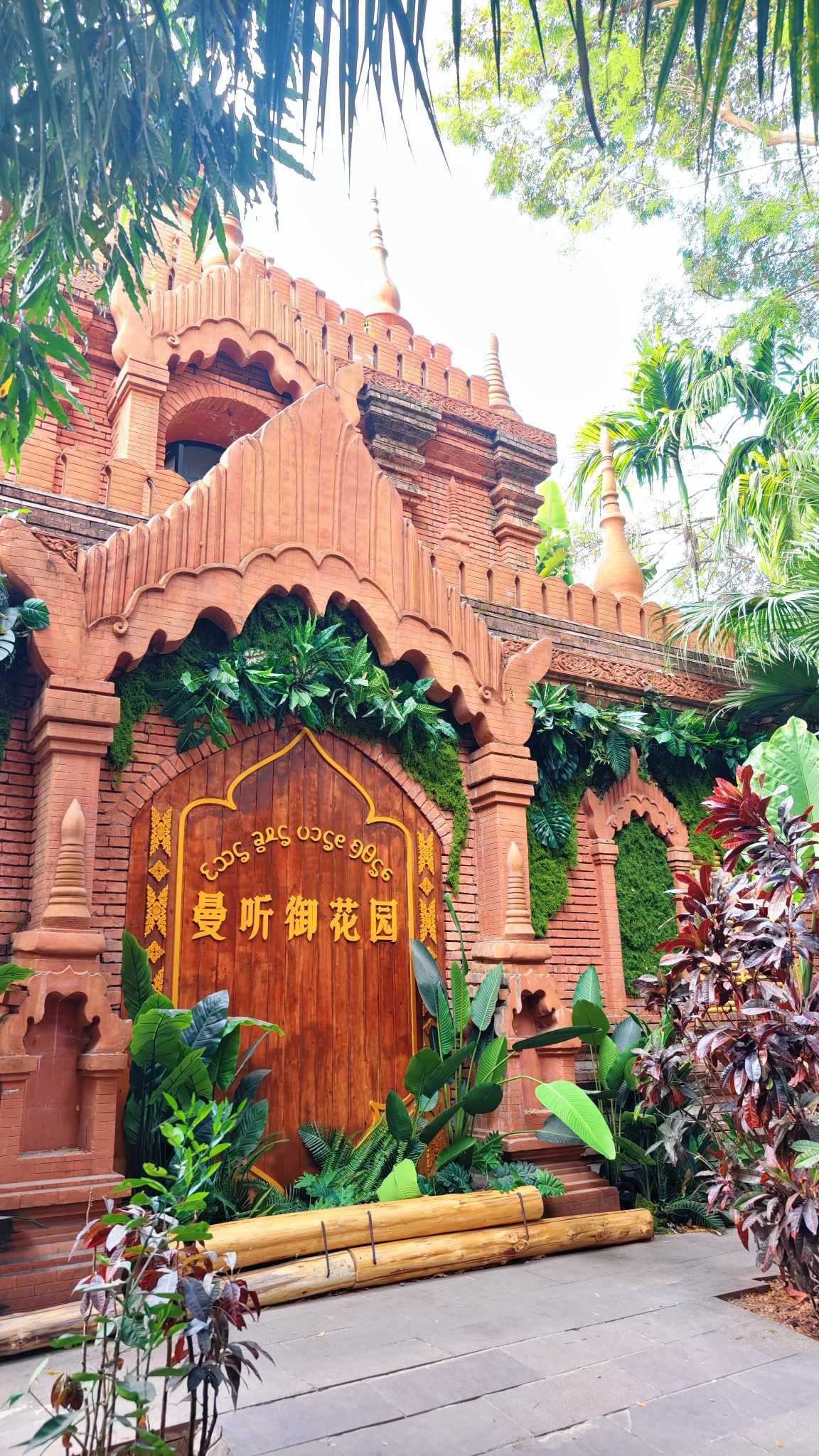
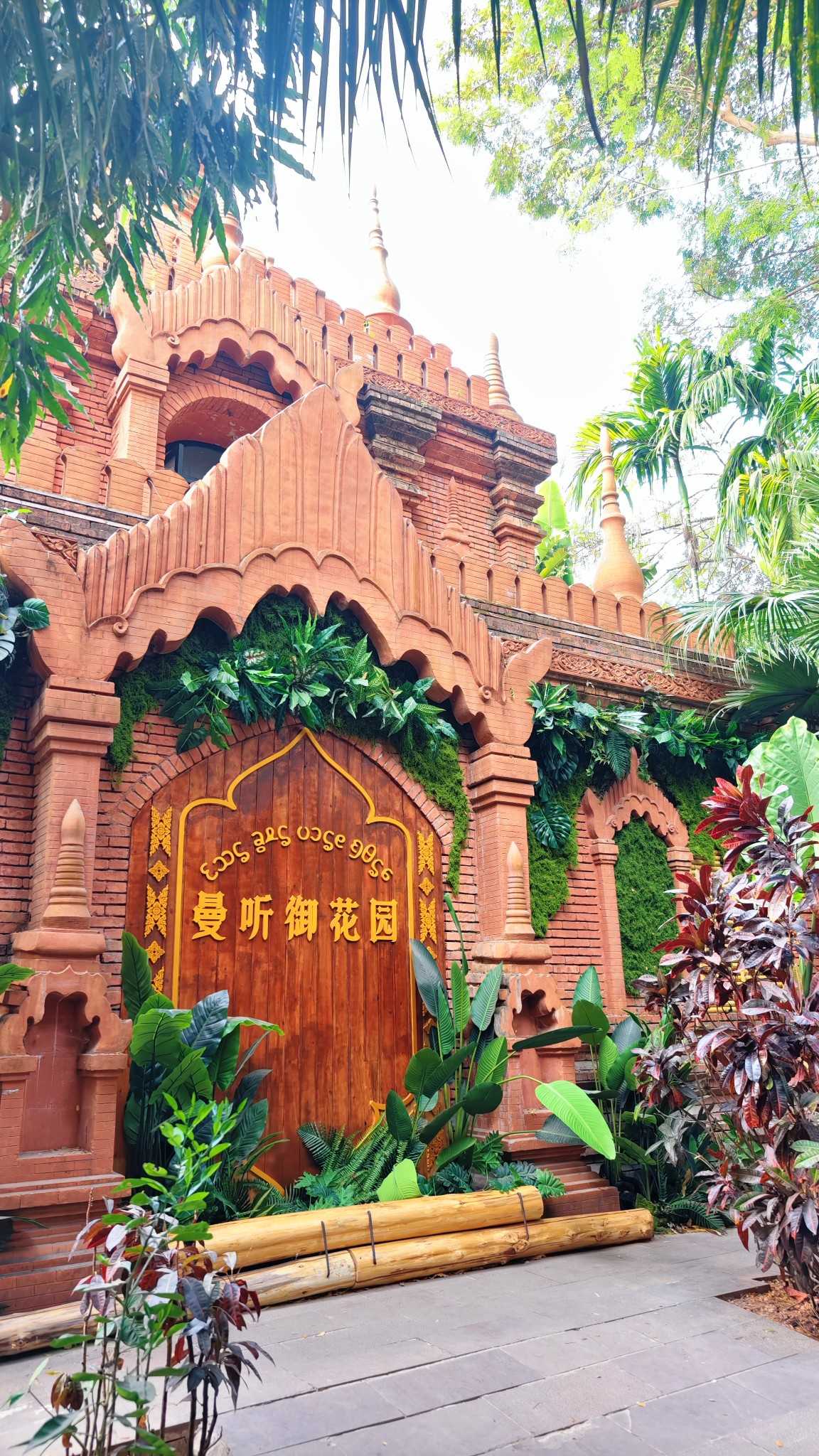
To avoid the crowds, we skipped Saturday's market and headed straight to Manting Park. You have to hit popular spots early, or there's no experience at all.
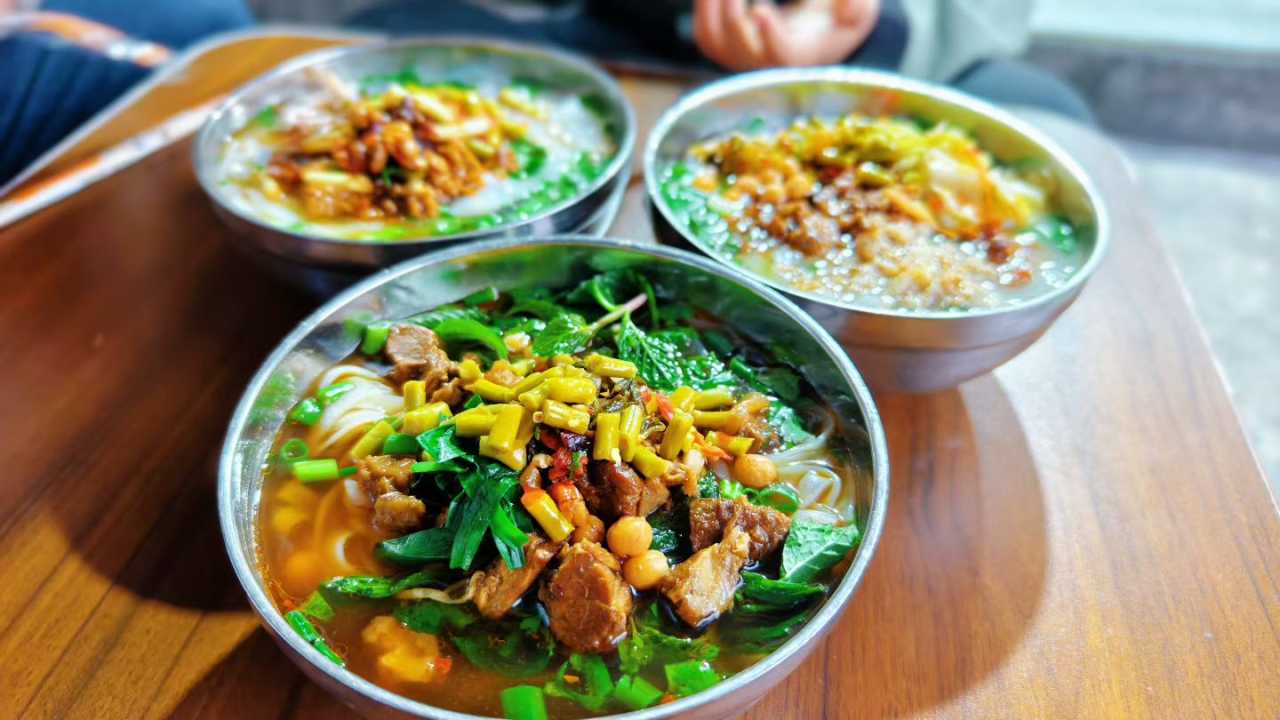
Our first meal started with a bowl of beef rice noodles – mint leaves are a game-changer!
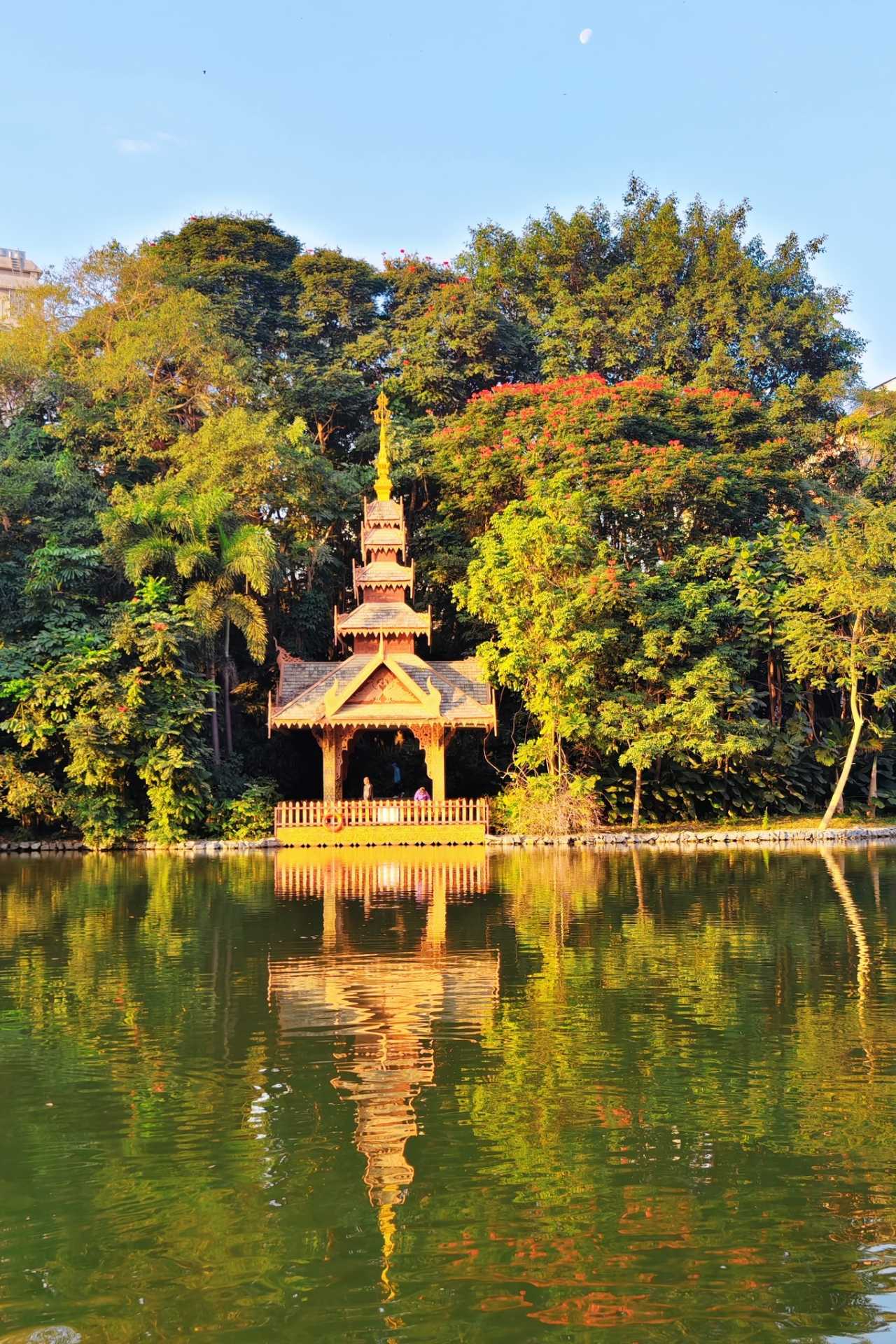
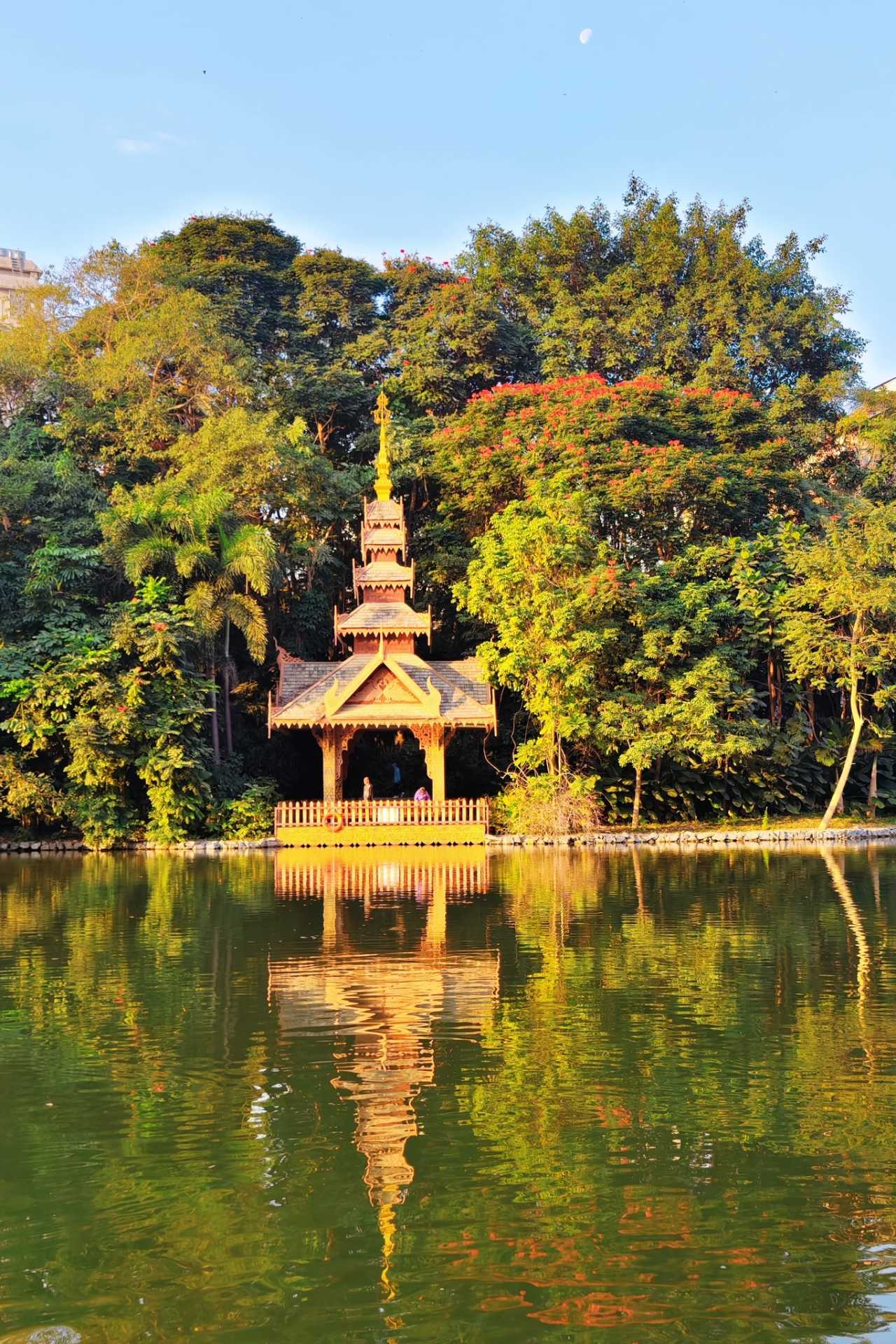
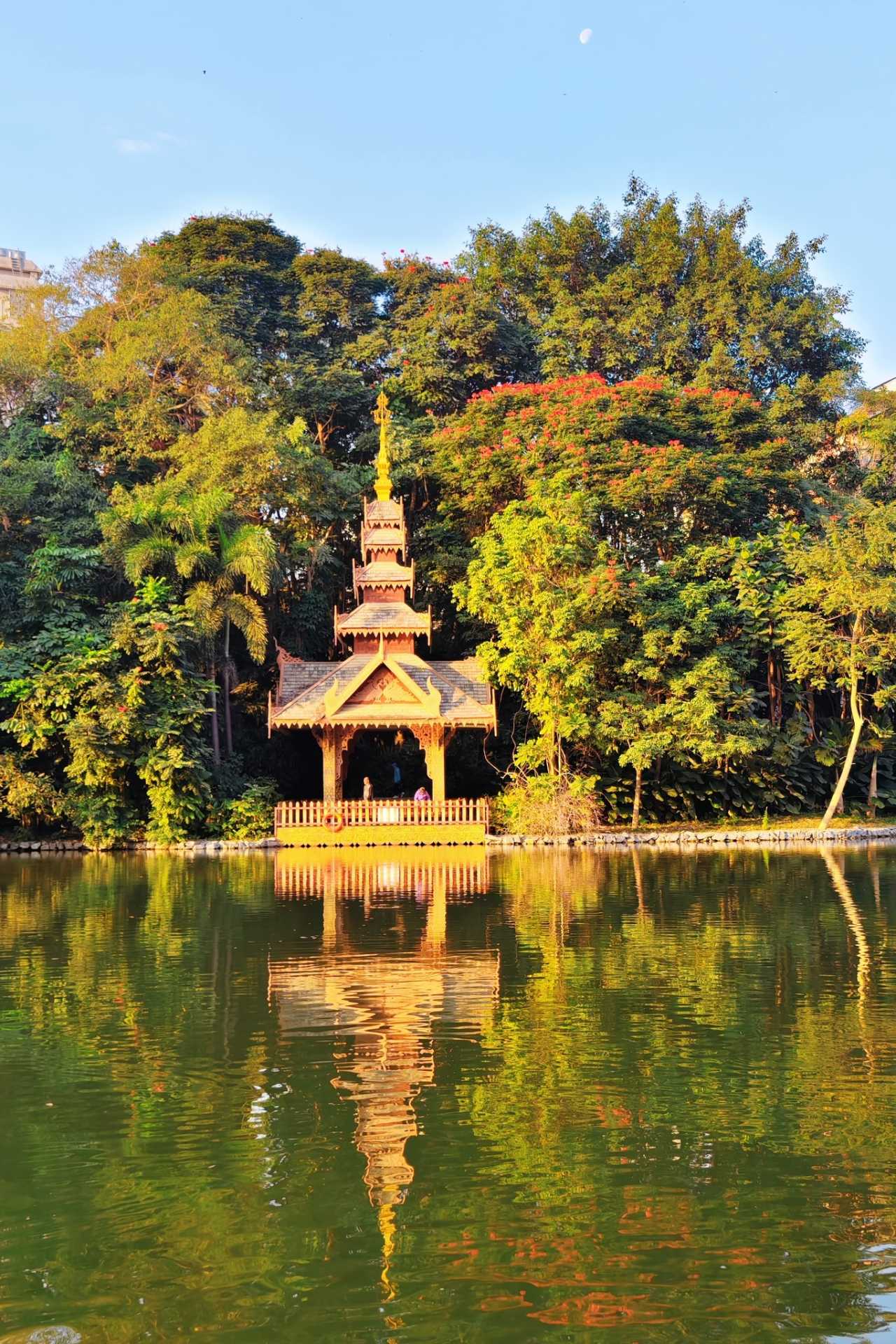
Manting Park is lovely when it's not crowded. Lots of elderly Northeasterners stroll around there. The fish in the pond are shockingly huge – bring some food to feed them. The park connects directly to the Zongfo Temple (General Buddhist Temple), so you can visit both at once. All kinds of deities and Buddhas mixed together – just believe, and you're good.
Around 10:30 AM, there's an elephant interaction session. 50 yuan for two people to feed the elephants – not great value, but since we weren't planning to visit Wild Elephant Valley, this was our photo op.
Afternoon was free. Not much interest in downtown sights, so we decided to check out the agricultural market. Near the exit, we tried Dai-style sticky rice and Dali rice cakes – pretty tasty. The market itself was average, full of weird and wonderful things we had no way to cook. Fruit was more expensive than what we'd find later in Mengla and Pu'er.
Our hotel was near Mandou, so we wandered in during the daytime. Xishuangbanna afternoons during Spring Festival are still scorching hot. We bought the kid some local-style short sleeves and shorts at the market.
For dinner, we chose the Old·Dai·Thai Yunjian Garden Restaurant – beautiful setting with a pool and sunset views. The food was decent but not outstanding. The porcini mushroom (牛肝菌) portion was way too small.
After eating, we walked straight through Starry Night Market back to the hotel. Nothing caught our appetite, so we just browsed. I bought three pairs of hiking boots – 15 yuan each. The night view was gorgeous.
On the way back, I noticed that at night, the power lines and eaves in Xishuangbanna were absolutely covered in tiny birds. I asked an AI assistant – they're swallows. Quite a sight.
Day 3 (February 8): The Botanical Garden – The Joy of Collecting Seeds
Bottom line: You don't need a guide, especially if you're a seed enthusiast. You can easily spend the whole day wandering on your own.
To catch the first wave, I'd originally scheduled to pick up the car at 8:30 AM, but I left at 6-something for self-service pickup. It was still dark. The pickup point was over a kilometer away. I tried riding a shared electric scooter – couldn't handle it. So I walked.
Picked up the car, checked out of the hotel, and headed straight to the Xishuangbanna Tropical Botanical Garden (Chinese Academy of Sciences). I'd pre-booked a "Baihua Study Tour" – a small group of 6 with a guide.
It was great when no one else was there. Spring Festival isn't the peak season for giant water lilies, so we could only pick up fallen fruit – naturally ripened starfruit.
I'd come specifically to see (and collect) more seeds, so I asked the guide about everything. The study tour turned into a "seed-collecting party." We spent half an hour in the Dipterocarp Garden, and luck was on my side – I finally got what I wanted.
For lunch, we went to a pre-selected Dai restaurant – it turned out to be the best meal of the entire trip: stir-fried beef with mint, banana flowers, grilled fish with lemongrass, and some kind of bamboo shoot dish I can't remember.
After eating, we drove straight to Mengla County and checked into the Bodu Hotel in Mengla. After a short rest, we tried Dai-style cold mixed dishes – not my thing. They also have a Starry Night Market here, but it's much smaller – just a county-level night market. For dinner, we had Dai-style barbecue – bold flavors, delicious, and cheap!
Day 4 (February 9): Wangtianshu – Best Experience in Three Days
I got up before 7 AM to buy Mengla's most famous Lao-style breakfast – seriously hardcore. Grilled meat first thing in the morning. All kinds of grilled meats, all kinds of pounded salads! Back when I could handle spicy food, I'd have eaten everything. But I'm older now – can't take it.
Today's main destination was Wangtianshu (Sky Tree Scenic Area). It's usually paired with the Nanla River rafting, but given the season, we skipped the rafting.
We arrived at 8:30 AM – first in line. I'd bought a combo ticket online. First, a 20-minute boat ride to the entrance – pretty cool. Having no crowds or very few people is absolutely the number one priority when visiting any scenic spot.
The highlight is the canopy walkway. By the time we finished, the crowds had arrived, and it started getting "traffic jams" of people. The walkway is so long your legs get shaky. Overall, Wangtianshu was totally worth it – the best experience in three days.
On the way back, we passed a hillside full of banana plantations. We stopped to buy tree-ripened bananas – 1.5 yuan per pound. Super sweet, with a texture completely different from what we get at home – much more delicate. We also bought a bunch of unripe ones to keep in the car, eating them as we traveled. That bunch ripened gradually as we ate, lasting all the way to Pu'er.
Away from the county, the landscape is mostly banana and rubber plantations. Closer to the county, villages grow dragonfruit. We randomly stopped at a village called "Manshenma" – the dragonfruit tasted about the same. "Wild elephants crossing" warning signs were everywhere.
Afternoon was for resting. We visited the border market and tried the top-rated Dai-style cold mixed dishes and Lao coffee.
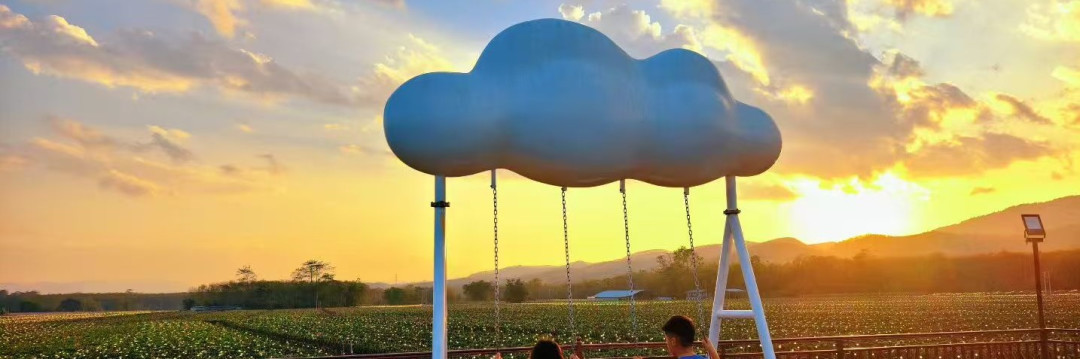
At dusk, we headed to the dragonfruit fields near Manlongle – absolutely dreamlike...
You have to try Lao-style hotpot when in Mengla. The flavor? Let's just say I've had the experience.
Day 5 (February 10): Naka Rainforest – A Wild Adventure
Before setting out, I'd narrowed it down to three options: Jinuo Mountain, Mengyuan Wonderland, and Naka. I chose Naka Rainforest mainly for the fewer crowds and better experience.
At 10 AM, we gathered at the village entrance and took a 20-minute "four-wheel-drive beast" into the rainforest. They gave us two saplings – no idea if they'll survive.
We saw three green pit vipers – they seemed to be on a fixed schedule. Apparently, at Jinuo Mountain, you have to queue for this experience. Here, it's free and easy. Spotting face spiders is hit or miss. We tried rubber tapping – you can't cut too deep or too shallow. Banana stem pith tastes pretty good – the kid called it "rainforest green onion" because it pulls apart into strings when you bite it.
We emerged from the rainforest after 3 PM and made our own rainforest feast. Before heading down the mountain, there was one last goal – seeing the Rafflesia (corpse flower). We asked our guide, and after leaving the rainforest, he took us separately to find it. Unfortunately, we'd missed the season – the flower had just wilted.
We were originally supposed to stay in Mengla another night, but we felt we'd basically seen everything in the county. We didn't want to go to the Mohan border crossing either, so on a whim, we decided to head to Manzhang Village to stay – saving time for the next day and giving us more flexibility. Smart move by the boss!
Manzhang Village is great for kids who like crafts – the whole village is full of various handicraft shops. At night, we bought the famous Manzhang grilled chicken at the village entrance – mediocre and overpriced.
Day 6 (February 11): Pu'er Sun River and Wild Duck Pond
We left early for Pu'er Sun River National Forest Park. Before coming to Yunnan, I'd agonized over this place – reviews were polarizing, with the ticket price not matching the experience. Many tour groups come here, and the parking lot was full of buses early in the morning. We got ahead of the crowds, so it was still peaceful, but the experience later in the day must be terrible. We didn't see the white gibbons or get to pet the red pandas. If you're not visiting a nearby coffee estate, it's completely not worth the drive.
Chased by the tour groups behind us, we finished in just over an hour and headed to the Wild Duck Pond Coffee Estate.
This is a less trendy estate, but it was still packed – a standard stop for tour groups. I'd booked a coffee-picking and tasting experience. It would be lovely with fewer people. The group before us had a gap with no one serving them, so the barista gave our family of three a private session – VIP treatment. The highlight of our day came entirely from this young woman.
Coffee bean picking experience – honestly, their capacity is limited. You could just pick beans for free along the roadside without paying. The barista patiently explained the different processing methods and let us taste each one. Conclusion: I still don't like coffee. I'll stick with tea.
For lunch, we ate at a restaurant serving local cuisine. Wild herb stir-fried beef, and a dish made with flowers – guess what flower? Pomegranate flowers.
In the mid-afternoon, we checked into the Pu'er Chaling Hotel – highly recommended. The kid loved the free drinks, fruit, and ice cream. Every time we came out, he grabbed a sticky rice popsicle.
After resting, we walked to Ximahe Park, but we got completely lost – we ended up climbing a mountain to get out and emerged at Simao Old Street. Our family isn't really into these artsy hipster spots, so we rarely include them in our trips. We tried avocado coffee and avocado milkshake here – pretty good.
After wandering through Daijia Alley, it was just in time for the night market. We walked to the nearby Wuyi Agricultural Market Night Market. This place was absolutely great value for money – fantastic experience! I found the big seed pods I'd been looking for – about 4 yuan each. Fruit was priced per kilogram.
Day 7 (February 12): Being a Tea Farmer for a Day
You can't come to Pu'er without getting some tea. Today's main task was being a tea farmer.
We experienced the full process of Pu'er tea production – about 60-something yuan per person, and you could take home whatever tea you picked. Mother and son thought they'd picked a lot, but after drying, it was only about 160 grams.
Picking, stir-frying, rolling, sun-drying, roasting, steaming, pressing into cakes, DIY packaging – by the time we finished, it was already afternoon. We ate at a restaurant serving local dishes: mint spare ribs, pumpkin flowers, and braised beef – all delicious.
In the evening, we made a return trip to the Wuyi Night Market and bought an even bigger seed pod. The bean soup rice noodles looked like some kind of dark cuisine, but some people like it.
Day 8 (February 13): Ailao Mountain – Primeval Forest and Cloud Sea Hopes
Today we headed toward Kunming. Apparently, the roads are tough. We'd originally planned to stop at Nakeli Ancient Tea Horse Road near the Pu'er highway exit, but it felt overly commercialized, so we skipped it.
The route was: first navigate to Jinshan Yakou, where there's the "Tea King Trail" – supposedly one of the best hiking routes in China, very primitive. From Jinshan Yakou, the stops in order are: Jinshan Primeval Forest, Shimen Gorge Scenic Area, Ancient Tea Horse Road, Tusi Manor, and Nan'en Waterfall. The trail and waterfall are free; the forest, Shimen Gorge, and Tea Horse Road have a combined ticket for 40 yuan.
I gave up after 100 meters – better to head to the Jinshan Primeval Forest scenic area instead. The original plan was to arrive before 10 AM, but we couldn't adjust the timing. Once the sun was out, the primeval forest lost some of its mystery. A tourist had died suddenly here the day before, so the area was temporarily closed and just reopened today.
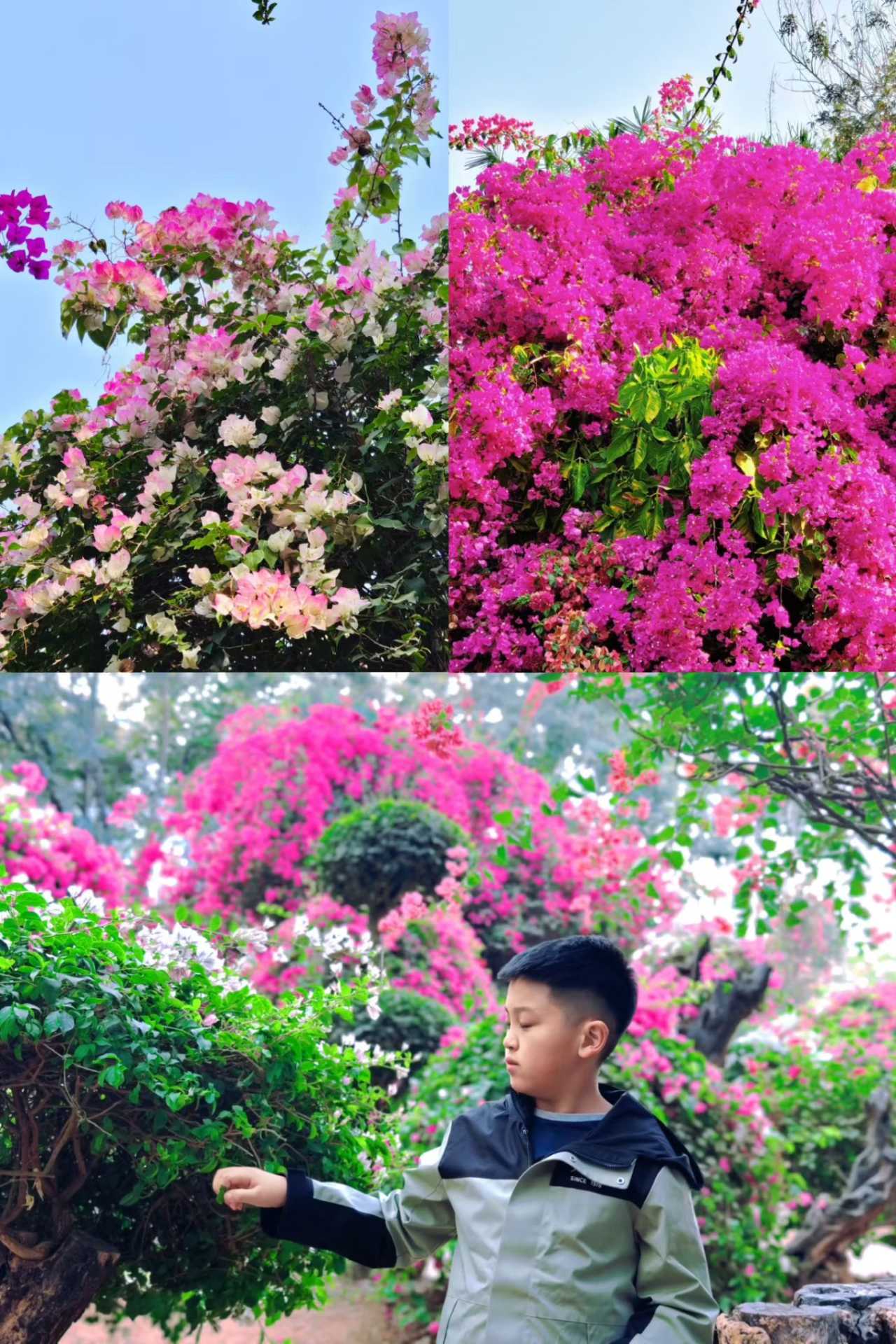
By the time we finished, it was afternoon. We had a late lunch/dinner at a mountain restaurant – so good! Finally, a restaurant beat the one that had dominated our "best meal" list for days. We just randomly ordered from the menu, and everything was excellent. We ate a whole bowl of rice. Stir-fried mulberry flowers, ham, stir-fried beef, lantern flowers – I can't remember them all. Delicious is all that matters.
With time to spare before dark, we went ahead to see Nan'en Waterfall, which we'd pass tomorrow anyway. That way, we wouldn't have to stop tomorrow.
Besides experiencing the primeval forest, the main reason for scheduling Ailao Mountain was for the sea of clouds. I'd asked an AI assistant – among China's top five most spectacular cloud sea viewing spots, Ailao Mountain ranks third. I asked the homestay owner, the parking lot attendant, and a street vendor – they all said yesterday had sunrise but no cloud sea. You've got to be kidding me...
That night, I thought, even if we don't see the cloud sea, this place has low light pollution – maybe we could see the Milky Way. Too bad no one in our group knows how to photograph it. I need to practice.
Day 9 (February 14): Cloud Sea Sunrise and Cambrian Wonders
At 7 AM, I opened the curtains – there was hope! I rushed straight to the viewing platform. We saw it! Totally worth it!
Not bringing a tripod was a mistake – I had to use bricks to prop up my phone for video. I couldn't be bothered to set up the drone, but the view was still breathtaking.
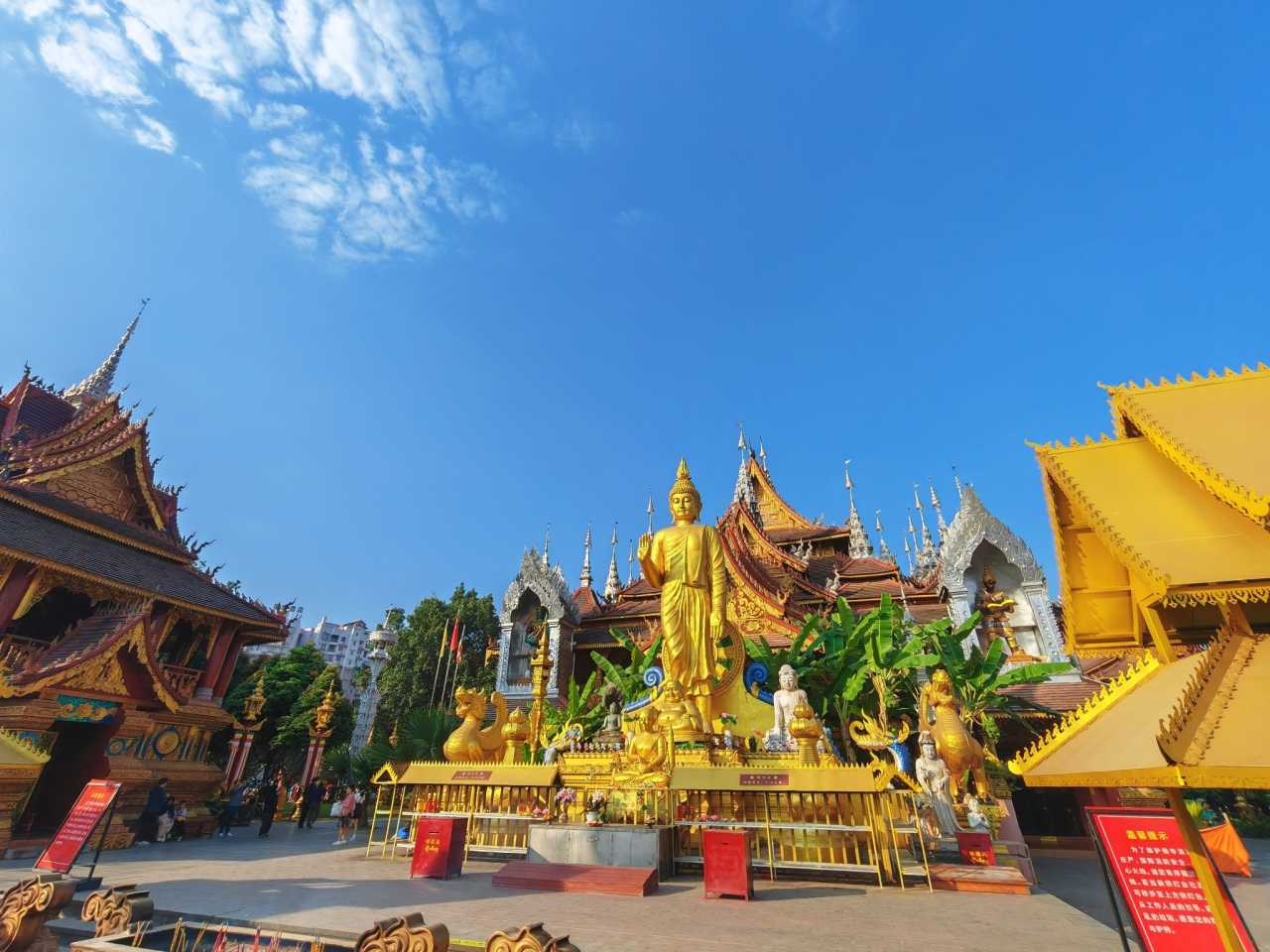
After watching the sunrise, we set off for the next stop – the Chengjiang Fossil Geological Museum in Yuxi. This was probably the kid's favorite place. After a 3+ hour drive, we arrived at the museum, which is right next to Fuxian Lake. First, lunch! Stone pot fish from Fuxian Lake – so fresh! The copper pot potato rice was also delicious. The rapeseed flowers were already blooming.
We reached the museum. It houses a world-class fossil repository from the Cambrian Explosion 518 million years ago – the only one of its kind in Asia. The fossils here are so complete you can see hair and blood vessels. They've rewritten the history of Earth's evolutionary timeline. The museum's crown jewel is truly awe-inspiring.
Since we had to return the car that day, we used the remaining time to visit a park outside Kunming city for sunset – we just needed to return the car before 10 PM. The park was stunning – just as beautiful as the Hou Master said: "beautiful beyond measure"!
Day 10 (February 15): Kunming – More Than Just a Transit Hub
Many people treat Kunming as just a transit point, but since it was our first time in Yunnan, we had to explore. No car today, so we just wandered.
We strolled through Kunming's Old Street. Even though it's not the season, you can't come to Yunnan without eating mushrooms – it would be a waste. Before the meal, they had to keep samples of the dishes – pretty intimidating. After eating, we went to Green Lake Park. I think it would be lovely with fewer people, but it seems to be crowded year-round. The only fun part: so many little squirrels!
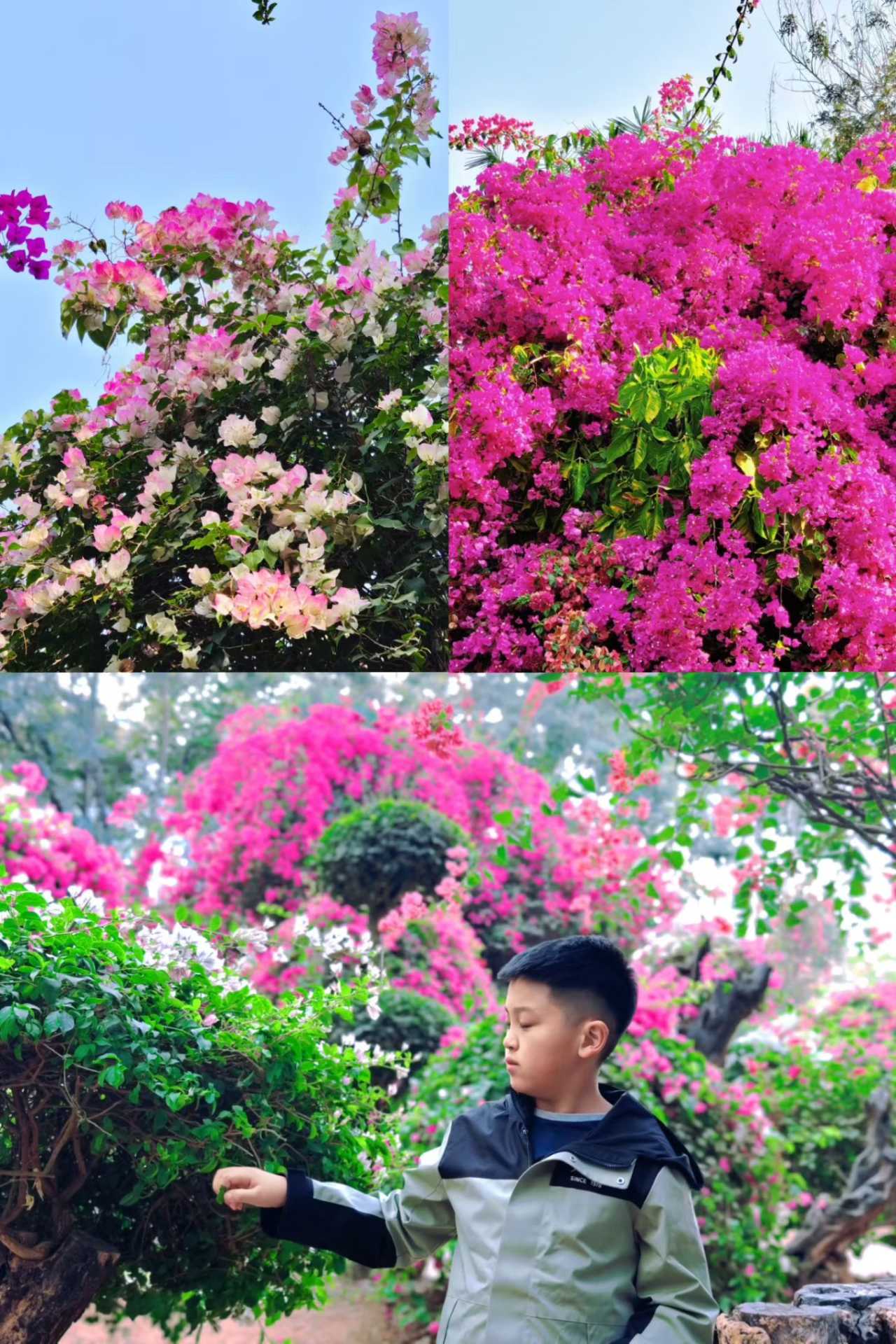
We tried a local Yunnan brand – pretty good. To make Kunming a regular transit point in the future, we decided on the spot to visit the Yunnan Provincial Museum in the afternoon. I found that the stories and history on the display boards were often more fascinating than the exhibits themselves.
We still had time after the museum, so we spontaneously decided to go to Dianchi Lake's Haihong Wetland Park to feed the seagulls. Summary: the seagulls here are mostly black-headed gulls, about the same number as at Qingdao's Zhanqiao Pier. They're more interactive – not afraid of people, they'll stand on your hand and eat until the food's gone before flying away. Kunming manages this well – no individual vendors selling seagull food, only government stalls selling 3 big bags for 10 yuan, which is healthier for the birds. At Zhanqiao, the seagulls have been so spoiled they won't eat anything but fried dough sticks. We fed them until we had one big bag left, couldn't be bothered anymore, so we packed it up for the seagulls back in Qingdao.
For our final proper meal, we chose one of Kunming's most popular restaurants. We picked a location inside a mall and only waited half an hour. The food was worth the wait – we all agreed this was the best meal of the trip. Out of respect, I even ordered two ounces of their baijiu (Chinese liquor).
Standout dishes: their signature stir-fried water fern with tomato (28 yuan), fried rice, stir-fried chicken, iced congee (perfectly refreshing), and grilled fish (58 yuan). Even our seating spot was serendipitous.
Day 11 (February 16): Returning to Qingdao – Summary and Regrets
Today is New Year's Eve. After eating rice noodles, we set off. Originally scheduled to land at 11 AM, Shandong Airlines never disappoints – we arrived an hour early. Back home, we sorted through our Yunnan "foraging" haul. Awesome!
Lessons Learned: 1. You can skip Pu'er Sun River Park. Fuxian Lake, which we passed by, was excellent – we should have spent a day there, and you can even find gemstones. 2. If you have more time, you could stop at Hani Rice Terraces on the way back – but the roads are rough. 3. You could add half a day to Ailao Mountain and stay in Gasa Town – the environment is lovely. 4. Yunnan is absolutely perfect for Spring Festival – why did it take me so many years to visit for the first time? And there are so many other routes I haven't explored. 5. I really don't like rice noodles that much. I still prefer noodles.
Time is limited, and there are many details I can't expand on. Consider this my homework turned in!
Final Thoughts: This ten-day, ten-night Yunnan trip – from the tropical charm of Xishuangbanna to the cloud sea sunrise at Ailao Mountain, from Pu'er's tea gardens to Chengjiang's fossil wonders – every stop left its own unique memory. The hardship and freedom of the road trip coexisted, with surprises and regrets intertwined along the way. But it's precisely these imperfections that made the journey more real, more unforgettable. Yunnan, we will definitely be back.
You should also read:

Solo in Yunnan: A Wanderer’s Guide to the Land of Eternal Spring
Solo in Yunnan: A Wanderer’s Guide to the Land of Eternal Spring There’s something magical about traveling alone. No compromises, no schedules to keep, no one to please but yourself. I’ve been on the road for nearly three months now, and not once have I…
Continue reading...
God’s Abandoned Palette: A Self-Drive Journey Through Yunnan’s Dongchuan Red Land
God’s Abandoned Palette: A Self-Drive Journey Through Yunnan’s Dongchuan Red Land Travel has never been about reaching some distant geographic coordinate. It’s about encountering, along the way, the version of yourself buried beneath the rubble of daily routine. During this May Day holiday, I finally…
Continue reading...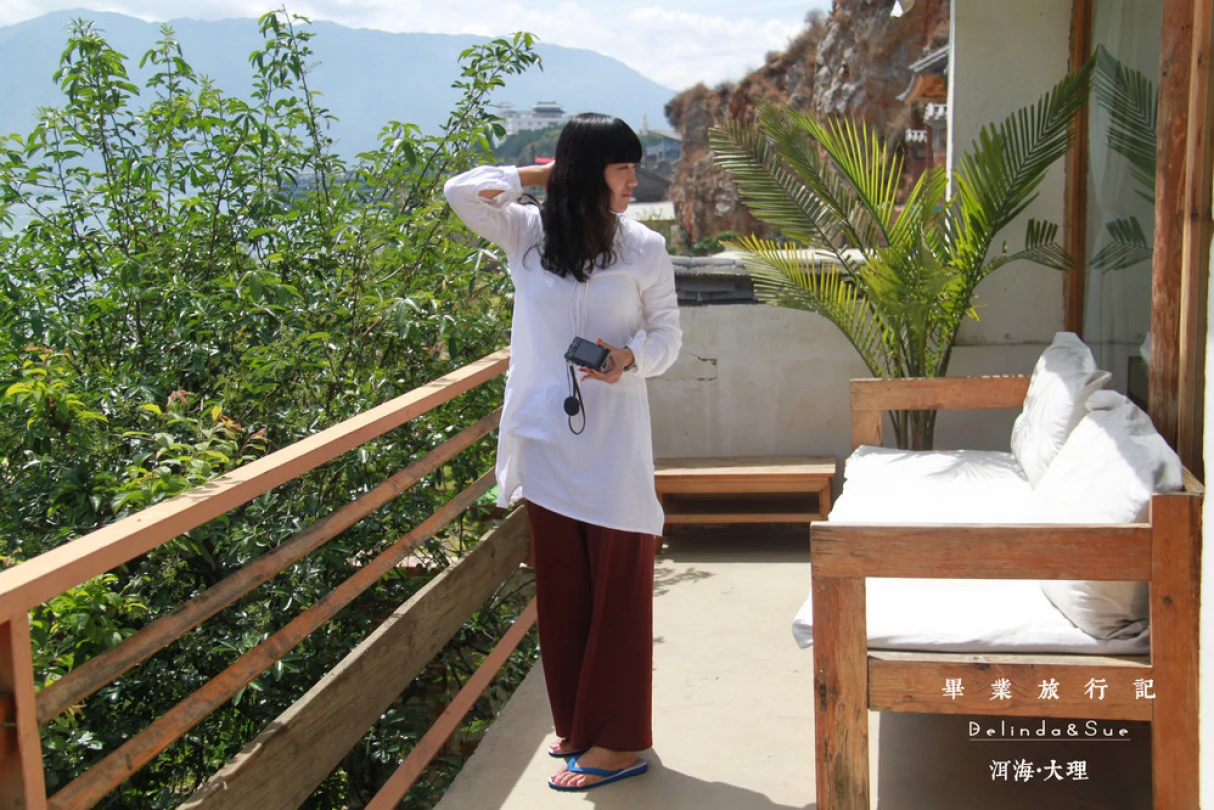
Two Girls' Graduation Trip: Dali and Shuanglang – A Poetic Farewell to Mountains and Sea
Two Girls' Graduation Trip: Dali and Shuanglang – A Poetic Farewell to Mountains and Sea Preface: Catching the Tail of Youth, Heading South During our senior year of college, my roommate and I – two girls studying in Beijing – decided to bid farewell to…
Continue reading...