[Hi Yunnan] You Must Visit Yunnan Someday, Sooner or Later — First Impressions of Lijiang and Dali
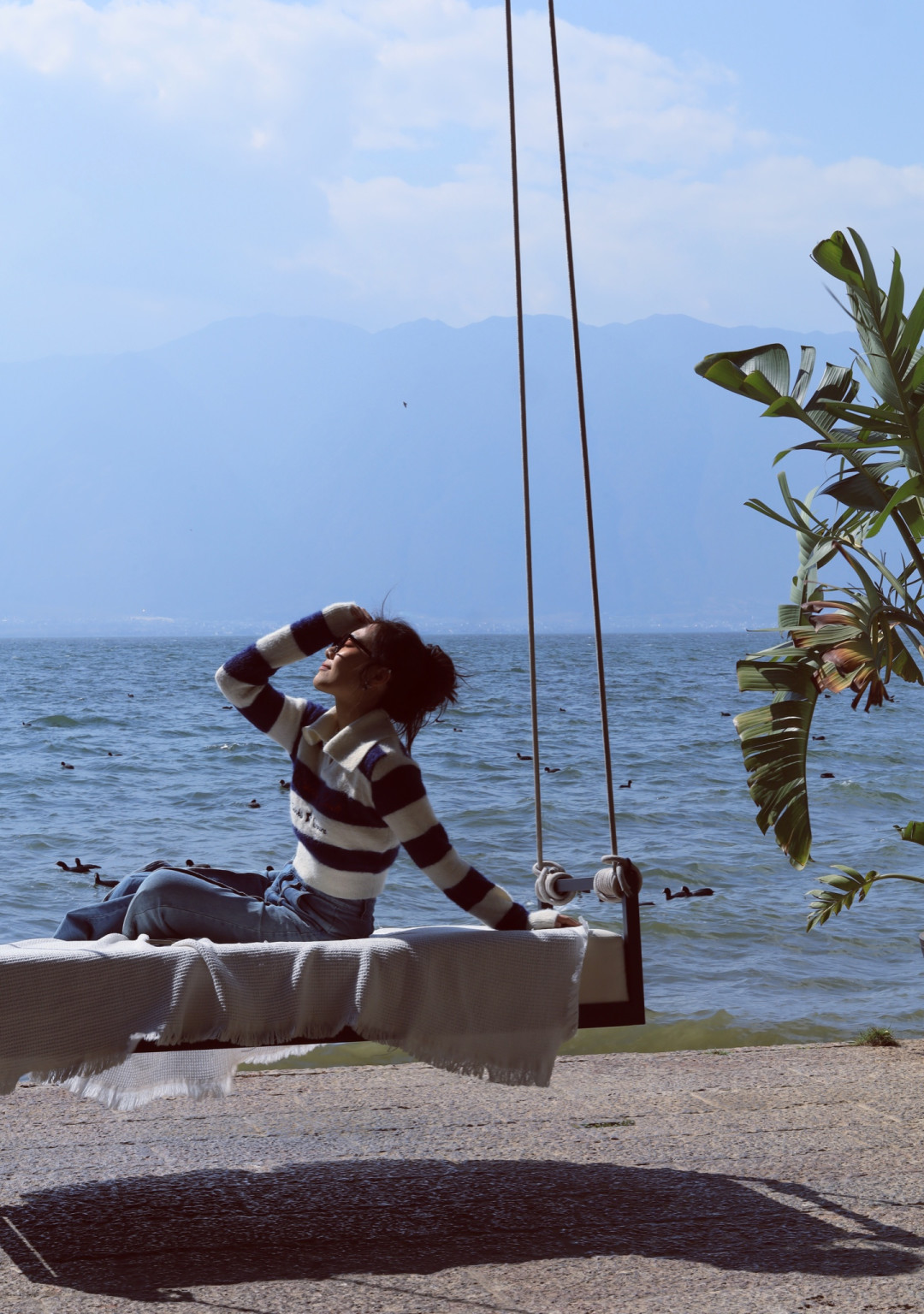
[Hi Yunnan] You Must Visit Yunnan Someday, Sooner or Later — First Impressions of Lijiang and Dali
Some places are like an unsigned love letter, quietly resting in the depths of memory, waiting for the day you suddenly remember them — and then you can no longer resist the urge to go. Yunnan, for me, is exactly that. As the gears of life spin faster and faster, as work fatigue washes over me like a tide, the phrase "go where the wind blows" becomes the gentlest call from deep within my heart.
In early spring 2023, I set foot on this southwestern land. Six days, from Lijiang to Lugu Lake, then on to Dali — just a brief glimpse, yet enough to make me understand why so many people say Yunnan is worth visiting again and again.
About This Trip: A Spontaneous Getaway
On the map of China, that southwestern region had always been a blank space for me. With the gradual reopening after the pandemic, my feet were finally no longer tied down. From the moment the idea popped into my head to booking round-trip tickets, it only took a week. I suppose this is the romance of adulthood — secretly planting a seed of anticipation in the cracks of daily life.
Trip Overview
- Time: Departed February 16, 2023, total of 6 days
- Travelers: Couple
- Mode: Self-driving the entire way
- Route: Shanghai → Lijiang → Lugu Lake → Dali → Lijiang → Shanghai
- Cost per person: Not tracked in detail, mid-range spending
For this trip, I chose Yunnan's two most classic cities — Lijiang and Dali — as the first stop. They're commercially developed, yet they've preserved their most original charm. As for Xishuangbanna and Shangri-La, those will have to wait until next time.
Division of Labor & Gear
- Big Lemon (boyfriend): Photography, videography, route planning, car rental
- Me: Accommodation booking, travel supplies preparation
- Equipment: DJI drone + DJI OSMO + Canon RP
Part One: First Sight of Lijiang — Gentleness Hidden in Simplicity
Taking off from Shanghai Pudong Airport, a few hours later we landed at Lijiang Airport. This airport was much simpler than I'd imagined — walking out of the jet bridge, there was a restroom directly opposite, and next to it, a row of changing rooms equipped with full-length mirrors, hooks, and square stools. This thoughtful detail instantly brought a touch of warmth to weary travelers.
From the jet bridge to the exit, it took only five minutes to walk. The airport's outer area was under renovation. Aside from the blinding sunlight and the mountains looming ahead, my first impression of Lijiang carried a hint of desolation.
The Shenzhou Car Rental office was just to the left of the airport exit. We circled around a bit following the app's address before finding the car. Once we got in, we set the GPS to Lugu Lake and hit the road.
Lijiang → Lugu Lake: Four Hours of Mountain Roads
This entire stretch was winding mountain roads. Driving required intense concentration, and passengers had to watch out for motion sickness. But the scenery along the way was absolutely worth the bumpy ride.
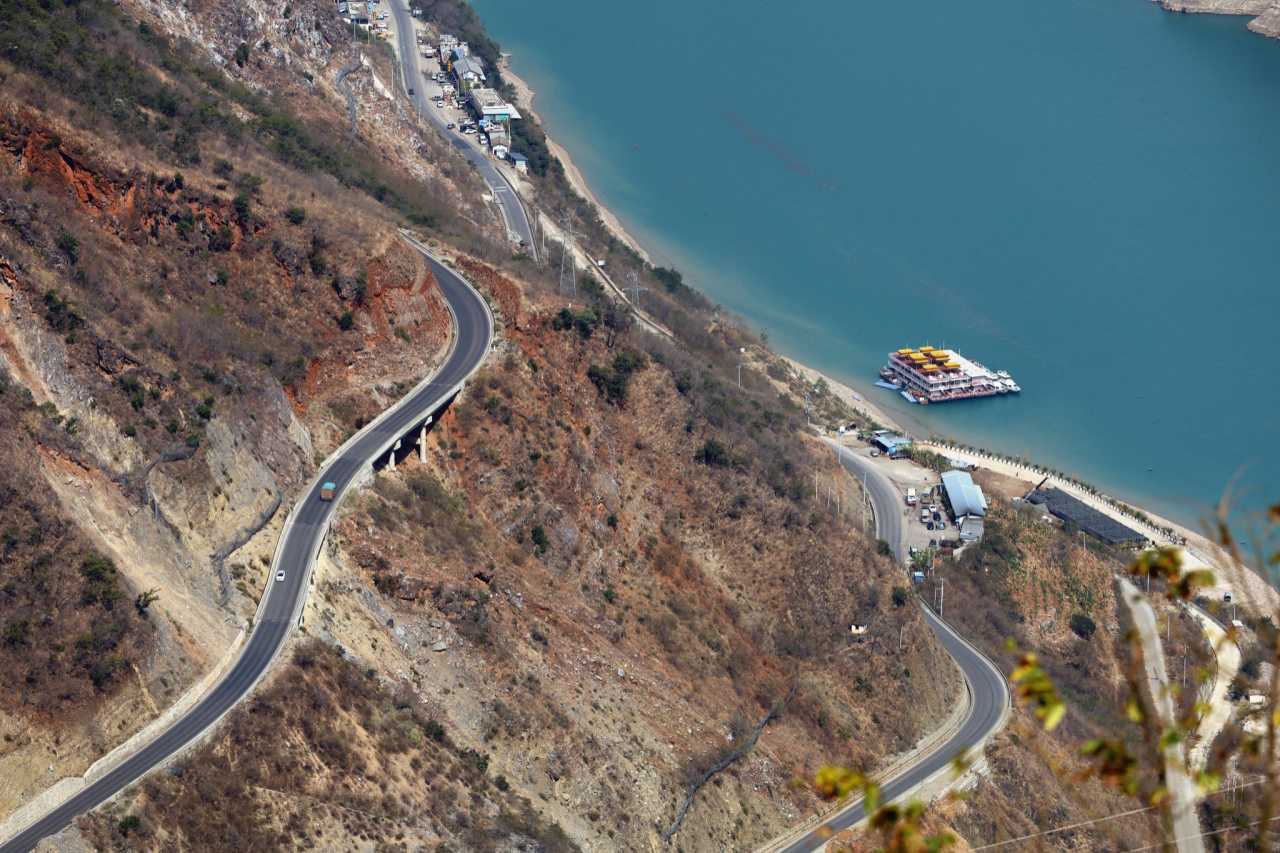
- The Eighteen Bends of Lining (丽宁十八弯): Sharp 180-degree turns one after another, with the Jinsha River spreading out below. These bends made me dizzy the whole way, yet they were too beautiful to close my eyes.
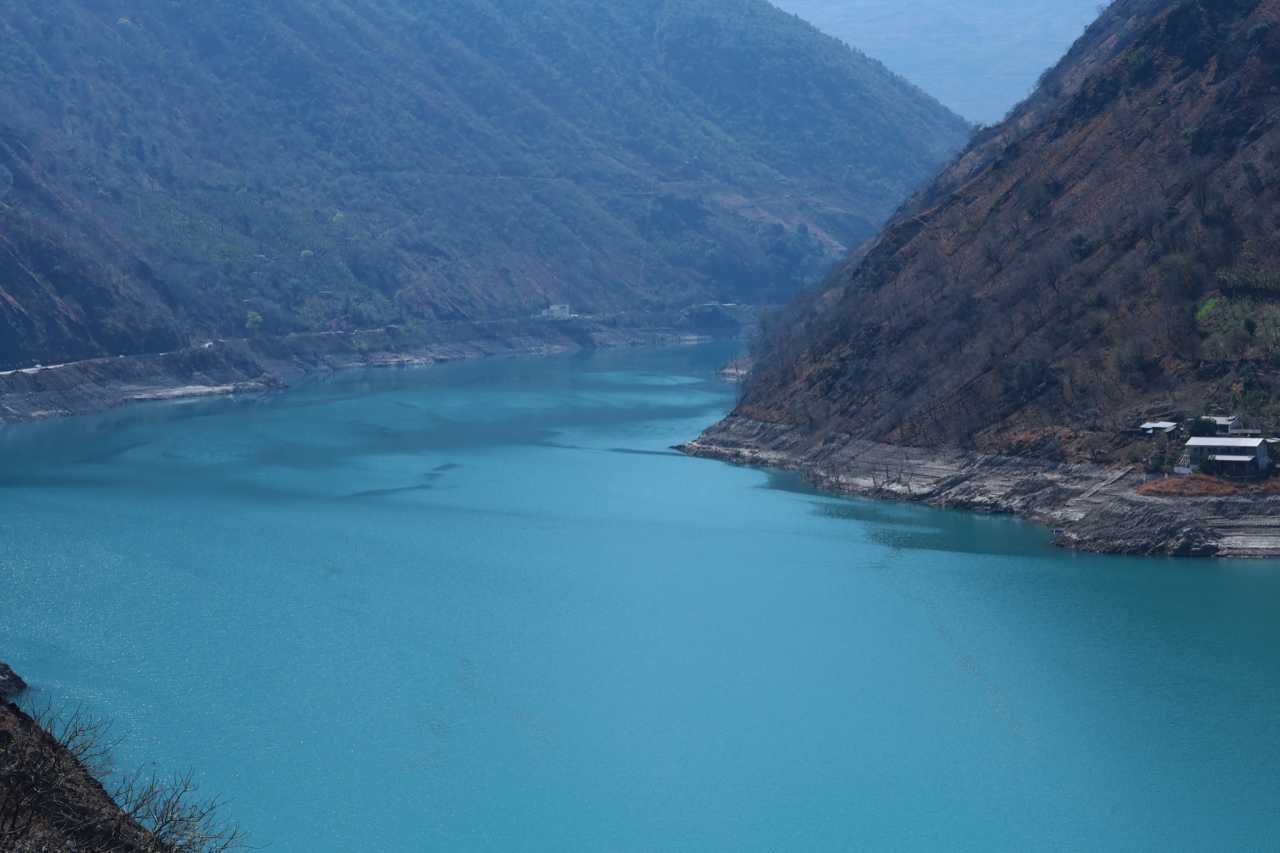
- Jinsha River: The river water was emerald green and crystal clear, looking from afar like a silk ribbon wrapped around the mountains.
Around four in the afternoon, we arrived at the Lugu Lake scenic area. All the guesthouses and attractions around Lugu Lake are contained within the scenic zone. You can enter from either the Lijiang side or the Sichuan side — the two sections are connected.
Ticket Info: Lugu Lake scenic area entrance fee is 100 RMB/person. Booking online in advance gets you 70 RMB/person.
Part Two: Lugu Lake — A Symphony of Morning Mist and Starry Skies
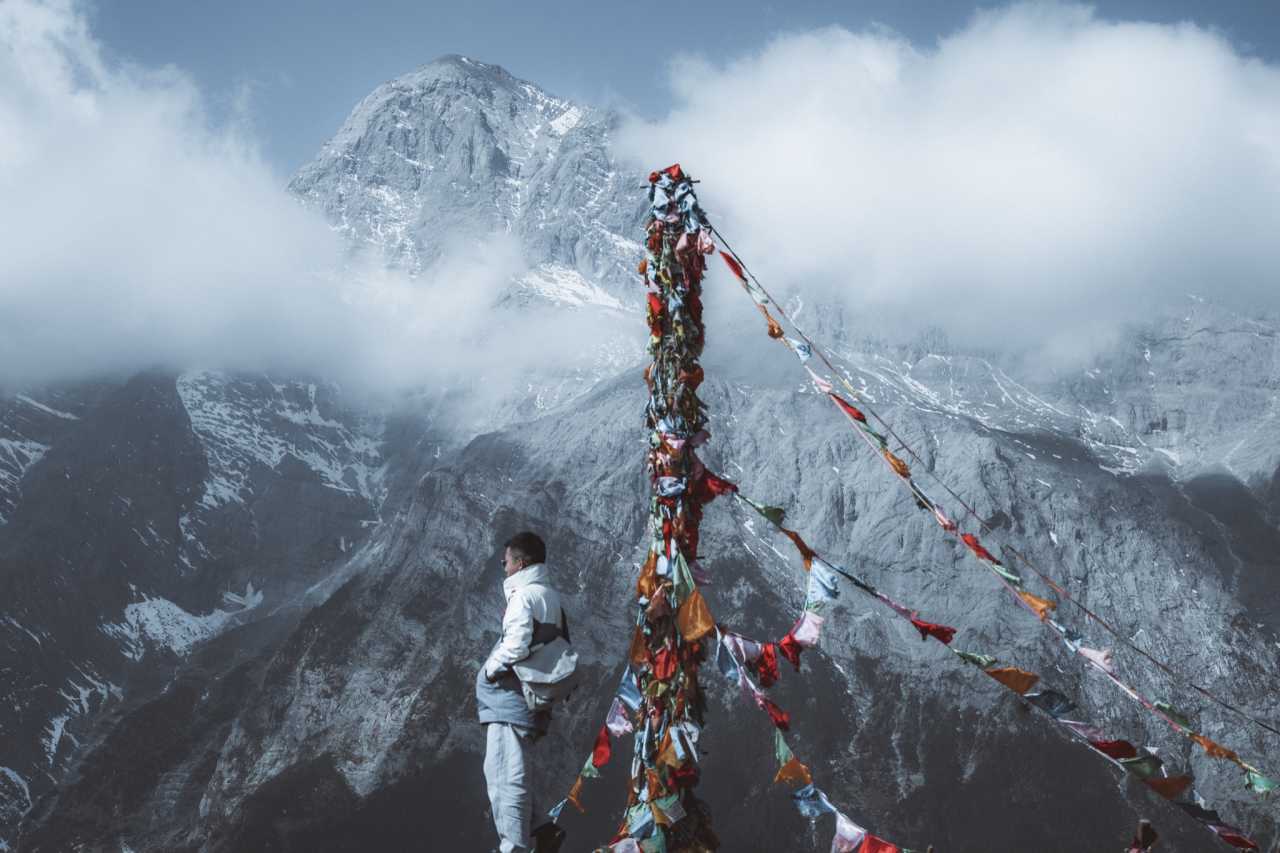
Our room was on the third floor. I dragged my dizzy head and collapsed directly onto the big bed facing Lugu Lake. Yunnan has long daylight hours, so we could still catch the tail end of sunset. On the bedside table sat the warm milk Big Lemon had just heated up.
February at Lugu Lake had huge temperature swings. We followed the path behind the guesthouse to the main street and picked a steam fish restaurant — great value for money. The staff were all grandmothers, probably a family-run operation. When they saw me filming, they enthusiastically pointed out which parts and side dishes were the best.
There weren't many streetlights behind the guesthouse at night. Looking up, the sky was filled with stars. Big Lemon set up his tripod and captured the "ring of faith" photo he'd been dreaming of.
Clockwise Circuit of the Lake: 70 Kilometers of Poetry
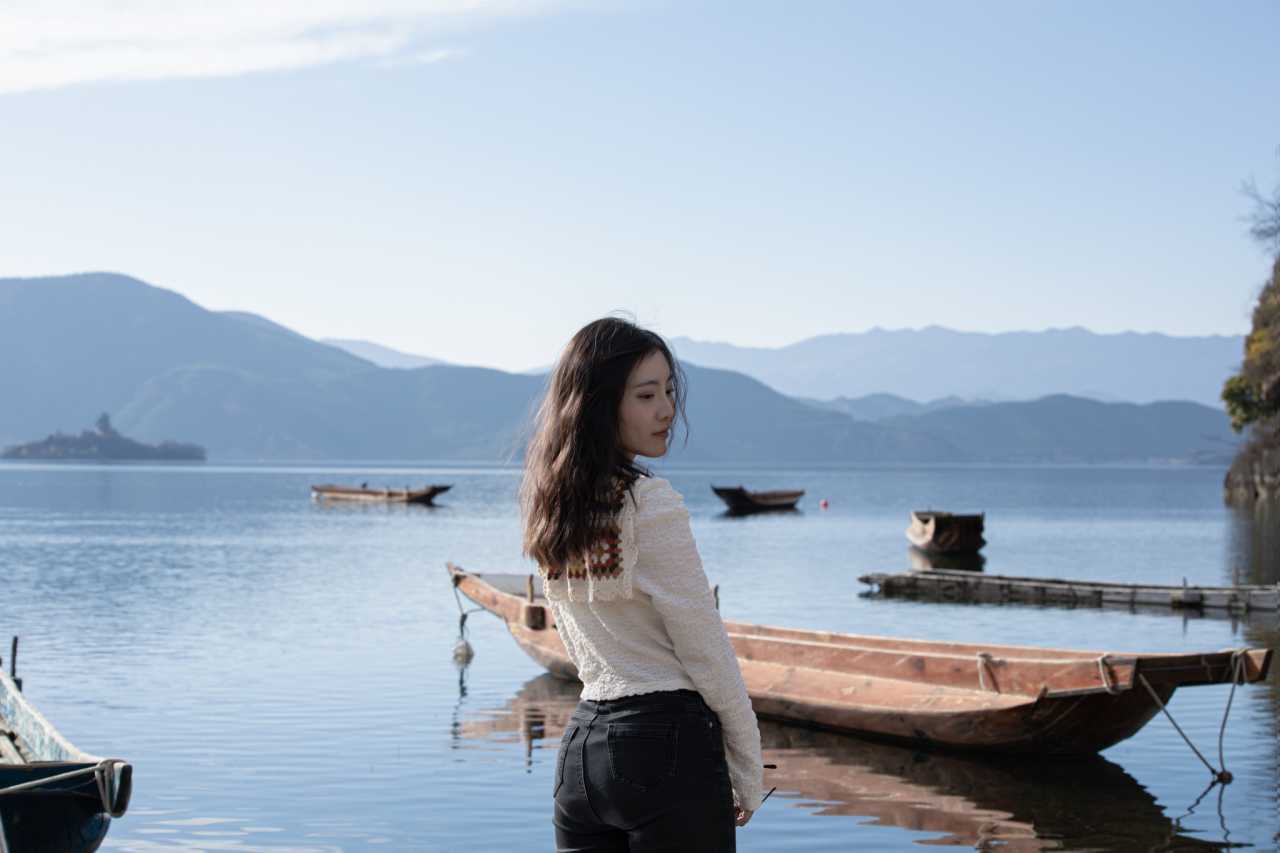
Lugu Lake covers about 48 square kilometers. A full loop around the lake is over 70 kilometers — stopping and starting, a whole day passes. It's Yunnan's highest-altitude lake, surrounded by连绵 mountains embracing its clear waters. The Mosuo people have lived here for generations. Morning mist, sunset clouds, the tranquil lake surface, the mysterious walking marriage — these elements make Lugu Lake irresistibly attractive to every outsider.
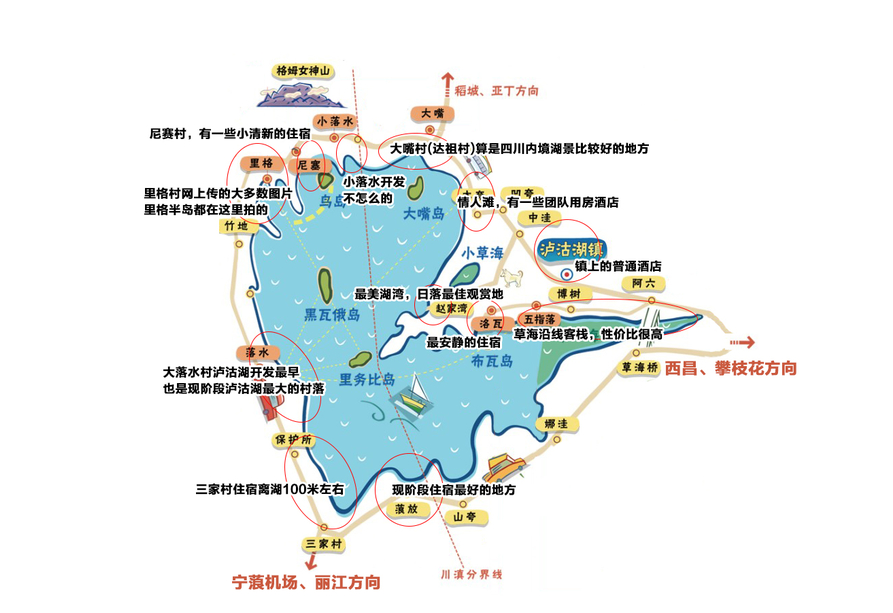
Full day lake circuit, about 8 hours of driving. We started from Daluoshui Village, one of the earlier developed villages on Lugu Lake, relatively mature and a good starting point for the loop.
Lover's Beach (情人滩)
Lugu Lake has two Lover's Beaches — one on the Yunnan side and one on the Sichuan side. The Yunnan side is near the Hongyazi viewing platform, relatively quiet, with a few photogenic trees scattered around — great for photos.
Lige Peninsula (里格半岛)
This is Lugu Lake's largest peninsula, surrounded by water on three sides, backed by Gemu Goddess Mountain. From the viewing platform, you can walk all the way down to the center of the lake, with ever-changing scenery.
Xiaoluoshui Village (小洛水)
Gemu Goddess Mountain is the highest peak among the mountains around Lugu Lake, a place where the Mosuo people hold their mountain-worship festival. Xiaoluoshui Village sits at the foot of the goddess mountain — a historic Mosuo village. Many pig-trough boats are parked by the lakeshore, and there's almost no one around, making it perfect for photos.
Luyuan Cliff (泸源崖)
A cliff covered with prayer flags, offering a panoramic view of Lugu Lake. You can also see free-ranging sheep along the roadside.
Dazu Lover's Beach (达祖情人滩)
Dazu Village is a Naxi settlement. There are many inns and restaurants along the road, and it's also the starting point for the route to Daocheng Yading.
Goddess Bay (女神湾)
A bay directly facing Goddess Mountain, an excellent spot for watching sunset. We arrived too early and didn't catch the sunset, but we gained a refreshing tranquility instead.
The Walking Marriage Bridge and Grass Sea (走婚桥与草海)
The Walking Marriage Bridge sits on the Grass Sea at the southeast corner of Lugu Lake. It's a wooden bridge about 300 meters long, carrying the unique Mosuo tradition of "men don't marry, women don't wed." The bridge has been renovated. When a gentle breeze blows, the pig-trough boats sway among the reeds. The Grass Sea is covered with reeds and water plants in autumn and winter, with no shelter around — the wind is strong.
Part Three: Goodbye Again to Lijiang — The Unexpected Surprises of Dragon Girl Lake and Wenhai
After completing the lake circuit, it was already dark. Right across from our guesthouse was a highly-rated pork rib and chicken restaurant within walking distance. The staff were very welcoming. During meal times when it was busy, they'd still go to each table to ask if the food was to your liking and recommend local ways of eating.
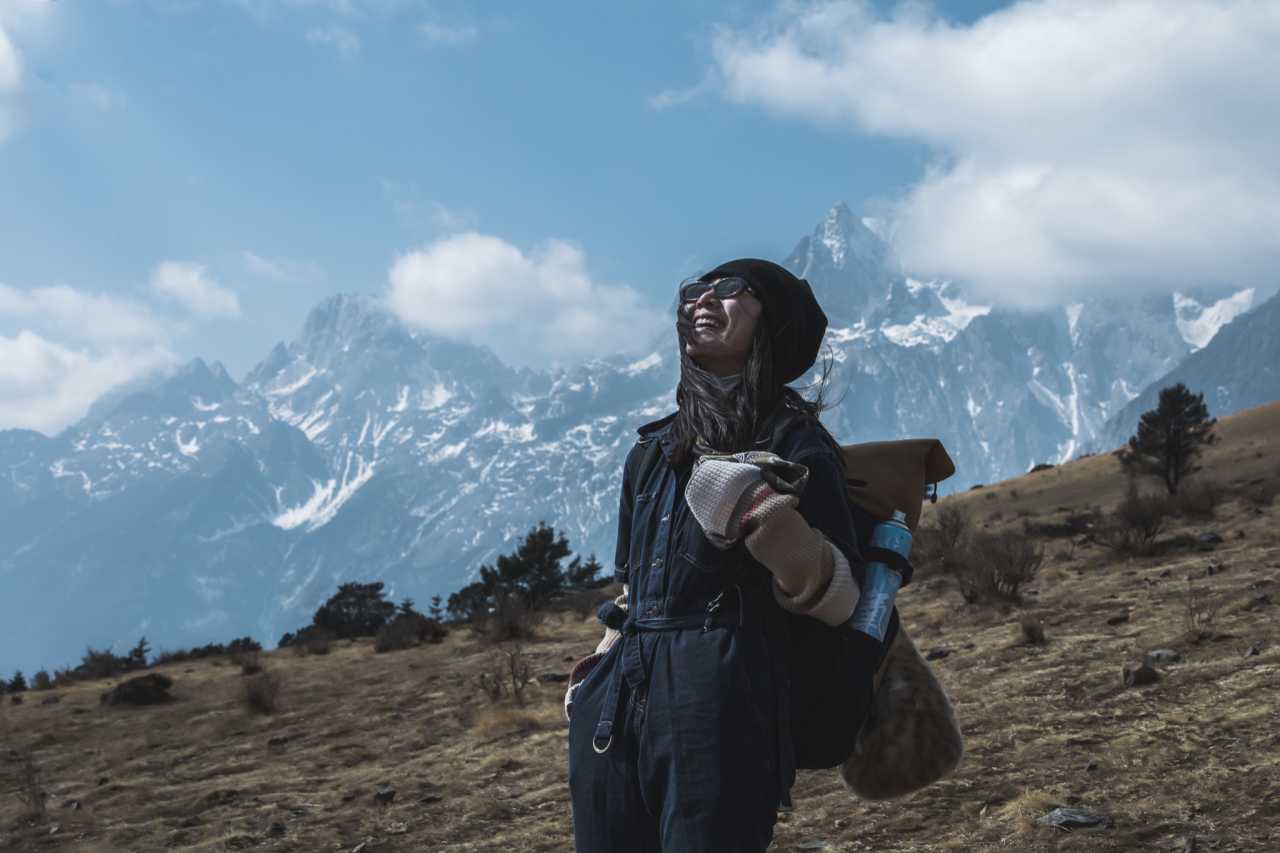
That night, I deliberately didn't close the curtains, just so I could be woken up again the next morning by sunlight and mist.
Breakfast switched to traditional steamed buns and porridge — even though rice noodles are delicious, something different brings freshness.
We set out close to noon, driving back to Lijiang along the Jinsha River. On the way, we took a detour to Dragon Girl Lake and Wenhai — and it was well worth it.
Dragon Girl Lake (龙女湖): Heidi's Grandfather's Meadow
It took about four hours to drive from Lugu Lake to Dragon Girl Lake, all mountain roads with occasional rockfall warnings. As we approached Dragon Girl Lake, we accidentally spotted a campsite — backed by snow mountains, facing a meadow. But the season wasn't right, and the grass was still withered and yellow.
Self-driving tip: Just search "Dragon Girl Lake Meadow" on your GPS. The last section was about 20 minutes of gravel road, extremely bumpy — we could only drive at about 20 km/h.
Dragon Girl Lake itself isn't large and is fenced off. Villagers run horse-riding businesses here. But the hills, gullies, and green trees in the meadow made the frame look like a scene from Heidi.
Wenhai (文海): A High-Altitude Peaceful Wetland
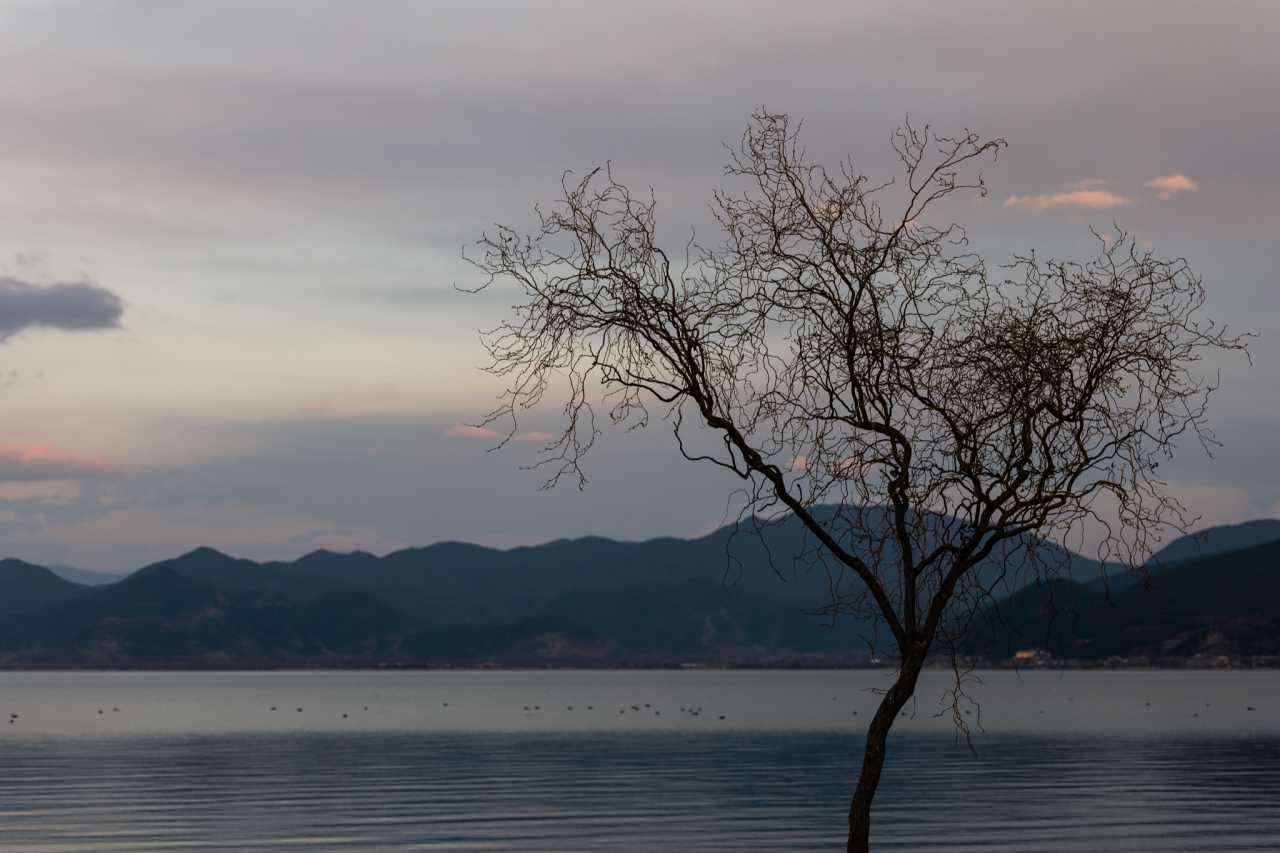
From Dragon Girl Lake to Wenhai was about an hour's drive, also mountain roads. Wenhai is a wetland beneath high-altitude snow mountains — fresh, natural, and very quiet. There were plenty of cow pats on the ground, but that didn't diminish the beauty as the sun gradually set. I recommend coming here if you have time; but if you're tight on schedule, it's not worth the special detour.
Part Four: Shuhe Ancient Town — Another Rhythm of Lijiang
After Wenhai, we headed straight back to our accommodation in Shuhe Ancient Town. Cars can only park at the entrance lot, charged by the hour. Entering the ancient town requires walking. The innkeeper specifically sent a小哥 to help with our luggage, so we went light and explored the town first.
Here, we tried a local specialty dish — 水性杨花 (water spinach with a poetic name), refreshing and worth trying.
Part Five: Jade Dragon Snow Mountain — A "Rogue Route" Hike
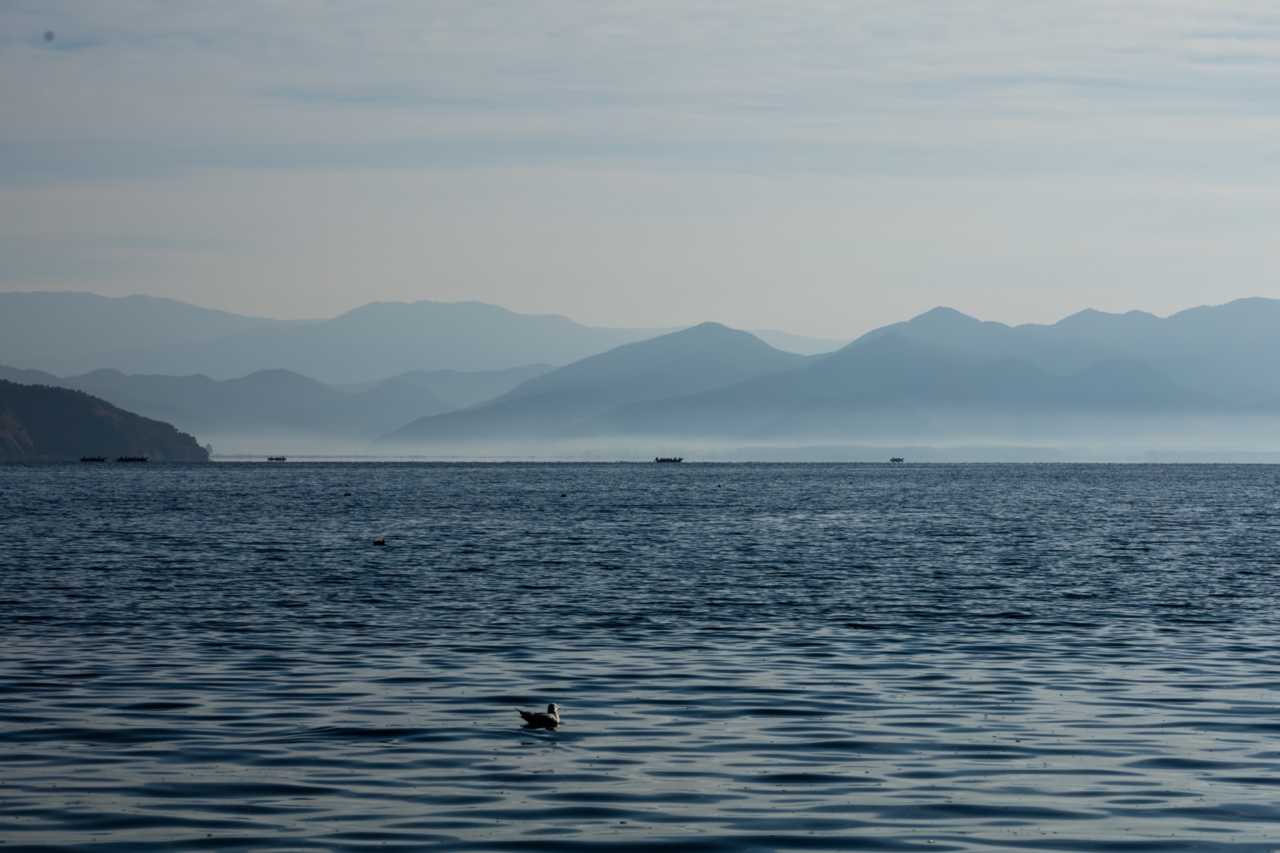
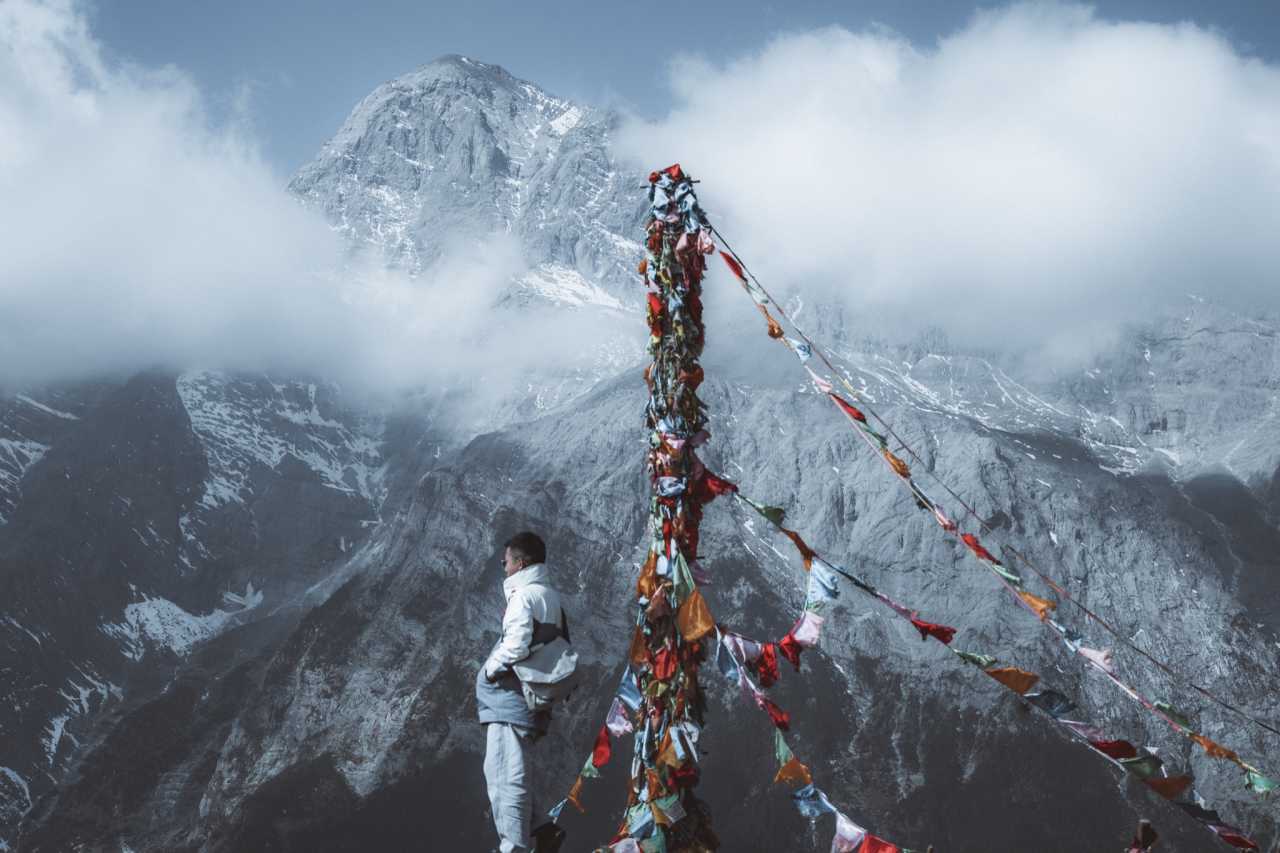
Jade Dragon Snow Mountain is a sacred mountain in the hearts of the Naxi people, nearly 5,600 meters high, formed by thirteen connected snow-capped peaks. We skipped the standard Glacier Park and Blue Moon Valley and chose a "rogue route" — hiking up to Yak Meadow, then going to Spruce Meadow.
Pre-Trip Preparation
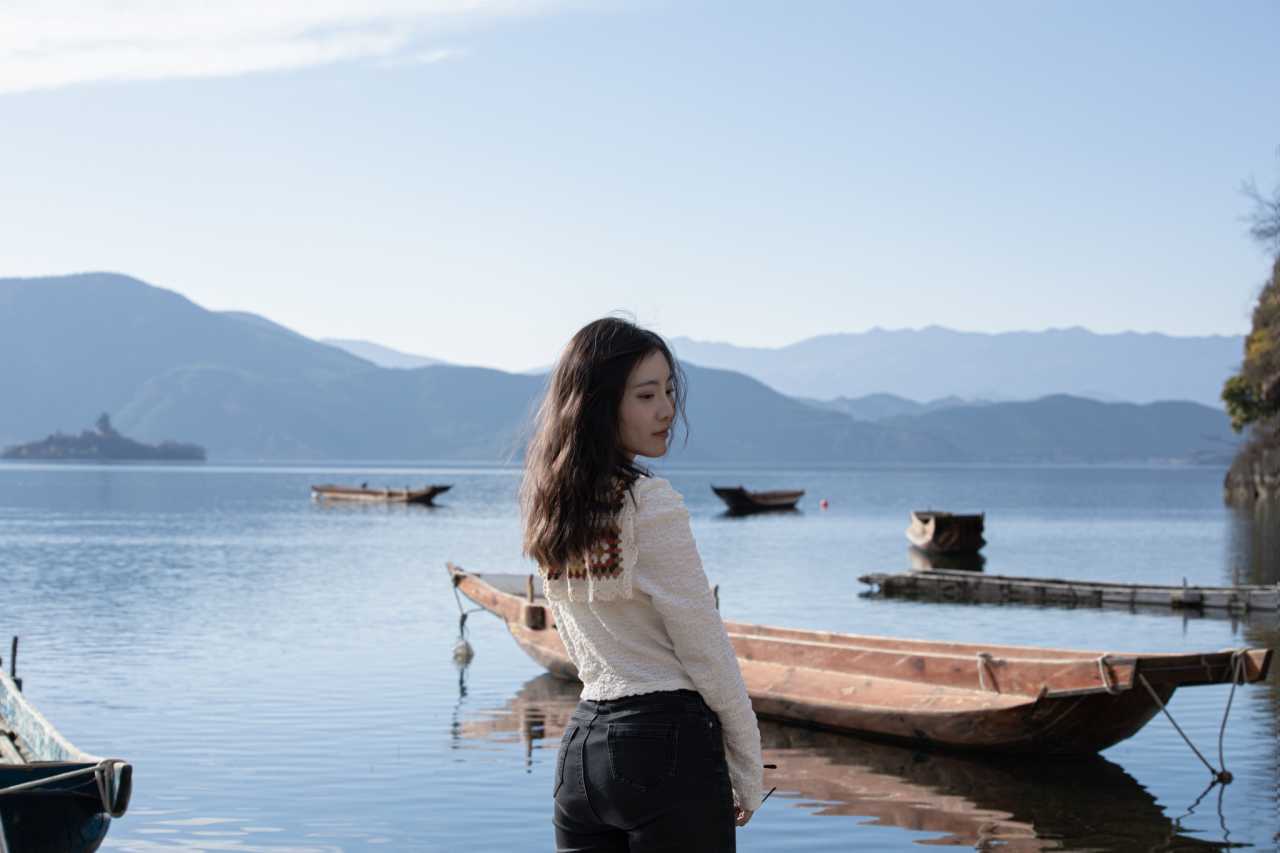
- Clothing: The three-layer method — windbreaker, hat, and sunglasses are absolute essentials. It's windy at the summit or Yak Meadow; Spruce Meadow and Blue Moon Valley are at lower altitudes, even a bit warm at noon.
- Oxygen tanks: If you're going to Glacier Park (elevation 4,680 meters), it's best to buy oxygen tanks in advance. They're much cheaper in the old town than on-site.
- Tickets:
- Mountain entrance fee: 100 RMB/person
- Scenic area shuttle bus: 20 RMB/person
- Glacier Park cable car (big cable car): 140 RMB/person
- Yak Meadow cable car: 65 RMB/person
- Spruce Meadow cable car: 60 RMB/person
- Blue Moon Valley electric cart: 50 RMB (not recommended)
- Ticket purchase channel: Except for the mountain entrance fee, all other tickets need to be purchased on the "Lijiang Tourism" WeChat account. Big cable car tickets require setting an alarm to snatch — tickets go on sale at 8 PM every night. It's best to pre-fill your information.
Our Rogue Route
We woke up at 4 AM, arrived at the mountain entrance at 5:30, only to be told it wouldn't open until 6:30. So we went to rest at nearby Dongba Valley — also a great spot for watching the "sunshine on golden mountain" phenomenon.
At exactly 6:30, we entered the mountain. After passing the visitor center fork, our car was the only one on the entire road. The further we drove, the more we doubted ourselves — until we saw light in the distance, and then we felt reassured.
Hiking route: Walk back a few dozen meters from the parking lot. There's a big rock by the roadside — start climbing from here. The first 15 minutes are steep with a dirt path that's hard to walk on. After that, it opens up, and you can follow the cable car route upward.
From the parking lot to Yak Meadow, if you hike fast, it takes about an hour. We were drenched in sweat, and Big Lemon had sucked down half an oxygen tank. There wasn't much scenery along the way, but when we reached the summit, the first batch of cable car riders hadn't even arrived yet — the entire Yak Meadow belonged to just the two of us.
Yak Meadow was far more magnificent than I'd imagined. The snow mountain was right in front of us, with smooth slopes and trees in harmonious colors. Words felt so inadequate at this moment.
We spent over three hours at Yak Meadow before reluctantly taking the cable car down. Then we went to Spruce Meadow, which was relatively flat — a combination of meadows and forests. Many couples were taking wedding photos on the grass. Sitting on a wooden bench watching them laugh and play gave me a sense of being on the other side.
We ended up at Blue Moon Valley by accident — beautiful, but it always reminded me of Jiuzhaigou. We stayed for ten minutes and left.
Back at the guesthouse to rest, then went to Lijiang Old Town for dinner. The hustle and bustle here was beyond expectation — every street was packed with people. On the way there, our Bai ethnic driver, upon hearing we were from out of town, immediately switched on Bai festive music and enthusiastically introduced his culture.
Part Six: Baisha Ancient Town — A Corner Where Time Stands Still
On the second-to-last day of the trip, we were preparing to head to Dali. After checking out in the morning, we first drove to Baisha Ancient Town to check off Lijiang's three ancient towns.
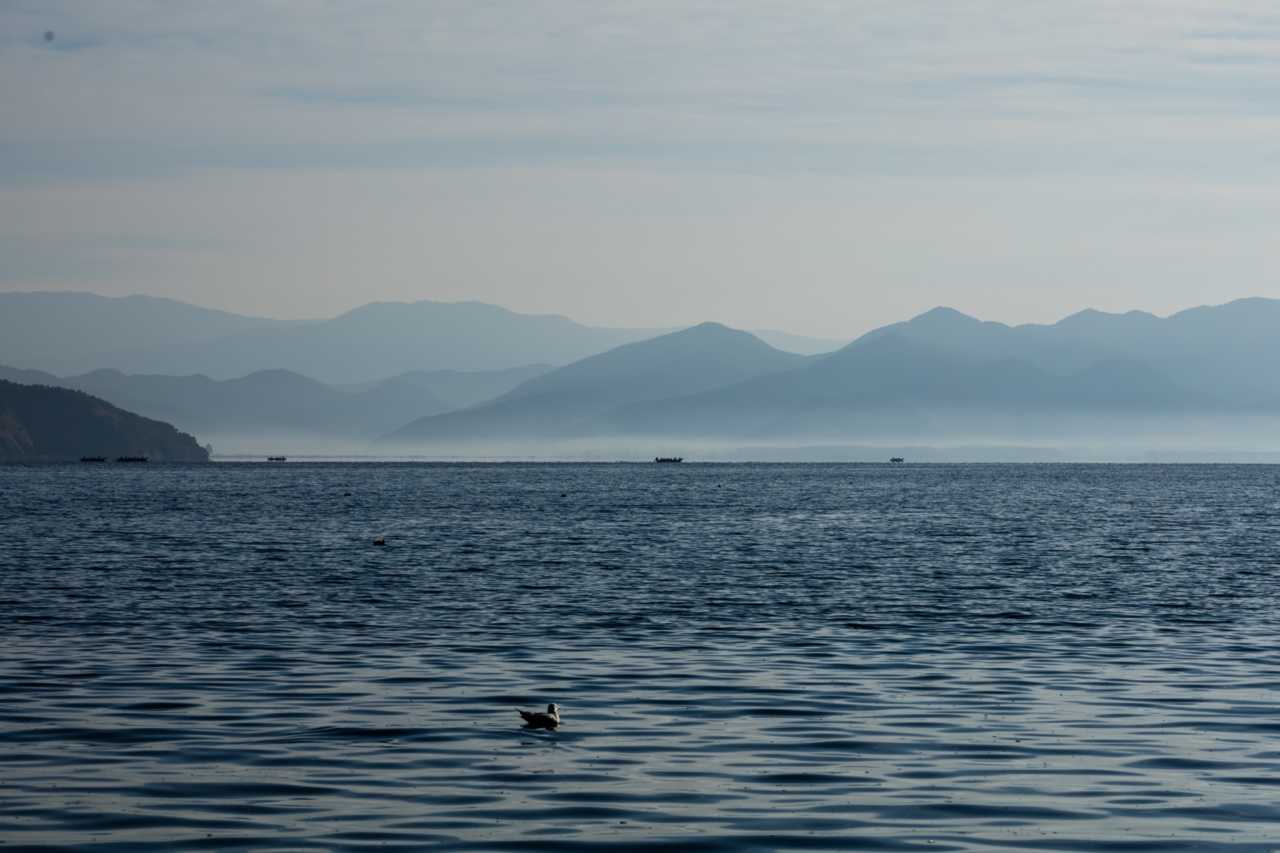
Parking info: There's a dedicated parking lot, charging 2 RMB/hour — a price that feels like it's from another era.
Baisha Ancient Town isn't large, and the surrounding development is relatively lagging. Along the street, there are many vendors selling fruit, yogurt, and vegetables. A ten-minute walk brings you to the main gate, with main streets on both sides. One side has a perfect photo spot — a second-floor café where you can frame the snow mountain with the ancient town. The other side is mainly for leisure and entertainment, but maybe we came at the wrong time — a third of the shops were closed.
The small shops in Baisha Ancient Town are worth browsing — very unique.
Part Seven: Go Where the Wind Blows — Dali's Gentleness
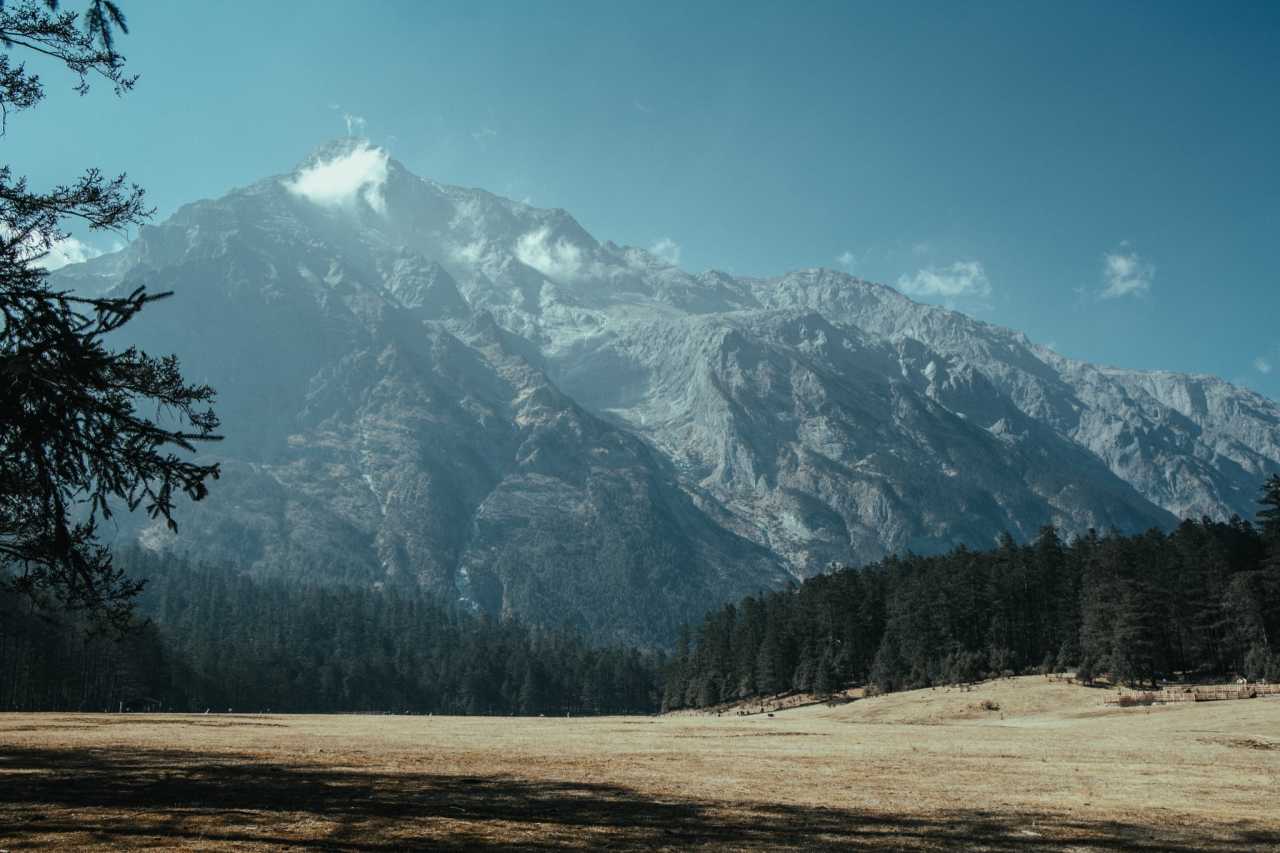
From Baisha Ancient Town to Dali, it's about a 1.5-hour drive. The closer we got to Dali, the more beautiful the scenery became. The shimmering light of Erhai Lake was already faintly visible.
Qianli Zou Danqi Guesthouse (千里走单骑民宿)
The guesthouse doesn't have its own parking lot — you need to rent a public parking space, accessed through a very narrow tunnel. The host sends detailed instructions with photos in advance. It's about a 5-minute walk from the parking lot to the guesthouse, passing through a cultural street.
Guesthouse highlights: Push open the door and you're greeted by the picturesque scenery of Erhai Lake. The bathrobes are soft, disposable face towels are provided, and the mini-fridge has cold drinks and cookies. Afternoon tea and good-night milk are offered. Afternoon tea is served on the waterfront platform, with desserts and drinks that look as good as they taste.
Only downside: Slightly few power outlets.
Counterclockwise Circuit of Erhai Lake
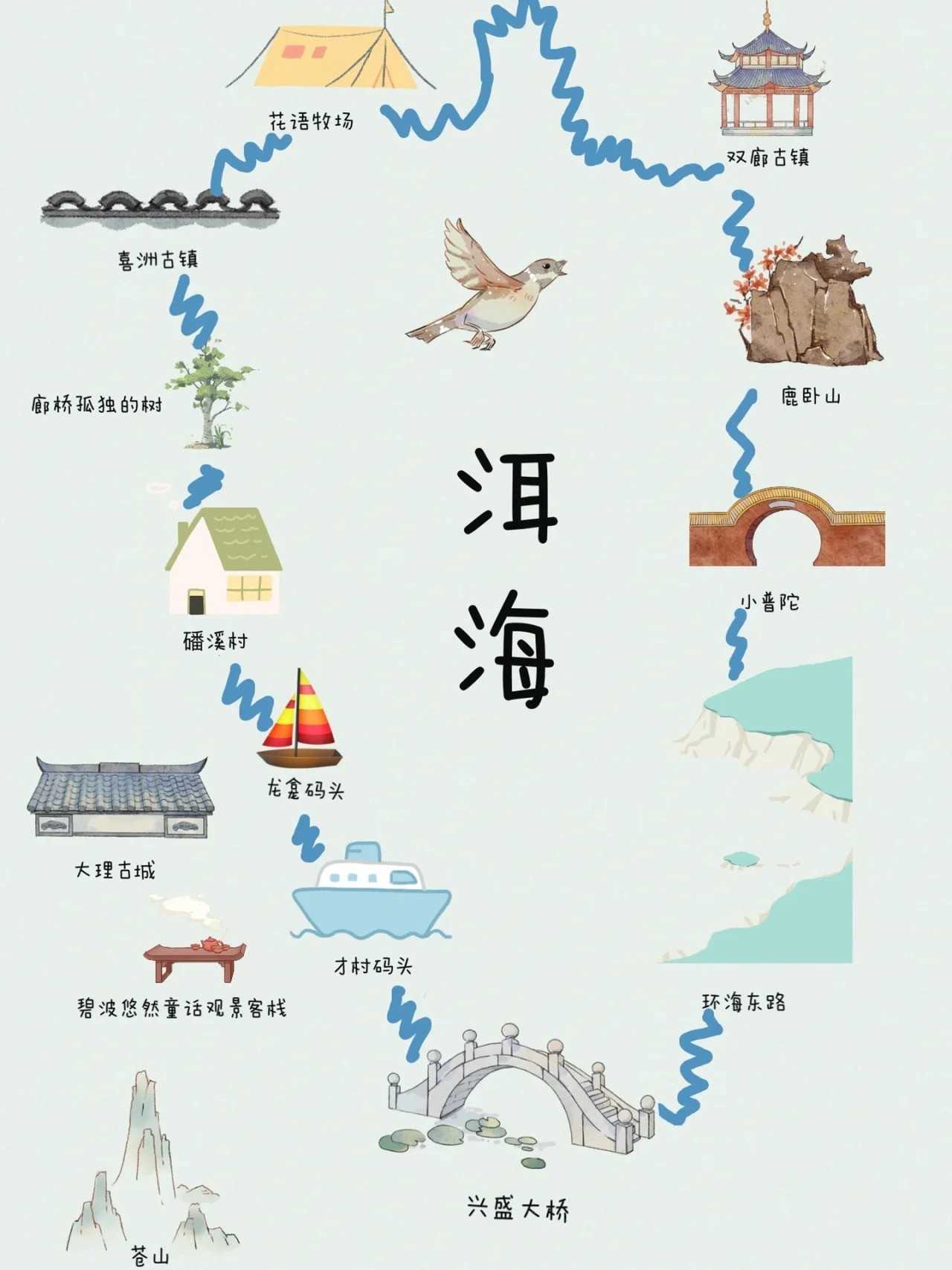
Our guesthouse was in Shuanglang Ancient Town — a somewhat awkward location. Whether clockwise or counterclockwise, the next day would involve backtracking. We chose the counterclockwise route, which had more attractions.
Route: Shuanglang Ancient Town → Xizhou Ancient Town (1 hour drive) → S-bend (30 minutes) → Longkan Pier
Xizhou Ancient Town
I'd been wanting to visit ever since watching Meet Yourself (去有风的地方). With its ancient architecture and streets, and rice paddies swaying in the wind, it can soothe your anxiety for a while. If you have enough time, you could spend an entire afternoon here.
Local snacks: - Grilled Erkuai (烤饵块) (highly recommended!): Incredible value for money. As we were leaving, near the parking lot, I saw an elderly grandmother unhurriedly preparing ingredients. Five RMB each. I only got to eat it in the car, and I immediately wanted to turn around and buy two more. - Po Su Baba (破酥粑粑): You'll see these everywhere along the street. The two shops with the longest lines in the center of town are the most popular. But for me, it was a bit oily. Worth trying, but not my top recommendation.
Parking tip: I suggest parking at Sifang Street parking lot. Even though it seems village-run, it has an official parking sign. Entry costs 10-20 RMB.
The S-bend
The famous Panxi S-bend is actually just a walkway with Erhai Lake on the left and guesthouses on the right. It's fine for a stroll, but going specifically for photos falls a bit short — too many people, it's hard to get a shot without anyone in it. Along the Erhai Lake ecological corridor, you should be able to find plenty of similar scenery.
Parking tip: The lot marked "S-bend" is actually far from the S-bend itself. People will try to persuade you to take a shuttle. You can choose a nearby resident's private parking space — same price, but no receipt or proof of payment.
Longkan Pier (龙龛码头)
This is a great spot for watching sunrise. We arrived nearby in the evening, hoping to catch sunset, but we came too late. It was already pitch dark, and the streetlights were off. We walked a short distance and turned back.
Part Eight: Farewell from Erhai Lake — The Final Gentleness
The morning sunlight was breathtakingly beautiful. I went downstairs for breakfast — the familiar Yunnan Cross-Bridge Rice Noodles, with condiments you could add anytime.
Before checking out, we happened to meet the photographer we'd booked. Even though we hadn't changed outfits, we took a few photos together — these were the rare proper couple shots of the entire trip.
For our last morning in Dali, we chose a clockwise farewell route, driving along Erhai Lake.
Route: Shuanglang Ancient Town → Wenbi Village (30 minutes drive) → Ideal State (20 minutes drive)
Shuanglang Ancient Town
The ancient town is spacious and can meet all your needs for food, clothing, and daily necessities. Its edge meets Erhai Lake, and the sunlight was just right. Before leaving, I bought two bags of Yunnan coffee. The shop owner blended them according to my preferences.
Wenbi Village (文笔村)
On the way to Wenbi Village, the sea and blue sky accompanied us. The village itself had been taken over by cafés and wedding photography studios. Cars had to be parked quite far away, then we walked down. The rainbow-colored walkway, Erhai Lake in the background, and the Tyndall effect in the distance — we were the most insignificant presence in this scene.
Ideal State (理想邦)
I thought it was an off-the-beaten-path spot, but the GPS showed a sea of red ahead — private cars were parked all along the road, and tour buses kept dropping off groups.
Ideal State is a man-made architectural complex. The top floor was occupied by photography companies — you had to spend money to go up. The overall style is Greek: smooth lines, rounded curves. The lower floors were earthy yellow, transitioning to blue-and-white Greek colors higher up.
By the time we finished, it was nearly 4:30 PM. Time to head back. The return drive to Lijiang Airport took 1.5 hours. The car return location was right at the airport — simple process, then straight to the terminal.
Final Thoughts: Yunnan, Like an Old Friend You Haven't Seen in Years
Before setting out, I always thought Yunnan was a place that required a lot of preparation to visit. But once I actually came, I realized it's like an old friend you haven't seen in years — quietly waiting for you, no need for fancy clothes, no need for complicated procedures, not even a single word of greeting.
My first impression of Yunnan is the changing room at Lijiang Airport, the morning mist and starry skies of Lugu Lake, the grandeur and wildness of Jade Dragon Snow Mountain, and the sunlight and gentle breeze along Dali's Erhai Lake.
The next time we meet, it should be in Xishuangbanna or Shangri-La.
Accommodation Recommendations
I was so satisfied with the three accommodations I chose for this trip. Highly recommended:
Lugu Lake · Yanzuo Lake · Hanyue Huxi Room (晏坐湖·瀚月湖栖房) - Price: 1,160 RMB / Hanyue Huxi king bed room - Location: Daluoshui Village, relatively lively with many restaurants nearby - Convenience: Parking spot right at the door, several restaurants to choose from across the street - Rating: ⭐⭐⭐⭐⭐
Shuhe Ancient Town Accommodation: Located within the ancient town. Park at the entrance lot, the innkeeper sends a小哥 to handle luggage, so you can explore the town hands-free.
Shuanglang · Qianli Zou Danqi Guesthouse (千里走单骑民宿): Push open the door and you're at Erhai Lake. Attentive service, with afternoon tea and good-night milk as highlights.
Yunnan — you must visit someday, sooner or later.
You should also read:
Two Girls' Graduation Trip: Dali and Shuanglang – A Poetic Farewell to Mountains and Sea
Two Girls' Graduation Trip: Dali and Shuanglang – A Poetic Farewell to Mountains and Sea Preface: Catching the Tail of Youth, Heading South During our senior year of college, my roommate and I – two girls studying in Beijing – decided to bid farewell to…
Continue reading...
Cloud Travelogue · Dali of Wind, Flowers, Snow, and Moon: A Three-Day, Two-Night Journey of a Free Spirit
Cloud Travelogue · Dali of Wind, Flowers, Snow, and Moon: A Three-Day, Two-Night Journey of a Free Spirit I am a cultured female foodie with a touch of rogue charm. I slung on my backpack, took my lover's hand, and set off on a spontaneous…
Continue reading...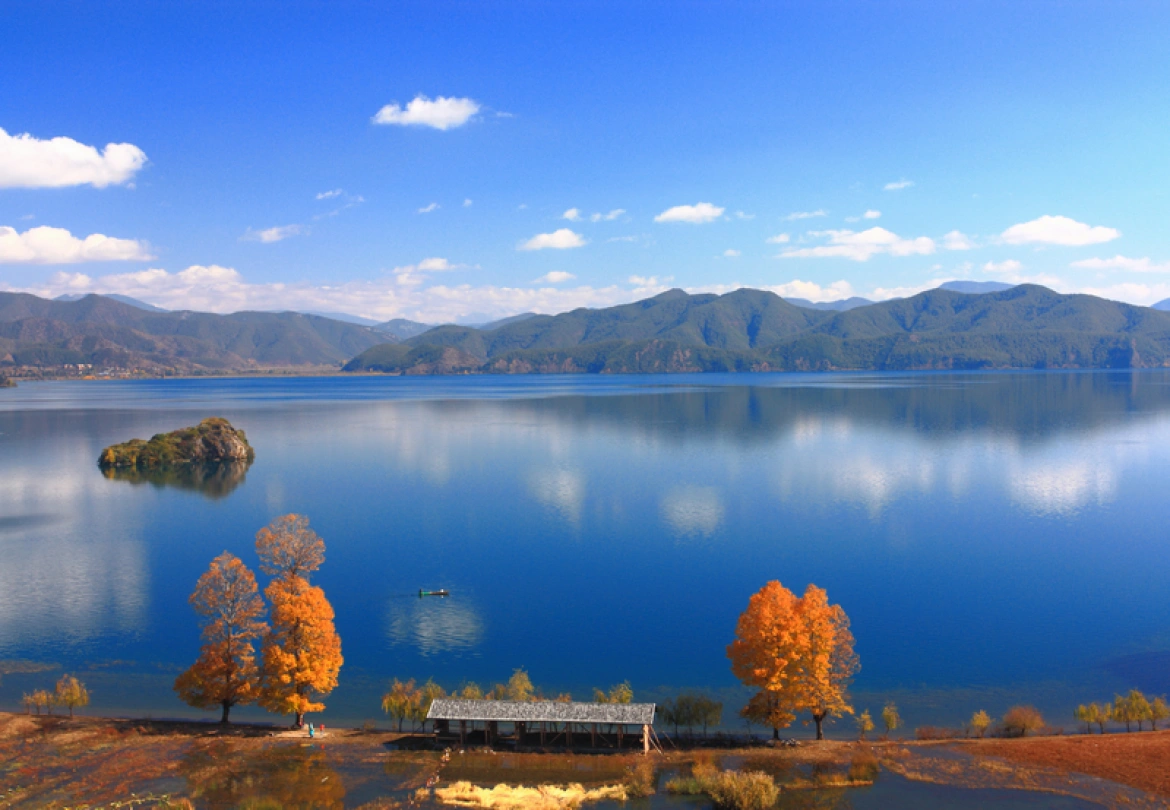
A Spiritual Journey to Lugu Lake in Lijiang: Experiencing the Legend of the Kingdom of Women! (Reproduction and Hotlinking Prohibited)
A Spiritual Journey to Lugu Lake in Lijiang: Experiencing the Legend of the Kingdom of Women! (Reproduction and Hotlinking Prohibited) Off-road自驾, food, hotel and民宿 reviews, Featured Traveler, Tank 300 owner, 200,000 km of self-driving experience. WeChat: y01294987 Ninglang Yi Autonomous County 2010.11.08 · 7 days…
Continue reading...