★Hidden Gem★ A Spontaneous Solo Trip — An Autumn Feast of Maple Leaves and Gourmet Food. [Japan Maple Viewing Guide]
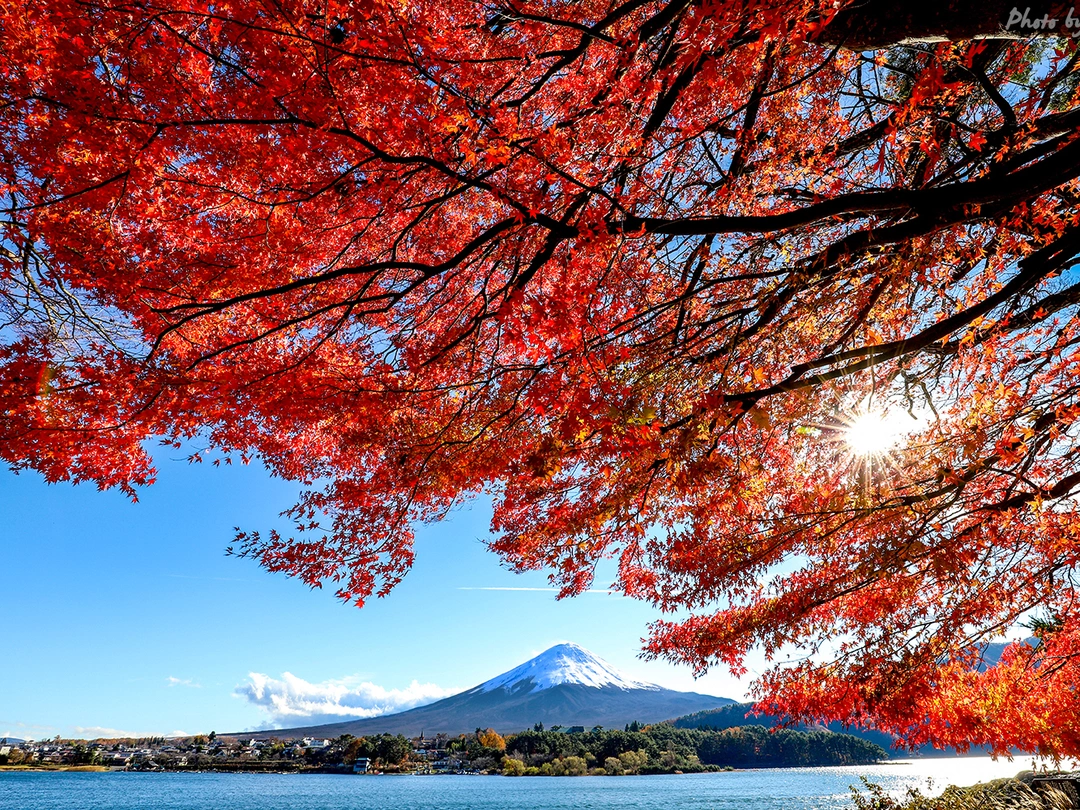
★Hidden Gem★ A Spontaneous Solo Trip — An Autumn Feast of Maple Leaves and Gourmet Food. [Japan Maple Viewing Guide]
Preface: A Whimsical Trip Inspired by Anime
Have you ever been so captivated by an anime that you became obsessed with a particular place? In November 2017, I set foot in Japan for the fourth time, and the trigger for this trip was none other than a Detective Conan movie — The Crimson Love Letter. The maple leaves in Kyoto on screen were a breathtaking crimson. On a whim, I checked the dates and realized late November was peak maple season — and I happened to be able to take time off. So a thought exploded in my mind: Go! A spontaneous solo trip — that's the kind of freedom I love.
This trip lasted 10 days, from Tokyo to Kawaguchiko, then to Kyoto and Aichi Prefecture. The total cost was about 12,000 RMB per person. I greedily tried to cram every famous maple-viewing spot into my itinerary, but what I discovered was this: the beauty of maple leaves goes far beyond just one shade of red. From tender green to golden yellow, from orange-red to deep crimson, layer upon layer — I looked at them for eight straight days and never once felt aesthetic fatigue.
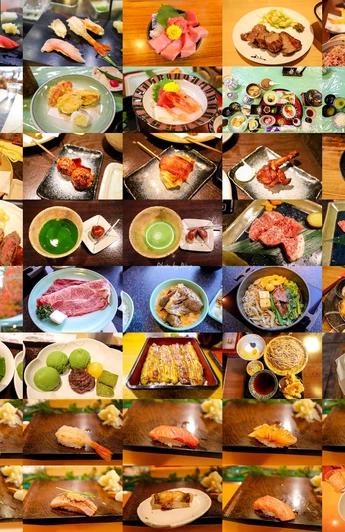
And food has always been an inseparable part of my travels in Japan. I don't chase after expensive Michelin-starred restaurants; instead, I love those small, affordable places brimming with local flavor. Below, I'll rate every restaurant I visited (out of 10; 7 and above are worth a special trip). Remember, this is just my personal taste — take it as a reference.
Part One: Tokyo — A Fleeting Night, Kicking Off with Food

Departure! All Nippon Airways' In-Flight Feast
As always, ANA's seats were spacious, and there were hardly any passengers around me — I could almost lie flat. The in-flight meal was grilled fish. I usually have a bias against grilled fish, thinking it tastes fishy, but this time I was completely won over. The fish was tender and fragrant, with zero fishiness, paired with a cup of Häagen-Dazs ice cream — perfection.
At the moment we crossed the day-night boundary, the view outside the window seemed enchanted, plunging from light into darkness. The sensation was both stunning and magical.
Narita Airport Arrival and JR PASS Tips
I arrived at Narita Airport on time in the evening. Immigration was much more efficient than before — self-service fingerprint scanners handled the pre-processing, and the manual inspection line was almost nonexistent. After exiting customs, turn left to find a row of ATMs that support UnionPay. The Keiyo Bank allows withdrawals of up to 50,000 yen per transaction with a 108 yen fee; the 7-Eleven Bank allows up to 100,000 yen with a 110 yen fee.
There are two places to exchange JR PASS vouchers: the JR East Travel Service Center (open until 19:00) and the ticket office (open until 21:45). Since I arrived late, I could only go to the ticket office. I bought the exchange voucher on Taobao in advance and exchanged it for the actual PASS at the counter. My old trick is to screenshot and print the train schedules I looked up on Ekitan, then hand them directly to the staff for easy seat reservations. But this time, an issue arose — one train's reserved seats were full, so I had to take the non-reserved car. The next day, still uneasy, I went back to reserve a seat on a later train.
From Narita to Tokyo, the most cost-effective option is the Keisei Narita SKY ACCESS line — 1,200 yen, about 50 minutes. Some trains go directly to the Asakusa Line, while others require a transfer at Aoto Station.
Tsukiji: A Midnight Tuna Feast
I chose a hotel near Tsukiji Station — Hotel An Tsukiji. It was a new opening with a special rate of 7,450 yen per night. The location was perfect, and the room was surprisingly beautiful, exceeding my expectations. Dropping my luggage, I headed straight for a late-night eatery.
Sushizanmai Main Store (Rating: 8/10) Open 24 hours. I ordered the five-variety tuna sushi platter (1,280 yen), which included otoro (fatty tuna belly), chutoro (medium-fatty tuna), akami (lean tuna), seared tuna, and tuna paste gunkan. Every bite was rich and sweet, the tuna fat melting in my mouth — pure bliss. However, the single pieces I ordered afterward — kinmedai (golden eye snapper), hokkigai (surf clam), and ebi (shrimp) — were not as fresh, with a slight bitterness. So my advice: stick with the tuna.
Part Two: Kawaguchiko — Mount Fuji Disappears for the Third Time, but the Maple Leaves Don't
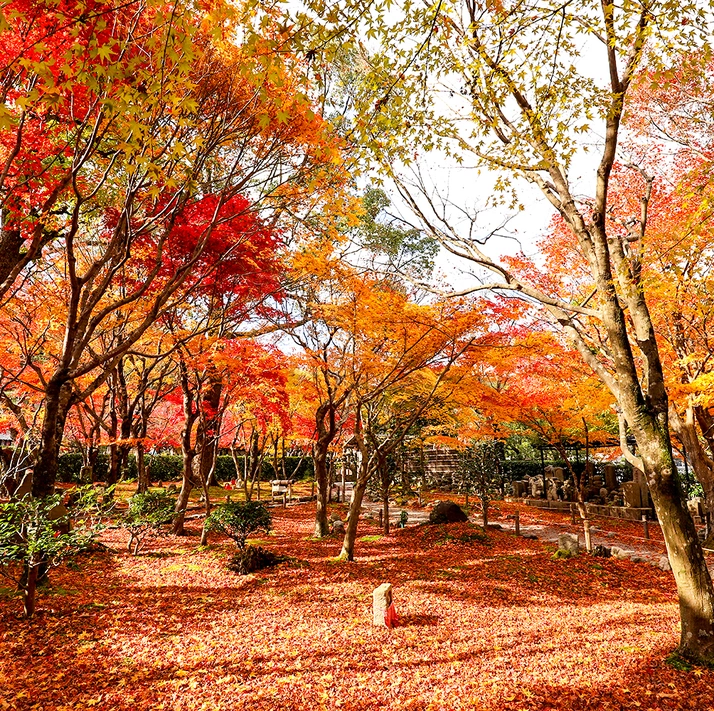
Morning in Tsukiji: Eating Tuna Donburi Standing on the Street
For the sake of food, I deliberately stayed in Tsukiji. For breakfast, I chose Maguroya Kurogin Tsukiji Main Store (Rating: 9/10). The small shop has no seating, so you have to stand on the street, eating in the cold wind. I ordered the chutoro donburi (1,500 yen). The tuna chunks were thick and large, each piece glistening with freshness. Squeezing on some wasabi, pouring soy sauce, standing in the cold with my hands nearly frozen — but it was so delicious I felt like spinning. I had planned to stroll through Tsukiji Market afterward, but one bowl left me too full, and I missed out on the tamagoyaki (Japanese rolled omelette) and beef skewers.
Shinjuku: An Obsession with Charcoal-Grilled Beef Tongue
I took the train from Tsukiji to Shinjuku, first heading to the JR Midori no Madoguchi (Green Window) to reserve seats, but ended up an hour and a half behind schedule. Using the waiting time, I visited Rikyu Lumine Est Shinjuku Store (Rating: 8/10). This famous Sendai chain serves beef tongue cut exceptionally thick, grilled until the outside is crispy and the inside is tender. Every bite was juicy and bursting with flavor, paired with Japanese rice — it perfectly soothed the anxiety of my disrupted itinerary.
Third Time in Kawaguchiko, Mount Fuji Still Missing
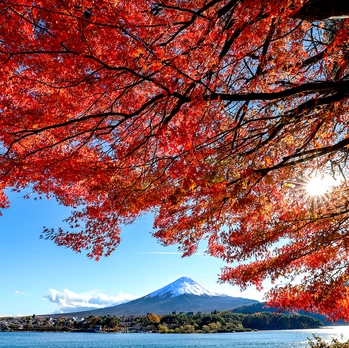
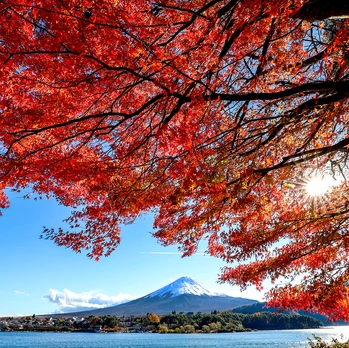
The highway bus from Shinjuku to Kawaguchiko passed by hillsides where the leaves had already turned yellow. This was my third time on this route, and for the third time, I didn't see the full Mount Fuji. Worse, this time it was raining. But the moment I stepped off the bus, I froze: the Momiji Corridor (Maple Leaf Corridor) was right in front of me, the maple leaves blazing like fire — so beautiful it made me forget all my regrets.
Momiji Corridor: My First Time Stunned by Maple Leaves
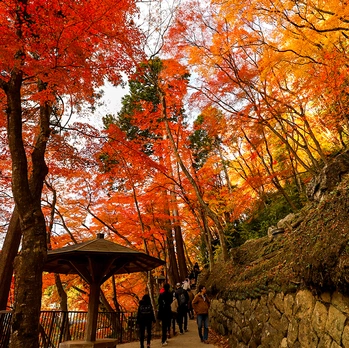
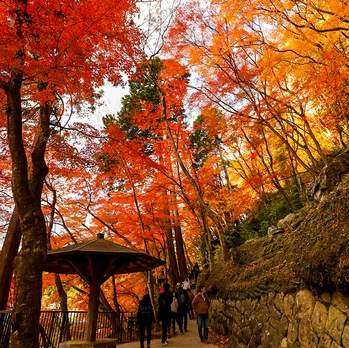
Fuji Kawaguchiko Autumn Leaves Festival (Momiji Corridor) — get off at bus stop 19 on the sightseeing bus. It was my first time seeing so many red leaves. Looking up, the sky was filled with crimson; looking down, the ground was a carpet of maple leaves, with colors ranging from green to red in layered gradients. When the lights came on at night, the maple leaves looked like they were about to drip blood, raindrops hanging from them, giving off a melancholic beauty. I held an umbrella in one hand and my camera in the other — a bit of a mess, but totally worth it.
A Farmhouse-Style Guesthouse in the Fields and Ice-Cube Udon Noodles
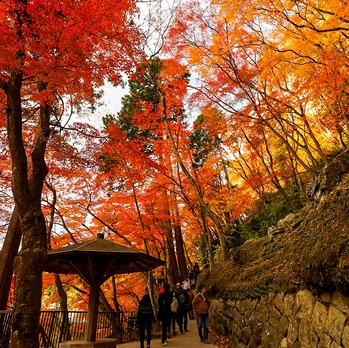
The guesthouse Orange Cabin (4,000 yen per night) was nestled in the fields, a 10-minute walk from the Momiji Corridor. The room was small but clean, like staying at someone's home. For dinner, I went to Momijitei (Rating: 6/10) and ordered cold udon noodles — the noodles came with ice cubes in the bowl, super chewy. The tempura was decent, but the other side dishes were average. I was back at the guesthouse by a little past 7 PM. The area outside was desolate, so I'd recommend bringing your own snacks.
Part Three: Kawaguchiko — Wish Fulfilled! The Perfect Maple Leaf and Fuji View
A Miracle After the Rain
Waking up, my arms were sore — the aftermath of holding an umbrella and camera all night. The rain was still falling, and the clouds hung so low they seemed about to drop into the mountains. But the weather forecast said it would clear by noon, so I decided to wait out the rain at the station while having breakfast. Gateway Fujiyama (Rating: 4/10) served Mount Fuji-shaped croquettes and potato wedges, both mediocre. But sitting at the station, watching the rain gradually stop and the clouds begin to part, my mood brightened.
Tenjoyama Park: Waiting an Hour for Mount Fuji to Appear
I took the sightseeing bus to Tenjoyama Park, where the ropeway round trip costs 800 yen. The queue was long, but the view was worth it. From the top of the ropeway, you could overlook Lake Kawaguchiko, but Mount Fuji was completely hidden by clouds. I stood on the observation deck for an hour, the sun beating down, my camera nearly overheating. But finally, the clouds parted — and Mount Fuji revealed itself in full! At that moment, every minute of waiting was worth it.
A Two-Kilometer Hike: The Ultimate Maple Leaf and Fuji Shot
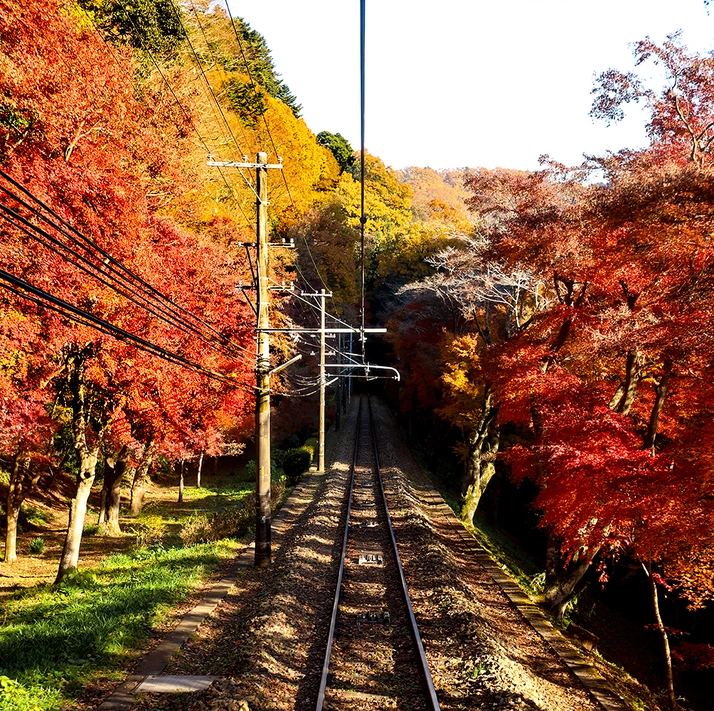
With the weather clearing, I skipped lunch and took the bus straight to the last stop, Kawaguchiko Natural Living Center. To capture the maple-leaf-and-Fuji shot I'd been dreaming of, I walked nearly two kilometers, completely alone on the road. Several times I wanted to give up. But near Rusugaiwa, a vast grove of maple trees appeared before me, with the full Mount Fuji in the background — the perfect maple-leaf-and-Fuji scene. My wish had come true!
Summary: A Spontaneous Solo Maple Viewing Guide
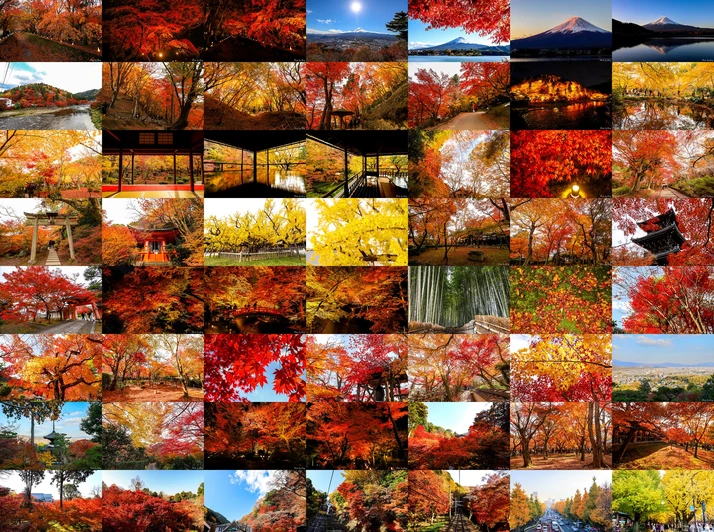
On this trip, I visited numerous famous maple-viewing spots, including Kyoto, Kawaguchiko, Aichi Prefecture, and Tokyo. Here's my personal ranking (influenced by weather, time, and crowd conditions — just a reference):
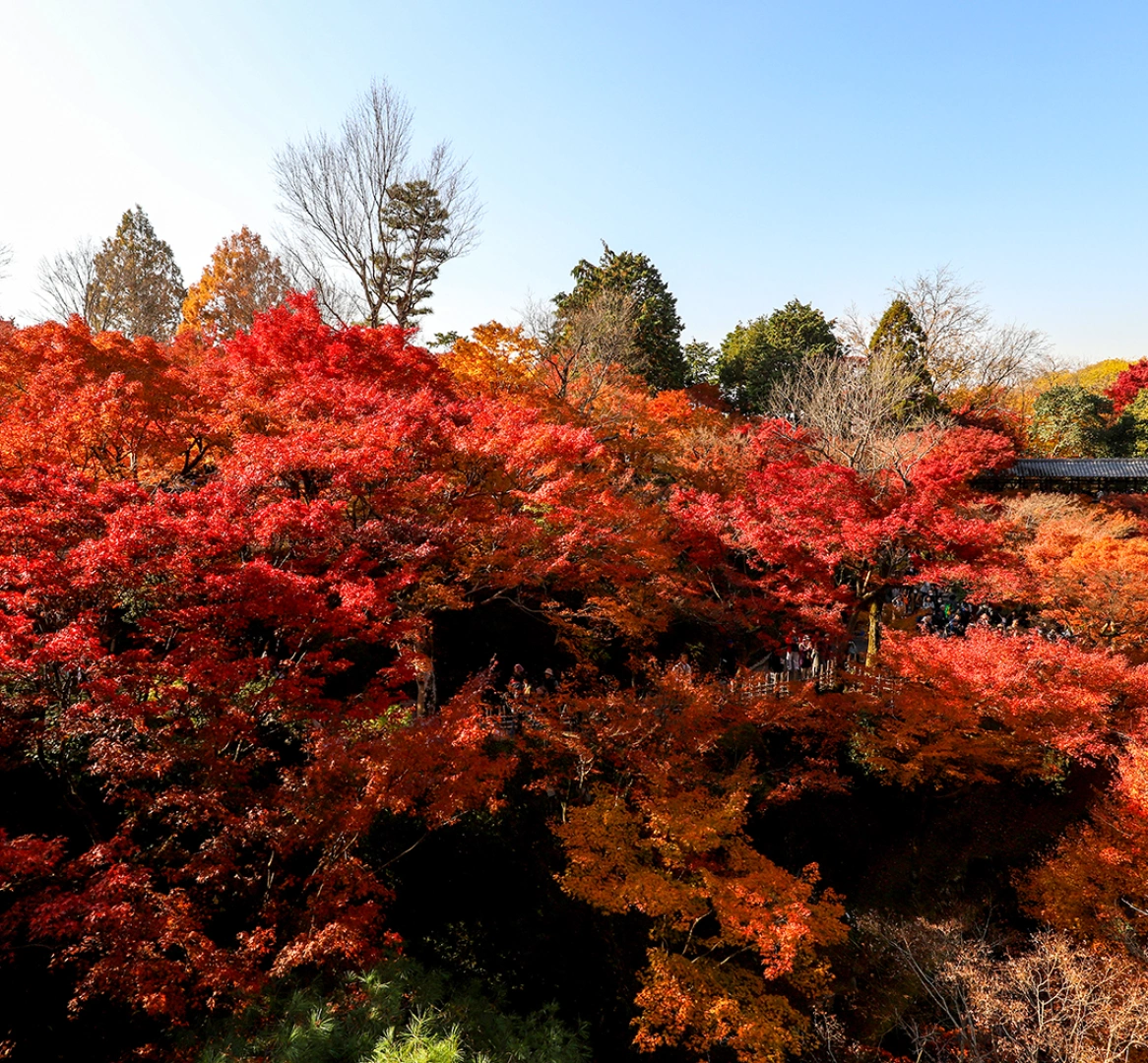
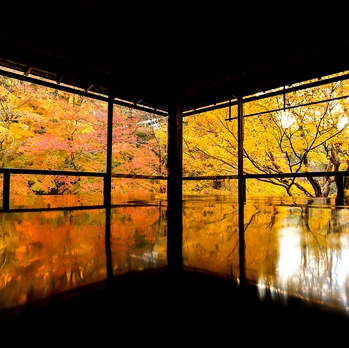
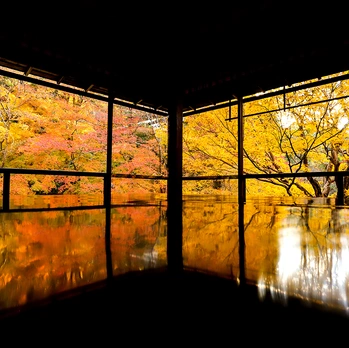
Top 5 Daytime Maple Views: Tofukuji, Adashino Nenbutsuji, Maple Leaf with Fuji, Korankei, Shoren-in (琉璃光院)
Top 3 Night Maple Views: Kitano Tenmangu, Hogon-in, Eikando
Top 3 Ginkgo Views: Jingu Gaien Ginkgo Avenue, Nishi Honganji, Kyoto Gyoen
Key Tips: - Buy your JR PASS exchange voucher on Taobao in advance and exchange it at the airport. Reserve seats early. - The two-day pass for Kawaguchiko's sightseeing bus can be bought at the station; just show it when boarding. - The Momiji Corridor is beautifully lit at night, but the last bus leaves around 6 PM, so it's best to stay nearby. - Best maple viewing times: Kyoto in late November, Kawaguchiko in mid-to-late November, Tokyo in late November. - Weather is everything — sunny days double the beauty of the leaves, but rainy days have their own melancholic charm.
A spontaneous solo trip will inevitably come with surprises — Mount Fuji disappearing three times, full reserved seats, taking photos in the rain — but it's these very surprises that make travel unique. The beauty of maple leaves lies in each one being different; the beauty of travel lies in every departure writing a new story.
Next time, what will inspire you to pack your bags and go?
You should also read:
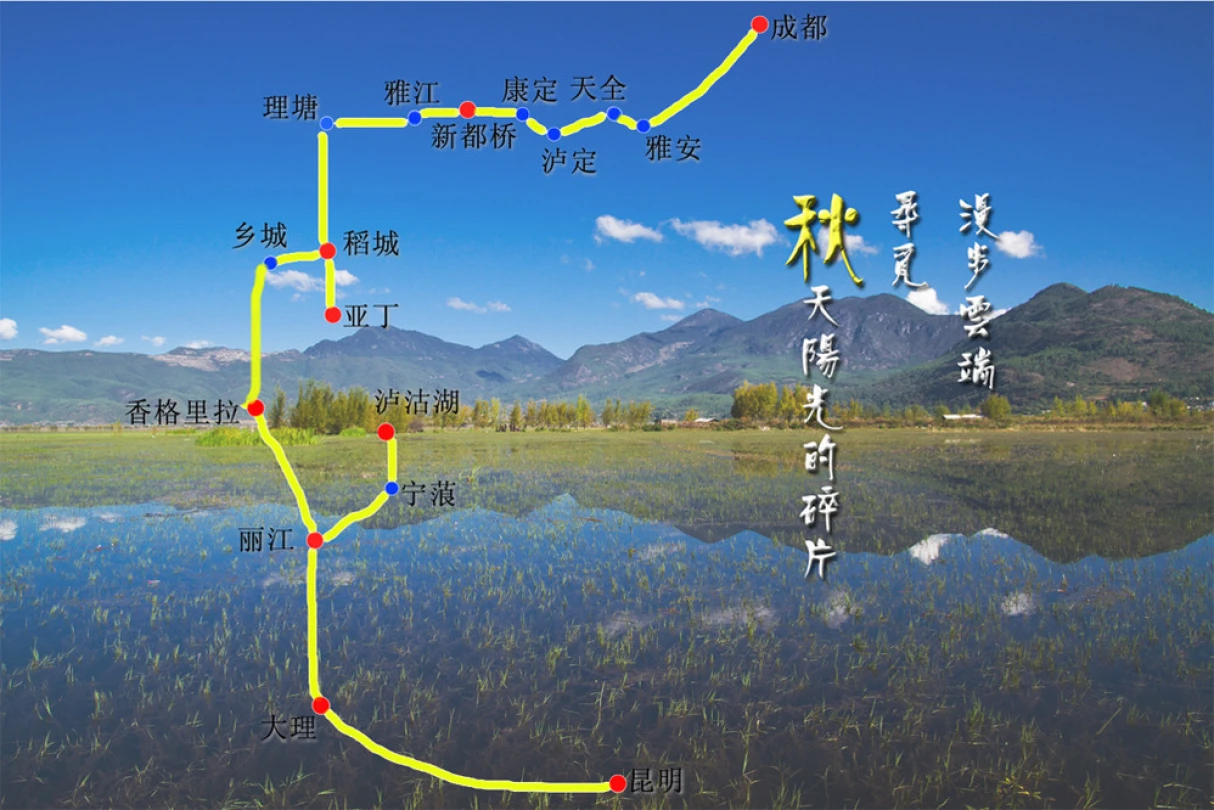
Strolling Among the Clouds: Gathering Autumn's Light on the Western Sichuan Plateau
Strolling Among the Clouds: Gathering Autumn's Light on the Western Sichuan Plateau Prologue: A Sun Chaser's Journey Autumn sunlight is like a gentle painter, using golden brushstrokes to smear the last traces of warmth across the earth. It slips through the gaps between your fingers,…
Continue reading...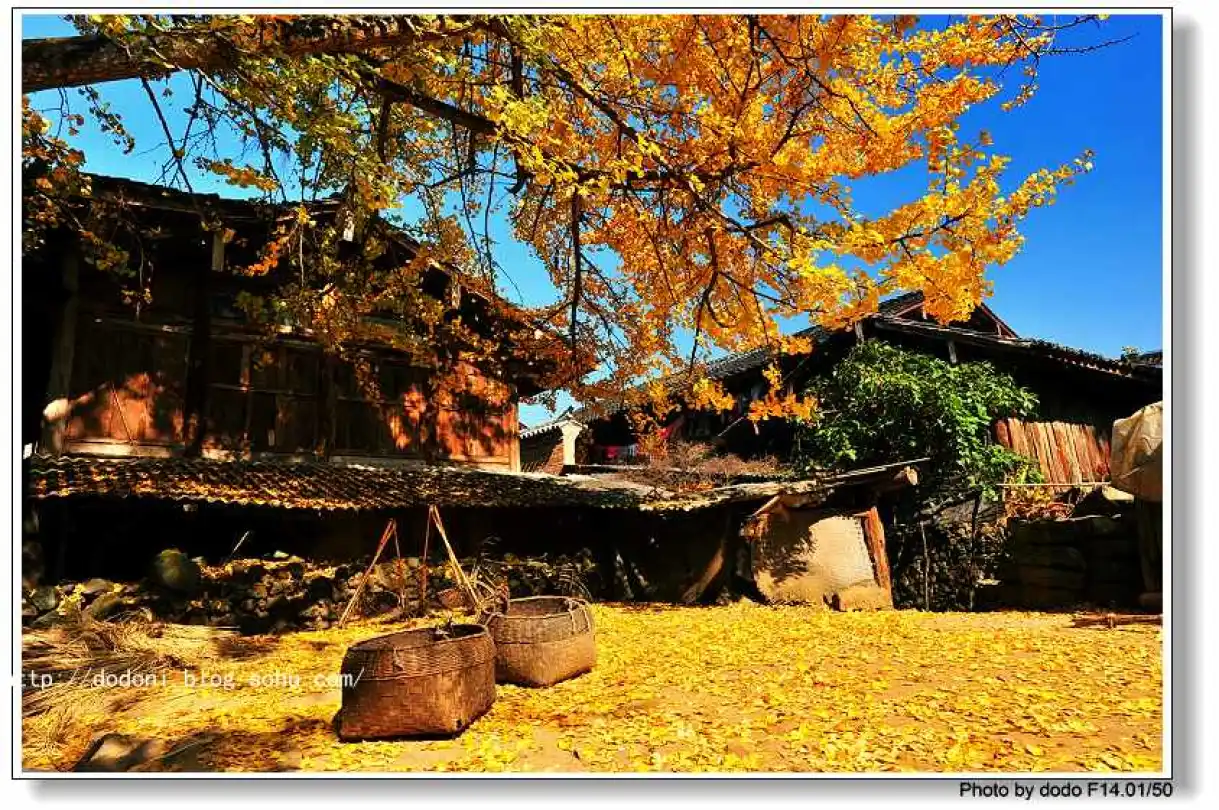
Golden Autumn: A Poetic Tapestry of Light and Shadow in Tengchong's Ginkgo Village
Golden Autumn: A Poetic Tapestry of Light and Shadow in Tengchong's Ginkgo Village A Belated Autumn Rendezvous Everyone harbors a dream about autumn somewhere in their heart. For me, that dream once belonged to Jiuzhaigou—that palette of colors hailed by the world as a "fairy-tale…
Continue reading...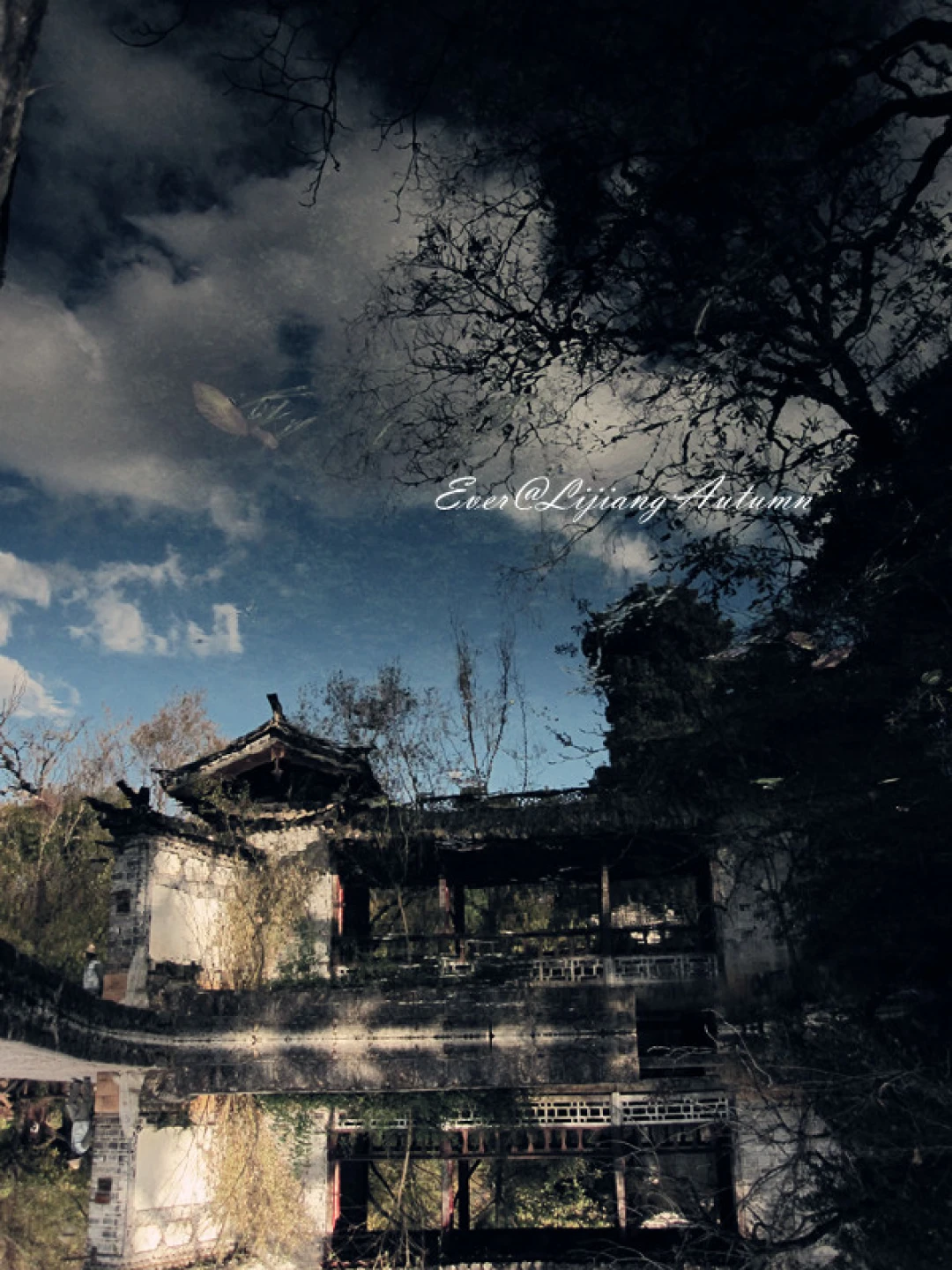
Idle Clouds in Autumn, a Moonlit City: A Slow Travelogue Through Lijiang and Shuhe
Idle Clouds in Autumn, a Moonlit City: A Slow Travelogue Through Lijiang and Shuhe When the autumn wind brushes across the ancient city's eaves, when sunlight spills onto the mottled cobblestone streets, when the melodies of folk songs mingle with the aroma of plum wine…
Continue reading...