Hidden Gem: If Life Leaves You Disappointed, Come with Me to Where Dreams Begin — Yunnan
Hidden Gem: If Life Leaves You Disappointed, Come with Me to Where Dreams Begin — Yunnan
Have you ever had those moments — standing at a crossroads in life, looking left at mundane routines, right at heavy responsibilities, unable to see a future ahead, and only able to sigh when you look down?
Eight years ago, I bought two plane tickets to Lijiang, only to have them sink to the bottom of the sea when love took an unexpected turn. Five years ago, I tore up a ticket from Hong Kong to Kunming because career "dreams" forced me to abandon the trip. Those unfinished journeys stuck in my heart like a thorn, aching quietly.
It wasn't until last autumn that I finally set foot on this land — eight years overdue. Yunnan, often called "the place where dreams begin," healed all my regrets with its mountains, lakes,烟火 (fireworks of daily life), and human warmth.
If life has left you feeling dissatisfied, follow me on this "journey to the homeland of the soul."
Jianshui Ancient Town: Tasting the Essence of Life in a Piece of Tofu
Many people know Jianshui because of A Bite of China and Chef's Nic. But before I set off, the name was completely unfamiliar to me. Little did I know, the biggest surprise of this trip was hidden in this ancient town.
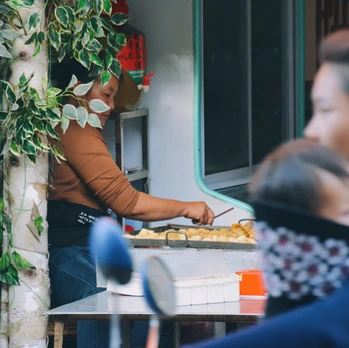
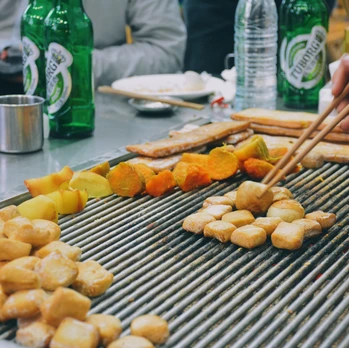
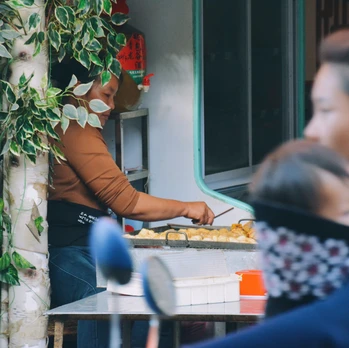
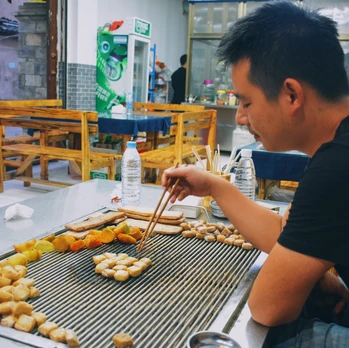
Jianshui at night has none of Lijiang's bar noise or Dali's artsy coffee shops — only the scent of charcoal drifting from deep in the old streets. My friend and I dropped our luggage and headed straight for a grilled tofu stall (烤豆腐摊). The owner, a middle-aged man of few words, flipped the tofu pieces skillfully and asked, "What have you been doing in Yunnan?"
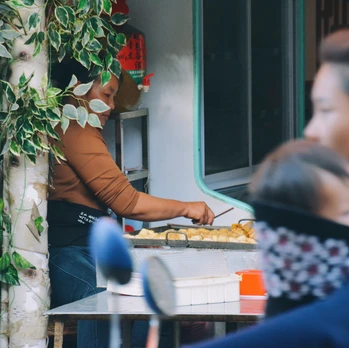
The eating method here is special — it's not about ordering, waiting for food, eating, and leaving. Instead, you sit around a charcoal stove. The owner grills one piece, you eat it, and he counts with corn kernels. One piece of tofu, one kernel of corn. So simple it makes you laugh, yet so earnest it touches your heart.

I asked the owner, "Why not grill them in advance? Wouldn't it be faster to serve customers directly?"
He waved his hand, his tone firm: "Then it wouldn't be called eating tofu."
In this era of "efficiency above all," the people of Jianshui use a piece of tofu to preserve the dignity of a slow life. What surprised me even more was that the owner's sister, after graduating from university, gave up her city job and returned home to inherit their family's preserved plum drink (木瓜水) recipe. She said, "This is the taste of three generations of our family. I can't let it end with me."
In that moment, I suddenly realized: In an age where commercial tides sweep everything away, there are still young people willing to "go against the current" for traditional craftsmanship. That itself is a form of gentle resistance.
Travel Tips: Jianshui Ancient Town isn't on traditional tour group itineraries, so there are few tourists — perfect for those who love quiet. Grilled tofu stalls are mostly on the old streets, busiest after 7 PM. Bring cash; some old shops don't accept mobile payments.
Yuanyang Rice Terraces: 1,300 Years Ago, the Hani People Planted "Heaven" Here
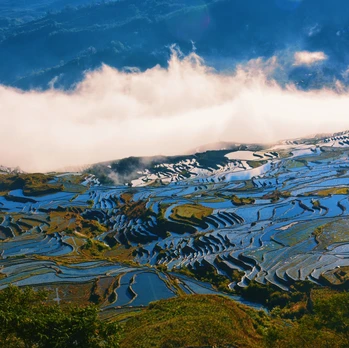
The alarm went off at 4 AM. I wrapped myself in every piece of clothing I had and climbed in the dark to the Duoyishu Viewing Platform. By 6 AM, the platform was packed with photography enthusiasts from around the world, their long lenses aimed at the mountains sleeping in darkness.
The moment the sun rose, everyone held their breath.
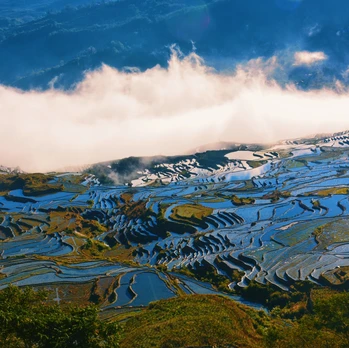
Mist rose like gauze from the valley, and the water in the terraces turned gold, purple, pink... Over 1,300 years ago, the ancestors of the Hani people followed the Tibetan-Yi Corridor to the Ailao Mountains, shaping the slopes into terraced fields with hoes and plows. They had no idea that a thousand years later, this land would become a World Heritage site, drawing countless people across mountains and rivers just to witness a miracle that is "man-made yet seems born of nature."
Standing on the Duoyishu platform, I was next to an elderly French couple. The wife pointed at the distant mist and murmured in French, "C'est le plus romantique que j'aie jamais vu." (This is the most romantic thing I've ever seen.)
I couldn't help but smile. Yes, the romance isn't in the terraces themselves — it's in the thousand-year understanding between humans and nature.
Travel Tips: - Best viewing season: November to March (water season) - Sunrise recommendation: Duoyishu Viewing Platform; Sunset recommendation: Tiger's Mouth Viewing Platform - Mountain roads and long distances between platforms — hire a car or drive yourself - Early morning temperatures are low; bring a thick coat and warm gear
Shangri-La: Finding the Sun and Moon of the Heart in the Blue Moon Valley
The word "Shangri-La" comes from James Hilton's novel Lost Horizon. In the book, four travelers, including Conway, accidentally stumble into a dreamlike秘境 (hidden paradise) of pyramid-shaped snowy mountains, a mysterious and serene Blue Moon Valley, and a cliffside lamasery.
My first stop was Napahai Lake. The surface was as calm as a mirror, reflecting the blue sky and white clouds. Occasionally, a bird flew by, stirring up ripples. I sat by the lake, watching yaks grazing in the distance, and suddenly felt time slow down. In the city, I was an advertising professional working endless overtime, forgetting what life looked like. Here, I was just someone watching a lake.
Next, I went to the Blue Moon Valley (蓝月山谷). It has a romantic yet harrowing story: A few years ago, an elderly American couple in their late 70s mysteriously disappeared here. The local government organized a search of over a thousand people, lasting three days and three nights, before rescuing them. From then on, the name "Death Valley" spread like wildfire.
We were lucky — on the second day, we finally reached the summit of Shika Snow Mountain (4,500 meters above sea level). Standing at the top, surrounded by eight sacred mountains including Meili Snow Mountain, Jade Dragon Snow Mountain, and Haba Snow Mountain, the wind was fierce enough to knock you off balance. But in that moment, I suddenly understood what "homeland of the soul" truly means.
Travel Tips: - The Blue Moon Valley scenic area has two cable car sections: the first to Yala Qingbo Pasture, the second to the summit - Wind speeds at the summit often exceed force 7 — check weather in advance and bring thick clothes and sunglasses - In summer, you can see purple rhododendrons and "butter flowers" (酥油花), and experience herder life - Shangri-La has high altitude — take precautions against altitude sickness
Balagezong: An Untouched秘境 Hiding a 1,300-Year Legend
A two-hour drive from Shangri-La brought me to a place called Balagezong (巴拉格宗). This was once an untouched秘境 (forbidden realm), said to be where immortals lived — the "Shambhala" that people have long sought.
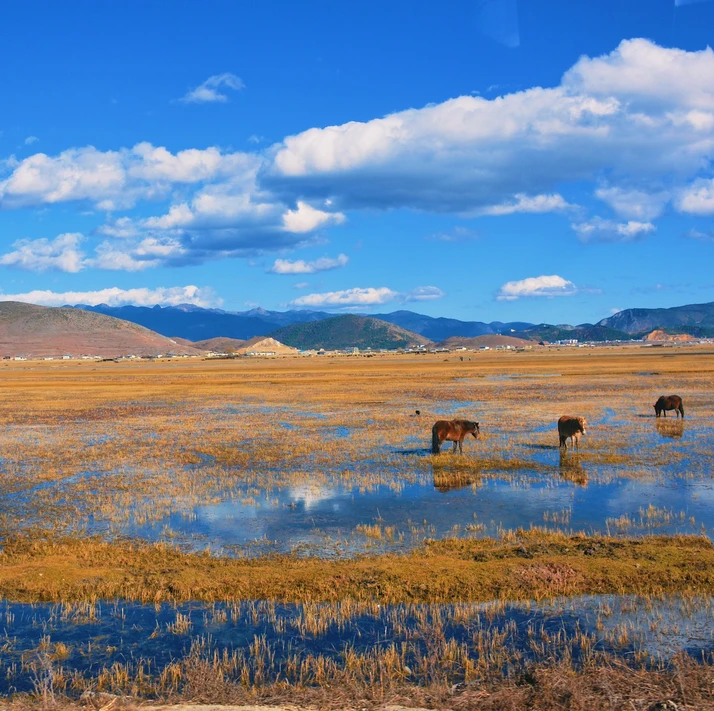
The story begins over 1,300 years ago. In Batang, Sichuan, there was a chieftain named Sana Dorji who led his tribe in wars for years, building a powerful clan. But war brought only trauma, not peace. Later, he met an old lama and decided to abandon all wealth and power, leading those willing to follow him in search of a land without war.
They trekked across countless mountains and rivers until they reached a pyramid-shaped snowy mountain. Everything here matched the descriptions of Shambhala in Buddhist scriptures. From then on, they settled here, living a life detached from worldly strife, continuing for over 1,300 years.
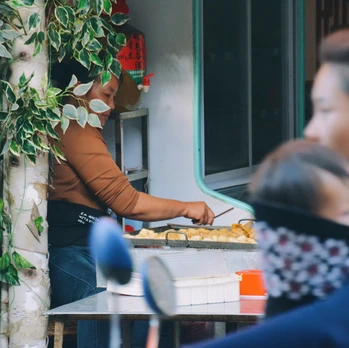
What surprised me most was a unique custom in Bala Village — they don't keep dogs. Tibetan people are nomadic; dogs are indispensable helpers. But the Bala people believe that in a place blessed by sacred mountains, where humans and gods coexist, there's no need for dogs to create barriers between hearts. They use the enlightenment of Buddhist dharma and their own nature to protect their spiritual home.
Standing before a naturally formed pagoda (天然佛塔), I suddenly felt that everyone has such a pure land in their hearts. It may be covered by the dust of life, but it never disappears.
Travel Tips: - About 2 hours' drive from Shangri-La city center - Must-see attractions: Bala Village, Natural Pagoda, Grand Canyon - In winter, keep warm — temperatures inside the canyon are low - Respect local customs; don't enter homes without permission
Suburban Kunming: No Need for Europe — Enjoy Your Own "Santorini"
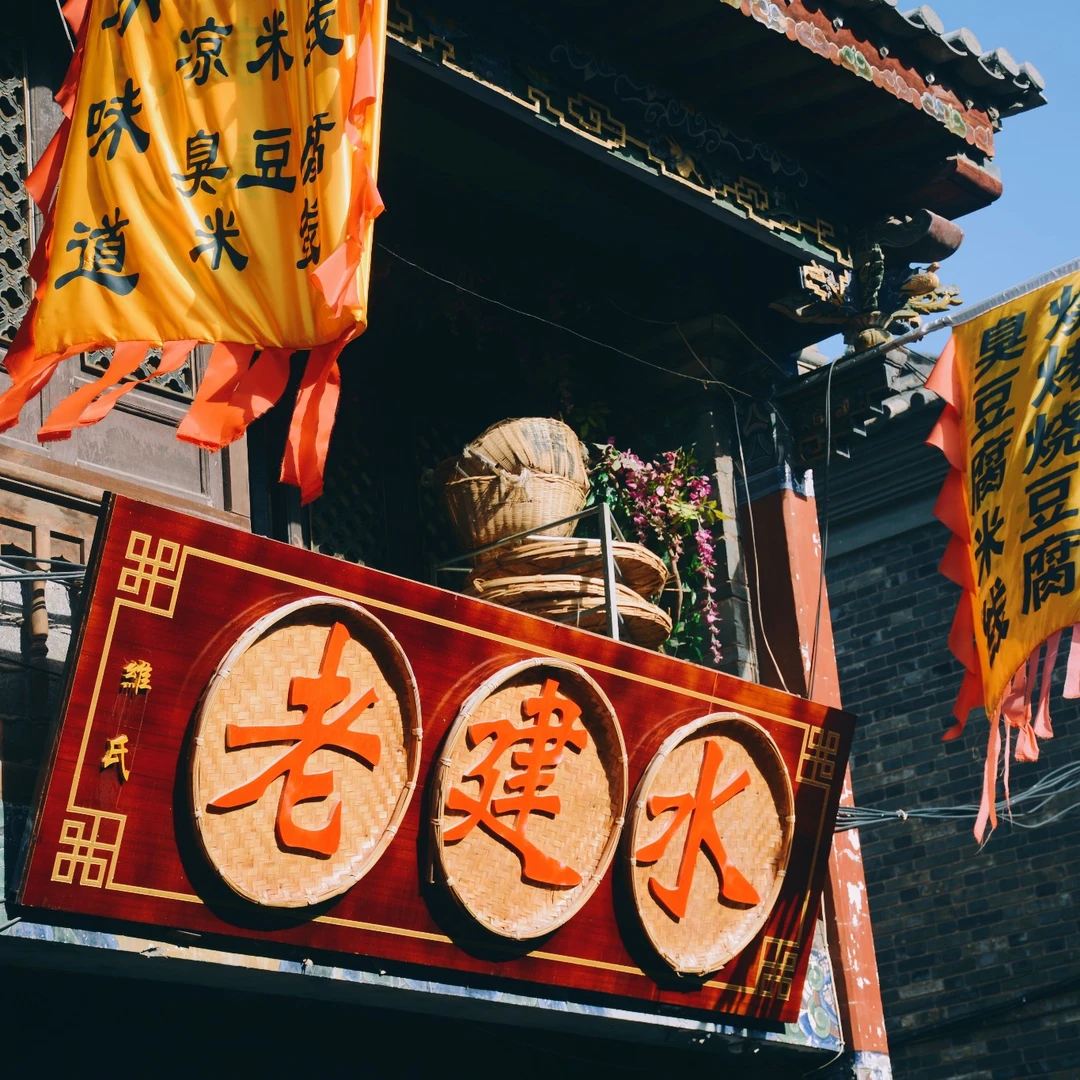
After days of long-distance travel, I arrived at the Yunnan OCT Hot Spring Water Park. I originally just wanted to rest, but this place gave me an unexpected delight.
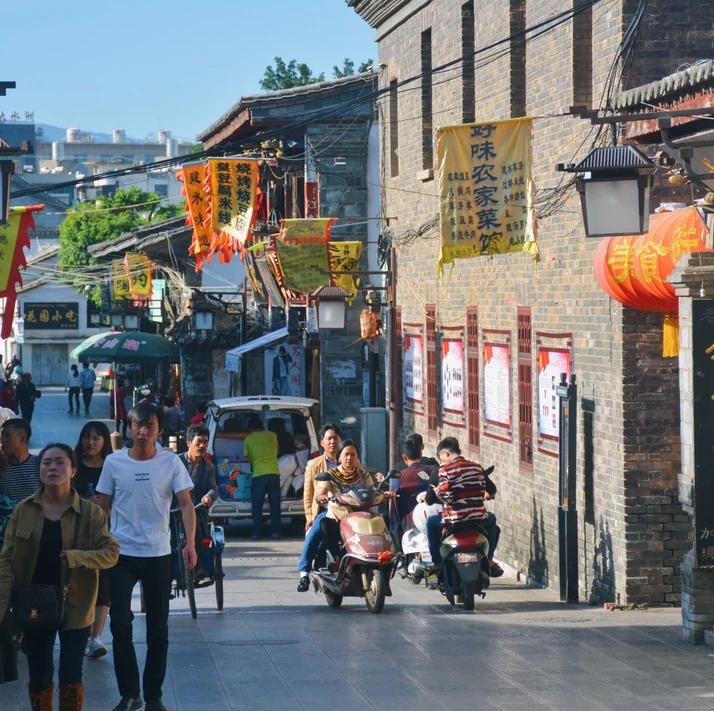
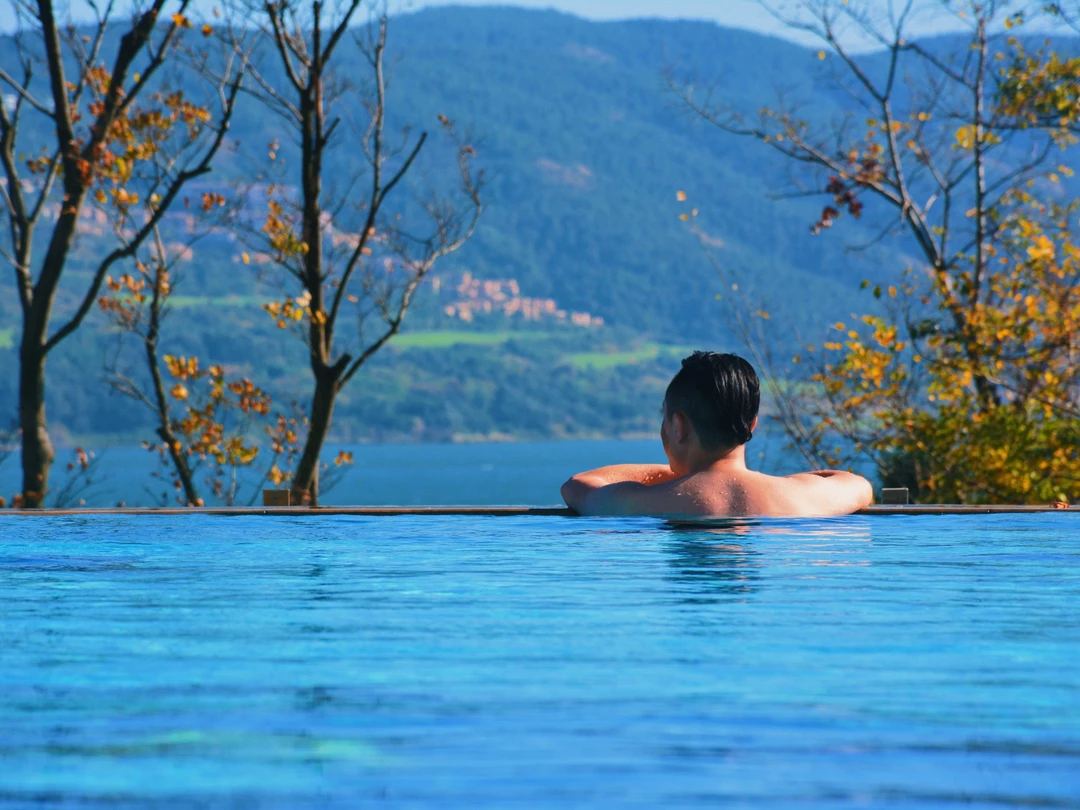
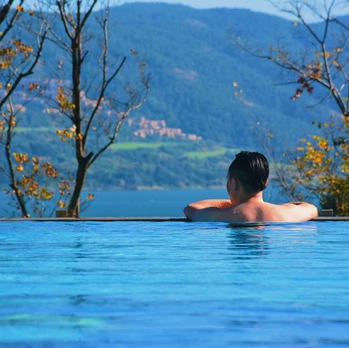
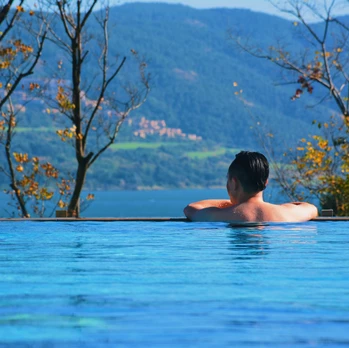
What amazed me most was the infinity pool. Though not as high as Singapore's Marina Bay Sands, the ticket price of around 80 RMB per person and the nearly empty environment let me enjoy the entire pool area by myself. On a late autumn afternoon, sunlight spilled across the water, and in the distance, Yangzonghai Lake sparkled — it felt like all of Yunnan was mine.
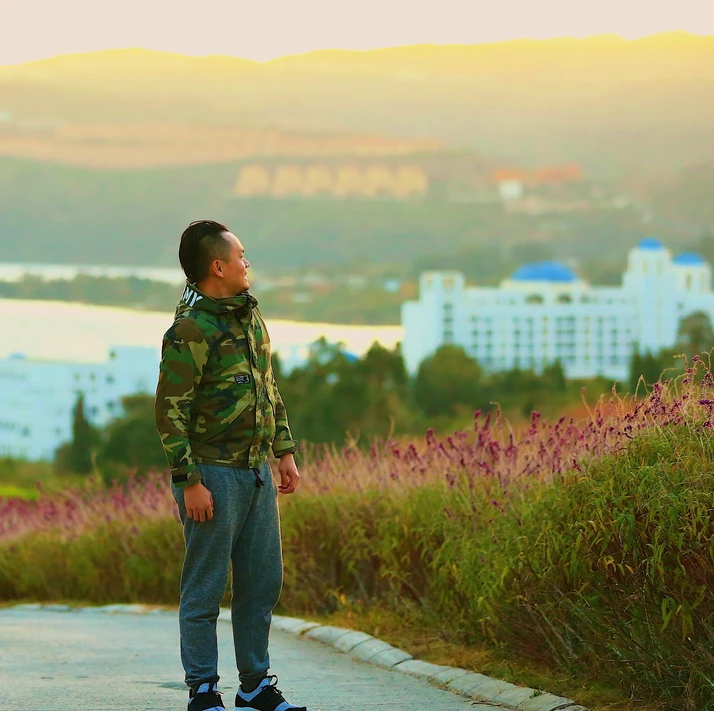
Driving 10 minutes up the mountain road, I came to a resort hotel called "Cherry Blossom Gathering" (群樱荟). The back garden was a sea of purple flowers, and in the distance stood a blue castle, just like Santorini in Greece. Though the purple flowers were "purple willow" (紫柳), not lavender, walking alone through this vast flower field was more intoxicating than any perfume.
Travel Tips: - Ticket: 170 RMB for two people (includes hot springs and water park) - The infinity pool is great for photos — go at noon for good sunlight - The flower field is free to enter, even if you're not staying at the hotel - In summer, enjoy the water park's large entertainment facilities
Lijiang Ancient Town: When "Commercialization" Becomes a Label, I Found Another Answer
When people mention Lijiang, many think of "commercialization" and "romantic encounters." Before coming, I braced myself for the worst. But when I actually stepped into Shuhe Ancient Town, I was captivated by the floors — polished shinier than leather shoes.
The town's houses were arranged in a pleasing disorder, and the stone-paved paths were spotless. I crouched down and touched the flagstones with my hand — they were smooth and gleaming. How many footsteps, how many years had polished them to such a luster?
In Lijiang, I met two local friends. Yang Yi, a Naxi ethnic man, said, "Lijiang's tourism has developed by leaps and bounds over the past few decades. People's lives have certainly improved, but the old town has lost its former flavor. I still go back often — not to collect rent, but to find memories of my childhood."
Guo Ge from Dali said, "I often meet people who came to Dali hoping to do business, only to find that Dali is a great place to live. There's a market called Taixing in Xiaguan. Every time I go back, the fruit-selling auntie would stuff an apple or orange into my hand. That's the human touch of Dali. You can't take it away, but it stays with you."
Travel Tips: - Shuhe Ancient Town is quieter than Dayan Ancient Town, perfect for a leisurely stroll - There are many Tea Horse Road experience tours — choose a reputable travel agency - The stone paths in the old town are smooth; wear comfortable shoes
In Conclusion: The Meaning of Travel Is to Find Yourself
This 13-day Yunnan journey took me through Jianshui, Yuanyang, Shangri-La, Balagezong, Kunming, and Lijiang. I saw terraced field sunrises, snowy mountain sunsets, ancient town lights, and flower field fragrances. But what moved me most weren't the landscapes — it was the people and their stories.
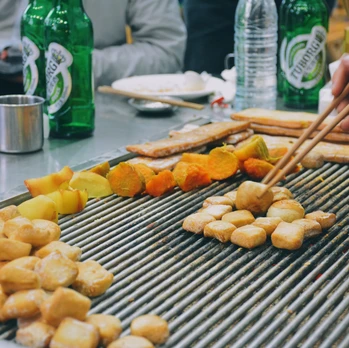
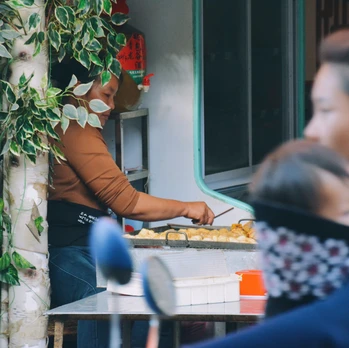
The grilled tofu owner in Jianshui, counting with corn kernels, holding onto traditional craftsmanship. His sister returning home after university to carry on the family recipe. The locals in Lijiang and Dali, preserving human warmth amid the tide of commercialization. The Tibetan villagers in Bala, not keeping dogs for 1,300 years, guarding their spiritual home with faith.
In this materialistic society, these "counter-current" people showed me another possibility — that life isn't just about efficiency and profit. It's also about warmth and perseverance.
If life has left you dissatisfied, come to Yunnan. Not to escape, but to find the self you've forgotten.
Because this isn't just where dreams begin — it's also the road home for the heart.
Practical Information Summary
| Destination | Recommended Stay | Best Season | Transportation |
|---|---|---|---|
| Jianshui Ancient Town | 1-2 days | Year-round | 3-hour drive from Kunming |
| Yuanyang Rice Terraces | 2-3 days | Nov-Mar | Hire car or drive |
| Shangri-La | 3-4 days | May-Oct | Flight or drive |
| Balagezong | 1-2 days | May-Oct | 2-hour drive from Shangri-La |
| Suburban Kunming | 1-2 days | Year-round | 1-hour drive from city center |
| Lijiang Ancient Town | 2-3 days | Year-round | Flight or train |
Estimated Per Person Cost: Approximately 5,000-8,000 RMB (including airfare, accommodation, transportation, meals, and tickets)
Travel Advice: Yunnan is on a high plateau with strong UV rays — bring sunscreen. Temperature differences between day and night are large, so pack a jacket. Some scenic areas have high altitudes — take precautions against altitude sickness.
You should also read:
Into the Hidden Valley: A Solo Journey Through the Mysterious Dulong River
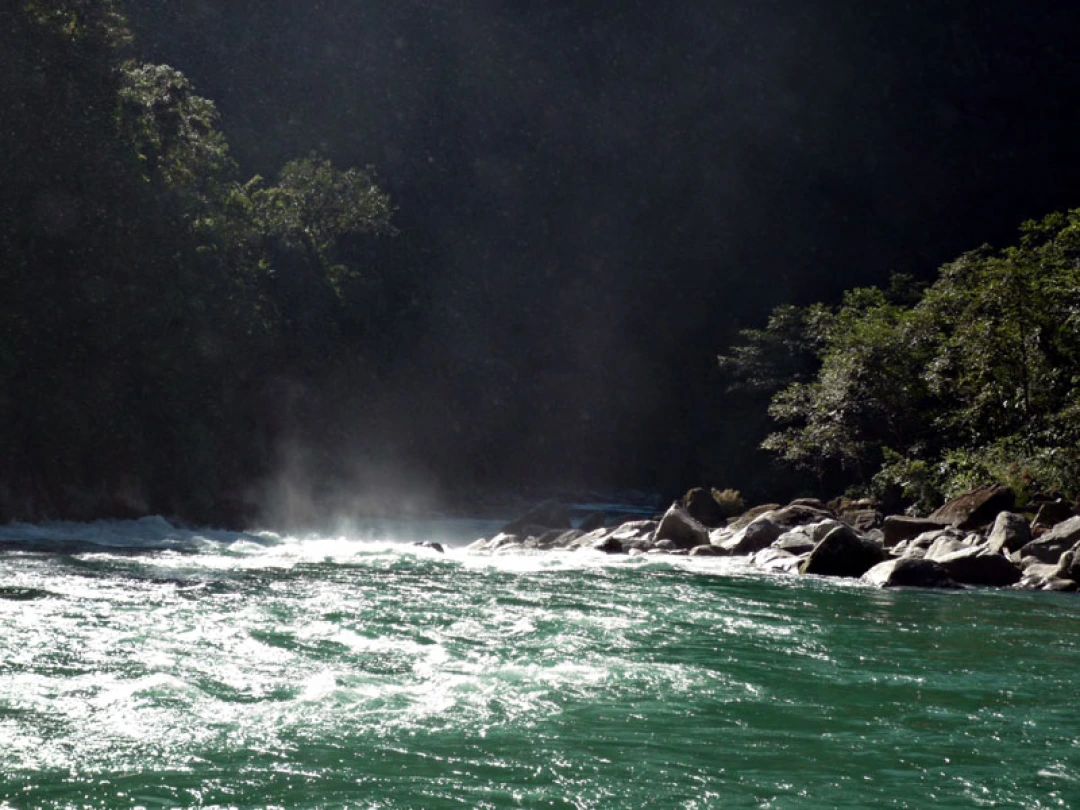
Into the Hidden Valley: A Solo Journey Through the Mysterious Dulong River Deep in the northwestern corner of Yunnan Province, tucked away from the modern world, lies a place that feels like a secret whispered among mountains. The Dulong River Valley is not just a…
Continue reading...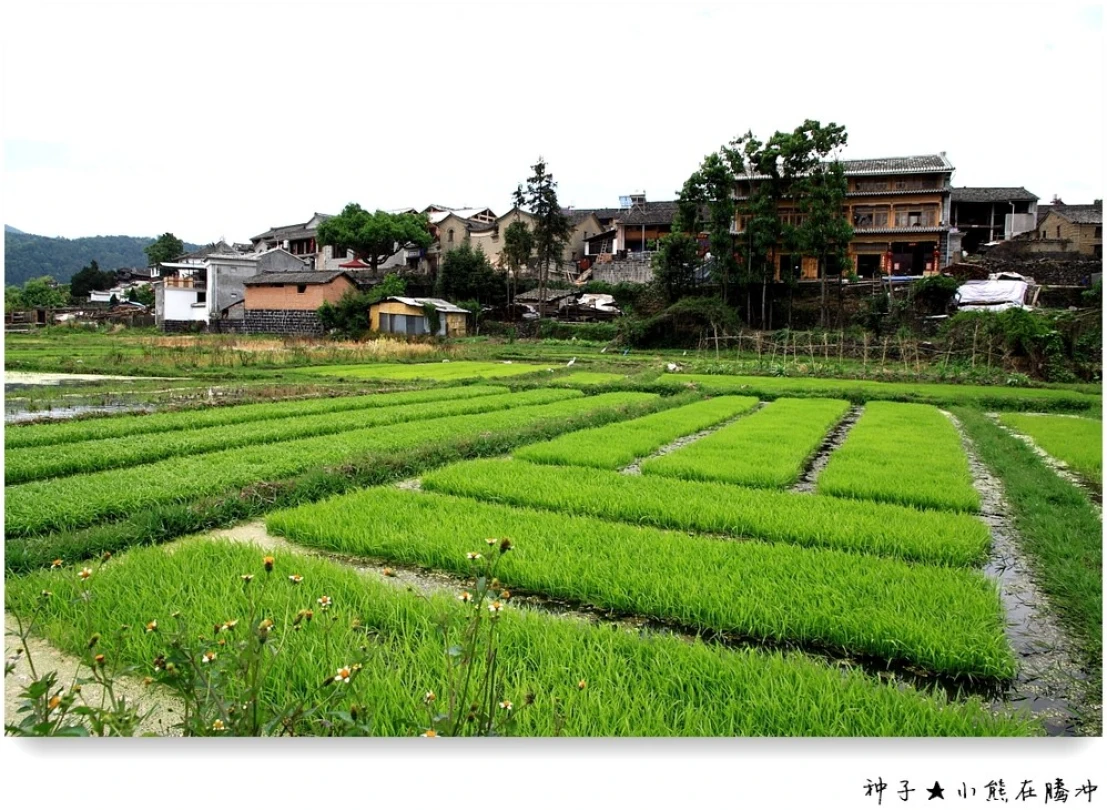
Tengchong·Heshun: Finding Life as It Should Be in a Border Town Where Time Stands Still
Tengchong·Heshun: Finding Life as It Should Be in a Border Town Where Time Stands Still The long journey of over twenty days was over. On my first day back at the office, I was still in a daze. My fingers couldn't find the keys on…
Continue reading...
God’s Abandoned Palette: A Self-Drive Journey Through Yunnan’s Dongchuan Red Land
God’s Abandoned Palette: A Self-Drive Journey Through Yunnan’s Dongchuan Red Land Travel has never been about reaching some distant geographic coordinate. It’s about encountering, along the way, the version of yourself buried beneath the rubble of daily routine. During this May Day holiday, I finally…
Continue reading...