In Search of "Shangri-La" from Lost Horizon: Who Is the Real Shangri-La?
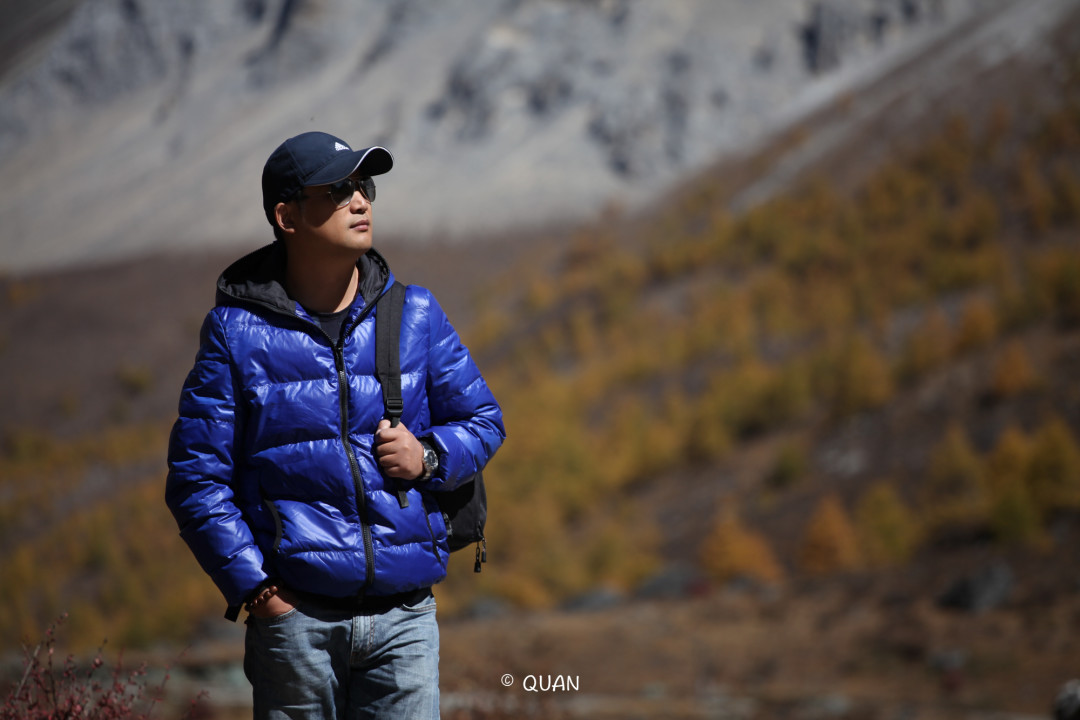
In Search of "Shangri-La" from Lost Horizon: Who Is the Real Shangri-La?
In literary history, few place names have evolved from a fictional utopia into a globally recognized spiritual symbol quite like "Shangri-La." In 1933, British author James Hilton painted a picture of a utopia hidden deep within snowy mountains in Lost Horizon, where people lived long, peaceful lives in abundance and tranquility. The novel caused a worldwide sensation upon publication, and its film adaptation won multiple Academy Awards, turning "Shangri-La" into a dream destination for countless hearts.
But here's the question: Where exactly is Shangri-La?
On the map, at least five places claim to be Shangri-La—Diqing in Yunnan, Zhongdian, Daocheng in Sichuan, Yading, and Xiangcheng. Each has its own arguments and evidence. With this question in mind, I packed my bags and set off on a journey to find the real Shangri-La.
Five Shangri-Las, One Mystery
Before leaving, I marked five targets on my map:
- Diqing — A Tibetan Autonomous Prefecture in Yunnan, officially renamed Shangri-La County
- Zhongdian — The prefecture capital of Diqing, approved for renaming to Shangri-La County in 2001
- Yading — The village of Yading in Daocheng County, Sichuan, also known as Shambhala
- Daocheng — Hailed as "the last Shangri-La"
- Xiangcheng — The county seat of Sangpi Town has been renamed Shambhala Town
Five names, five places, all pointing to the same legend. Which one is truly Hilton's paradise? I decided to see for myself.
First Stop: Diqing — The Moonlit City and the Lamasery

Starting from Kunming, I passed through Dali and arrived at Diqing Shangri-La County. The county seat is small, with one main road running through it. But hidden here are three key clues: Dukezong Ancient Town, Ganden Sumtsenling Monastery, and Potatso National Park.
Dukezong Ancient Town: The Moonlit City Built on Stone
Dukezong, meaning "castle built on stone" in Tibetan, is also called "Moonlit City." This ancient town, with over 1,300 years of history, was once a major hub on the Ancient Tea Horse Road. Deep hoof prints still mark the stone paths—imprints carved by caravans over centuries.
Walking through the alleys of Dukezong feels like traveling through time. The carved wooden beams and painted window frames of Tibetan houses tell ancient stories with every detail. A devastating fire in 2014 left the town scarred, but the rebuilt Dukezong still retains its calm and weighty atmosphere.
As night fell and lights came on, the ancient town looked like a fairy tale in a warm glow. In that moment, I understood why this place is seen as "the sun and moon in one's heart."
Ganden Sumtsenling Monastery: Yunnan's "Little Potala Palace"
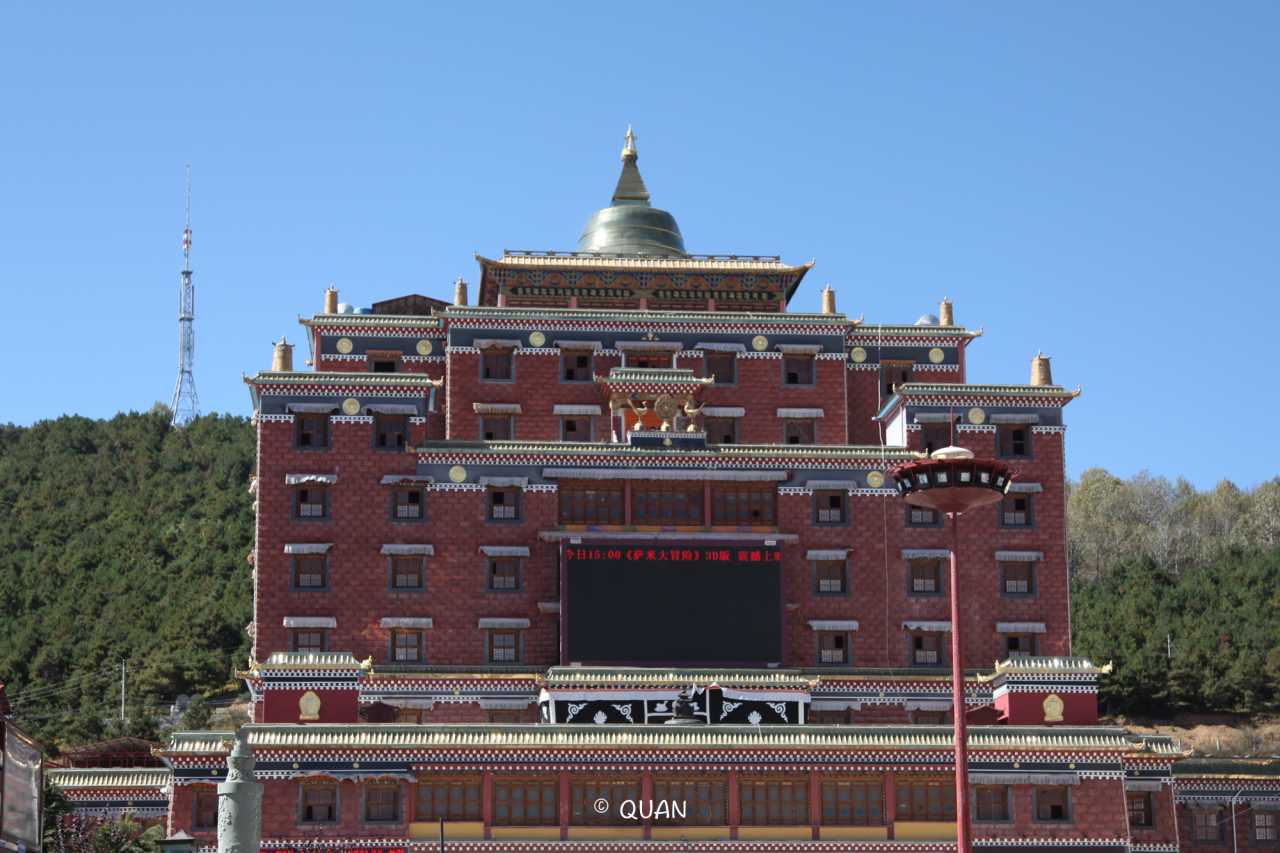
Built in 1679, Sumtsenling Monastery is the largest Gelug school Tibetan Buddhist monastery in Yunnan. Its golden-roofed towers gleam under the blue sky, while the murals, carvings, and scriptures inside exude the depth of Buddhist culture.
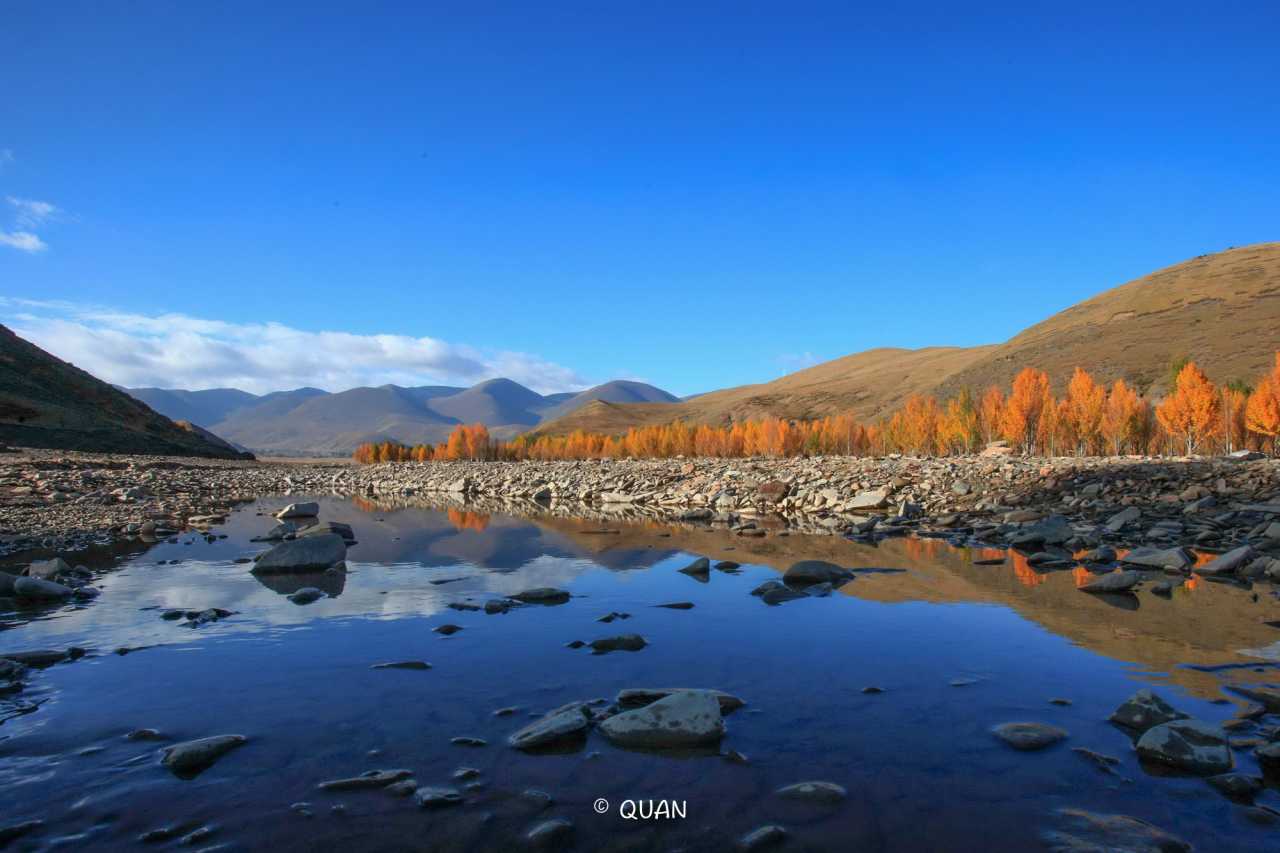
Inside the main hall, the sound of monks chanting echoed through the air. Amid the swirling incense smoke, I felt a tranquility beyond the mundane. Could this be the mysterious lamasery from the novel? In terms of scale and grandeur, it certainly has shades of a "center of Shangri-La."
Potatso National Park: A World Heritage Site of Three Parallel Rivers
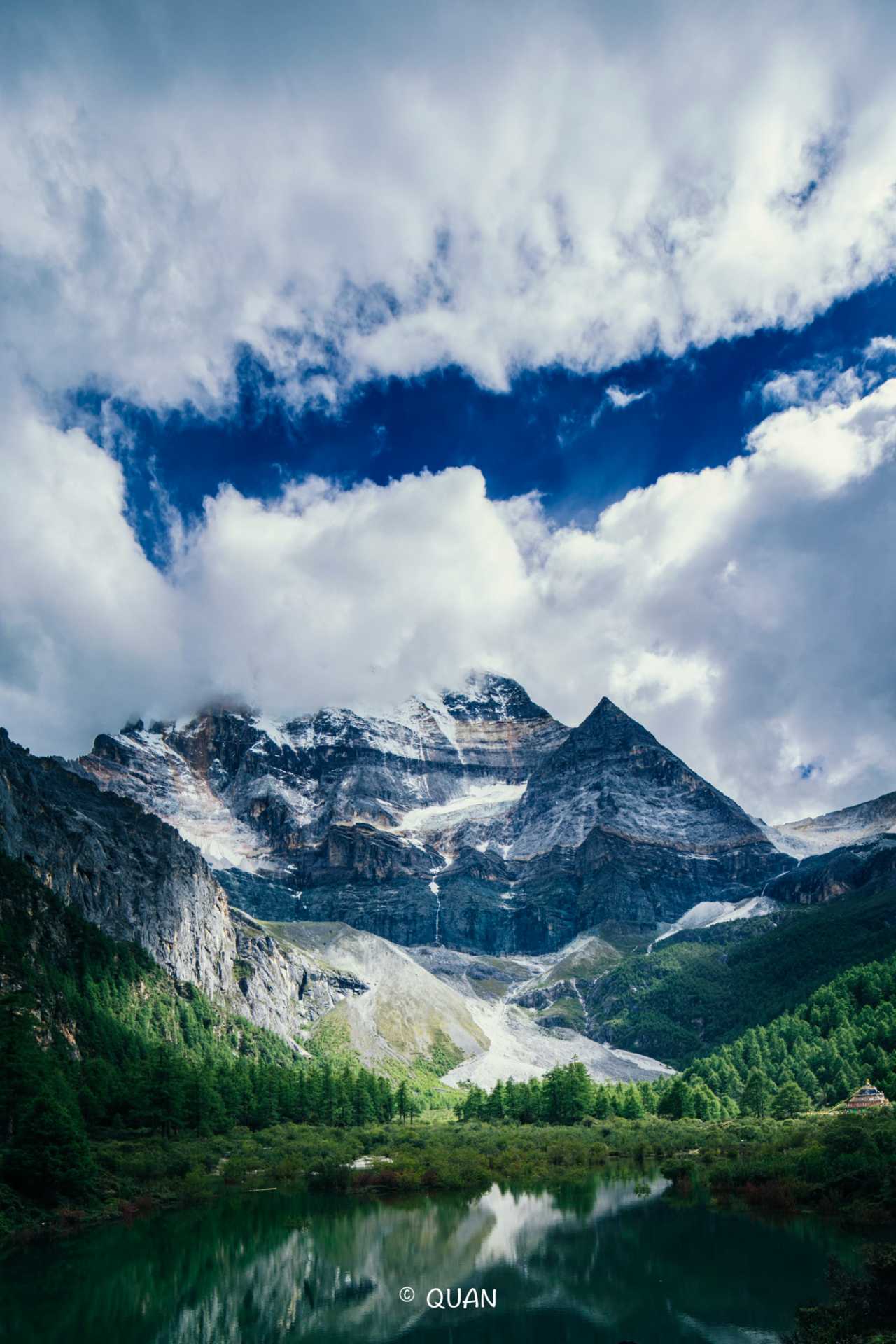
Potatso, with elevations ranging from 3,500 to 4,159 meters, features lakes, wetlands, forests, meadows, and streams, all in pristine condition. Bita Lake, Shudu Lake, and Milithang Pasture—each spot looks like a natural painting.
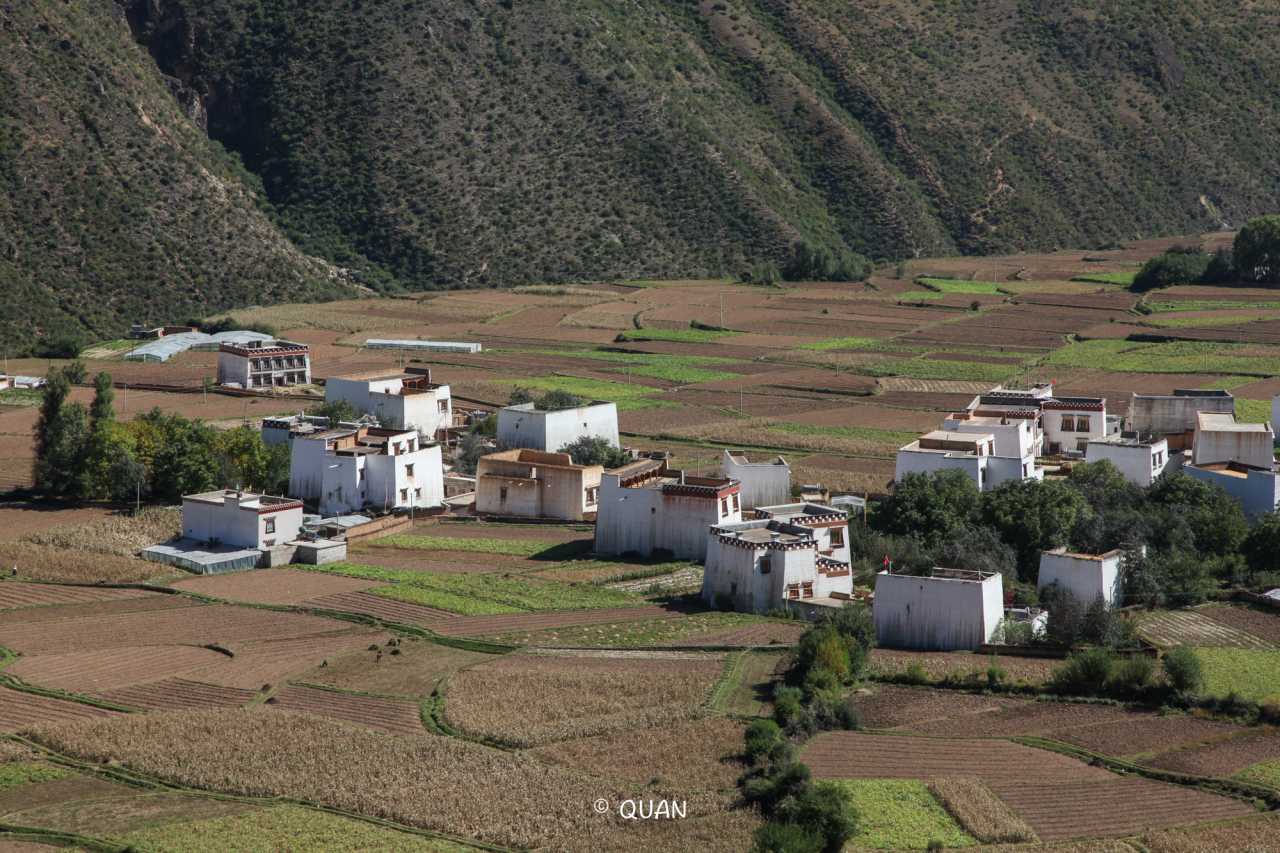
Standing by the lake, watching the reflection of distant snowy peaks in the clear water, I suddenly understood why Hilton described Shangri-La as "a paradise on earth."
Second Stop: Xiangcheng — White Villages Strung Like a Prayer Bead
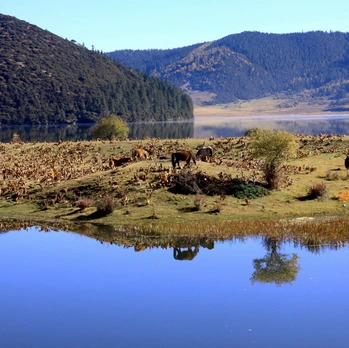
From Diqing, the road narrowed, and the pavement turned to dirt. But that didn't stop me; it only added a sense of adventure to the journey.
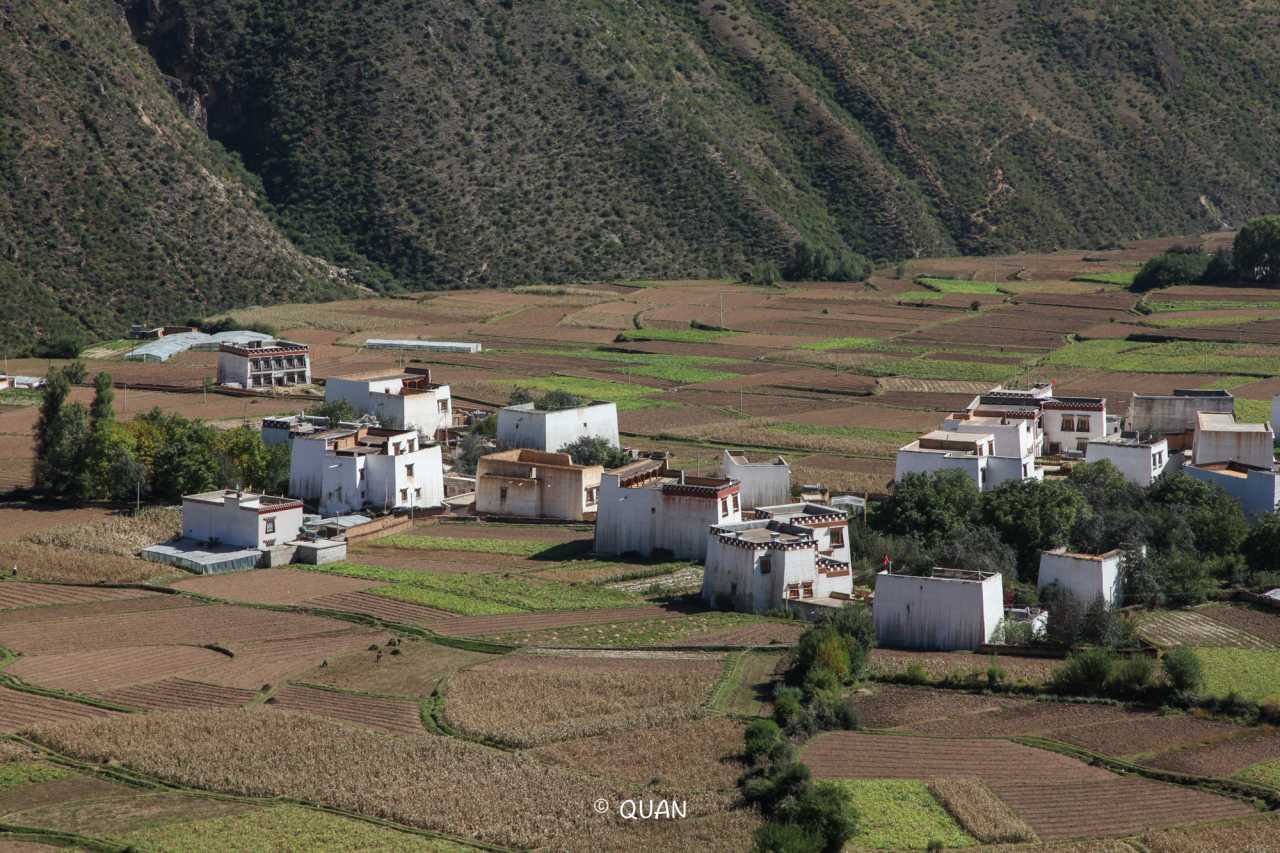
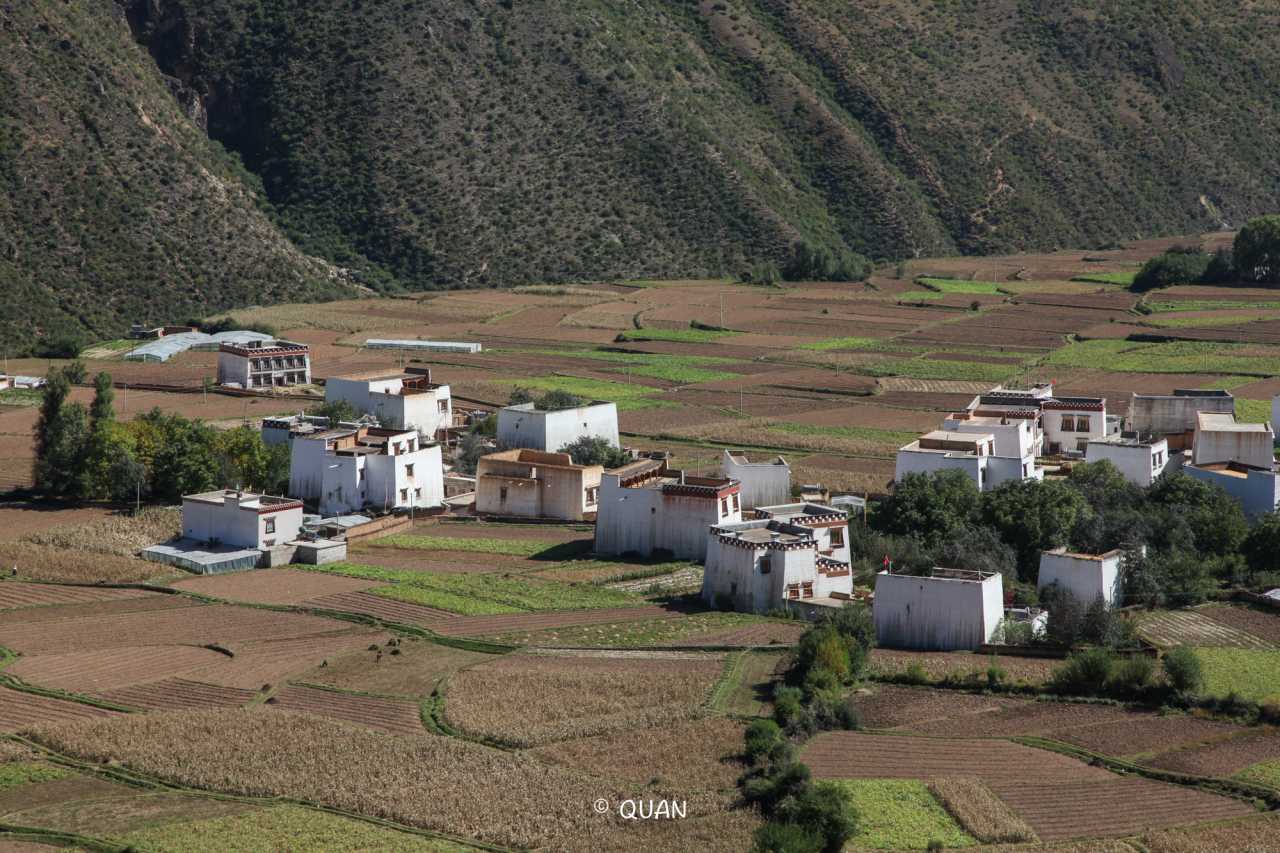
Xiangcheng, meaning "prayer bead in hand" in Tibetan, is traversed by the Shuoqu River, which links the white villages on both banks like a string of beads. Two clues here: Ganden Sangpi Lublin and Se'ergong.
Tibetan houses are scattered across the mountainsides, with dark stone and sturdy timber forming solid walls, accented by colorful paintings and carvings. There was no city noise here—only the whisper of mountain winds and the harmony of nature. The locals live in symbiosis with the land, and their faith lights the depths of their souls.
Though Ganden Sangpi Lublin is sizable, compared to Sumtsenling Monastery, it didn't seem grand enough to be the lamasery that "rules over the entire valley" in the novel.
Third Stop: Daocheng — The Legend of the Blue Moon Valley
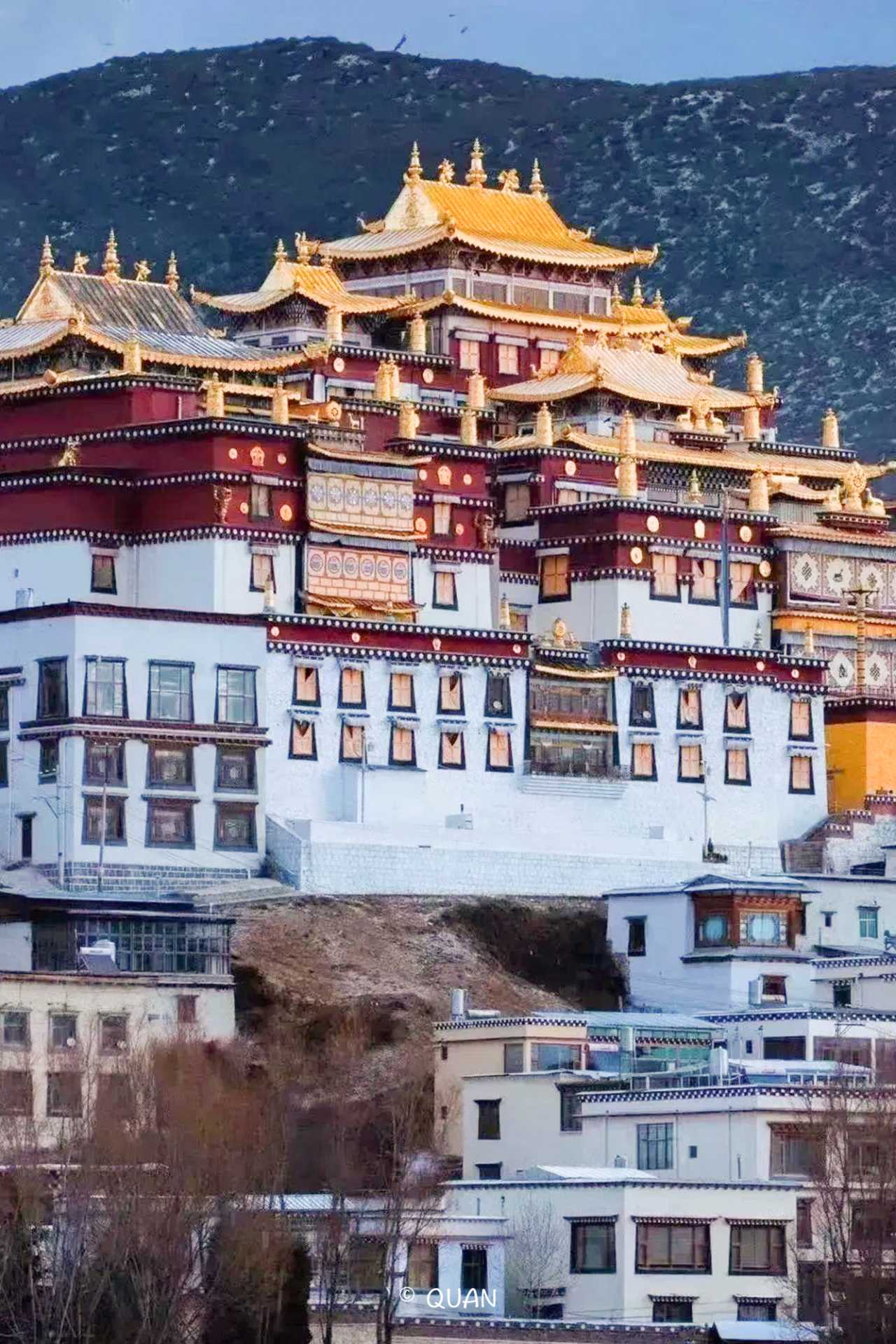
Daocheng, anciently called "Daoba," meaning "a wide valley mouth opening." The only clue here was to find the "Blue Moon Valley."
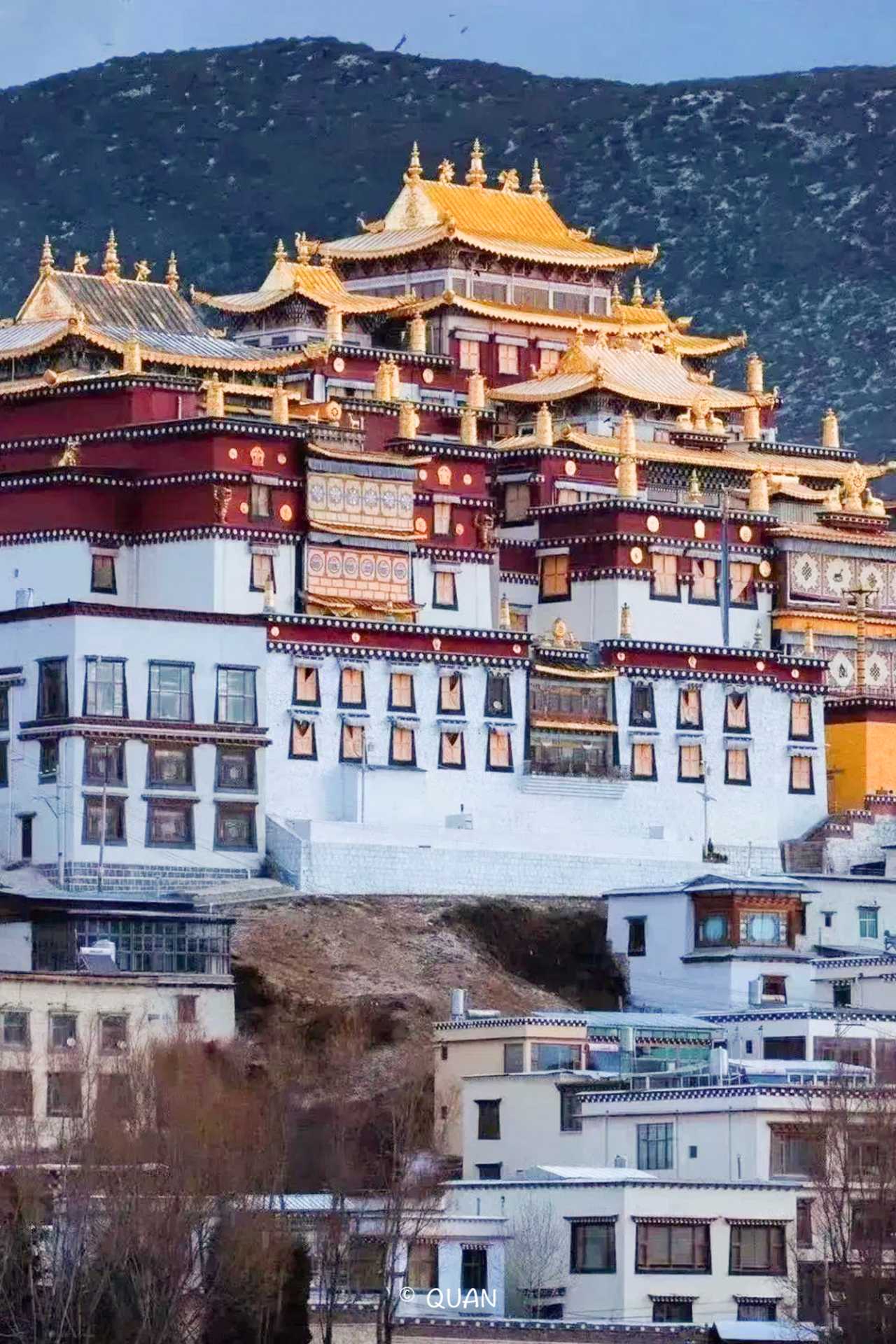
In Lost Horizon, the Blue Moon Valley is the sole passage into and out of Shangri-La. At the valley's entrance stands a pyramid-shaped snow mountain called Karakal. Standing in Daocheng's valley, gazing at the distant snowy peaks, I tried to match the novel's scenes with reality.
The valley's contour and the mountain's shape seemed somewhat similar to the book's description. But was this truly the Blue Moon Valley? The answer seemed to need more evidence.
Fourth Stop: Yading — The Last Pure Land
Yading is hailed as "the last pure land on the blue planet." With elevations ranging from 2,900 to 6,032 meters, three snow mountains—Xiannairi, Yangmaiyong, and Xianuoduoji—stand in a triangular formation. Tibetan Buddhism calls them "Risong Gongbu"—the Three Protector Deities.
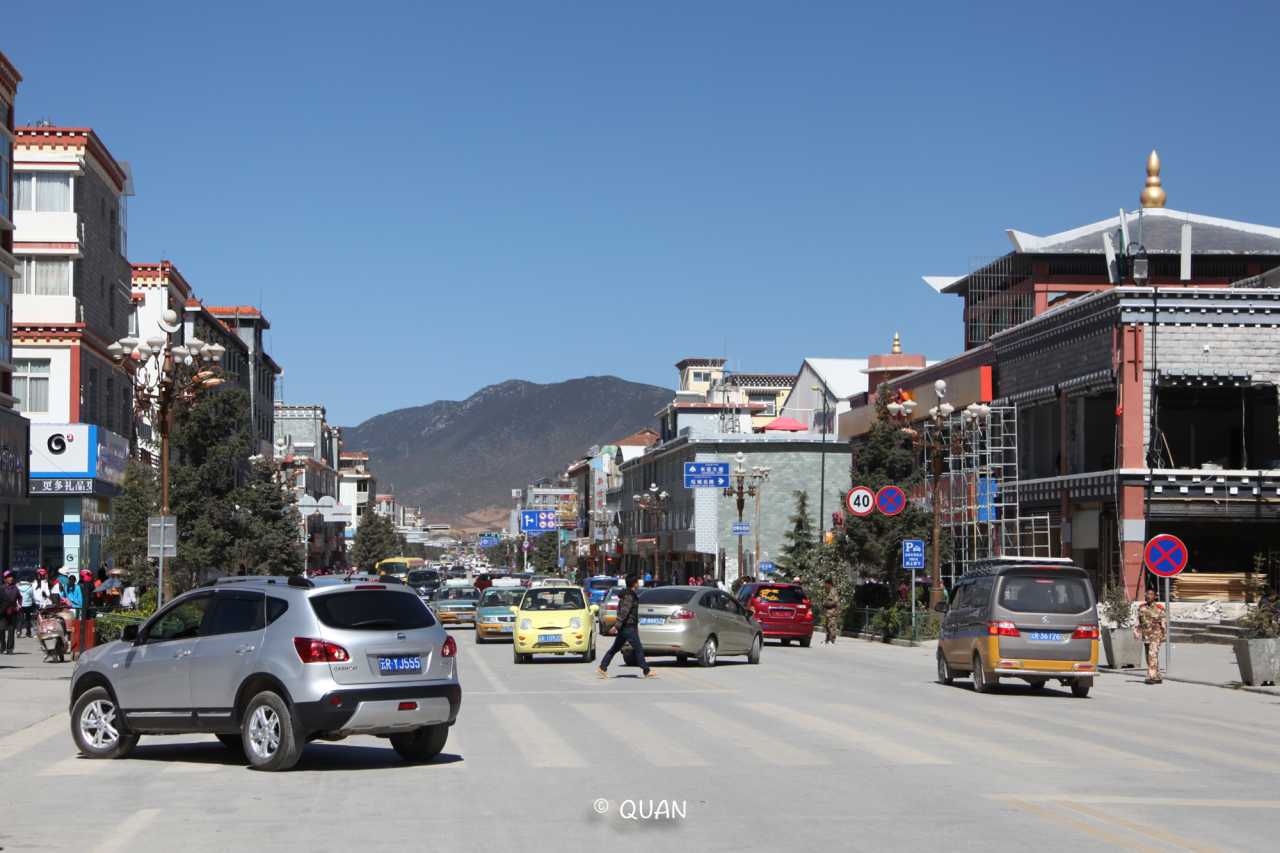
Xiannairi (6,032 meters) is shaped like a pyramid, pure white and spotless. Standing before it, my heart nearly stopped—wasn't this exactly the "pyramid-like peak" from the novel?
Snow peaks, glaciers, forests, streams, waterfalls, meadows, and lakes—all these elements combined organically to create a tranquil sanctuary. Could this be the legendary paradise?
The Truth About Shangri-La: Where Legend and Reality Meet
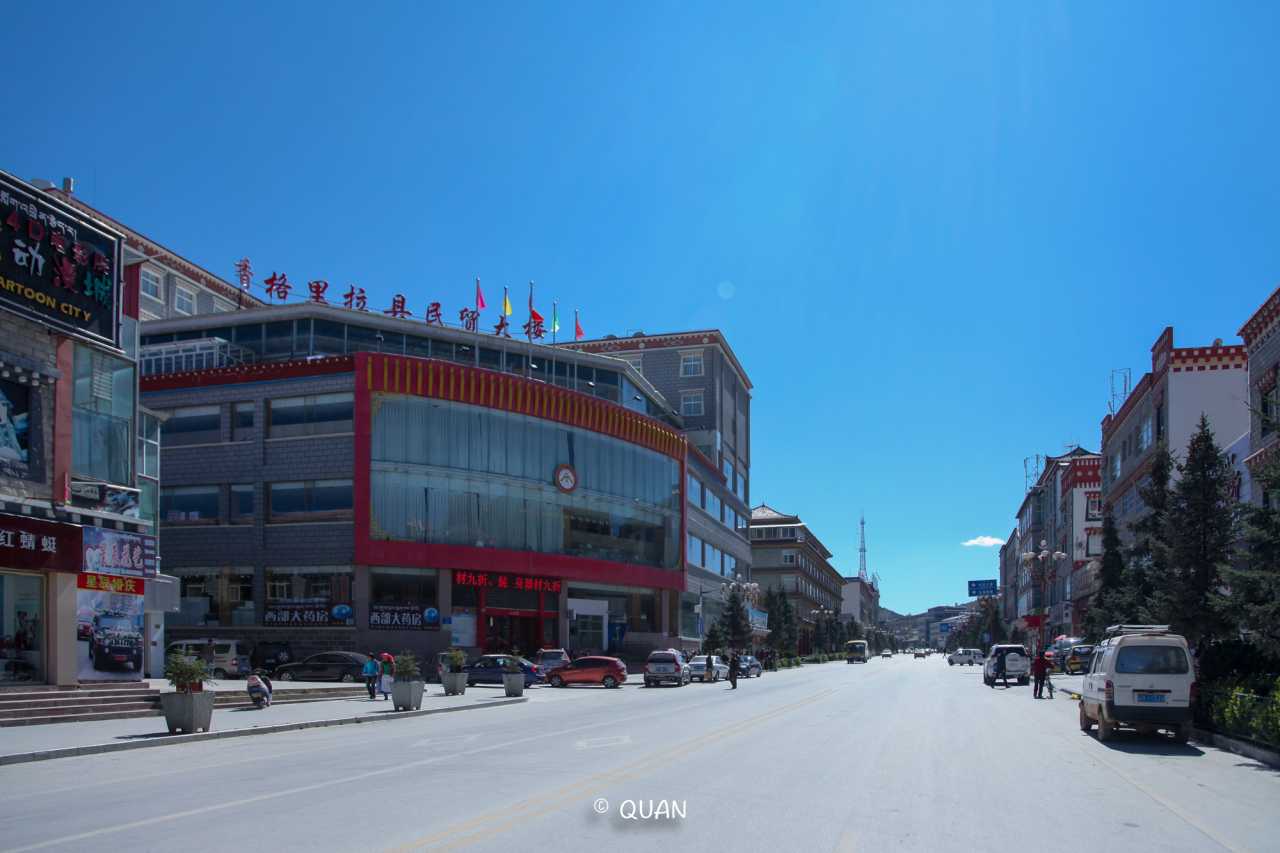
After this journey, I gathered clues from all five Shangri-Las and consulted extensive sources. In 1996, Yunnan launched a "Search for Shangri-La" expedition; in 1997, the Yunnan provincial government announced that Shangri-La was in Diqing; in 2001, Zhongdian County was officially renamed Shangri-La County.
But my analysis is this: The forced landing site described in Lost Horizon should be near Yading. The characters would have crossed over Xiannairi Peak, traveled through Potatso National Park, and finally arrived at today's Shangri-La county seat (Diqing). The lamasery representing Shangri-La's center would likely be Ganden Sumtsenling Monastery.
Epilogue: The Sun and Moon in the Heart
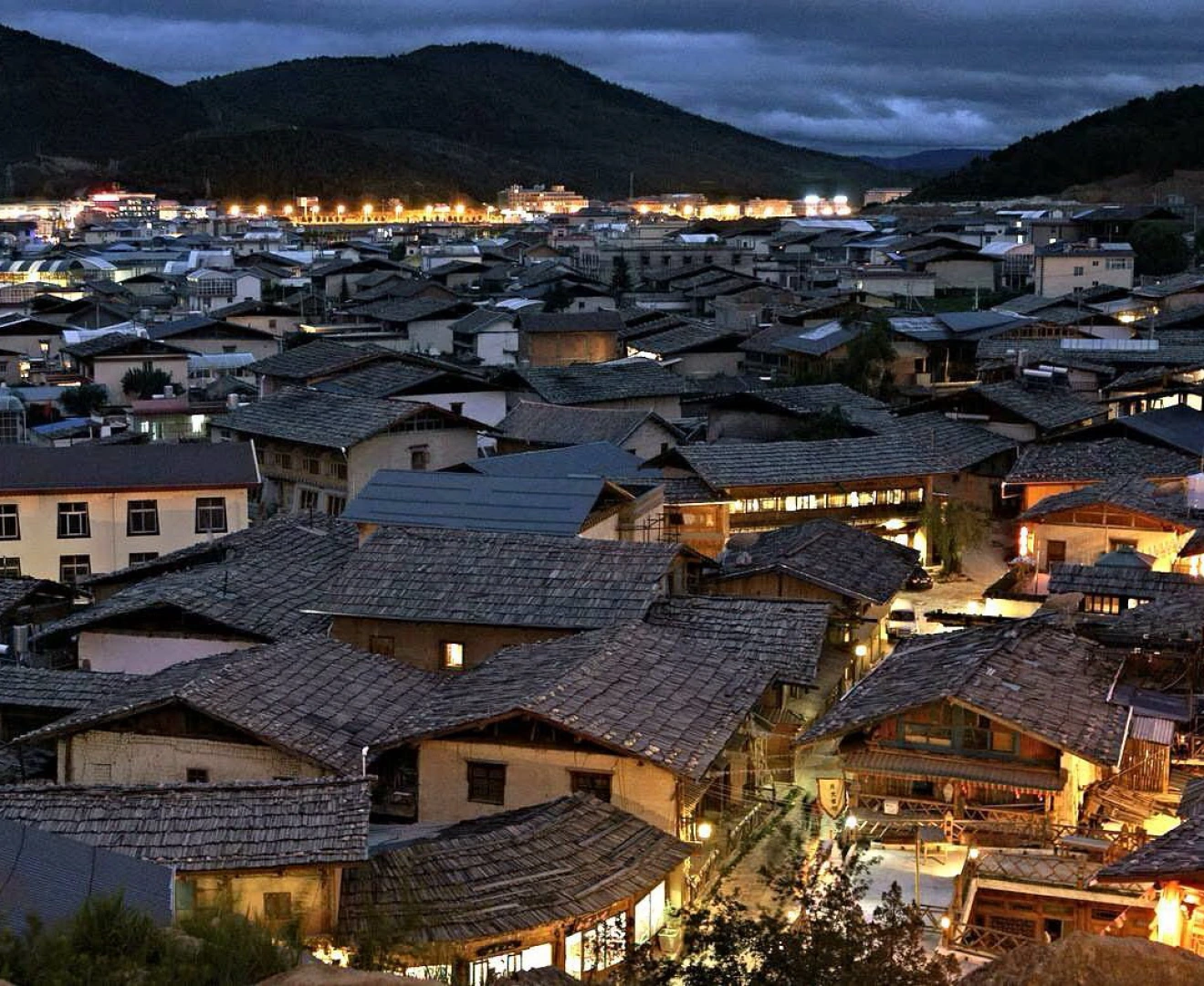
Shangri-La, meaning "the sun and moon in the heart" in Tibetan, is both the fictional utopia of Lost Horizon and a real geographical coordinate on the map. But more importantly, it represents an ideal—a longing for peace, tranquility, longevity, and happiness.
Perhaps the real Shangri-La isn't a specific point on the map, but the pure land within each of our hearts. Whether you're walking on the stone paths of Dukezong Ancient Town or standing at the foot of Yading's snowy peaks, if you're willing to pause and feel with your heart, Shangri-La is right there.
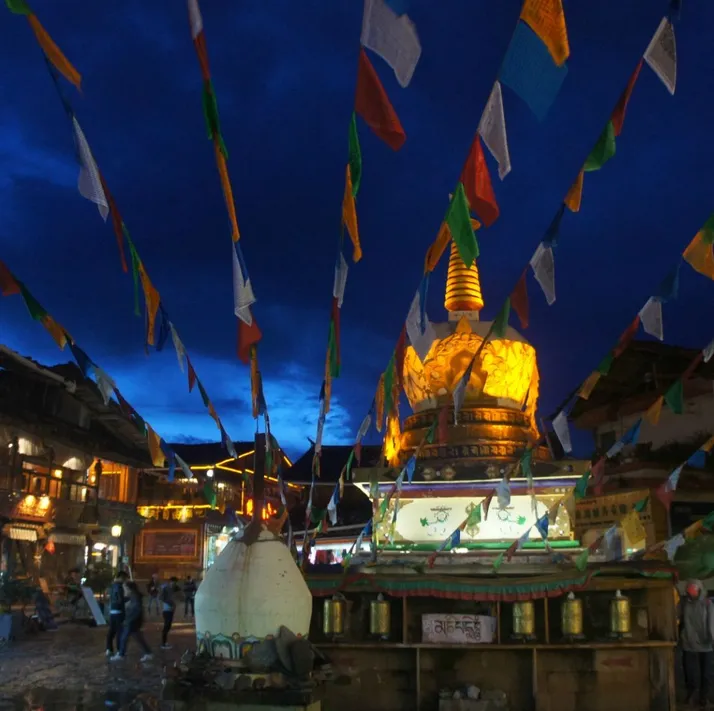
Five Shangri-Las, five different answers, but all point in the same direction—our innermost yearning for a better life.
The End
Travel Tips: - Best Season: May to October, with pleasant weather and the most beautiful scenery - Transportation: Fly to Kunming or Chengdu first, then take a connecting flight or drive - Altitude: 3,000–4,000 meters; be mindful of altitude sickness - Accommodation: Inns and hotels are available in Shangri-La county seat, Daocheng, and Yading - Essentials: Sunscreen, warm clothing, oxygen canisters, common medications
You should also read:
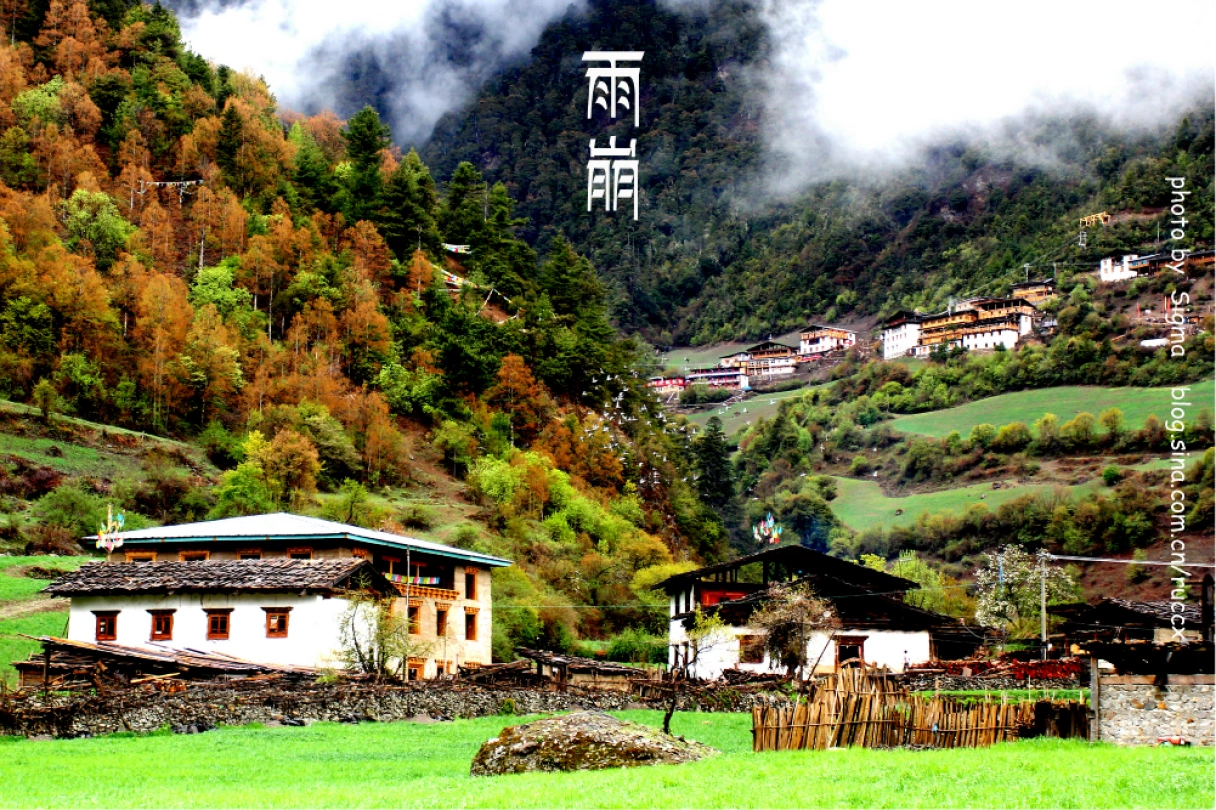
On the Eastern Mountain Top: A Journey to Meili Snow Mountain and the Hidden Realm of Shangri-La
On the Eastern Mountain Top: A Journey to Meili Snow Mountain and the Hidden Realm of Shangri-La Prologue: A Poem, A Journey "On the eastern mountain top, the white moon rises. A young girl's face, floats into my heart." Tsangyang Gyatso's verses turned into melody,…
Continue reading...
From Hell to Heaven: Our Pilgrimage Trek to Yùbēng
From Hell to Heaven: Our Pilgrimage Trek to Yùbēng “If you can’t go to heaven, go to Yùbēng.” That simple phrase took root in my heart three years ago. This deep autumn, my husband and I finally set foot on the road to that legendary…
Continue reading...
The Ordeal of Yubeng: A Realistic Record and Survival Guide for Trekking Meili Snow Mountain in the Rainy Season
The Ordeal of Yubeng: A Realistic Record and Survival Guide for Trekking Meili Snow Mountain in the Rainy Season Prologue: When Dreams Meet Muddy Reality "Yubeng" – in Tibetan, the name means "scripture." But among hiking enthusiasts, there's a more blunt interpretation: a place that…
Continue reading...