On the Eastern Mountain Top: A Journey to Meili Snow Mountain and the Hidden Realm of Shangri-La
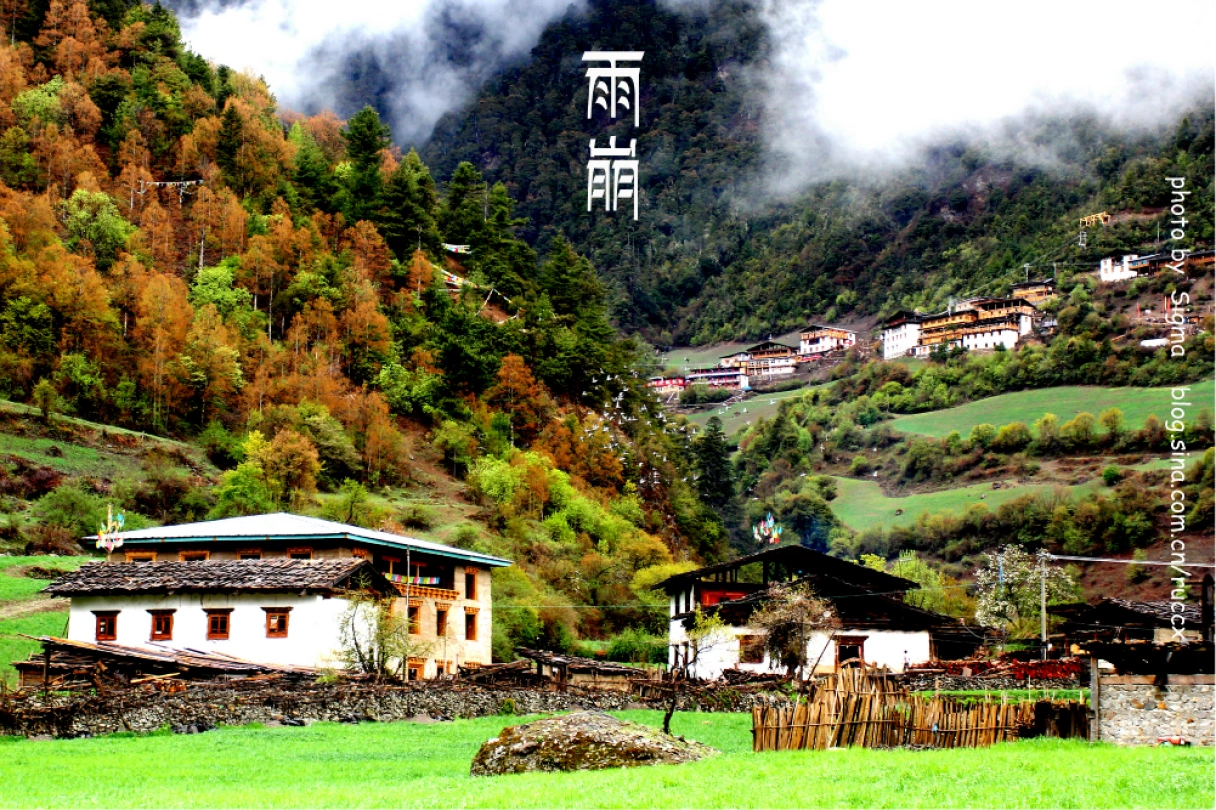
On the Eastern Mountain Top: A Journey to Meili Snow Mountain and the Hidden Realm of Shangri-La
Prologue: A Poem, A Journey
"On the eastern mountain top, the white moon rises. A young girl's face, floats into my heart."
Tsangyang Gyatso's verses turned into melody, echoing repeatedly in my mind as I organized photos late into the night. On the screen, a full moon happened to hang perfectly above Mount Miancimu — in that moment, I decided to name this journey to Diqing, Yunnan, "On the Eastern Mountain Top."
History is always full of curious misalignments. That Sixth Dalai Lama, by day the living Buddha of the Potala Palace, by night roamed the streets of Lhasa under the alias Dang Sang Wangpo. This fracture of identity paradoxically gave birth to his most moving poetry. And we modern travelers — aren't we also lost in our pursuit of freedom, only to find our true selves on journeys that break us free from constraints?
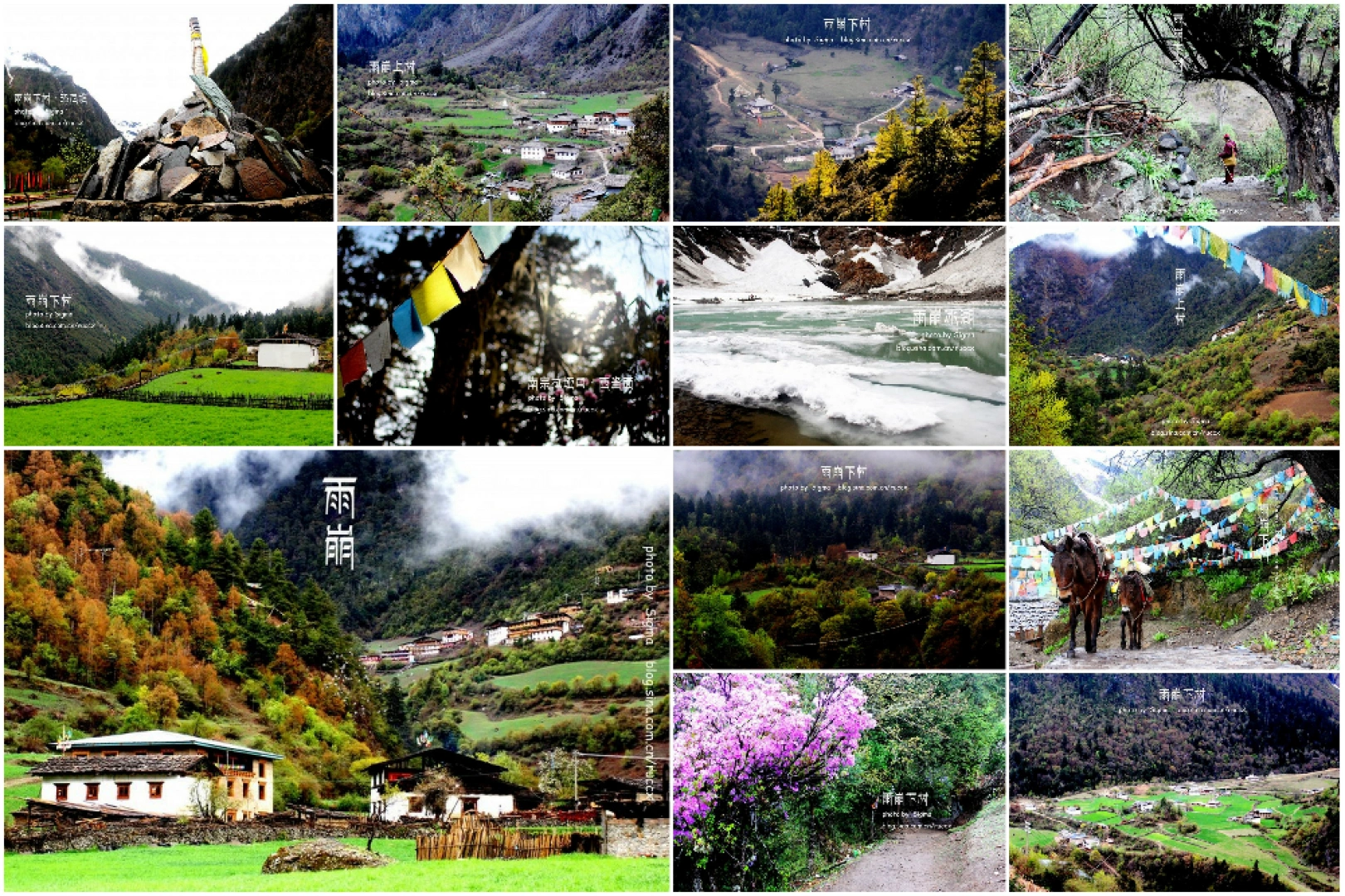
When I peeled that crookedly hand-drawn map of the Yubeng hiking route off the wall, I suddenly realized: what had seemed like a confusing geography a month ago was now etched clearly in my mind. What this journey left behind wasn't just photos in my camera, but memories woven together with snow mountains, starry skies, and strangers who became companions.
The Beginning: A Chance Encounter at Changshui Airport
February 2013, late night at Kunming Changshui Airport was exceptionally quiet. Fresh from photographing the rapeseed flower fields in Luoping, I was planning my next move in a Burger King. A middle-aged man with a large backpack sat down across from me — among fellow travelers, an outdoor backpack is the best calling card.

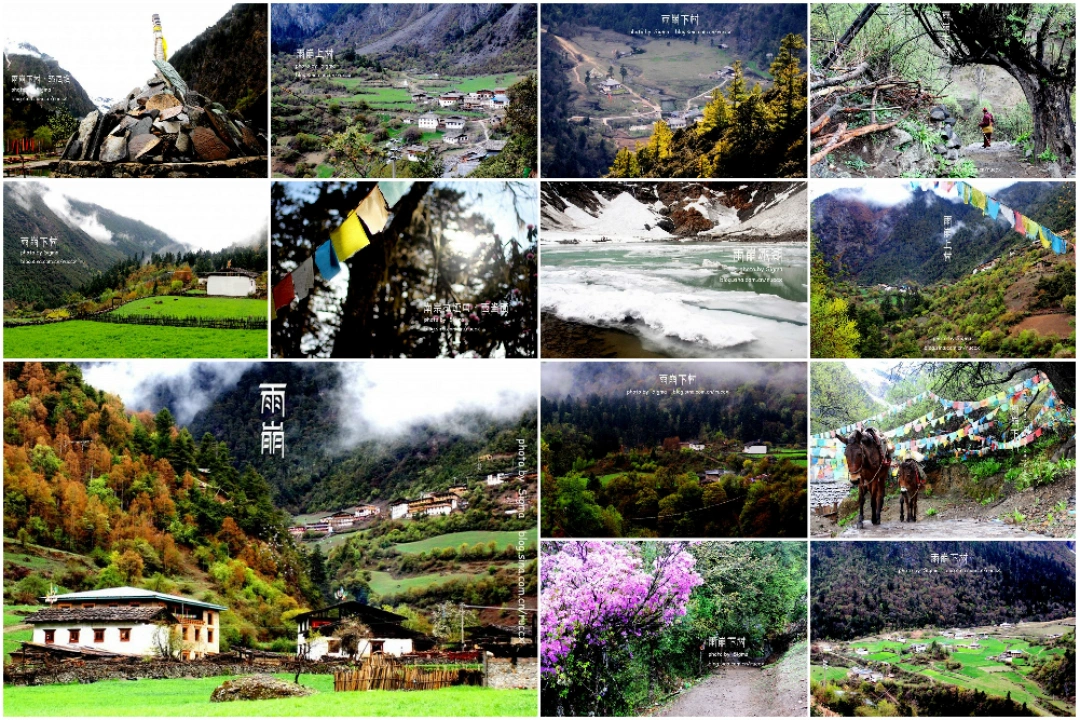
He was from Xuzhou, a university professor heading to Diqing to shoot photographs. When he heard I'd just finished part of my Yunnan itinerary, his eyes lit up: "You should go to Meili Snow Mountain, to Yubeng Village, to Shangri-La." He described in detail the golden sunrise at Feilai Temple, the primitive village of Yubeng, and the giant prayer wheel in Dukezong Old Town.
"Yubeng isn't connected by road yet. You have to hike in," he said, with a particular certainty in his eyes.
Two months later, I was sitting in a minibus heading from Lijiang to Diqing, my knees still aching — the day before, I'd taken a bad fall on the ancient city's cobblestones. But the snow mountain outlines gradually unfolding outside the window made all the pain worthwhile.
The First Bend of the Yangtze: A Geographic Legend
Our group of fourteen was led by a Tibetan guide named Zhaxi Zeren, everyone called him Tang Qiang. This guide in his late twenties had been walking the Yubeng route for a decade, had led tours through Mêdog, and knew this trail like the back of his hand.
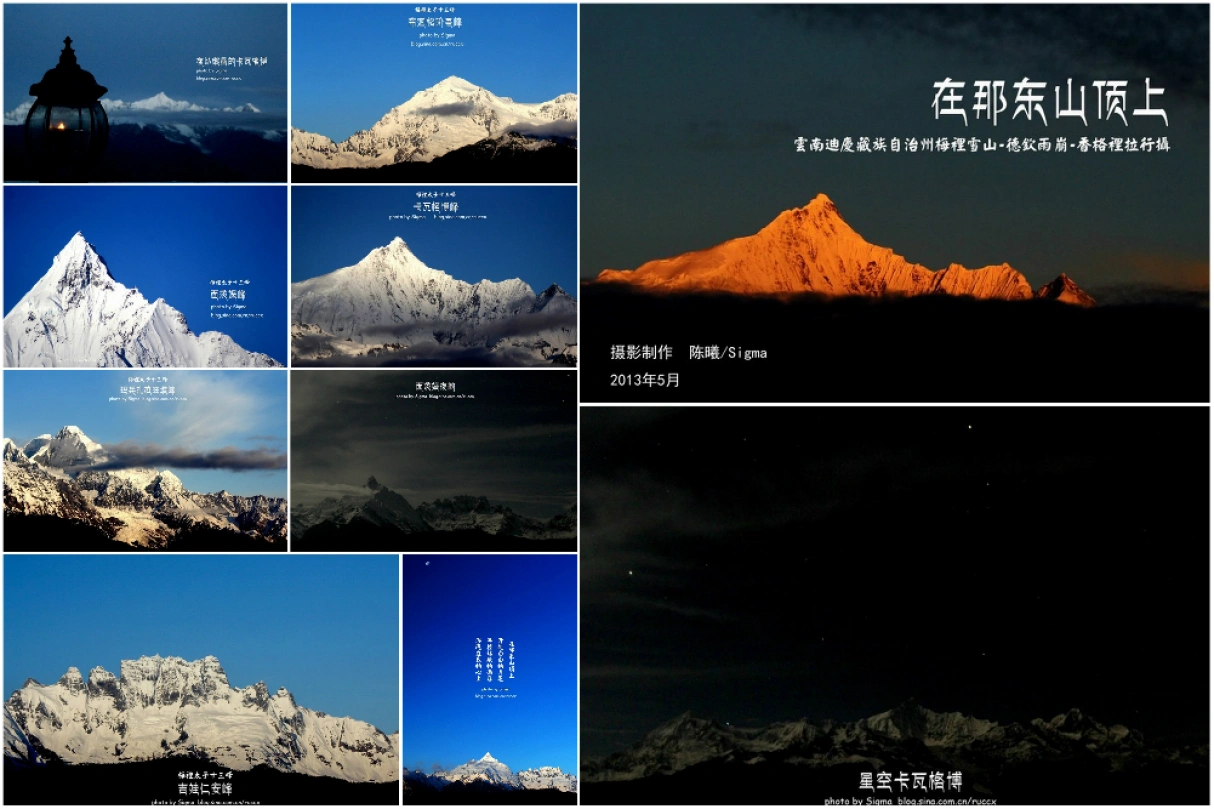
"Without the First Bend of the Yangtze, there would be no mother river," Tang said, standing at Shigu Town.
There's a beautiful legend here: three sisters — the Nujiang, Lancang, and Jinsha Rivers — set out traveling together. When they reached Shigu, the two elder sisters insisted on going south, but the youngest, Jinsha, was determined to head east in search of light. Where she turned, the First Bend of the Ten-Thousand-Li Yangtze was formed.
Geographically speaking, the Jinsha River makes a dramatic "V"-shaped turn of over one hundred degrees here, changing course eastward. After joining the Min River at Yibin, it becomes the Yangtze. Without this bend, the history of Chinese civilization might have been rewritten.
Benzilan: An Inn of the Khampa South
At one in the afternoon, we arrived at Benzilan. This small town, nestled at the foot of Baimang Snow Mountain on the west bank of the Jinsha River, is known as the "Khampa South" (Kangba Jiangnan). With its moderate altitude and abundant produce, the fresh fruits here are juicy and sweet.
Benzilan was once an important post on the Ancient Tea Horse Road. Going upstream leads into Tibet; downstream takes you straight to Shangri-La. During the Qing Dynasty, military posts were stationed here. Today, the Fulong Bridge connects both sides. Interestingly, the degree of Han-Tibetan integration here is high — locals barely observe the Tibetan New Year, celebrating the Han Chinese Spring Festival instead.
At lunch, Tang suggested we split into two groups to split costs. I ended up at a table with Brother Zheng, Brother Li and his wife, Tina,罗拉 (Lola), and Sho. Before eating, I slipped to the second-floor restroom to check my injuries — my left knee was purple and bruised, my left elbow had two scrapes, and my wrist still hurt. These were from my fall in Lijiang's old town, where my twenty-plus-kilogram backpack had slammed me onto the ground. Yunnan Baiyao aerosol spray and insurance liquid became my standard gear for the rest of the trip.
Moon Bay and Baimang Snow Mountain: Breathing at 4,292 Meters
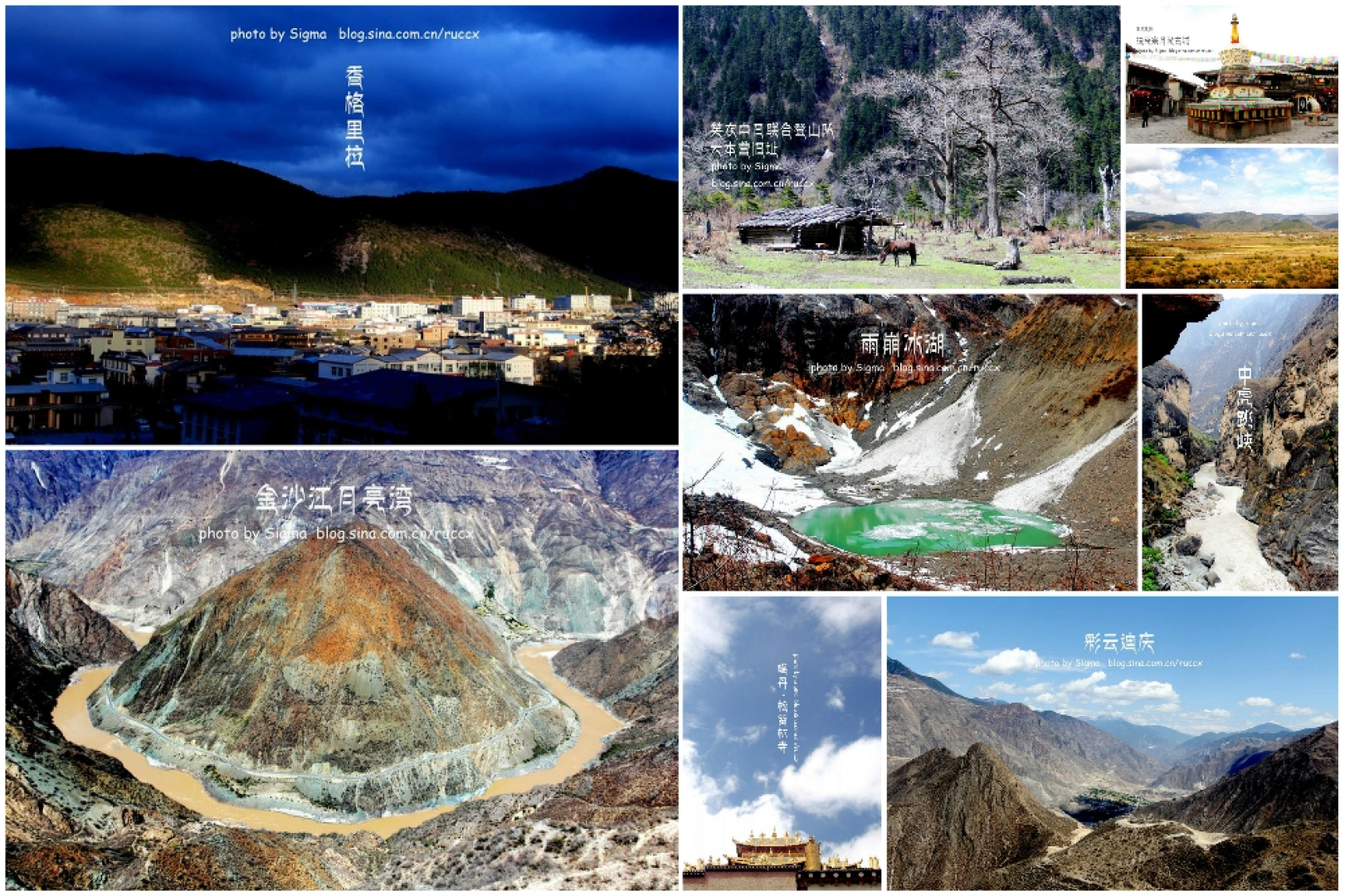
Leaving Benzilan, we arrived at the Jinsha River Moon Bay. A friend, Kathy, once asked: "Why do I see blue river water, but your photos show yellow?" The answer is simple: in early April, melted snow water hasn't yet poured in; by late April, the meltwater churns with sediment, turning the river from blue to yellow. This color doesn't fade until the rainy season ends in September.
Following the Yunnan-Tibet Highway north, we entered the Baimang Snow Mountain Nature Reserve. The Shuolalaka Pass at 4,000 meters and the Baima Snow Mountain Pass at 4,292 meters are the highest points on the Yunnan-Tibet Highway. The main peak, Zhalaqueni Peak, reaches 5,640 meters, while the lowest point at Xiashuo Township is only 2,260 meters — a vertical drop of over three thousand meters that creates a strikingly layered distribution of vegetation.
Stepping onto the soft earth, a reverence for the sacred snow mountains welled up inside me. At the pass, white stupas, mani stone piles, and prayer flags fluttered in the wind. It's said that devout believers, when crossing the pass, pick up a stone, face the mountain to make a wish, place it on the mani pile, untie their hair to let the mountain wind penetrate every strand, recite scriptures, and then scatter barley. I didn't witness such a scene — during the May Day holiday, the pass was crowded with tourists taking photos. But I believe that whatever deserves to be called ritual is a dialogue between humanity and nature, between people and the divine.
The Thirteen Peaks of Meili Prince: A Beautiful Misreading
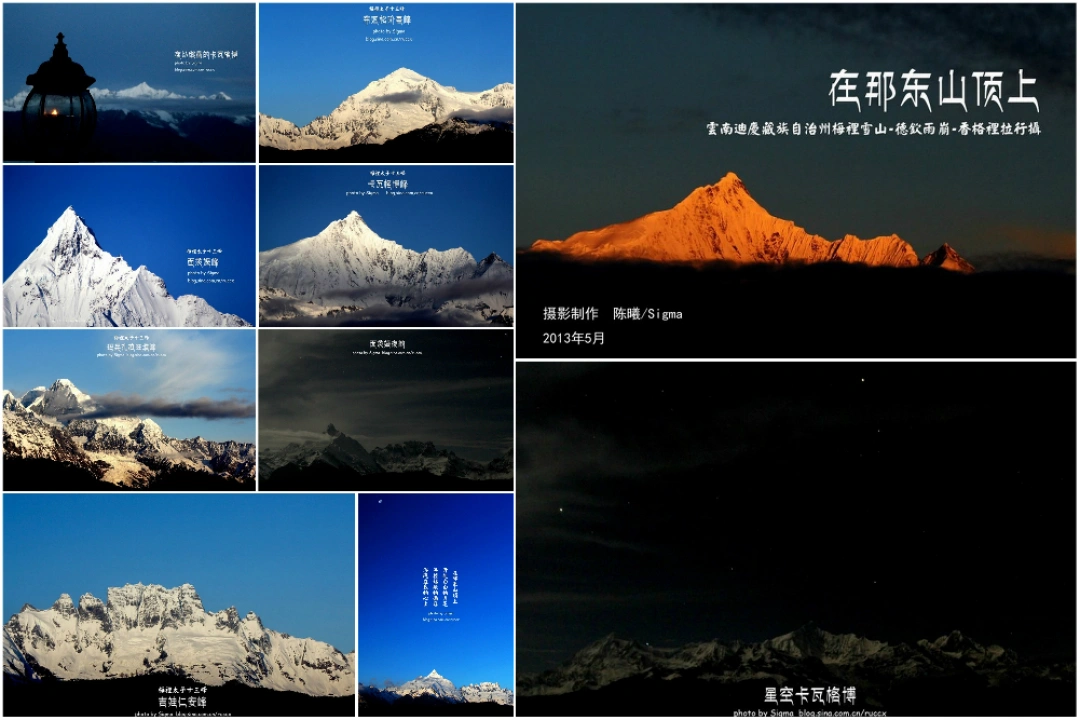
Baima Pass marks the boundary between Deqin and Shangri-La. Shortly after crossing the pass, the Thirteen Peaks of Meili Prince come into view.
Here's an interesting misunderstanding: what we commonly call "Meili Snow Mountain" is actually named "Prince Snow Mountain" or "Snow Mountain Prince." In 1908, French explorer Major Davies first used the term "Meili Snow Mountain" in his book "Yunnan." In reality, there's a small mountain range north of the Thirteen Peaks called Meili Snow Mountain, with a village at its foot called "Meili Shui" or "Meili Shi." After the founding of the People's Republic, a surveying team, due to communication barriers, recorded the "Prince Snow Mountain" where Kawagebo stands as "Meili Snow Mountain" — an error that made it directly onto official maps.
Kawagebo Peak, at 6,740 meters, the foremost of the eight great sacred mountains in Tibetan Buddhism, has been misread ever since. As for the "Thirteen Peaks," there are two explanations: one is that there are indeed thirteen snow peaks; the other is that "thirteen" is an auspicious number in Tibetan regions, not an exact count. I privately call them the "Thirteen Peaks of Meili Prince," keeping the widely known "Meili" element while respecting their true identity.
Feilai Temple Mingzhu Laka: A Vigil Under the Stars
Passing through Deqin County, we first caught sight of the Thirteen Peaks at the Welcome Thirteen Pagodas, then arrived at the Feilai Temple Mingzhu Laka area. When we checked into the Guanjingtang Hotel, it had been eleven hours since we left Lijiang.
This hotel, built to four-star standards, had unexpectedly good views — all rooms faced the snow mountains, and you could see the peaks just by pulling back the curtains. My roommate, Brother Zheng, an IT guy from Shanghai, wore the same orange-red outdoor jacket as me and shared my passion for photography. We helped each other take photos along the way, and other team members joked that "this is true love."
At four in the morning, Zheng and I both woke up. The moment he pulled back the curtain, he was stunned — snow mountains under the starry sky were more breathtaking than any photograph. We threw on the long red coats provided by our越野者 (off-road adventure) guide service, grabbed our tripods and cameras, and headed downstairs.
The early morning at Mingzhu Laka was very quiet. The starry sky spread its backdrop for the snow peaks, and the peaks reflected moonlight back into our eyes. The eternal flame lamps on the platform remained steady against the mountain wind. Clouds played around the peaks, sometimes wrapping around their waists, sometimes blown away.
In that moment, everything was solemn, everything was peaceful, as if a grand ritual was unfolding. Gazing up at the sacred mountain, I seemed to be conversing with another worldview. Humanity uses its unique intelligence to explain everything — from totem worship to religious philosophy, creating countless civilizations. And after the Age of Exploration and the technological revolution, these value systems have been reformed, preserved, erased, or transformed. But here at 3,400 meters above sea level, before the Thirteen Peaks of Meili Prince, all theories seem pale.
An Unfinished Journey
A month has passed since the Diqing trip. Friends I met on the journey still share bits of work and life online. Occasionally, we connect small moments from our daily routines with certain fragments of Diqing — not because this journey bound our lives together, but because we once made a shared pact: the Thirteen Peaks of Meili Prince, Yubeng Village, and Shangri-La.
The other night, while doing post-processing on photos, I looked up and saw the itinerary planning map still taped to my wall, its handwriting messy, its proportions off. I carefully peeled it off, aligned the corners, folded it neatly, and placed it together with the travel contract that had gotten wet and then dried out. This piece of paper witnessed a traveler's journey from planning to fulfillment.
A Few Tips for Those Who Follow:
- Season Selection: The best time to see the golden sunrise on the peaks is from October to March. After April, melted snow water turns the rivers yellow, but the vegetation is greener.
- Gear Preparation: The Yubeng hike requires professional hiking boots, trekking poles, and a waterproof outdoor jacket. If your knees are weak, be sure to bring knee braces.
- Altitude Sickness: Start taking rhodiola rosea a week in advance. Avoid strenuous exercise upon arrival and drink plenty of warm water.
- Cultural Respect: Prayer wheels, mani piles, and prayer flags all carry the faith of Tibetan people. Please do not touch or damage them.
- Transportation Advice: The drive from Lijiang to Deqin takes about eight hours. It's recommended to charter a vehicle or join a reliable outdoor club. Self-driving requires caution.
On the eastern mountain top, the moon rises and sets. But the Thirteen Peaks of Meili Prince remain there, waiting for the next person to gaze up at them.
You should also read:
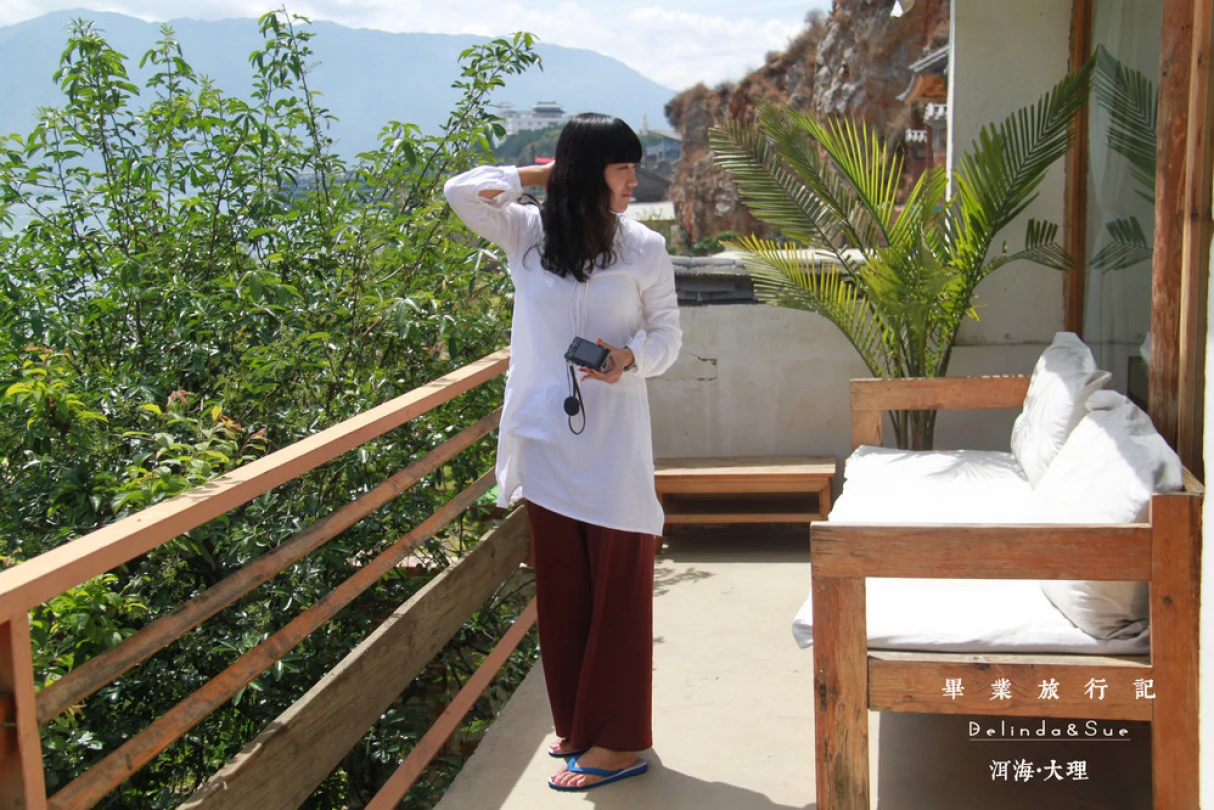
Two Girls' Graduation Trip: Dali and Shuanglang – A Poetic Farewell to Mountains and Sea
Two Girls' Graduation Trip: Dali and Shuanglang – A Poetic Farewell to Mountains and Sea Preface: Catching the Tail of Youth, Heading South During our senior year of college, my roommate and I – two girls studying in Beijing – decided to bid farewell to…
Continue reading...
Cloud Travelogue · Dali of Wind, Flowers, Snow, and Moon: A Three-Day, Two-Night Journey of a Free Spirit
Cloud Travelogue · Dali of Wind, Flowers, Snow, and Moon: A Three-Day, Two-Night Journey of a Free Spirit I am a cultured female foodie with a touch of rogue charm. I slung on my backpack, took my lover's hand, and set off on a spontaneous…
Continue reading...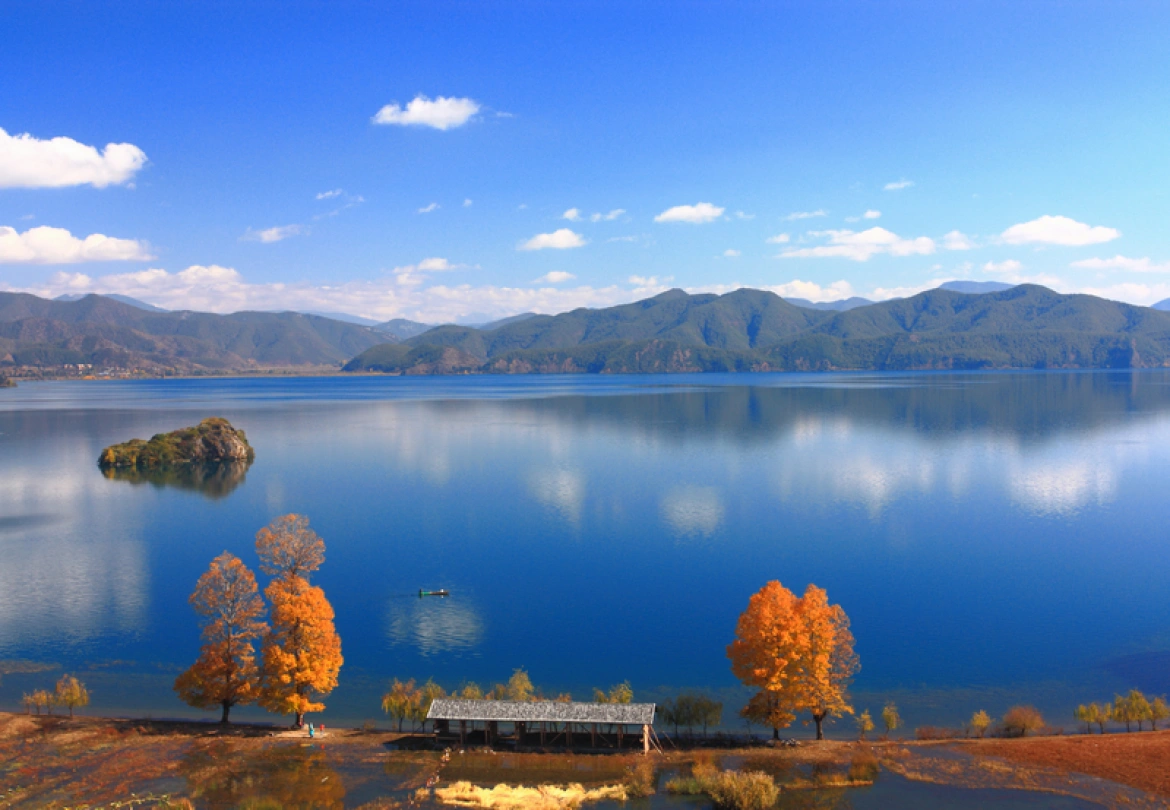
A Spiritual Journey to Lugu Lake in Lijiang: Experiencing the Legend of the Kingdom of Women! (Reproduction and Hotlinking Prohibited)
A Spiritual Journey to Lugu Lake in Lijiang: Experiencing the Legend of the Kingdom of Women! (Reproduction and Hotlinking Prohibited) Off-road自驾, food, hotel and民宿 reviews, Featured Traveler, Tank 300 owner, 200,000 km of self-driving experience. WeChat: y01294987 Ninglang Yi Autonomous County 2010.11.08 · 7 days…
Continue reading...