In the Land of Colorful Clouds, Searching for the Lost "Paradise" — Yunnan Travelogue (Part One)
In the Land of Colorful Clouds, Searching for the Lost "Paradise" — Yunnan Travelogue (Part One)
Foreword: A Long-Awaited Wedding Journey
It's been a while since I last picked up my pen to record a journey. My travel notes from last year's Tibet trip are still gathering dust in my draft folder, and now I'm adding another unfinished piece to the pile. To be honest, the reason is simple: laziness. But this time is different. My wife and I completed our wedding photoshoot in Yunnan, and every road we traveled, every scene we witnessed, and every pitfall we encountered deserves to be cherished. So, I finally dragged my sluggish body back to my desk, sat down, and began recording the bits and pieces of this journey — both as a keepsake for ourselves and as a reference for those planning their own Yunnan adventure.
We originally planned to depart at the end of September, but family matters pushed our trip to October 28th. Unexpectedly, this "accident" helped us avoid Yunnan's peak tourist season. According to local friends, Yunnan's off-season begins one week after National Day and lasts until the end of the following Spring Festival. During these three months, scenic spots are no longer packed with crowds, and even the glacier cable car tickets for Jade Dragon Snow Mountain are easier to snag — but more on that later.
Practical Tips: The Pitfalls We Encountered

Temperature Differences and Clothing: Four Seasons in One Day

As a Cantonese native, I thought the temperature swings back home were bad enough — until I came to Yunnan. In the mornings and evenings, you'll shiver from the cold; by noon, you'll be sweating and wondering if summer has returned. Staying at our guesthouse, we had the heater running all night and still caught a nasty cold, only to wake up the next afternoon feeling like we were suffering from heatstroke. It was both frustrating and hilarious. From late October to mid-November, I recommend packing mostly spring and winter clothes, with two or three short-sleeved shirts as backup. Also, Yunnan's air is incredibly dry — make sure to moisturize thoroughly.
UV Rays and Insects: Nature's "Warm Welcome"

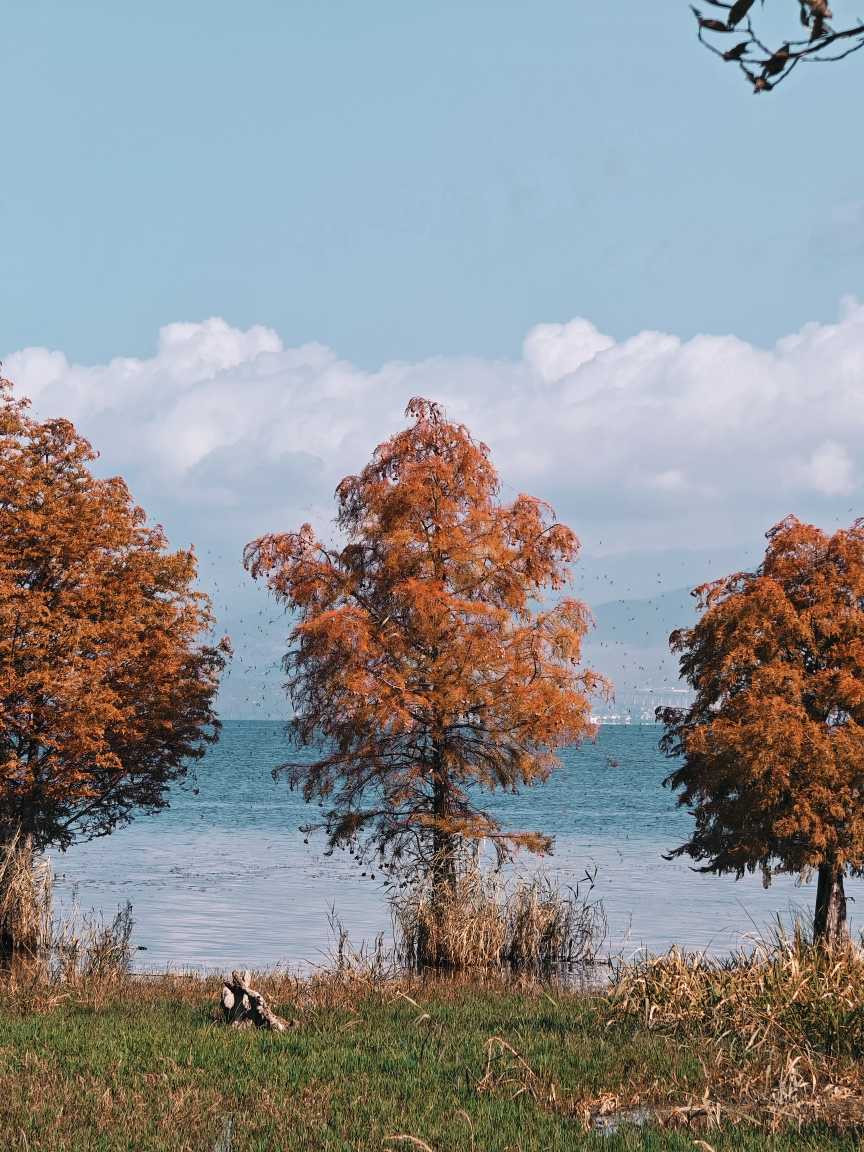
Yunnan's ultraviolet rays? Let's just say they're brutal. Step outside in the morning without sunscreen, and by evening, you'll be competing with the locals in a "who's darker" contest. Even more startling is the local ecosystem — the variety of insects here is nothing short of astonishing. Dali, in particular, deserves a special mention. Dali! The scenery is stunning, but zoom in on your photos — what are those black specks between the trees? Spiders! Giant Dali spiders the size of your palm are everywhere. Whether they bite or not, I can't say, but I'd advise keeping your distance. Women should be especially careful when taking photos under trees. And if spiders weren't enough, there are also blood-sucking leeches... So, insect repellent spray is no joke.
Altitude Sickness and Medicine: Better Safe Than Sorry
Areas like Jade Dragon Snow Mountain and Shangri-La sit at high altitudes. I recommend starting a week before your trip by drinking water infused with Rhodiola rosea (hongjingtian) or saffron (zanghonghua). Before heading to high altitudes, drink some glucose water — it helps improve your blood's oxygen-carrying capacity. Locals say butter tea (suyou cha) can also prevent altitude sickness, though I can't vouch for that. Stomach medicine is a must — Yunnan's cuisine leans toward heavy flavors, and while wild mushrooms are delicious, not everyone's digestive system can handle them. Cold medicine and headache pills are also essential, as the temperature swings can easily trigger a cold or altitude-related headaches.
Renting a Car: A Sedan Is Enough

As a major tourist province, Yunnan has a well-developed road network that's well-maintained, with paved roads almost everywhere. If you're renting a car for self-driving, a sedan is more than sufficient and cheaper too. No need to worry about road conditions like those on the 318 National Highway.
First Stop: Lijiang — First Glimpse of the Land of Colorful Clouds
The standard route starts from Kunming, passes through Dali, then Lijiang, and finally Shangri-La. This east-west route gradually increases in altitude, helping you acclimatize to the highland environment. However, my wife's wedding photoshoot was booked in Lijiang, so we adjusted the order: Lijiang first, then Shangri-La, and finally Dali. As for Kunming, we gave it a quick look and found nothing particularly captivating, so we skipped it.
I recommend spending 3 to 4 days in Lijiang. Here's our optimized itinerary:
- Day 1: Explore Lijiang Old Town, climb Lion Hill.
- Day 2: Watch the "Sunshine on Golden Mountain" at Black Dragon Pool, visit Black Dragon Pool Park, check into Baisha, and spend the afternoon and evening exploring Baisha.
- Day 3: Watch the "Sunshine on Golden Mountain" at Dongba Valley or Ganhaizi, then visit Jade Dragon Snow Mountain.
- Day 4: Continue exploring Jade Dragon Snow Mountain or head to the next destination.
A word of caution: Don't trust those "hidden gem photo spots" on Xiaohongshu (Little Red Book) too much. I've been burned too many times — either the reality looks nothing like the photos, or there's only one corner worth shooting, and once you're done, there's nothing else. Since you've made the effort to travel, it's better to spend your time on places that truly deserve it. Of course, if your only goal is to get that perfect shot, feel free to ignore my advice.
Shuhe Ancient Town and Lijiang Old Town: Two Sides of the Same Commercial Coin
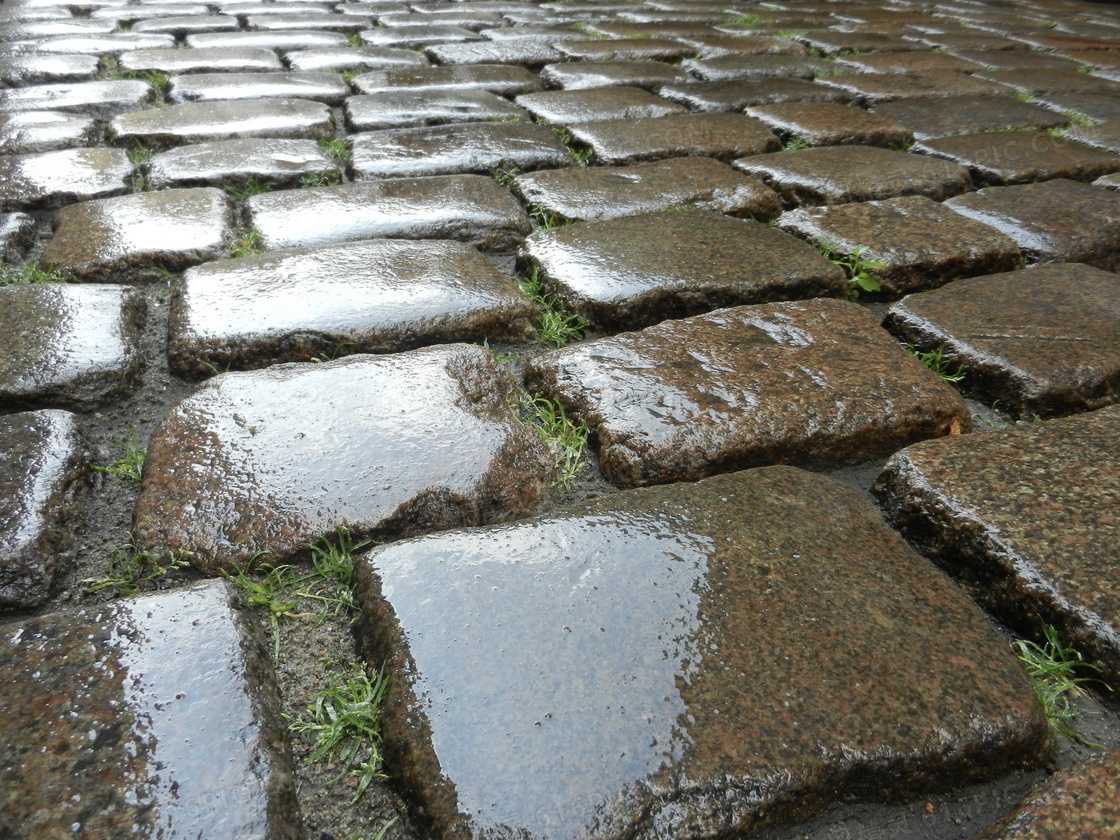
Day one was for the wedding photoshoot, and our photography team arranged accommodations in Shuhe Ancient Town. Here's a tip: you can choose to stay in an ancient town, but don't stay inside it. Vehicles are banned from entering, and the cobblestone streets are a nightmare for suitcase wheels. As a grown man, I had to carry two 70-pound suitcases — one in each hand — stumbling over the uneven stones. The image alone is enough to make anyone want to cry. So, when booking a guesthouse, choose one on the edge of the town, call ahead to confirm there's parking, and make sure you can drive right up to the door.
We got up at 4 a.m., hoping to catch the "Sunshine on Golden Mountain" at Jade Dragon Snow Mountain, but the weather didn't cooperate — all we saw was thick fog. To see this phenomenon, weather is everything. If it's raining or about to rain, you can pretty much cancel the plan. If it's not raining, check the weather at 6 a.m. If it's cloudy, you might as well go back to sleep. That's Yunnan for you — everything depends on the sky. When the weather is good, the Land of Colorful Clouds is breathtakingly beautiful; when it's bad, all you can do is sigh over photos.
In the evening, we wandered through Lijiang Old Town. It felt similar to Shuhe — heavily commercialized. If you've been to Ciqikou, Jinli, Kuanzhai Alley, or Chaozhou's Paifang Street, you'll find it's more or less the same. For a more authentic ancient town experience, I recommend Baisha. If you're exploring Lijiang Old Town at night, enter through Zhongyi Market, which transforms into a food plaza after dark. On the way, there's a restaurant called "Zhazha Rice Noodles" that I highly recommend! The portions are generous — perfect for two people to share along with some snacks. The second floor offers a view of Lion Hill; if you go up, you can see the entire old town. We walked along the wall for what felt like forever but couldn't find the entrance. If you want to go, I suggest visiting during the day for better visibility. Since it was off-season, there were few people at night, and the old town had a certain quiet charm.
Black Dragon Pool Park: A Dream Fulfilled, A Pool Reflecting Snow
Humans are stubborn creatures when it comes to things we can't have. Last year, while traveling the 318 National Highway, I missed the "Sunshine on Golden Mountain" at both Meili Snow Mountain and Namcha Barwa. This time, with Jade Dragon Snow Mountain right in front of me, I was determined not to miss it again! After returning from the old town to our hotel, I started trying to book a ride. During the off-season, it's nearly impossible to find a driver — by 1 a.m., no one had accepted my order. I left the request open and decided to let fate decide. The next morning, my 6 a.m. alarm went off, and I groggily checked my phone — someone had accepted! They were scheduled to pick me up at 6:30, but the driver arrived at 5:50. I didn't even brush my teeth; I grabbed my gear and ran downstairs. The driver was bundled up like a dumpling, shivering in the car while playing games on his phone.
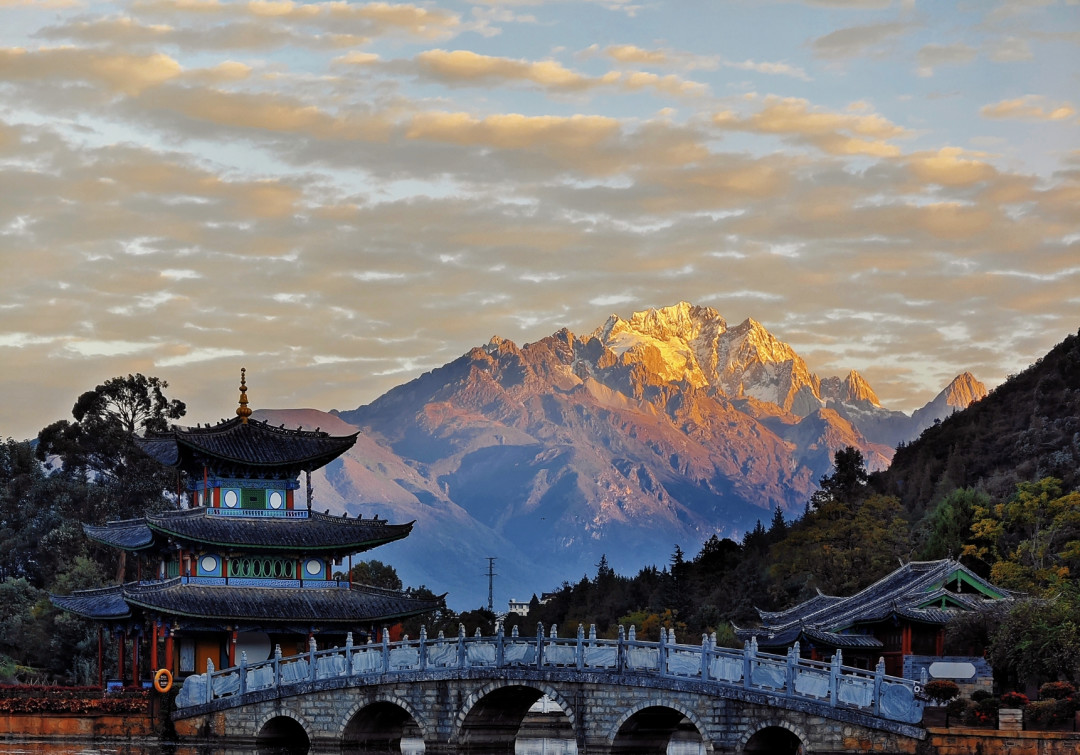
Black Dragon Pool Park, formerly known as the Jade Dragon Dragon King Temple, earned its name because two emperors — Jiaqing and Guangxu — bestowed the title "Dragon God" upon it. It's the best spot in the city to watch the sunrise. Entry is free before 7:30 a.m. I arrived a little after 6 a.m., and there was practically no one around. The security guard glanced at me, then turned back to his cigarette.
I recommend navigating to the West Gate. Enter, turn right, and walk to Locking Green Bridge. Cross the bridge, and you'll find a few benches, but they were already taken. I continued to Longevity Pavilion, where no one was around, and the view was excellent — you could see the Moon-Embracing Tower and the Longing Bridge. The sky was still dark, and the clouds were thick, making me a bit anxious. Sunrise was around 7:30, so I had about half an hour to wait. I put in my earphones and let Jay Chou's songs keep me company.
The sky gradually brightened, and the clouds slowly dispersed. When the morning light fell upon Jade Dragon Snow Mountain, any words describing beauty felt inadequate — all the wonders of the world were captured in that moment. The pool reflecting the snow, my first-ever "Sunshine on Golden Mountain." This is the essence of travel: it's not about the destination, but the journey. Meeting different people, doing different things, seeing worlds you've never seen before, feeling the beauty of the road, and then regaining the confidence to move forward.
Black Dragon Pool Park isn't large — you can walk through it in an hour — but the atmosphere is wonderful, perfect for sitting and daydreaming. Many elderly locals come here to drink tea, exercise, or play chess. Some, like me, just sit under the willow trees, staring at the snow mountain and letting their minds wander. I envy the people of Lijiang — having such a beautiful imperial garden right in their backyard.
Baisha Ancient Town: Finding a Slice of Purity Amid the Commercial Tide
The more ancient towns I visit, the more I feel that many so-called "cultural relics" are nothing more than commercial complexes draped in the cloak of tradition. When the train of commercialization comes roaring through, the residents of these ancient towns eagerly jump on board, leaving their old way of life behind. The vitality of these towns is drained, leaving only a hollow shell of tradition. That was until we stepped into Baisha...
Baisha was once the capital of the ancient Naxi Kingdom, the political, economic, commercial, and cultural center of the Naxi people. It is also the ancient town that retains the most authentic Naxi character. Unlike the commercialized ancient towns in the city, Baisha is nestled within a Naxi village at the foot of Jade Dragon Snow Mountain. There are no high-rise buildings, only farmhouses of varying heights.
The guesthouse we stayed at had a window overlooking freshly harvested farmland, with free-roaming cattle and sheep. Across the way were Naxi homes, and in the distance, Jade Dragon Snow Mountain. Baisha is the only one of Lijiang's three ancient towns where you can see the snow mountain up close. The town's central square, Sifang Street, means "connecting in all directions, authority over all corners" — a design later adopted by Shuhe and Lijiang. Baisha's commercial area is small, spanning about a kilometer, but it's clean and tidy. There's no shouting to lure customers, no deafening music. Instead, you hear the gentle strumming of folk singers, small vendors basking in the sun at their shop doors, and Naxi locals chatting in their dialect. To them, the passing tourists are just part of the ebb and flow.
I especially love Baisha at night. By 8 or 9 p.m., there are hardly any pedestrians on the streets. Shops begin to close one by one, and a deep stillness settles in.
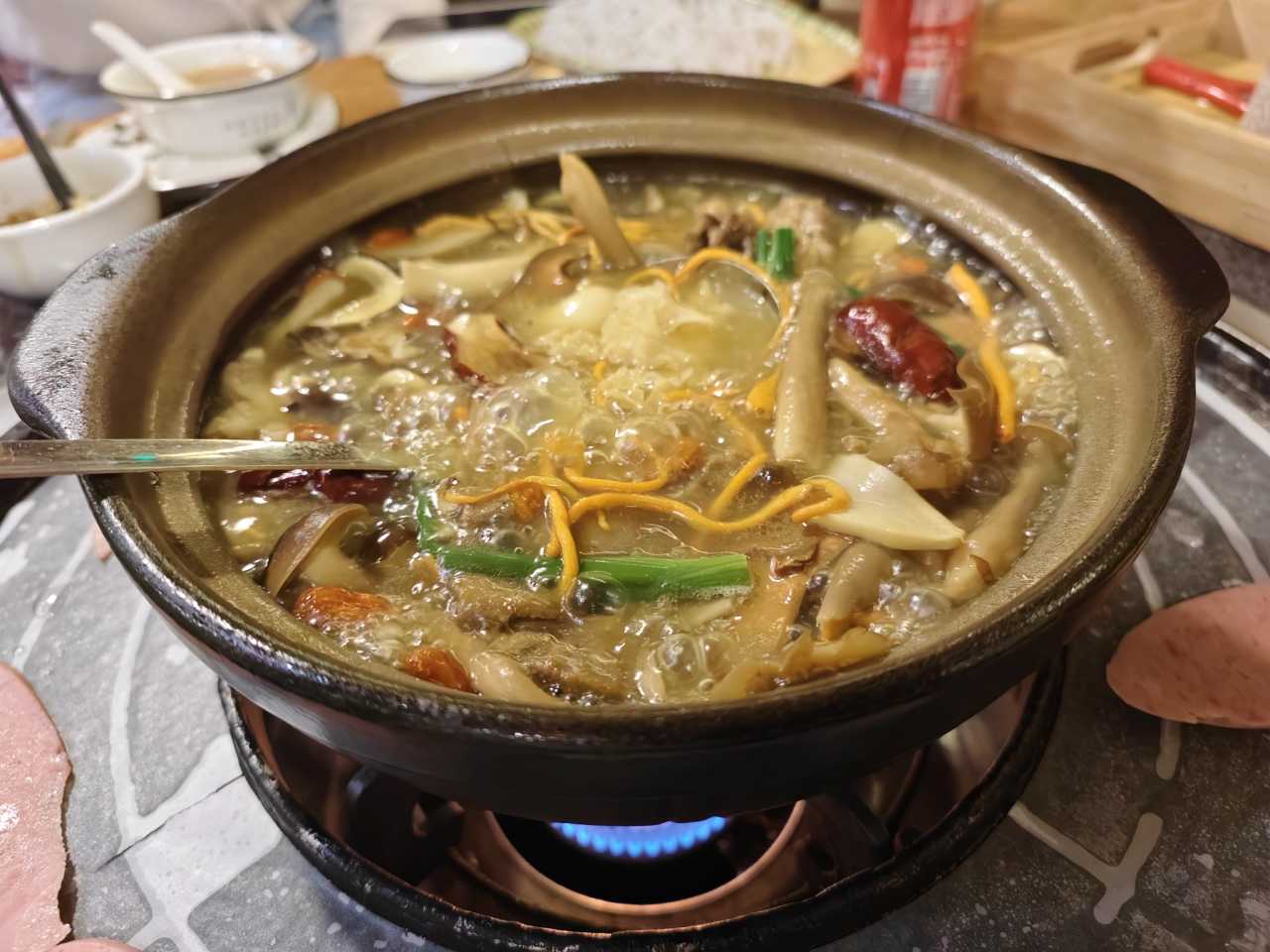
Oh, and I highly recommend trying Yunnan's wild mushrooms. Here, you'll experience firsthand that the online jokes about "eating mushrooms" aren't exaggerated. The waiter brings out the pot, sets a timer, covers it, and starts cooking. A staff member patrols nearby, ready to pounce if you try to lift the lid. They don't even give you chopsticks until the cold dishes arrive. When the timer goes off, the waiter comes to open the pot and takes a sample of the soup — just in case something goes wrong, they can quickly trace the issue. My wife and I left the lid open and boiled it for another five minutes before daring to eat. The mushroom soup was delicious, with a variety of textures — highly recommended. But be mindful of your stomach. I was fine, but my wife had a stomachache for a whole day. Different constitutions, I suppose.
Baisha is the most authentic ancient town I've ever visited, with the strongest sense of Naxi culture. Yes, there's some commercialization, but nowhere near the levels of Lijiang or Shuhe. If you want to unwind, to experience genuine Naxi life at the foot of a snow mountain, don't miss Baisha — before the train of commercialization comes roaring through, before the last wisps of cooking smoke disappear.
Jade Dragon Snow Mountain: A Sacred Mountain You Can't Explore in a Day
Jade Dragon Snow Mountain. One word: massive. So massive that you can't explore it in a single day — you need at least two.
In the local Naxi language, Jade Dragon Snow Mountain is called "Oulu," meaning "Heavenly Mountain." It is the embodiment of the Naxi protector god "Sanduo." Its 13 peaks stretch endlessly, like a dragon soaring and dancing through the sky — hence the name "Jade Dragon."
Another early morning, this time to watch the "Sunshine on Golden Mountain" once more. Dongba Valley and Ganhaizi are both great spots; we chose Dongba Valley. If you're driving, the staff at the mountain gate will stop you and ask where you're going. If you say Jade Dragon Snow Mountain, you'll need to pay a 100 yuan entrance fee — this can only be paid on-site; online tickets are for cable cars only. If you say Dongba Valley, you don't need to pay. But since our plan was to watch the sunrise and then visit the snow mountain, we paid for the ticket along the way. The scenic area is huge, and you can't finish it in one day. The authorities have thought of this: with your ticket, you can go to the visitor center and get a "second entry pass." When you return the next day, just show it at the gate, and you won't need to pay again.
To get to Dongba Valley, navigate to the traffic light at the scenic area entrance. The scenic area is to the right; we turned left, where there are many small ponds. Pick one you like, park, and wait for sunrise. We arrived at 6 a.m. The sky was still dark, but the weather was unusually clear — a sky full of stars. Looking at the stars, my mind drifted back to the Tibet trip — that night we passed through the Nyenchen Tanglha Mountains, stopped the car to stretch, and casually looked up to see the entire Milky Way. The shock of that sight is still vivid in my memory. Unfortunately, my equipment wasn't good enough to capture it.
My wife stayed warm in the car while I shivered outside, watching the stars. At 6 a.m., at the foot of the snow mountain, my fingers were numb from the cold. The weather was kind, and after a long wait, I saw the "Sunshine on Golden Mountain" once again.

It wasn't even 8 a.m. when we finished watching the sunrise, and we set off for Jade Dragon Snow Mountain. True to its reputation as a 5A national scenic spot, we hit traffic before we even reached the entrance. It's hard to imagine how bad it must be during peak season. But the traffic didn't dampen our spirits — we could still see the snow mountain in the distance from the car.
The scenic area has four main attractions: the Glacier Cable Car, the Spruce Meadow Cable Car, the Yak Meadow Cable Car, and the Blue Moon Valley. Blue Moon Valley is free, while tickets for the other three cable cars must be purchased a day in advance on the "Lijiang Tourism Group" mini-program. The Glacier Cable Car tickets go on sale at 8 p.m., with a daily limit of 10,000 — most are snatched up by tour groups. The other two go on sale at 9 p.m., and you don't need to worry about missing them. Remember to buy the full ticket that includes the tourist bus. Glacier tickets have strict time restrictions — if you're late or early, you won't be allowed on. If you're late, you'll have to wait until 3 p.m.
Our plan was to visit Yak Meadow and Blue Moon Valley on the first day, then the glacier on the second. Yak Meadow and Blue Moon Valley are in the same direction, so we went to Yak Meadow first and then stopped at Blue Moon Valley on the way back. We took the tourist bus to the cable car station. The cable car isn't great for people with a fear of heights — not only is it semi-enclosed, but the loudspeaker also announces, "If the cable car stops operating, please do not panic." Just imagining the cable car hanging in midair, swaying in the wind, made me want to jump out.
Fortunately, the ride was uneventful, and we arrived at Yak Meadow. As we stepped out of the cable car station, we could see Jade Dragon Snow Mountain, but the weather was starting to turn cloudy. Don't be fooled by the beautiful grassland — it's full of blood-sucking leeches. I recommend walking the boardwalk counterclockwise. At high altitudes, the counterclockwise direction has fewer stairs and gentler slopes, making it easier to avoid altitude sickness. Yak Meadow isn't large — you can walk around it in less than an hour. By the time we reached the summit, the snow mountain was hidden by clouds, so we slowly made our way down.
We took the cable car back down, then the bus to the Shuiyue Pavilion stop, which is Blue Moon Valley. Visiting two spots in one day left us with a relaxed pace, so we could take our time exploring. Even with the cloudy weather, the water in Blue Moon Valley sparkled like a sapphire. Blue Moon Valley was originally called "White Water River" because the riverbed is composed of gray-white marble and limestone fragments. The water is crystal clear, revealing the gray-white riverbed below. The river is fed by melting glaciers from Jade Dragon Snow Mountain. It was later renamed "Blue Moon Valley" because its resemblance to the Blue Moon Valley described in the novel Lost Horizon. The water's blue color comes from its copper sulfate content. The last time I saw such a vivid blue surface was at Jiuzhaigou Valley. Unfortunately, the cloudy sky meant we couldn't see the snow mountain reflected in the lake.
We had originally planned to climb the glacier on the second day, but the weather suddenly turned — overcast with intermittent rain. We had no choice but to cancel our hard-won Glacier Cable Car tickets, leaving that regret for another time.
Lijiang Summary
Everyone has their own preferences when it comes to travel. I'm someone who loves quiet places, spots that let you calm your mind. Lijiang gave me that experience — whether it was the morning light at Black Dragon Pool, the nights in Baisha, or the meadows of Yak Meadow, I felt a long-lost sense of peace. Of course, there were regrets: not making it to the glacier, not seeing the snow mountain reflected in Blue Moon Valley. But perhaps that's another meaning of travel — it gives us a reason to set out again.
Next stop, Shangri-La. That legendary "paradise" — we're coming.
You should also read:

God’s Abandoned Palette: A Self-Drive Journey Through Yunnan’s Dongchuan Red Land
God’s Abandoned Palette: A Self-Drive Journey Through Yunnan’s Dongchuan Red Land Travel has never been about reaching some distant geographic coordinate. It’s about encountering, along the way, the version of yourself buried beneath the rubble of daily routine. During this May Day holiday, I finally…
Continue reading...
Cloud Travelogue · Dali of Wind, Flowers, Snow, and Moon: A Three-Day, Two-Night Journey of a Free Spirit
Cloud Travelogue · Dali of Wind, Flowers, Snow, and Moon: A Three-Day, Two-Night Journey of a Free Spirit I am a cultured female foodie with a touch of rogue charm. I slung on my backpack, took my lover's hand, and set off on a spontaneous…
Continue reading...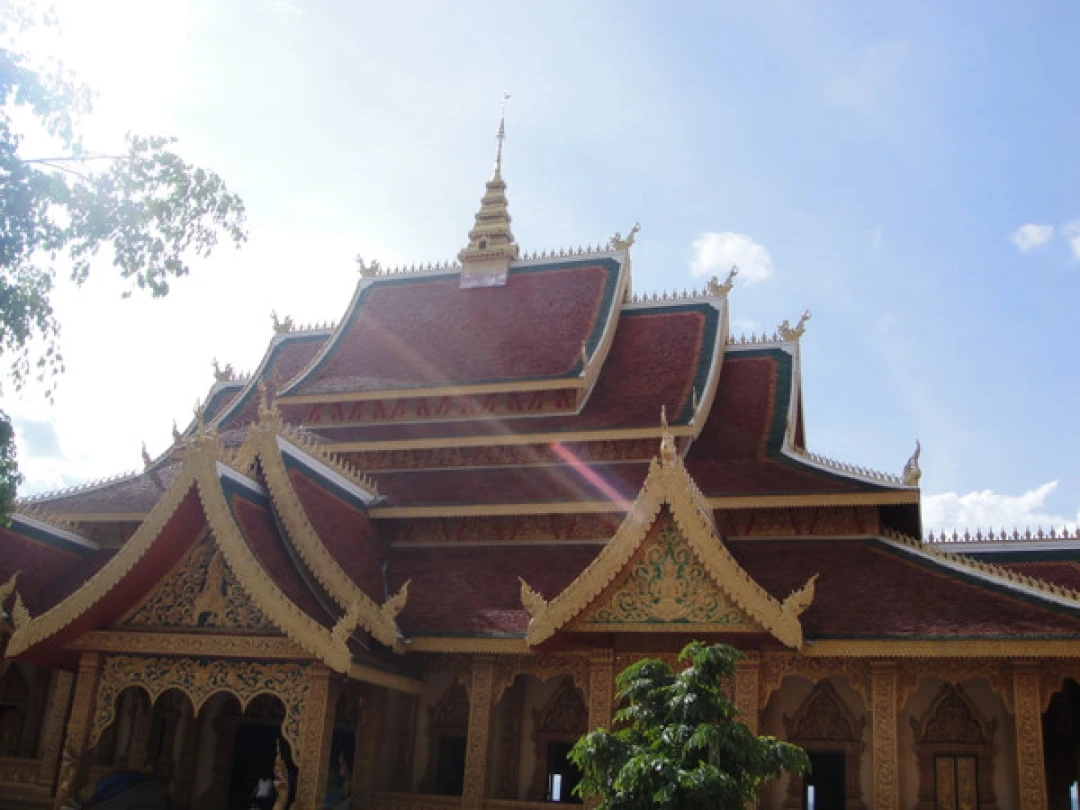
Xishuangbanna: Encountering an Ideal and Magical Paradise in the Green Wonderland at 21° North Latitude
Xishuangbanna: Encountering an Ideal and Magical Paradise in the Green Wonderland at 21° North Latitude If you ask me which place in China most resembles Southeast Asia, I would answer without hesitation: Xishuangbanna. This is not Thailand, yet it possesses an even richer Buddhist ambiance…
Continue reading...