Into Southwest Yunnan: Our 2025 Slow-Living Journey with My Parents
Into Southwest Yunnan: Our 2025 Slow-Living Journey with My Parents
Waiting in our rented courtyard for each different sunset—this is perhaps the most moving ritual of slow living.
Slow living is our gentle rebellion against habitual routines. It allows us to actively choose to "live elsewhere," blending into the local rhythms and daily life of the people around us. We become both observers and participants in the local way of life. Between superficial tourism and deep-rooted immersion, we find that wonderful balance point.
Slow living makes time elastic. It stretches endlessly, expands fully, giving us the opportunity to slowly trace the contours and soul of a city. In the end, you'll discover that what slow living gives you is not just memories of a particular place, but a brand new, completely different perspective on the world—and a reshaped version of yourself.
Bringing Parents on a Slow-Living Journey: A Sweet Burden, a Happy Bond
This is the third year we've brought my parents south for the winter.
In 2023, we were in Quanzhou and Zhuhai. In 2024, we were in Tengchong. In 2025, we chose Mile (Mí Lè) and Pu'er (Pǔ Ěr) in Yunnan.
My parents are getting older. I don't know how many more years this "migratory bird" style of companionship can last. But every winter, I look forward to it with anticipation—especially for my parents. Perhaps these two months are the closest they get to their children all year.
To be honest, traveling and living with parents isn't easy. Daily琐事 are several times more numerous than usual. Add to that their occasional confusion, their unpredictable ways of thinking, and the difficulty of communication skyrockets. This "painful yet joyful" slow-living experience, for someone approaching fifty like me, is an incredibly happy sweet burden.
Why Yunnan Again? Why Mile and Pu'er?
Yunnan is a place especially favored by God.
Every city here is like a crystal ball left behind by heaven on earth, refracting completely different colors and flavors: the fragrance of flowers in Kunming, the romance of Dali, the purity of Lijiang, the bubbling energy of Tengchong, the elegance of Jianshui, the swaying charm of Mangshi, the passion of Xishuangbanna, the mystery of Shangri-La...
This time, we wanted to experience the gentleness of Mile in Honghe Prefecture and the tea fragrance of Jingmai Mountain in Pu'er.
Mile: A Small Town Gentle to the Bone
Why Choose Mile?
First, Mile is an excellent place to "hide from winter."
Many friends recommended Mile, saying it's very suitable for slow living. It's not cold in winter—temperatures hover around 20°C (68°F). There's plenty of sunshine, abundant hot springs, and prices are low. The city layout is small but refined, with ecological lakes at its core and hot spring villages built nearby. The living environment is beautiful and convenient.
Second, Mile has a wonderfully eclectic aesthetic.
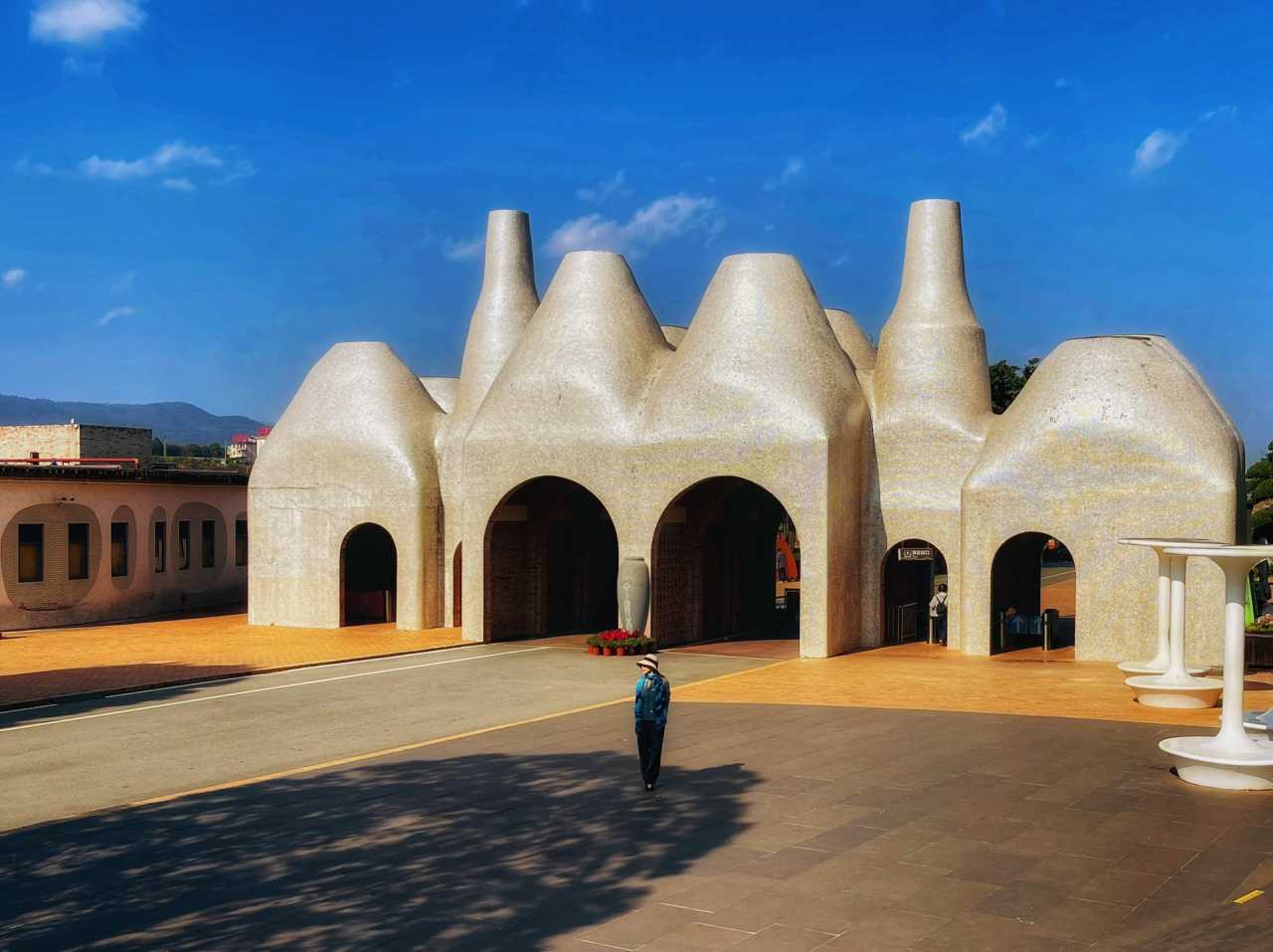
On one side, there's the striking red brick architecture of Dongfengyun (East Wind Rhyme), growing wildly against the blue sky and green fields. On the other side, there's the Mile Giant Buddha on Jinping Mountain, with downcast eyes, sitting quietly on the mountaintop. In one scene, nearly half the city's residents are strolling leisurely by the ecological lake. In another, there's the bustling, lively atmosphere of Focheng Shangdu (Buddha City Commercial Center). The boldness of art and the stillness of Zen, the lazy comfort and the earthy vitality of street life—all blend harmoniously here.
Third, Mile has hot springs.
Hot springs have become a standard feature of our winter slow living. Last year in Tengchong, the elderly experienced the benefits of hot springs, but due to the higher altitude, they had some mild altitude sickness. This year, we chose Mile, which also has hot springs.
With so many advantages, how could we let Mile down?
Mile's Unmissable Scenery
Dongfengyun (East Wind Rhyme): Artistic Soul in Red Brick
Dongfengyun Art Town is practically Mile's calling card. Its unique red brick architecture seems to grow out of the red earth. Under the blue sky and white clouds, with captivating curves and interplay of light and shadow, it tells the story of artistic charm.
Taipinghu Forest Park (Peace Lake Forest Park): A Hayao Miyazaki Manga in Autumn
Taipinghu Forest Park in autumn is as beautiful as a Miyazaki manga. Visiting in the off-season feels like having the whole place to yourself. We took the small train the entire way, getting off at each stop to take photos and explore—comfortable and worry-free.
Keyi Village (Kě Yì Village): An Auspicious Place
Keyi Village is home to the Axi branch of the Yi ethnic group. "Keyi" means "an auspicious place." The murals on the yellow and red walls are very beautiful and great for photos.
Huquan Ecological Lake (Lake Spring Ecological Lake): The Soul of Mile
Huquan Ecological Park is the heart of this small town, and indeed the soul of Mile. Leisurely, comfortable, carefree, peaceful, romantic, warm, harmonious, free... everything becomes speechless in its beauty against the setting sun.

Honghe Shuixiang (Red River Water Township): A Jiangnan-Style Ancient Water Town
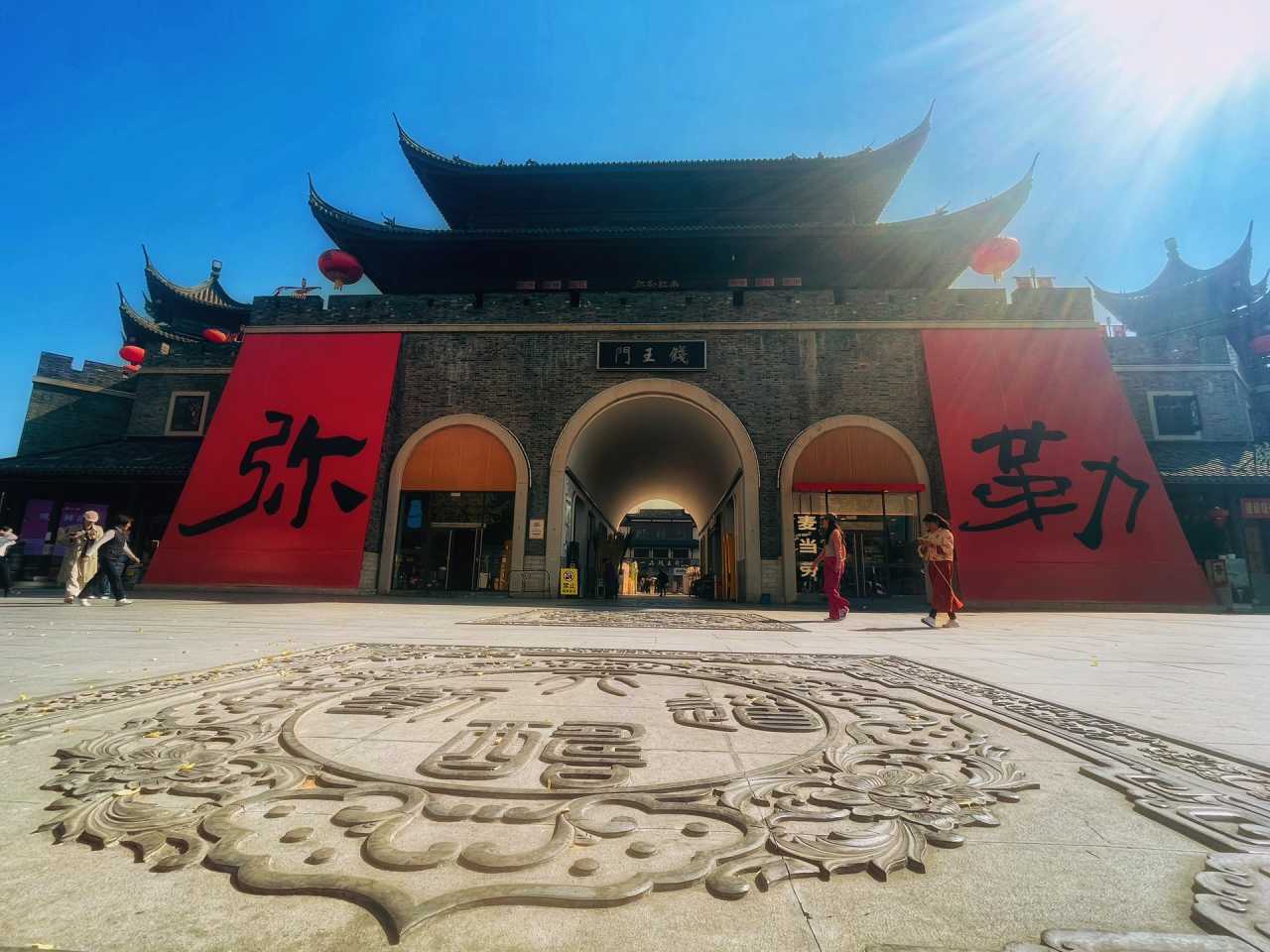
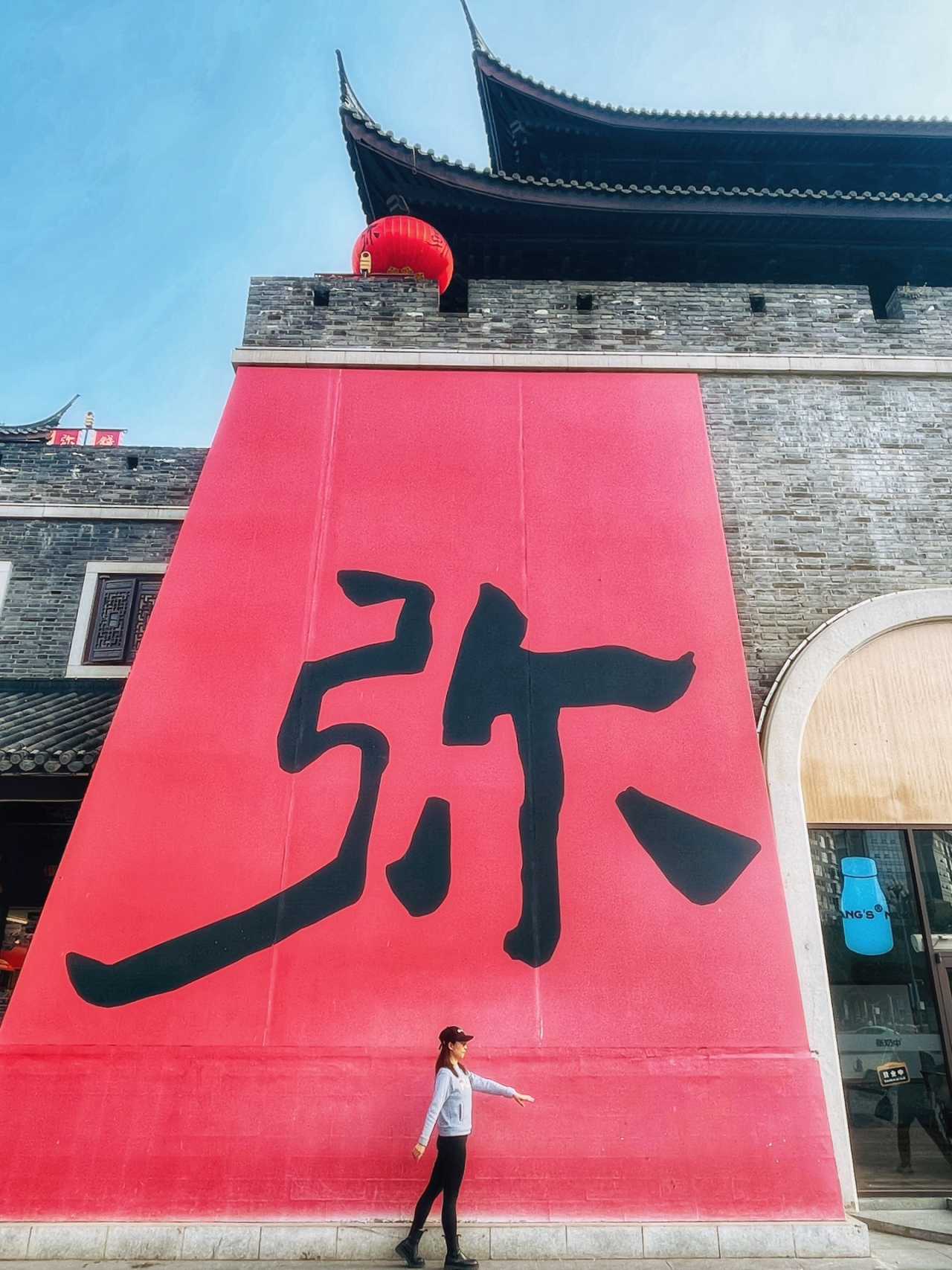
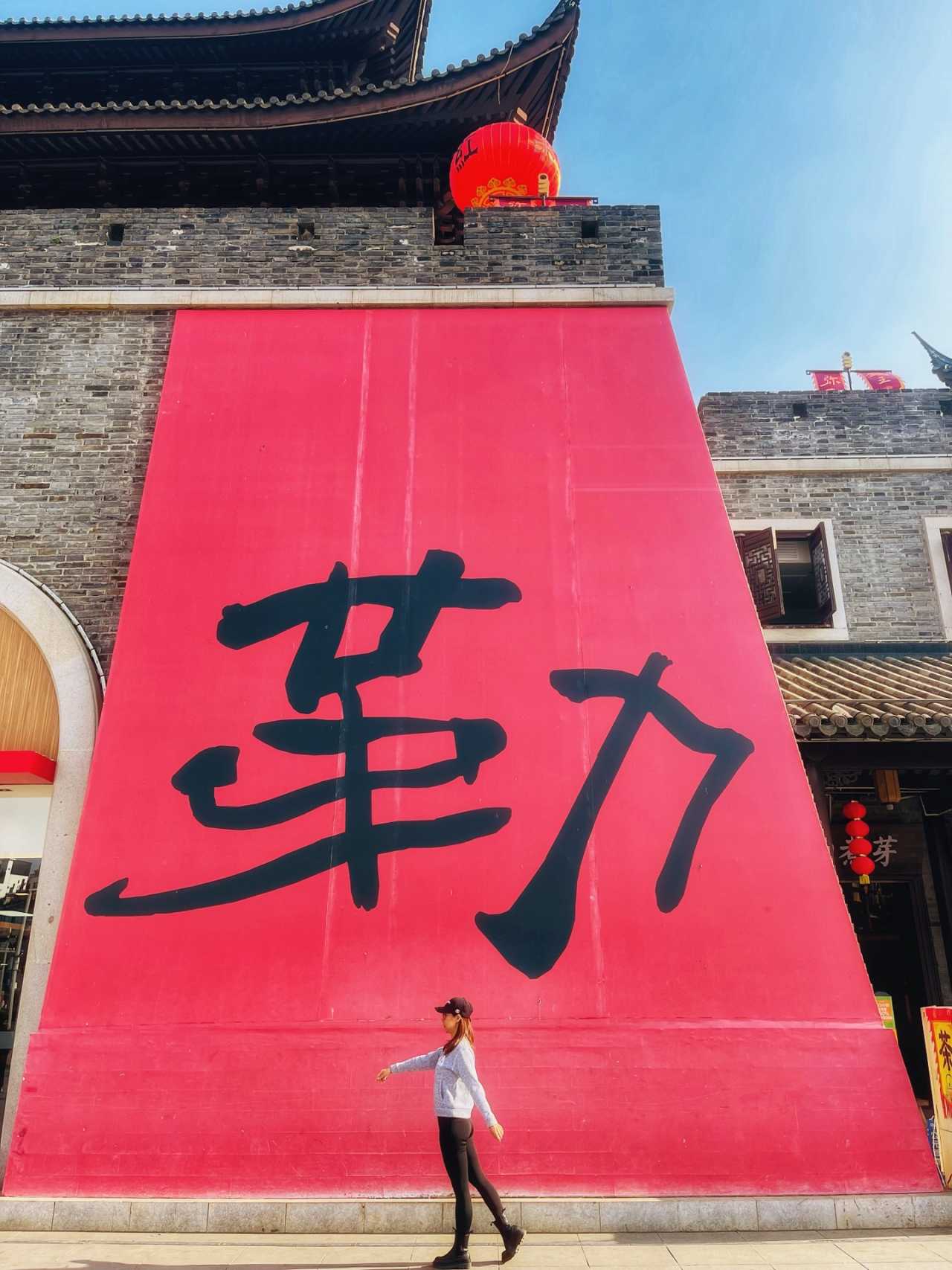
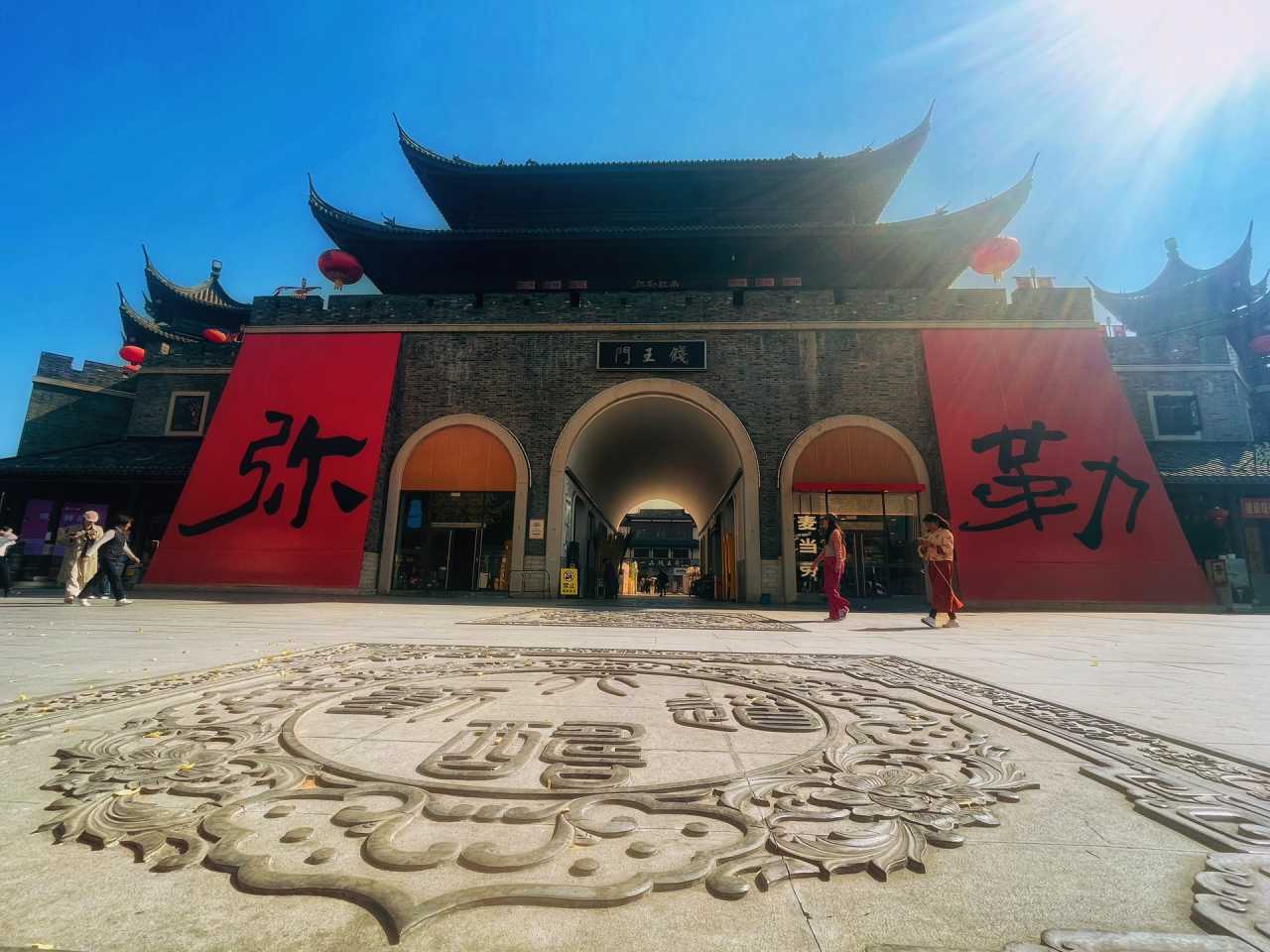
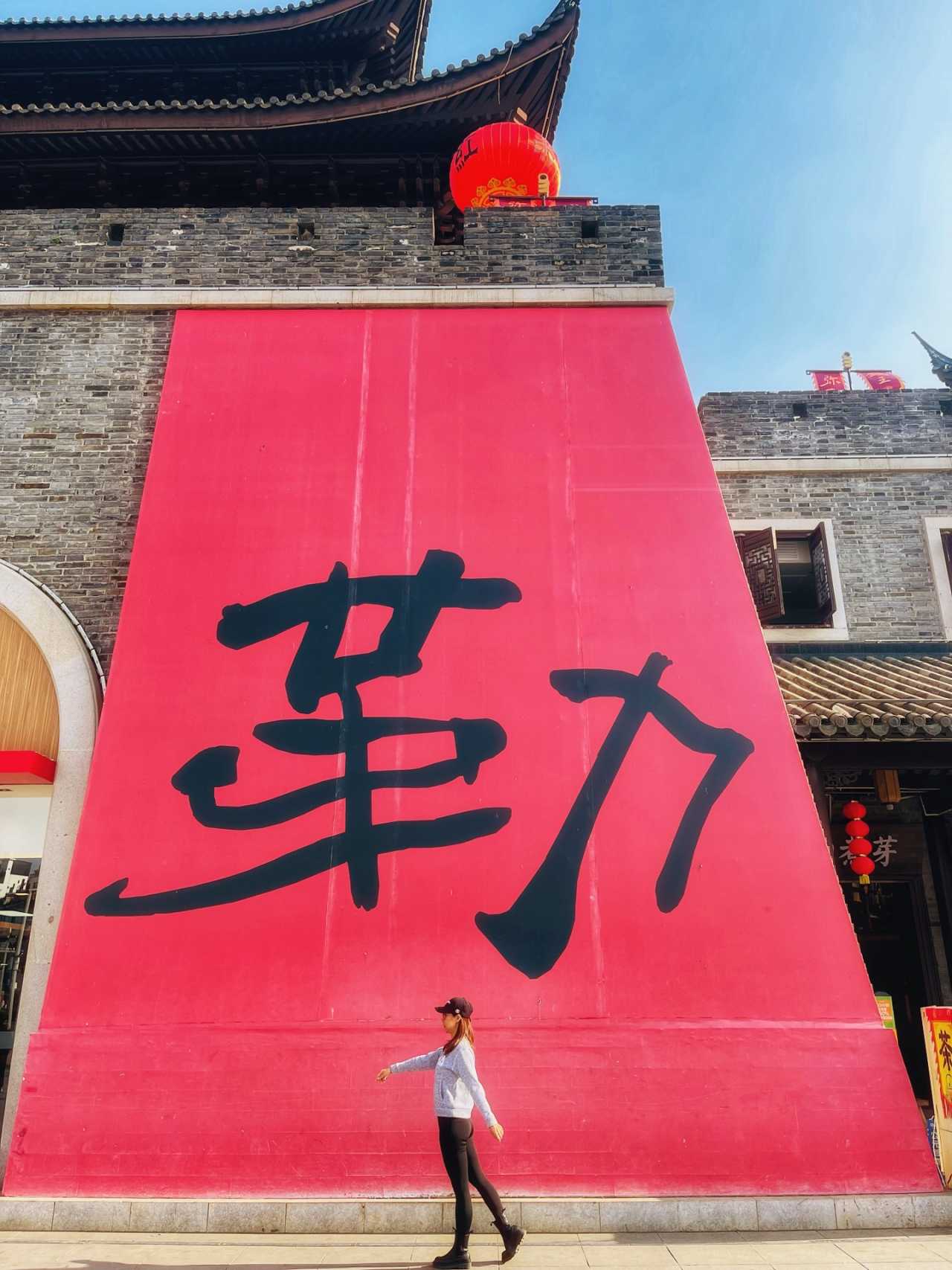
Honghe Shuixiang blends Ming and Qing dynasty architecture with the charm of Jiangnan (the region south of the Yangtze River). The Qianwang Gate (King Qian's Gate) is its iconic entrance. Here, we stumbled upon a handmade shop called "Baopu Tang" (Embracing Simplicity Hall). It happened to be the 23rd wedding anniversary for my husband Liang Ge and me. We made a tin foil rubbing marriage certificate together—great fun.
Jinping Mountain & Dianxi River Wetland Park: Double Park Connection
The Dianxi River Wetland Park is free to enter. Built along the river, it's about 8 kilometers one way with multiple entrances and exits along the route. It's particularly good for running, camping, and walking dogs. Jinping Mountain is located right at the foot of the Dianxi River. We entered from the southernmost entrance, took a sightseeing car to Jinping Mountain, and enjoyed a panoramic view of the Dianxi River along the way.
Jinping Mountain is where the Mile Giant Buddha resides. The world's largest Maitreya Buddha, standing 19.99 meters (65.6 feet) tall, sits atop the mountain, gazing down at the human world with downcast eyes. Reaching the summit requires climbing 1,999 steps. I recommend taking a one-way sightseeing car up and walking down, so you won't miss the Buddha's Hand and the pagoda.
Focheng Shangdu (Buddha City Commercial Center): A Source of Dopamine Joy
Mile's Focheng Shangdu is a trendy wet market, full of dopamine-fueled happiness and a source of delicious food. Blueberries and ginseng fruit were my favorites—I indulged every day.
Jinxiu Huajie (Splendid Flower Street): Christmas Eve Amidst Local Life
On Jinxiu Huajie, we experienced the vibrant local life of Mile and spent a unique Christmas Eve.
Mile Hot Springs: Soaking in Winter Warmth
Although Mile's hot springs aren't as famous as Tengchong's, they are still one of the town's features. The hot spring village next to Huquan Ecological Lake is the first choice for most health-conscious visitors. Hot spring hotels and guesthouses line up one after another. You can't tell much from the outside, but inside, each one is a hidden world.
The house we rented was right next to Hot Spring Street, and we tried two places:
Yizhong Tianquan Hot Spring Hotel (Yì Zhòng Tiān Quán) was where we went most often. With a membership card, it cost 30 RMB per visit. The overall environment was clean and tidy. There was a 28-meter (92-foot) outdoor swimming pool with three lanes, water temperature around 30°C (86°F)—great for swimming. Next to it were seven hot spring pools of varying sizes, all around 40°C (104°F). With few people, it was very comfortable. The elderly in the family loved it.
Xinjiayuchun Tourism Resort Hot Spring (Xīn Jiǎ Yù Quán) we only tried once. With a card, it was 40 RMB per visit. The pool wasn't as long as Yizhong Tianquan's. There were three hot spring pools, the most distinctive being a red wine hot spring.
The best hot spring in Mile is probably Huquan Banshan Hot Spring (Lake Spring Mid-Mountain Hot Spring), adjacent to the Huquan Hotel and right next to Huquan Ecological Lake. This hotel is the best in Mile, with excellent facilities and nice scenery. Staying at the hotel apparently includes complimentary access to Banshan Hot Spring, but since we weren't staying there, we just wandered around the grounds.
Mile Cuisine: A Surprisingly Affordable Taste Journey
To be honest, Mile's food didn't leave any particularly stunning memories. The most famous dish is Zhuyuan Braised Chicken (bamboo garden braised chicken), but we found it average.
We tried several highly-rated local restaurants. They had strong local character, tasted good, and the advantage was the freshness of the ingredients. Prices in Mile are low, so eating out offers excellent value for money.
The biggest surprise was Shen Ji Sour Vegetable Beef Hotpot (Shěn Jì Suān Cài Niú Ròu Huǒ Guō). Although it's a Guizhou-style dish, it suited our tastes the best, and the ingredients were very fresh.
Zhang San Restaurant (Zhāng Sān Fàn Diàn) serves authentic Mile cuisine. Their cured pork and sausage were quite good.
Honglin Xiaoguan (Hóng Lín Xiǎo Guǎn) is also worth recommending. Their signature dish is small stir-fried pork. Sichuan pepper stir-fried free-range chicken, jasmine plum-flavored pork ribs, and spicy pig trotters were also tasty.
Fuxian Lake Wild Mushroom Stone Pot Fish (Fǔ Xiān Hú Yě Shēng Jūn Shí Guō Yú): We ordered the Jiangtuan fish (a type of local fish). The fish was fresh, and the soup with eight kinds of wild mushrooms was incredibly delicious. Greens were self-serve and unlimited. The set meal offered great value.
Zhadian Dairy Fresh Milk Bar (Zhà Diàn Rǔ Yè Xiān Nǎi Bā): Their rice pudding (mǐ bù dīng) was unique and worth trying.
Pu'er: The Slow Time of a Time-Release Capsule
Two places in Yunnan have the most poetic names: one is Shangri-La, the other is Pu'er. One in the north, one in the south. One high, one low. One is closer to heaven, the other is more deeply rooted in the earth.
Pu'er, named after tea, has a name that is uniquely evocative in both Chinese and English.
Why Choose Pu'er?
First, the Jingmai Mountain ancient tea forests in Pu'er successfully applied for UNESCO World Heritage status in 2023, becoming the world's first "tea" themed World Cultural Heritage site. It's worth a visit.
Second, my husband Liang Ge, a seasoned tea enthusiast, wanted to experience the natural tea mountains and gardens and soak up more tea fragrance.
Third, Pu'er's cuisine is not to be missed.
And most importantly: It's warmer here than in Mile, with greater forest coverage. The natural environment goes without saying. Although it's not very modernized, in my eyes, that's actually a sought-after advantage.
In Pu'er, days pass unhurriedly, and the fragrance of tea is everywhere.
Pu'er is very much like a time-release capsule, slowly releasing its unique charm—ancient and natural, clear and sweet. Only by living here for a while can you slowly feel its uniqueness.
Start the morning with a bowl of sour vinegar rice noodles (suān cù mǐ xiàn) or peanut soup rice sheets (huā shēng tāng mǐ gān). A warm bowl fills your stomach and gives you energy for the whole day. In the morning, find a patch of green space to soak up the sun and replenish your natural energy, or go to Wuyi Market to buy vegetables and fruit and experience the local life. At noon, eat some authentic Pu'er cuisine—sour and spicy, incredibly satisfying. After a short nap, drink a cup of Pu'er tea, daydream, and watch the shadows of light move on the wall. Or take a walk on the Meizi Lake boardwalk and wait for the sunset. Or take the dog to find a riverside green space and practice some yoga—each option is uplifting for both body and mind. If you still have energy in the evening, you can visit the night market and grab some barbecue or vegetable-wrapped fish, enjoying the cool, gentle moonlight and feeling the charm of Pu'er.
Pu'er's Unmissable Scenery
Nakeli Town (Nà Kē Lǐ Town): The First Stop on the Ancient Tea Horse Road
Nakeli is a small town on Yunnan's Ancient Tea Horse Road. It's said that horse caravans used to frequently stop here for the night. It was the first stop for Pu'er tea heading to Southeast Asia. The original stone-paved road is flanked by ancient-style wooden houses and courtyards, each bearing the footprints of the horse caravans.
Meizi Lake Park (Plum Lake Park): The Most Beautiful Place in Pu'er
On a sunny day, Meizi Lake is truly the most beautiful place in Pu'er. The captivating clouds and trees are reflected in the lake water, creating double images. Navigate to the Meizi Lake Hotel. The boardwalk entrance is right next to Villa No. 1. The boardwalk is 4 kilometers (2.5 miles) one way, 8 kilometers (5 miles) round trip. Walk slowly, breathe slowly, and slowly admire the blue sky and white clouds. Unfortunately, we arrived early and didn't get to see the sunset.
Daijia Alley (Dài Jiā Alley) & Simao Old Street: Wasting Slow Time
Pu'er was once called Simao. The old town area of Pu'er isn't large, located near Simao Old Street. Daijia Alley is worth a stroll. Here, you can guiltlessly waste away the slow time of Pu'er. Order an avocado smoothie or a coffee, find a sunny spot to sit, and an afternoon can pass in the blink of an eye.
Former Government Compound (Xíng Shǔ Dà Yuàn): A Trendy Photo Spot
The Former Government Compound is very close to Daijia Alley. It's a large residential compound, but it has been integrated with an art community. The spray-painted murals on the walls and the quiet coffee shops around the corners make it a trendy photo spot in Pu'er.
Taiyanghe Forest Park (Sun River Forest Park): An Animal Paradise
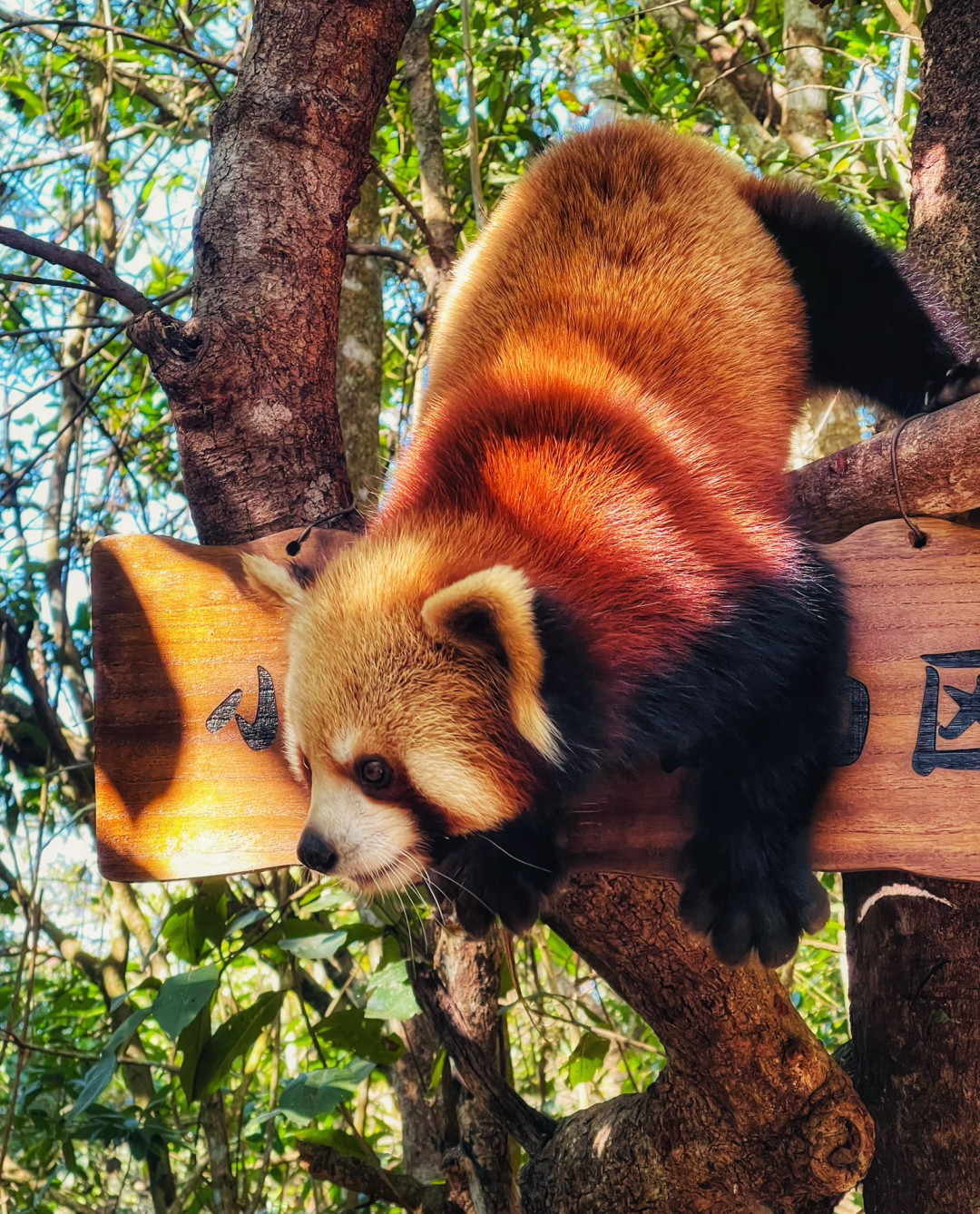
Taiyanghe Forest Park is probably the most fun place in Pu'er. The adorable animals are the true masters here; human visitors are just snack-delivering guests. The animals are very friendly and interactive, making it suitable for bringing children.
The park is set in a large forest. You can take a sightseeing car, which covers 12 kilometers (7.5 miles) round trip. The area for interacting with animals is very concentrated, just one path about 2 kilometers (1.2 miles) long—easy for the elderly and children to manage.
The star animals are the red pandas and white rhinos. Interaction costs 20 RMB per person. There's also a random NPC gibbon named Ding Ding, who has apparently become an internet celebrity and only "works" on his live stream channel. Whether you encounter other gibbons is entirely a matter of luck.
Ancient Tea Horse Road Heritage Park: Feeling the Imprint of a Thousand Years of Hoofbeats
The Ancient Tea Horse Road was a historic trade route connecting Yunnan, Sichuan, and Tibet that flourished since the Tang Dynasty. The Ancient Tea Horse Road Heritage Park represents an important north-south section of this route. Currently, you can hike directly from here to Nakeli Town, a total of 16 kilometers (10 miles). This was the starting point for tribute tea being sent to the imperial capital. It is also the best-preserved, longest, culturally richest, and most ecologically intact section along the route.
We chose to hike the Ancient Tea Horse Road, quietly feeling the stone paths trodden by hooves for a thousand years, perhaps even catching a whiff of lingering tea fragrance.
Drive and navigate to Parking Lot No. 2 of the Ancient Tea Horse Road Heritage Park. Pass the main entrance of the scenic area (where you need to buy a ticket), then walk another 100 meters (330 feet). There's an iron gate—this is the hiking entrance (clearly marked with signs). From here, hike all the way up the mountain, passing by Tea King Valley, Tea Horse Market, Liuhe Pavilion, Horse Caravan Leader's Former Residence, Tribute Tea Courtyard, Mingpu Pavilion, Yuan Dynasty Posthouse, Ancient Road Pavilion, Song Dynasty Tea Pavilion, Earth God Altar, Huishou Pavilion, Tang Dynasty Tea Hall, and the Loyalty and Righteousness Post Station Museum. Then return the same way. Near the bottom of the mountain, there's a fork; you can choose to exit through the main gate. There are many interesting mood-indicator signs along the way. Walk and read them at your leisure; the round trip is easy.
After walking the Ancient Tea Horse Road, I felt like I had truly experienced the essence of Pu'er.
Southern Wetland Park (Nán Bù Shī Dì Gōng Yuán): True Vacation
The Southern Wetland Park was the place we visited most often. It was right next to our monthly rental house, and we took the dog there for a walk almost every afternoon. This area hasn't been fully developed yet, so there are very few people, but the scenery is beautiful. Bring a picnic mat, various drinks and snacks, sit with your back to the warm sun, play fetch with the dog, or bring a yoga mat and practice under the shade of the trees—all incredibly pleasant.
This is what a true vacation feels like.
Pu'er Cuisine: Worth a Trip Just for the Food
Pu'er is a truly magical place. Its most famous products are all things you can put in your mouth: Pu'er tea, Yunnan small-grain coffee, and a variety of uniquely flavored foods—barbecue, vegetable-wrapped fish, roast chicken, pounded chicken feet (chōng jī zhuǎ), pounded hawthorn (chōng shān zhā), beef stew (niú pá hū), peanut soup rice sheets (huā shēng tāng mǐ gān), various rice noodles, mushroom hotpot, steam pot fish, stinky tofu fish (chòu dòu fǔ yú), spicy beef heart tube (qiàng niú xīn guǎn), sticky rice... the list goes on and on.
Pu'er is a place worth visiting just to satisfy your culinary desires.
Pu'er Breakfast
Zhengzheng Yang Ji Pu'er Sour Vinegar Rice Noodles (Zhèng Zōng Yáng Jì Pǔ Ěr Suān Cù Mǐ Gān) is a trendy online recommendation. It's very popular, and the taste is indeed good, but the chili is very spicy. Served with a bowl of fruit vinegar, it's quite unique.
Simao Wei's Bean Soup Rice Sheets (Sī Máo Wèi Shì Dòu Tāng Mǐ Gān) is similar to a thin rice noodle soup (miàn xiàn hú). The broth is made from peanut soup, giving it a unique flavor. Add various toppings and fried dough sticks—it's warm and comforting for the stomach.
Fuyuan Old Street Beef Rice Noodles (Fú Yuàn Lǎo Jiē Niú Ròu Mǐ Gān) is distinctive for its addition of passion fruit and sweet bamboo shoots in the rice noodle soup. Personally, I found it tastier than the sour vinegar rice noodles. The first time I went at noon, only the basic version (with pea shoots) was available. Not giving up, I went specifically at 10 AM a second time, but only managed to get the passion fruit version; the most popular sweet bamboo shoot version was still sold out. As a substitute, I ordered a dry-tossed noodle (gàn bàn miàn), which turned out surprisingly delicious. Highly recommended—no matter which flavor you choose, you won't be disappointed.
Pu'er Main Meals
Sipu Yayuan (Sī Pǔ Yǎ Yuàn) was our first meal in Pu'er. The restaurant has a lovely environment, like a small garden. There weren't many people, the service was fast, the dishes were beautifully presented, and the taste was good. After eating, sitting quietly in the small courtyard with a cup of tea was very pleasant.
Former Shiping Guild Hall – Old Pu'er Tea (Yuán Shí Píng Huì Guǎn ~ Lǎo Pǔ Ěr Chá) was close to our accommodation. We walked past it one day. Located in the Pu'er Tea Town, it's both a restaurant and a coffee shop, exuding a slow and leisurely vibe everywhere. The portions were generous, offering excellent value for money, and the food was tasty.
Rongfa Madian (Róng Fā Mǎ Diàn) is hidden in Nakeli Town and serves horse caravan cuisine. It's the best choice when visiting Nakeli. You can drive right up to the restaurant door. The courtyard has a nice atmosphere, filled with cured meats drying in the sun, which immediately whets the appetite. The horse caravan specialties include: bean curd (dòu huā), bean residue (dòu zhā), bean soup (dòu tāng), and cured meat (là ròu)—very distinctive.
Lahumu Hulu Xiaoyuan (Lā Hù Mǔ Hú Lú Xiǎo Yuàn) is not far from the Ancient Tea Horse City. It serves Lahu ethnic specialty Simao cuisine. Roast chicken is their signature dish, but the taste was average. The mango cold-tossed shrimp was good, with plenty of flavorful sauce. The most recommended dish was Lahu porridge (lā hù xī fàn), which is essentially a savory meat and vegetable congee—excellent flavor. We also ordered pounded konjac (chōng mó yù). It wasn't amazing but wasn't bad either; its distinction was its uniqueness.
Yanling Stinky Tofu Fish (Yàn Líng Chòu Dòu Fǔ Yú) was open for lunch, so we gave it a try. The stinky tofu was delicious. Paired with fresh fish and mint leaves, the flavors surprisingly harmonized well. The only downside was that they only had tilapia; it might have been even better with a different type of fish.
Banna Vegetable-Wrapped Fish BBQ (Bǎn Nà Cài Bāo Yú Shāo Kǎo) is a trendy spot where even locals queue up. We came after hearing about it and made a reservation in advance. Their specialty dishes are vegetable-wrapped fish and vegetable-wrapped beef. Wrap the filling in lettuce leaves, add chili sauce and nut sauce, and eat it while it's hot—delicious. I personally preferred the vegetable-wrapped beef. The spicy beef heart tube (qiàng niú xīn guǎn) and grilled skewers were also good; the skewers had a characteristic sweet and spicy flavor.
Afu Beef Restaurant (Ā Fú Niú Ròu Guǎn) serves Niú Pá Hū (beef stew), a Pu'er specialty. It's braised beef offal served with a dipping sauce. I originally wanted to go to Madai Pahu (Má Dài Pá Hū), but it was closed, so I chose this place. To be honest, it wasn't as good as I expected. Besides the beef stew, we also ordered píe lán gēn niú jīn (a type of beef tendon dish) and fried beef brisket. The taste was okay, but a bit tough to chew.
Lao Ding Beef Skewers (Lǎo Dīng Niú Ròu Chuàn) is another trendy online spot. Pu'er grilled skewers are characterized by their sweet and spicy flavor. When we went in the evening, there were quite a few people. We ordered beef skewers, beef brisket skewers, etc. The taste was good, but the beef was grilled a bit too well-done. The fried potatoes came with three dipping sauces. The stir-fried rice noodles (chǎo mǐ gān) were neither impressive nor bad.
Snacks and Drinks
Lao Baizu Cold Jelly Shop (Lǎo Bái Zú Liáng Fěn Diàn) is known for its Yunnan-style pounded mix (chōng yī qiè). The best item was the pounded hawthorn (chōng shān zhā)—a must-try! We bought it twice. The sweet and spicy dressing was excellent. Their cold jelly (liáng fěn) is also recommended.
Niuyouguo Xia (Avocado Tree Down) serves an avocado smoothie topped with a layer of crushed pecans. The crunchy nuts paired with the silky smoothie was a perfect match.
Yinle Cui (Yín Lè Cuì) had a delicious rice pudding tea (mǐ bù chá)—sweet and sticky. Two large cups cost just over 30 RMB. We tried the Dianhong rose (Diān Hóng méi guī), bamboo fragrant rice wine (zhú xiāng jiǔ niàng), sticky rice fresh milk (nuò xiāng xiān nǎi), and Yu Jian Pu'er (yù jiàn pǔ ěr). We chose half sugar for all, and they tasted great.
Lao Si Zhong Sticky Rice (Lǎo Sì Zhōng Nuò Mǐ Fàn) is a tiny roadside stall next to a school. Sticky rice topped with beef jerky (niú gàn bā), potatoes, sweet sausage, etc., according to your preference—worth a try.
People's Hospital Old Bread (Rén Mín Yī Yuàn Lǎo Miàn Bāo) looks plain but is surprisingly soft and fragrant. A big bag of 5 loaves cost 20 RMB.
We usually only drink tea, not coffee. So, faced with Pu'er's myriad coffee shops, we didn't enter any, nor did we visit the surrounding coffee estates. I have no say on whose coffee is good.
Conclusion: Two Months, a Beautiful Dream
Our two-month slow-living journey slowly came to an end.
Time passed quickly, yet it also seemed very slow. The captivating scenery is still vivid in my mind, the delicious taste of rice noodles still lingers on my tongue, the fragrance of Pu'er tea still curls around my nose, and my parents' nagging is still in my ears.
Two months felt like a beautiful dream, but every detail is truly captured in the photo albums on my phone—a record, a reminder, and the fragmented light of daily life.
What slow living taught me isn't how to travel farther, but how to find my own rhythm in a strange place. It made me understand that true travel isn't about checking off landmarks, but about living your days like poetry and turning a foreign place into a home.
And bringing my parents on this journey taught me even more: companionship is the truest confession of love. Those trivial daily routines, those frustrating yet amusing conversations, those sweet burdens—they will all become the most precious memories of our lives.
In the winter of 2025, we were in Southwest Yunnan, stretching time, slowing down life, and leaving our love in every sunset.
This article is based on a real slow-living experience. All information is personal and provided for reference only.
You should also read:
Yunnan! Paradise on Earth – The Yubeng Chapter: A Soul-Cleansing Journey into Seclusion
Yunnan! Paradise on Earth – The Yubeng Chapter: A Soul-Cleansing Journey into Seclusion Prologue: Why Yubeng? If you ask me which place in Yunnan is most worth hiking to, I would answer without hesitation: Yubeng. This is not an answer I give lightly. As a…
Continue reading...
Solo in Yunnan: A Wanderer’s Guide to the Land of Eternal Spring
Solo in Yunnan: A Wanderer’s Guide to the Land of Eternal Spring There’s something magical about traveling alone. No compromises, no schedules to keep, no one to please but yourself. I’ve been on the road for nearly three months now, and not once have I…
Continue reading...
God’s Abandoned Palette: A Self-Drive Journey Through Yunnan’s Dongchuan Red Land
God’s Abandoned Palette: A Self-Drive Journey Through Yunnan’s Dongchuan Red Land Travel has never been about reaching some distant geographic coordinate. It’s about encountering, along the way, the version of yourself buried beneath the rubble of daily routine. During this May Day holiday, I finally…
Continue reading...