Jeju Island Rain Survival Guide: When the Weather Doesn't Cooperate, Let Food Heal Everything
Jeju Island Rain Survival Guide: When the Weather Doesn't Cooperate, Let Food Heal Everything
When Monsoon Season Wrecks Your Travel Plans
Have you ever had this experience? You meticulously plan a海岛 (island) getaway, only to be greeted by relentless rain the moment you land. Standing in the arrival hall of Jeju Airport, staring at the gloomy sky outside, I had only one thought: This trip is going to be a total washout.

On June 28, 2018, my friends and I landed on Jeju Island with a packed shooting schedule, only to collide head-on with Korea's monsoon season. The entire island seemed cursed—rain came and went on a whim, completely unpredictable. We'd planned to capture stunning landscapes for our social media feeds, but instead, our camera bags were stuffed with waterproof pouches, and the lens caps barely came off.
But as a group of hardcore foodies, we quickly found a coping strategy: Since we couldn't take photos, we'd eat our way across Jeju Island instead!
Pre-Trip Essentials You Can't Skip
Passports & Visas
Jeju Island offers visa-free entry for Chinese tourists. Just bring a valid passport, and you'll get your entry stamp upon arrival. That said, I recommend printing out your round-trip flight tickets and hotel reservations in advance, just in case customs decides to do a random check.
Packing Smart for the Weather
From mid-June to August, Jeju is in its rainy season. Light showers or torrential downpours can hit anywhere on the island at any time, with only occasional glimpses of sun. My advice:
- Waterproof shoes or flip-flops are non-negotiable. Don't expect regular sneakers to hold up.
- Umbrellas and raincoats can be bought cheaply at local convenience stores.
- Pack extra clothes, because in this humidity, nothing dries after washing. Don't ask how I know.
Payment Flexibility Is Key
A lot of people worry about Korean won, but honestly, there's no need to stress. Most restaurants, supermarkets, and shopping malls accept Alipay and WeChat Pay—just scan like you would back home. The amount in won is automatically converted to yuan at the current exchange rate.
But keep in mind: - Taxis require cash, so exchange a small amount of won at the airport. - Carry a VISA or MasterCard—some smaller shops may not accept UnionPay or mobile payments.
Flight + Hotel Packages Are the Best Deal
I strongly recommend booking a package deal on a travel platform. A four-day, three-night flight-and-hotel combo runs about 2,000 yuan (around $280 USD) and often includes a free portable WiFi device, so you'll have internet abroad without any hassle.
Language Barrier? Not Really

In areas like Jeju City, Shilla Duty Free, and Lotte Duty Free, you'll feel like you've somehow "returned to China." From the sales staff to the customers, everyone's speaking Chinese. The Korean shop assistants have pretty good Mandarin—some are ethnic Koreans from China who speak with a perfect northeastern accent. Almost every restaurant and mall has Chinese signage, so communication is a non-issue.
Getting Around
Here's the bad news about renting a car: South Korea currently does not accept Chinese driver's licenses or international driving permits issued from China. Only official International Driving Permits (IDP) from certain countries are valid. If you travel abroad frequently and drive, you might consider getting an IDP in Jeju itself—a one-time solution.
For most tourists, hiring a private driver is the best option. We found one for about 500 yuan (around $70 USD) per day, for up to 10 hours. Great value.
Must-Have Apps
I can't recommend "Xike Map" (稀客地图) enough. It's a map app designed specifically for independent travelers, with all addresses translated into Chinese and landmarks clearly marked. It's way more user-friendly than Google Maps for this region.
Rainy-Day Sightseeing: Hits and Misses
To be honest, I'd never been that excited about Jeju Island. But it's close to China, so why not? After visiting, I found there are genuine highlights—and plenty of letdowns.
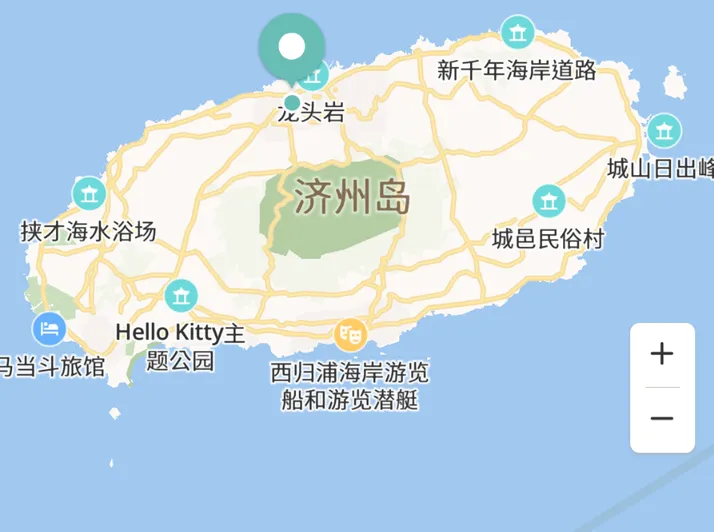
Jeju is about 40 kilometers (25 miles) north to south and 80 kilometers (50 miles) east to west. Jeju City is in the north, Seogwipo City in the south, the Jungmun Tourist Complex to the west, Seongsan Ilchulbong Peak and Udo Island to the east, and Hallasan Mountain in the center. I'll admit, I used to think Hallasan was just a Korean BBQ chain name—I had no idea it was an actual mountain.
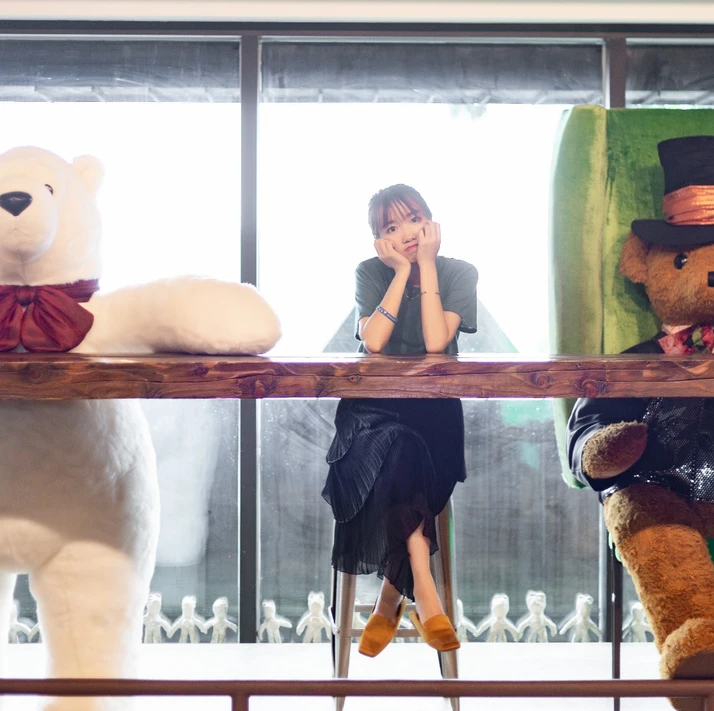
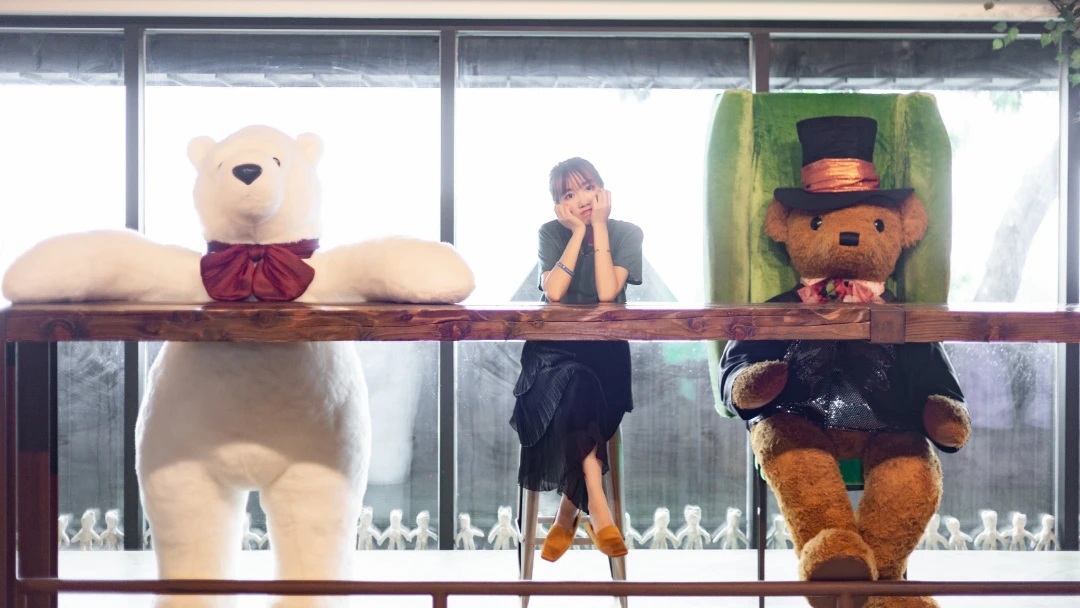
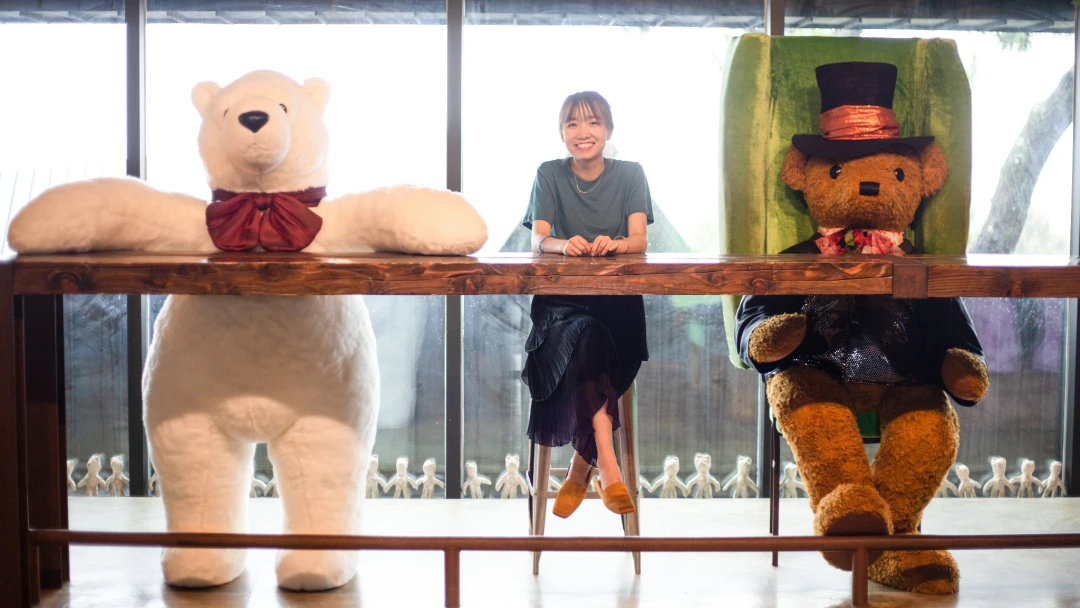
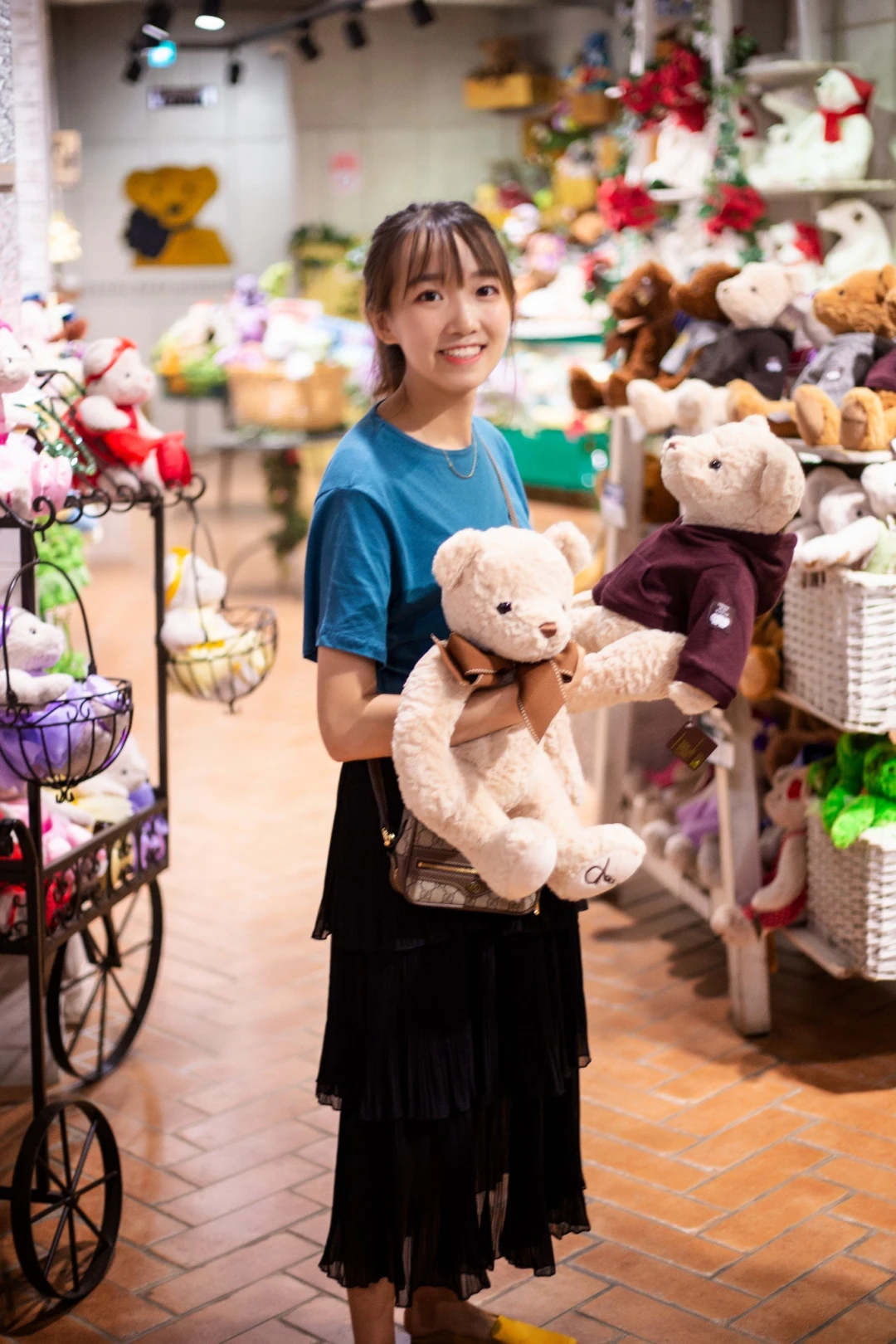
Teddy Bear Museum: 3/5
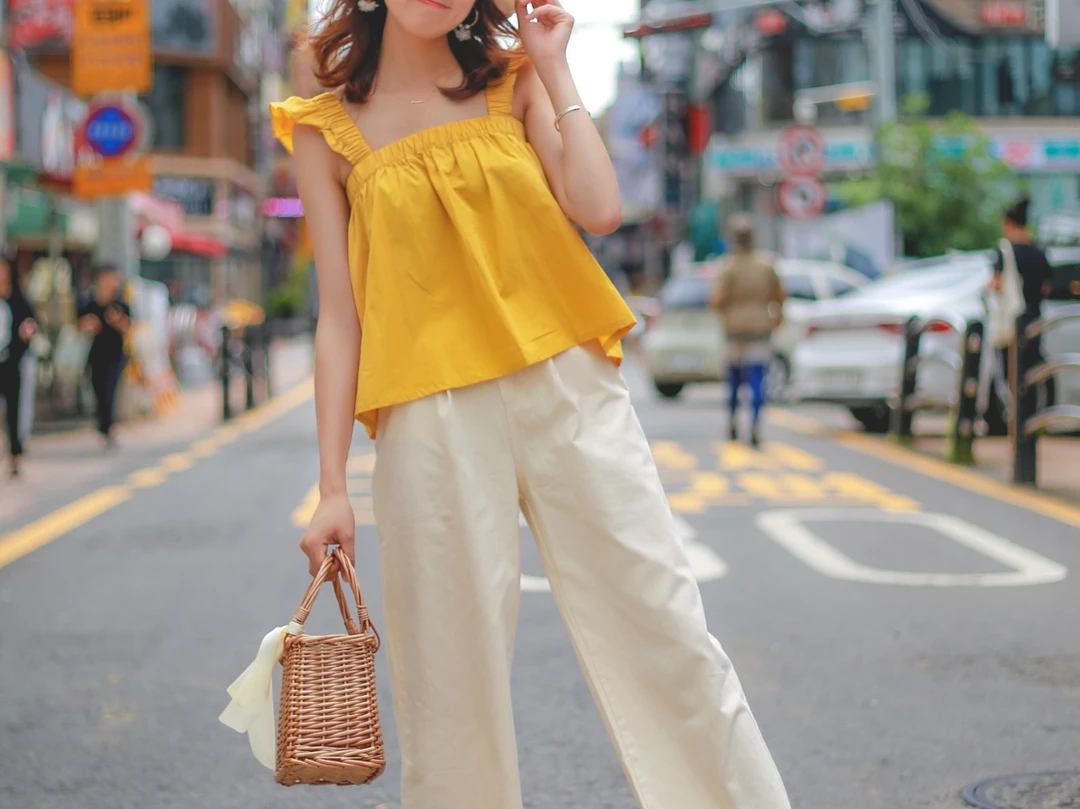
Admission: 5,000 won (about $4 USD)
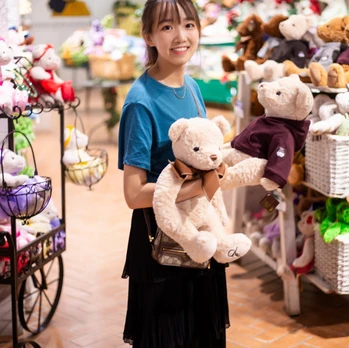
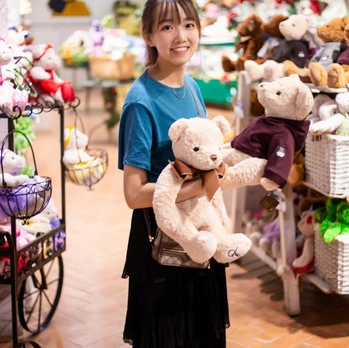
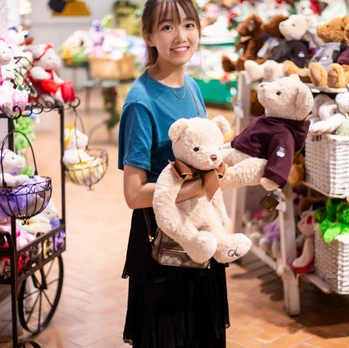
As a straight guy, I have zero emotional connection to teddy bears. But if you're a woman, you'll probably lose your mind here. The wooden building is charming, with three halls displaying teddy bears of every size and style. There's also a gift shop that accepts Alipay and WeChat Pay.
Ripley's Believe It or Not! Museum: 0/5
Admission: 12,000 won (about $9 USD)
This was hands-down the worst decision of the trip. This museum has nothing to do with Jeju or even Korea—it's a collection of bizarre artifacts gathered by an explorer from around the world. There are locations everywhere; I'd been to the one in Gatlinburg, Tennessee, and it was identical. Just weird models and random trivia on the walls. Overpriced, awkward, and feels like a scam museum from the 1990s. Unless you're absolutely desperate for something to do, skip it.
Camellia Hill: 4.5/5
Admission: 8,000 won (about $6 USD)
This wasn't even on our itinerary—our driver strongly recommended it. At first, it seemed like just a botanical garden, but the deeper we went, the more stunning it became. The hydrangeas and greenhouse displays were breathtaking—an absolute paradise for couple photos. The greenhouse café had great atmosphere too, a bit stuffy but the mood was perfect.
The downside: because of the rain, we didn't bring our camera inside and had to make do with phones. Next time, I'm coming back to do it right.
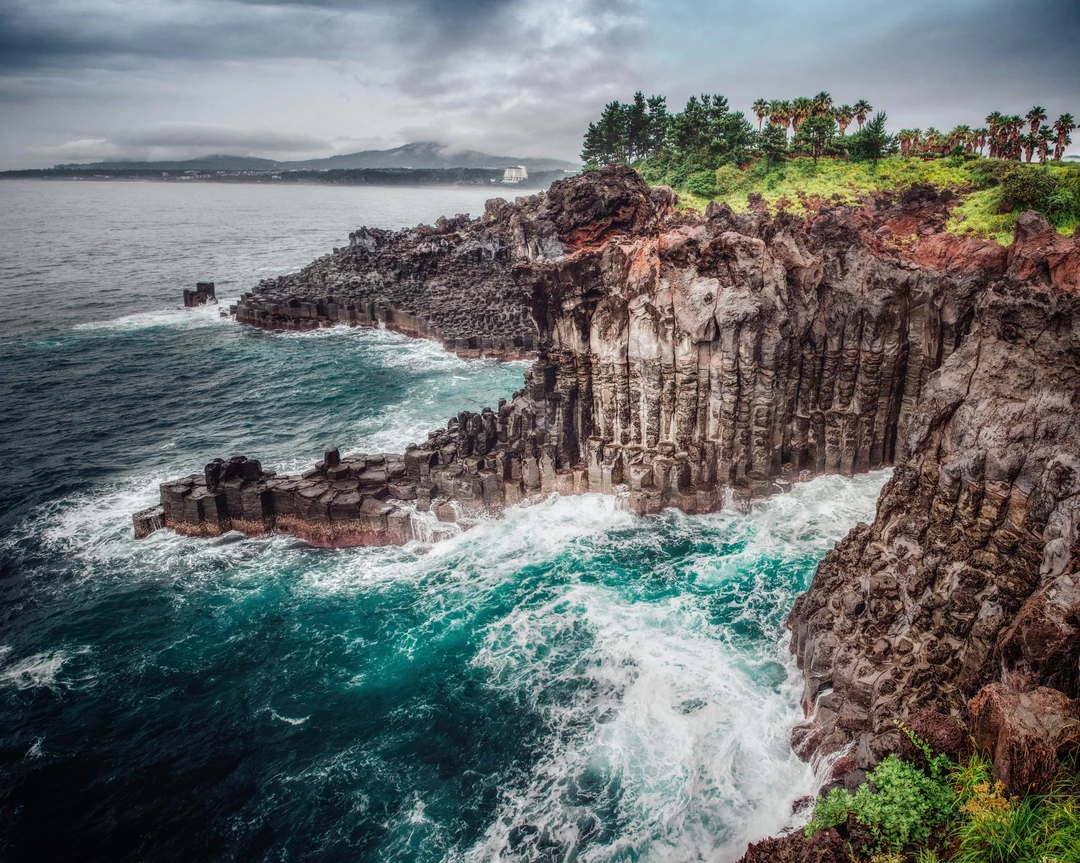
Jusangjeolli Cliff (Columnar Jointing): 5/5
Admission: 2,000 won (about $1.50 USD)
This was my personal favorite, probably because I'm a sucker for natural landscapes. The columnar jointing formations are pentagonal and hexagonal basalt columns formed when Hallasan was still an active volcano—molten lava flowed into the ocean and cooled rapidly, contracting into these geometric shapes.
Beyond the organized columns, there's another highlight: the waves. On windy days, the surf can crash up to 10 meters (33 feet) high. One important note: the park explicitly bans drones. These columns are a protected natural treasure of Korea, and if a drone crashed and damaged them, it'd be a disaster.
In short: beautiful, beautiful, beautiful.
Seongsan Ilchulbong Peak (Sunrise Peak): 5/5
It's more of a volcano than a peak. Seongsan Ilchulbong was formed by a海底火山 (submarine volcano) eruption about 100,000 years ago, and it looks like a giant crown perched on the rural coastline.
They say the view is spectacular on clear days. They say the sunrise is breathtaking. They say climbing the boardwalk is a lot of fun. But all of that is "they say." On the day we visited, it was pouring rain, so we took shelter at the Paris Baguette café across from the parking lot. The second floor has floor-to-ceiling windows facing the peak—on a sunny day, it'd be the perfect viewing spot.
By the way, I learned that day that Paris Baguette is actually a Korean brand.
After waiting over an hour, the rain let up slightly, so we dashed out. Even though we couldn't climb the peak, we had to get close. In the end, we sent up a drone to do the sightseeing for us. I've mentally marked this one for revenge—next time, I'm coming back in perfect weather.
Osulloc Tea Museum: 3.5/5
The tea plantation is near Seogwipo City, but calling it a "tea museum" is a bit misleading. It's more of a绿茶 (green tea) culture complex. Koreans have really perfected the art of "making things Instagram-worthy"—there are glass houses, matcha ice cream, and pastries everywhere. It's a must-visit for female travelers.
There's also an Innisfree experience center where you can try new products and even make your own handmade soap and incense. Why am I, a straight guy, recommending this?
Anyway, women will leave here with full bags—matcha treats, DIY experiences, and plenty of shopping. Spend over 30,000 won (about $22 USD) and you can get a tax refund.
GD Café (Monsant): 3/5
On the way there, our driver told us this café isn't actually owned by G-Dragon (GD) of Big Bang fame—it's owned by his sister or a relative. GD visited once, posted one Instagram story, and suddenly hordes of fangirls descended, turning it into the so-called "GD Café."
To be fair, the building itself—made of volcanic stone and floor-to-ceiling glass—is stunning and oozes style. But it's way too crowded. The cup sleeve is made of suede and feels nice in your hand, but the coffee itself? Eh. You know the drill—nobody comes here for the coffee.
There are two other cafés nearby worth checking out: Bomanl, a corgi-themed café featured in the K-drama Warm and Cozy; and Premium Cafe, an industrial-style, all-white three-story building with a partially glass roof. On a rainy evening, watching raindrops hit the glass while facing the ocean was incredibly soothing. Highly recommended.
Shilla Duty Free / Lotte Duty Free
There's really not much to say about these two. They're basically shopping malls packed with Chinese tourists, from the ads to the staff—all Mandarin. Every major brand is here: Korean and international cosmetics, skincare, watches, snacks. The place is full of young women and daigou (personal shoppers) buying cosmetics and face masks by the cartload. Women are terrifying shoppers.

Shilla offers extra discounts and cashback for China Merchants Bank credit cards, but some products require bundled purchases—for example, Hera BB cream must be bought with a lipstick. International brands are picked up at the airport, while Korean brands can be taken directly.
七星路 (Chilseong-ro) & Dongmun Market
七星路 (Chilseong-ro) is a shopping street that feels like a budget version of Beijing's Wangfujing. There are a few cafés scattered along the way where you can rest your feet.
Cross the street from七星路 (Chilseong-ro), and you'll find Jeju Dongmun Market—a classic Korean seafood and kimchi market. There's fresh beltfish (large hairtail), long and wide with a metallic sheen, and live squid and octopus. I saw them bubbling in their tanks for the first time. The market also has food stalls featured on Running Man—worth a try.
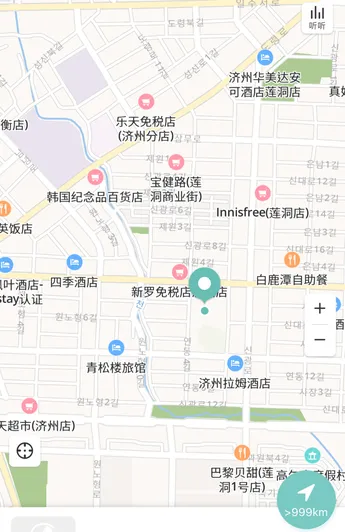
Baojian Road (宝健路)

When I first heard the name, my friend and I exchanged knowing smirks. But Baojian Road has nothing to do with "大保健" (a Chinese slang term for certain adult services). Originally called Eunam-ro, it was renamed in 2011 after the Chinese company Baojian Group sent tens of thousands of employees to Jeju in batches to commemorate China-Korea friendship. The head of the Korea Tourism Organization officially changed the street's name.
For guys, Baojian Road is just a "well, we're already here" kind of street. Women might find it more interesting—there are plenty of small shops and Korean cosmetics stores. But since Shilla Duty Free is nearby, most people coming out of the免税店 (duty-free shop) probably won't bother shopping here.
Eat! Just Eat! Every Meal Until You're Stuffed!

Finally, we get to the main event. We didn't use Dianping (China's Yelp) because we had a local driver who'd lived in Jeju for years. He recommended a bunch of restaurants frequented by locals, and every single one made us exclaim: "Holy crap, this is amazing!" "Holy crap, this is so fresh!"
Galbi Jjim (Braised Pork Ribs with Potatoes): Five Stars
This place is near the intersection of Sudeong-ro and Gwangpyeongdong-ro—you can find it on the map. There's a Chinese-speaking大姐 (older female staff member) at the front, so ordering is a breeze.
The braised pork ribs with potatoes are incredible, served with a mountain of kimchi and dipping sauce for the meat. Wrap the pork with some onion and chili pepper—it cuts the richness and adds a refreshing kick. We thought we'd have leftovers, but all that was left was the broth. Then the大姐 (auntie) brought out fried rice made with seaweed, stirred into the same pot with the rib broth. Another half-pot of food. Four of us shared one order plus the fried rice for just 45,000 won (about $33 USD). Insane value.
三代 (Samdae): Five Stars
三代 (Samdae) is on singwang-ro in Jeju City—this street is an absolute treasure trove of hidden eateries. The spicy pig trotters (called "酱猪肘" in Korean—jang jokbal) and pork noodle soup are must-orders. The spicy trotters are genuinely spicy, but you can't stop eating them. The white pork noodles look plain, but the broth has been boiled until it's milky white—rich and comforting.
BHC Fried Chicken & Beer
This is the fried chicken chain endorsed by Jun Ji-hyun (全智贤). If you're craving late-night chicken, don't miss it. I highly recommend the local CASS beer—smooth on the palate, no bitterness, with a rich malt aroma. Ice-cold beer with crispy fried chicken is pure satisfaction.
御座 (Eojwa): Soup Rice for the Win
御座 (Eojwa) is also on singwang-ro, and our driver insisted it's the best place for soup rice (gukbap). We showed up starving in the morning, only to find out the owner doesn't open until 2 PM. So we waited, hungry, until two o'clock, just for that bowl of soup rice.
The Mysterious BBQ Place
Even our driver didn't know the name of this place. He just pointed as we drove past and said, "I come here at least a few times a year." We wandered over that evening. They serve various cuts of pork, and you can choose to sit at a table or on the floor. Every table has a retractable exhaust hood overhead, so you leave without smelling like smoke.
Trust me—after eating authentic Korean beef (hanwoo) BBQ here, you'll never want to set foot in a汉拿山 (Hallasan) Korean BBQ chain back home again. The BBQ is a bit pricey, but the meat is incredibly flavorful. The staff grills and cuts it for you—crispy on the outside, tender inside. Pair it with kimchi and small green chili peppers. Perfection.
酱猪蹄 (Jokbal) & Samgyetang (Ginseng Chicken Soup)
This place serves酱猪蹄 (braised pig trotters) that aren't spicy but aromatic—loaded with sesame and scallion slices, not greasy at all. The samgyetang (ginseng chicken soup) was mind-blowing. I don't know how long they simmer it, but the bones are completely tender—they dissolve with a gentle bite. There are red dates inside too, making it incredibly nourishing. I recommend this to everyone.
Grilled Beltfish Restaurant
This place is in Saekdal-dong and was our most expensive meal of the trip: 180,000 won (about $130 USD). The grilled beltfish set meal featured thick, long fish with few bones and tender meat. The set also included four large abalones and a seaweed sea urchin soup. The restaurant had been recently renovated and looked beautiful, but the value-for-money was just okay.
炸酱面 (Jjajangmyeon) Noodle Shop
This shop is right behind Shilla Duty Free—easy to find. The炸酱面 (noodles with black bean sauce) are chewy and satisfying, and the steamed buns are decent too. If you're tired from shopping at the duty-free store, stop by for a bowl.
Disaster Strikes: The Raw Pork Intestine Nightmare
I've been talking about all the great food, but did we have any disasters? Yes.
On the last afternoon, we were craving BBQ again, but several places were closed. After wandering around, we walked into a restaurant that seemed to serve grilled pork intestines. The owner and an older lady didn't speak a word of Chinese, so we used a translation app to order grilled meat and grilled intestines.
What came out was a plate of pale, raw pork intestines—basically, pork intestine sashimi.
The four of us sat there, stunned. The older lady brought out scallion segments and wasabi soy sauce, gesturing for me to pick up a piece of intestine, dip it in the wasabi, add some scallion, and pop the whole thing in my mouth. I normally can't even handle cooked intestines—the smell alone made me nauseous.
Thankfully, the pork belly was meant to be grilled, so we quickly threw the intestines on the grill too. But no matter how long we cooked them, the smell wouldn't go away. It lingered until we boarded the plane that night, and even after landing back in China in the middle of the night, the stench wouldn't fade.
For the truly brave: this place is on singwang-ro, with a bizarre sign out front. Go challenge yourself if you dare.
Final Thoughts
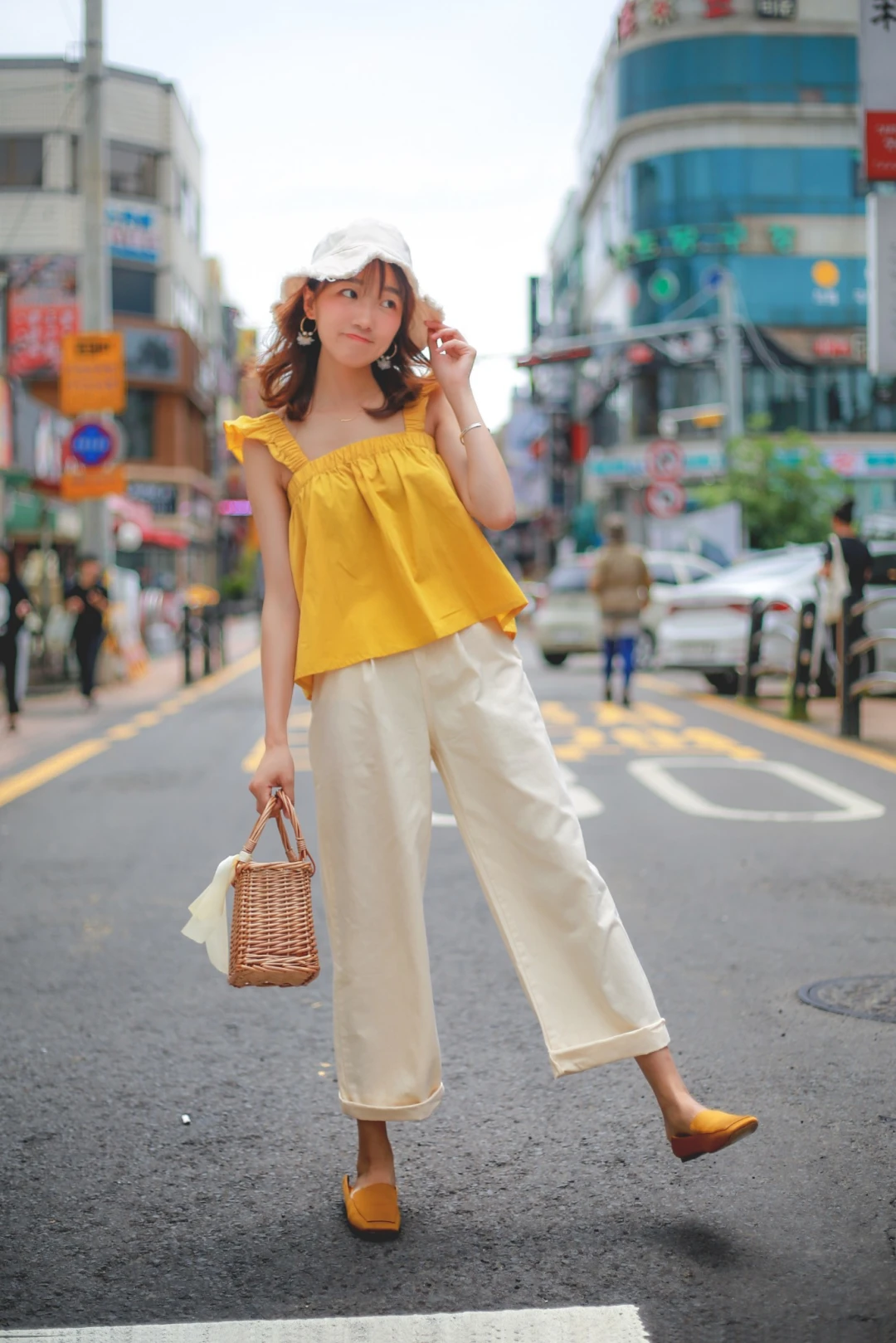
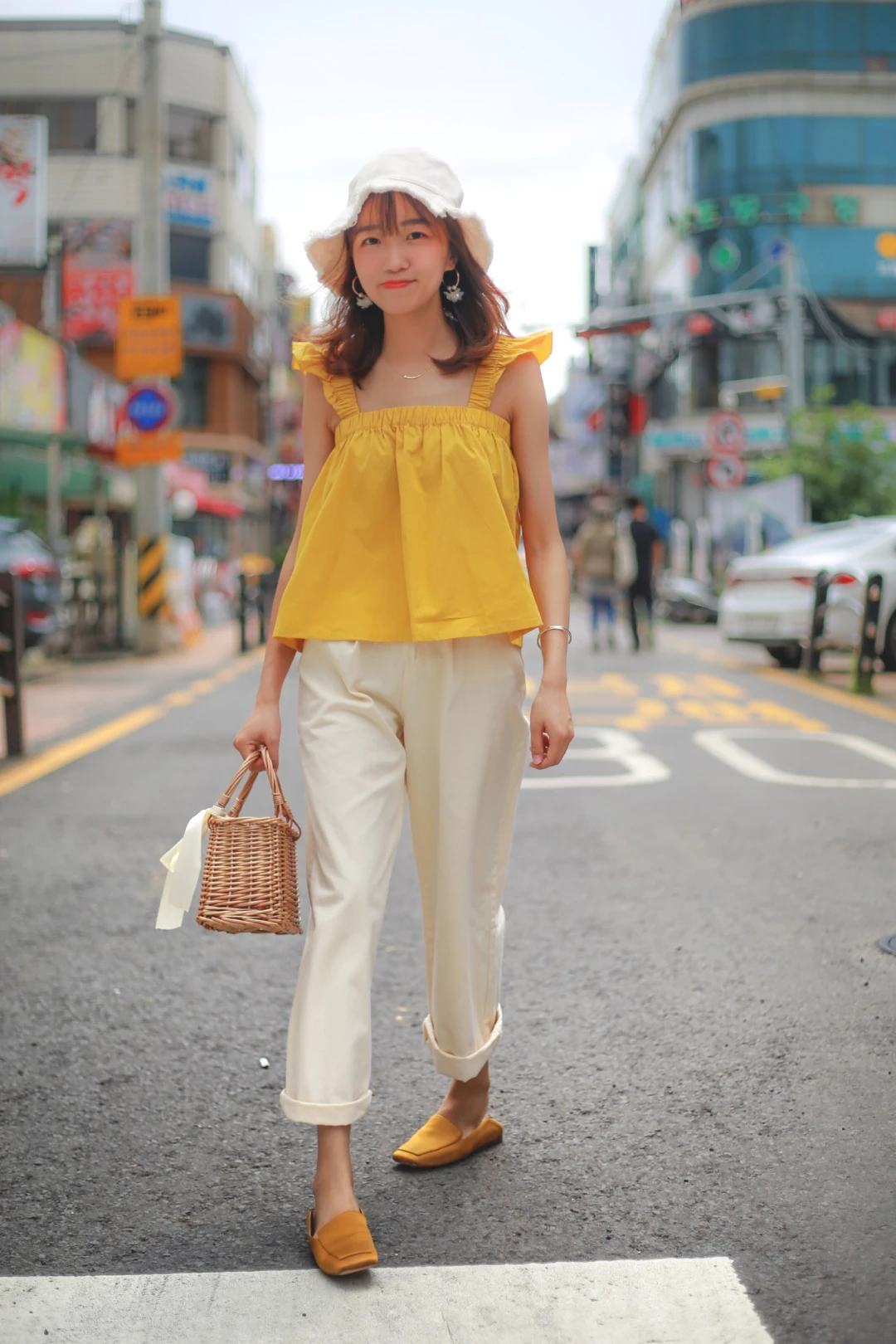
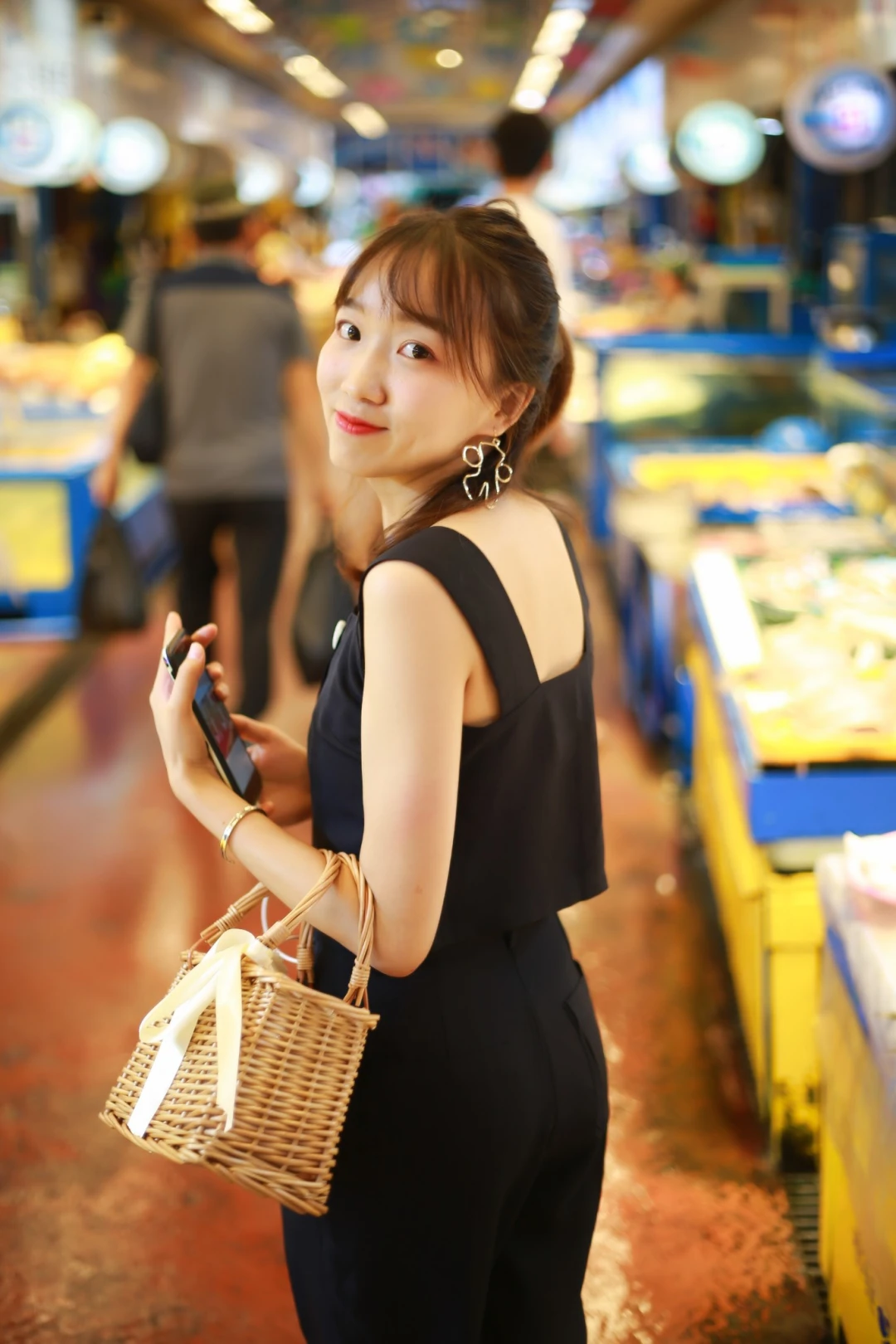
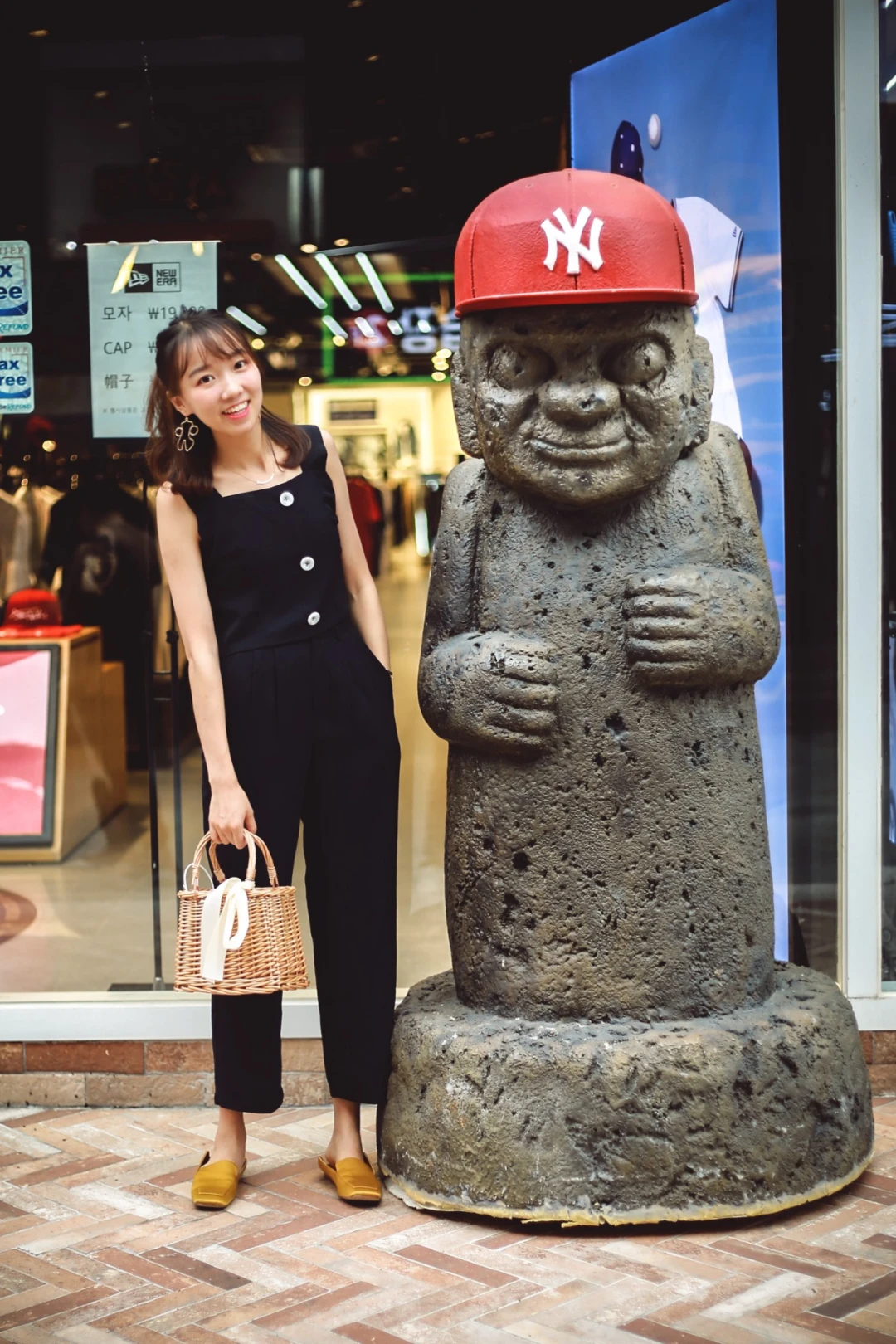
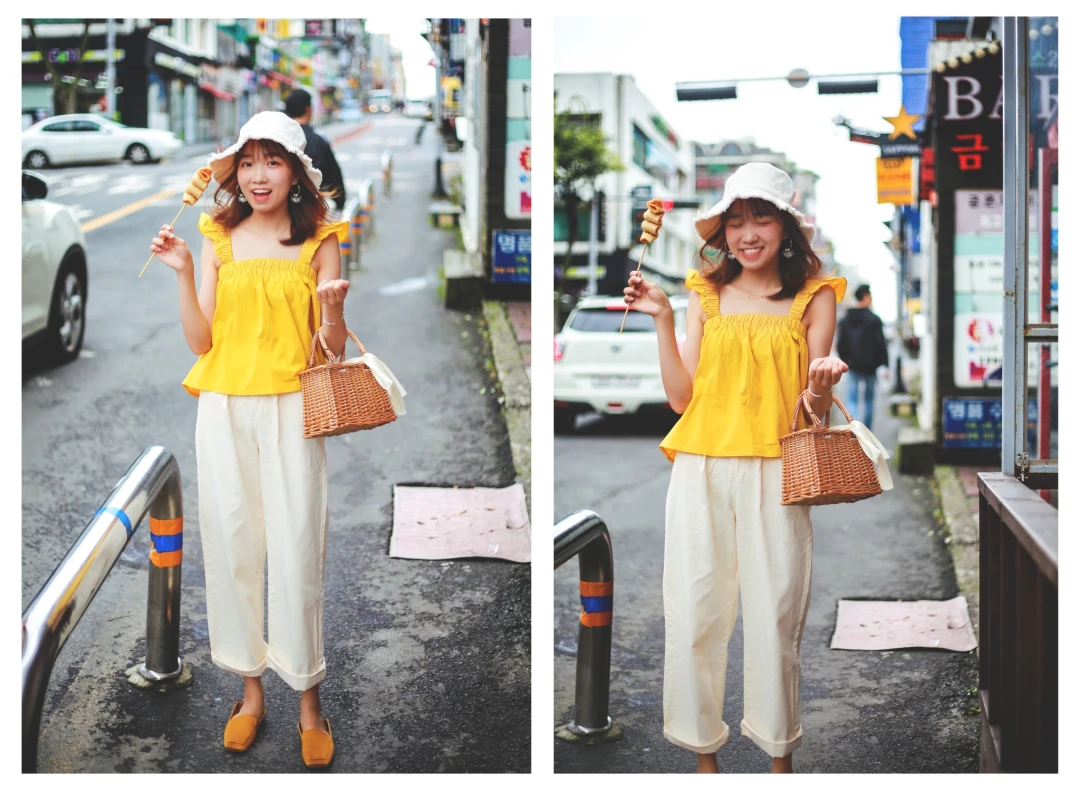
Our four-day Jeju trip was hit by rain every single day, but we healed everything with food. From braised pork ribs to ginseng chicken soup, from grilled beltfish to black bean noodles—every meal left us completely satisfied.
Jeju Island is a place where natural beauty and great food coexist, but there are plenty of pitfalls too. If you're unlucky enough to hit monsoon season like we did, don't lose heart. Adjust your mindset, shift your focus to eating, and you'll discover a different kind of joy.
A few parting tips: 1. If you're visiting during the rainy season, prepare for rain at any time—bring waterproof gear. 2. Find a reliable local driver—they'll take you to the real local food spots. 3. Don't blindly trust网红店 (internet-famous restaurants)—many are hype. 4. When it rains, don't get discouraged—look at it from another angle. Jeju in the rain has its own unique beauty.
Next time I go to Jeju, I'll pick good weather and make up for all the photos I missed. And of course, I'll definitely revisit all those amazing restaurants.
You should also read:
A Solo Journey to China's Southern Frontier: When a Selfie Stick is More Reliable Than Your Ex
A Solo Journey to China's Southern Frontier: When a Selfie Stick is More Reliable Than Your Ex Some trips start with a plane ticket; others start with a broken heart. My journey to Yunnan sounds like something out of a cheesy drama—a "life-realigning trip" after…
Continue reading...
When the Wind Blew Away Dali's Straw Hat
When the Wind Blew Away Dali's Straw Hat There's a peculiar kind of magic that happens when you arrive in a place before it wakes up. The streets are empty, the shops are shuttered, and the only sound is the soft shuffle of your own…
Continue reading...
A Journey for Farewell: When Solitude Becomes the Best Healing
A Journey for Farewell: When Solitude Becomes the Best Healing Introduction: Not All Journeys Are for the Scenery In the summer of 2013, I embarked on a solo trip across Guizhou, Yunnan, and Hunan. This was no ordinary excursion—not for checking off Instagram-worthy spots, not…
Continue reading...