Jianshui Ancient Town: A Timeless Secret Deep in Southern Yunnan, Waiting for Those Who Understand
Jianshui Ancient Town: A Timeless Secret Deep in Southern Yunnan, Waiting for Those Who Understand
On the travel map of Yunnan, the romantic allure of Dali and the picturesque canals of Lijiang have long been trodden by countless visitors. Yet there is one ancient town that remains like a refined lady hidden deep in her boudoir, quietly nestled along the Red River in southern Yunnan. It neither competes for attention nor makes a fuss, but with eight hundred years of cultural heritage, weathered city walls, and the everyday warmth tucked away in its narrow alleys, it silently waits for those who truly appreciate it. That town is Jianshui.
As my journey through Yunnan was drawing to a close, with only two or three days left, I flipped open my dog-eared copy of Lonely Planet: Yunnan. My eyes skimmed past the familiar names and finally settled on "Jianshui." A three-and-a-half-hour bus ride from Kunming was all it took to transport me from the clamor of modern city life into a bygone dream sealed in time.
First Encounter with Jianshui: Starting with a Midnight Downpour
To be honest, the journey to Jianshui wasn't exactly comfortable. At the Kunming bus station, I bought a sleeper ticket—the kind they call a "shared berth." The last row of the bus had five bunks lined up side by side. The blanket felt damp, and the air carried an indescribable musty smell—par for the course on long-distance bus rides in China. Fortunately, the bus wasn't full, so I managed to switch to an upper bunk by the window. In the swaying darkness, I drifted off into a hazy sleep.
I arrived at midnight. The driver kindly offered to let me sleep on the bus until dawn, but I had no desire to extend my stay in this "mobile hotel." I threw on my windbreaker, dashed into the pouring rain, and flagged down a taxi. From the station to my hostel, the fare was a mere 4 yuan—Jianshui's first surprise was its remarkably affordable prices.
The next morning, as sunlight broke through the clouds, I officially set foot on Jianshui's main thoroughfare: Lin'an Street. This east-west road, connecting the two ends of the ancient town, was astonishingly narrow—at its widest, no more than four lanes, and for the most part, just two. The buildings lining the street were indeed old and weathered, but the shops sold everyday necessities for locals, not the kitschy souvenirs aimed at tourists. My camera hanging around my neck felt conspicuously out of place, and locals kept turning their heads to stare—clearly, tourists here were a rarity.
The Confucian Temple: Second in the Nation, and More Than Just Architectural Grandeur
Historically, Jianshui was a hub of literary excellence, earning it the titles "City of Documents and Famous Scholars" and "Zou and Lu of Southern Yunnan." In the early Yuan Dynasty, a Confucian temple school was established here. During the Ming and Qing dynasties, it saw the construction of imperial examination halls, prefectural schools, academies, and government schools, making it the highest seat of learning in southern Yunnan. It is said that during the Ming and Qing imperial examinations, at times, scholars from Lin'an (Jianshui's historical name) accounted for half of all successful candidates in Yunnan, giving rise to the nickname "Lin'an Half List."

The Jianshui Confucian Temple stands as the finest testament to this cultural legacy. Its scale is immense, second only to the Confucius Temple in Qufu, Shandong, ranking it second in the entire country. Upon entering the main gate, you are greeted by a vast Pan Pond, its surface dotted with lotus leaves. That day it was raining, and water droplets glistened on the leaves. Standing on the small island in the middle of the pond, I took in the entire complex: oriented north-south, with a symmetrical layout, dignified yet magnificent, showcasing the pinnacle of traditional Chinese architectural art.
On the main pathway, memorial archways bore inscriptions praising Confucius. I couldn't help but reflect: two thousand years ago, a hundred schools of thought contended in a blaze of brilliance, yet in the end, only one voice remained. Those other great philosophers, equally profound, have largely been swallowed by the tides of history, forgotten by all but a few. Perhaps we are a nation prone to forgetfulness, but the existence of the Jianshui Confucian Temple serves as a reminder that some things are worth remembering.
Further inside lies the Apricot Altar, the site where Confucius is said to have taught. The building is ornate, built to a high architectural standard. At the far end stands the Great Accomplishment Hall, housing spirit tablets of Confucius, his disciples, other Confucian sages, and local Jianshui scholars. It is said that before the college entrance exams each year, the incense burners here are ablaze with offerings, with some sticks of incense costing as much as 999 yuan. Beside the hall lies a stone inscribed with "Granting All Wishes"—for lovers of ancient architecture or those praying for academic success, the Jianshui Confucian Temple is an absolute must-visit.
The Zhu Family Garden and Zhilin Chan Temple: The Elegance of Grand Mansions and the Marks of Time
Leaving the Confucian Temple, I continued along Lin'an Road and within minutes arrived at Zhilin Chan Temple. This Yuan Dynasty structure now only retains its main hall, which has been converted into a local Party school. I strode boldly in through the front gate and circled the hall, but unfortunately, it was locked. Peering through the cracks in the door, I could only make out tables and chairs in the dim lamplight—that sense of mystery, of being "just one layer removed," only added to its charm.
Ancient buildings dotted Lin'an Road at every turn. But Jianshui is by no means a "love-at-first-sight beauty." These old structures are interspersed with small modern houses and dilapidated flats, creating a natural, unforced aesthetic. There is none of the uniform neatness of Lijiang or Shuhe, no tourist-oriented boutiques or bars. For those who are visually driven or love to shop, this might be a drawback. But it is precisely this lack of artifice that preserves Jianshui's rare authenticity.
At noon, I had lunch at a restaurant called "Flower Full House," a beautifully restored old building that had served as the setting for several TV dramas. I found a seat on the second-floor balcony, directly overlooking the ancient street—the view was perfect. I ordered local specialties: steam pot chicken and fried tofu. The steam pot chicken is actually steamed chicken, cooked in Jianshui's famous purple clay pot with some medicinal herbs. The broth was delicious, and the chicken, likely pre-marinated, had a slightly different flavor from ordinary chicken. As for the tofu, Jianshui's water quality is exceptionally well-suited for making it—it's said that even brine isn't necessary. But to me, it had a faint hint of stinky tofu. The entire meal cost me 40 yuan—yet another reminder of Jianshui's low prices.
After lunch, I walked to the Zhu Family Garden, the former residence of a wealthy local clan. Entering through a side gate, I found the ancestral hall's stage built over water—a clever piece of design. The entire complex was exquisite in detail. I regretted not hiring a guide; I could only do a quick, superficial tour. To be honest, by this point, I was feeling a bit lazy and thought, "Jianshui is just so-so."
Swallow Cave: An Unexpected Blow to the Senses
Impulse is the devil. That same day, I bought a ticket and rushed off to Yuanyang. But when I got there, I found myself in a world straight out of Silent Hill—fog everywhere. The next morning, the fog was just as thick, and I had to slink back to Jianshui in defeat. Along the way, several people recommended Swallow Cave, so I got off the bus just before reaching Jianshui and made a detour there.
Swallow Cave is exactly what its name suggests: first, it's home to hundreds of thousands of swifts; second, it's a karst cave. Only by going there do you truly grasp the scale of a "karst cave inhabited by hundreds of thousands of swifts."
The cave is divided into a dry cave and a wet cave. First, I descended into the dry cave. A beam of light pierced down to the valley floor, creating a dreamlike interplay of light and shadow. Entering the wet cave was like stepping into another world—the ceiling soared forty to fifty meters high, a twenty-meter-wide river ran through the middle, and bizarre rock formations on either side, illuminated by colorful lights, felt like an alien landscape. The cave's signature feature, "A Single Pillar Supporting the Sky," was truly breathtaking.
But what struck me most was not the cave itself, but the bare-handed rock climbing performance. Because so many swifts gather here, they produce a large quantity of bird's nests. Local climbers scale the walls and ceiling of the wet cave (yes, fifty meters above the ground) with nothing but their bare hands to harvest these nests. It is said that out of Jianshui's population of over 500,000, only about a dozen people can perform this feat, a skill passed down mainly in a few Yi ethnic villages.
When a red dot appeared on the cave ceiling, it was the climber in his crimson outfit. He moved along the ceiling, pausing at a perilous spot to unfurl a long scroll welcoming the tourists, then rolled it up and continued climbing. There was no safety equipment whatsoever. At the most dangerous moments, the audience held its breath. Some places seemed impossible to pass, but through his nimble twists and turns, a path somehow emerged. At that moment, I felt that even the Spider-Man and King Kong I'd seen in action blockbusters paled in comparison.
Tuanshan Village: My Favorite of the Trip, an Untouched Time Capsule
Jianshui isn't a love-at-first-sight beauty, but it is a magical place—the areas around the county town are even more captivating than the town itself. The next day, I visited Huanglong Temple, where the Buddha statues are so unconventional that they are likely one of a kind in all of China. But my favorite stop of the entire trip was Tuanshan Village.
Nestled at the foot of a mountain, Tuanshan is a remarkably pristine village. Apart from the tourist sign at the entrance and the yellow minibus that runs once an hour to the village, it has barely been touched by tourism. The village is primarily home to the Zhang family, with a history spanning over six hundred years. The surviving buildings are mostly from the Qing Dynasty. The entire village exudes an antique charm, with well-preserved ancestral homes, clan halls, defensive fortifications, and other structures, all laid out with exquisite precision. There are almost no modern buildings. Wandering through it, time seems to reverse, transporting you to a bygone era.
At the ticket booth at the village entrance, villagers were crafting handmade goods. The General's Mansion, the Imperial Grace Mansion, the Zhang Family Garden—every site was worth savoring. The guide would push open the door to each house, and many were still occupied by residents, who were completely accustomed to visitors. Slogans from the Cultural Revolution were still painted on the walls; the guide said they were part of history and would not be removed. On the door frame of the Zhang Clan Ancestral Hall, the story of the Eight Immortals Crossing the Sea was carved with exquisite craftsmanship. The watchtower at the village corner served both as an entrance and a defensive fortification, with holes on either side for rifles—the village's wealth made it a target for bandits.
I spent about an hour in Tuanshan Village. I could have lingered longer, but I had to catch the bus. This completely undeveloped place deserves to be savored slowly, and it's a must-see for travelers who love history and architecture.
Epilogue: Jianshui, a Town to Be Savored Slowly
For my last meal in Jianshui, I ordered dried beef jerky and a grass sprout soup. The local grass sprouts were excellent—highly recommended.
As I left Jianshui, I carried a suitcase full of memories. This ancient town has none of Lijiang's hustle and bustle, none of Dali's romance, but it possesses a unique charm of its own—the weight of eight hundred years of cultural heritage, the awe-inspiring Swallow Cave, the raw authenticity of Tuanshan Village, and that unforced, unpretentious genuineness. It is like a woman hidden deep in her boudoir, wearing no makeup, yet radiating a natural elegance.
If you're tired of overly commercialized ancient towns, if you love history and architecture, if you're willing to spend time discovering a city's soul, then Jianshui is well worth a dedicated trip.
Practical Tips
- Transportation: From Kunming to Jianshui, the bus takes about 3.5 hours and tickets are affordable. However, the Kunming bus station is far from the city center, so plan ahead.
- Accommodation: There are many inns within the ancient town at reasonable prices. It's best to stay near Lin'an Street for easy sightseeing.
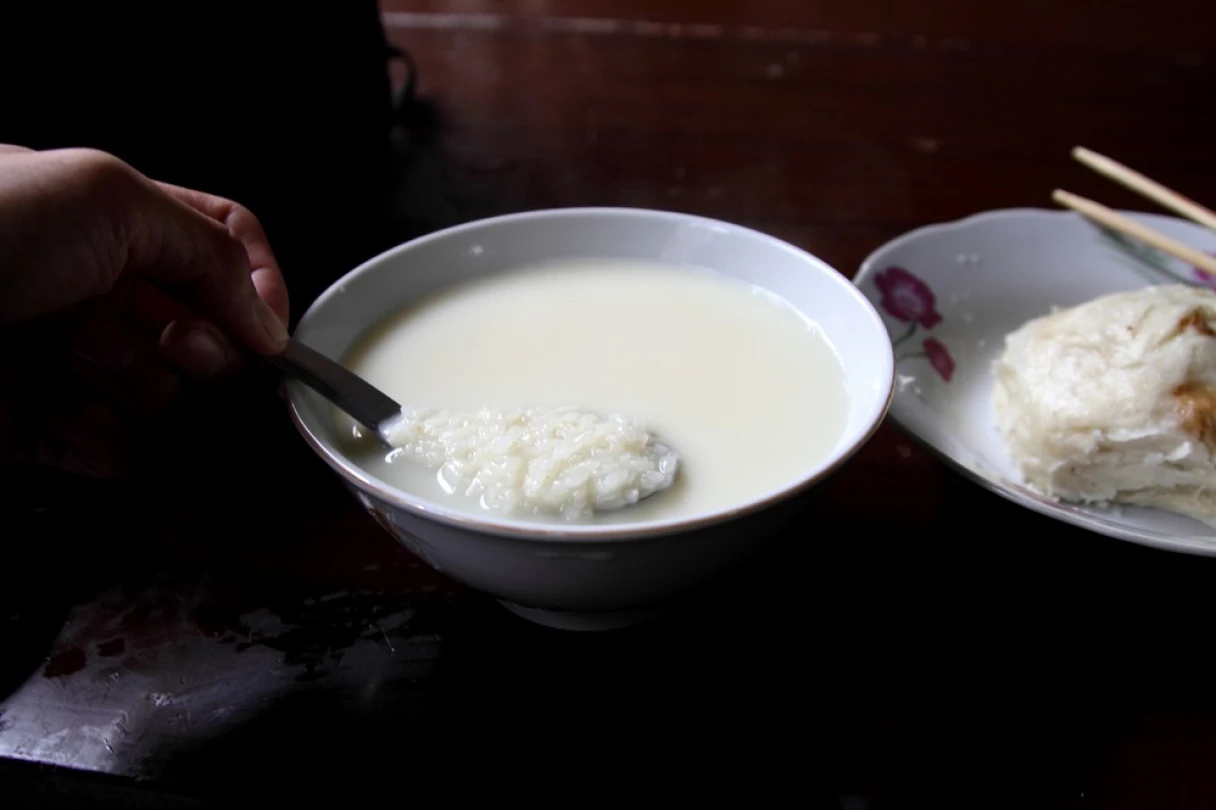
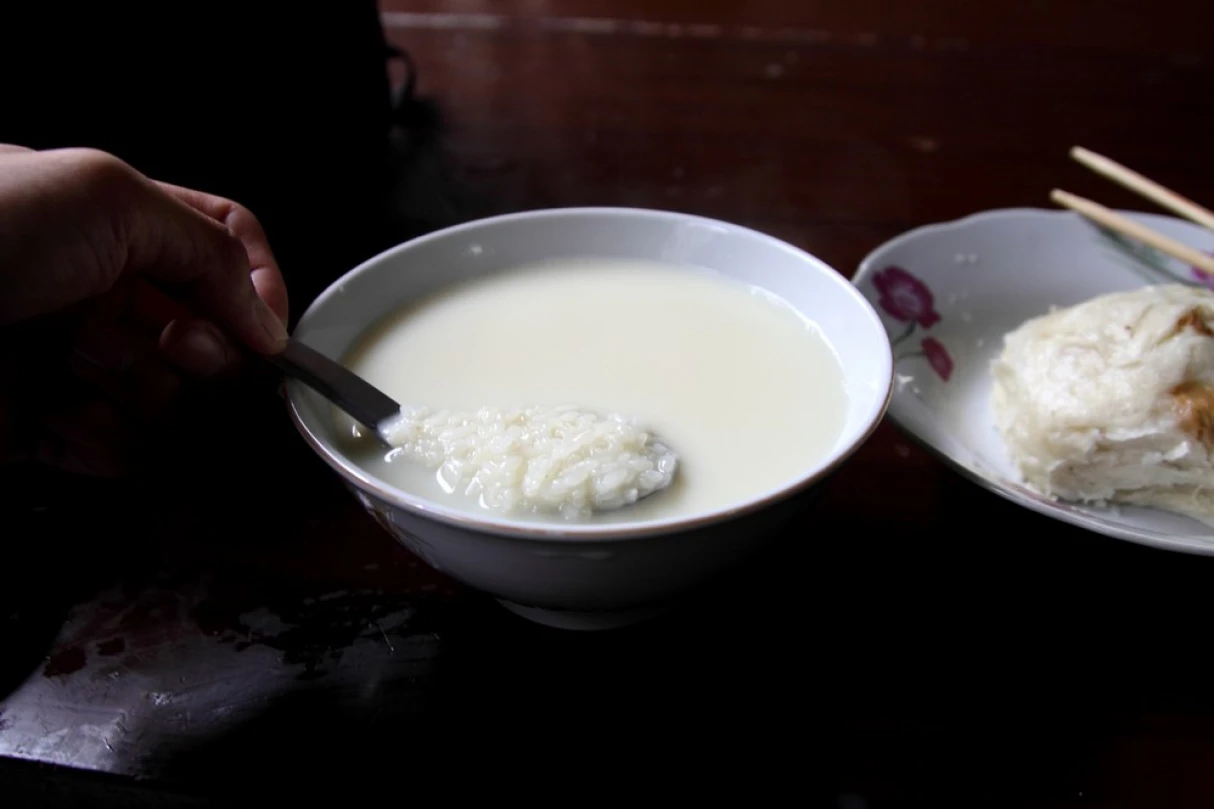
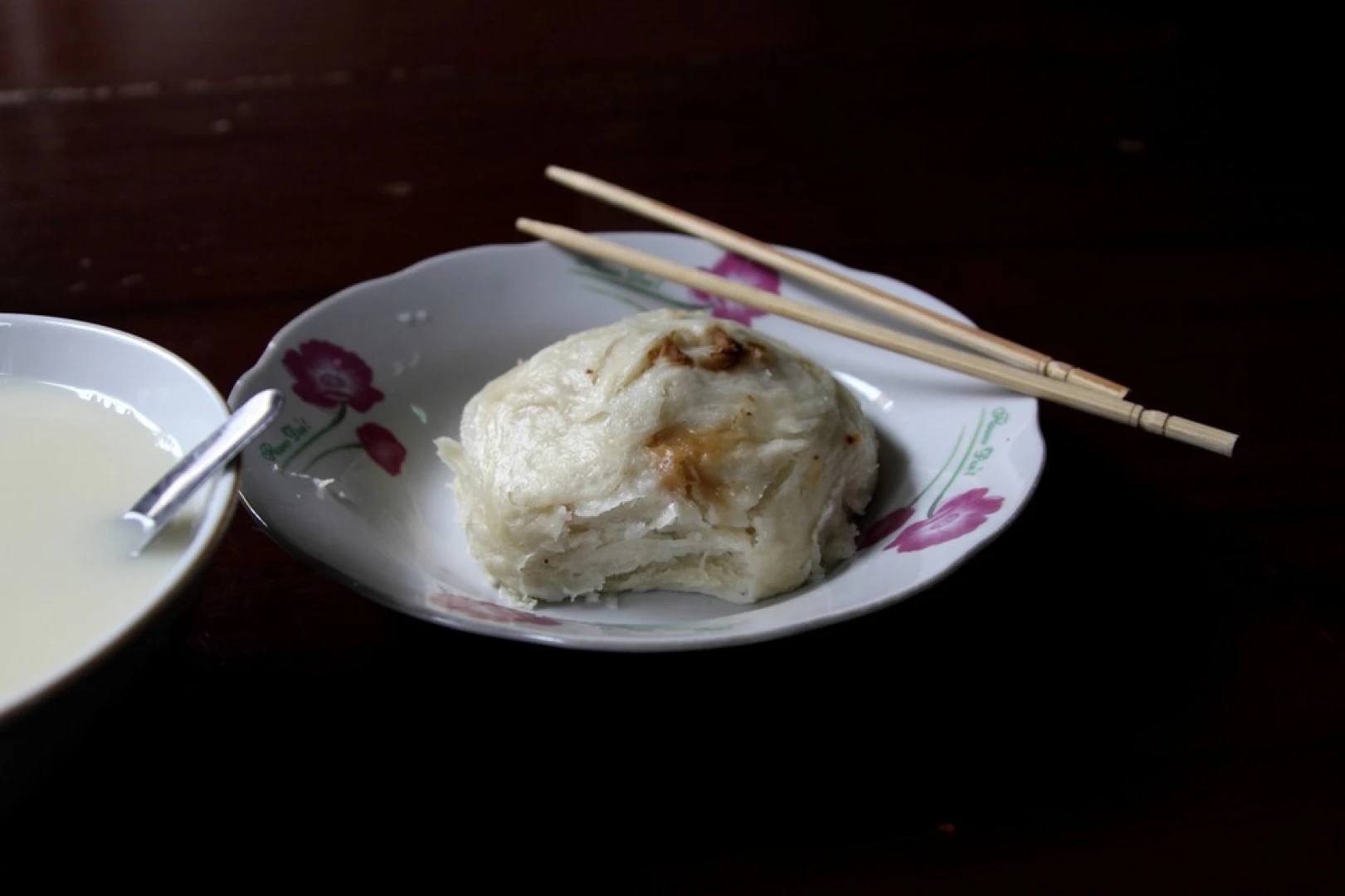
- Food: Steam pot chicken (汽锅鸡), fried tofu (炸豆腐), grass sprout soup (草芽汤), bird's nest pastry (燕窝酥), and dried beef jerky (黄牛干巴) are all must-try local specialties. Soy milk rice and local steamed buns are also great—breakfast can cost as little as 1.5 yuan.
- Recommended Attractions: The Confucian Temple (second largest in the country), the Zhu Family Garden, Swallow Cave (the climbing performance is a must-see), and Tuanshan Village (my personal favorite, still undeveloped).
- Best Time to Visit: Spring and autumn, when the weather is pleasant. Bring an umbrella during the rainy season.
Jianshui Ancient Town: still hidden, waiting to be discovered. Go before it is swallowed by the wave of commercialization, while it remains the authentic, unpretentious, and vibrant town it is today. You will fall in love with it.
You should also read:
Under the Clouds, a Sweet Secret: A Honeymoon Journey for Love and Hiking
Under the Clouds, a Sweet Secret: A Honeymoon Journey for Love and Hiking Before We Set Off: From Mount Kailash Pilgrimage to Yubeng Trek In May 2012, I boarded a bus bound for Ngari Prefecture alone, driven by a single obsession—to perform the sacred circumambulation…
Continue reading...
The Ultimate Lijiang Travel Guide: My Romantic Date with This Ancient City (Latest Edition, December 2023)
The Ultimate Lijiang Travel Guide: My Romantic Date with This Ancient City (Latest Edition, December 2023) Before We Begin: Why You Need This Guide I first set foot in Lijiang in the summer of 2018, and from that moment, I formed an unbreakable bond with…
Continue reading...
Take Me to the Distance: Ten Days in Yunnan, a Poetic Journey Through Our Youth
Take Me to the Distance: Ten Days in Yunnan, a Poetic Journey Through Our Youth Prologue: Setting Off, Just to Be Together Some trips are planned for ages, yet always lack that final spark of spontaneity. We were students, with a tight budget but limitless…
Continue reading...