Under the Clouds, a Sweet Secret: A Honeymoon Journey for Love and Hiking
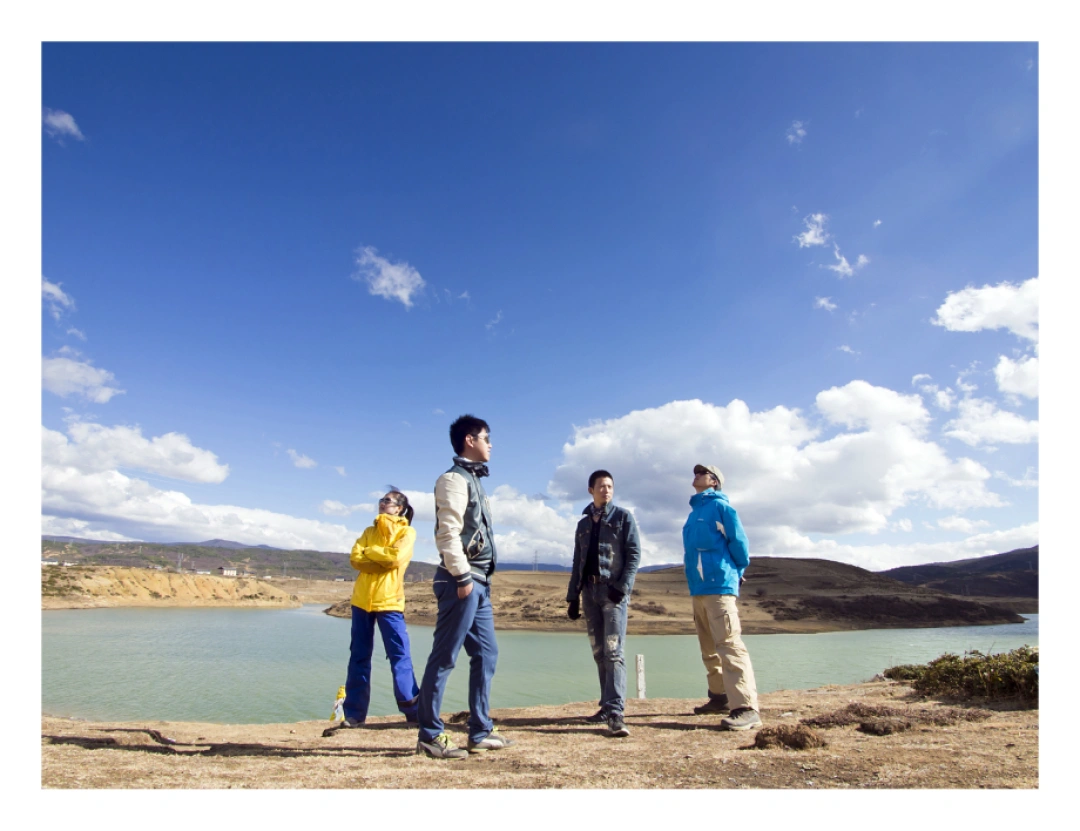
Under the Clouds, a Sweet Secret: A Honeymoon Journey for Love and Hiking
Before We Set Off: From Mount Kailash Pilgrimage to Yubeng Trek
In May 2012, I boarded a bus bound for Ngari Prefecture alone, driven by a single obsession—to perform the sacred circumambulation (kora) around Mount Kailash. At that time, I stood on the boundary between maturity and youthful recklessness, yearning to wash away my inner restlessness through a pilgrimage-like journey. Three months after returning from the kora, I bid farewell to my wild youth, took my beloved's hand, and stepped into our own little family.
The days after our wedding were sweet but busy, and our honeymoon plans kept getting postponed. It wasn't until the following April that we finally boarded our departure flight. This journey was different from any before—it wasn't just a trip; it was a promise I made to Panda: to give her a unique, unforgettable honeymoon memory.
Choosing Yunnan was no surprise. The name "Colorful Yunnan" has long echoed across China, and Lijiang is among the hottest destinations. But when we decided to make Yubeng our goal, many friends looked puzzled. Yubeng—a place known in hiking circles as "hell on the body, heaven on the eyes"—and taking a girl who had never hiked before to seek the taste of "sweetness" between hell and heaven sounded like an adventure.
What surprised people even more was that we set off without a proper itinerary. This had become my style—go with the flow, take things as they come.
Foreword: Secrets Hidden in the Title
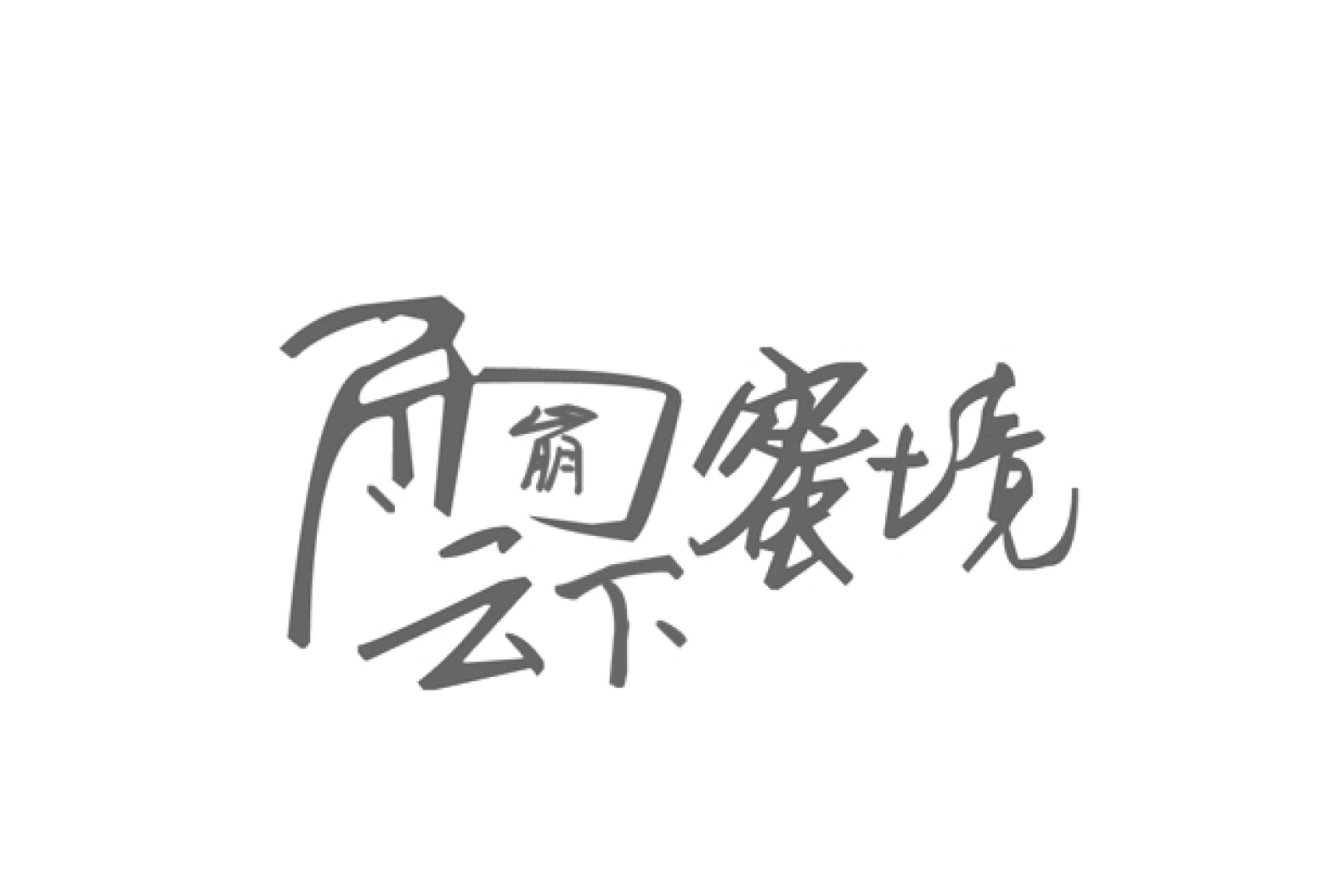
The theme for this travelogue began brewing in my mind from the moment we departed. It wasn't until after we finished our first batch of photos that inspiration gushed forth like a spring—the four characters "云下蜜境" (Yún Xià Mì Jìng) were born naturally.

"云" (Cloud): Written in its traditional Chinese form, the upper part "雨" (rain) combined with the intentionally embedded "崩" (collapse) forms "雨崩" (Yǔbēng), pinpointing the core destination of this journey.
"下" (Under/Below): Carries two meanings. First, it points south—"云下" means "Yunnan" (云南). Second, it's literal—beneath the clouds, setting the geographic scope while also hinting at the cloudy weather we encountered along the way.
"蜜" (Honey/Sweet): A double entendre. It represents the "sweet" honeymoon journey, and it also shares a homophone with "秘" (secret/mystery), pointing to "秘境" (hidden paradise)—the truest portrayal of our Shangri-La adventure.
Pre-Trip Preparations: A Pseudo-Hipster's Gear List
About Time and Budget
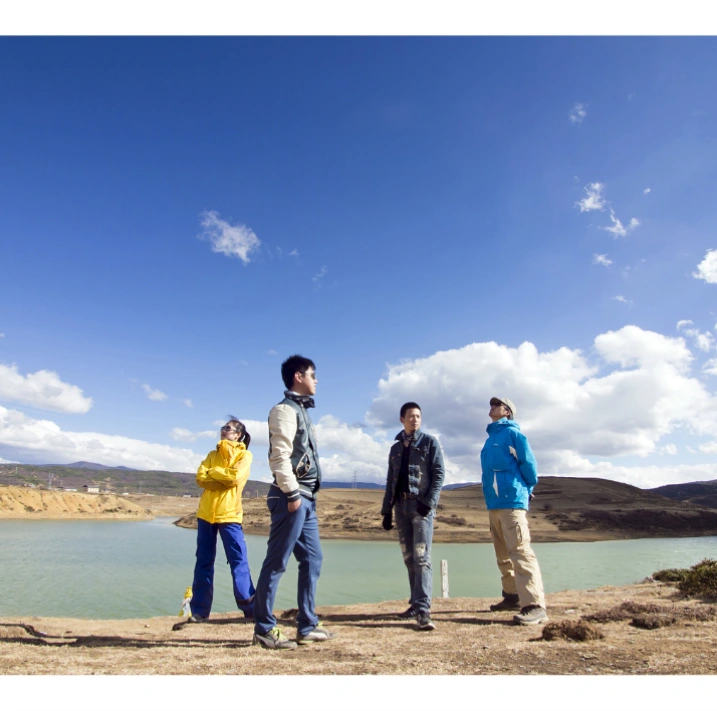
Departure: April 14, 2013. Return: April 27, 2013. Two full weeks. Ten days of marriage leave plus annual leave gave us just enough time. Per-person expenses: excluding airfare and shopping in Chengdu during our final days, the two of us spent about 5,000 RMB total on transportation, accommodation, tickets, and meals—pretty good value for a deep trip into northwestern Yunnan.
Transportation Strategy: Buses First, Carpooling Second
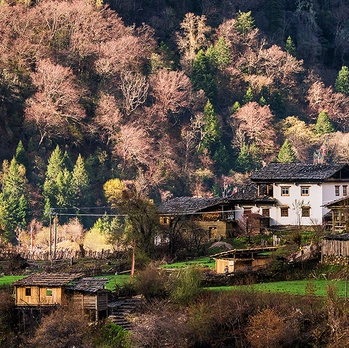
I've always loved freedom, so this trip's local transport principle was clear: buses as the main option, carpooling as backup, with private car rental and hitchhiking as fallbacks.
Buses had obvious advantages—frequent services between Yunnan cities, mostly filled with locals and independent travelers, great for soaking up local culture and finding travel buddies. The downside: fixed schedules, not flexible.
Carpooling saved a lot of time, wasn't expensive, and let us meet like-minded companions. Private car rental, while efficient for hitting all scenic spots quickly, was expensive and offered less freedom—essentially like a small tour group. Hitchhiking was the most fun, but time didn't permit, so we had to skip it.
Photography Gear: Two Mirrorless Cameras for the Road
99% of the photos in this travelogue came from my two mirrorless cameras—an Olympus E-M5 and a Panasonic G3. The E-M5 paired with a 7-14mm wide-angle lens produced the most shots, followed by the G3 with an X45-175mm telephoto. The 12mm f2.0 and 25mm f1.4 were mainly for night shots and panorama stitching, while the fisheye lens saw the least use. All photos were shot in RAW format, processed through Photoshop's Camera RAW, then given simple edits like cropping, curve adjustments, and color balancing.
Clothing and Backpacks: Practicality First
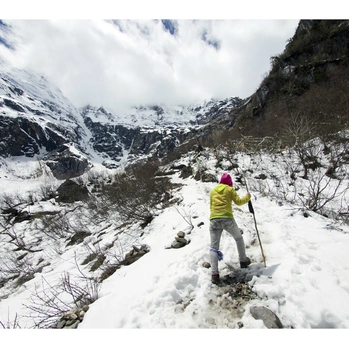
Men's and women's gear were nearly symmetrical: shell jackets, fleece sweaters, ultra-thin down jackets, snow pants, hiking boots, plus a bunch of disposable underwear. For backpacks, I carried a 65L+10L mountaineering pack, while Panda used a 45L+5L summit pack. My camera bag was specially chosen to hold two bodies and five lenses.
Among the accessories, the most noteworthy were two Black Ice G1000 down sleeping bags (rated for -10°C to -20°C) and a 11,200mAh power bank—in Yubeng, where there's no electricity or signal, this thing was a lifesaver.
Itinerary: 11 Days from Chengdu to Yubeng
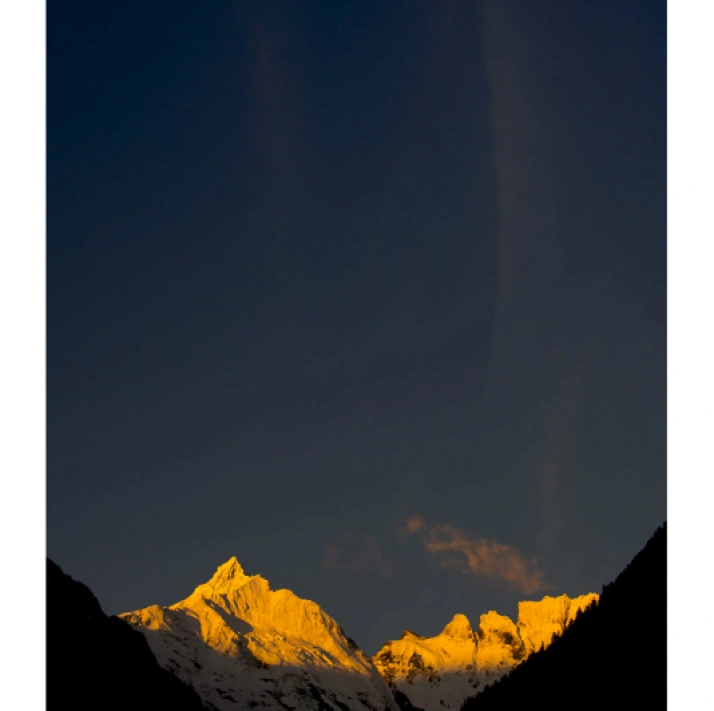
Stop 1: Chengdu, Always a Pass-Through (April 14)
Arrived in Chengdu at noon, stayed near Tianfu Square. Jinli Ancient Street and Kuanzhai Alley (Wide and Narrow Alleys) were must-visits, and authentic Sichuan cuisine was not to be missed. Chengdu felt like a gentle overture, storing up energy for the hardcore hiking ahead.
Stop 2: Lijiang, A Different Perspective (April 15)
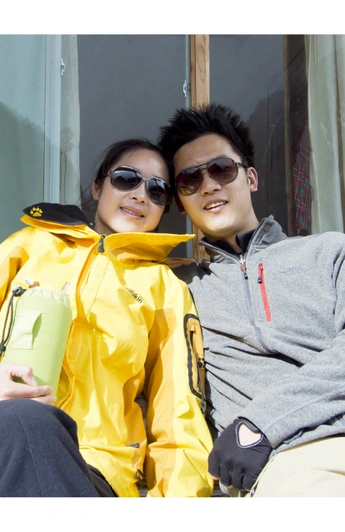
Flew from Chengdu to Lijiang early morning, landed just after eight. The pre-booked "Twilight City" guesthouse sent a minivan to pick us up (80 RMB for two). Dayan Old Town's hustle and bustle was Lijiang's norm, but I preferred whiling away time at "Duoduo's Bread Tree"—a bread shop full of artistic vibes, perfect for daydreaming, reading, and journaling.
Stop 3: Shangri-La, Can't Wait (April 16)
Buses from Lijiang to Shangri-La ran every half hour, covering about 200 kilometers. Fare: 60 RMB, journey time: four hours. Passing through Tiger Leaping Gorge, the canyon views outside the window stirred our hearts. That night we stayed at the Shangri-La Youth Hostel, then walked to Dukezong Old Town (Moonlight Old Town) and Turtle Mountain Park. Turtle Mountain Park houses the world's largest prayer wheel—we joined locals in turning it, making wishes. Dinner was at "Zangxi" stone pot restaurant; the rich flavor of Tibetan hotpot is still unforgettable.
Stop 4: Feilai Temple, Rendezvous with the Pagodas (April 17)
Carpooled with fellow travelers Lei Feng, CQ, and two others to Deqin, then on to Feilai Temple, 80 RMB per person. At the Jinsha River Big Bend, we bought the Yubeng combo ticket (230 RMB/person), covering the Big Bend, Welcome Pavilion, Wunongding Viewing Platform, and Yubeng. Stayed overnight at the "Jue Se Dian Xiang" youth hostel near Feilai Temple, 100 RMB per room—open the window and there was Meili Snow Mountain.
Stop 5: Xidang, Crossing the Nanzong La Pass (April 18)

Carpooled from Feilai Temple to Xidang Village, the hiking starting point, 20-25 RMB per person. That day we hiked 17 kilometers, crossing the Nanzong La Pass, taking about 6.5 hours. When Upper Yubeng Village suddenly opened up before our eyes, all exhaustion vanished. Stayed at the "Hiker's Home" guesthouse, 120 RMB per room.
Stop 6: Sacred Waterfall, Enlightenment Arrives (April 19)
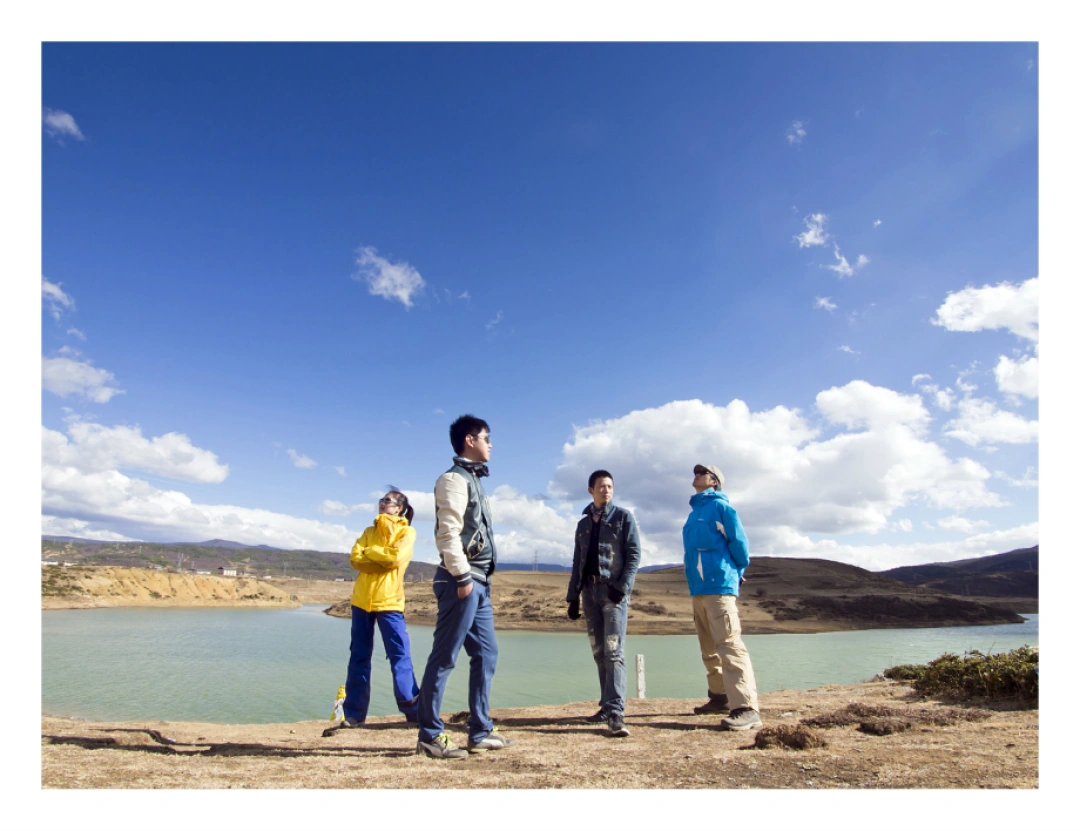
From Upper Yubeng to Lower Yubeng, then on to the Sacred Waterfall—12 kilometers round trip, took 9 hours. The waterfall cascaded from high above; legend says getting splashed washes away sins and brings good fortune. Panda completed this route on her very first hike—her resilience truly impressed me.
Stop 7: Ice Lake, Soul Finds Its Rest (April 20)
This day we covered 24 kilometers, taking 9 hours, targeting Xiaonong Base Camp and Ice Lake. Xiaonong Base Camp was the campsite for the 1991 Sino-Japanese joint expedition to climb Meili Snow Mountain; now only a few wooden huts remain. Ice Lake's waters were a brilliant turquoise, surrounded by snow-capped peaks—breathtakingly beautiful.
Stop 8: Time, Gently Passing (April 21)
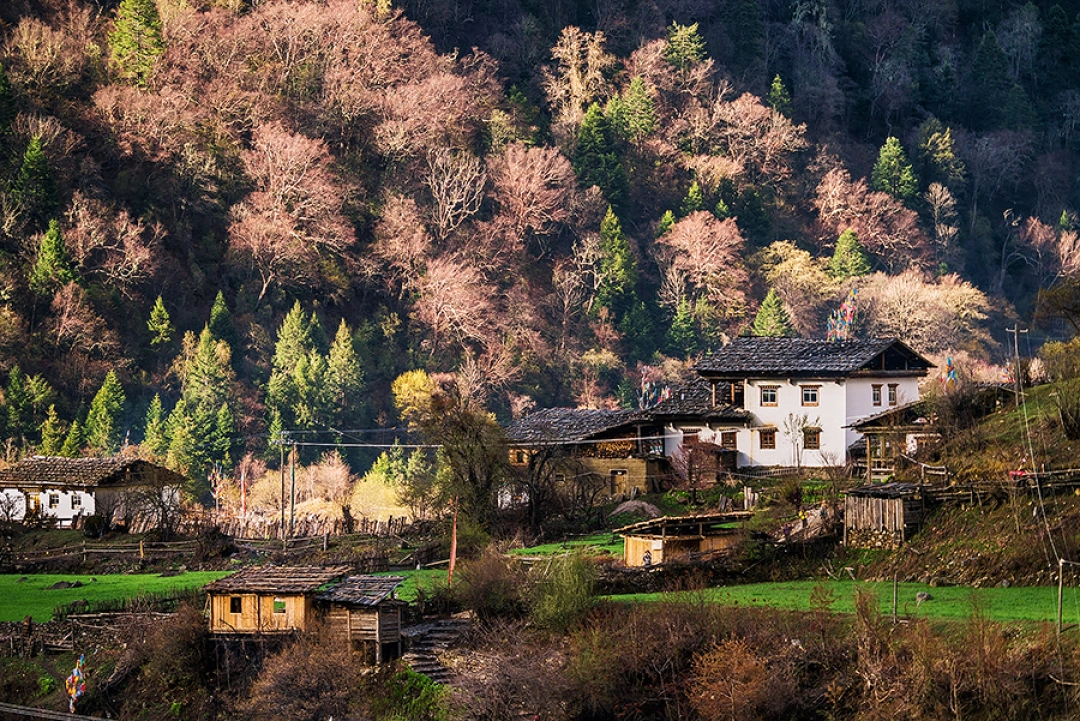
Our last day in Yubeng, we only walked 5 kilometers, purely for sightseeing and photography. Sat by the river, watched clouds drift by, soaking in the tranquility of this "paradise beyond the world."
Stop 9: Ninong, Bidding Farewell to Yubeng (April 22)
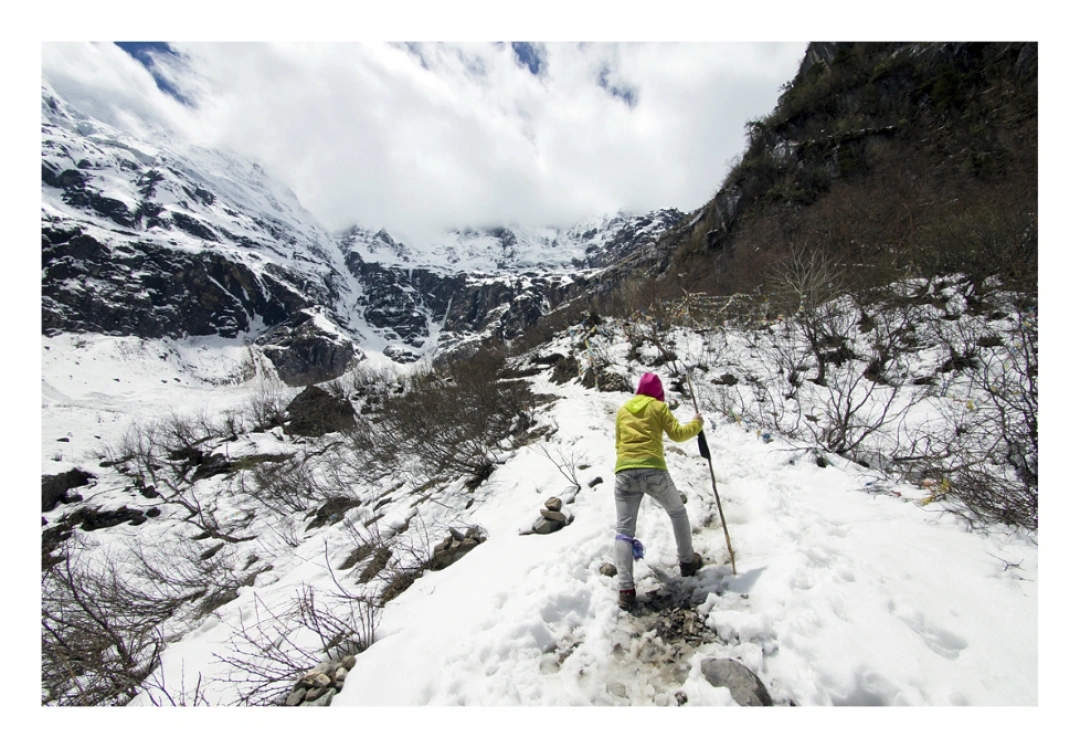
Set out from Upper Yubeng, through canyons and along the Lancang River (Mekong), hiking to Ninong—22 kilometers total (we got lost and added 2), taking 7 hours. This section followed cliff edges, with the roaring Lancang River below—thrilling and magnificent. From Ninong, we carpooled back to Shangri-La, staying at Zhashi Daji Guesthouse.
Stop 10: Cycling, A New Experience (April 23)
Rented two bicycles (30 RMB each) and rode to Potatso National Park. Though we didn't enter the park in the end, the scenery along the way—the scripture printing house, the reservoir—was already wonderful. The 44-kilometer ride gave Panda a taste of a different travel style.
Epilogue: Wrapping Up in Chengdu (April 24-27)
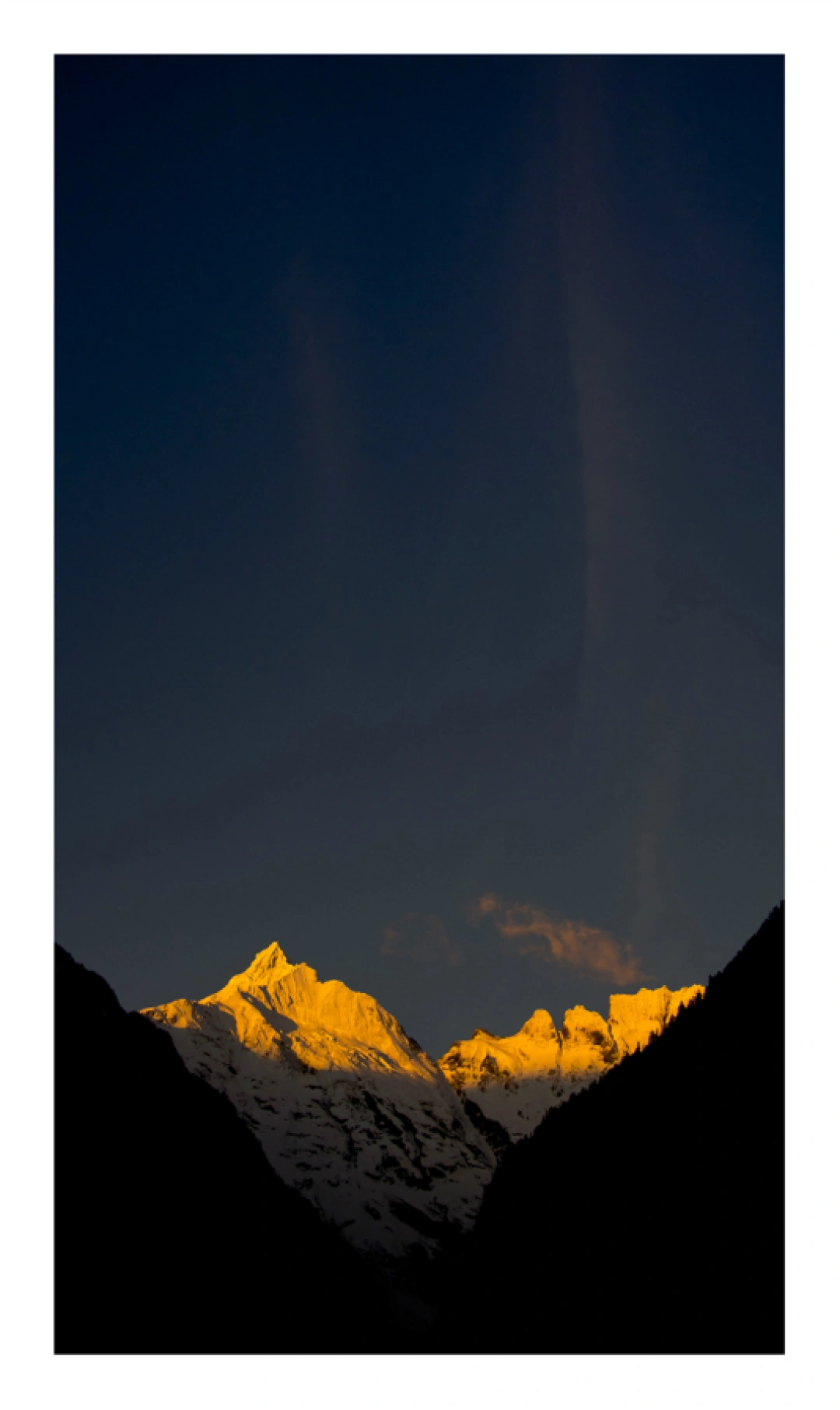
Flew from Shangri-La back to Chengdu, wandered through Kuanzhai Alley, visited Dujiangyan Irrigation System, then flew from Chongqing back to Shanghai. The journey ended, but the memories remain forever.
Afterword: Why Write Travelogues?
Thanks to fellow travelers Lei Feng, CQ, Yiyi, Brother Daying, Qinqin, Guoqing, and others—your presence made this journey full and happy.
Why write a travelogue? Simple reason—to share with others, and to remember for myself.
Everything fades with time. No matter how unforgettable it feels in the moment, years later it becomes blurry. Not because we don't want to remember, but because it's hard to recall clearly. But a travelogue—even with just a few words and casually taken photos—is a frozen record. Every time I flip through it, the past comes alive, and it always moves me.
Starting with my first piece, "Memories of Daocheng," I've written over a dozen travelogues, including "Whispers from Putuo," "Solitary Hike on Changbai Mountain," "Autumn Colors of Qingdao," "Rampage Through the Central Plains," and "Pilgrimage to Tibet with Devotion." Each one has been a purification, helping me gradually clarify the dreams I'm chasing. Each share has also let me experience the joy of sharing with others and connect with more like-minded friends.
I've come to believe that writing travelogues is a beautiful thing. Whether or not they're accepted by everyone, I'll keep writing—because for me alone, it's already a remedy that lets my soul travel, and it brings an incomparable happiness.
Key Tips: If you want to visit Yubeng too, remember a few things: book guesthouses in advance, bring enough dry food and water, protect yourself from sun and cold, download offline maps (most of Yubeng has no signal). Most importantly—keep a go-with-the-flow attitude, because the most beautiful scenery often appears when you least expect it.
You should also read:

Cloud Travelogue · Dali of Wind, Flowers, Snow, and Moon: A Three-Day, Two-Night Journey of a Free Spirit
Cloud Travelogue · Dali of Wind, Flowers, Snow, and Moon: A Three-Day, Two-Night Journey of a Free Spirit I am a cultured female foodie with a touch of rogue charm. I slung on my backpack, took my lover's hand, and set off on a spontaneous…
Continue reading...
The Meaning of Travel – A Tengchong Story: A Journey of the Heart and Personal Growth
The Meaning of Travel – A Tengchong Story: A Journey of the Heart and Personal Growth Setting Out, Only to Return a Better Self Some say travel is nothing more than leaving a place you're tired of, only to go to a place where others…
Continue reading...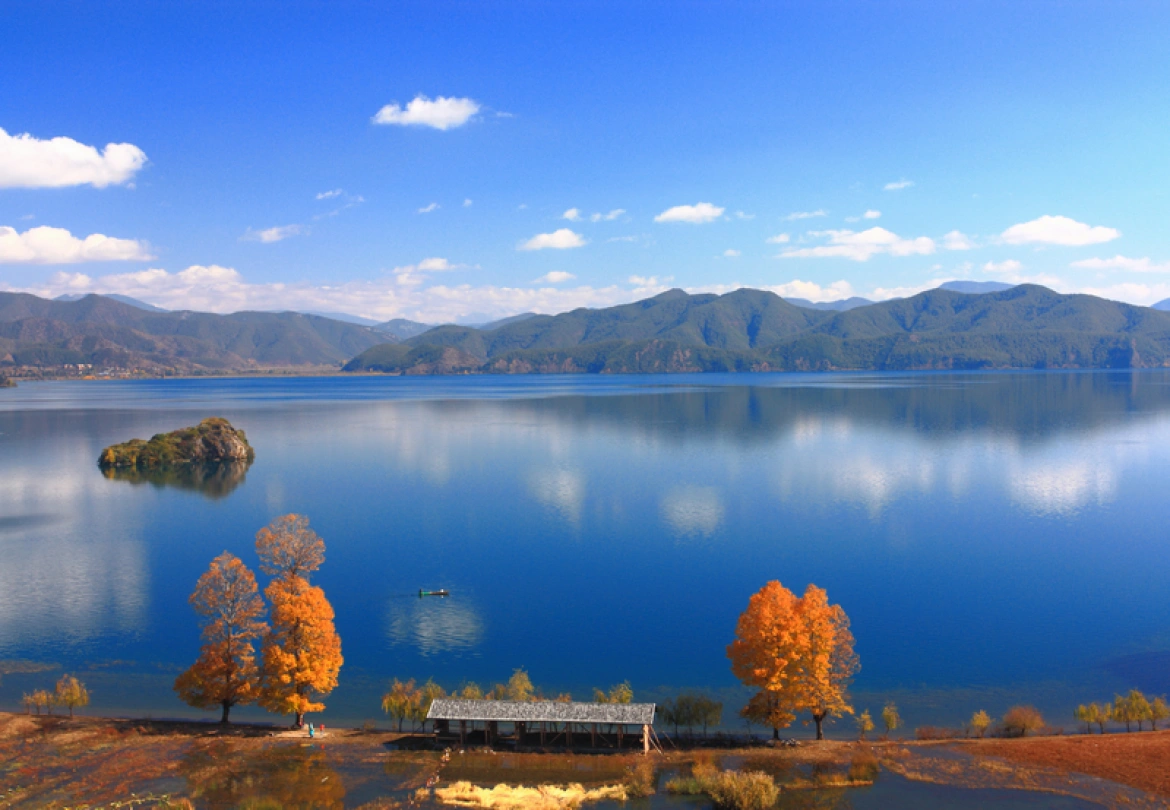
A Spiritual Journey to Lugu Lake in Lijiang: Experiencing the Legend of the Kingdom of Women! (Reproduction and Hotlinking Prohibited)
A Spiritual Journey to Lugu Lake in Lijiang: Experiencing the Legend of the Kingdom of Women! (Reproduction and Hotlinking Prohibited) Off-road自驾, food, hotel and民宿 reviews, Featured Traveler, Tank 300 owner, 200,000 km of self-driving experience. WeChat: y01294987 Ninglang Yi Autonomous County 2010.11.08 · 7 days…
Continue reading...