Jingmai Mountain, Pu'er, and Dali: A 12-Day Journey of Serenity
Jingmai Mountain, Pu'er, and Dali: A 12-Day Journey of Serenity
Have you ever dreamed of waking up in the embrace of thousand-year-old tea forests, watching seas of clouds roll like poetry? Have you ever longed to hold a cup of Pu'er tea in one hand and a pour-over coffee in the other, feeling the gentle touch of time along the ancient Tea Horse Road? In 2023, Jingmai Mountain became the world's only tea-themed UNESCO World Heritage site, and the Yunnan province it calls home also offers the aroma of Pu'er coffee and the serene beauty of Dali's Cangshan Mountain and Erhai Lake, all quietly waiting for your visit. This 12-day journey, starting from Guangzhou, traverses Xishuangbanna, Jingmai Mountain, Pu'er, and Dali, before returning to the starting point—it's not a hurried checklist of attractions, but a deep dialogue with nature, history, and culture. Below, I'll walk you through every moment of this journey, from the tranquility of ancient villages to the vibrant energy of city streets, from the lush green of tea plantations to the rich aroma of coffee, hoping to inspire your future travels.
Departure: From Guangzhou to Jingmai Mountain, a Millennia-Spanning Encounter
First Stop: A Brief Stay in Xishuangbanna
The journey begins with a flight from Guangzhou to Xishuangbanna. We chose to stay overnight near Gasa Airport to recharge for the next day's trip to Jingmai Mountain. The tropical vibe of Xishuangbanna envelops you, but our hearts were already set on the ancient tea forest designated as a World Heritage site. From the airport to Jingmai Mountain, the minibus ride takes about 3.5 hours, with the scenery gradually shifting from urban landscapes to mountain forests, as if heralding a deep encounter with nature.
Second Stop: Jingmai Mountain, a Symphony of Ancient Tea Forests and Seas of Clouds
Jingmai Mountain is located in Huimin Township, Lancang County, Pu'er City, Yunnan Province. In 2023, its ancient tea forest was successfully inscribed as a UNESCO World Heritage site, making it China's 57th World Heritage property. Here, there are 14 traditional villages, belonging to Jingmai Village and Mangjing Village. Ancient tea trees intertwine with the villages of the Blang and Dai ethnic groups, creating a living cultural tapestry. Starting October 1, 2025, Jingmai Mountain implemented a free reservation-based entry system, allowing more people to access this hidden gem.
We stayed three nights on Jingmai Mountain, choosing three distinct villages: Manghong, Wengji, and Jingmai Dazhai. Each place has its unique charm, from seas of clouds to ancient trees, from the fragrance of tea to the warmth of local people—every moment is worth remembering.
Manghong: The Highest Point of Jingmai Mountain, Seas of Clouds and Starry Skies
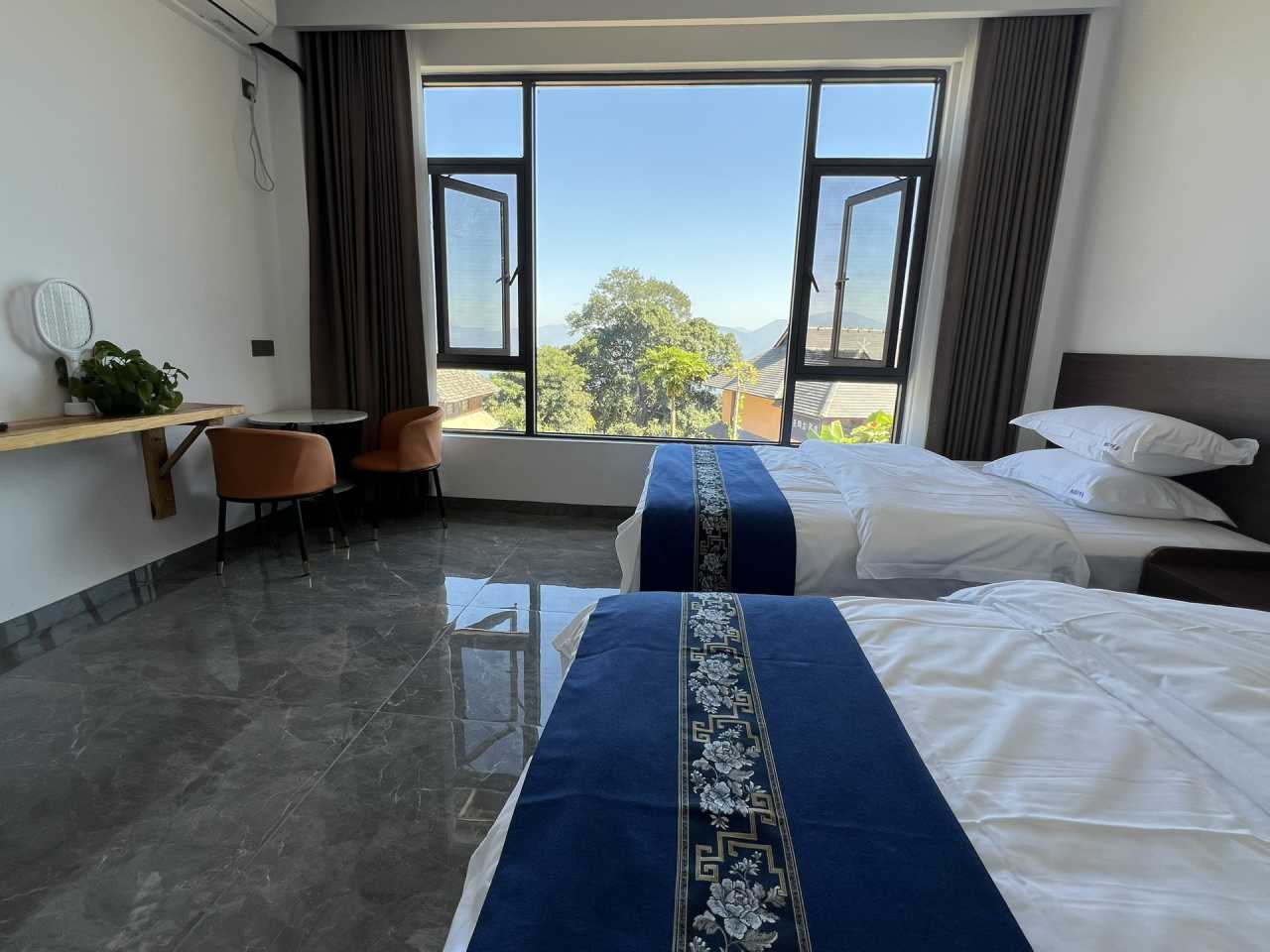
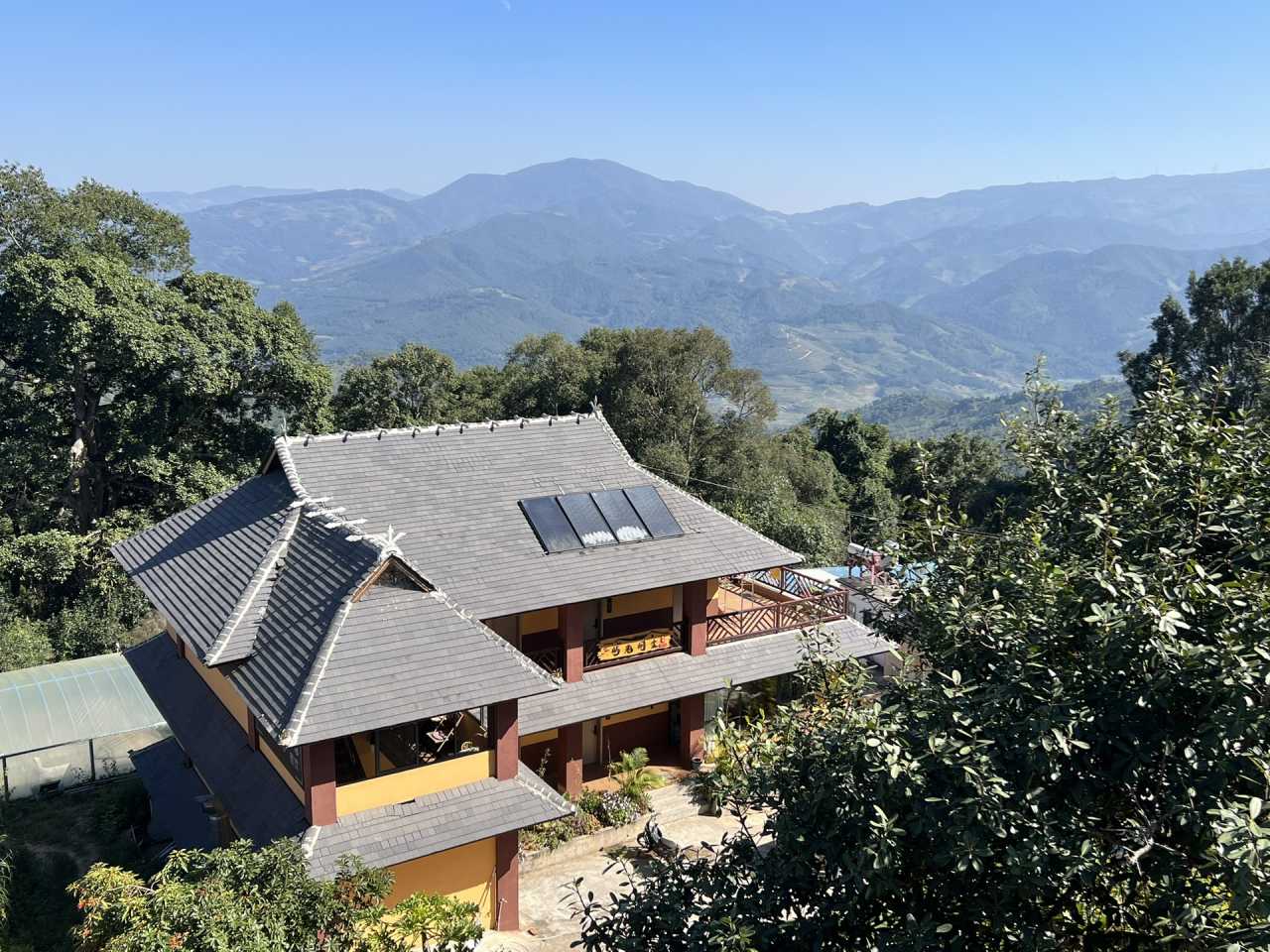
Manghong sits at the highest point of Jingmai Mountain, making it an ideal spot for watching sunrise and seas of clouds. We chose a guesthouse with an excellent location, offering a terrace with panoramic views of rolling mountains. After the UNESCO designation, some local villagers opened new guesthouses. Though the facilities are simple, the rustic charm and warm hospitality are heartwarming.
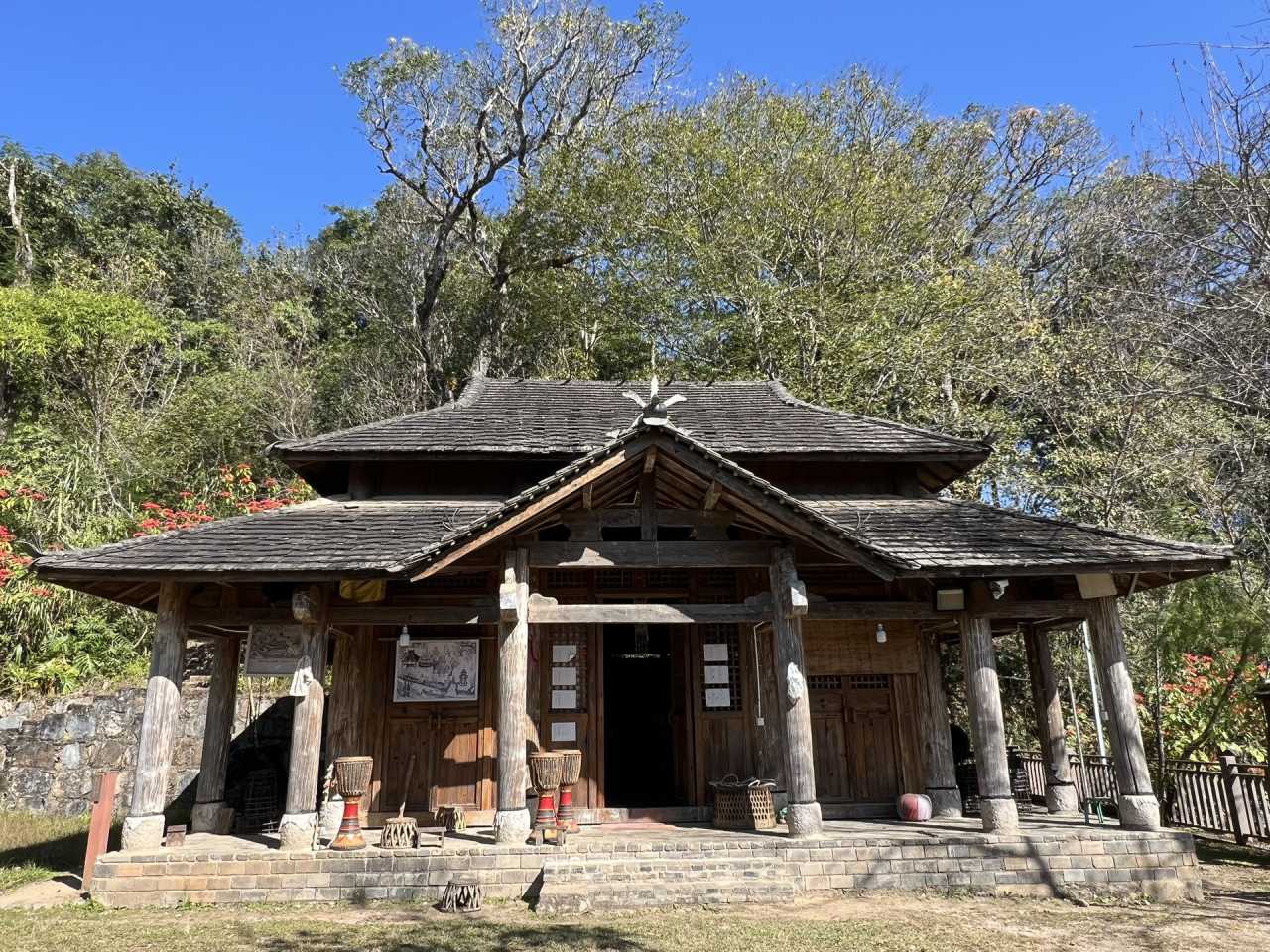
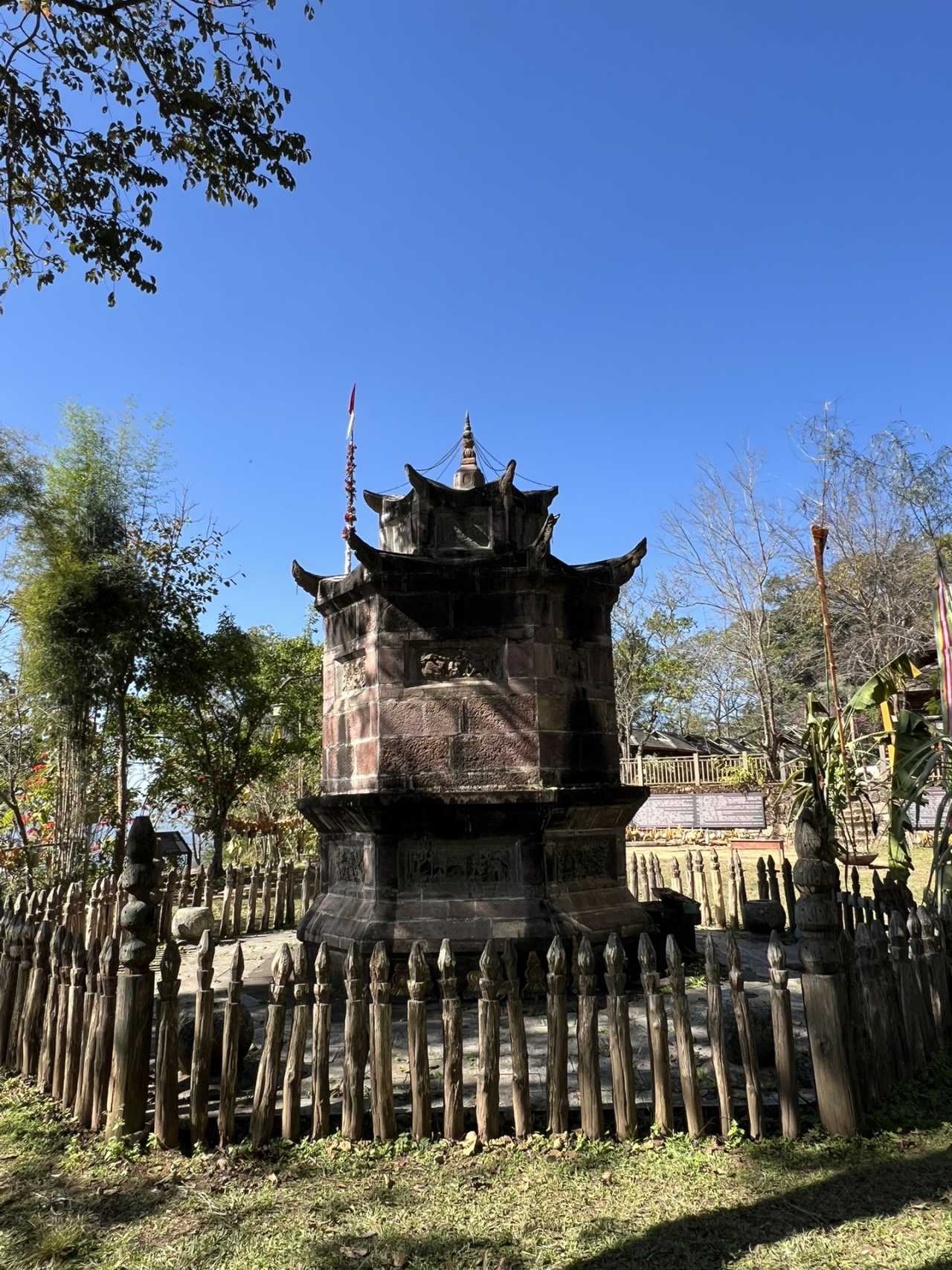
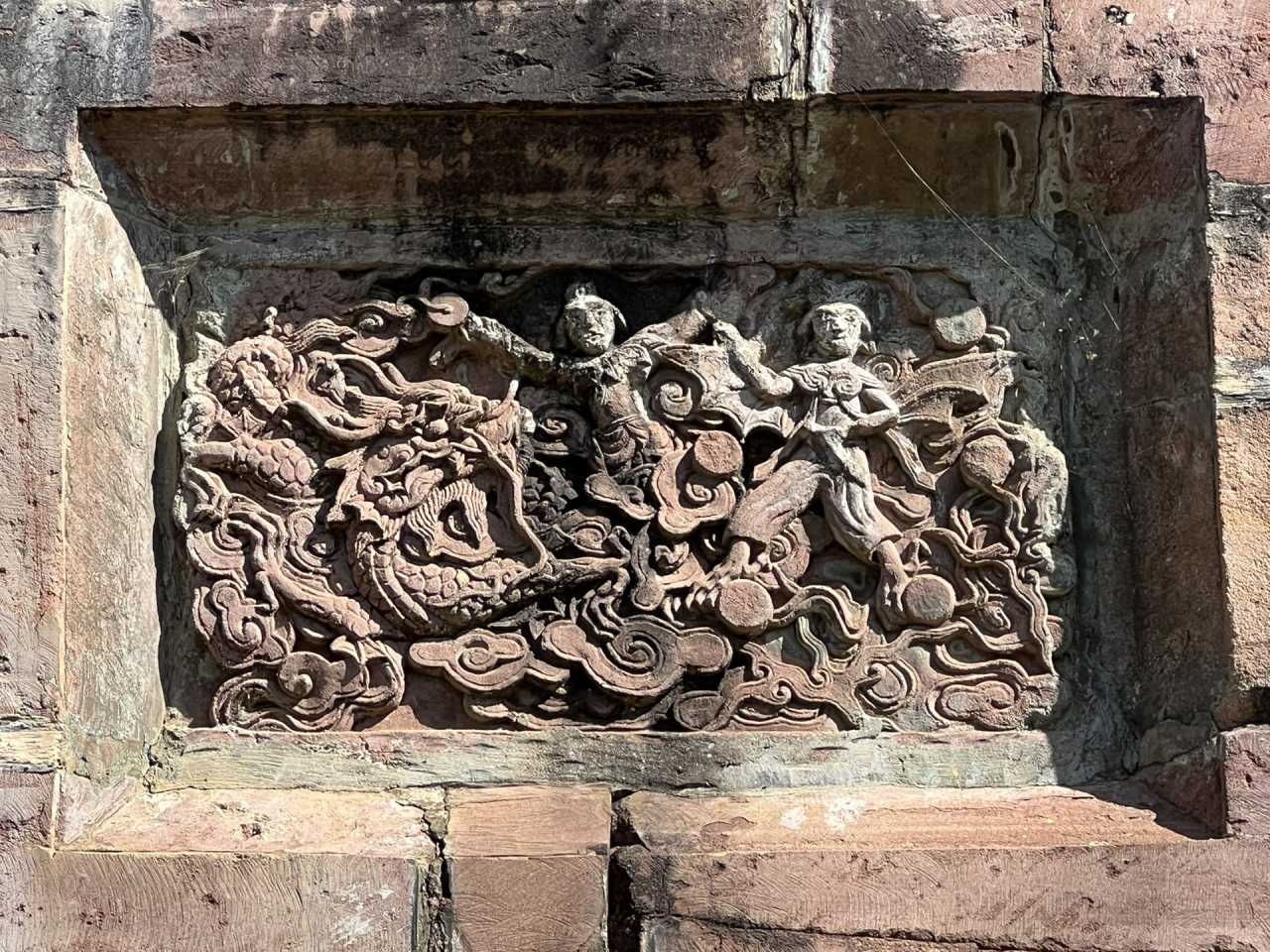
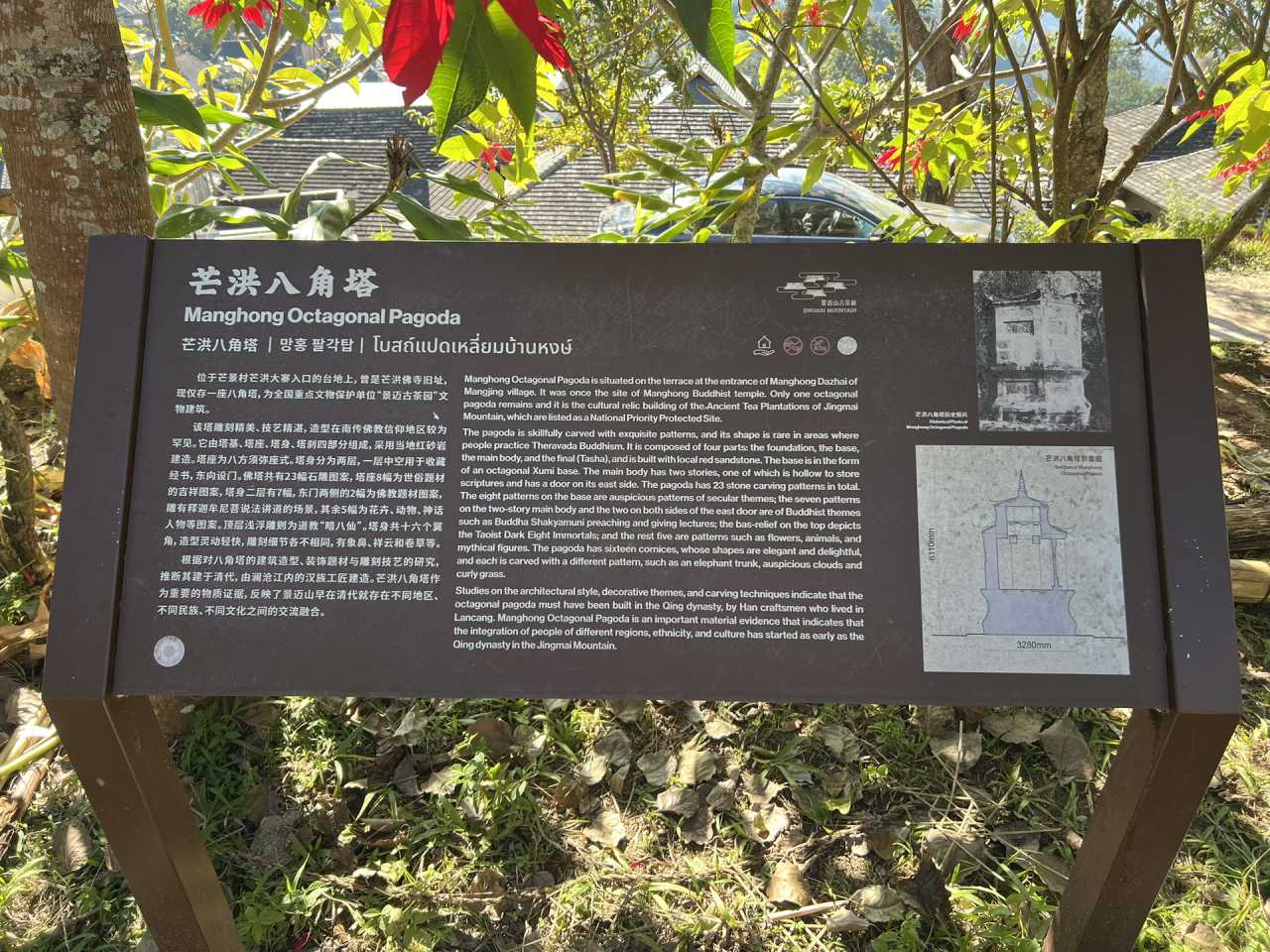
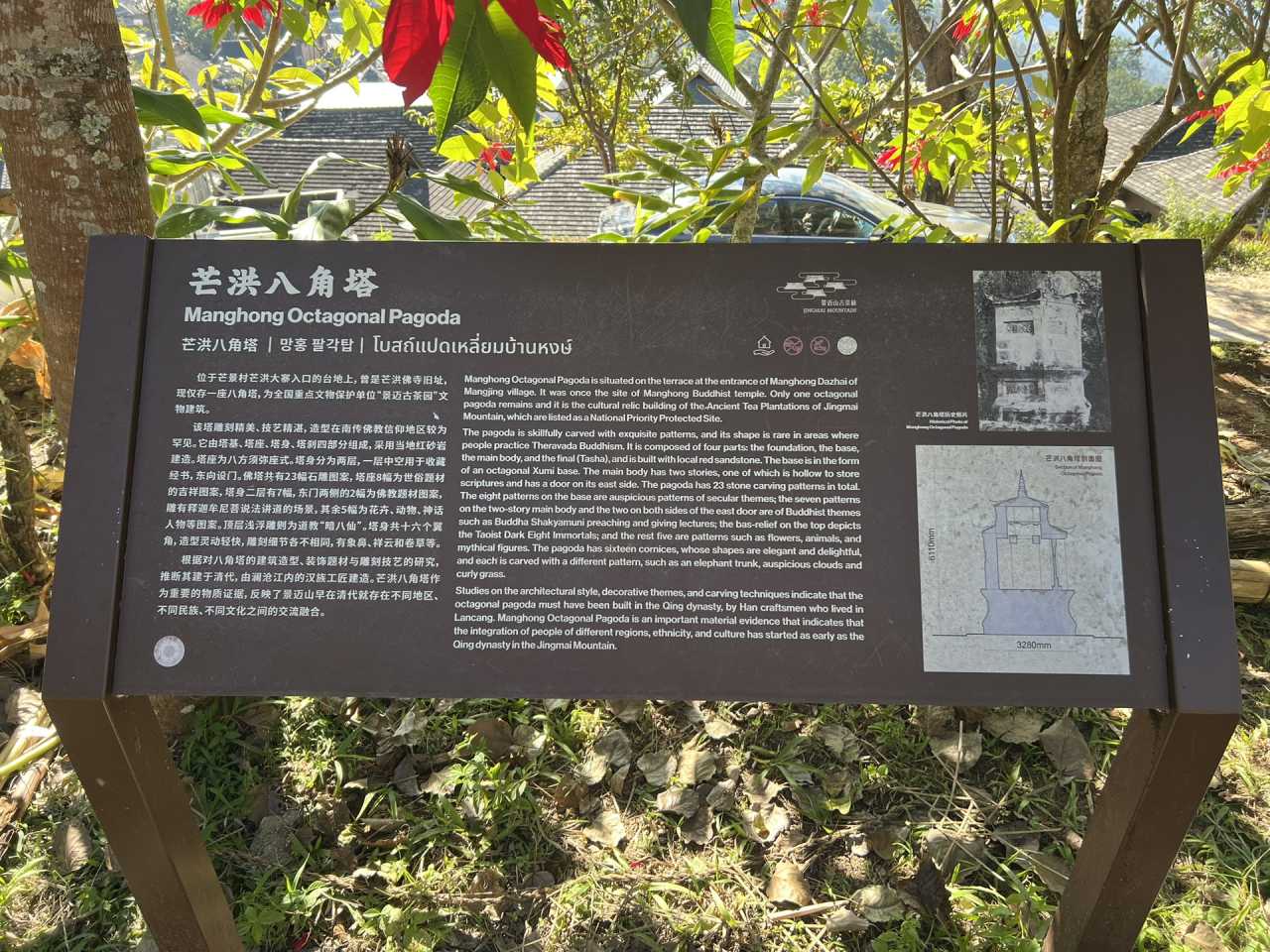
We arrived in Manghong in the afternoon, with only half a day to explore. The village center is the soul of the community, where ethnic minorities often hold ceremonies and discuss matters. The Octagonal Pagoda is the main attraction in Manghong. Climbing the tower, you can watch the sea of clouds flow quietly beneath your feet. We also visited the Bee God Tree—though this giant tree in Mangjing Xiazhai isn't the most famous, its thick branches covered in beehives are still awe-inspiring. Princess Rong, located between Mangjing Shangzhai and Mangjing Xiazhai, is another spot worth lingering.
For dinner, we found a restaurant on Dianping (a Chinese review platform). Tea leaf stir-fried beef is a must-order—tender young tea leaves paired with free-range beef, offering a fresh yet rich flavor. Five-star recommendation. Stir-fried "water hyacinth" (a local aquatic vegetable) was a pleasant surprise; I had tried it before at Lugu Lake and didn't expect to find it here on Jingmai Mountain. After dinner, we tried "can-can roasted milk tea" (罐罐烤奶茶) at a roadside stall, 20 yuan per jar. At this small stall, strangers gathered to chat, while the laid-back owner prepared peanuts, creating an atmosphere so relaxed you lose track of time.
At 8 p.m., in front of the Octagonal Pagoda, villagers and tourists began dancing together. If the local government could organize villagers to wear ethnic costumes and perform traditional dances, it would surely attract more visitors. As night deepened, the darkness in the mountains was pure and almost unsettling. We returned to our guesthouse, looking forward to tomorrow's sunrise.

Wengji: A Thousand-Year-Old Blang Village, Tea Fragrance and Tranquility
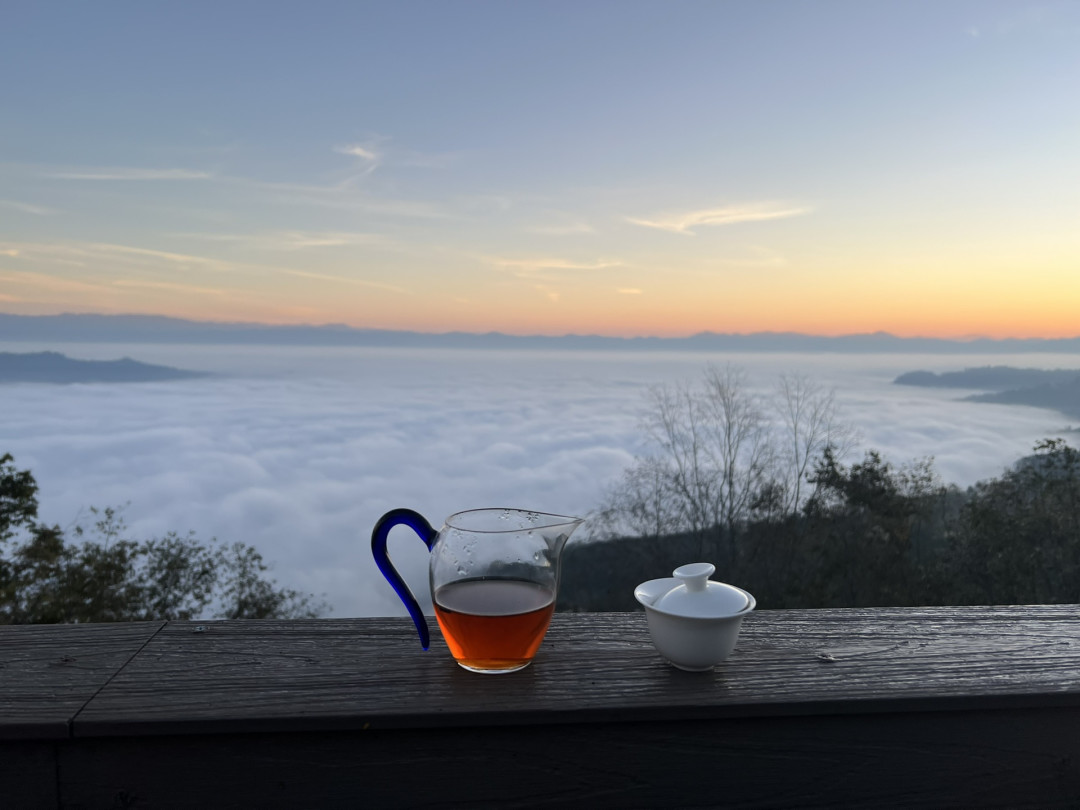
The next morning, we climbed onto the terrace and quietly watched the sea of clouds. The clouds were motionless, like a frozen painting—though lacking dramatic movement, it had its own charm. Today's itinerary included the Manghong Tea King Tree, Mangjing Market, the Tea Ancestor Temple, Aileng Mountain Ancient Tea Forest, and finally Wengji.
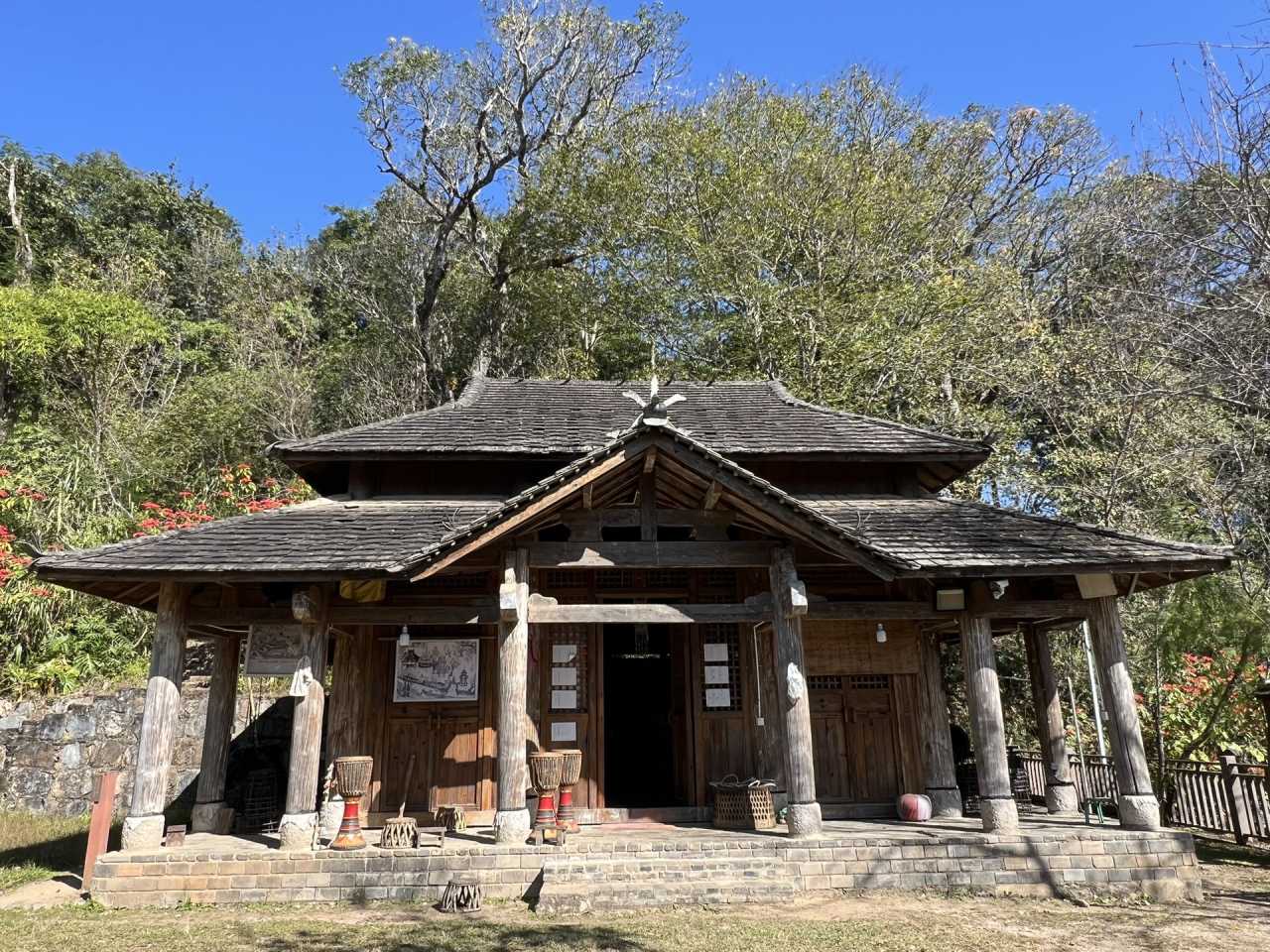
The Tea King Tree, over a thousand years old, amazed us with its vitality. Our driver dropped us off at Mangjing Market, where the agricultural products were unfamiliar—one green particle turned out to be a spice, similar to star anise. The Tea Ancestor Temple is usually closed to the public, only opened for important ceremonial rituals. Aileng Mountain has a hiking trail leading to the Bee God Tree, but it takes 2-3 hours. We decided to skip it and head straight to Wengji.
Wengji is a thousand-year-old Blang village. The guesthouse owner enthusiastically took a friend on her motorcycle to see the Tea King Tree, while I wandered around the village. Tea rooms are everywhere in Wengji, with hosts eager to welcome you. You can sit down, sip tea, and listen to them share knowledge about tea cultivation, picking, and roasting. Tea prices range from a few dozen yuan to tens of thousands per jin (500g). Compare a few shops to avoid getting ripped off. Dinner was at Ayu Xiaoyuan (阿玉小院)—decent food. We also planned to have breakfast there the next morning.
Jingmai Dazhai: The Best Spot for Watching Seas of Clouds
On the third day, we watched the sea of clouds from Wengji's viewing platform, but it felt average. Moving to a different spot, however, the clouds came alive. It wasn't until around 11 a.m. that the sea of clouds slowly dissipated. Bidding farewell to Wengji, we headed to Nuogan Ancient Village (糯干古寨)—a thousand-year-old Dai village with stilted architecture and a tea culture that captivates. For lunch, we tried Dai-style fried ribs and glutinous rice at a trendy restaurant—delicious. Nuogan Buddhist Temple has a distinctly Southeast Asian feel. The villagers set up stalls in a laid-back manner, with tea leaves and small items casually displayed, reflecting the simple and honest local character.
Leaving Nuogan, we arrived at Jingmai Dazhai. Here, there are more guesthouse options, and the area is relatively bustling. The Jingmai Golden Pagoda is quite impressive, just a 15-minute walk from our guesthouse. Dapingzhang Ancient Tea Forest requires a shuttle bus or a walk to enter. It's vast, so walking is not recommended. The Tea King Tree and Tea Soul Tree are must-sees. As the sun set, we returned to our guesthouse, ending the day.
Beigui Cakang (北归咖仓): The Most Spectacular Sea of Clouds
On the fourth morning, we walked in the dark to Beigui Cakang. Before dawn, the mountain air was chilly, so we wore down jackets and walked briskly. When we arrived, quite a few tourists were already waiting for the sunrise. Finally, the spectacular sea of clouds unfolded before us—this is truly the best spot on Jingmai Mountain to watch the clouds. After enjoying the view, we walked back to Jingmai Dazhai. Though the clouds along the way were beautiful, they couldn't match the open vista at Beigui Cakang. After a simple noodle lunch, we took a Golden Peacock (Jinkongque) minibus to downtown Pu'er.
Pu'er: Tea in One Hand, Coffee in the Other
The drive from Jingmai Mountain to downtown Pu'er takes about 4 hours. Pu'er, a city famous for Pu'er tea, is now also gaining recognition for its coffee. After dropping off our luggage, we first explored Simao Old Street and Daijia Alley. Simao Old Street is lined with snack shops, tea rooms, and small coffee shops. Daijia Alley, on the other hand, is somewhat rundown—you can walk its length in half an hour.
Da Kaihe Meizi Coffee Manor (大开河梅子咖啡庄园): A Meditation Room Made of Coffee Grounds
Pu'er has over 20 boutique coffee manors. We chose the nearby Meizi Coffee Manor. Its meditation room, made from coffee grounds, is truly unique. Unfortunately, the weather didn't cooperate—it was overcast, making the meditation room look dim without the blue sky. The coffee cherries hadn't fully ripened yet, and we missed the timed tour of the coffee factory. Just as we were about to leave, the blue sky suddenly appeared. We rushed back to the meditation room for another round of photos.
Nakeli (那柯里): A Post Station on the Tea Horse Road
From Meizi Coffee Manor to Nakeli, we just caught the shuttle bus. Nakeli was the busiest post station on the ancient Tea Horse Road. The old town is small and charming, retaining its original character. We tried tea leaf beef again—still delicious. At Gao Laozhuang Tea House (高老庄茶庄), you can DIY your own tea cake for 60 yuan each. Freshly made tea cakes are damp and inconvenient to carry, so you can choose a dry one instead. Coffee experience is also fun—30 yuan per session. You grind the coffee beans yourself, hand them to the staff, and receive a cup of pour-over coffee. We also bought a tea cake—couldn't resist.
In the evening, we took the Nakeli shuttle to Tea Horse Ancient Town (茶马古城). The old town is lively at night, with song and dance performances that visitors can join, dancing until they're tired. We didn't dare try the snake fruit (蛇皮果), but the "horse rolling" (马打滚儿, a glutinous rice ball) was tasty. If you visit the Tea Horse Road Heritage Park during the day, you can take the cable car up the mountain, then walk down to the old town for dinner and night views—a two-for-one deal.
Dali: The Ever-Charming Wind, Flowers, Snow, and Moon
I had been to Dali once before, and this was my second visit. Originally, I planned to see the winter cherry blossoms at Wuliang Mountain, but it was too early—the flowers hadn't bloomed yet. So we spent a few days in Dali, soaking in the city's charm.
Dali Old Town: First Taste of Raw Pork and Ham
In Dali Old Town, we tried "yousheng shengpi" (右所生皮)—a Bai ethnic specialty featuring raw pork, raw pig ears, and pig skin. It was my first time eating raw pork. The restaurant owner, worried about upset stomachs, only gave us a small portion, which was enough for a taste. The pig skin was roasted, making it more flavorful. I've eaten raw beef in Switzerland, but raw pork? I definitely won't try it a second time.
Our guesthouse in the old town was in an alley opposite Feng Huaxue Yue (Wind, Flower, Snow, Moon) Food Street, near the East Gate. There were fewer tourists here, and it was quiet at night. Early December is the off-season, so there weren't many visitors, and many shops were struggling. Thick cactus, ham aged over three years, and grilled milk fan (烤乳扇) are all worth trying. The grilled milk fan has a light milky aroma—highly recommended.
Weishan Old Town: Ming and Qing Architecture and Intangible Cultural Heritage
In Weishan Old Town, Wenhua Academy (文华书院) is the only attraction with a relatively expensive ticket—40 yuan—but the Ming and Qing architecture inside is worth it. The academy was almost empty, giving us a private tour feel. The Nanzhao Museum (南诏博物馆) offers a history lesson, with its collection highlights worth admiring. Lunch was at "Lao Er Restaurant" (老二饭店)—decent food. Gongchen Tower (拱辰楼) is the most famous building in the old town. Entering through Gongchen Gate, the main street is lined with shops. Highlights include Weishan Jia Ma (巍山甲马, paper-cut rubbings) and roasted tea shops. Jia Ma are rubbings featuring designs related to the old town, incorporating modern elements to become more refined. Weishan roasted tea is 30 yuan per pack, with a rich aroma—worth buying.
The shop run by an elderly couple is an intangible cultural heritage site, but few tourists visit. I hope they stay healthy and live long. The Jia Ma shop owner is more business-savvy, attracting a steady stream of customers. Xinggong Tower (星拱楼) sits at the center of the old town. Dongyue Palace (东岳宫) is grand and imposing. Hairy tofu (毛豆腐), covered in mold, looked quite novel. The Confucian Temple (文庙) costs 5 yuan to enter. From there, we walked to a park and the county government office. The park is tiny, and the county government still operates from the old yamen (衙门, government office). Chongzheng Academy (崇正书院), after renovation, has been revitalized. The bookstore is well-organized, with a reading room for quiet browsing. We arrived at Liang Xiaojie's Mansion (梁大小姐宅院) after 5 p.m., so we missed it—it closes at 5.
Cangshan Mountain and Erhai Lake: Romance of Cable Cars and Seagulls
Cangshan Mountain has four cable car lines. We chose the Gantong Cableway (感通索道), taking it up and hiking down. From the main entrance, a few minutes' walk leads to a fork: the left path is for hiking up, the right for the cable car. The cable car is fully enclosed for safety, with each car holding six people. The "Zhenlong Chess Game" (珍珑棋局) looks great from above. Following the Jade Belt Cloud Path (玉带云游路), we went to the Qingbi Gorge (清碧溪) viewing platform. From deep in Cangshan, we could see Erhai Lake in the distance. In early December, it was the dry season, so the water flow was very small.
For the descent, we chose a shortcut, alternating between stone steps, wooden boardwalks, and dirt paths—not difficult. Jizhao Nunnery (寂照庵) is a must-pass spot. It took about 2 hours to walk from the mountain to here. Many tourists hike up and have lunch at the nunnery, where a vegetarian meal costs 30 yuan per person, with unlimited rice. But we missed the meal time, so we went down the mountain and treated ourselves to a good meal.
Watching seagulls at Erhai Lake was another highlight. In early December, flocks of seagulls gathered, flying over the lake—a peaceful and beautiful scene.
Epilogue: The Meaning of Travel
A 12-day journey, from the ancient tea forests of Jingmai Mountain to the coffee aroma of Pu'er, from the mountains and lake of Dali to the ancient charm of Weishan—every step was full of surprises. The seas of clouds on Jingmai Mountain, the tea fragrance of Wengji, the Buddhist temple at Nuogan, the coffee of Pu'er, the raw pork of Dali, the roasted tea of Weishan—these moments string together into an unforgettable memory.
Travel doesn't require too much planning, but homework is essential. For example, the opening hours of the Cangshan cable car—if you miss it, you might have to hike a dozen miles down. For watching seas of clouds on Jingmai Mountain, Beigui Cakang is the best spot. Among Pu'er's coffee manors, Meizi Coffee's meditation room is worth a visit. As for Dali's raw pork, just try a little—don't push yourself.
Finally, I want to say that the meaning of travel isn't about how far you go, but how you engage with the world. In the seas of clouds on Jingmai Mountain, I learned to slow down. In the coffee aroma of Pu'er, I discovered another possibility for life. In the old town of Dali, I felt the warmth of history. I hope this article can inspire your future travels, and I hope you find your own serenity and beauty on the road.
You should also read:
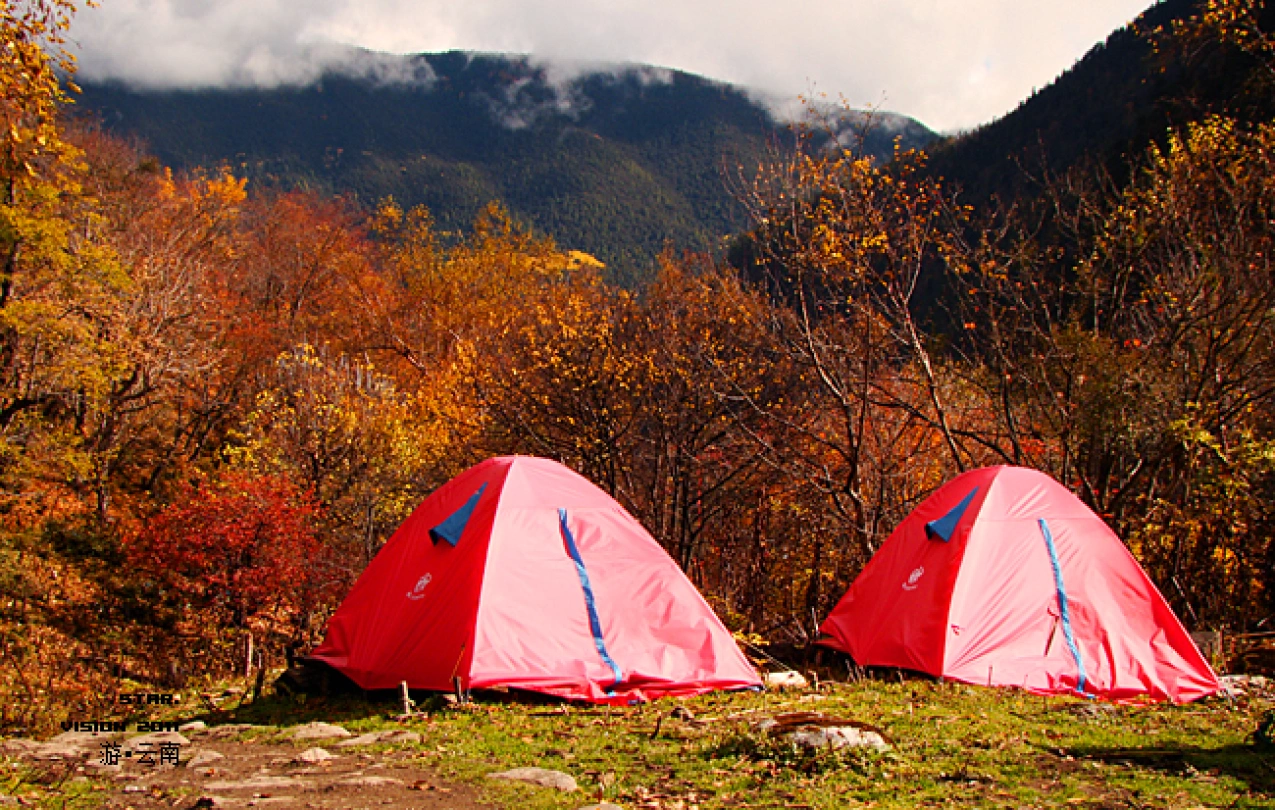
Yunnan! Paradise on Earth – The Yubeng Chapter: A Soul-Cleansing Journey into Seclusion
Yunnan! Paradise on Earth – The Yubeng Chapter: A Soul-Cleansing Journey into Seclusion Prologue: Why Yubeng? If you ask me which place in Yunnan is most worth hiking to, I would answer without hesitation: Yubeng. This is not an answer I give lightly. As a…
Continue reading...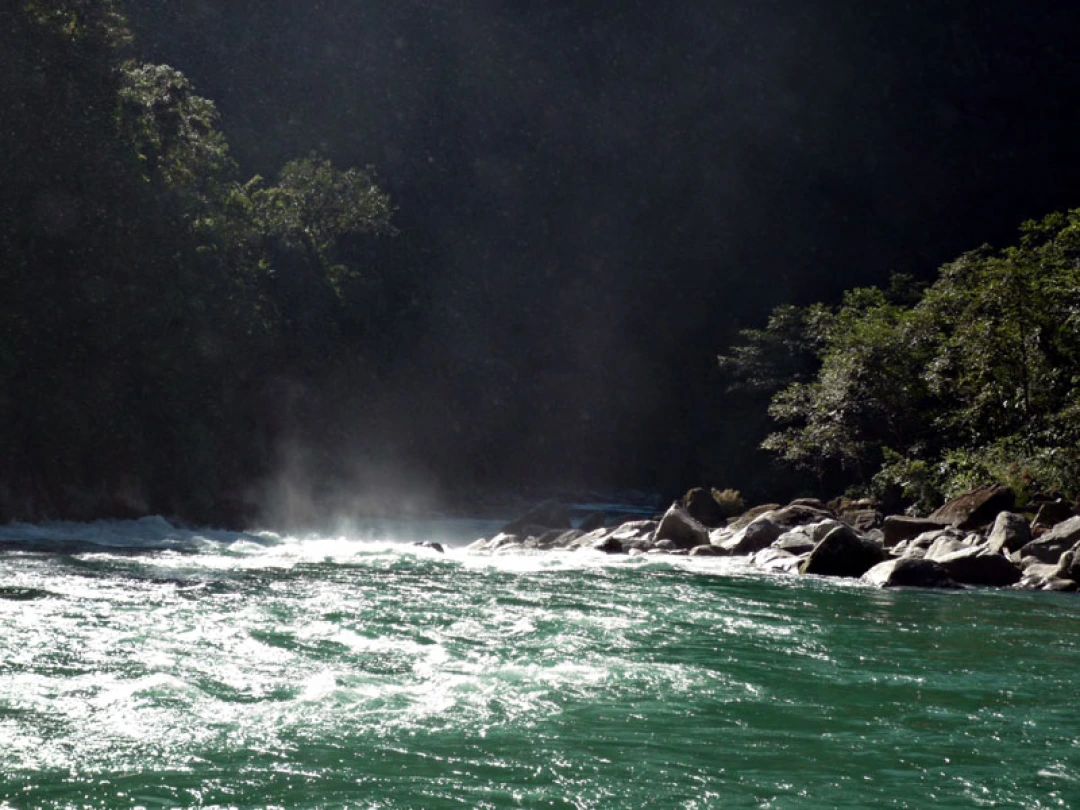
Into the Hidden Valley: A Solo Journey Through the Mysterious Dulong River
Into the Hidden Valley: A Solo Journey Through the Mysterious Dulong River Deep in the northwestern corner of Yunnan Province, tucked away from the modern world, lies a place that feels like a secret whispered among mountains. The Dulong River Valley is not just a…
Continue reading...
God’s Abandoned Palette: A Self-Drive Journey Through Yunnan’s Dongchuan Red Land
God’s Abandoned Palette: A Self-Drive Journey Through Yunnan’s Dongchuan Red Land Travel has never been about reaching some distant geographic coordinate. It’s about encountering, along the way, the version of yourself buried beneath the rubble of daily routine. During this May Day holiday, I finally…
Continue reading...