Journey Through Bangkok-Pattaya-Koh Samet: Where Sacred Meets Sensual

Journey Through Bangkok-Pattaya-Koh Samet: Where Sacred Meets Sensual
Follow me, and the weather will always be good on the road.
Six days. I set off from Beijing, transited through Hong Kong, and headed south to explore three cities in Thailand—Bangkok, Pattaya, and Koh Samet. It was a strange and wonderful journey where faith met indulgence, the sacred brushed against the sensual. Traveling with me was my sister—she was my model, my travel companion, while I carried the camera and handled the itinerary.
If you're ready, turn your screen brightness all the way up. Because next, you'll see the dazzling debut of ladyboys and the glow of temple spires in the rain.
First Encounter with Bangkok: A City in the Rain
April 27, arriving late at night.
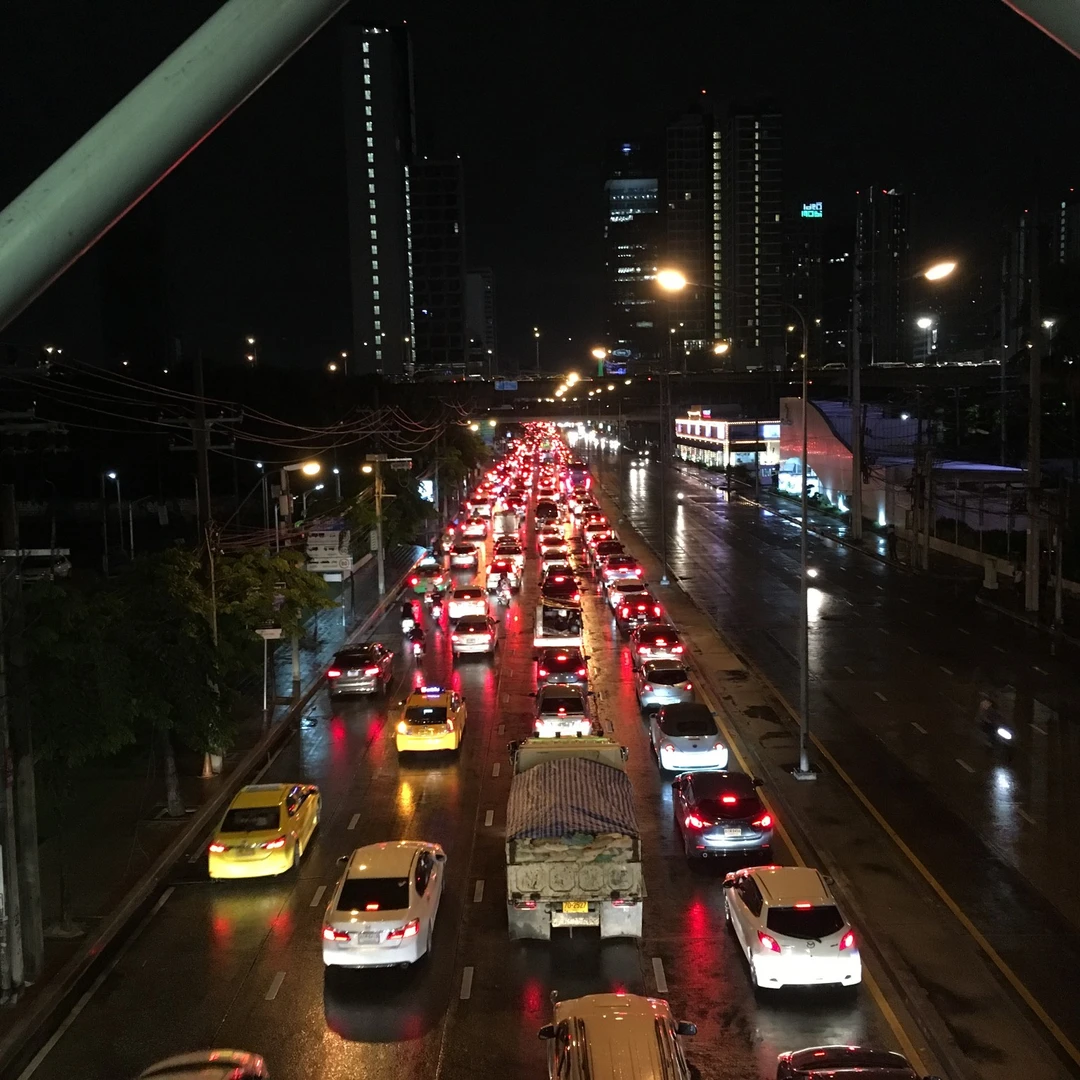
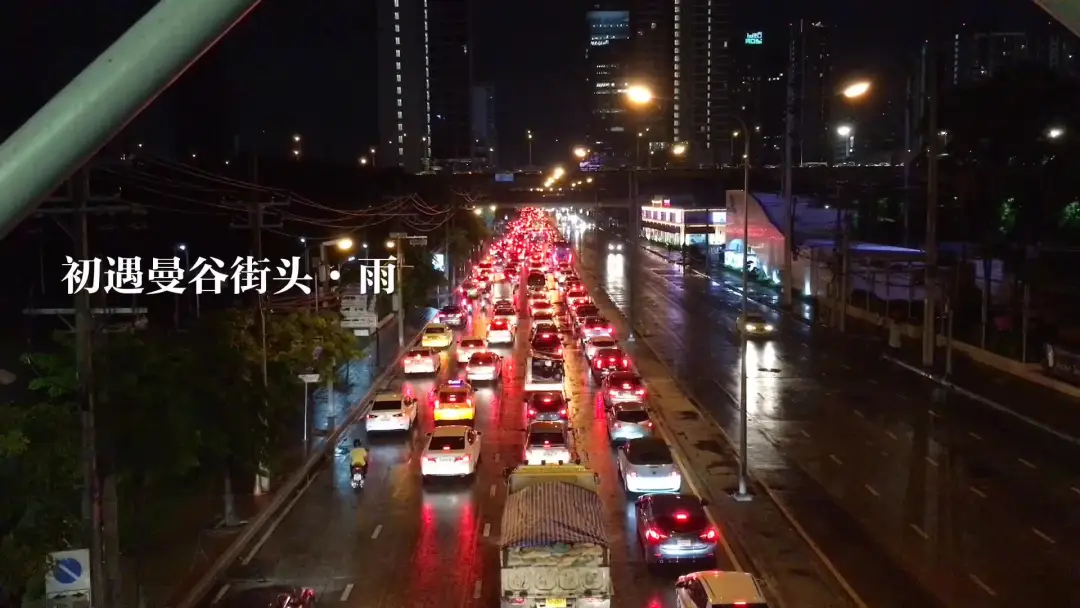
What greeted me at Bangkok's airport was a sudden downpour. Rainwater pooled on the asphalt, reflecting the city's neon lights. This place, famously called the "traffic jam capital," somehow revealed a tender side in the rainy night.
April 28, the rain continued.
In the morning, we went out for breakfast as the rain poured down. The weather forecast said it would rain all day—we were so "lucky," considering the rainy season wasn't supposed to start until July. But Bangkok in the rain, though a bit discouraging, had its own unique beauty.
The breakfast near our hotel was Western-style, simple but warm. We held our umbrellas and began our first day of exploration.
Wat Traimit (Golden Buddha Temple): A Chance Encounter with a Bad Fortune
Recommended visit time: 1 hour
Our original destination was Chinatown. After getting off the subway and walking, we happened upon Wat Traimit and decided to drop in.
Tip: According to travel guides, people here often enthusiastically tell you "Chinatown isn't open yet" and then try to drag you into a ride—it's a scam. We did encounter this after getting off, but when I insisted on going to Chinatown, they didn't stop us.
The exhibition ticket cost 100 Thai baht (about 20 RMB), while seeing the Buddha statue was only 40 baht (about 8 RMB). We bought the exhibition ticket and went up—it was just some photos and artifacts about the temple's history, and the exhibition hall was tiny. Honestly, it felt like a quick check-in stop—and I even drew a bad fortune from the self-service fortune-telling machine there. That left me with no good feelings about the place.
There are many small temples like this in Thailand. If you're not particularly free, you can skip it.
Chinatown: Reality Through a Movie Filter
Recommended visit time: 1 hour
I went to Chinatown purely because I'm a fan of "Detective Chinatown" and wanted to visit the filming location.
The rainy weather was annoying, but Chinatown in the rain had a chaotic yet orderly beauty. Steam rose from stalls selling cold seafood salads, and the street scenes were perfect for blurring into portrait backgrounds.
From a photographer's perspective, it was beautiful. But as a tourist, I had to complain—walking the entire length of Chinatown, I didn't find a single shop run by Chinese people or selling Chinese goods. Maybe I had the wrong idea about what "China Town" means?
The funniest part was when we walked into a fancy-looking "Chinese restaurant" that turned out to sell Thai food. My sister and I couldn't handle Thai cuisine—the spices were too much for us. But taste is personal; my poison might be your honey.
The Grand Palace: Where Sacred Meets Chaos
Recommended visit time: 1.5 hours
It was a bit of a distance from Chinatown to the Grand Palace, and we didn't want to walk in the rain again, so we hailed a tuk-tuk.
A side note—a scam attempt

Just as we arrived at the Grand Palace entrance, a Chinese male tourist was being scammed. A young Thai man was holding a string of beads, deliberately bumped into the tourist, dropped the beads, and then demanded compensation. The Thai man kept repeating "pay money" in Chinese, with a harsh tone. With no common language, there was no way to reason with him. If you're interested, look up stories of Chinese tourists being scammed in Thailand—I hope this article can serve as a warning for future travelers.
Dress code reminder: When visiting the Grand Palace (and most temples), pay attention to your clothing: bottoms must cover the knees, no sleeveless, belly-baring, or sheer clothing, but shoes are fine. You may need to remove shoes inside temples. There are signs at the entrance, and those not following the rules will be denied entry. Some places rent out wrap-around skirts.
Grand Palace tickets cost 500 baht (about 100 RMB). Inside, many devout Thai Buddhists were chanting—the stillness was moving. I just hoped the noisy tourists with cameras and phones didn't disturb them at all.
The temple roofs were as intricate as succulents. It was the May Day holiday, so there were tons of tourists. I struggled hard to avoid the crowds. Some tourists had very low manners and made a lot of noise, disturbing those praying inside.
A small wish: I hope all visitors to the Grand Palace can respect this sacred place, truly appreciate the architecture's beauty, and not disturb those chanting devoutly.
Khao San Road: An Overrated "Trendy Street"
Recommended visit time: 1 hour
Almost every travel guide recommends Khao San Road. It's like Beijing's Nanluoguxiang, Xiamen's Zengcuoan, or Chengdu's Kuanzhai Alley—famous, but the actual experience...
Street fruit was cheap and delicious—mangoes and papayas were good—but you can find these things everywhere. I bought a swimsuit and a backpack, not expensive, with a nice Thai vibe. But when I got back, I found both were damaged—I wonder if the vendor switched them while packing. Pretty frustrating.
Summary: Just take a quick look at Khao San Road. You can try the snacks, but I wouldn't recommend sitting down to eat at the shops—they're likely overpriced and not great. My sister ordered a rice dish that claimed to have shrimp, but there were no shrimp, and it wasn't cheap.
Ratchada Train Night Market: I Lost an Entire Universe
Recommended visit time: 2 hours
Key point! I seriously regretted filling up at Khao San Road. When I got to Ratchada Train Night Market, I felt like I'd lost an entire universe! I only managed a box of sushi and packed some grilled seafood to take back to the hotel. Such a regret!
That night, the market had a power outage, so it was dimly lit, but still packed with people and filled with the aroma of food.
I strongly recommend Bangkok's night markets! You can find many online besides Ratchada, like the riverside night market (reachable by public boat). Based on our schedule and distance, we chose Ratchada. If I ever go to Bangkok again, I'm definitely going to thoroughly explore the night markets and eat to my heart's content!
Ratchada Night Market is right next to the Thailand Cultural Center MRT station, and there's also a small mall to browse.
Bangkok's Human Touch: Healing in the Hustle and Bustle
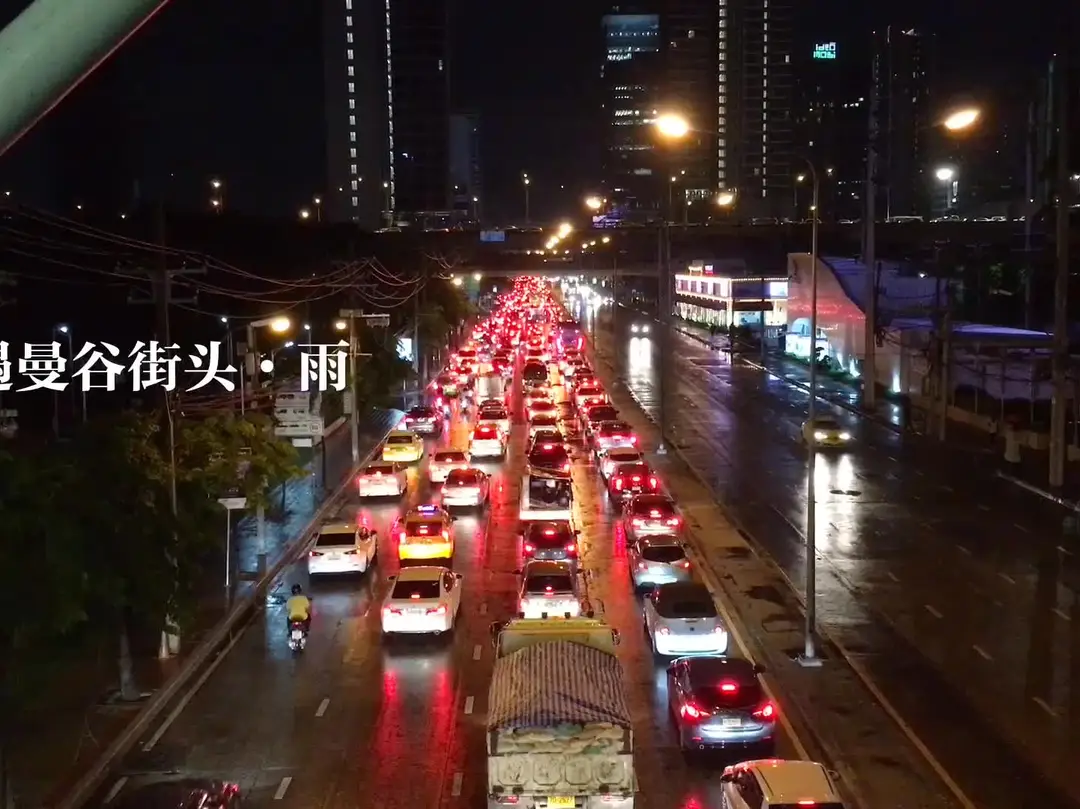
On the second day, we signed up for a day tour. For independent travelers, some suburban attractions are hard to reach, so a day tour is a good option. The itinerary was: Maeklong Railway Market + Amphawa Floating Market + firefly watching. We departed at 11 AM and returned to the city around 9 PM.
Maeklong Railway Market: The Energy of Everyday Life
Recommended visit time: 2 hours
Maeklong Railway Market and Amphawa Floating Market are very close, only a 15-minute drive apart. They're located in the southwestern suburbs of Bangkok, about a 2-hour drive away, making it inconvenient to go on your own. We took a 9-seat minibus with a Chinese-speaking Thai guide, and there was no forced shopping.
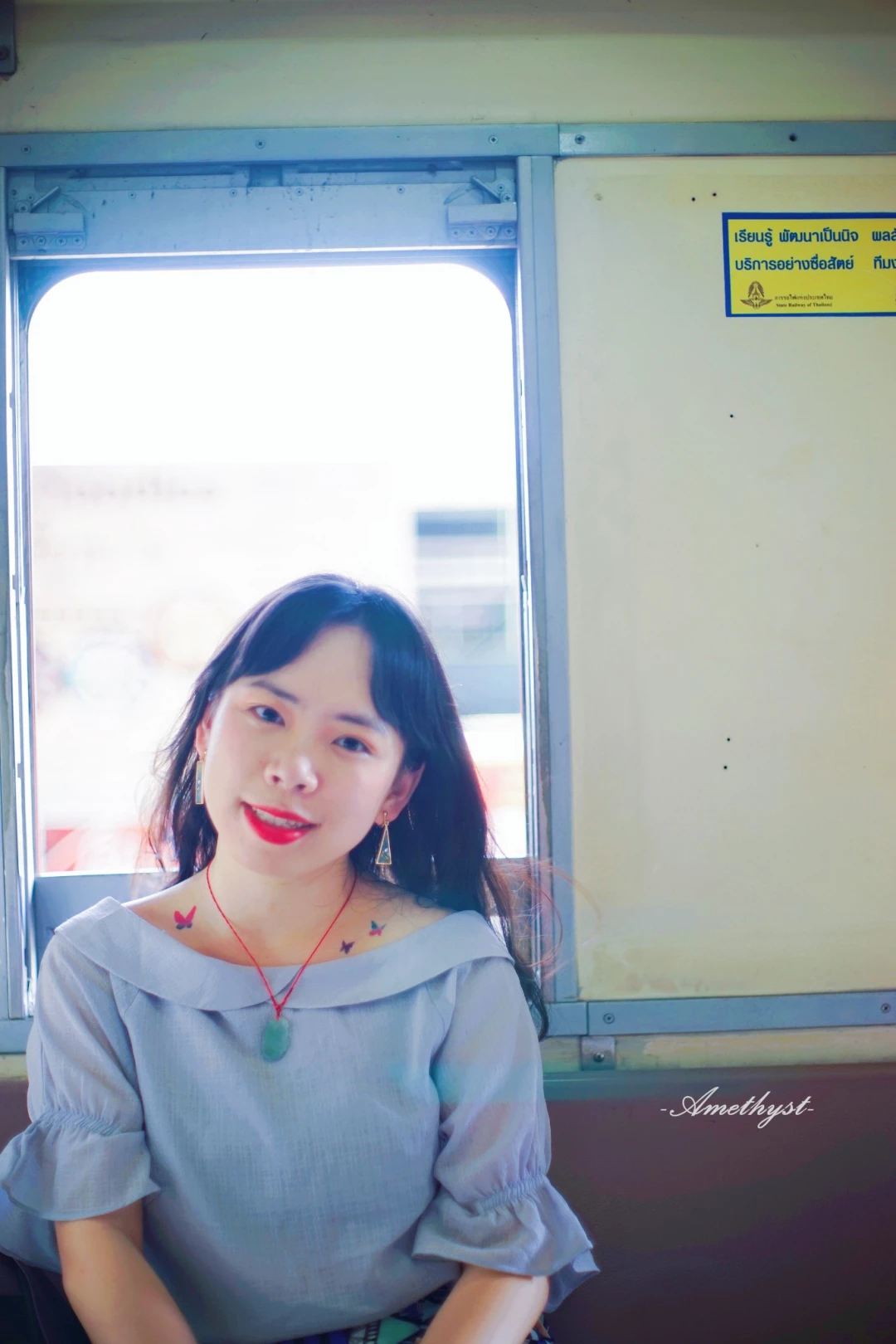
The railway market, as the name suggests, is a market built along the railway tracks. Every day, a train arrives (this is the terminal station). When the train comes, all the vendors quickly retract their goods and awnings that sit right against the tracks—it's fascinating. The train is a real passenger train that has been running for decades.
On the way, I overheard a Chinese tourist say, "What's so interesting here? What's there to photograph? It's all messy." I chuckled inwardly—the vitality this kind of everyday scene brings, he probably couldn't appreciate. Here, everyone is working hard at life, finding their own joy. Anyone in a bad mood could walk around and feel different.
For photographers, this is a paradise for street photography. I captured a shot of a father holding his baby's chubby leg and making him laugh—red and blue tones, I loved it. Another shot showed a grandmother bathing her grandson in a market alley; the little boy wasn't scared at all and cheerfully greeted passersby.
The market has lots of snacks, cheap and tasty. We ate while waiting for the train. At 2:30, the train slowly approached, but since I was at the terminal, I couldn't see the vendors retracting their goods (that area was packed tight). After the train stopped, you could go on board to look around, take photos, and sit.
Amphawa Floating Market: A Foodie's Paradise
Recommended visit time: 2.5 hours
We arrived at Amphawa Floating Market under the scorching sun. The shops on both sides of the riverbank stretched endlessly—it was a foodie's paradise.
Smoothies and fruits were cheap and delicious. Candy, macarons, chocolate—three in a row—and seafood wasn't expensive either. Some vendors sailed their boats to the shore to sell goods. Passersby on the bank smiled, and the boatmen looked endearingly simple.
Our group was just enough to charter a boat for 600 baht, so 60 baht per person (about 12 RMB). The guide took us directly to the dock at the market entrance to board the boat—probably someone he knew. The boat circled around the river, weaving through the market, and returned to the dock after about 40 minutes. After that, we walked into the market to explore. There were also many docks along the riverbank in the market where you could rent a boat for 50 baht per person (about 10 RMB), a bit cheaper than ours—though I'm not sure if the route was different.
I highly recommend eating at the various riverside stalls or buying from boat vendors! Going into big shops is risky—we went into one that looked busy and ordered shrimp and some unknown shellfish. The shrimp were okay, but the shellfish were so bad I almost cried. So, don't try unknown species lightly.
The guide recommended a spot for watching the sunset, but there was no sunset that day—a bit of a shame.
After dark, we got back on the boat and headed into the forest deep to see fireflies. Along the way, we saw many houses built on the water. Probably because people live there and boats discharge waste, the river wasn't very clean—occasionally, we saw trash.
As we went deeper, it got darker, giving off a horror movie vibe. There were fireflies, but I couldn't capture them—the boat was moving, the fireflies were moving, so I couldn't do a slow shutter, and the exposure wasn't enough. That scene could only stay in my memory. But I did see a mysterious moon.
Hello, Pattaya: The Other Side of Sensuality
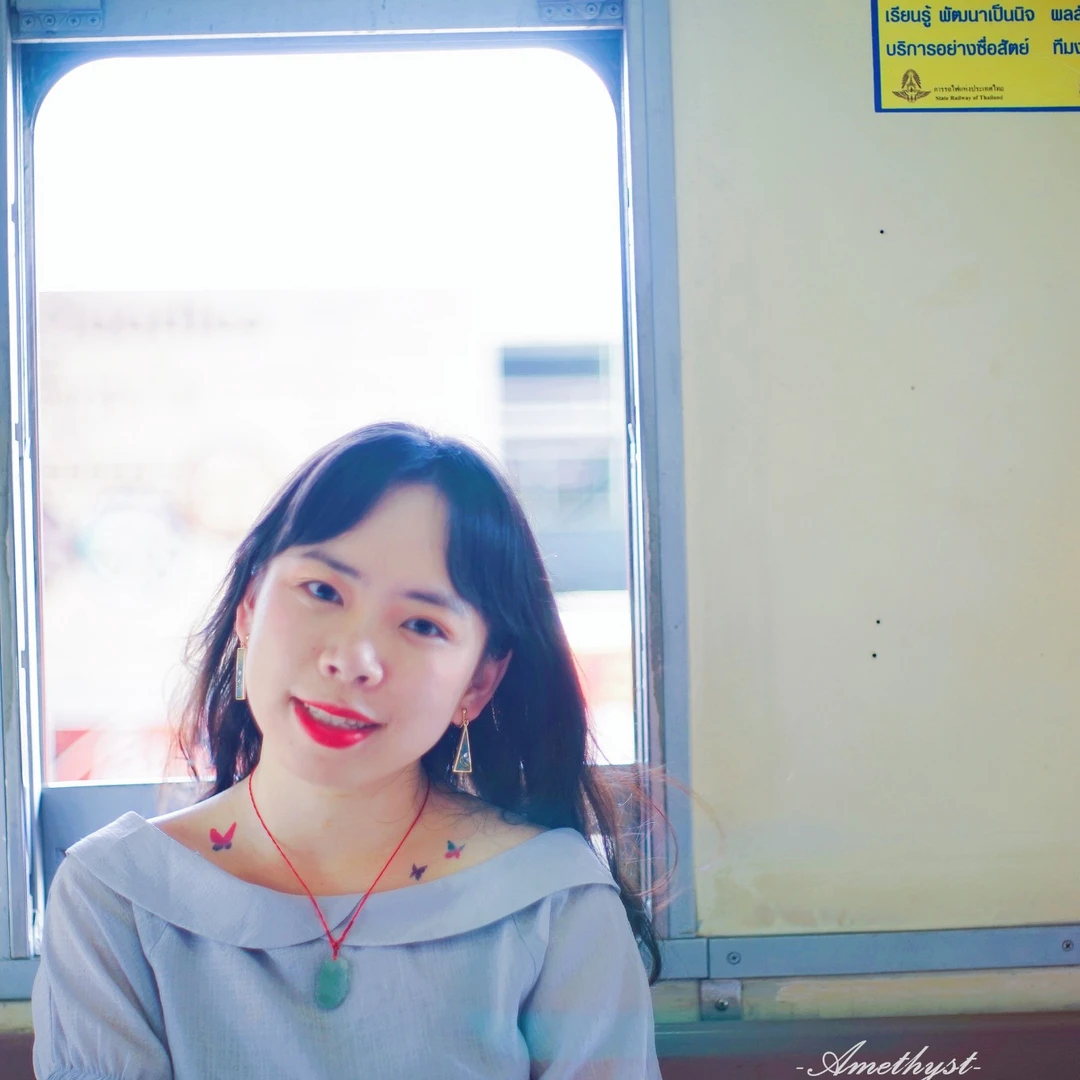
On the fourth day, we headed to Pattaya. We stayed in an apartment in a residential complex—a sea-view room with a direct view of the ocean.
Sanctuary of Truth: A Miracle of Wood Carving
Recommended visit time: 1 hour
After freshening up, we went to the Sanctuary of Truth. Pattaya has few attractions, and this one has good reviews. It's said that the temple is entirely built from wood carvings, without using a single nail.
For comfort, I wore flip-flops out. I bought the ticket online in advance for 65 RMB. Buying at the door is more expensive. The Sanctuary of Truth isn't large, and it's by the sea—you can walk around and see it all. I wouldn't recommend riding elephants there or anything; I even felt the ticket was a bit pricey, but the architecture is truly a masterpiece of craftsmanship.
Since the temple was under renovation, we had to wear hard hats to enter. Outside the temple, people were watching performances, and feeding the lambs cost extra.
Pattaya Floating Market: A Commercialized "Scenic Spot"
Recommended visit time: 1.5 hours
Pattaya doesn't have many attractions; this was the second one worth checking out. It's also a floating market, but I don't understand why you have to buy a ticket to enter! I bought it on Qunar for 32 RMB. Charging admission to a commercial street—in my opinion, that's a joke.
It's also good for eating and shopping. I really liked the range of snacks there. But compared to Amphawa, it was overly commercialized and procedural—hardly any locals, mostly tourists.
Vendors' boats were moored along the riverbank, selling durian pancakes (a must for durian lovers), fruits, and Thai milk tea.
New Oriental Princess Cruise Ladyboy Show: Shock and Confusion
Recommended visit time: You follow the group, so time isn't flexible
Here comes the ladyboy show that many are curious about! Tickets can be bought on travel websites or Taobao. Buying at the door is more expensive and might sell out. Bangkok has many cheap ladyboy shows for a few dozen RMB (maybe the quality of the performers differs?).
Pattaya's most famous is the Tiffany's Ladyboy Show, with regular seats at 120 RMB. Friends who've been said it's just ladyboys dancing, like a Spring Festival Gala. So we chose another—the New Oriental Princess Cruise, regular seats for 100 RMB.
First, we went to the end of Pattaya Walking Street to pick up the tickets. This show is for foreigners only, so you must show your passport, itinerary, hotel booking, etc. After picking up the tickets, we went to the dock to board a boat to the "New Oriental Princess" cruise ship at sea for the show.
You'll notice that everyone watching this show is Chinese. I don't understand why—if anyone knows, feel free to tell me.
Since we were independent travelers, we were at a slight disadvantage. We went to our table number, but it was already taken by a tour group. Luckily, the hostess led us to an empty table nearby. The ticket included a buffet and snacks—our table had snacks—but that didn't matter; we were there for the ladyboys.
Before the show started, there was a photo session. It cost 40 baht (8 RMB) per photo—the price went up; it used to be 20 baht. The head ladyboy waited on stage for tourists to take photos with him, especially proactive with men, letting them touch his chest and even kiss him. The ladyboys posed for photos very professionally, like robots—one hand taking money, the other arm around you.
During the actual performance, photography was prohibited, supposedly to maintain mystery. At other times, you could take photos freely.
Non-head ladyboys roamed between tables, actively bumping their chests against men or doing bolder things, then asking for tips. If you weren't interested, you had to dodge them. I didn't understand parents who brought young children to the ladyboy show—how would the kids make sense of those scenes?
At a table next to us, a couple was sitting. The man had his hand forced onto a ladyboy's chest by the ladyboy herself, while his girlfriend rolled her eyes. They ended up arguing.
The actual show consisted of ladyboys dancing in sexy outfits, then pulling two male audience members up for interaction—touching and groping, even going so far as to take off the male tourists' shirts and start unbuckling their pants. But it was all just for show. As a straight woman who hadn't seen much of the world, I couldn't relate to the men in the audience who were eager to touch.
Danger in Pattaya: The Dark Side
After the show, we returned to Walking Street in a heavy downpour, unable to find a taxi. We waited for almost an hour in front of a 7-Eleven. Eventually, a songthaew (shared taxi) driver quoted 400 baht (80 RMB)—the normal price shouldn't exceed 200 baht. He knew we had no other way back, so we had to accept the rip-off.
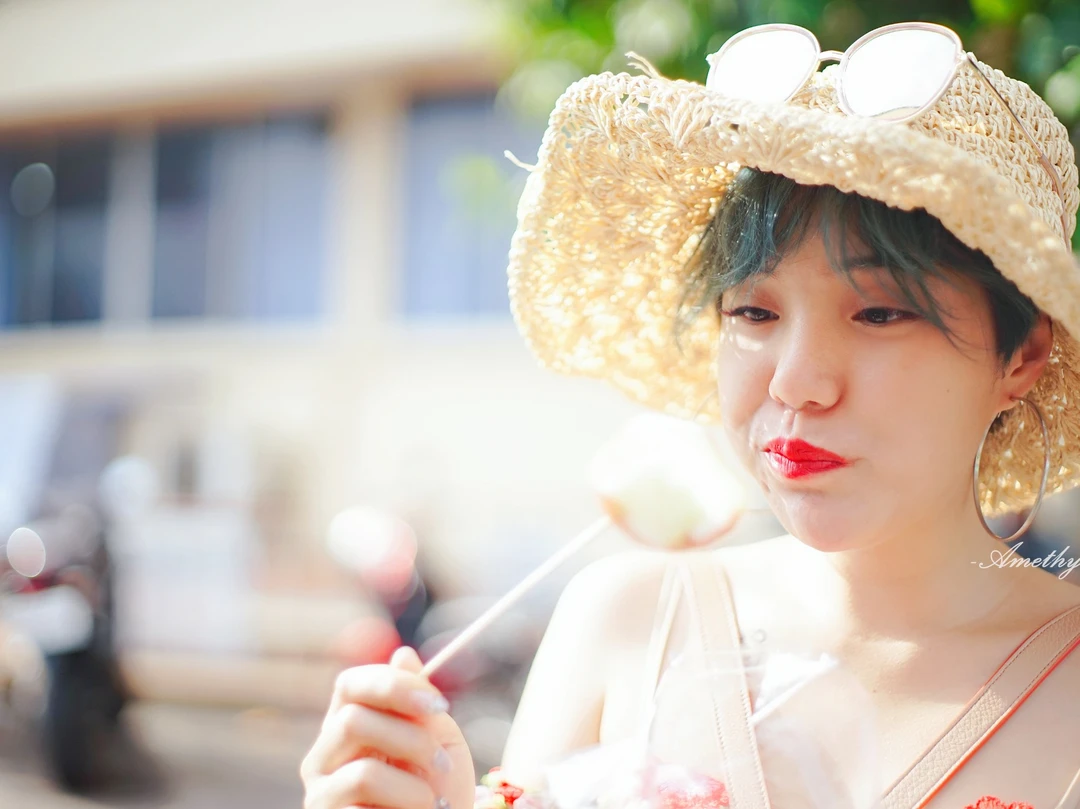
Being overcharged was the least of our worries. Because of the rain, my sister said we should sit in the cab, so we sat in the front passenger seat (a wide seat for two). My sister sat closest to the driver. Midway, she texted me saying the driver had groped her thigh! I was both angry and anxious, but we were strangers in a strange land with no common language—we had to endure until the destination. I messaged the landlord (a Chinese woman) and told her to expect our arrival and to help if anything happened. We prepared for the worst.
Thankfully, we arrived safely. The driver did look sleazy, and he chatted with us in simple English along the way, probably to put us at ease.
For countries where the general public's behavior isn't always the best, I don't recommend women traveling alone. If you encounter a situation like this, sit in the back seats and avoid the front cab—if something goes wrong, it's hard to escape!
Koh Larn: A Carnival of Water Sports
We bought a day tour for water sports online for 280 RMB. Apart from snorkeling, you don't need to know how to swim to participate. The main activities were on Koh Larn and the surrounding waters. Koh Larn is the closest island to Pattaya, about a 15-minute speedboat ride.
The day tour was very convenient—included hotel pickup and drop-off, a Chinese-speaking guide, and speedboat transfers to each spot. I wouldn't recommend bringing a camera; the guide took photos throughout and burned them onto a CD for everyone at the end of the day. Just bring essentials, cash, and wear your swimsuit.
First activity: Parasailing. We did this on a yacht. Waited almost an hour, then went up for about a minute circling the boat. It was my first water sport, and I loved it! You could choose the "dip" option, where your legs touch the sea. Exciting, but too short. Staff took photos and printed them for sale—two for 100 baht (20 RMB)—a nice souvenir.
Second activity: Sea walking. You put on a helmet that supplies oxygen, with water at shoulder level. The principle is that the helmet is filled with air, so water doesn't enter. You can't look up, down, jump, or swim—you must stay level to prevent water from getting in. When I first went down, the pressure difference caused severe ear ringing and dizziness. For a moment, I thought I was dying and signaled to the instructor to take me up. He calmed me down, taught me to pinch my nose and exhale through my ears. I tried it, got through it, and adapted.
Then I walked underwater, seeing small fish and coral. The instructor stayed with me, and I held onto a metal pipe. The instructor took photos and handed out bread to feed the fish. The only downside was the water wasn't very clear. But as a first underwater experience, it felt magical.
We had lunch on a small island—fruit and meat. The restroom couldn't be used to rinse feet; I did it anyway and got scolded in Chinese by the cleaning lady.
Next came banana boat, jet ski, and a glass-bottom boat (the bottom is glass, so you can see the seabed in clear waters). All were very short. After that, we rested on beach chairs until it was time for snorkeling (free as a bonus). Non-swimmers weren't allowed because there were no one-on-one instructors. The waves were strong that day, so I didn't dare try. Maybe next time.
Dinner was near our apartment—each pizza cost only 20 RMB, delicious, and the guy didn't even charge me a tip.
Let's Relax Spa: Overrated?
Recommended massage time: Whatever you like, but I found it average
You have to try a Thai massage in Thailand! There are many massage shops on the streets, reasonably priced. But for my first time, I chose Thailand's most famous chain, Let's Relax Spa. Of course, it's pricier than average.
This chain has branches in Bangkok, Chiang Mai, Pattaya, Hua Hin, Phuket, Koh Samui, and Krabi—most in Bangkok. Reservations are needed. Pattaya has only one, a 15-minute walk from where we stayed. Without a reservation, we walked in and didn't have to wait.
Both my sister and I were unsatisfied after the massage—not enough pressure, not very comfortable. I had a shoulder and neck massage; my sister had shoulders, neck, hands, and feet. I still think the Huayi Medical Center in Xiamen did a better job.
Small tip: Try other massage shops on the street—they're more affordable, just avoid the really run-down ones. Let's Relax doesn't offer great value for money, though the environment and service were decent.
Escape to Koh Samet: Final Tranquility
Koh Samet belongs to Rayong Province, southeast of Pattaya, about a 1-hour drive away.
Thailand has many islands. The lesser-known, less-crowded ones in the east include Koh Samet. There were very few tourists—hardly any Chinese, mostly European and American.
How empty was it?
First, the boat we took was a regular one, sharing space with locals and cargo—people and goods on the same boat. I think you could take a speedboat, but we bought a combined bus and boat ticket, so no choice. Upon arrival, tourists had to pay a 20 baht (4 RMB) development fee.
Second, the hotel only accepted cash; credit cards incurred a surcharge. The Chinese notices in the hotel were clearly direct web translations—haha.
The guide said Diamond Beach charged an entry fee, but we weren't charged when we went.
We rented a scooter for a day—300 baht (60 RMB)—and happily started circling the island. The scooter didn't need gear shifting, similar to an electric bike; I recommend renting one. You could also rent for half a day, but only 6 hours for 200 baht (40 RMB), which isn't cost-effective. The island isn't large; with a scooter, you can cover it quickly. Walking probably wouldn't be worth the patience for most.
That day, there were no planned attractions. We just looked at the map, visited every beach, and spent the last day of the trip relaxing by the sea.
While trying to take a dreamy shot of the waves, I almost fell flat on my face—dignity? Nonexistent.
The horizon was impossibly straight, and the sun and sea breeze were intoxicating. Sitting at a beachside restaurant, eating a plate of fried rice, drinking a coconut—the sea and sky were an unreasonable shade of blue.
There was a cliff where you could see both sunrise and sunset, but again, we missed the sunset. For sunset, you definitely need to go to the west side of the island.
As night fell, we had a drink at a beach bar. There were also some silly dogs listening to the music.
Bangkok Shopping: A Hasty Finale
In the morning, we took a boat from Koh Samet back to the pier. Thanks to a very time-unaware Thai driver, we arrived in Bangkok nearly two hours late. Then we had to catch an evening flight.
Central World is a huge shopping mall. I wanted to buy Anessa sunscreen, but it took me forever to find the store. Luggage could be stored. When I finally found it, it was out of stock. I really regretted not buying it at a smaller mall on the first day.
Practical Tips: The Nitty-Gritty
Currency
- Thai baht is easy to calculate: 5 baht ≈ 1 RMB. If you see a price in baht, just divide by 5 to get the RMB price.
- I recommend exchanging about 300 baht in China before you go—enough for the fare from the airport to your hotel. Once in Bangkok, find Super Rich for the best exchange rates.
Transportation
- Tuk-tuk: Convenient for short distances, but always negotiate the price. Usually cheaper than taxis.
- Songthaew (shared taxi): The main transport in Pattaya. They follow set routes. Confirm the price before getting on.
- Taxi: Try to get them to use the meter. If not, negotiate.
- Day tours: Recommended for suburban attractions—saves time and money.
Shopping
- Khao San Road: Just browse. Don't buy valuables.
- Night markets: Ratchada Train Night Market is highly recommended—lots of cheap and delicious food.
- Central World: A large mall with many brands, but popular items sell out quickly.
Safety
- Avoiding scams: In crowded places like the Grand Palace, watch out for people who deliberately bump into you and then demand compensation.
- Avoiding harassment: Women should not sit alone in the front cab of a songthaew. Seek help immediately if in danger.
- Avoiding rip-offs: Confirm prices before buying and watch as items are packed.
Food Recommendations
- Night market snacks: Cheap, delicious, and varied.
- Fruits: Mangoes, papayas, durians—cheap and tasty.
- Seafood: Fresh, but choose carefully to avoid disappointment.
- Thai milk tea: A must-try—sweet but not cloying.
Accommodation
- Bangkok: Stay near an MRT station for convenience.
- Pattaya: Sea-view apartments offer good value. I recommend民宿 (homestays).
- Koh Samet: Accommodation is basic, but the tranquility makes up for it.
Final Thoughts
Six days in Thailand—from Bangkok's temples to Pattaya's ladyboy shows, from the vibrant energy of the railway market to the serene sea breeze of Koh Samet—I saw the many faces of this country.
The sacred coexists with the sensual. Faith intertwines with indulgence. Thailand is a land of contradictions and charm—you can feel the stillness of Buddhism at the Grand Palace, then be startled by the boldness of ladyboys on a cruise; you can witness the raw everyday life at a railway market, then spend an entire day staring at the sea on Koh Samet.
Three keywords to sum up this trip:
- Respect: Whether visiting a temple or a ladyboy show, respecting local culture and rules leads to a better experience.
- Vigilance: Thailand is friendly, but scams exist. Stay alert and don't trust strangers easily.
- Try: Thai food, water sports, night market snacks—take a chance. One person's poison might be another's honey.
Finally, I hope my experience gives you some reference. Thailand is worth a visit—but go with a clear head and an open mind.
With me, the weather is always good on the road.
You should also read:
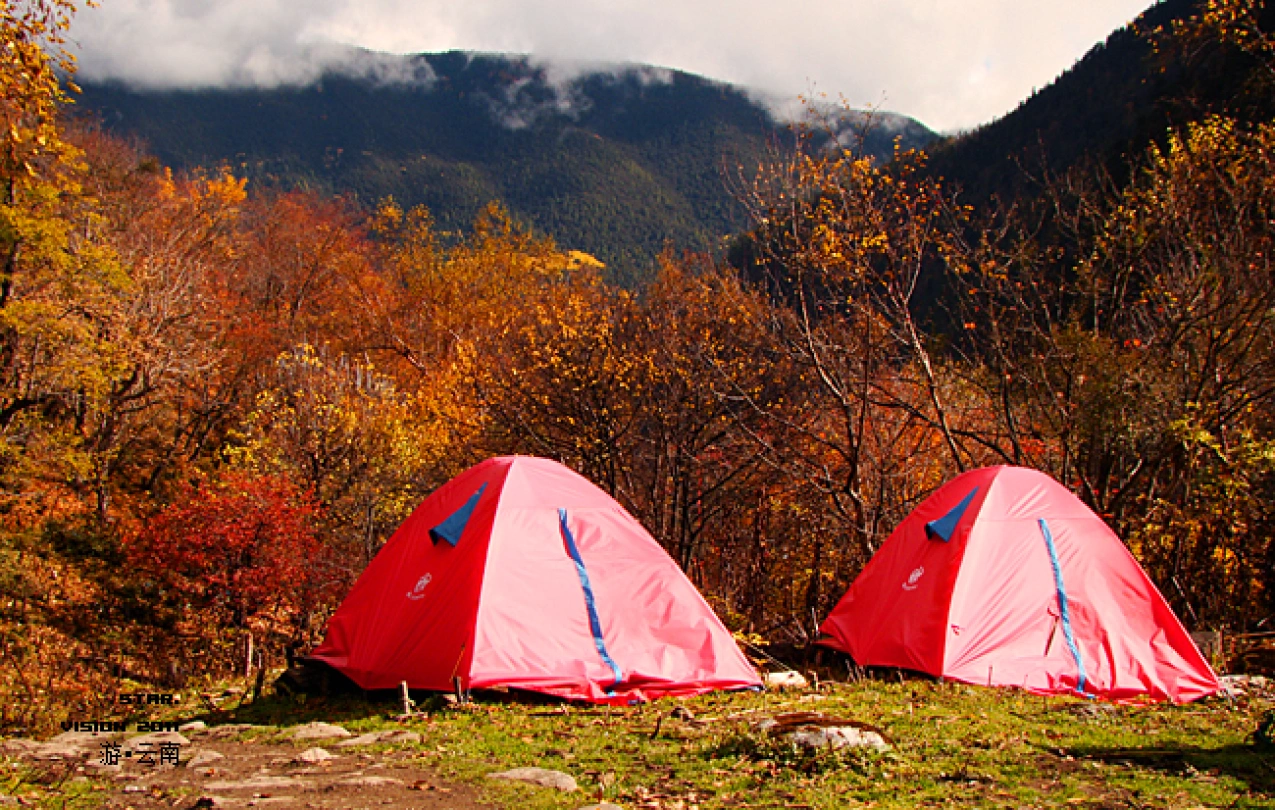
Yunnan! Paradise on Earth – The Yubeng Chapter: A Soul-Cleansing Journey into Seclusion
Yunnan! Paradise on Earth – The Yubeng Chapter: A Soul-Cleansing Journey into Seclusion Prologue: Why Yubeng? If you ask me which place in Yunnan is most worth hiking to, I would answer without hesitation: Yubeng. This is not an answer I give lightly. As a…
Continue reading...
Into the Hidden Valley: A Solo Journey Through the Mysterious Dulong River
Into the Hidden Valley: A Solo Journey Through the Mysterious Dulong River Deep in the northwestern corner of Yunnan Province, tucked away from the modern world, lies a place that feels like a secret whispered among mountains. The Dulong River Valley is not just a…
Continue reading...
God’s Abandoned Palette: A Self-Drive Journey Through Yunnan’s Dongchuan Red Land
God’s Abandoned Palette: A Self-Drive Journey Through Yunnan’s Dongchuan Red Land Travel has never been about reaching some distant geographic coordinate. It’s about encountering, along the way, the version of yourself buried beneath the rubble of daily routine. During this May Day holiday, I finally…
Continue reading...