Journey to Dali — Dreaming into Erhai, Fading into Cangshan
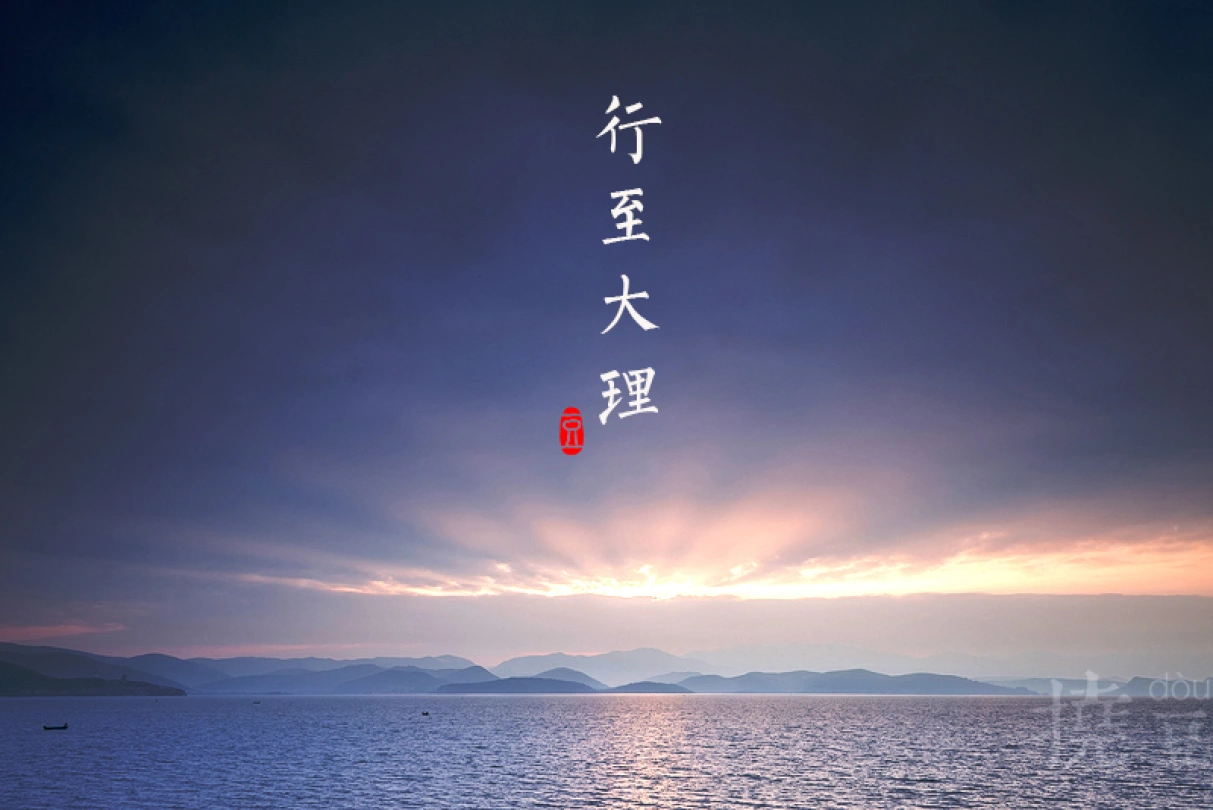
Journey to Dali — Dreaming into Erhai, Fading into Cangshan
Life has a way of handing you a sweet surprise when you least expect it.
That spontaneous trip doesn't always need grand ambition. More often than not, it simply requires the right time, the right place, and a heart that craves a temporary escape.
There are countless ways to travel — some prefer luxury, others swear by budget adventures; some come for the check-in spots, others for the chance to empty their minds. But in the end, we're all searching for the same thing: a kind of mood, a moment of beauty, a brief release. No matter the destination, if your state of mind is right, finding joy in the journey is enough.
To me, Yunnan has always felt like a dreamscape. Cangshan, Erhai, the ancient town, the countryside... so much softness, romance, and story that you want to throw every last vacation day into this place. But for those of us stuck in the nine-to-five grind, travel is mostly just a fleeting encounter — a meeting with time, weather, and countless unknown possibilities.
This time, a work trip handed me the chance to meet Dali. No carefully chosen season, no meticulously planned weather. Four days — just enough for a first acquaintance with this city.
Dreaming into Erhai
Arrival: From Kunming to Dali

Flying direct from Beijing to Dali has decent timing, but the price tag is anything but friendly. So I opted for Kunming first — more flights, better deals. I landed after dark, and a friend arranged a place for me in the city. Before dawn the next morning, I hailed a cab to the Western Bus Station, catching the earliest coach to Dali.
By midday, the bus pulled into Dali. The driver I'd booked in advance was already waiting at the exit, his license plate and location sent to my phone earlier. He wasn't much of a talker, but every now and then, he'd drop a few words about local customs and landmarks. We drove through villages, winding along narrow lanes, until we stopped at a spot by the water — "Zizai" (Ease) on the left, "Yundu" (Cloud Crossing) on the right.
The Zizai Inn: A Room Called "Hidden Immortal"

In Dali, staying at a guesthouse is an experience in itself. The people who've fled the city to live slowly have poured all their love for life into these houses. Every room has a beautiful name — just saying it out loud softens your heart.

I'd originally had my heart set on Shuanglang, wanting to stay right by Erhai, with a window that opened to water and moonlight. But after asking around, every room facing the lake was already booked. So I turned to Longkan Pier and found "Zizai." When I saw the name "Yinxian" (Hidden Immortal), I didn't hesitate.
"Zizai" is a three-story building with just ten rooms. "Hidden Immortal" occupies the entire top floor. The moment I pushed open the door, I almost forgot to breathe — three walls of floor-to-ceiling glass surrounded a large bed draped in gauze curtains; a chaise lounge, books, music, a bathtub — all romantically angled toward the lakeside terrace. Outside, Cangshan and Erhai stretched out before me. Sunlight, moonlight, clouds, rain — they all seemed to belong to this room alone.
I didn't take many photos. I'd seen shots of "Hidden Immortal" by my favorite photographer, Ling Cong, and they were so beautiful I didn't dare try to capture it myself. Later, I learned the inn had been sold, and I couldn't help feeling a pang of loss. But that Mid-Autumn night, we sat on the terrace, eating mooncakes and instant noodles, chatting, staring into the distance, until late into the rain-soaked night, when the clouds parted to reveal a red moon — in that moment, everything was worth it.
Circling Erhai: Stopping as We Go, Taking It as It Comes
I woke up by Erhai but didn't catch the sunrise. The weather was moody — sunny one moment, overcast the next — but it didn't dampen our spirits. After breakfast, our driver picked us up, and we set off on a loop around the lake.

It was the Mid-Autumn holiday, and the popular spots were packed. We decided to skip the crowds and take the back roads instead. No rush, no agenda — just slow wandering and stopping whenever we felt like it. A splash of color we liked, the light after rain, wildflowers in bloom, a roadside stall... any bit of beauty could be our excuse to pause. The driver played along perfectly, patiently explaining things and occasionally recommending local hangouts.
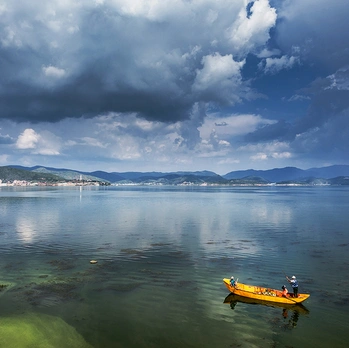
At the end of Haishé Park (Tongue of the Sea Park) lay a wetland. Deep green shade, peaceful and serene. We followed the path to its end, as if stepping into another world.

Xizhou Ancient Town was another surprise. The Bai-style folk houses, painted in ink-wash tones, were古朴而精致 (ancient yet refined). We drove through the alleys, getting a quick taste of the old town's charm. Of course, we shelled out for a full tour of Yan Zizhen's grand mansion — those old-money residences, with their meticulous designs and stories buried in the corners, seemed to whisper secrets they couldn't quite tell. Before leaving, we grabbed a couple of Xizhou Fuxing crispy flatbreads (破酥粑粑, pò sū bā bā) — one sweet, one savory. They were good enough that we could still eat them after lunch, which says a lot about their appeal.
Shuanglang was a different story. The driver said that people who love quiet might not find it the best fit. Sure enough, traffic slowed to a crawl as we approached. We switched to walking, pushing through the crowds, which were lively and bustling. But Shuanglang's beauty is undeniable — those eclectic inns, if you check in and hide away in their quiet spaces, gazing at the mountains and water, whiling away the hours, offer a kind of secluded, otherworldly comfort.
Fading into Cangshan
Air Garden: A Courtyard at the Foot of Cangshan

Another sunless morning, and we headed straight into Cangshan.
"Air Garden" (空气花园, Kōngqì Huāyuán) is a courtyard nestled at the base of Cangshan. Spacious, yet with only four guest rooms. Close to the ancient town, but secluded and quiet. Pushing open the gate, we glimpsed the courtyard through a veil of leaves and flowers. In that moment, my heart suddenly stilled.
This season had few blooms and no fruit, but everything in the yard spoke of a love for life. The rooms were thoughtfully designed, every detail carefully considered. If you're interested, look up Air Garden's own introduction — the pictures tell the story better than I can.
Dali Ancient Town: City Walls, Flowers, and Food
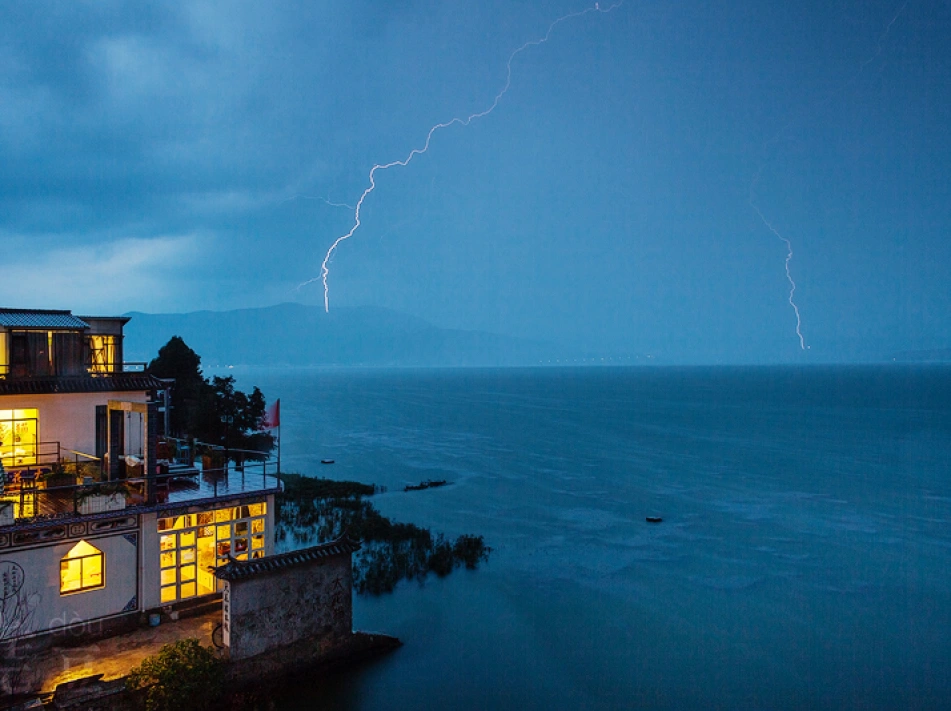
Winding down from Cangshan, crossing the road brings you to Dali's ancient town. I walked the city walls several times, trying to find an angle that avoided those brightly colored banners. Something about the weathered old stone paired with slogans like "Warm Congratulations" just felt jarring.
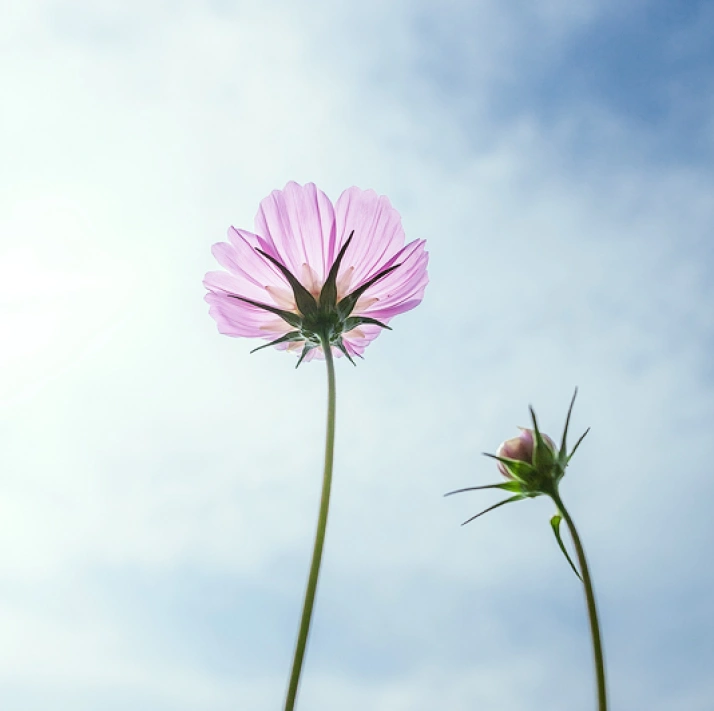
But to me, the ancient town was never about walls and banners. The flowers spilling over rooftops and walls, the vivid colors along the streets, the old houses steeped in everyday life, the snacks tucked into every alley — that was the real scenery. The town's grid layout means you don't need to worry about directions or plan a route. Walk fast through the crowded bits, wander freely where it's quiet. Getting lost is fine — you'll always find your way back.
At the time-honored Meizijing Restaurant (梅子井酒家, Méizǐjǐng Jiǔjiā), I couldn't handle the plum wine, but the food was decent. After an afternoon of wandering, I'd downed three drinks — aside from the heat, they must have been pretty good. Later, I had two glasses of pomegranate juice. When I got tired, I ducked into any shop, stayed until dark, then went back to chat and sleep.
Taoxi Valley: The Last Day in the Rain
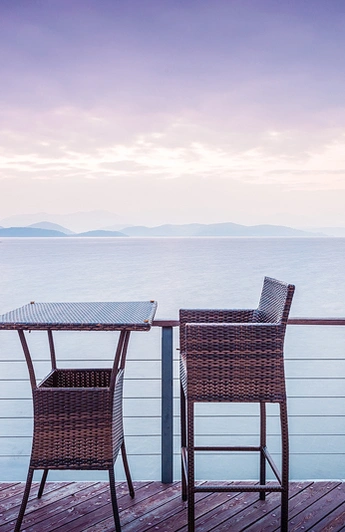
On the final day, still no sunrise. I slept in, then lingered in bed a little longer. The day alternated between sun and rain — scorching when the sun was out, suddenly chilly when the rain came.
My train was in the evening, and the day stretched short. I decided to head into the mountains and booked a ride to Taoxi Valley (Peach Stream Valley). On the way, I caught a distant view of the Three Pagodas of Chongsheng Temple. The valley sat halfway up Cangshan, a stream cascading down the slope. We walked against the current, following stone steps, surrounded by flowers, trees, and shade — taking in the mountains, water, and scenery. The rain came and went, and time just drifted by. We didn't venture deeper into the mountains, but even before leaving, my heart was already reluctant to go.
Final Thoughts

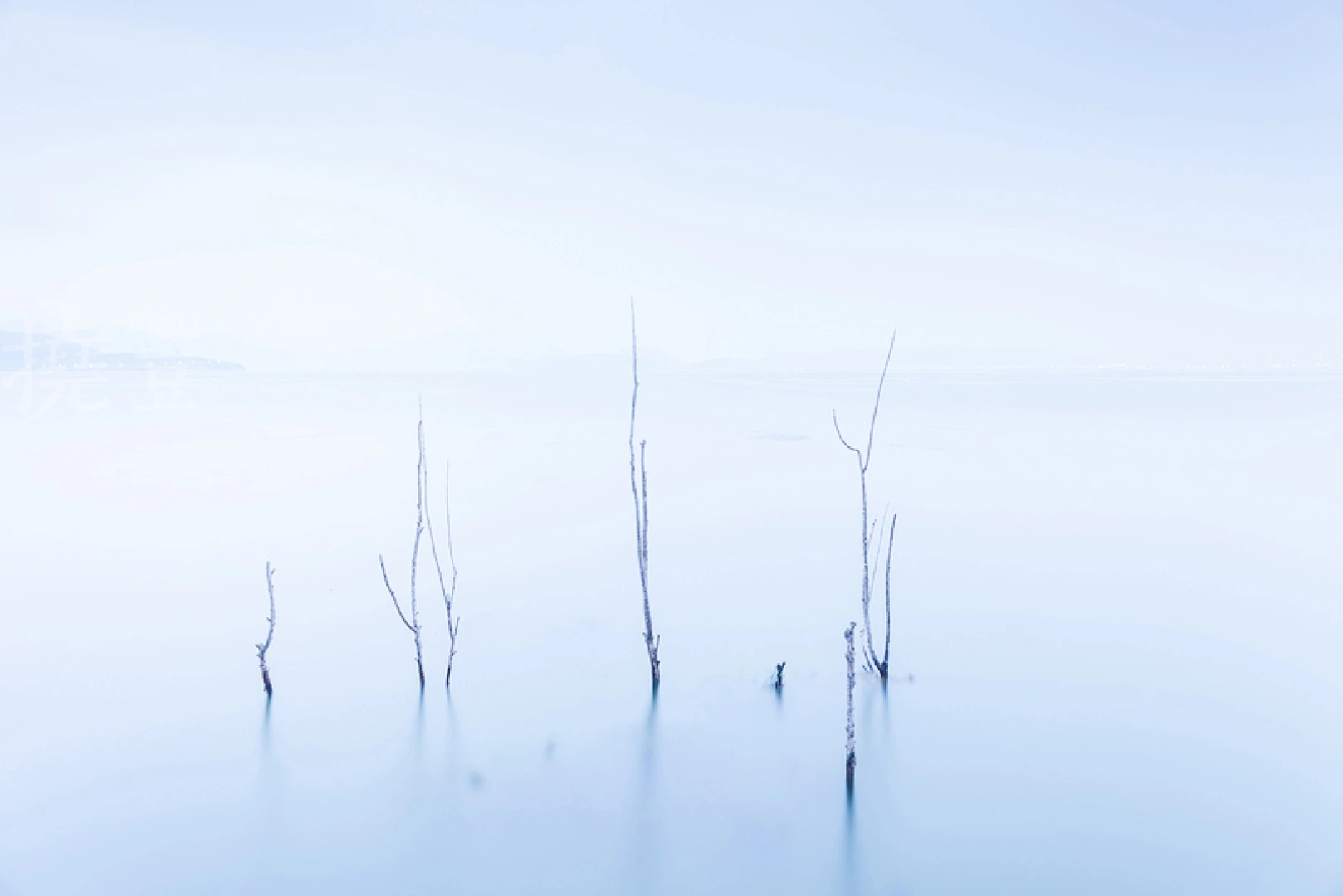
Dali is a city where you can escape the world while still living fully. If I were younger, I might have volunteered at a guesthouse. Or maybe I'd have had the courage to stay here alone for a long stretch. But either way, I will go back to Dali — not just for a fleeting visit, but to see the unfading snow on Cangshan, to witness the most beautiful moon over Erhai, to gaze at the hills covered in white azaleas.
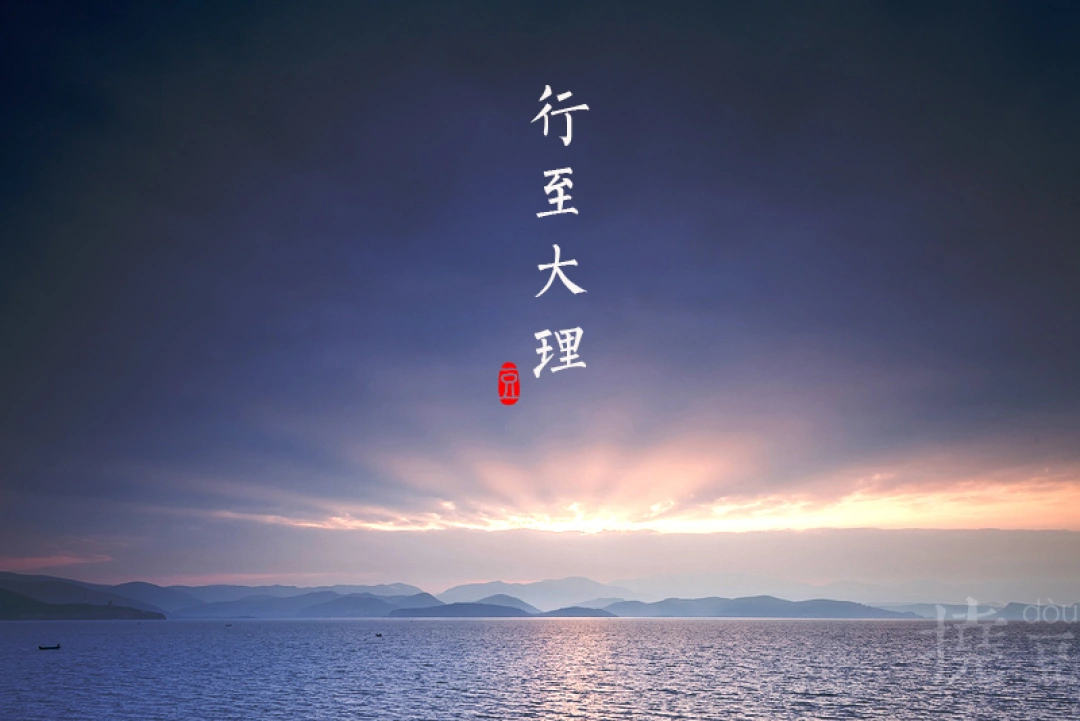
I want to leave a piece of my life in Dali.
Practical Tips:
- Transportation: Direct flights from Beijing to Dali have good timing but high prices. Consider flying to Kunming first, then taking a bus or train to Dali — better value.
- Weather: During Mid-Autumn, daytime is warm enough for a single layer, but you'll need a jacket in the morning and evening. The midday sun is intense — bring sunscreen. In wind and rain, even two layers might not be enough.
- Accommodation: Dali offers a wide range of guesthouses. Choose based on your needs — lakeside for water views, mountain base for quiet retreats. Popular inns need advance booking.
- Loop Tour Advice: Skip the crowded spots. Take the back roads, go slow, stop wherever you like — that's how you truly feel Dali's peace and beauty.
- Ancient Town Tips: No need to plan a route — just wander. Watch out for the sun and carry an umbrella at all times.
You should also read:
Yunnan! Paradise on Earth – The Yubeng Chapter: A Soul-Cleansing Journey into Seclusion
Yunnan! Paradise on Earth – The Yubeng Chapter: A Soul-Cleansing Journey into Seclusion Prologue: Why Yubeng? If you ask me which place in Yunnan is most worth hiking to, I would answer without hesitation: Yubeng. This is not an answer I give lightly. As a…
Continue reading...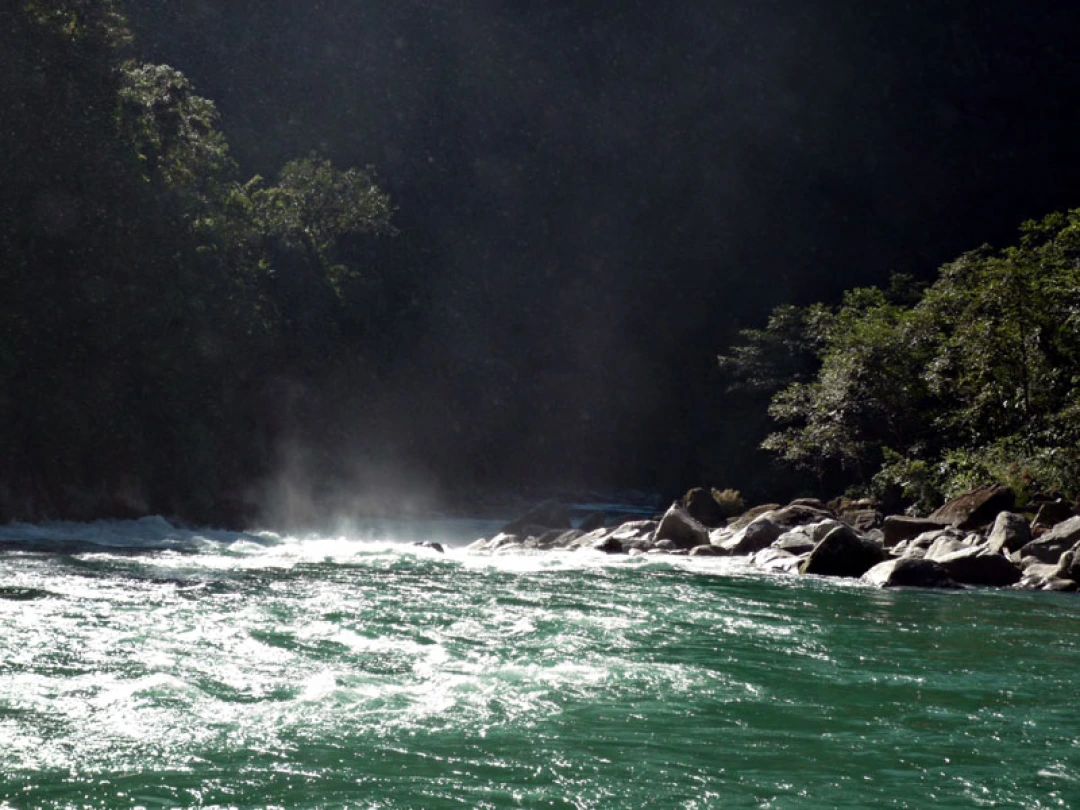
Into the Hidden Valley: A Solo Journey Through the Mysterious Dulong River
Into the Hidden Valley: A Solo Journey Through the Mysterious Dulong River Deep in the northwestern corner of Yunnan Province, tucked away from the modern world, lies a place that feels like a secret whispered among mountains. The Dulong River Valley is not just a…
Continue reading...
God’s Abandoned Palette: A Self-Drive Journey Through Yunnan’s Dongchuan Red Land
God’s Abandoned Palette: A Self-Drive Journey Through Yunnan’s Dongchuan Red Land Travel has never been about reaching some distant geographic coordinate. It’s about encountering, along the way, the version of yourself buried beneath the rubble of daily routine. During this May Day holiday, I finally…
Continue reading...