Journey to the Sun and Moon in Your Heart: A Summer Shangri-La (Road Trip: Shangri-La – Meili Snow Mountain – Baishui Terrace – Lijiang)
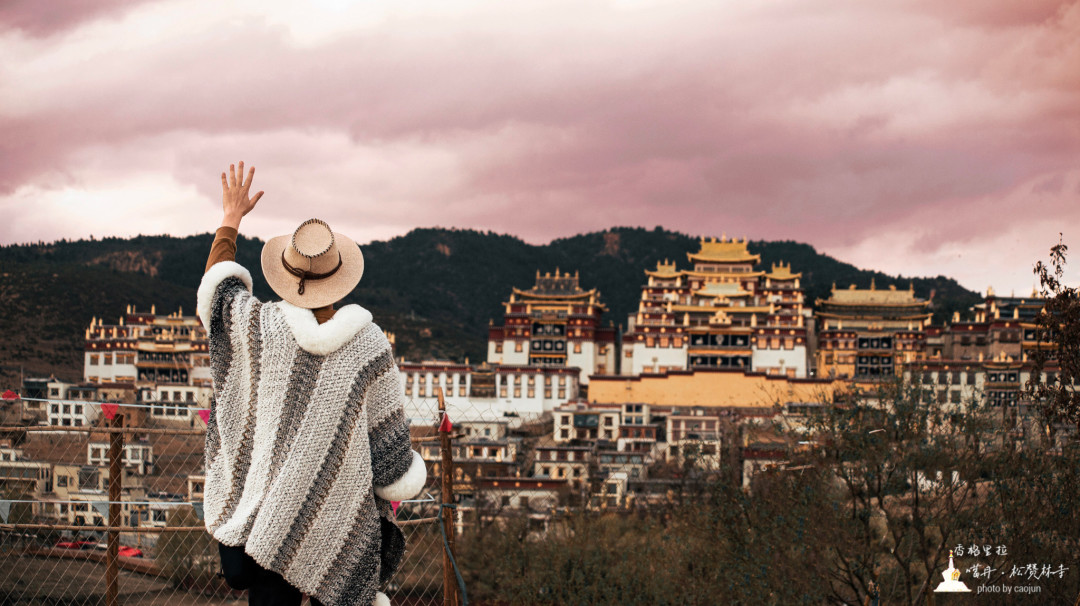
Journey to the Sun and Moon in Your Heart: A Summer Shangri-La (Road Trip: Shangri-La – Meili Snow Mountain – Baishui Terrace – Lijiang)
Prologue: A Long-Contemplated Pilgrimage
Some dreams, once they take root in your heart, grow into a forest.
After returning from Daocheng Yading last year, I wrote a line at the end of my travel journal: "One day, I will check in at the earthly paradise of Shangri-La." At the time, I thought it was just a passing impulse from the warmth of the journey. But I never expected that this sentence, like a seed, would quietly sprout in the depths of my heart.
A year later, in June, when the wheels of our car rolled over the newly built Rongli Expressway, and when the scenery outside the window shifted from the towering mountains of western Sichuan to the highland meadows of northwestern Yunnan, I knew that the dream of "Greater Shangri-La" was finally about to come true.
Before we set off, our family of three huddled on the sofa, watching CCTV's documentary The Eternal Shangri-La, and then scrolled through countless travel vlogs from bloggers. Our daughter squealed at the Baishui Terrace on the screen, my wife held her breath at the golden sunrise over Meili Snow Mountain, and I silently noted every must-visit coordinate—the moonlight of Dukezong Ancient Town, the golden roofs of Songzanlin Monastery, the grasslands of Napahai, and the raging torrents of Tiger Leaping Gorge.
The wishes of adults are actually quite simple: to turn the distant places we yearn for into the paths beneath our feet.
Chapter One: The City of Moonlight – First Encounter with Shangri-La
Traveling Through the Night to Reach the Plateau
Setting off from Chengdu, we drove south along the newly built Rongli Expressway. The opening of this expressway shortened what was once an arduous journey to just 11 hours. At five in the afternoon, when the name "Shangri-La" appeared on a roadside sign, the cheers inside the car nearly lifted the roof off.
After dropping off our luggage, we headed straight for our first stop—Dukezong Ancient Town.
Costume Change? No, First a Bowl of Butter Tea
When you arrive in the ancient town, what's the first thing to do? You might not guess it—get a costume change. My wife suggested renting a set of Tibetan clothing, but the fatigue from the long drive led both our daughter and wife to vote against it. So we compromised: each of us bought a Yunnan-style shawl and began our exploration of the ancient town.
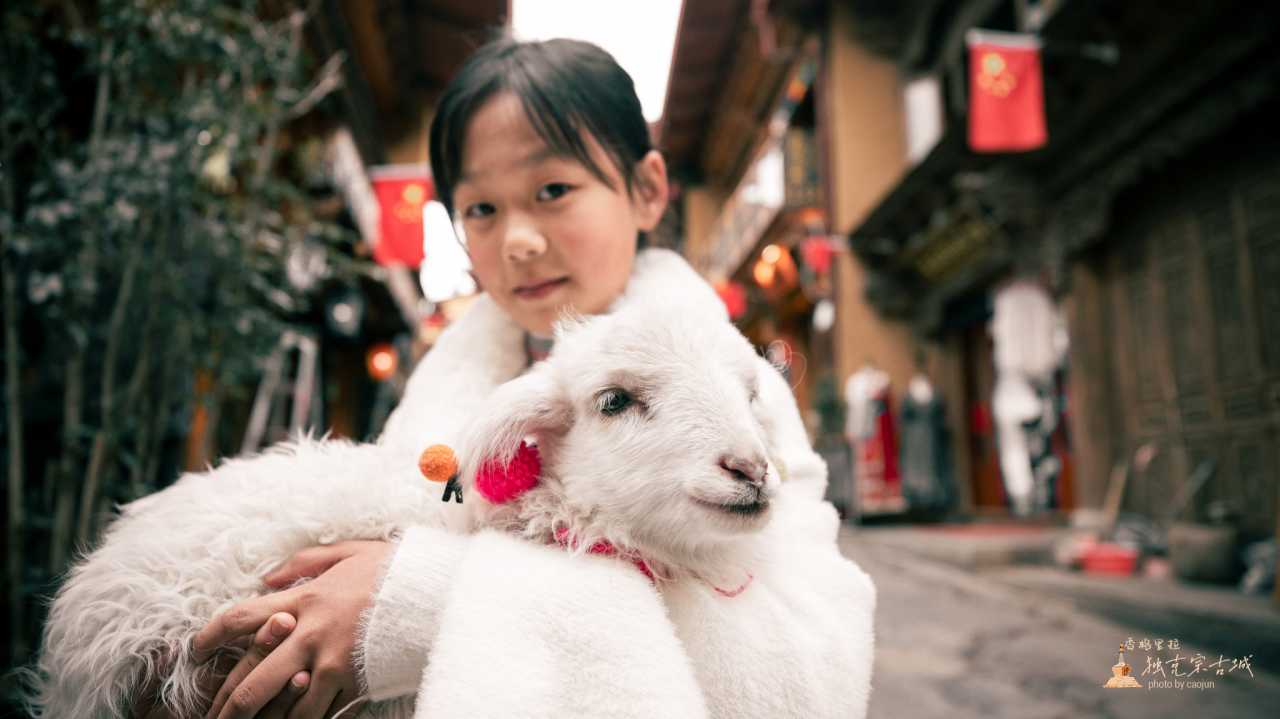
In the alleys of the ancient town, Tibetan-style architecture and atmosphere enveloped us. Our daughter posed for photos holding a little lamb, her face beaming with joy—holding a lamb for a photo cost only ten yuan, probably the best deal for happiness in the entire ancient town.
Feeling hungry? I highly recommend "Ama's Butter Tea." We ordered one each of salty butter tea, sweet butter tea, and yogurt chips—none of them disappointed. Our little foodie daughter snacked her way through the streets, as happy as a little elf on the plateau.
Guishan Park: Serenity Under the Prayer Wheel
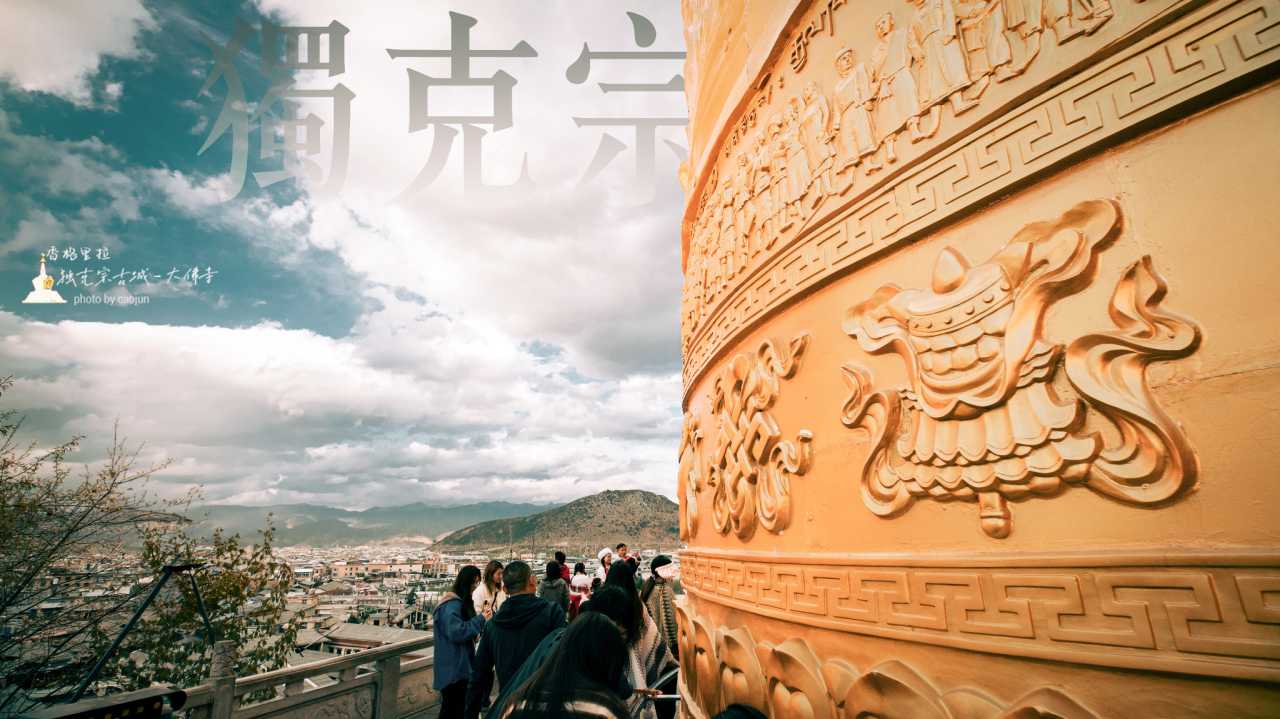
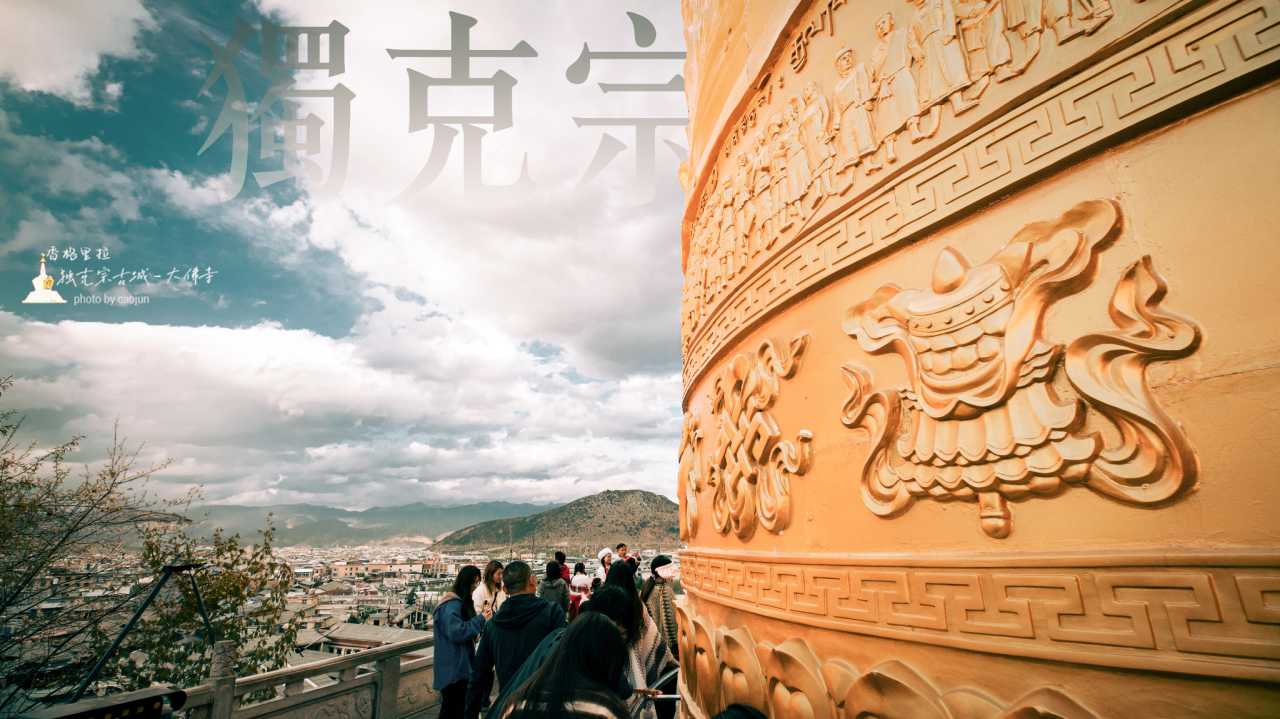
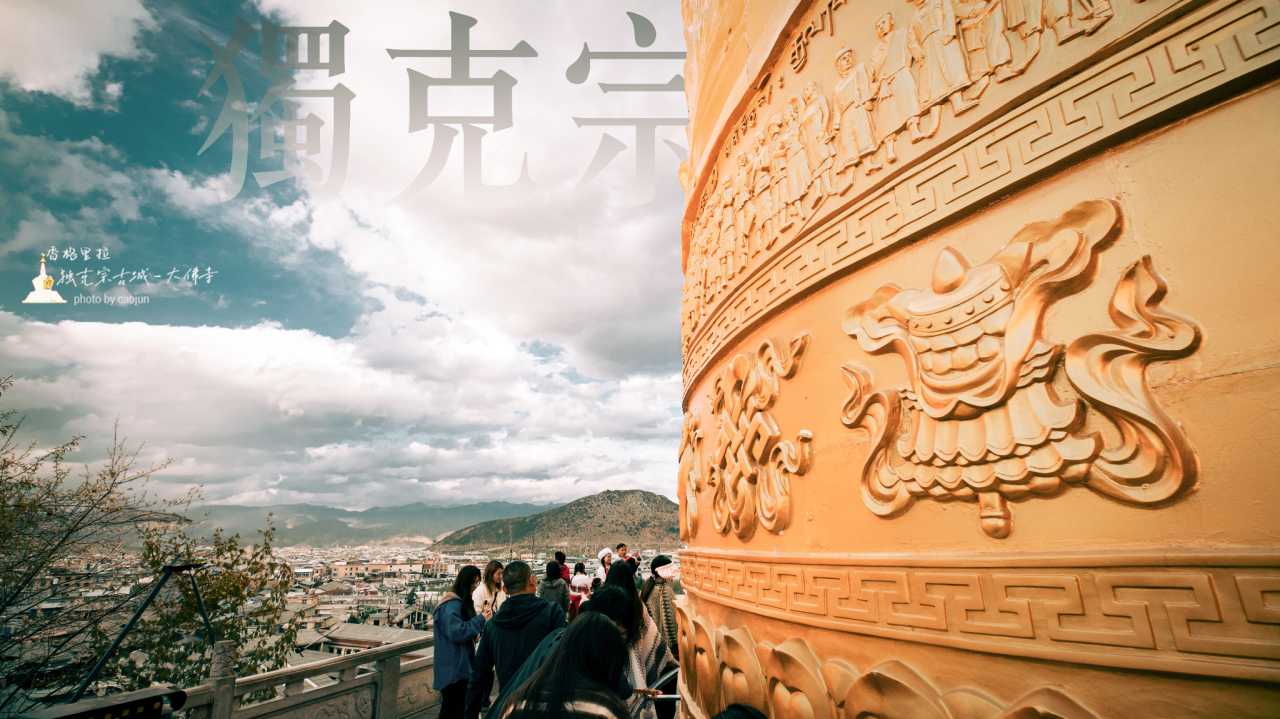
If Dali is about romance under the wind and moon, then Shangri-La is about depth under the rhythm of religion. Passing through the ancient town, we could see from afar the giant golden prayer wheel atop Guishan Park, gleaming in the glow of the setting sun.
Guishan Park is the centerpiece of Dukezong Ancient Town. There are a hundred reasons to recommend it: here you'll find the repeatedly rebuilt Grand Buddha Temple, the world's heaviest gilded pure copper prayer wheel, and if you're lucky, you might see cherry blossoms covering the hillside in April and May. Best of all—admission is free.
Climbing the park on the plateau without getting winded is impossible. But when you reach the top and see the pink cherry blossoms climbing the gray-tiled red walls, set against the plateau's unique blue sky and white clouds, all fatigue melts away.
The prayer wheel is a must-visit for the faithful. We joined the crowd turning the wheel, praying for our family's peace and well-being. In that moment, though the surroundings were noisy, our hearts were unusually calm. Beneath the shallow cherry blossom trees, overlooking the full view of the ancient town, it felt as if the town had been waiting here for thousands of years, just for your arrival.
Descending the mountain at night, we passed the central square of the ancient town, where local youths and tourists had formed a circle dancing Tibetan-style dances. I was initially worried about altitude sickness and hesitant to move, but the phrase "since we're already here" is always the most magical spell on any journey. Our whole family happily joined in. Though our movements were clumsy, the unique joy was intoxicating.
Chapter Two: The Little Potala Palace and Highland Spirits
Songzanlin Monastery: The Power of Faith
At dawn, we drove to Ganden Songzanlin Monastery. Before setting out, I kept imagining the monastery reflected in the waters of Lamuyangcuo Lake, while my wife hoped to see the morning light shining on the golden roofs with lingering mist.
But reality always likes to play tricks. Lamuyangcuo Lake had been dug up—the water was gone. We arrived too late, and the morning mist had dissipated. Ha ha, that's life—no matter what, always hold onto hope for a better tomorrow.
The Songzanlin Monastery scenic area is vast. After parking, you need to take a sightseeing bus to the monastery entrance. Free guided tours are available and worth listening to. The guide said: "Praying for promotion or wealth at Songzanlin Monastery won't work, because peace, health, and wisdom are life's most precious treasures." I couldn't agree more.
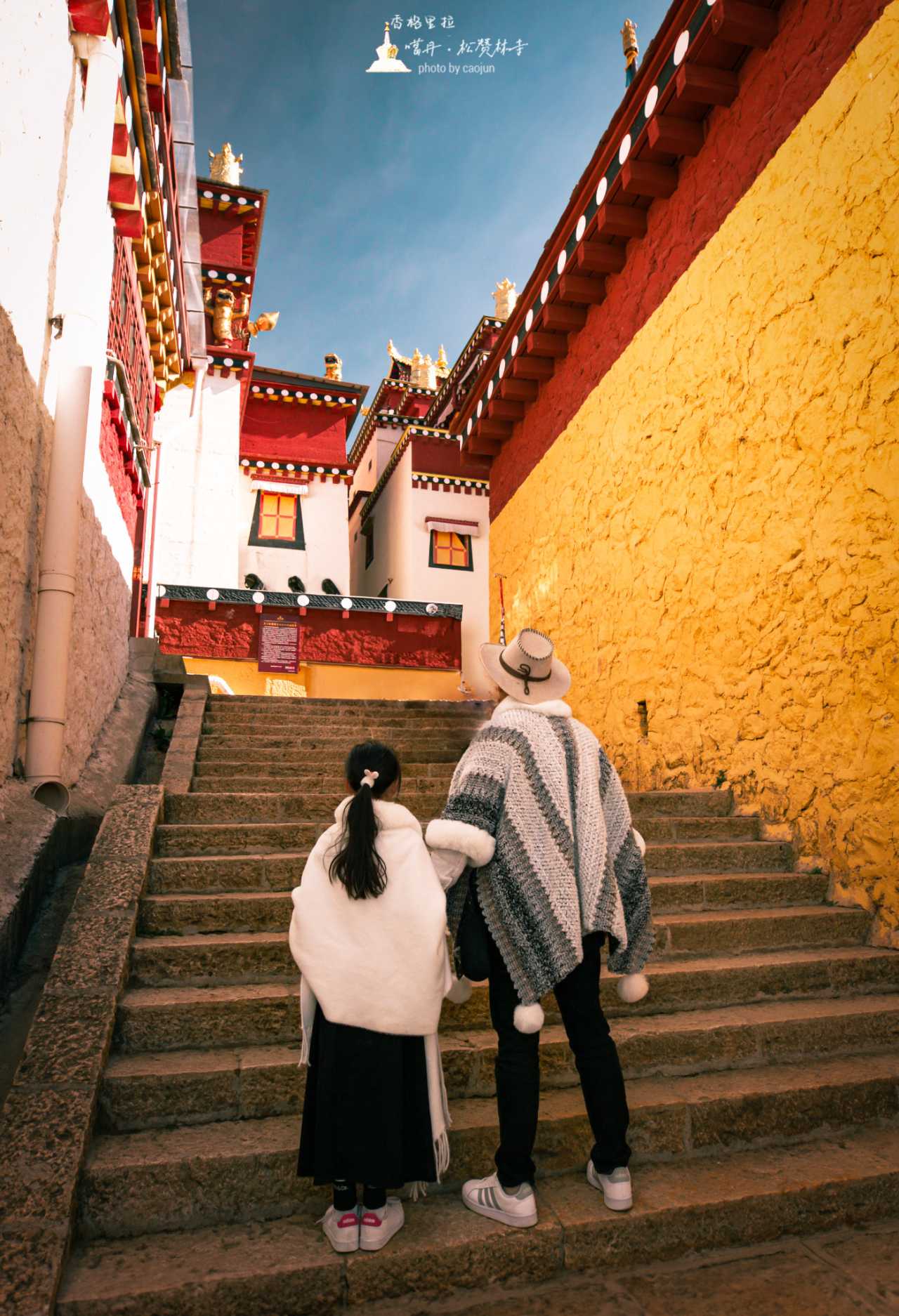
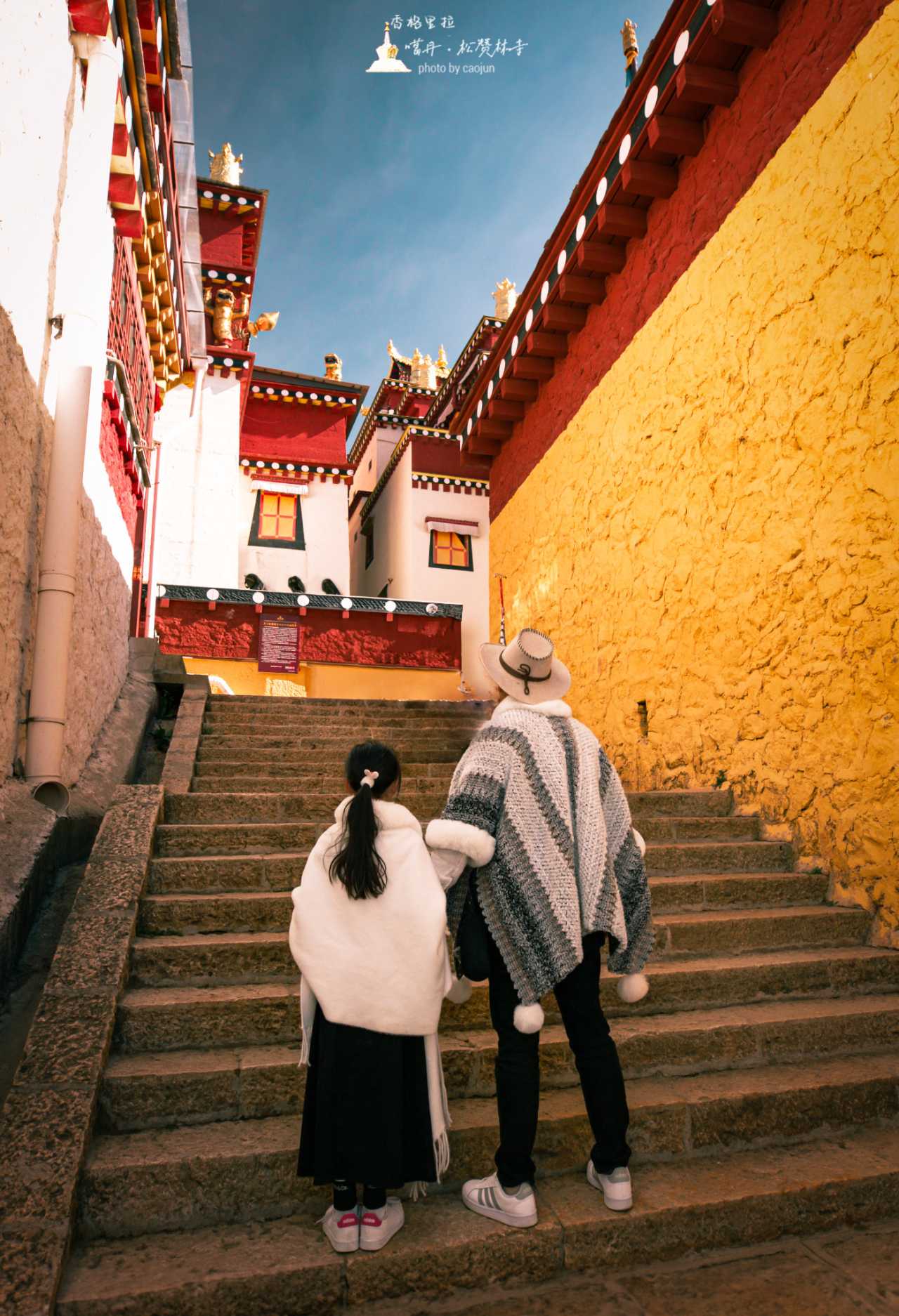
The three main halls—Zhacang Hall, Tsongkhapa Hall, and Shakyamuni Hall—each have their own character. In the first hall, a monk offers blessings and gives you a string of prayer beads (donations are voluntary). In the halls beyond, the butter sculptures are exquisitely beautiful. The fragrant smoke of burning juniper rises into the holy blue sky. In that moment, I suddenly understood why Shangri-La is said to be the place closest to heaven—faith is truly a power that transcends time and life.
Recommended photo spots: - Use the monastery's golden roofs as a backdrop, blurring the background for portraits - At the entrance to the monastery, near the Tibetan-style doorways and walls - The yellow wall after climbing the stone steps (crowded, so patience is needed) - Standing with your back to the three main halls, shooting close-up half-body portraits
Potatso: The Kingdom of Highland Spirits
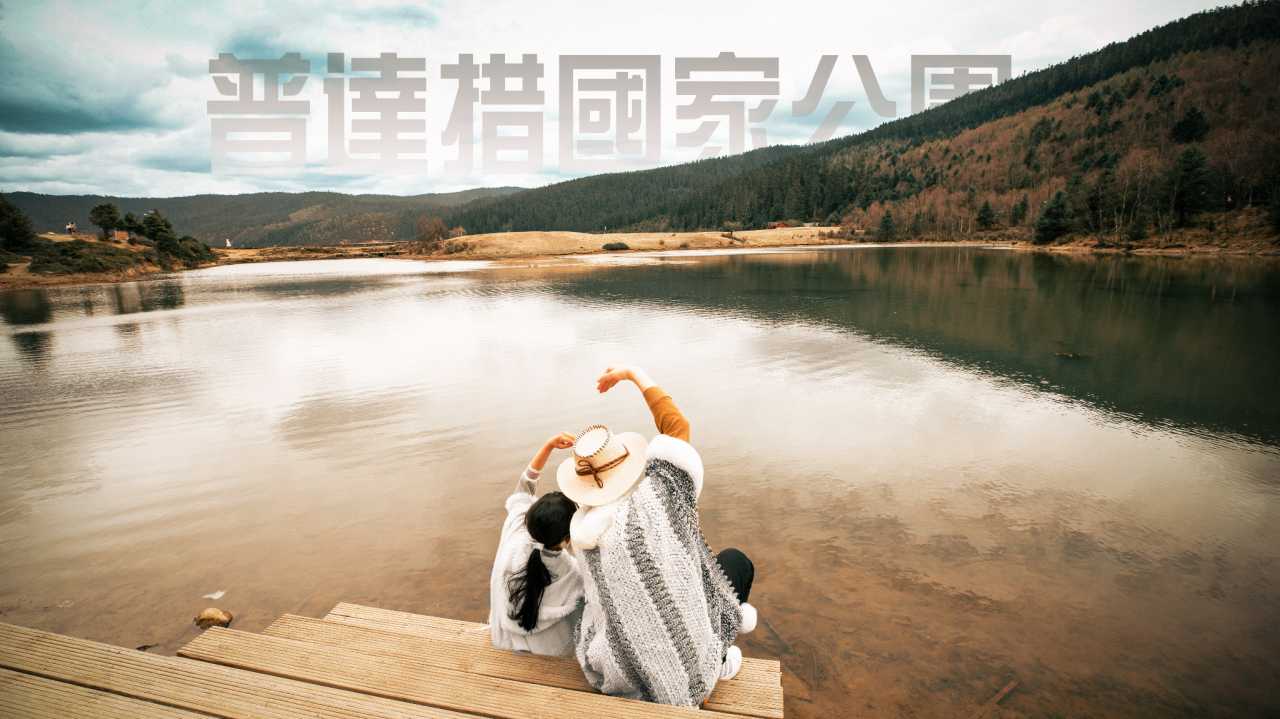
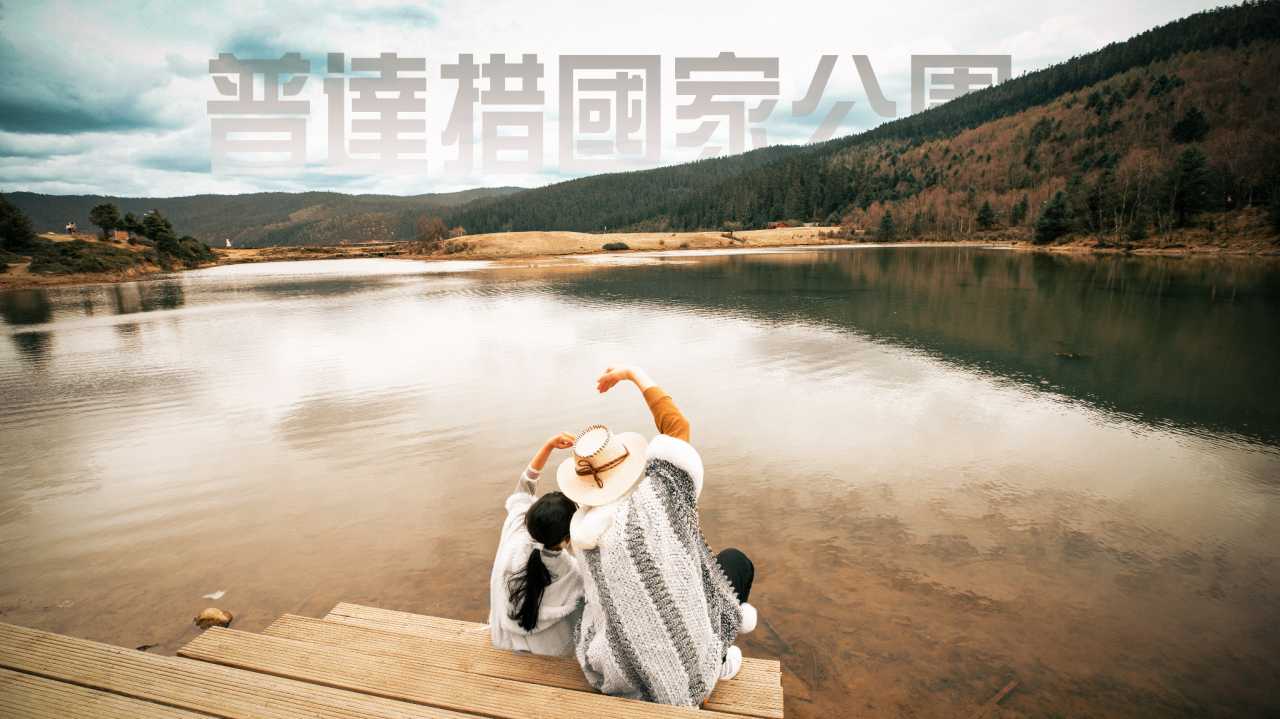
In the afternoon, we headed to Potatso National Park, mainly visiting Shudu Lake and Bita Lake.

There are two sightseeing route options: Route A involves walking to Shudu Lake Pier No. 1, then taking a boat to Pier No. 3 (boat fee 50 yuan, about 20 minutes); Route C goes from the boardwalk to the south bank parking lot, then by bus to Bita Lake. Since we had a child with us, we chose A+B and took the boat.
Viewing the scenery from the boat's deck, the wind blew hard, and the views were average, but we could see birds active on the lake. After disembarking, a forest-like sandy area appeared before us—huge tree stumps, withered grasslands, and leisurely horses created a desolate atmosphere.
Just as we arrived at Bita Lake, it started raining. Luckily, there was a burger restaurant. Our daughter devoured a yak meat burger there and was instantly revived. By the roadside outside the restaurant, three or four little squirrels were hopping about like highland spirits. Our daughter fed them bread, overjoyed.
Walking along the boardwalk to the end, we reached Bita Lake. Unfortunately, only a section of the lakeside boardwalk was open; the longer part was closed—the area is being upgraded to a national park and is no longer accessible. The scenery is best at the end of the boardwalk, but honestly, in terms of natural beauty, Daocheng Yading far surpasses Potatso. The only surprise here was those adorable little squirrels.
Second Visit to Songzanlin Monastery: Sunset Glow
In the afternoon, we returned to Songzanlin Monastery. This time, we drove around to the back of the monastery and viewed the panoramic scene from the Songtsam Lodge hotel. The setting sun cast its glow on the golden roofs, creating a breathtakingly beautiful sight. Through a telephoto lens, the few remaining tourists inside the monastery hadn't yet left, but capturing the panoramic view under the sunset had even more character.
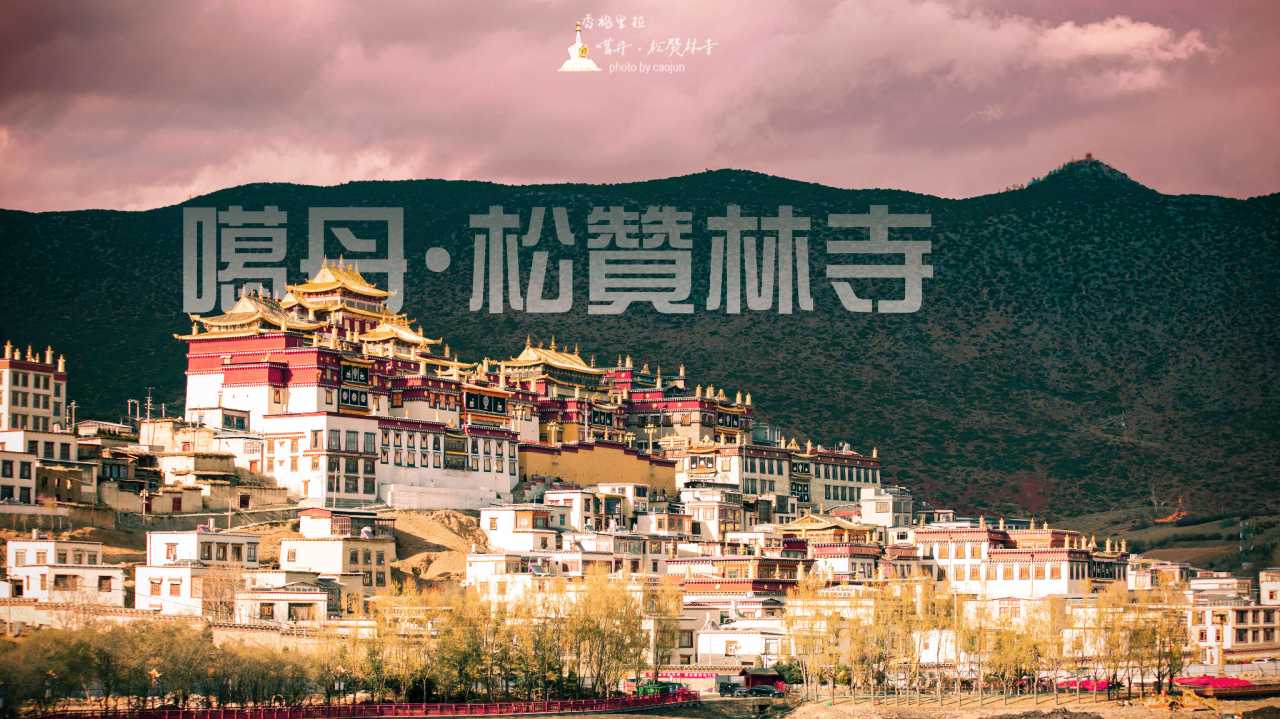
The monastery blended perfectly with the village, exuding a serene and peaceful beauty. Unfortunately, Lamuyangcuo Lake was still under construction, so we couldn't capture the reflection.
That evening, we found a Tibetan-style barbecue restaurant. We sat around a stove, enjoying a hot pot and grilled meat—the flavors were excellent. Our daughter ate until her mouth was greasy, exclaiming with delight.
Chapter Three: Grassland Horseback Riding and First Glimpse of the Snow Mountain
Napahai Yila Grassland: Joy on Horseback
Setting off in the morning, we saw a snow-capped mountain at the end of the road—Shika Snow Mountain. Our daughter had been longing to go horseback riding, so we added an impromptu stop: Napahai Yila Grassland.
Passing a mountain pass, we saw the scenery below, with a glint of gold in the distance—Songzanlin Monastery. There were several handmade beverage shops here, and my wife grabbed a coffee at this little pass, feeling quite content.
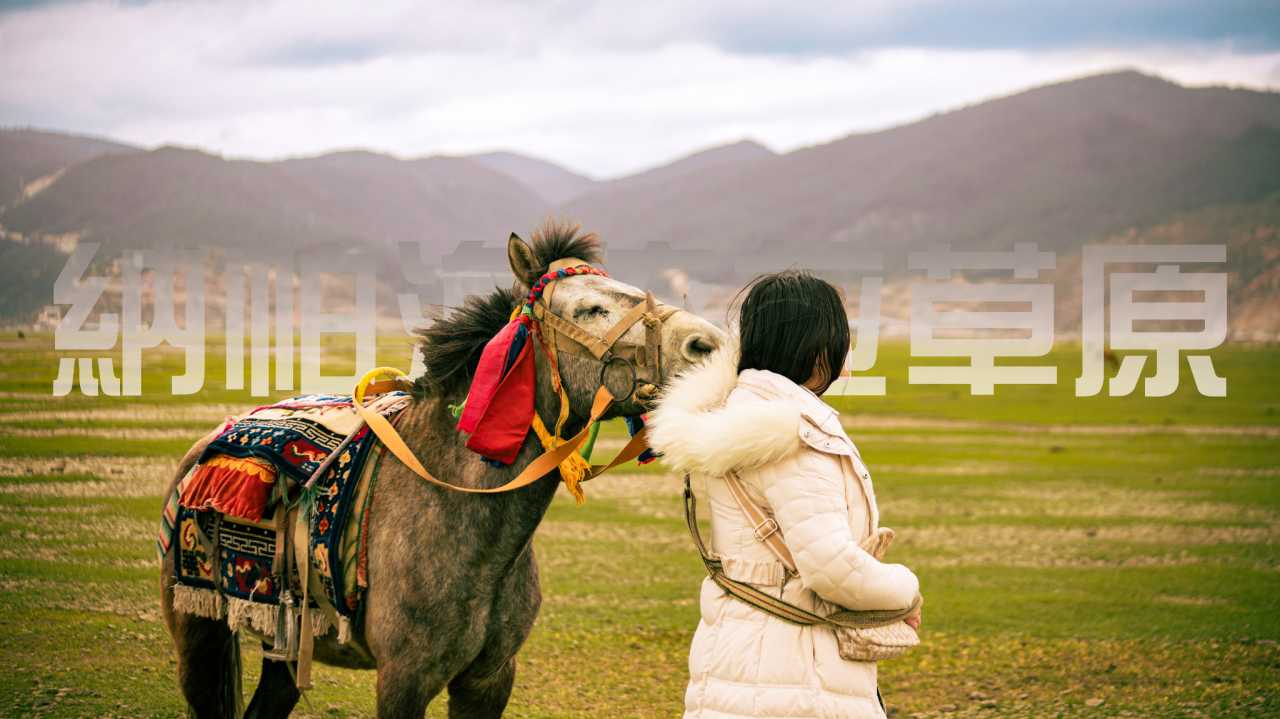
Arriving at the grassland, with the distant snow mountain and vast green meadows spreading before us, our spirits immediately lifted. Especially for our daughter—her long-awaited horseback riding adventure had finally begun.
Here's the insider tip: Admission is 30 yuan. Horseback riding is divided into A and B routes (I can't recall the exact prices, but be sure to bargain hard—around 100 yuan per person; our daughter rode separately for free). We chose Route B, which circled a large area of the grassland. The lead horse was guided by a staff member. Along the way, my horse—the smallest one—got into a scuffle with another horse, and our daughter laughed uncontrollably behind us.
Route A turns back after reaching a small stream, while Route B stops there to let the horses drink water and take photos. The smallest horse kept trying to bite the tail of another horse. According to the herder, it was the youngest and therefore so lively. When it spotted a pretty mare, it would let out a loud neigh, cute enough to make everyone chuckle.
Deep into the grassland, we reached the end of Route B. Here, the grass was lushest, with the snow mountain in the distance, green meadows underfoot, and herds of cattle and sheep. Napahai is a seasonal lake—in summer, during the rainy season, it becomes Napahai Lake; in winter and spring, when the water recedes, it turns into Yila Grassland.
On the way back, our daughter hugged a herder's lamb for photos again (10-20 yuan), beaming with joy. Watching the video later, we saw her wriggling happily on the horse's back. Our little foodie couldn't escape eating anywhere—grilled yak meat was arranged!
The legendary water-surrounded lake road was also here.
Jinsha River Big Bend and Baima Snow Mountain
The rest of the journey was full of surprises.
The Jinsha River Big Bend is right by the roadside but fenced off, with an admission fee of 20 yuan. Walking down the boardwalk to see the magnificent view below, we felt it was worth it. However, the wind here was terrifyingly strong—I could barely stand. This spot marks the border between Garze Prefecture in Sichuan and Diqing Prefecture in Yunnan.
The biggest surprise was Baima Snow Mountain. During our self-drive, we spotted a snow-white mountain flickering in and out of view at the end of the road. We silently marveled at our luck that day: we'd seen Shika Snow Mountain in the morning, had the snow mountain as a backdrop on the grassland, and now Baima Snow Mountain. Then, as the car rounded a bend, a massive snow mountain loomed before us. The clouds parted, and we were completely awestruck.
By evening, we arrived at Meili Snow Mountain. After dropping off our luggage, we headed straight to Feilai Temple. The temple's admission ticket is valid for three days, which is reasonable. At Feilai Temple, we saw little squirrels stealing offerings, and it started to rain outside. Since our room had a view of Meili Snow Mountain, we returned to enjoy the scenery from inside.
Chapter Four: Meili Snow Mountain and Baishui Terrace
Meili Snow Mountain: Even Regret Has Its Beauty
In the hearts of Tibetan people, Meili Snow Mountain is a sacred mountain, known in Tibetan as "Kawagebo." It's said that witnessing the golden sunrise over Meili will bring you good luck for an entire year.
Late at night, I set up my tripod in the room. A sea of clouds churned outside, creating a unique charm. The next morning, before I even had time to change clothes, I rushed downstairs, shivering from the cold. The viewing platform at Feilai Temple was packed with people, and the sky buzzed with drones. We stayed until the crowd dispersed but still didn't see the golden sunrise.
According to the innkeeper, there are only so many days a year when you can see it; most of the time, you probably won't. That might be why I missed it—okay, I admit I'm a bit bitter.
Still, capturing a clear image of the snow mountain was worth the trip. Meili Snow Mountain serves as a transit point; many visitors head to Yubeng Village from here. Rooms with a view of Meili Snow Mountain are genuinely expensive and very hard to book.
Baishui Terrace: China's Pamukkale
Leaving Meili Snow Mountain, we drove all the way toward Lijiang. By afternoon, we finally arrived at one of the most anticipated stops on this trip—Baishui Terrace.
While accompanying our daughter on a horse ride at the foot of the mountain, a local villager told us a legend: this is the site where the immortals of Dongba religion taught their ancestors how to farm, making it a sacred place for the Naxi people's Dongba faith.
Layer upon layer of snow-white terraces, reflecting the turquoise water, were truly beautiful and spectacular. No tour groups come here, so it's relatively peaceful. I really love this kind of tranquility—I can't bear the thought of too many tourists ruining it.
The scenery resembles the travertine pools of Huanglong, but management here is more lax. Shocking as it may sound, visitors can actually walk on the travertine pools without anyone stopping them—a clear sign of inadequate protection.
"Immortal's Abandoned Fields" and "Goddess Manifestation" are both travertine pools, concentrated in one area, but you need to climb to see them. You can ride a horse up the mountain; we bargained the price down to 50 yuan, great value. The sun here is incredibly strong—make sure to apply full sun protection.
"Five-Color Jade Pool" features irregularly shaped travertine pools with colorful hues, quite beautiful. Passing through it, we reached the water source. Two elderly local men guarded the spring, enthusiastically explaining things—but we couldn't understand a word, probably Dongba language.
The scenic area has a U-shaped walking route: one path up, another down. Taking the correct route ensures you see all the travertine pools along the way. On the descent, we noticed very few people—most visitors must have gone back the same way, missing many beautiful sights.
Tiger Leaping Gorge: Majestic and Perilous
Tiger Leaping Gorge is a drive-through attraction. The Jinsha River stretches a long way along the road, divided into Upper Tiger Leaping and Lower Tiger Leaping. There are many viewing platforms along the way, and we stopped at each one.
A word of caution: There was reportedly an accident in the scenic area recently—a tourist climbed over the railing to take photos and fell into the river. When visiting such riverside spots, safety must come first.
Along Lower and Middle Tiger Leaping, there are free viewing platforms, small paths down to the river, and several small inns. Many villagers by the roadside sell stones—crystals, rocks, agates. Our daughter curiously picked out a bunch of small stones.
The white mountain in the picture is the tail end of Jade Dragon Snow Mountain. The Jade Dragon range stretches from Lijiang all the way to the end of Lower Tiger Leaping. With Jade Dragon on the right and Haba Snow Mountain on the left, the two mountains squeeze together to form this magnificent and perilous gorge.
Chapter Five: Night Tour of Lijiang – A Ten-Year Promise
Lijiang Old Town: Imprints of Time
Before sunset, we arrived at Lijiang Old Town. Thinking back, the last time I was in Lijiang was when my wife was three months pregnant. We couldn't help but sigh at how quickly time flies.
We told our daughter she had been here before, but she didn't believe us. I found a photo of her in her mother's belly, and she burst out laughing. Passing through a certain alley, the memory was vivid—ten years ago, we had stayed near this very spot.
In the evening, we wandered through the old town and found a restaurant serving Mohe stone pot chicken stew—it was quite tasty. The walls inside were covered with stone pots, a somewhat impressive sight.
Since we hadn't done a costume photoshoot in Dukezong Ancient Town, we felt a bit of regret. So, we got dressed up and joined the ranks of travel photographers—with Dad behind the camera. My personal advice: if your itinerary is similar and you want to do costume photography, it's better to do it in Dukezong. The setting there is authentically Tibetan, making it perfect for Tibetan-style clothing.
After getting her makeup done, our daughter was super excited, wiggling her little bottom. We just strolled and played normally, with Dad sneaking photos. Whether it's travel journals or photos, the most important thing is to record the present moment, so we'll have plenty of beautiful memories to revisit in the future.
Under the night sky, our family wandered and shopped until one in the morning before returning to our room.
Final Chapter: A Satisfied Return
Waking up the next morning, the beautiful blue sky, white clouds, and the quiet morning of the old town instantly lifted our spirits. We went to the rice noodle shop we'd spotted the night before—only to find that its appearance far exceeded its taste.
We browsed through a bunch of charming little shops with names we couldn't remember. Our daughter snacked, shopped, and bought her way through—this might be the daily routine of many people in Lijiang. Then, fully satisfied, we set off on our journey home.
Itinerary Reference
- Day 1: Chengdu → Shangri-La (11.5 hours) → Dukezong Ancient Town
- Day 2: Songzanlin Monastery at dawn → Potatso National Park → Songzanlin Monastery panoramic sunset
- Day 3: Shangri-La → Napahai Yila Grassland → Feilai Temple (3 hours)
- Day 4: Feilai Temple – Meili Thirteen Peaks sunrise → Baishui Terrace (4 hours, 2 hours to explore) → Tiger Leaping Gorge (1.5 hours) → Lijiang (1.5 hours)
- Day 5: Lijiang → Chengdu (10 hours)
Camera Gear: Canon 6D2, 16-35mm F2.8 III, 75-300mm F4-5.6 IS USM, 50mm 1.8
Final Thoughts
Some say Shangri-La is a place you can never truly reach. But I'd say this: when you actually set foot on this land, when you see snow mountains, grasslands, lakes, and temples unfold before your eyes, you'll realize—Shangri-La is not a destination; it's a state of mind.
It hides within the prayer wheel of Dukezong Ancient Town, on the golden roofs of Songzanlin Monastery, on the horseback of Napahai, and in the clouds of Meili Snow Mountain. It belongs to everyone willing to journey toward the sun and moon in their hearts.
May you and I, on this high plateau, find our own Shangri-La.
You should also read:

Cloud Travelogue · Dali of Wind, Flowers, Snow, and Moon: A Three-Day, Two-Night Journey of a Free Spirit
Cloud Travelogue · Dali of Wind, Flowers, Snow, and Moon: A Three-Day, Two-Night Journey of a Free Spirit I am a cultured female foodie with a touch of rogue charm. I slung on my backpack, took my lover's hand, and set off on a spontaneous…
Continue reading...
The Meaning of Travel – A Tengchong Story: A Journey of the Heart and Personal Growth
The Meaning of Travel – A Tengchong Story: A Journey of the Heart and Personal Growth Setting Out, Only to Return a Better Self Some say travel is nothing more than leaving a place you're tired of, only to go to a place where others…
Continue reading...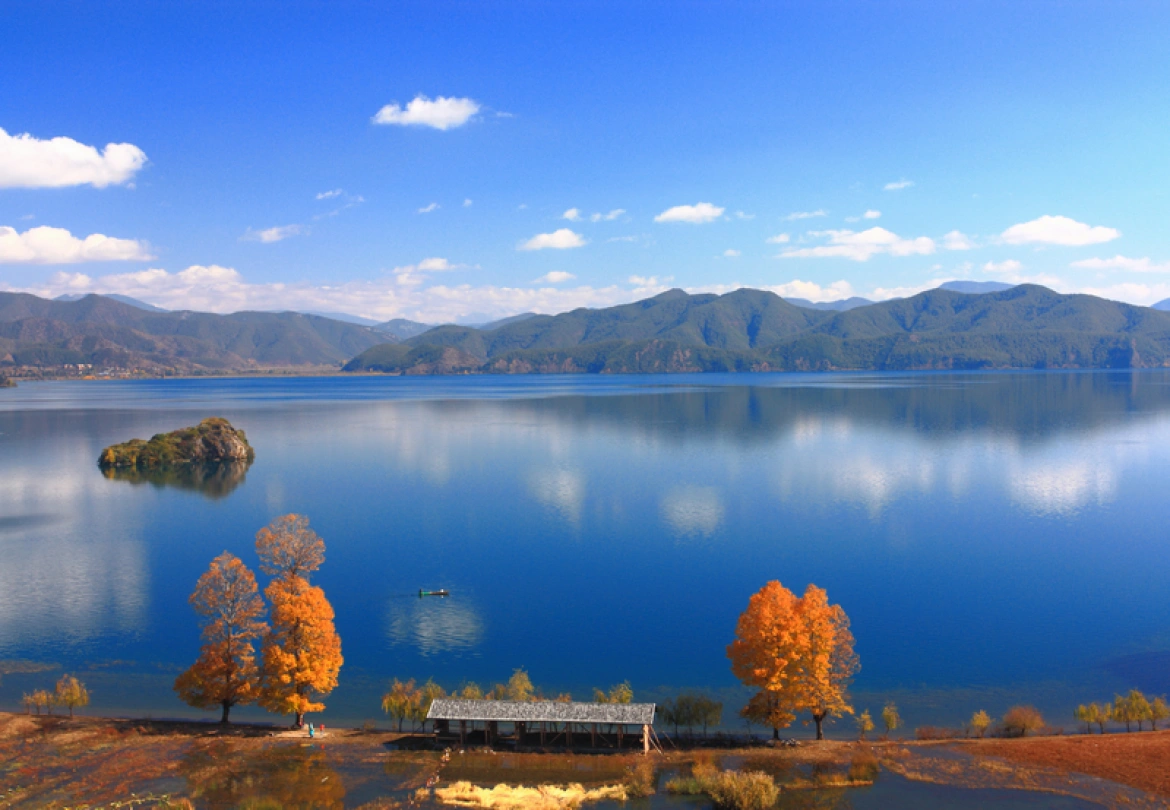
A Spiritual Journey to Lugu Lake in Lijiang: Experiencing the Legend of the Kingdom of Women! (Reproduction and Hotlinking Prohibited)
A Spiritual Journey to Lugu Lake in Lijiang: Experiencing the Legend of the Kingdom of Women! (Reproduction and Hotlinking Prohibited) Off-road自驾, food, hotel and民宿 reviews, Featured Traveler, Tank 300 owner, 200,000 km of self-driving experience. WeChat: y01294987 Ninglang Yi Autonomous County 2010.11.08 · 7 days…
Continue reading...