Leisurely Wanderings, Dreaming of Yunnan: An 8-Day Spontaneous Solo Journey
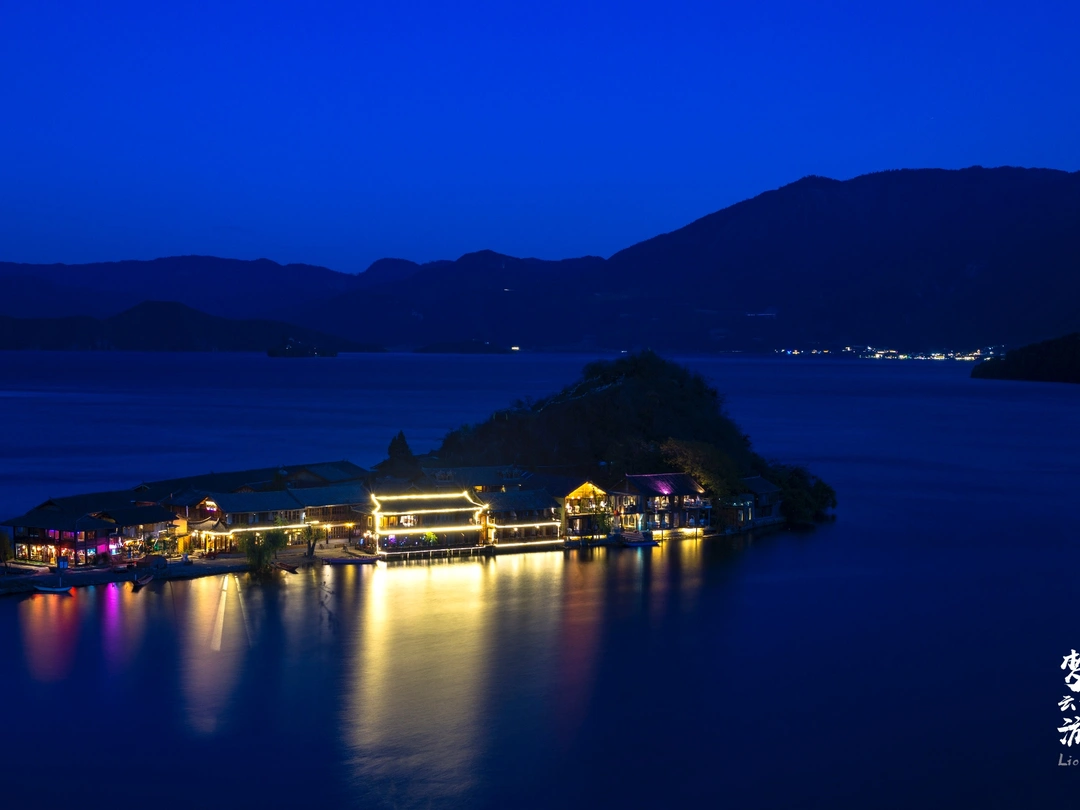
Leisurely Wanderings, Dreaming of Yunnan: An 8-Day Spontaneous Solo Journey
Preface: From a Dinner Party to a Distant Journey
Some trips begin with a plane ticket and end with a memory. My Yunnan adventure started in a rather absurd way—over a dinner party, I rewatched Heartbeat (a Chinese road-trip comedy), and was struck by the protagonist Geng Hao's confusion and eventual release. Somehow, I was seized by an impulsive urge to "head west."

It wasn't that I harbored a deep longing for Dali. Rather, I wanted to see the Wutong Inn in Shuanglang, to experience the freedom of a backpacker, and to meet fascinating souls from all corners of the country in a youth hostel. More importantly, I wanted to reclaim the sharp edges that life had dulled.
So, carrying the belief "be warm and kind all your life, never lose love and hope," I embarked on this 8-day journey.
Itinerary Overview: One Person, 8 Days and 7 Nights
Destination: Yunnan (Kunming – Dali – Lijiang – Lugu Lake – Shuhe)
Travel Dates: April 19–26, 2018
Total Cost: Approximately 2500 RMB (including airfare)
Traveler: Solo
Daily Schedule at a Glance
| Day | Route | Highlights |
|---|---|---|
| Day 1 | Shenyang → Kunming | Lesson learned: don't book tickets while tipsy |
| Day 2 | Kunming → Dali | Chongsheng Temple, Dali Old Town |
| Day 3 | Erhai Lake Loop | Jeep tour day trip |
| Day 4 | Dali → Lijiang | Getting lost in the old town |
| Day 5 | Lijiang → Lugu Lake | First-time mountain driving |
| Day 6 | Lugu Lake → Shuhe | Lake loop and ancient town |
| Day 7 | Shuhe → Lijiang Old Town | Slow living |
| Day 8 | Lijiang → Hefei → Shenyang | Return |
Cost Breakdown (for reference)
- Airfare: Departed from Shenyang; prices fluctuate, so compare in advance
- Car rental: 280 RMB (Volkswagen Sagitar, 2 days); requires ID, driver's license, credit card
- Gas: 200 RMB (Lijiang – Lugu Lake – Shuhe – Lijiang)
- Transportation: 327 RMB (including airport transfers)
- Accommodation: 513 RMB (youth hostel + guesthouse; cheapest was 18 RMB/night)
- Food: 725 RMB (including trendy restaurant visits)
- Entrance fees: 468 RMB (Chongsheng Temple 120 RMB, Jeep lake tour 248 RMB, Lugu Lake 100 RMB)
First Youth Hostel Experience: One Decision That Changed the Entire Trip
The biggest surprise of this journey? I have to start with the youth hostel.
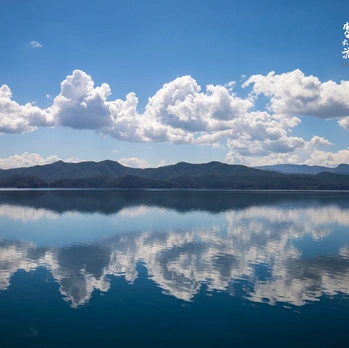
"The chance to meet travelers from all over the world—pretty cool, right?" My friend Fu Ge's words planted a seed in my mind. So, in a slightly tipsy state, I booked my ticket and decided to do something "cool": go solo, spontaneously, and stay in hostels.
Lesson #1: Never book tickets impulsively after drinking! I didn't arrive in Kunming until early morning, so I had to crash near the airport.
Day 1–2: Kunming → Dali – First Glimpse of "Wind, Flowers, Snow, and Moon"
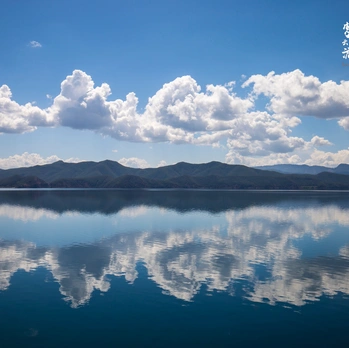
Kunming: Just a Transit Point
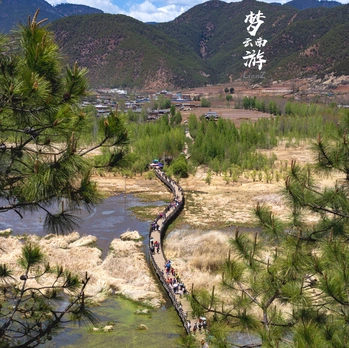
After landing in the early hours and resting briefly at a budget hotel, I set off for Dali at 8 a.m. Ctrip made it easy to manage everything without switching between apps—though, of course, that convenience comes at the cost of price comparison.
Dali: A Place You Must Visit in Your Lifetime
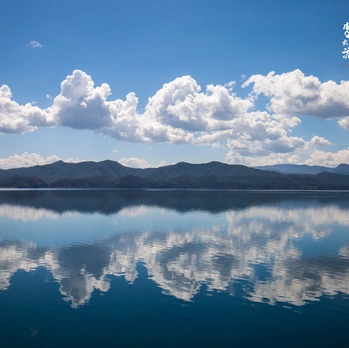
Legend has it that there's a city called the "City of Wind," perched between mountains and a highland lake. When the wind brushes your face, you forget everything from the past. Many people leave their hometowns to seek release here, eventually becoming clear-eyed locals.
Arriving in Dali, I was stunned by the brilliant blue sky. Stretching out my hand, I felt I could almost touch the clouds. On the way from the airport to the old town, the stories of Duan Yu and Wang Yuyan from Jin Yong's martial arts novels flooded my mind, adding a touch of romance to this ancient city.
Dali Mufu International Youth Hostel
At 10 a.m., I stepped into Mufu. Over its slightly raised threshold, a few people moved about—some on the sofa browsing the internet, others reading or simply daydreaming. It didn't feel like a hotel; it felt like a living space. From them, I caught a whiff of the life that should be.
Mufu isn't on bustling Renmin Road, but in a neighborhood where locals live. In front of the hostel: a dried fruit stall, a rice noodle shop, and traditional Bai-style houses. Children chased each other under the shade of trees—this was the real Dali.
Chongsheng Temple: The Serenity of a Royal Monastery
From the North Gate, a 10-minute tricycle ride brought me to the foot of Cangshan Mountain, where Chongsheng Temple stands.
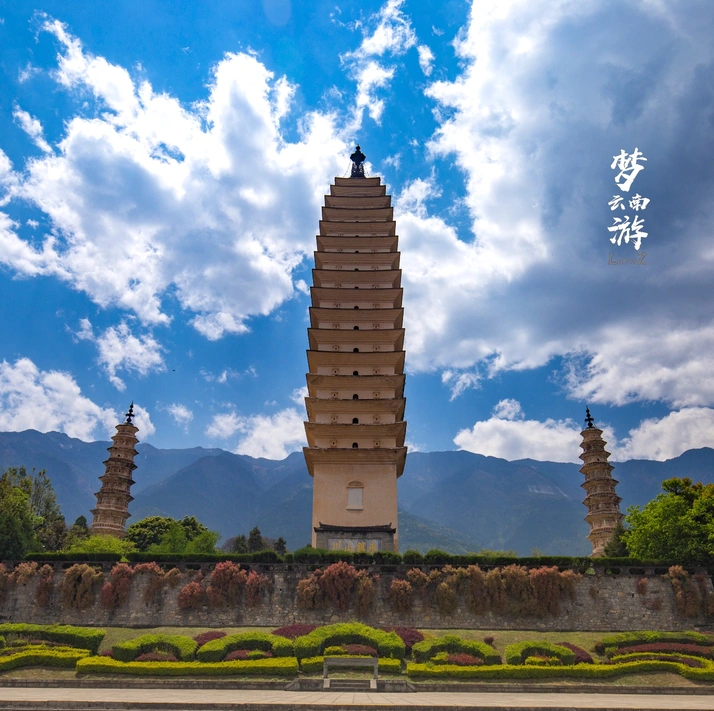
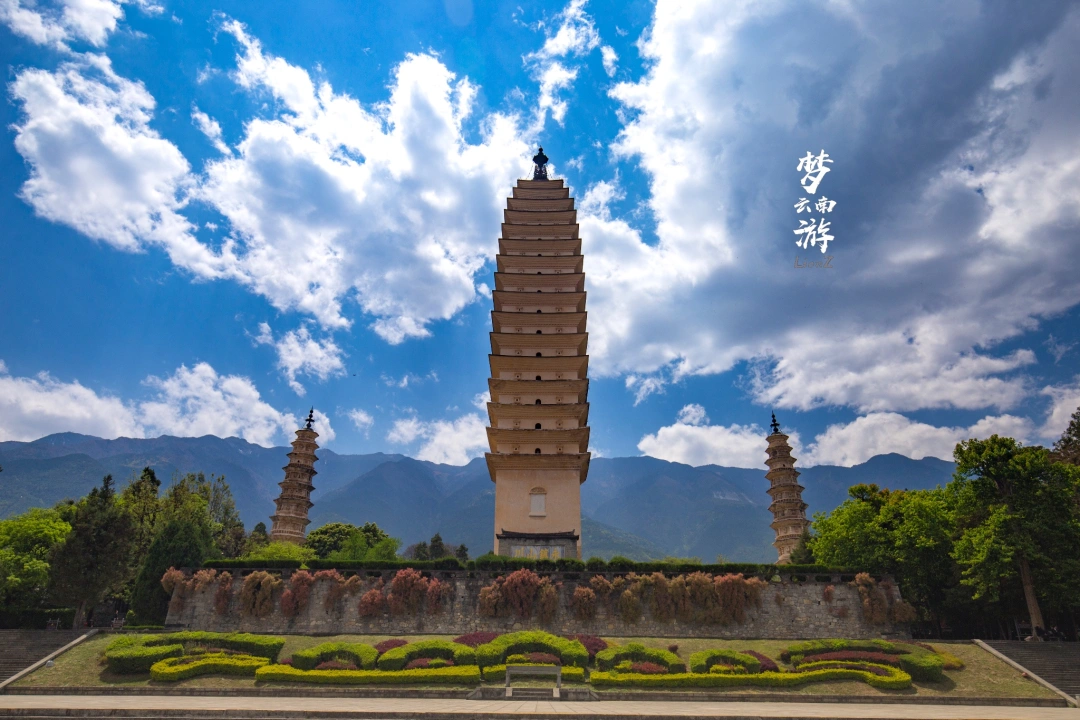
This Buddhist temple from the Nanzhao and Dali Kingdoms is vast—"seven li square, covering over 300 mu, with 890 rooms and 11,400 Buddha statues." Among the three pagodas, the "Qianxun Pagoda" is the most famous. Beyond its religious significance, legend says it was built to tame floods.
Nine of the 22 kings of the Dali Kingdom became monks here. Today, it's a tourist site with no monks—only visitors and staff. But I avoided the crowds, ducked into winding side paths, and found a moment of solitude.
Photography tip: I brought a 50mm and a 16-35mm lens. No telephoto, and switching lenses was a hassle. I carried a tripod, but the post-processing results felt artificial, so handheld shooting worked better.
Strolling Through the Old Town: Blending In
In the evening, I climbed to Mufu's rooftop. Across the street, mist wrapped around Cangshan Mountain. They say sunset pairs perfectly with this view. Stargazing, chatting, letting the mind wander—this was the most "Dali" spot of all.
While hunting for dinner, I stumbled upon a local couple's wedding banquet. Relatives urged the groom to "take good care of your bride." The simple folk customs felt heartwarming.
From the Wuhua Tower observation deck, a sliver of sunset light surprised me. Old towns may look alike, but their local flavors differ—here, the square dancers formed circles, unlike the "lead dancer troupes" back in Northeast China.
Dinner was hijacked by the restaurant name "I'm Waiting for You in Dali," which turned out to be a hotpot place. Eating hotpot alone felt a bit lonely, so I finished quickly and returned to the hostel to chat.
Night at Mufu: Travelers from all over gathered, talking about everything under the sun. We said everything, then waved goodbye, leaving behind laughter and taking away memories. Here, parting became an acceptable habit.
Day 3: Erhai Lake Loop – A Mix of Regret and Surprise
Jeep Tour Around the Lake
I planned to circle the lake solo, but taking photos alone felt awkward, so I booked a "Jeep Lake Loop Day Tour" with a driver-cum-photographer, copyright included.
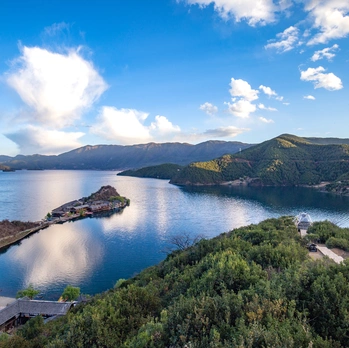
Lesson #2: Always circle clockwise! Clockwise! Clockwise!
Reasons: 1. Main sights are on the west side (Xizhou Town, Shetou Park, white bus, etc.) 2. Attractions are dense, keeping the novelty high 3. The best scenery is near the east road before sunset 4. After sunset, you can stay overnight in Shuanglang
The cost of going counterclockwise: Morning photos on the east road weren't backlit, but waiting for one person to finish shooting while everyone else sat in the jeep was uncomfortable. As someone who likes to go with the flow, being tied to the jeep stripped away all freedom.
Shuanglang: Heartbeat Fantasy Falls Flat
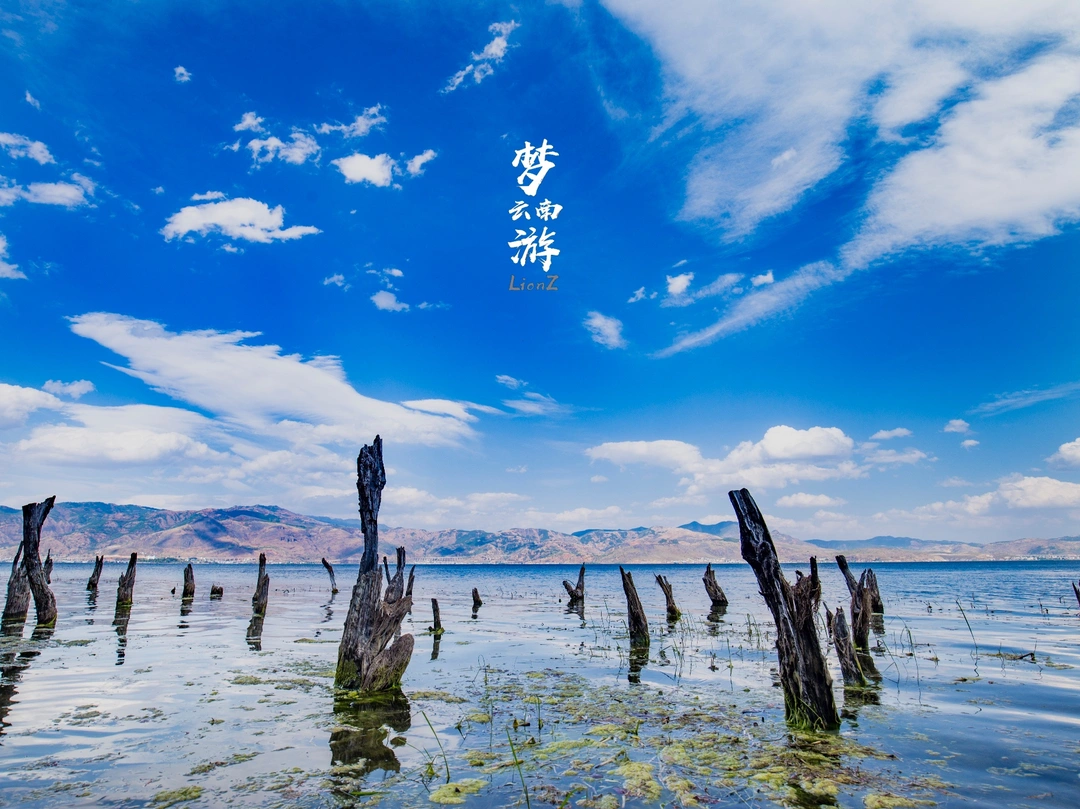
Shuanglang is currently a massive construction site—roads under repair everywhere. Due to Erhai Lake's environmental restoration, all lakeside guesthouses are closed. The Wutong Inn from Heartbeat was right there, but I could only say goodbye—one of the biggest regrets of this trip.
Xizhou Town: A Scholarly Gentleman
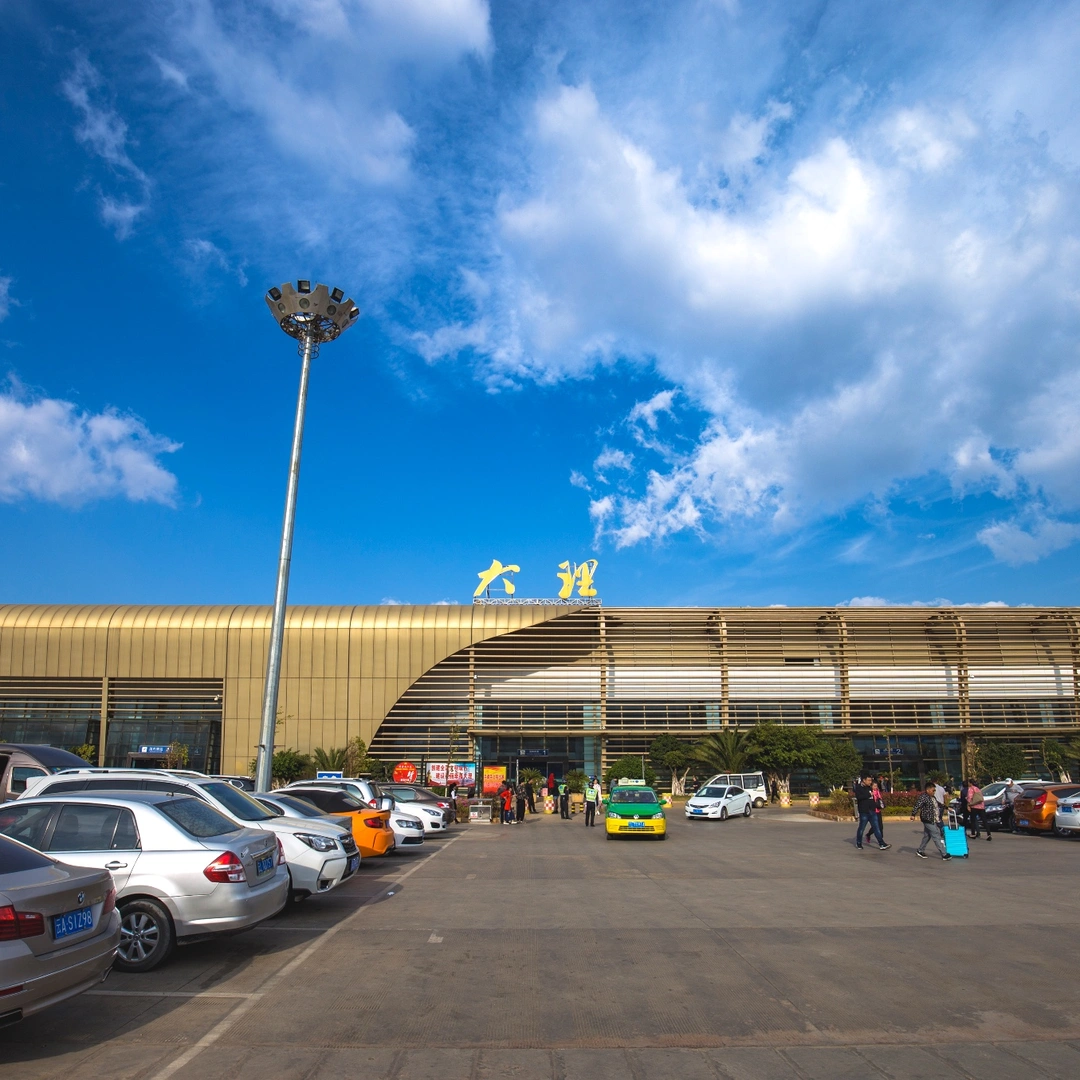
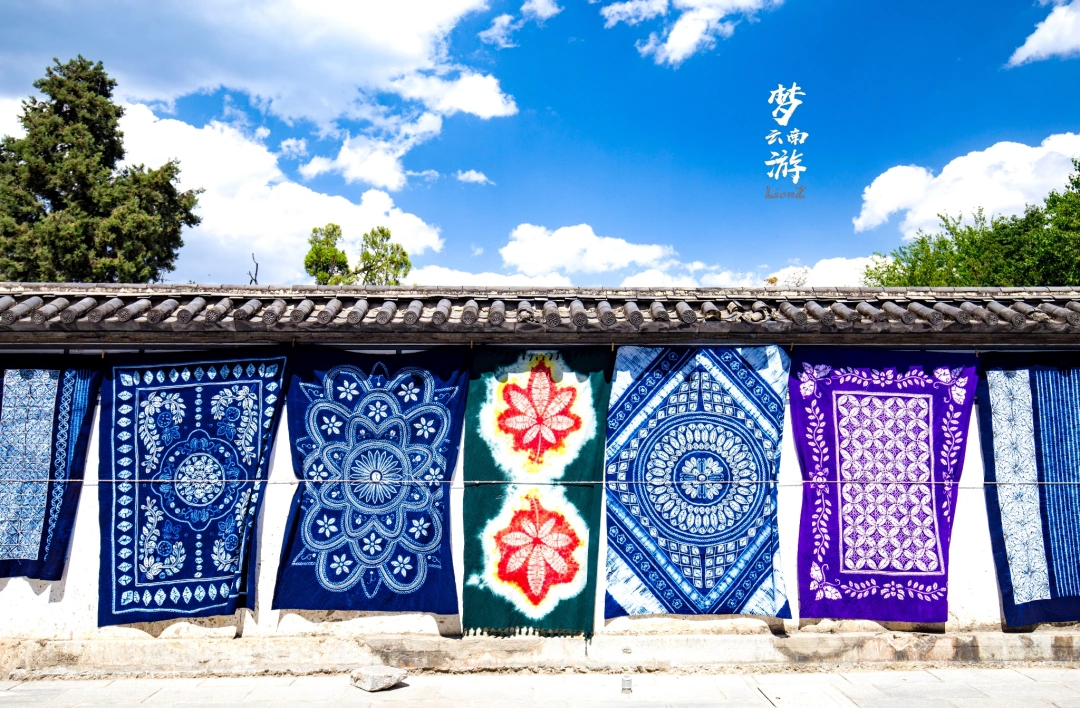
Xizhou is the hometown of the film Five Golden Flowers, retaining centuries-old rural charm. Tie-dye fabrics hung everywhere, their swirling patterns intricate, exuding elegance and simplicity.
The Xilin Courtyard wall is an iconic landmark, built by American couple Brian and Jeanee Linden as a guesthouse. Though I couldn't peek inside, the wall alone was worth stopping for.
In April, the rapeseed flowers had already passed their season, but Lao She (a famous Chinese writer) once compared this town to Cambridge, calling it a "miracle city." I hope its commercial development slows down—just a little, just a little more.
Shetou Park: Healing Power
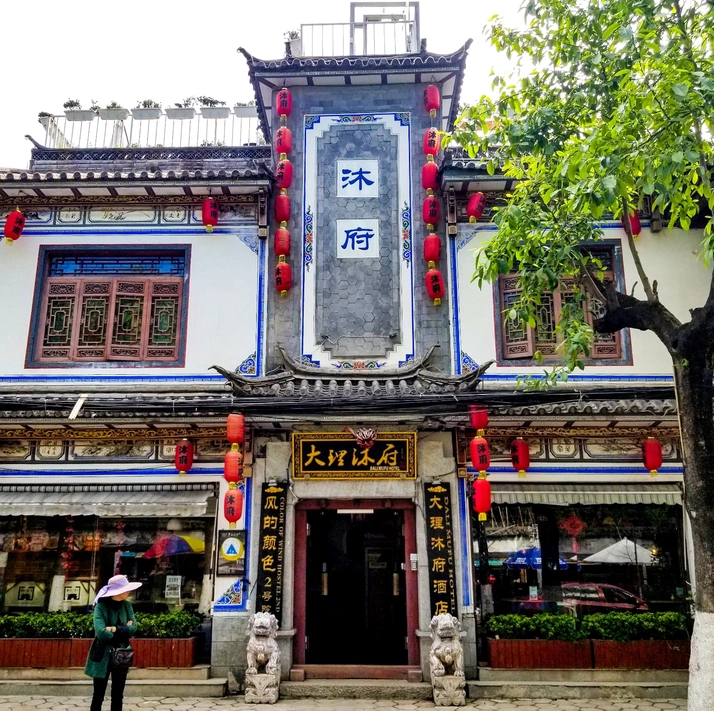
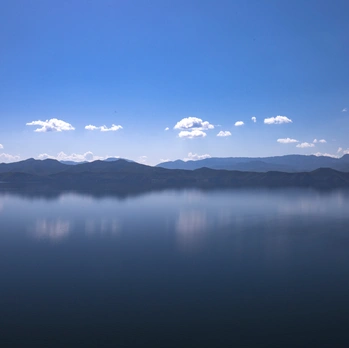
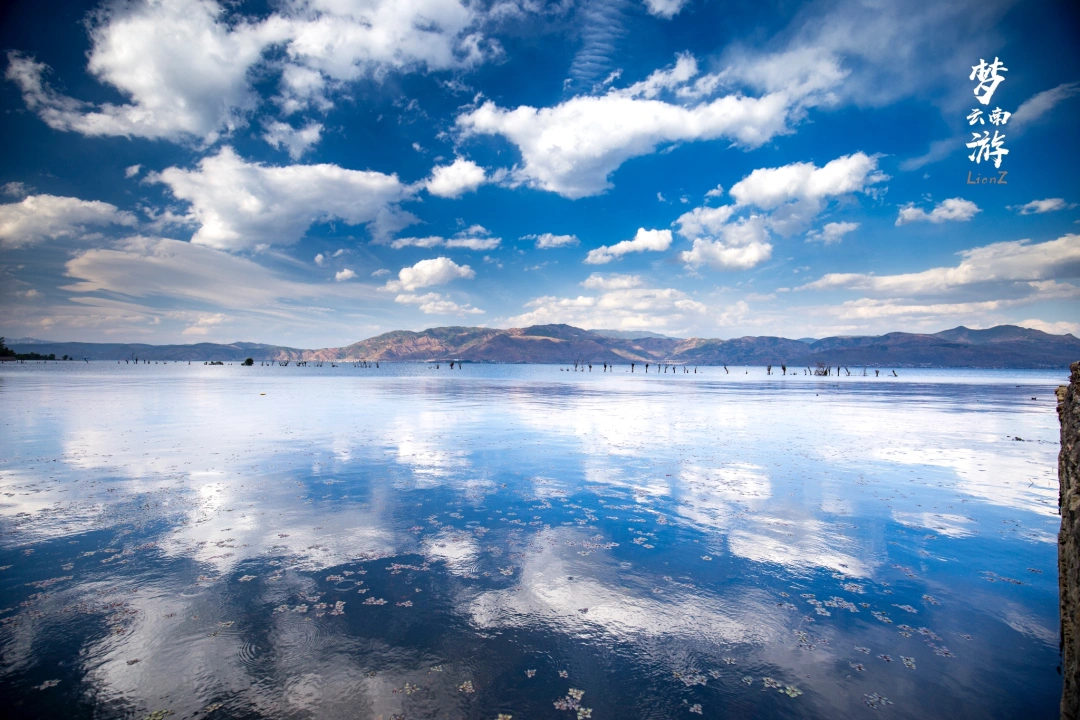
I bought some fried fish and a fruit platter at the park entrance, snacking as I walked. The scenery on either side was entirely different—one side of the lake was calm as an oil painting, the other rippled with waves, sunlight dazzling the eyes.
The Couple Tree: Two banyan trees leaning on each other, growing into one. Lucky to grow with you, to spend a lifetime together.
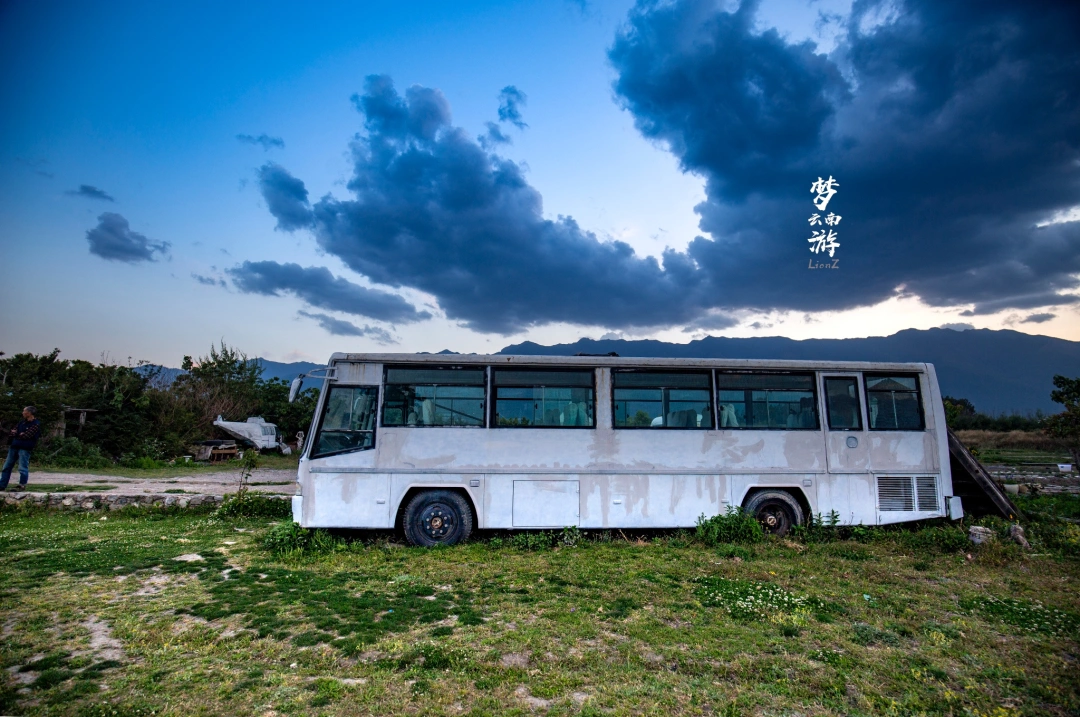
The White Bus: An Unexpected Bonus
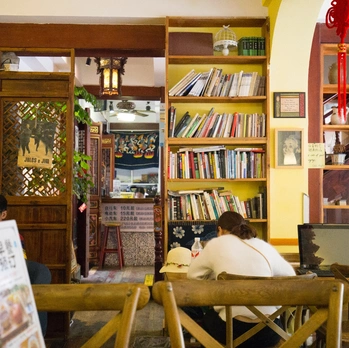
If you don't mention it to the driver, you'll miss the white bus parked near a flower field. The owner let me take photos for free—a pleasant surprise.
Dinner: Yu Ji Sour Radish Wujiang Fish
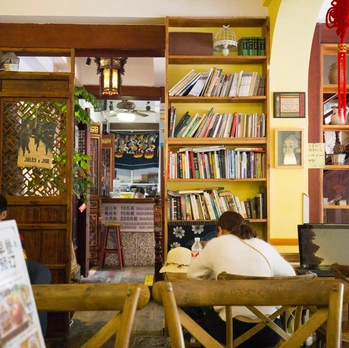
I'd spotted this restaurant on Yeyu Road the night before—popular with locals. The fish was tender, melting in the mouth, and the dipping sauce left me sweating.
The Last Night's Farewell
Back at the hostel, I chatted with the group until late. Reluctant to leave—maybe I hadn't gotten used to saying goodbye. Goodbye, Mufu. Goodbye, Dali. When I step onto this land again, I hope you're still here.
Day 4: Dali → Lijiang – Between Ideal and Reality
Lijiang: A Misunderstood Old Town
If you think Lijiang is all about romance and hookups, I'd suggest you head to Lianhua Street in Zhuhai instead. There are no flashy beauties or endless foot massage parlors here. Lijiang is just an ancient town of black tiles, white walls, stone bridges, and flowing water, set to the soundtrack of folk music.
The disappointing guesthouse experience: A one-night stopover is better suited to a budget hotel. Without the right mindset, a guesthouse is just a bed with four walls.
Getting Lost Is the Best Way to Explore the Old Town
Armed with romance and sentiment, I set out to explore the old town—only to find streets packed with noisy shops, crowds, and bars. The Lijiang of my imagination existed only in online photos. Those "singers" with their raspy voices shattered the peace the town should have.
Escape from Sifang Street: I ducked into alleyways, where I found the Dali Old Town of my memories. Those nameless corners, with their fresh, ancient charm, were delightful surprises.
Naxi Xiaoguoba Restaurant: Highly Recommended
This trendy spot had surprisingly friendly staff. Their signature Naxi grilled meat, horse gang roasted fish, and Lijiang baba (a local flatbread), paired with a pot of plum wine, made for the best meal of the trip. The grilled meat, wrapped in mint leaves, was rich but not greasy—worth ordering a second portion.
Night Photography: A Hongya Cave Vibe?
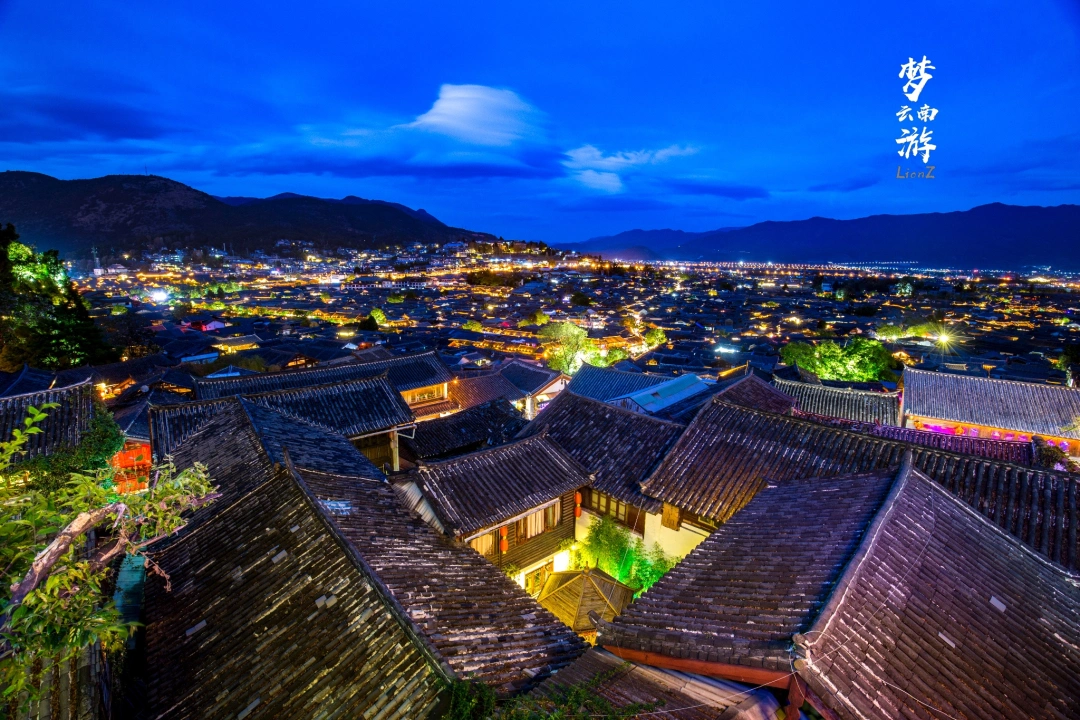
From the observation deck at Dayan Huaxiang, the setting sun beckoned me toward Lion Hill. But when I reached the top, the gate was closed. I settled for a 60 RMB juice at a nearby restaurant, set up my tripod, and waited for nightfall.
As darkness fell, the ancient buildings lit up. Did this sleepless city remind anyone of Hongya Cave in Chongqing?
Day 5: Lijiang → Lugu Lake – The Joy of Self-Driving
Rental Car Troubles
I checked the weather forecast: rain in both Shangri-La and Lugu Lake, which dampened my spirits. The rental shop owner suggested now wasn't the best season for Shangri-La, so I decided to drive to Lugu Lake instead.
Lesson #3: Always bring your driver's license copy! Shenzhou Car Rental refused me without it. I finally managed to rent from "Hexie Car Rental," Yunnan's largest company, using a photo of the license instead of the original.
Mountain Driving: The Taste of Freedom
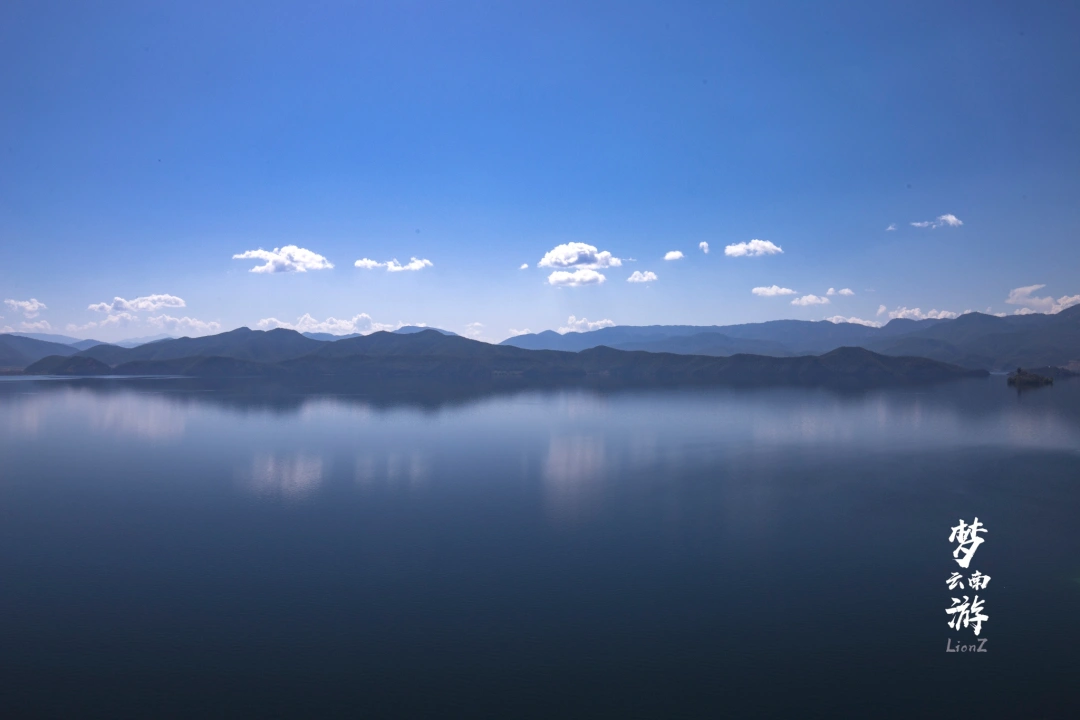
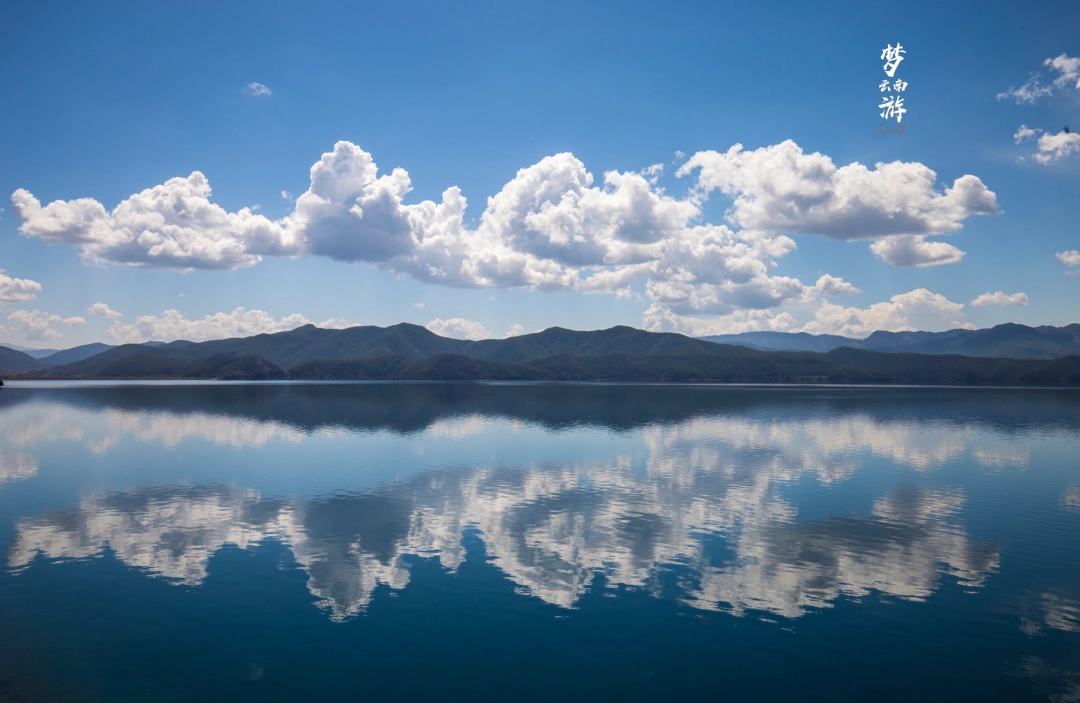
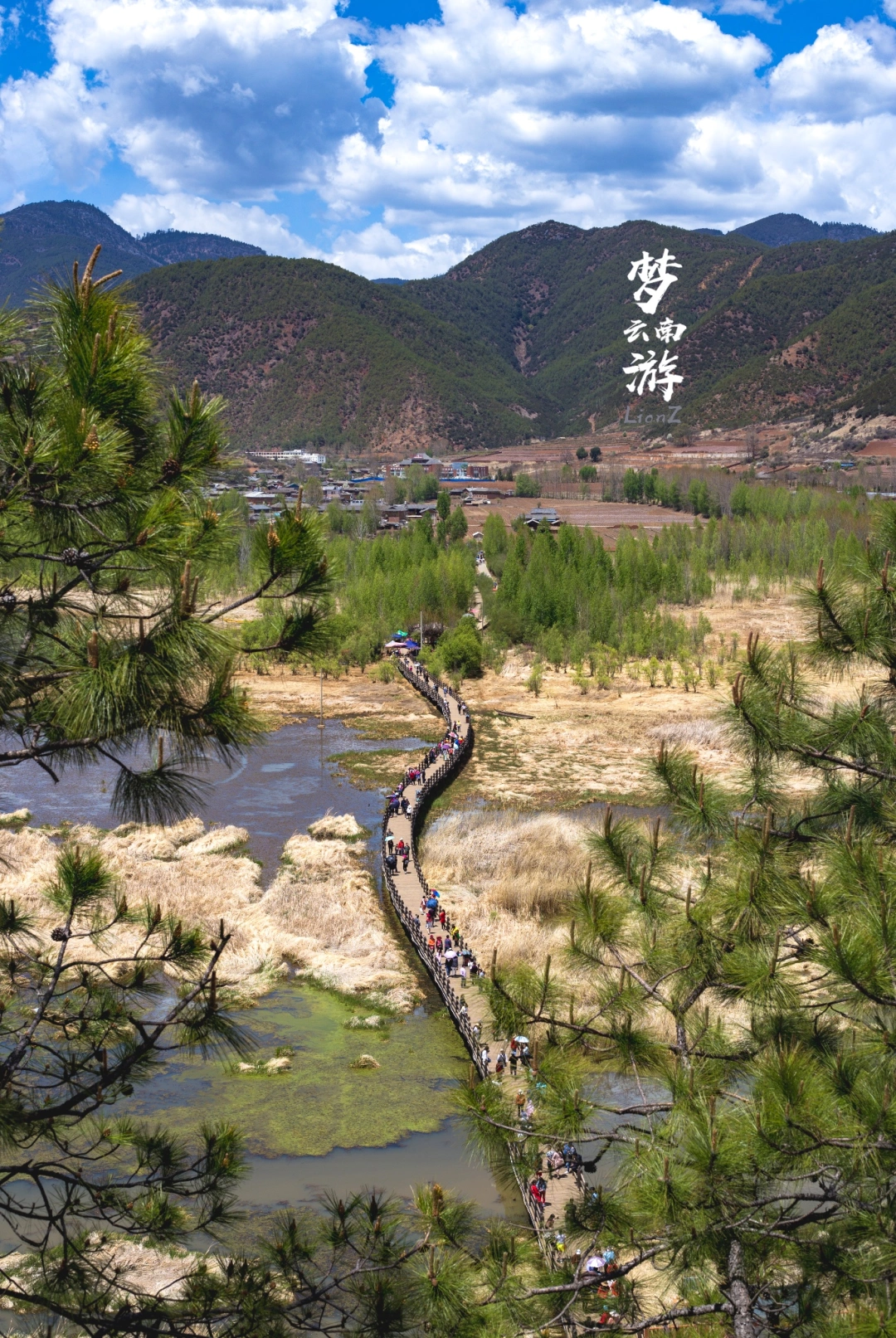
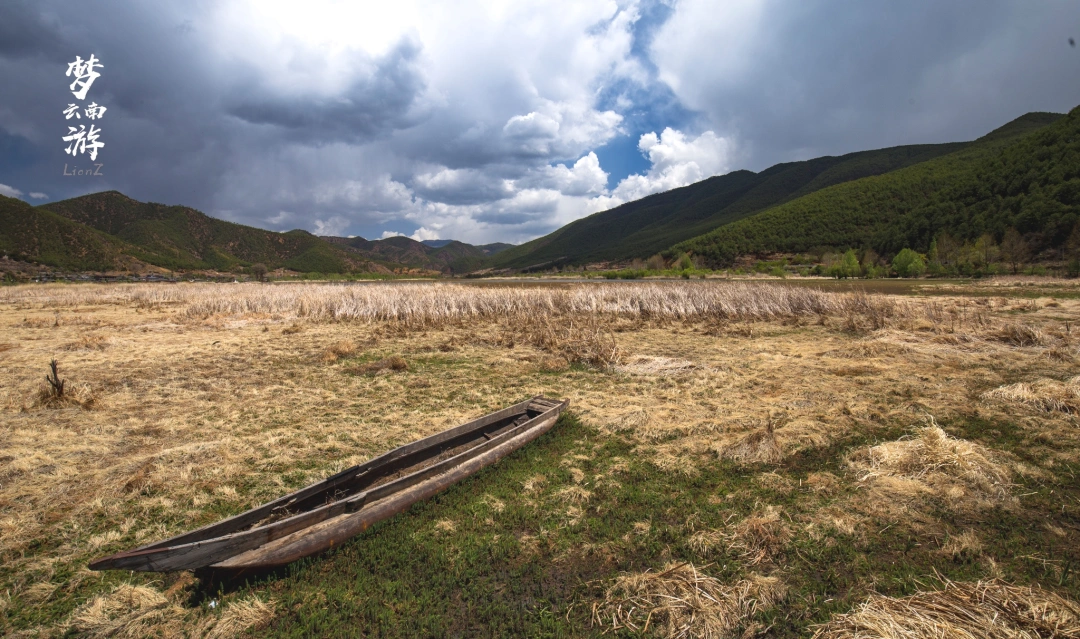
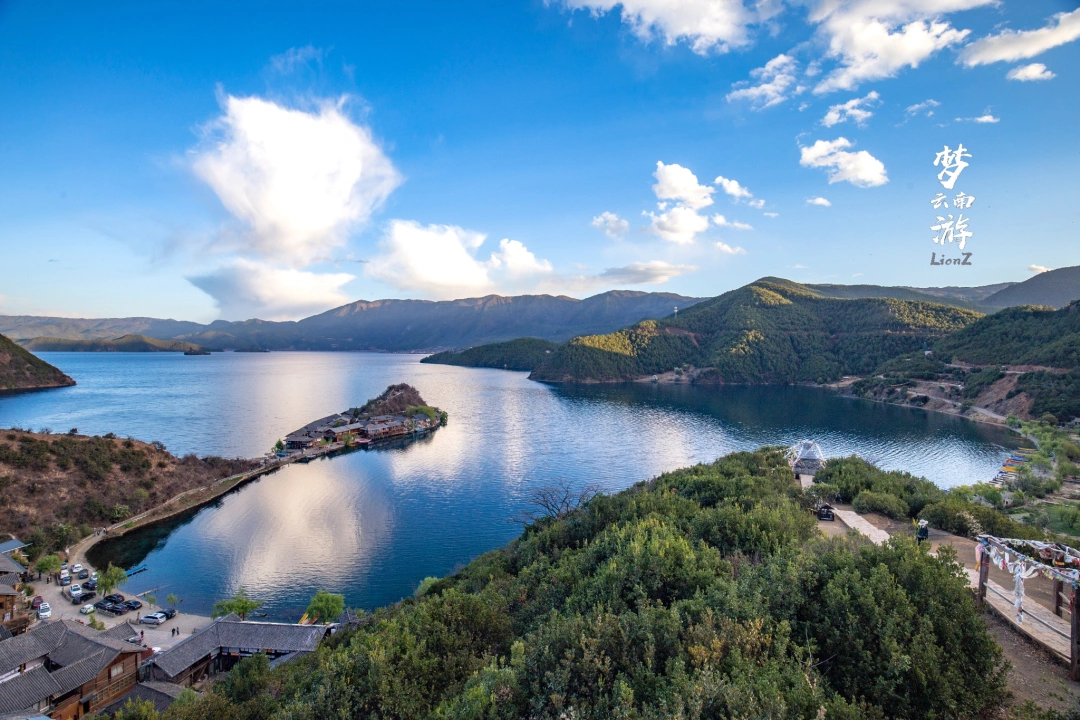
The mountain road from Lijiang to Lugu Lake wasn't easy, but the scenery was a revelation for someone who's lived on the plains all their life. Self-driving makes you happy because freedom itself lifts your spirits.
Reminder: Drive carefully—don't get distracted by the views.
Conclusion: The Meaning of Travel
Eight days. From Shenyang to Kunming, from Dali to Lijiang, from Lugu Lake to Shuhe. I didn't visit every attraction, didn't take perfect photos, and even missed the Wutong Inn in Shuanglang and the rapeseed flowers in Xizhou.
But it's these regrets that made the trip real. I learned to chat with strangers in hostels, to get lost in old town alleys, and to accept farewells.
Dali taught me to slow down. Lijiang taught me to distinguish noise from tranquility. Lugu Lake taught me to embrace freedom.
If you ask me whether I'd go again: of course. Next time, I might not go alone, but I'll carry the same anticipation—to meet those fascinating souls, to feel those sharp edges that life has dulled.
Final Tips: - Bring all documents: ID, driver's license, credit card - Sunscreen is a must—Dali's sun is brutal - Hostels are great for making friends; don't be afraid to speak up - Getting lost in Lijiang Old Town is the right way to explore - Self-driving offers far more freedom than group tours
May we all find, on our journeys, that warm and kind version of ourselves.
You should also read:

Solo in Yunnan: A Wanderer’s Guide to the Land of Eternal Spring
Solo in Yunnan: A Wanderer’s Guide to the Land of Eternal Spring There’s something magical about traveling alone. No compromises, no schedules to keep, no one to please but yourself. I’ve been on the road for nearly three months now, and not once have I…
Continue reading...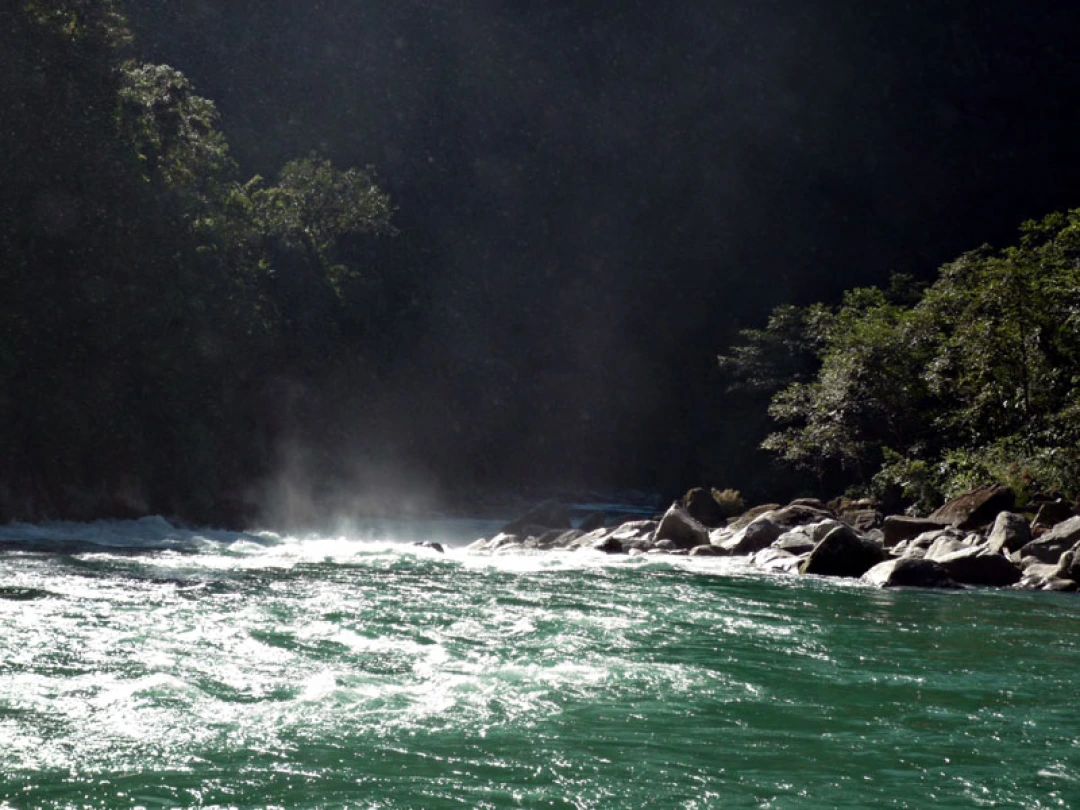
Into the Hidden Valley: A Solo Journey Through the Mysterious Dulong River
Into the Hidden Valley: A Solo Journey Through the Mysterious Dulong River Deep in the northwestern corner of Yunnan Province, tucked away from the modern world, lies a place that feels like a secret whispered among mountains. The Dulong River Valley is not just a…
Continue reading...
God’s Abandoned Palette: A Self-Drive Journey Through Yunnan’s Dongchuan Red Land
God’s Abandoned Palette: A Self-Drive Journey Through Yunnan’s Dongchuan Red Land Travel has never been about reaching some distant geographic coordinate. It’s about encountering, along the way, the version of yourself buried beneath the rubble of daily routine. During this May Day holiday, I finally…
Continue reading...