Lijiang and Dali Erhai Lake: A Six-Day, Five-Night Free Independent Journey, a Slow Trip to Heal the Soul
Lijiang and Dali Erhai Lake: A Six-Day, Five-Night Free Independent Journey, a Slow Trip to Heal the Soul
Life needs a little sense of ceremony, and travel is the best way to infuse ordinary days with poetry. If you, too, long to escape the city's clamor and find a place where your soul can slow down, then Lijiang and Dali in Yunnan might just be calling your name. This six-day, five-night free independent journey, I treat as a gift to my future self—capturing real moments in words and images, hoping that years from now, I can still feel the breeze and sunshine of those days. If this sharing offers you a spark of inspiration, that would be my greatest joy.
Pre-Trip Preparation: Sunscreen and Warmth, Both Essential
The ultraviolet rays in Yunnan are a force to be reckoned with. The moment the sun shows its face, its piercing heat feels like it can penetrate your skin. So, sunscreen is the top essential in your backpack, and a hat and sunglasses should be carried with you at all times. Don't assume the season will be warm—this is a classic case of "four seasons in one day." The temperature difference between morning and evening is extreme. A down jacket or padded coat is a must (unless you're naturally resistant to cold, that's another story). At noon, under the sun, you'll want to wear just a t-shirt, but once you take off your coat, long sleeves are just right. Remember, in Yunnan, you need to dress like an onion—in layers—to handle the changing conditions.
Day 1: From Shanghai to Lijiang, First Encounter with the Old Town's Gentleness

Flying to the Plateau, My Body's Little "Protest"
I booked the plane tickets a month and a half in advance, comparing prices repeatedly before settling on the "fly to Lijiang, return from Dali" route. The round trip, including fuel surcharges, cost 2,050 yuan. From Shanghai Hongqiao to Sanyi Airport, the flight took 3 hours and 45 minutes. I had done plenty of research before departure but overlooked a basic fact—both Lijiang and Dali are plateau regions. Lijiang's average altitude is 2,416 meters, and Dali's is 2,090 meters. Upon landing, I felt dizzy, initially thinking it was motion sickness from looking out the window too long, but later realized it was mild altitude sickness. To make matters worse, I had the beginnings of a cold. Luckily, my sister brought cold medicine, which became my "lifesaver" for climbing Jade Dragon Snow Mountain the next day.
First Steps into the Old Town, A Symphony of Flowers and Light
Booking through Ctrip came with a free airport pickup service—just had to contact the driver in advance, very convenient. Most locals are down-to-earth and talkative; their Mandarin has a bit of an accent, but communication is no problem. We stayed at the Atour Hotel near Lijiang Old Town (390 yuan/night, including breakfast). After dropping off our luggage, we set out to explore the old town around 3:00 PM.

A ten-minute walk from the hotel brought us to the Big Water Wheel. Everywhere in the old town, women were braiding colorful hair strands, 10 yuan for six. Online, there are two stories about these braids: some say they're "widow braids" with bad luck attached; others believe the rainbow braids symbolize good fortune, rooted in legends of the Ancient Tea Horse Road. If you're superstitious, you can skip them; if you just think they look nice, go ahead and get them.
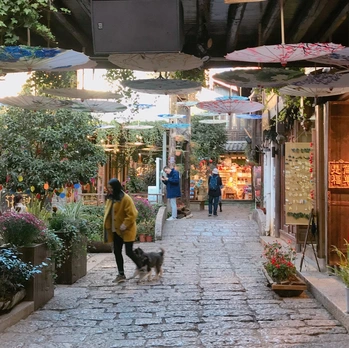
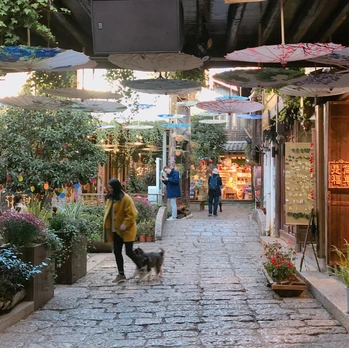
By the Big Water Wheel, wind chimes covered in wishes hung from the trees, carrying the good hopes of visitors. But what captivated me most about the old town were the flowers—every little shop, every inn was surrounded by blossoms. Flowers are the signature of Lijiang Old Town, setting it apart from countless other ancient towns. Around every corner, there was a visual surprise.
One thing worth noting: from any spot in the old town, you can see the snow-capped mountain. The awe of seeing it with your own eyes is something no phone camera can capture. At 6:30 PM, the twilight of the old town needed no filter—the natural play of light and shadow was stunning. We found a milk tea shop, sat on the second floor, sipped and snapped photos, whiling away the time leisurely. The old town is livelier at night, but my sister and I aren't bar-goers, so we headed back to the hotel as darkness fell.
Day 2: Jade Dragon Snow Mountain and Blue Moon Valley, A Symphony of Ice and Emerald Waters
Climbing the Snow Mountain: A Challenge in Every Breath
A week in advance, I booked a small group day tour on Ctrip (456 yuan/person, including the big cable car, a minibus, and lunch). Lucky for us, we caught the last ride before the cable car's maintenance shutdown (December 20-25, with a regular check on the 20th of each month). I recommend scheduling the snow mountain trip for the third or fourth day, giving your body time to adjust to the altitude.
At 6:50 AM, our driver and guide, Sister Mu, picked us up on time. I hadn't slept well the night before and was still a bit dizzy, so I took a cold pill; half an hour later, I felt much better. By the time we reached the foot of the mountain, it was past 8:00 AM. Each of us received two oxygen canisters. First, we took a bus to the cable car station, then rode the cable car up (about 8 minutes). After getting off at the glacier park at 4,506 meters, visitors can climb on their own to 4,680 meters. The boardwalk was designed thoughtfully—every few steps of stairs there's a flat area to catch your breath. I was panting heavily with each step, but a deep inhale of oxygen instantly revived me. Of course, some people threw up as soon as they got off the cable car—so know your limits.
This season, the snow mountain was breathtakingly beautiful. Endless white made this kid from the south giddy with excitement. On the mountain, it was hot enough to sweat in the sun and cold enough to shiver in the shade. We stayed for about an hour before taking the cable car down to avoid worsening altitude sickness.
Blue Moon Valley: A Diamond Sea Under the Sun

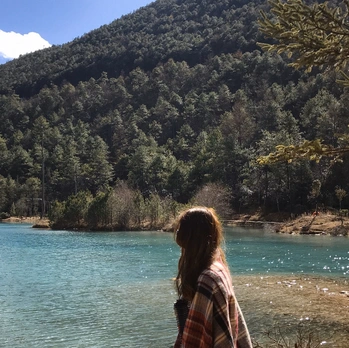
After lunch, we headed to Blue Moon Valley. It consists of Jade Liquid Lake, Mirror Pool Lake, Blue Moon Lake, and Listening to Waves Lake. The water was crystal clear, and when sunlight hit it, it looked like countless diamonds were sparkling. The wind was strong, and clouds moved quickly, sometimes blocking the sun, sometimes letting the light pour down. I suggest bringing sunglasses—otherwise, your eyes will struggle with the sudden changes in brightness. Even though many dead trees stood in the lake, it didn't detract from the beauty. Around 3:00 PM, my sister wasn't feeling well, so we headed back to the hotel early to rest.
Day 3: Mu Mansion and Sifang Street, Echoes of History
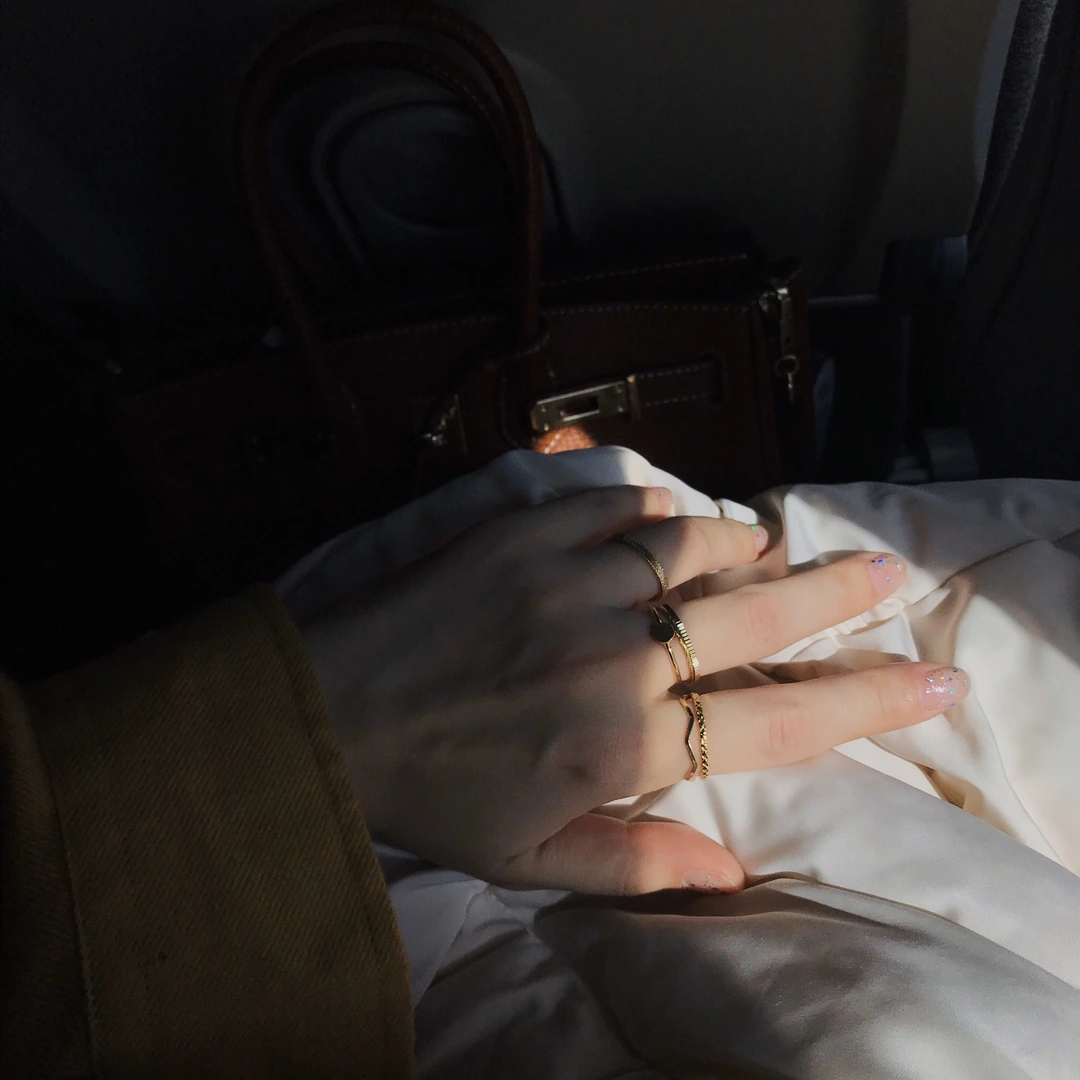
Sleeping In, Then Heading Out Slowly
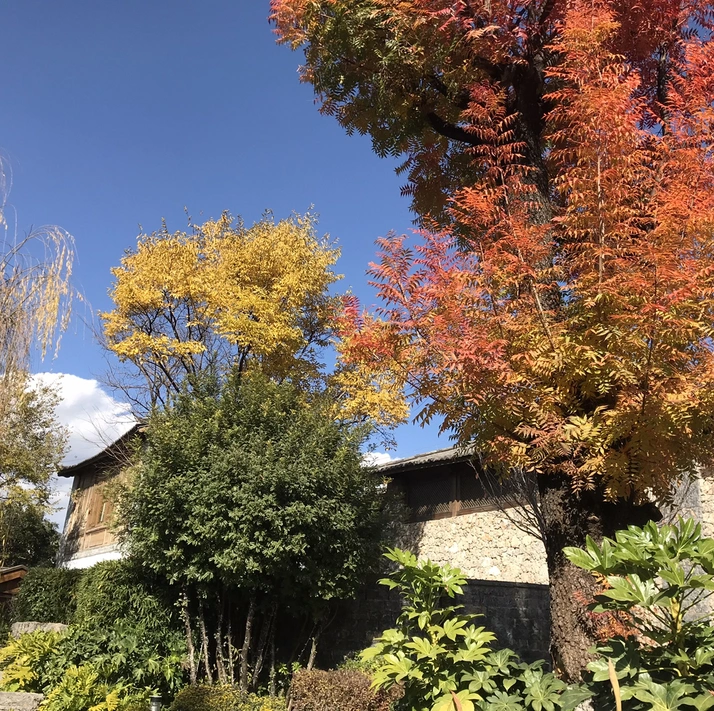
This day was planned to be especially relaxed. After breakfast at the hotel, my sister holed up in the room and finished watching the entire second season of The Blind Swordsman (a TV series). At 2:30 PM, we took a Didi to the Yunxueli Restaurant (a high-rated spot on Dianping). We ordered steam pot chicken (汽锅鸡, chicken steamed in a clay pot), Bai-style grilled meat (白族烤肉), and pineapple fried rice (菠萝饭), totaling 198 yuan. The food was decent, but the milk tea had a rich tea flavor that I really liked.
Mu Mansion: If You Haven't Seen Mu Mansion, You Haven't Seen Lijiang
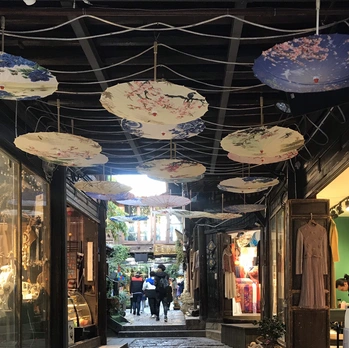
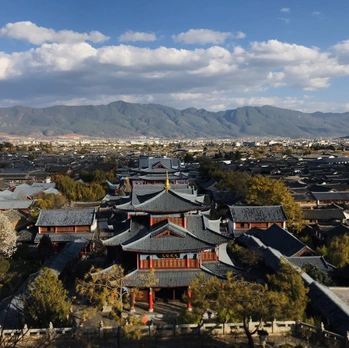
After the meal, we walked 700 meters to Mu Mansion. Admission was 40 yuan. Inside, a free guide told the story of the Naxi chieftain, Lord Mu. Naxi architecture is primarily wooden, with roofs featuring "phoenix before dragon," reflecting respect for women. The guide, dressed in the traditional Naxi "wearing the stars and moon" outfit, made the stories fascinating. Finally, we climbed to the highest point of the mansion to overlook the entire complex. "The Forbidden City in the north, Mu Mansion in the south" might be an exaggeration, but it's definitely worth a visit.
After leaving Mu Mansion, we wandered into a Dongba paper shop. The owner explained that Dongba paper can last forever—rough and thick, with great texture. I bought a sketchbook, and the owner wrote my name and a blessing in Dongba script, making it truly special.
Day 4: Train to Dali, An Encounter with Ancient Town and Cuisine
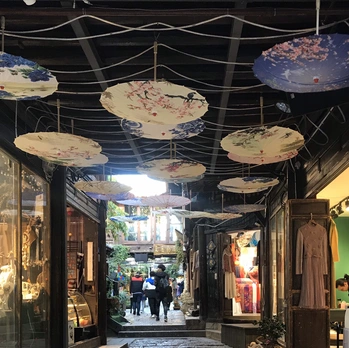
From Lijiang to Dali, The Slow Pace of an Old-Style Train
I booked a train ticket from Lijiang to Dali on 12306 (49 yuan/person). In the morning, we took a taxi from the hotel to Lijiang Station, a 20-minute ride. The old-style train wasn't as comfortable as a high-speed rail, but the soft seats were spacious. Along the way, the train stopped multiple times to let high-speed trains pass, with no announcements—a bit confusing. The journey took about 2 hours and 35 minutes, arriving on time.
We checked into the Molan Inn (墨澜客栈) booked through Ctrip (free pickup and drop-off for stays of two nights or more). The butler contacted us a day in advance to arrange a driver to meet us at the station, costing 60 yuan. The inn's rooftop succulent garden was a pleasant surprise—a great spot for photos.
Dali Old Town: Duan Gongzi and a Sense of Time Travel
Around 3:00 PM, we asked the butler to arrange a ride to Dali Old Town. Compared to Lijiang, Dali's old town felt more ancient, but the shops were quite standardized. The museums, however, caught my interest more. For dinner, we chose the trendy restaurant "Duan Gongzi" (段公子, Master Duan). The place was decorated in an antique style, with waitstaff in period costumes and classic old songs playing—it felt like stepping into a Jin Yong martial arts world. The "Wind, Flower, Snow, Moon" fish (风花雪月鱼) was sour and spicy, the Bai-style grilled meat was average, and the pineapple rice was sweet and sticky. The three dishes came to 214 yuan. After the meal, the staff gave us a "Martial Arts Secret Manual" guidebook—a thoughtful touch.
Day 5: A Day Around Erhai Lake, From Xizhou to Shuanglang
Instagram-Worthy Spots and Xizhou's Original Charm

We hired a car to circle Erhai Lake for the day, costing 400 yuan with no time limit. Our first stop was the iconic glass ball photo spot—10 yuan for unlimited photos. A bit awkward, but you can get a good shot. Next was Xizhou. We visited the Hou Lu (侯庐, a historic residence, admission 20 yuan), where a "Jinhua" (local guide) gave a free explanation of Bai history. Bai architecture features white walls and grey tiles, with intricately carved decorative walls. Afterward, we sampled the "Wind, Flower, Snow, Moon" four types of tea—a great experience.
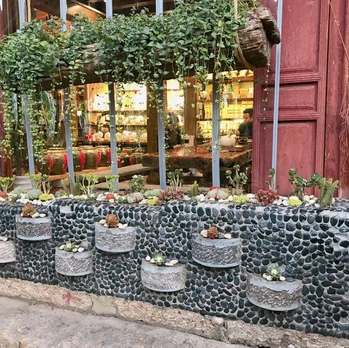
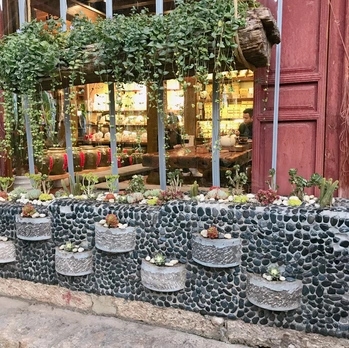
Xizhou retains the feel of an original ancient town, with handmade shops that make you want to linger. Our driver, Master Luo, pointed to a phone booth and said it was an Instagram hotspot—we only then realized. The local baba (粑粑, a flatbread, 10 yuan) was best eaten hot, crispy on the outside and soft inside.
Tie-Dye Experience: A Unique Intangible Cultural Heritage Memory
The third stop was a tie-dye experience—my favorite part of the day. A small square cloth cost 60 yuan, a scarf 150 yuan. After choosing a pattern, you use a plastic template to secure it, then an elderly woman teaches you the technique. It looks simple, but the "tying" step tests your patience. Once everything is tied, you throw it into a pot of indigo dye and boil it for 8 minutes. Then you cut the threads, and you have a one-of-a-kind piece. I plan to frame mine as home decor.
Shuanglang and Xiaoputuo: Healing Time by Erhai Lake
Shuanglang is more developed than Xizhou but still retains local character. Close to Erhai Lake, with blue skies, clear water, flowers, and greenery, it felt incredibly relaxing. Next time, I might stay here, slowly exploring small shops, learning pottery or African drumming.
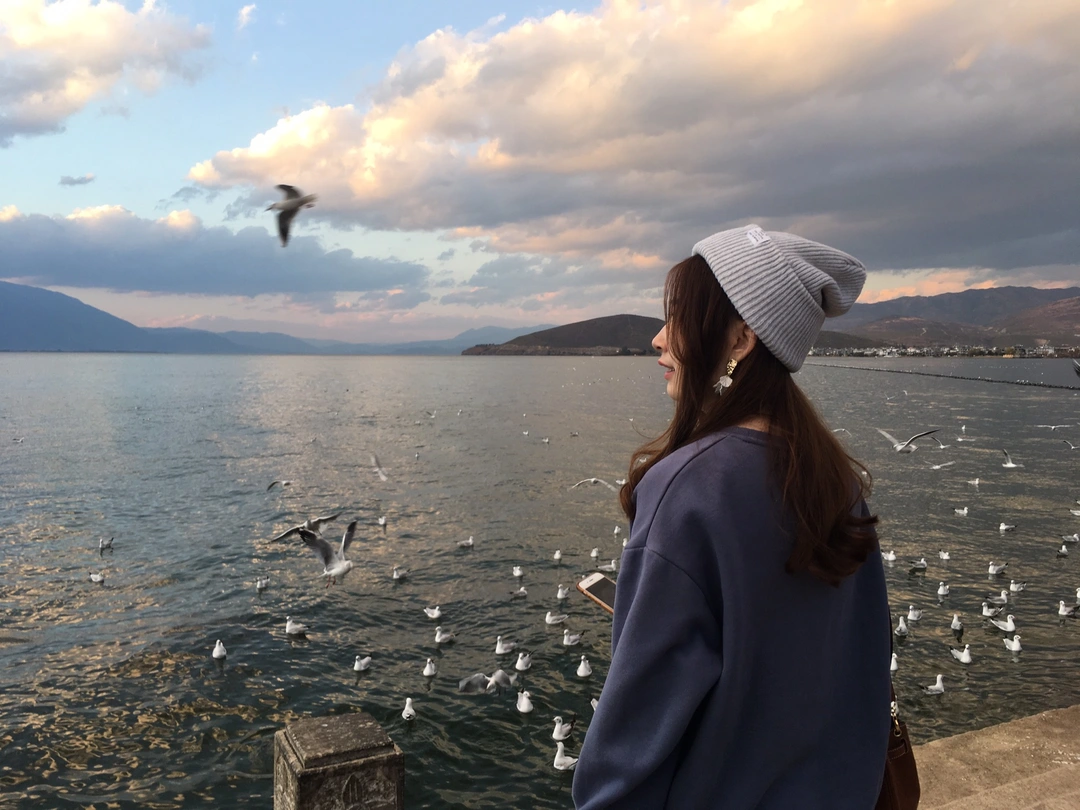
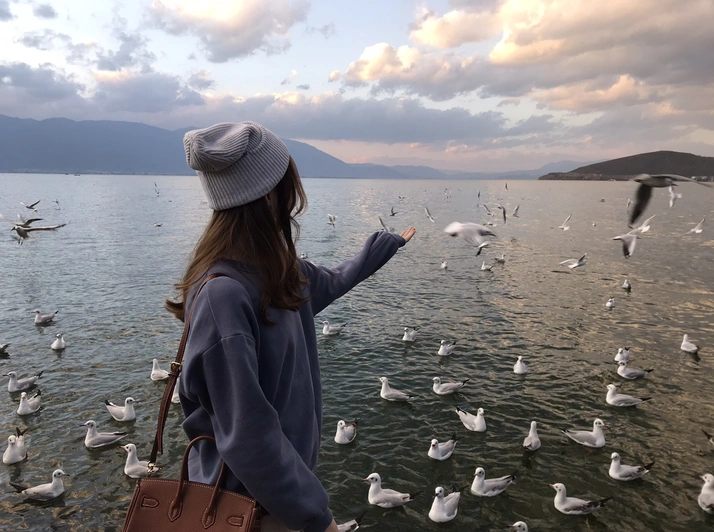
Leaving Shuanglang, we arrived at Xiaoputuo (Little Putuo Island). This tiny island, under the evening sky at 6:00 PM, was unreal. Flocks of seagulls circled and rested on the lake's surface. Some people were selling dried fish to feed them, but I chose not to—such a beautiful lake needs everyone's protection. The best season to see the seagulls is winter; in spring, they fly back to Siberia.
On the way back, Master Luo took us to the "Most Beautiful Road" for a photo op. But honestly, the whole journey was beautiful—the changing clouds and light were the real attraction. This day, from 9:30 AM to past 8:00 PM, was my most exhilarating one.
Day 6: Saying Goodbye to Yunnan, Leaving a Beautiful Regret
On the last day, I finally tried Yunnan-style cross-bridge rice noodles (过桥米线) at the inn's breakfast. The inn offered a free airport drop-off, a 40-minute drive to the airport. The return trip went via Kunming for a transfer—next time, I might take the high-speed train to Kunming for more convenience. The clouds were too thick to see the sunrise, but leaving one regret gives me a reason to come back.
Afterword: Recording with Your Eyes, Feeling with Your Heart
All photos were taken with a phone, and 80% are unedited. Not because I'm lazy, but because what you see with your eyes is far more beautiful than what the lens captures. Many times, we raise our phones only to lower them—because what's on the screen has lost its "truth."
Everyone's feelings and preferences are different. What I love may not be precious to you. So, go and experience it for yourself, feel it for yourself. Don't blindly trust others' recommendations—I say this to myself as well.
Key Reminders
- Sun Protection and Warmth: Strong UV rays on the plateau, large temperature differences—layered dressing is most practical.
- Altitude Sickness: You may feel dizzy upon arriving in Lijiang; bring cold medicine and oxygen.
- Snow Mountain Trip: Schedule for the third or fourth day; avoid cable car maintenance days (the 20th of each month).
- Erhai Lake Protection: Don't feed the seagulls; don't buy or sell food casually.
- Accommodation Choices: Shuanglang is better for a relaxed vacation; Xizhou retains original charm.
May your Yunnan trip be as full of surprises and emotions as this journey was.
You should also read:
Two Girls' Graduation Trip: Dali and Shuanglang – A Poetic Farewell to Mountains and Sea
Two Girls' Graduation Trip: Dali and Shuanglang – A Poetic Farewell to Mountains and Sea Preface: Catching the Tail of Youth, Heading South During our senior year of college, my roommate and I – two girls studying in Beijing – decided to bid farewell to…
Continue reading...
Cloud Travelogue · Dali of Wind, Flowers, Snow, and Moon: A Three-Day, Two-Night Journey of a Free Spirit
Cloud Travelogue · Dali of Wind, Flowers, Snow, and Moon: A Three-Day, Two-Night Journey of a Free Spirit I am a cultured female foodie with a touch of rogue charm. I slung on my backpack, took my lover's hand, and set off on a spontaneous…
Continue reading...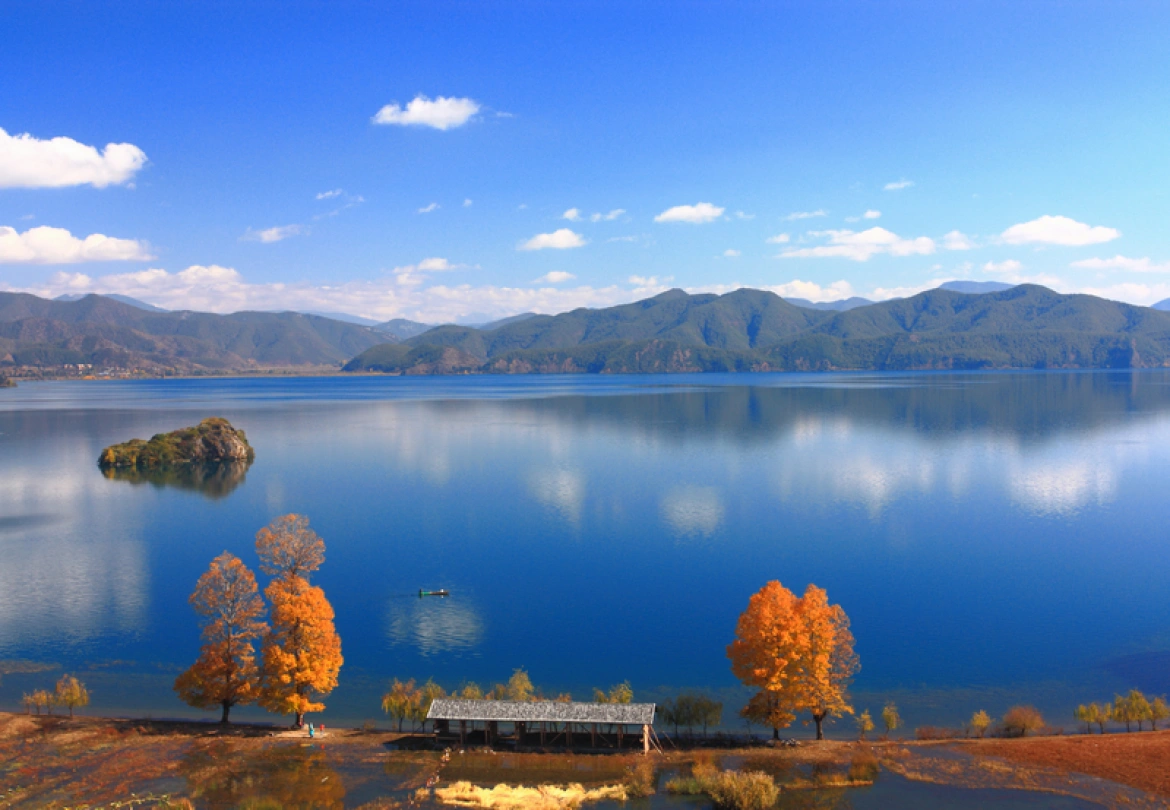
A Spiritual Journey to Lugu Lake in Lijiang: Experiencing the Legend of the Kingdom of Women! (Reproduction and Hotlinking Prohibited)
A Spiritual Journey to Lugu Lake in Lijiang: Experiencing the Legend of the Kingdom of Women! (Reproduction and Hotlinking Prohibited) Off-road自驾, food, hotel and民宿 reviews, Featured Traveler, Tank 300 owner, 200,000 km of self-driving experience. WeChat: y01294987 Ninglang Yi Autonomous County 2010.11.08 · 7 days…
Continue reading...