Living in Yunnan for Another 5 Months: This Time, We Want to Truly "Live in Yunnan"
Living in Yunnan for Another 5 Months: This Time, We Want to Truly "Live in Yunnan"
Preface: From Global Nomads to Rooting Down in Yunnan
If you've been following us for a while, you surely remember our epic round-the-world journey back in 2019. Back then, Roy and Sue packed their bags, traveled and sang their way across continents, capturing a thousand different ways of life through their lens. We thought that would be the wildest chapter of our lives.

But fate has a funny way of surprising us. After returning to China in 2020, we planned to finish our book and then set off again for Season Two of "A Thousand Ways of Life." Then the pandemic hit like an invisible wall, blocking every plan in its path. We had to stop and rethink: In this extraordinary year, how could we continue exploring the world?
The answer turned out to be simple — if we couldn't travel far, we'd turn our gaze to the land beneath our feet.
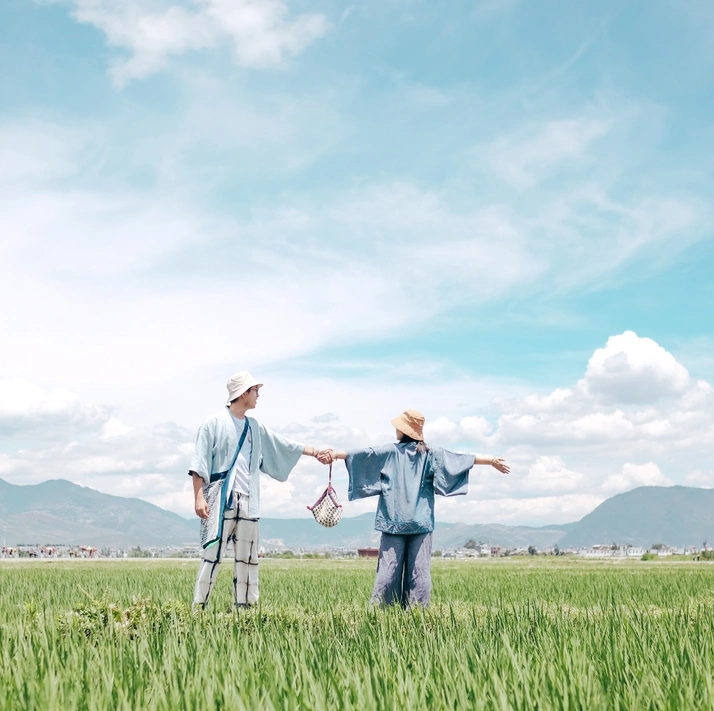
Last year, we moved to Dali. Those days living between the Cangshan Mountains and Erhai Lake sparked an unprecedented curiosity about Yunnan. This place isn't just about breathtaking natural scenery; it's home to incredibly diverse ethnic cultures. Every way of life, every folk story, felt like a door waiting to be opened. So we made a decision: No more rushing through as passersby. We would truly "live in Yunnan."
Living in Yunnan — [Southern Yunnan Route]: Pretending You're in Southeast Asia

Why Southern Yunnan?
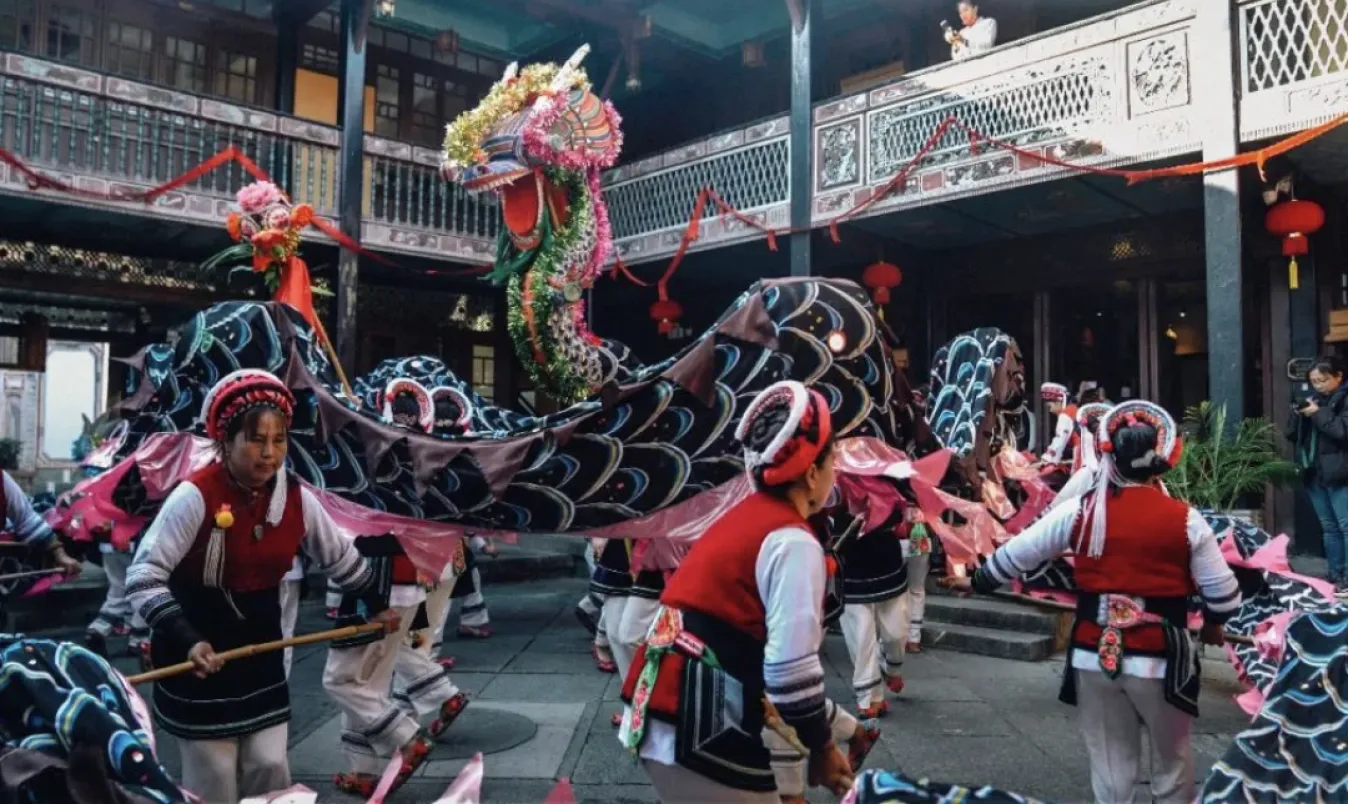
The Southern Yunnan route is the first stop in our "Living in Yunnan" series. This corridor borders Thailand and Myanmar, and its climate, environment, and culture are steeped in that lush, tropical Southeast Asian vibe. If you're longing for exotic scenery but can't leave the country right now, Southern Yunnan will absolutely make you feel like you're abroad.

Of course, beyond the well-known Xishuangbanna (a tropical prefecture in southern Yunnan), we'll also venture into lesser-known spots like Pu'er (a city famous for its tea), Lincang (a border region), and Lancang (a county along the Mekong River). These places might not ring a bell, but they hold some of the most authentic border-town life you'll find.
What We Did in Southern Yunnan
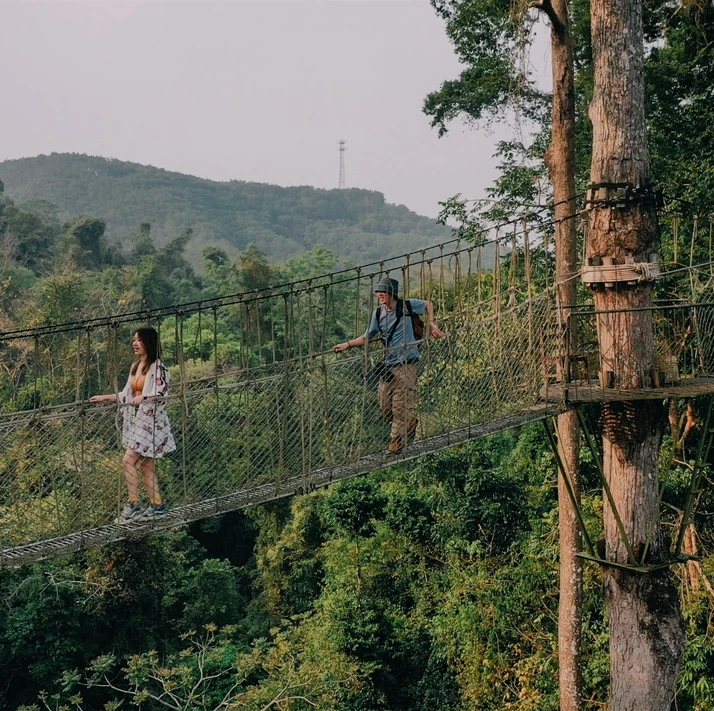
- Tropical Rainforest Jungle Trekking: We followed a local guide through the dense, canopy-shrouded rainforest. Slippery mud underfoot, an impenetrable ceiling of leaves overhead, birds and insects chirping all around — that mix of tension and thrill made us forget the noise of the city instantly.

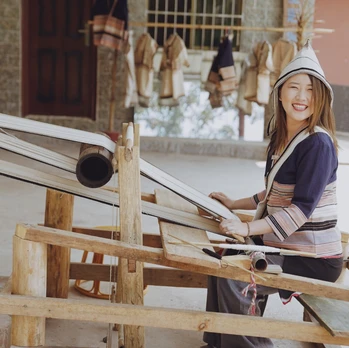
Exploring Local Markets: Border markets are like living folk museums. Dai (Thai ethnic group) grandmothers selling vegetables, Hani (an ethnic minority) uncles grilling fish, Blang (another minority) girls weaving by hand — behind every stall lies a vibrant slice of daily life.
Tea-Picking on the Mountains: Pu'er is one of the starting points of the ancient Tea Horse Road. We headed into the tea mountains, learning to pick and process leaves alongside local farmers. When your fingers touch those tender green leaves and the fragrance of tea spreads through your fingertips, you truly understand the meaning of "one leaf, one world."
Connecting with Different Ethnic Groups: Yunnan is China's most ethnically diverse province. In Southern Yunnan, we met the Dai, Hani, Blang, Lahu (a highland ethnic group), and more. Each group has its own language, clothing, festivals, and beliefs. Sitting down for tea and conversation with them, you realize the world is far bigger than you ever imagined.
Keywords for the Southern Yunnan Route
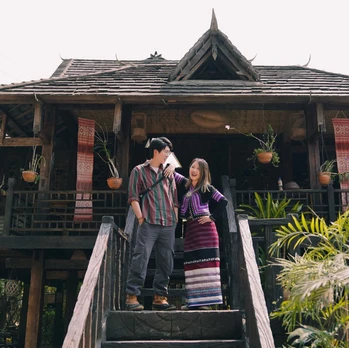
Passion, abundance, and vibrant color. Everything here pulses with that tropical vitality. The sun is blazing, the smiles are radiant, and even the air carries the sweet scent of fruit. If you want the perfect blend of "slow living" and "exotic flair," Southern Yunnan is an unbeatable choice.
Yunnan Series Bonus Preview: Northwest and Eastern Yunnan
The Northwest Yunnan Route: The Rugged Beauty of High Mountains and Deep Gorges
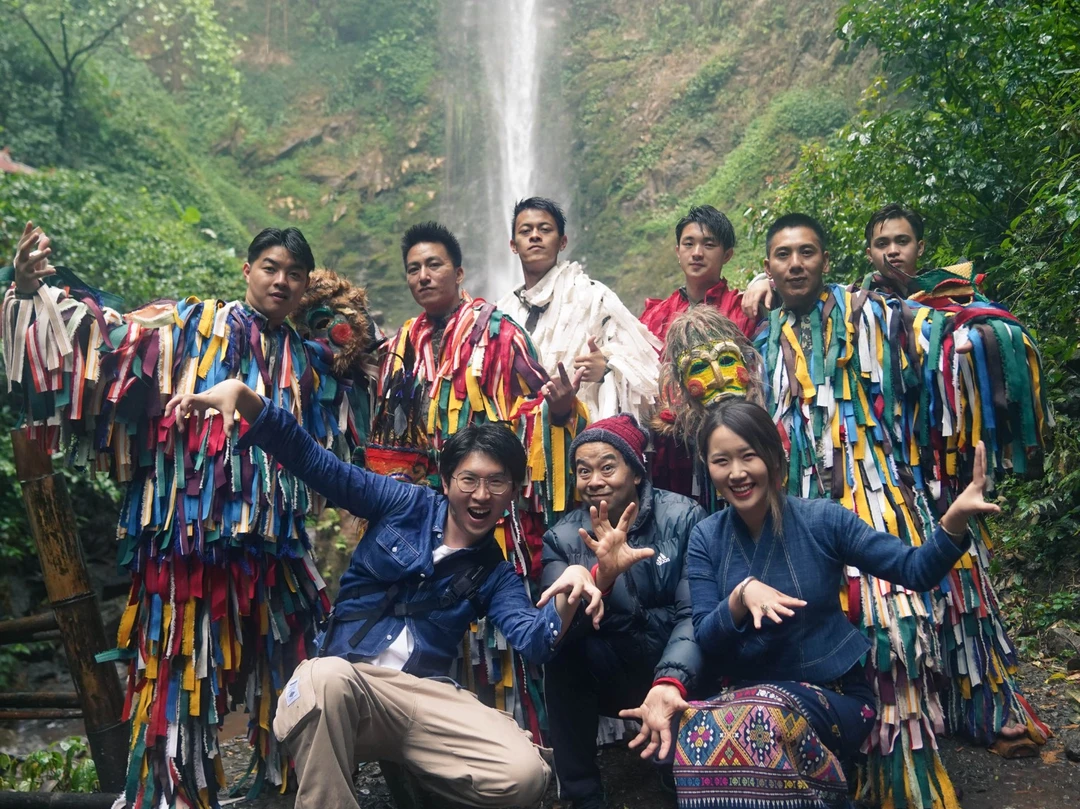
If Southern Yunnan is a gentle tropical maiden, then Northwest Yunnan is a bold Tibetan horseman.
This route covers areas like Lijiang (an ancient town with Naxi culture) and Shangri-La (a high-altitude Tibetan region). Due to the high elevation, the landscape is dominated by towering mountains and deep gorges, and the culture leans heavily Tibetan. We'll dive deep into horse caravan culture — crossing mountain ranges with a packhorse team, spending days on the trail. Picture this: The roaring Nu River (Salween River) below, snow-capped peaks ahead, and the crisp jingle of horse bells in your ears. That kind of awe is something you can never experience in the city.
The Eastern Yunnan Route: The Vitality of Midsummer
By the time we set off, it'll probably be the height of summer. We believe Eastern Yunnan will be lush and bursting with life. This route will cover Dongchuan (known for its red soil), Honghe (famous for rice terraces), and Wenshan (home to the Puzhehei karst landscape). Honestly, these places are relatively unfamiliar to us too. But it's that very unknown quality that makes exploration so meaningful.
The Honghe Rice Terraces, the Dongchuan Red Land, the Puzhehei karst lakes in Wenshan — each is a masterpiece of nature. We can't wait to encounter the most authentic Yunnan there.
A Thousand Ways of Life: Why We Choose "Living" Over "Traveling"
Many people ask us: Why do you always "live" somewhere instead of just "traveling"?
The answer is simple. Short trips are about experiences, learning, and inspiration. But there's always a packed itinerary that leaves no time to truly understand unfamiliar cultures and ways of life. Longer-term living, on the other hand, is about staying in one place without a fixed agenda, giving us the time to fully immerse ourselves in the local rhythm of daily life — the groceries, the cooking, the small talk.
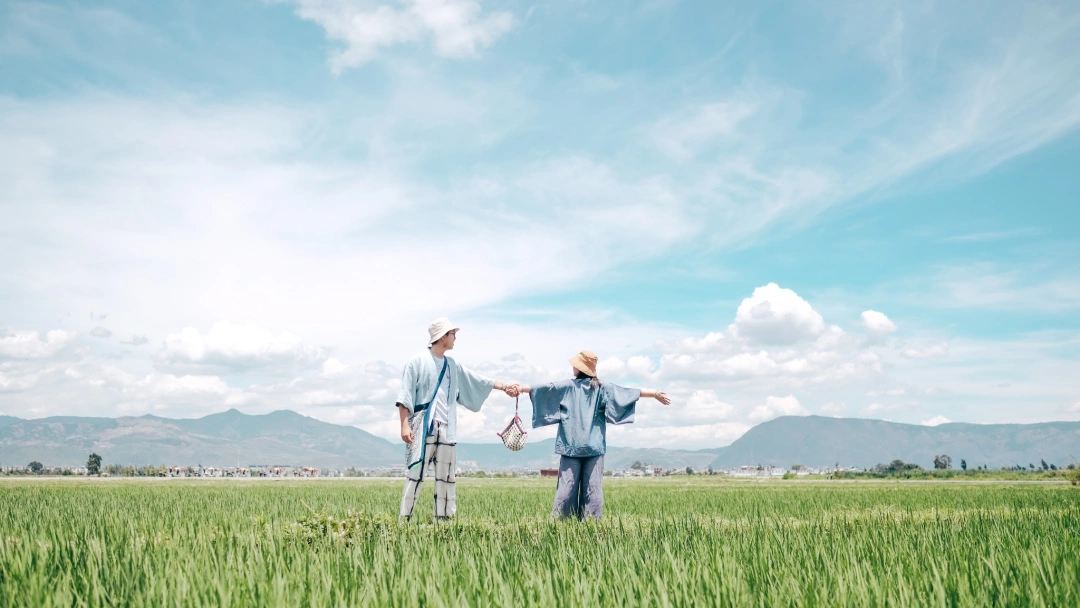
During these months of living in Yunnan, we've cried, we've been scared, we've been exhausted. But more than anything, we've walked every mile with a smile. We've always believed: A happy life is about finding, within your lifetime, what you truly want.
Some people love the steady routine of tea and meals. Some people thrive on the warmth of a big family. Some people crave challenges and adventure. And us? We want to embrace a thousand different ways of life.
Turning travel into a life lived on the road — that's why we named this project "A Thousand Ways of Life."
Interactive Time: Your Yunnan, Your Recommendations

Throughout our Yunnan journey, whether there's a place you've always wanted to see, somewhere you've been and can't stop recommending, or you'd like to invite us to your hometown (and play tour guide), please leave us a comment!
We might just adjust our route and head to the place you suggest. After all, isn't the beauty of travel about stumbling upon unexpected surprises?
Conclusion: Live in Yunnan, Live in the Moment
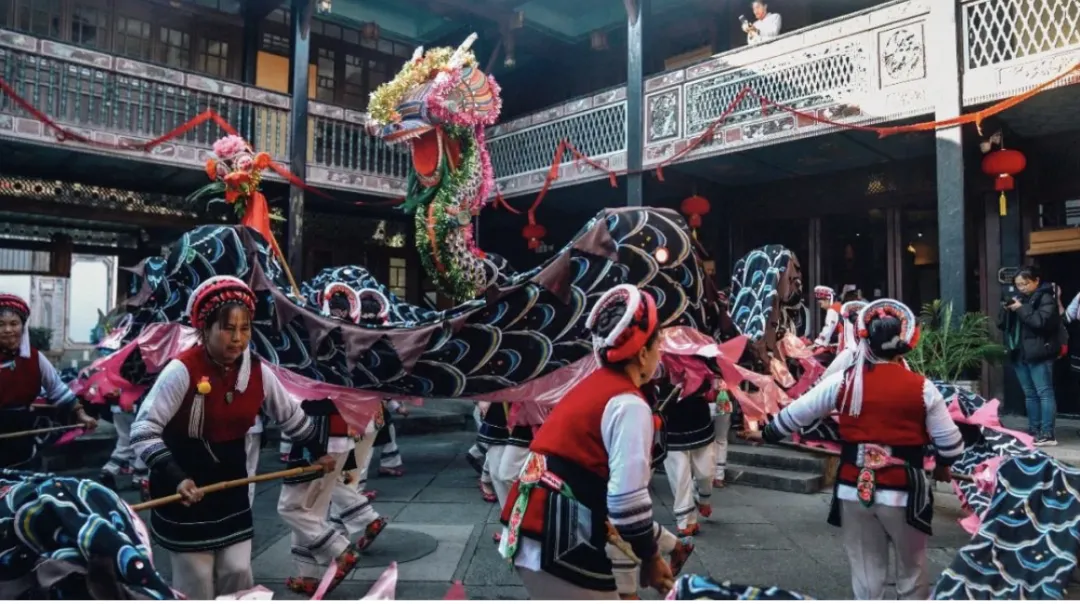
Five months of living here have given us a whole new understanding of "life."
Before, we used to think life was about "poetry and distant horizons." But now, we're more inclined to believe: Life is right under your feet, right here, right now. Every mountain in Yunnan, every river, every smiling face tells us: You don't have to wait until tomorrow. You don't have to go far away. As long as you feel deeply, every day is the best journey.

If you're tired of the superficial, check-the-box style of travel, why not try "living" somewhere? Find a place you love, settle in, and do what the locals do — shop for groceries, cook, take walks, chat. You'll discover that the real journey isn't about how many places you've been, but how deeply you've connected with one.
Roy & Sue
A pair of wandering minstrels who travel, sing, film, and tell stories together
A lifetime of romance, never ending
Eat till we're old, play till we're old
Experiencing the world's "thousand ways of life"
This article is original content. Please contact the author for reprint requests.
You should also read:
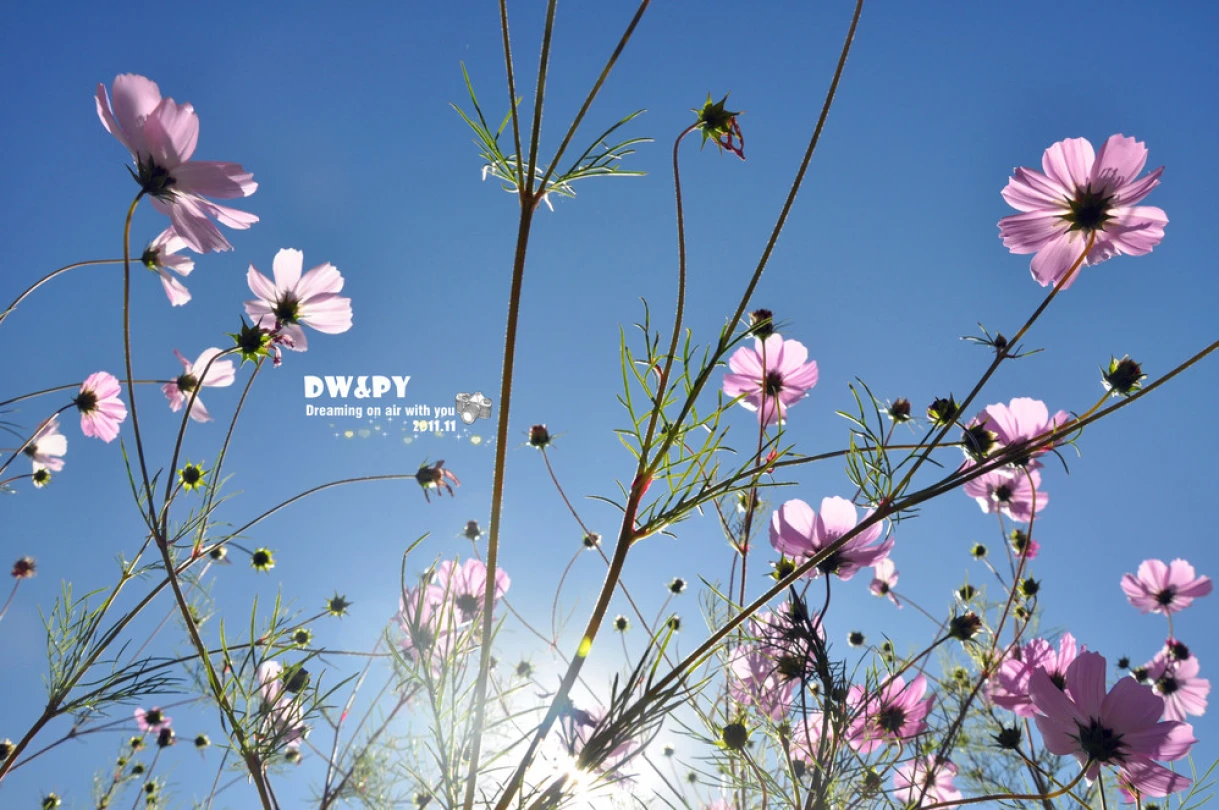
Heart Soaring Among the Clouds: A 20-Day Yunnan Dream Journey
Heart Soaring Among the Clouds: A 20-Day Yunnan Dream Journey From Lijiang's morning light to Meili's snow-capped peaks, from Yubeng's hidden realm to Lugu Lake's tranquility—this was not just a simple trip, but a soul's exile and homecoming. "Never forget why you started, and you…
Continue reading...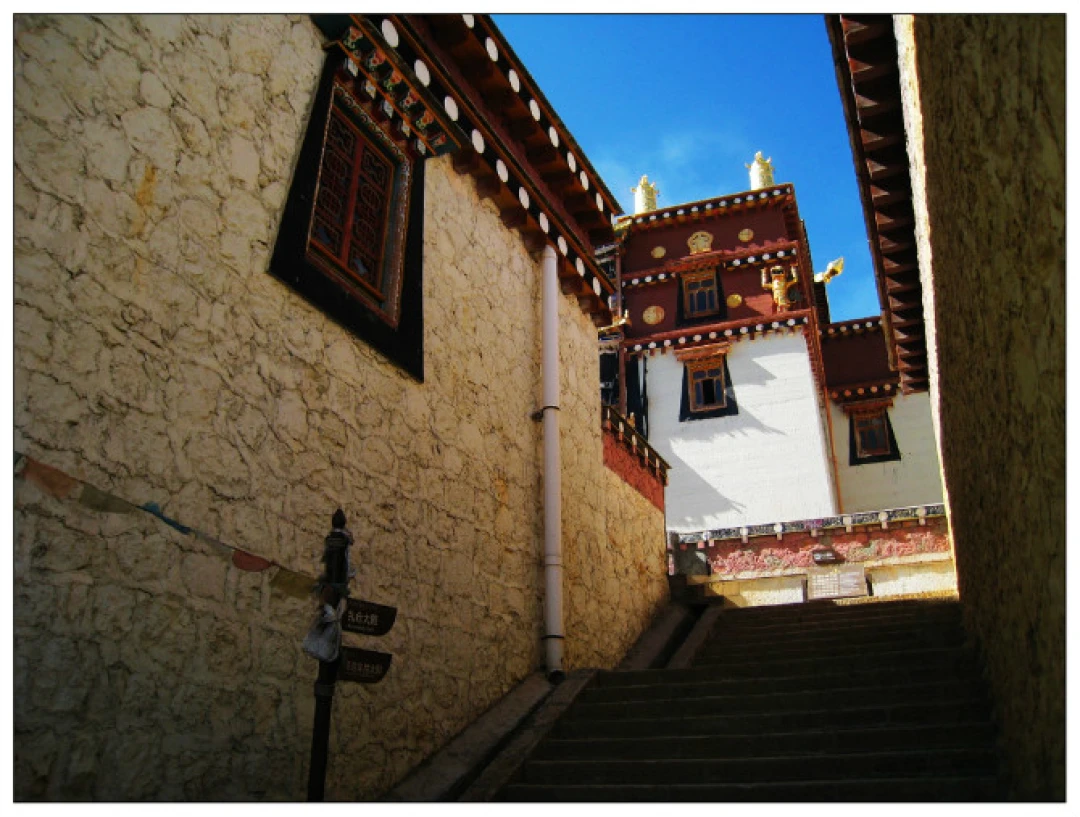
Yunnan's Colorful Clouds: Touching Shangri-La — A Dialogue with the Sky
Yunnan's Colorful Clouds: Touching Shangri-La — A Dialogue with the Sky If you ask me where in China is closest to heaven, I would tell you without hesitation: Shangri-La. The name itself carries a mysterious magic, as if every syllable whispers tales of distant lands.
Continue reading...
September: Finding Unexpected Warmth in Yunnan (Kunming, Dali, Shuanglang, Lijiang, Lugu Lake)
September: Finding Unexpected Warmth in Yunnan (Kunming, Dali, Shuanglang, Lijiang, Lugu Lake) Foreword: One Person's Journey, A Crowd's Story Before I set off, like every first-time solo traveler, I printed out a thick stack of travel guides and rehearsed countless possible scenarios in my head—getting…
Continue reading...