Living the Dream: How One Dog and I Found Paradise in Yunnan
Living the Dream: How One Dog and I Found Paradise in Yunnan
There's always a story behind every journey. Mine starts not with a dreamy plan, but with a desperate escape—one that involved a tiny car, a loyal dog named Qian Duoduo (which translates to "a lot of money," a playful name for a beloved pet), and 50 hours of sheer uncertainty on the road.
Let me take you back to the end of 2022. I was stuck in Lhasa, Tibet, where three months of lockdown had left me restless and craving freedom. When the restrictions finally loosened, I knew I had to leave—no matter the cost. A ride to Yunnan cost 2,800 yuan per person, and they allowed dogs. That was all I needed to hear. Early one morning, after jumping through endless bureaucratic hoops, Qian Duoduo and I squeezed into a cramped sedan and began what felt more like a refugee escape than a travel adventure.
The Escape: 50 Hours on the Road
The journey along Highway 318 was brutal. Known for its dramatic landscapes, that road becomes a nightmare under strict pandemic controls. We passed checkpoint after checkpoint, our car sealed with official tape. Qian Duoduo spent almost the entire trip on my lap, quiet and patient—the best travel companion anyone could ask for.
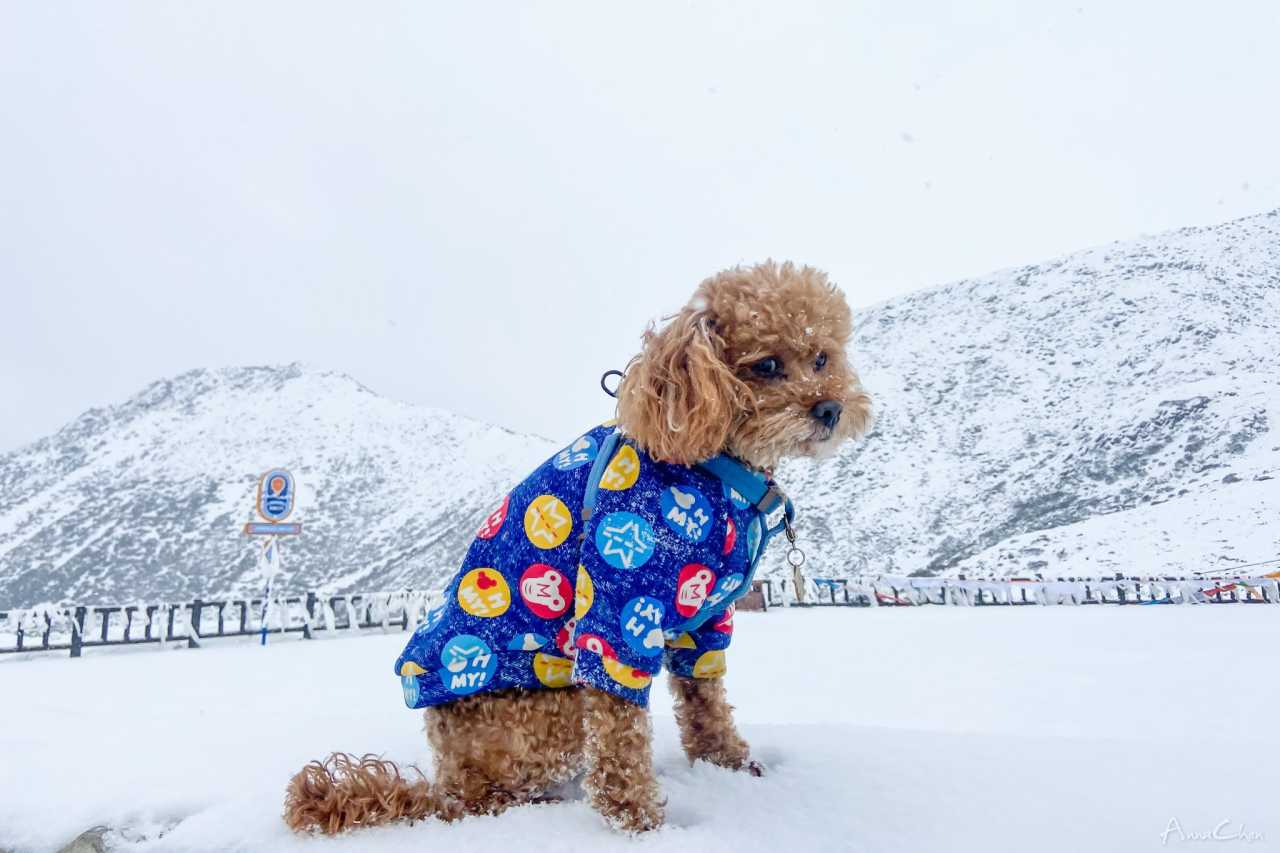
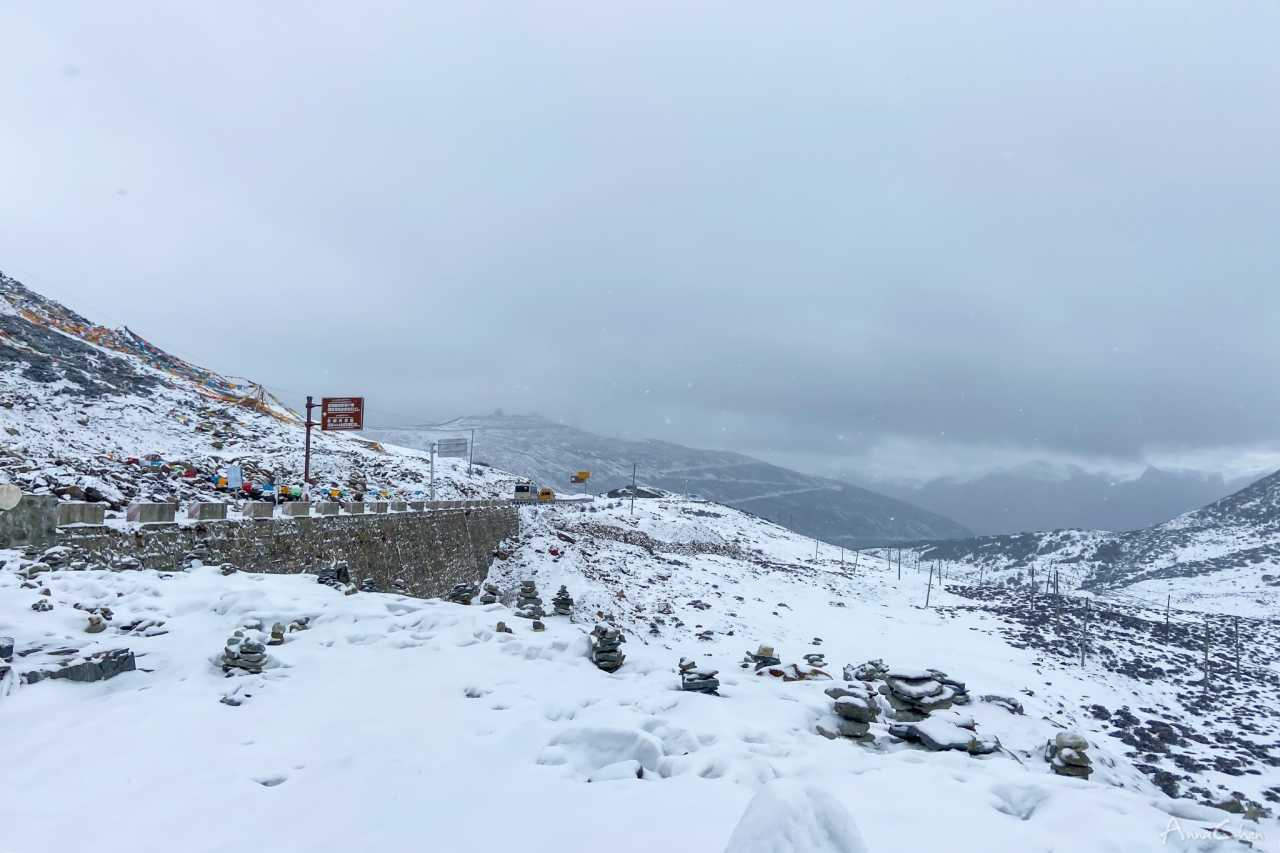
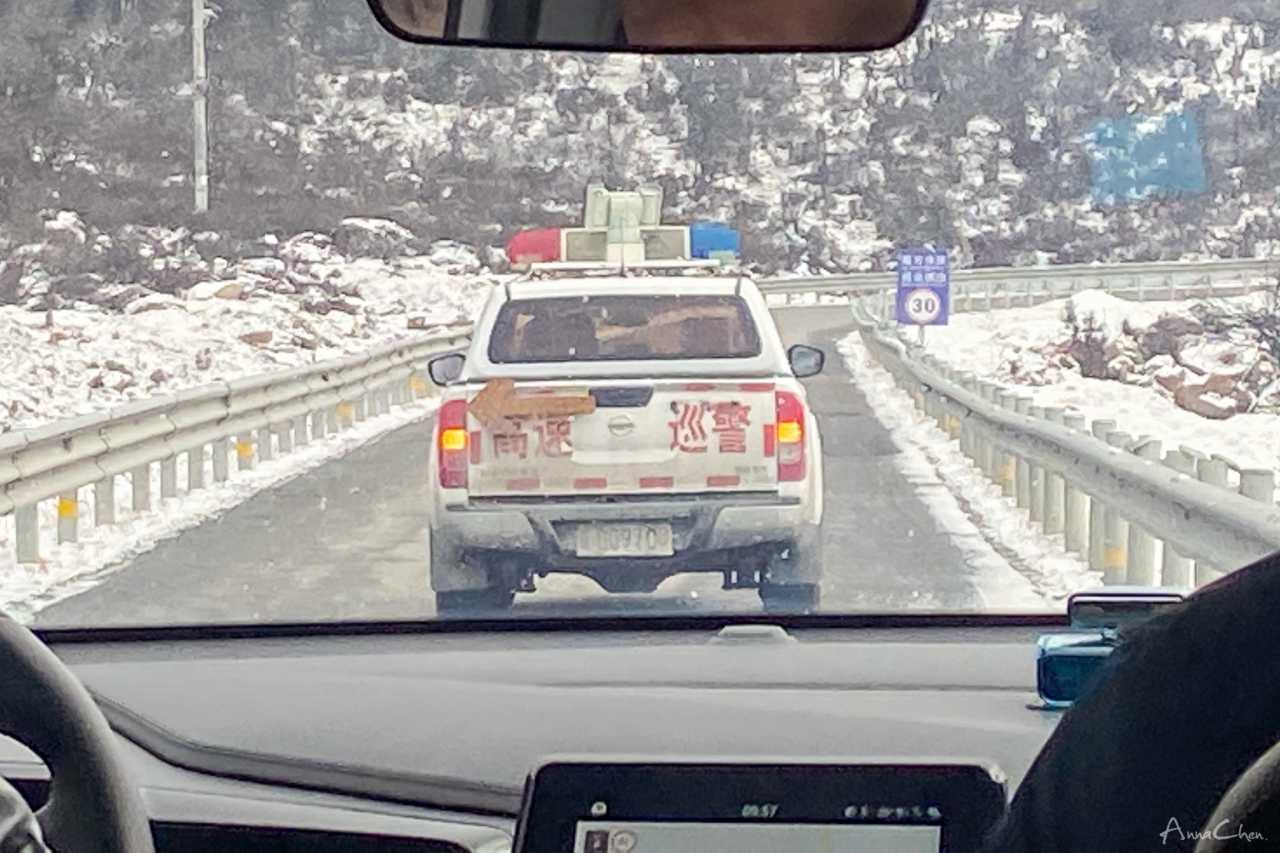
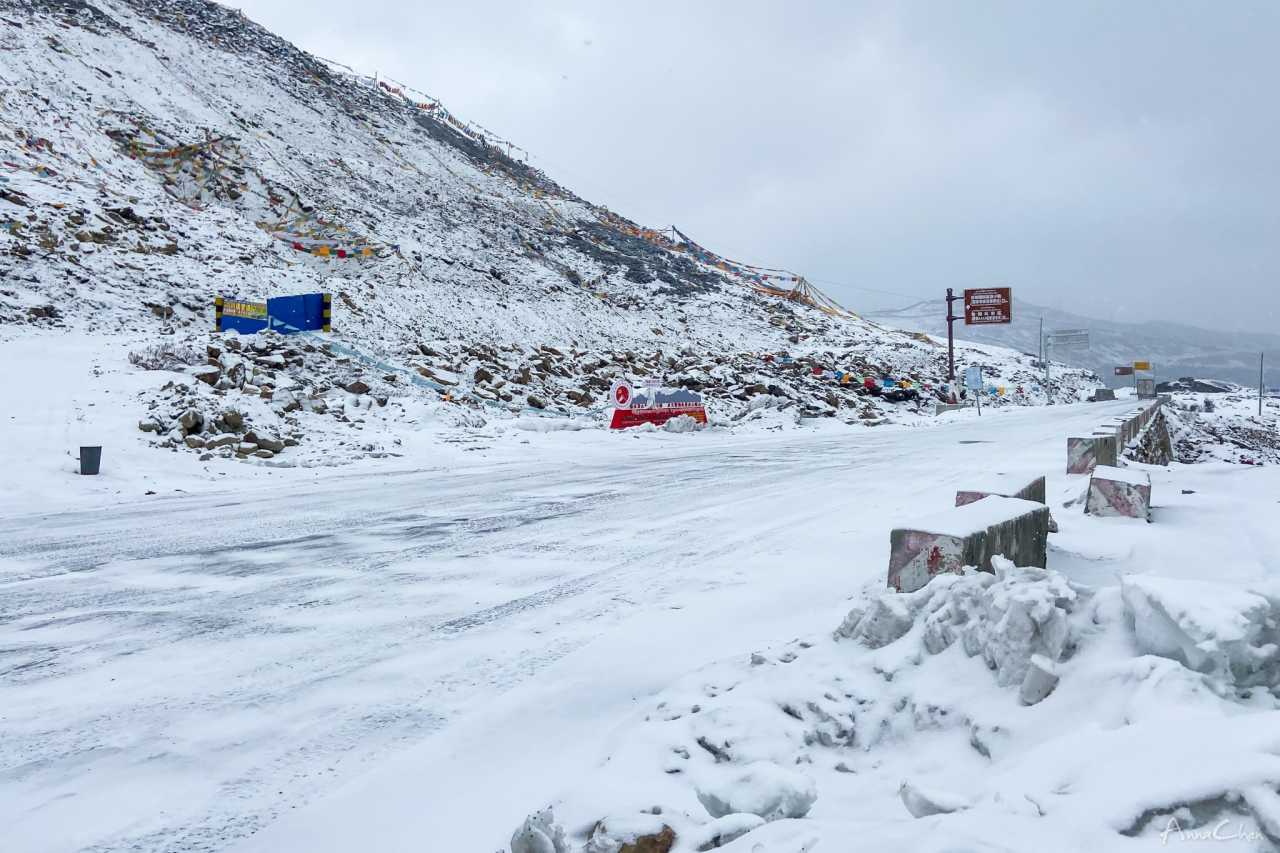
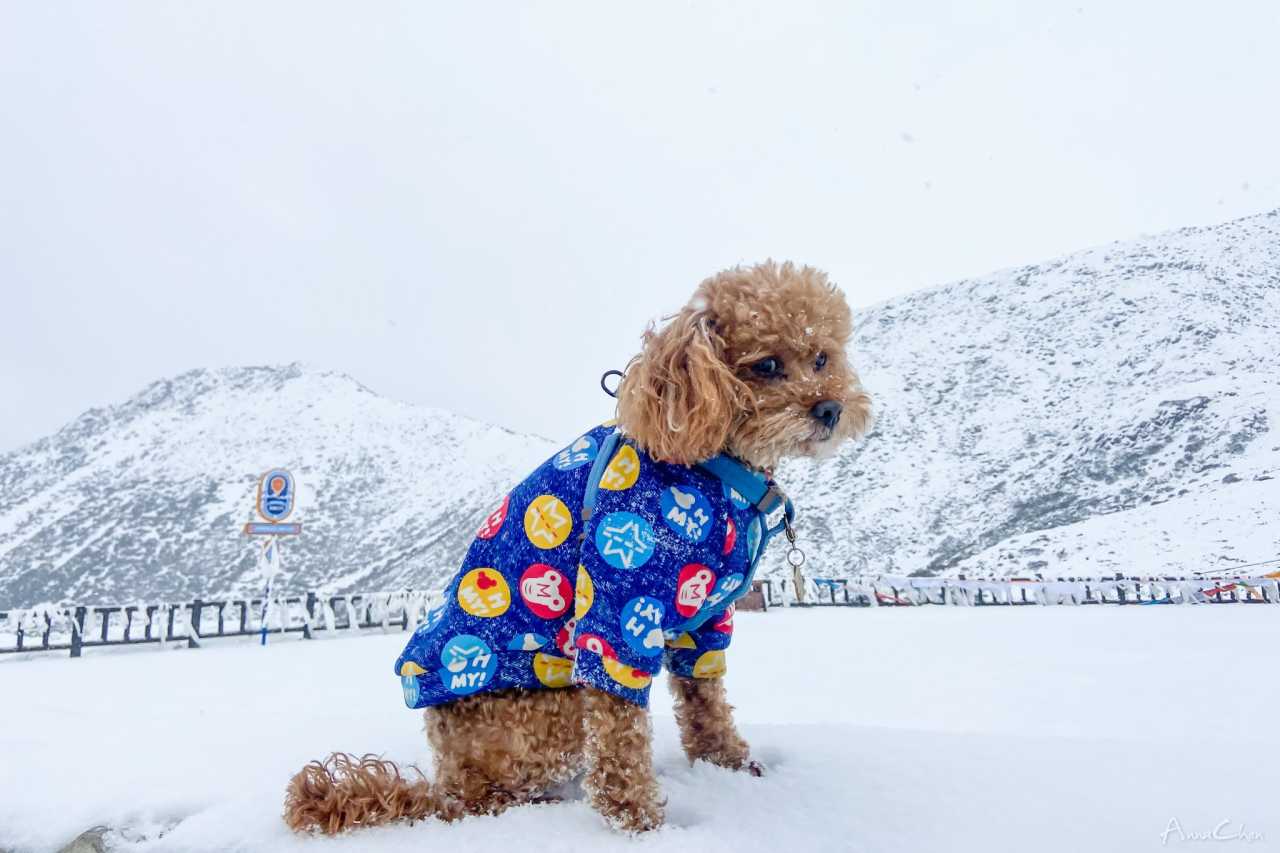
At one point, near the Sejila Mountain pass, heavy snow forced all vehicles to stop and install tire chains. Local traffic police weren't just directing cars; they were manually reporting road conditions, helping drivers with chains, and even clearing the way. It was a humbling reminder of how different life is on these remote highways.
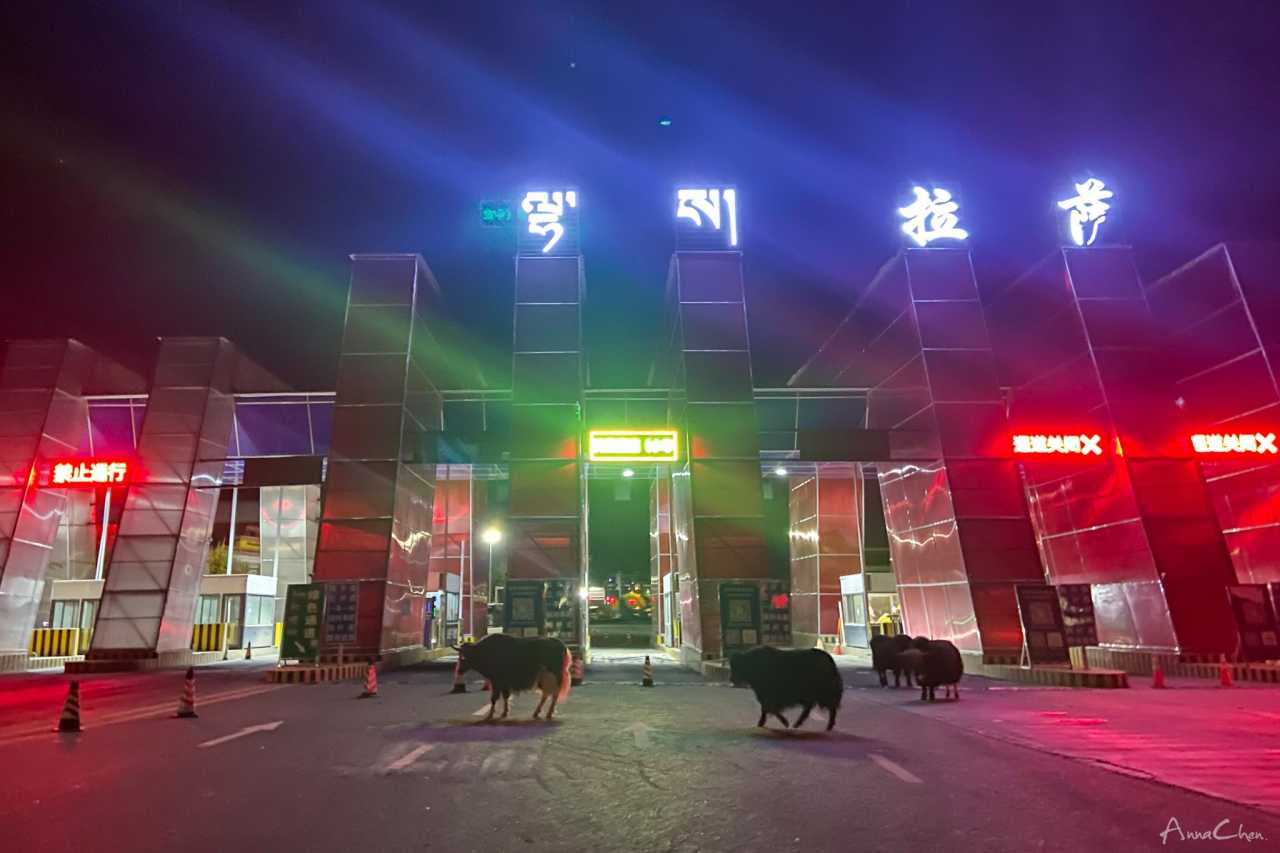
We waited endlessly—for PCR tests, for results, for permission to move. At the Rawu Lake checkpoint, we squatted on a pile of dirt eating instant noodles under a sky full of stars. Strange as it sounds, those moments felt oddly beautiful.
One surreal memory: a fellow traveler had bought a beat-up red Hyundai for 8,000 yuan just to ferry people during the crisis. We passed him again near Basu—his car was leaking oil and smoking on the roadside.
After 50 hours, three days of travel, and a required three-day quarantine in a pet-friendly hotel, we finally arrived in Shangri-La. From the City of Sunlight (Lhasa) to the City of Moonlight (Shangri-La), we had made it.
Settling into Dukezong Ancient Town
My plan was simple: use Yunnan as a transit point back to Wuhan. But life had other ideas.
I headed straight to Moon Bird Youth Hostel, where my friend Qianqian had been living for months. The hostel owner, Ming, wasn't keen on dogs at first, but after hearing my escape story—and thanks to Qianqian's persistence—Qian Duoduo was welcomed with open arms.
Little did I know then that Yunnan is one of the most pet-friendly places in all of China. In most cities, dogs face endless restrictions. Here, there were none. Qian Duoduo could go anywhere with me—cafés, parks, even some restaurants. It was liberating.
Dukezong Ancient Town, despite its 1,300-year history and status as a key stop on the ancient Tea Horse Road, felt peaceful in the off-season. The cobblestone streets were quiet, the winter sun warm. I wandered aimlessly with my dog, weaving through alleys lined with traditional Tibetan wooden houses. Locals moved slowly, unhurriedly—a stark contrast to the frantic pace of city life.
One day, a large Akita followed us around for hours. I almost adopted it before learning it belonged to a nearby shopkeeper and was simply enjoying its daily patrol.
At the top of the hill, we found the world's largest pure copper-gilt prayer wheel—21 meters tall, weighing 60 tons. Locals say turning it once is equivalent to chanting 1.24 million mantras. Whether you believe it or not, joining hands with strangers to push it together is a strangely bonding experience.
Hiking Adventures in Shangri-La

Abuji Cuo: My First Real Trek
Within a day of arriving at the hostel, I met two fellow travelers—Baozi from Chaoshan and Aze from Guangzhou. We hit it off immediately and decided to hike Abuji Cuo the next day.
Moon Bird isn't fancy. It's messy, cluttered, and full of outdoor gear. But that's exactly why I loved it. The vibe was relaxed, the conversations around the fire pit genuine. People came here to hike, not to Instagram.
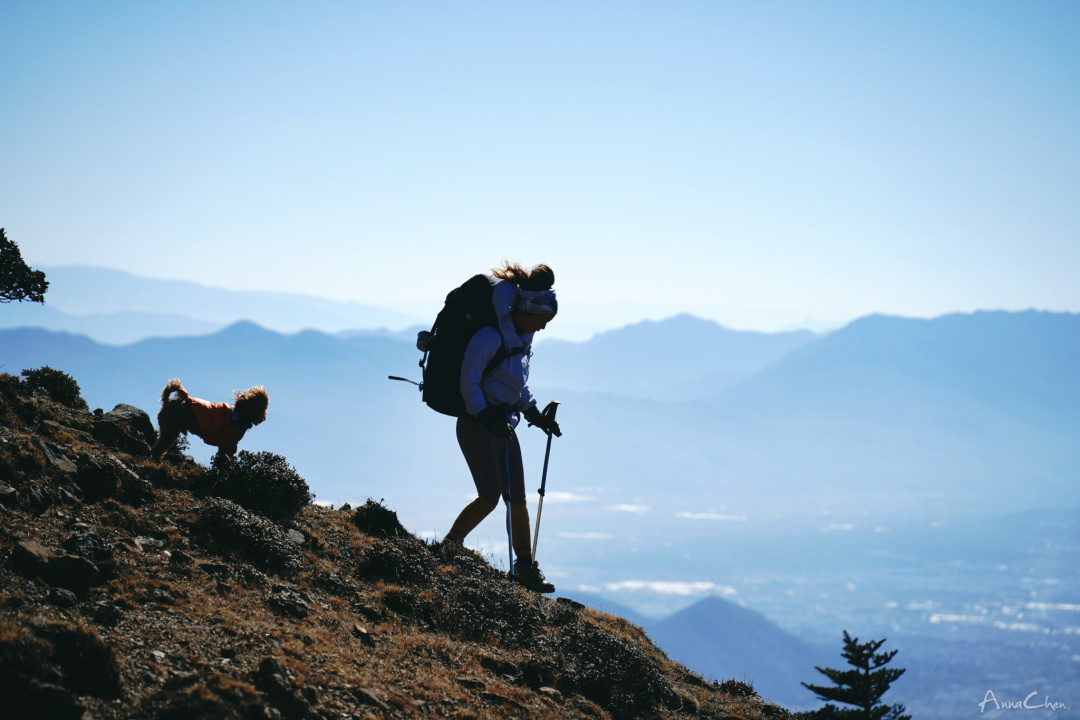
Abuji Cuo is a classic Shangri-La trek—27 kilometers round trip, starting at the "Wash Basin Pass" and ending at the lake. We climbed 946 meters to a maximum altitude of 4,396 meters. It took us 10 hours, including breaks.
The scenery was breathtaking. At the pass, fierce winds nearly knocked me over—and I weigh only 40 kilograms. Qian Duoduo, being smarter than me, hid behind prayer flags to escape the gusts. From the top, we could see the Three Holy Mountains of Daocheng in the distance, while Abuji Cuo Lake sparkled like a sapphire below.
That evening, the sunset painted the mountains in soft gold. It was one of those moments that makes all the hardship worth it.
Ceji Cuo: The Hidden Gem
Winter is the off-season for high-altitude travel. The trees are bare, the colors muted, and the air thin. But I love it. There's a stubborn vitality in the stillness, and the blue skies never disappoint.
Ceji Cuo was completely off the radar at the time—even Ming didn't know about it. Qianqian had found a trail on a hiking app, starting behind Napahai Lake. We had no idea about the conditions, water sources, or camping spots. That's the beauty of exploration.
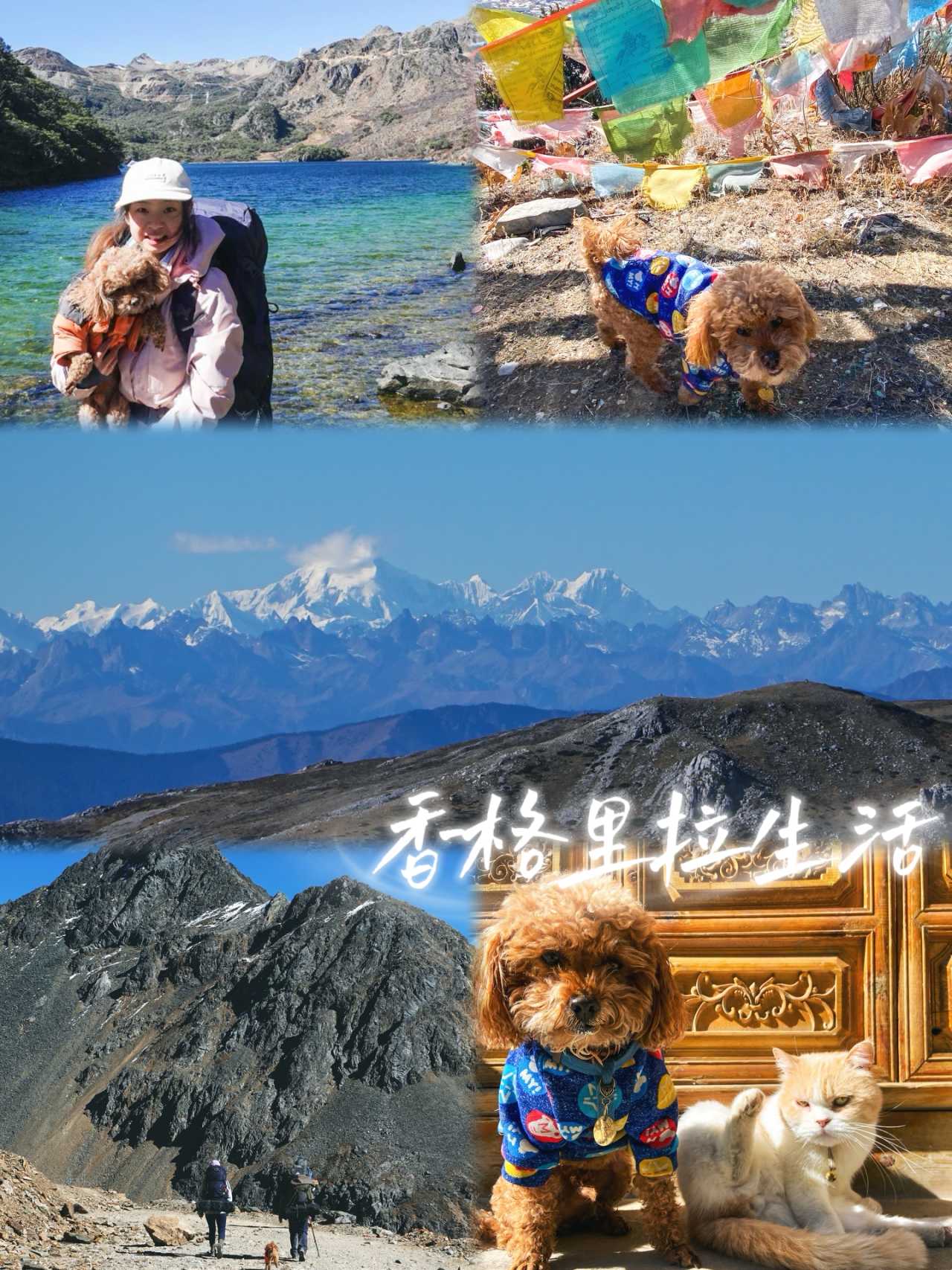
Our team was eclectic: me, Qianqian, Baozi, and a new friend named Yang we'd met just the day before. Yang showed up in casual shoes, with a massive backpack stuffed with camera gear, a tripod, and a cheap tent that looked like it would collapse in any wind. He'd brought only a few pieces of compressed biscuits for food.
We underestimated him completely. Yang turned out to be the strongest hiker among us, always helping, sharing his water, and taking amazing photos with his long lens.
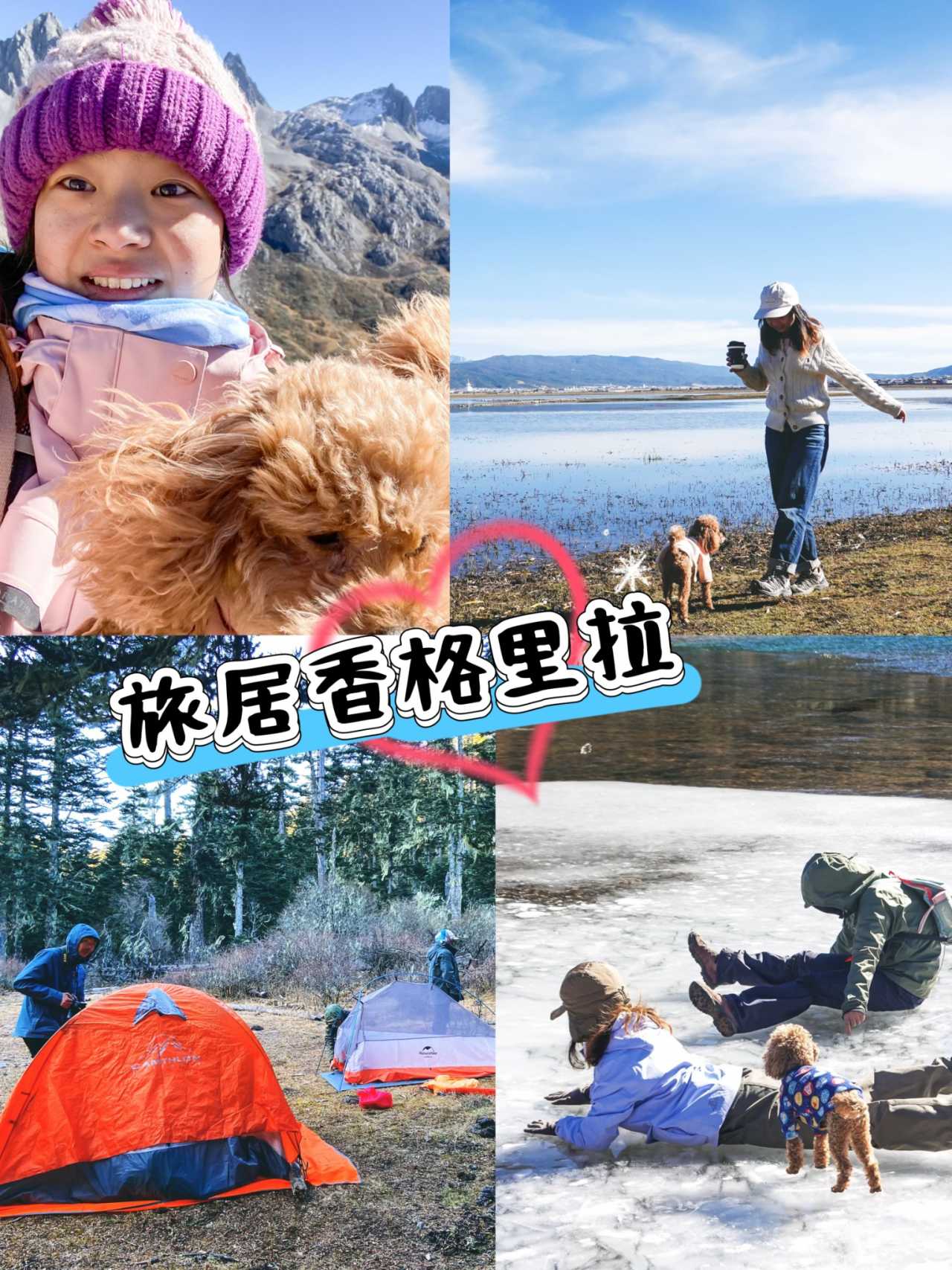
The trek was 30 kilometers round trip, with 1,108 meters of elevation gain and a maximum altitude of 4,284 meters. We camped overnight in a forest clearing, relying on a fire to survive the freezing night. The lake itself was heart-shaped and partially frozen—we spent a happy hour sliding on the ice.
Coming out of the mountains, exhausted and dirty, we couldn't find a ride. Eventually, a kind inn owner—who turned out to be from my hometown in Hubei—drove us back. These random connections are what I love most about travel.
Napahai Lake: A Childhood Memory Fulfilled
I'd first heard about Napahai nearly a decade ago during my graduation trip. Back then, I was dragged onto a bicycle and ended up with altitude sickness. This time, I rented an electric scooter—even though I could barely ride one. Baozi joined me, and we spent the day circling the lake, stopping whenever something caught our eye.
In summer, Napahai becomes a vast wetland. In winter, it transforms into golden grasslands, home to black-necked cranes and other migratory birds. We drove through shallow water on the "water road," watched coffee truck owners set up their folding chairs, and let Qian Duoduo run wild.
Looking at those locals, I couldn't help but think: we city dwellers call ourselves "workers," but we're more like cattle in a factory. The real freedom is here, in the slow pace of life.
Shika Snow Mountain: A Ghost Resort
Shika Snow Mountain is just a few kilometers from Shangri-La city. At 4,449 meters, it offers views of eight sacred peaks, including Meili Snow Mountain's Kawagebo and the Three Holy Mountains of Daocheng.
When we hiked it, the place was a ghost town—abandoned cable cars, broken boardwalks, empty visitor centers. It felt post-apocalyptic. We had the entire mountain to ourselves. At the top, we found a wooden cabin with a stove—perfect for camping, we joked.
Ironically, Shika has since reopened as a paid scenic spot. For us outdoor enthusiasts, though, the magic was in the wildness, not the facilities. The 17.5-kilometer hike, with 1,155 meters of elevation gain, was challenging mainly because of the steep sections and thin air. But reaching the summit, with Qian Duoduo wagging his tail beside me, felt like conquering the world.
Life in Shangri-La: A New Rhythm
Days turned into weeks. I stopped counting. The hostel became home, and the other travelers became family. We cooked together, shared stories around the fire, and planned impromptu adventures.
Qian Duoduo thrived. He made friends with every dog in the ancient town, learned to navigate the cobblestone streets, and developed a taste for local yak meat. He even mastered the art of begging for scraps at the noodle shop down the street.
One afternoon, I sat in a courtyard café, sipping butter tea while Qian Duoduo napped at my feet. A elderly Tibetan woman smiled at us and said something I didn't understand. Her granddaughter translated: "She says your dog has good karma. He chose a kind master."
I looked at Qian Duoduo, his belly full, his paws twitching in a dream. Maybe he did choose me. Or maybe we chose each other, and together we chose this life—slow, simple, and deeply satisfying.
The Unexpected Stay
What started as a transit stop became a three-month stay. I watched the seasons shift from winter to spring, saw the first wildflowers push through the thawing ground, and celebrated Tibetan New Year with the locals.
I learned to make momos (Tibetan dumplings) with a grandmother who spoke no Mandarin, communicated through gestures and laughter. I helped a local carpenter repair his roof in exchange for a hand-carved wooden bowl. I even started learning Tibetan, stumbling through basic phrases while Qian Duoduo wagged his approval.
The hostel became a hub for travelers passing through. I met a retired professor cycling from Beijing to Kathmandu, a French photographer documenting disappearing traditions, and a young couple who had quit their corporate jobs to travel indefinitely. Each person brought a new story, a new perspective.
Reflections on Freedom
Looking back, that desperate escape from Lhasa was the best thing that could have happened to me. The 50-hour journey, the quarantine, the uncertainty—all of it led to this.
In Yunnan, I found what I didn't know I was looking for: a place where time moves at its own pace, where dogs are welcome everywhere, and where the mountains remind you of your place in the world.
Qian Duoduo and I have settled into a rhythm. Morning walks along the ancient walls, afternoon naps in sun-drenched courtyards, evening chats with fellow travelers. It's not an exciting life by most standards, but it's ours.
Some people call it "retiring early." Others call it "running away." I call it living deliberately—choosing simplicity over complexity, connection over accumulation, and freedom over security.
As I write this, Qian Duoduo is curled up beside me, snoring softly. The sun is setting over the old town, casting long shadows across the cobblestones. A group of children run past, laughing, their voices echoing off the wooden walls.
This is our paradise. And we're in no hurry to leave.
You should also read:
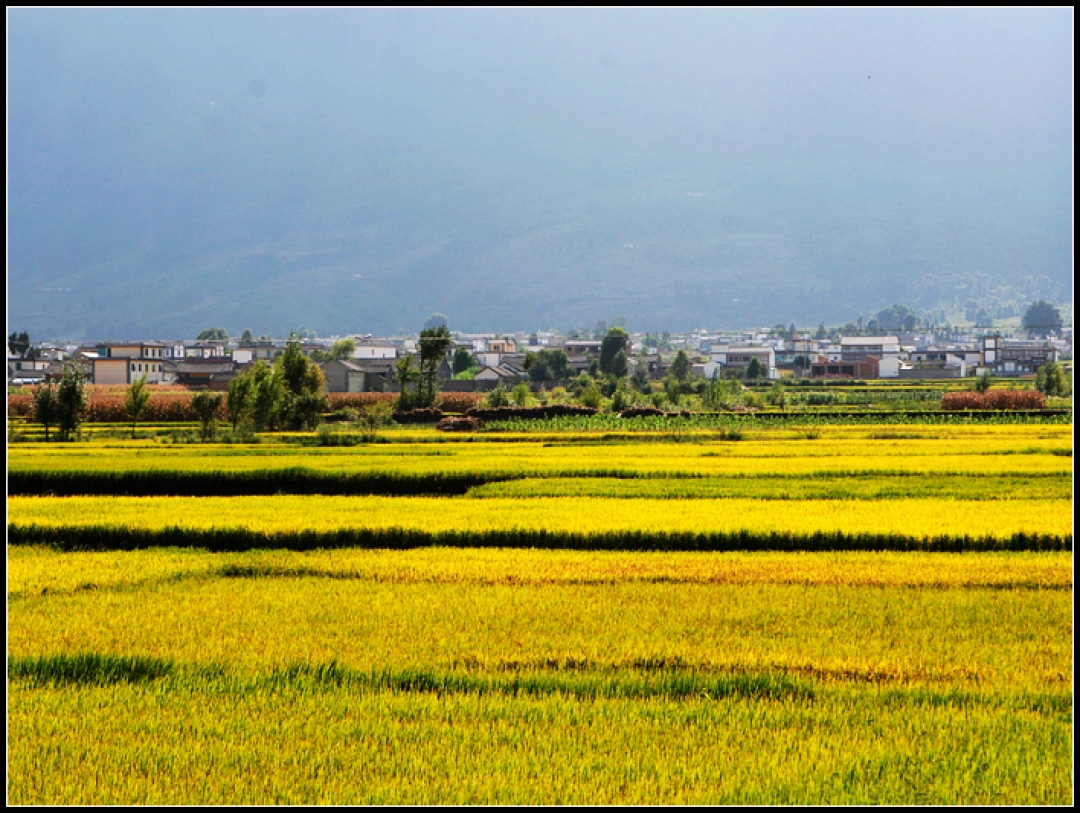
A 9-Day Yunnan Journey: From Lijiang to Dali to Tengchong – A Trip Toward Self-Reconciliation
A 9-Day Yunnan Journey: From Lijiang to Dali to Tengchong – A Trip Toward Self-Reconciliation Some say travel is simply going from a place you're tired of to a place other people are tired of. It stings to hear, but it's painfully true. Yet there's…
Continue reading...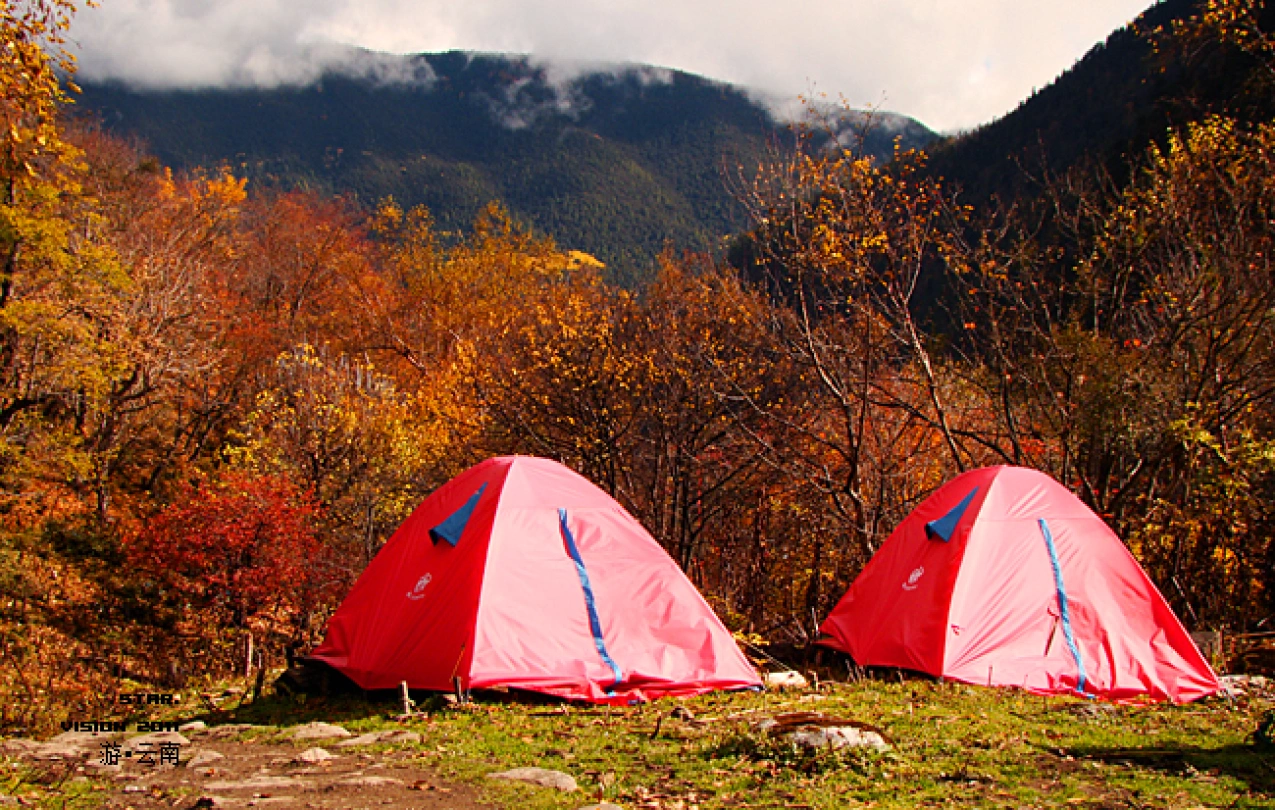
Yunnan! Paradise on Earth – The Yubeng Chapter: A Soul-Cleansing Journey into Seclusion
Yunnan! Paradise on Earth – The Yubeng Chapter: A Soul-Cleansing Journey into Seclusion Prologue: Why Yubeng? If you ask me which place in Yunnan is most worth hiking to, I would answer without hesitation: Yubeng. This is not an answer I give lightly. As a…
Continue reading...
Escaping Nanning, Falling Under Lijiang's Spell: Our Four-Person, Ten-Day Yunnan Dream
Escaping Nanning, Falling Under Lijiang's Spell: Our Four-Person, Ten-Day Yunnan Dream Before We Set Off: No Pain, No Obsession Have you ever had that impulse—suddenly tired of the office fluorescent lights, the crush of the subway, the endless parade of identical takeout boxes, and just…
Continue reading...