Mangshi, Not Busy: A Three-Day, Two-Night Spontaneous Spring Escape
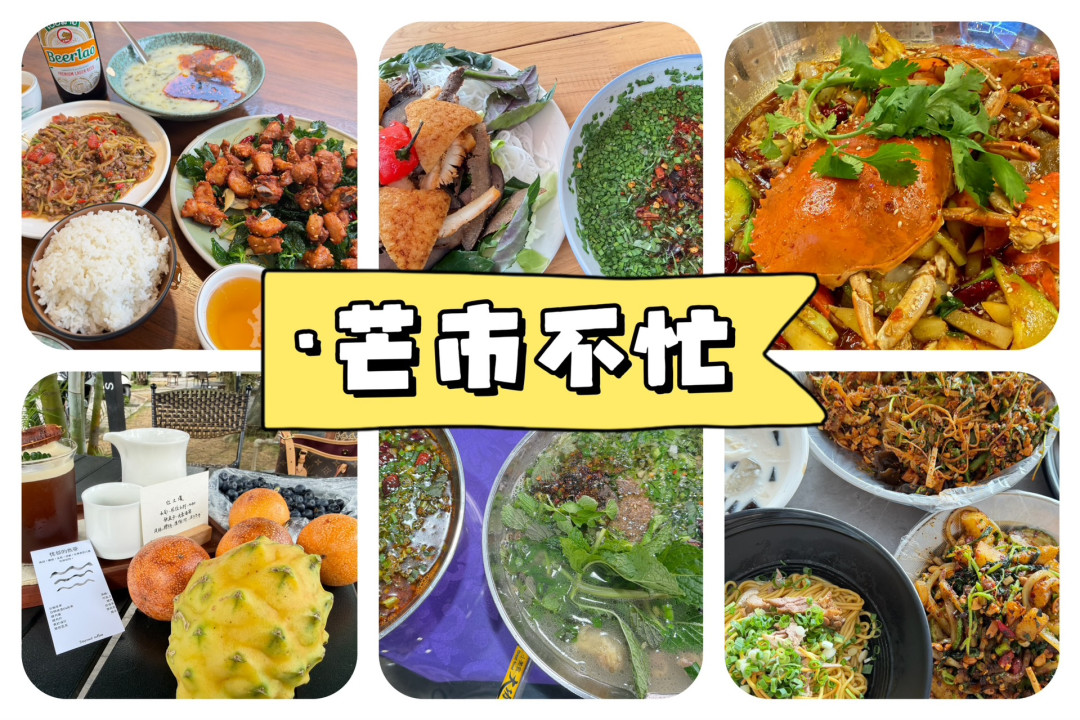
Mangshi, Not Busy: A Three-Day, Two-Night Spontaneous Spring Escape
Foreword: Why Mangshi?
Have you ever had that moment—sitting at your desk, staring out at a gray, overcast sky, suddenly wanting to throw down your keyboard, buy a ticket for the next flight out, and escape to somewhere completely unfamiliar?
I have. So when the May Day holiday was still two days away from officially starting, I was already on a flight to Mangshi. This city—the only one in China named with a single character—sounds like a secret code: Mangshi, not busy.
As it turned out, that decision was spot-on. It was a direct 4.5-hour flight from Nanjing. It was raining just before the plane landed, but the moment the cabin door opened, the rain stopped, and the sun peeked out from behind the clouds, as if it had come out just to welcome me. In that instant, I knew this impromptu, skip-work trip was worth it.
Day One: A First Taste of Mangshi, Starting with a Bowl of Mixed Vegetables
Hotel & Getting Around: Living Inside the Scenery

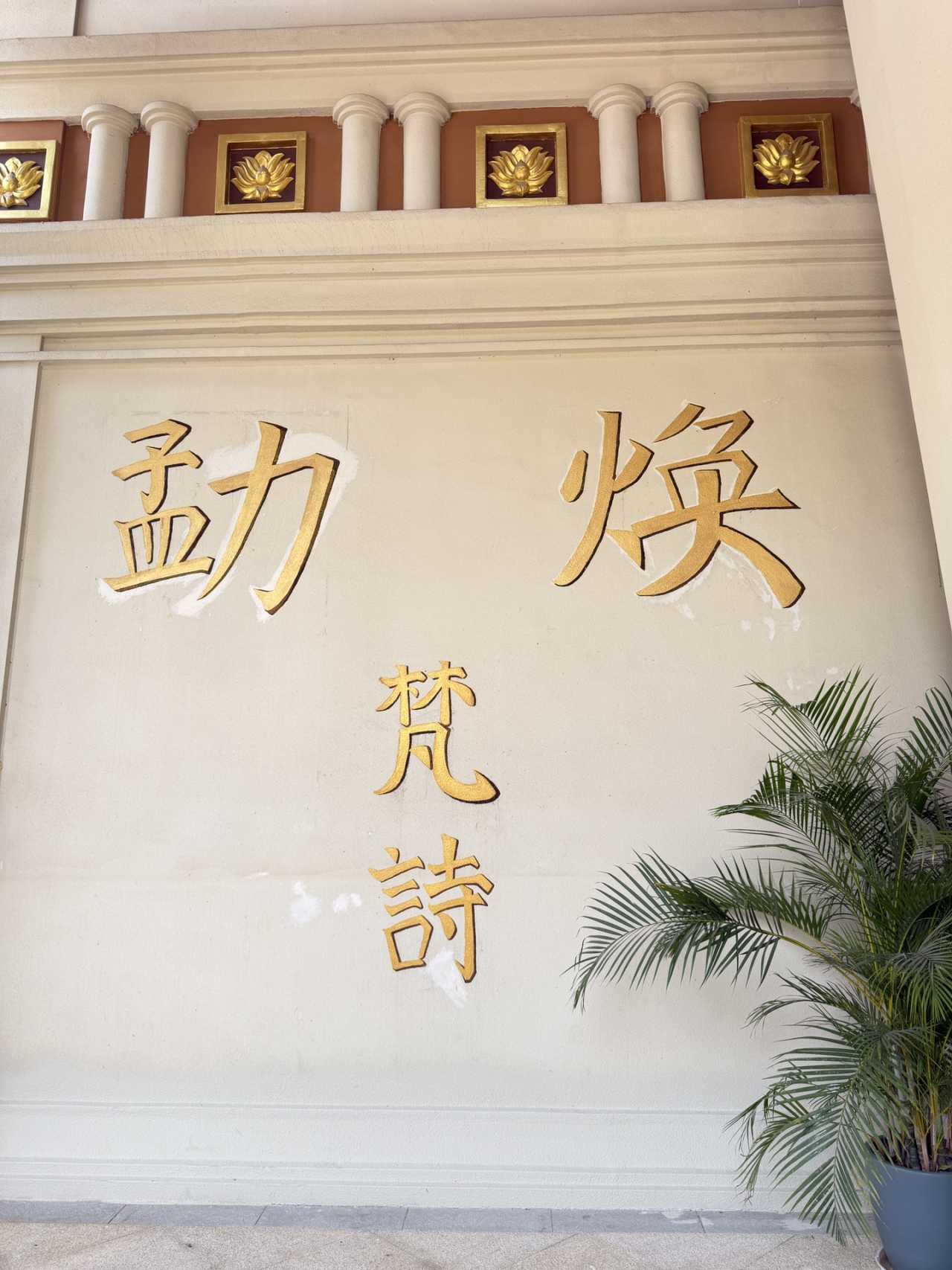
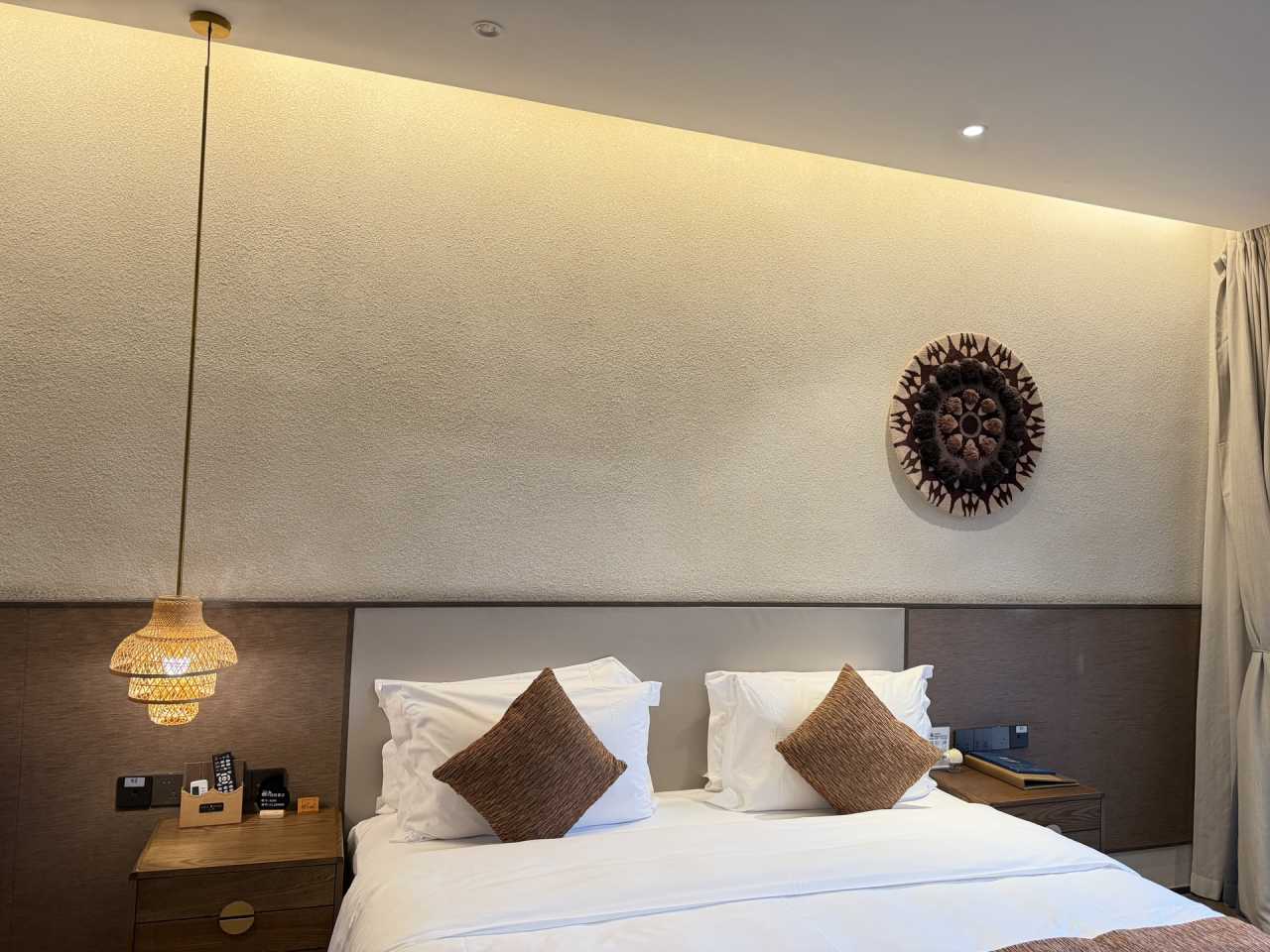
I checked into the Fancy Hotel (梵诗酒店), booking a king-size room. They ended up giving me the only room with a view of the garden. I pushed open the door and was greeted by a pond with landscaping, reflecting the blue sky and tree shadows. Honestly, I didn't even take a photo—I dropped my luggage and bolted out the door. I couldn't bear to waste a single minute, knowing Mangshi's food and scenery were waiting for me.
I rented an electric scooter—the absolute best way to unlock Mangshi. The wind rushed past my ears, sunlight danced on my skin, and the streets were lined with tall palm trees and low-rise Dai-style buildings. For a moment, it felt like I was in some small Southeast Asian town.
First Stop: Manghe Village Mixed Vegetables (芒核村拌菜)—40 Yuan of Pure Joy
I didn't head out until 2 PM, starving. My first stop was straight to Manghe Village, with one clear goal: mixed vegetables.
I walked into that small shop, and the owner, quick and efficient, started putting together my plate: shredded carrots, cucumber slices, wood ear mushrooms, tofu skin, glass noodles... the table was piled high. I was already wondering how much this would cost. When I got the bill, I was stunned—40 yuan.
That first bite—sour, spicy, fresh, and fragrant all exploded on my tongue at once. The coolness of mint and the heat of chili intertwined, every strand of vegetable coated in sauce. I ate with my head down for half an hour. When I looked up, the locals at the next table were smiling at me, probably thinking, This out-of-towner must have been starving.
The Tree-Wrapped Pagoda (树包塔): A Miracle Surrounded by the City
I rode my scooter around and eventually arrived at the Tree-Wrapped Pagoda. A massive banyan tree, its roots wrapping around an ancient pagoda like blood vessels, had long since fused tree and tower into one. It stood right in the city center, surrounded by apartment buildings and shops—a silent witness to the city's sunrises and sunsets.
I walked around it three times, feeling a bit unsettled. It was hemmed in by high-rises, yet it stubbornly kept growing. I hope it never gets damaged. I hope the people of Mangshi always remember to protect it.
The Silver Pagoda (勐焕银塔): A Play of Light and Shadow Across 800 Steps
The entrance fee was 38 yuan—incredible value. As soon as I entered the scenic area, I was in the Sign Language Square, where various hand-gesture sculptures cast beautiful shadows in the sunlight. I took photos for a long time until my phone warned me about low storage.
Then came the legendary "800 steps"—an exaggeration, of course, but it still had me panting. When I finally stood before the Silver Pagoda, all my fatigue vanished. The pure white tower, set against the blue sky, looked like a giant gem.
I waited in line for half an hour just to take a photo at that famous mirror. The sun was blazing down, making an umbrella essential. Hard to believe it had been raining that morning, and now the sun was out in full force. But when I saw the photo, it was all worth it.
Leiyarang Bookstore (雷牙让书店) & the Golden Pagoda: An Unexpected Sunset Encounter
Coming down from the Silver Pagoda, I went to Leiyarang Bookstore. It was small—not quite the "Instagram-famous bookstore" I'd imagined—but the sofas were comfortable. I ordered two cold-brew teas, curled up on the couch with a book, and watched the light outside the window slowly turn a warm gold.
I'd planned to visit the Grand Golden Pagoda the next day, but the sunset was too beautiful, so I decided to go on a whim. The Golden Pagoda shimmered in the dying light of the sun, as if coated in gold leaf. There weren't many tourists. I stood there quietly for a while as the wind blew through the bells on the tower's spire, producing a crisp, clear sound.
Lemeijia (乐美家) & Ruili Live Crab (瑞丽活螃蟹): Little California and a Myanmar Beer
Some people call Lemeijia "Little California," so I went to check it out. Unfortunately, there was no orange-tinted sunset, but the vibe was still there. I snapped a few casual photos—they turned out pretty nice.
For dinner, I went to Ruili Live Crab. This place has several branches in Mangshi, so I just picked one. Male crabs were 98 yuan per jin (half a kilo), females 118 yuan. I ordered one male crab—plump and full of roe. The medium spice level was just right, with a clean, authentic heat. Paired with a bottle of Myanmar beer, it was a perfect match. The bill came to 130 yuan, and I left completely satisfied.
Xinwanchang Night Market (新玩厂夜市) & the Dai Ancient Town (傣族古镇): The Temptation of Bean Pod Dolls
Nightlife had begun. Xinwanchang Night Market was a young person's paradise, with stalls everywhere selling bean pod dolls (豆荚娃娃). Each stall's dolls were different, and the craftsmanship was exquisite. I bought two for 88 yuan—a bit pricey, but they were just too cute.
On the way back to the hotel, I stopped by the Dai Ancient Town, which was right at the hotel's doorstep. But it was almost 10:30 PM, and most shops were closed. I bought one more bean pod doll for 28 yuan—a souvenir from the day.
Day One Summary: Hotel → Manghe Village Mixed Vegetables → Tree-Wrapped Pagoda → Silver Pagoda → Leiyarang Bookstore → Golden Pagoda → Lemeijia → Ruili Live Crab → Xinwanchang Night Market → Dai Ancient Town
Day Two: Where Did My 1TB Stomach Go?
Yin Family Breakfast (银家早点): A Perfect Morning Starts with Rice Noodles
I woke up early just to eat. Yin Family Breakfast—five-star recommendation.
I ordered the dual combo with beef brisket and the clear-broth beef noodles. The broth was so fresh it made my eyebrows shoot up. I added a huge handful of mint leaves—the contrast between the cool mint and the hot soup was strange and addictive. The rice noodles came in both soft and firm varieties, and you could mix and match like a DIY buffet. They also had free paoluda (a coconut-milk drink with bread cubes and tapioca) and lemon water—the lemon water was especially good, with a perfect balance of sweet and sour. I downed three glasses.
Zhefang Morning Market (遮放早撒): A Challenge in the Heart of Local Life
Next, I went to Zhefang Morning Market. Honestly, it was a bit far, tucked inside an early-morning market. But if you love local atmosphere, it's worth the trip. The market was buzzing with noise—vendors hawking vegetables, meat, and fruit.
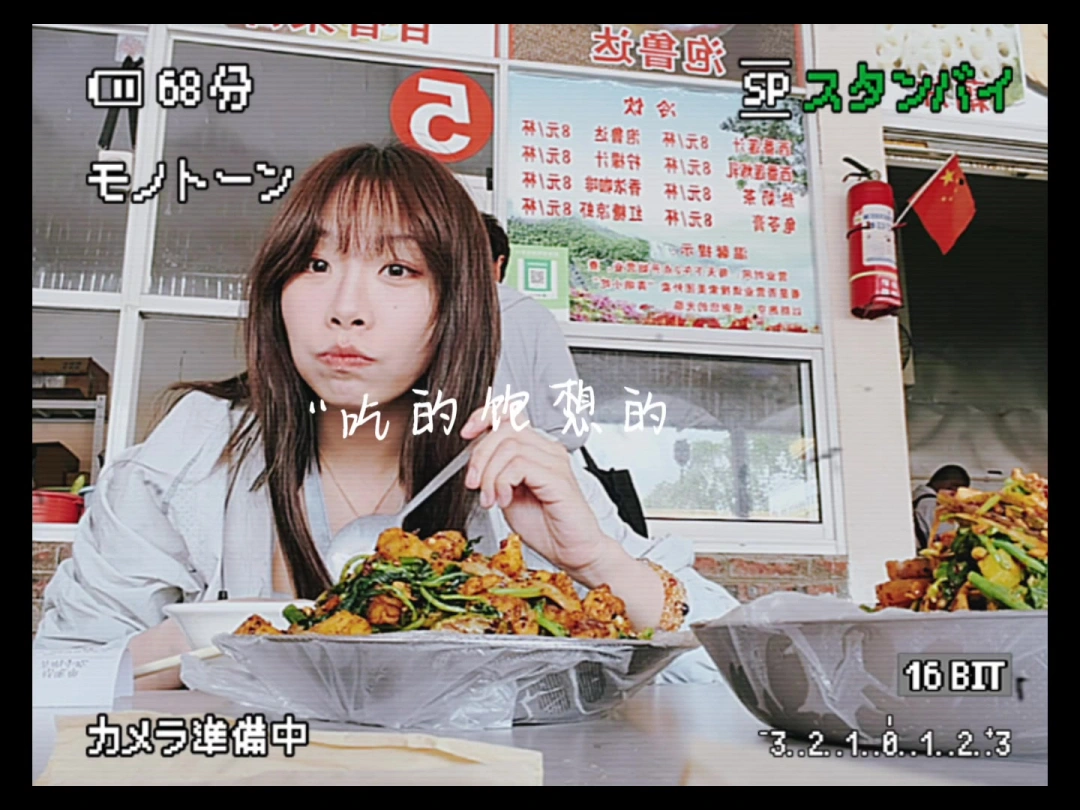
I ordered lemon sa (a Dai-style cold dipping sauce) and grilled pork. The pork was sold by weight; it cost 40 yuan. Before eating, I looked up what "sa" actually was—well, let's just say I could handle it, but knowing the ingredients did dampen my appetite a bit. The flavor was good, though—sour and spicy, very appetizing.
The most intense part was the chili. The shop had clearly written "Caution: Spicy," but I didn't take it seriously. One bite, and my whole body was on fire. I'm not exaggerating—my mouth felt like it was literally shooting flames. But it wasn't bad enough to need a doctor. Two glasses of water, and I was fine.
Bingwu Street (丙午街) & Hongli Comprehensive Market (宏利综合市场): Fruit Freedom
Full, I wandered over to Bingwu Street. There were plenty of bamboo-weaving shops and handmade bean pod doll stalls, cheaper than the night market. I browsed briefly, then moved on to Hongli Comprehensive Market.
The entrance of the market was great for photos—I thought it was better than Unity Street (团结大街): fewer people, wider roads, and a backdrop full of everyday life. Past the regular stalls, there were many scattered vendors selling fruit. Blueberries, eggfruit, passion fruit—I spent just over 20 yuan total, and everything was incredibly sweet. The eggfruit had a texture like egg yolk, and the passion fruit's aroma could drift down three streets.
Ahe's Bodhi Tree Shop (阿喝的菩提树店): A Slow Afternoon Tea
By 4 PM, I headed to Ahe's Bodhi Tree Shop. I'd originally planned to go to the Garden branch, but since I had time, I went straight there.
I ordered a sour-plum Americano and a pour-over coffee, then ate all the fruit I'd just bought as my afternoon snack. A light drizzle started outside—later I learned the hotel area had gotten a heavy downpour. I sat by the window, scrolling on my phone, reading a book, and stayed for almost two hours. That feeling of slowing down is something you can't buy for any amount of money in the big city.
Manghuang Village (芒晃村): A Jackfruit Tree at Sunset
I went back to the hotel to rest for a bit. When the rain stopped, I visited nearby Manghuang Village. I caught the sunset just in time. Golden light spilled over the village, softening everything.
There was a jackfruit tree in the village, with tiny jackfruits hanging from the branches—adorable. There were also some costume shops, and quite a few tourists were dressed up as "Dai girls" taking photos. I didn't try it myself; I just quietly watched the sunset for a while.
Pin Dian Canteen (品滇食堂): Finishing a Bowl of Rice Even When Not Hungry
It was almost 8 PM, and I wasn't hungry at all. But there was still one restaurant I had to try—Pin Dian Canteen.
The laonai tufu (mashed potatoes with pickled greens) was perfect with rice. The stir-fried mango with beef was sour and spicy—also great for mixing with rice. Even though I wasn't hungry, I finished an entire bowl of rice. The mint spare ribs were good too, but the Laos beer I ordered this time was a bit bitter—not as good as the Myanmar beer.
Xinwanchang Night Market, Round Two: Fat Man's Cold Drinks (胖子冷饮)—The Gut-Cleaning Miracle
I went back to Xinwanchang Night Market, this time for Fat Man's Cold Drinks. I'd seen the long line the day before and knew I had to try it today.
I ordered a lemon-cucumber juice—two lemons and two cucumbers, freshly squeezed, for 12 yuan. Drinking it felt like my entire digestive system had been scrubbed clean, so refreshing. Most people order the avocado smoothie or paoluda, but I'd already had both, so switching it up was fine.
Day Three: One More Meal, Then Goodbye
Achang Hand-Held Rice Noodles (阿昌过手米线): The Perfect Ending
Today I was heading to Ruili, but there was one more place I had to eat—Achang Hand-Held Rice Noodles.
I ordered the pigeon meat version. The broth was very fresh, and the meat sauce was delicious. You eat the rice noodles by hand, dipping them in the sauce and toppings. One bite, and the satisfaction was overwhelming. It was the perfect way to cap off this trip to Mangshi.
Final Thoughts: Mangshi Isn't Busy, and You Don't Have to Be Either
Three days, two nights. Not long, not short. But the feeling Mangshi gave me was exactly like its name—not busy.
There weren't that many sights to check off a list. There weren't that many trendy spots to queue for. There weren't that many "must-do" things. You can eat a bowl of rice noodles at a morning market, zone out in a bookstore for an afternoon, buy a bean pod doll at a night market, or watch a jackfruit tree at sunset.
Plenty of food. Few people. Slow time.
If you want to escape the big city and find a place to slow down, Mangshi is a great choice. You don't need a detailed itinerary. You don't need to rush. Just ride an electric scooter and wander. Eat when you're hungry. Stop when you're tired.
After all, Mangshi isn't busy. And you don't have to be either.
Practical Tips: - Transportation: Direct flight from Nanjing takes 4.5 hours. From other cities, you can connect via Kunming. - Accommodation: Recommended to stay near the Dai Ancient Town—convenient transportation, and you can stroll through the old town in the evening. - Food: Must-tries include Yin Family Breakfast, Ruili Live Crab, and Pin Dian Canteen. - Getting Around: Renting an electric scooter is the most convenient option, roughly 30–50 yuan per day. - Budget: For three days and two nights, expect to spend around 1,500–2,000 yuan per person (including flights).
May you also find your own "Mangshi moment."
You should also read:
Days on the Clouds: This Spring, We Stumbled Into a Dream in Yunnan
Days on the Clouds: This Spring, We Stumbled Into a Dream in Yunnan One Journey, Two Hearts, Fourteen Days, Five Cities Some trips are about escape, others about discovery. Our journey to Yunnan was about celebration—celebrating the birthday gift my boyfriend gave me, and celebrating…
Continue reading...
Facing the Erhai Sea, Spring Blossoms: A Belated Summer Dream in Yunnan
Facing the Erhai Sea, Spring Blossoms: A Belated Summer Dream in Yunnan Some places captivate you with their name alone. Yunnan—south of the clouds—had lingered in my heart for years. Not because I didn’t want to go, but because the perpetually high airfare and the…
Continue reading...
Yunnan: A Spontaneous Journey Through Western Yunnan
Yunnan: A Spontaneous Journey Through Western Yunnan Some trips are meticulously planned—three pages of攻略 (travel guides), hotels booked well in advance, and even a checklist of what to eat each day. And then there are trips where you simply throw a bag over your shoulder,…
Continue reading...