Millie's World Tour: A Yunnan Southeast Railway Adventure + Lijiang & Lugu Lake Road Trip
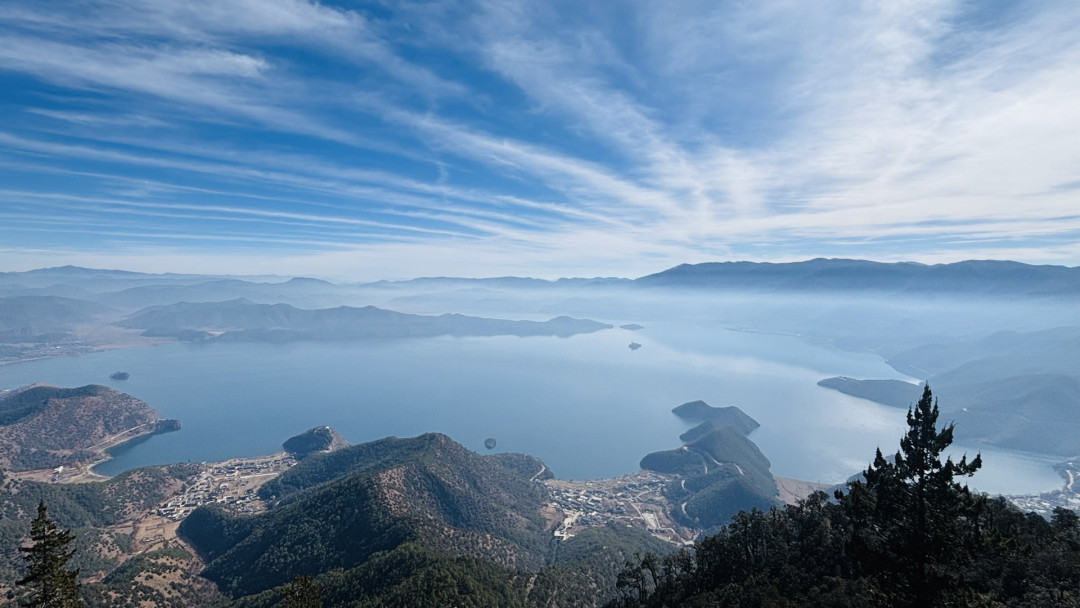
Millie's World Tour: A Yunnan Southeast Railway Adventure + Lijiang & Lugu Lake Road Trip
Southeast Yunnan and Lugu Lake: A Family Journey Through Four Seasons
When the biting winds of the north sweep through with snow flurries, the vast northeastern plains of December have already entered their long winter hibernation. Outside the window, the skyline is gray and muted; the streets have lost their usual bustle, and even children's outdoor activities are forced indoors to play centers. Every year at this time, finding a warm destination becomes a family priority. The south is naturally the first choice, but December's south carries its own winter bleakness, with scenery inevitably diminished. After much deliberation, we once again turned our gaze to that land that never fails to surprise—Yunnan.
This time, we decided to take the road less traveled. Lugu Lake was the highlight of the trip, but to make our vacation more fulfilling, we deliberately linked several lesser-known destinations in southeastern Yunnan. As it turned out, this decision was absolutely right—as the bullet train wound through mountains, as the pig-trough boats glided across crystal-clear waters, as the warm ancient-city sun spilled over cobblestone streets, we felt as though we had experienced a journey from deep winter to early spring in just twelve days.
Itinerary Overview: A Web of Motion and Stillness
Except for the freewheeling Lugu Lake segment, we chose public transportation for the entire journey. Kunming served as the hub, with its extensive high-speed rail network making connections across southeastern Yunnan remarkably easy.
Day 1 Shenyang → Kunming (flight)
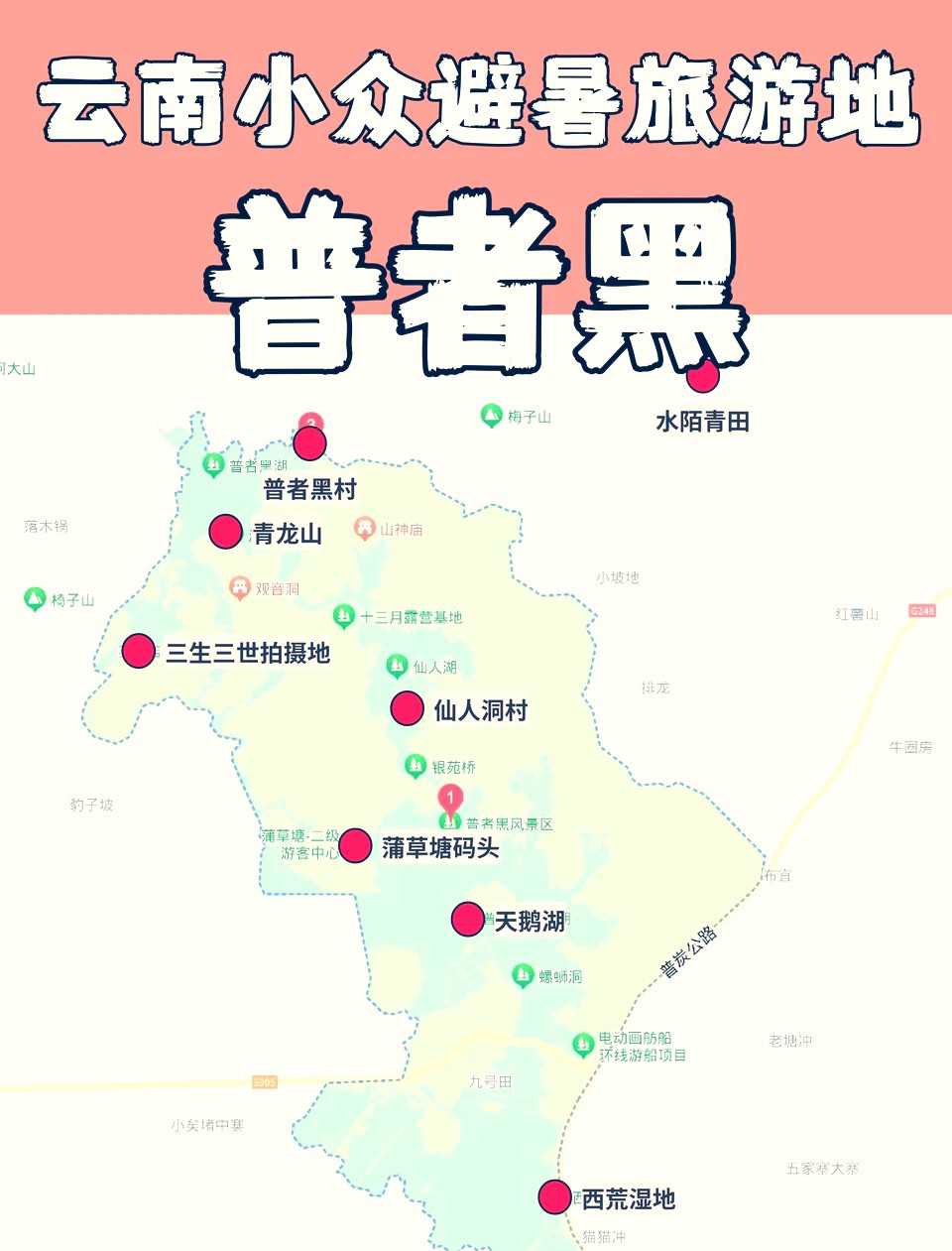
Day 2 Kunming → Puzhehei (high-speed rail), stay at Puzhehei Village | "Three Lives, Three Worlds, Ten Miles of Peach Blossoms" filming location → Qinglong Mountain sunset viewing
Day 3 Puzhehei full-day tour | Xihuang Wetland → Swan Lake → Willow Leaf Boat → Xianrendong Village
Day 4 Puzhehei → Guangnan County (high-speed rail), stay at Bamei | Bamei "Peach Blossom Spring" full-day tour
Day 5 Guangnan County → Mile (high-speed rail) | Jinping Mountain, Red River Water Town
Day 6 Dongfengyun Art Town → Mile → Honghe (high-speed rail) → Bise Village Station → Jianshui (high-speed rail) | Beishan Pottery Village, stay at Jianshui Ancient City
Day 7 Jianshui Ancient City scenic train → Zhu Family Garden → Jianshui → Kunming (high-speed rail)
Day 8 Kunming → Lijiang (high-speed rail) | Lijiang Ancient City stroll
Day 9 Lijiang → Lugu Lake (self-drive) | Pig-trough boat lake tour, stay at Daluoshui Village
Day 10 Lugu Lake full-day lake circuit | Lige Village → Gemu Goddess Mountain → Goddess Bay → Walking Bridge
Day 11 Lugu Lake → Lijiang (self-drive) | Shuhe Ancient Town
Day 12 Lijiang Botanical Garden → Baisha Ancient Town → Lijiang → Shenyang (flight)
One special note: the intercity train from Kunming to Lijiang passes through Dali, offering distant views of Erhai Lake along the way. The terminal station, Shangri-La, remained a destination we couldn't reach this time—but one our hearts still long for.
Cost Breakdown: Ten Thousand Yuan for Twelve Days

For a parent-child duo (one adult, one child), total expenses came to approximately 10,000 yuan (about $1,400 USD). This included round-trip airfare of 3,272 yuan (Shenyang→Kunming, Lijiang→Shenyang), accommodation of 1,303 yuan (including two nights redeemed with points), transportation of 1,112 yuan (including some high-speed rail tickets redeemed with points), meals of 754 yuan, and entrance fees of 1,464 yuan. The Lugu Lake car rental cost 1,259 yuan, while food and lodging there were covered by local friends and not included in the total.
Puzhehei: An Ink-Wash Painting in Winter
The Puzhehei scenic area comprises three villages: Puzhehei Village, Xianrendong Village, and Bailianshan Village. Puzhehei Village is the largest, with over 1,500 households and a higher degree of commercialization, its buildings somewhat lacking in local character. Xianrendong Village retains cobblestone streets and more original features, making it better for photography. Bailianshan Village, located on the outermost edge, is reportedly nearly abandoned.
The scenic area is divided into eastern, central, and western routes, which essentially correspond to different boat tours. The eastern route uses willow-leaf boats and visits Swan Lake (tickets 218 yuan/adult via Douyin app). The central route features antique-style boats, while the western route uses bamboo rafts. We chose the eastern route for a day trip, with complimentary shuttle bus service included.
Sunset at Qinglong Mountain and an Unexpected Surprise
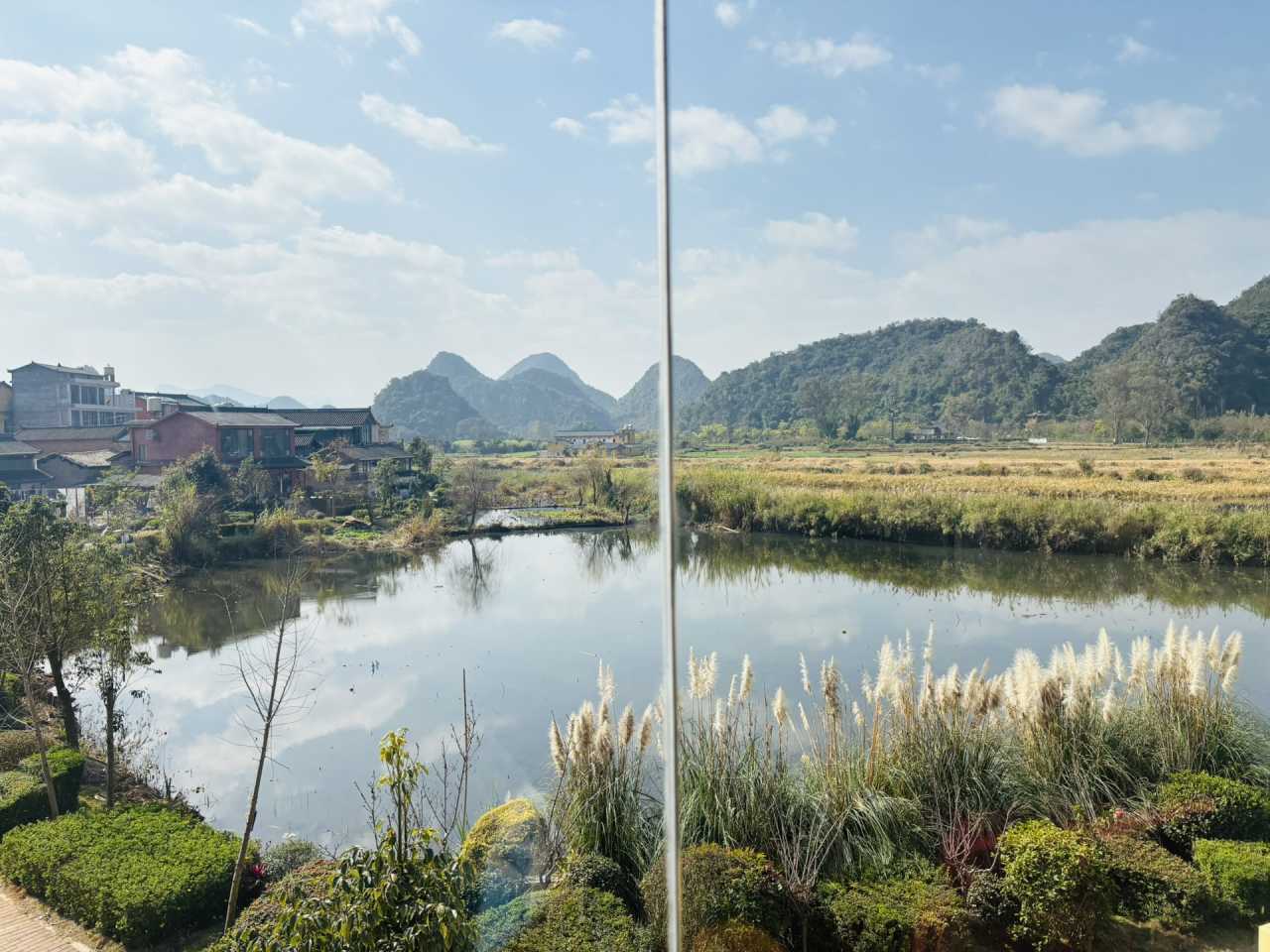
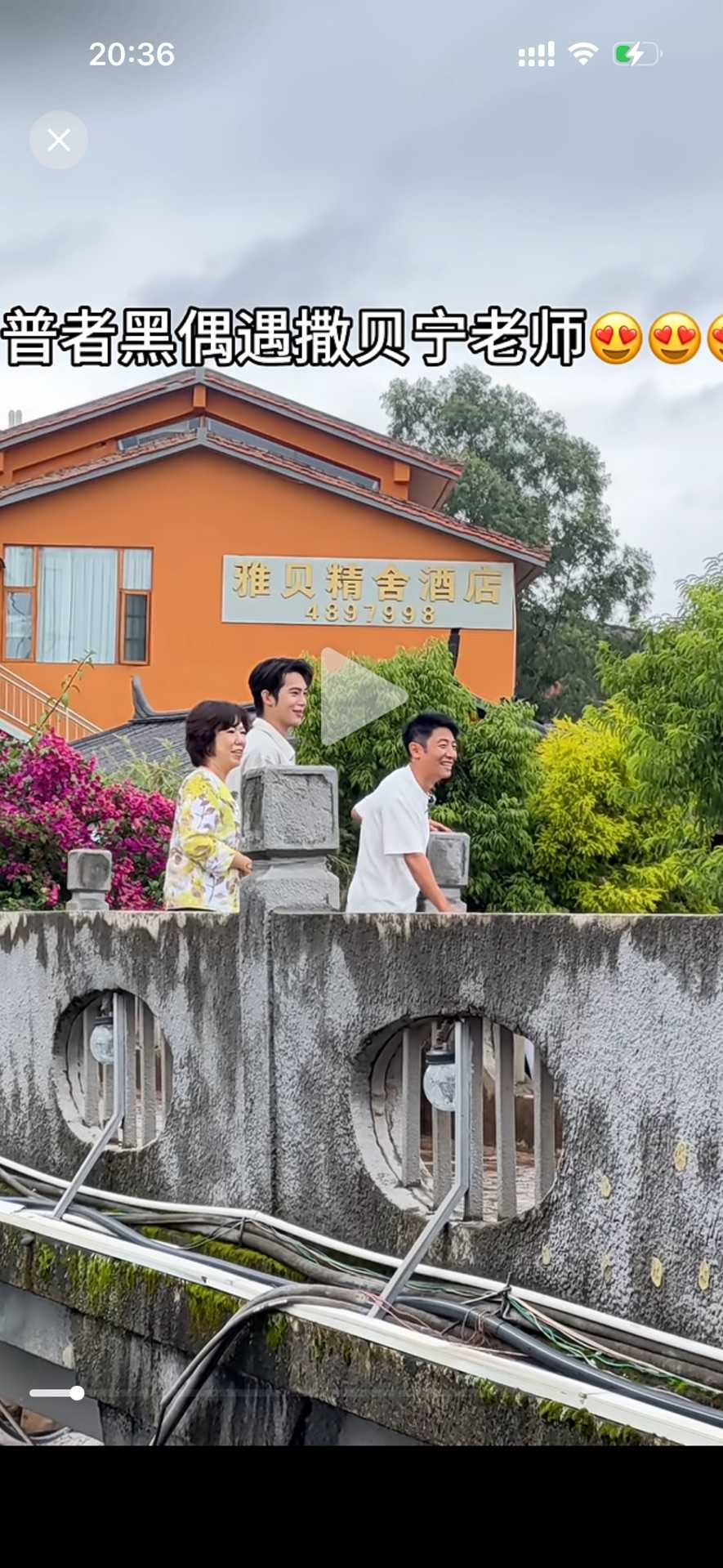
We stayed at a guesthouse near Lovers' Bridge in Puzhehei Village, with a room directly facing the lake, making access extremely convenient. To our surprise, we later discovered that when CCTV host Sa Beining filmed a show in Puzhehei, he stayed at this very inn—these serendipitous discoveries are perhaps the most touching footnotes of any journey.
The filming location for "Three Lives, Three Worlds, Ten Miles of Peach Blossoms" costs 30 yuan to enter—a classic "been there, done that" photo spot. The real surprise was Qinglong Mountain: a 30-minute hike with squirrels darting along the trail, leading to two viewing platforms—one for sunrise, one for sunset. We were incredibly lucky; without deliberately timing our visit, we reached the summit just as the sun began to set. The golden light painted the lake surface, with layered mountains fading into the distance. In that moment, all fatigue vanished.
Quiet Moments on a Willow-Leaf Boat
In winter, Puzhehei's lotus flowers have long withered, leaving only scattered boats on the lake. Without the lively water fights of summer, we gained a rare tranquility instead. Our willow-leaf boat glided slowly along the five-kilometer waterway. The boatman rowed unhurriedly, the lake water crystal clear to the bottom, withered lotus stems swaying in the breeze on both banks—like a faded ink-wash painting. For the entire 90-minute journey, we barely spoke, simply absorbing this winter stillness.
Xihuang Wetland and Swan Lake
Xihuang Wetland is free to enter, with water sports available in summer. The distance between Swan Lake's two gates is three kilometers one way. We rented a shared electric cart (50 yuan for 30 minutes), stopping frequently to take photos, and reached the exit in exactly 30 minutes. There were indeed swans at Swan Lake, though not many. The lakeside reeds, backlit by the sun, were particularly beautiful.
Bamei: A Real-Life Peach Blossom Spring
Bamei's "Peach Blossom Spring" scenic area requires entering and exiting by boat through limestone caves, creating a unique water system where "one river passes through two caves." It's the living embodiment of Tao Yuanming's classic description: "At the forest's end, a spring appeared; beside it stood a mountain with a small opening, through which light seemed to shine."
We stayed inside the scenic area beneath a giant banyan tree, its thousand-year-old branches forming a canopy that blotted out the sky. The guesthouse staff collected our luggage from the visitor center while we entered unencumbered. After taking a shuttle to the cave entrance, we transferred to a small boat and passed through the cave with its sequence of "three darknesses and three lights." Then, suddenly, the view opened wide—flat and fertile land, orderly houses, fine fields and beautiful ponds, crisscrossing paths, the sounds of chickens and dogs. In that moment, I almost believed that a real, isolated Peach Blossom Spring truly exists.
That night, a light rain fell. The next morning was misty, and we borrowed the guesthouse's umbrellas before boarding the boat to leave. After the first boat segment, we walked 15–20 minutes along a forest boardwalk to reach the second boarding point. Along the way, the river flowed gently, orange trees flourished with abundant fruit, and two roosters fought beneath the branches. When the final boat segment ended, the rain had stopped—as if we had truly left another world behind.
Mile: An Artistic Journey on Red Earth
Mile was an unexpected delight. We stayed at a hotel within the Red River Water Town Wetland Park, which arranged a pickup from the high-speed rail station. Red River Water Town combines Jiangnan-style water village aesthetics with wetland park features. At night, black-canopied boats passed by our inn, adding a touch of poetry.
Jinping Mountain and the Maitreya Temple
After arriving in the afternoon, we headed straight for Jinping Mountain. Since it was low season, there were very few visitors. We chose not to take the shuttle but instead climbed the 1,000 steps as an act of sincere devotion, making wishes along the way. We finished just before the park closed at 6 PM, and the giant Maitreya Buddha statue at the summit looked especially solemn in the sunset light.
Dongfengyun's Kaleidoscope
The Dongfengyun Art Town is a photographer's paradise. Even without flower fields, the red brick walls of the Kaleidoscope Art Museum are photogenic enough. The scenic area is very close to the high-speed rail station. We brought our luggage to the site, stored it for free, enjoyed our visit, and then headed directly to the station afterward—extremely convenient.
Bise Village Station: Frozen Time and "Youth"
Bise Village Station was built in 1909 by the French, originally named "Bishi Village Station." It served as the intersection of the Yunnan-Vietnam Railway (meter gauge) and the Ge-Bi-Shi Railway (inch gauge), creating the only dual-gauge transfer system in Chinese railway history. But what made it famous was its role as a filming location for the movie "Youth" (Fanghua).
On our way from Mile to Jianshui, we transferred at Honghe with a two-hour layover—just enough time to visit Bise Village Station. After getting off the train, we found automated luggage lockers in the convenient transfer通道, stored our bags, and took a taxi. The driver could go directly into the scenic area, and we walked just 200–300 meters to the iconic photo spots. Yellow walls, green windows, wooden benches—it felt like traveling back to the 1940s. Many tourists were dressed in period costumes for photos. We squeezed in a few shots and hurried away, making sure to have the driver wait at the entrance.
Jianshui: Slow Time in an Ancient City
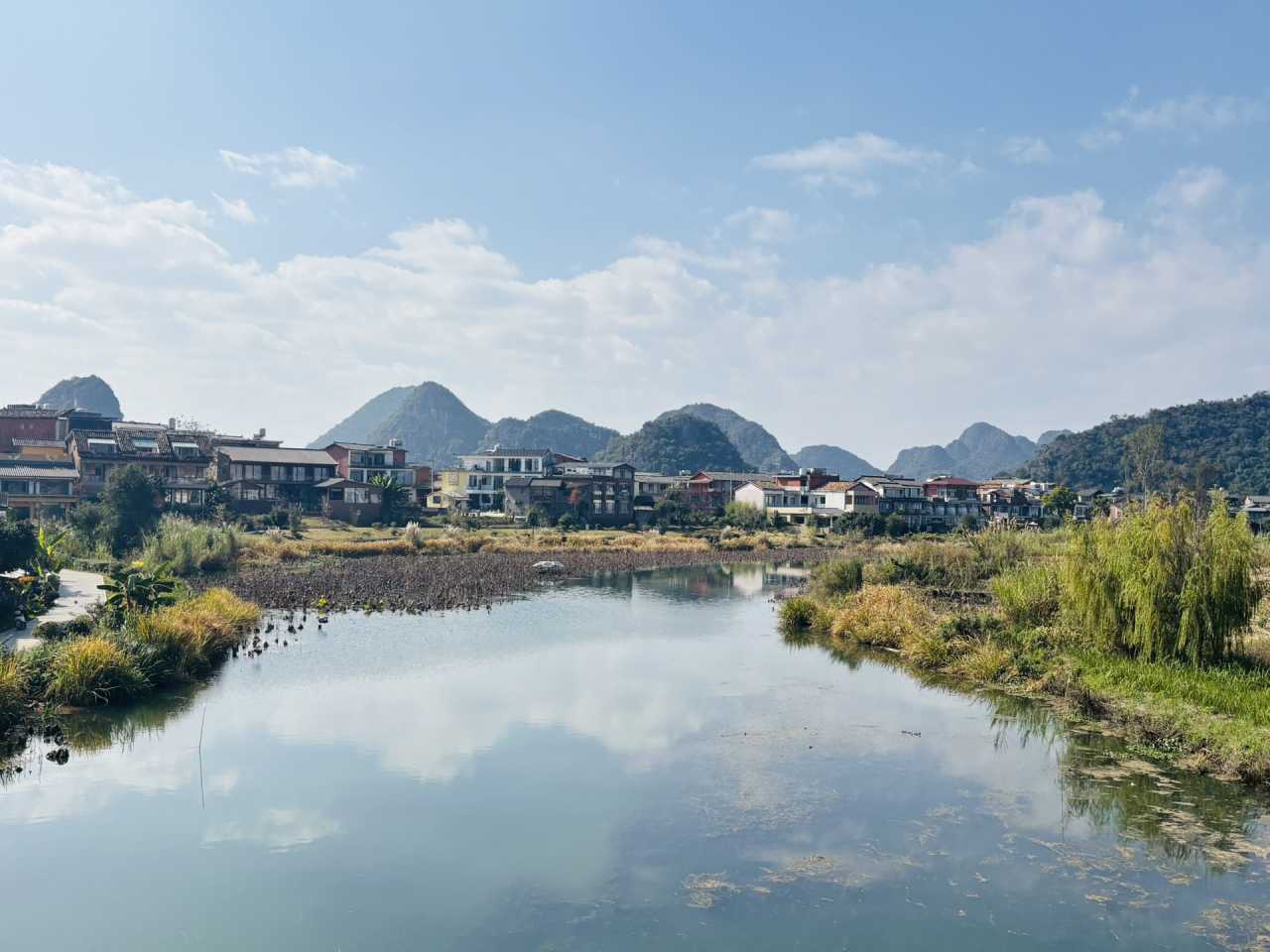
Jianshui Ancient City was the most culturally rich stop on our journey. We stayed near Yongzhen Gate, close to both the Zhu Family Garden and the scenic train station.
Beishan Pottery Village
Beishan Pottery Village focuses on purple clay pottery (zitao), created by intangible cultural heritage inheritor Xiang Bingcheng. The site is small, suitable for photography, and takes 40 minutes to an hour to explore (ticket 35 yuan). The pottery pieces feature unique shapes that complement the red brick architecture beautifully.
Jianshui Ancient City Scenic Train
The scenic train runs twice daily on a tourist route. Departing from Lin'an Station, it stops at Shuanglong Bridge Station (30 minutes), Xianghuihui Bridge Station (25 minutes), and Tuanshan Station (2 hours 20 minutes), then returns along the same route. Adult tickets are 100 yuan, or 90 yuan if purchased online—but must be bought before 4 PM the previous day. We took the 9 AM train; when we arrived at the ticket office at 8:45, only a few tickets remained. During peak season, arrive early.
Shuanglong Bridge, known locally as the Seventeen-Arch Bridge, offers 30 minutes of photo opportunities. Xianghuihui Bridge Station features Chinese-Western fusion architecture, very distinctive. At each stop, locals sell strawberries—red ones for 10 yuan per small basket, white ones for 15 yuan. Eating strawberries while watching the scenery from the train felt like the joy of riding old green trains as a child.
Tuanshan Village costs 35 yuan to enter, with a 5-yuan discount if you buy tickets on the train. This is a Han Chinese immigrant village. The Zhang family, who made their fortune in mining and commerce, built grand courtyard houses here upon returning home—complete with ancestral halls, schools, and clan temples. It's worth a leisurely exploration.
Zhu Family Garden
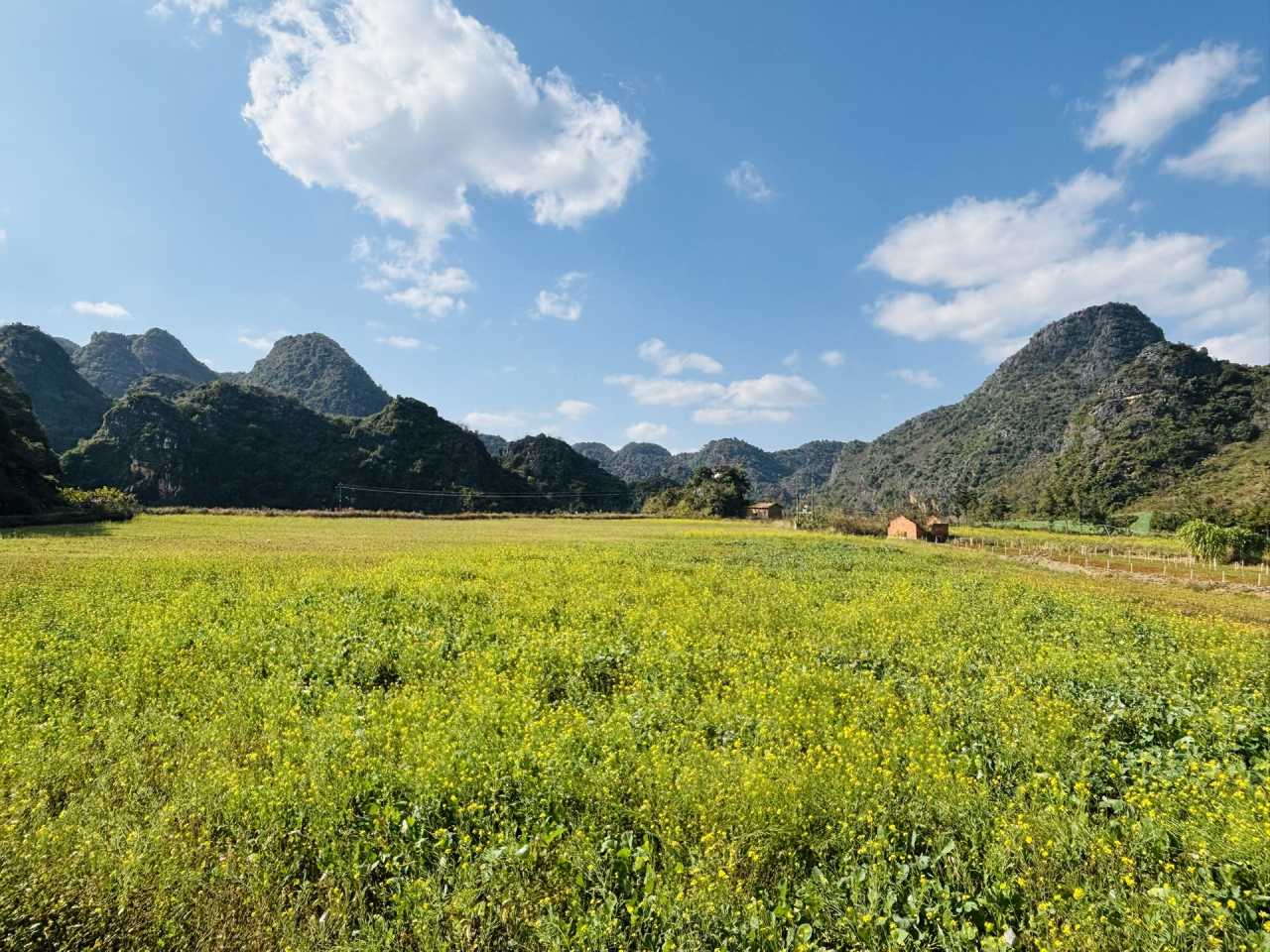
After the scenic train tour, we walked back to our inn for a short rest, then visited the Zhu Family Garden. Like the Zhang Family Garden in Tuanshan Village, this is a sprawling estate built by a wealthy family that made its fortune in mining during the late Qing Dynasty. Carved beams, painted rafters, and deep courtyards inspire awe at the splendor of those bygone days.
Lijiang and Lugu Lake: From Ancient City to the Kingdom of Women
Lijiang was our midway rest stop and the meeting point with our travel companions. After returning from Lugu Lake, we also explored Shuhe Ancient Town and Baisha Ancient Town.
Shuhe Ancient Town
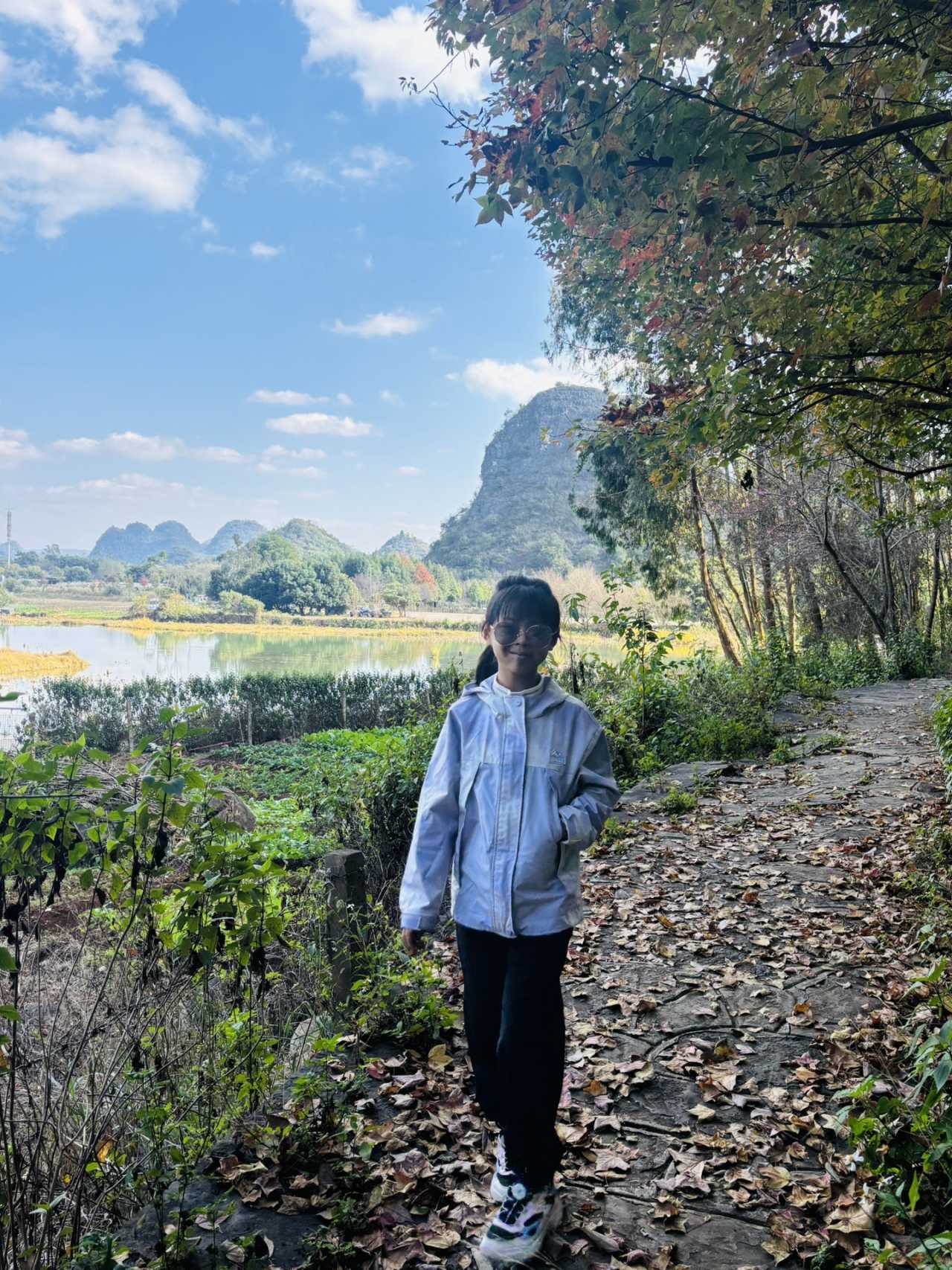
Compared to Lijiang Ancient City, Shuhe is quieter, less commercialized, and still bears traces of the ancient Tea Horse Road. Cobblestone streets, small bridges over flowing water, and tranquil cafés make it perfect for emptying the mind.
Lijiang Botanical Garden's Giant Prayer Flags
This was an unexpected discovery. The botanical garden is free to enter, but the giant prayer flag site costs 9 yuan per person, and the race car photo spot costs 9.9 yuan per person. The views of the snow-capped mountains are excellent here—prayer flags fluttering in the wind against the backdrop of Jade Dragon Snow Mountain make for stunning photos.
Baisha Ancient Town
Baisha Ancient Town is even smaller but closer to the snow mountain. We took a quick look around before heading to the airport. Those interested in murals can visit the Baisha Mural Museum.
Lugu Lake: A Winter Sapphire
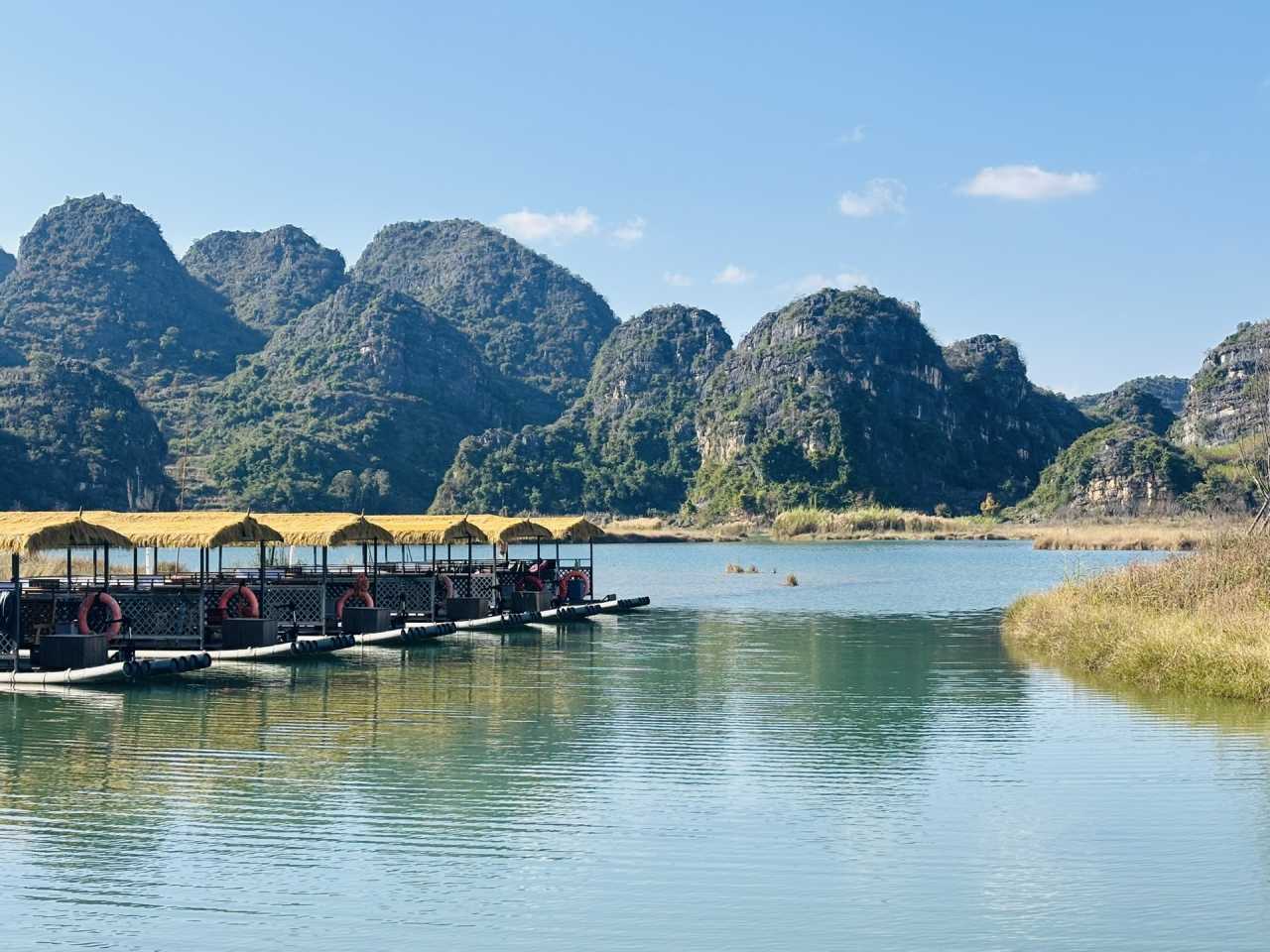
We rented a car in Lijiang to drive to Lugu Lake. We had been worried about road conditions but chose the highway-priority route. The roads turned out to be excellent, with only some winding mountain roads around the lake—no real difficulty.
Daluoshui Village
Daluoshui Village is the most developed settlement on Lugu Lake, with convenient food and accommodation even in low season. After settling in, we went to the lakeside to feed seagulls with dried fish. These little creatures were incredibly bold, flying directly to our hands to peck at the treats—the children had a blast.
At the Daluoshui dock, we took a pig-trough boat on the Liwubi Island loop, which passes through the border between Yunnan and Sichuan—Yunnan on the left, Sichuan on the right. The lake water here is so clear you could drink it. The Mosuo boatman called it "the sacred water of the Kingdom of Women." After landing, we visited Liwubi Temple, and feeding the seagulls from the boat was a whole different experience.
Full-Day Lake Circuit
The next day, we began our lake circuit: Daluoshui Village → Lige Village → Gemu Goddess Mountain → Goddess Bay → Walking Bridge → Daluoshui Village.
Lige Village is much smaller than Daluoshui, and Lige Peninsula looked somewhat neglected. We arrived too early, when morning mist still lingered and the blue sky hadn't yet emerged. We met a clever dog in the village—if you said "shake hands," it would offer its paw in exchange for a sausage. It even followed us to the convenience store and pointed its nose at the sausage shelf. Truly a dog raised at the foot of Goddess Mountain.
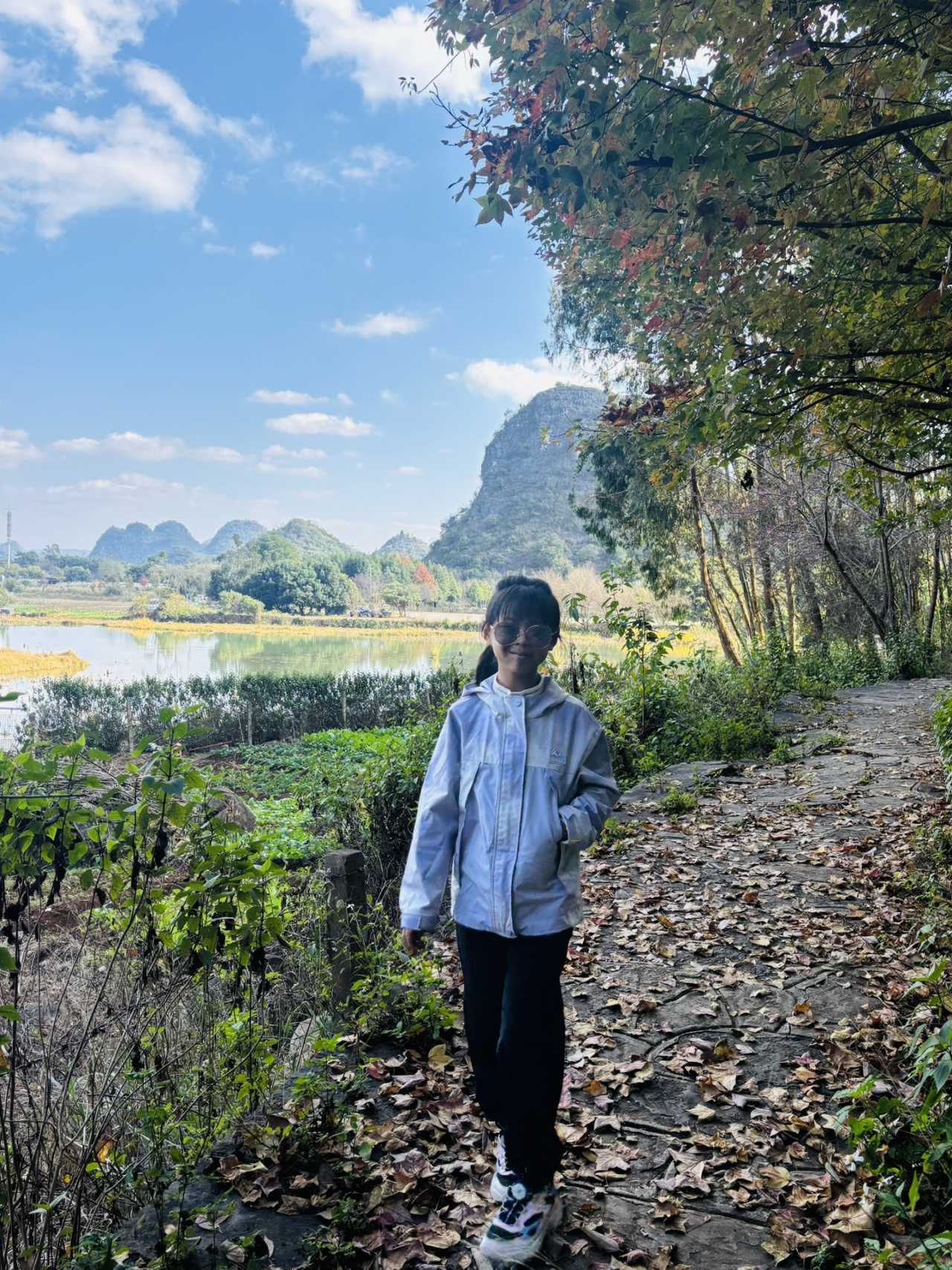
Gemu Goddess Mountain features a cable car and a slide. The cable car is fully open and quite far from the ground—a bit frightening—but the views from the top are worth the courage. The cable car ticket includes a guided tour and access to the Goddess Cave at the summit, which sits at an elevation of 3,450 meters. The Goddess Cave is a limestone cave, not large, but the fact that such a cave exists at this altitude is astonishing.
Goddess Bay is the best spot for sunset. In the evening, the golden sun paints the lake surface, creating a breathtakingly beautiful scene.
The Walking Bridge (Zouhun Bridge) is adjacent to the Grass Sea, which must be beautiful in summer. At dusk, flocks of water birds return to roost, a spectacular sight.
Accommodation Recommendations: Guesthouses You'll Never Want to Leave
Every guesthouse we chose on this trip was excellent—no disappointments.
Puzhehei Yabei Jing She Lake View Hotel: Located at Lovers' Bridge, the lake-view rooms offer stunning scenery right outside the window. Walking to Qinglong Mountain for sunrise and sunset is very convenient. Sa Beining's TV show also featured this inn.
Guangnan Bamei Mufeng Small Courtyard: Situated under the giant banyan tree in Bamei Village's central square. Many shops were closed in low season, but the guesthouse and restaurants were fully operational. In peak season, bonfire parties are held in the square, visible from your room.
Mile Shede Private Hot Spring Hotel: Located within Red River Water Town, the hotel arranges car transfers. The decor is modern and minimalist, with cute Christmas decorations at the entrance (we visited before the holiday). Private hot spring baths are available; the butler prepares them in advance, with a choice of milk or red wine baths.
Jianshui Guyueli Courtyard Villa: Located near Yongzhen Gate, a ten-minute walk from the scenic train station, with convenient access to the ancient city and Zhu Family Garden.
Final Thoughts: Experiencing Yunnan in Winter
In December, daytime temperatures in southeastern Yunnan hover around 18°C (64°F). While there are no spring or summer flower fields, the lack of crowds makes for an excellent experience. Puzhehei and Bamei may not have blooming flowers, but winter's tranquility gives the scenery even more character. Lijiang and Lugu Lake, at higher altitudes, have greater temperature swings—cold mornings and evenings require warm clothing.
Yunnan's cuisine is unforgettable—every breakfast revolved around rice noodles (mixian), along with steam pot chicken, steam pot fish, mushroom hot pot, yak meat, and more. But remember: mushrooms must be thoroughly cooked before eating!
During this twelve-day journey, we traveled by bullet train, high-speed rail, pig-trough boat, and willow-leaf boat, and we drove through mountains on our own. From Puzhehei's winter ink-wash painting to Bamei's Peach Blossom Spring, from Mile's artistic red bricks to Jianshui's century-old ancient city, from Lijiang's soft, languid time to Lugu Lake's crystalline waters—Yunnan, with all its diversity, gave us a perfect winter vacation.
Body and soul—one must always be on the road. This time, both found their best home.
You should also read:

God’s Abandoned Palette: A Self-Drive Journey Through Yunnan’s Dongchuan Red Land
God’s Abandoned Palette: A Self-Drive Journey Through Yunnan’s Dongchuan Red Land Travel has never been about reaching some distant geographic coordinate. It’s about encountering, along the way, the version of yourself buried beneath the rubble of daily routine. During this May Day holiday, I finally…
Continue reading...
Two Girls' Graduation Trip: Dali and Shuanglang – A Poetic Farewell to Mountains and Sea
Two Girls' Graduation Trip: Dali and Shuanglang – A Poetic Farewell to Mountains and Sea Preface: Catching the Tail of Youth, Heading South During our senior year of college, my roommate and I – two girls studying in Beijing – decided to bid farewell to…
Continue reading...
A Spiritual Journey to Lugu Lake in Lijiang: Experiencing the Legend of the Kingdom of Women! (Reproduction and Hotlinking Prohibited)
A Spiritual Journey to Lugu Lake in Lijiang: Experiencing the Legend of the Kingdom of Women! (Reproduction and Hotlinking Prohibited) Off-road自驾, food, hotel and民宿 reviews, Featured Traveler, Tank 300 owner, 200,000 km of self-driving experience. WeChat: y01294987 Ninglang Yi Autonomous County 2010.11.08 · 7 days…
Continue reading...