Motorcycle Tour Stop 10: From Wind, Flowers, Snow, and Moon to the Snowy Holy City — A 1,952 km Ride from Dali to Lhasa
Motorcycle Tour Stop 10: From Wind, Flowers, Snow, and Moon to the Snowy Holy City — A 1,952 km Ride from Dali to Lhasa
Preface: When the Wheels Roll Over the Edge of a Dream
On July 17, 2025, I swung my leg over my motorcycle, twisted the throttle, and set off from Dali, Yunnan, heading toward Lhasa, Tibet. This was a journey of 1,952 kilometers, passing through Lijiang and Shangri-La, taking a detour through Batang in Sichuan, before finally reaching Lhasa. It wasn't my first time riding into Tibet, but every time I hit this road, it feels as fresh and full of unknowns as the first.
My original plan was to take the Bingchacha Route (Bingzhongluo–Chayu–Zayu), but road construction forced a detour onto the Yunnan-Tibet Highway (G214). Then, temporary closures on that route led me to loop around onto the Sichuan-Tibet Highway (G318). Some might call this "things not going your way," but I prefer to think "all roads lead to Rome." When you're on the road, every unexpected turn is just another part of the scenery.
Stop 1: Lijiang Old Town — Where Time Slows Down

An Afternoon Arrival After 164 km
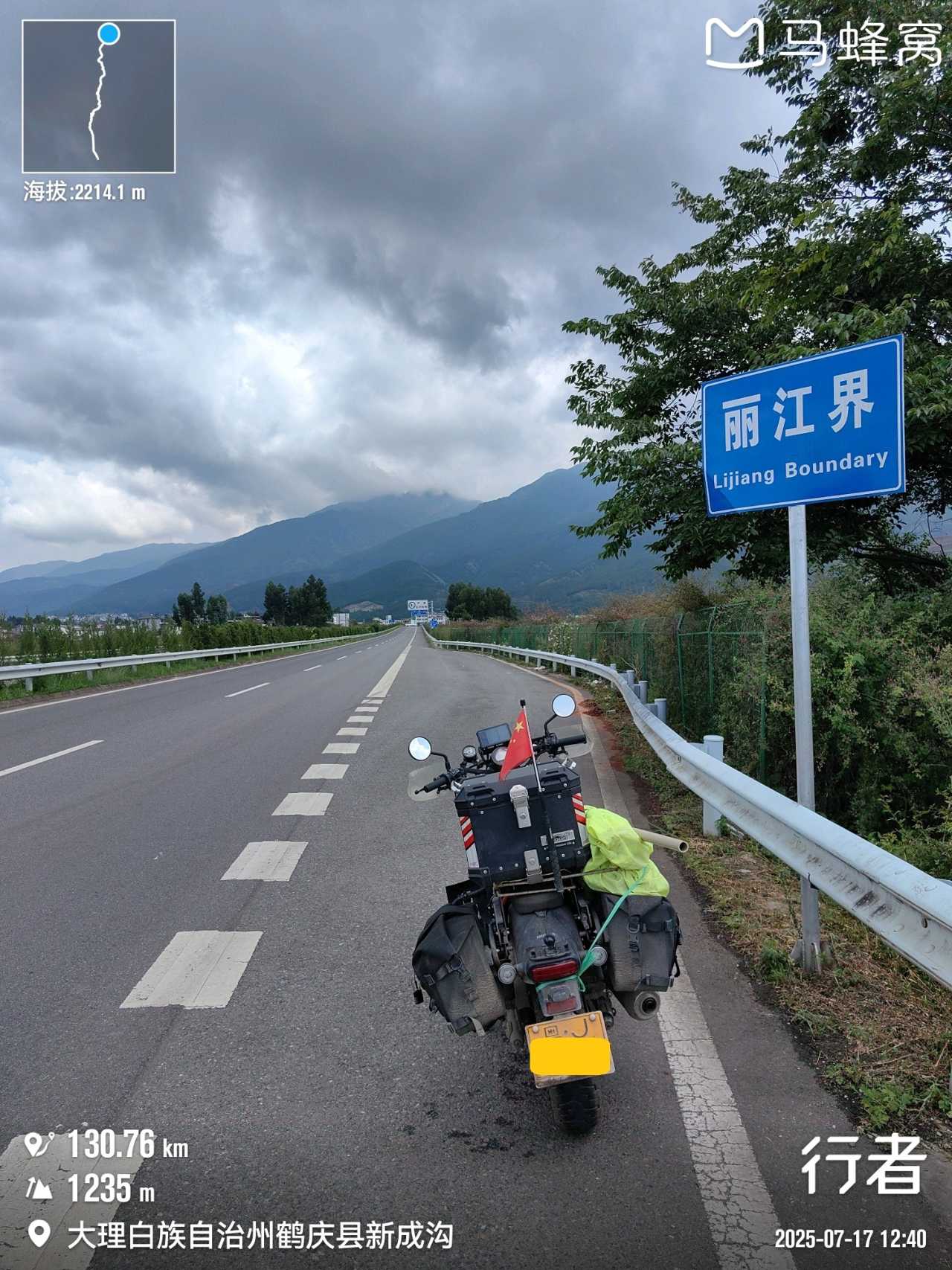
July 17, clear skies. Departing from Dali, the 164-kilometer ride took me four hours. When I spotted the Lijiang city sign at 12:30 PM, I deliberately turned around to snap a photo — it's a ritual for any rider.
I checked into a 7 Days Inn booked through Ctrip, a 195 RMB king-bed room — decent value for money. After a nap until 3 PM, I set out to explore the old town.
Tile Cats and Wood Carvings: The Soul of Yunnan Architecture

In Lijiang's old town, I became fascinated with a clay ornament called the "tile cat" (wa mao). These are distinctive features of Yunnan architecture, perched on rooftop tiles, said to "open their mouths wide to absorb wealth from all directions." I bought one small clay tile cat and two wooden carved ones — they now sit on my bookshelf at home, and every time I see them, I'm transported back to that sunny afternoon.
At the "Donkey Woodworker" (lü mu jiang) wood carving shop, an artisan was meticulously carving a tile cat. Watching his focused expression, I suddenly understood what craftsmanship really means — spending time on beautiful things is a luxury in itself.
The Old Town at Night: Bustle and Memories Intertwined
As the lights came on, Lijiang Old Town revealed a different face. Sifang Street was packed with crowds, and the music from the bar strip was deafening. I climbed Lion Hill and found a platform near the ticket booth to look down over the entire old town — a sea of glittering lights, like a celestial marketplace.
The first time I came to Lijiang ten years ago, I stayed in the old town, and altitude sickness gave me a pounding headache all night. Now, standing here again, breathing the air at 2,500 meters above sea level, I realized I've adapted to the plateau's rhythm. A spider was weaving its web under a streetlamp, reluctant to leave the dazzling night. And I, too, was clinging to these hazy memories.
Stop 2: Shangri-La — The Sun and Moon in the Heart
168 km of Highway Riding
July 18, from Lijiang to Shangri-La, 168 kilometers. The highway tunnels played havoc with my GPS signal, and the entire route log lost 80 kilometers of data — frustrating, but the scenery along the way was more than enough to smooth over the annoyance.
I arrived in Shangri-La at noon and checked into the Huazhu Yimolan Beautiful View Hotel (hua zhu yi mo lan mei jing jiu dian), a twin room for 289 RMB with parking available. The friendly front desk receptionist recommended Napahai Lake and Songzanlin Monastery.
Tibetan Cuisine and Dukezong Old Town
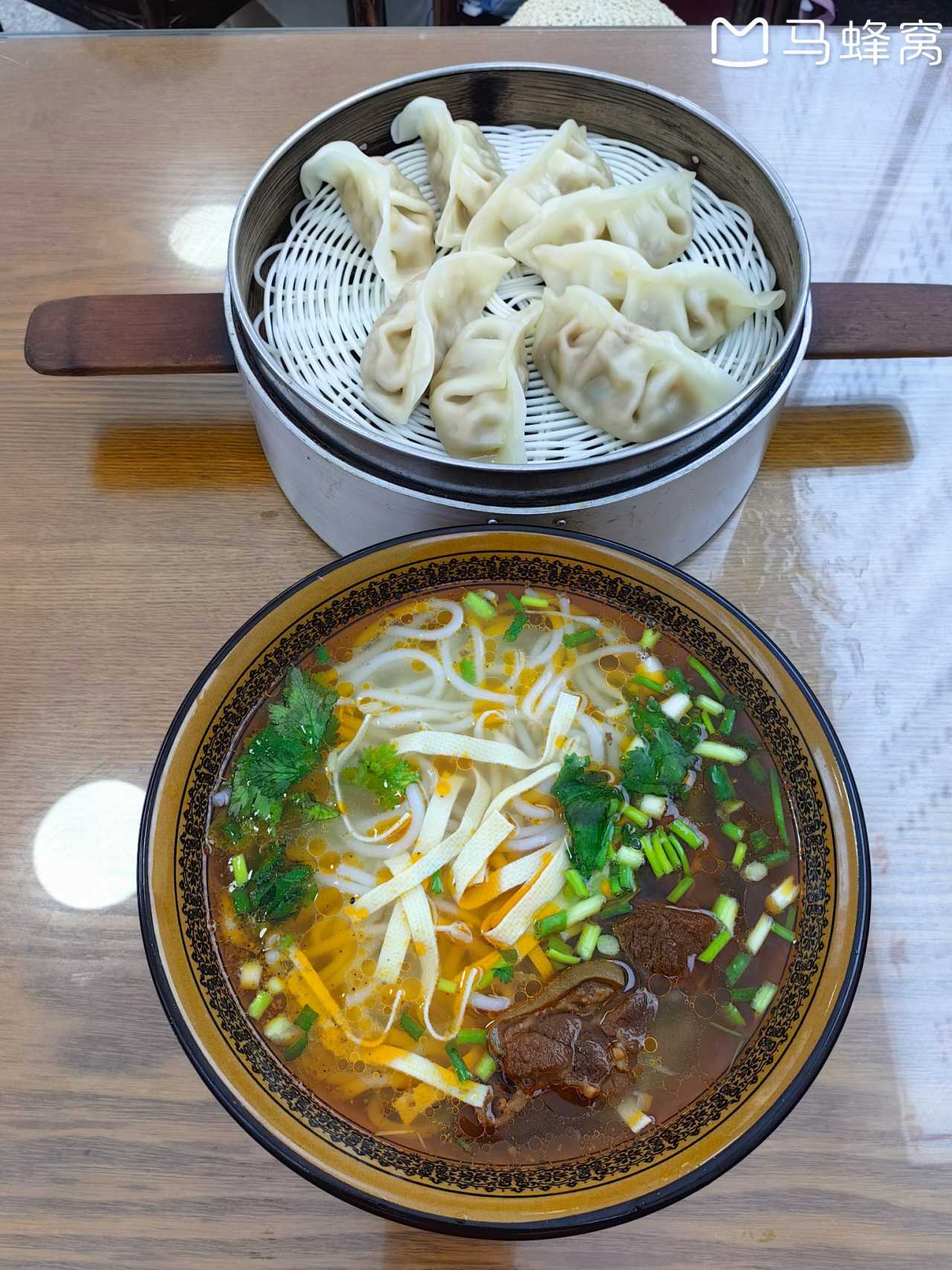
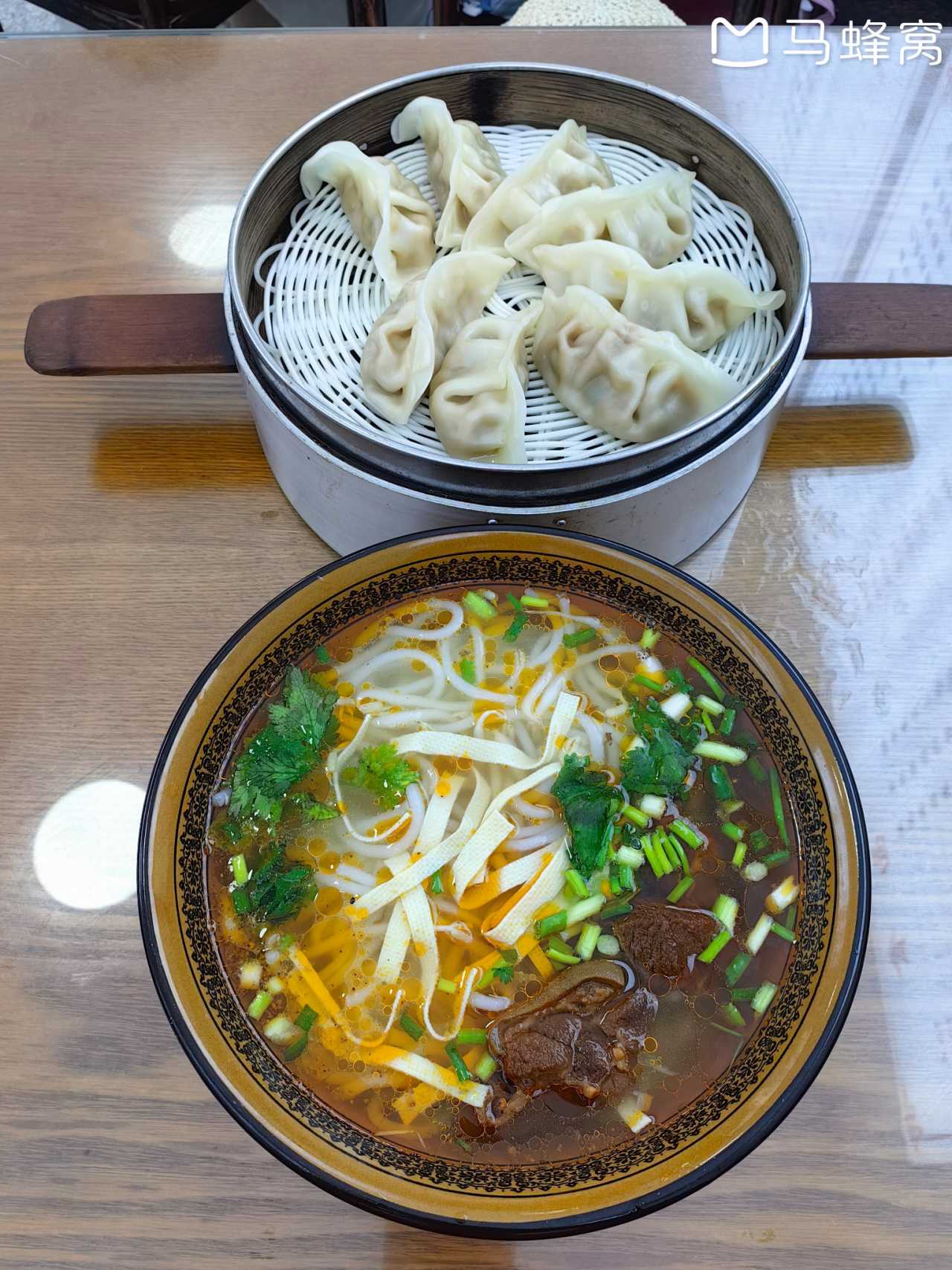
At the Puzhen Tibetan Restaurant (pu zhen zang can ting) next to the hotel, I tried yogurt and milk mixed with highland barley flour (qing ke fen). The chef explained, "Highland barley is nutritious and adds texture." The word "texture" was perfectly chosen — just like this land, layered with stories.
In the evening, I wandered through Dukezong Old Town and encountered all kinds of adorable dogs: an Alaskan Malamute glancing back with a smile, a goofy Golden Retriever, and a little one I couldn't tell if it was an Akita or a Shiba Inu. At the Tile Cat Bakery & Lifestyle Shop (wa mao dan gao sheng huo zhu ti guan), I had three boxes of pastries shipped home — sending the sweetness of Shangri-La back to my family.
The Prayer Wheel in the Rain
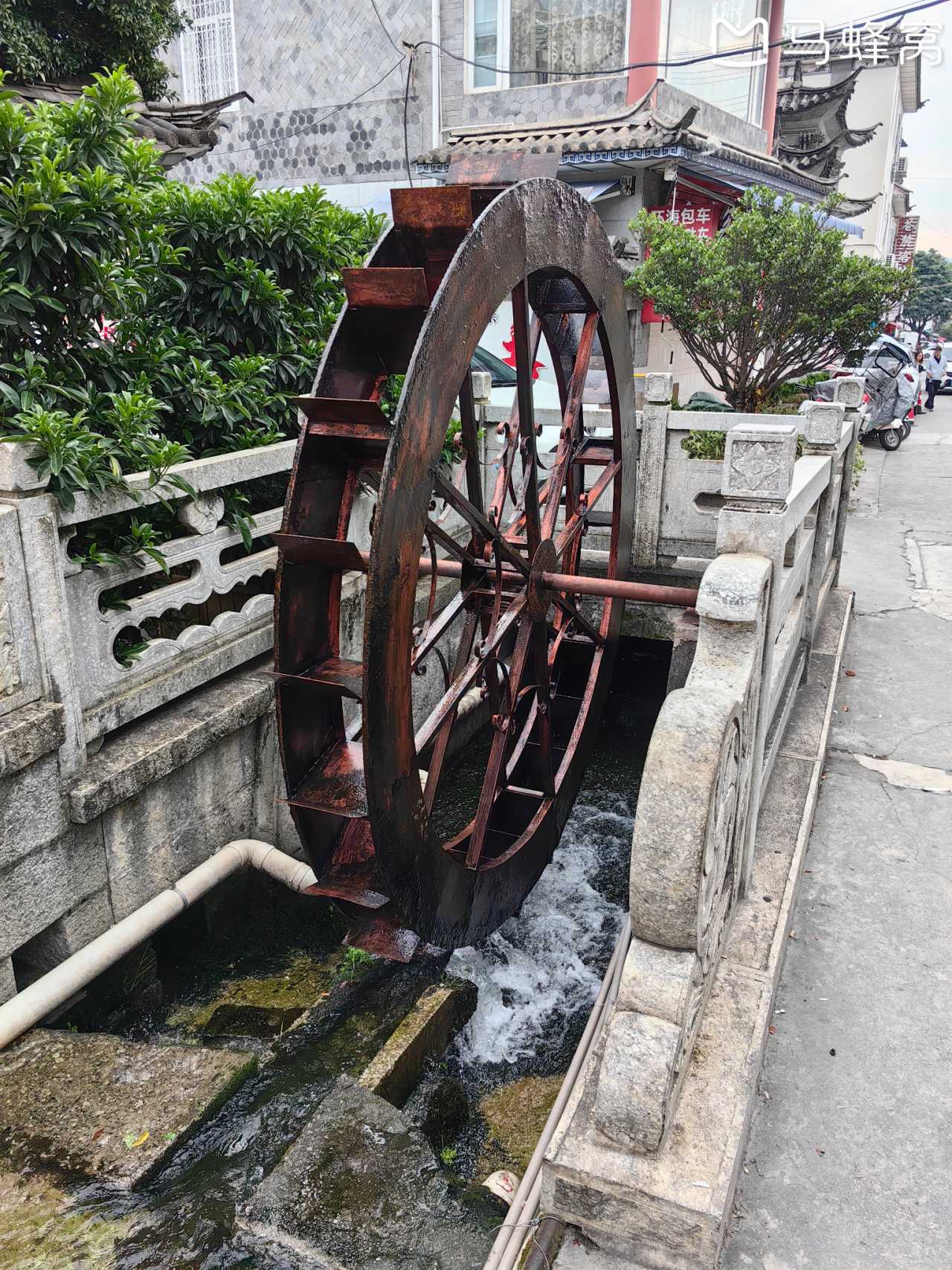
At Tortoise Mountain Park, the world's largest prayer wheel stood silently in the rain. On the square below, people were holding hands, dancing in a circle — if it weren't raining, they would have been dancing even more joyfully. I bought a small umbrella for 10 RMB — that umbrella later accompanied me all the way to Lhasa, then went with me on a bicycle ride to Everest Base Camp, and finally ended up at the front desk of a hotel in Everest Town.
Stop 3: Detour onto G318 — Unexpected Scenery
434 km of Winding Road into Tibet
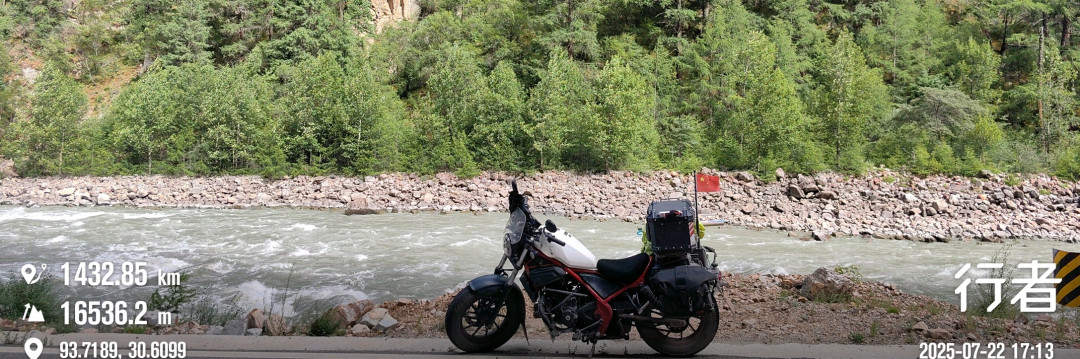
July 19, my original plan was to take the Yunnan-Tibet Highway (G214) and snap a photo at the Yunnan-Tibet border. But when I set off, the navigation showed no route available — the section from Deqin to Markam was temporarily closed for roadworks. I had to switch to G215, passing through Batang in Sichuan, and enter Tibet via the Jinsha River Bridge on G318.
This reminded me of the saying: plans never keep up with changes. But looking at it from another angle, getting to ride the Sichuan-Tibet Highway (G318) again felt like revisiting an old friend.
Riding Through Thick Fog
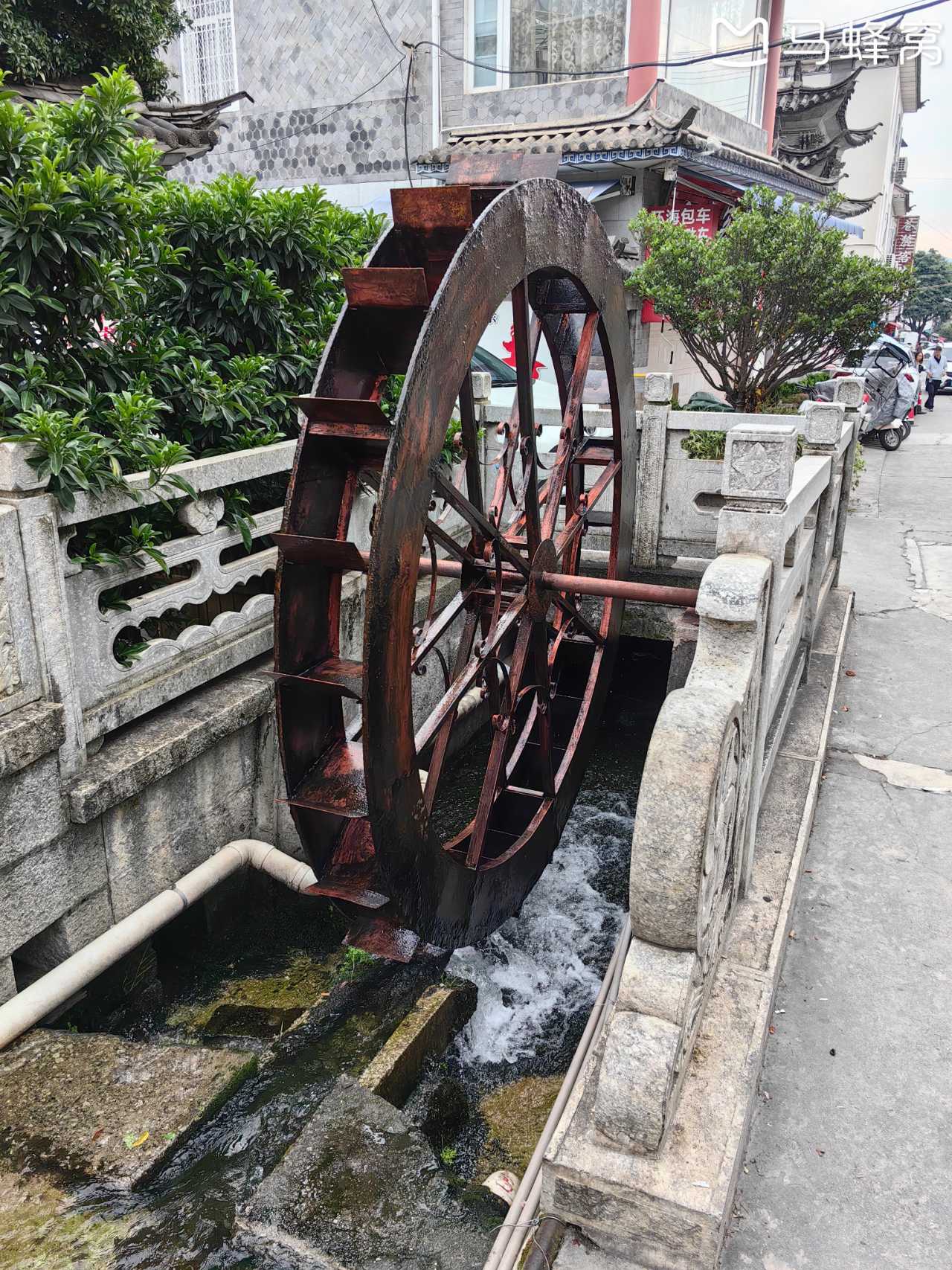
After leaving Shangri-La, I encountered thick fog while crossing the first mountain pass. Visibility was extremely low. I turned on my front and rear lights and crept forward cautiously — if I couldn't see, I pulled over; if I could, I kept going. I had a similar experience two years ago at the border between Hunan and Guangdong, and experience taught me: don't panic, and don't rush.
Jinsha River Bridge: The Sichuan-Tibet Divide
At 6 PM, I reached the Jinsha River Bridge. On the Sichuan side, a sign read "Welcome to Tibet"; after crossing the bridge, the Tibet side read "Welcome to Sichuan." I held my phone horizontally to take two photos and stitched them together — this is the ritual of the Sichuan-Tibet Highway, and a testament to my detour.
I arrived in Markam County at 8:30 PM, with a light drizzle falling. The 434-kilometer journey had taken me a full 12 hours.
Final Thoughts: The Stubbornness of a Rider
From Dali to Lhasa, 1,952 kilometers, 7 days. Add the 1,932 kilometers from Guangzhou to Dali before that, and this motorcycle tour covered a total of 3,884 kilometers. People ask me why I ride a motorcycle. I want to say: it's the stubbornness of a rider — experiencing every inch of the land in the most direct way possible.
Writing things down is the best way to prevent forgetting. When I flip through these journal entries, every detail of the journey comes back to life: the clay tile cat in Lijiang Old Town, the people dancing in the rain in Shangri-La, the horizontally stitched photo taken on the Jinsha River Bridge... These fragments, pieced together, form the Tibet I see.
Practical Tips
- Route Choice: Both the Yunnan-Tibet Highway (G214) and the Sichuan-Tibet Highway (G318) are classic routes into Tibet, but always check real-time road conditions. The Bingchacha Route offers stunning scenery, but avoid it during road construction.
- Accommodation: Hotels in Lijiang and Shangri-La offer great value for money. It's advisable to book in advance through platforms.
- Altitude Sickness: Lijiang sits at 2,400 meters, Shangri-La at 3,300 meters. Acclimate gradually and avoid strenuous exercise.
- Gear Reminder: Highland weather is unpredictable. Rain jacket, rain pants, and shoe covers are essential. In foggy conditions, remember to turn on your front and rear lights.
- Souvenir Recommendations: Yunnan small-batch coffee, tile cat handicrafts, and Shangri-La pastries make excellent gifts. Many shops offer shipping services.
The meaning of a ride isn't about reaching the destination — it's about every single moment on the road. When the wind roars past your ears, when the snow-capped mountains unfold before your eyes, you'll understand: every bit of hardship is worth it.
You should also read:
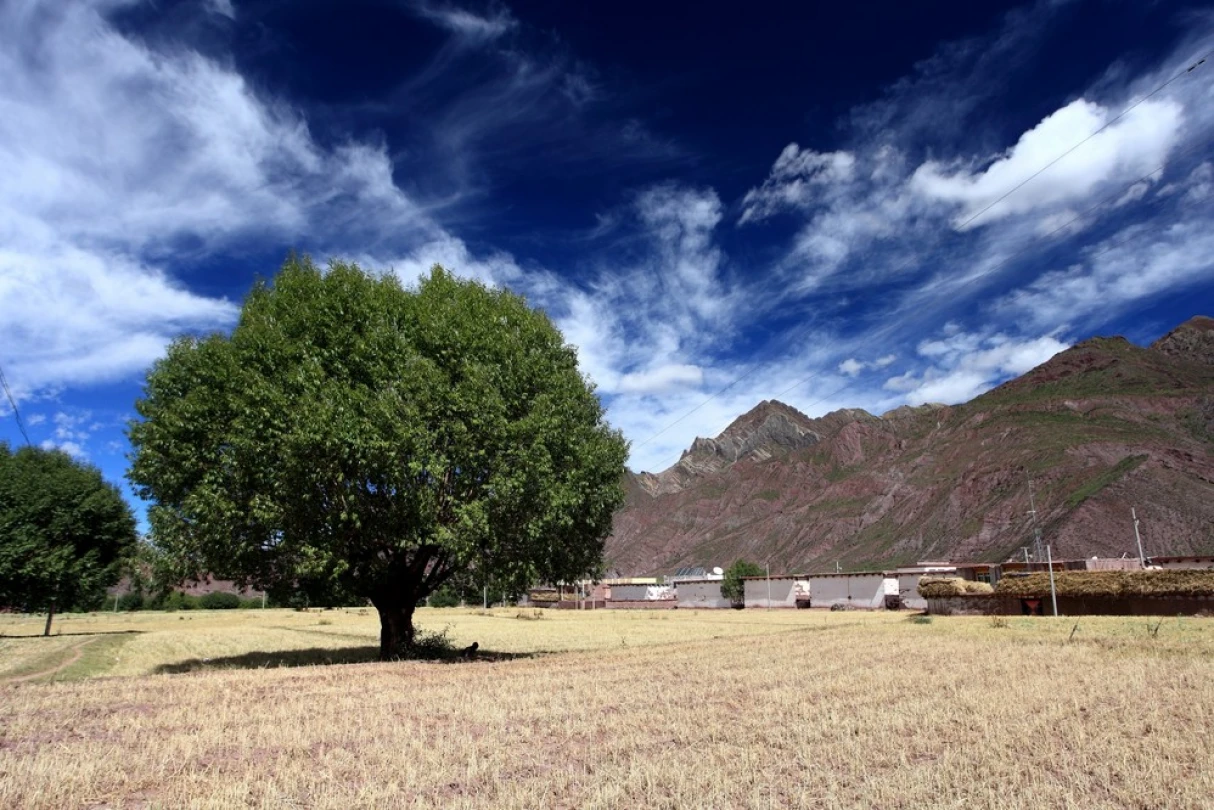
Big Bear and Little Cat Explore China: [A Self-Guided Tour of the Shangri-La Region: That Sky, So Blue It Feels Unreal!]
Big Bear and Little Cat Explore China: [A Self-Guided Tour of the Shangri-La Region: That Sky, So Blue It Feels Unreal!] Prologue: Why Shangri-La? In September 2011, my friend and I followed the Yunnan-Tibet Highway into the Greater Shangri-La region. Six days of travel, without…
Continue reading...
September: Finding Unexpected Warmth in Yunnan (Kunming, Dali, Shuanglang, Lijiang, Lugu Lake)
September: Finding Unexpected Warmth in Yunnan (Kunming, Dali, Shuanglang, Lijiang, Lugu Lake) Foreword: One Person's Journey, A Crowd's Story Before I set off, like every first-time solo traveler, I printed out a thick stack of travel guides and rehearsed countless possible scenarios in my head—getting…
Continue reading...
A 9-Day Yunnan Journey: From Lijiang to Dali to Tengchong – A Trip Toward Self-Reconciliation
A 9-Day Yunnan Journey: From Lijiang to Dali to Tengchong – A Trip Toward Self-Reconciliation Some say travel is simply going from a place you're tired of to a place other people are tired of. It stings to hear, but it's painfully true. Yet there's…
Continue reading...