Mountains & Rivers Notebook: You Need Nature More Than You Think (Slow Travel in Shangri-La + Dali)
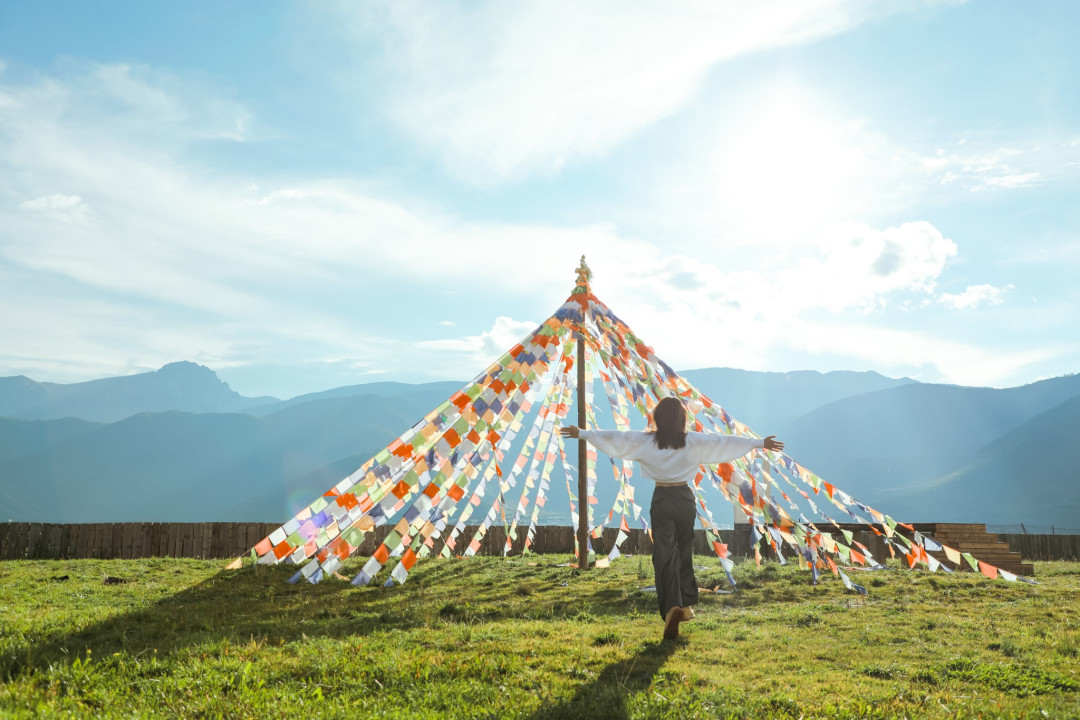
Mountains & Rivers Notebook: You Need Nature More Than You Think (Slow Travel in Shangri-La + Dali)
Foreword: When Life Calls for an "Escape"
Have you ever had one of those moments? You consider yourself someone who loves quiet, yet you find yourself most productive amid the clatter of keyboard keys in a coffee shop. You long for sunny days, yet you sleep most soundly cocooned in your blankets on a rainy afternoon. It wasn't until a particular rainy dusk, sitting by the window watching blurred figures and headlights in the mist, that I finally understood—what I'm drawn to isn't the aroma of coffee or the rhythm of raindrops, but the autonomy, contentment, and harmony hidden within the fabric of ordinary life.
That, I think, is why I've always yearned for a life of wandering. Even though reality always finds reasons to keep me rooted in place, at least when it comes to "travel," I've never compromised. Five years ago, I passed through Shangri-La in a hurry after trekking through Yubeng; I'd also experienced Dali's "wind, flowers, snow, and moon" three or four times before. But this time was different—I bought a one-way ticket and set off with the intention of "settling in lightly." The ending was bittersweet (a phone call summoned me back to the city grind), but those days of working with my laptop against a backdrop of snow-capped mountains, grasslands, and drifting clouds—even now, looking back, I can still feel that surge of happiness flowing through every limb.
Shi Tiesheng wrote in Fragmented Notes from a Sickbed: "People can walk toward paradise, but cannot arrive at paradise. Walking toward it means the other shore exists. Arriving at it—would that not mean the other shore disappears?" We always think the other shore lies far away, forgetting that the thorns beneath your feet might just be the path to the roses. You are the other shore.
Practical Information: Pre-Departure Prep

Transportation Guide
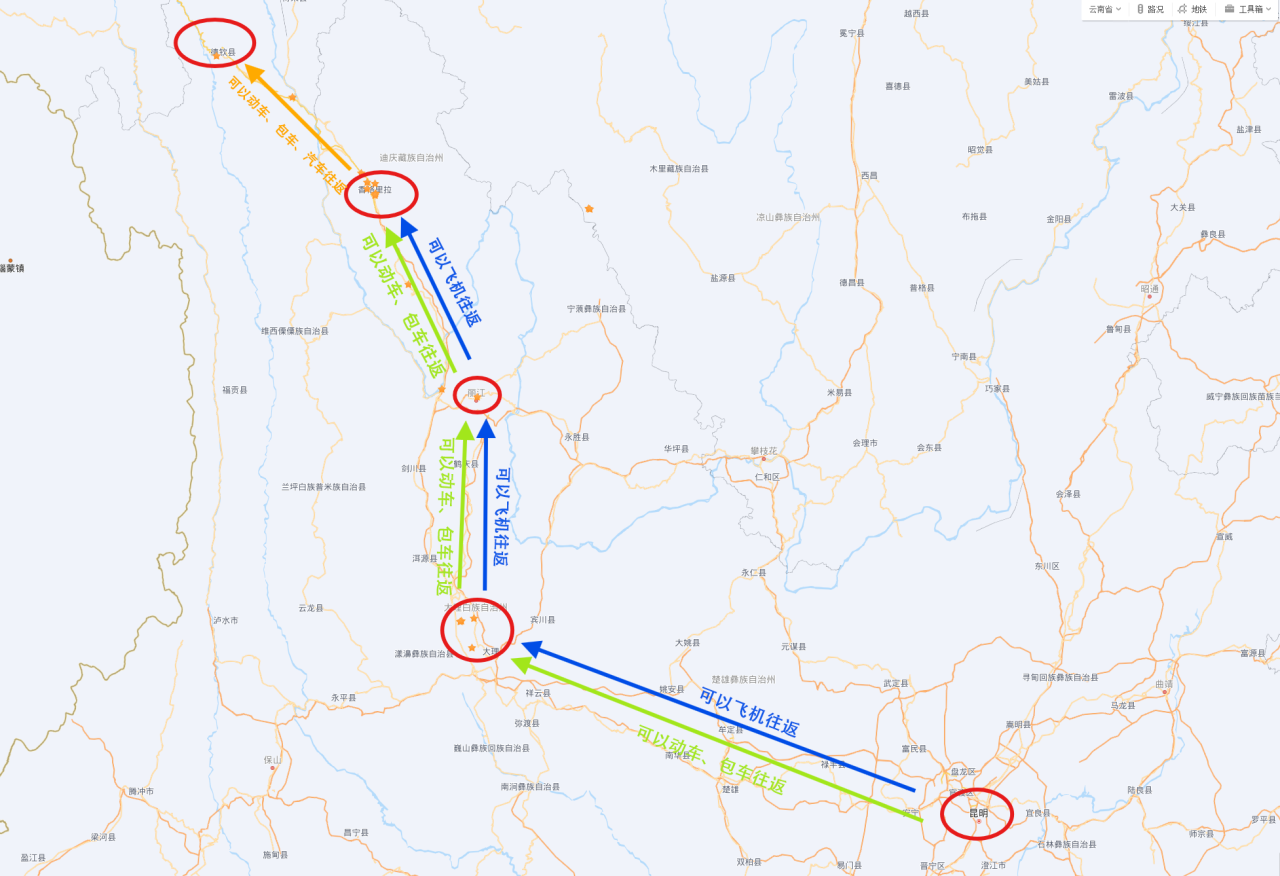
With Kunming as the hub, Dali, Lijiang, Shangri-La, and Deqin stretch northwest in sequence. All four locations have airports, but direct flights to Lijiang, Shangri-La, and Deqin are limited, often requiring transfers. The good news is that the high-speed rail network now covers Dali, Lijiang, and Shangri-La, with frequent departures and stations close to city centers.
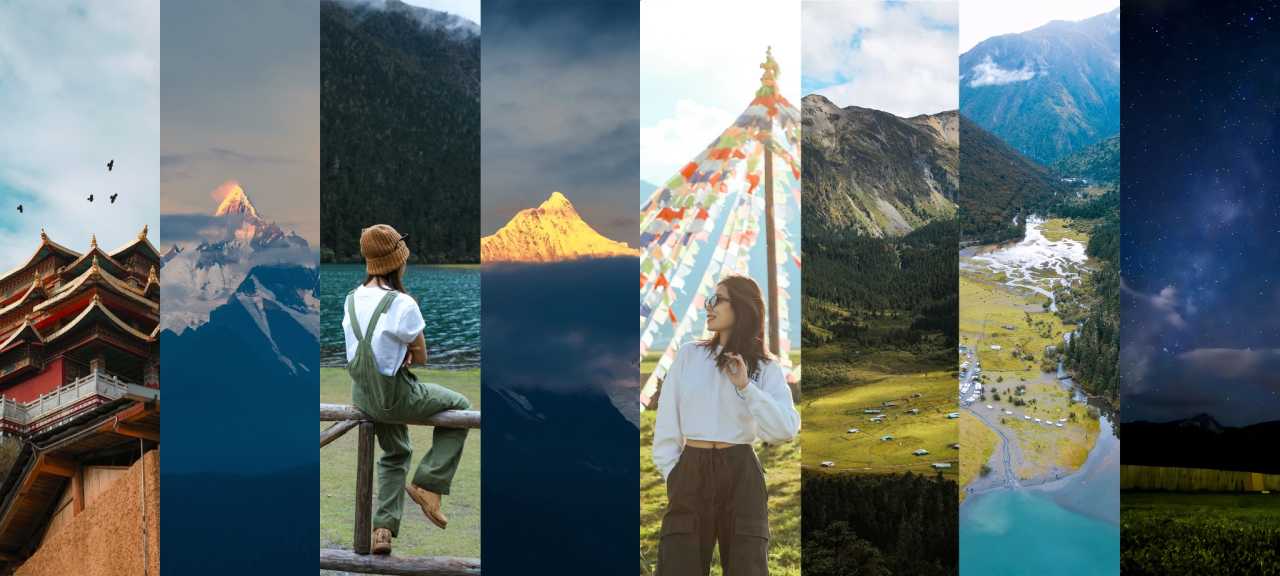
As for Deqin (home to the sacred Meili Snow Mountain sunrise), there are two main options:
- 3-Day, 2-Night Charter from Lijiang: Lijiang → Tiger Leaping Gorge → Jinsha River First Bend → Wunongding → Feilaishi → Baima Snow Mountain → Napahai → Dukezong Ancient Town → Potatso National Park → Xiaozhongdian Flower Sea → Lijiang
- 2-Day, 1-Night Charter from Shangri-La: Songzanlin Monastery → Napahai → Jinsha River First Bend → Wunongding → Feilaishi → Potatso National Park → Dukezong Ancient Town. If time permits, add a day for the Balagezong Grand Canyon.
Alternatively, there are buses between Shangri-La and Deqin.
Accommodation Recommendations
Shangri-La
City Center (Tuanjie Road, Beimen Street area): Concentrated mid-to-high-end hotels with complete facilities and convenient transportation.
Dukezong Ancient Town: Immersive Tibetan cultural atmosphere, walking distance to Guishan Park, Moonlight Square, and other attractions. A range of options from boutique guesthouses to budget hotels. Note: The ancient town's cobblestone streets make luggage transport difficult—contact your accommodation in advance for pickup.
Our first night was at Shangri-La Qinglu Puyu Homestay, newly opened in 2024. Modern minimalist style with underfloor heating and diffuse oxygen supply, walking distance to Guishan Park. No elevator, but staff helped with luggage.

Napahai Scenic Area: Mainly mid-to-high-end guesthouses, such as Shili Snow Sky Mirror Tent Manor and Lisiman | Xinsu·Qionglu Siye Homestay. Lie in your room and gaze at grasslands, lakes, and snow mountains. The Lisiman we stayed at was practically a "zoo"—short-legged ponies, alpacas, sika deer, goats, and rabbits roaming freely. Breakfast was generous, with complimentary afternoon tea and stews. The only downside: remote location with no nearby restaurants, but the homestay's meals were excellent—perfect for a lazy vacation.
Near Songzanlin Monastery: Concentrated high-end guesthouses, the most famous being Shangri-La Songtsam Linka Hotel. Opened in 2009, designed in Tibetan fortress style, with south-facing views of Songzanlin Monastery.
Deqin
90% of visitors come for the "golden mountain" sunrise. Feilaishi is closer to the snow mountains with better facilities and accommodations at all price points; Wunongding offers wider views and a quieter atmosphere but is dominated by high-end guesthouses at premium prices.
We stayed at Feilaishi Yingsong Mountain Lodge, modern minimalist with diffuse oxygen supply. Prime location facing the thirteen peaks of Meili—on clear days, open your window or head to the rooftop to see the sunrise illuminate the peaks. Excellent value for money.
Dali
Accommodation is extremely well-developed, with pros and cons for the ancient city, Haidong, Shuanglang, Haixi, and the foot of Cangshan Mountain. We stayed at Dali Guofeng Courtyard just outside the ancient city's east gate—a two-story wooden structure so quiet you could see the stars. The caretaker was attentive, knocking on our door in the morning to call us for breakfast.
Itinerary
- Day 1: Wenzhou → Shangri-La (Stroll through Dukezong Ancient Town → Dinner at Snow Mountain Kitchen)
- Day 2: Shangri-La charter → Deqin (Songzanlin Monastery → Napahai Viewing Platform → Jinsha River First Bend → Dinner at Wunongding Wild Narrative Restaurant)
- Day 3: Deqin charter → Shangri-La (Meili Snow Mountain sunrise → Napahai guesthouse relaxation)
- Day 4: Shangri-La (Guesthouse relaxation → Black Bean Coffee)
- Day 5: Wudi Lake day trip → Guesthouse stargazing
- Day 6: Shangri-La → High-speed rail → Dali
- Day 7-8: Dali (work + relaxation + wandering)
- Day 9: Dali → Wenzhou
Day 1: Solitude and Crossing—The Millennia-Old Echoes of Dukezong Ancient Town
As the plane descended, I looked out at the cityscape below—familiar yet strange. Five years is enough time to erase many things, but also to bring many things to fruition. Stepping out of the cabin, the thin air hit me, leaving me slightly breathless. I took deep gulps of the cold air, letting it circulate through my lungs before I truly pulled myself out of memory—hello again, Shangri-La.
Dukezong Ancient Town: China's Largest Tibetan Residential Complex
Leaving the guesthouse, the sun was setting, thick clouds covering the skyline, making this thousand-year-old town feel even more weighty. Dukezong Ancient Town dates back over 1,300 years and was a hub on the Ancient Tea Horse Road. "Dukezong" in Tibetan means "White Stone City," earning it the name "Moonlight City." Legend has it that during construction, a Living Buddha looked upon the ancient town and saw that the Great Turtle Mountain resembled Padmasambhava sitting on a lotus, so the town was laid out in the shape of an eight-petal lotus, built as an ideal Shambhala kingdom.
It's heartbreaking to recall that a fire ten years ago destroyed more than two-thirds of the town's buildings. What you see today is a "new ancient town" rebuilt over many years—a sight that evokes pity, regret, and tenderness.
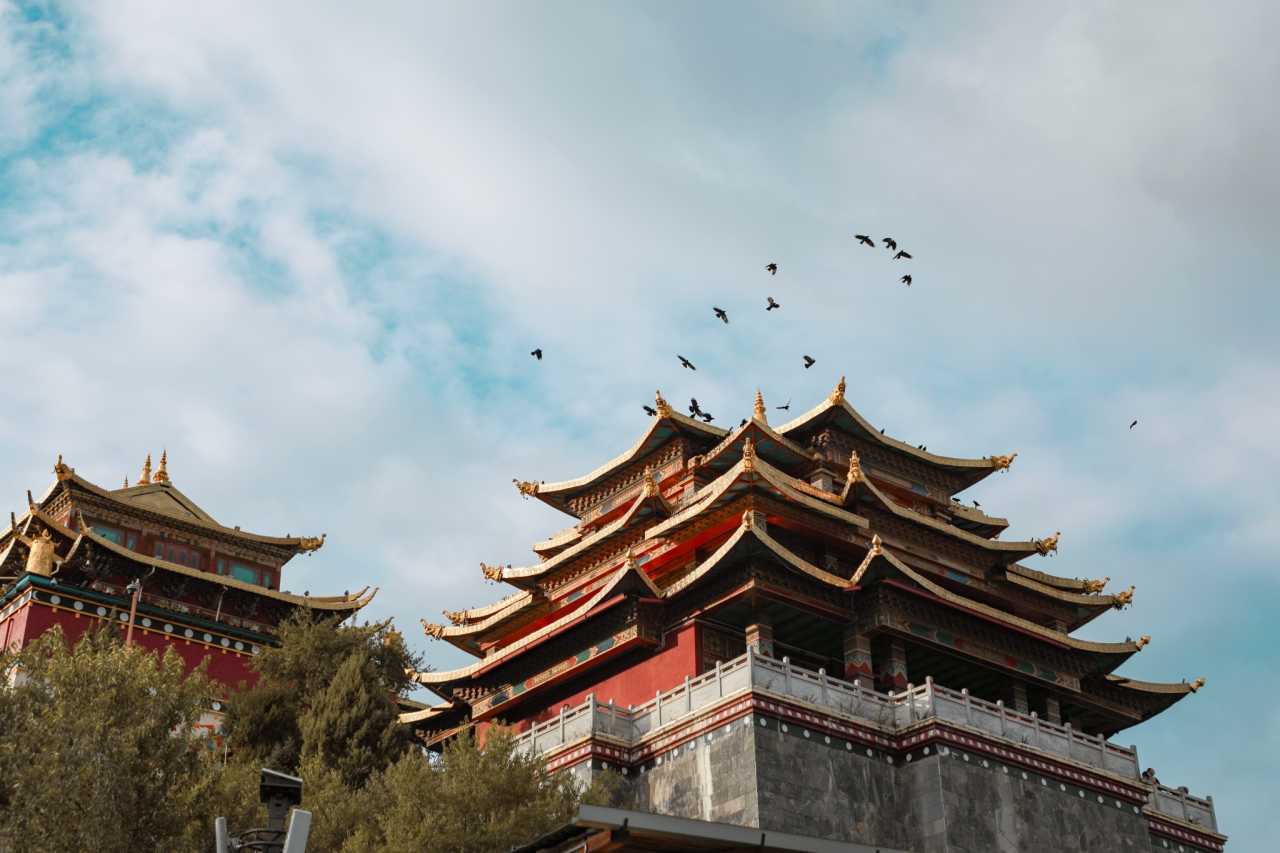
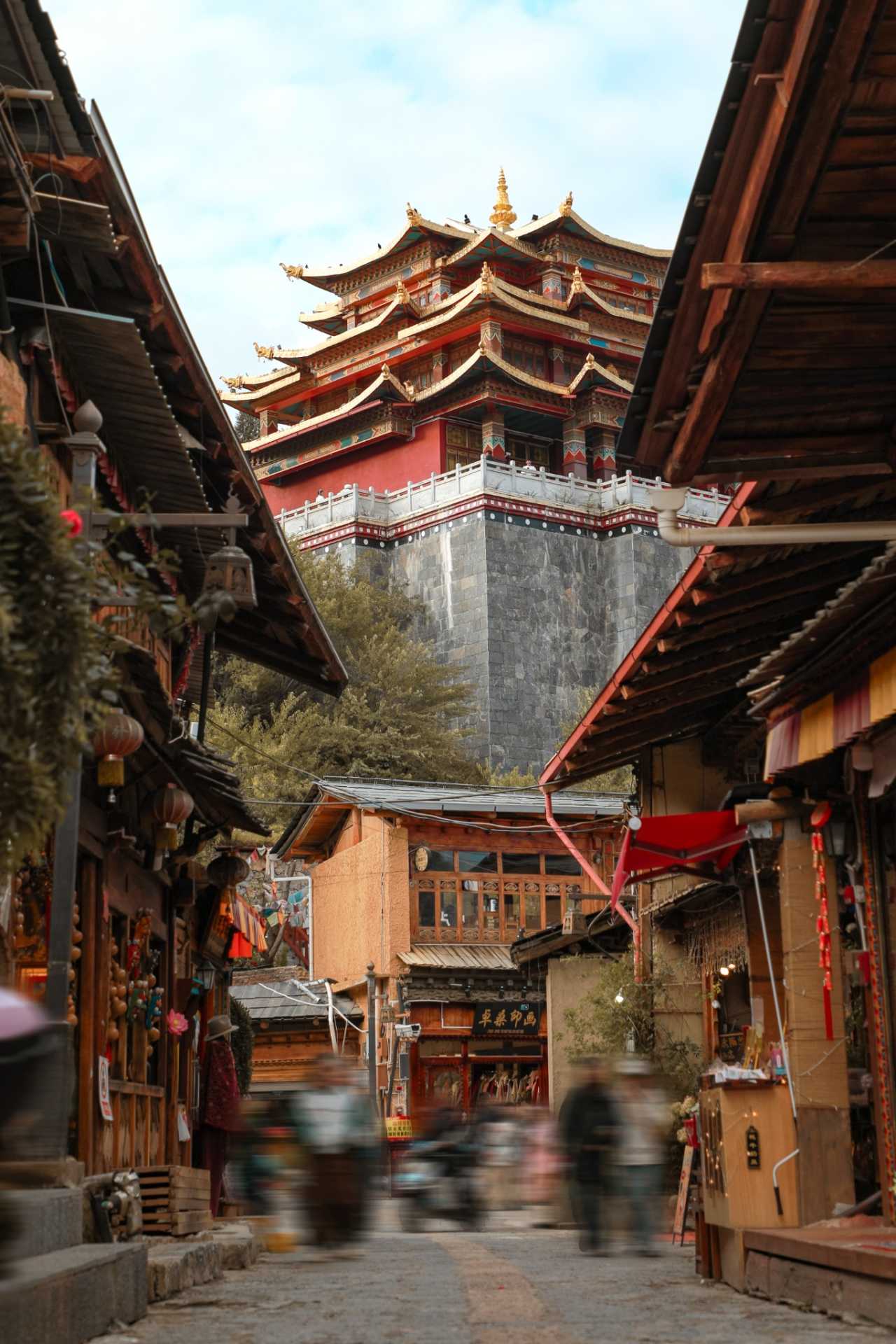
Photo Tips: - Navigate to "Zangji Wang Inn" to capture the ancient town alleyways with the Great Buddha Temple in the frame - Navigate to "Tubo Thangka Shop" to capture the ancient town alleyways with the prayer wheel in the frame
In the sunset glow, looking up from the ancient town's alleys, the pure copper gold-plated prayer wheel atop Guishan Park stood out vividly. Five years ago, dragging my exhausted body from the Yubeng trek, I stood beside this—the world's largest and heaviest prayer wheel. Its walls are engraved with the Four Great Bodhisattvas and the Eight Auspicious Symbols; inside, it holds 1.24 million sutras and 16 tons of Buddhist treasures. It takes at least seven or eight people to turn it, and each clockwise rotation is equivalent to silently chanting Buddha's name 1.24 million times.
Faith always offers a mysterious comfort. Humans seem contradictory—one moment "doing what is known to be impossible," the next "accepting what cannot be changed as fate." But on reflection, the two are dialectically unified: the former "doing" is action, the latter "accepting" is mindset. And what connects them is faith. This spiritual atmosphere is especially palpable in Tibetan regions.
Two years ago, I was sitting in a daze in front of the Potala Palace when a Tibetan sanitation worker sat down next to me and said, "Though my hands are dirty, my heart is clean." His pronunciation was poor, his expression flat, but those words rang in my ears like a temple bell. Even though later events shattered that moment of emotion, recalling it now still moves me.
Snow Mountain Kitchen: Quiet Time in a Century-Old Tibetan House
Pulling away from the ancient town's bustle, I stepped into Snow Mountain Kitchen Dormito Cafe. This dining spot, converted from a 120-year-old Tibetan house that was once a chieftain's residence, retains the traditional wooden structure. A fireplace crackled, a cat dozed with closed eyes—everything was perfectly still.
Tips: - Hours: 10:30 AM – 10:00 PM - Coffee during the day, dinner in the evening; per-person cost slightly higher than other ancient town establishments
Day 2: Peaks and Wind—Setting Out for Meili Snow Mountain
Somewhere along the way, I became obsessed with snow mountains, with the sunrise illuminating the peaks. Maybe it's a Southerner's innate longing for snow, or maybe it's reverence for nature itself—watching those sharply carved, blade-like snow peaks gradually wrapped in gold leaf by the morning light, that intensity, that majesty—how could it fail to move you?
Early September's weather had been poor—not just the golden sunrise, but even the full view of the thirteen peaks was elusive. But following the principle of "since we're here anyway," we forged ahead regardless. As it turned out, heaven always favors the persistent.
Songzanlin Monastery: Yunnan's Largest Tibetan Buddhist Monastery
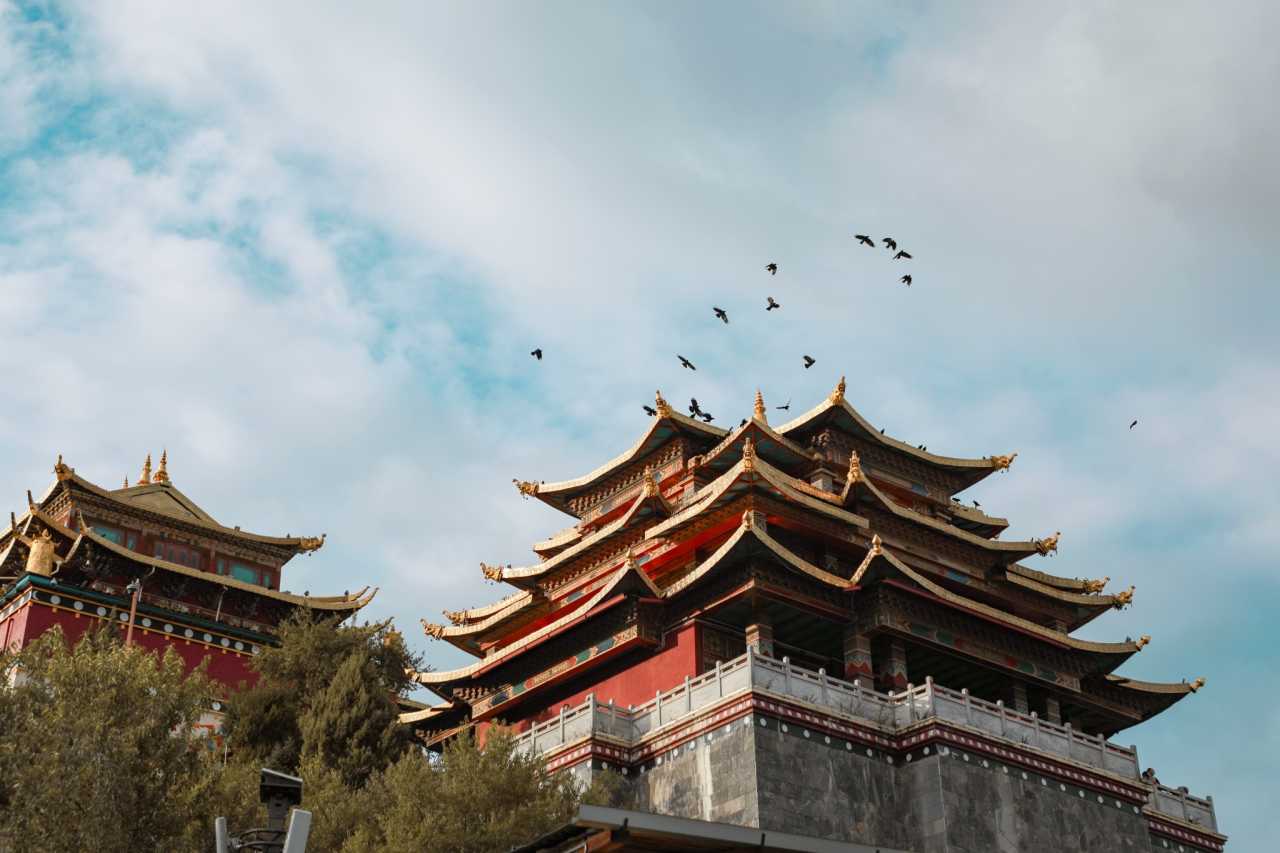
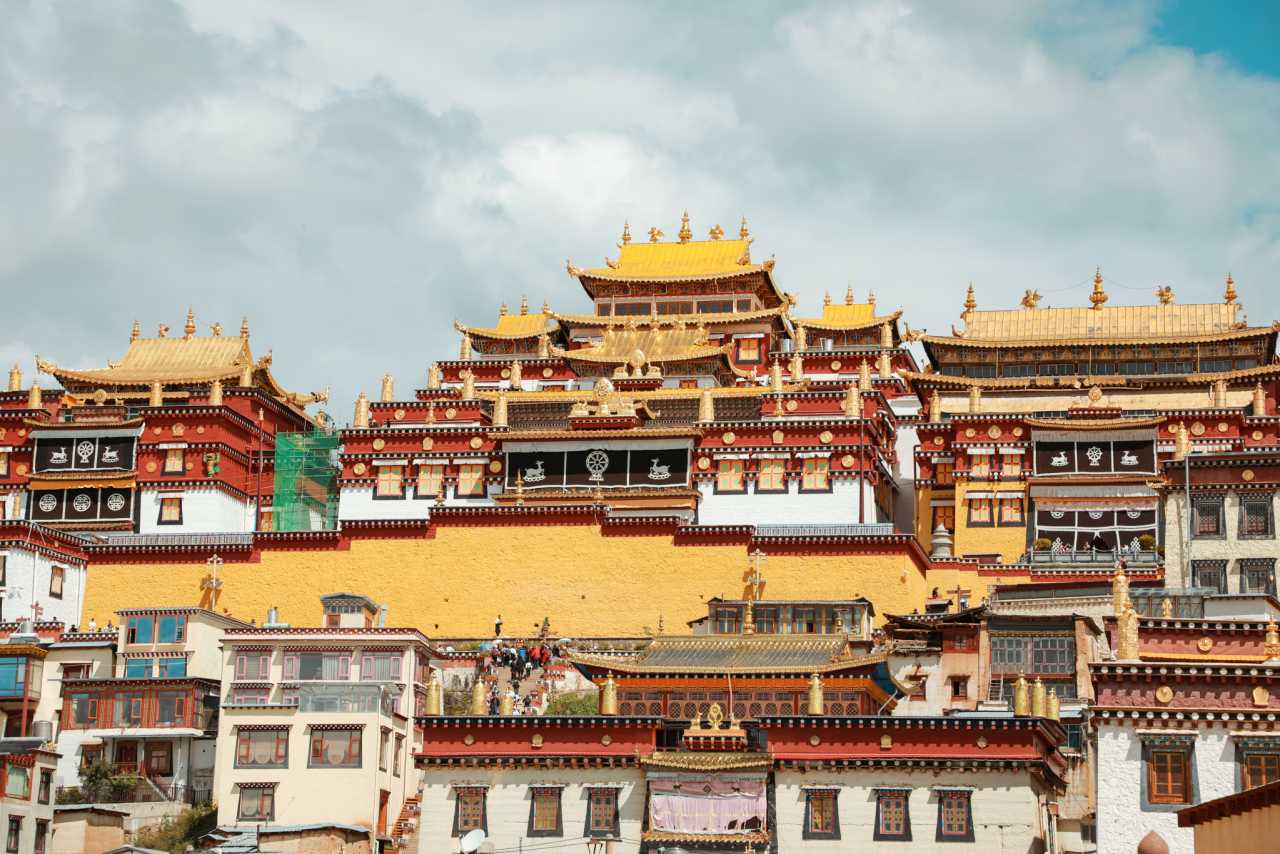
Gaden Songzanlin Monastery, also known as Guihua Monastery, sits at the foot of Foping Mountain, 5 kilometers north of Shangri-La. It was built in 1679 by order of the Fifth Dalai Lama and the Kangxi Emperor as one of the "Thirteen Monasteries." It is Yunnan's largest Tibetan Buddhist monastery and the center of the Gelug school in the Sichuan-Yunnan region, earning it the nickname "Little Potala Palace."
The name "Gaden Songzanlin" is fascinating. "Gaden" is the Tibetan term for "Tushita Heaven," the abode of the future Buddha Maitreya. "Song" means "three"—in Buddhism, the Buddha, Dharma, and Sangha are called the "Three Jewels," and the Sutras, Vinaya, and Abhidharma are the "Three Baskets." "Zan" refers to the playground of celestial beings, and "Lin" means monastery. So the full name can be understood as "The Blissful Garden of the Heavenly Three Deities at Play."
The entire monastery faces south. On the higher slopes, three magnificent golden buildings from left to right are the Tsongkhapa Hall, the Assembly Hall, and the Shakyamuni Hall, representing the Three Jewels of Sangha, Dharma, and Buddha—becoming a monk, studying the Dharma, and attaining Buddhahood.
What is a "Kangtsang"? A Kangtsang is a subordinate monastic organization under the Assembly Hall, dividing monks by their place of origin. Songzanlin Monastery has eight major Kangtsangs, symbolizing the eight-petal lotus.
To truly appreciate the monastery's beauty and sanctity, the best spot isn't in front of the main halls, but on the circumambulation boardwalk around Lhamo Lhatso Lake. This "Sacred Soul Lake" is the soul-lake of the goddess Palden Lhamo. Tibetans circumambulate the lake for blessings, and it's said that accomplished lamas can see their past and future lives in its waters. In the lake sits a mani stone pile, where monks perform rituals for the souls of sky burial.
Five years ago, on a deep autumn morning, I experienced Songzanlin Monastery at its most beautiful. Morning mist wrapped around the monastery like raw silk, and the faint, ethereal chanting of sutras brought a profound stillness to the heart. Taking a deep breath, the cold air laced with the scent of grass filled my lungs, followed by a long, quiet peace and gentle joy.
Visiting Tips: - Ticket: 90 RMB/person (includes shuttle bus) - Hours: 7:30 AM – 5:30 PM - Remove sunglasses and hats when entering main halls; dress modestly; walk clockwise - Routes: Boardwalk circuit (1 hour), essential route (1.5 hours, recommended with free guide), outer circuit (1 hour), inner circuit (3 hours)
After leaving Songzanlin, we made a detour to Songtsam Linka to visit the highest-altitude Arc'teryx store. From the hotel's terrace, you can see the full expanse of Songzanlin Monastery.
Napahai: A Lake on the Grassland, Grassland in the Lake
Napahai is a seasonal alpine lake. During the rainy season, melted snow and water converge, the lake expands like a mirror reflecting the sky and earth. In the dry season, the water recedes, transforming into the vast Yila Grassland, with cattle and sheep scattered across it and snow-capped mountains stretching into the distance. This is the unique tableau of "a lake on the grassland, grassland in the lake."
Standing at the same viewing platform, from the same angle, in roughly the same season—yet carrying a completely different state of mind. The magic of photography lies in its ability to make time and space intersect.
Jinsha River First Bend: A Signature Landscape of the Three Parallel Rivers
Heading northwest along National Highway G214, you soon enter Benzilan Town in Deqin County. Nestled at the foot of Baima Snow Mountain along the Jinsha River, this town was a必经之路 (must-pass) on the Ancient Tea Road and a must-visit on the way to Meili Snow Mountain. Across the river lies Derong County in Sichuan.
Benzilan is famous for two reasons: first, it's a typical example of climatic diversity in the "Three Parallel Rivers" World Natural Heritage site (dry-hot valley climate, extremely arid); second, it's home to the "Jinsha River Big Bend."
The Jinsha River Big Bend, also called Moon Bay, marks the border between Yunnan and Sichuan. The Jinsha River, cutting through mountains and valleys, makes a 180-degree turn around the pyramid-like Rizhui Peak just before it's about to burst through the Sichuan-Yunnan fortress, drawing an inverted "Ω" shape—a true masterpiece of nature.
The main viewing platform offers a bird's-eye view. A small platform 30 meters below captures different angles.
Wunongding: Face to Face with the Thirteen Peaks of Meili

Both Wunongding and Feilaishi are excellent spots to appreciate Meili Snow Mountain. Wunongding offers wider views and is closer from the Shangri-La direction; Feilaishi is nearer to the mountain's base with more complete facilities.
When we arrived at Wunongding, the clouds were still thick. But just at sunset, a miracle happened—a crack opened in the clouds, and the tips of Meili's thirteen peaks were gilded by the setting sun. In that moment, everyone held their breath.
Afterword: You Need Nature More Than You Think
Nine days—not long, not short. I brought my laptop, editing videos beneath the snow mountains, writing copy on the grasslands, daydreaming by the lakes. Those moments of sitting in my pajamas, wrapped in a blanket by the window—that inexplicable happiness still radiates through my limbs and bones.
This, I suppose, is the embodiment of "finding peace in the everyday, taking quiet joy in the passing hours."
People have to go through things to truly understand them. The other shore we so desperately try to reach may already be laid out beneath our feet—you are this shore covered in thorns, and you are also the other shore laden with roses. You are your own unique, irreplaceable other half.
So go. You need nature more than you think.
You should also read:
Dreaming of Lijiang, Dreaming of Shangri-La: A Journey That Lets Your Soul Breathe Deeply
Dreaming of Lijiang, Dreaming of Shangri-La: A Journey That Lets Your Soul Breathe Deeply Life is like a long trek. We're always rushing through the concrete jungle, searching for a glimmer of light in the monotony of our days. Then one autumn, I heard the…
Continue reading...
Two Girls' Graduation Trip: Dali and Shuanglang – A Poetic Farewell to Mountains and Sea
Two Girls' Graduation Trip: Dali and Shuanglang – A Poetic Farewell to Mountains and Sea Preface: Catching the Tail of Youth, Heading South During our senior year of college, my roommate and I – two girls studying in Beijing – decided to bid farewell to…
Continue reading...
Cloud Travelogue · Dali of Wind, Flowers, Snow, and Moon: A Three-Day, Two-Night Journey of a Free Spirit
Cloud Travelogue · Dali of Wind, Flowers, Snow, and Moon: A Three-Day, Two-Night Journey of a Free Spirit I am a cultured female foodie with a touch of rogue charm. I slung on my backpack, took my lover's hand, and set off on a spontaneous…
Continue reading...