#My2017# Slow Travel in Yunnan: Taking Family to Lijiang and Dali
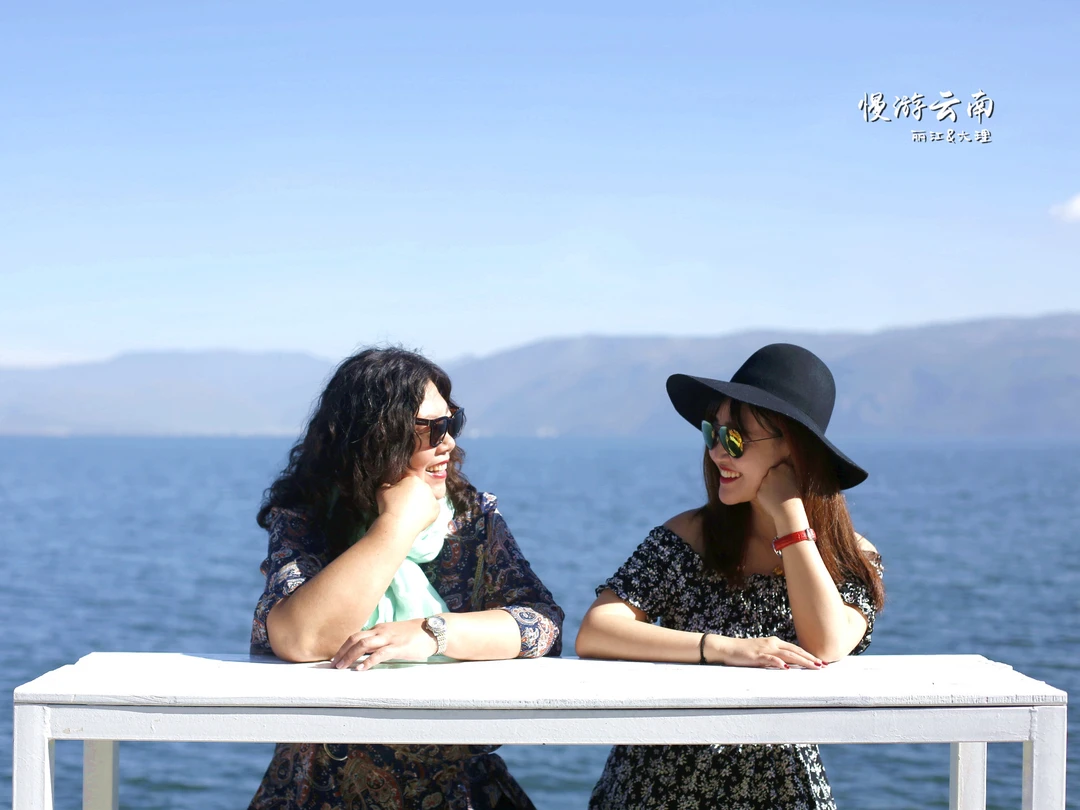
#My2017# Slow Travel in Yunnan: Taking Family to Lijiang and Dali
Foreword: Slowness is the Breath of Yunnan
If you ask me what left the deepest impression in Yunnan, I would answer without hesitation: slowness.
Not laziness, but a relaxed rhythm. There, time seems stretched out—drink a cup of tea, soak up some sun, chat idly, and a day slips away. For those of us used to racing against the clock in the city, this feels like pure luxury.
Here, you can shed all your anxiety, set down the weight on your shoulders, forget those messy thoughts, and simply enjoy the comfort of "slow living."
Well, that was the artsy version. Now for something more down-to-earth.
Because of the high altitude in Lijiang, you simply can't go fast—no brisk walking, no climbing stairs quickly, no loud talking, not even intense emotional swings. Anything that requires speed leaves you gasping for air. I'd often finish two sentences, stop to catch my breath and calm my heartbeat, then continue with a wry smile.
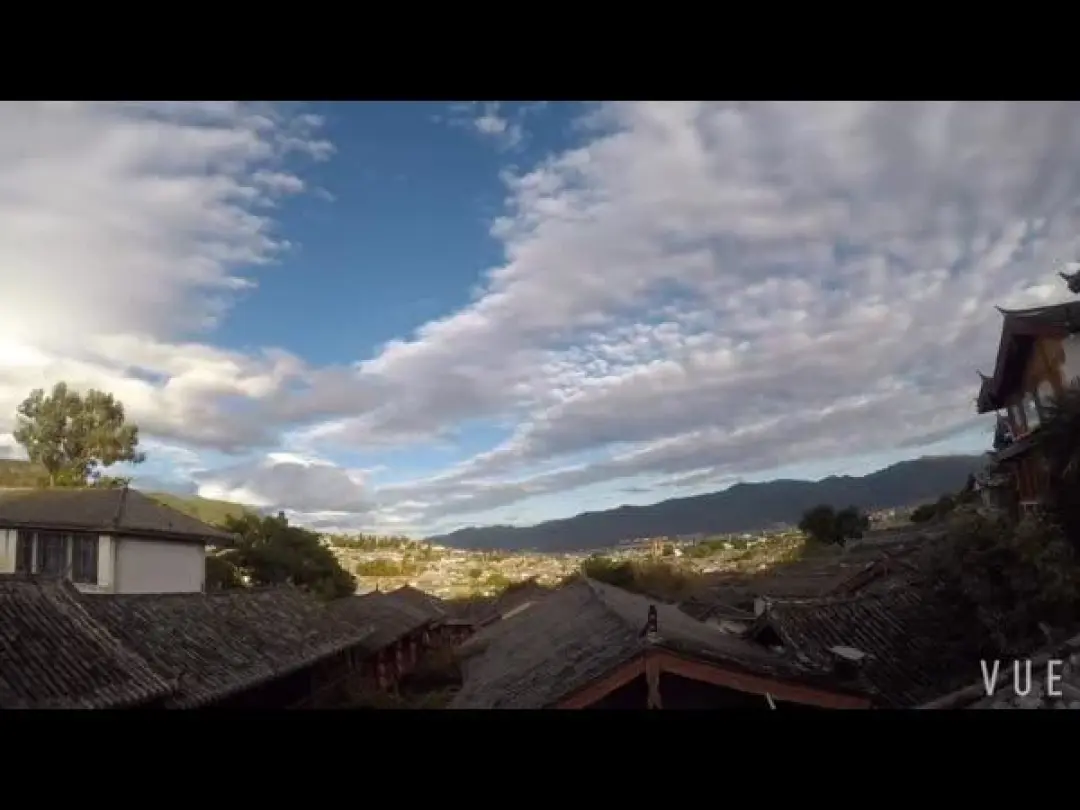
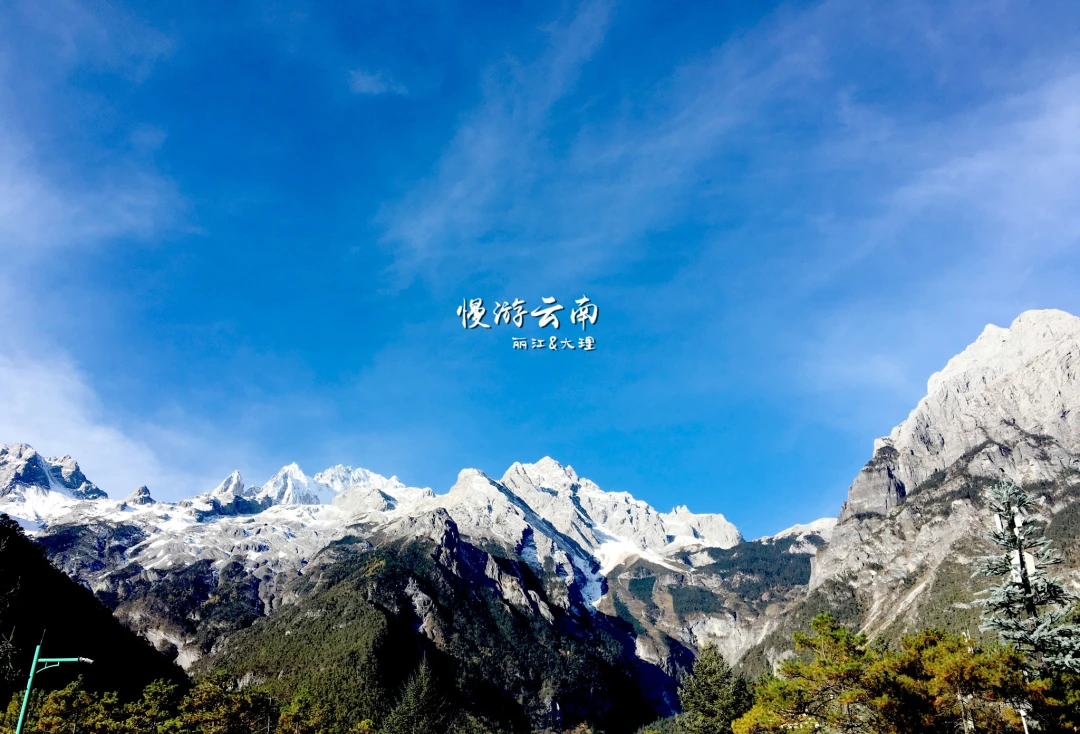
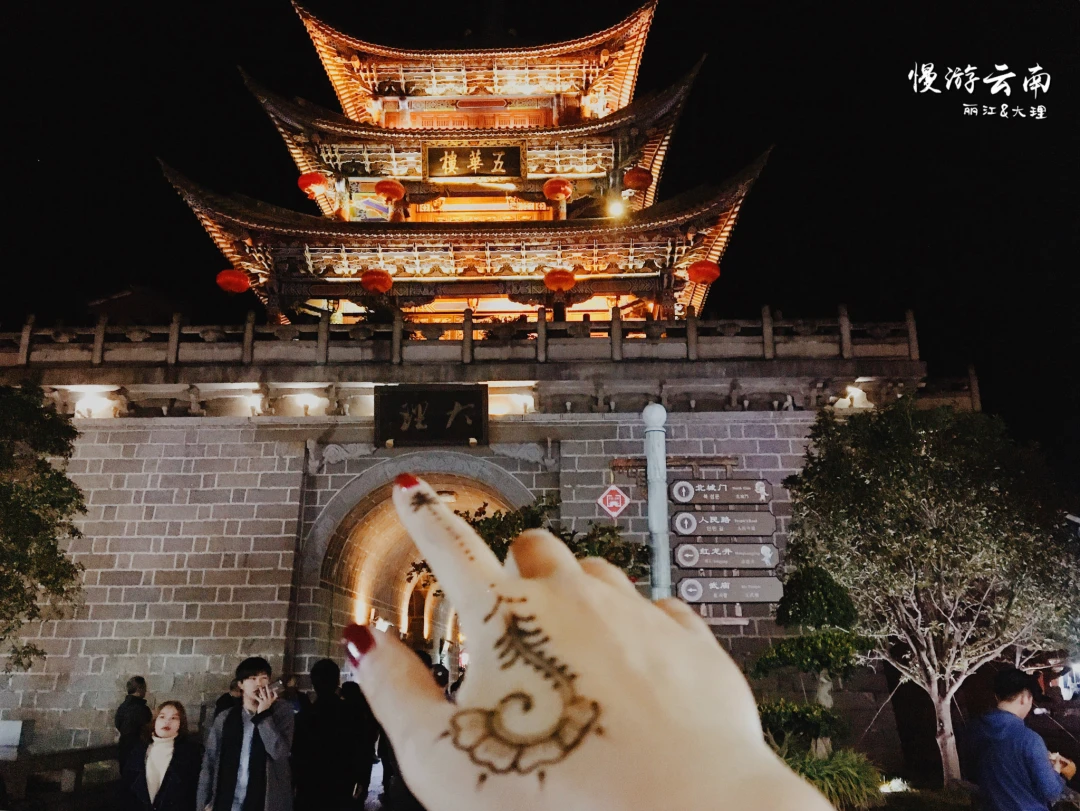
Let me tempt you with a few photos first.
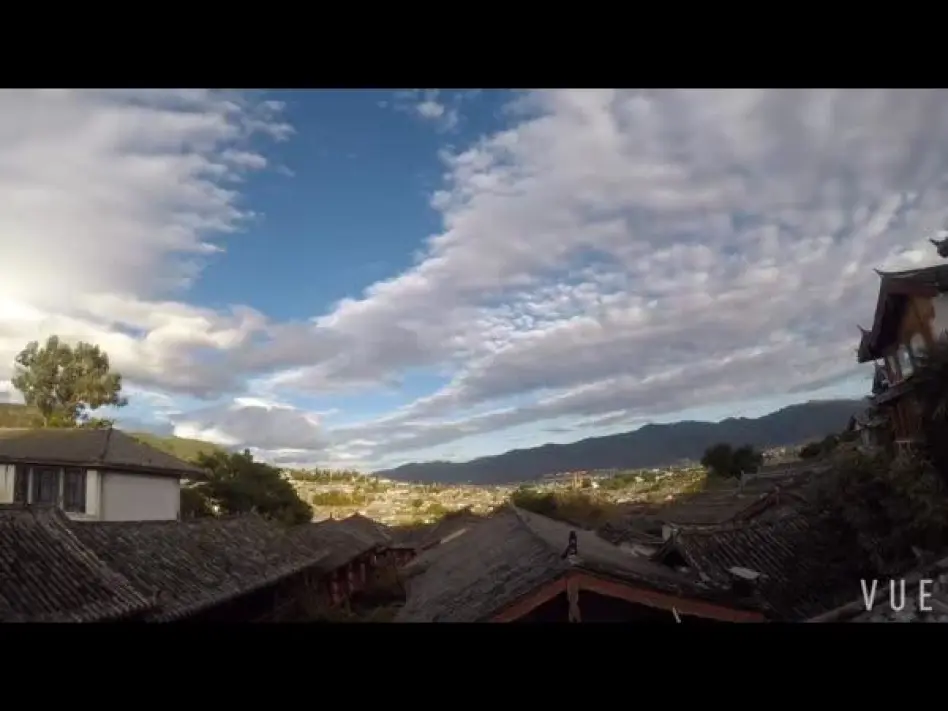
This was my first attempt at time-lapse with a GoPro. I'd seen too many masterpieces by pros and felt confident. But when I tried, I wanted to edit quickly with Quik, only to be warned the video file was too large and would crash my phone. What kind of software can't handle a video? In the end, GoPro isn't great for long videos—but how do those variety shows manage? Forget it, I'll stop overthinking.
Members and Itinerary: A Spontaneous Family Trip

When we were kids, our parents held our hands and showed us the world. Now that we're grown, we want to hold their hands and take them to see this colorful world.
Who says people in their fifties and sixties should stay home babysitting grandkids, living dull lives centered on the family? The truth is, age is never a limit—it's your mindset that matters.
Our "Cherry Blossom Team" Members
- Dashanshan: Tour guide for the senior group, handling all the logistics
- Dazhou: Dashanshan's mother, photography enthusiast, part-time busybody
- Aunt: Second-in-command of the senior group, in charge of livening things up
- Uncle: Like Sha Monk from Journey to the West—quietly carrying everyone's bags
- Me: Full-time planner, photographer, and entertainer
Why Yunnan?
Our family had been through some tough times, and I wanted to take them on a getaway. Dazhou had a dream, which became the spark for this Yunnan trip—maybe it was fate.
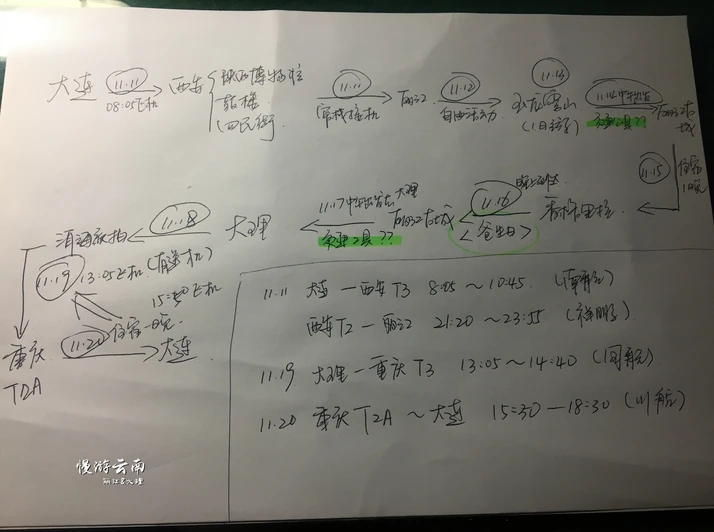
We were dead set against joining a tour group. We'd heard too many horror stories about Yunnan tour groups ripping people off. At first, I hesitated: worried the family might get too tired, but also wanting them to have a great time. Should we just book a tour to make it easier? In the end, we decided to arrange everything ourselves and take it easy—if we're tired, we'll just cut back on the schedule. So this was a complete relaxation trip, no rush, no hurry.
A Note Before We Begin
I'm a total newbie at photography and post-processing, but somehow I have this ridiculous confidence in myself. So I spent a ton of time editing photos. My skills are limited, so bear with me. I hope each travel diary can be a little better, a little more creative, a little more interesting. Feedback is welcome!
Day 1: Spending Double 11 in Xi'an
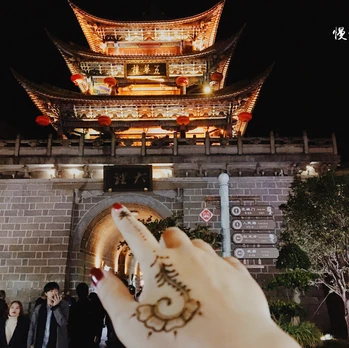
(Evil laugh.) Let the bullet comments fly!
Xi'an, an ancient capital—but we were more interested in the food. Our flight wasn't until after 9 PM, so we only had half a day in Xi'an. No time for the Terracotta Warriors, so we settled on the Shaanxi History Museum, the Drum Tower, and Muslim Quarter. Still, the prices in Xi'an gave us a shock.
Faced with lamb paomo (bread soaked in lamb soup), roujiamo (Chinese meat sandwich), biangbiang noodles, and dapanji (big plate chicken), Dazhou found the spices too overwhelming and couldn't stomach them at all.
Book the Shaanxi History Museum Online!
Important things repeated three times: Book online! Book online! Book online!
Why? No queuing. If you don't book online, you'll have to line up for free tickets. There's a daily limit on free tickets, split into morning and afternoon sessions, and you can't pick them up for someone else. With an online reservation, you just take your ID to a special counter—we waited about 30 minutes. Normal tickets cost 30 RMB each.
Having a guide is essential, otherwise you're just skimming the surface. A few options:
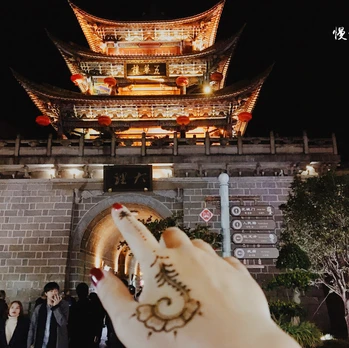
- Hire a guide: 100 RMB for the basic exhibition hall (good for groups). Don't try to eavesdrop on other groups—they all wear headphones, and only those wearing them can hear the guide.
- Rent an audio guide: Plays automatically when you reach certain spots. 30 RMB per person, good for solo visitors.
- Volunteer guides: Free, but they shout, and it's hard to hear in a crowd.
- Download an app: Plays automatically when you approach certain exhibits.
After the museum, we quickly snapped photos with the Drum Tower and the Giant Wild Goose Pagoda—just to say we'd been there. On the way back to the airport, we decided never to take a taxi again: it cost 160 RMB from the airport to the museum.
Oh, and here's the price list for luggage storage and wrapping at the airport. Since our two flights were in different terminals, we stored our bags at the airport—but it wasn't cheap.
On the bus back to the airport, I frantically started shopping on Taobao, so focused I almost got motion sick. A hectic day. Soon we'd be flying to Lijiang—I was still a little excited!
Day 2: First Day of Non-Stop Photos in Lijiang
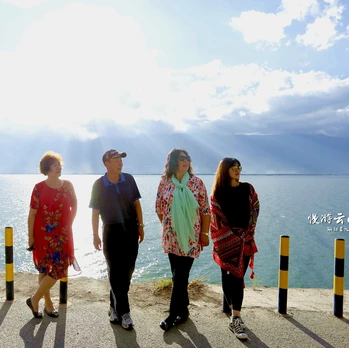
We spent the first three nights in Shuhe Ancient Town. When most people think of Lijiang's old town, they mean Dayan Ancient Town—more bustling and crowded. Shuhe is relatively quiet. My impression? Expensive.
Guesthouses in Lijiang and Dali generally cost around 200 RMB per night, and they're everywhere. Over our ten-day trip, we stayed in three different places, choosing different styles each time. The first night was a bit pricier, but it turned out to be worth every penny—great service and environment. Highly recommended.
We arrived late at night, and they sent a car to pick us up—excellent service. The best thing about this place was the warmth. Everyone would invite us to sit down for tea and soak up the sun. So relaxing.
Morning: Photo Session
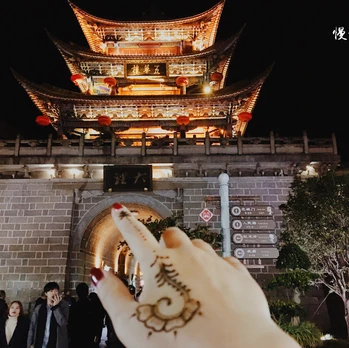
We woke up naturally. The morning plan was simple: take photos. When I saw the eight silk scarves Dazhou had brought, I didn't know whether to laugh or cry. Aunt and Uncle's theme for this trip was "lovey-dovey," haha.
The blue gauze canopy bed was so comfortable. The sunlight was perfect, a gentle breeze blowing—though I was a bit breathless, it was incredibly pleasant. We took over a hundred photos.
Afternoon: Strolling Around Shuhe
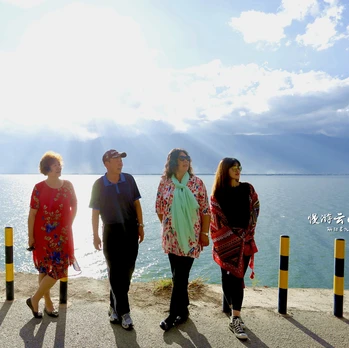
Shuhe is tiny—the lively part is just a small area. We found a highly-rated restaurant called "Little Pot Rice" on Dianping (a Chinese review app) and had our first Yunnan meal. The dish called "shuǐxìng yánghuā" (water lily stems) was silky and tender—very unique.
The sun and UV rays in Yunnan are intense. Many of our photos turned out overexposed.
Day 3: Jade Dragon Snow Mountain, Here We Come
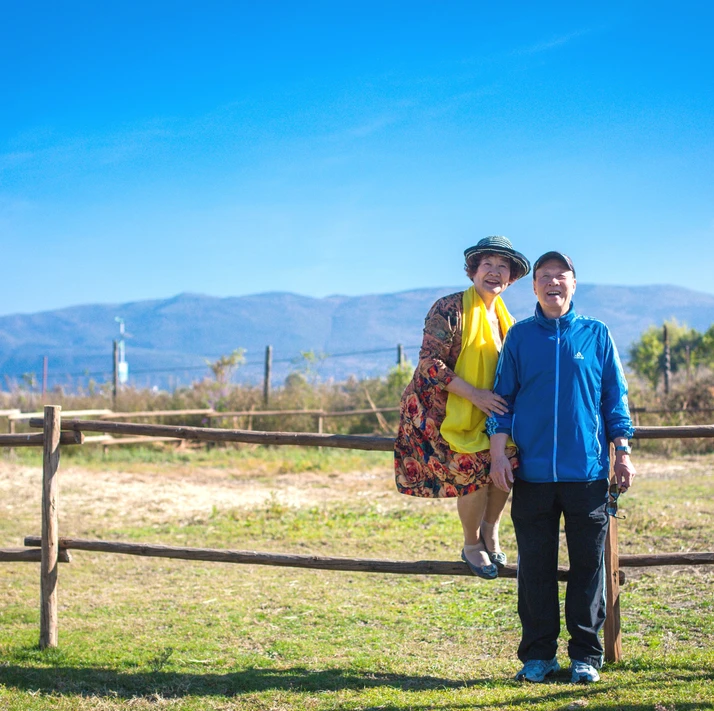
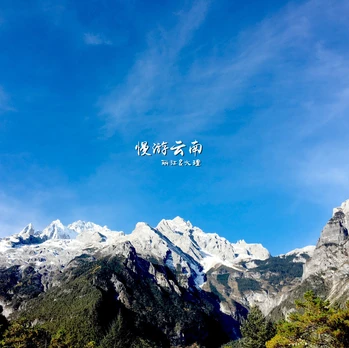
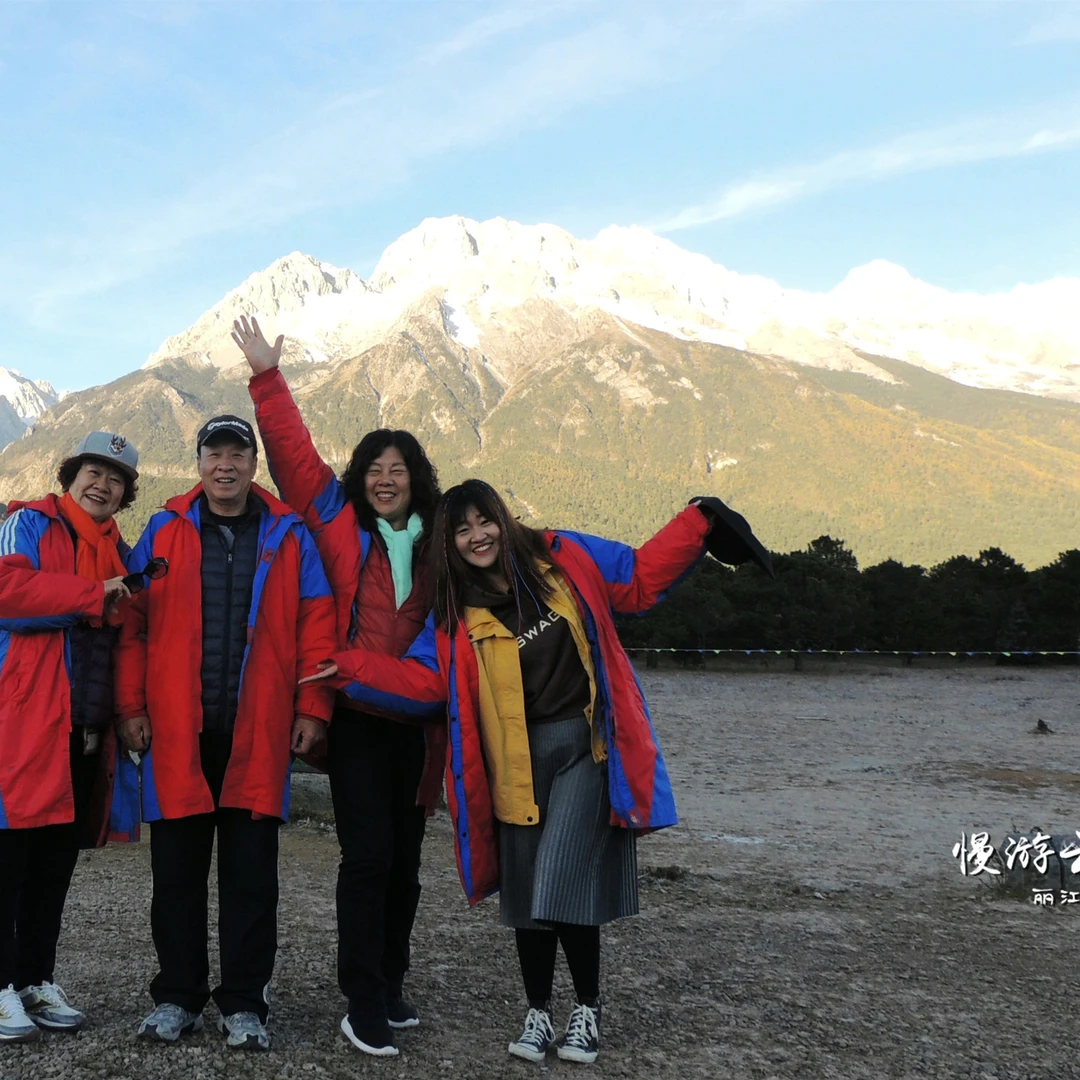
We booked a day tour for the snow mountain. These day tours in Yunnan are quite mature and safe—only eight people per van. Even if you don't join a tour, you'd have to hire a car yourself, so this saved us a lot of trouble.
While waiting for the van in the morning, we captured another lovey-dovey photo. Under my direction, Aunt jumped at every scenic spot—and she jumped pretty high!
Blue Moon Valley
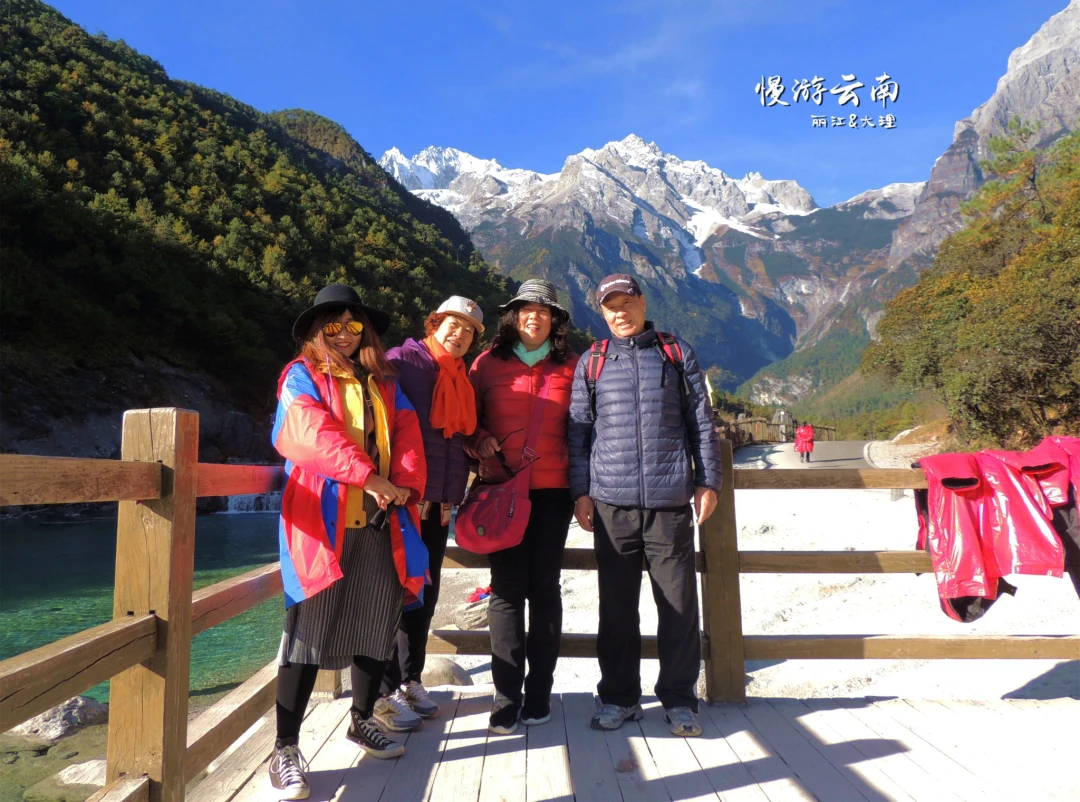
The electric cart cost 50 RMB per person, but it wasn't really necessary—the walk took just a few minutes. If you're young, I'd say skip the cart. The driver said we could wash our hands in the river and make a wish—mine was for my family to stay healthy, happy, and smiling every day.
Reaching 4,680 Meters
We took the cable car to 4,506 meters. Aunt was completely deflated, constantly sucking on oxygen. But honestly, the oxygen didn't seem to do much. The cable car was fast—it went from over 3,000 meters straight to 4,500 meters. I recently heard about a girl who got severe altitude sickness and had to be carried down by eight college students—you really need to be careful. If you feel unwell, take the cable car back down immediately.
Aunt couldn't even force a smile. She took two photos and sat down. The three of them looked like they were about to pass out, so there was no way they'd go higher. I was about to give up too, but an older man said the top was worth it. I caved—grabbed my oxygen tank and set off.
From 4,506 to 4,680 meters is only a hundred-plus meters, but climbing those stairs meant stopping every three or four steps to catch my breath. My heart felt like it would leap out of my chest. The round trip of a hundred-plus meters took me over an hour. The wind at the top was fierce, and there were even people taking wedding photos—I have to hand it to them, that's commitment!
I tried taking off my sunglasses and was almost blinded. Luckily, a couple from our van was also heading up, so we teamed up to take photos for each other. A gust of wind blew the guy's hat off—guess he left a little souvenir for the mountain.
I'd read tips about bringing chocolate, and it really was necessary—the climb was exhausting. I quickly ate an apple on the way down. Coming down from 4,680 meters, my phone froze and died. I used my companion's Oppo phone to take photos—the clarity was impressive.
Dinner
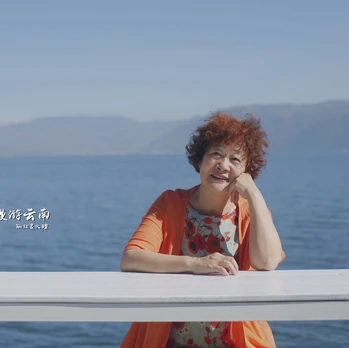
On the way back, we had "Snowy Feast"—a chicken hotpot with local herbs. Dazhou was being picky again—couldn't stand the smell of the chicken and barely ate. After coming back from Yunnan, whenever I see words like "yak" or "free-range chicken," I get a headache—the flavors are just too unforgettable.
Dazhou hadn't eaten well at lunch. What should we have for dinner? Rice noodles, of course! We asked the hotel staff, who recommended "Yun Zi Wei" (Yunnan Flavors), just a two- to three-minute walk from our place. Aunt was being frugal again, wanting to order the vegetable rice noodles. I overruled her and ordered the matsutake and Yunnan ham rice noodles instead. But honestly, I found "ěr sī" (rice shreds) even better than rice noodles—chewier than regular noodles. Yunnan rice noodles are similar to the "Lingzhi Sisters" brand we have back home—easy to break, very slippery.
Looking at the photos, you can see it's quite oily and mildly spicy—very satisfying.
Tips
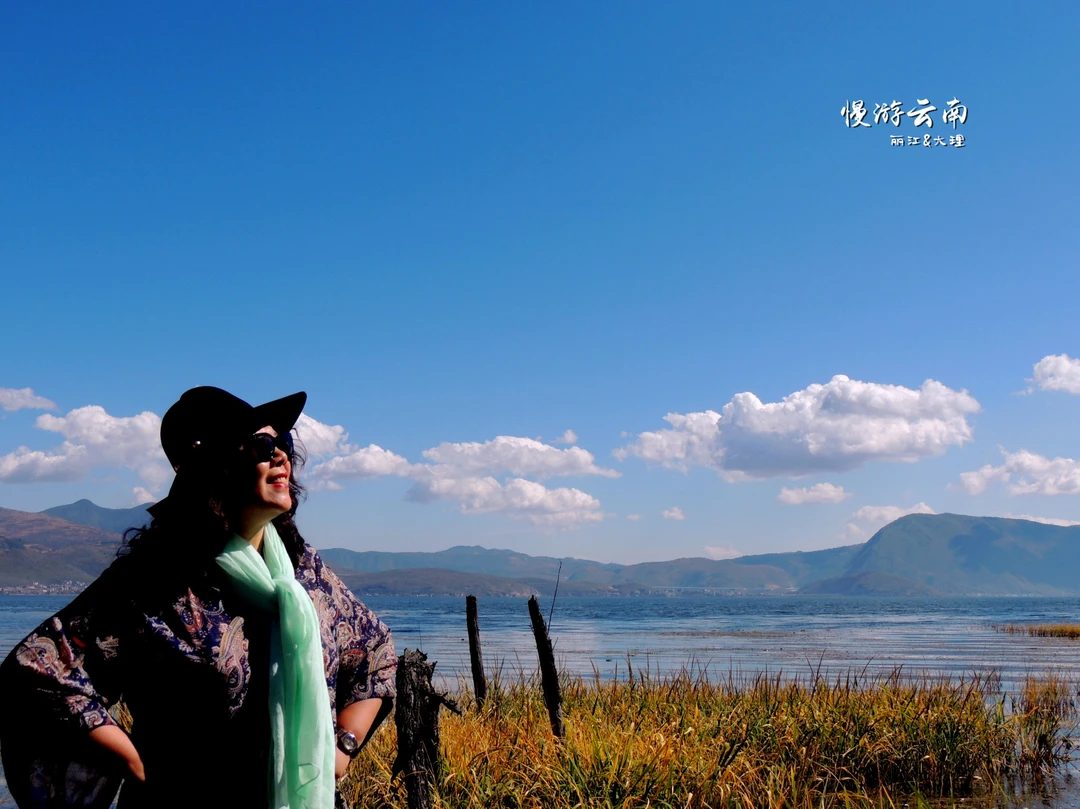
The hotel gave us two face masks every day—so thoughtful. Yunnan is extremely dry; we had to run a humidifier at night. But the water is rich in minerals, good for your health. After a few days, our skin felt incredibly smooth.
About altitude sickness: We didn't take Rhodiola rosea in advance (too expensive). During the day we were fine, but at night back at the hotel, I had a splitting headache. I went to the pharmacy and bought a box of painkillers—one pill and I was good. Rhodiola needs to be taken beforehand; I don't know if it works, but you could try.
Day 4: Wandering Through Dayan Town
We stayed inside Dayan Ancient Town. I was completely won over by the glass ball at a guesthouse called "Zhen Mei" and booked it without hesitation. But since it was on a hilltop, I worried about the walk up. When I read that staff could come down to help with luggage, I felt better. The first guy who came to get our bags had a bad attitude, but after seeing the hotel's environment and the owner's friendliness, I let it slide.
The guesthouse's front door was just a few steps from Sifang Street—very convenient.
Seeing this scenery, you know we took countless photos again. Aunt was so creative—she tied a scarf around her head, giving it a real exotic vibe.
I loved that big glass ball so much. I could have sat there all afternoon, even if it was a bit sunny.
Street Shopping
Before coming to Yunnan, I'd read travel blogs about getting a hand-painted temporary tattoo—I was totally sold on the idea. While wandering the streets, I suddenly spotted a place and excitedly got one done. Cost me 40 RMB. By evening, it was gone... Seriously. The paint must have dried out—when it's not used for a while, it doesn't hold. And it was so ugly! If your technique is that bad, don't bother setting up shop. No wonder she made me pay first—she probably knew I'd regret it.
Day 5 & 6: Two-Day Trip to Shangri-La
Shangri-La, in Tibetan, means "the sun and moon in the heart"—representing a beautiful, ideal way of life.
Before coming, I thought Shangri-La was a single scenic spot. Only after arriving did I realize it's made up of places like Potatso National Park, Tiger Leaping Gorge, and Ganden Sumtseling Monastery. Shangri-La isn't just a tourist area—it's a small county.
We booked a 2-day tour, six people per van. The driver arranged meals and accommodation, took photos for us, and took good care of everything. Again, I'd recommend not going on your own—a tour saves hassle. Taobao and Mafengwo have plenty of options; they're all pretty similar.
Tiger Leaping Gorge

First stop: Tiger Leaping Gorge. I thought it would be a simple viewing platform, but later I learned it's a famous high-altitude hiking trail. No wonder the walk seemed endless—and at that altitude, it was exhausting!
The gorge is divided into Upper, Middle, and Lower sections, but I was too tired to care which section we were on. All I noticed was the raging, thunderous water. Dazhou was busy taking photos from every angle—horizontal, vertical, left, right.
Legend says the tiger jumped across on that rock.
Yila Prairie
Next stop: Yila Prairie, where you could go horseback riding (at your own expense). If you didn't ride, you could wander the prairie freely and even wear traditional Tibetan clothing for free. The advantage of a small group is fewer people, fewer problems—everyone does their own thing and looks out for each other.
There were so many yaks on the prairie. I got excited and ran toward them, only to scare them off running across the field. But no matter how fast they ran, they couldn't escape Dazhou's camera—they had to pose!
Here come the senior modeling team in Tibetan costumes. If I'd known there would be these clothes, I wouldn't have worn such loose-fitting stuff—I ended up looking as bulky as a Mongolian wrestler.
Dazhou's figure didn't quite work for the Tibetan outfit, so she had to pass.
Look at that blue sky and white clouds. It makes you realize life isn't so complicated—once you open your mind, the world is vast. I hope they can always smile like this, forever.
Guishan Park
We wound through countless mountain roads. I never get carsick, but even I felt a bit dizzy—the driver's driving was too wild.
From the prairie, we headed to Guishan Park. Along the way, there was a fantastic viewpoint with sweeping vistas. Tourism here is very well-developed, with multiple viewing platforms to disperse crowds during peak season—very smart.
Guishan Park is home to the world's largest prayer wheel. It's incredibly heavy and takes many people working together to turn it. Spin it while silently making a wish, three times is enough. On the way to the prayer wheel, there are temples where you can offer incense. The altitude is high, so the stairs are designed with resting spots—you can sit down when you're tired.
After coming down, we strolled through Dukezong Ancient Town. It felt very commercial—some small coffee shops and local product stores, but not much foot traffic. Just a casual walk.
Accommodation
After a busy day, we got to the hotel and lay down immediately. But here's the kicker—the hotel had no air conditioning! We visited in mid-November, and the temperature in Shangri-La was already very low. Without sunlight, it was freezing. We tried to switch rooms, but were told there were too many guests, and the few rooms with AC had broken units. They could only offer electric blankets. I wanted to refuse, but I couldn't face waking up with a cold nose the next morning... I reluctantly accepted.
Tusi Banquet
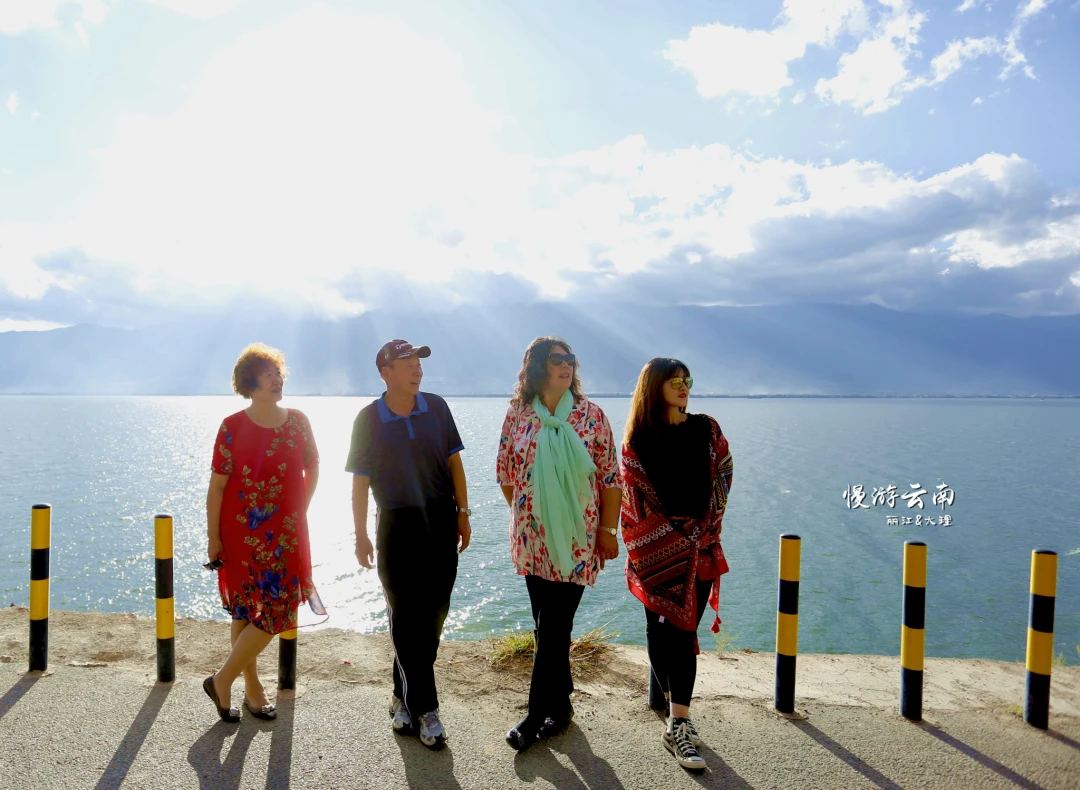
After a short rest, we went to dinner—the best meal of the trip: the Tusi Banquet! The room was lively, and we were seated at a table piled with food. Everyone had their own small hotpot, plus roast chicken and yak meat. The yak meat was very tender, but it tasted a bit different from regular beef—I couldn't eat too much. And of course, Dazhou didn't eat at all.
There was also highland barley wine and butter tea, with unlimited meat. There was a performance while we ate—a must-do activity.
Potatso National Park
The next morning, we set off early for Potatso National Park. We saw glimpses of local life—a layer of mist hung above the houses. The driver said it was smoke from each family's cooking fire, creating a dreamy haze.
Potatso Forest Park sits at over 3,000 meters above sea level. Due to ecological protection, only one of the three original scenic areas—Shudu Lake (3.2 km in total)—was open. You could take a boat for 50 RMB per person.
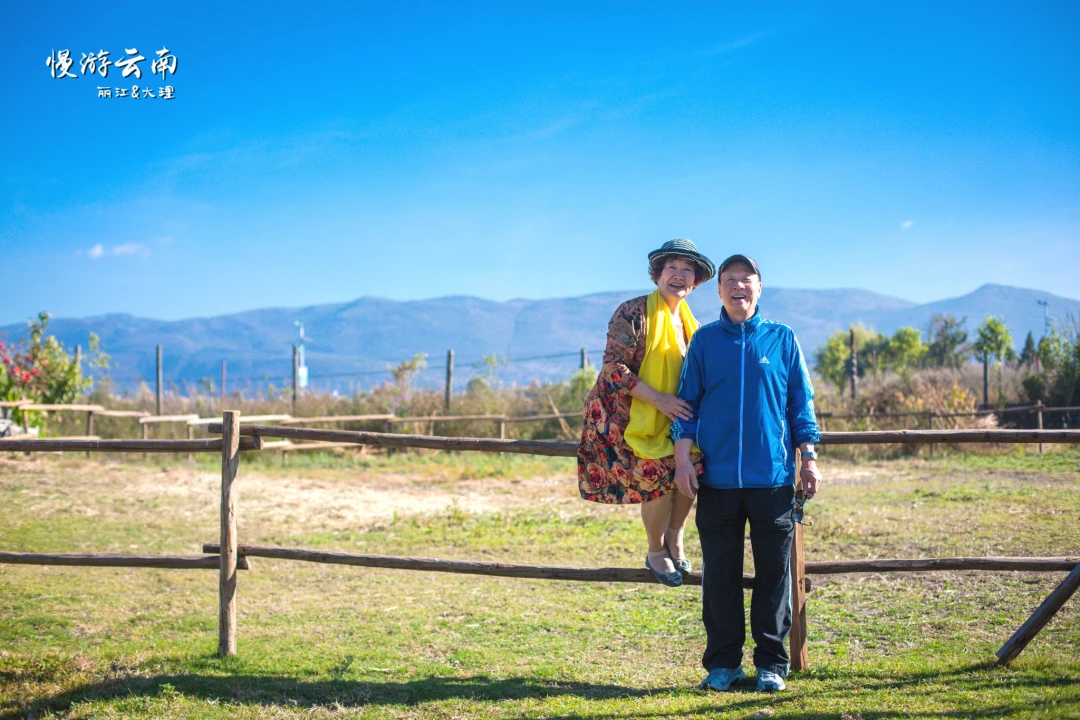
Nowadays, the price for 2-day tours has dropped because only Shudu Lake is open. Why didn't they reduce the price when I went, even though we only visited Shudu Lake?
Shudu Lake mostly has wooden boardwalks. Unfortunately, the weather was a bit overcast that day—blue skies and white clouds only appeared occasionally. At this time of year, there's barely any vegetation, let alone flowers. Yunnan is better in summer. Winter's advantage is fewer crowds, but the scenery suffers—every season has its trade-offs.
A fellow traveler asked if I was cold, seeing my bare ankles. I gritted my teeth and said, "Cold, but I'm toughing it out!"
Dazhou looked like she was about to ascend to heaven. Without realizing it, my bangs had become clumpy—not happy about that. When we came out, we found the sun blazing. The driver said it had been sunny the whole time—so being in that valley really made a difference.
Day 7: Jihu (Jeep) Tour Around Erhai Lake
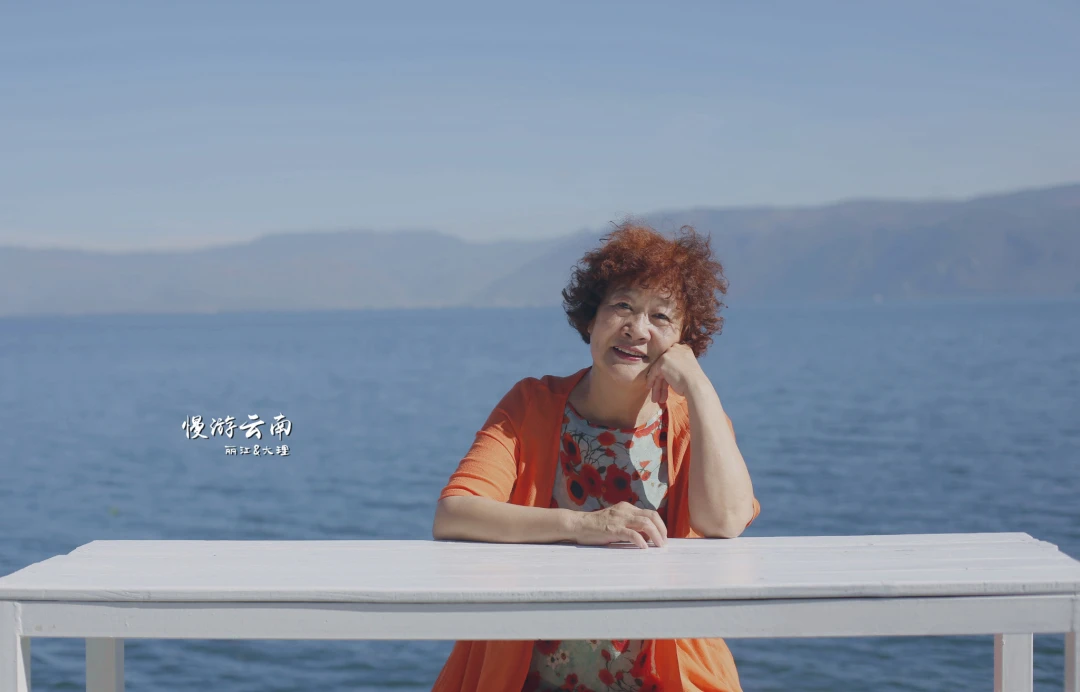
I'd initially thought about carpooling or hiring a car for the four of us from Lijiang to Dali, but the price was too high. A train ticket for 34 RMB solved everything! The hotel sent a car to take us to the station—another saving.
In Dali, we booked "Seven Wood Inn" for three consecutive nights. The hotel offered one free airport or train station transfer. The journey took an hour and a half. But here's the weird part: we bought hard seat tickets, but when we got on the train, it was a sleeper car. Looking closely at the ticket, it said "hard sleeper used as hard seat." Four people squeezed onto one bed—basically sardines. In the end, people sat in the aisle, and two more sat on each bed. Cramped.
Finally, finally—the part of the Yunnan trip I was most looking forward to!
The Jihu (Jeep) Photo Tour Experience
I wouldn't call this Jihu photo tour a perfect experience, but we did get a few good shots. Let me break it down simply:
- The loop around Erhai Lake is over 200 km, passing by Xiaoputuo Island, the classic white tables and glass balls, Xizhou, and more
- The tour doesn't take photos at every spot—only at specific locations
- The white tables and glass balls cost extra—10 RMB per person. If it's on your itinerary, make sure to confirm with customer service whether the fee is included
- If you want to get the photos you imagine, you must communicate clearly with the photographer—you have a say
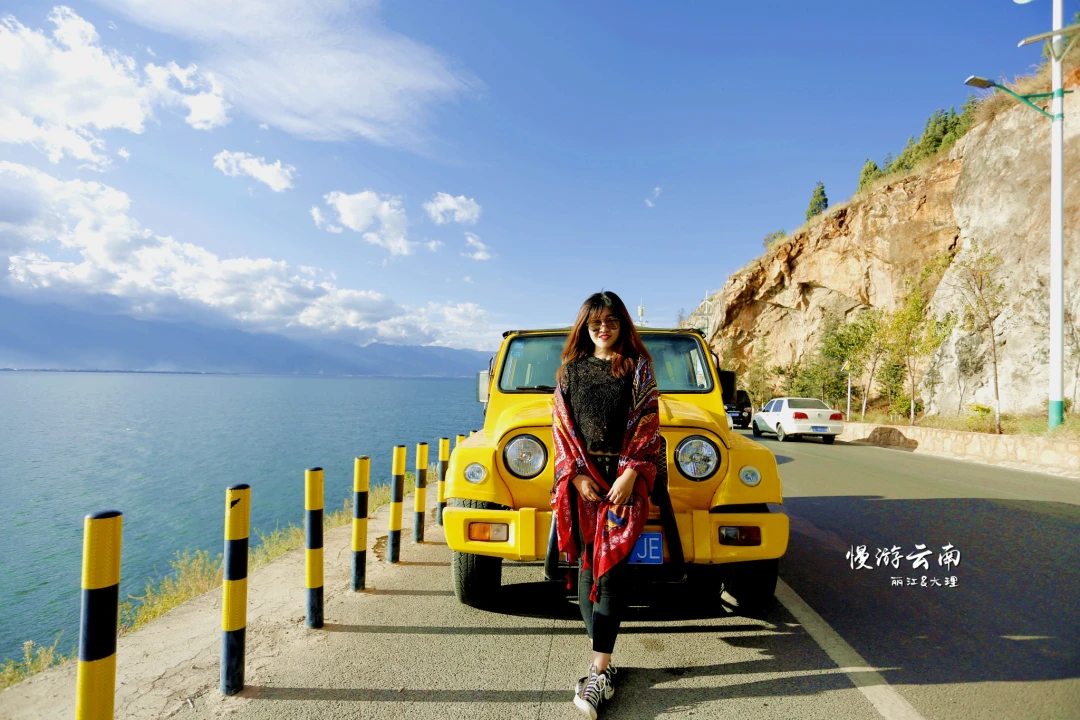
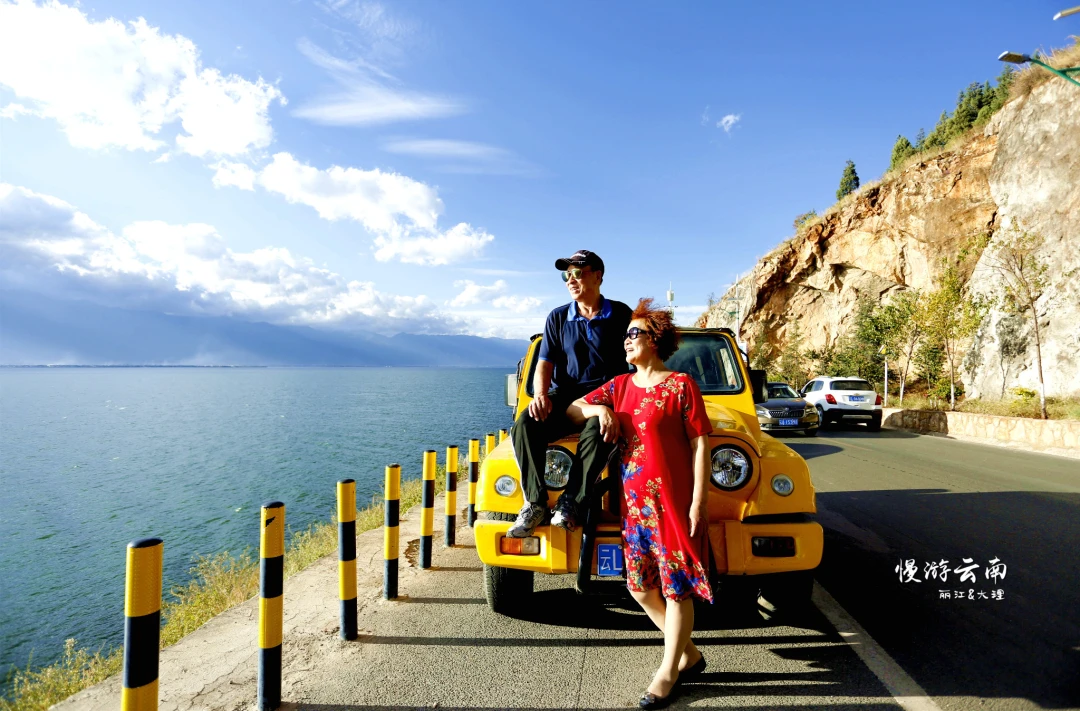
The big jeep below—I asked to go on it myself. If you're going retro, go all the way!
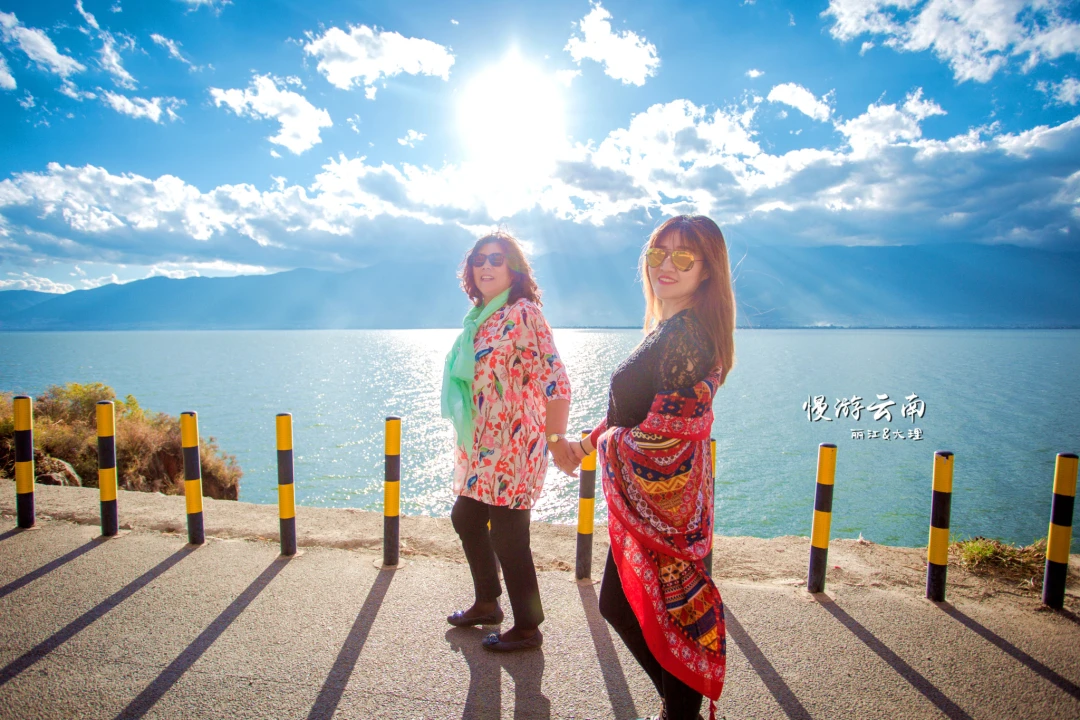
The eye contact with Dazhou was a bit awkward—Chinese people express emotions subtly, you know how it is.
Dali is a magical place. I was wearing a dress with bare legs, and a girl at the hotel asked me, "Aren't you cold?" She was wearing a padded jacket. Dazhou's smile is always so bright—she can show about 32 teeth.
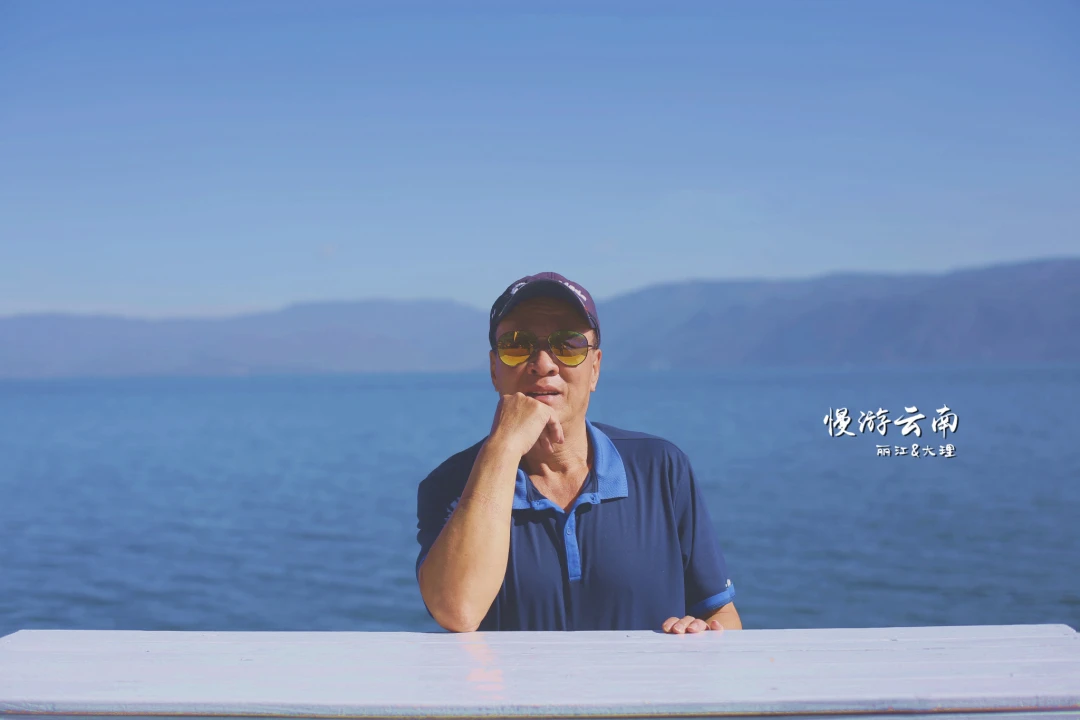
I'm in Dali, my heart blooming. Where are you, and are you doing well?
A lifetime of bickering, leading to holding hands in old age with white hair—contentment is true happiness.
As a northerner, going into the water in winter isn't that crazy. But when I told the photographer I wanted to go into the lake, he thought I was joking. Of course, I was doing it for the photos—what's a little wet feet? So I went in. The bottom was all rocks—I could barely walk. He kept urging me to go deeper, and I ended up wandering into the frame of a wedding photoshoot. Someone yelled at me to move—I was photobombing! I wanted to move, but I couldn't walk fast!
Yunnan's UV rays are brutal. My face was already covered in sunspots—I had to protect it. Yunnan is a place where you can't function without sunglasses.
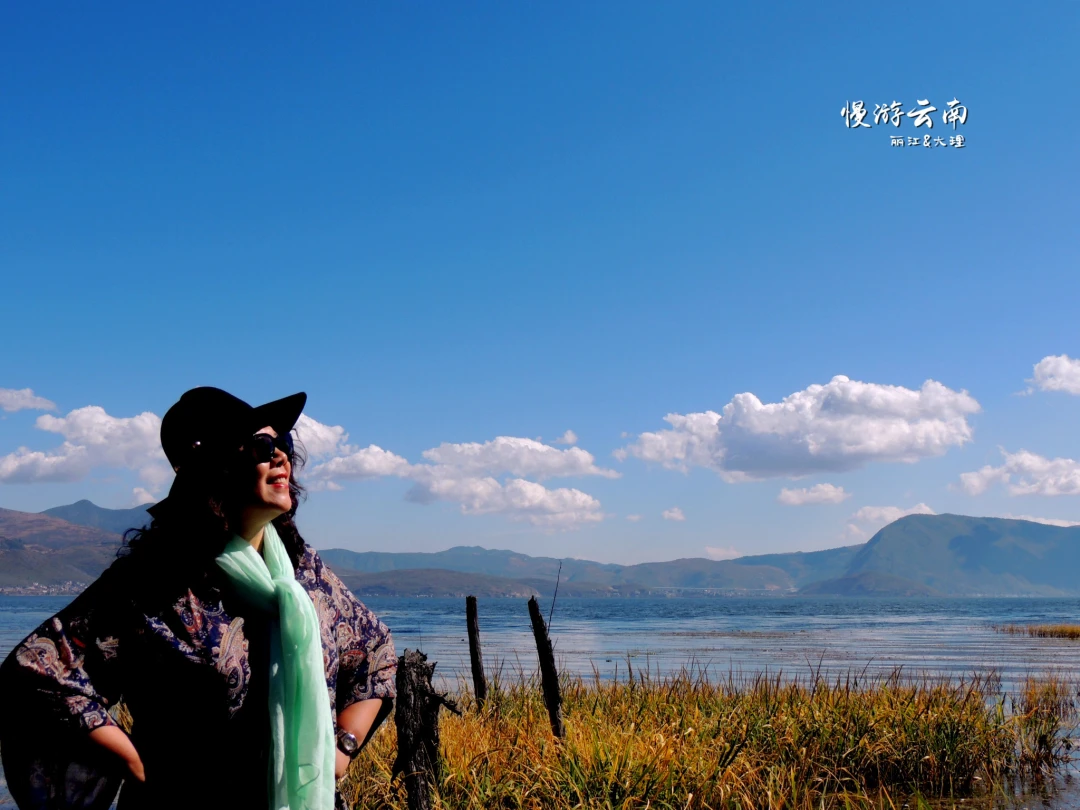
Scarves! Fly!
I didn't see the exact mushroom-shaped clouds I'd imagined, but Dali's clouds look like they're suspended in mid-air. This place is so beautiful—my heart felt at peace. It's the kind of place where you want to take photos of everything.
Below is the "Couple Tree."
Even though we had someone guiding us all day, it was still tiring. Especially the jeep—it was bumpy, we had too many bags, and there was a gap in the back. I was seriously worried our bags would fly out.
Evening: Strolling Through Dali Ancient Town
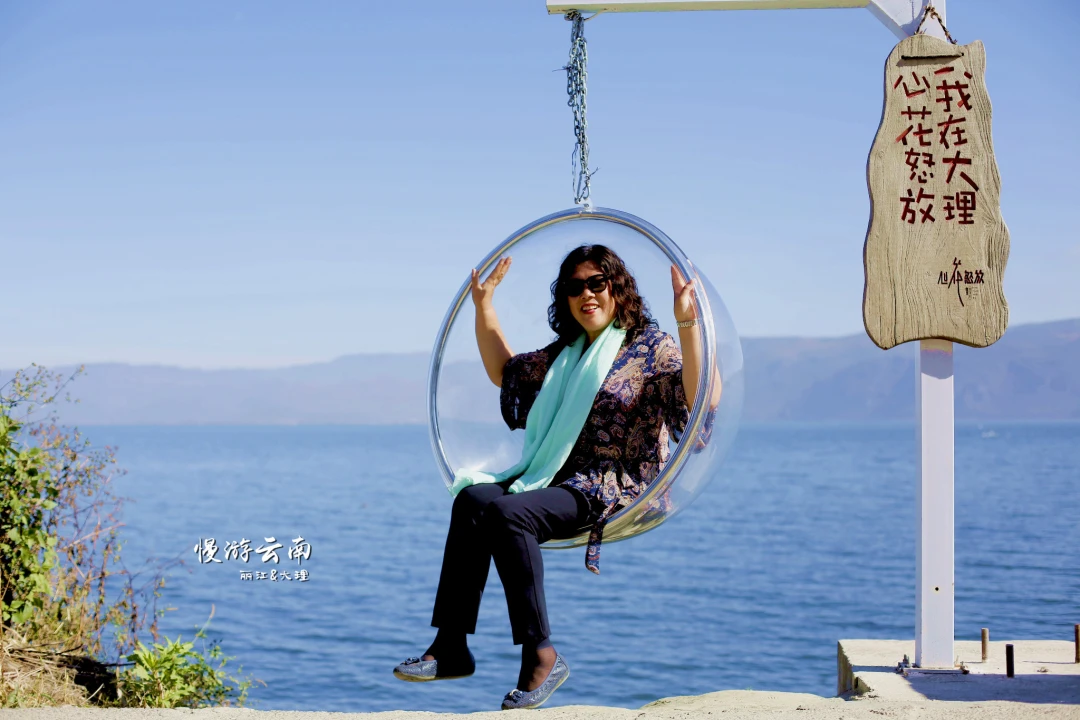
Back at the hotel, we went out to wander the streets. I highly recommend this hand-painted tattoo artist—this is real skill! It's at the entrance to the stairs going up to the South Gate (Dali Gate), at a small table by the staircase. The girl draws fast and well. I suggest choosing black—there's brown and black. Brown looks a bit weird afterward, and it lasts about a week.
Day 8: Going Home
The next day, we flew back to Dalian. Part of me was eager to go home, part of me reluctant. I craved cabbage and vermicelli stew, but I also wanted to stay here, lying down, far from life's complications.
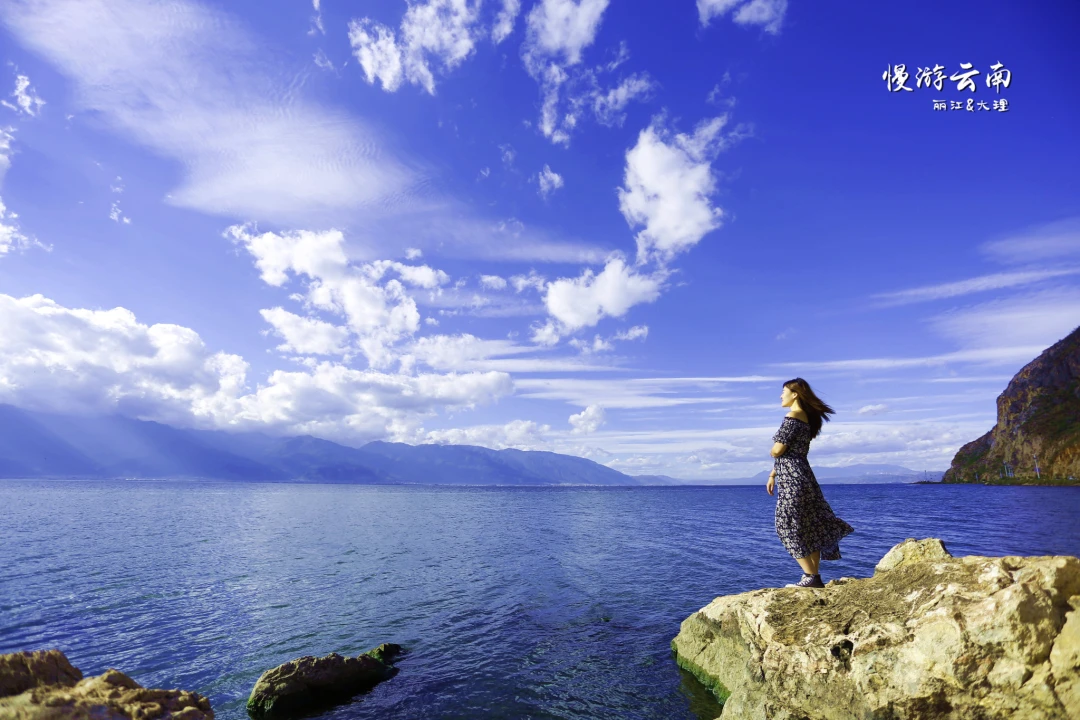
Every farewell is for the next reunion. See you next time, Yunnan.
We had a layover in Chongqing. Short as it was, we did everything we wanted: had a hotpot (my mouth was swollen from the spice), wandered through Ciqikou, and ate Chongqing noodles. Seeing that mountain of chili—it was overwhelming!
Afterword & Tips
Expense Breakdown
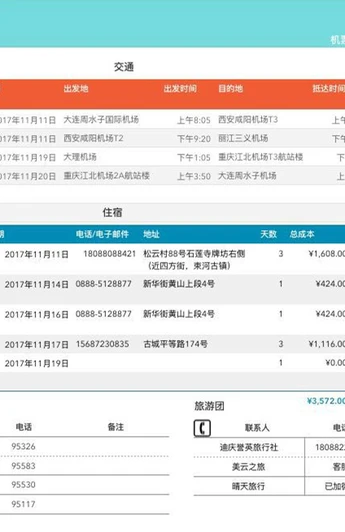
(Recorded using iPhone's Numbers app—you're welcome.)
Lijiang Sanyi Airport Experience
Overall, not great. We arrived at the airport late at night—basically empty. When I got my suitcase, the handle was broken—probably from rough baggage handling. I found the luggage service counter—no one there. Called, and someone came back in less than five minutes. They replaced the handle in no time. I thought it would take at least half an hour... Guess they're used to it. Why can't they just handle luggage a bit more carefully?
They also mentioned a concept: what kind of compensation you get for a damaged suitcase depends on whether you bought insurance. If insured, you can claim for an expensive one; if not, the standard is 200 RMB. The question is, would someone who didn't even buy flight accident insurance buy luggage insurance? And the check-in counters don't really promote this type of insurance. I don't quite get the logic of luggage insurance.
Those Funny Names
Aunt never understood why things here have such "flirty" names—"Wind, Flower, Snow, Moon" (a brand of beer) and "Watery Disposition" (a dish). "Wind, Flower, Snow, Moon" is more expensive than Dali Beer, and Dali Beer is pretty weak—no kick.
Rose wine is homemade, very aromatic. At first, it doesn't seem strong, but after a few sips, you start to feel it. There are many shops selling flower wines on the street—they all look good, peach blossom wine and such.
The one on the left turned out to be a blueberry—I'd never seen one like that.
Final Thoughts
This Yunnan trip had its little hiccups, but more than that, it was filled with warmth and emotion. Traveling slowly with my family, seeing their happy smiles—it was all worth it.
Slowness is truly an attitude toward life. Yunnan taught me: sometimes, slowing down allows you to see more beautiful scenery; letting go of anxiety lets you feel true happiness.
I hope one day we can come back—with the same spirit, to see a different side of Yunnan.
You should also read:

Solo in Yunnan: A Wanderer’s Guide to the Land of Eternal Spring
Solo in Yunnan: A Wanderer’s Guide to the Land of Eternal Spring There’s something magical about traveling alone. No compromises, no schedules to keep, no one to please but yourself. I’ve been on the road for nearly three months now, and not once have I…
Continue reading...
Two Girls' Graduation Trip: Dali and Shuanglang – A Poetic Farewell to Mountains and Sea
Two Girls' Graduation Trip: Dali and Shuanglang – A Poetic Farewell to Mountains and Sea Preface: Catching the Tail of Youth, Heading South During our senior year of college, my roommate and I – two girls studying in Beijing – decided to bid farewell to…
Continue reading...
Cloud Travelogue · Dali of Wind, Flowers, Snow, and Moon: A Three-Day, Two-Night Journey of a Free Spirit
Cloud Travelogue · Dali of Wind, Flowers, Snow, and Moon: A Three-Day, Two-Night Journey of a Free Spirit I am a cultured female foodie with a touch of rogue charm. I slung on my backpack, took my lover's hand, and set off on a spontaneous…
Continue reading...