Nine Days in Yunnan: Those Gentle and Lazy Slow Days
Nine Days in Yunnan: Those Gentle and Lazy Slow Days
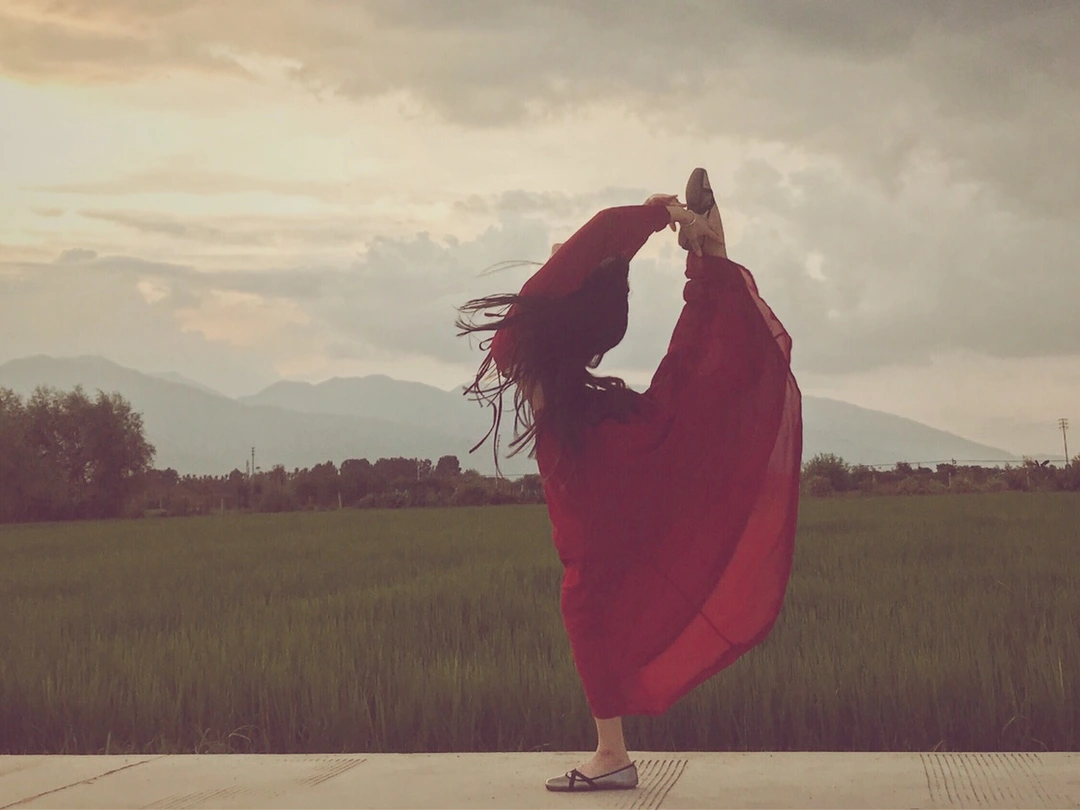
Finally, I set foot on that long-yearned-for land. In Yunnan after the summer solstice, there was no sweltering heat—only cool breezes and low-hanging clouds. The sky was as blue as a freshly washed canvas, and the clouds seemed close enough to touch. This trip, I traveled with my mom, from Kunming to Dali, from Lijiang to Baisha—walking slowly, seeing slowly, eating slowly, living slowly.
Pre-Trip Checklist: Don't Let Details Ruin Your Trip
Before departure, I did plenty of homework. Though Yunnan's weather is cool, the UV rays are relentless—everyone who's been there will remind you of this. In my suitcase, these items were essential:
- Sunscreen: Anessa is my go-to—lightweight, non-greasy, and strong enough protection.
- Hat: Blocks the sun and looks great in photos, instantly boosting that vacation vibe.
- Umbrella: During these days in Yunnan, it shielded me from rain more often than sun—the rainy season in Yunnan changes its mood on a dime.
- Face masks: Post-sun repair is a must. If you don't want to end up looking like a "roast suckling pig" with a red-black tan, pack a few.
- Pretty dresses: White, red, yellow, blue—they pop beautifully against the blue sky and white clouds.
- ⚠️ Most important: Book your inn at least two weeks in advance! During summer break, good inns are as sought-after as concert tickets.
Day 1-3 | Kunming: A Duet of Flowers and Wild Mushrooms

Arriving Late at Night, Staying in a "Tour Group Base Camp"
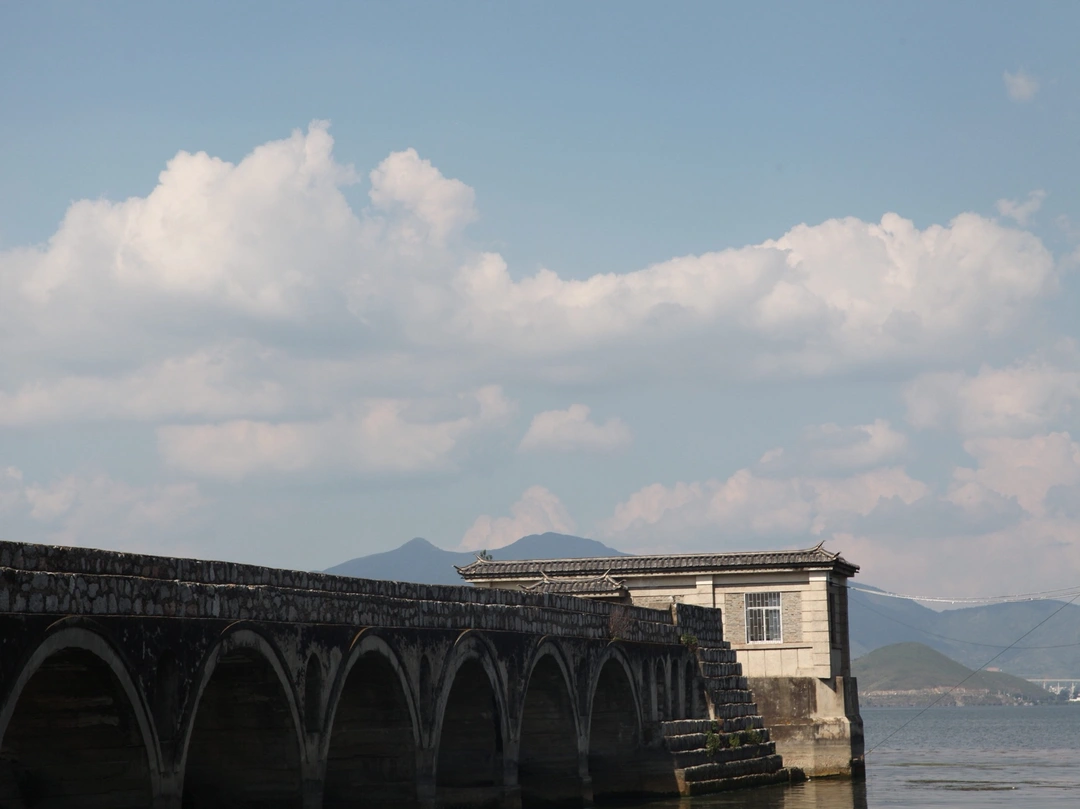
Our first stop was Kunming. My mom had to attend the annual Flower Zero Exchange, so we stayed three nights. The accommodation was arranged by the organizers: Kunming Flower City Howard Johnson International Hotel—honestly, not recommended. Though the hotel was big, it was almost entirely booked by tour groups, noisy as a market. Breakfast was half-hearted, and the rooms were small. If traveling independently, choose a quieter, more conveniently located place.
The Flower Exchange: A Terrifying Moment When My Chair "Ascended"
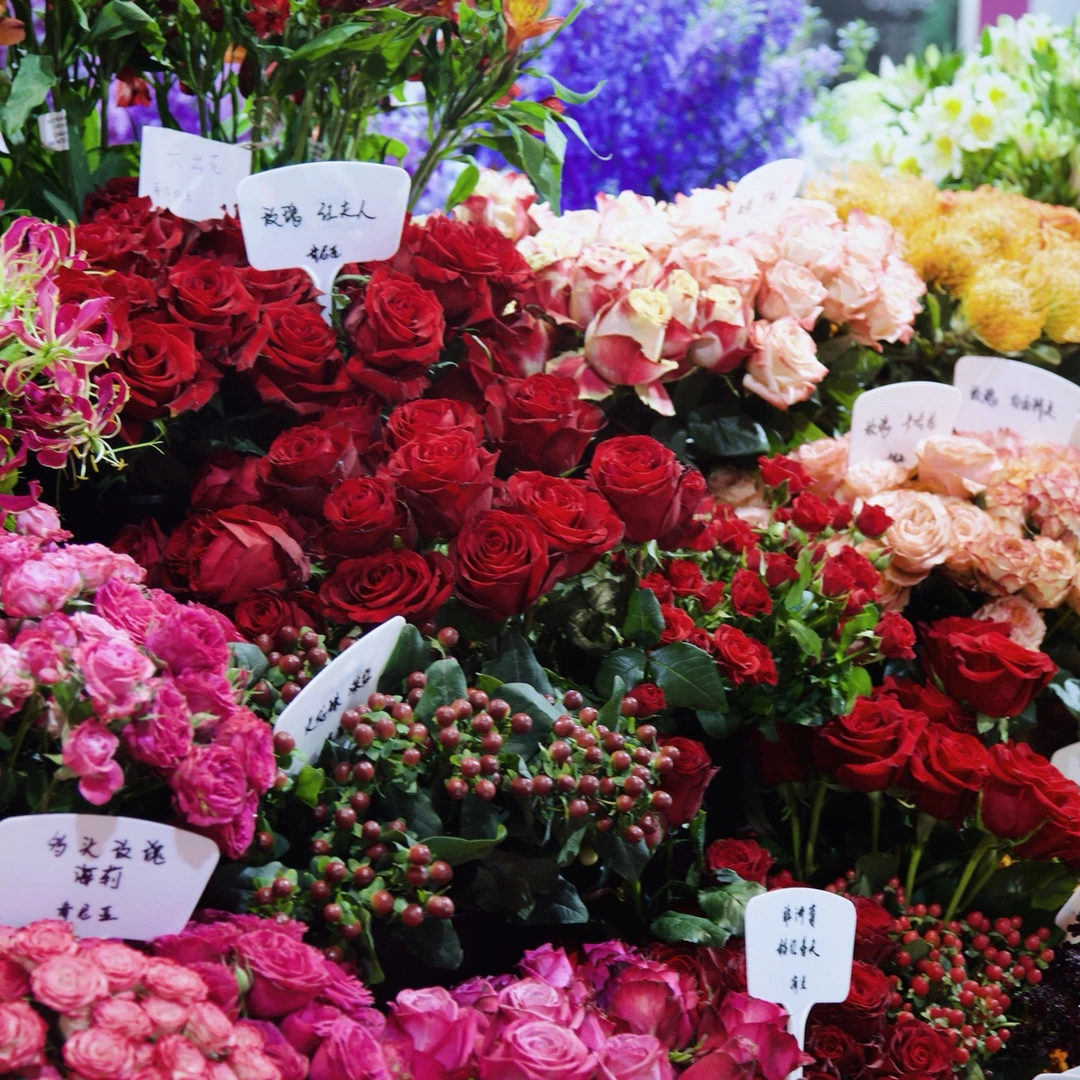
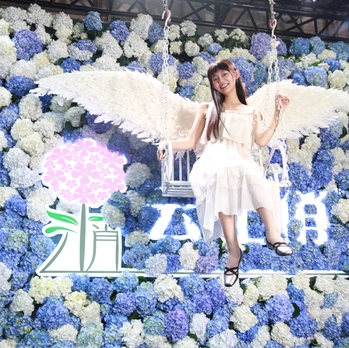
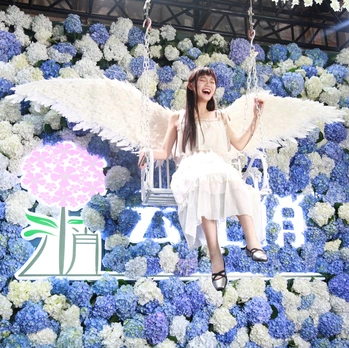
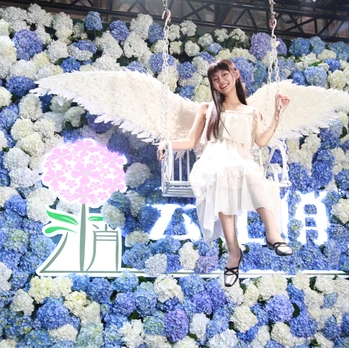
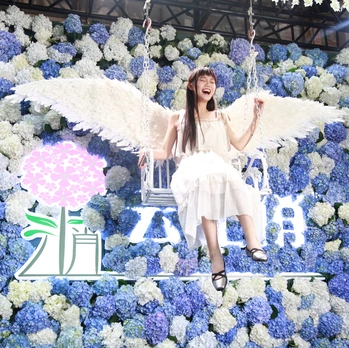
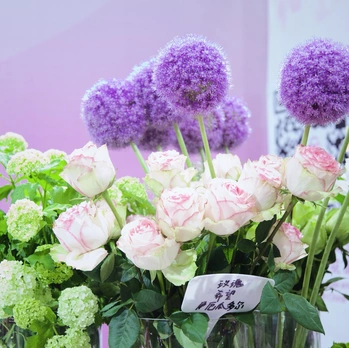
At the exchange, flowers and floral art from around the world were so beautiful I couldn't look away. I was sitting on an ethereal chair for a photo when suddenly—the chair slowly rose! At first, I enjoyed it, until it reached the ceiling and the lamp above started burning hot on my head. I panicked: "Let me down! I'm afraid of heights!" This accident became the trip's most bittersweet memory.
The Flower Zero Exchange changes cities every three years; this was Kunming's first year. If you're into floral art, come check it out next year.
Eating in Kunming: A Perfect Ending with Crossing-the-Bridge Noodles and Mushroom Hotpot
On our last day in Kunming, we finally had authentic crossing-the-bridge noodles (过桥米线) and wild mushroom hotpot (菌子火锅). For the noodles, any small shop will do—they're all good—but I think Dali's chicken soup rice noodles (土鸡米线) are even better. As for the mushroom hotpot, I strongly recommend "Chi Jun Fan Dian" (Eat Mushroom Restaurant)—about 150 RMB per person. The broth is made from local chicken with a huge plate of wild mushrooms, so delicious you'll want three bowls. The server put the mushrooms in the pot and took away our chopsticks, saying we had to wait 20 minutes—afraid we'd eat undercooked mushrooms and start hallucinating (laughs).
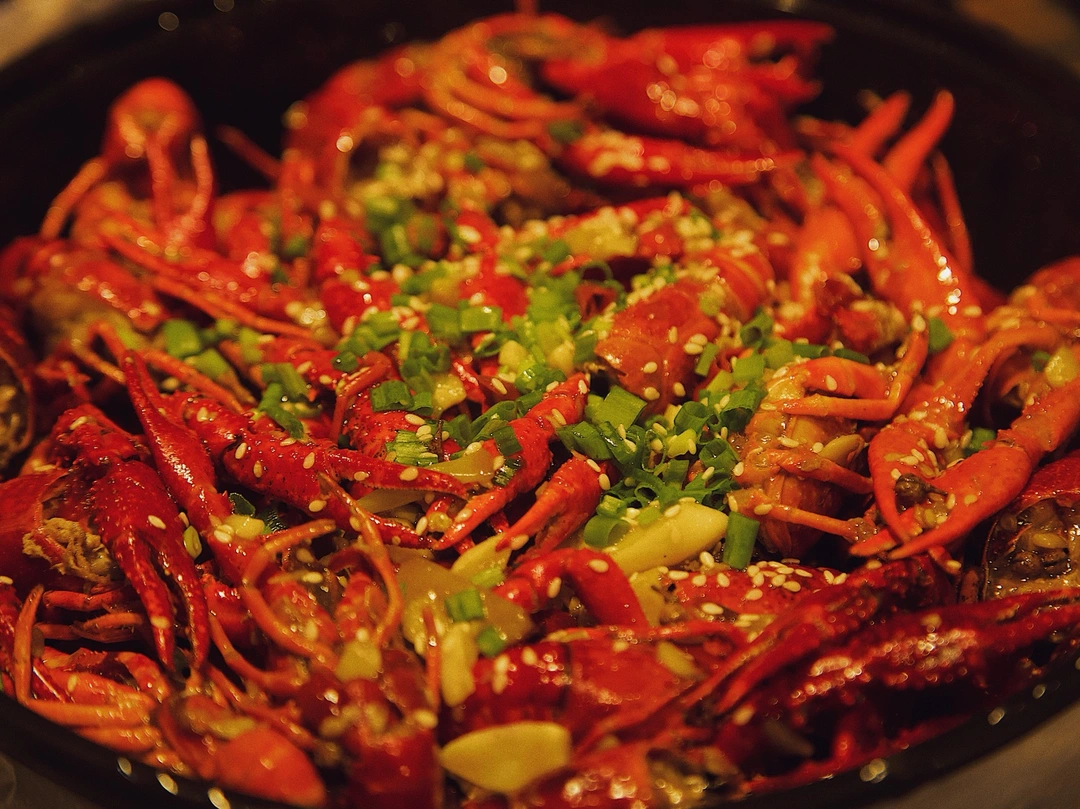
The chicken was tender and chewy, dipped in a spicy chili sauce—a perfect bite. Another dish, dried chili stir-fried red onion mushrooms (干辣椒炒红葱), had crispy, fragrant mushrooms with a rich, oily sauce. Mixed with the restaurant's fermented tofu rice, you'll know what "wolfing down" means. We finished with a glass of iced passion fruit juice to digest—two of us spent 400 RMB, so yes, we can eat.
Day 4-5 | Lijiang: Soft Time in the Ancient Town
From Kunming to Lijiang: High-Speed Rail + Private Car, Comfortable and Affordable
In July 2018, the Kunming-to-Dali high-speed rail opened. We took it to Dali, then hired a private car to our inn in Lijiang—two and a half hours total, reasonable price, maximum comfort.
An Yi Inn: A 400 RMB Room That Felt Like 1000 RMB

In Lijiang, we stayed at An Yi Inn (安驿客栈). Prices ranged from 400 to 1000 RMB. The inn upgraded my room for free—at just over 400 RMB, I got a room with a small courtyard, a delightful surprise. The room was spacious, with good bedding and toiletries. Every morning, there was a different home-style breakfast. The inn's young lady even brewed us calming, digestion-aiding tea. But a note: try not to let the inn staff recommend restaurants or bars—they often get commissions, and the experience is mediocre.
Baisha Ancient Town: Tie-Dye, Chickpea Jelly, and Lazy Dogs
It drizzled constantly in Lijiang; without a jacket, you'd sneeze soon. We decided to visit Baisha—known for its tie-dye (扎染) and embroidery, more rustic and quieter than Lijiang's old town. Street-side stalls sold chickpea jelly (鸡豆粉) for just 5 RMB a serving. Sitting on a bench to eat it, I felt pure happiness. Tie-dye fabrics were everywhere; if it hadn't rained, the sight would have been even more spectacular. Elderly women in traditional clothing buying vegetables on the street made me feel like I, too, was a resident. The dogs here were incredibly lazy, with vacant stares, yet they lived more comfortably than anyone—truly the winners in life.
In this ancient, picturesque town, a few exotic-style cafes didn't feel out of place at all—instead, they created a strange harmony.
Lijiang Food: Smoked Pork Ribs, Stuffed Tofu, and a First Bar Experience
On the way back to the inn, we stopped at A Ma Smoked Pork Ribs (阿妈腊排骨) near the south gate of the old town. For about 30-40 RMB per person, we ate ribs until full. The smoked pork ribs were intensely fragrant, paired with vegetables boiled in the pot and a spicy dipping sauce—perfect with rice. How could you visit Lijiang without checking out a bar? But I'm a good kid—I only sat for a while before slipping out to continue eating and exploring.
What I miss most is the stuffed tofu (包浆豆腐)—this was the best I had in all of Yunnan. The tofu was crispy on the outside, tender on the inside, with so much "sauce" inside that one bite was unbelievably smooth. If you like strong flavors, ask the owner for extra chili and salt—eating two boxes in one go is no problem.
Day 6 | Lijiang and Dali: Colorful Ancient Town, Quiet Bai Ethnic Flavors
Lijiang: Colorful Braids, Fruit Tea, and Home-Style Cooking
On our last day in Lijiang, I slept until almost noon before heading out. Getting colorful braids (彩辫) felt like a ritual—my head hadn't been this lively since kindergarten. Though crowded, I felt inexplicably happy and relaxed. I was lured into a fruit tea shop and bought a small bag of blueberry tea, but by the time I left, my stomach was bloated from all the samples.
Our last meal was at a restaurant featured on A Bite of China. The food was Yunnan home-style cooking—large portions, bold flavors. Cold chickpea jelly (凉拌鸡豆粉), dry-fried porcini mushrooms (干煸牛肝菌), smoked pork ribs—this Northeastern girl's stomach was thoroughly satisfied.
Dali: White Walls, Black Tiles, Japanese-Style Inn, and Azalea Soup
In the afternoon, we hired a car to Dali. First, we had authentic Bai ethnic cuisine: fried milk fan (炸乳扇—too milky for me), small fish from Erhai Lake (洱海小鱼—rich and fragrant), azalea flower soup (杜鹃花汤—my first time, and I loved it), and a cold platter with thin black strips that turned out to be fried mushroom shreds—the more you chewed, the more flavorful they became. Stir-fried sea vegetable (海菜) with taro—the sea vegetable is a plant from Erhai Lake, slippery and delicious.
For accommodation, I recommend Wei Chi Qing She Inn (未迟清舍), a Japanese-style place for about 400 RMB a night. The room was spacious with good amenities. The service was attentive—they even carried our bags inside. Every evening, sweet soup and fruit were delivered to the room. The inn also had its own small bar, with one cat and one dog—very soothing. Located just outside the old town, it was peaceful yet close to the action.
In the evening, we strolled through Dali's old town. Compared to Lijiang's, Dali's felt less interesting, but Dali's beauty isn't limited to its ancient town.
Day 7-8 | Cangshan Mountain, Erhai Lake, and Xizhou: Unaware We Were in a Painting
Dali: Instagram-Worthy Spots and a 7 PM Sunset
Dali's weather was better than Lijiang's, but the temperature climbed, and the UV rays were even fiercer. For breakfast, we ordered chicken soup rice noodles (土鸡米线) delivery—10 RMB a bowl, generous toppings, excellent broth. In Dali, who can resist visiting the Instagram-famous photo spots? My favorite was Dali's clouds—more dynamic than Cangshan Mountain, gentler than Erhai Lake. At 7 PM, we watched the sunset slowly sink into Erhai Lake. In that moment, the world was as still as a painting.
Dinner was local food: yellow braised chicken (黄焖鸡—Yunnan's local chicken is fatty, chewy, not dry), mixed green bamboo shoots, and sea vegetable taro soup. Every bite was pure satisfaction.
Xizhou: Tie-Dye on Blue Stone Streets and Pea Jelly
We managed to wake up early and went out for breakfast. A bowl of rice noodle soup (饵丝)—the texture was like sticky rice cake, soft and chewy, with a rich pork bone broth. For 10 RMB, the owner ladled hot broth from the big pot over the noodles, with pork, chili, and scallions hiding inside—so appetizing. After eating... we went back for a nap.
Xizhou Town leans against Cangshan Mountain to the west and faces Erhai Lake to the east, a gathering place for Bai culture. Compared to Dali's old town, it's quieter. Blue sky and tie-dye, white walls and black tiles—these form the purest picture. We tried the famous Heshang Xizhou flatbread (和尚喜洲粑粑)—it tasted like the leavened flatbread from my school cafeteria; okay for a novelty. Fried pea jelly (炸豌豆粉) wasn't my thing, but stir-fried mixed mushrooms and fried small shrimp from Erhai Lake were true loves.
On the way back, Dali's colors became simple: the blue of the sky and Erhai Lake, white walls and black tiles, green grass and misty mountains. Along the road, we saw many tobacco plants—interesting. That evening, we took the bullet train back to Kunming and checked into Wan Jin An Hotel near Changshui Airport. The room was spacious, great value, and the area was lively. I recommend trying the local Dai ethnic cuisine nearby.
Day 9 | The Return: What I Took Away Wasn't Just Souvenirs
On the last day, we flew home from Kunming. Looking at the tie-dye fabric, the fruit tea, and the photos and memories in my suitcase, I suddenly understood: Yunnan's enchantment isn't about how many places you visit—it's about those moments that make you slow down. It's the morning rice noodle soup, the afternoon tie-dye, the 7 PM sunset, the late-night sweet soup at the inn.
This trip, my mom and I walked together. Those gentle and lazy days will become our shared memory, for a long, long time.
Key Takeaways: - Sun protection: Yunnan's UV is extreme—sunscreen, hat, and umbrella are non-negotiable. - Accommodation: Book at least two weeks in advance; good inns sell out during summer break. - Transportation: Kunming-to-Dali high-speed rail is operational; Dali to Lijiang by private car takes about 2.5 hours. - Food: Mushroom hotpot, smoked pork ribs, stuffed tofu, chicken soup rice noodles—every bite in Yunnan is worth it. - Mindset: Don't rush; feel. Yunnan's beauty lies in the time you take to slow down.
You should also read:
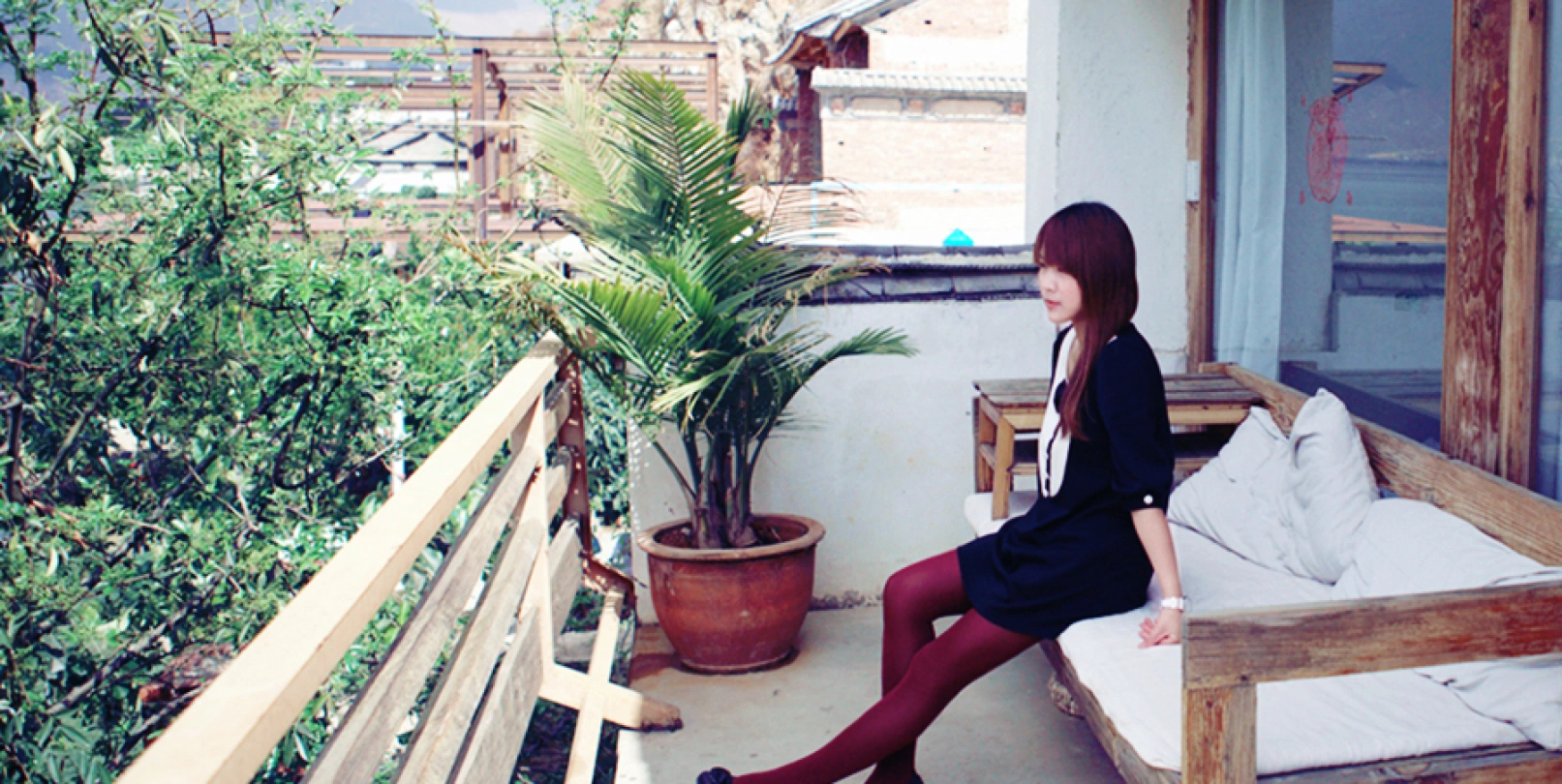
A Solo Journey to Yunnan: Shuanglang Chapter — Meeting Your Truest Self by the Erhai Lake
A Solo Journey to Yunnan: Shuanglang Chapter — Meeting Your Truest Self by the Erhai Lake Introduction: When a Dream Finally Becomes Reality Some say Yunnan is a place meant for solo travelers. It took me three full years to truly understand that. Two years…
Continue reading...
Slow Sounds, Gentle Steps: My Wandering Journey Through Lijiang
Slow Sounds, Gentle Steps: My Wandering Journey Through Lijiang Prologue: A Spontaneous "Red-Eye" Escape Some journeys begin just like Lijiang itself—with a touch of spontaneity and a hint of laziness. Late one Sunday night, I was scrolling through my phone while lying in bed when…
Continue reading...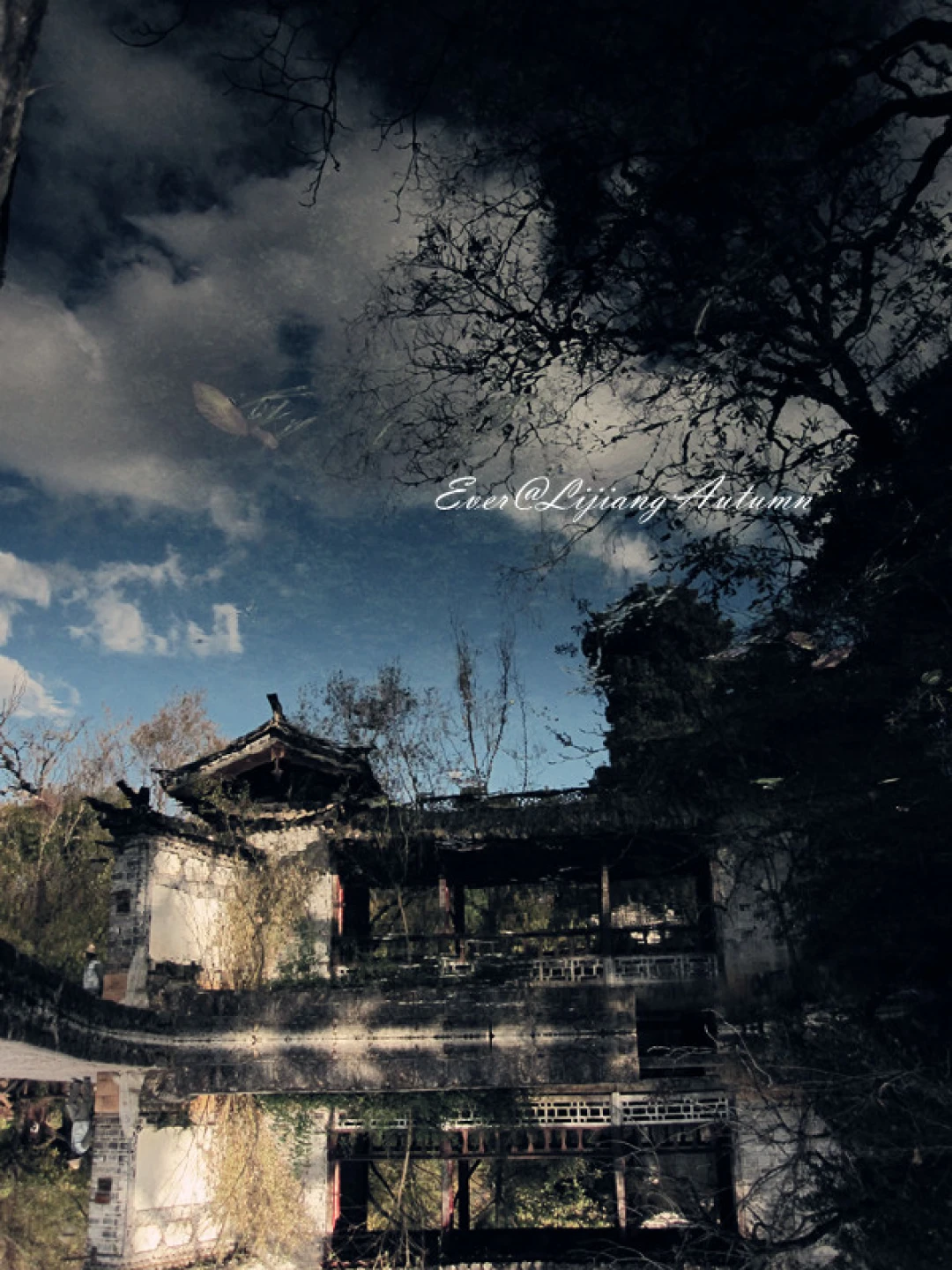
Idle Clouds in Autumn, a Moonlit City: A Slow Travelogue Through Lijiang and Shuhe
Idle Clouds in Autumn, a Moonlit City: A Slow Travelogue Through Lijiang and Shuhe When the autumn wind brushes across the ancient city's eaves, when sunlight spills onto the mottled cobblestone streets, when the melodies of folk songs mingle with the aroma of plum wine…
Continue reading...