November Escape Plan: Shedding the "Office Funk" in the Wilds of Shangri-La
November Escape Plan: Shedding the "Office Funk" in the Wilds of Shangri-La
When the City's Noise Crushes You, It's Time to Flee to That "Spiritual Sanctuary"
Have you ever had that moment? Sitting in your cubicle, the sunlight outside is blinding but can't reach your heart; scrolling through scenic photos on your phone, you realize it's been ages since you truly "breathed." That feeling of being wrapped in layers of work, trivialities, and anxiety—we call it "office funk." It's like an invisible film clinging to your skin, seeping into your blood, leaving you tossing and turning late at night and exhausted by morning.
If you're also plagued by this "office funk," then in November, give yourself a ticket to Shangri-La. This isn't just another tourist destination; it's a recognized "spiritual sanctuary" for outdoor enthusiasts—a place where your soul can stretch out again and your breath becomes clear.
From "City Dweller" to "Mountain Person": A Subtle Shift in Identity
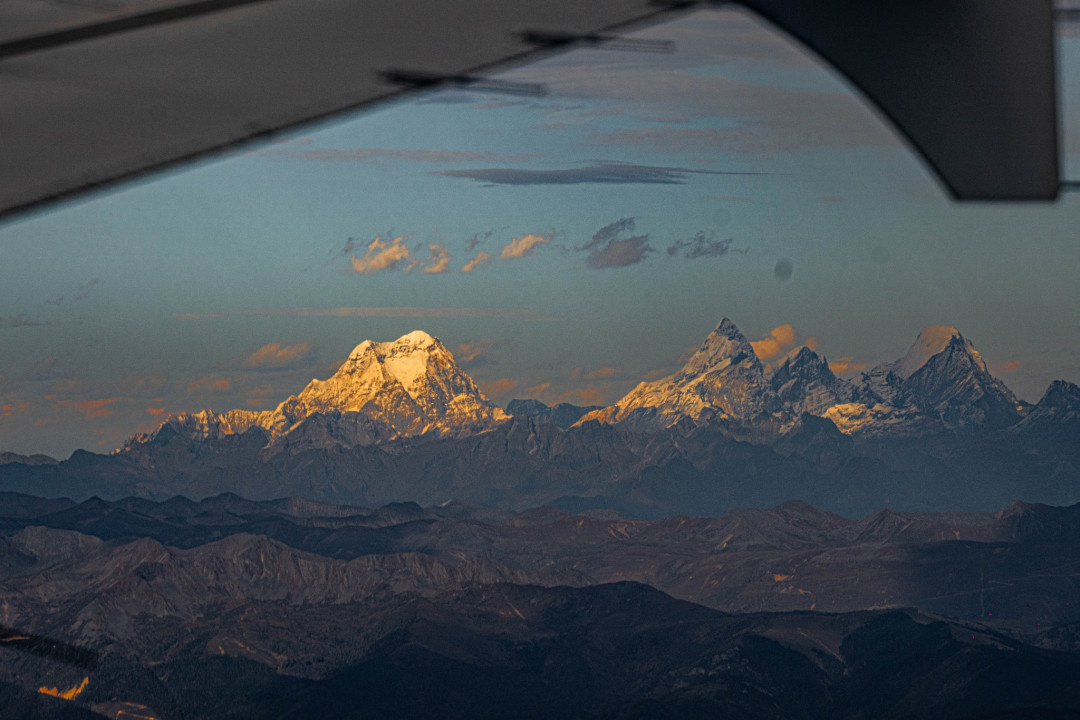
When the plane cuts through the clouds, the snow-capped mountains outside the window are gilded with sunlight. In that moment, I felt as if I had glimpsed James Hilton's "Lost Horizon"—not some sentimental literary fantasy, but a tangible, heart-racing reality.
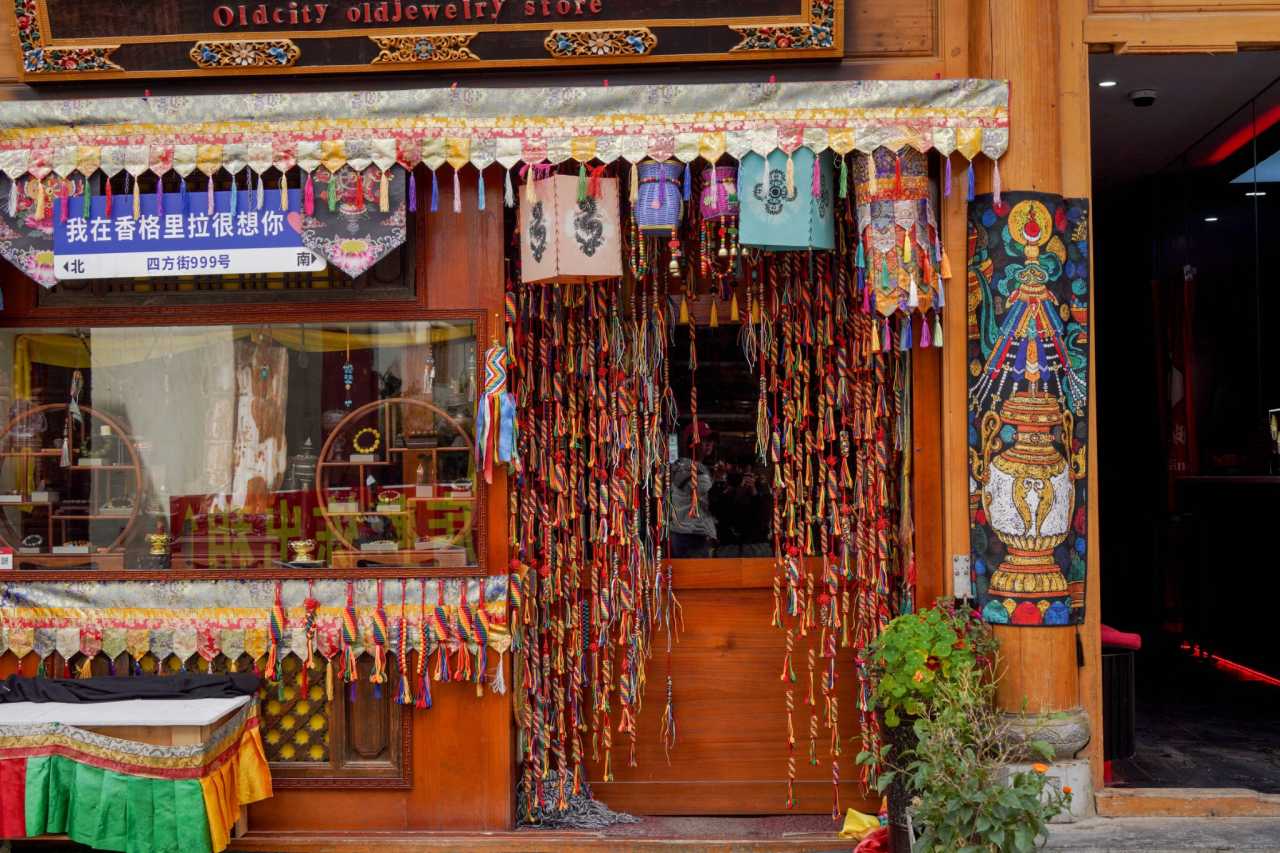
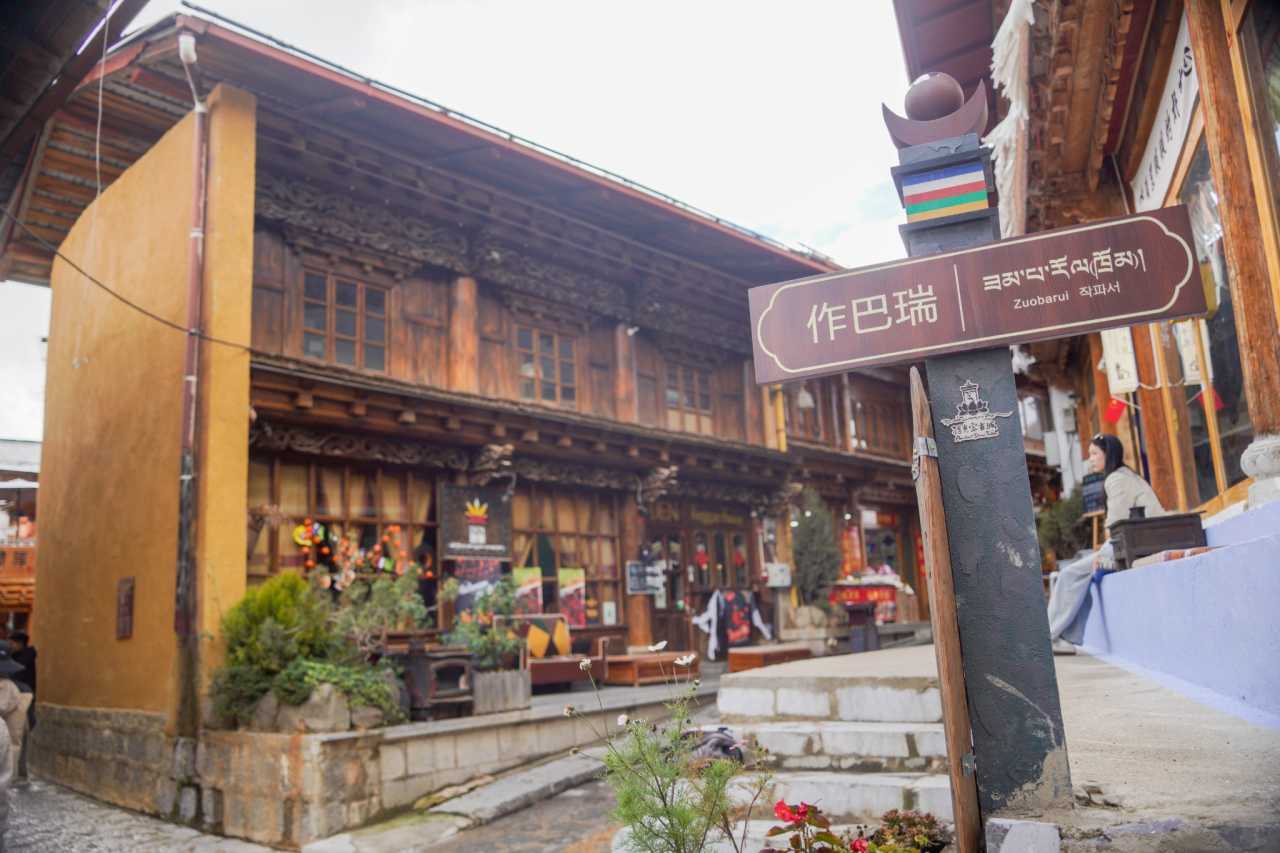
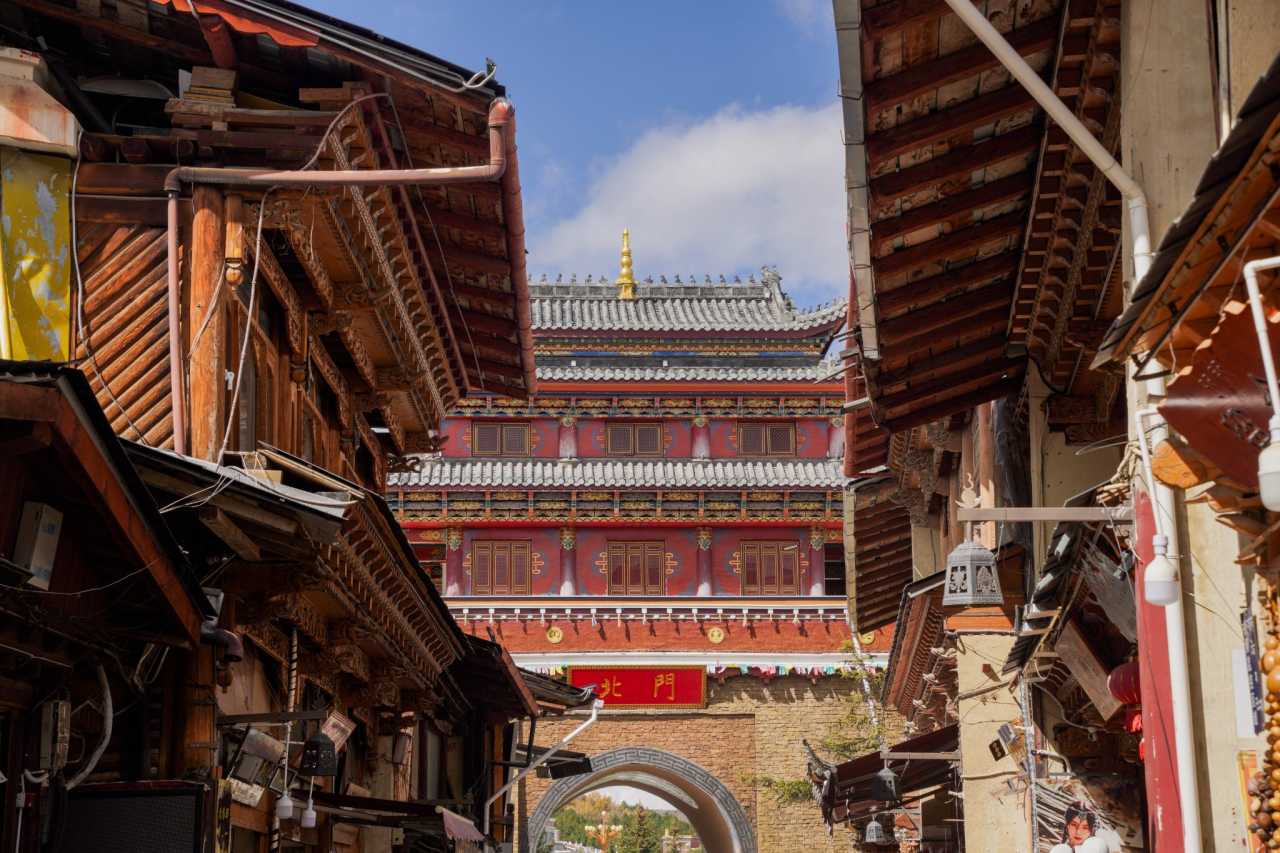
Ten years ago, standing on the cobblestone streets of Dukezong Ancient Town, I was just an ordinary tourist snapping "been there, done that" photos with my phone. Ten years later, carrying a hiking backpack and wearing a shell jacket, I had become one of those outdoor enthusiasts weaving through the ancient alleyways. The change wasn't just in gear, but in mindset—from "it's nice to look at" to "I want to go further."
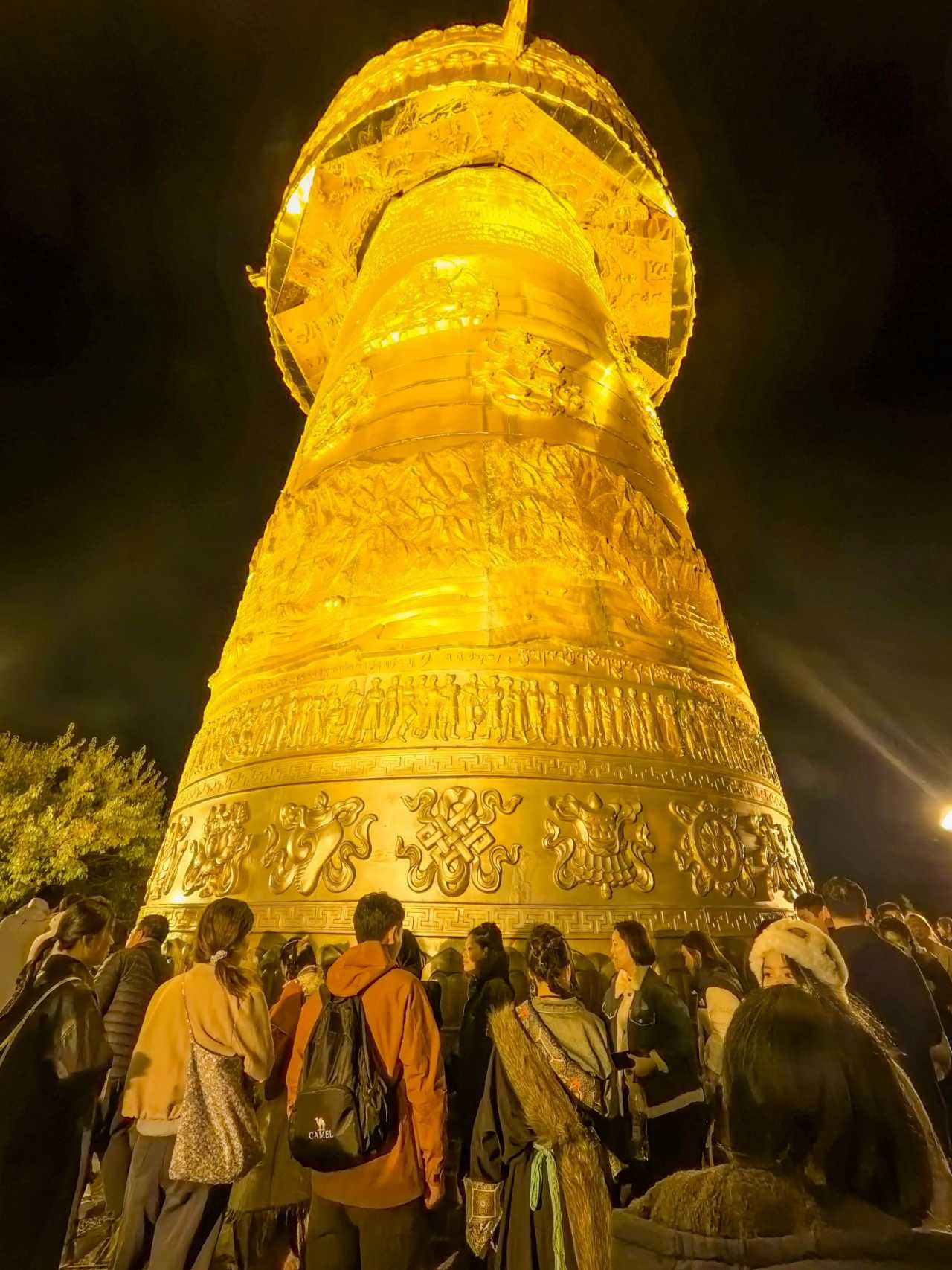
At night in Dukezong, the lights of Guishan Park flicker to life. The pure gold mandala gleams in the darkness, and the massive Buddha statue makes you hold your breath involuntarily. That prayer wheel, which takes a hundred people working together to turn, is the largest in Diqing. I circled it three times, not for any particular reason, but just to find some peace of mind at this altitude of 3,300 meters.
Potatso National Park: Not a Hike, but a "Lung-Cleansing" Prelude to Paradise
Don't rush to call me "dramatic"—Potatso National Park isn't exactly a hardcore hiking route. The lakeside boardwalk is neatly paved, more like a stroll. But its beauty is enough to make even the toughest "hard man" let down his guard.
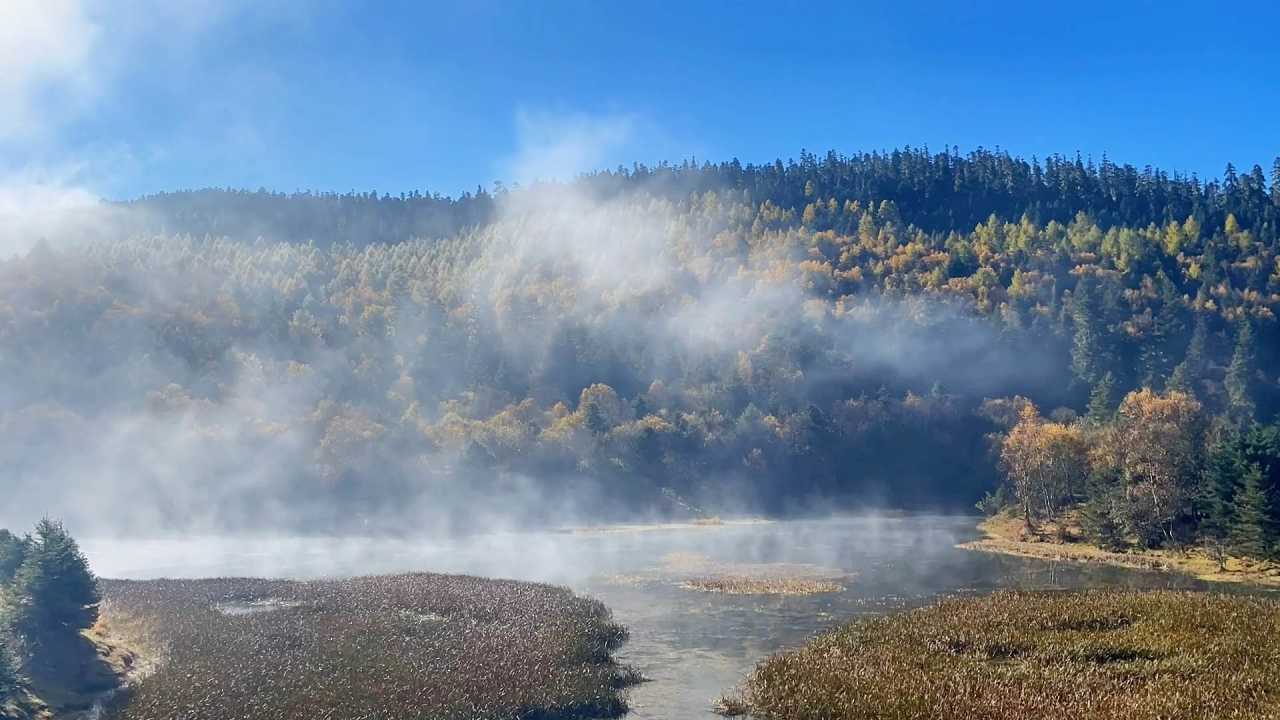
Starting from the ancient town, a half-hour drive brings you to Shudu Lake around nine in the morning. Morning mist rises slowly from the lake's surface, like a thin veil shrouding the distant snow mountains and nearby forests in a hazy glow. As the mist clears, you see a world bursting with color—autumn in Potatso is like a spilled palette: golden meadows, dark green fir trees, fiery red shrubs, and the eternal snowcaps in the distance.
The air here has an indescribable crispness. Take a deep breath, and it feels like your lungs are being washed clean. The "moss hanging from trees" scene you see in Ailao Mountain is also visible here. You can even hear your own heartbeat, mingling with the distant jingling of cow and horse bells.
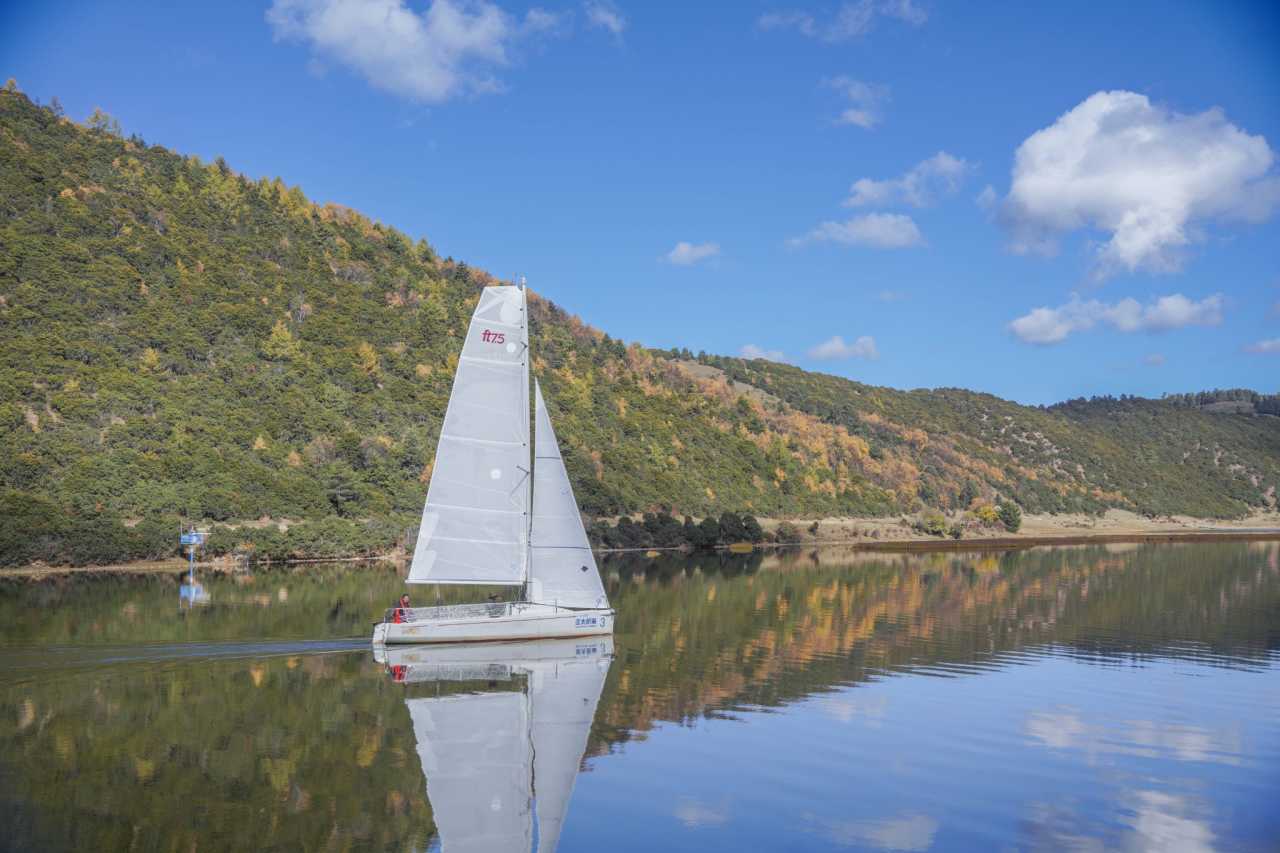
Only a small section of Bita Lake is open, but it's enough to make you linger. By the wetlands, herds of cattle and horses graze leisurely. We "city cattle and horses" (like myself) watch them and feel a strange kinship—so this is what freedom looks like.
And the local darlings here are the fearless little squirrels. They flick their big, fluffy tails, leaping through the trees as if to say, "This is your home now."
Songzanlin Monastery: More Than Just the "Little Potala Palace"—a Haven for the Soul
If you come to Shangri-La and skip Songzanlin Monastery, it's truly a missed opportunity. This largest Tibetan Buddhist monastery in Yunnan Province, built on a hillside with grand scale, is known as the "Little Potala Palace." But honestly, it feels more like a giant "photo studio" these days—everywhere you look, there are people dressed in Tibetan robes, playing the part of "Droma" or "Tashi," holding up phones and cameras, trying to capture the perfect shot on this sacred ground.
I'm not interested in those photos. What truly moves me are the murals, the Buddha statues, and the thangka paintings. Their beauty can't be conveyed through a screen. You have to stand there yourself, look up, and let those colors and lines strike your soul. In that moment, you understand why Tibetan Buddhism is called a "visual religion."
Wudi Lake: The Mystery of Rain and Snow Is More Enchanting Than Sunshine
Wudi Lake is hidden deep in the mountains of Diqing. Starting from the ancient town and crossing a mountain pass at 4,200 meters, you'll experience three seasons in a single day: summer, autumn, and winter. First, snow-capped peaks. Then, the colorful primeval forest of autumn. Finally, as the altitude drops, you return to the balmy feel of late summer and early autumn.
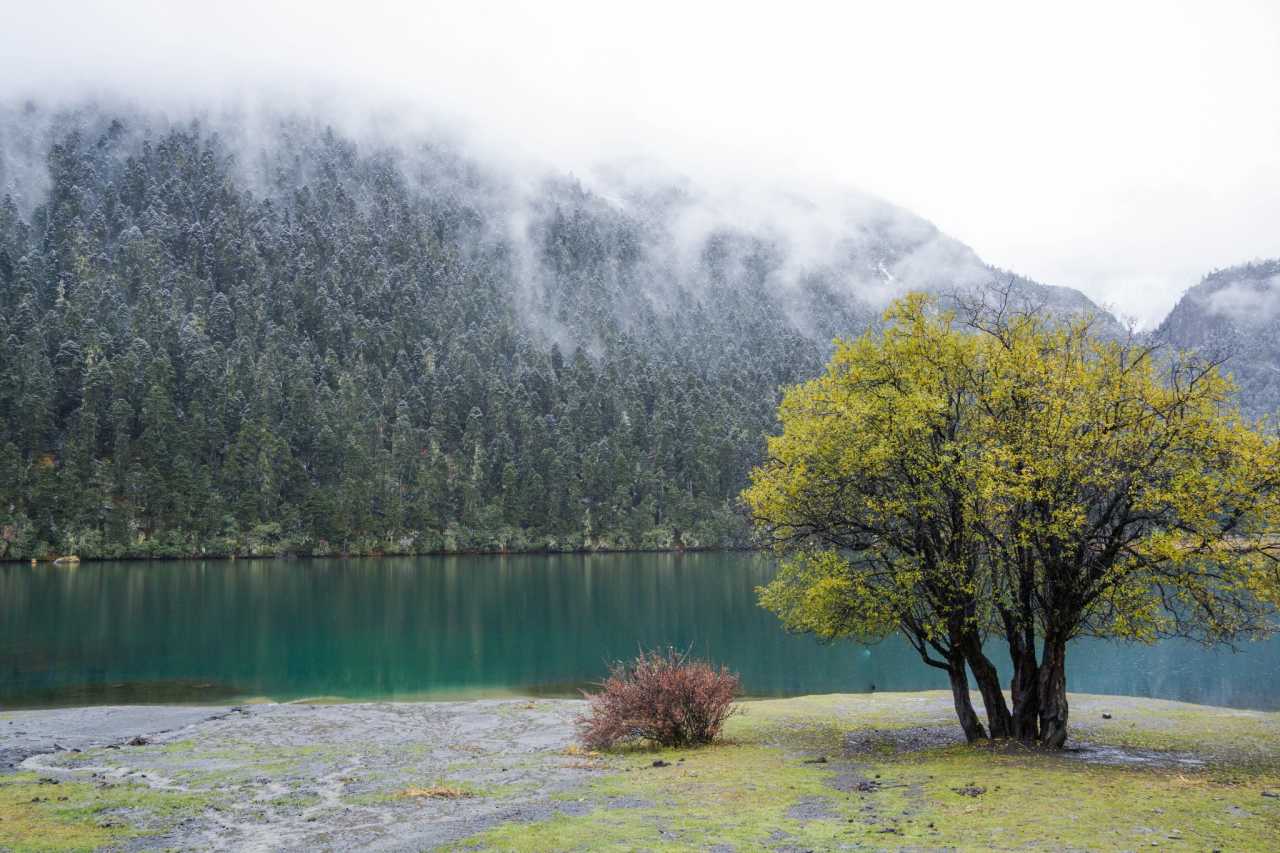
Some say Wudi Lake is beautiful on a sunny day. But I love it more in the rain and snow—there's a mysterious quality to it. The lake water is crystal clear, and the surrounding primeval forest and alpine meadows appear and disappear in the mist and rain. The mossy forest looks like a scene from My Neighbor Totoro, with oddly shaped branches growing in tangled patterns. Through the gaps in the trees, you can see clouds drifting across the lake.
The hike around the lake isn't difficult, which is why everyone says "it's fine even in the rain." Sunny days have their beauty, and rainy days have their charm. At Wudi Lake, you don't need to choose the weather—you just need to choose to go.
Tiger Leaping Gorge: The 28 Switchbacks Are a Challenge and a Gift
If you skip the 28 switchbacks on the high trail of Tiger Leaping Gorge, you miss its soul. So I chose to tough it out.

Starting from Qiaotou, the gorge after the rain hasn't fully woken up, shrouded in mist. Head down and walk hard for a while, then look up—and the surprise is right beneath your feet. The mist clears, and the green Jinsha River surges below. In that moment, all fatigue melts away.
The 28 switchbacks are a zigzagging upward climb. Each turn brings a sense of despair, but each turn also holds a surprise. Accompanying you the whole way are the main peak of Jade Dragon Snow Mountain and the deep canyon views. Only those who grit their teeth and push through can enjoy this gift that belongs solely to the brave.
Napahai Lake: Plateau Cycling and Slow Pastoral Time
Napahai Lake is a seasonal plateau wetland—a lake in summer, a grassland in winter. If you truly want to experience the "wilderness," you should stay at Napahai.
At the Highland Resort in the morning, you don't need an alarm clock. The jingling of cowbells will wake you from your dreams. Pull back the curtains, and the sunrise over Napahai is right before your eyes. Rent a bicycle from the hotel. Not up for a full lake circuit? Just ride to the nearby white pagoda. There, you'll find a vast prairie. You can put on a Tibetan robe and become a "Droma" for a day, or buy a cup of roasted yak milk, sit back, enjoy the view, watch the clouds, and soak in a truly slow time.
There's also a simple hiking trail: walk through a rustic village and hike to the mountainside, where a small waterfall awaits. The path is well-maintained and easy to walk. The autumn colors in the mountains make for wallpaper-worthy photos without any filters.
If You Can't See the Golden Sunrise on the Snow Mountain, Go See Shambhala
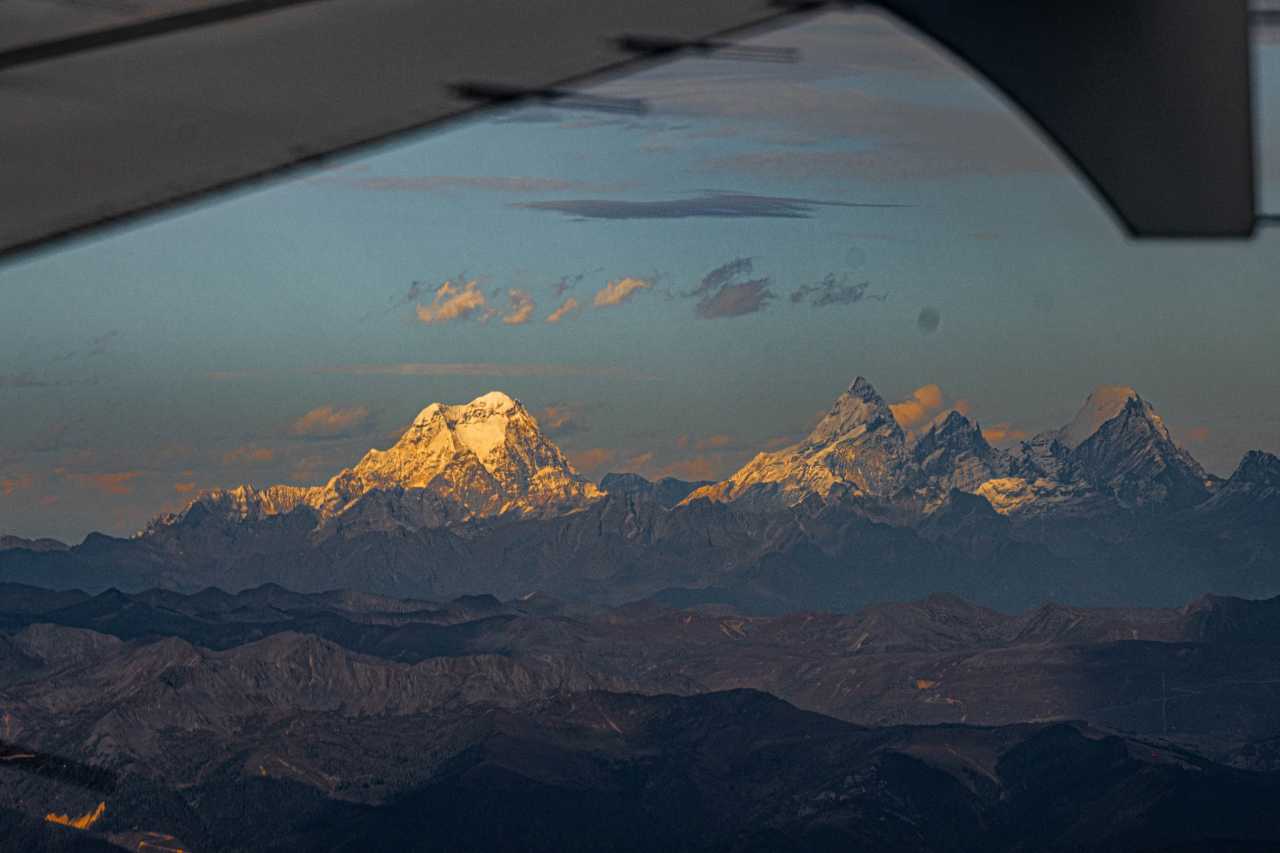
During my days in Shangri-La, it kept raining. The chance of seeing the "golden sunrise" on the snow peaks was extremely low. Regret is the best reason to come back. But this time, I decided to go see that mountain that looks like a stupa—it's in Balagezong.
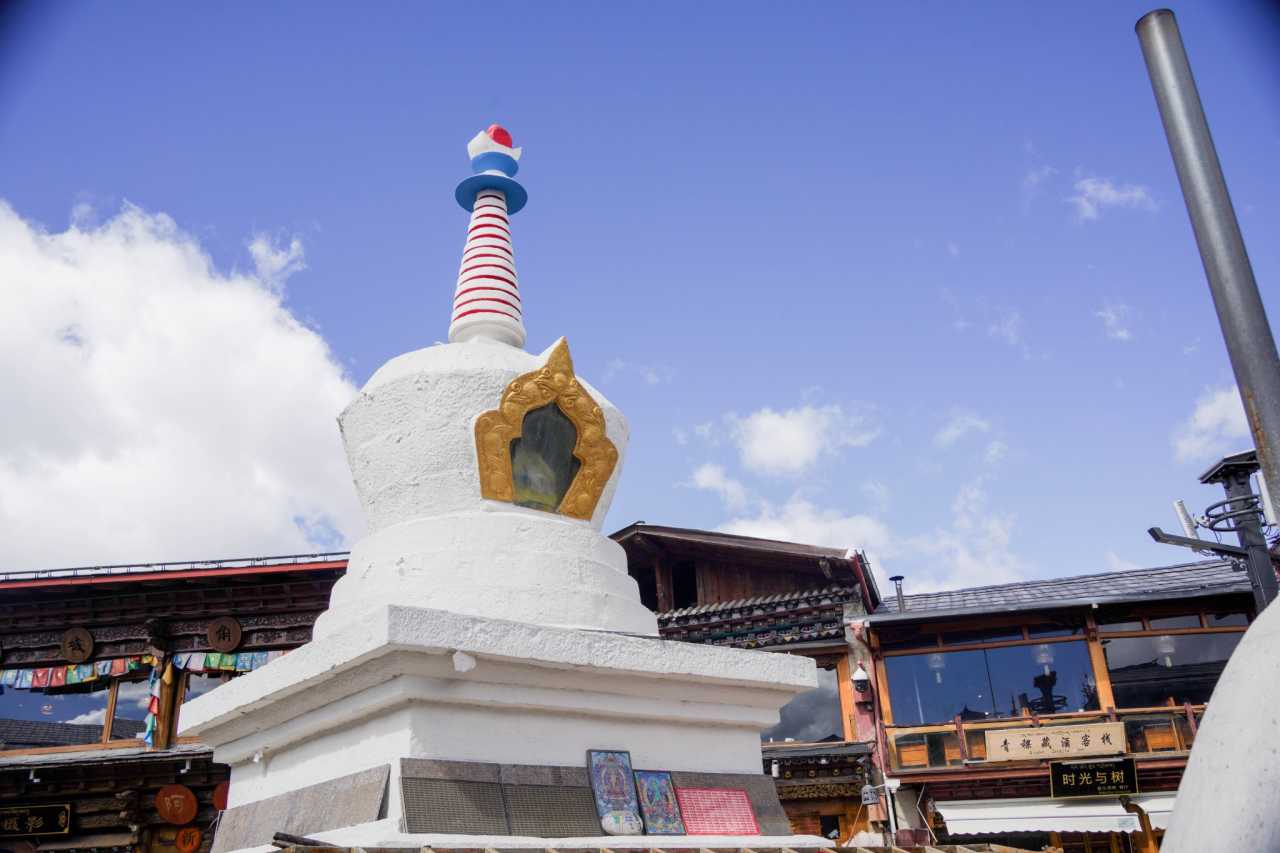
If you come to Shangri-La in autumn and still haven't had your fill of snow mountain views, go higher. Skip Meili Snow Mountain and head to Balagezong instead. The real wilderness is there. When you stand at the foot of the snow mountain and look up at the sacred Shambhala Stupa, what doubts could you possibly have left?
Final Thoughts: The Wilderness Is the Only Cure for "Office Funk"
Shangri-La isn't an escape—it's a return. It teaches you to breathe again, to feel the changing seasons again, to reconnect with nature and with yourself.
In November, if you're also tired of the city's noise and the grind of work, give yourself a ticket to Shangri-La. There, you don't need to do anything "meaningful." You just need to walk in the wilderness, look at the snow mountains, listen to the cowbells, and smell the moss.
Trust me—that "office funk" will slowly dissolve in the wind of the wild.
Practical Tips: - Best Time: Late October to early November, when autumn colors are at their peak and crowds are smaller - Transportation: Fly into Diqing Shangri-La Airport, then rent a car or hire a driver - Gear: Shell jacket, hiking boots, sunscreen, sunglasses, insulated water bottle (large temperature differences on the plateau) - Note: Altitude sickness varies by person; consider preparing Rhodiola in advance and avoid strenuous activity - Recommended Route: Dukezong Ancient Town → Potatso National Park → Songzanlin Monastery → Wudi Lake → Tiger Leaping Gorge → Napahai Lake → Balagezong
You should also read:
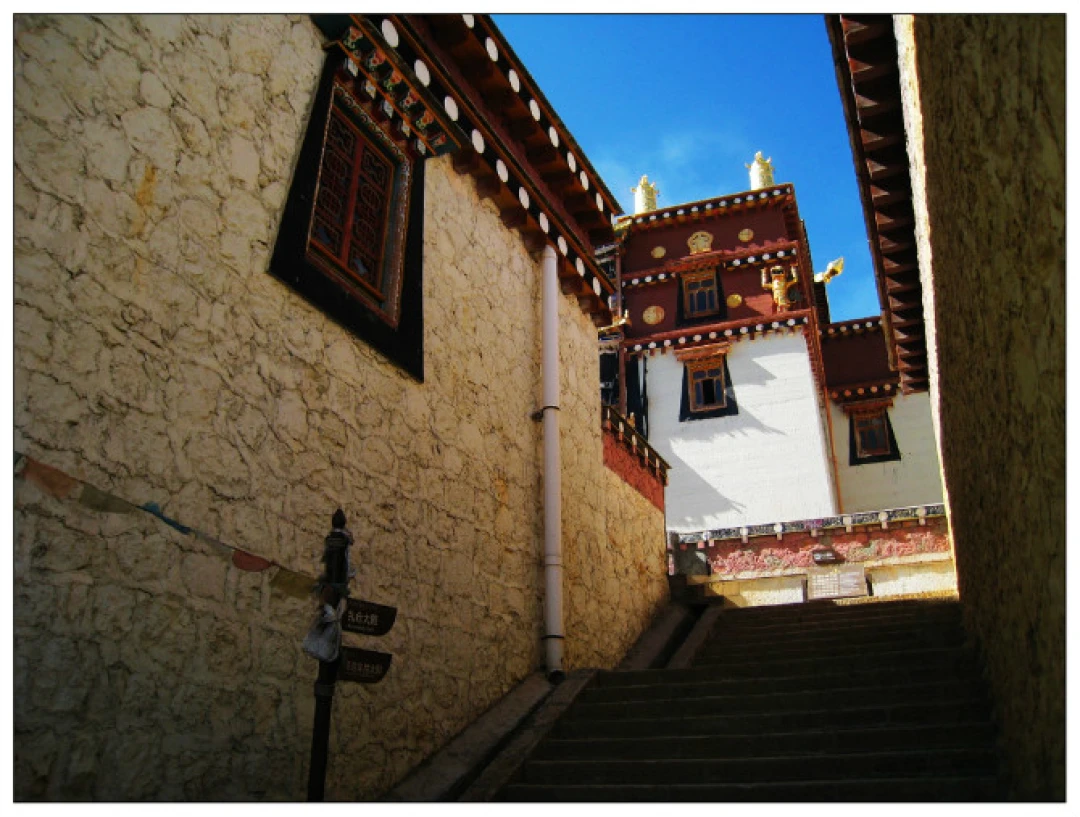
Yunnan's Colorful Clouds: Touching Shangri-La — A Dialogue with the Sky
Yunnan's Colorful Clouds: Touching Shangri-La — A Dialogue with the Sky If you ask me where in China is closest to heaven, I would tell you without hesitation: Shangri-La. The name itself carries a mysterious magic, as if every syllable whispers tales of distant lands.
Continue reading...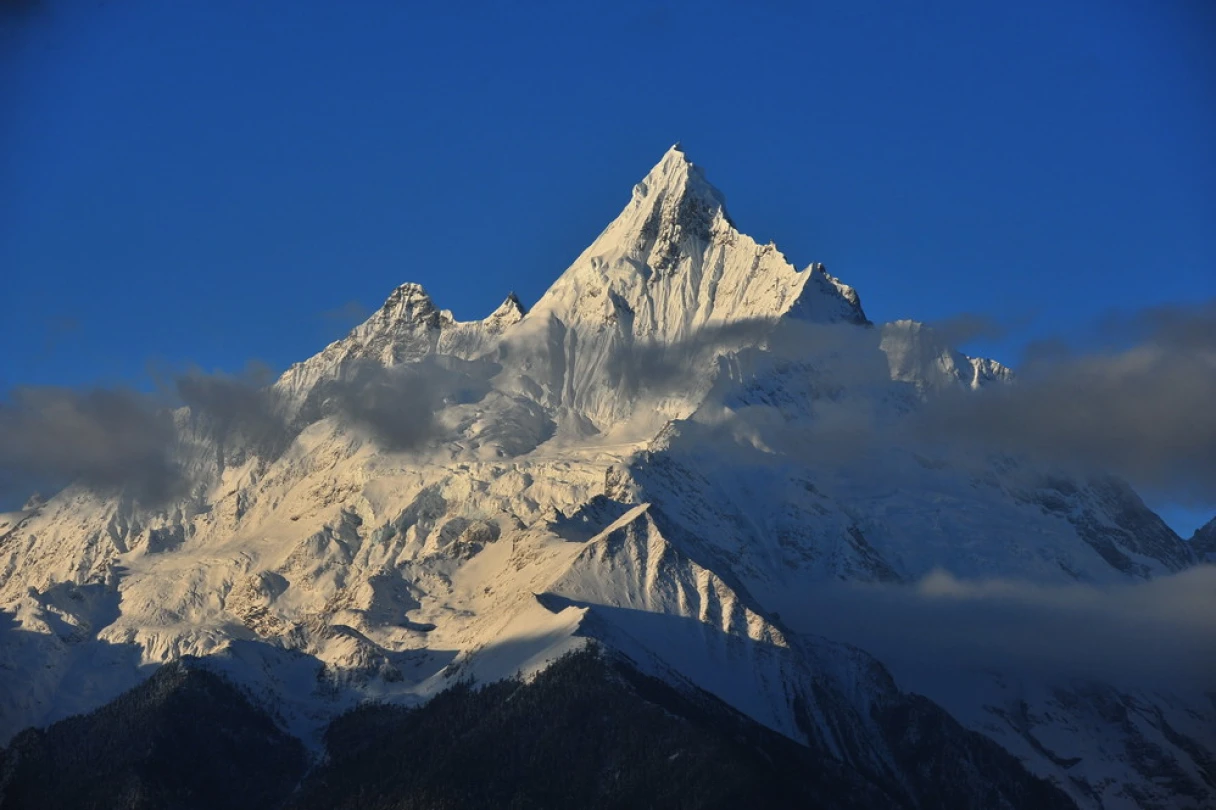
Entering Shangri-La, Meeting the Snow Mountain God—Meili
Entering Shangri-La, Meeting the Snow Mountain God—Meili Before setting foot on this land, I had pored over countless photos taken by seasoned travelers—those majestic snow-capped peaks, the azure skies, the prayer flags fluttering in the wind. They had already painted vivid images in my mind.
Continue reading...
Big Bear and Little Cat Explore China: [A Self-Guided Tour of the Shangri-La Region: That Sky, So Blue It Feels Unreal!]
Big Bear and Little Cat Explore China: [A Self-Guided Tour of the Shangri-La Region: That Sky, So Blue It Feels Unreal!] Prologue: Why Shangri-La? In September 2011, my friend and I followed the Yunnan-Tibet Highway into the Greater Shangri-La region. Six days of travel, without…
Continue reading...