Off-the-Beaten-Path Destinations | 68 Days Into My Slow Travel in Dali, I Collected 8 Secrets About Wind, Flowers, Snow, and Moonlight

Off-the-Beaten-Path Destinations | 68 Days Into My Slow Travel in Dali, I Collected 8 Secrets About Wind, Flowers, Snow, and Moonlight
Ten years ago, I was still sitting in front of the TV watching My Fair Princess (a beloved Chinese period drama), listening to them say, "Dali is a wonderful place." Ten years later, I packed my bags, brought along my dog, rented a two-bedroom apartment at the foot of Cangshan Mountain, and turned "wanting" into "doing."
March 24, 2021, marked my 68th day of slow living in Dali.
We drove from Chengdu, and two days later, we arrived in this land wrapped in blue skies and gentle breezes. Convincing my parents, packing up my belongings, carrying all the uncertainties—everything happened faster than I imagined. Just like the dream I had years ago, we were now actually living in Dali.
Over those 68 days, we drove a car around Erhai Lake again and again. We encountered sunny days, rainy days, sudden showers, and rainbows. We also stumbled into those tiny corners that don't even show up on maps. Today, I want to share these stories with you.
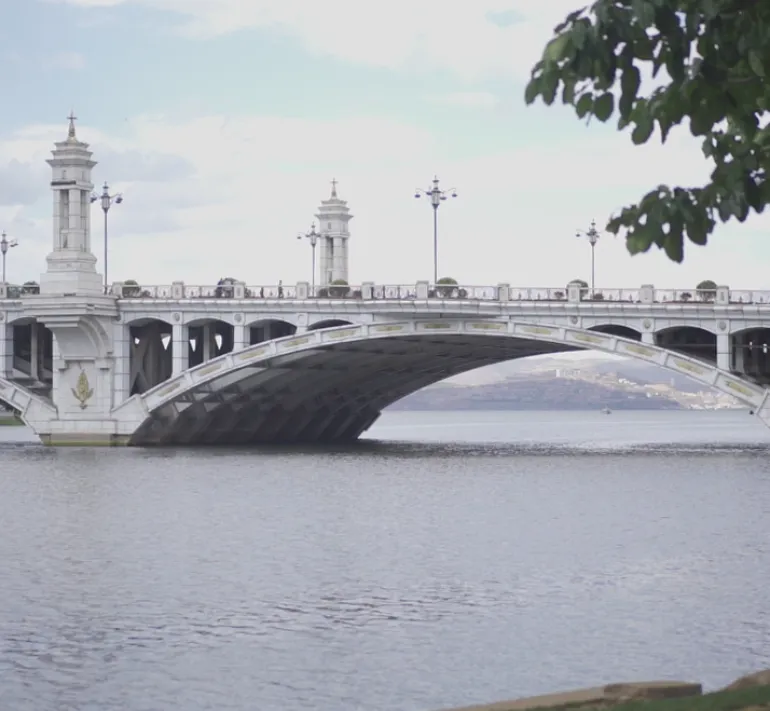
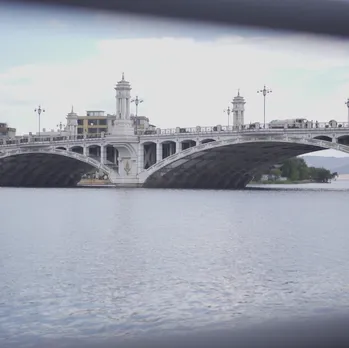
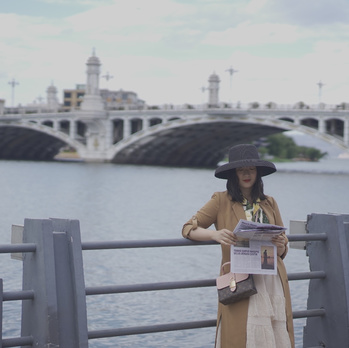
Xingsheng Bridge: The "London Bridge" I Put Off for 50 Days
I live just a five-minute walk from Xingsheng Bridge, yet I procrastinated for a full 50 days before finally crossing it for the first time. If procrastination had levels, I'd probably rank at level eight.

I had passed this bridge on a previous visit to Dali but was in too much of a hurry to stop for photos. Living right next to it this time, I kept telling myself, "I'll go tomorrow," and before I knew it, 50 days had slipped by.
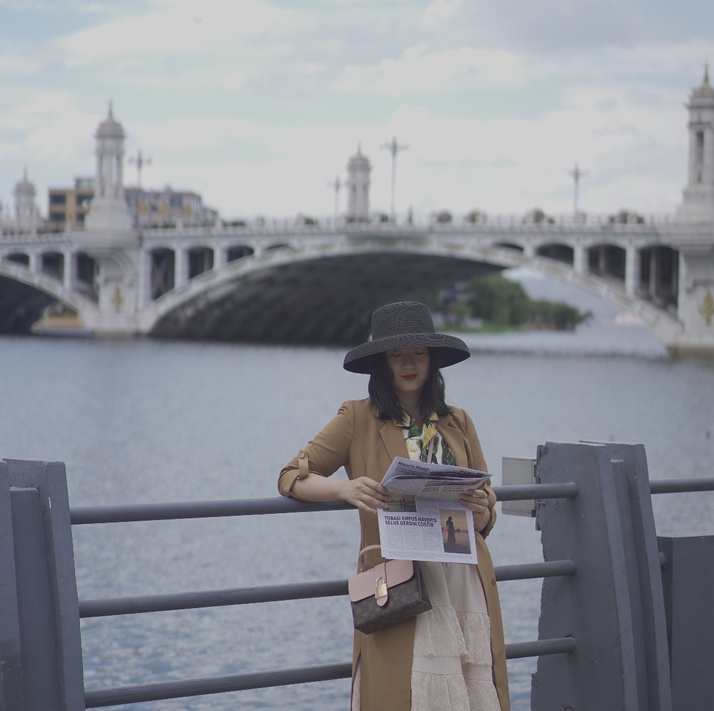
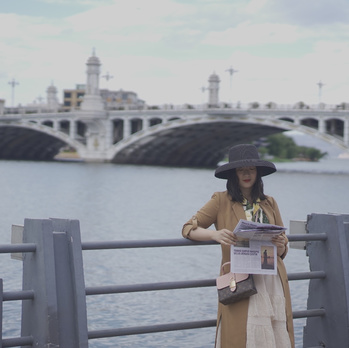
The bridge spans the Erhe River, and its European-style architecture has earned it the nickname "London Bridge" among locals. Every day, countless couples come here for wedding photos. Whether you're walking on the bridge or beneath it, you're surrounded by gentleness and romance.
When's the best time to visit? Autumn and winter. Red-billed gulls migrating from Siberia skim across the water and fly right over your head. In that moment, you'll feel the whole world go quiet. If you're coming now, go in the late afternoon. As the sun is about to set, the light pours down on your face without reservation, and no beautiful words can truly capture that moment.
On one side of the bridge is the only spot on the Erhe River where swimming is allowed. At noon, you'll always see local men diving into the water, sending up massive splashes. I chatted with them once, and though I only half-understood their dialect, their love for Dali needed no translation.
For photos, the left and right sides of the bridge, the pedestrian walkway on top, and the arches underneath—any corner will give you a great shot. Oh, and there are so many couples here. If you have time, just sit nearby and watch other people's happiness unfold.
Fengyangyi Village: A Time Capsule on the Ancient Tea Horse Road
I discovered this place while scrolling on my phone, lounging on the couch. It took just 20 minutes to drive from home, and I only spent half an hour getting dressed and doing my makeup before heading out.
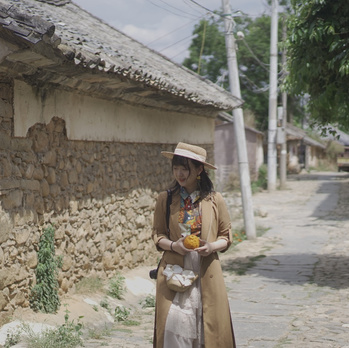
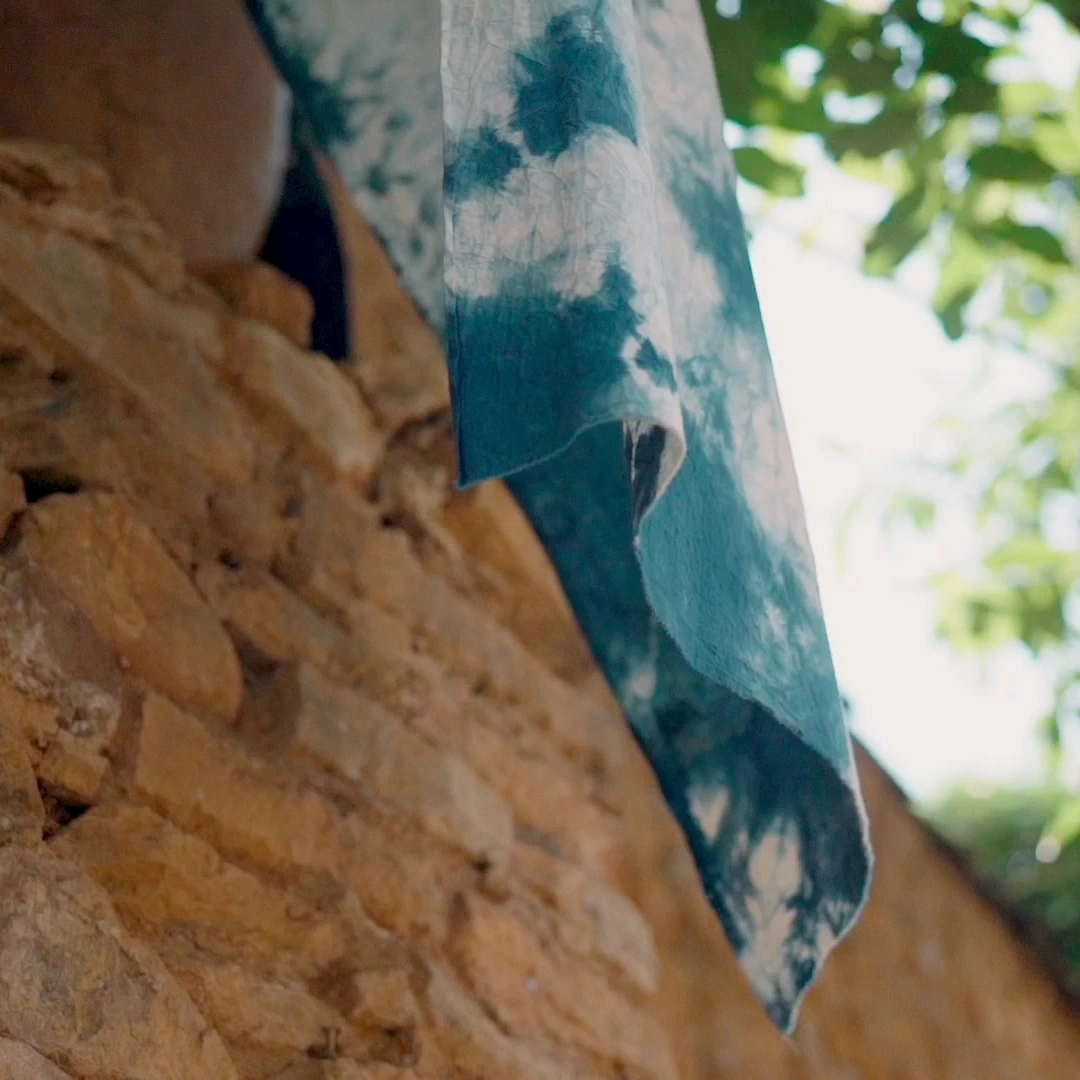
Fengyangyi was once a small town along the Ancient Tea Horse Road. When the old trade routes were replaced by modern logistics, it became a residential area for locals. Later, wealthier families moved away, leaving just a few households to watch over the village. Over time, many of the houses fell into disrepair. Then one day, someone discovered the place, and indigo dye shops, coffee shops, and small guesthouses began to appear.
But there are very few tourists. How few? I spent an entire afternoon here and only ran into eight people—four locals, one businessman waiting for tourists to ride horses, and three other wanderers like me.

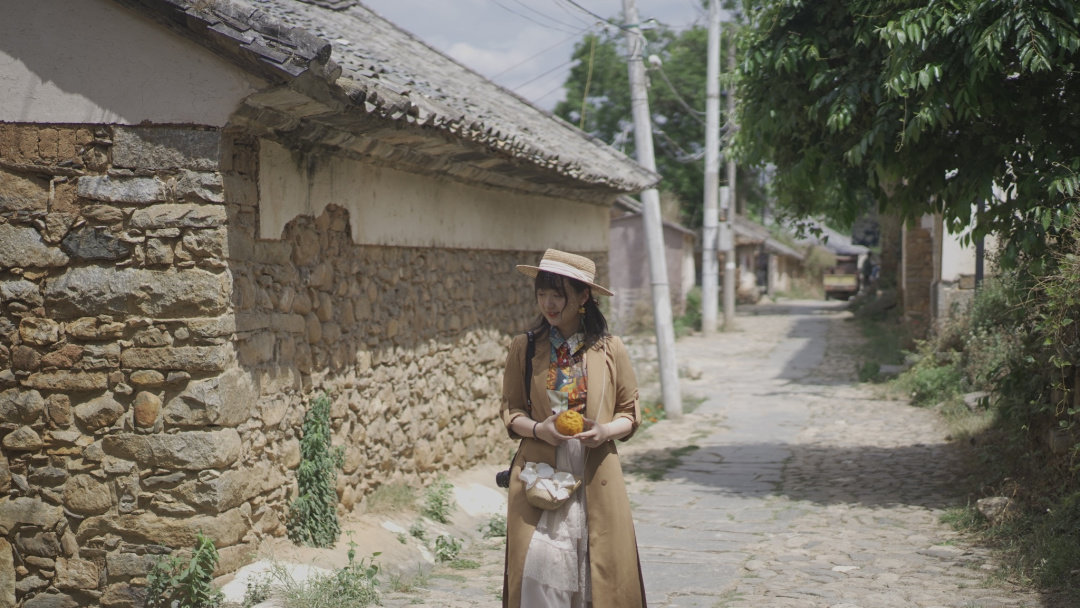
It was so quiet I could hear the sound of leaves falling in the wind. So quiet that when the camel bells rang, I felt like I had traveled back in time. The cobblestone path stretched all the way to the end of the village, with bare utility poles holding up memories of summer. When the wind blew, my mind filled with Jay Chou's summer songs.
I didn't step into any of the shops, nor did I disturb any of the residents. I just wandered, stopped, and idled away the hours. When I climbed higher, I could see Erhai Lake in the distance. The Bai-style buildings below had been converted into interesting little shops, but the overall character remained unchanged, mostly run by young people with a passion for the place.
When I left, my car was blocked by a local. I called the police, asked around, and spent over an hour just getting out. Travel always throws unexpected stories at you when you least expect them.
Longkan Pier: A Sunrise Born from an Earthquake
I'm not exactly a morning person. Someone told me the sunrise at Longkan Pier was stunning, but the thought of having to arrive before 6 a.m. made me give up entirely.
Then came the night of May 21—the Yangbi earthquake.
Most people drove to the shores of Erhai Lake to sleep, and we did the same. We chose Longkan Pier, thinking we might as well catch the sunrise if we woke up. Sleeping in the car was uncomfortable, and I drifted in and out of consciousness until dawn. Wrapped in a blanket, I waited for the sunrise—no photos, no videos, no talking. I just sat there quietly for a while.

A few days later, we went back specifically to take photos. We left at 5 p.m. and watched the sun slowly sink. Longkan Pier was still under construction last year, but this year it's already a full-fledged attraction. The cycling and walking paths are well-built, with parking spots everywhere. Four trees standing side by side have four benches beneath them. When the sun is harsh, the shade fills with people.
I absolutely love this place. Sitting under the trees, the breeze is gentle. Walk a little further, and there's a small path leading to the edge of Erhai Lake. But the water here is polluted—get close, and you'll notice an unpleasant smell. Dali has been protecting the lake for years, but these problems can't be solved overnight.
In the late afternoon, the "Jesus light" is most common. The clouds over Cangshan Mountain tear open a crack, letting the light pour through. Every time I see this scene, I still can't help but sigh in wonder.
Panxi Village: From Obscurity to Instagram Fame
This is my sixth visit to Dali.
The first time was in the late summer of 2014. I was still in college and wanted to "escape" like the city folks I saw online. The second time, I traveled alone, carrying a tripod and checking off scenic spots. By the fifth visit, I had the person I loved by my side, and the sunshine and breeze those days were just perfect. The sixth time, I finally stopped moving and settled in.
One day, we decided to drive around the lake. Erhai isn't that big—a full loop is only about 136 kilometers—but stopping and starting took us an entire day. The ring road on the west side isn't fully built yet. You can walk or ride an e-bike, but cars have to park in nearby villages.
When I first went to Panxi Village last November, it wasn't popular at all. Besides us, there was only one couple taking wedding photos. Now, half a year later, it's become an Instagram hotspot. Especially that S-curve—it's packed every day with tourists enjoying afternoon tea.
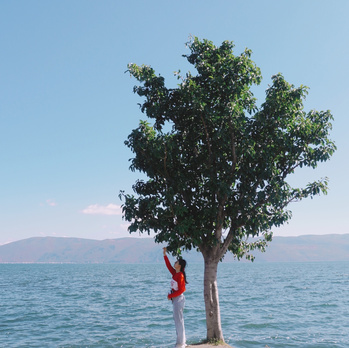
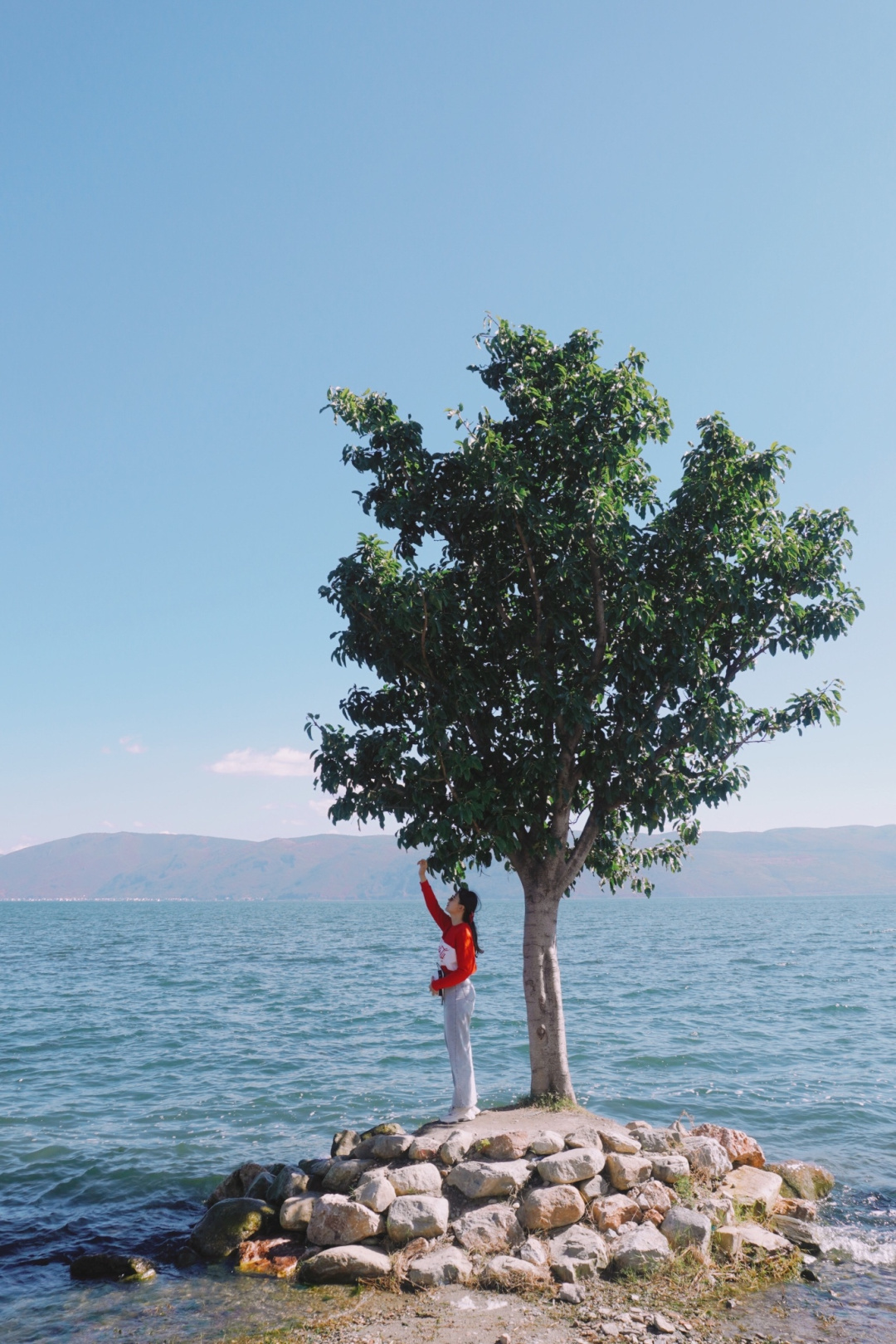
The lonely tree still stands there. Standing beneath it, with the sparkling waters of Erhai behind you and waves crashing against the shore, it's a beautiful sight. But taking photos requires waiting in line. To capture the tree, the water, and a person in one wide, empty frame, you have to wait until everyone leaves the spot. Luckily, I took plenty of photos last year, so I didn't feel the need to obsess this time.
The second time I brought my dog Tangyuan here, he accidentally fell into Erhai Lake. For ten seconds, we were completely stunned. When we snapped out of it, we almost jumped in to save him. But dogs are natural swimmers—he paddled a few times and swam back. Ever since, though, he refuses to go anywhere near the water's edge.
The Wheat Fields Near Xizhou: A Summer Straight Out of a Studio Ghibli Film
If there's one place in Dali that looks like it's from a Studio Ghibli anime, it's the farmland near Xizhou.
In spring, the fields are covered in barley, and when the wind blows, you get that classic scene of wheat swaying in the breeze. After the barley is harvested, the fields are replanted with daisies—a sea of flowers that looks good no matter how you photograph it. By autumn, they say the fields turn into golden rice paddies.
When I went to shoot here, a friend I've known for nine years came to visit me in Dali. She's someone I met online when I was a fan of the actor Alec Su—I was in my final year of high school, preparing for the college entrance exam, while she was in her senior year of college, getting ready to graduate. We lived at opposite ends of the country, and neither of us imagined we'd become such close friends. The first time we met was September 11, 2012. That day, we saw Alec Su together in Wuxi for the first time.
Every time I see her, I'm reminded of our most youthful days. Back then, we didn't have much money, but we always managed to save up little by little and travel all over the country together.
The wheat fields have dirt paths for visitors to walk on. Dogs are allowed, and there's no time limit for photos. When the wind is strong, the wheat sways dramatically, creating waves of gold. They say red and green don't go well together, but in nature's color palette, red and green are anything but clashing.
When I came in late March, the fields were still a fresh green. By early April, hints of gold had appeared. By mid-April, you could capture golden wheat fields, giving spring the feel of autumn. If you're coming now, go see the daisies instead.
Windmill Mountain: The Most Beautiful Sunset I've Ever Seen
I flew back to Dali from Kunming, and it was sunset by the time I landed. Taking a taxi along the shore of Erhai Lake, traffic was heavy. The orange-gold of the sky slowly faded, and the deep blue of night gradually deepened. The driver alternated between braking and accelerating, and it took nearly an hour of weaving through traffic to reach Dali's old town.

The next morning, I woke up to sunlight streaming through the curtains onto the foot of the bed. After a late breakfast-lunch combo, I squeezed onto a crowded bus to Dali Station. I got off to buy a Coke, but they only had Pepsi, so I walked a bit further to find a Coca-Cola. It took over an hour to drive from the city to Windmill Mountain, navigating winding mountain roads and bumpy gravel paths. Passing by a waste incineration plant, the smell was pretty unpleasant.
We arrived at Windmill Mountain around 6 p.m. There were plenty of people, mostly wedding photography couples. The entrance fee was 5 yuan per person, and the ticket collector climbed into our car a couple of times to make sure we weren't there for wedding photos before letting us through.
Why is it called Windmill Mountain? Because it's covered in wind turbines, spinning endlessly in the wind like giant windmills. You can see them from Dali city, scattered across the hills. But no one expects to find such a vast meadow up here, with shepherds grazing their flocks of sheep.
We found an open spot on a hilltop and watched the sun slowly set. Shooting against the light, the glow outlined our silhouettes. As dusk fell, we lit sparklers, their crackling sound mixing with the wind, flickering in the darkness. Behind us were the lights of the city and the distant shimmer of Erhai Lake.
We watched the sunset from the mountain and then waited for the stars to appear. Everything was perfect, except for the chill in the air.
Tips: Navigate to "Shangyangliucun Village" (Upper Willow Village), take the gravel road on the right at the three-way fork, and drive up to the ticket booth. In winter, it snows on the mountain, and temperatures are much lower than at the foot. Go in the afternoon, watch the sunset, and then head down. Hiring a car is expensive; renting your own is the most convenient option, but the mountain roads are rough, so assess your driving skills carefully.
Pear Blossom Village: A Seasonal White Dream
I always call this place a "seasonal limited edition." Once that window passes, there are no pear blossoms, no wheat fields—just the village and the locals who've always lived there.
Pear Blossom Village is in Heqing County, which belongs to Dali administratively, but it's actually easier to get there by driving from Lijiang. From downtown Dali, it's about a two-hour drive one way. Make sure to bring your own food—there's basically nothing to buy there.
To save on tolls, we chose the free route. It added half an hour to the drive, but we wound through mountains and endless S-curves. My dog Tangyuan was so jostled that he curled up into a tight ball, looking pretty pitiful.
Before we even reached the village, we saw big signposts. Then, suddenly, pear trees covered the hills as far as the eye could see. We just followed the direction of the groves and drove straight in. Chatting with the locals, I learned that the oldest pear trees here are over a hundred years old. Generations of families have planted pear trees and grown wheat beneath them, and over time, the village became famous far and wide for its pear blossoms.
When the wind blew, the wheat fields swayed in waves, and the pear blossoms trembled gently on their branches. It was a breathtakingly beautiful scene.
Tips: Pear Blossom Village holds an annual Pear Blossom Festival, and this is the best time to visit. A little later, when the trees have fully leafed out, it's still lovely. In late summer, when the pears ripen, if you miss the blossoms, go pick some fruit instead. Transportation isn't very convenient, so driving yourself is recommended.
Shaxi Ancient Town: My Favorite Yunnan Ancient Town
Over the years, I've visited quite a few ancient towns in Yunnan—Lijiang Old Town, Dali Old Town, Jianshui Ancient City, Dukezong Ancient Town, Heshun Ancient Town, Guandu Ancient Town... until I discovered Shaxi.
I first went to Shaxi in February 2018, during the cold winter months. Back then, Shaxi was even quieter than it is now. Once night fell, there was absolute silence. Outside the town, by the river, the trees stood bare and skeletal. But the early morning mist turned the entire town into an ink-wash painting.
Shaxi doesn't have Lijiang's noise or Dali's commercialization. It lies there quietly, like an old person who doesn't want to be disturbed. Cobblestone streets, old houses, small bridges over flowing water—everything remains as it was.
If you come to Dali, please set aside a day for Shaxi.
A Final Thought

On my 68th day of slow living, I took countless photos and left behind many images. But the most precious things are those that can't be captured by a lens—the sound of wind blowing through wheat fields, the orange glow of sunset, the smiles exchanged between strangers, and all those unexpected little stories.
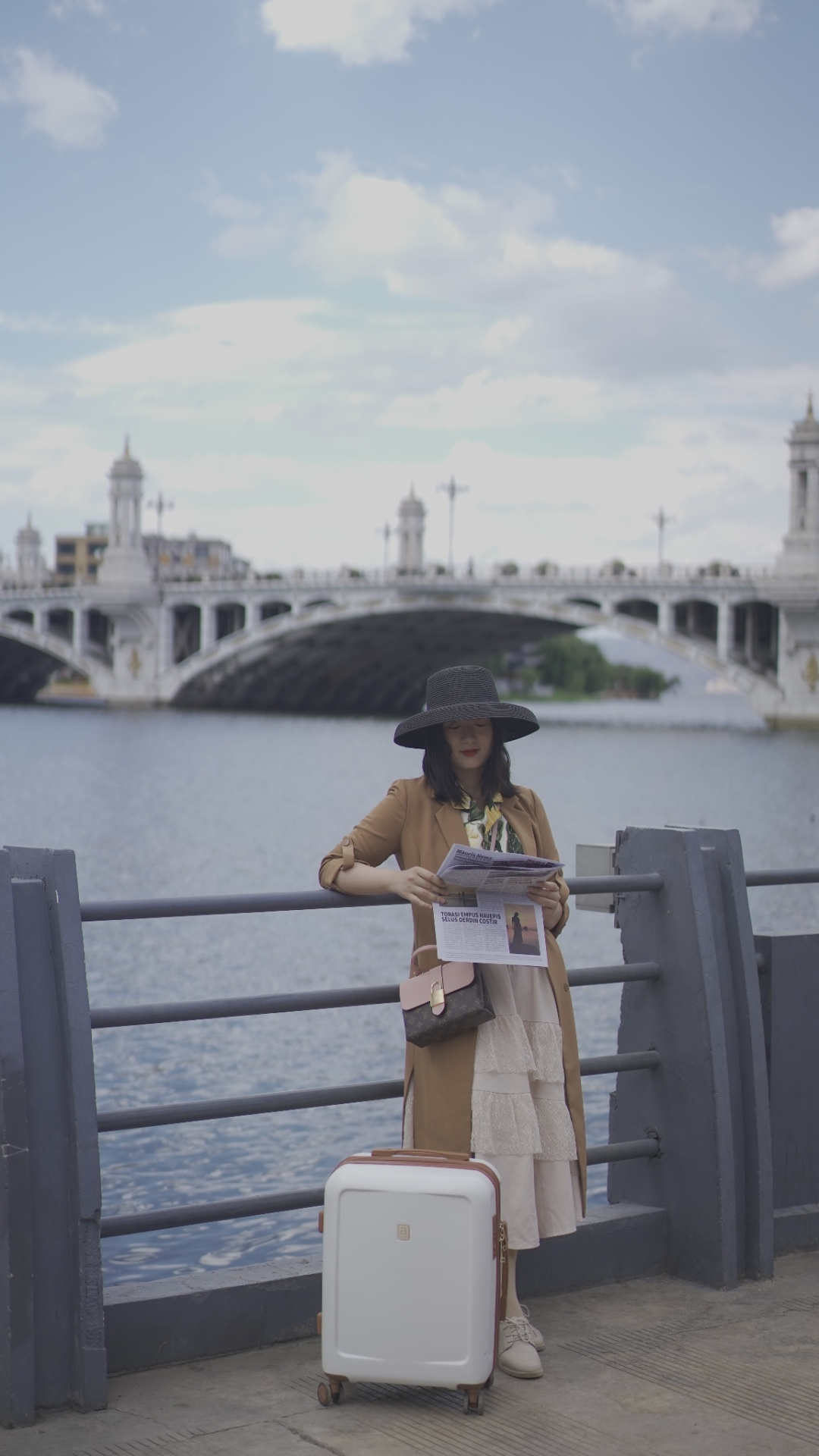
Dali has plenty of attractions, but what truly captivates you are those "off-the-beaten-path" corners. They're not in travel guides, not on social media feeds—they're only found in your footsteps.
If you're thinking of coming to Dali for slow travel, my advice is: don't rush, don't check off a list. Find a house you love, rent a car, bring a heart that's ready to slow down, and go meet the stories waiting for you.
After all, the beauty of Dali has never been in the scenic spots. It's in those unguarded, fleeting moments.
You should also read:
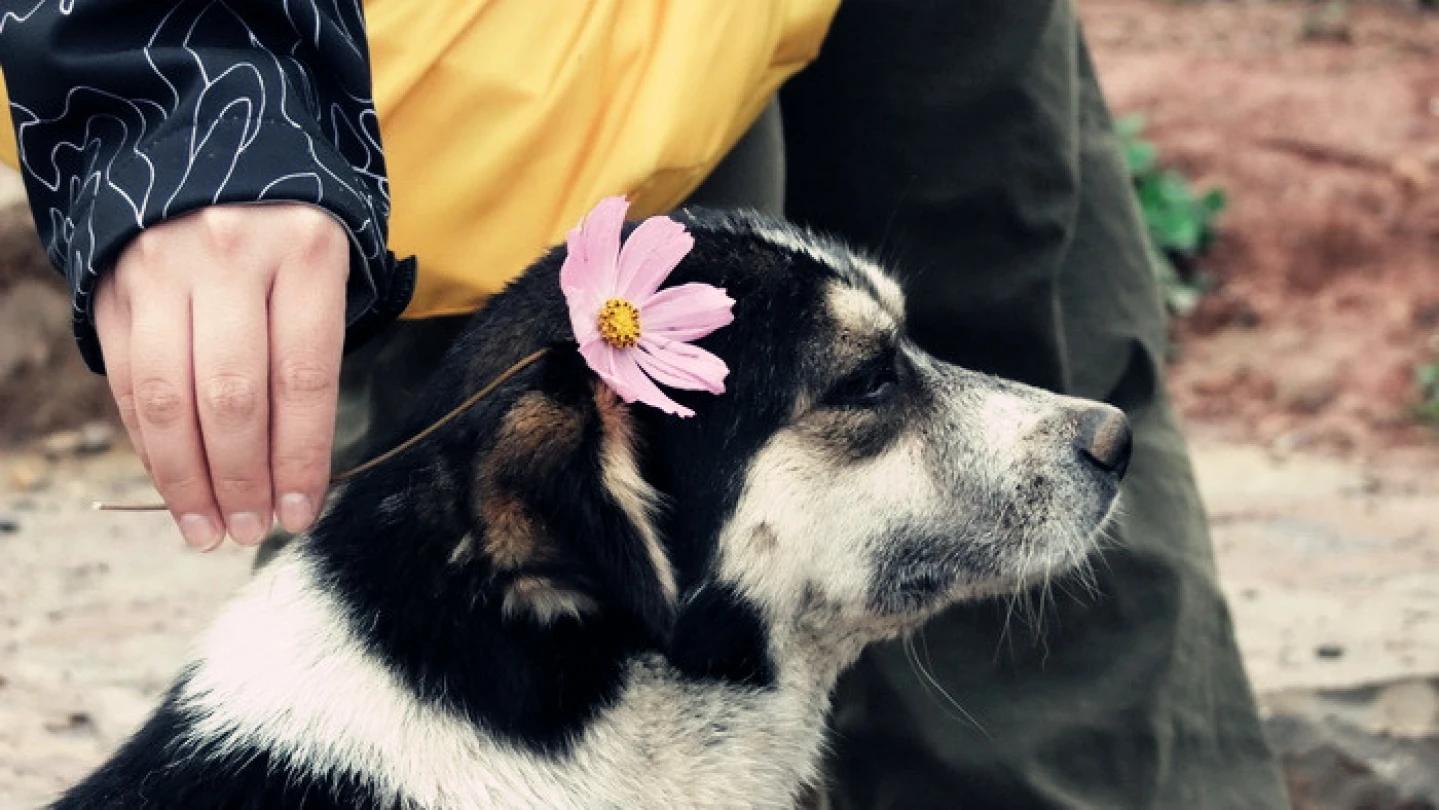
September: Finding Unexpected Warmth in Yunnan (Kunming, Dali, Shuanglang, Lijiang, Lugu Lake)
September: Finding Unexpected Warmth in Yunnan (Kunming, Dali, Shuanglang, Lijiang, Lugu Lake) Foreword: One Person's Journey, A Crowd's Story Before I set off, like every first-time solo traveler, I printed out a thick stack of travel guides and rehearsed countless possible scenarios in my head—getting…
Continue reading...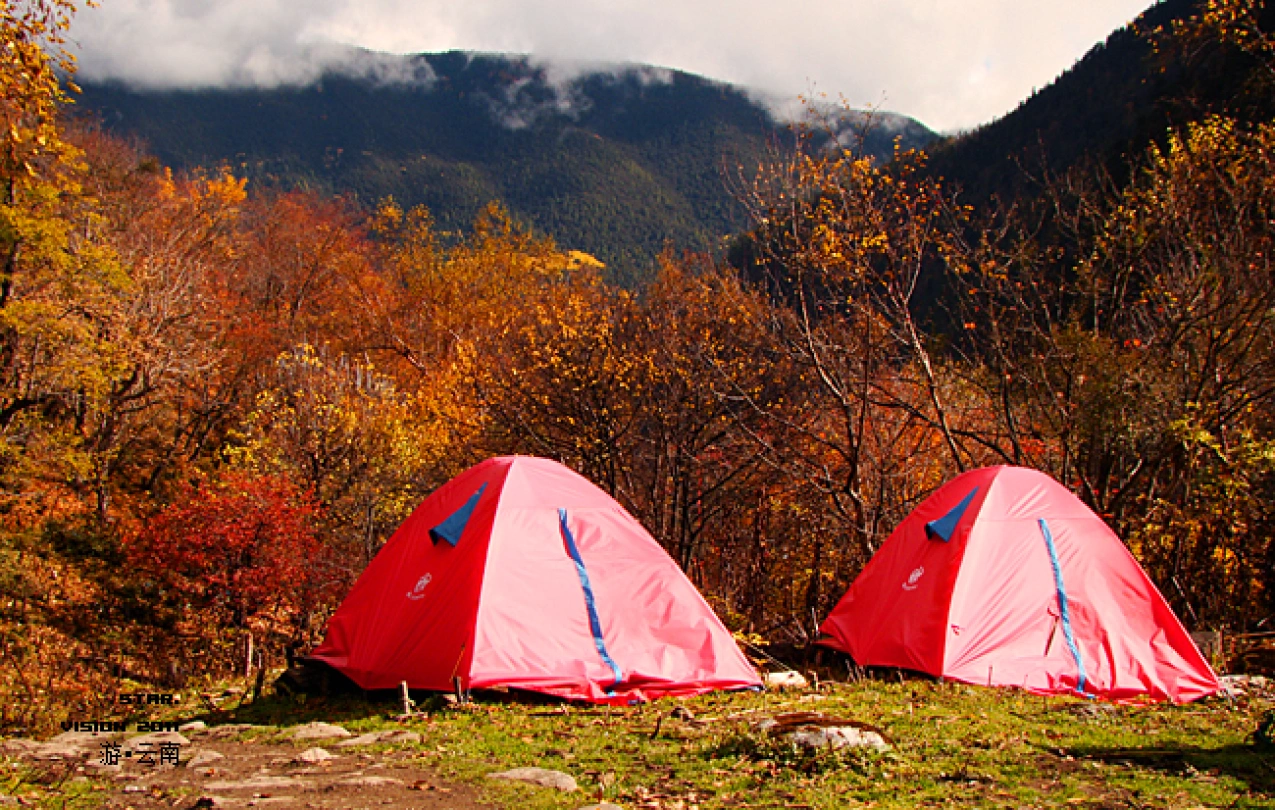
Yunnan! Paradise on Earth – The Yubeng Chapter: A Soul-Cleansing Journey into Seclusion
Yunnan! Paradise on Earth – The Yubeng Chapter: A Soul-Cleansing Journey into Seclusion Prologue: Why Yubeng? If you ask me which place in Yunnan is most worth hiking to, I would answer without hesitation: Yubeng. This is not an answer I give lightly. As a…
Continue reading...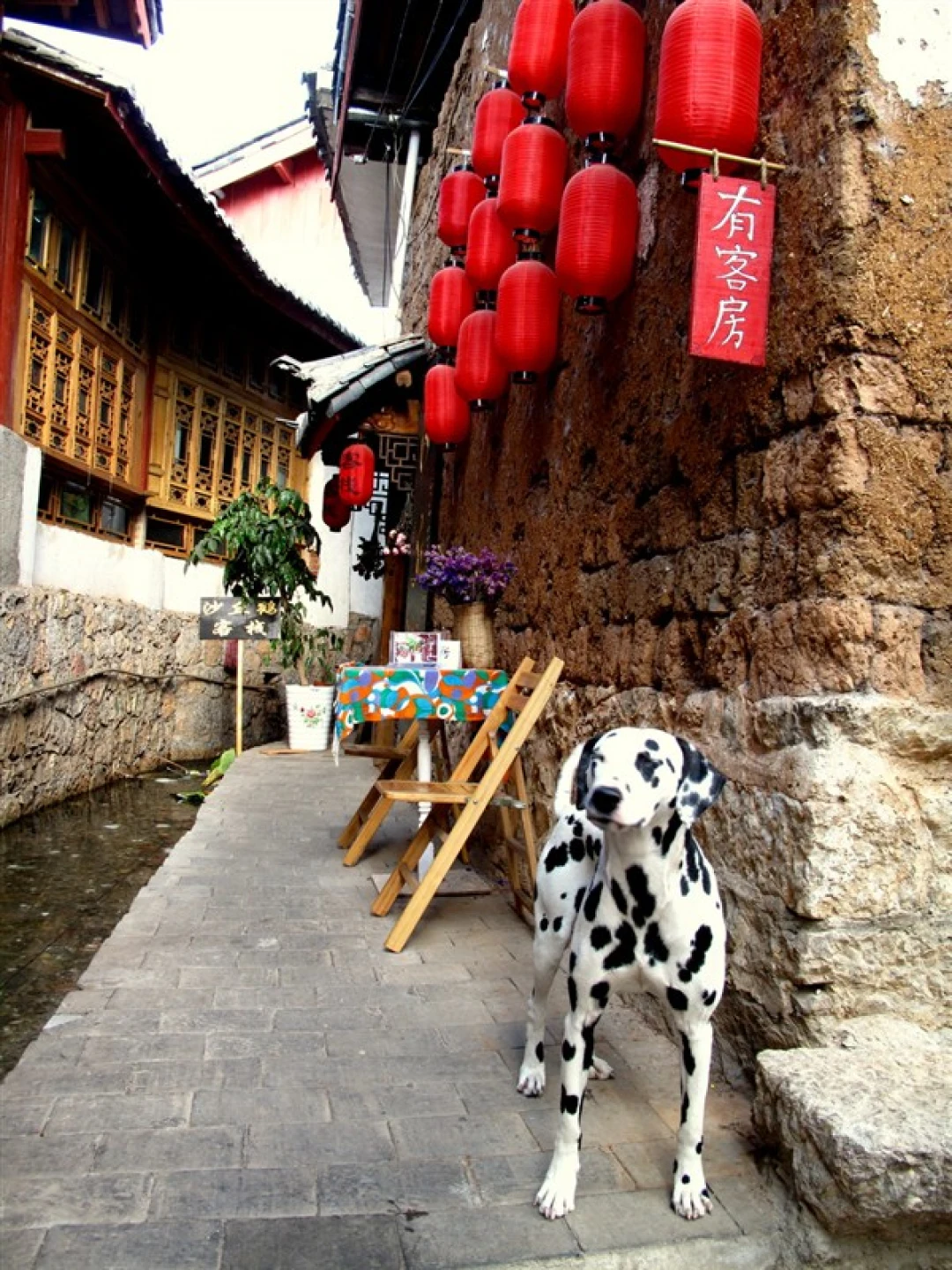
Yunnan Travel Mastery: From Beginner to Pro-Level Player – A Complete Guide
Yunnan Travel Mastery: From Beginner to Pro-Level Player – A Complete Guide "Either travel or read, but your body and soul must be on the road." This quote has been repeated countless times, but very few people truly manage to be "on the road" and…
Continue reading...