One Step on the Gas, Roaming to the "Borderland Three Kingdoms": A 6-Day VVVIP Private Charter Tour Through Menglian, Jingmai, and Pu'er
One Step on the Gas, Roaming to the "Borderland Three Kingdoms": A 6-Day VVVIP Private Charter Tour Through Menglian, Jingmai, and Pu'er
Foreword: Why the "Borderland Three Kingdoms"?
If you pull up a map of Yunnan and slide your finger south from Pu'er, you'll discover a hidden realm encircled by Myanmar, Laos, and Vietnam. This isn't Xishuangbanna, yet it boasts even more authentic ethnic traditions. This isn't Dali or Lijiang, but it hides China's most complete ancient Dai city and the world's first tea culture World Heritage site.
In March 2026, three friends and I formed a "VVVIP group" and spent six days chartering a car from Pu'er, driving straight through Menglian and Jingmai Mountain, before circling back to Pu'er. What does VVVIP mean? It means never compromising—a private car for the entire trip, a driver on call, no worrying about taxis, no rushing against the clock, leaving every minute for the scenery and pure relaxation.
This article is the complete record of that "Borderland Three Kingdoms" journey. If you, too, are tired of overcrowded influencer hotspots and long for a place where you can simply "steep" yourself like tea, then read on.
Stop One: Menglian — A Good Place Found
Day 1: From Fog City to Borderland Emerald
Chongqing → Pu'er → Menglian
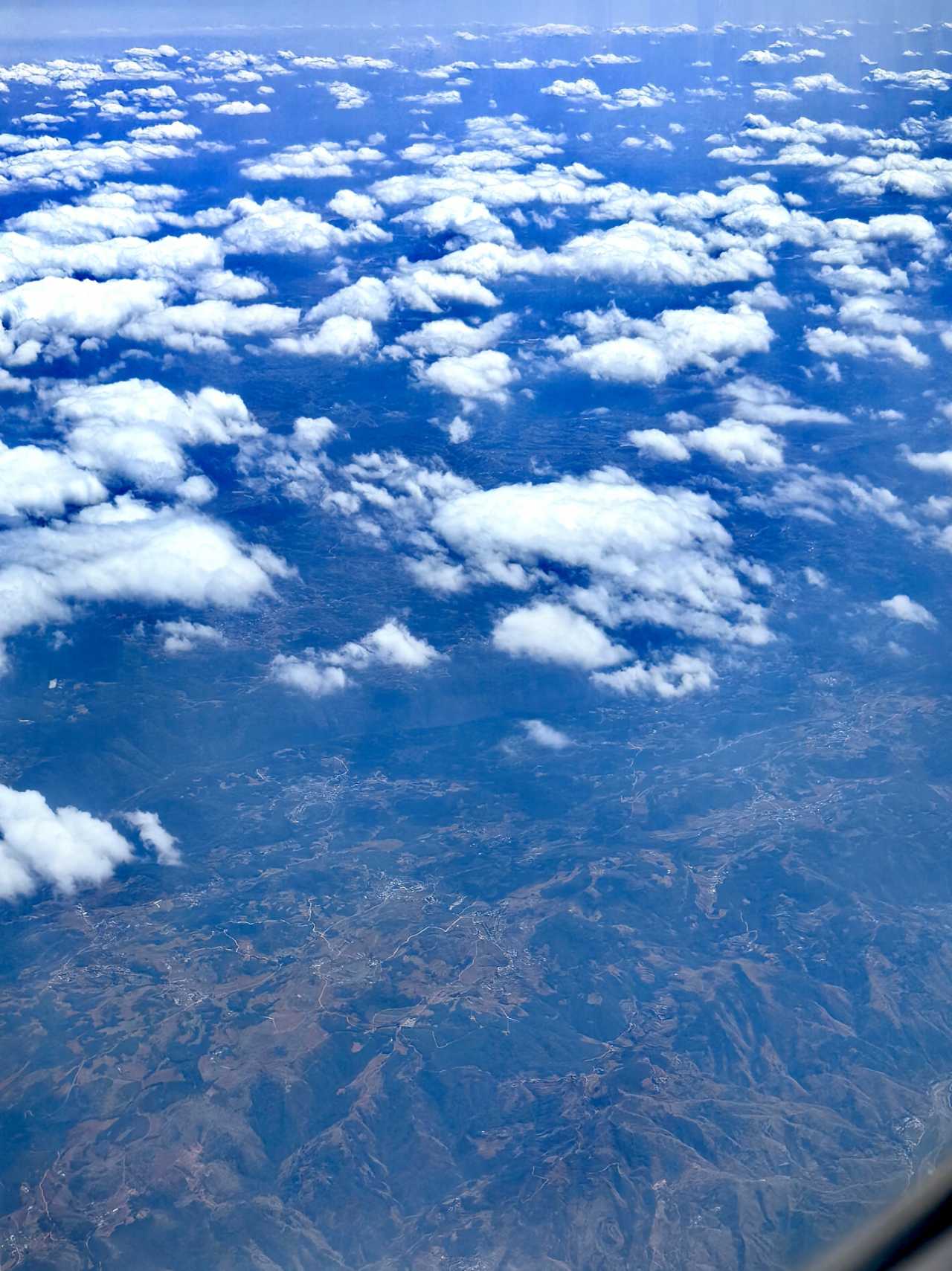
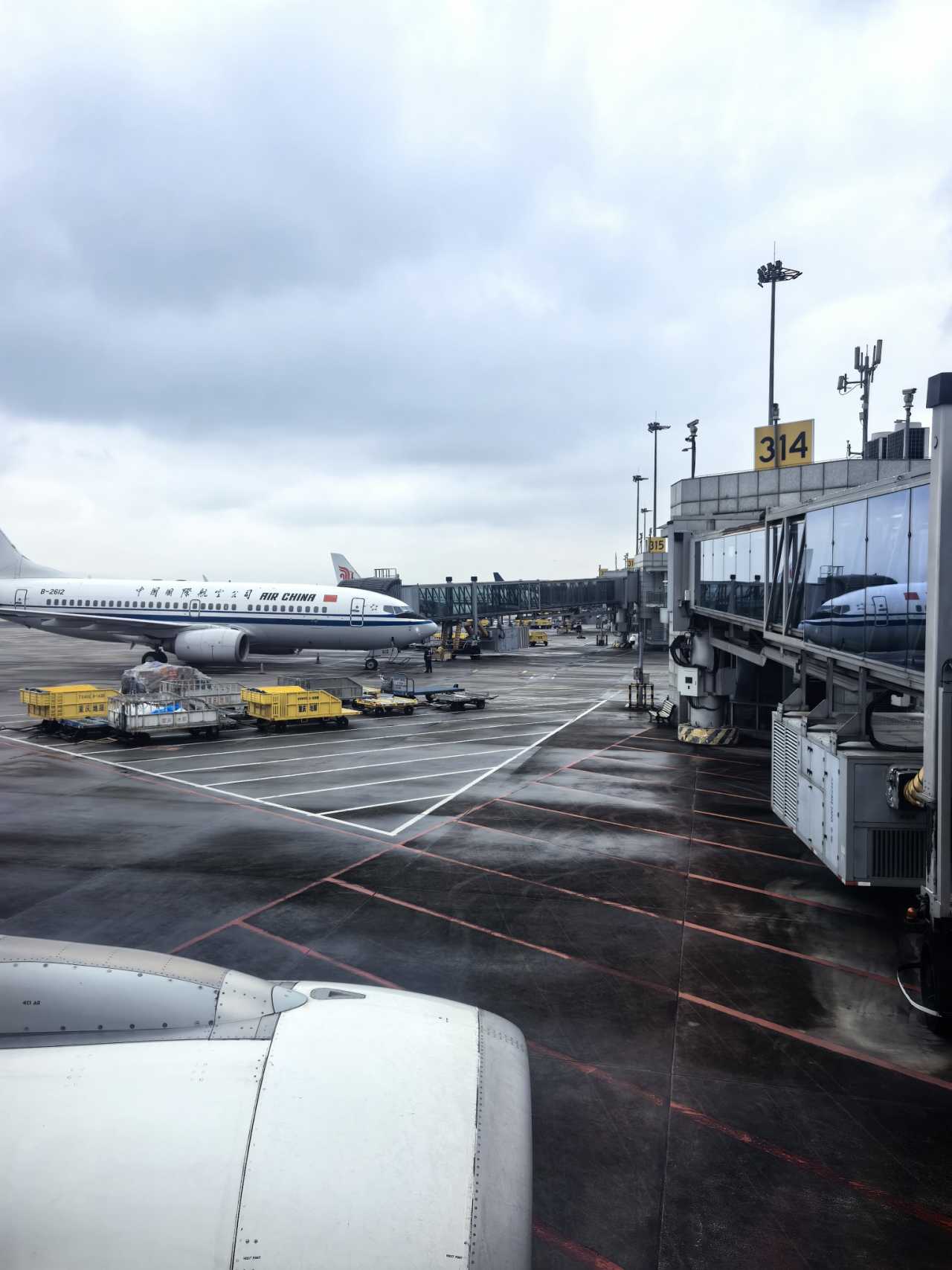
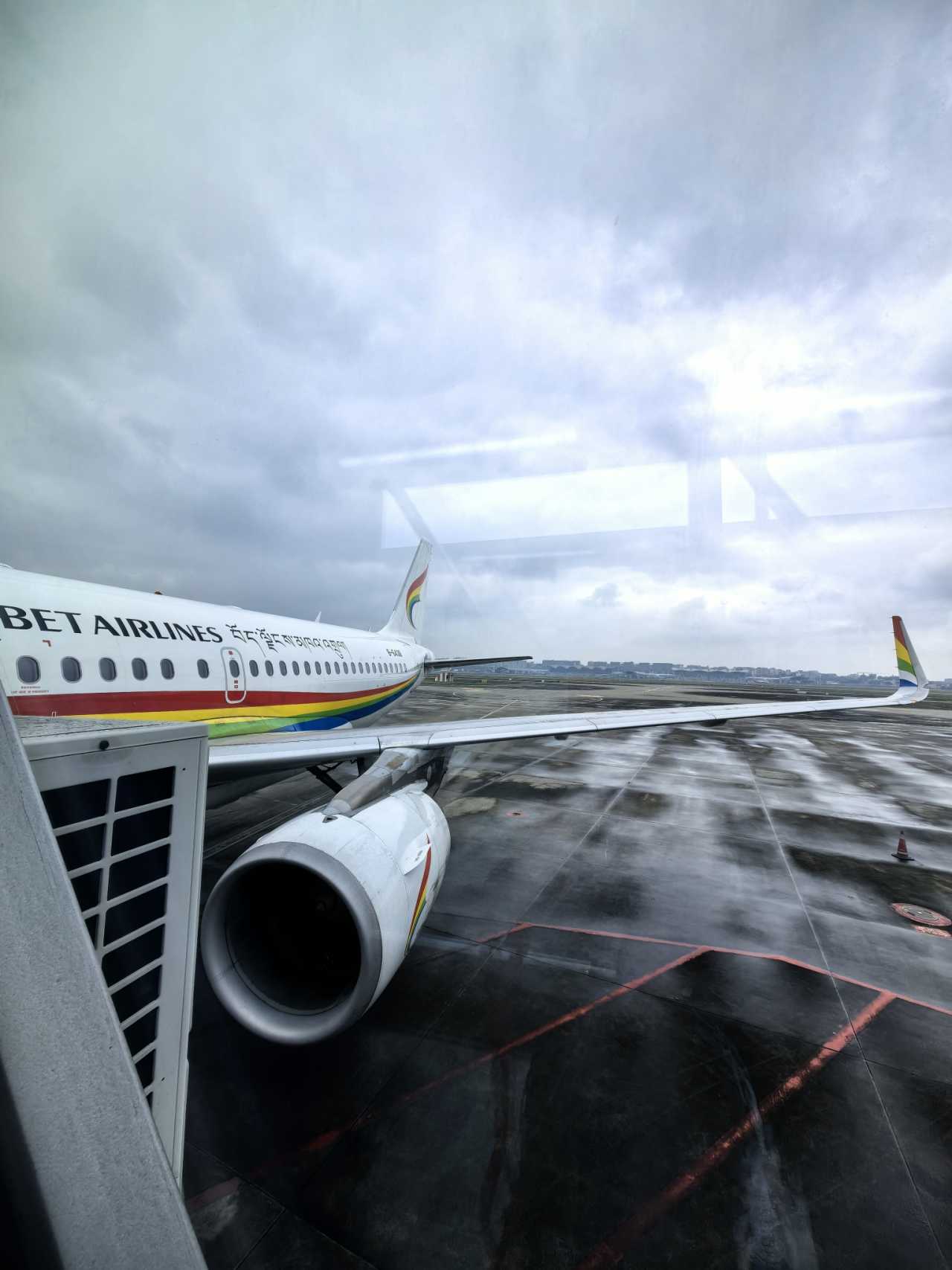
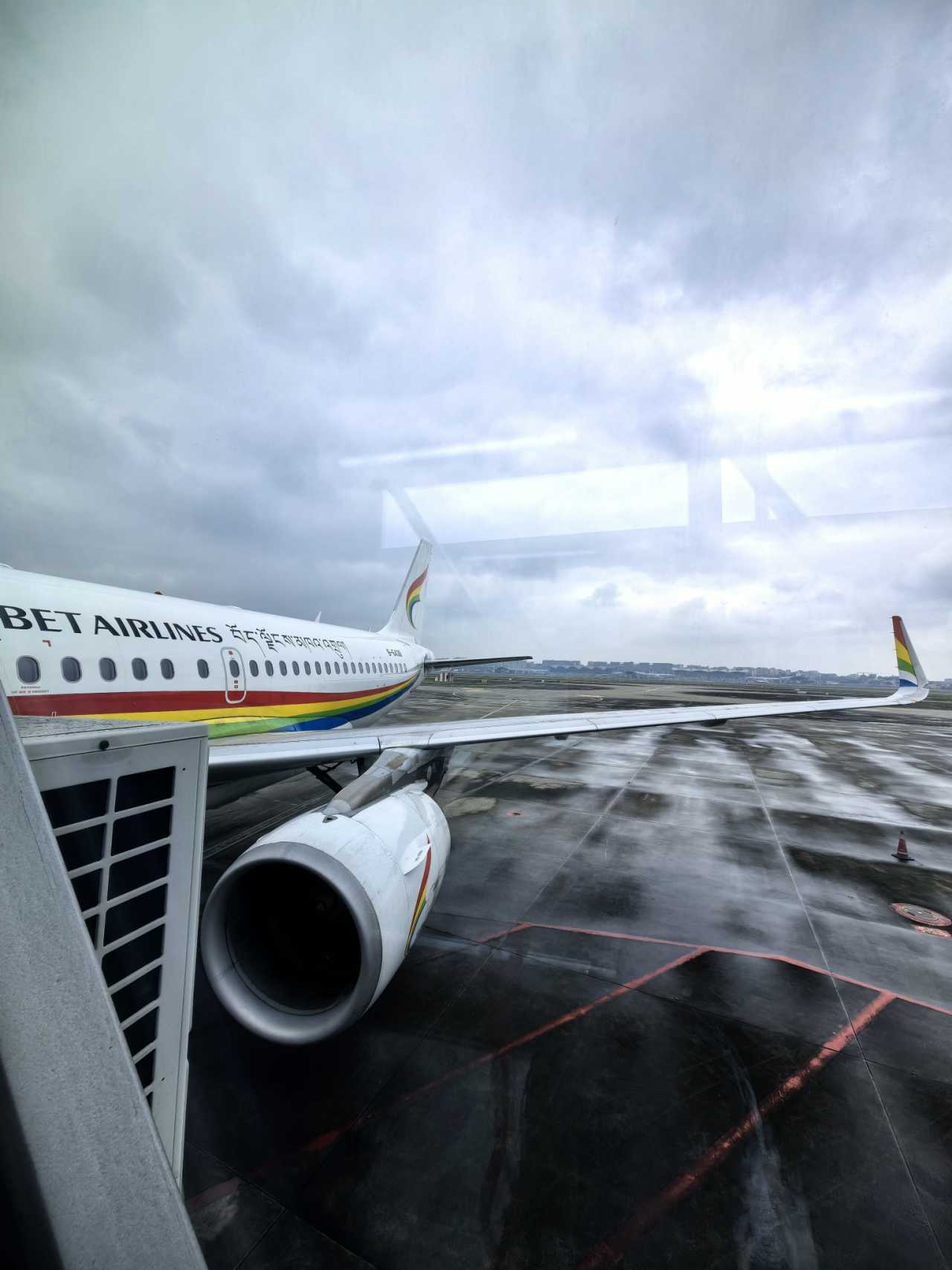
On departure day, rain fell over Chongqing, and the 11°C chill sapped all energy. Thankfully, three hours later, our plane touched down at Pu'er Simao Airport, where sunlight hit us like a warm embrace. The 14–28°C weather instantly healed everything.
Our driver was already waiting at the exit. He loaded our luggage into the trunk, hit the gas, and we sped off toward Menglian.
Menglian—in the Dai language, it means "a good place found." This small border town, sharing a boundary with Myanmar, is home to 21 ethnic groups, with minorities making up a staggering 86.4% of the population. With an average annual temperature of 19.6°C, it's known as the "Borderland Emerald" and the "Hometown of the Dragon's Blood Tree." It's also China's largest avocado cultivation base.

After about a three-hour drive, we arrived at our hotel, the Dai Royal Palace Hotel (傣王府酒店) . Tucked away in the city center and spanning six acres, this hotel is a little enclave of Dai charm. The rooms are surprisingly spacious—a delightful bonus in a border town this size. A standard twin room with breakfast costs just 198 RMB (about $27 USD) per night—such incredible value that you'll want to extend your stay.
After checking in and dropping our bags, we strolled out to catch a sunset.
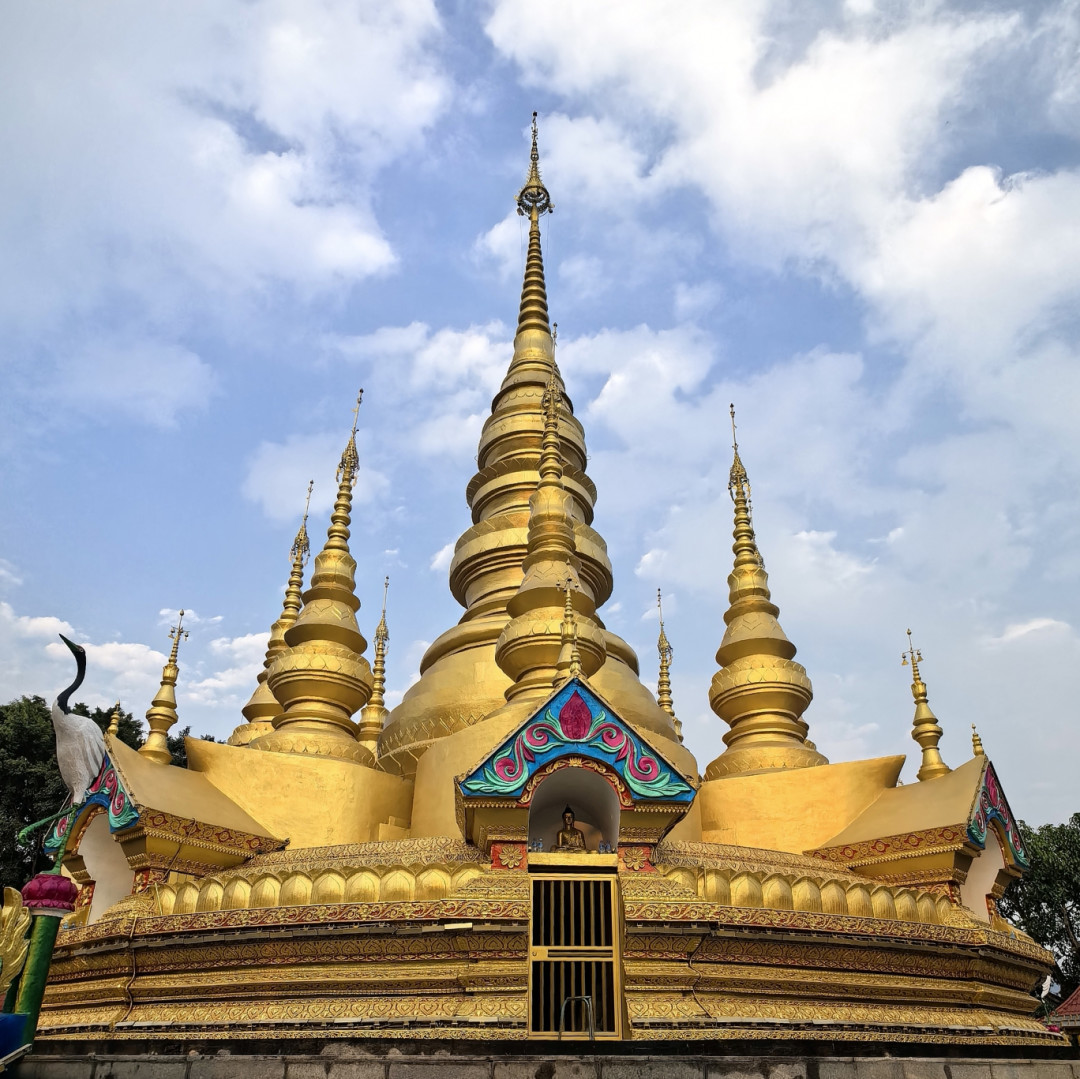
Menglian Great Golden Pagoda (孟连大金塔) is one of the largest gold-adorned Buddhist pagodas in southwest Yunnan. Its main spire rises 31.68 meters (about 104 feet), embraced by eight smaller towers. By day, it gleams under the blue sky with breathtaking brilliance; as night falls and the lights come on, it transforms into a mysterious, dreamlike vision.
Standing by the Nanlei River, watching the sun splash its orange-red glow across the trees, the houses, and the water, I suddenly understood why someone would travel so far to come here.
For dinner, we chose "Big Face's Place" (大脸家) , a popular local snack spot. Oil-sizzled beef, oil-sizzled stuffed tofu, oil-sizzled beef aorta—each dish was spicy and appetizing, a reminder with every bite: you're already at the border.
Day 2: Crossing 660 Years in a Golden Palace
Nayun Ancient Town → Xuanfu Judicial Office → Coffee Estates → Nanlei Market
On our first morning in Menglian, sunlight had already blanketed the world. At 16–28°C, it was the perfect comfortable weather.
We started at the highest point of Nayun Ancient Town and leisurely strolled downhill.
Nayun Ancient Town (娜允古镇) is one of the best-preserved ancient Dai cities in China. Our first stop was the Upper Town Temple (上城寺) , built during the Ming Dynasty and originally a private Buddhist temple for the Menglian Tusi (local chieftain) family. Next came the Menglian Xuanfu Judicial Office (孟连宣抚司署) —its Dai name, "Hehan," means "Golden Palace." First constructed in the fourth year of the Yongle era of the Ming Dynasty (1406), this is the best-preserved of the 18 Tusi government offices in Yunnan's border ethnic regions. In 2006, it was designated a National Key Cultural Relic Protection Unit.
Stepping into this "Golden Palace," you're immediately immersed in 660 years of Tusi history. From Hanba Fanan's southward migration and settlement in 1254, through the Ming and Qing dynasties' Tusi system, to the end of the Dao family's rule in 1949—Menglian's past unfolds quietly in the display cases. Understand this place, and you'll have the fastest way to read Menglian's story, past and present.
Leaving the palace, the warm sun still spilled across the stone slabs. The storms frozen in those glass cases had long since dissolved into the curling smoke from Dai bamboo houses and the soft, sweet Dai dialect echoing through the streets.
In the afternoon, we embarked on a "coffee pilgrimage." Menglian is known as "China's First County for Specialty Coffee," and its coffee estates each have their own character:
- Pika Coffee (皮卡咖啡) : Tucked away in Nayun Ancient Town with a cozy courtyard, perfect for zoning out.
- Yanei Coffee (亚内咖啡) : Located by Zhongle Reservoir; their signature avocado coffee is a must-try.
- Wanderer's Cafe (流浪者cafe店) : Hidden in a valley forest, founded by a Wa ethnic named Gebu Nanqing. It's raw and romantic.
- Qiao'an Coffee (桥安咖啡) : A full integration of the specialty coffee value chain, an experiential estate, and high-end guesthouses.
We lingered at Qiao'an Coffee until nearly 5:00 PM. The entire estate was empty—just the four of us visitors. No noise, no urgency—only the slow descent of dusk and the company of the estate's profound stillness.
Dinner was at "Xinxin Food House" (馨馨美食屋) . After a full day of play, we'd only had coffee for lunch and hadn't touched a proper meal. It was time to treat ourselves to a feast.
Stop Two: Jingmai Mountain — A Symphony of Sea Clouds and Tea Forests
Day 3: From Gravel Roads to a Thousand-Year Blang Ancient Village
Menglian → Jingmai Mountain → Wengji Ancient Village
Night rain had washed the entire city clean, and the air was thick with the moist, clear scent of grass and trees. We took a short walk in the Nayun Wetland Park, left the Dai Royal Palace Hotel at 9:10 AM, and passed the Jingmai Mountain checkpoint by 11:00 AM.
A friend had told us that the reason for forming a VVVIP group was that almost all the roads on Jingmai Mountain are gravel—rough terrain that's a nightmare for unfamiliar drivers. A friend of theirs had gotten their car stuck here on a self-drive trip. We hired a local driver who'd been running these mountain roads for over a decade. He knew every turn, could smoothly navigate us around potholes, and even told us stories about the ancient tea trees along the way.
Jingmai Mountain, located in Lancang County, Pu'er City, borders Menghai County in Xishuangbanna to the east and Myanmar to the west. It sits at the junction of Xishuangbanna, Pu'er, and Myanmar. Renowned for its Pu'er tea, it contains 14 traditional villages and is the world's first tea culture-themed World Heritage site.

As our car snaked up the mountain, we came across "Beigui Coffee Barn" (北归咖仓) —a coffee sanctuary embraced by sea clouds and tea-covered hills. Here, you can explore a century of Yunnan coffee history. The best part is the outdoor terrace, where you can watch the clouds and gaze at the distant mountains.
We checked into Leyin Mountain Lodge (乐隐山居) , located in the lower village of Mangjing. According to locals, Mangjing is the wealthiest ancient village in the area, with good accommodation and environment, but also a bit pricier (standard double rooms with breakfast range from 500–700 RMB, or about $69–$97 USD per night). The room's window offers a wide, open view, with the layered outlines of distant mountains clearly visible. However, the interior space is a bit compact—a trade-off for the superior landscape views in this mountain retreat.
Lunch was at "Blang Taste" (布郎味道) , a restaurant that uses Jingmai Mountain's unique wild ingredients to cook Blang ethnic cuisine. Wrapped grilled fish, tea-leaf stir-fried beef, mixed vegetables, and crab-claw herb stewed with free-range chicken soup—every dish carried the spirit of the mountains.
In the afternoon, we went to "Cloud Dusk Portrait Studio" (云暮写真馆) in Wengji Ancient Village to have ethnic costume portraits taken. The makeup artist and photographer led the professional process but also fully considered our opinions, adjusting repeatedly until we were satisfied. The moment when the silver ornaments caught the light and our images were frozen in time—it felt like we had traveled back a thousand years to an ancient Blang village.
The two of us who weren't getting photos taken just wandered freely, enjoying the mountain breeze. They also managed to pre-order one of the daily limited-edition roast chickens—only 10 are available each day. By the time the camera shutters stopped clicking, the chicken was ready. Crispy, fragrant roast chicken with beer—a true feast for the senses.
Day 4: Sea Cloud Sunrise and a Stroll Through Ancient Tea Forests
Sea Cloud Sunrise → Princess Banyan → Bee Queen Tree → Wengji Ancient Village → Nuo Gan Ancient Village → Ancient Tea Forest
We were woken at 6:00 AM and departed at 6:50 AM, chasing the sea cloud sunrise under a starry sky. Our driver timed it perfectly, taking us to a viewing platform built by locals. The wind was brisk, the air cold, so he lit a small fire to keep us warm.
Because of the mist, the sun didn't burst forth as dramatically as we'd imagined. Instead, it appeared and disappeared among the sea clouds—yet it was still breathtakingly beautiful.
On the way back, we visited in turn:
Princess Banyan (公主榕) —Legend says this is the incarnation of Princess Nanfa Lai, the seventh daughter of the Dai king and wife of Pa Aileng, the Blang ancestor. Her hair transformed into this massive ancient banyan tree, which now serves as the natural village gate between Upper and Lower Mangjing.
Bee Queen Tree (蜂王树) —A towering mountain banyan about 50 meters (164 feet) tall and roughly 600 years old. Its branches hold 70 to 100 tree-nesting beehives. The local Blang people regard it as a sacred tree, protecting it for generations and holding an annual "bee-summoning" ceremony.
Wengji Ancient Village (翁基古寨) —A second visit to this thousand-year-old Blang village, finally making up for what we missed yesterday. We had a coffee at Cafe No. 31 and then took a slow stroll. The village center is where the village guardian spirit ceremony is held. Wengji Buddhist Temple sits at the northern high point, accompanied by ancient cypress trees—peaceful and solemn.
Nuo Gan (Nuo Gang) Ancient Village (糯干/糯岗古寨) —"Nuo Gan" is the name of the administrative village, while "Nuo Gang" is the phonetic translation of its Dai name, meaning "the place where deer drink water." We wandered through Nuo Gan for five and a half hours. Whether standing on a high point overlooking the entire village or weaving through its alleys, soaking in the architecture, the local customs, the creative shops, and the coffee—it was all worth it.
Jingmai Mountain Ancient Tea Forest (景迈山古茶林) —Composed of five ancient tea forests, nine traditional villages, and three protective forests, this is the oldest, best-preserved, and largest ancient tea forest in the world. It's known as the "Natural Museum of Tea Trees."
While strolling through the ancient tea forest, we met a warm-hearted female tea farmer who invited us into her forest tea room. We followed the local custom, tasting tea and discussing it—resting our feet while expanding our knowledge. Here, tea isn't just a gesture of hospitality; it's a passion etched into the bones. As long as you come, they'll brew the taste of the mountain for you to try.
As evening approached, we went to "Traveler's Palm · Mountain Hut" (旅人蕉·山中小馆) in Manghong New Village to wait for the sunset. The young man working there was especially thoughtful. My friend ordered coffee, and when I mentioned I'd already had coffee that morning, he simply turned around and poured me a warm glass of plain water.
Waiting for a sunset with a glass of warm water—that, too, is a kind of luxury.
Stop Three: Pu'er — A Finale of Coffee and Night Markets
Day 5: A Leisurely Wrap-Up from Jingmai Mountain to Pu'er
Jingmai Mountain → Pu'er
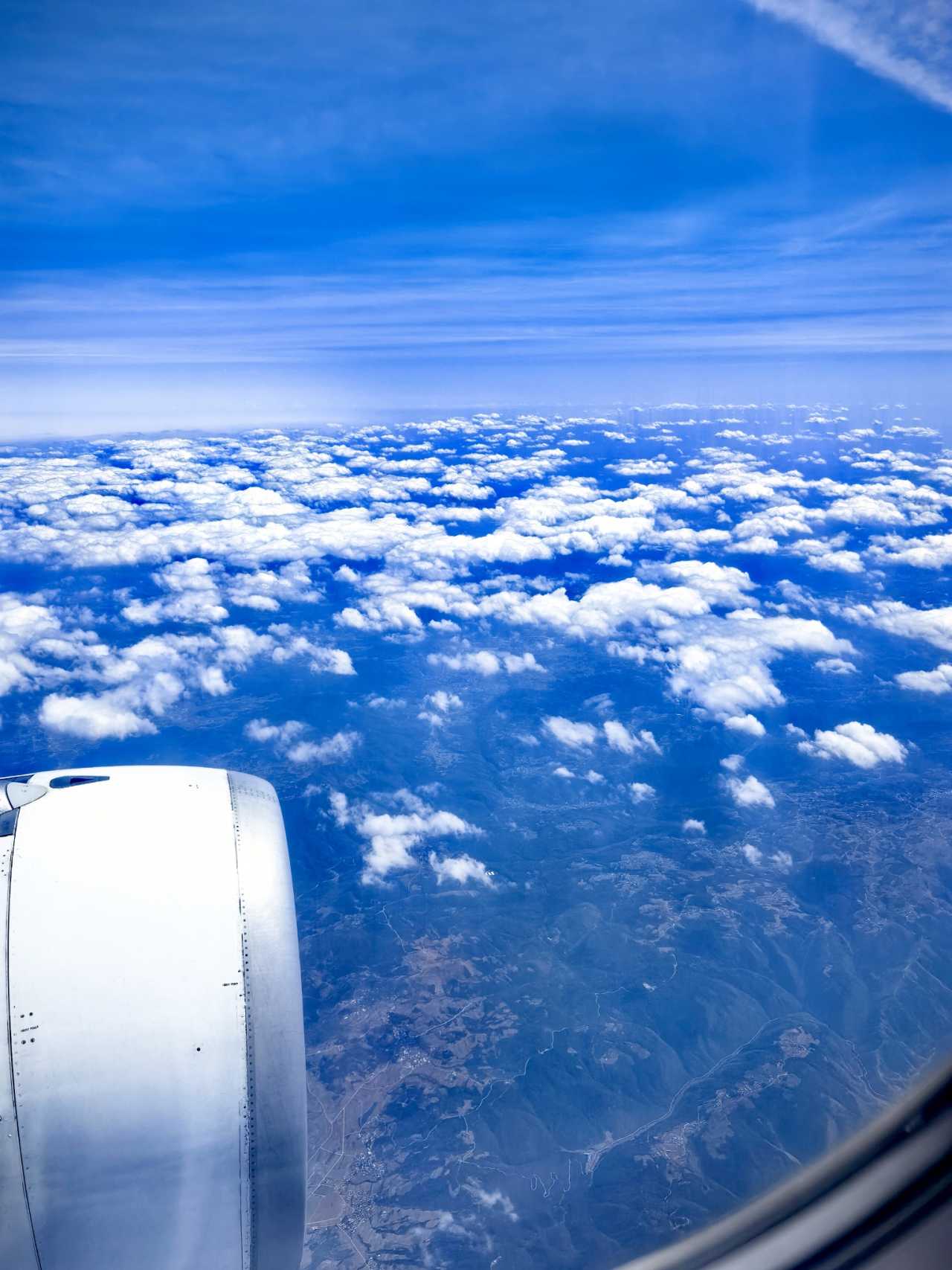
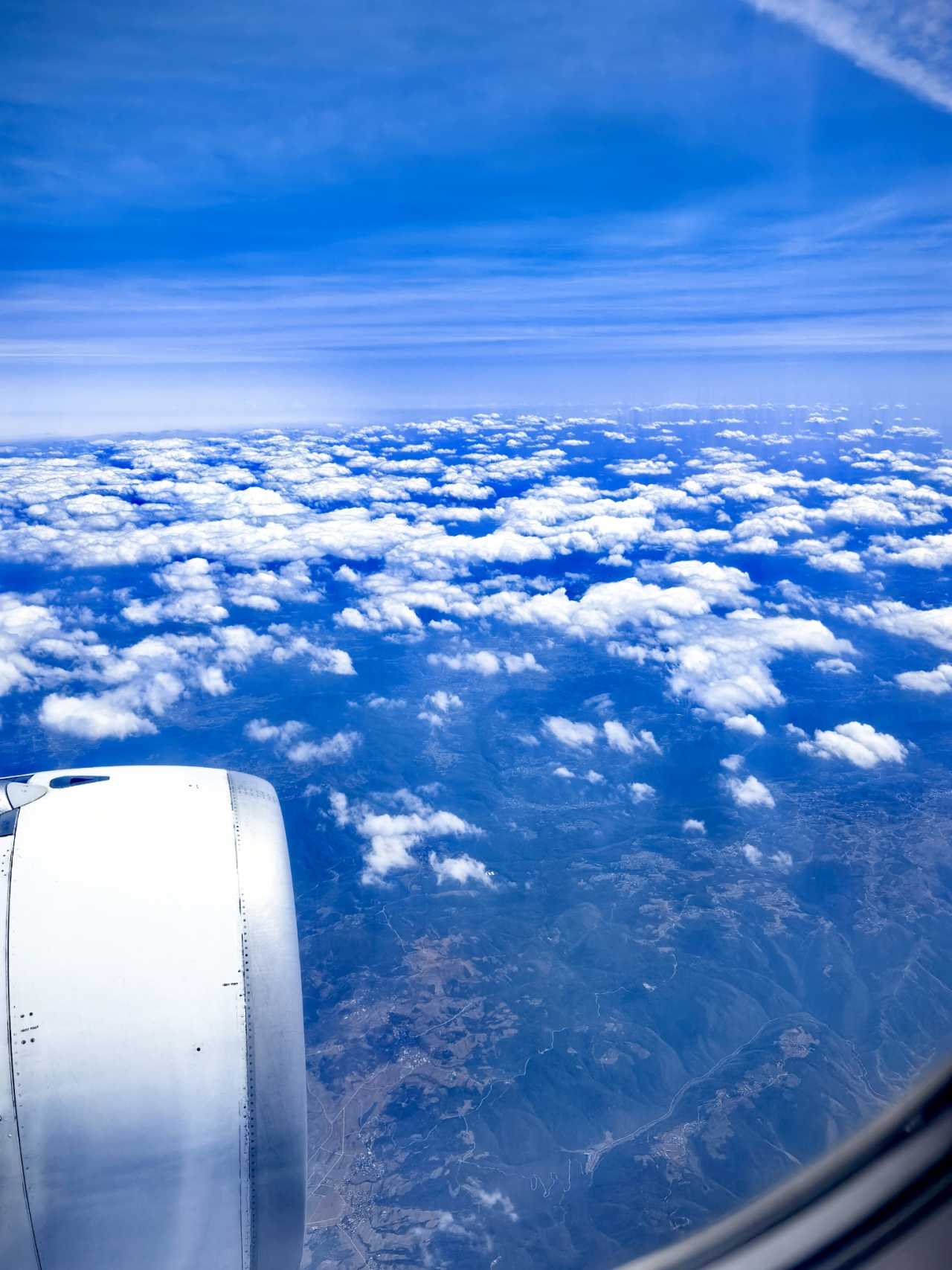
We departed from the Mangjing guesthouse at 8:50 AM. En route...
Final Thoughts: Why You Need a VVVIP Group
This six-day "Borderland Three Kingdoms" trip has made me fall completely in love with this hands-off, "let-someone-else-handle-it" style of travel.
- Full Charter Car Service: No worrying about taxis or waiting. The driver is always on call, making both sightseeing and returning to the hotel effortless.
- Local Expert Drivers: They know the road conditions, can steer you clear of potholes, and share stories about ancient tea trees along the way.
- High Flexibility: Stop whenever you want, leave whenever you want. Spend your time on the scenery and pure relaxation.
- Excellent Value: The Dai Royal Palace Hotel at 198 RMB/night with breakfast, Leyin Mountain Lodge at 500–700 RMB/night—per-person costs are manageable.
Menglian's tranquility, Jingmai Mountain's sea clouds, and Pu'er's coffee—these three places are like pearls scattered across the southwestern border, strung together by a single road. And the VVVIP group is the thread that lets you peacefully appreciate the luster of each pearl.
If you, too, want to steep yourself like a tea leaf in this land, slowly unfurling—then step on the gas and roam to the "Borderland Three Kingdoms."
You should also read:
Big Bear and Little Cat Explore China: [A Self-Guided Tour of the Shangri-La Region: That Sky, So Blue It Feels Unreal!]
Big Bear and Little Cat Explore China: [A Self-Guided Tour of the Shangri-La Region: That Sky, So Blue It Feels Unreal!] Prologue: Why Shangri-La? In September 2011, my friend and I followed the Yunnan-Tibet Highway into the Greater Shangri-La region. Six days of travel, without…
Continue reading...
A Journey Through Time: The Earthen Forest of Yuanmou — April 2011 Chuxiong & Yuanmou Self-Drive Guide
A Journey Through Time: The Earthen Forest of Yuanmou — April 2011 Chuxiong & Yuanmou Self-Drive Guide Some journeys are destined to take root in your memory. In April 2011, I set out from Shuhe in Yunnan, heading north toward the Chuxiong Yi Autonomous Prefecture,…
Continue reading...
Into the Hidden Valley: A Solo Journey Through the Mysterious Dulong River
Into the Hidden Valley: A Solo Journey Through the Mysterious Dulong River Deep in the northwestern corner of Yunnan Province, tucked away from the modern world, lies a place that feels like a secret whispered among mountains. The Dulong River Valley is not just a…
Continue reading...