Painting the Colors of the Rainbow into Your Graduation Season — A Record of Yiyi's Primary School Graduation Trip
Painting the Colors of the Rainbow into Your Graduation Season — A Record of Yiyi's Primary School Graduation Trip
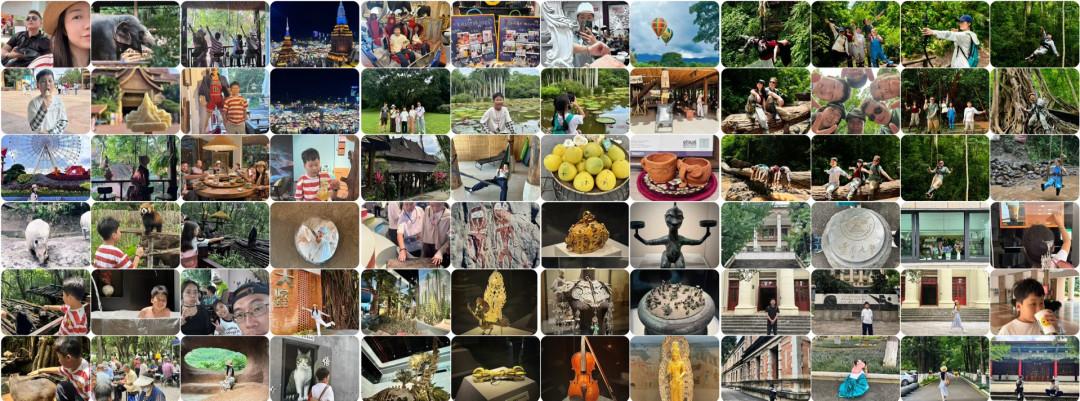
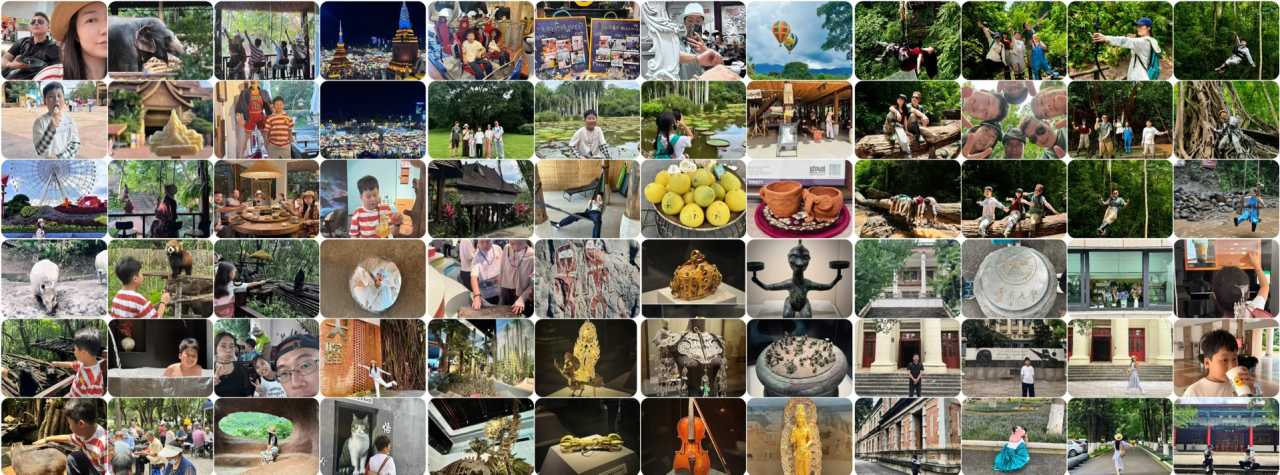
Travel is a ritual of growth. When the final page of elementary school was turned, we decided to mark the end of Yiyi's childhood with a journey across Yunnan — a rainbow-colored footnote to his early years. From the floral fragrance of Kunming to the tropical charm of Xishuangbanna, and the lush greenery of Pu'er, we painted Yunnan's vibrant palette into his memory, stroke by stroke, over nine days and eight nights.
Setting Off: A Journey as a Gift for a Milestone of Growth
If Yunnan were a thick encyclopedia, Kunming, Pu'er, and Xishuangbanna would be three chapters — each distinct yet equally captivating. Kunming offers the scent of spring and echoes of history; Pu'er holds the ecological secrets of the Tropic of Cancer; Xishuangbanna is a tropical rainforest fairy tale brimming with exotic allure. For Yiyi's primary school graduation trip, we poured the rainbow of Yunnan into the canvas of his growing up.
Our itinerary began in Kunming, with high-speed rail connecting the three cities. For Xishuangbanna and Pu'er, we rented a car for the freedom to explore the countryside. In Kunming's city center, we relied entirely on taxis — easy and carefree.
Kunming: A Joyful Overture and an Echo of Time
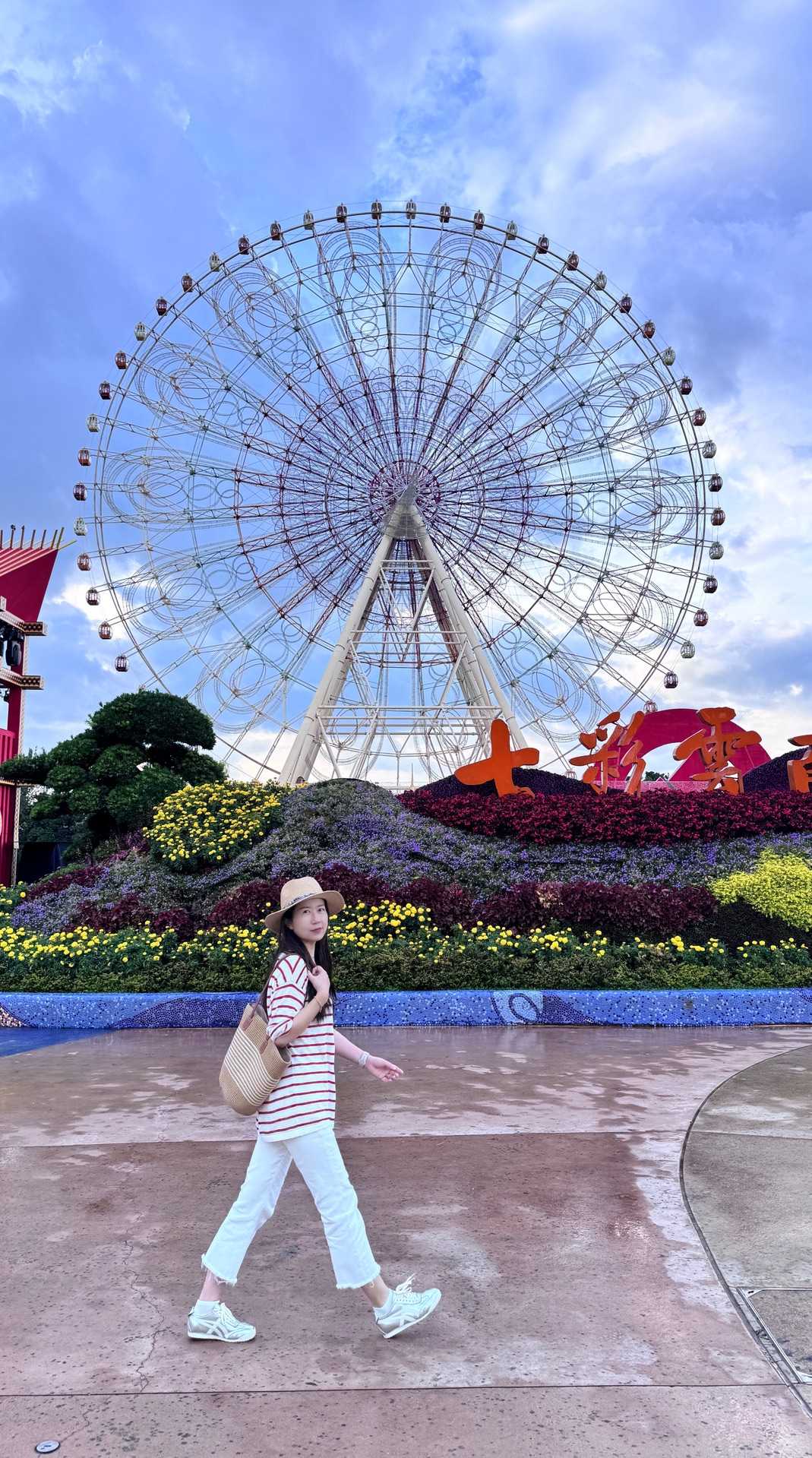
Colorful Yunnan Joy World: A Carnival of Dian Culture
Kunming was both the start and the end of our trip. We set off happy and returned满载而归 (fully loaded with joy).
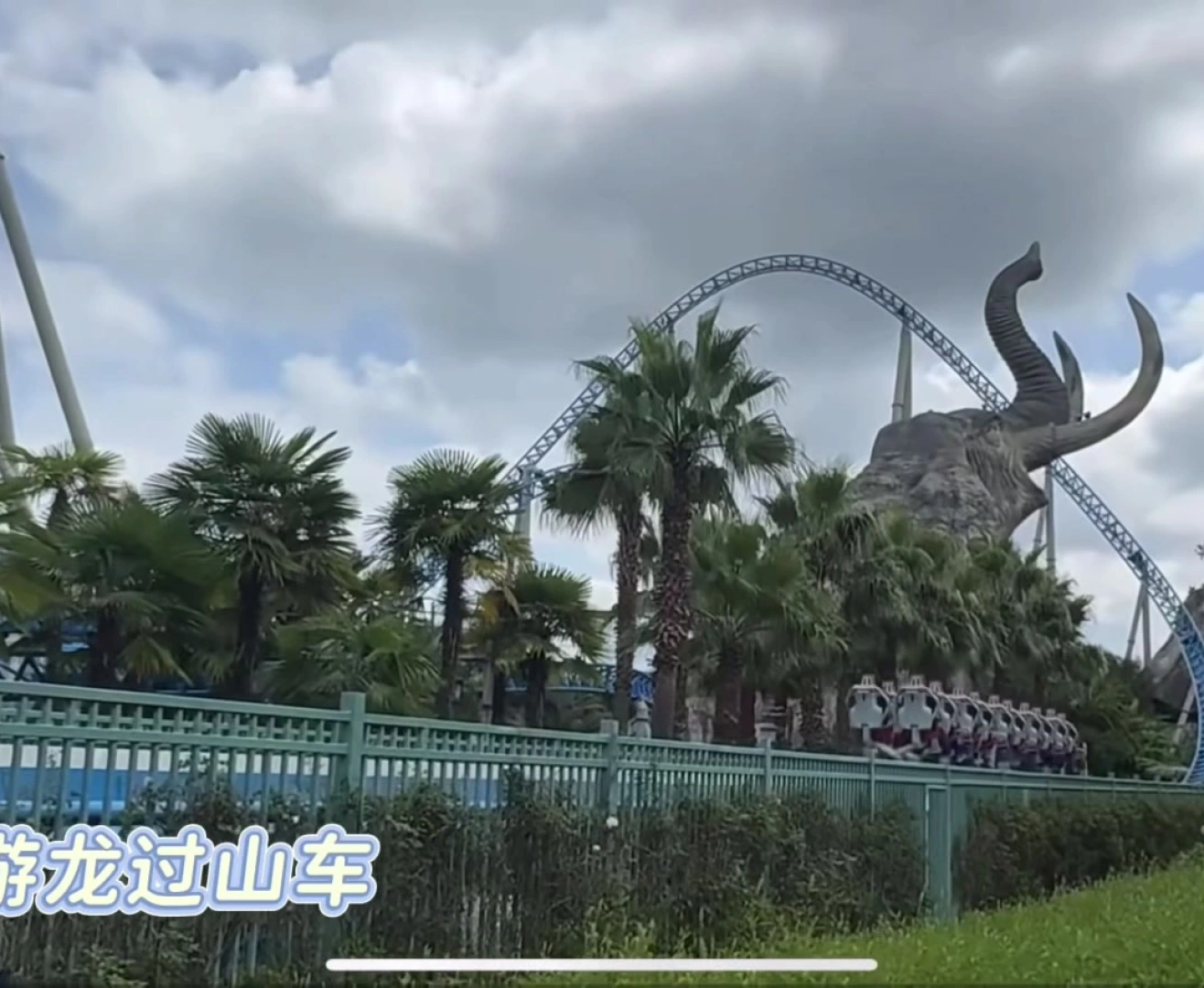
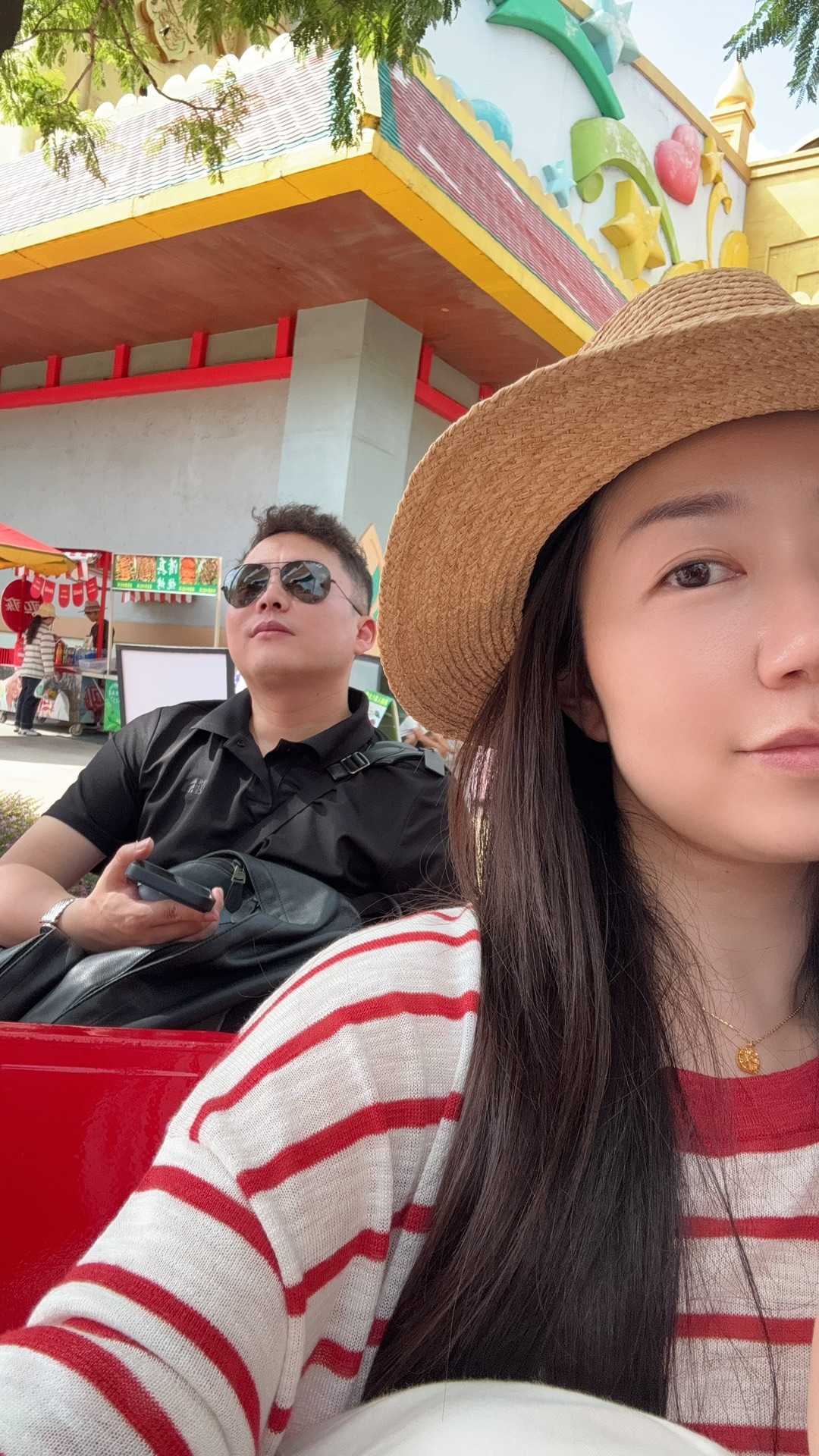
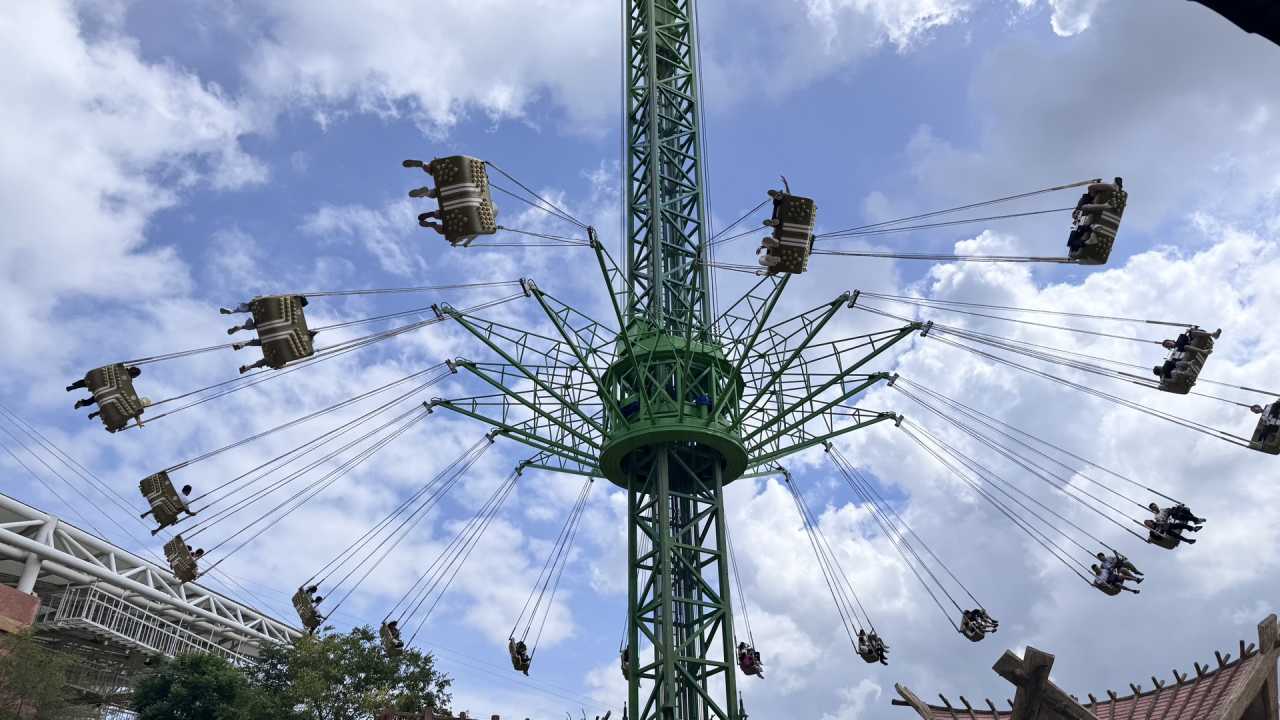
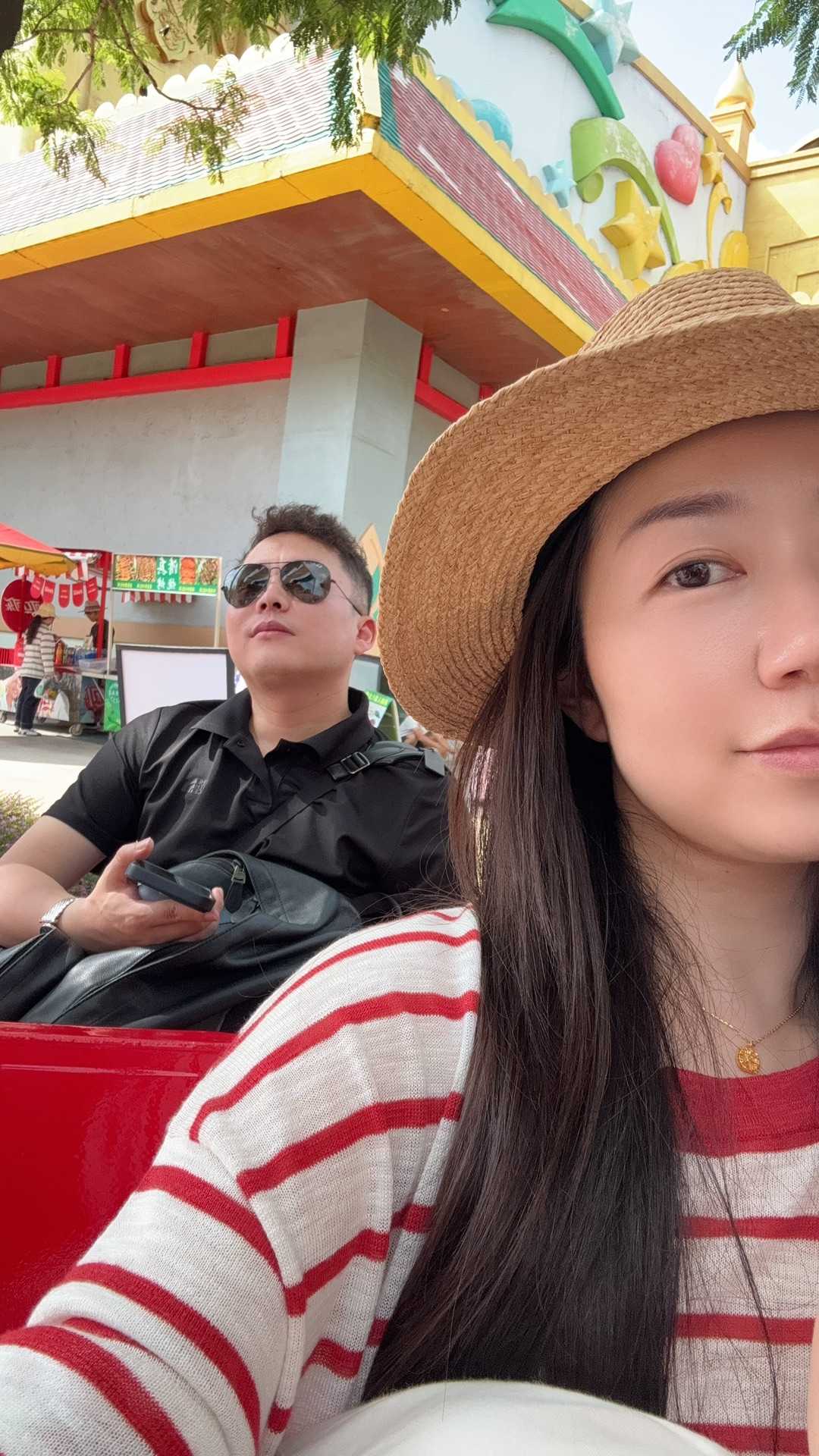
Colorful Yunnan Joy World is a theme park themed around Dian culture. Based on three main threads — ancient Dian culture, ethnic culture, and regional culture — it is divided into seven zones: Dian Army Camp, Fantasy Dian Realm, Dream World, Vientiane Tribe, Primordial Secret Realm, Frost Moon Cold Continent, and Four Seasons Flower Sea. During summer break, the park hosts a water-splashing festival daily and a torch festival at night, letting visitors dive into local customs anytime. We bought fast passes but hardly needed them — we mostly used them for second rides.
Just as the water-splashing festival wound down, we encountered Yunnan's first rain. If you have time, staying nearby for two days is a good idea, with hot springs in the evening. In one day, we barely covered half the attractions and only caught half a show as we passed by. We were too exhausted from daytime fun to make it to the 8:30 PM torch festival. A small regret — I had been most looking forward to the torch festival, which I'd seen on Xiaohongshu (Little Red Book) and looked incredibly wild.
Yunnan Provincial Museum: A Time Tunnel Through 500 Million Years
I hadn't done any research before coming, so I was blown away by the Yunnan Provincial Museum. Its architecture draws inspiration from Yunnan's traditional "one-seal" courtyard houses and stone forest landscapes, with a reddish-copper exterior that exudes grandeur, symbolizing Yunnan's reputation as the "Kingdom of Nonferrous Metals." The exhibits, themed "Colorful Yunnan," systematically showcase Yunnan's history from ancient times to the modern era, with highlights including the Bronze Age Dian Kingdom, the Nanzhao and Dali Kingdoms, and its rich ethnic cultures.
Ancient Yunnan: The Cambrian Explosion of Life
Most museums start with ancient human fossils, Paleolithic and Neolithic stone tools, and pottery. I expected Yunnan Provincial Museum to have a similar opening, but the "Ancient Yunnan" gallery began with the Cambrian Explosion (Chengjiang fossil site) — truly mind-blowing.
About 541 million years ago, Earth entered the Cambrian Period of the Paleozoic Era, lasting roughly 20 million years. In a relatively short geological time frame, the ancestors of most major animal phyla suddenly appeared. Before this, life on Earth consisted mainly of simple, tiny, soft-bodied single-celled or multi-celled organisms. But in the Cambrian, animals with skeletons, complex organs, and appendages seemingly burst onto the scene overnight. The ancestors of all animals today — from insects and crabs to fish and humans — can be traced back to that era.
The Chengjiang fossil site is preserved through "exceptional preservation," meaning that in specific marine conditions over 500 million years ago (likely anoxic, still waters), organisms were rapidly buried by fine mud after death, preventing oxidation and bacterial decay. As a result, soft tissues, organs, eyes, intestines, nerve cords, and even the last meals of these ancient creatures were miraculously fossilized. The Chengjiang site vividly recreates a complete early Cambrian marine ecosystem, earning it the nickname "Cambrian Marine Park."
Here are some unforgettable fossils:
- Anomalocaris — "The Cambrian Apex Predator": Not a shrimp, but the top predator of its time. Enormous (up to 2 meters long), with a pair of spiny giant front limbs for capturing prey, and a circular mouth like a sliced pineapple that could crush any shelled creature.
- Fuxianhuia — "The First Swimmer": Streamlined body, segmented, with multiple paddle-like appendages for both swimming and crawling on the seafloor. It is considered one of the primitive ancestors of modern insects, crustaceans, and other arthropods.
- Naraoia: A small arthropod with a broad head shield and segmented body. Its name comes from the alien name "Narao" in 2001: A Space Odyssey, as its unique shape reminded discoverers of extraterrestrial life.
- Hallucigenia — "A Beautiful Mistake": Scientists initially got its top-bottom and front-back orientation wrong. It was only through study of complete specimens from Chengjiang that its true form was corrected. This "correction" story itself highlights the invaluable nature of Chengjiang fossils.
- Yunnanozoon & Myllokunmingia — Our Ancient Ancestors: The most astonishing finds! They are considered the oldest primitive vertebrates, possibly the common ancestors of all vertebrates. Seeing them is like glimpsing our "selves" from over 500 million years ago.
Treasures of the Museum
- Bronze Ox and Tiger Case (Warring States Period): A unique bronze artifact unparalleled in China and the world. A robust standing ox forms the main body, with its back serving as a smooth case surface. For balance, the designer placed a tiger biting the ox's tail and leaning backward at the tail end, while a small calf is cleverly cast horizontally beneath the ox's belly. The entire piece is structurally balanced, with the large ox, calf, and tiger forming a stable triangular composition, blending function with artistic expression.
- Dian King's Gold Seal (Western Han Dynasty): A pure gold seal with a coiled snake knob, lifelike in detail. The seal face bears the seal-script characters "Seal of the Dian King" in white relief. It is the "ironclad proof" of the Dian Kingdom's existence, perfectly confirming the Records of the Grand Historian's account of Emperor Wu of Han granting the Dian king a seal to rule his people.
- Gilt Bronze Knight Shell Container (Western Han Dynasty): A "micro-archive" of Dian society. The lid depicts a vivid scene: on a round lid just 30 cm in diameter, one gilded knight, four oxen, one horse, and one attendant are cast, vividly portraying a Dian noble's wealth and power.
- Bronze Shell Containers with Human Sacrifice Scenes and War Scene Drum-Stacked Container (Western Han Dynasty): These recreate human sacrifice rituals in the Dian Kingdom, the only bronze carvings of such scenes known.
- Silver-Gilt Gold Garuda with Inlaid Pearls (Song Dynasty): From the top of the main pagoda of the Three Pagodas of Chongsheng Temple. Silver-gilt, with wings spread and feet on a dragon-snake. In Dali belief, the Garuda was a deity for controlling floods.
- Gold Guanyin Statue with Silver Backlight (Song Dynasty): From the top of the Three Pagodas of Chongsheng Temple in Dali, a unique "Acharya Guanyin" form and the largest pure gold Guanyin statue from the Song Dynasty.
- Nie Er's Violin (Modern): Purchased in Kunming in 1930, used by Nie Er for the initial performance of March of the Volunteers.
Dounan Flower Market: Asia's Number One Sea of Flowers
Dounan Flower Market is Asia's largest and the world's second-largest fresh-cut flower trading hub. It's said that at least seven out of every ten fresh-cut flowers in China come from here. We wandered around the main square's first floor, bustling with noise. Each stall seemed similar, with hydrangeas, roses, sunflowers, lotuses, baby's breath, and carnations being the most common.
Prices were truly cheap. I spotted Lao Yang's annual gift — 199 red roses for just 138 yuan, complete with a crown — a savings of over 400 yuan. I added the vendor's WeChat for Lao Yang. Later, a driver told us that nighttime auctions and wholesale trading are the core of Dounan. After daytime retail stalls are cleared, the space becomes a battlefield for bulk flower deals. For flower-loving ladies, arriving in the late afternoon lets you browse the daytime retail market and then experience the "crazy" trading atmosphere at night.
Guandu Ancient Town: A Rainy Surprise
I didn't have high hopes for Guandu Ancient Town, since most ancient towns nowadays feel cookie-cutter. But a heavy rain that morning cooled Kunming down, and after dinner at a hotpot restaurant in the town, we found the streets incredibly pleasant to stroll — the climate made all the difference. If we'd come on our first night in Kunming, the experience wouldn't have been as good.
At the end of the street stands the Diamond Pagoda, built in 1458 (the second year of the Ming Dynasty's Tianshun era), over 560 years old. Its base has hollow passages open to the four cardinal directions, forming an ancient "cross-shaped" thoroughfare, also known as the "Heart-Piercing Pagoda."
Yunnan University (Donglu Campus): Echoes of History at a Century-Old Institution
Currently, only Yunnan University's Donglu Campus is open to the public, requiring advance reservations via its official WeChat account. Based on our reservation and visit, spots seemed limited — we didn't encounter many people on campus.
Founded in 1922, Yunnan University was originally named "Private Donglu University," established by then-Governor of Yunnan Province, Tang Jiyao. Donglu Campus is the old campus, where every brick and blade of grass is steeped in history, earning it the reputation as "one of China's most beautiful university campuses."
Huize Hall, built in 1923 and named after Tang Jiyao's hometown "Huize," is the university's symbol and soul. It is a classic French-style building — sturdy, majestic, built of bluestone with marble columns, blending Chinese and Western aesthetics.
Zhigong Hall is the main structure of Yunnan's Ming and Qing dynasty examination hall, predating the university itself. During the Qing dynasty, it was a key site for imperial exams. In modern times, it served as the auditorium for the "National Southwestern Associated University," where Wen Yiduo and other masters gave famous speeches. Today, the plaque at its entrance, inscribed "Zhigong Hall," was written by Lin Zexu.
Scattered across campus are other historic buildings, such as Yingqiu Hall, designed by architects Liang Sicheng and Lin Huiyin, and the bell tower, which has become a symbol of Yunnan University.
Dianchi Lake Park: A Last Glimpse Before Farewell
This was our final stop before leaving Yunnan. We had limited time, and the season wasn't ideal — no red gulls, and we couldn't wait for sunset. Dianchi, also known as Kunming Lake, is Yunnan's largest plateau lake and China's sixth-largest freshwater lake, often called the "Pearl of the Plateau." Walking along its shores felt reminiscent of Hangzhou's West Lake.
Xishuangbanna: Captivating Gold, Intense Green
Nature, using the tropics as its canvas, paints Xishuangbanna with the boldest colors. This was our second stop, made famous by the show Wife's Romantic Travel. I had long been fascinated by the palm-leaf bookmarks the wives made there.
General Buddhist Temple and Manting Park: Millennia of Faith and Royal Gardens
The General Buddhist Temple is the highest-ranking and most sacred Buddhist hall in all of Xishuangbanna. Its history dates back to the 7th century, built by the Dai king, and its incense has burned for over a thousand years. The main structure is Dai-style architecture, with multiple layered, sloping roofs adorned with intricate painted sculptures, colored glass, and flame motifs. Eaves often feature statues of sacred creatures like peacocks, dragons, and elephants. Entering requires long pants or knee-length skirts and modest upper attire. Shoes must be removed before entering any hall, so we didn't go inside.
Manting Park has a distinguished past, once serving as the exclusive royal garden of the Dai kings, over 1,300 years old. To recreate its former glory, structures like the king's palace are modern replicas. In the evening, you can experience the "Lancang-Mekong River Night" song and dance gala, starting at 6 PM with a buffet, followed by performances, a torch festival, and releasing water lanterns for blessings. Traveling with two straight men turned my torch festival dream into a bust.
Starry Night Market: A River of Stars on Earth
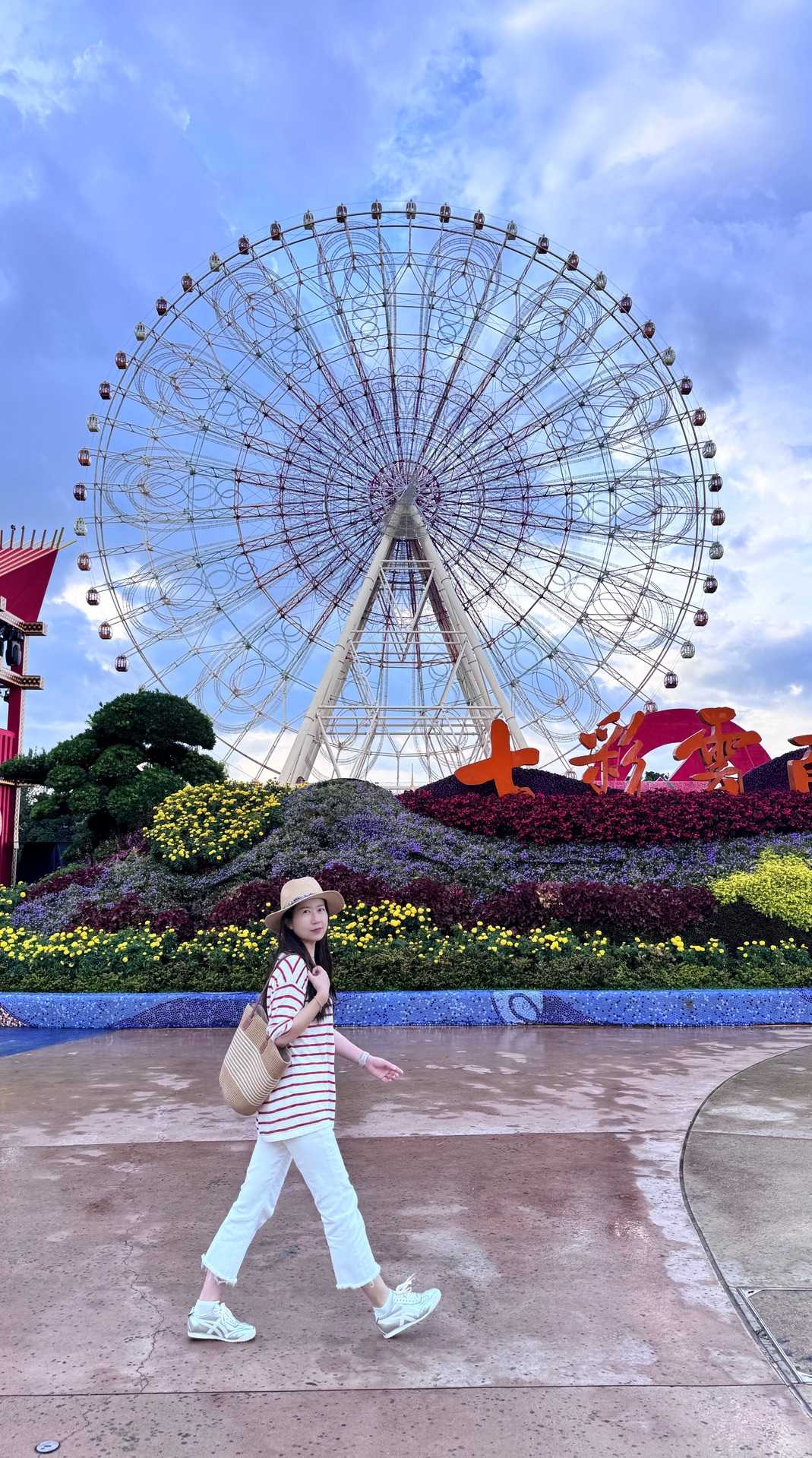
Leaving Manting Park, we arrived at the Starry Night Market early and first visited Lanyue Tea & Coffee — a filming location for Wang Yibo's TV drama Ice and Fire. The front desk guy was incredibly enthusiastic, showing us the best photo spots and running upstairs and downstairs with us. Chubby Yiyi captured my first "life photo" in Yunnan.
The café's backyard felt untouched by the bustle, peacefully quiet. Under a big tree, an elderly woman sat mending insoles.
The Starry Night Market is within Gaozhuang Xishuangjing, right next to the Great Golden Pagoda (under renovation). Stepping into the market at night, with thousands of stalls lighting up at once, felt like falling into a river of stars on Earth — a miniature Arabian Nights.
We came specifically for "Tiger's House." I love stores with stories, where every gemstone has a tale behind it. It didn't disappoint — even the two boys got lost in it. I found earrings I loved, and also came across a pearl bracelet I couldn't afford — so I just held it for a few minutes. I bought gifts for my future sister-in-law, my honorary daughter starting high school, and Yiyi for his middle school transition. Strange — why did chubby Yiyi love that bracelet so much, begging me to buy it and asking me to take a photo for him?
Xishuangbanna Tropical Botanical Garden, Chinese Academy of Sciences: Exploring the Plant Kingdom
This is a vast "plant kingdom," divided into West and East zones. Based on our energy levels, we explored the West Zone.
Giant Water Lilies are the garden's iconic plants. Their enormous leaves float like green disks on the water, the largest of any aquatic plant, typically 1-3 meters in diameter. The thick leaf veins form a sturdy skeleton; between them, a honeycomb structure filled with large cavities creates immense buoyancy. The upturned edges prevent water from flooding the leaf's surface while adding stability. Symmetrical notches on opposite sides drain excess water. This design is a marvel of natural engineering — it's said Sir Joseph Paxton was inspired by the giant water lily to design the famous glass-and-iron building, the Crystal Palace.
When the water lilies bloom, the weight capacity for sitting on them varies by month and leaf size. In August, they could only support 25 kg — none of our six could manage it.
Exotic Plants: There's the "dancing plant" that trembles to music, the "clock flower" that blooms on schedule, and the hallucinogenic datura. Yiyi tried the mimosa — it "shut up" at the slightest touch.
Strangler Figs: Strangler plants are the most brutal yet classic survival phenomenon in tropical rainforests. Fig seeds are carried by birds to host tree branches, where they sprout and send down aerial roots that gradually wrap around and strangle the host to death, eventually replacing it to create the spectacular sight of a single tree forming a forest.
Rare, Endangered, and "Living Fossil" Plants: The Parashorea chinensis can grow 70-80 meters tall, piercing the clouds; the Antiaris toxicaria is one of the world's most poisonous trees; the dragon's blood tree can live for thousands of years; and the tree fern is a woody fern from the dinosaur era, known as a "living fossil."
Manyuan Village: The Life We Yearn For
Although Manyuan Village became famous as the filming location for Season 4 of the variety show Back to Field (the "Mushroom House"), it remains relatively undisturbed, preserving its tranquility and simplicity. The village is dotted with well-preserved Dai bamboo houses, elevated on stilts for storing tools or raising livestock, with living quarters above. As the sun slanted, we walked through the village, hearing roosters crow and seeing roadside fruit stalls with QR codes but no attendants — prices scrawled and crossed out. Everything felt natural and unhurried.
Manyuan Village also preserves a national intangible cultural heritage — the slow-wheel pottery-making technique of the Dai people. Yiyi and I each made a ceramic cup: Yiyi made a mug, and I made an elephant-shaped cup. The owner said it would take two months to ship — the pottery needs to air-dry before firing. Two months later, as I write this travelogue, they finally arrived.
Here, I finally fulfilled my long-cherished wish to make a palm-leaf bookmark. Palm-leaf sutras, called "Tanlan" in Dai, are Buddhist scriptures inscribed on palm leaves. Originating in ancient India, they spread to Dai regions with Theravada Buddhism and became the most core and sacred part of Dai culture. Finished palm-leaf scriptures are waterproof, insect-proof, and crack-resistant, capable of surviving for centuries.
Pu'er: The Green Code of the Tropic of Cancer
Taiyanghe National Forest Park: Getting Close to Nature

Driving from Xishuangbanna to Pu'er, we arrived at Taiyanghe National Forest Park. This is a pristine tropical rainforest, with air so fresh you can't help but take deep breaths. The park is rich in flora and fauna — we saw rhinos leisurely strolling, lively red pandas, and various rare birds. The kids excitedly fed the animals, feeling the joy of zero-distance contact with nature.
Da Kaihe Meizi Coffee Estate: Slow Time in Coffee Aroma
Pu'er is a famous coffee-producing region in China, so we made a point to visit Da Kaihe Meizi Coffee Estate. Nestled among green hills and clear waters, the estate is covered with coffee trees. We toured the entire process from bean picking to roasting, and tasted freshly brewed coffee — a rich aroma you can't get in the city. Yiyi doesn't drink coffee, but seeing the hills covered in coffee trees, he learned a lot.
Pu'er Citywalk: The Hustle and Bustle of Old Streets
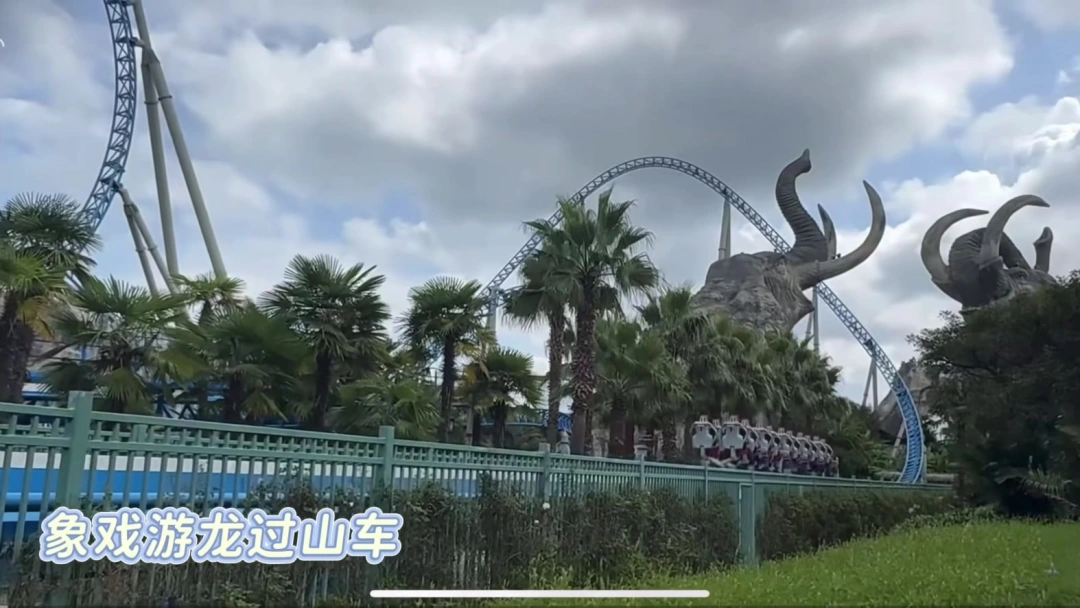
On our last day in Pu'er, we did a Citywalk, visiting Daijia Alley, Simao Old Street, and the Government Compound. These places retain Pu'er's old-town character — weathered walls, ancient shops, and leisurely locals, making you feel like you've stepped back in time. We bought some local specialties at small shops along the old street, tasted authentic Pu'er snacks, and slowly soaked in the lively atmosphere of this small city.
Final Chapter: Painting the Colors of the Rainbow into Your Graduation Season
Nine days of travel, from the floral fragrance of Kunming to the tropical charm of Xishuangbanna and the lush greenery of Pu'er, we painted Yunnan's rainbow colors, bit by bit, into Yiyi's graduation season. This was not just a trip, but a ritual of growth.
At Joy World, he experienced the frenzy of the water-splashing festival. At the museum, he witnessed the miracle of life from 500 million years ago. At the botanical garden, he learned about the cruelty of strangler figs and the wisdom of giant water lilies. In Manyuan Village, he made pottery and a palm-leaf bookmark with his own hands. At the Starry Night Market, he learned to appreciate the stories behind gemstones.
The meaning of travel isn't about how many places you go, but what those places leave in your heart. For Yiyi, this graduation trip painted Yunnan's rainbow colors onto the canvas of his growing up. Those laughs, those moments of awe, curiosity, and emotion — they will accompany him into the next chapter of his life.
Painting the colors of the rainbow into your graduation season — this is Yiyi's primary school graduation trip, and the most precious gift of growth we could give him.
You should also read:
A 9-Day Yunnan Journey: From Lijiang to Dali to Tengchong – A Trip Toward Self-Reconciliation
A 9-Day Yunnan Journey: From Lijiang to Dali to Tengchong – A Trip Toward Self-Reconciliation Some say travel is simply going from a place you're tired of to a place other people are tired of. It stings to hear, but it's painfully true. Yet there's…
Continue reading...
Yunnan! Paradise on Earth – The Yubeng Chapter: A Soul-Cleansing Journey into Seclusion
Yunnan! Paradise on Earth – The Yubeng Chapter: A Soul-Cleansing Journey into Seclusion Prologue: Why Yubeng? If you ask me which place in Yunnan is most worth hiking to, I would answer without hesitation: Yubeng. This is not an answer I give lightly. As a…
Continue reading...
Into the Hidden Valley: A Solo Journey Through the Mysterious Dulong River
Into the Hidden Valley: A Solo Journey Through the Mysterious Dulong River Deep in the northwestern corner of Yunnan Province, tucked away from the modern world, lies a place that feels like a secret whispered among mountains. The Dulong River Valley is not just a…
Continue reading...