Peacock Mountain and Old Medicine Mountain: Finding the True Meaning of Travel in a May Snowstorm
Peacock Mountain and Old Medicine Mountain: Finding the True Meaning of Travel in a May Snowstorm
May. Most places are already bidding farewell to spring, yet I was determined to find a land still blanketed in snow. This was my ninth trip to Yunnan, and this time, my destination was two nearly unknown names deep in Deqin—Peacock Mountain and Old Medicine Mountain.
Some say travel is about escape. But for me, travel feels more like a date with the unknown. You never know how the weather will shift, where the road will lead, and it's precisely these uncertainties that make every departure uniquely captivating.
Departure: From City to Wilderness
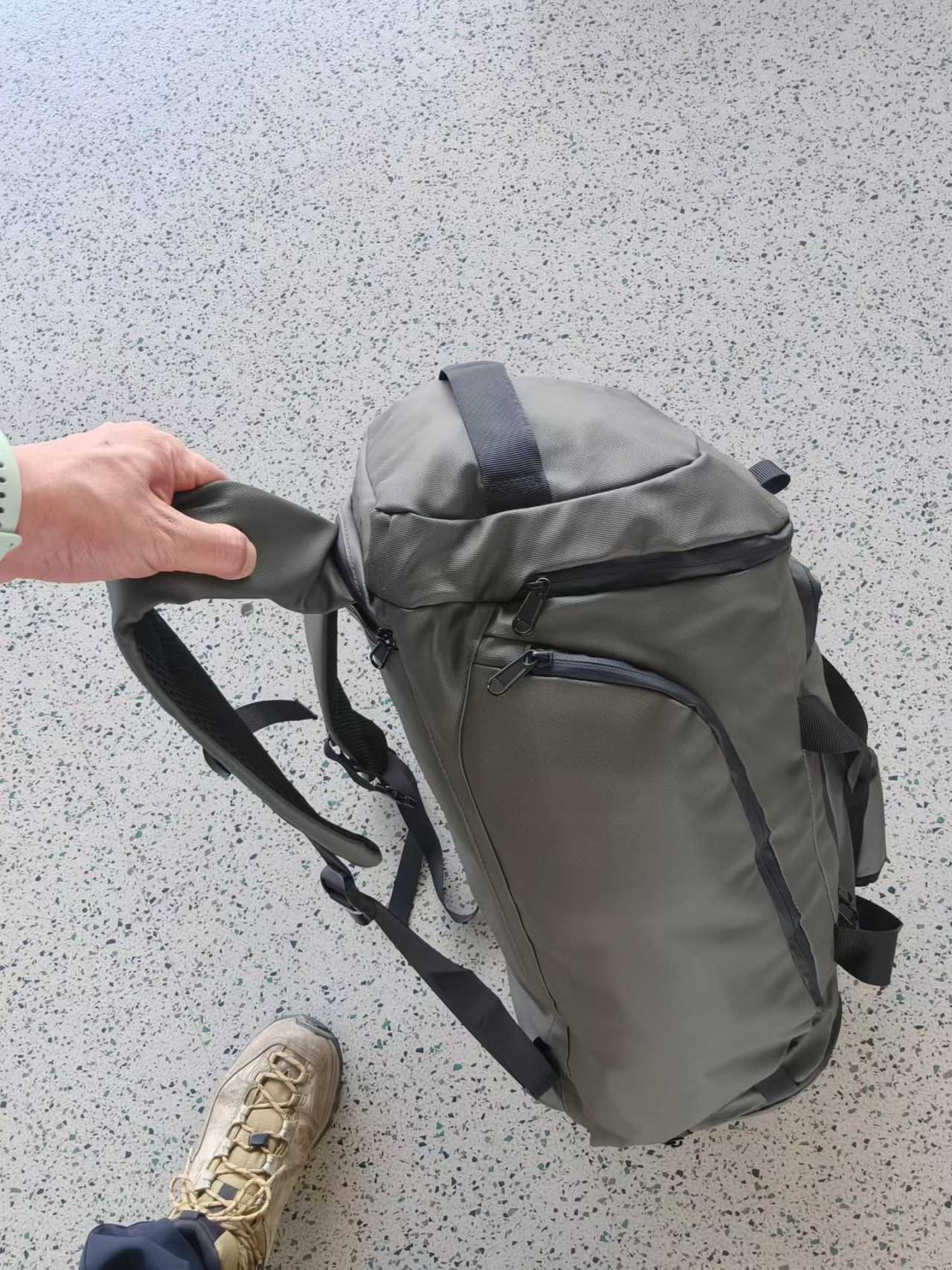
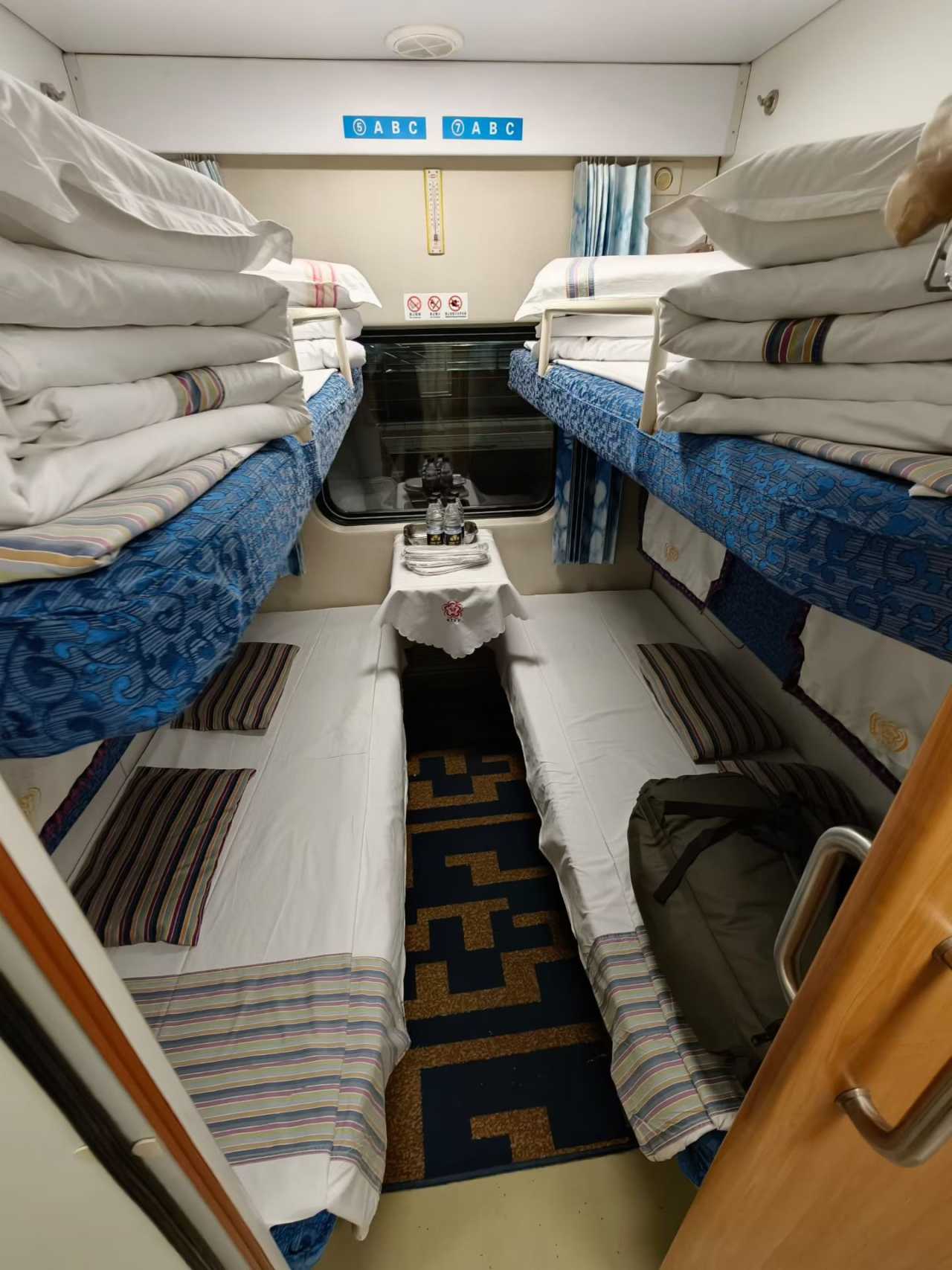
From Shanghai, I flew to Kunming, then took a train to Lijiang, and headed west all the way to Weixi and Cizhong. This time, I abandoned the traditional suitcase and chose a large, multifunctional backpack. It turned out to be the perfect decision—waterproof, impact-resistant, stretchy, and most importantly, convertible: backpack, shoulder bag, hand-carry, or even sprint-worthy on rugged mountain trails. In contrast, the image of dragging a suitcase through mud is nothing short of a disaster. Plus, this backpack doubled as weight-training equipment—two birds, one stone.
Tongle Village: A Time-Frozen Lisu Sanctuary
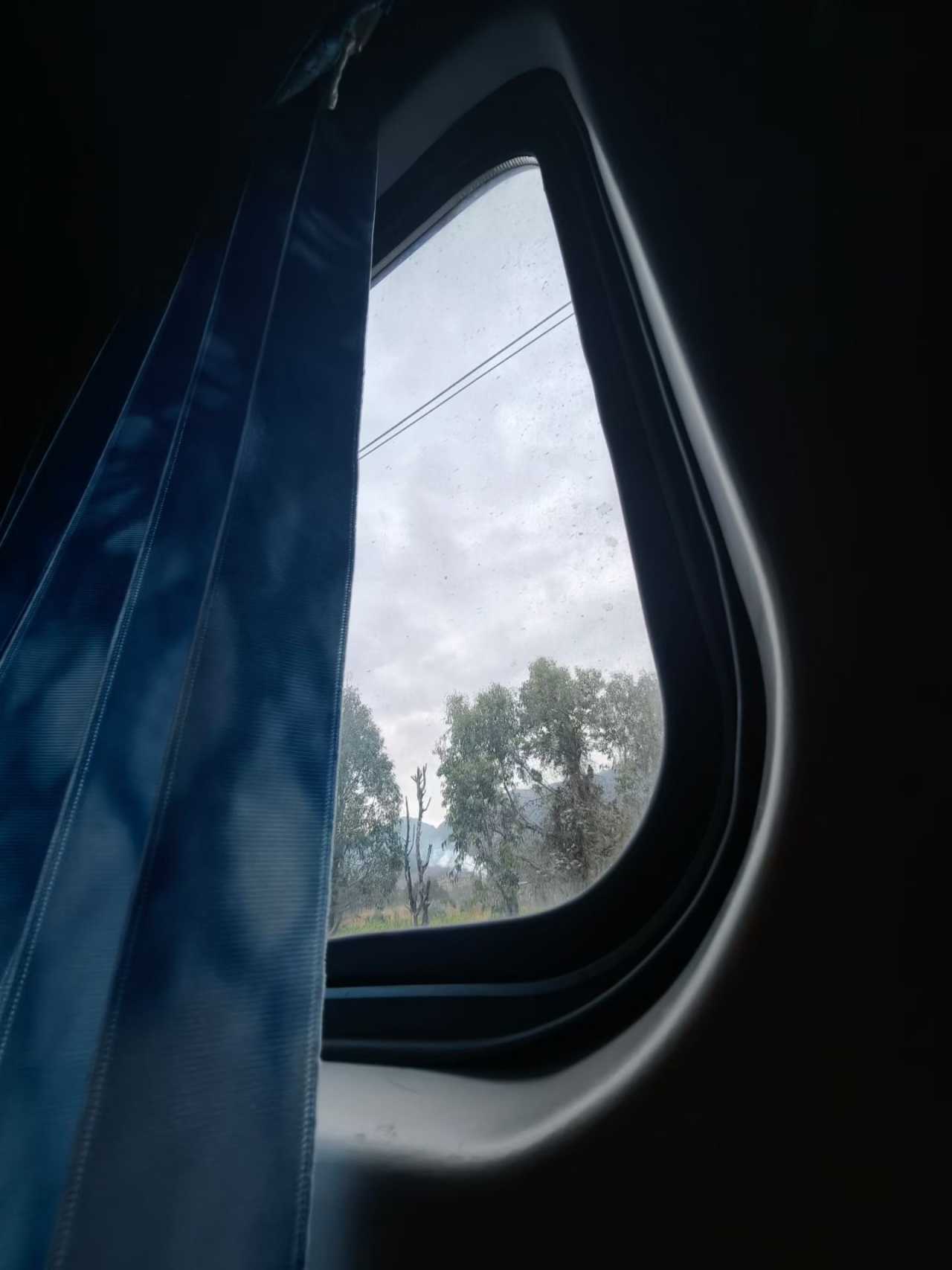
Driving along the Jinsha River, the mountain roads were muddy and rough. When we arrived at the Lisu village of Tongle in Weixi under a steady drizzle, the whole world seemed shrouded in a gray veil. Mist clung to the surrounding peaks, and the village lay quietly nestled in the valley, with blue-tiled wooden houses half-hidden among the lush green trees. The air was filled with the freshness after rain, a chill that seeped into the bones.
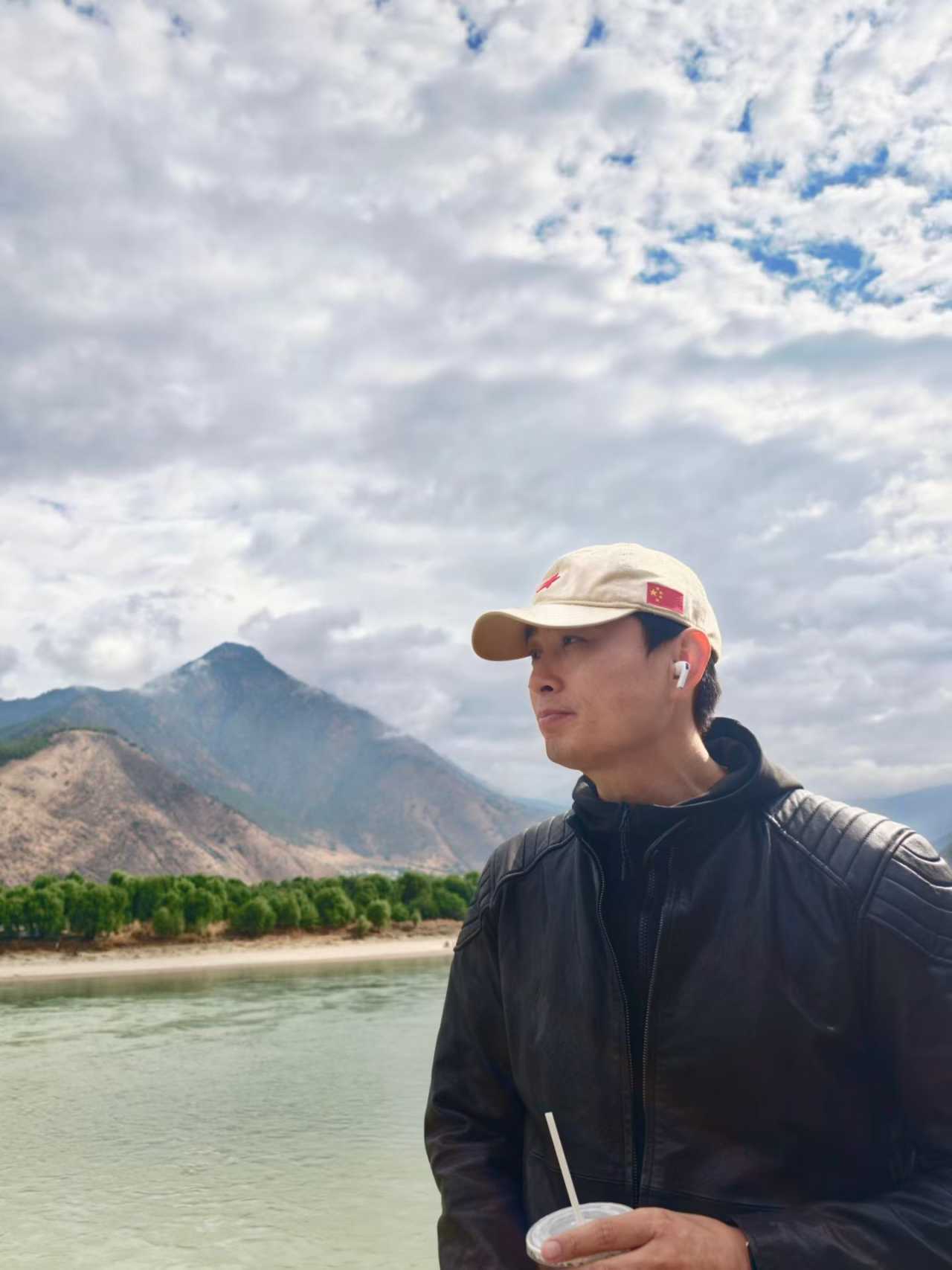
During a golden week like May Day, finding a scenic spot almost entirely to yourself is pure luxury. Tongle Village is exactly such a forgotten corner of time.
This is the best-preserved traditional Lisu village in China, with a history spanning over 300 years. The oldest houses are about 190 years old. As early as the Tang Dynasty, Lisu ancestors had already left their mark here. Until modern times, the village remained isolated, maintaining a slash-and-burn lifestyle for centuries—a living fossil of mountain architecture.
The entire village consists of log cabins—stacked raw timber, triangular sloping roofs, layered along the mountain slopes like a honeycomb from afar. Each house tells a story of the years, each beam carries the memory of an entire people.
Cizhong: A French Wine Legend Deep in Tibetan Territory
Leaving the isolated Tongle Village, we drove toward Cizhong, the town closest to Peacock Mountain. This small town hides a stunning secret—the only surviving Qing Dynasty Catholic church in Tibetan areas.
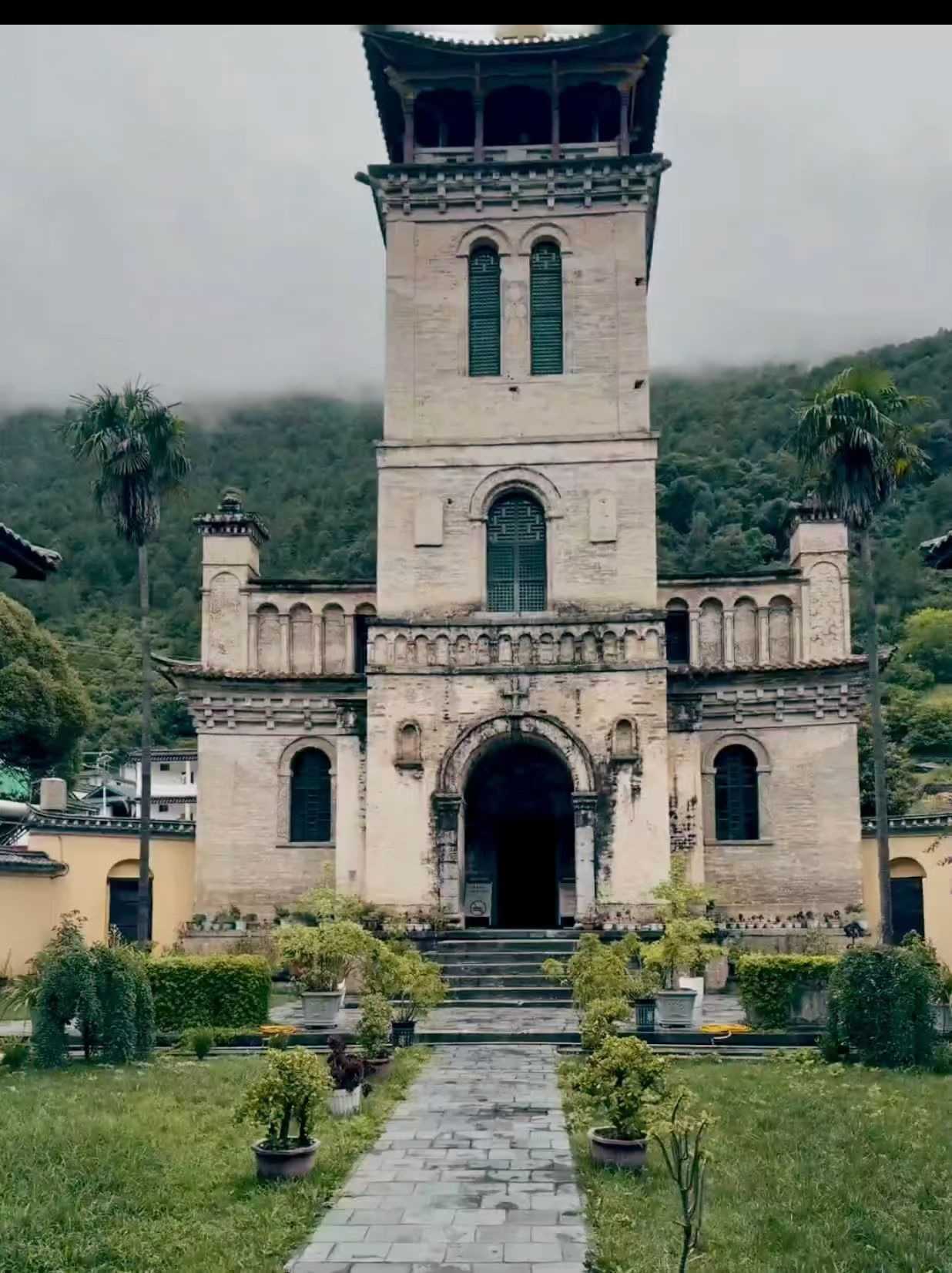
The bell tower's roof is a Chinese-style flying-eave pavilion top, covered with glazed tiles, standing out vividly under the blue sky and white clouds of the Tibetan plateau. On the exterior and interior, you can see patterns of the Eight Auspicious Symbols of the Yellow Sect, lotus flowers, and dragon motifs, while the beams, pillars, and murals blend artistic styles from Han, Bai, and Tibetan ethnic groups—a masterpiece of multicultural fusion.
But the most delightful surprise lies in the story behind the church. French missionaries once brought Bordeaux grape seedlings—a variety called "Rose Honey" (玫瑰蜜), which has since gone extinct in France itself. They planted the vines around the church, taught locals to make wine, and Cizhong became the birthplace of Yunnan wine.
I tasted the local Tibetan families' homemade Rose Honey wine—rich, full-bodied, with a unique fruity aroma. Paired with a cured pork hotpot, it was a feast for the senses. After eating and drinking my fill, I changed into my shell jacket and prepared to head into the mountains.
Peacock Mountain: An Unexpected Gift in a Blizzard
The next morning, I set out full of anticipation, only to find that the local government had closed the road into Peacock Mountain—a sudden blizzard had made everything dangerous. But for me, a closed road is never the end—it's just another beginning.
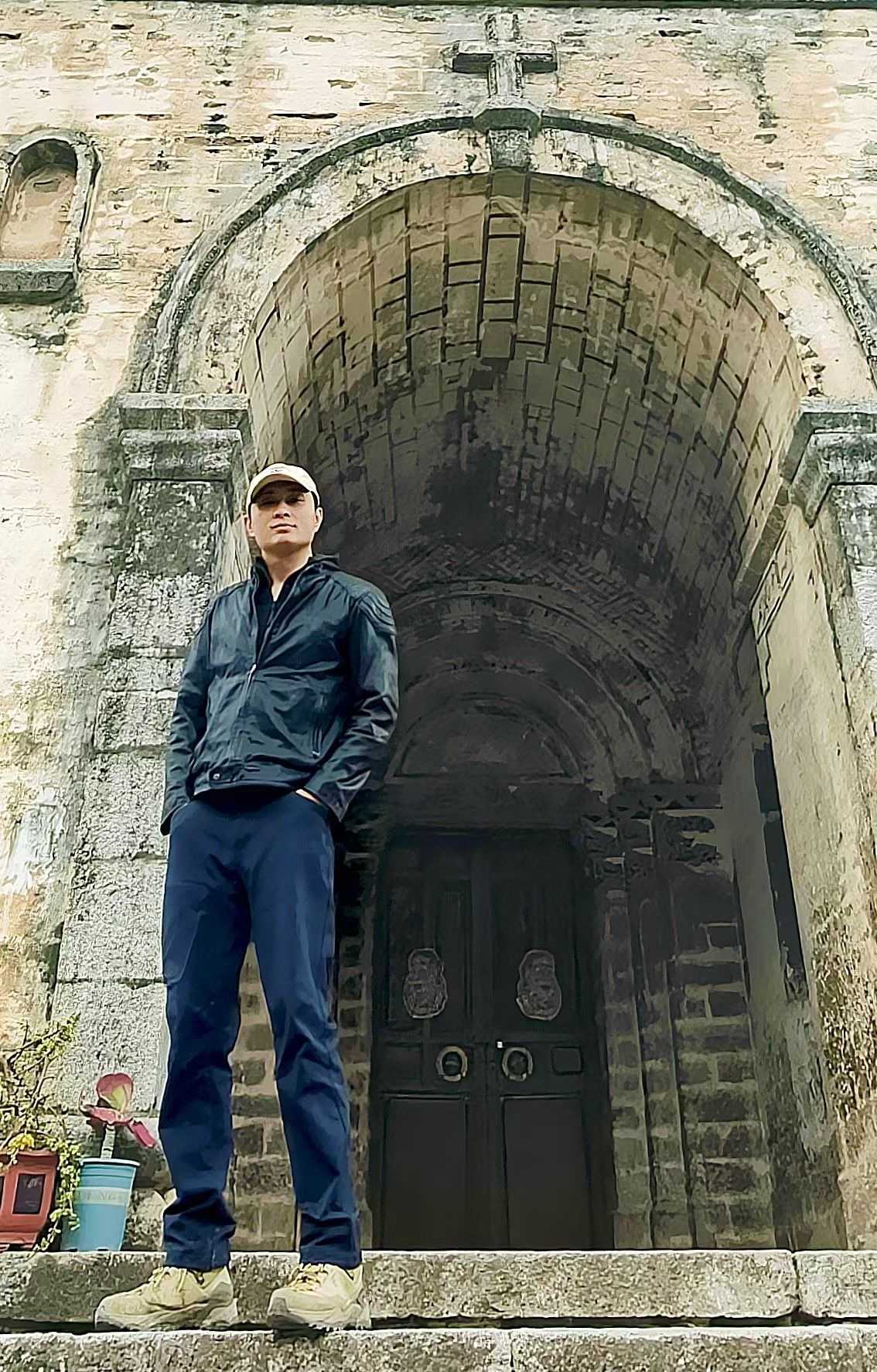
If I couldn't drive in, I'd hike in.
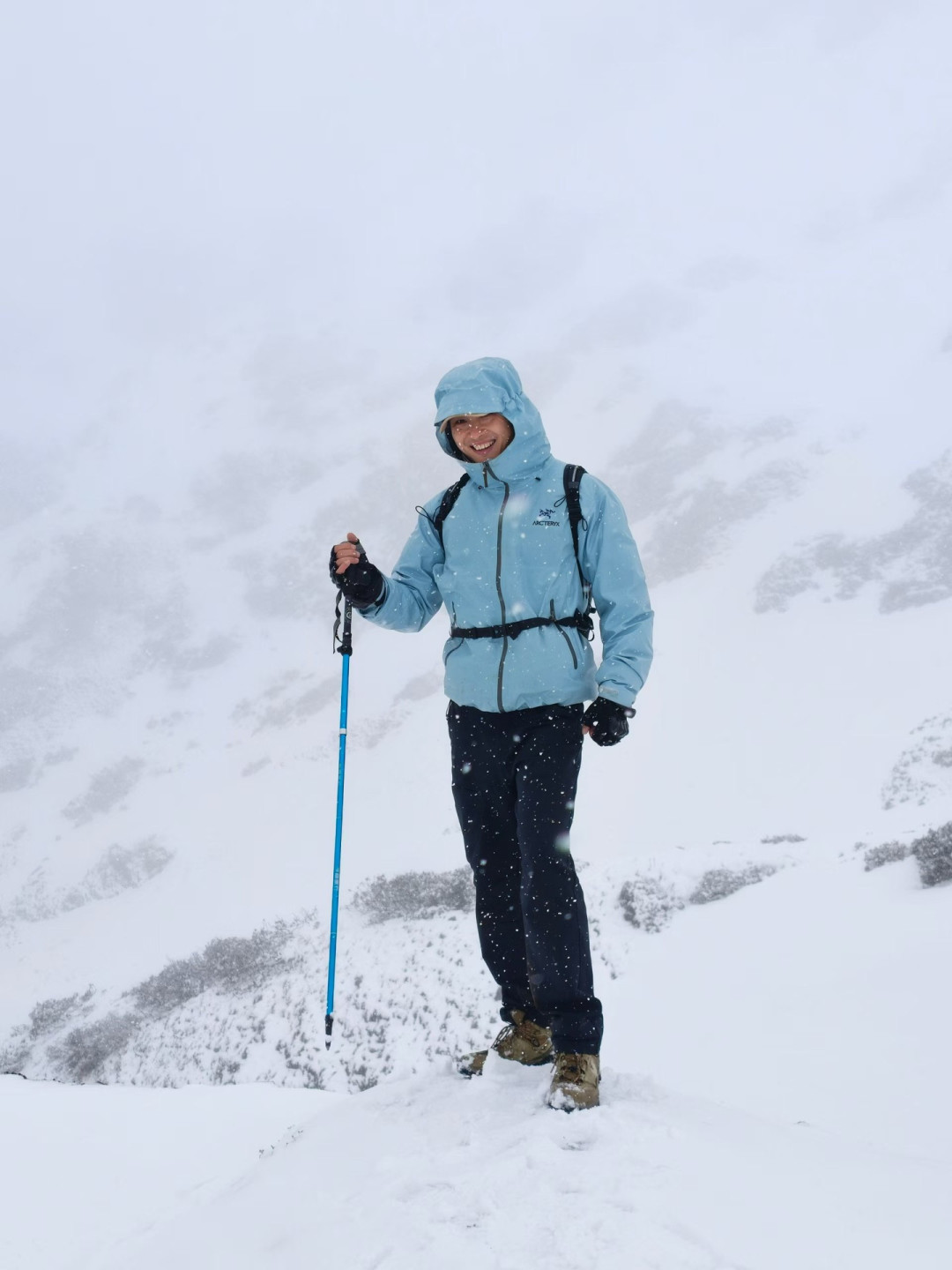
Snow fell heavily, each step an ordeal. The altitude was nearly 4,000 meters. Because I had to find my own path, the total distance increased by almost ten kilometers, and the elevation gain added about 300 meters. Signal came and went. No supplies. I lost my way several times in the vast white sea. But it was precisely in this hardship that I felt an unprecedented thrill—hiking in a blizzard was absolutely incredible.
The snow grew heavier. After climbing out of the forest, each step sank nearly to my calf. The altitude hit 4,300 meters, and the fog thickened, turning the entire world into a white blur. Finding my way in this silver realm was like searching for an invisible line on a blank sheet of paper.
When I finally found the Twelve Heavenly Heart Lakes (天心十二湖), my spirits soared. Despite walking all day through a high-altitude blizzard and fog, I felt no fatigue. I hadn't eaten a single bite of my trail snacks, hadn't drunk any water, my heart rate stayed below 110 the entire time, and I didn't even feel cold. Perhaps when a person is completely absorbed in something, the body's limits stretch infinitely.
Old Medicine Mountain: An Unexpected Encounter with Snow
I've always believed that the essence of travel is unknown adventure. If an unexpected situation arises during a trip, that's precisely its greatest value. The heavy snow on Peacock Mountain was exactly that kind of gift.
After coming down the mountain in the blizzard, I was covered in mud from head to toe. But every minute, every second, every moment of the process—that was what I truly gained from this journey. And breaking through my previous altitude limit was positive feedback for my own abilities—it seems this year's training regimen really paid off.

After leaving the closed Peacock Mountain, the snow miraculously stopped. I couldn't help thinking that this blizzard might have been meant just for me.
On the way to Benzilan, I passed the Jinsha River Moon Bay (金沙江月亮湾)—a spectacular Ω-shaped bend. The Jinsha River makes a 180° turn around the Sun-Peak Pyramid (日锥峰), with a curvature radius of about 800 meters. This is where the Jinsha, Lancang, and Nu rivers flow together in a triple parallel. Approaching Benzilan, I passed by Wunongding, where distant snow-capped peaks glistened, even more mysterious in the post-rain mist.
That evening in Benzilan, I found a local Tibetan-style wooden bucket fish (藏家木桶鱼) restaurant, ordered a portion of dried yak meat (牦牛肉干巴), and a bowl of highland barley wine (青稞酒). I felt completely at ease. I have to say, the Dali-style wooden bucket fish was delicious—on par with the cured pork hotpot I'd had in Cizhong the day before.
At four in the morning, braving freezing temperatures, I set out again for Old Medicine Mountain. Due to consecutive days of snowfall, the mountain had also been closed by local authorities. Peacock Mountain in snow was one thing, but Old Medicine Mountain too? It reminded me of last year's May Day, when I encountered a sandstorm in the Taklamakan Desert. Maybe every May Day brings me some kind of extreme weather. But that's travel—it's all about uncertainty. Otherwise, what's the difference between travel and a vacation?
The snow had stopped, but thick fog blanketed the entire landscape. In the distance, the majestic outlines of Jade Dragon Snow Mountain (玉龙雪山) and Haba Snow Mountain (哈巴雪山) emerged faintly. Vast expanses of azalea flowers covered the meadows, dreamlike, mysterious, ethereal. Almost no one else was on Old Medicine Mountain—it felt as if the entire world belonged to me alone.
Epilogue: Wild Flavors and the Journey Home
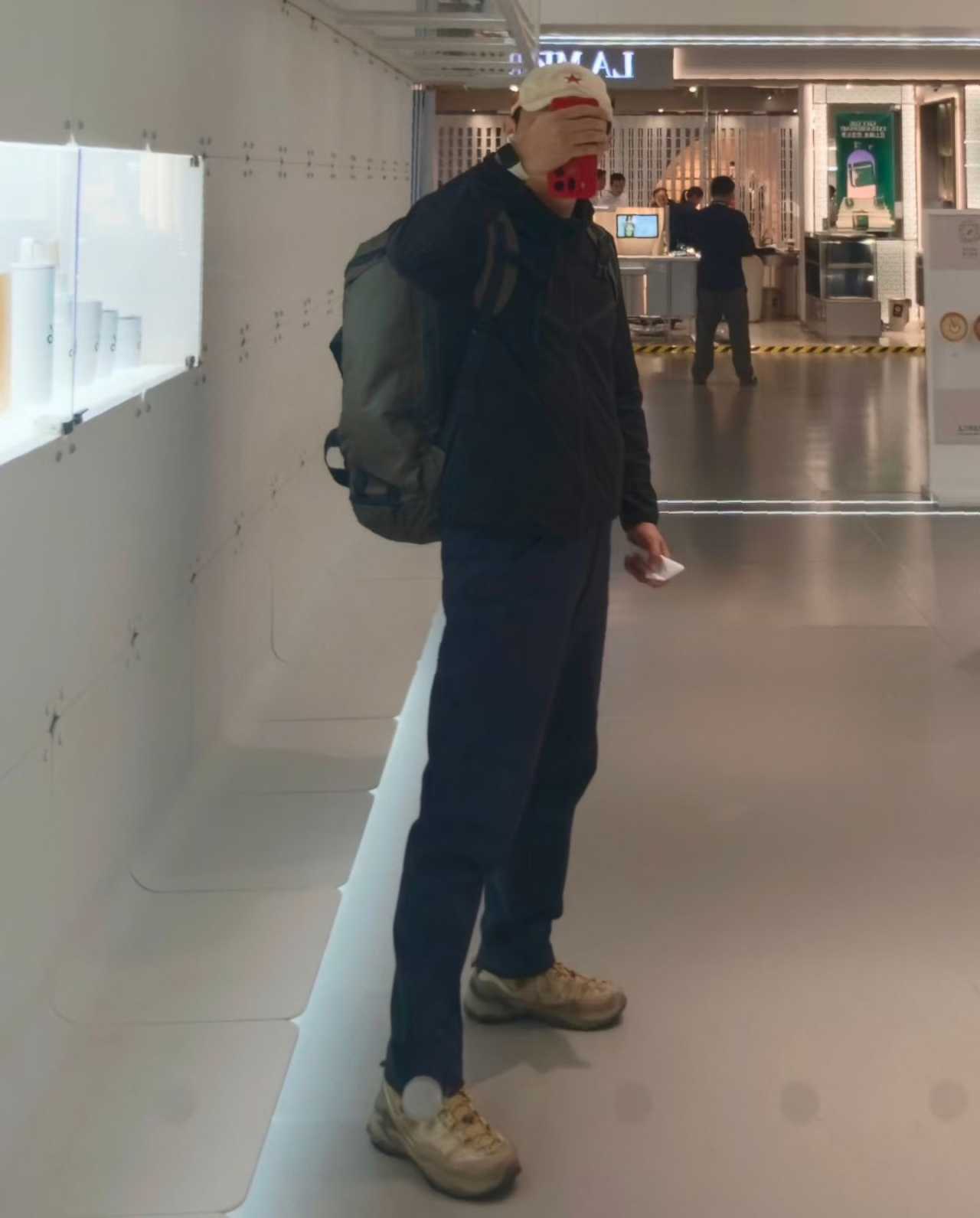
After sneaking up two closed mountains in blizzards, my shell jacket, pants, and boots were dirty and worn, like I'd just come back from a battle. I owed it to my legs to eat something wild. Jianshui-style fried insects (建水炸昆虫), grilled tilapia, and stone-plate flowers (石板花)—these were the perfect match for this trip. I finished with a cup of small-bean coffee (小粒咖啡) and headed home.
Final Thoughts
Five days. Two closed mountains. Blizzard after blizzard. Countless times lost and found again. But these seemingly "unlucky" experiences made up the most precious part of this journey.
Travel has never been about arriving at a destination—it's about everything you experience along the way. The unexpected situations. The adjustments you're forced to make. The courage and wisdom that emerge in hardship. As I learned in the blizzard on Peacock Mountain: uncertainty is travel's greatest charm.
If you're tired of predictable vacations, try a trip like this—go to a place almost no one knows, hike through a blizzard, find your way in the fog, and search for yourself in the unknown. You'll discover that you're stronger than you ever imagined.
Practical Tips: - Transportation: Fly from Shanghai to Kunming, take a train to Lijiang, then drive to Weixi and Cizhong - Gear: A large multifunctional backpack (far more practical than a suitcase), shell jacket and pants, waterproof hiking boots - Best Season: Early May, when you can experience both spring snow and blooming azaleas - Note: Peacock Mountain and Old Medicine Mountain are often closed due to weather. Check local conditions in advance and prepare for hiking - Food Recommendations: Cizhong Rose Honey wine, cured pork hotpot, Tibetan wooden bucket fish, Jianshui fried insects
You should also read:
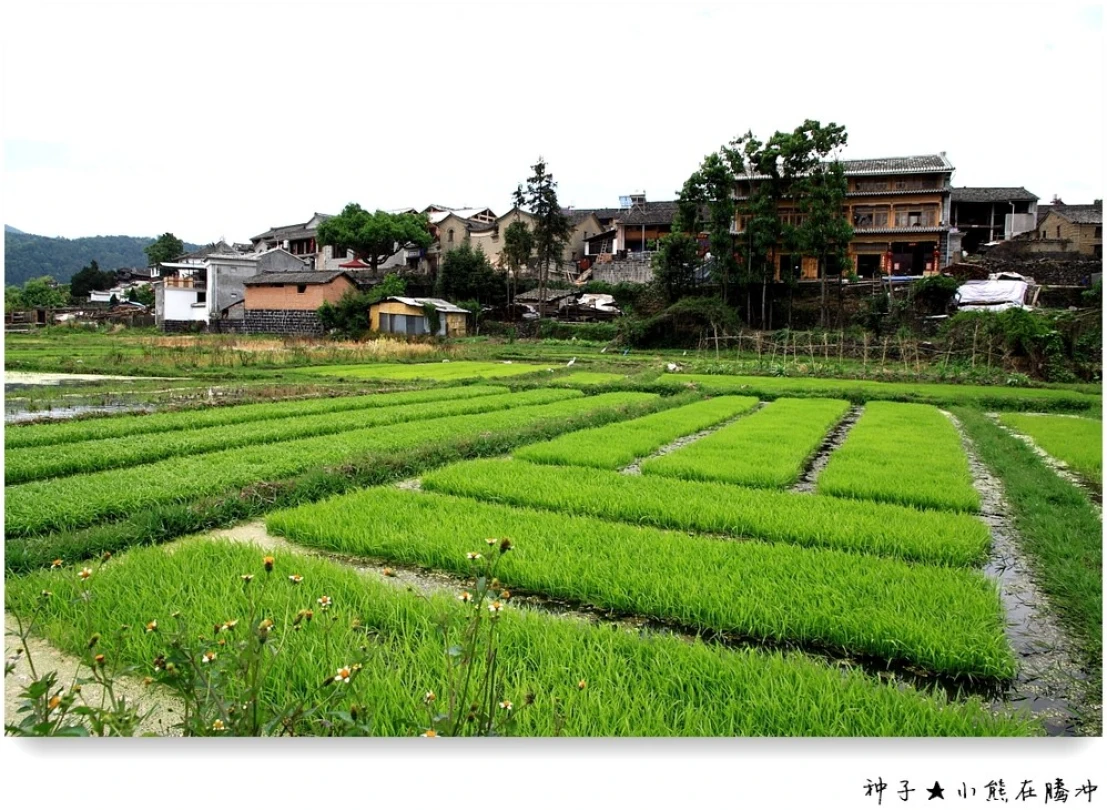
Tengchong·Heshun: Finding Life as It Should Be in a Border Town Where Time Stands Still
Tengchong·Heshun: Finding Life as It Should Be in a Border Town Where Time Stands Still The long journey of over twenty days was over. On my first day back at the office, I was still in a daze. My fingers couldn't find the keys on…
Continue reading...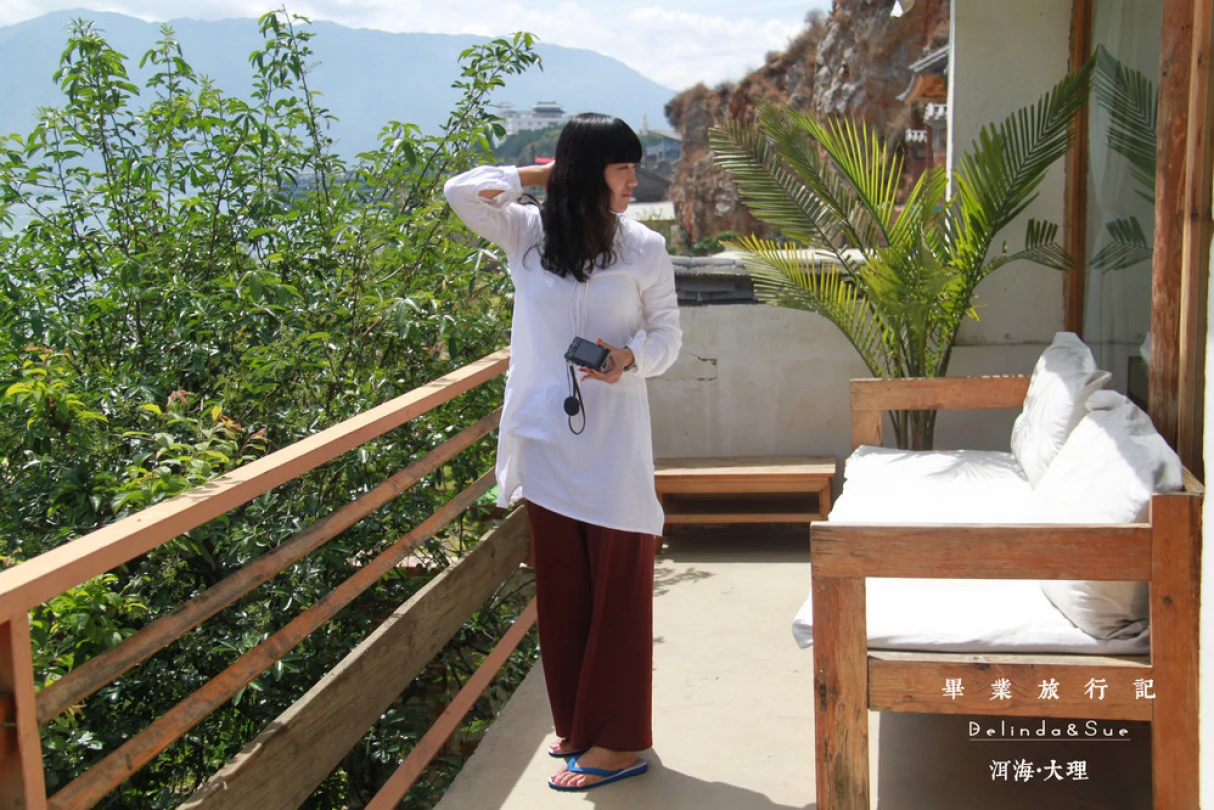
Two Girls' Graduation Trip: Dali and Shuanglang – A Poetic Farewell to Mountains and Sea
Two Girls' Graduation Trip: Dali and Shuanglang – A Poetic Farewell to Mountains and Sea Preface: Catching the Tail of Youth, Heading South During our senior year of college, my roommate and I – two girls studying in Beijing – decided to bid farewell to…
Continue reading...
Cloud Travelogue · Dali of Wind, Flowers, Snow, and Moon: A Three-Day, Two-Night Journey of a Free Spirit
Cloud Travelogue · Dali of Wind, Flowers, Snow, and Moon: A Three-Day, Two-Night Journey of a Free Spirit I am a cultured female foodie with a touch of rogue charm. I slung on my backpack, took my lover's hand, and set off on a spontaneous…
Continue reading...