Rediscovering Yunnan: A Journey Across Four Seasons
Rediscovering Yunnan: A Journey Across Four Seasons
During the 2026 Spring Festival, we set foot on Yunnan's soil once again. Scrolling back through my social media posts from five years ago, the summer road trip of 2020 came flooding back vividly — it was our first long-distance self-drive journey exceeding two weeks, covering over 8,000 kilometers. Back then, our little girl had just finished first grade, her childish voice brimming with curiosity. Those photos and videos acted like a key, instantly unlocking sealed memories.
That time, we traveled along Yunnan's northwestern route, passing through Kunming, Dali, Lijiang, Lugu Lake, Jade Dragon Snow Mountain, Meili Snow Mountain, Mingyong Glacier, Tiger Leaping Gorge, Shangri-La, Xiongchu, and the Stone Forest. I silently made a wish back then: we must head south one day. And so, Xishuangbanna became the core of this trip.
As always, destinations are merely directions; the scenery along the way is the soul of travel. I call this journey "A Tour of Four Seasons' Wonders" — because we would traverse through all four seasons, experiencing the vastly different landscapes and customs of each region.
Natural Wonders and Geographic Exploration: A Magnificent Poem from Rainforest to Terraced Fields
The Tropical Rainforest Sanctuary at 21° North Latitude

Xishuangbanna, this emerald jewel on the Tropic of Cancer, was the highlight of our trip. The elevated walkway at Wild Elephant Valley allowed us to overlook the layered canopy of the tropical rainforest, while the primitive rainforest on Jinuo Mountain brought us face to face with unique plants like the towering Parashorea chinensis and strangler figs. The most exhilarating moment was encountering traces of wild Asian elephants — the thrill of brushing past such colossal creatures remains unforgettable.
The Grand Canvas of Karst Landscapes
Ten Thousand Peaks Forest — the name itself carries a sense of majestic power. Countless limestone peaks stand like a forest. Strolling through the vast sea of rapeseed flowers in the Bagua Fields, one can truly appreciate the "peaks standing in clusters, stretching for thousands of miles" spectacle. Without a drone, we could only admire the bird's-eye view from official social media, but driving through or renting a bicycle or electric scooter offered a different kind of charm.
Maling River Canyon: Earth's Scar
Descending via the canyon elevator, we faced the deep fissure cutting through the earth's surface. Waterfalls cascaded like white silk, mist filling the air. Walking through felt like being transported to an ancient, primordial geological wonder. The cliff-hanging waterfalls seemed to "fall straight down from the Milky Way," while the cliff walls resembled "half-opened stone umbrellas, layer upon layer ready to drop" — at this moment, Maling River Canyon was already brimming with spring.
Yuanyang Rice Terraces: A Magic Show of Light and Shadow
As the sun set, countless terraced fields, arranged in varying heights, reflected the colors of the sky like mirrors. This is an epic poem written jointly by the Hani people's thousand-year agricultural wisdom and nature. The sunset at Tiger Mouth Viewing Platform was the most stunning — the shape resembled a giant crocodile opening its massive jaws, about to swallow the mountain peak at its mouth. The sunrise and sea of clouds at Duoyishu were also breathtaking, and the sunset at Bada was equally beautiful. Unfortunately, we only saw the sunset at Tiger Mouth before hurrying away. I strongly insisted on staying overnight to see the sunrise and clouds, but my husband felt we had "seen the essence, and it's all much the same." We eventually left Yuanyang with regret. Well, it leaves something to look forward to for next time — even though it's really far from here.
Cultural Heritage and Ethnic Traditions: Borderland Memories Through Time
Phoenix Ancient Town in Misty Rain
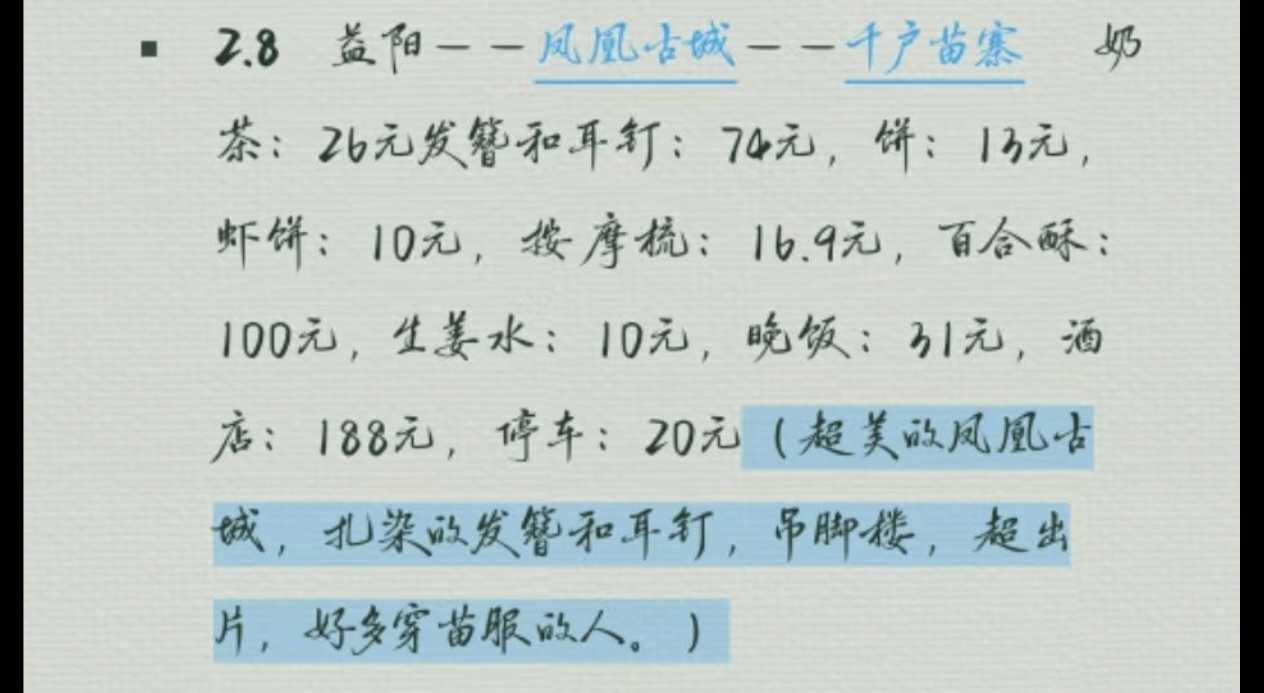
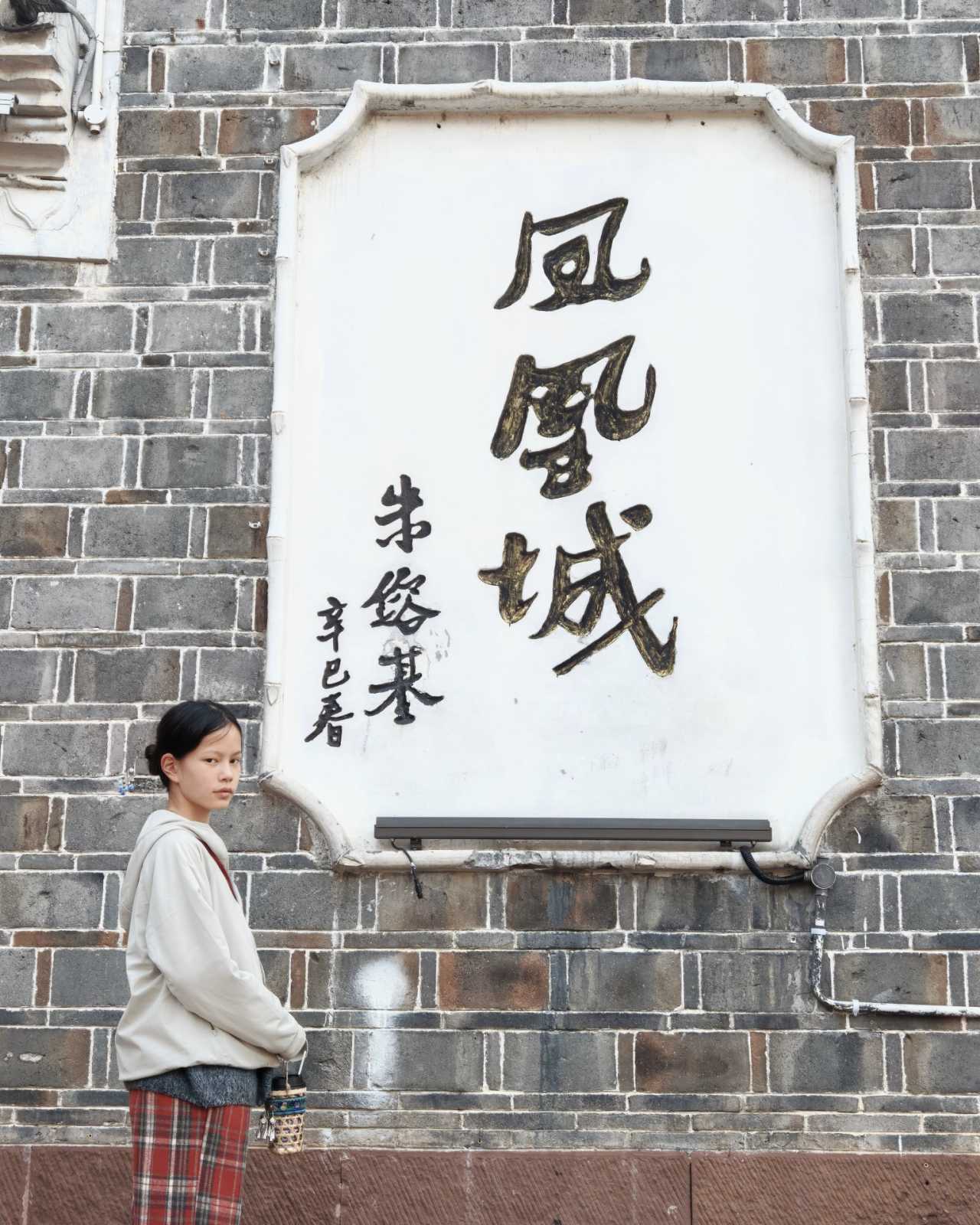
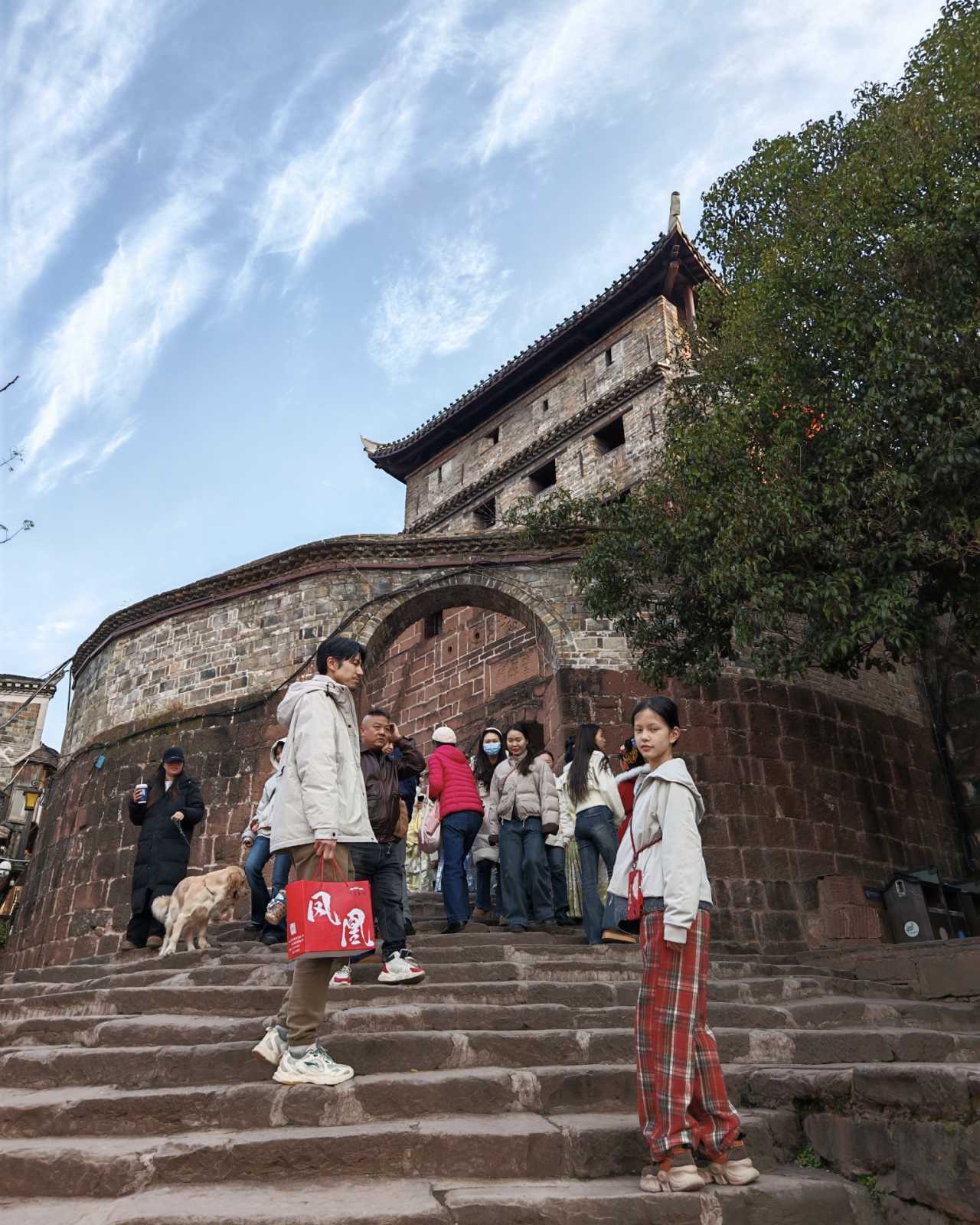
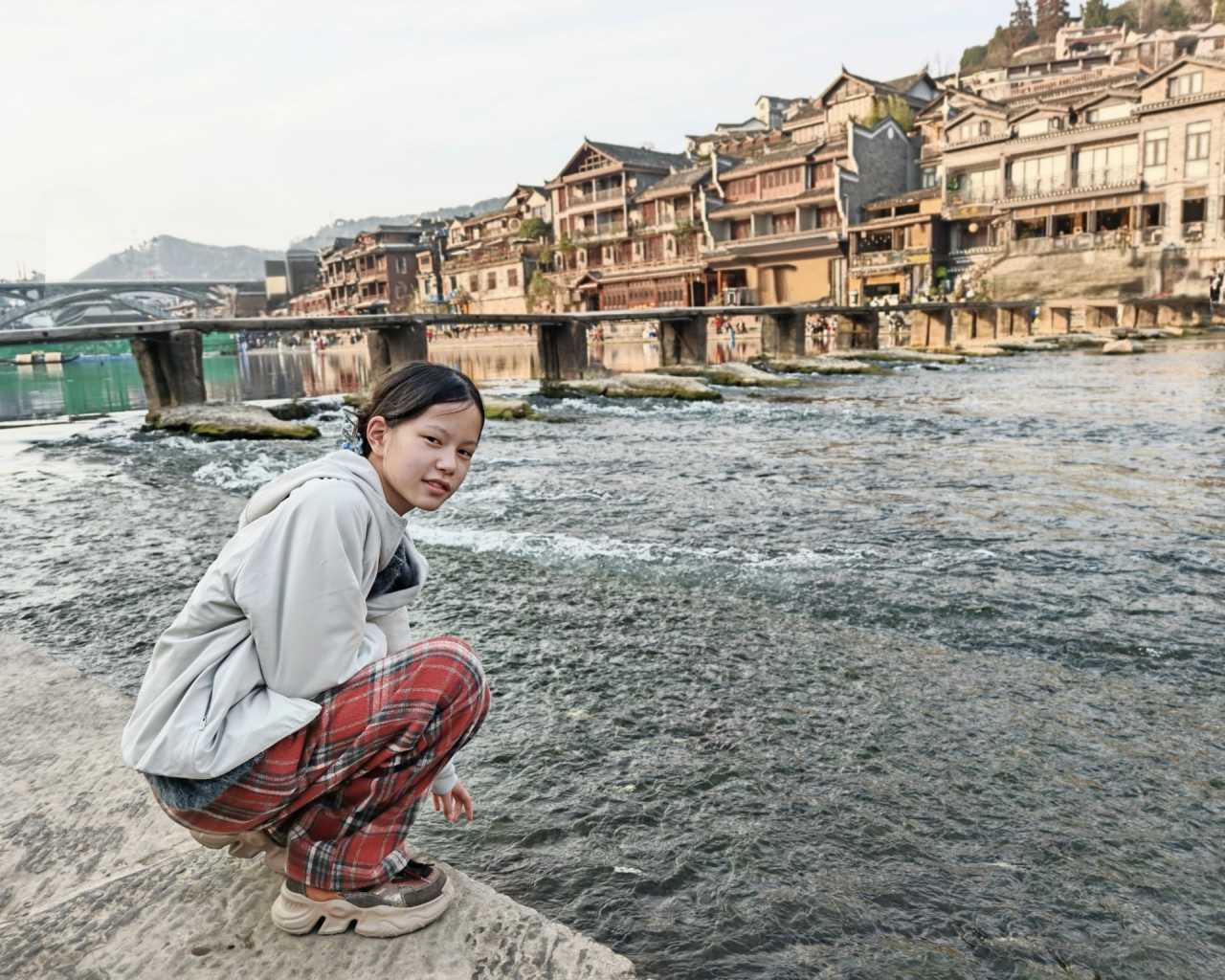
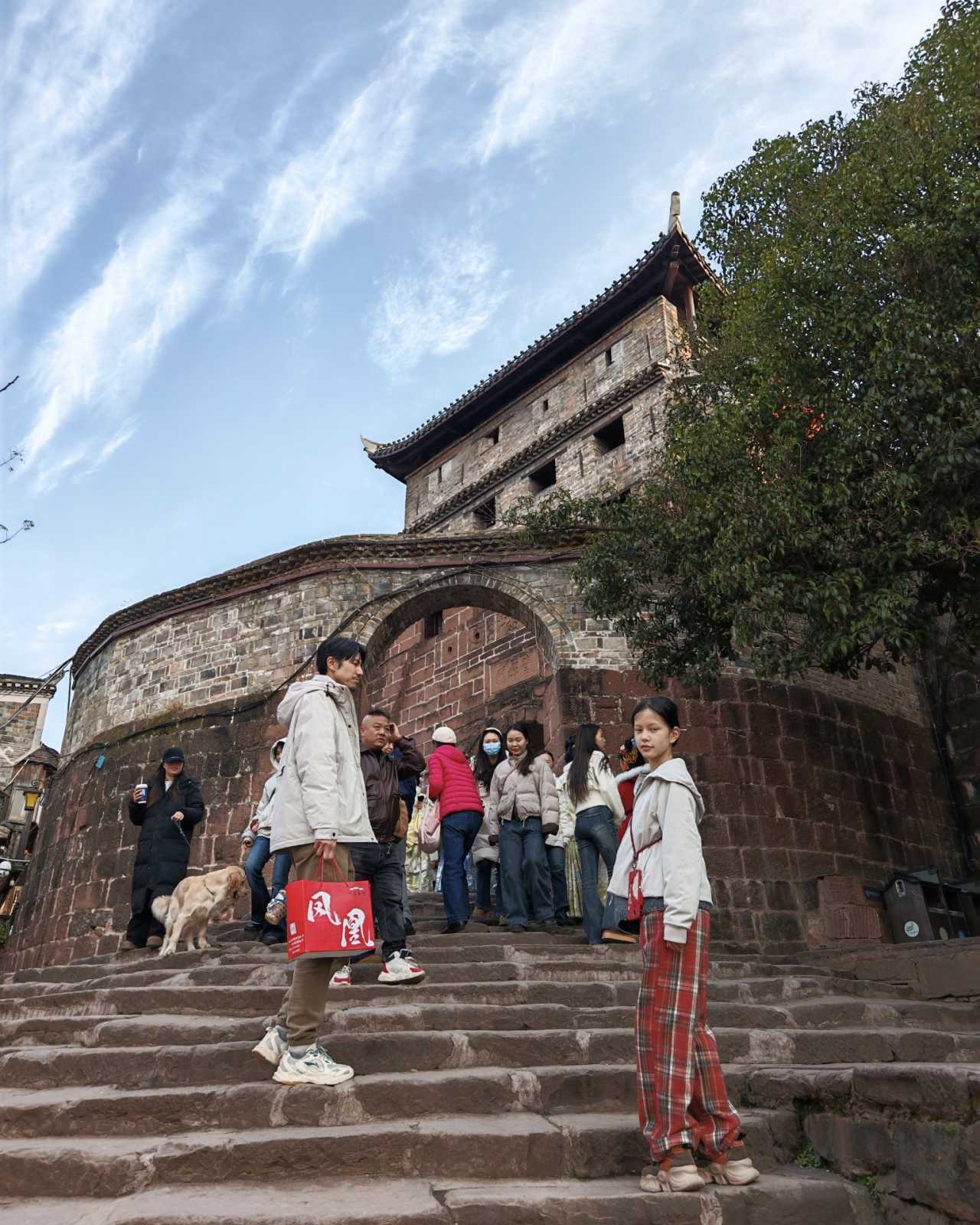
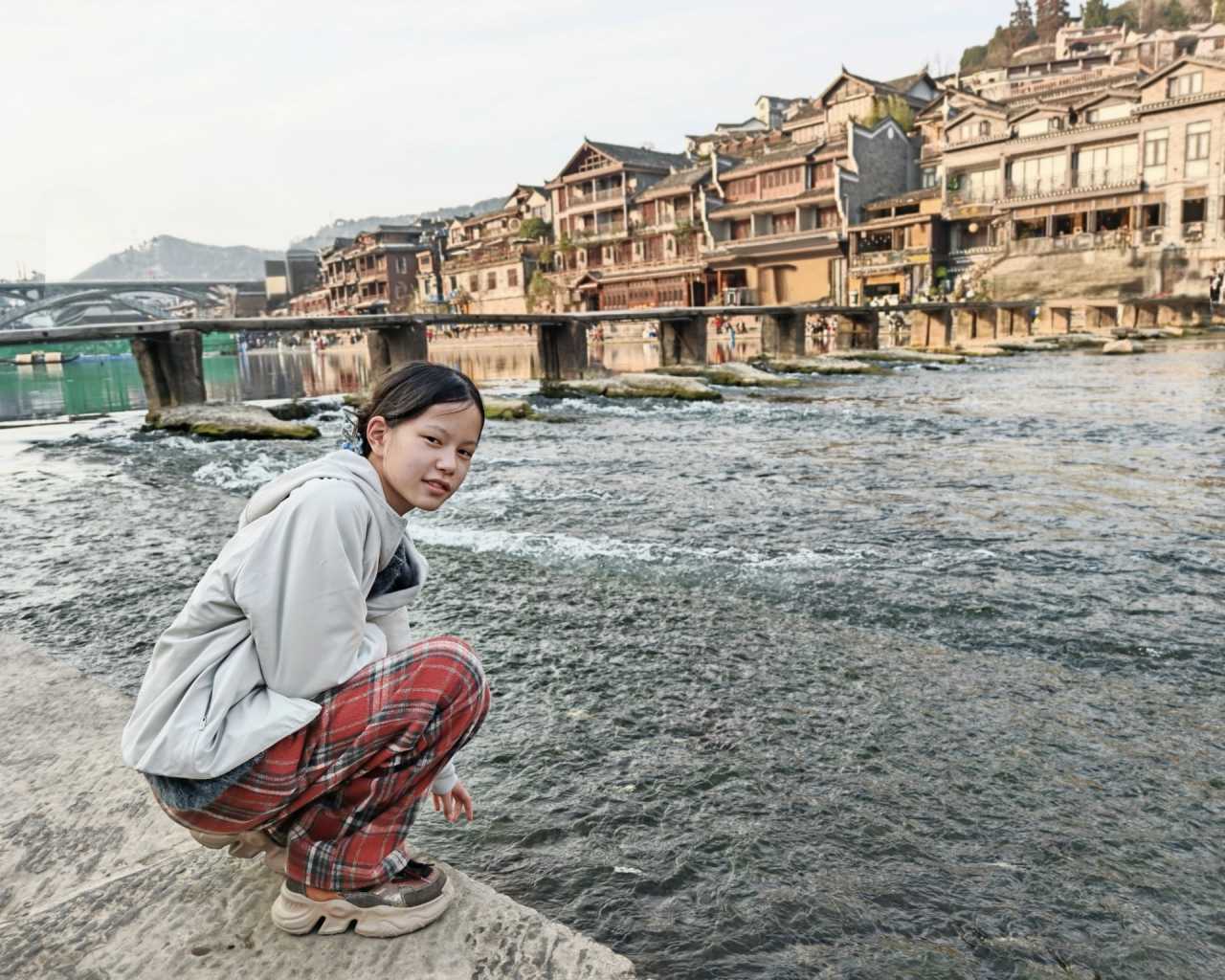
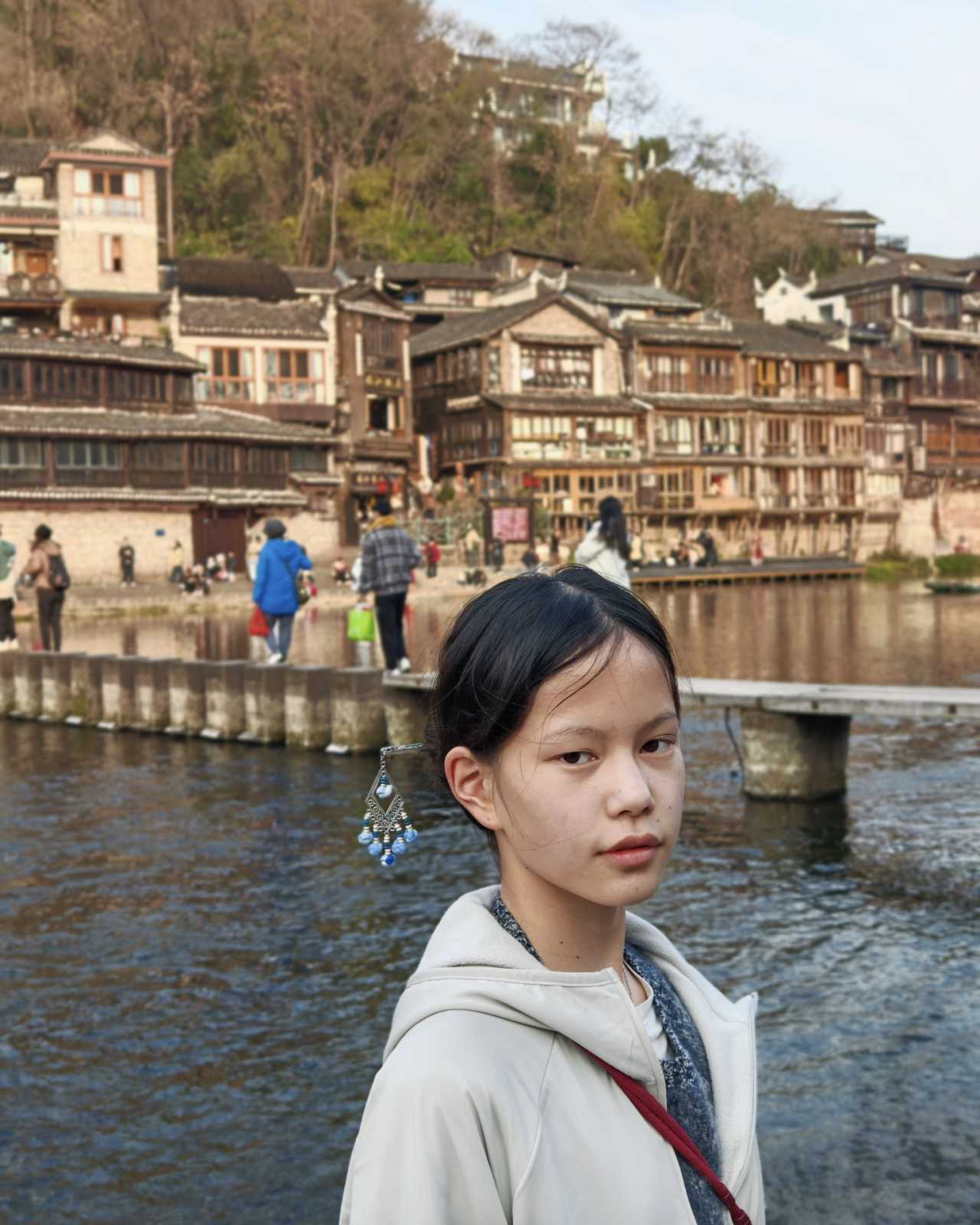
This was my third visit to Phoenix Ancient Town. The first time was during my early working years, on a company trip with colleagues — joyful yet tinged with loneliness. The second time was on my husband's company trip, where I had a great time. This time, bringing our little girl, my mindset was entirely different — the scenery was merely a backdrop for her. The blue-stone paths along the Tuo River, the upturned eaves of stilted houses — this border town still resembled a flowing ink painting. Our little girl bought a tie-dyed hairpin and earrings, their unique patterns seemingly encapsulating the town's charm.
The Thousand-Household Miao Village's Myriad Lights
The night view of the Miao village in the winter-spring mist was especially enchanting. Climbing to the viewing platform, we looked down at the layered houses. At dusk, lights from thousands of households lit up one by one, brilliant as a river of stars falling to earth. In the early morning, mist enveloped the village, drum towers appearing and disappearing in the clouds. Our little girl debated whether to wear traditional Miao clothing but ended up wandering among the costumed crowds in her casual wear, unexpectedly capturing the most authentic atmosphere — the aroma of black-haired pork skewers and hairy tofu still lingers on my tongue.
Jianshui Ancient City: A Time Warp
Jianshui is a truly "living" thousand-year-old city. Its name originates from the ancient Yi language "Huili," meaning "great sea," bearing witness to the long transformation of this area from ocean to land. During the Ming and Qing dynasties, 111 civil and military scholars emerged from here, once accounting for half of Yunnan's successful imperial examination candidates, earning it the reputation of "Southern Yunnan's Confucian Homeland" and "Famous Cultural City."
Riding the meter-gauge train, listening to the "click-clack" sound as we slowly advanced along century-old tracks, was a journey back in time. This railway's predecessor was the Ge-Bi-Lin-Ping narrow-gauge railway, built in 1915 with funds raised by the people of southern Yunnan — China's first private railway. The orange carriages, retro design, and slight jolts with every few steps brought back pure childhood joy. The scenery outside shifted from countryside to mountains, and we even saw people harvesting "water roots" — that white, sweet local specialty became a little treat on the road. I relived the carefree days of walking along train tracks to school.
In the ancient city, the Chaoyang Tower predates Beijing's Tiananmen Gate Tower. The stone roads, polished smooth by countless pedestrians and vehicles, are masterpieces of time. Among the city's 128 ancient wells, many are still in use today. Unfortunately, we arrived too late (past 11 PM), so we missed tasting the Jianshui tofu made from well water.
Theravada Buddhist Culture in Xishuangbanna
Mantin Park is the oldest park in Xishuangbanna, once the royal garden of the Dai kings, commonly called "Chun Huan" (meaning "Garden of the Soul"). The resplendent Dai king's palace, the sacred white pagoda complex, the thousand-year-old Chief Monastery (free to enter and connected to the park), and over 500 ancient ironwood trees all create a strong Theravada Buddhist atmosphere. The green coconuts were sweet with a slight tang, excellent in taste — three of us shared one coconut and actually got full. At 15 yuan, amidst the golden splendor of the Dai king's palace, the value was unbeatable.
Anshun Batik: Art at Your Fingertips
We experienced batik-making firsthand, using a copper knife to dip wax and draw on cloth. The totems of phoenixes and white tigers gradually emerged in blue dye. This handcrafted gift carries a unique cultural memory.
A Culinary Journey from Morning Markets to Night Bazaars
Jianshui Steam Pot Chicken
In Jianshui Ancient City, we savored a pot of steam pot chicken, experiencing the allure of waterless distillation locking in fresh flavor. The tender, juicy texture is a classic representation of Yunnan cuisine.
Xishuangbanna's Sour and Spicy Dai Flavors
We enjoyed authentic dishes like pounded chicken feet, lemongrass grilled fish, and pineapple rice — the sour, spicy, and fresh flavors instantly awakened our taste buds. Amidst the tropical heat, we experienced the most authentic Southeast Asian vibe. The Dai peacock feast offered an abundance of varieties, with generous portions. There was a glutinous rice cake wrapped in leaves that our little girl found particularly delicious.
Mile Morning Market: The Pulse of Local Life
Mile's agricultural market was the most direct way to experience local life. Exotic fruits like passion fruit, red ginseng fruit, and custard apples opened our eyes. The high-mountain, fragrant blueberries I most wanted to buy weren't cheap, but their quality was exceptional — no online delivery or air-shipped product could compare. We bought red ginseng fruit, passion fruit, strawberries, apples, bananas, soapberry and lingzhi shampoo, cooked beef, astragalus root, and dendrobium ground on the spot — returning with满载而归 (a full haul). The vendor selling both beef and homemade soapberry-lingzhi shampoo was quite amusing — while I wasn't looking, he cut me an enormous, incredibly thick slice of beef. We couldn't help but laugh while eating the beef slices in the car, but we had to admit it was delicious — over the next two days, this beef became our main road trip snack.
A 6-yuan serving of the famous egg-fried rice, and 5-yuan bowls of small potatoes — affordable and delicious.
Unique Experiences and Highlight Moments: Unforgettable Instants
Rainforest Trekking: A Wild Challenge
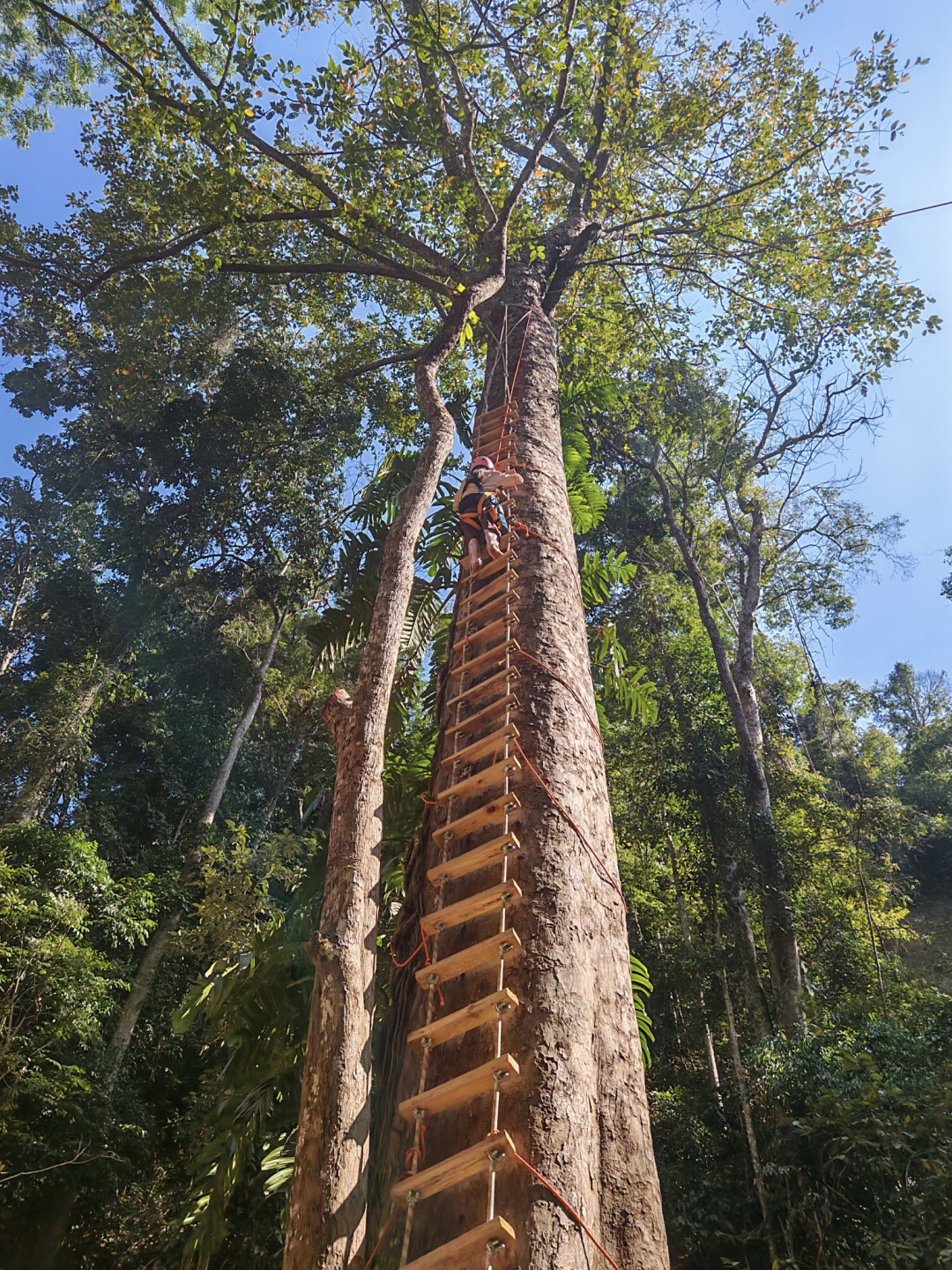
The rainforest trek on Jinuo Mountain was the day we had long anticipated. The night before, our little girl had a fever of 38.1°C, and we nearly thought it would be canceled. Thankfully, she rallied — by the next morning, her fever was gone, and she felt fine. The 6.5-kilometer rainforest trek, including a high-altitude swing, tree climbing, and abseiling, was something our little girl bravely tackled. Our guide, a young woman, shared a wealth of rainforest knowledge — rubber tree tapping, macadamia nut trees, passion fruit vines, stingless wild honey, jackfruit trees, bamboo vipers, stone pigments, rainforest crabs... so many things rarely seen in daily life we were fortunate to witness or experience. That wild honey was sweet and tangy — excellent!
Starry Night Market: A Galaxy of Lights
In Gaozhuang Xishuangjing, when the Great Golden Pagoda lit up, the lights from thousands of stalls sparkled like a galaxy, making us feel as if we were in a fairytale city that never sleeps. The dreamy purple-blue backdrop interspersed with turquoise was romantic and vibrant. Unfortunately, we always arrived at the night market after eating, so we "wandered in vain." However, we did buy a superb durian — perfectly ripe with an excellent flesh yield. The difference from the ones we ripen at home was significant: this one was incredibly fresh, soft, and sticky, with no hard parts whatsoever.
Jingmai Mountain's Ancient Tea Groves
The fourteen villages of Pu'er Jingmai Mountain form the core settlement cluster of the Jingmai Mountain Ancient Tea Forest Cultural Landscape (a UNESCO World Heritage site). Dai, Blang, Hani, Wa, and Han peoples live together, with the most prominent features being thousand-year-old tea groves, traditional stilted buildings, the Blang people's tea ancestor beliefs, and Dai Buddhist temple culture. Those 30 kilometers of stone roads could jolt your soul right out of your body.
Our first stop was Mengben, where ancient banyan trees lined the roads, and the towering Great Golden Pagoda marked the village heart. Interestingly, many households had a rooster hanging at their door — like a pet or a mascot. Upon asking, we learned that the Dai people regard roosters as guardian spirits of the home, belonging to "pure yang." Their crowing is believed to dispel yin evil, sweep away bad luck, and protect peace.
Conclusion: Four Seasons' Wonders, Blossoms Along the Way
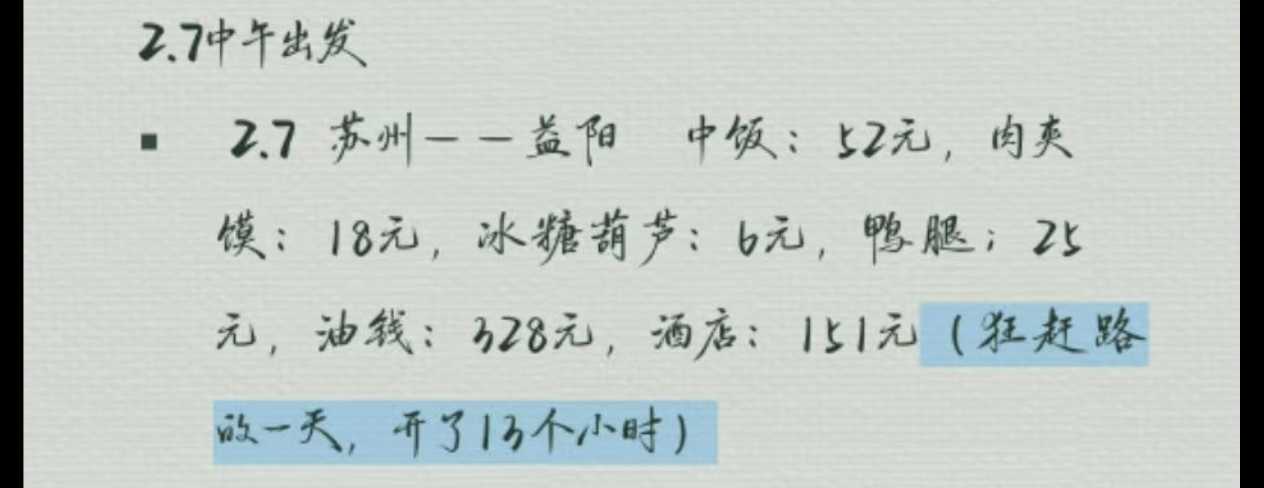
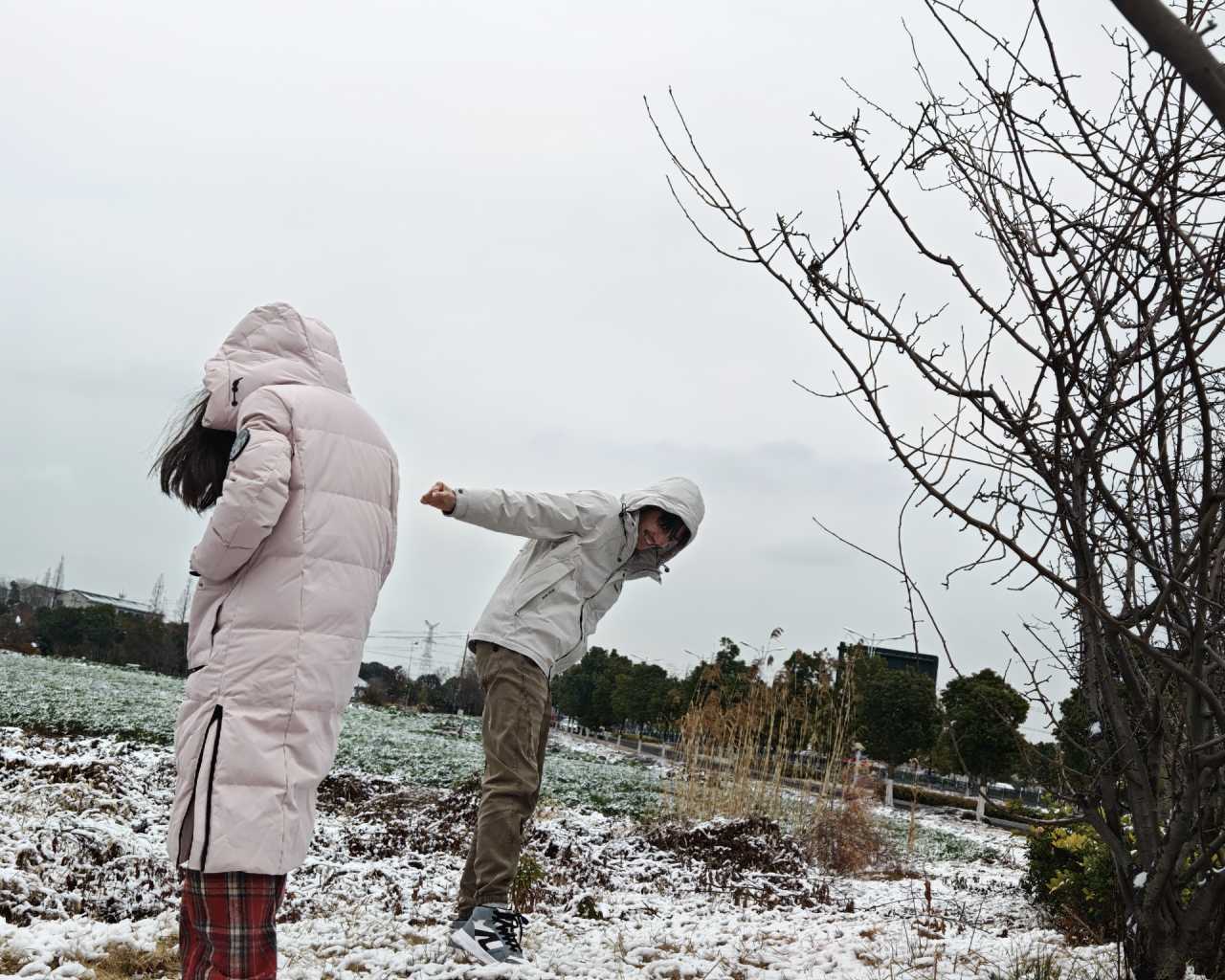
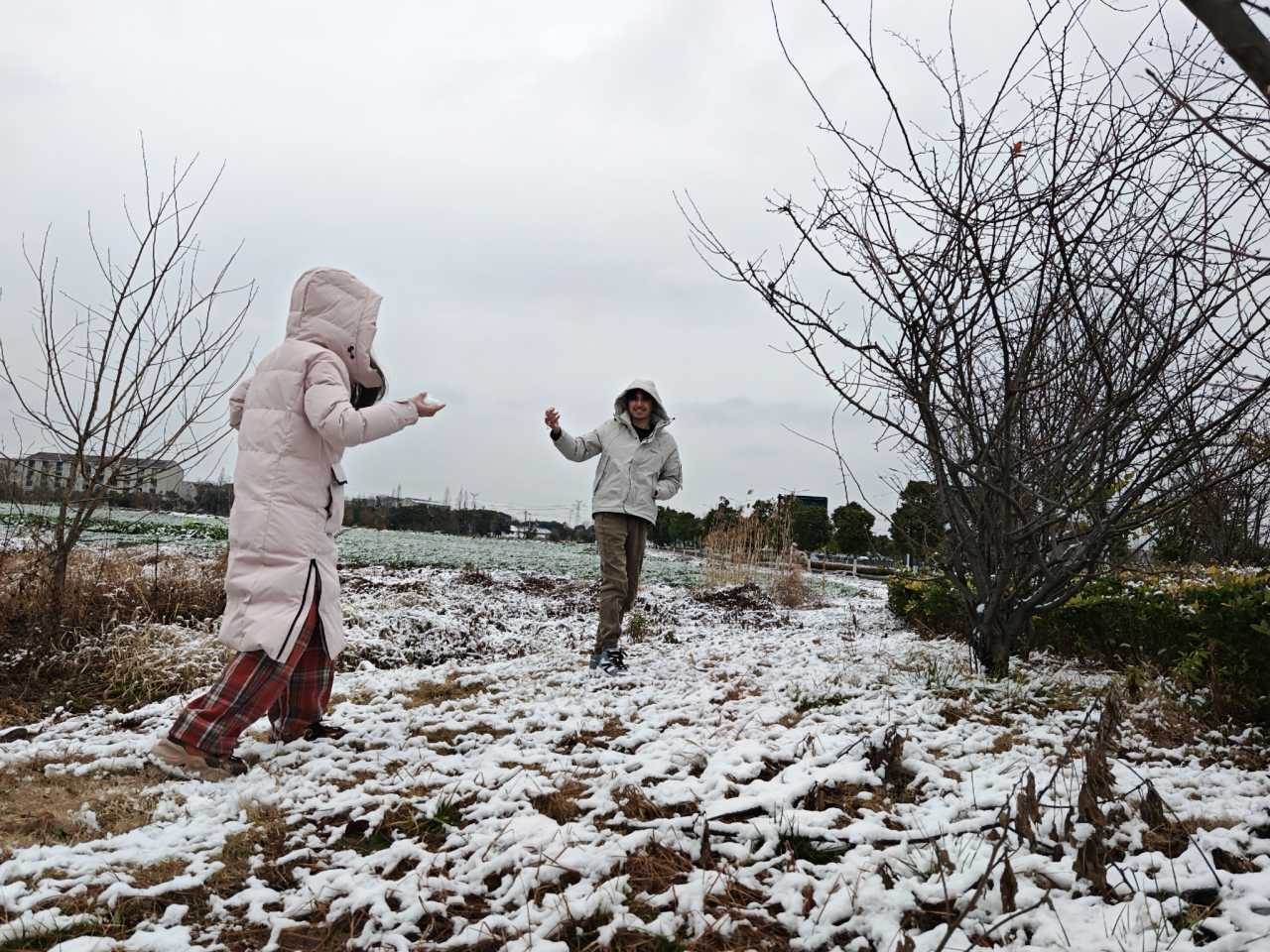
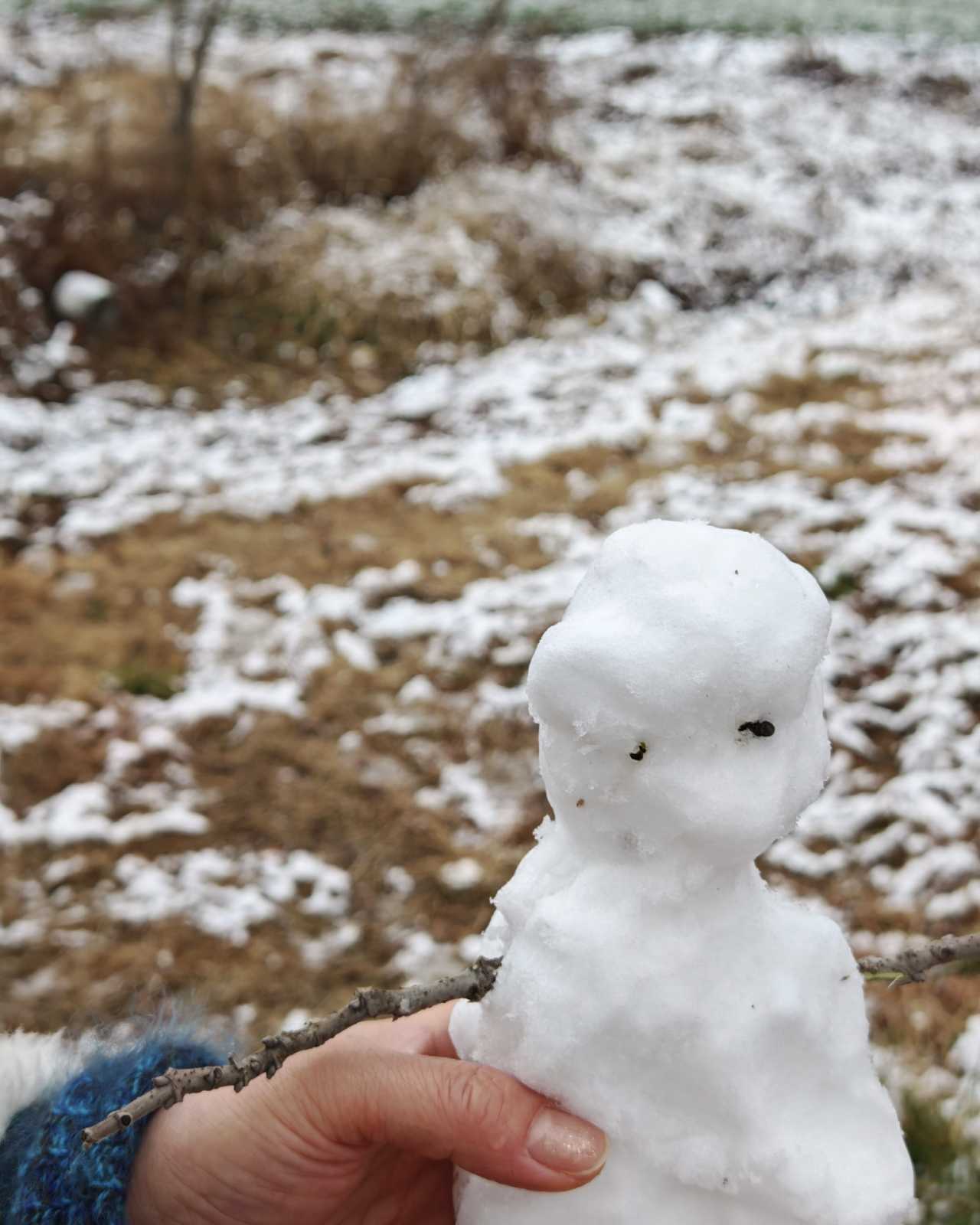
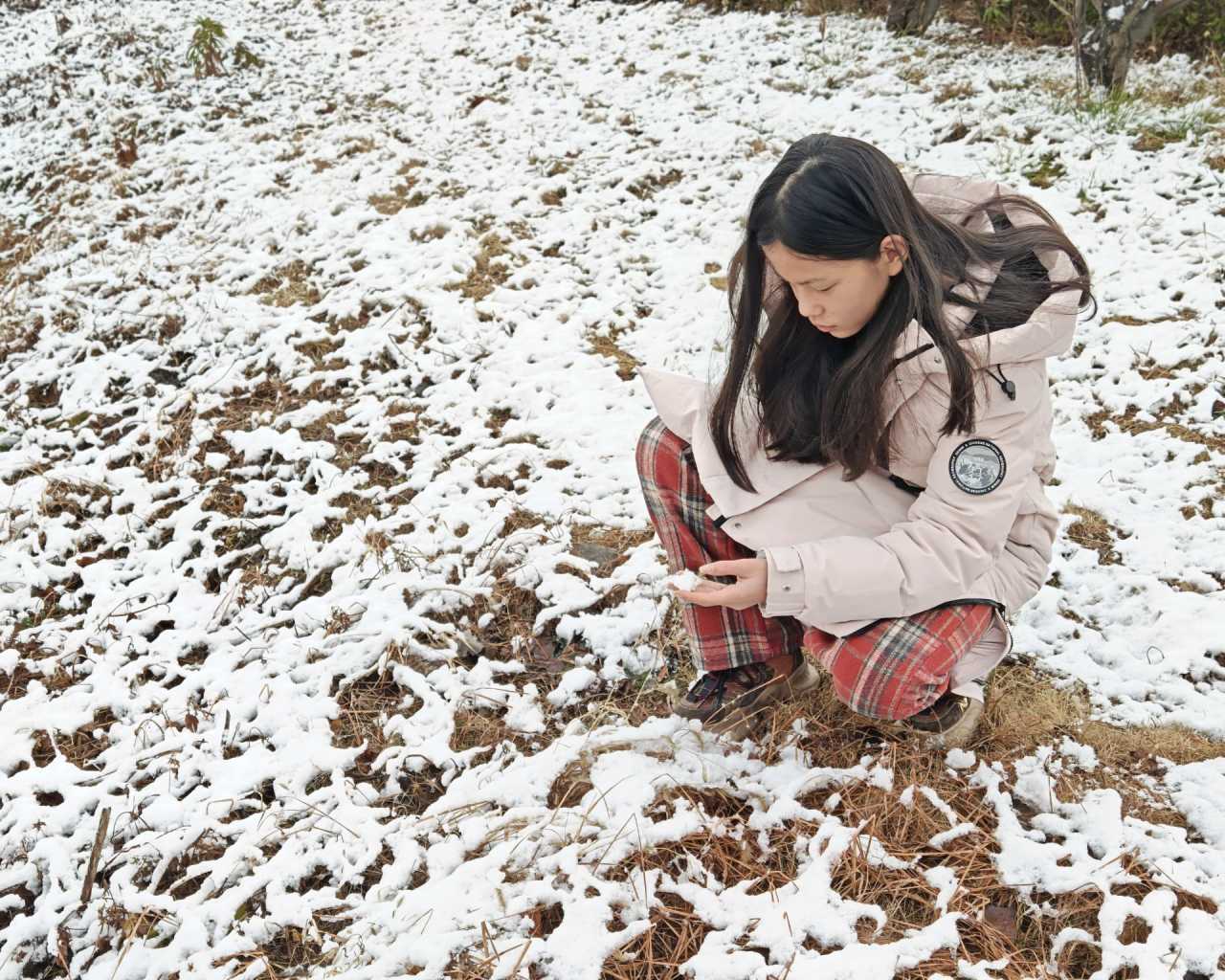
This "Tour of Four Seasons' Wonders" began with the winter snow of Jiangsu and moved through Yunnan's spring, summer rains, and autumn harvests, spanning all four seasons along the way. We witnessed the marvel of the Yangtze River serving as a dividing line for snowfall, experienced natural wonders from rainforests to terraced fields, felt the ethnic customs from Miao villages to ancient cities, and savored authentic cuisine from morning markets to night bazaars.
There were regrets along the journey — not seeing the sunrise and sea of clouds at Yuanyang Rice Terraces, not tasting the tofu made from Jianshui's ancient well water, not properly exploring the Starry Night Market. But it is precisely these regrets that give us a reason to set out again.
The meaning of travel is never about how many attractions you check off, but those vivid moments — our little girl becoming the trailblazer in the rainforest trek, the superb durian bought at the Starry Night Market, being caught between laughter and tears over the thick beef slices at Mile Market, and having our souls jolted on Jingmai Mountain yet seeing the most authentic ancient tea groves.
These memories are more vivid than any photograph.
Four seasons' wonders, blossoms along the way. Looking forward to the next departure, continuing to explore this magical land.
You should also read:

Solo in Yunnan: A Wanderer’s Guide to the Land of Eternal Spring
Solo in Yunnan: A Wanderer’s Guide to the Land of Eternal Spring There’s something magical about traveling alone. No compromises, no schedules to keep, no one to please but yourself. I’ve been on the road for nearly three months now, and not once have I…
Continue reading...
Into the Hidden Valley: A Solo Journey Through the Mysterious Dulong River
Into the Hidden Valley: A Solo Journey Through the Mysterious Dulong River Deep in the northwestern corner of Yunnan Province, tucked away from the modern world, lies a place that feels like a secret whispered among mountains. The Dulong River Valley is not just a…
Continue reading...
God’s Abandoned Palette: A Self-Drive Journey Through Yunnan’s Dongchuan Red Land
God’s Abandoned Palette: A Self-Drive Journey Through Yunnan’s Dongchuan Red Land Travel has never been about reaching some distant geographic coordinate. It’s about encountering, along the way, the version of yourself buried beneath the rubble of daily routine. During this May Day holiday, I finally…
Continue reading...