Returning to Dali: A Romantic Light and Shadow Journey Around Erhai Lake
Returning to Dali: A Romantic Light and Shadow Journey Around Erhai Lake
Some places are destined to be revisited time and again. For me, Dali is exactly that kind of place. In late spring, I set foot on this land once more, not for any other reason than to fulfill a dream about Erhai Lake. On two previous occasions, work had rushed me through, allowing only brief stops in the ancient city's alleyways. I would gaze at that expanse of turquoise water, unable to linger, and the regret took root in my heart like a seed. This time, I could finally slow down, take two full days, and properly circle Erhai Lake, capturing every missed scene, one by one, through my lens.
Living in the Scenery: Push Open the Window to Cangshan and Erhai
Upon arriving in Dali, I chose the Hilton hotel on the shores of Erhai Lake. It's no exaggeration to say it's "backed by Cangshan Mountain and facing Erhai Lake"—the massive floor-to-ceiling windows act like a picture frame, perfectly inlaying the shimmering waves of Erhai. Opening the window in the morning, Cangshan was gently wrapped in misty clouds, and the fresh air rushed in, instantly dissolving the fatigue of the journey.
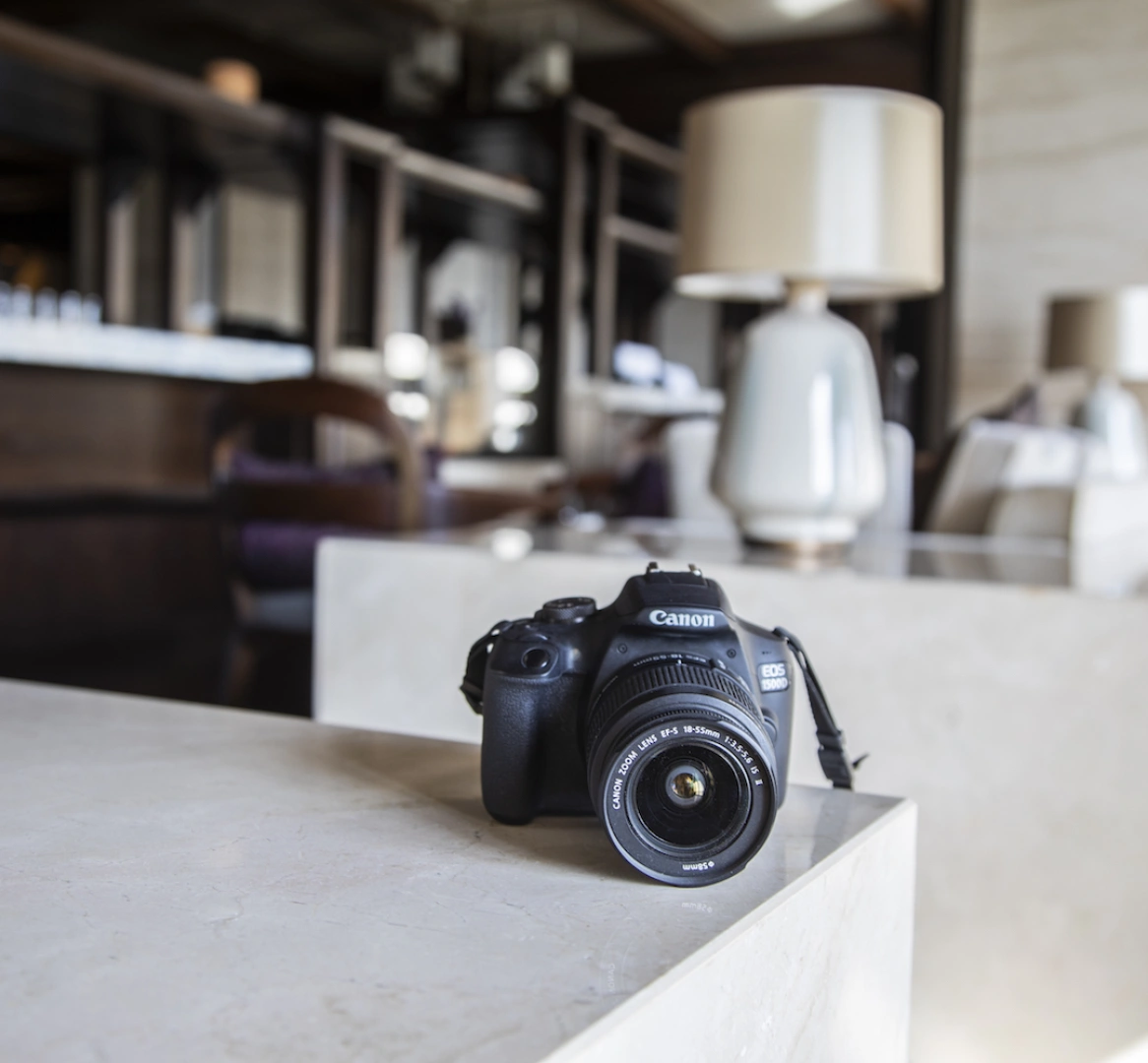
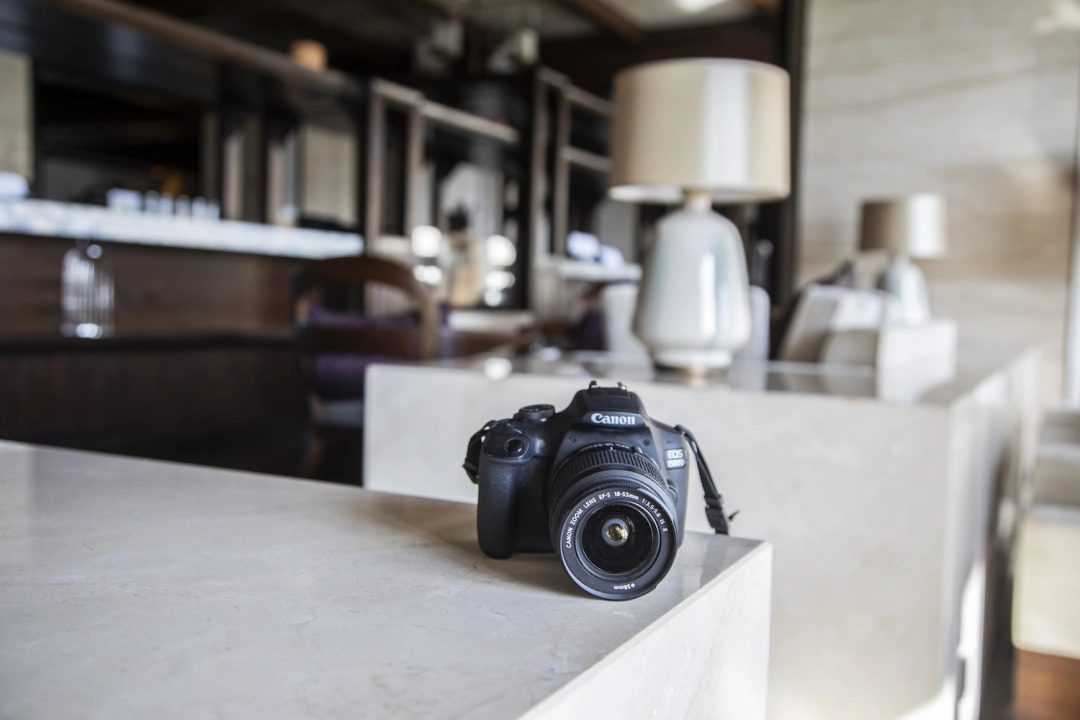
To make this lakeside trip more relaxed, I streamlined my photography gear: one Canon EOS 1500D, paired with the standard 18-55mm lens and a 50mm f/1.4 prime lens. As it turned out, traveling light allowed me to take more spontaneous and carefree photos.
The hotel held two delightful surprises for me. One was a giant hammock suspended in the atrium. Lying there, swaying gently, it felt like all worries could be rocked away. The other was a dreamy birdcage in the garden, its wrought-iron lines weaving a fairy-tale silhouette that made you wonder what stories lived inside.
Photography Tip: When shooting the birdcage, I tried several angles. Because of its sheer size, letting it fill the entire frame made the image feel empty and monotonous. So I found a few leaves to use as a foreground element, blurring them with a wide aperture. This added depth while naturally drawing the viewer's focus to the subject. Settings: aperture f/1.4, shutter speed 1/2000 sec, ISO 100.
West Erhai Road: A Photographer's Paradise at Every Step

After lunch, we decided to wander near the hotel first, as a warm-up for tomorrow's self-drive around the lake. The magic of Dali is that no matter where you stand, a turn of the head always reveals Cangshan Mountain. That day, a belt of jade-like clouds wrapped around the mountain's waist, dreamlike and ethereal, adding a touch of romance to the landscape.
Wetlands and the Play of Light and Shadow
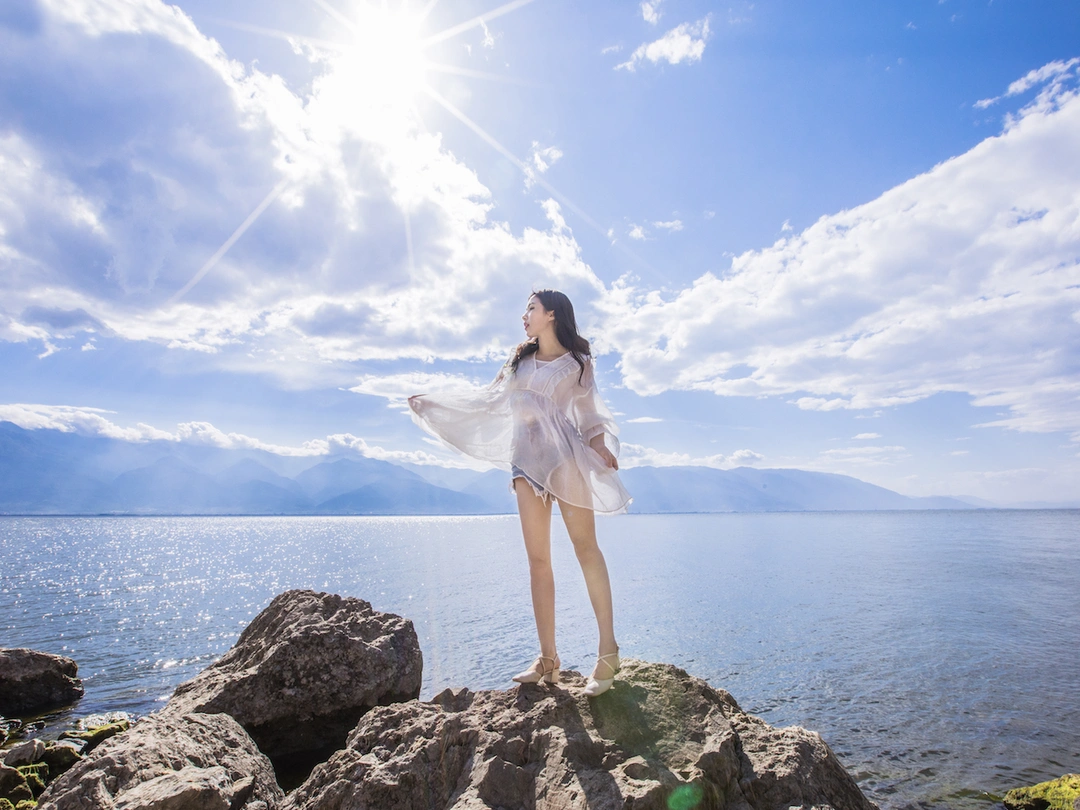
West Erhai Road is the most photogenic stretch around the lake, bar none. The lakeside wetlands are dotted with trees of various shapes, their trunks covered in moss, scattered with rugged stones along the water's edge. These elements combine to give the scene a mysterious quality. In the afternoon, shooting with the light yields especially vibrant colors. But the strong sunlight also poses a challenge—harsh rays make people squint, turning facial expression management into a real task. A word of advice: When shooting, try turning your face to the side or closing your eyes, then opening them just as you press the shutter. The results will be much better.
Besides wide-angle shots of the big picture, you can zoom in to capture details—the textures on the stones, the feel of the moss, the glimmer on the water—all excellent subjects. Red or white dresses pair best with this atmosphere, and with the blue sky and white clouds as a backdrop, every click yields a stunning shot.
Photography Tip: Want to look taller in photos? Try shooting from a low angle upward, using the wide end of the lens to elongate the legs. Here's a little trick: point your toes directly toward the camera to visually add a few more centimeters. Settings: aperture f/8, shutter speed 1/800 sec, ISO 100.
A Fairy Tale World for 20 Yuan
Further along, a flower arch appeared by the roadside. In Dali, such flower fields are common—usually costing about 20 yuan (around $3) to enter and take photos. But this arch was so impressive that I didn't hesitate to pay. As it turned out, it was money well spent!
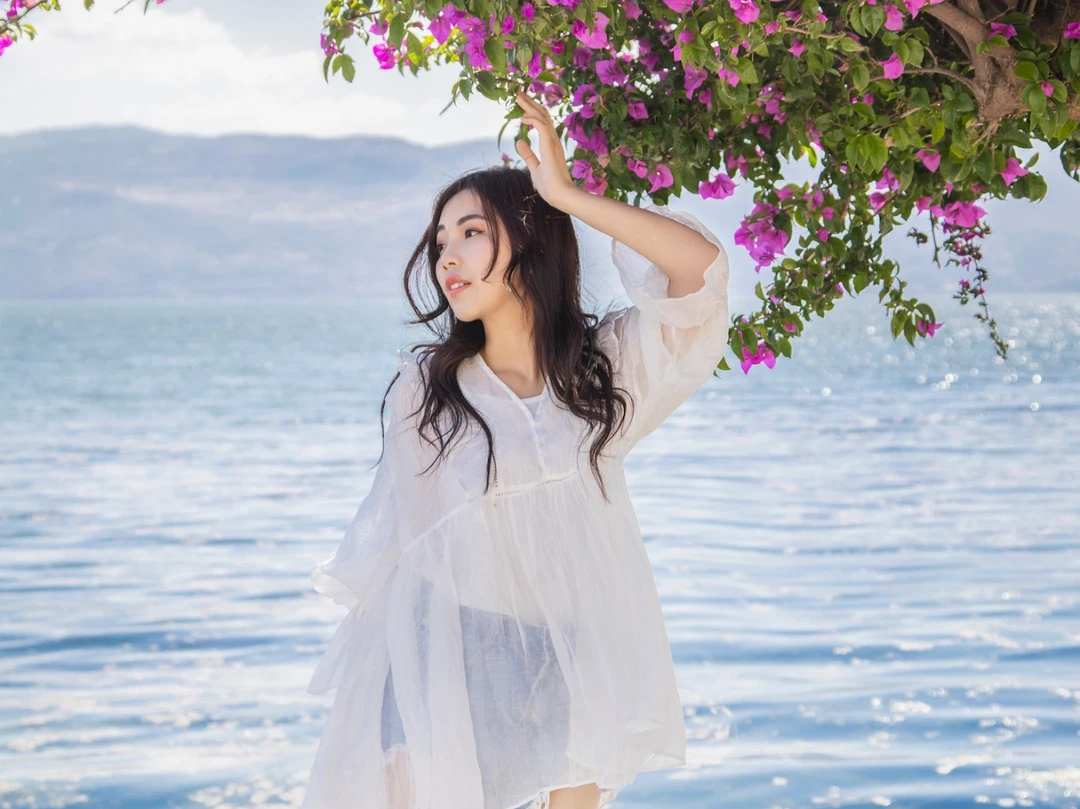
The flower arch was in full bloom, with layers of petals creating excellent depth. Centered composition gave a symmetrical beauty, while shooting from the side with flowers in the foreground produced richer layers. I switched to the large-aperture lens, blurring the background flowers into a hazy patch of color, as if stepping into a fairy tale.
Photography Tip: To achieve a blurred foreground, you don't necessarily need a super-wide aperture. By manually bringing an object close to the lens, even f/8 can create a soft blur effect. Of course, switching to f/1.4 makes it even more dreamlike.
An Unexpected Find in the Village
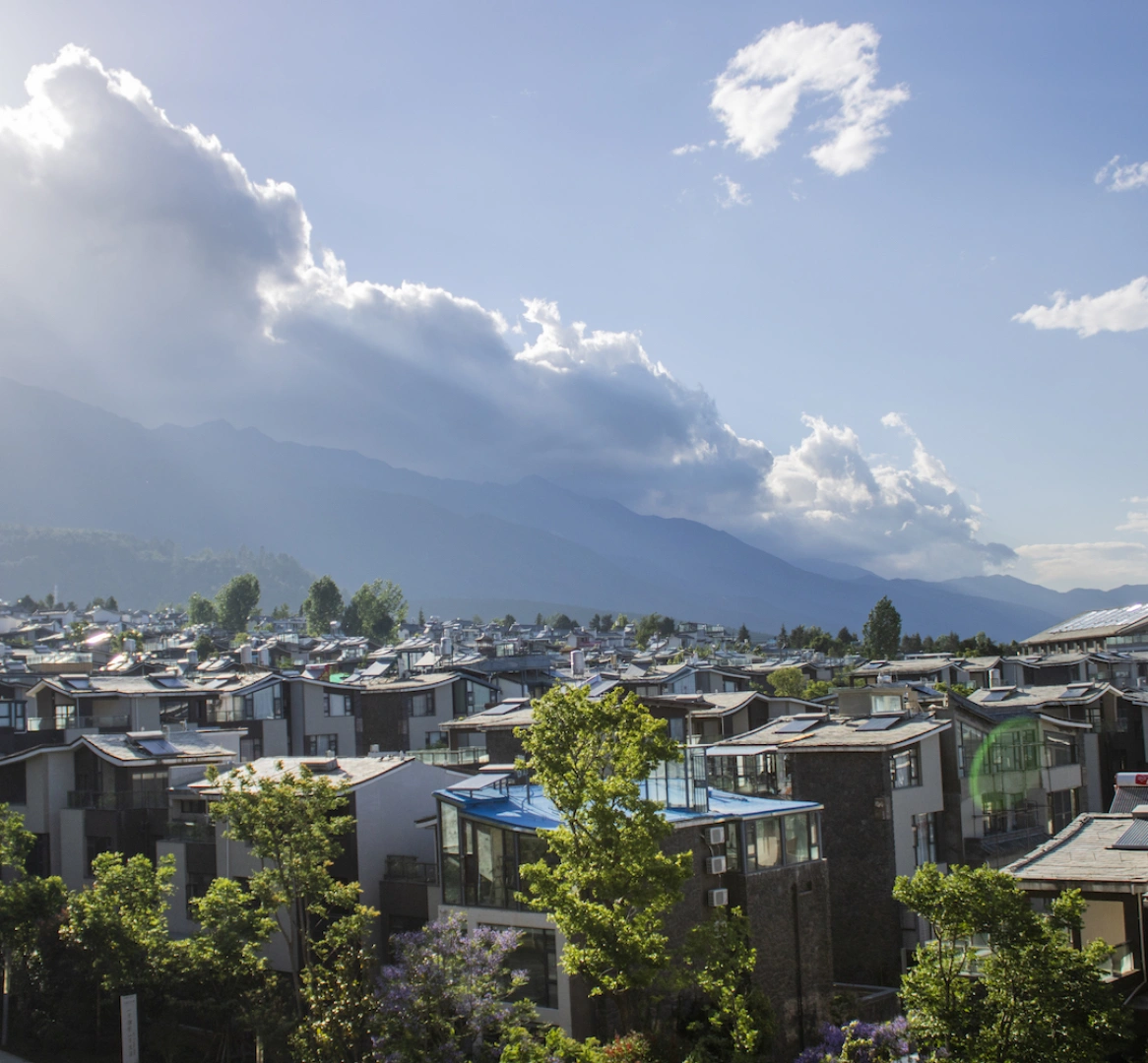
After the flower field, we entered a Bai ethnic village. West Erhai Road doesn't hug the lakeshore the entire way; it occasionally cuts through villages, which became a pleasant surprise during the trip. Traditional Bai-style houses, small temples, bougainvillea peeking over walls—every corner exuded a sense of everyday life.
In the village, I faced the challenge of shooting against the light. On sunny days, the contrast is high, making it easy to overexpose or underexpose. My solution: Shoot in RAW format. During post-processing, simply lifting the shadows restores the details in darker areas. If you shoot in JPEG or with a phone, forcing the shadows can result in dead blacks or noise. The EOS 1500D's performance in shadows was satisfying, maintaining good image quality during editing.
Driving Around the Lake: From Wetlands to a Majestic Coastline
The next day, we finally embarked on the long-awaited self-drive around the lake. Starting from West Erhai Road, our first stop was a tree laden with bougainvillea by the shore. Bougainvillea paired with Erhai Lake is practically Dali's "official combination"—vibrant yet harmonious.
Fishing Boats and Diagonal Composition
Driving to the middle section of West Erhai Road, we saw many fishing boats moored on the lake—an iconic scene of Erhai. The boats, water hyacinths, blue sky, and white clouds formed a tranquil painting. I tried diagonal composition—letting the boat extend from one corner of the frame at an angle. This layout feels more dynamic and lively than straight horizontal or vertical lines. Climbing onto the bow of a boat for a photo is a must-do. Remember this rule: For natural-looking photos, be brave enough to climb onto various spots (safety first, of course).
Bai Ethnic Costumes and Human Moments
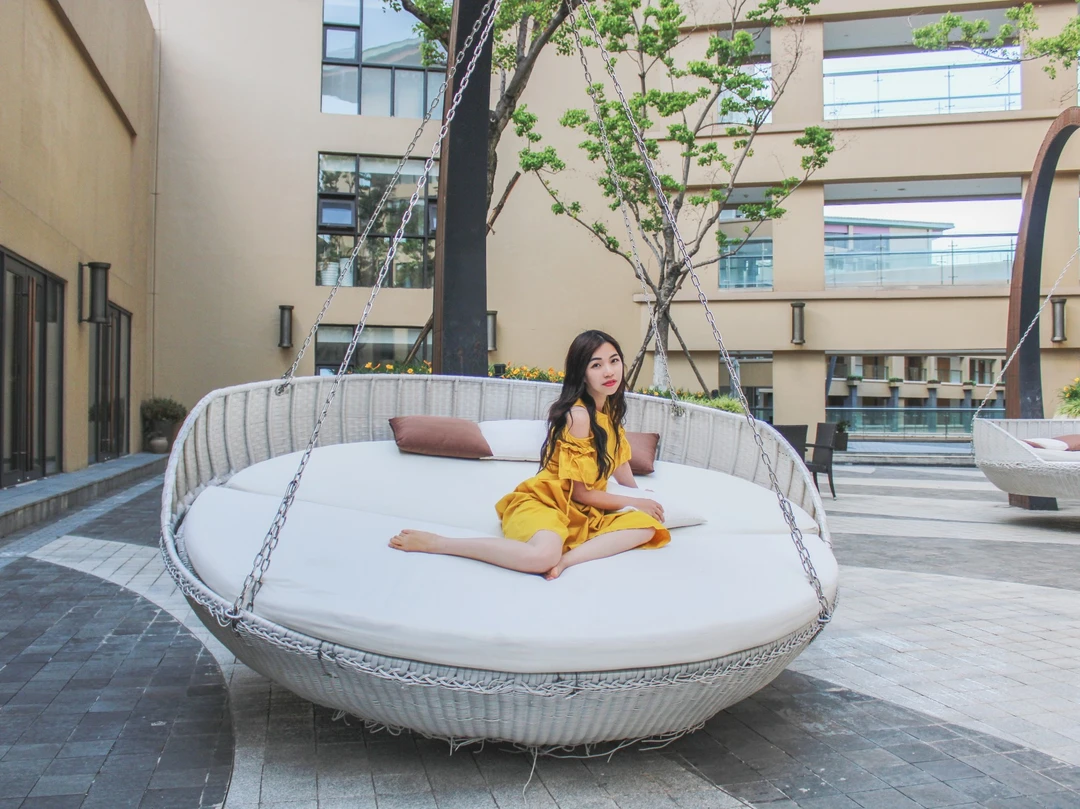
During lunch, I met a young woman dressed in traditional Bai attire. The Bai people's traditional clothing is primarily red and white, creating a striking yet harmonious contrast. Younger women's outfits tend to be more vibrant, while older women prefer more understated elegance. Such details added a layer of human warmth to the journey.
The Northern End of Erhai: Reflections Where Water Meets Sky
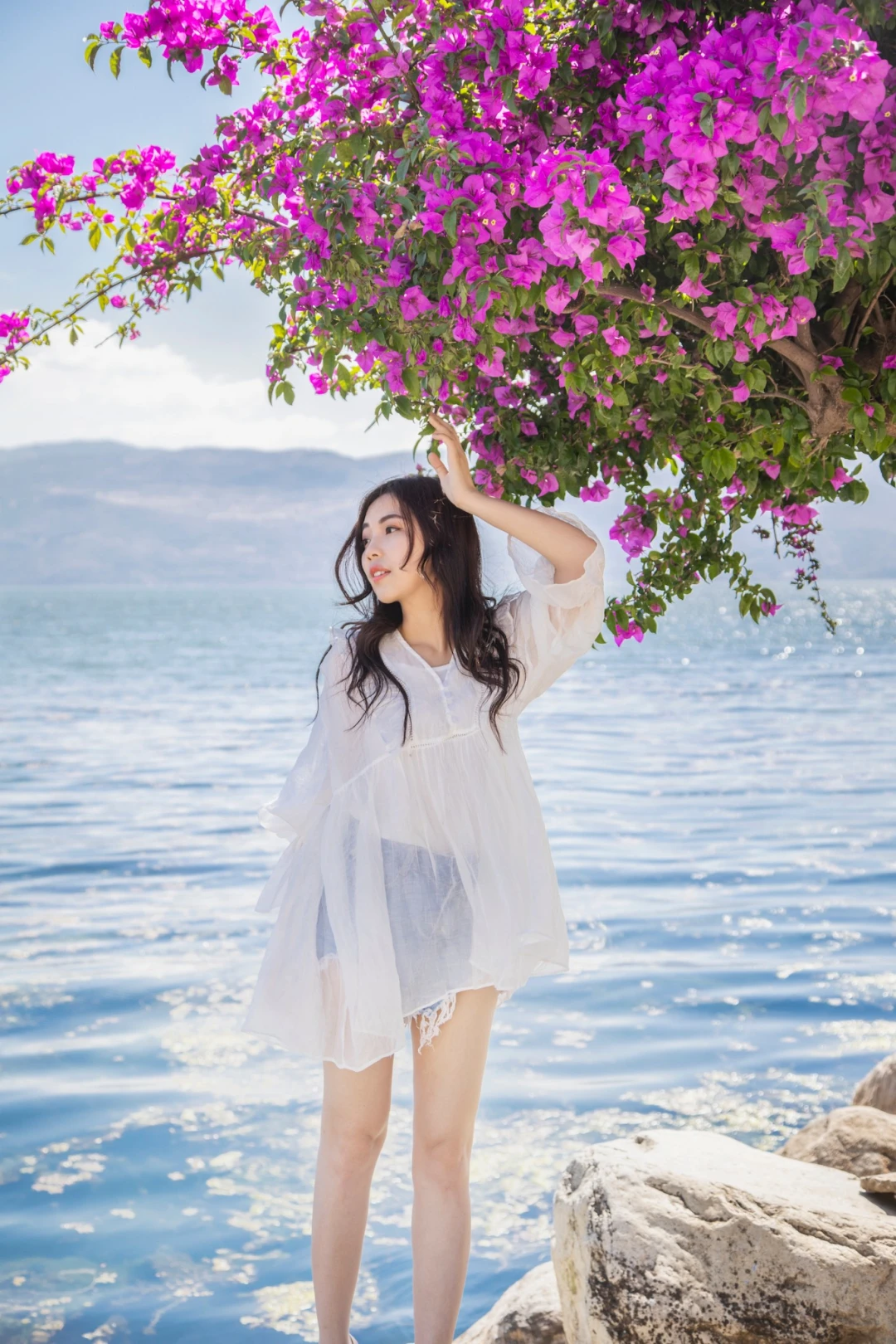
After lunch, we drove all the way to the northernmost tip of Erhai Lake. The water here was as calm as a mirror, with clear reflections of the blue sky and white clouds. The secret to shooting reflections: Get the lens as close to the water as possible—the closer, the clearer the reflection. At this point, the optical viewfinder became inconvenient, so I switched to the camera's live view mode and enabled the grid lines to ensure the horizon was level. Continuing the "climb onto anything you see" rule, I captured some fun shots on the wetland grass.
Shuanglang: The Essence of Dali's Scenery
Turning the corner onto East Erhai Road, the view suddenly opened up. From this angle, you could see both Erhai Lake and the magnificent Cangshan Mountain range simultaneously. Ahead lay Shuanglang—renowned by the saying, "Dali's beauty lies in Cangshan and Erhai; the beauty of Cangshan and Erhai lies in Shuanglang." Unfortunately, due to environmental remediation, Shuanglang was undergoing large-scale construction, so we couldn't enter. We only managed to take a panoramic shot from the observation deck. Even so, it was enough to glimpse its romance.
Observation Deck Shooting Tip: Distant views can feel empty, so you need to find a suitable foreground. I used the bougainvillea beside the deck, letting them appear in one corner of the frame, instantly making the composition harmonious and full.
Erhai in Backlight: A Photographer's Favorite
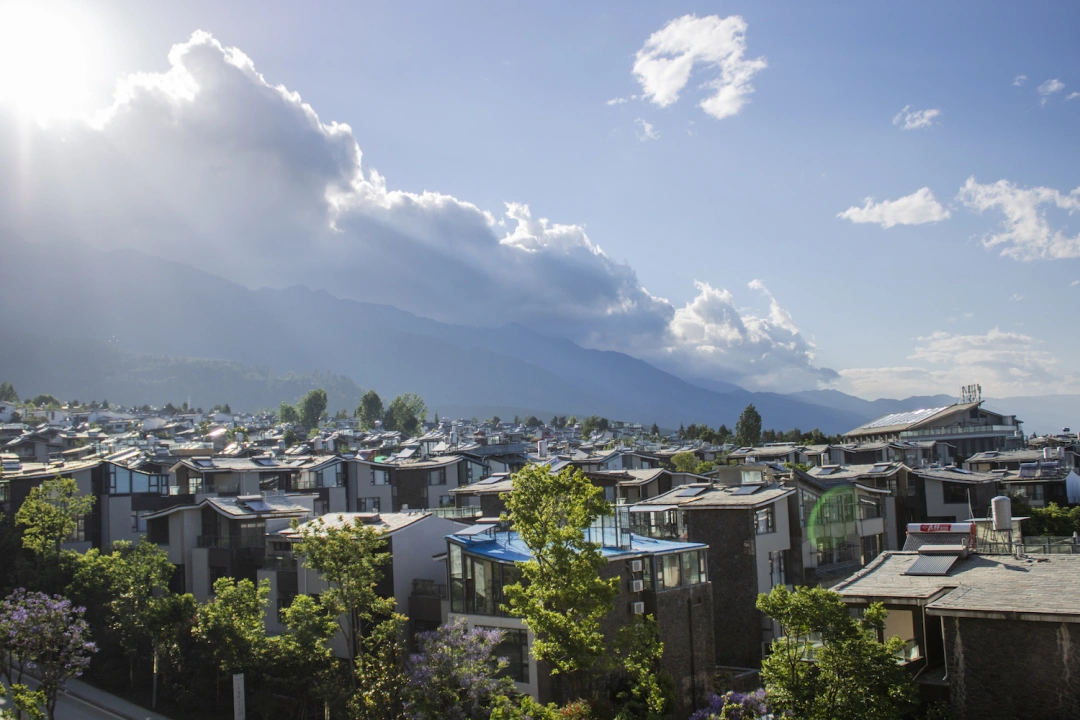
East Erhai Road was backlit all afternoon. Many people think backlighting makes subjects look dark, but on the contrary, it's the light photographers love most. Backlighting outlines the subject's contours, giving the scene a dreamy quality.
Backlight Shooting Tips: Manually increase exposure compensation by 1-2 stops to brighten the subject; use a wide aperture to enhance depth. Under backlight, Erhai's surface sparkles with scattered light spots, incredibly romantic. To capture the sun's starburst effect, stop down the aperture to f/22—wider lenses work better. Keep an eye on shutter speed, and raise ISO if necessary to ensure a sharp image.
A Perfect Finish: The Ritual of Completing the Loop
From East Erhai Road, we entered Dali's main urban area, then turned west to return. And just like that, we had completed the full loop around the lake. Raising our glasses, we toasted to this successful journey. In just two days—from wetlands to villages, from fishing boats to Shuanglang, from frontlight to backlight—Erhai Lake, in all its varied forms, fulfilled every expectation I had for photography.
Conclusion: What Dali Taught Me
On this return to Dali, what I gained was not just a set of satisfying photos, but a travel mindset: you don't need to see everything. Even with just two days, if you experience it with your heart, you can carry the scenery within you. The beauty of Erhai lies in its blend of delicate wetlands and vast lakescapes, of nature's gifts and human warmth.
If you're also planning a trip to Dali, remember this: bring light gear, slow down, and observe with intention. Those seemingly ordinary corners—a roadside bougainvillea, a fishing boat on the lake, an old house in a village—often hold the most moving images. And the best photo is always the moment you press the shutter when your heart whispers, "Right now."
About the Author: Photographer and traveler, measuring the world with footsteps and capturing beauty with a camera. Author of the travel self-portrait book "Click at the Best Age for Myself". Weibo: @韦苡珊CCPP, WeChat public account: cclovephoto, personal WeChat: weiyishanccpp.
You should also read:

Into the Hidden Valley: A Solo Journey Through the Mysterious Dulong River
Into the Hidden Valley: A Solo Journey Through the Mysterious Dulong River Deep in the northwestern corner of Yunnan Province, tucked away from the modern world, lies a place that feels like a secret whispered among mountains. The Dulong River Valley is not just a…
Continue reading...
God’s Abandoned Palette: A Self-Drive Journey Through Yunnan’s Dongchuan Red Land
God’s Abandoned Palette: A Self-Drive Journey Through Yunnan’s Dongchuan Red Land Travel has never been about reaching some distant geographic coordinate. It’s about encountering, along the way, the version of yourself buried beneath the rubble of daily routine. During this May Day holiday, I finally…
Continue reading...
Cloud Travelogue · Dali of Wind, Flowers, Snow, and Moon: A Three-Day, Two-Night Journey of a Free Spirit
Cloud Travelogue · Dali of Wind, Flowers, Snow, and Moon: A Three-Day, Two-Night Journey of a Free Spirit I am a cultured female foodie with a touch of rogue charm. I slung on my backpack, took my lover's hand, and set off on a spontaneous…
Continue reading...