Riding the High-Speed Train to the Clouds: Diqing, My Shangri-La, Finally Within Reach

Riding the High-Speed Train to the Clouds: Diqing, My Shangri-La, Finally Within Reach
Have you ever had a dream like this? A dream filled with endless snow-capped mountains, skies so pure they take your breath away, and the scent of yak butter tea drifting through the air. That place is called Shangri-La—a destination written on countless travel bucket lists, yet always feeling so "far away."
That all changed on November 26, 2023, when the Lijiang-Shangri-La Railway officially opened. Now, from Lijiang, you can reach this legendary paradise in just over an hour. The whistle of the high-speed train has broken the silence of the plateau, fulfilling the dream of Shangri-La for so many.
Prologue: When the High-Speed Train Meets Shangri-La
Shangri-La—the name itself carries a kind of magic. It's not just a point on a map; it's a sense of belonging for the soul. Every mountain here looks like a masterpiece carved by God, their peaks covered in snow that glows silver under the sun. The sky is an impossible shade of blue, and the clouds hang so low you feel you could reach out and pluck a piece of cotton candy. The sound of temple bells, deep and resonant, echoes through the valleys, slowing the pace of everyone who draws near.
If you're searching for inner peace, or craving a complete escape, Shangri-La is your answer.
1. The Lijiang-Shangri-La Railway: A "Sky Road" Through the Clouds
Honestly, when I heard the news that Shangri-La was getting a high-speed train, I almost jumped for joy. In the past, getting from Lijiang to Shangri-La meant either a four-to-five-hour bumpy bus ride along winding mountain roads, or a flight that somehow lacked the ritual of "being on the road."
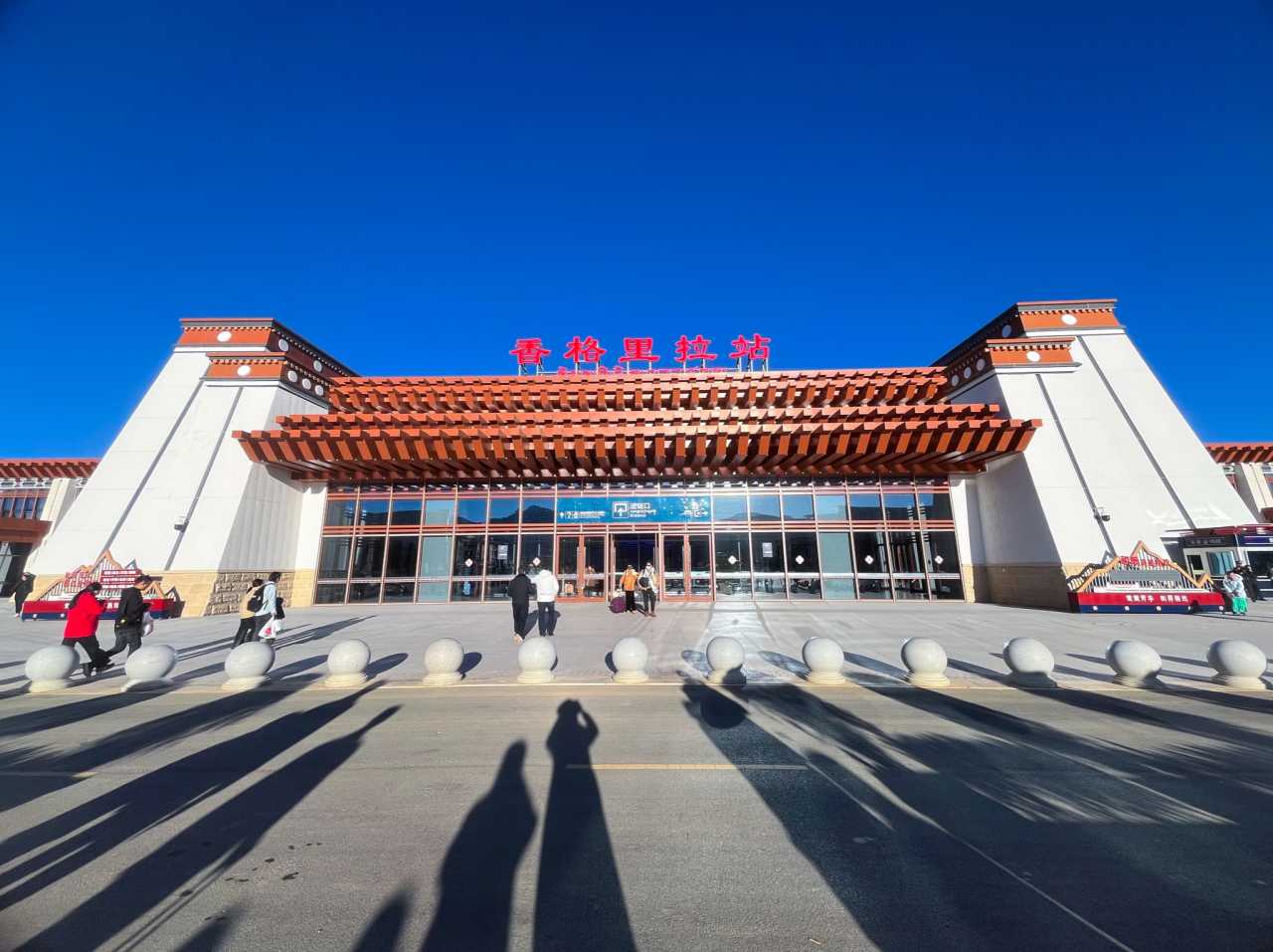
Now, it's different. The Lijiang-Shangri-La Railway stretches like a silver ribbon, linking Lijiang Old Town, Lashi Lake, Jade Dragon Snow Mountain, Tiger Leaping Gorge, Haba Snow Mountain, and Shangri-La—all those familiar names—into one seamless journey. With 13 stations along the route and an average altitude of 3,380 meters, this railway truly deserves its nickname: the "Beautiful Cloud Ridge Sky Road."
Sitting on the high-speed train, the scenery outside the window unfolds like a flowing documentary. Snowy peaks, deep gorges, alpine meadows, and quaint villages flash by in a blur. The journey takes just over an hour—so fast it feels almost surreal. One moment you're sipping coffee in the narrow alleys of Lijiang Old Town, and the next, you're in Shangri-La.
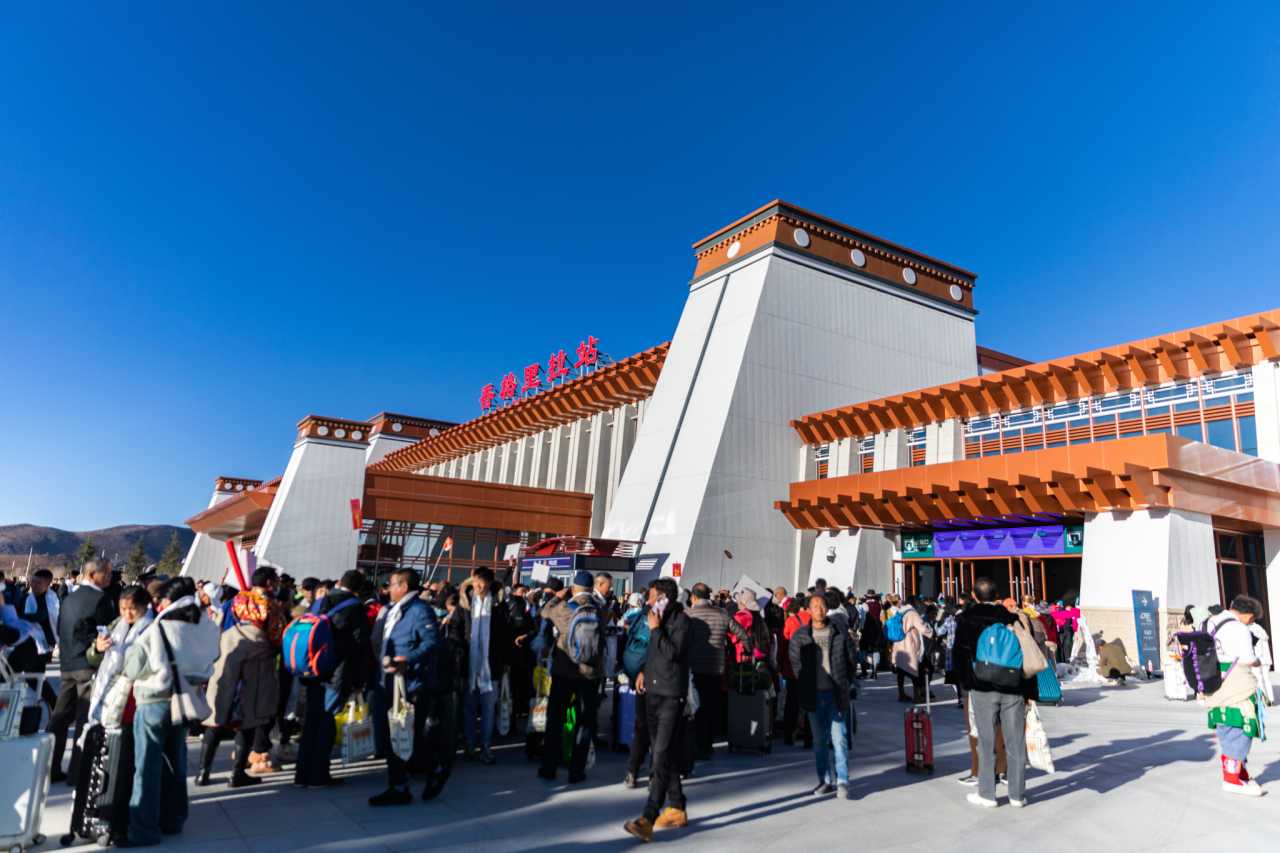
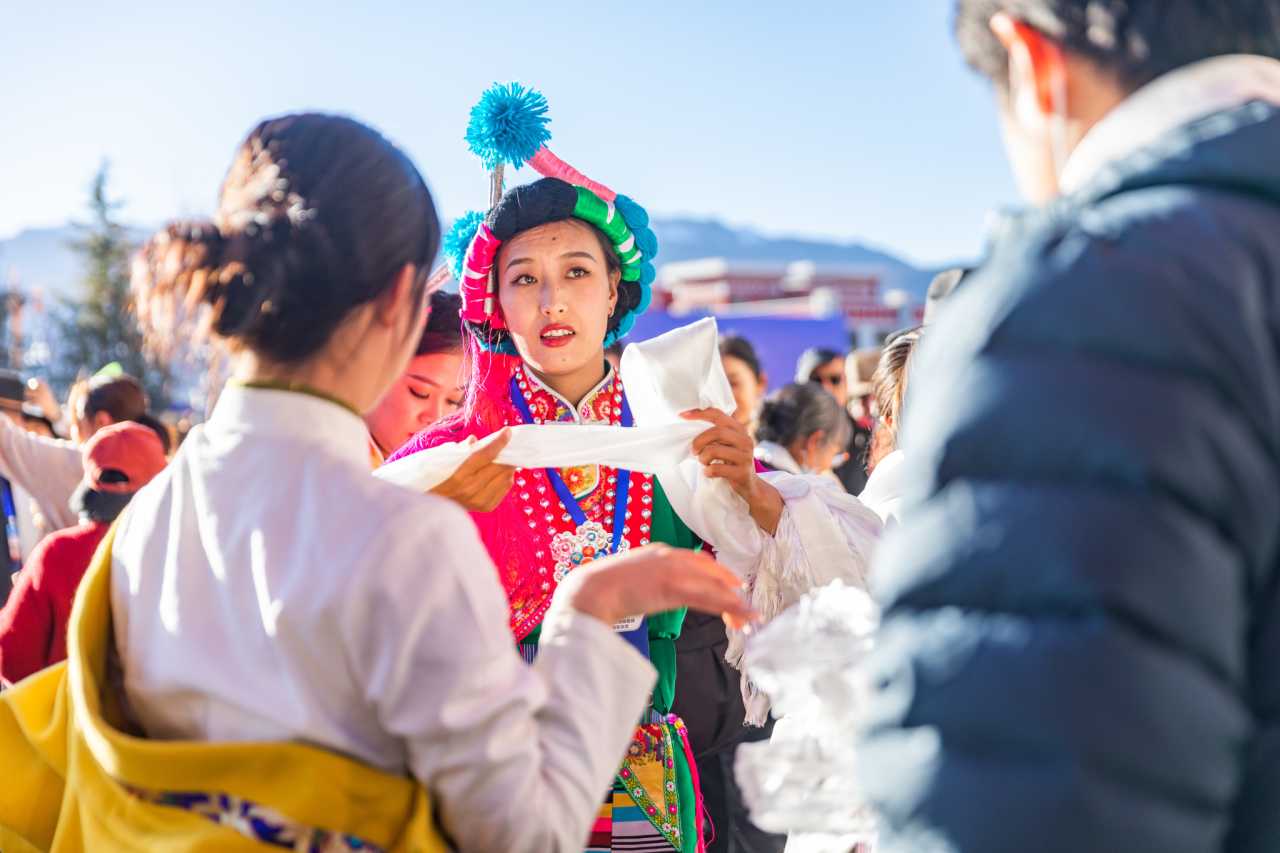
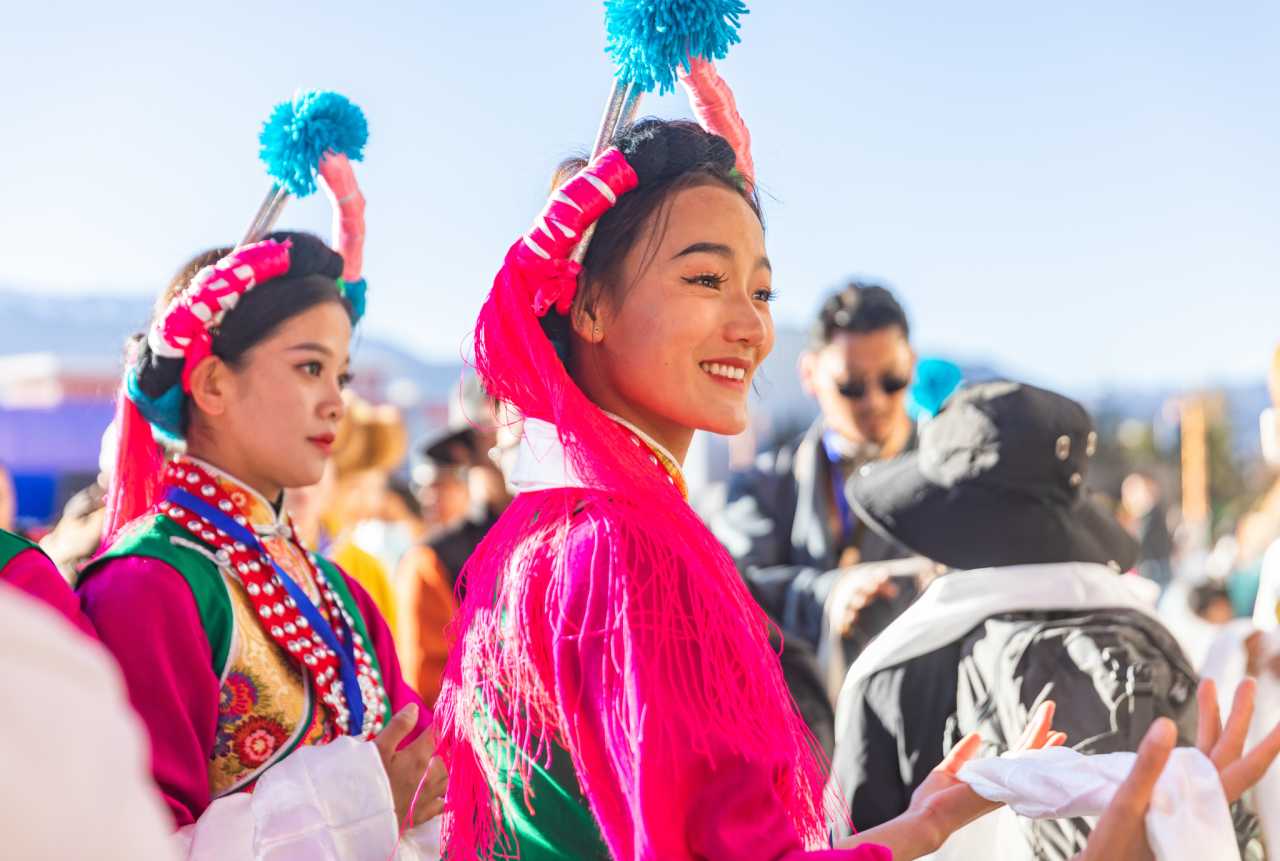
What touched me even more was the warmth of the locals as soon as I stepped out of Shangri-La Station. They greeted us with hada (ceremonial scarves) and gifts. Their genuine smiles and warm embraces instantly washed away the fatigue of travel. In that moment, I knew this trip would be anything but ordinary.
2. Songzanlin Monastery: Touching Faith in the Morning Light
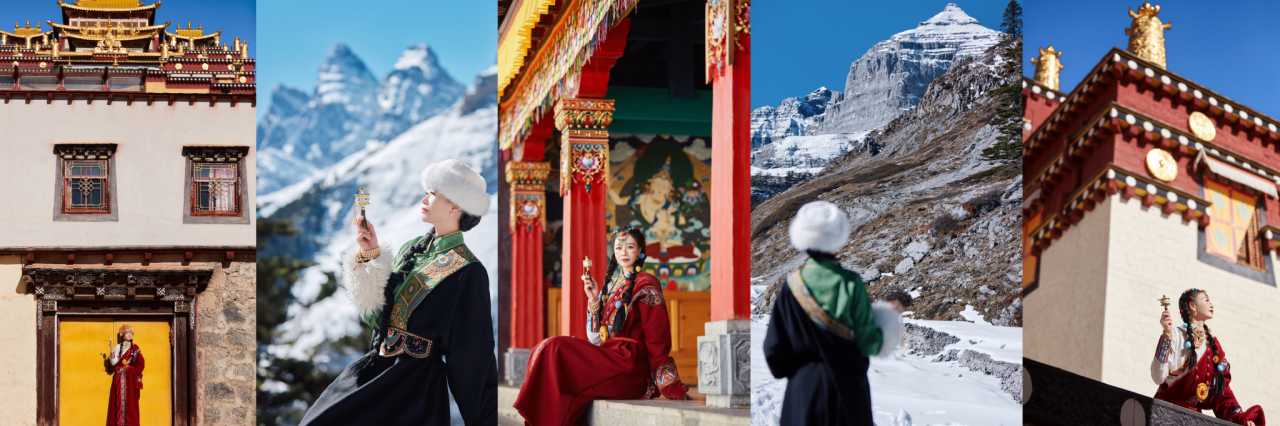
At 5:30 in the morning, as the first rays of sunlight began to peek over the horizon, I was already standing at the foot of Songzanlin Monastery. This temple, often called the "Little Potala Palace," sits quietly atop a hill like a silent guardian, watching over the passage of time.
Songzanlin Monastery is the largest Tibetan Buddhist monastery in Yunnan Province and one of the most significant in the Kham region. Built into the hillside, it resembles a fortress, showcasing the full breadth of Tibetan artistic traditions. That's why it's also known as the "Tibetan Art Museum." Inside, the golden halls, exquisite murals, and intricately carved pillars tell ancient stories in every detail.
The monks had already begun their daily devotions. The sound of chanting filled the air—low, deep, and far-reaching. I wandered through the monastery's corridors, watching the sunlight filter through prayer flags, casting dappled shadows on the ground. A strange sense of peace settled over me. Standing on a high vantage point, I gazed at the distant snow-capped mountains appearing and disappearing in the morning mist. In that moment, I finally understood why people say, "Shangri-La is the place closest to heaven."
3. Haba Snow Mountain: A Date with the Peaks
I've always had a thing for snow-capped mountains. Just this year, I finished a trip through western Sichuan, marveling at the majesty of Mount Siguniang. I never thought I'd be in Diqing so soon, face to face with Haba Snow Mountain.
"Haba" means "flower of gold" in the Naxi language. Its highest peak reaches 5,396 meters, while the lowest river surface is just 1,550 meters above sea level. This dramatic elevation difference makes the mountain both rugged and breathtakingly beautiful. The upper slopes are relatively gentle, while the lower parts are steep and sheer. From a distance, it looks like a giant clad in silver armor, silently guarding the land.
This is the perfect season for summiting, but unfortunately, we didn't have enough time or proper preparation. We could only admire it from a viewing platform far below. Still, when I saw the snow-capped peak shimmering under the sun, with glaciers winding down the mountainside like silver dragons, I was utterly awestruck.
I made a silent wish: next time, I'll challenge it. I'll conquer it.
4. Balagezong: A Hidden Paradise Deep in the Mountains
If Shangri-La is heaven on earth, then Balagezong is the hidden paradise within that heaven. This place combines snow-capped mountains, forests, lakes, meadows, and gorges into one breathtaking whole—a forgotten utopia frozen in time.
Gezong Snow Mountain is perpetually covered in snow. Under the sunlight, its peaks shine with a golden glow, solemn and majestic. The forests on the mountainside are lush and dense, with towering trees reaching for the sky. The air is so fresh you can't help but take deep breaths.
Shangri-La Stupa: A Symbol of Faith
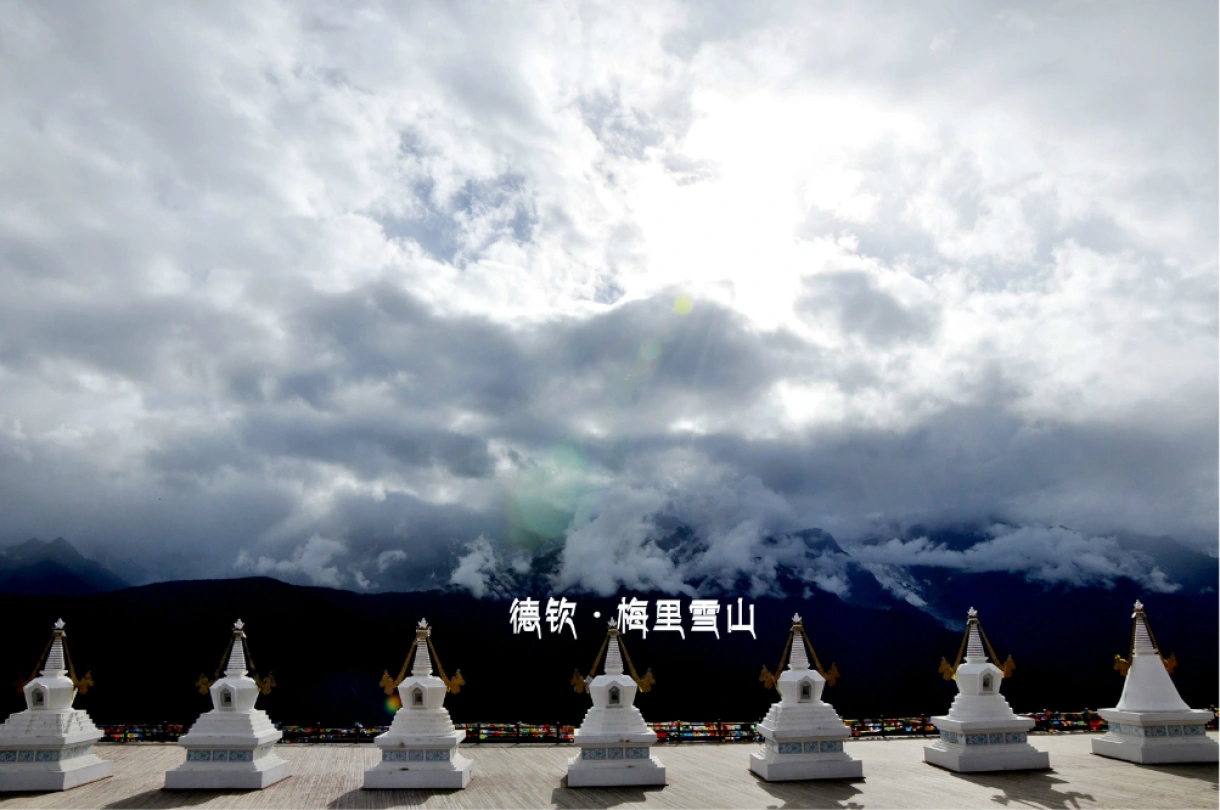
When you visit Balagezong, you must see the Shangri-La Stupa. This is a natural stupa, formed by geological forces, and is recorded in the Tibetan Buddhist scriptures as one of the world's sacred natural stupas. Located at a mountain pass 4,250 meters above sea level, it attracts countless devout pilgrims every year who come to pray and fulfill their spiritual wishes. Standing before the stupa, you feel an indescribable sense of solemnity and mystery.
Echo Wall: A Conversation with the Valley
The Echo Wall is called "Shi Sha An Dong" in Tibetan. Unlike other sacred mountains covered in lush vegetation, this one is sparsely vegetated, with sheer cliffs rising thousands of meters. Shout into the void, and your voice bounces off the rock walls, layer upon layer, echoing endlessly, as if the entire valley is responding to you.
Walking on the glass-bottomed walkway, suspended 700 meters above the valley floor, with mist drifting past your feet—I'll admit, my legs were a bit shaky. But when you look up at the sacred snow-capped peaks and down into the magnificent gorge, the sheer awe makes you forget all fear.
Bala Village: The Slow Life of a Millennium-Old Village
Bala Village is a well-preserved ancient Tibetan settlement, over a thousand years old. Here, you can learn about traditional Tibetan culture and way of life. If time permits, I highly recommend staying for a few days.
The village not only has comfortable hotels but also a café hidden in the mountains. Order a local specialty—a highland barley latte—and sit by the door, basking in the sun. In front of you: blue sky, white clouds, and snow-capped mountains. Everything feels surreal. A little cat dozes by the fireplace. It's the picture of peaceful, unhurried life.
Balagezong Grand Canyon: Nature's Masterpiece
Beyond the snow-capped mountains and the village, the Balagezong Grand Canyon is also worth exploring. Gorges within gorges, gorges above gorges—they crisscross in a stunning display of water, light, and mountain scenery. You can hike or even go rafting, experiencing the raw power of nature.
5. Tiger Leaping Gorge: The Roar of a Tiger
Tiger Leaping Gorge—the name itself is full of power. Imagine a fierce tiger crouching by the Jinsha River, ready to pounce. That's the first impression this gorge gives you.
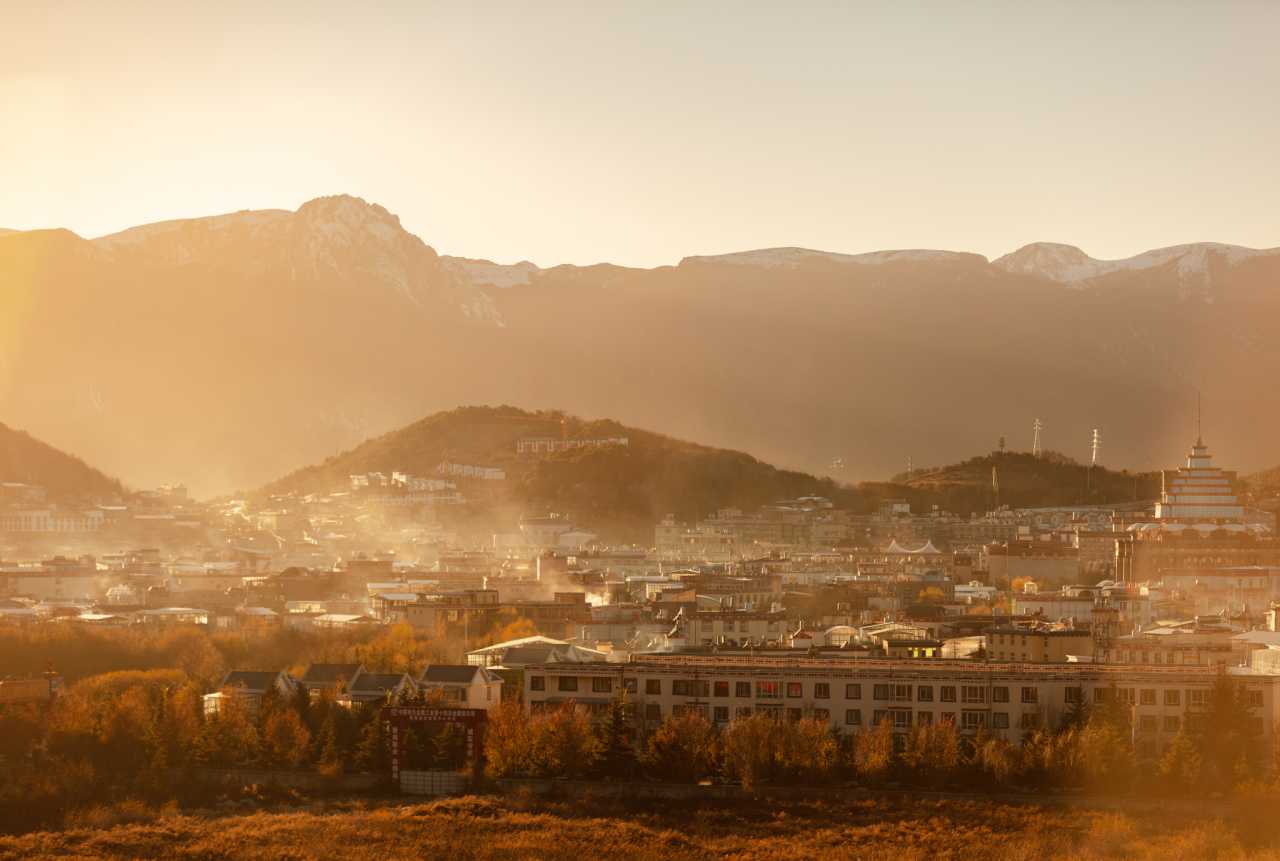
The gorge is deep and steep, flanked by towering peaks. The river narrows here, and the water surges with immense force. Tiger Leaping Gorge is divided into three sections: Upper, Middle, and Lower. The Upper and Middle sections have viewing platforms where you can take in the full depth of the canyon. The Lower section lets you get closer to the river, feeling its raw energy up close.
We visited in autumn, when the trees on both banks had turned golden, and the maple leaves were a fiery red. The river was clearer than usual, making the scenery even more stunning. Standing by the river, listening to the thunderous roar of the water, watching the spray fly—I couldn't help but marvel at the power and beauty of nature.
6. Baishuitai: The "Pamukkale of the East"
In Shangri-La, there's another place called Baishuitai, known as the "Pamukkale of the East." I'd heard about it long ago, and this time, I finally got to see it with my own eyes.

Baishuitai is a natural wonder formed by calcium carbonate dissolved in spring water. As the calcium bicarbonate-rich water flows downward, carbonates gradually precipitate. Over thousands of years, this process has created layer upon layer of terraced travertine formations, resembling terraced rice fields. That's why it's also called the "Fairy's Abandoned Field."
The formations come in all shapes—some like crescent moons, some like scallops, some like silver plates. They're stacked in an orderly yet irregular pattern. The water is crystal clear, shimmering white under the sun like a mirror, reflecting the sky and surrounding mountains. It's so beautiful it takes your breath away.
7. Practical Tips: Making Your Shangri-La Trip Perfect
Transportation
- By plane: You can fly directly to Shangri-La Airport, or fly to Lijiang first and then take the high-speed train or bus.
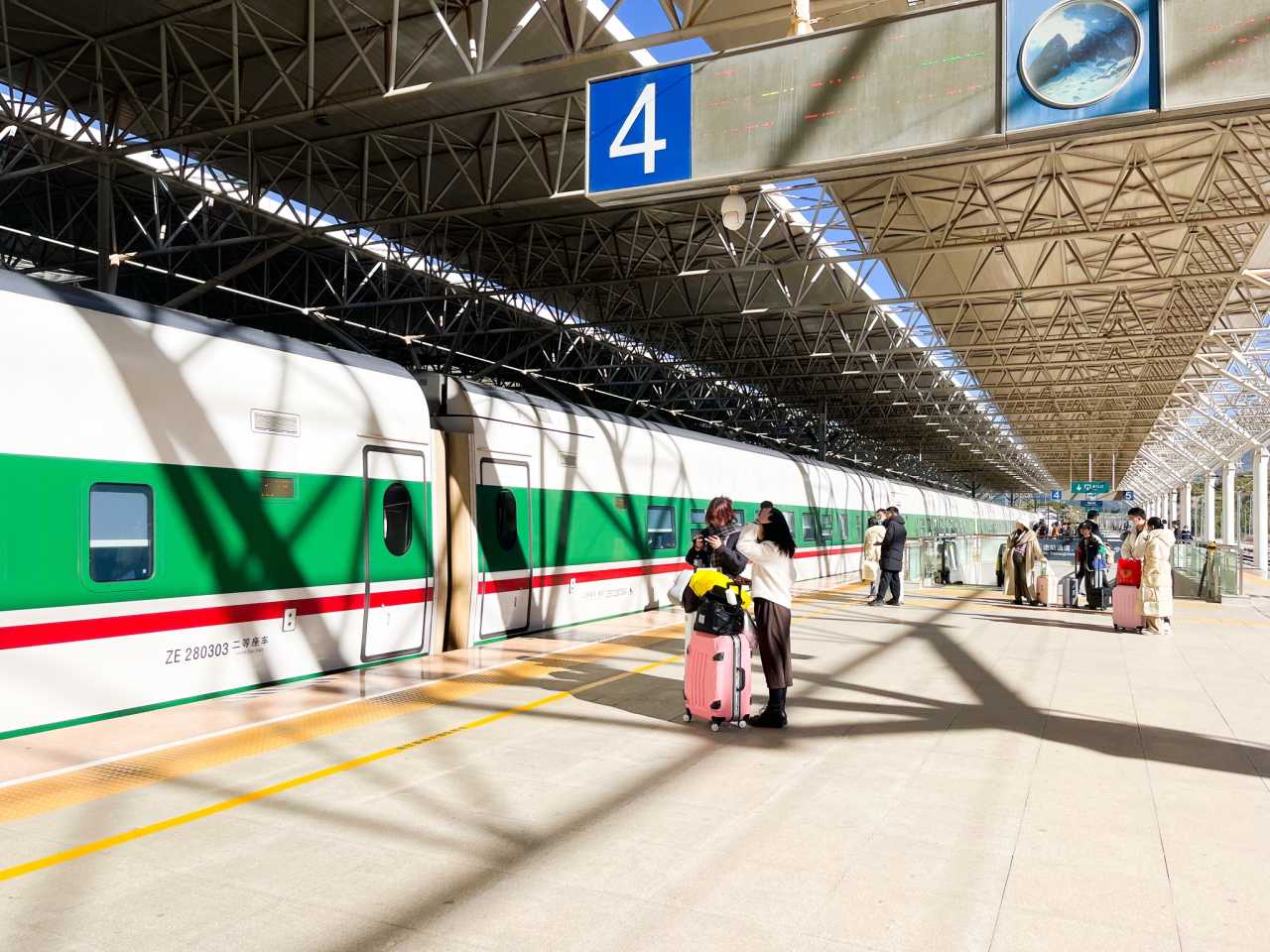
- By high-speed train: The Lijiang-Shangri-La Railway is now open. The journey from Lijiang to Shangri-La takes just over an hour.
- By bus: There are multiple buses from Lijiang to Shangri-La. You can also drive yourself or join a tour.
Accommodation
Shangri-La offers a wide range of accommodation, from hotels to guesthouses and hostels, so you can choose based on your budget and preferences.
Recommended Itinerary
- Day 1: Lijiang → Shangri-La, explore Dukezong Old Town in the evening.
- Day 2: Songzanlin Monastery → Balagezong, stay overnight in Balagezong.
- Day 3: Explore Balagezong's attractions → return to Shangri-La in the afternoon.
- Day 4: Baishuitai → Haba Snow Mountain (viewing platform) → Tiger Leaping Gorge.
Food
The local cuisine is predominantly Tibetan. Yak butter tea (酥油茶), tsampa (roasted barley flour, 糌粑), and highland barley wine (青稞酒) are must-tries.
Important Notes

- Shangri-La has a cold climate, so bring warm clothing.
- The altitude is high, so take precautions against altitude sickness in advance.
- Respect local culture and customs. Do not touch artifacts or facilities without permission.
Conclusion: Shangri-La, No Longer Far Away
The opening of the Lijiang-Shangri-La Railway is more than just a convenience in transportation. It's a key that unlocks the door to Shangri-La. Once, Shangri-La was synonymous with distance—a poetic, faraway dream in countless hearts. Now, with just a high-speed train ticket, you can travel from the bustle of Lijiang to the serenity of Shangri-La in little over an hour.
Some say Shangri-La is a place you never want to leave. I say it's a place you always want to return to. Because every time, you discover a different kind of beauty and experience a different kind of wonder.
So, stop hesitating. Pack your bags, get on the high-speed train, and head to Diqing. Go fulfill that dream of Shangri-La that's been waiting in your heart.
You should also read:
South of the Clouds: A 13-Day Journey of the Free Spirit
South of the Clouds: A 13-Day Journey of the Free Spirit As the plane cut through the clouds and that patch of land—seemingly splattered with colors from God's own palette—came into focus outside the window, I knew: Yunnan, I’ve arrived. This wasn’t a whirlwind tour,…
Continue reading...
Heart Soaring Among the Clouds: A 20-Day Yunnan Dream Journey
Heart Soaring Among the Clouds: A 20-Day Yunnan Dream Journey From Lijiang's morning light to Meili's snow-capped peaks, from Yubeng's hidden realm to Lugu Lake's tranquility—this was not just a simple trip, but a soul's exile and homecoming. "Never forget why you started, and you…
Continue reading...
Yunnan's Colorful Clouds: Touching Shangri-La — A Dialogue with the Sky
Yunnan's Colorful Clouds: Touching Shangri-La — A Dialogue with the Sky If you ask me where in China is closest to heaven, I would tell you without hesitation: Shangri-La. The name itself carries a mysterious magic, as if every syllable whispers tales of distant lands.
Continue reading...