Scenery Like Poetry | Shangri-La: A Journey to the Spiritual Highlands That Defies Imagination
Scenery Like Poetry | Shangri-La: A Journey to the Spiritual Highlands That Defies Imagination
Introduction: Not a Passerby, but a Homecomer
Some places feel strangely familiar the very first time you set foot there. Shangri-La is exactly that for me.
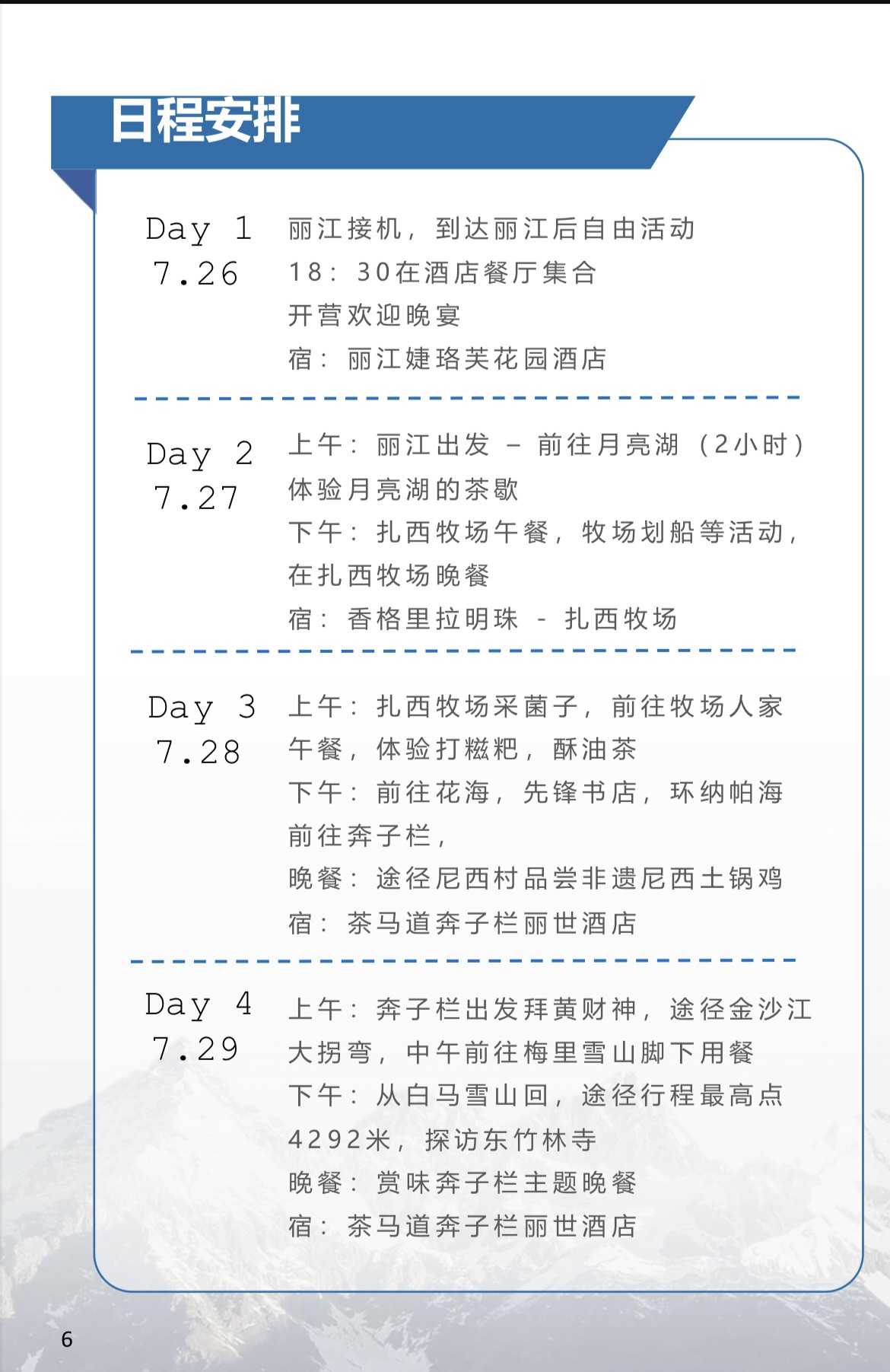
The origin of this journey traces back to a decade-long bond between Xie Ying, director of the documentary Treasures, and Tang Jia, a "spiritual Yunnan native." From the snow-capped peaks and starry skies captured through the lens of Treasures to the real-life invitation to their "happy hometown," this trip was destined to be extraordinary from the start.
Shangri-La is far more than faith. It possesses a vibrant pulse, a diverse and layered vitality, and an openness and inclusiveness capable of shattering every stereotype you might hold about Tibetan regions. My gratitude goes to trip planner Xie Ying and our two guides—Tang Jia, a decade-long Yunnan-Tibet expert, and Lhazo Droma, a local Tibetan guide. They showed us how to live like locals, rejecting the superficial "check-in" style of tourism.
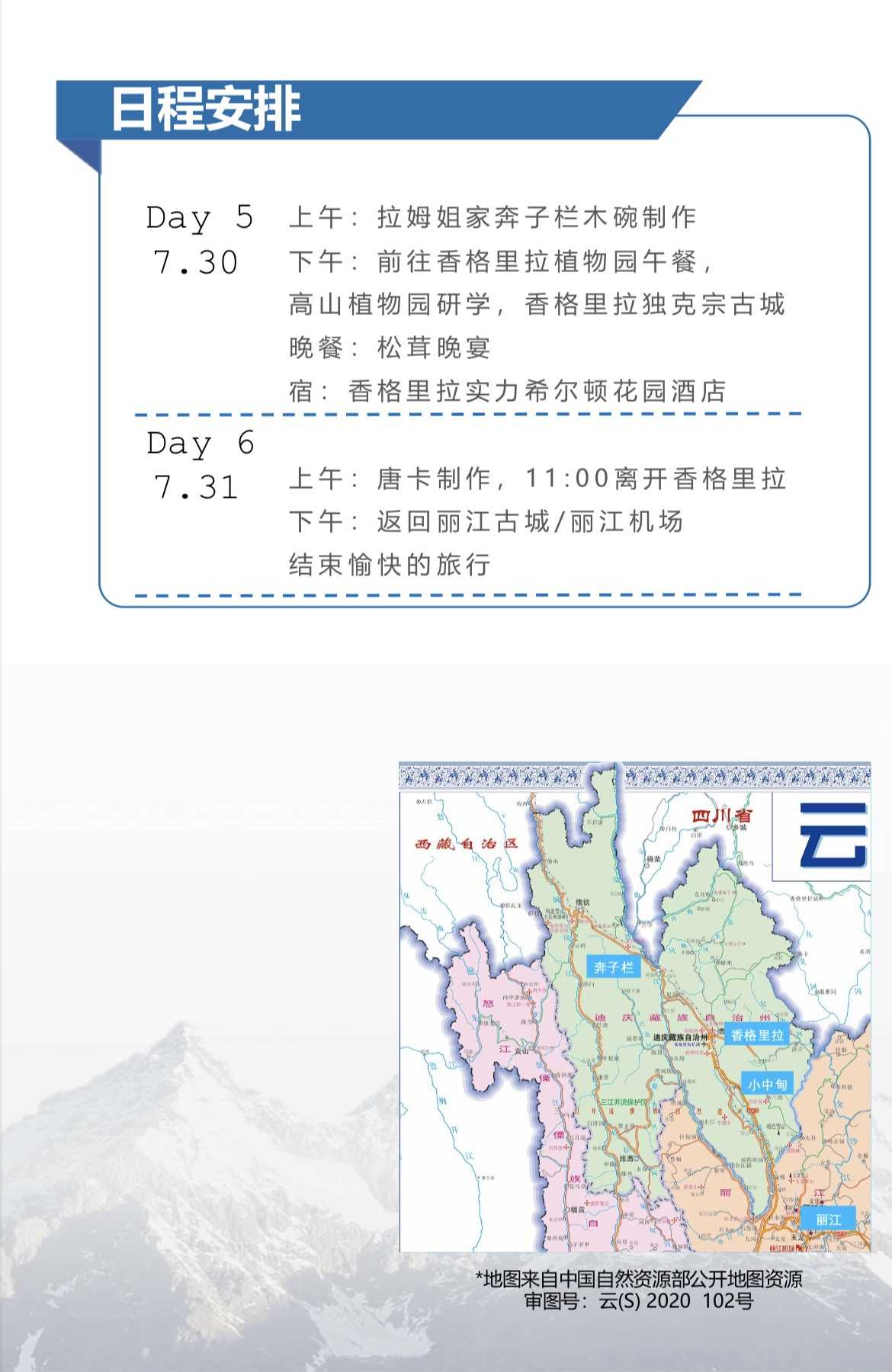
We chose a gradual altitude route: starting from Lijiang (2,400m), passing through Xiaozhongdian (3,000m), acclimatizing in Benzilan (1,900m), and finally venturing deep into Shangri-La (3,200m). Staying in Tibetan-style pastures and mountain lodges, a group of like-minded friends from all corners of the country came together by fate, embarking on a spiritual highland journey that defied imagination.
DAY 1: Lijiang, A Prelude to Slow Living
Shuhe Ancient Town: A Café Hidden in a Courtyard

If Dayan Ancient Town is Lijiang's facade and Baisha is the haven for artists and bohemians, then Shuhe is the true embodiment of "slow living."
Wandering deep into the alleys of Shuhe Ancient Town, I stumbled upon a café tucked away in a courtyard—Tiger Tooth Café. It had almost no signboard, shrouded in greenery like a secret sanctuary reluctant to be discovered. Following the cobblestone path inside, the courtyard exuded a touch of Zen minimalism. Ordering two drinks, I simply sat there, letting my mind drift with the wind. A place with wind, trees, and tea—that's where the heart belongs.
Jalousie Hotel: A Garden Paradise of Naxi and French Styles
Just across the road from Shuhe Ancient Town, the Jalousie Hotel is a mere ten-minute walk to Sifang Street, boasting a perfect location. The hotel also offers complimentary luggage transfer and storage services—an incredibly thoughtful touch.
Stepping into the lobby, the modern French-style décor with its high ceilings and soft blue tones instantly put me at ease. Yet, walking through to the backyard felt like traveling through time—the main building retains the traditional Naxi "three rooms and one screen wall" layout. In the central courtyard, a pool of clear water mirrored the blue sky, with early summer lotus flowers floating on the surface. The designer leveraged Lijiang's unique climate to create layered plant landscapes throughout the grounds. The fusion of traditional Naxi architecture and modern design made me marvel at the hotel's aptly named "garden" identity.
The guest rooms are well laid out, with spacious sleeping and bathroom areas. Handwritten welcome notes and complimentary essential oil gifts from Jalousie's own brand were delightful surprises. This is not just a place to stay; it's a perfect blend of Lijiang's natural beauty, cultural charm, and contemporary art.
DAY 2: Shangri-La, The First Glimpse of a Hidden Realm

Tibetan Tea Break by Moon Lake
As the car wound along Shangri-La's mountain roads, the scenery shifted from Tibetan-style watchtowers to rolling meadows. Moon Lake, located in Tuanjie Village, Xiaozhongdian Town, is about 50 kilometers from the city center, a two-hour drive. This is a little-known gem hidden deep in the mountains, with crystal-clear waters surrounded by primeval forests.
We had arranged a local guide in advance. Upon arrival, a Tibetan tea setup was already prepared by the lakeside. Sitting on handwoven Tibetan rugs, a long table held wooden plates filled with various unique Tibetan snacks, while melodious Tibetan songs filled the air. Here, time slowed down—no rushed itineraries, only sunlight dancing on the lake and cloud shadows drifting across the meadows. A pot of yak butter tea (酥油茶), a few barley cakes (青稞饼), and a plate of dried yak meat (牦牛肉干) made for the simplest yet most satisfying feast.
Tip: Moon Lake is currently undeveloped and requires no entrance fee, but please respect the local herders and the ecological environment.
Librairie Avant-Garde: A Poetic Haven Beneath the Snowy Peaks
Three buildings transformed from traditional Tibetan stone houses suddenly came into view—the Librairie Avant-Garde in Shangri-La, like a poetry collection casually opened by the wind, quietly spread out between the mountains and meadows.
The main building was converted from a traditional Tibetan house. Pushing open the door, highland sunlight streamed through the skylight onto the bookshelves. The shelves wound along the stone walls, with book selections carrying a distinct frontier character. The best part was the reading area by the window, offering an unobstructed view of the meadows and mountains outside.
In the creative merchandise building, handmade items were infused with Tibetan flair: Dongba paper notebooks (东巴纸笔记本), prayer wheel bookmarks crafted from Tibetan silver (藏银转经筒书签)... Pick a favorite to take home. And in the café, ordering a latte or a dessert gave me the right to simply sit and daydream beneath the snowy peaks.
Looking back at these three stone houses, they had transcended their architectural form, becoming a temporary sanctuary for urban souls on the highlands.
Location: Wugong Group, Lianhe Village, Xiaozhongdian Town, Shangri-La (Navigate to "Librairie Avant-Garde Shangri-La")
Zhaxi Pasture: A Fairytale World on the Highlands
As the car took the final turn, a vast river valley pasture opened up before us—Zhaxi Pasture had arrived.
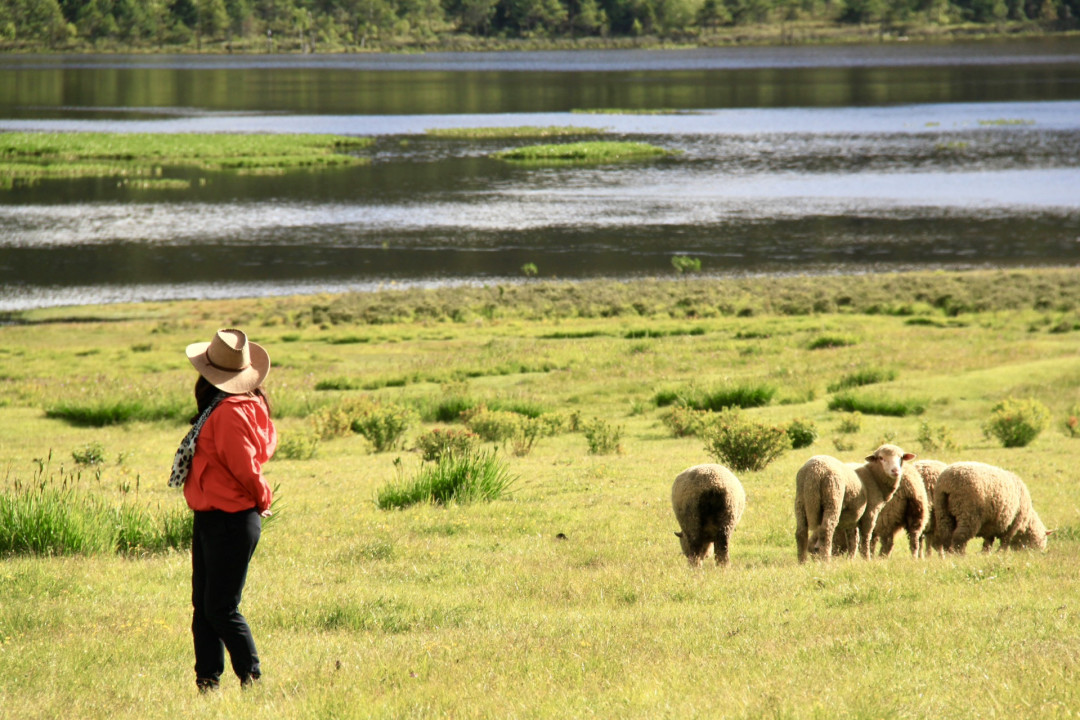
At an altitude of about 3,200 meters, the pasture felt warm and gentle, sheltered by surrounding mountains. The grassland spread out like a soft green carpet, dotted with grazing cattle and sheep. For a moment, I felt I had stumbled into a fairytale. The main building of the pasture is a boutique guesthouse converted from a traditional Tibetan wooden house, skillfully blending rugged log exteriors with floor-to-ceiling glass windows, preserving Tibetan charm while introducing modern comfort.
In the common area, handcrafted copper pots sat on low Tibetan tables, and the bookshelves were filled with works on Tibetan culture. My favorite spot was the glass sunroom—ordering a cup of the pasture's homemade yak butter latte (酥油拿铁), I watched the clouds roll by, time seemingly standing still.
There was no standardized hotel service here; instead, it offered an immersive pasture experience: feeding lambs, milking cows, horseback riding, and even walking Tibetan mastiffs if you were brave enough. Every morning, the pasture owner organized guests to forage for wild mushrooms in the back hills.
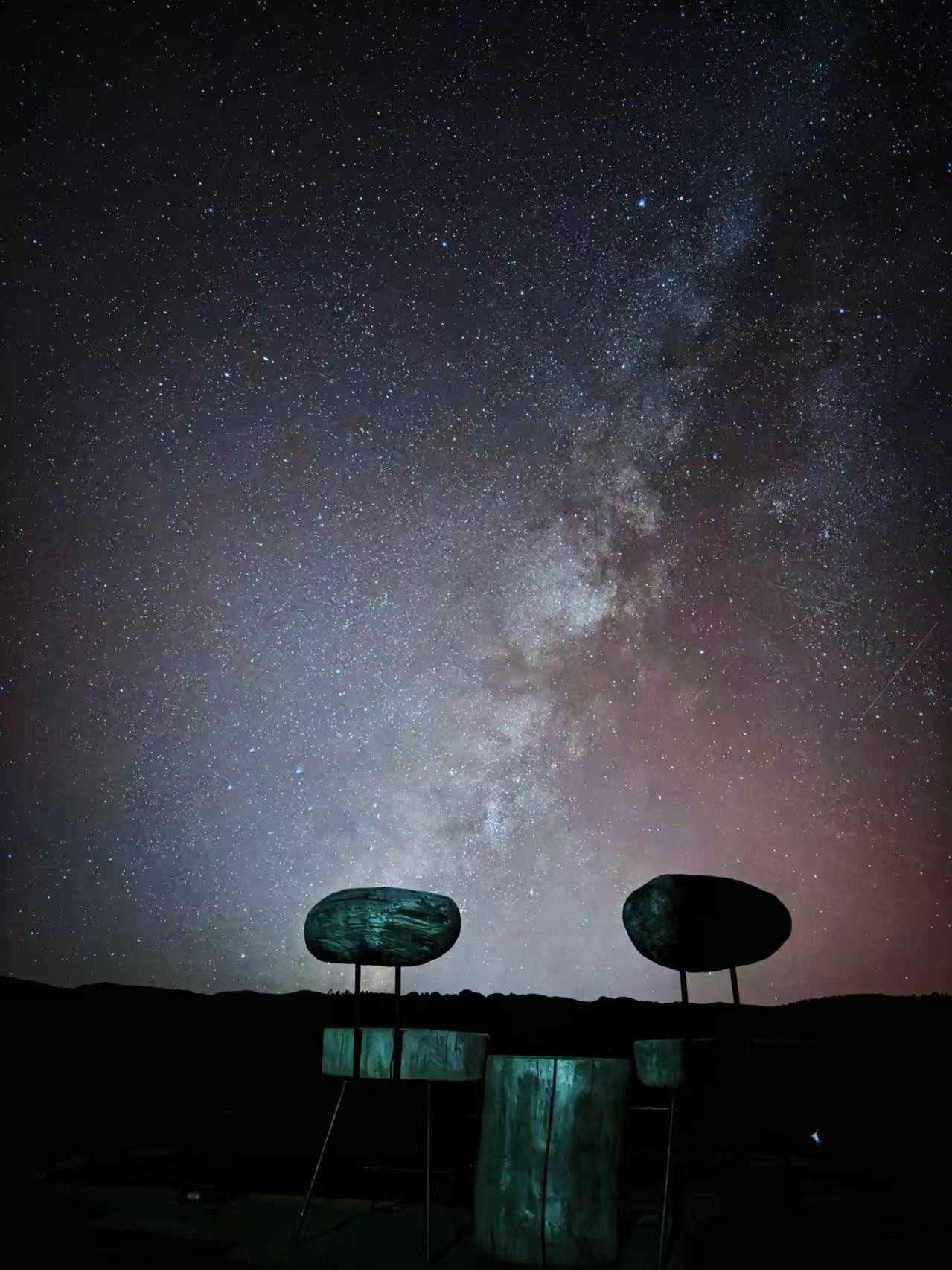
In the evening, we enjoyed local craft beer and a mushroom hotpot (菌菇火锅), sharing drinks and laughter. Stepping outside the wooden house, I was instantly awestruck—under the pristine night sky at 3,200 meters, the Big Dipper hung so low it felt within reach. The pasture deliberately minimized light pollution, and the caretaker would point to the stars while sharing Tibetan constellation legends. In summer, if a shooting star streaked by, make a wish quickly—the starlight here seemed especially potent.
As we drove away, the wheels crushing the dew on the meadow, I suddenly understood: Zhaxi Pasture isn't a "Little New Zealand"—it is Shangri-La itself: free, pure, carrying the fragrance of earth and sunshine.
Tips: - Location: Near Jiantang Town, Shangri-La City, about a 40-minute drive from downtown - Best season: May to October - Note: Large temperature differences between day and night; bring a windproof jacket; the pasture can arrange Tibetan costume photography
DAY 3: Deep into Tibetan Land, Culture and Faith
Little Mushroom Pickers
In the early morning mist, a handsome Tibetan man from Zhaxi Pasture was already waiting for us with a bamboo basket. Treading through dew into the pine forest behind the hills, the moment we spotted mushrooms, we couldn't resist picking them—never mind whether they were poisonous or not, we grabbed them first. Later, under the guide's instruction, we learned to be more selective. For us city-dwellers, this was our first-ever wild mushroom foraging experience—fun and rewarding.
Kengong Congben Tea Horse Road Museum
I never expected to find such a vast museum hidden in a Tibetan village. The Yunnan Kengong Congben Tea Horse Road Culture Museum, located in Kengu Village, Heping Village, Xiaozhongdian Town, was built over more than a decade by Jiangchu Chunping and Lhazo Daqing, descendants of Tea Horse Road caravan leaders, and officially opened in 2017. The museum was created by renovating traditional Tibetan old houses, covering 500 square meters. It features themed exhibition halls on highland plateau Tibetan household items, caravan tools, and religious artifacts, systematically displaying nearly 2,000 cultural relics related to the Yunnan-Tibet Tea Horse Road.
At noon, we visited a Tibetan home and enjoyed authentic local cuisine.
Songzanlin Monastery: A Conversation with a Living Buddha
At our earnest request, the two guides adjusted the itinerary to arrange a Dharma discussion inside Songzanlin Monastery. Gazing at the monastery from afar, the highland sun beat down, nearly blinding us. Inside, at over 3,000 meters above sea level, a few steps up the stairs left some of us with mild altitude sickness. But being able to speak face-to-face with a living Buddha and listen to the wisdom of the Dharma made it all worthwhile.
Nixi Clay Pot Chicken at a Cliffside Restaurant
The dining environment was breathtaking—a restaurant perched on a cliff. The clay pot chicken (土锅鸡) was incredibly flavorful, and we added the mushrooms we'd foraged that morning at Zhaxi Pasture into a soup—the taste was absolutely divine.
LUX* Benzilan: A Hidden Tibetan Gem on the Jinsha River
While other hotels cluster in Shangri-La, LUX* chose the little-known Benzilan. "Benzilan" shouldn't just be a transit point on the way to Meili Snow Mountain or Yubeng Village; this off-the-beaten-path treasure is actually better for a relaxing getaway, offering an authentic deep dive into Tibetan life.
The Tea Horse Road Benzilan LUX* Hotel, located in Benzilan Town, features a low-key rammed-earth-colored building complex that blends seamlessly with local Tibetan watchtowers. Its unique infinity pool sits by the roaring Jinsha River, surrounded by towering mountains, dotted with vineyards and tranquil Tibetan homes. Strolling through the courtyard in the hotel's complimentary Tibetan costumes, the photo opportunities were fantastic.
The guest rooms face the Jinsha River, with doors opening to the majestic view of "the river flowing beyond heaven and earth." The rooms are decorated in earthy tones, and my favorite feature was the tatami tea area by the window, with tea leaves thoughtfully provided by the hotel, creating a relaxed and joyful atmosphere. Hand-painted Tibetan-style welcome cards made us feel warmly at home. The staff here are mostly local Tibetans, genuine and simple.
DAY 4: Sacred Mountains and Faith
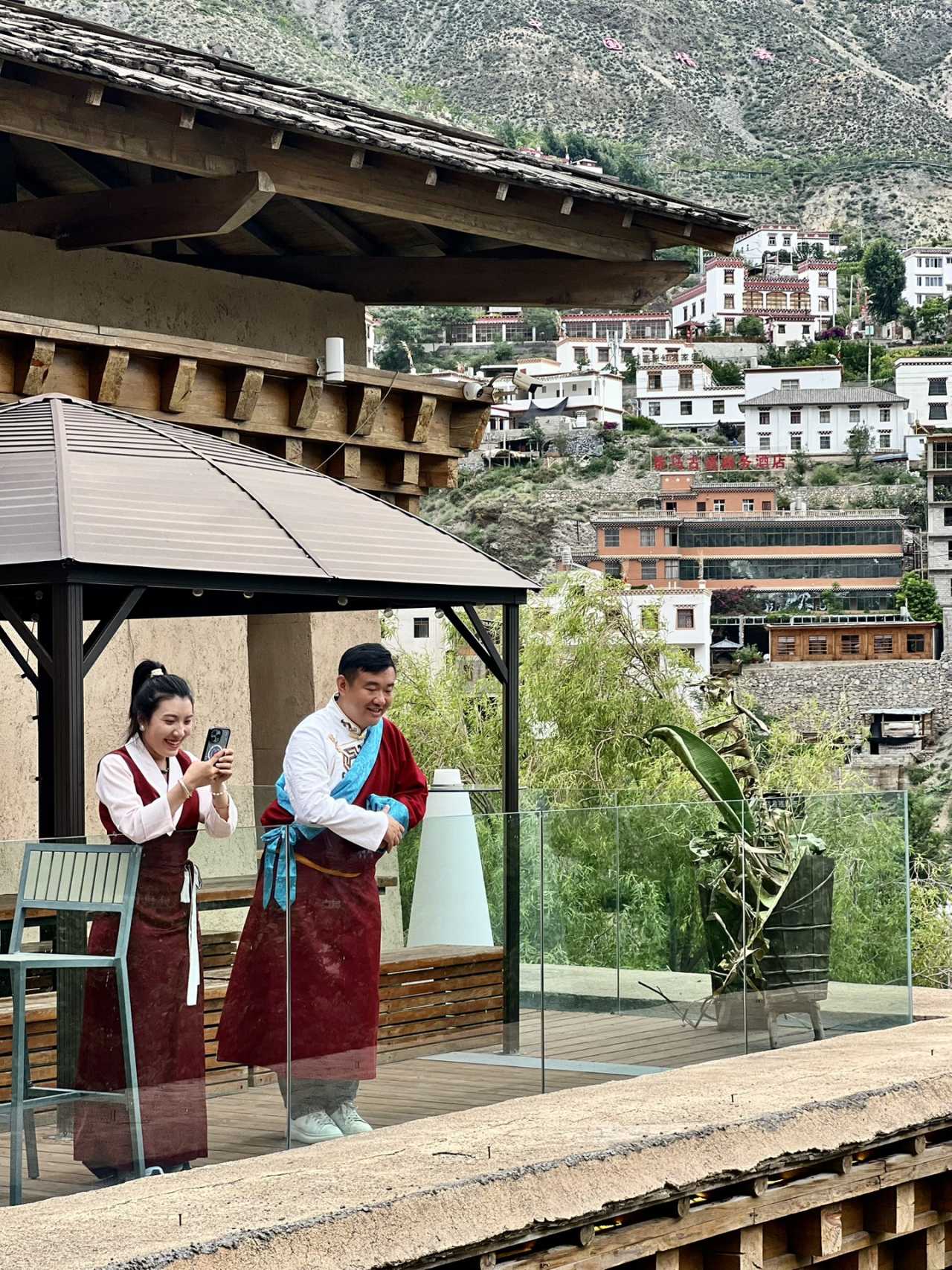
Prayers at the Yellow Wealth Temple
This Yellow Wealth Temple (黄财神庙) is said to be particularly efficacious. Our guide led each of us to bring a bottle of offering wine for worship. In the highland morning light, we made our heartfelt wishes.
Jinsha River Grand Bend: The Awe of the Three Parallel Rivers
This spectacular spot is unmissable! Located at the border between Benzilan Town, Deqin County, Yunnan, and Zigeng Township, Derong County, Sichuan, it's a stunning wonder of the UNESCO World Heritage "Three Parallel Rivers" site. The river carves a perfect "Ω"-shaped curve through the gorge, as if the earth were tied with a jade-green silk ribbon. A single casual shot looks like a National Geographic masterpiece!
The viewing platform has two levels: the upper level offers a panoramic view, with the Jinsha River winding like a golden dragon surrounded by mountains; the lower level's stairs let you feel the river's surging power up close. Wear bright colors for photos that instantly capture the feeling of "a person traveling within a painting."
Navigation: Search for "Jinsha River Grand Bend Viewing Platform" (about 90 kilometers from downtown Shangri-La, a 2-hour drive)
Feilai Temple Viewing Platform: Facing the Sacred Mountain
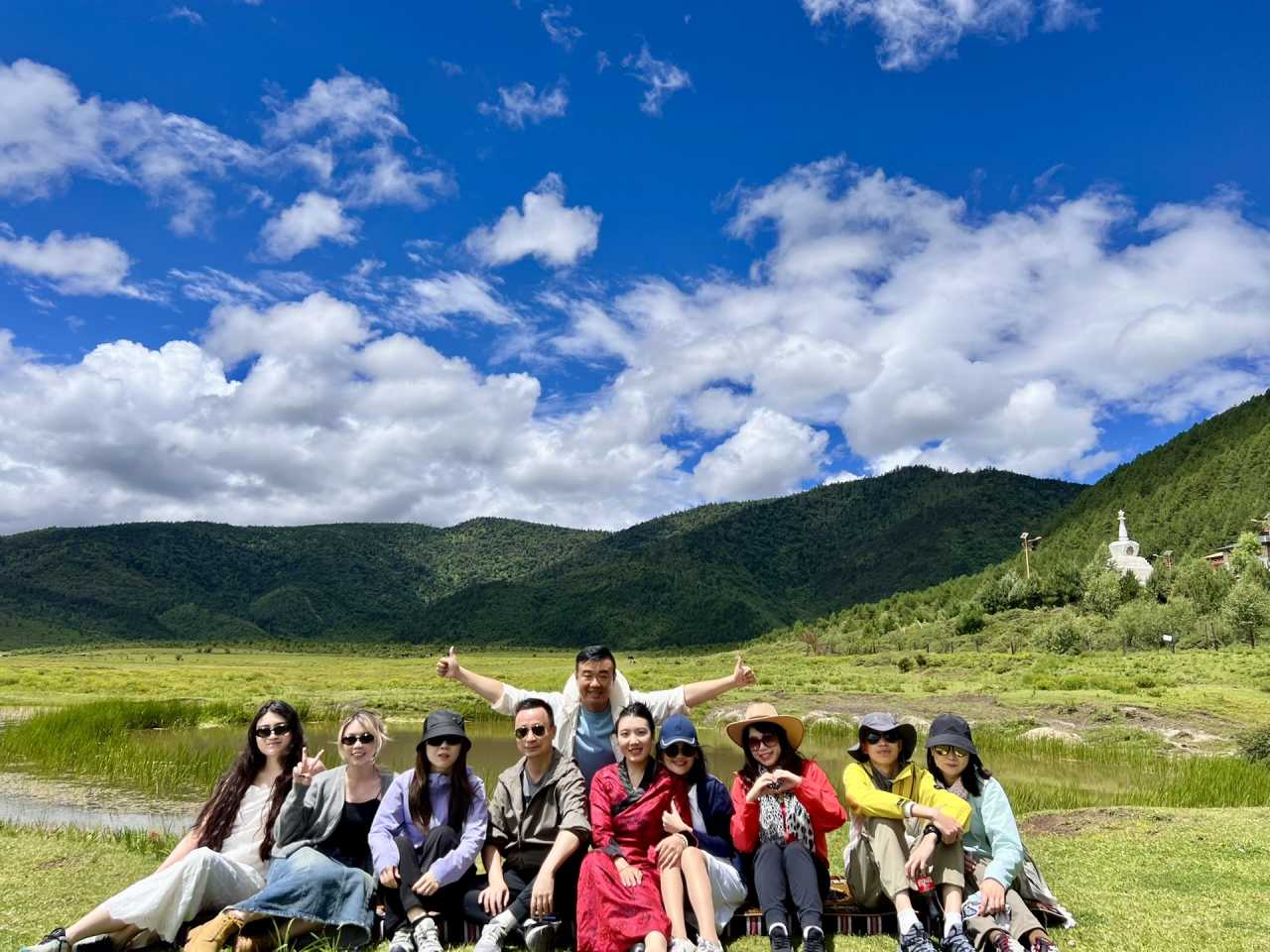
Feilai Temple Viewing Platform, located along National Highway 214 at an altitude of 3,450 meters, directly faces Kawagebo Peak and is the "star viewing platform" for admiring Meili Snow Mountain. The view is incredibly open and unobstructed. When the first rays of dawn hit the snow-capped peaks, golden light spreads from the summit until the entire mountain is bathed in gold—this is the breathtaking moment of "Sunshine on the Golden Mountain" (日照金山).
We arrived during the day, so we didn't witness the golden sunrise, but we were already fortunate enough. It was the rainy season, and just days before, the area had been shrouded in clouds. Yet we were greeted by blue skies and white clouds—though the main peak was partially obscured, simply being at Meili and catching a glimpse of the sacred mountain filled me with contentment.
In the afternoon, we returned via the Baima Snow Mountain winding road, passing the trip's highest point at 4,292 meters, with picturesque scenery all the way.
Dongzhulin Monastery: A Low-Key Yet Awe-Inspiring Tibetan Sanctuary
Unlike the more commercialized Songzanlin Monastery, Dongzhulin Monastery boasts a rich Tibetan cultural atmosphere with no crowds of tourists nearby, making it ideal for travelers who truly want to "settle in." Crossing mountains and valleys, we came here seeking inner peace and clarity.
Inside the monastery, photography of the architecture and distant views is allowed: at the main hall's entrance, the golden roof against the blue sky creates a minimalist Tibetan masterpiece; red walls, yellow doors, and passing monks fill the frame with storytelling. However, please respect the monks and their faith—do not secretly photograph their daily practices.
About the Monastery: Dongzhulin Monastery was founded in 1667 with the support of the Fifth Dalai Lama. It is one of the most important Gelugpa monasteries in the Yunnan-Tibet region and once served as a Buddhist cultural center for the Kham region. Built into the mountainside, it overlooks the Lancang River Gorge, backed by snow-capped peaks. With its vast sky and thin clouds, the atmosphere is powerful and commands reverence.
DAY 5: Exploration of Hidden Gems and Cultural Experiences
Forest Hiking in Benzilan
This hiking trail was developed internally by the LUX* hotel, and we were fortunate to experience it. Starting from a highland meadow at 3,500 meters, we descended through primeval forest, encountering various mushrooms (some bigger than a face!), forest waterfalls, and other natural wonders. The entire hike took about 1.5 hours. Regular tourists cannot access this route on their own; you need to contact a local guide.
A Visit to a Tibetan Home: Sister Lhamo's Wooden Bowl Workshop
We visited the home of a local Tibetan woman, Sister Lhamo. She warmly welcomed us with an abundance of local delicacies and fruits. Following her lead, we handcrafted Tibetan wooden bowls and experienced the process of making tsampa (糌粑, roasted barley flour)—an essential part of daily Tibetan diet.
Shangri-La Alpine Botanical Garden: The Secret Gate to Napahai Lake
At the botanical garden's entrance, there's a viewing platform that serves as the "secret gate" to Napahai Lake—it's on the slope right across the road at the botanical garden's entrance, not high and easy to climb. Passing through that gate and standing at the cliff's edge, the shimmering Napahai Lake and distant snow-capped mountains formed a stunning picture.
The Shangri-La Alpine Botanical Garden, at an altitude of 3,260 meters, is the highest botanical garden in the world, staffed with professional guides who provide explanations throughout. The garden features many endemic species named after "Zhongdian," such as Zhongdian rose (中甸刺玫), Zhongdian hawthorn (中甸山楂, which I personally tasted—very sweet), bristly honeysuckle (刚毛忍冬), purple-leaved privet (紫药女贞), and large-fruited larch (大果红杉). While there aren't many recommendations for the botanical garden on Xiaohongshu (Little Red Book), the café at the entrance attracts quite a crowd. If you enjoy hiking, love plants, and want a panoramic view of Napahai, this place is a must-visit.
Kalakar Tibetan Cuisine: A Feast of Four Ways to Enjoy Matsutake Mushrooms
This is the first Tibetan restaurant outside Dukezong Ancient Town, open for over twenty years. Located by Longtan River, it's much quieter and more comfortable than the restaurants within the ancient town. It used to have a traditional Tibetan exterior, but a few years ago, the owner's son, who studied abroad in the UK, renovated the old place into a modern Tibetan style. The building's exterior and interior décor stand out even in Shangri-La.
Beyond the exquisite environment, the food is equally impressive—while preserving the essence of Tibetan cuisine, the presentation and combinations have been innovatively refined. Each dish elicited a little "wow" when it arrived, especially the long-awaited four-way matsutake mushroom (松茸四吃) preparation—absolutely delicious.
DAY 6: Farewell, But Also a Beginning
Dukezong Ancient Town: Painting a Thangka by Hand
This was the final stop of the trip—creating our own thangka (唐卡, Tibetan Buddhist scroll painting). The workshop was in Dukezong Ancient Town, also known as the "Moonlight City." As a popular tourist attraction, it's crowded and quite commercialized. But making a thangka yourself offers a deeper experience and connection to Tibetan culture.
Choose your preferred thangka design, let your creativity flow, and complete a thangka that is uniquely yours. Once framed, it becomes a very special souvenir.
Epilogue: Not a Goodbye, But a Reservation for the Next Return
Six days ago, we arrived with imaginations of a "hidden realm"; six days later, the wind of the Tibetan highlands has blown into the deepest folds of our souls.
Shangri-La is not a destination, but the beginning of a story with this land. There is no desolation or monotony here as stereotypes would have you believe. Instead, there is vibrant life, open and inclusive culture, and a natural power capable of healing the urban soul.
We are not saying goodbye—we are reserving our next return.
Travel Tips Summary: - Gradual Altitude: Lijiang (2,400m) → Xiaozhongdian (3,000m) → Benzilan (1,900m) → Shangri-La (3,200m) to effectively alleviate altitude sickness - Best Season: May to October - Essential Items: Windproof jacket, sunscreen, sunglasses, comfortable hiking shoes - Cultural Respect: Remove hats in temples, keep quiet, do not secretly photograph monks in meditation - Local Guides: Many hidden scenic spots require contacting local guides for access
Shangri-La awaits you to break through your imagination.
You should also read:
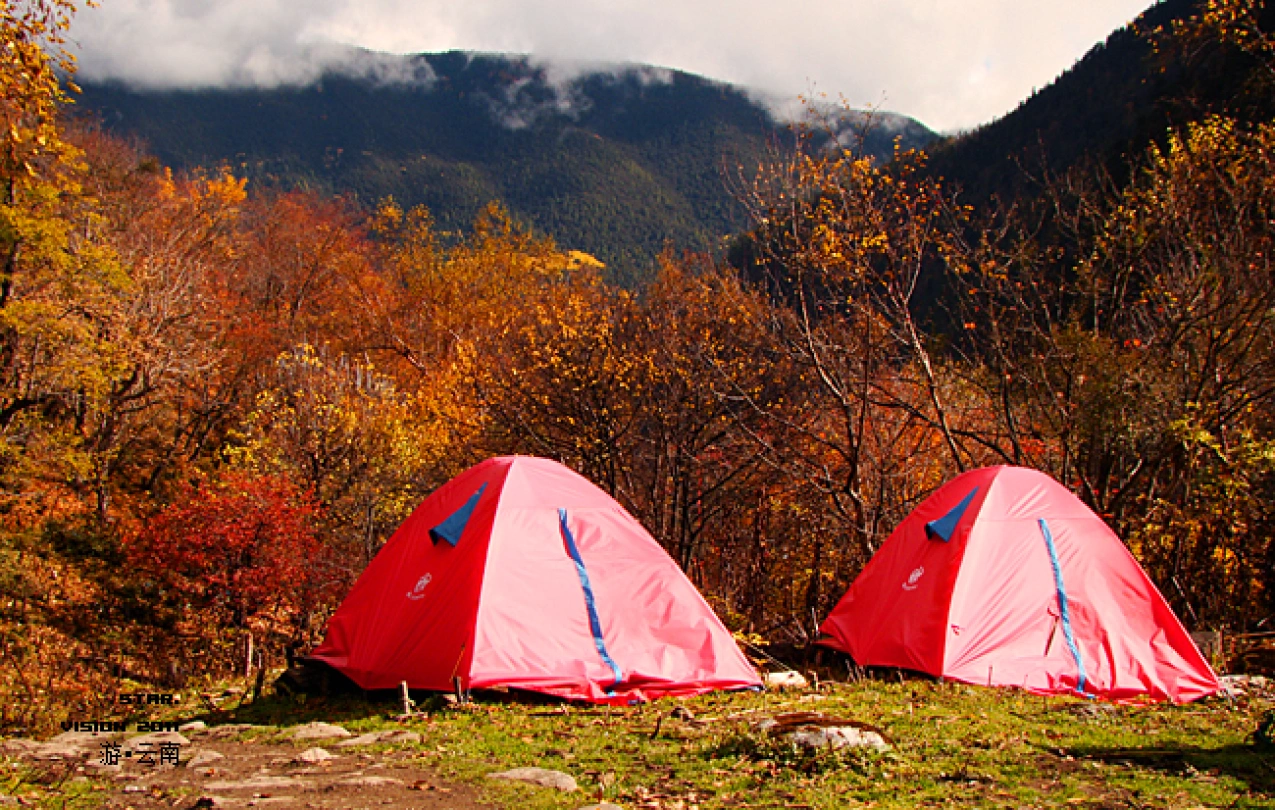
Yunnan! Paradise on Earth – The Yubeng Chapter: A Soul-Cleansing Journey into Seclusion
Yunnan! Paradise on Earth – The Yubeng Chapter: A Soul-Cleansing Journey into Seclusion Prologue: Why Yubeng? If you ask me which place in Yunnan is most worth hiking to, I would answer without hesitation: Yubeng. This is not an answer I give lightly. As a…
Continue reading...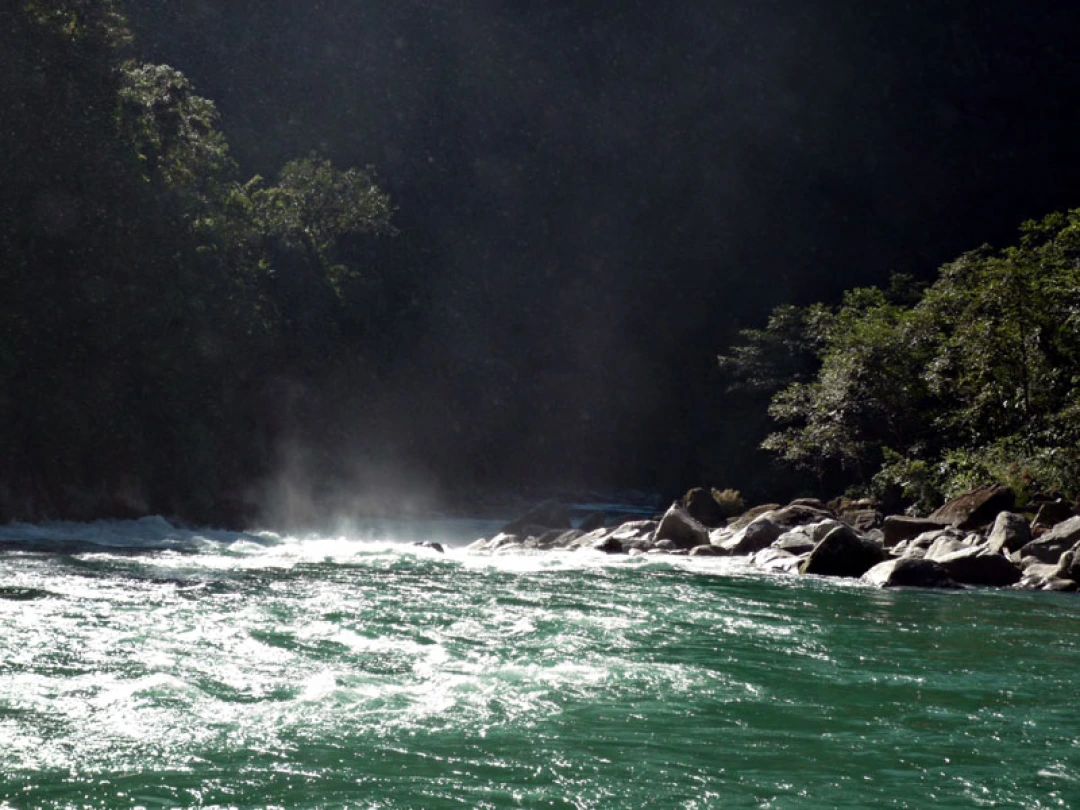
Into the Hidden Valley: A Solo Journey Through the Mysterious Dulong River
Into the Hidden Valley: A Solo Journey Through the Mysterious Dulong River Deep in the northwestern corner of Yunnan Province, tucked away from the modern world, lies a place that feels like a secret whispered among mountains. The Dulong River Valley is not just a…
Continue reading...
God’s Abandoned Palette: A Self-Drive Journey Through Yunnan’s Dongchuan Red Land
God’s Abandoned Palette: A Self-Drive Journey Through Yunnan’s Dongchuan Red Land Travel has never been about reaching some distant geographic coordinate. It’s about encountering, along the way, the version of yourself buried beneath the rubble of daily routine. During this May Day holiday, I finally…
Continue reading...