Secret Realm Quest: Pu'er – A Timeless Journey Interwoven with Tea and Coffee
Secret Realm Quest: Pu'er – A Timeless Journey Interwoven with Tea and Coffee
In the southwestern border of Yunnan, nestled in the warm embrace of nature, lies a small city called Pu'er. Mention this name, and the vast majority of people immediately think of that rich, mellow, and sweetly lingering Pu'er tea. Yet the charm of this city extends far beyond that. In recent years, Pu'er coffee has quietly risen, especially after the hit film Coffee or Tea? (originally titled 一点就到家), which led more people to savor the unique allure of "a thousand years of tea charm, a city of coffee fragrance." So, I embarked on this spontaneous journey to explore the wondrous coexistence of tea and coffee on this land.
Departure: Setting Out from Kunming, Heading for an Unexpected Encounter
Bixi Ancient Town: A Pearl of Time on the Ancient Tea Horse Road
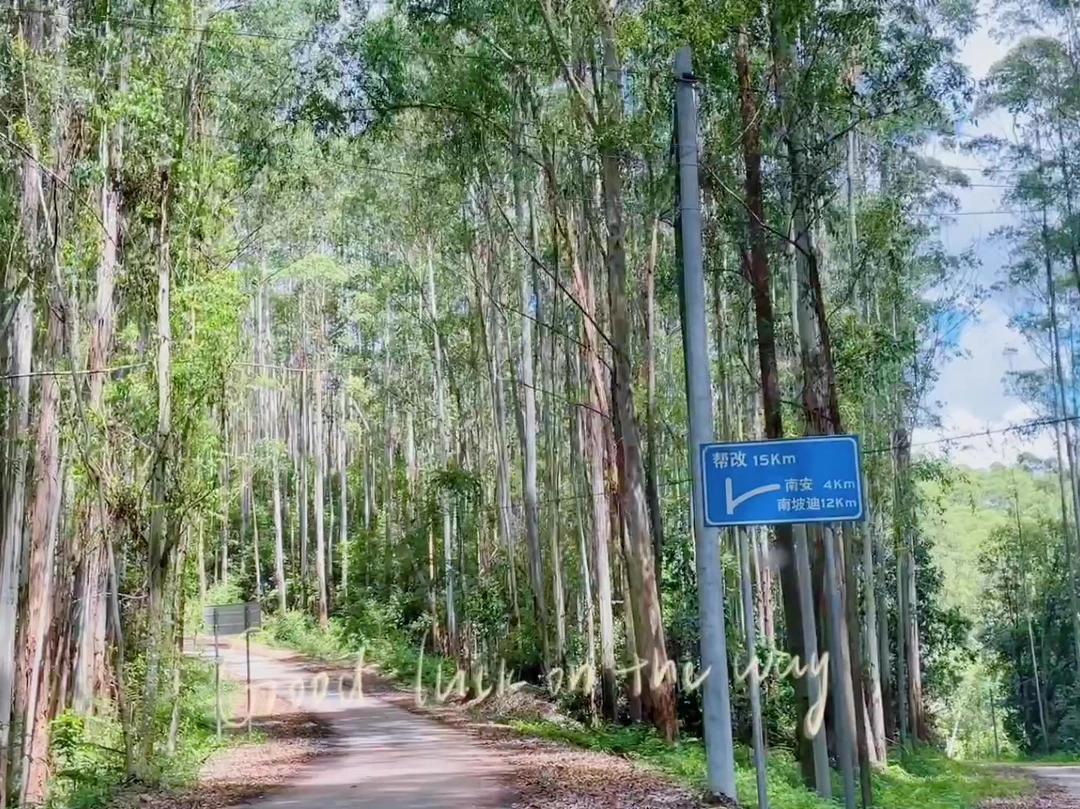
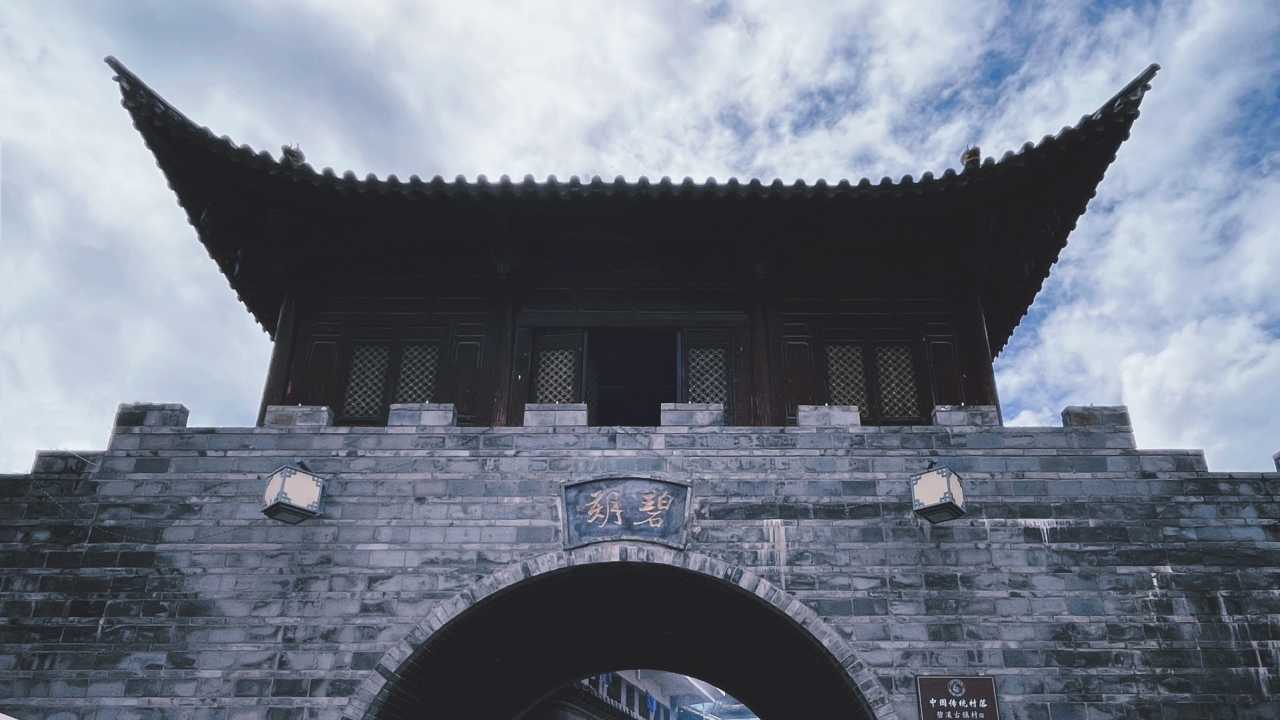
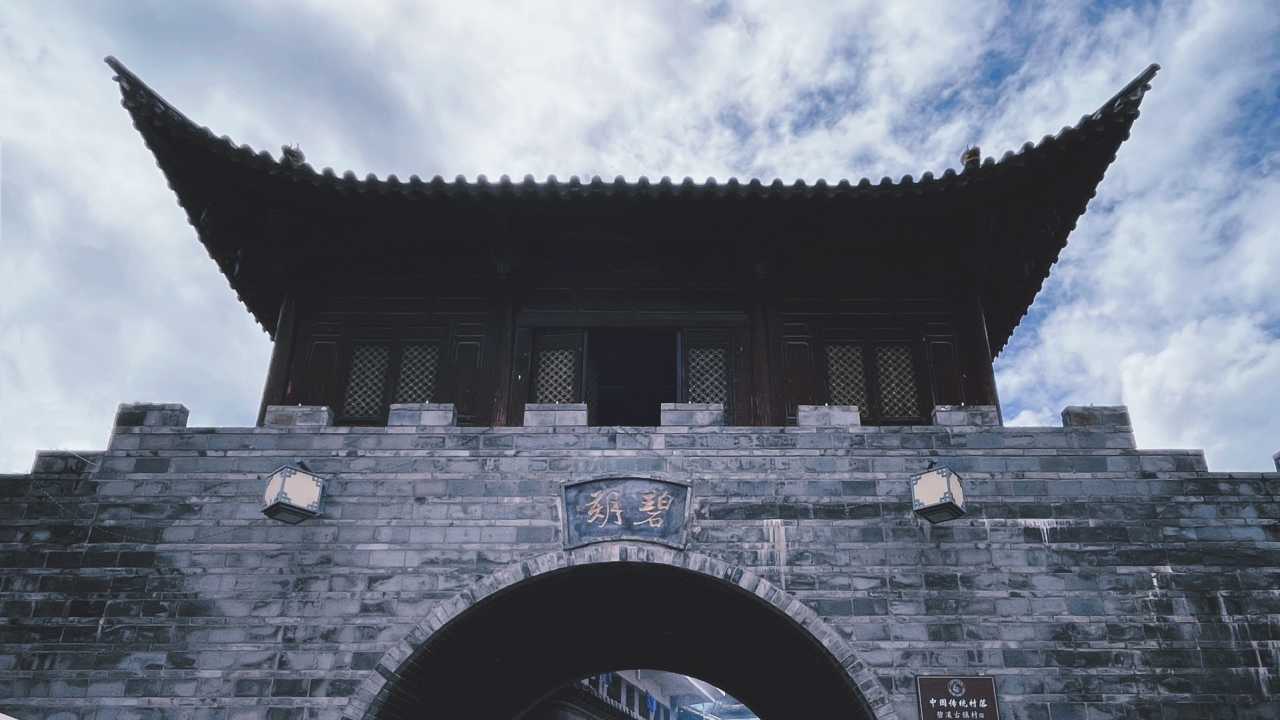
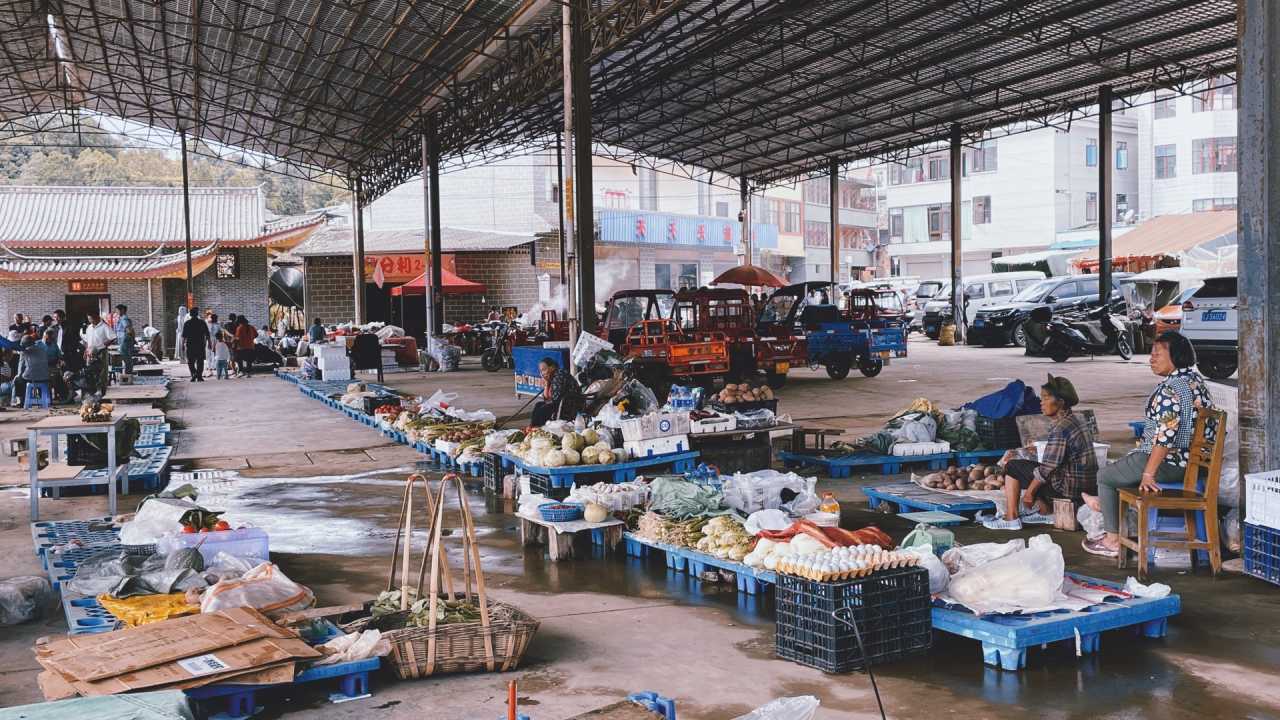
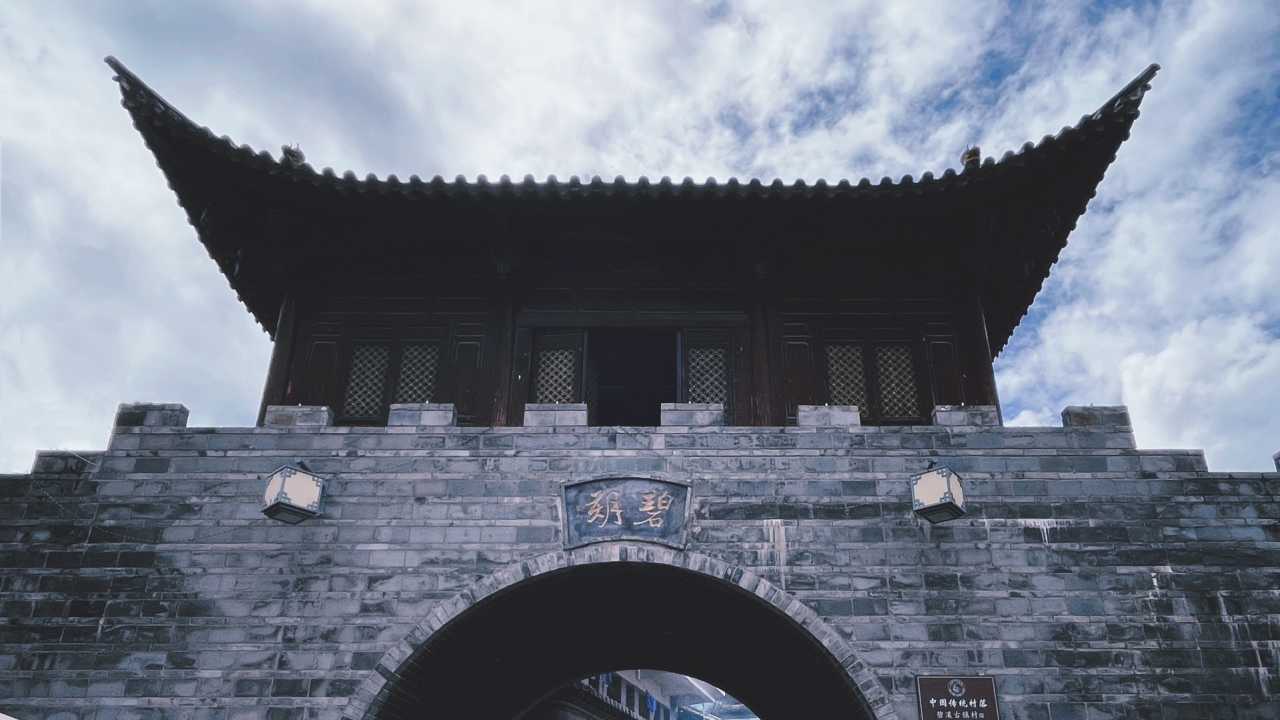
At four in the morning, with the night still lingering, I departed from Kunming. Just over three hours later, my first stop was Bixi Ancient Town, tucked deep within a local market. Originally named "Bishuo," it was the site of the Ming Dynasty's "Gongshun Prefecture." "Bi" comes from the lush green mountains, and "Shuo" means north. Later, because crystal-clear streams flowed on both the east and west sides, with fertile fields in front and verdant hills behind, it was renamed "Bixi" (Jade Stream).
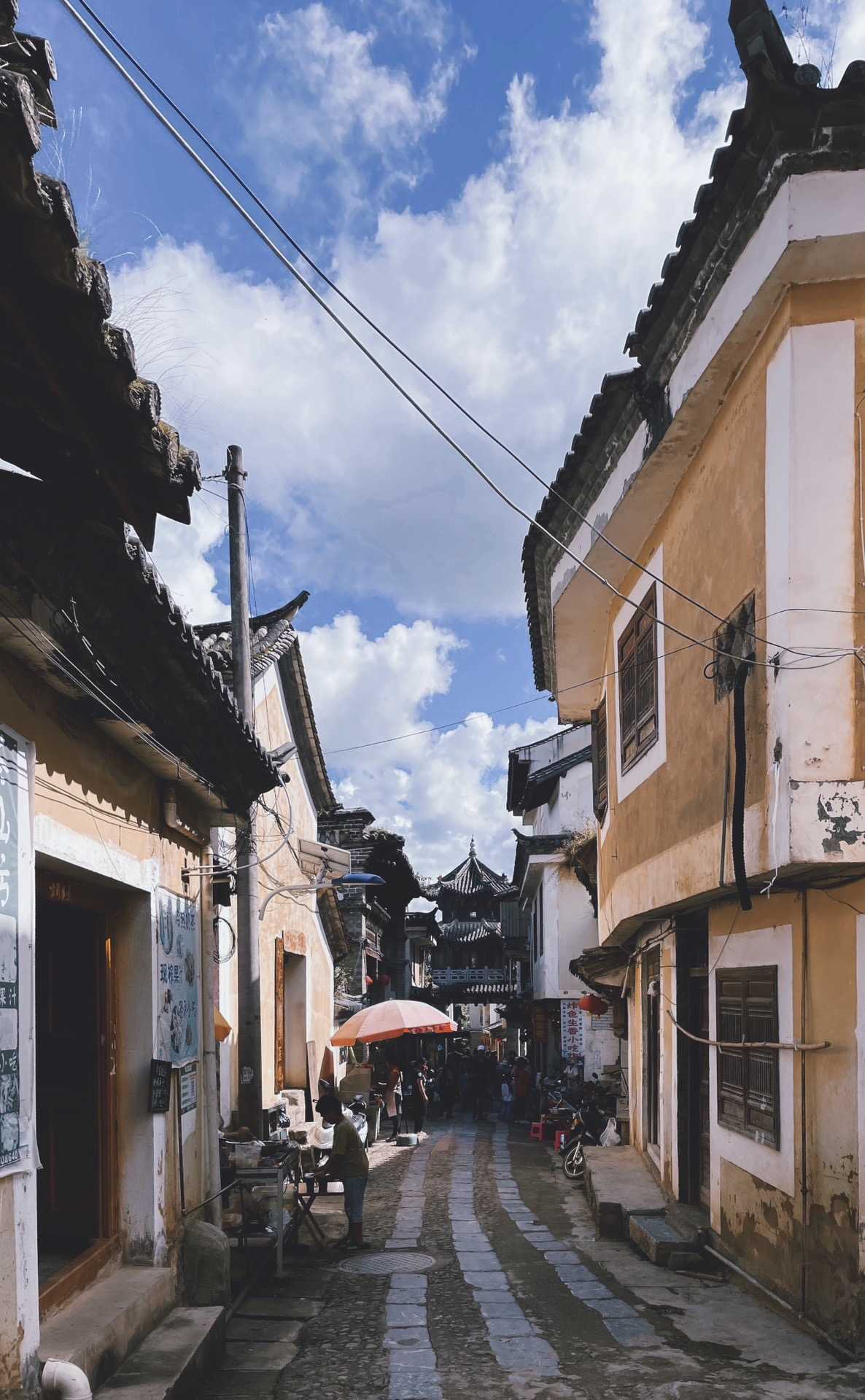
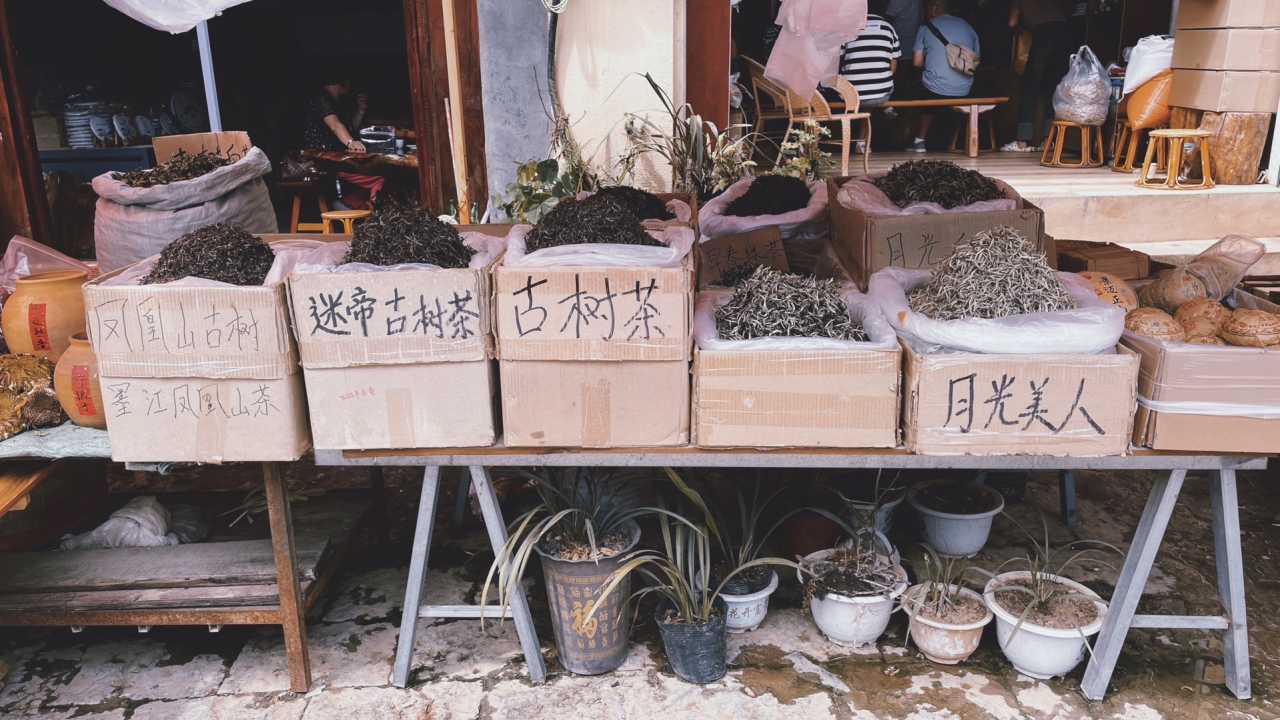
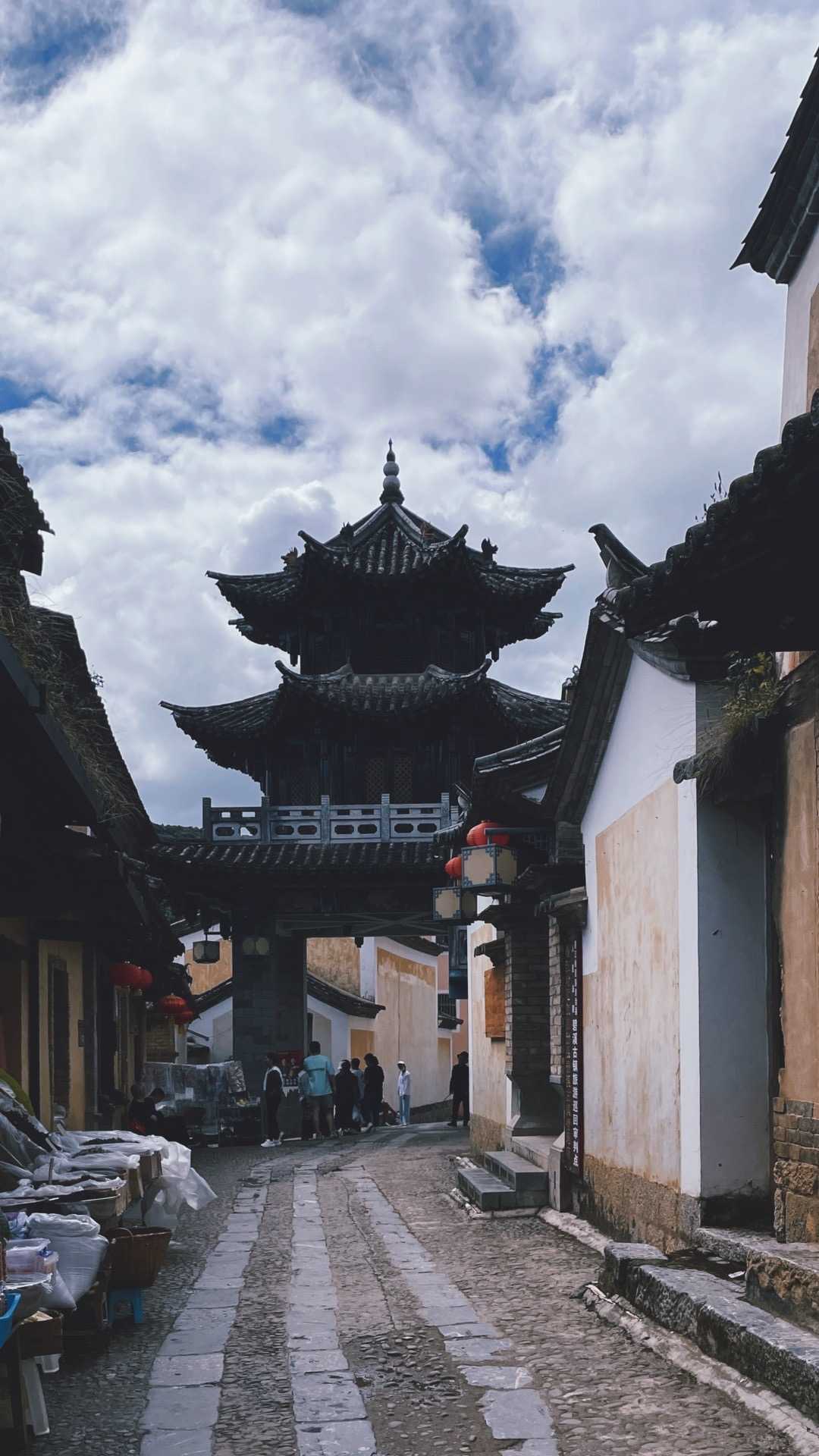
Stepping into the ancient town, the stone-paved road beneath my feet was uneven and pitted. Old wooden houses lined both sides. There was no clamor of vendors hawking their wares, only the casual chatter of locals going about their day. This was once an important relay station on the Ancient Tea Horse Road. Today, while the bustling traffic of yesteryear is long gone, the rustic atmosphere is all the more captivating.
The most common shops in the town are tea houses and local specialty stores. The owner of every shop will enthusiastically invite you in for a taste of tea. Even if you know nothing about it, or end up leaving empty-handed, they will still patiently explain the local tea culture. This kind of simple, honest hospitality is incredibly heartwarming.
Wandering through the alleys, I stumbled upon a local specialty called "black peanuts." These selenium-rich black peanuts are said to boost vitality, nourish the brain, and slow aging – a claim that certainly piqued my interest.
Deep in the ancient town lies the former residence of "Guardian General" Yu Enyang from the Republic of China era – that's right, this is the ancestral home of Taiwanese pop star Harlem Yu. The three Yu brothers – Yu Enrong, Yu Enyang, and Yu Enxi – were all prominent figures of the Republican period. The residence is well-preserved and, after renovations, has been restored to its former glory. It occasionally hosts various exhibitions highlighting strong local characteristics.
At noon, I stopped at a bustling little roadside shop and ordered a local specialty called "米缸" (rice jar). The bowl was filled to the brim with broth that looked steaming hot, but when it touched my lips, it was a cool, sour, and spicy soup. The bowl was piled high with chili oil. I underestimated it at first, but ended up with a runny nose and tears streaming down my face. Pu'er's spiciness completely redefined my understanding of how spicy Yunnan food can be!
Mohei Ancient Town: The Story of the Salt Well and the "Beauty Goddess"
In the afternoon, I arrived at Mohei Ancient Town. "Mohei" is a Dai language term: "Mo" means well, and "Hei" means salt – together, "salt well." The highlight here is the former residence of Yang Likun. This actress only starred in two films, Five Golden Flowers and Ashima, yet she achieved international fame and left an indelible mark on the hearts of hundreds of millions of viewers. Her residence is a classic Bai-style courtyard house with three rooms and one screen wall. Inside, it displays a wealth of her film materials and traces of her life. Because of Yang Likun, Mohei is also known as the "Ancient Town of Beauty."
In the evening, just as I left the residence, I was drawn in by an enticing aroma. Across the street was a wildly popular wild barbecue stall. Seeing the thick, smoky atmosphere, I decided to join the crowd. But after placing my order, I realized there were over twenty plates of food ahead of mine waiting to be grilled. The owner was a stickler for the rules; even when people tried to sweet-talk her, she refused to let anyone cut the line. We waited from daylight until dark, and over two hours later, we finally ate – and it was absolutely worth it. I was moved to tears!
Halfway through the barbecue, cheerful music and dance suddenly erupted from the square next door. I ran out to see that the villagers had spontaneously started a bonfire party. Among them was an elderly woman leaning on a cane, swaying to the music. At that moment, I felt deeply: age is never a limitation; life can always be brilliant.
Deeper In: Ancient Roads, Ancient Villages, and Ancient Tea
Nakeli: The Caravan Love Song on the Ancient Tea Horse Road
On the second day, I came to the Nakeli Ancient Tea Horse Road. Originally named "Maku Li" (Horse Cry Grotto), Nakeli was an important post station on the ancient Pu'er Prefecture Tea Horse Road and is the birthplace of the CCTV song Caravan Love Song.
One side of the ancient road is a stone-paved path, winding through houses and woods, stretching to the other side of the mountain. Along the way, there's a cliff spanning a river called "Horse Jump Rock." Legend has it that long ago, the daughter of a wealthy family was being chased by bandits. A swift horse carried her across the cliff to safety, giving the rock its name. Later, it became a testing ground to judge the quality of horses.
At a fork in the path stood two withered ancient banyan trees. According to legend, they were a married couple. When one died, the other, heartbroken, slowly withered away. On the other side of the path was a suspension bridge shaped like a fish skeleton, swaying unsteadily as I walked across. Crossing the wooden bridge, I saw a giant waterwheel, with many children nearby sketching the scenery.
At the end of the path was a covered bridge (wind-rain bridge). For the people of ancient Pu'er, this bridge served both as a resting pavilion for travelers and a crucial passage for caravans gathering and loading goods. Passing through the covered bridge, I found a bustling little town. I ordered a local specialty coffee at the corner coffee shop, Man Ya Coffee (漫崖咖啡), and sat idly, watching the flow of people below. Suddenly, the sound of drums and gongs filled the air – it was a local Dai wedding celebration!
Besides coffee, the ancient town is also full of tea shops. If you have time, you might want to try your hand at the traditional stone-grinding process for making Pu'er tea. The most well-known form of Pu'er tea is the "seven-cake" bing (七子饼) – one stack of seven cakes, each cake weighing seven liang (approx. 350 grams). Weighing the tea, steaming it, placing it in a cloth bag, shaping it, pressing it with a stone mill, inspecting it, letting it cool, removing the cloth bag, drying it, and wrapping it in paper – every step embodies the dedication and passion of the tea maker.
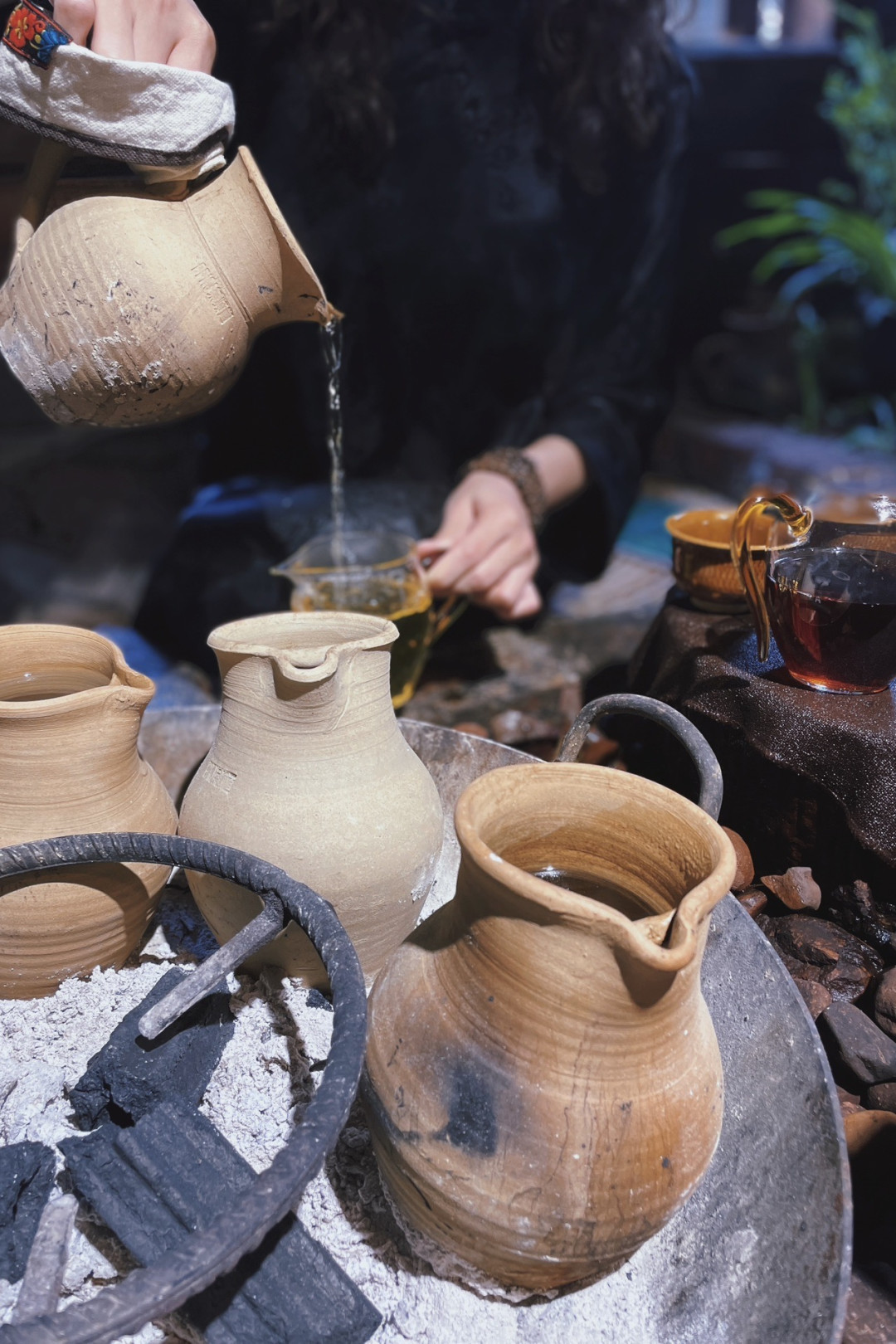
At the Pu'er Tea Culture Experience Center, you can also experience the roasted tea culture of various ethnic groups: the Bai Duo (hundred-shake) tea of the Blang people, the earthen-pot roasted tea of the Yi, the burnt tea of the Lahu, the pounded tea of the Wa... For a cup fee of just 10 yuan, you can enjoy unlimited free tea tasting. After you're done, you can even take the earthenware cup home. It's a public-spirited promotion of roasted tea culture.
After a few cups of tea, my stomach was growling. At a roadside snack stall, I unexpectedly fell in love with "酸多依" (suan duoyi) – a tart and sweet wild fruit that was utterly addictive.
Menglian: An Unexpected Journey to the Avocado Capital
By evening, when I arrived in Menglian County, Pu'er City, it was already dark. I heard they were holding the "Menglian Avocado Festival" and was excited to check it out. But my GPS led me astray. I ended up driving over several desolate, uninhabited mountain ridges, feeling utterly foolish.
I finally made my way to the city center, catching the tail end of the festivities. As the Avocado Capital of China, the entire event was more lively than the Spring Festival Gala. It felt like the whole town had gathered. After the event ended, following a local's recommendation, I headed to the landmark Nàyǔn Bridge. At night, the market had transformed into a lively barbecue area. Rows of small stools were lined up along the stalls, and customers sat around, chatting and laughing, sharing stories of their daily lives.
Nàyǔn Ancient Town: A Dai Ancient City Under 600 Years of Chieftain Rule
"Menglian" in the Dai language means "a good place found." From ancient times to the present, Menglian has had 28 successive chieftains across 28 generations, ruling for an astonishing 660 years. Nàyǔn Ancient Town is the only Dai ancient city that still retains over a thousand households and holds a sacred place in the hearts of Dai people across Southeast Asia.
"Nàyǔn" in Dai means "inner city." Spanning the Yuan, Ming, Qing dynasties, and the Republic of China period, it was once the political, economic, cultural, and religious center of Menglian. The ancient town is composed of "three cities and two villages": the upper city was for the chieftain and his household staff, the middle city for officials and their families, and the lower city for lower-ranking officers.
The General Temple (总佛寺) at the foot of the mountain is the largest, resplendent and magnificent, housing a vast collection of historical and cultural texts on astronomy, calendars, myths, legends, and medicine. The pagoda of the Middle City Temple is uniquely encircled by elephants. At the highest point of the ancient town stands the Menglian Xuanfu Si (Menglian Pacification Commissioner's Office), covering over 10,000 square meters. It is the best-preserved chieftain's office in Yunnan and the only large-scale architectural complex blending Dai and Han styles.
Nuogan Ancient Village: A Millennium of Time Surrounded by Tea Forests
In September of this year, Pu'er's Jingmai Mountain ancient tea forests were successfully inscribed as a UNESCO World Heritage Site, becoming the world's first tea-themed cultural heritage. And Nuogan Ancient Village lies deep within Jingmai Mountain.
"Nuogan" in the Dai language means "a gold coin falling into a pond." This thousand-year-old village is predominantly Dai and is enveloped by ancient tea forests. The village is small, with about a hundred households, all of whom make a living by growing and picking tea. To attract tourists, almost every house has turned its front room into a tea shop. As you walk through the village, you'll constantly hear calls of "Come have some tea!"
Looking down from a high observation deck, you can see the entire ancient village laid out before you. The sloped roofs are covered with traditional tiles, their gray surfaces etched with the marks of time. The air seems to be filled with the fragrance of tea leaves, mingling with curling cooking smoke, the crowing of roosters, and the barking of dogs...
I chose a tea shop at random. The owner was a simple local villager. He poured us a cup of Pu'er latte, served with a plate of 酸多依 (suan duoyi), and began to chat about the history of the place. When he mentioned the "dark cuisine" of the Dai people, my eyes lit up – it sounded beyond anything I'd ever encountered! But the process was too complicated; unless it was a major festival, there was little chance of trying it. Just as I was feeling disappointed, the owner smiled and brought out some homemade spicy beef skin. It wasn't "dark cuisine," but for a spice lover like me, it was an amazing, addictive surprise.
Wengji Blang Ancient Village: A Moment of Tranquility Under a Millennium-Old Cypress
In the evening, I arrived at Wengji Blang Ancient Village. In the Blang language, "Wengji" means "the place chosen by divination." Legend has it that when the Blang ancestors led their people to Mangjing, they didn't know where to build their village. So they found someone to perform a divination to choose the site, and that place is the current Wengji.
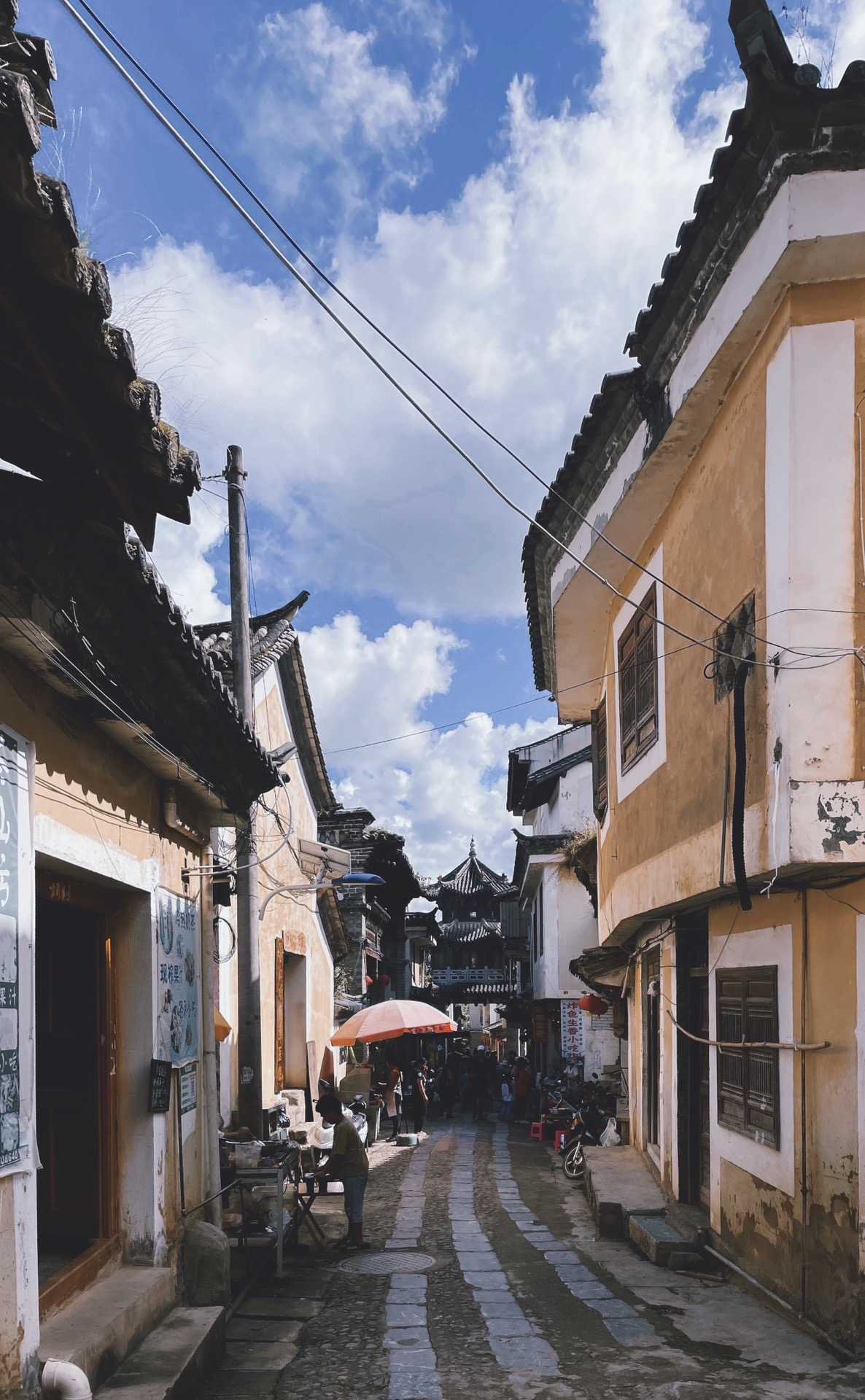
The ancient village is surrounded by mountains, with overlapping peaks and swirling clouds. Dendrobium grows in the crevices of the old bricks and tiles. The roof ornaments, shaped like a tea bud with two leaves, tell the story of the bond between tea and the Blang people. The most striking feature of the ancient village is a giant cypress tree over 2,000 years old. Its trunk is thick and straight, towering into the clouds, radiating an aura of spiritual energy honed over millennia.
For dinner, I had authentic farmhouse cooking in the village. A dish of stir-fried chicken with 苤根菜 (piegen cai, a local leafy green) was absolutely incredible – tender, sour, and spicy. It was so good I devoured two big bowls of rice.
At night, the clouds on the horizon slowly turned from gold to red to black. As the last light faded and the cooking smoke rose, Wengji grew increasingly peaceful. The ancient tea trees, the banana groves beneath the stilt houses, the wooden fences... What an incredibly beautiful scene, like a poem or a painting!
Epilogue: Tea and Coffee, Both Gifts of Nature
On my final day, I visited the China Pu'er Tea Expo Garden. From the origins and development of Pu'er tea, its cultivation and production, its ethnic roots, and its history and culture, to the art of brewing and tasting – the garden presents the full charm of Pu'er tea.
During the Wa people's wooden-drum tea-offering ceremony at the Wen Cha (Tea Inquiring) Pavilion, I felt the deep reverence and love the indigenous peoples of Pu'er have for tea. At Lu Ming (Deer Calling) Valley, I fed the sika deer kept in the tea gardens. They were incredibly gentle and adorable. Amidst the vast tea plantations, I also happened upon two elderly women picking tea leaves. Their figures blended perfectly into the landscape, and I couldn't resist snapping a photo.
This journey to Pu'er made me deeply realize: whether it's tea or coffee, both are precious gifts bestowed by this land. They carry the culture and wisdom of the diverse ethnic groups who have lived here for generations, and they connect the past with the future.
If you're also looking for a spontaneous trip, add Pu'er to your list. Here, you can:
- Sip Tea: Listen to a shop owner's stories about tea in Bixi Ancient Town; hand-make a traditional stone-ground Pu'er tea cake at the Nakeli Pu'er Tea Culture Experience Center; soak in the tranquility surrounded by tea forests at a tea house in Nuogan Ancient Village.
- Drink Coffee: Order a local specialty coffee at Man Ya Coffee in Nakeli and watch the world go by; feel the city's passion at the Menglian Avocado Festival.
- Explore Ancient Towns: Trace the marks of history on the stone paths of Bixi Ancient Town; experience the depth of Dai culture in the temples of Nàyǔn Ancient Town; listen to the wind whispering through the millennia under the ancient cypress in Wengji Village.
- Eat Delicious Food: From the tear-inducing spiciness of 米缸 (rice jar soup) to the aromatic wild barbecue; from the sweet-and-sour 酸多依 (suan duoyi) to the tender and flavorful 苤根菜辣炒鸡 (spicy stir-fried chicken with piegen cai) – every bite is a surprise.
Finally, to borrow a phrase from the beginning: May you all be embraced by the healing power of nature! Whether you choose tea or coffee, Pu'er will give you an unforgettable time, in its own special way.
You should also read:
A 9-Day Yunnan Journey: From Lijiang to Dali to Tengchong – A Trip Toward Self-Reconciliation
A 9-Day Yunnan Journey: From Lijiang to Dali to Tengchong – A Trip Toward Self-Reconciliation Some say travel is simply going from a place you're tired of to a place other people are tired of. It stings to hear, but it's painfully true. Yet there's…
Continue reading...
God’s Abandoned Palette: A Self-Drive Journey Through Yunnan’s Dongchuan Red Land
God’s Abandoned Palette: A Self-Drive Journey Through Yunnan’s Dongchuan Red Land Travel has never been about reaching some distant geographic coordinate. It’s about encountering, along the way, the version of yourself buried beneath the rubble of daily routine. During this May Day holiday, I finally…
Continue reading...
Cloud Travelogue · Dali of Wind, Flowers, Snow, and Moon: A Three-Day, Two-Night Journey of a Free Spirit
Cloud Travelogue · Dali of Wind, Flowers, Snow, and Moon: A Three-Day, Two-Night Journey of a Free Spirit I am a cultured female foodie with a touch of rogue charm. I slung on my backpack, took my lover's hand, and set off on a spontaneous…
Continue reading...