Seeing Yunnan Again: A 15-Day Soul Journey Through Tiger Leaping Gorge, Shangri-La, Lugu Lake, Dali, and Tengchong
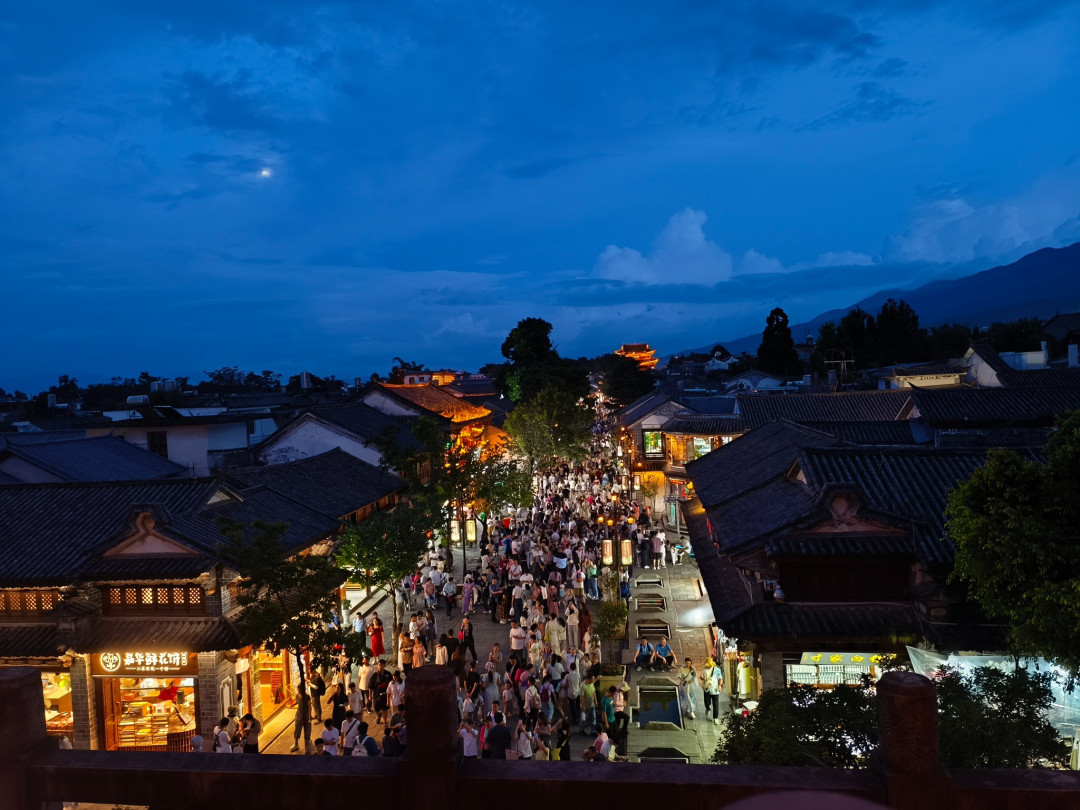
Seeing Yunnan Again: A 15-Day Soul Journey Through Tiger Leaping Gorge, Shangri-La, Lugu Lake, Dali, and Tengchong
Life is a journey with no final destination, and Yunnan is that faraway place you keep looking back to. Setting foot on this land for the third time, my heart still raced as if it were the first. In August 2025, my partner and I spent 15 days traveling from Lijiang, through Tiger Leaping Gorge, Shangri-La, Dali, and Lugu Lake, before I ventured alone into Tengchong—completing an exploration that felt both familiar and brand new. Our per-person cost was around 12,000 RMB. Most of the trip was with a small seven-person group, with free travel at the end—a rhythm of relaxation and intensity, full of surprises and regrets alike.
Lijiang Overture: Starting with a Bowl of Mushroom Soup
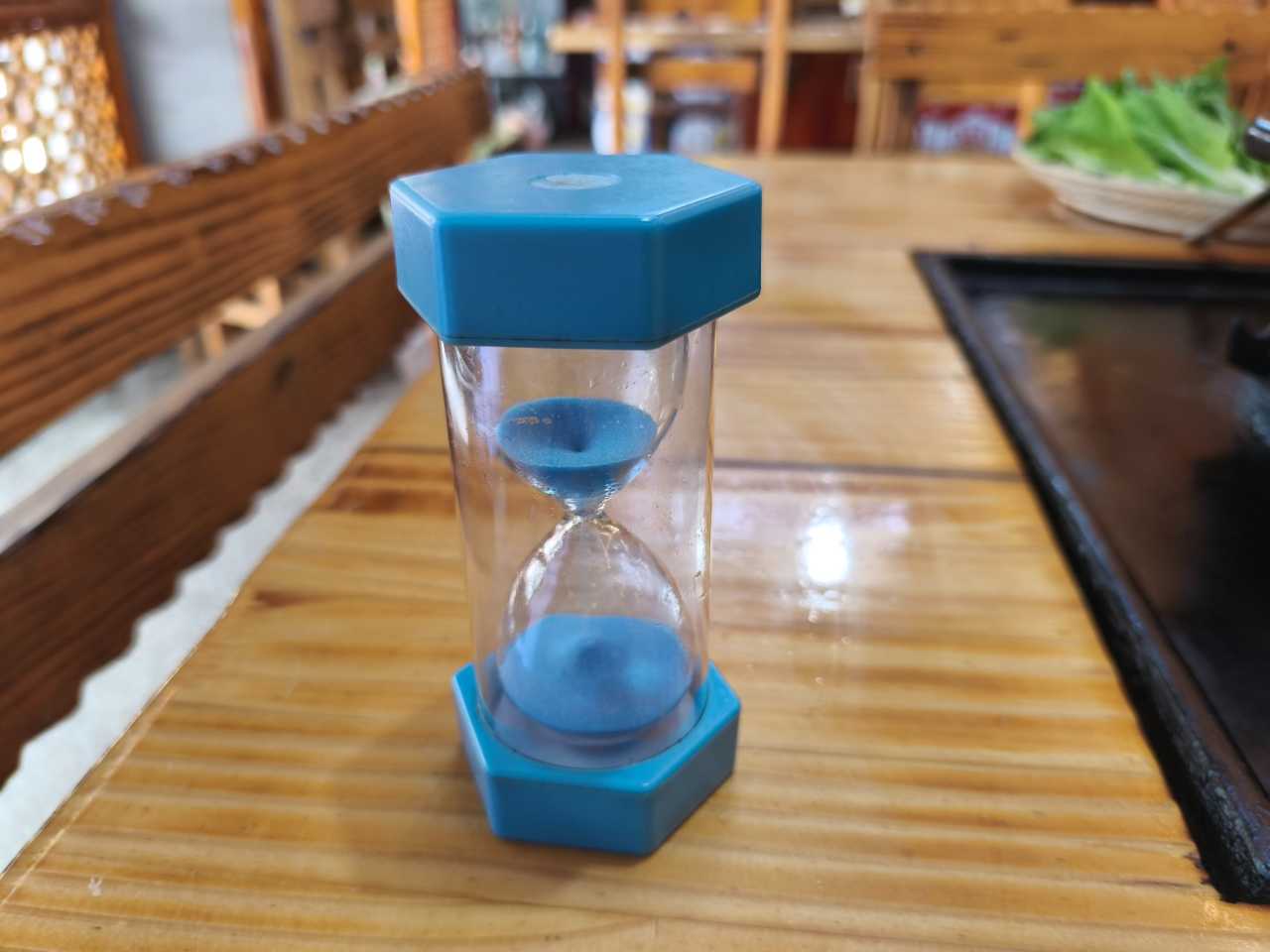
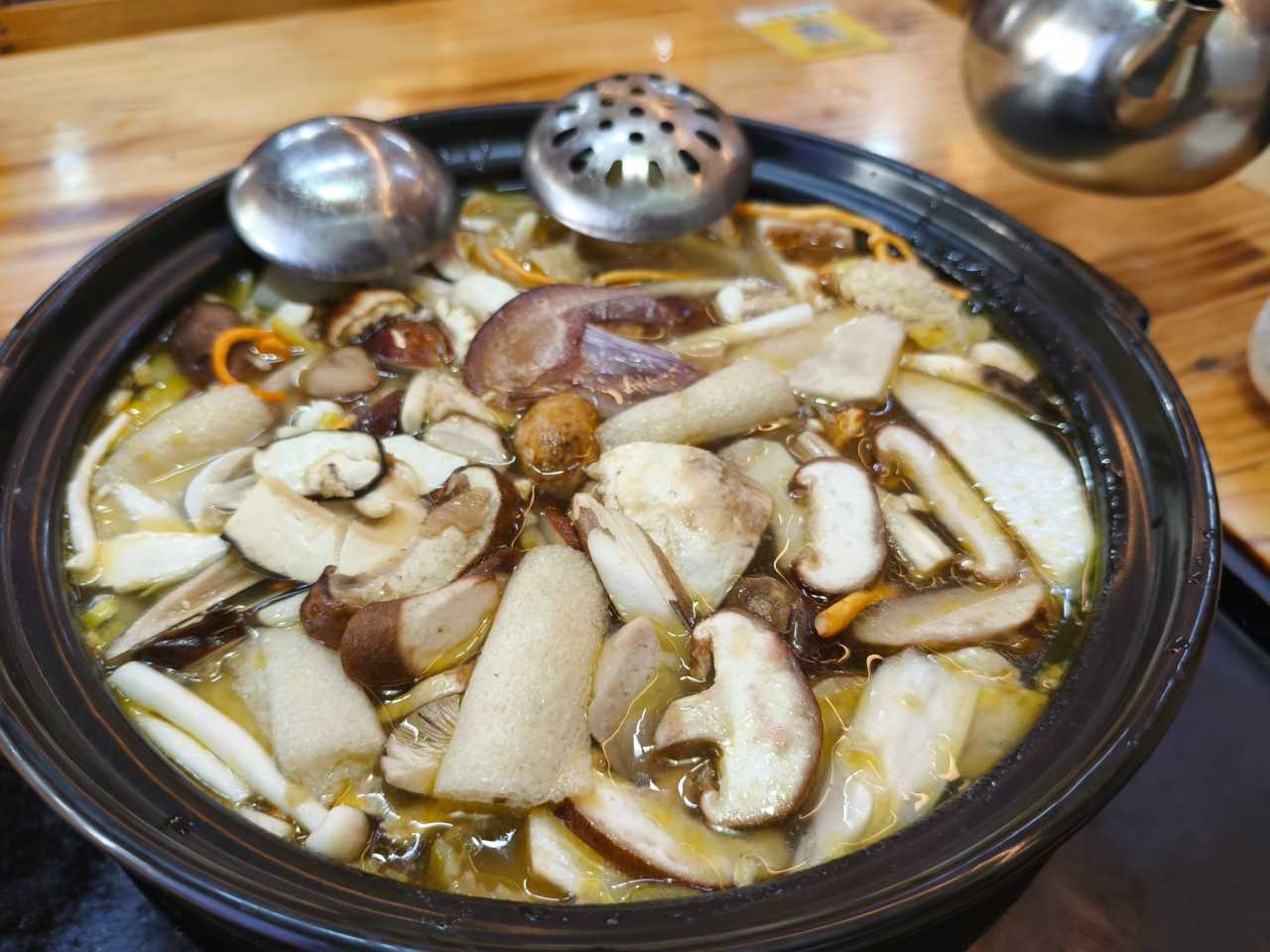
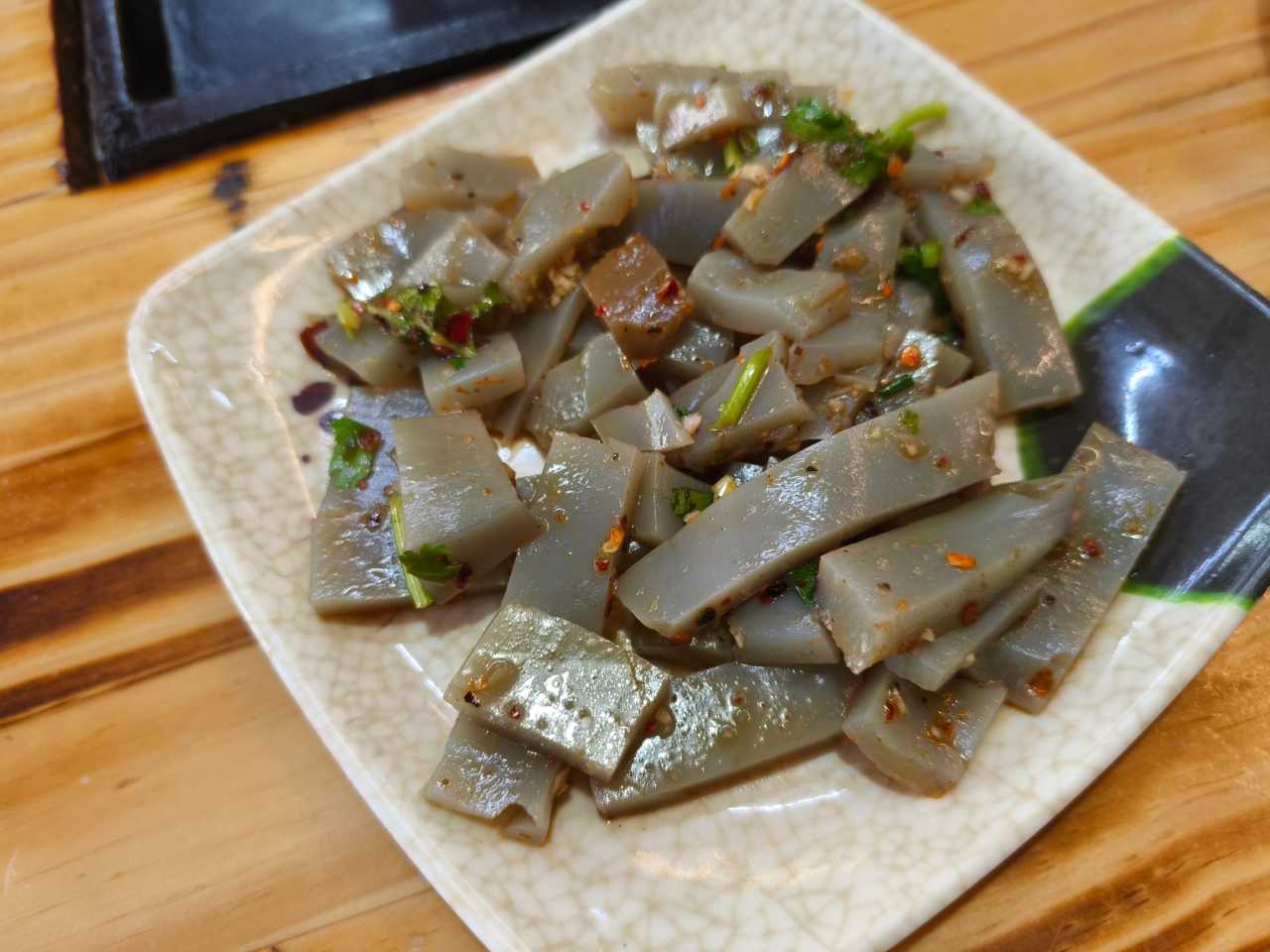
On the morning of August 4th, our plane landed at Lijiang Airport. The pickup driver was already waiting. After checking into the hotel booked through Youxiake (a travel platform), we headed straight for food. Near the hotel was a highly-rated restaurant called "Town Mushroom Soup Main Store" (小镇菌菌汤总店). We pushed open the door—it wasn't crowded—and ordered a wild mushroom hotpot set from Dianping (a review app) for 128 RMB. It came with 12 types of fresh wild mushrooms, locally raised free-range chicken, a large platter of leafy greens, plus complimentary chicken bean jelly (鸡豆凉粉) and rice for two. The staff kindly placed an hourglass on the table and reminded us, "Don't eat until 20 minutes are up." The chicken broth was clear as amber, and the umami of the mushrooms exploded on my tongue. For a mushroom lover like me, this meal alone was enough to soothe the fatigue of a long flight.
Strolling Through the Old Town: The Majesty of Mu Palace and the Serenity of Black Dragon Pond
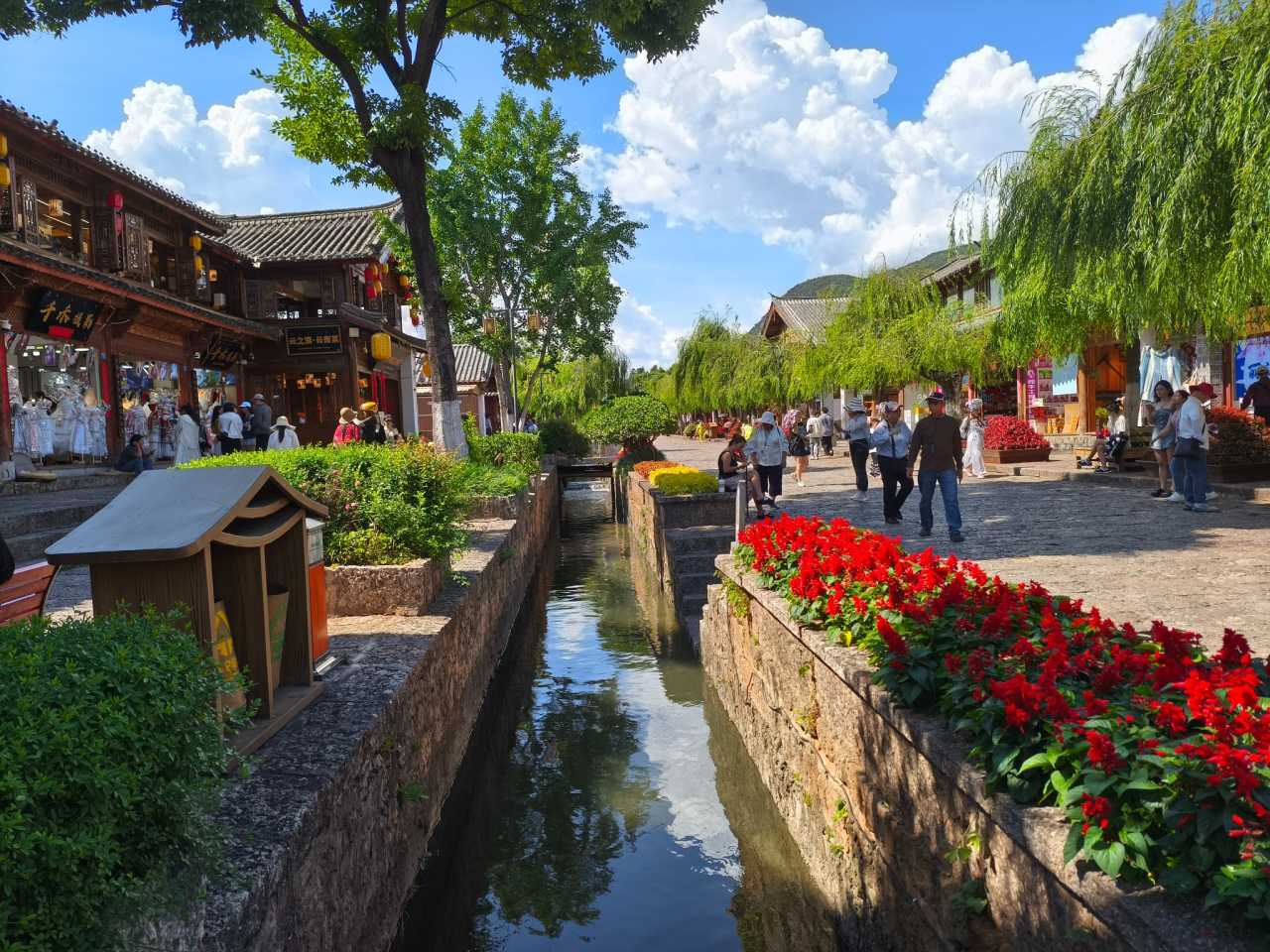
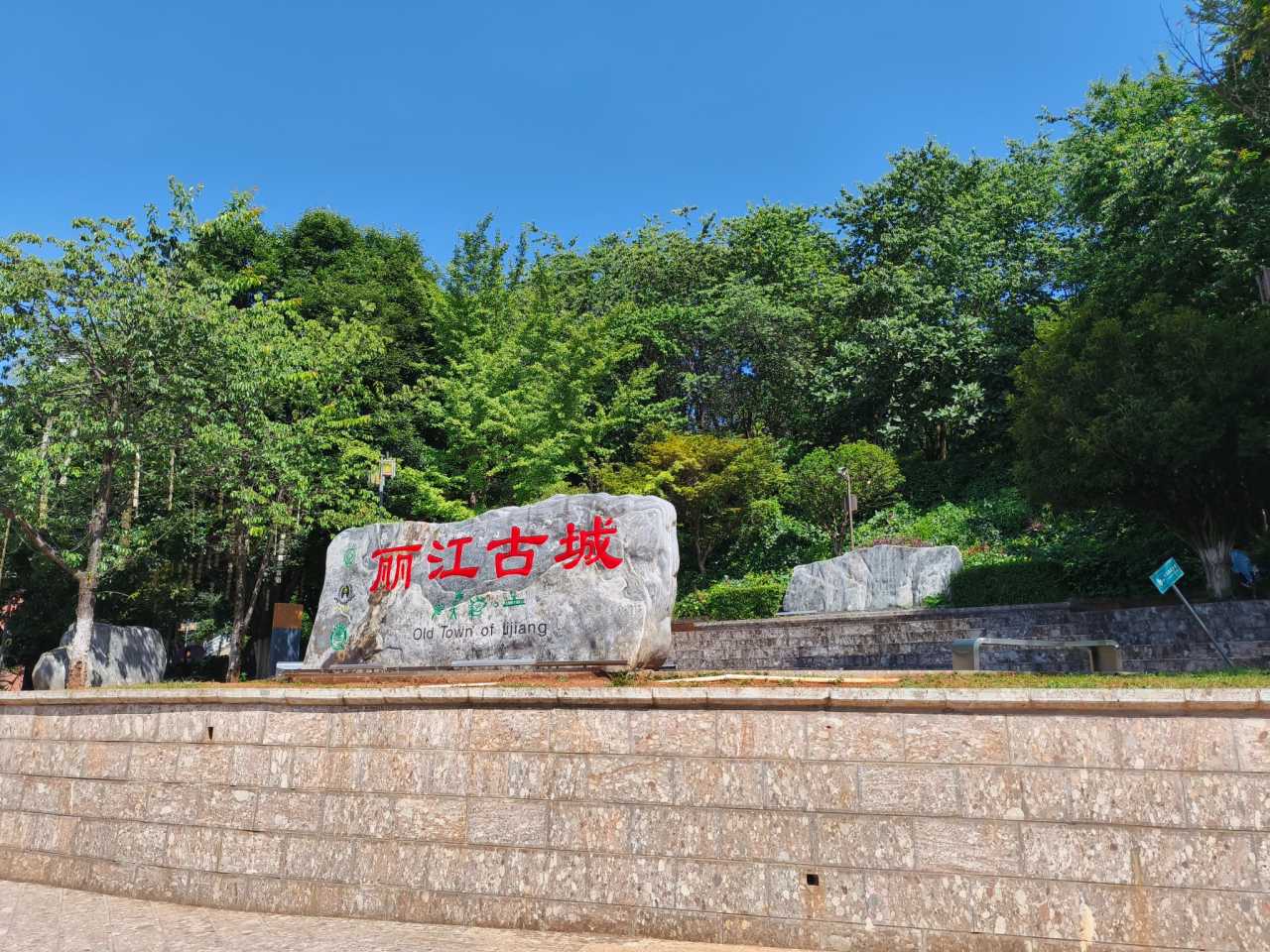
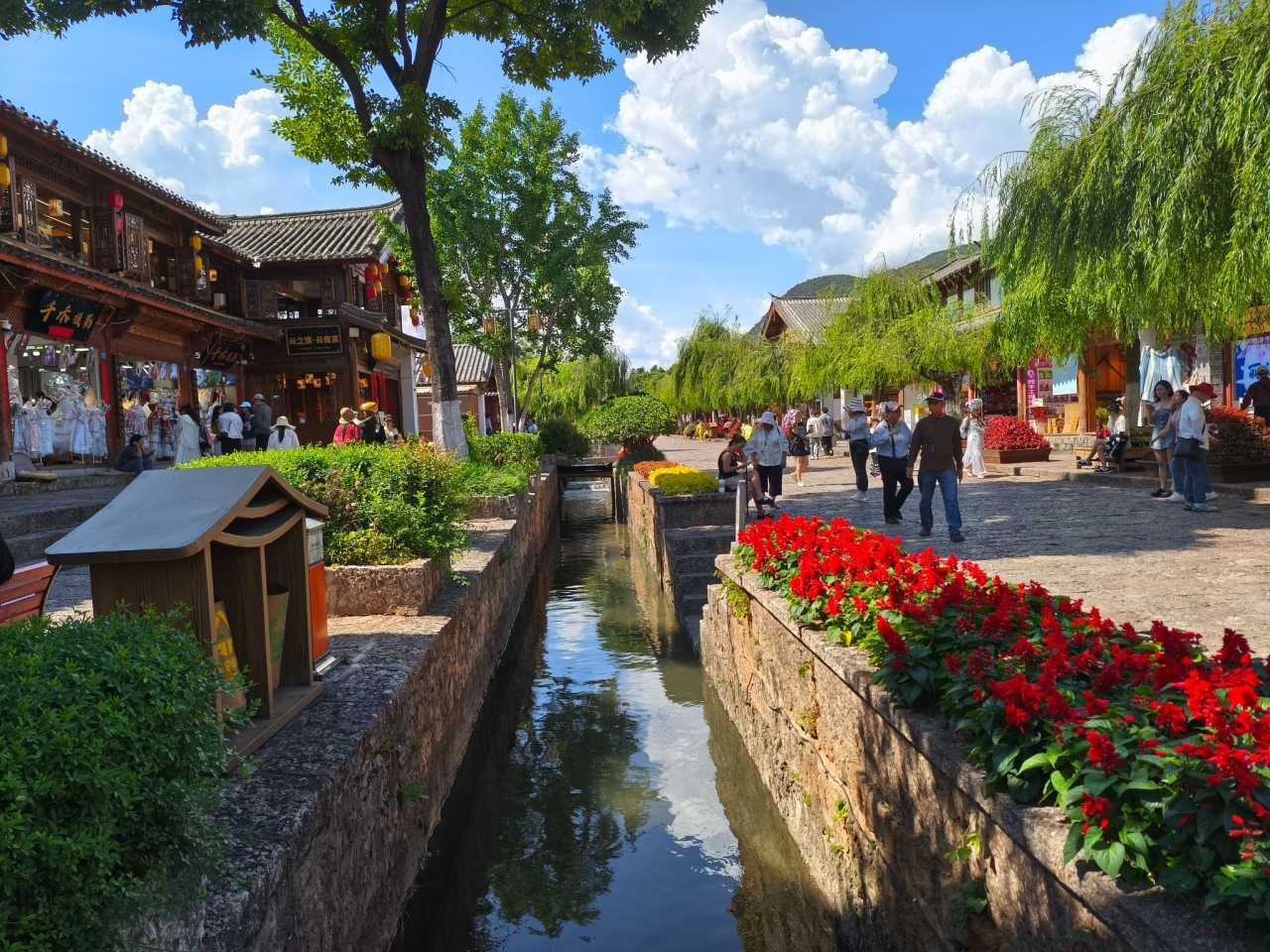
In the afternoon, we walked into Lijiang's Old Town. It was a weekday, not peak hours, so there weren't many tourists—finally escaping the crushing crowds I remembered. Little bridges over flowing water were still there, flowers bloomed in front of every house, and the narrow cobblestone lanes were alive with the sound of streams. Over 300 years ago, the explorer Xu Xiake described it as "houses clustered together, encircling the city and threading through the valleys." Today, there are more shops and noise, but the ancient charm remains.
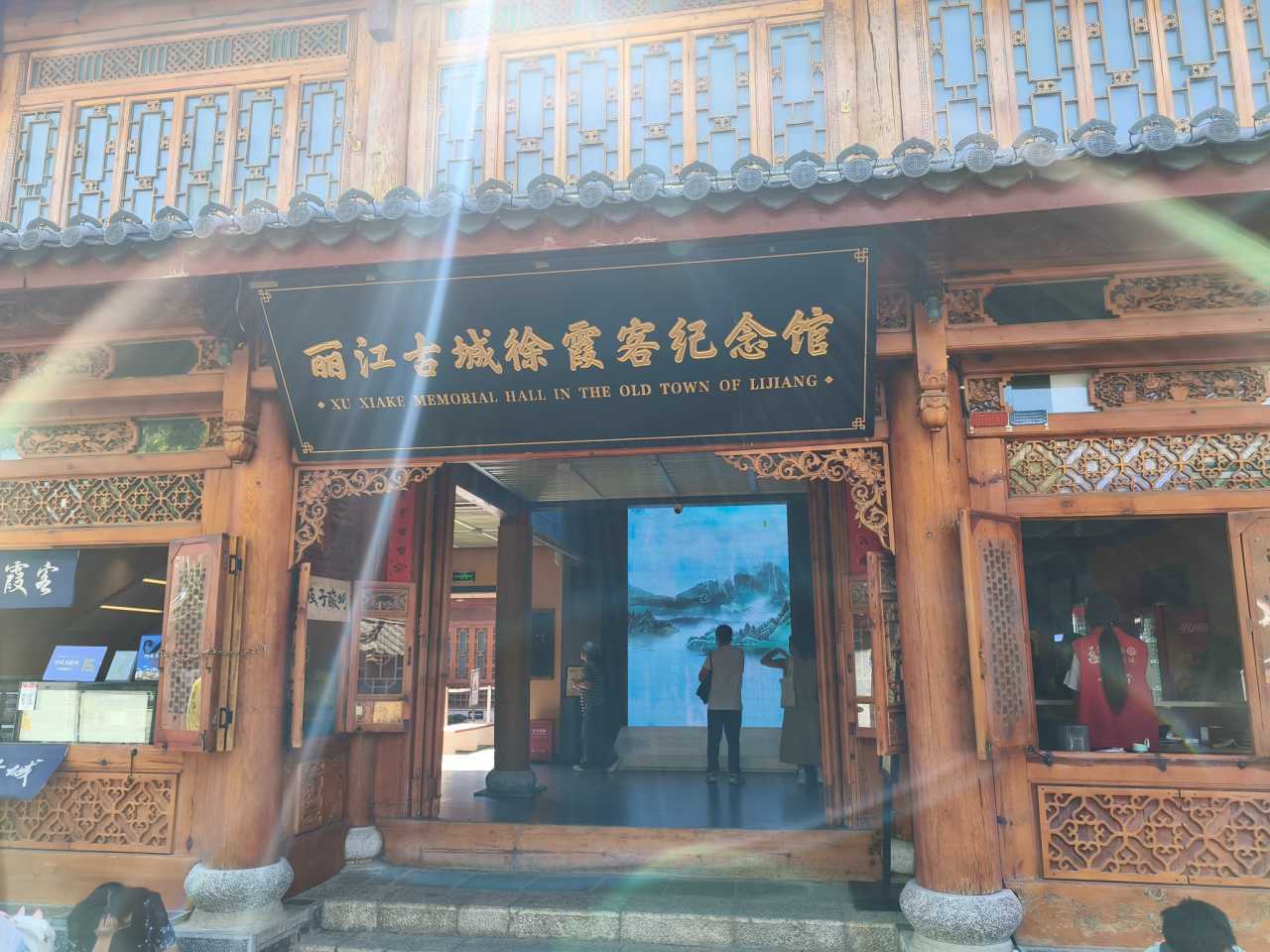
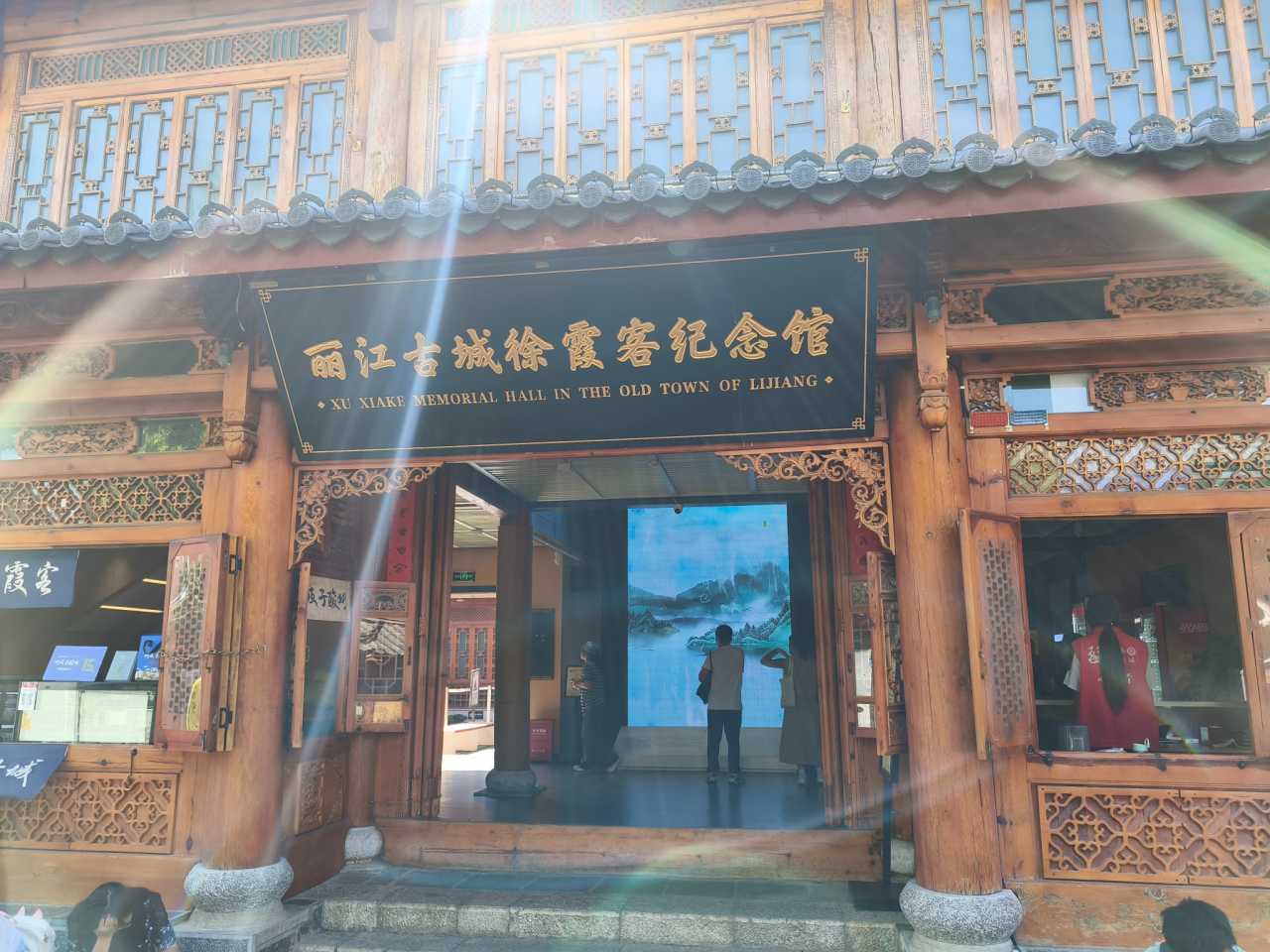
Our goal was Mu Palace (木府)—a regret from my last trip to Lijiang that I had to make up for. We passed the Xu Xiake Memorial Hall with a quick glance; it was just a collection of pictures and materials, not very informative. The grand entrance of Mu Palace was imposing, showcasing the former glory of the local chieftains. Avoiding the tour group flags, we took the side corridor—gray brick floors, crimson pillars, dark red lattice windows, and colorful ethnic patterns on the ceiling. The central axis of Mu Palace stretches 369 meters, facing east with its back to Lion Hill, the Jade Dragon Snow Mountain on the left, and Tiger Hill on the right—a layout rich in feng shui. Fifteen buildings, including the Loyalty and Righteousness Archway (忠义坊), the Council Hall, the Library of Ten Thousand Volumes, and the Dharma Protection Hall, unfold in sequence, totaling 162 rooms. Eleven plaques bestowed by emperors hang high, inscribed with words like "Loyalty and Righteousness" and "Sincere Service to the Country." Standing in the side corridor, I looked up at the triple-eaved, pointed roofs, green tiles and red beams, intricate brackets, and carved beams—all exuding luxury. At the highest point, the entire Lijiang Old Town lay before us—rows of houses nestled at the foot of Jade Dragon Snow Mountain, which stood guard like a protector.
Leaving Mu Palace, we walked along the Yu River toward Black Dragon Pond Park (黑龙潭公园). The river was four to five meters wide, with dazzling lights. Shops thinned out, giving way to pastoral scenery. We passed a shop selling freshly baked flower cakes (鲜花饼), bought two to try, and took a break. Black Dragon Pond Park, also known as Jade Spring Park, was built in the second year of the Qianlong reign (1737) and named after the "Dragon God" honored by two emperors. The lake and mountains complemented each other beautifully, with the Moon-Viewing Tower (得月楼), the Locking Emerald Bridge (锁翠桥), and the Jade Emperor Pavilion (玉皇阁) scattered around. The Lijiang City Museum was at the northern end, but unfortunately, it was closed. A sign outside indicated that Dongba culture study sessions were often held there. We circled the lake as the sun sank into the clouds, and in the atmosphere of an impending mountain rain, my heart felt unusually calm.
Tiger Leaping Gorge: The Wind Howls, the Tiger Leaps, the Jinsha River Roars
On the morning of August 5th, a large van from Youxiake picked up our seven-person group. Besides my wife and me, there were Dr. Qiu and her daughter from Hangzhou, and Xiao Hao's family of three from Guangzhou. It was a pure-play, no-shopping trip, with a relaxed schedule and accommodations mostly inside the scenic areas—exactly why I chose Youxiake.
Our first stop was Tiger Leaping Gorge (虎跳峡). It was peak summer season, but we arrived at 8:30 AM, avoiding the traffic jams. The Jinsha River roared like the Yellow River, muddy and turbulent from the rainy season. Clouds and mist clung to the mountainsides, making the peaks seem ethereal. We walked down over 500 steps to reach the riverside with ease. Tiger Leaping Rock (虎跳石), about 13 meters high, stood firm against the raging currents, as steady as a rock. Borrowing from the lyrics of "Defend the Yellow River": The wind howls, the tiger roars, the Yellow River rages—except the viewing platform was packed with people, which slightly dampened the experience. Tiger Leaping Gorge is one of the deepest gorges in the world, with Jade Dragon Snow Mountain on the south bank and Haba Snow Mountain on the north. At its narrowest, it's just over 20 meters wide—legend says a tiger once leaped across, giving it its name. The climb back up was tough, but we insisted on walking, taking a few breaks, and made it back to the meeting point on time.
Lunch was a bit of a hiccup. The driver took us to a partnered restaurant. We waited half an hour and only got a pot of water. When we asked, they said we'd need to wait another half hour. We paid for the utensil fee and left, snacking on some roadside treats and informing the driver that we'd handle our own meals from now on. The driver was a bit annoyed but had no choice.
Shangri-La: The Paradise of Dreams
Songzanlin Monastery: The Reflection of the Little Potala Palace

In the afternoon, we arrived at Songzanlin Monastery (松赞林寺), the largest Tibetan Buddhist monastery in Yunnan Province, often called the "Little Potala Palace." The monastery is built on a hillside, as majestic as a fortress, with the two main temples—Zhacang and Jikang—at the highest point. We didn't have the energy to climb to the top, so instead we went to the stunning Lhamu Yangtso Lake (拉姆央措湖) on the opposite side. The lake was serene and blue, with birds flying low in search of food. In the distance, Songzanlin Monastery stood tall, its reflection layered in light and shadow. Walking on the wooden boardwalk, a cool breeze brushed by, and time seemed to stand still. This is the perfect spot for capturing reflections, with different angles offering different views.
Napahai Lake and Yila Grassland: A Symphony of Water and Grass
Leaving Songzanlin, we arrived at Napahai Lake (纳帕海) and Yila Grassland (依拉草原). This is a magical place—during the rainy season, the lake expands, shimmering with water, becoming Napahai; during the dry season, the lake shrinks, lush with water grass and migratory birds, turning into Yila Grassland. The driver took us through the "Sky Gate" viewing platform, then circled the lake. The famous water-covered road lived up to its name—during the rainy season, lake water spills onto the road, and the driver skillfully navigated along the yellow centerline. We stopped to take photos of the prayer flag-draped Mani stones (玛尼堆) reflected in the water. The sunset was spectacular, with fiery clouds painting the sky red, the lake calm, and the grassland a vivid green—a perfect end to the first day.
Potatso National Park: A Glimpse of Heaven
On August 6th, we finally arrived at Potatso National Park (普达措国家公园)—the paradise of my dreams. Years ago, when I first thought of traveling, I had only two goals: Xishuangbanna and Shangri-La. The first was realized seven years ago; the second came true today. My heart was pounding with excitement. The scenic area bus was spacious and smooth, with a professional guide. But after getting off, a young Tibetan man claiming to be staff gave us a long spiel, eventually using religious beliefs to peddle "peace bells" (平安铃) at 68 RMB each, wasting nearly an hour. Yunnan's tourism industry still has a long way to go.
Escaping the sales pitch, we finally reached Shudu Lake (属都湖). The water was a pale blue, with water plants swaying and wild ducks appearing. A lakeside coffee shop was decorated with flowers, a dark brown wooden cabin by the lake—I wished I could hold a cup of coffee and just stare at the water. Shudu Lake sits at about 3,700 meters above sea level, one of the plateau lakes, surrounded by primeval forests. The lake is famous for "Shudu split-belly fish" (属都裂腹鱼), golden with cracks on their bellies, but we didn't spot any. There were young people taking photos for travel shoots, and an elderly Tibetan man playing an instrument and singing—for a fee, you could take a picture with him. We strolled casually, breathing in the fresh air filled with the scent of flowers and grass. We passed the lawn where singer Zhang Jie and actress Xie Na held their wedding—a vast, green expanse right by the lake, where vows were perfectly exchanged. The 3.3-kilometer walk was easy and pleasant, and we soon reached the end.
We transferred to another scenic bus to Bita Lake (碧塔海). In Tibetan, "Bita" means a place of oak trees, and "Bita Decuo" means a peaceful sea. The lake sits at 3,538 meters above sea level, the highest lake in Yunnan. Only a quarter of the scenic area was open, but it gave us an unexpected delight. During the walk, we passed a large meadow where horses grazed, wildflowers bloomed in every color, and fir trees covered the hillsides. Last night's rain had brought the scene from the poem to life: "A night of rain in the mountains, a hundred springs from the treetops." Several clear streams meandered into the lake, and as we walked along the path, we could almost hear the gurgling water. At the end was a small lakeside pavilion. Sitting under it, with green grass before us and shimmering water in the distance, a gentle breeze on our faces, it was pure bliss. There was also an ecological library and Mani stones—this was the pure heart of Potatso.
Leaving Potatso, we were still savoring the experience. We missed the Moonlight City of Dukezong Old Town (独克宗古城) and failed to catch a glimpse of Meili Snow Mountain (梅里雪山). Coming and going in a hurry—that was the biggest regret of this trip.
Baishuitai: The Unexpected Delight of the Immortal's Terraced Fields
Bidding farewell to Shangri-La, on the way back to Tiger Leaping Gorge, Youxiake arranged a stop at Baishuitai (白水台). Compared to Potatso, this attraction was far inferior in scale and management—it felt like a geological feature on the edge of a village fenced off to sell tickets. The entrance was chaotic, the smell of horse manure lingered, and the fruit wasn't fresh. We fled into the scenic area, climbing a bumpy uphill path in the heat—the experience was mediocre. But once we escaped the interference of horse teams, things improved—pale blue water spread over terraced stone steps, giving it a bit of a Huanglong (Yellow Dragon) feel. Baishuitai is called the "Immortal's Abandoned Fields" (仙人遗田), and in Naxi language, it means a gradually blooming lotus. Covering about 3 square kilometers, it's the largest travertine terrace in China. Standing at a high point, I looked down at the light green water spreading across the stone terraces, with reflections of distant visitors in the water. Below the mountains and beside the blue water, it was a scene unlike any other.
Middle Tiger Leaping: A Night by the Jinsha River
That evening, we checked into a riverside guesthouse in Middle Tiger Leaping (中虎跳). Below our window, the Jinsha River roared and surged; across from us stood Jade Dragon Snow Mountain—a true river-view room. After dinner, we strolled along the riverbank. Nearby was the famous "Teacher Zhang's Guesthouse" (张老师客栈)—a small courtyard by the mountain and river, decorated with flowers, fresh and artistic. That night, I deliberately left the window open and fell asleep to the sound of the rushing water—the best sleep of the entire trip. The next morning, I woke up early to see Jade Dragon Snow Mountain shrouded in clouds and mist, like a jade belt wrapped around its waist. The guesthouse glowed faintly, crape myrtle and firecracker flowers bloomed carelessly, potted pine bonsai were lush at the door, and a little dog was playing—a scene full of pastoral poetry.
Shaxi Ancient Town: The Last Post Station on the Tea Horse Road
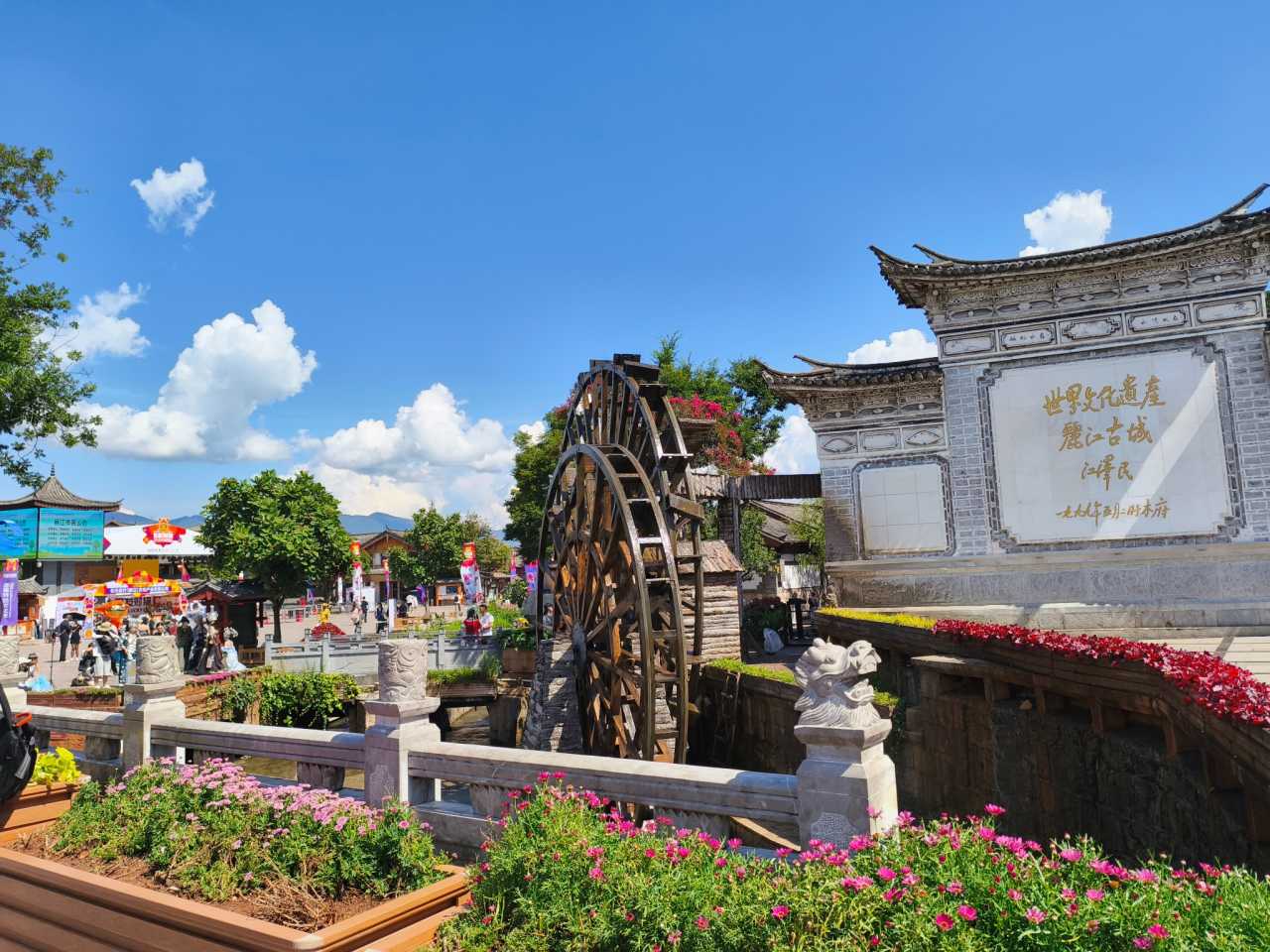
On August 7th, we said goodbye to Middle Tiger Leaping and headed toward Dali. Around 10 AM, we arrived at Shaxi Ancient Town (沙溪古镇). Once an important post station on the ancient Tea Horse Road, it was gradually forgotten as the road declined, but that's exactly why it has preserved its original character. On the east side of Sideng Street (寺登街), the Heihui River (黑潓江) quietly flows, with an ancient bridge resting peacefully upon it... (The original text cuts off here, but the charm of Shaxi Ancient Town is enough to make anyone linger—cobblestone streets, an ancient stage, horse caravan culture—every corner exudes the fragrance of time.)
Conclusion: Yunnan, Always Worth a Return
Fifteen days of travel—from the mushroom soup in Lijiang to the roar of Tiger Leaping Gorge, from the tranquility of Shangri-La to the antiquity of Shaxi—every stop had its unique scenery and stories. The charm of Yunnan lies in its endless surprises and its equally endless regrets. Those missed sights—the golden sunrise on Meili Snow Mountain, the moonlight over Dukezong Old Town, the morning mist on Lugu Lake—are precisely the reasons to come back.
Life is on the road. The heart is on the road. Yunnan, we'll meet again.
Key Tips: - Trip duration: August 4–18, 2025, 15 days - Per-person cost: Approximately 12,000 RMB (includes small group tour and free travel) - Recommendation: Youxiake's seven-person small group tour—pure play, no shopping, accommodations inside scenic areas - Watch out for: Hidden sales pitches in scenic areas (e.g., peace bells), inefficient partnered restaurants - Highlights: Potatso National Park, Tiger Leaping Gorge, Shaxi Ancient Town
You should also read:
The Meaning of Travel – A Tengchong Story: A Journey of the Heart and Personal Growth
The Meaning of Travel – A Tengchong Story: A Journey of the Heart and Personal Growth Setting Out, Only to Return a Better Self Some say travel is nothing more than leaving a place you're tired of, only to go to a place where others…
Continue reading...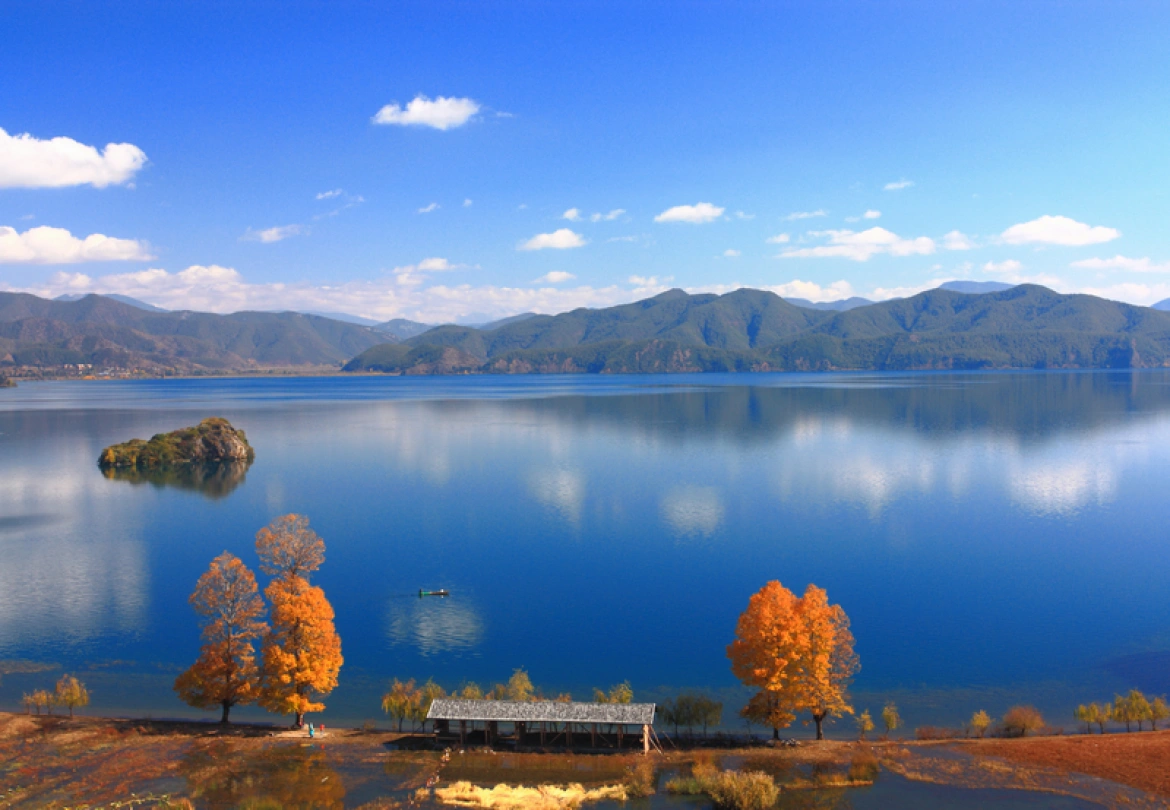
A Spiritual Journey to Lugu Lake in Lijiang: Experiencing the Legend of the Kingdom of Women! (Reproduction and Hotlinking Prohibited)
A Spiritual Journey to Lugu Lake in Lijiang: Experiencing the Legend of the Kingdom of Women! (Reproduction and Hotlinking Prohibited) Off-road自驾, food, hotel and民宿 reviews, Featured Traveler, Tank 300 owner, 200,000 km of self-driving experience. WeChat: y01294987 Ninglang Yi Autonomous County 2010.11.08 · 7 days…
Continue reading...
Hiking Around Lugu Lake: Measuring This Mysterious Highland Pearl on Foot
Hiking Around Lugu Lake: Measuring This Mysterious Highland Pearl on Foot Introduction: A Date with the Lake At the border between Yunnan and Sichuan provinces lies a highland lake embraced by mountains, embedded like a sapphire in the folds of the Hengduan mountain range. Here,…
Continue reading...