Seeking the Form, Missing the Essence: Yunnan, the Lost Horizon
Seeking the Form, Missing the Essence: Yunnan, the Lost Horizon
Prologue: When the Wind Passes Through My Fingers, I Hear the Distance
Some say Yunnan is a dream you never want to wake from. As the plane cut through the clouds and the silhouette of Cangshan Mountain and Erhai Lake emerged beyond the window, I suddenly understood the true meaning of "Colorful Clouds of the South"—the sky here is a palette overturned into brilliance; the earth here is poetry frozen in time. From the biting glaciers of Jade Dragon Snow Mountain to the tranquil lakes of Potatso; from the smoky human warmth of Lijiang Old Town to the echoing chants of Songzanlin Monastery, every step treads on the pulse of history, every breath is steeped in nature's gift.
This journey took me eight days, as I tried to find the legendary Shangri-La on the "Lost Horizon." But in the end, I discovered that the true distance is never on a map—it appears the moment you let go of your attachments.
Pre-Trip Essentials: The "Survival Rules" That Save You Detours

Official Accounts and Reservations: The Passwords of the Digital Age
Every scenic spot in Yunnan has its own temperament. Museums and galleries close at different times, so be sure to follow their official accounts or call ahead before you go. Special warning: tickets for Jade Dragon Snow Mountain Glacier Park Cable Car, Yunnan University, and Yunnan Provincial Museum are snatched up in seconds. Study the booking rules in advance, set your alarms, or you'll be left staring at a sold-out screen.
Altitude Sickness: Don't Let Your Body Drag Down Your Soul
If you plan to visit Jade Dragon Snow Mountain, Potatso, Songzanlin Monastery, or Dukezong Ancient Town, pack these items: oxygen canisters, oral glucose, motion sickness medicine, high-calorie snacks (chocolate, energy bars), and plenty of water. Altitude sickness is no joke—it hits you hardest when you're most excited. Remember: slow down, even slower, and let your body sync with the elevation.
Transportation Guide: How to Move Gracefully from City to Wilderness
Long-Distance Travel: The Battle Between Planes and High-Speed Trains
Flying into Kunming or Lijiang is a solid choice, and high-speed trains work just as well. Kunming South Station is the main hub for bullet trains, while Lijiang Station is the city's only railway stop. Kunming Changshui Airport and Lijiang Sanyi Airport are about 15–20 km from the city center. From there, you can take the metro (Kunming), airport shuttle (Lijiang), or a ride-hailing car straight into town.
Local Transport: Urban Survival Wisdom
- Kunming: The metro and bus systems are well-developed. Public transport is your first choice; ride-hailing is the backup.
- Lijiang: The city center is compact, and buses are convenient. If you're in a hurry, take a cab there and a bus back—efficient and budget-friendly.
- Shangri-La: The city is tiny, and public transport is sparse. Ride-hailing is your go-to.
- Dali: The "hardcore player" of transportation—getting a cab depends on luck, getting one to accept your order depends on surge pricing. Yellow scooters are everywhere, and traffic lights are manual. Self-driving is the top recommendation, followed by a combination of ride-hailing apps like Didi and Gaode, with some surge pricing accepted. If all else fails, a yellow scooter or walking (your own two feet) is the last resort.
Outskirts: What to Do When Attractions Are Scattered?
Scenic spots in Dali and Shangri-La are spread out. From Dukezong Ancient Town to Potatso, take a direct shuttle from the east gate of the old town. For Songzanlin Monastery, a ride-hailing car is recommended. From Dali Old Town to Xizhou, Shuanglang, Shaxi, and other ancient towns, distances are significant. Besides self-driving or joining a tour, ride-hailing or hiring a car is the best option for independent travelers.
Accommodation: Chain Hotels vs. Guesthouses—A Debate with No Right Answer
I strongly recommend chain hotels under the Huazhu Group—Ji Hotel, Orange Hotel, Manxin Hotel, and the like. They offer consistent quality and flexible cancellation. For Lijiang, choose a location near the north or south gate of the old town. For Dali, pick a spot near the west, south, or north gate. For Kunming, stay within the Second Ring Road, along the metro line, and within a 10-minute walk to a station.
Always book through reputable platforms like Huazhu, Ctrip, or Meituan to avoid the "pictures for reference only" trap. As for guesthouses, I'm cautious—high risk, inflexible cancellation. Unless a trusted friend recommends one, I'd steer clear.
Customs and Etiquette: When in Rome, Do as the Romans Do
"Every ten miles, a different wind; every hundred miles, a different custom." Kunming, Dali, Lijiang, and Shangri-La are dotted with ancient sites and temples. When entering a temple, dress modestly—no overly revealing clothing. Attractions like Potatso, Songzanlin Monastery, Jade Dragon Snow Mountain, and Xizhou Ancient Town are only connected to the city by car. If you're prone to motion sickness, pack oxygen, glucose, motion sickness medicine, and bring your own trash bags to protect the environment.
Public transport in Dali and Shangri-La is infrequent, with long wait times. Gaode Maps' arrival times are basically unreliable. Be mentally prepared, plan your itinerary wisely, and take a cab if you're in a hurry.
These tips are good for your safety, good for world peace, and good for helping you enjoy a long, leisurely vacation.
DAY 1: Jade Dragon Snow Mountain—Touching the Sky on the Closest Glacier to the Equator
Jade Dragon Snow Mountain is the closest snow-capped mountain to the equator in the Northern Hemisphere. Its 13 peaks stretch like a soaring dragon, with the main peak, Shanzidou, rising to 5,596 meters. In the Naxi language, it's called "Oulu," meaning "Heavenly Mountain." Because of the stark contrast between its black basalt and white limestone, it's also known as the "Black and White Snow Mountain." This sacred peak is the spiritual heart of the Naxi people and the embodiment of their protector god, "Sanduo."
The mountain has three cable cars: the small one to Spruce Meadow, the medium one to Yak Meadow, and the large one to Glacier Park. The large cable car stretches 2,914 meters, with a vertical drop of 1,059 meters, reaching a maximum altitude of 4,506 meters. From the cable car, the vegetation transitions from coniferous forest to alpine shrubs, alpine meadows, and finally the glacier zone. The large and medium cable cars reach high altitudes and can easily trigger altitude sickness—if you're worried, stick with the small one.
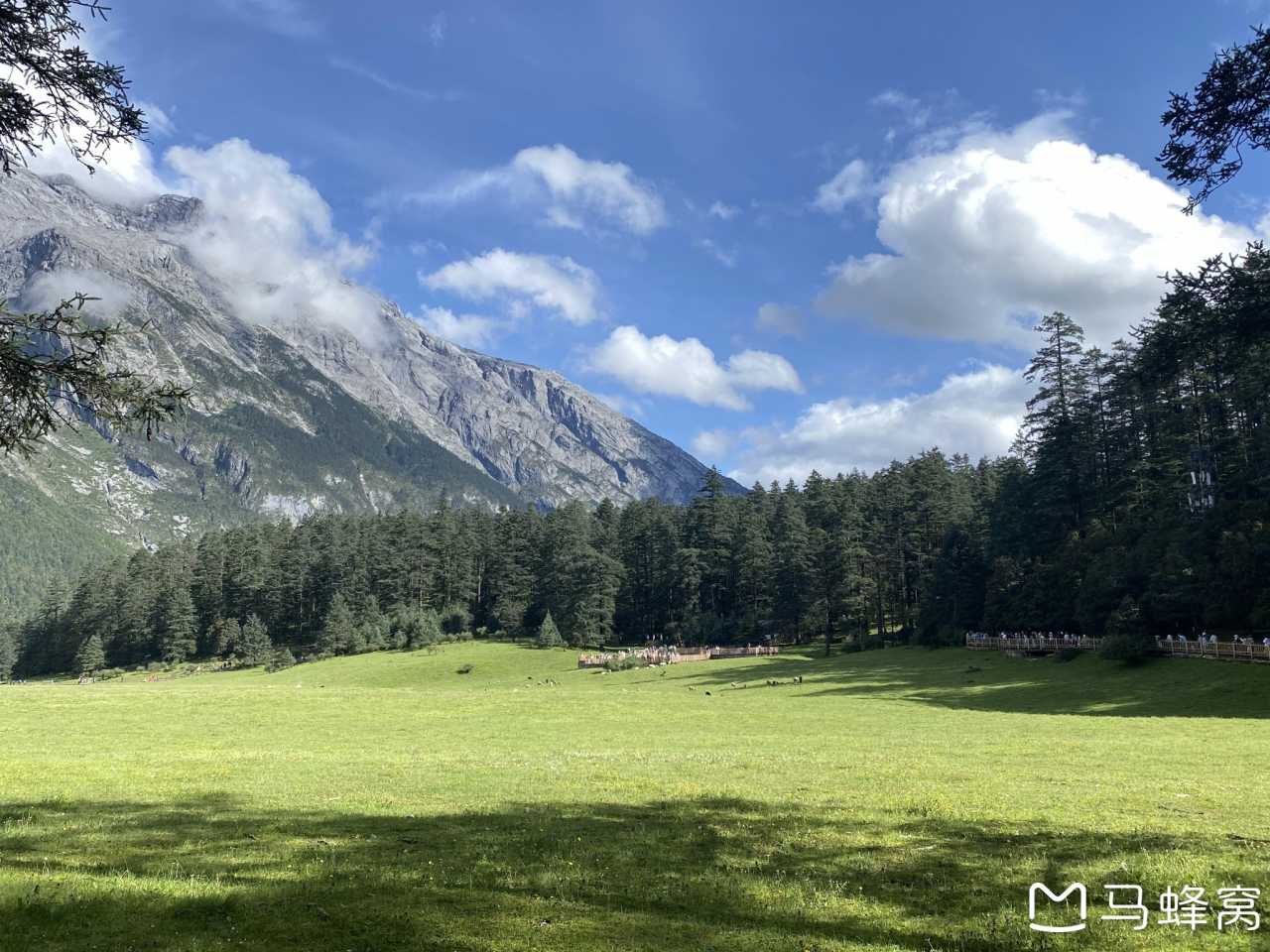
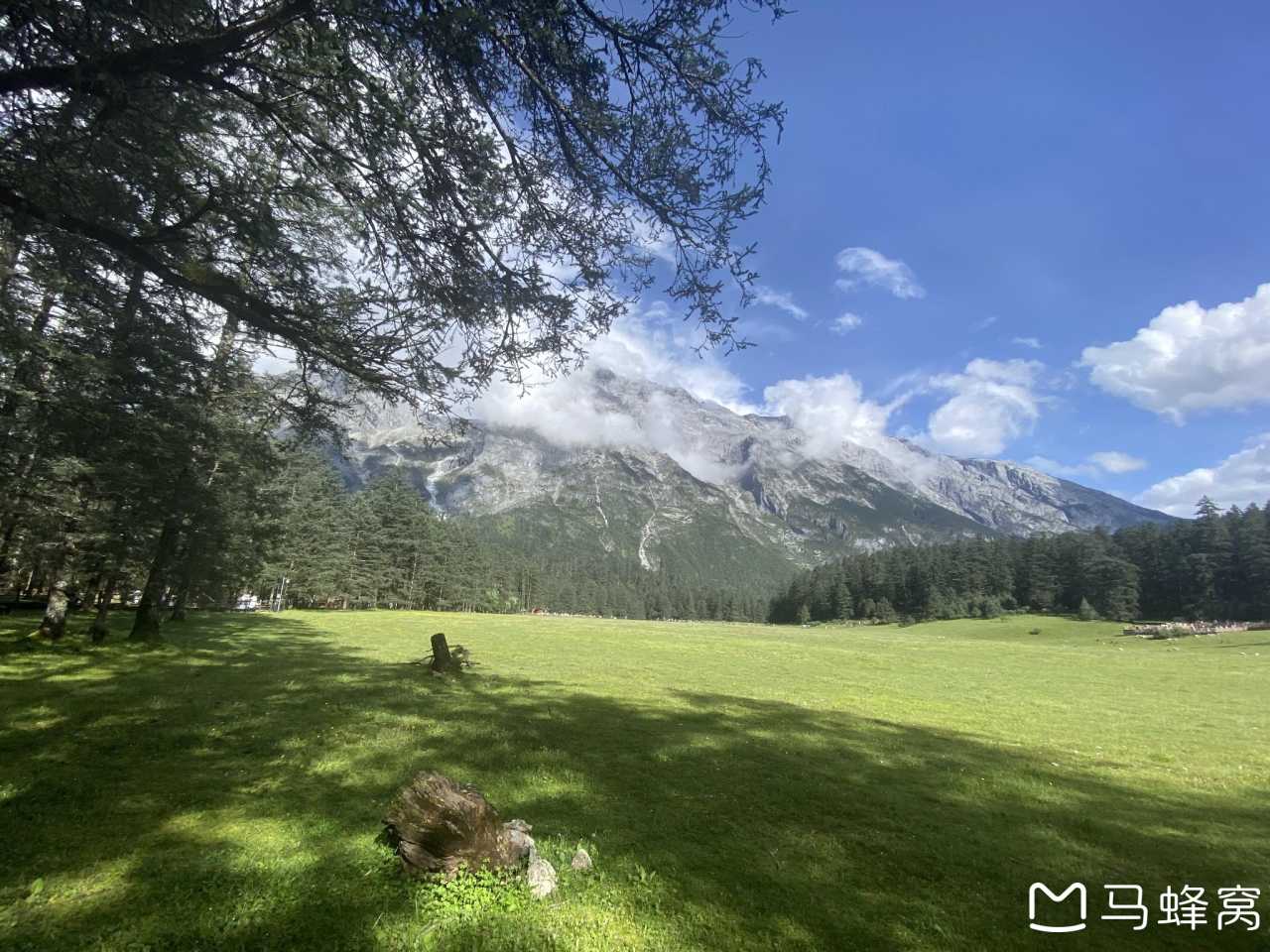
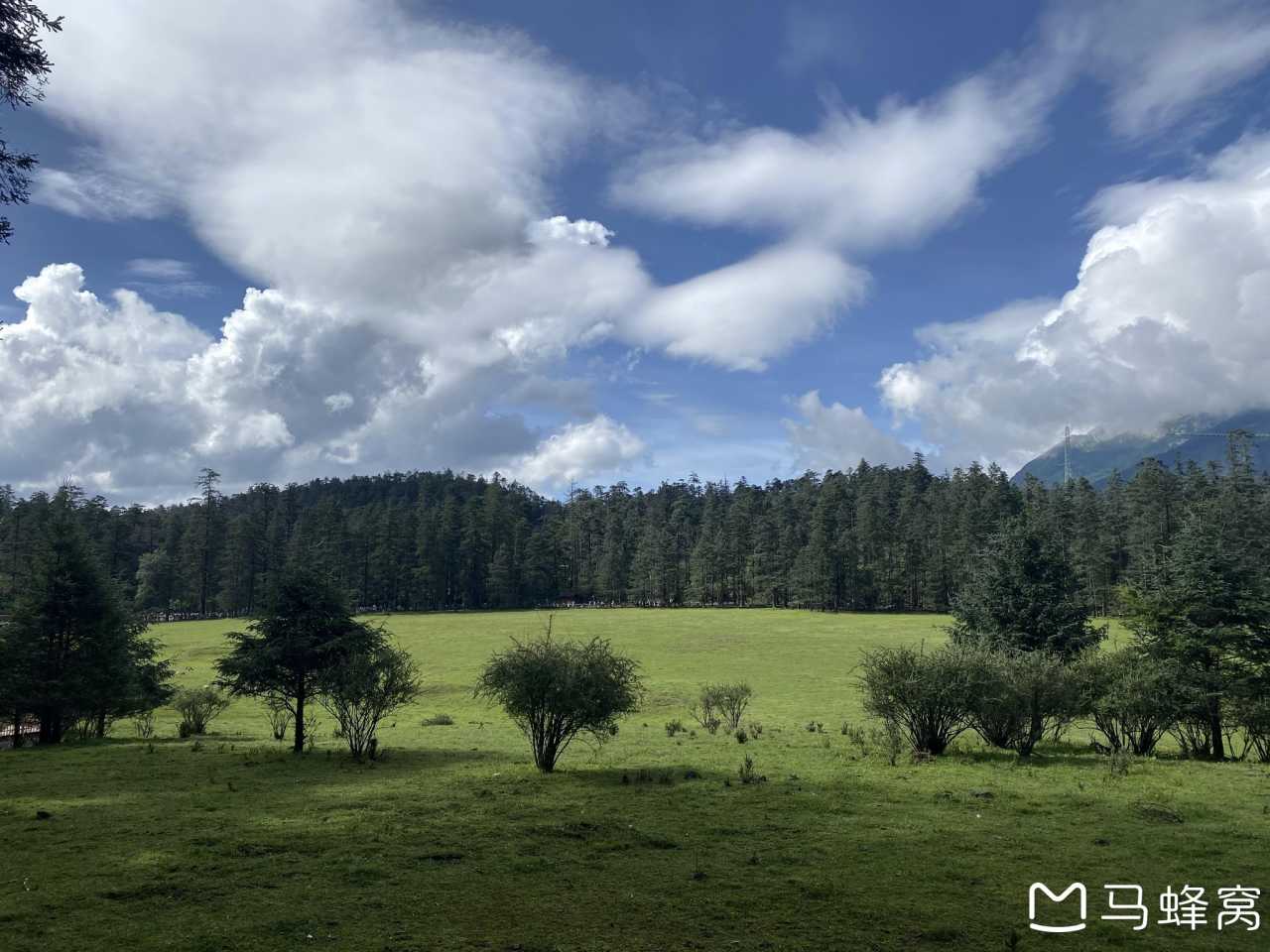
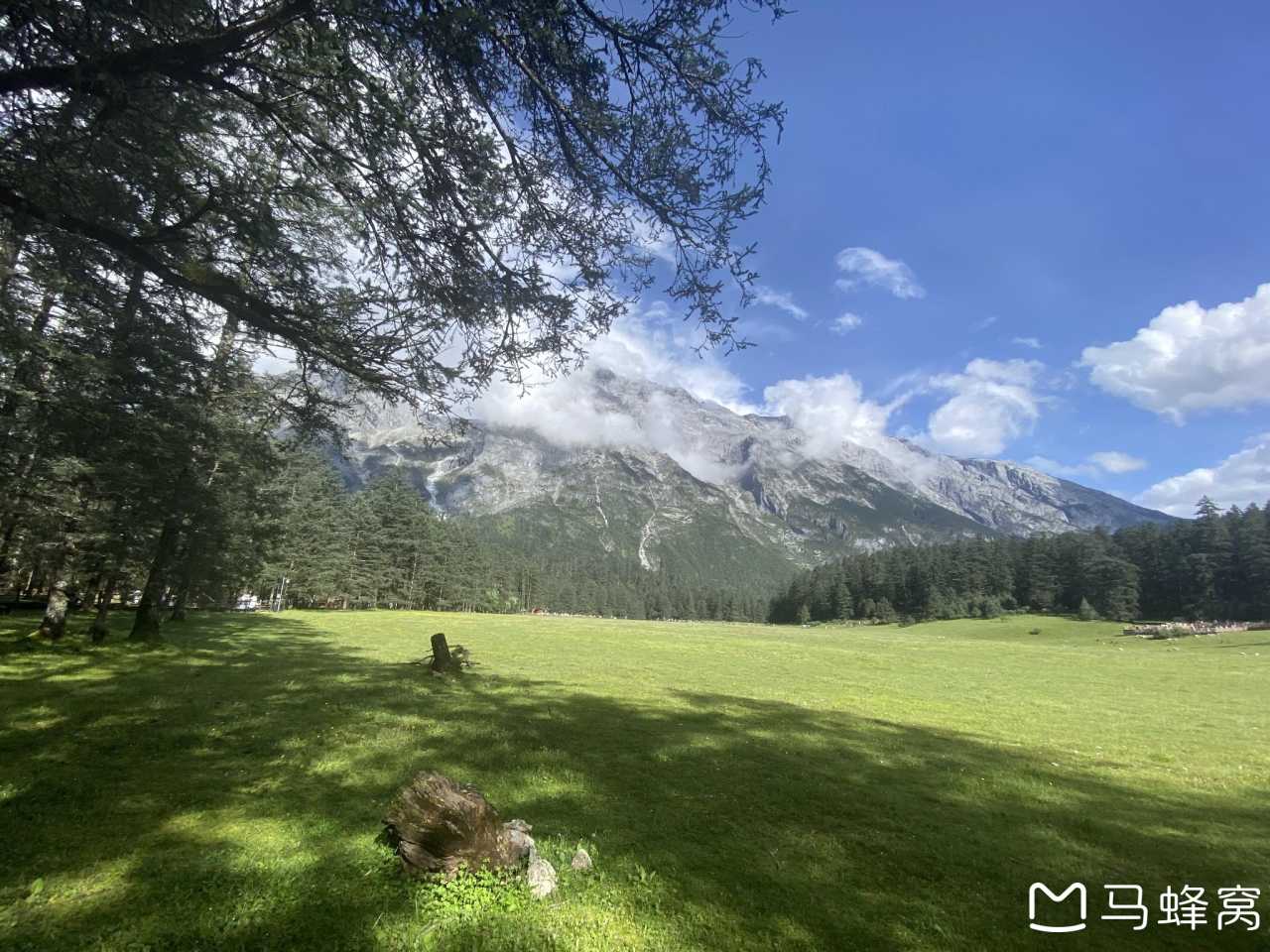
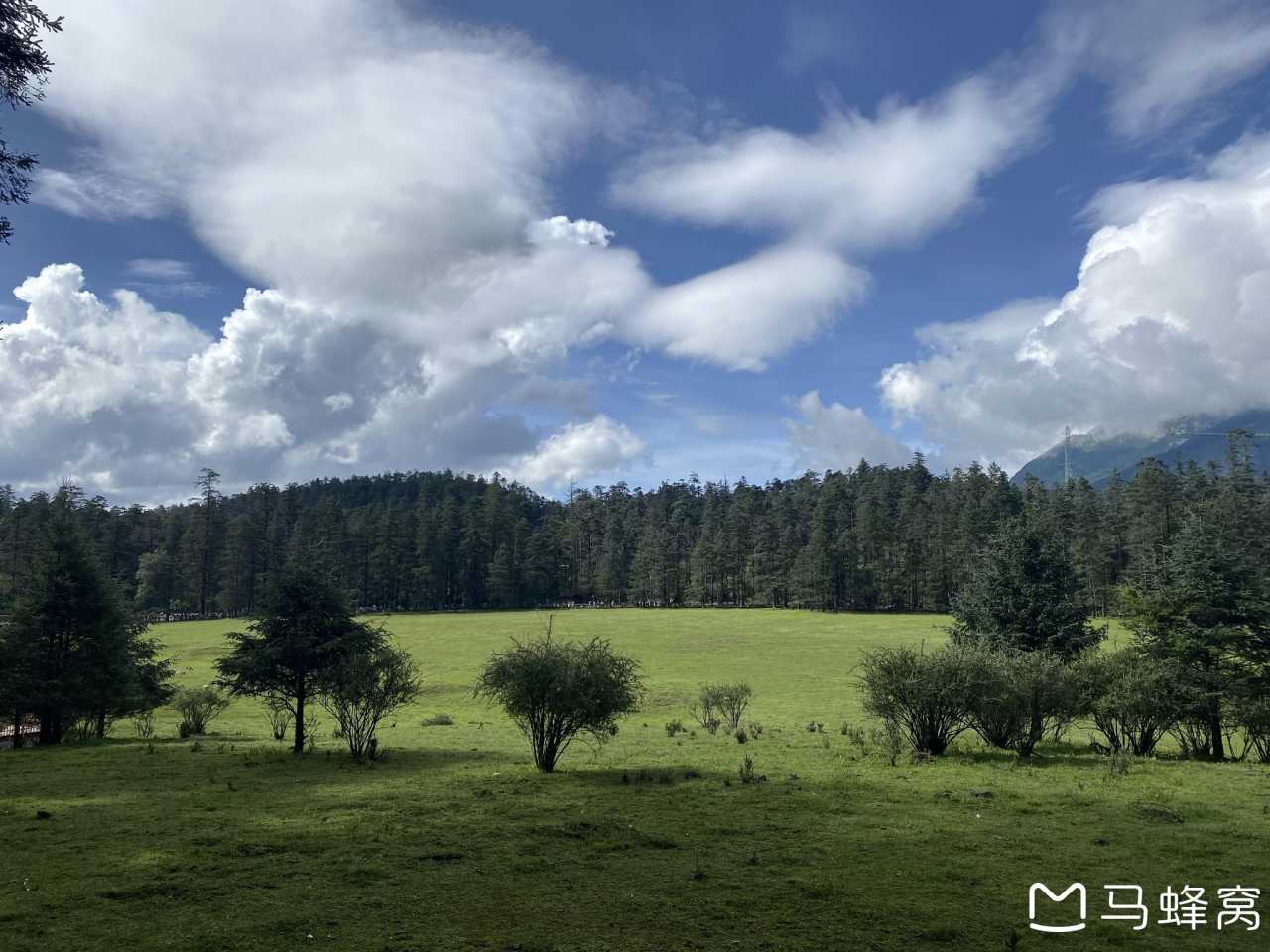
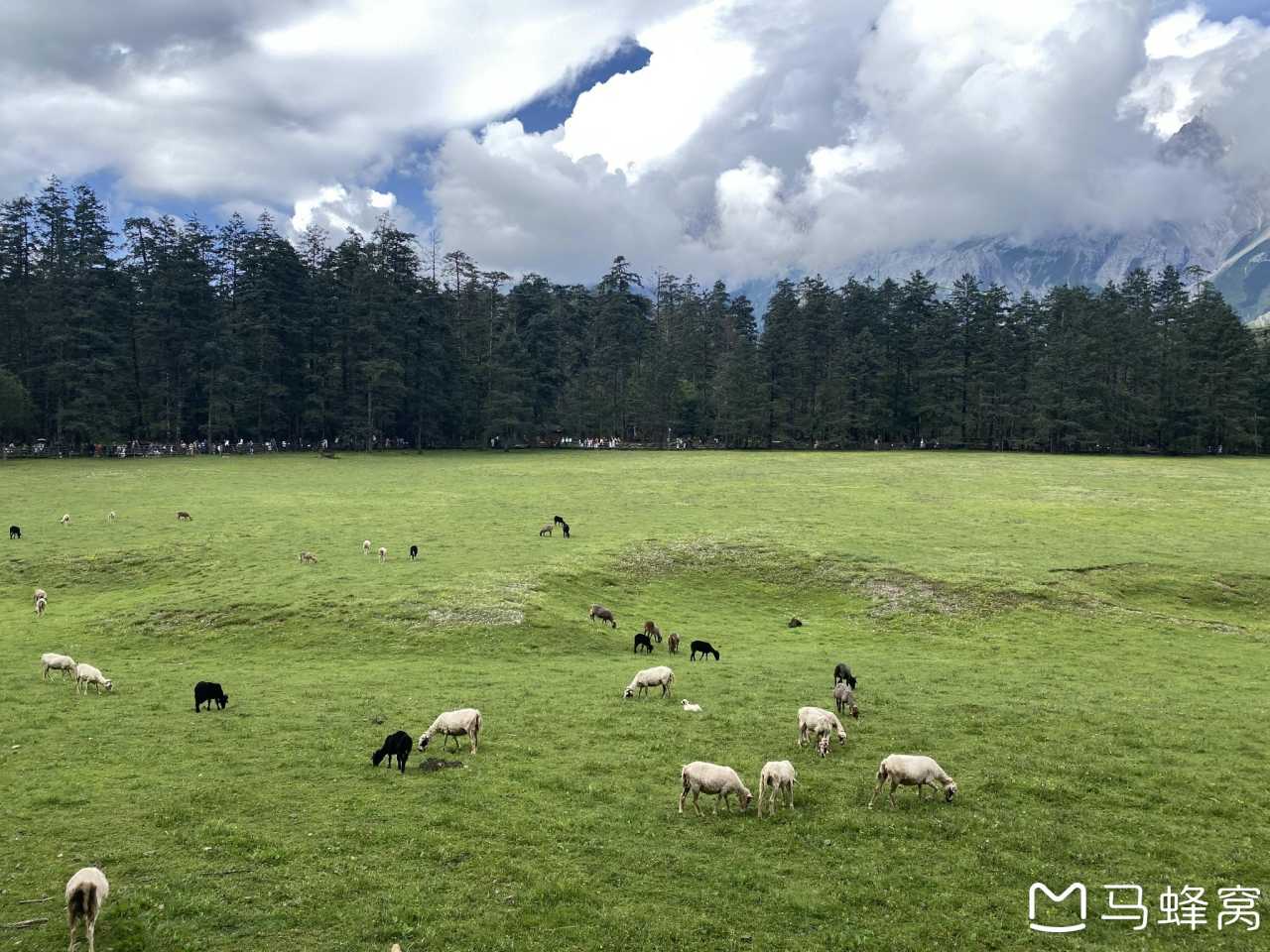
Spruce Meadow is a masterpiece of layered landscapes: beneath your feet lies a sprawling grassland that turns lush green in spring and summer and wraps itself in silver in autumn and winter. The forest at the meadow's edge stands like a natural barrier, silently watching over it. In the distance, Jade Dragon Snow Mountain towers into the clouds, embracing the meadow like a stern father and gentle mother.
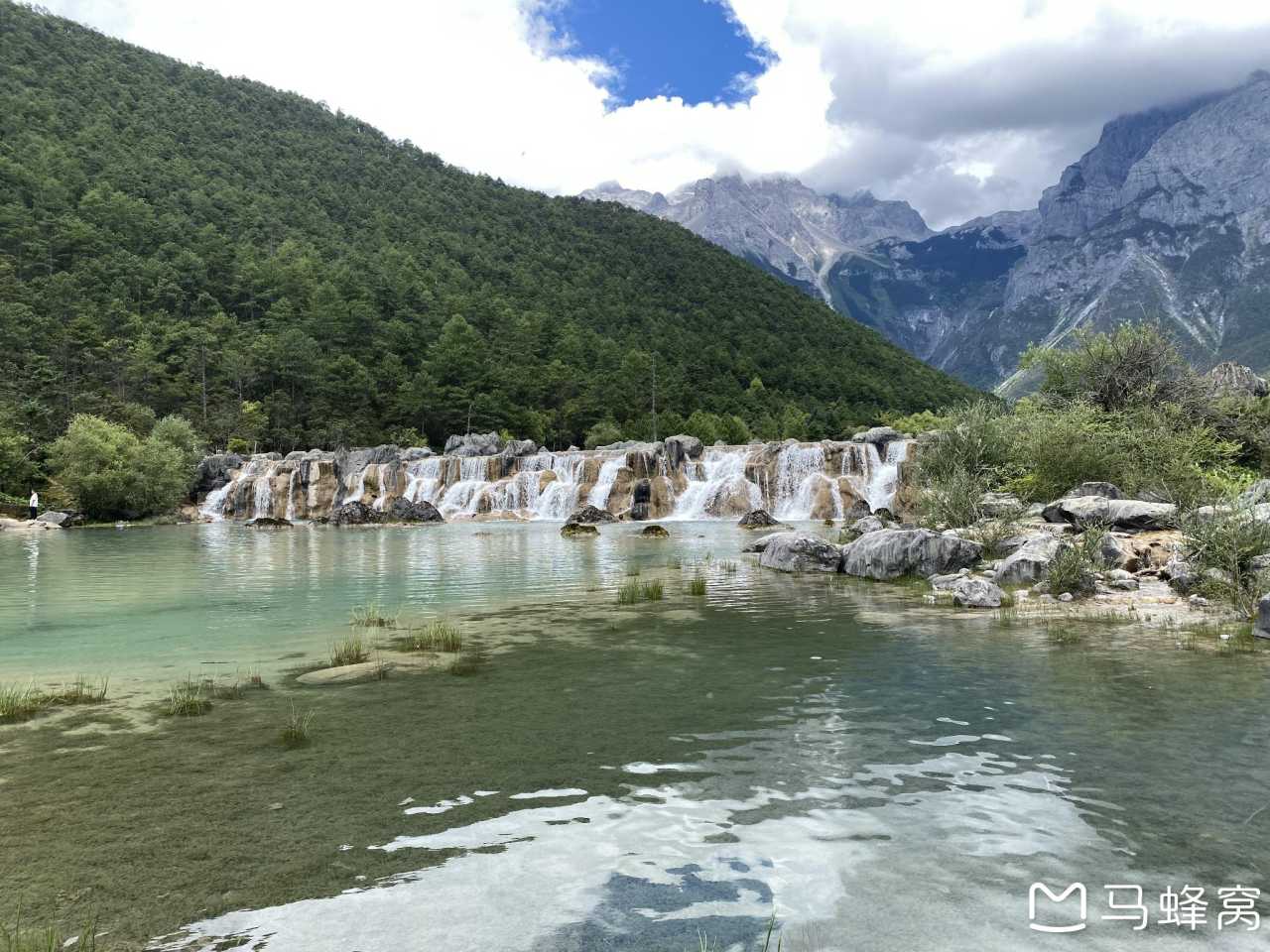
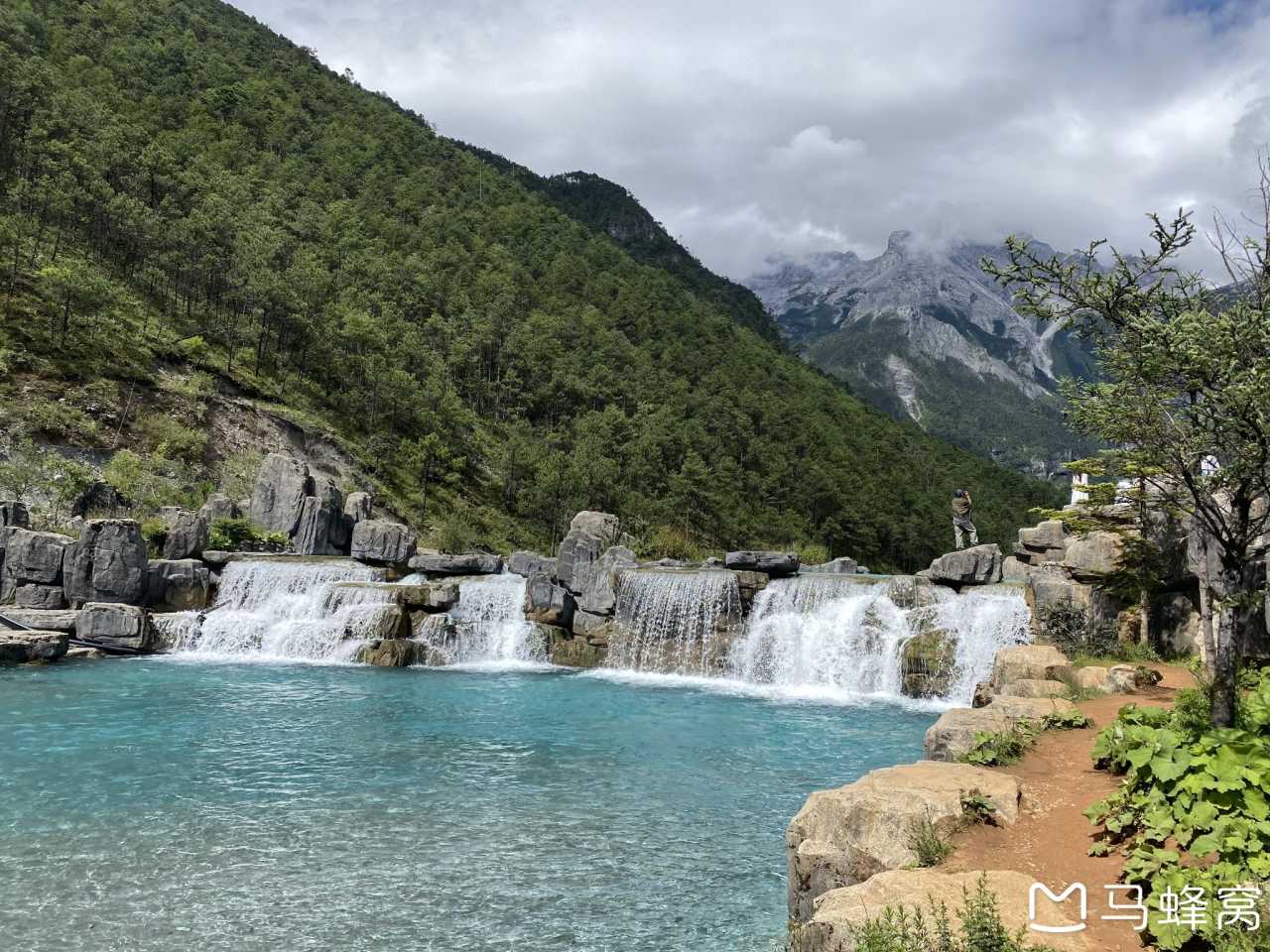
Blue Moon Valley, on the mountain's eastern slope, is the "Switzerland of the East." Its azure lakes—Jade Liquid Lake, Mirror Pond Lake, Blue Moon Lake, and others—are so clear you can see the bottom. Calcium deposits reflect a brilliant blue under the sunlight. In 2024, water quality tests showed Blue Moon Valley's lake water meets national Class I standards—essentially natural mineral water.
DAY 2: Potatso—Hearing Nature's Breath in the Heart of the "Three Parallel Rivers"
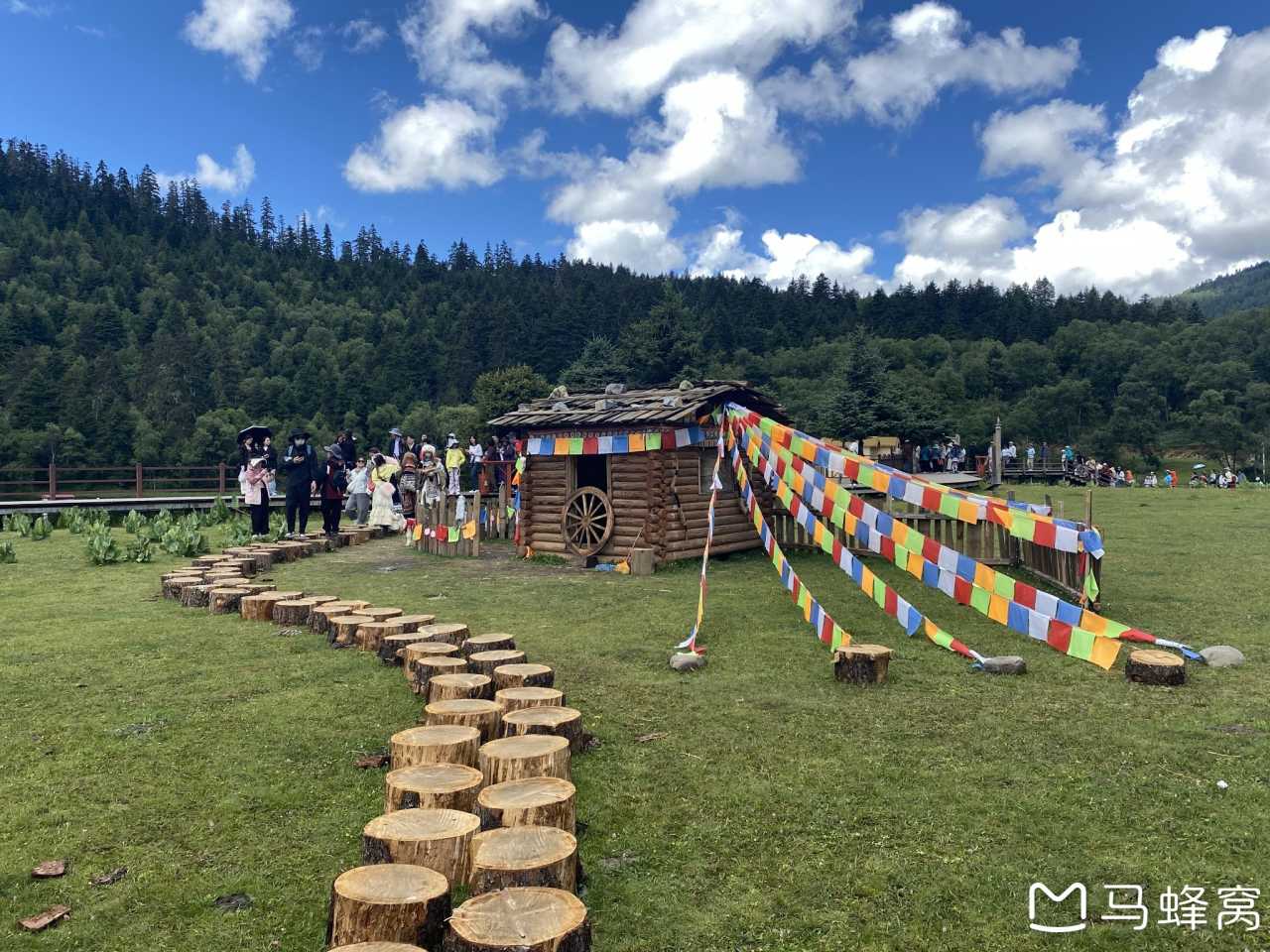
Potatso National Park lies in the core area of the "Three Parallel Rivers" UNESCO World Heritage site in northwest Yunnan, with elevations ranging from 3,500 to 4,159 meters. It encompasses the Bita Lake Nature Reserve and the Baha area of the Three Parallel Rivers, with attractions like Shudu Lake, Bita Lake, and the Mitang Subalpine Pasture complementing each other.
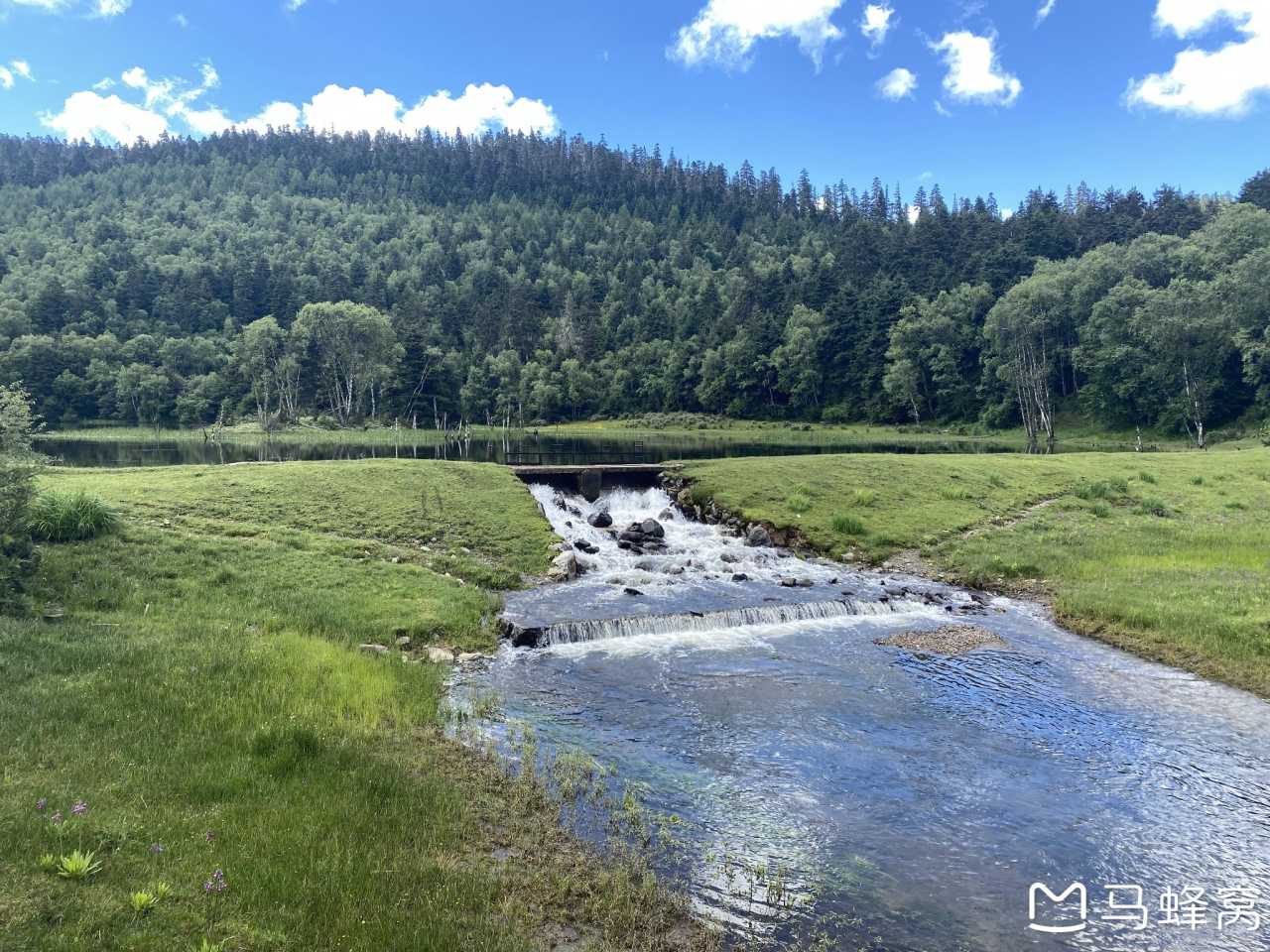
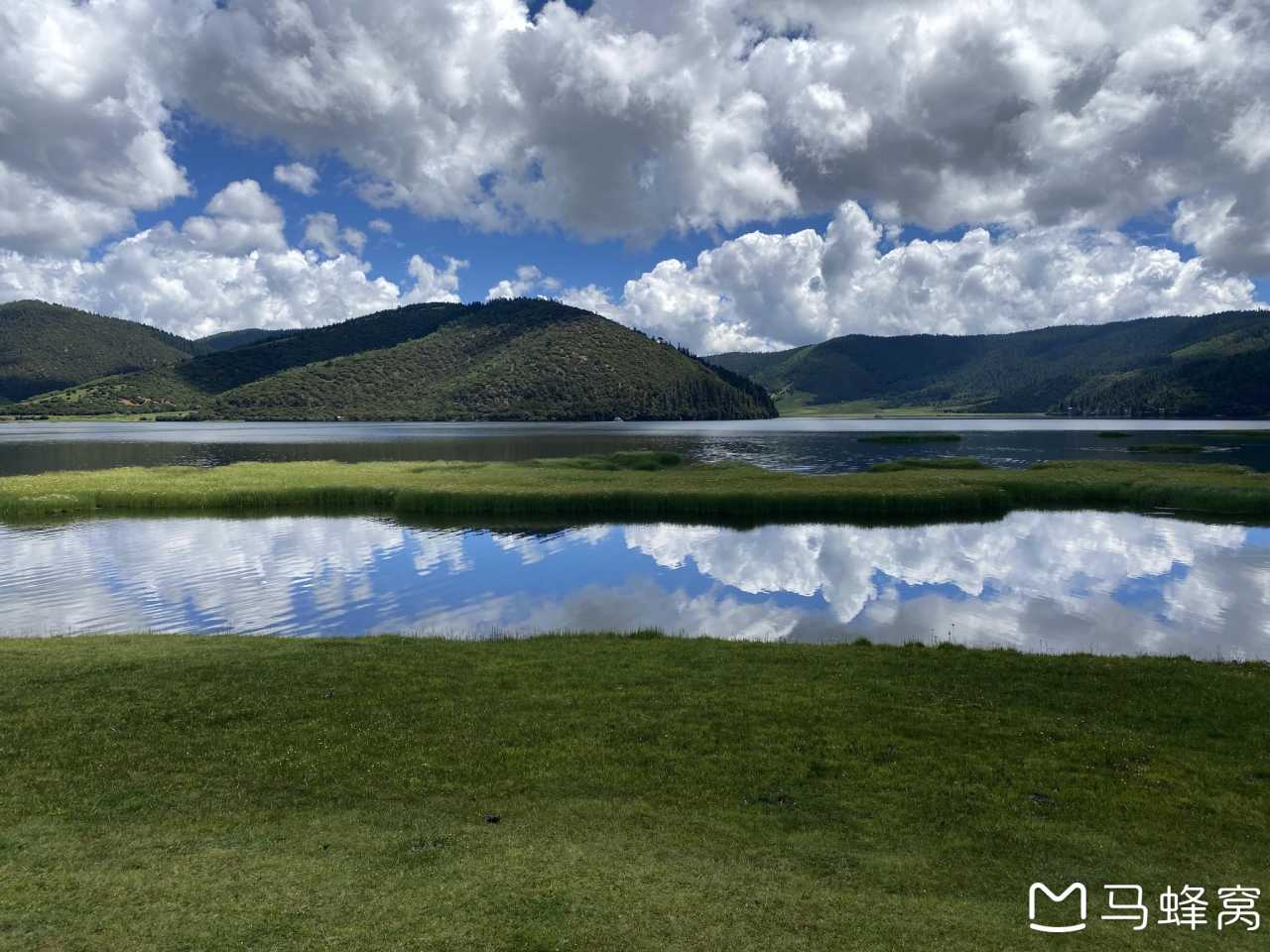
Shudu Lake is surrounded by primeval forest, home to wild ducks, lynxes, and other rare animals. The lake's water is a deep, clear blue, and golden split-belly fish swim beneath the surface, their distinctive abdominal cracks a marvel. The alpine pastures along the lake change with the seasons: wildflowers bloom in spring and summer, and the forest turns vibrant in deep autumn. At sunrise, mist rises from the lake, creating the "Morning Fog Reflection"—a paradise for photographers.
Bita Lake is famous for its rhododendrons. Every May and June, the mountains are covered in blooming azaleas. Petals fall into the lake, and fish that eat them float to the surface with white bellies—a phenomenon known as "Rhododendron Drunken Fish." However, this spectacle is temporarily closed due to overdevelopment. It's best to explore Shudu Lake and the cultural village first, and return when the rhododendrons are in full bloom.
The park's vegetation is dominated by long-bract fir, with rhododendrons, arrow bamboo, moss, spruce, and alpine pines thriving. It's also home to black-necked cranes, macaques, lynxes, clouded leopards, and other rare animals—a biodiversity wonder.
DAY 3: Lijiang Old Town—Encountering Eight Centuries in the "Venice of the East"
Lijiang Old Town was founded in the late Song and early Yuan dynasties and flourished during the Ming and Qing. It's the only ancient town in China without city walls. It rose to prominence through the tea-horse trade and was once a key hub on the Southern Silk Road and the Ancient Tea Horse Road. Water and city depend on each other; mountains and city keep each other company. It's known as the "Venice of the East."
The town's ancient charm lies in the weathered legends hidden in its bricks and tiles, written in the bright marks of the Tea Horse Road. Wooden buildings, green tiles, ancient stone alleys, small bridges, flowing water… Landmarks like Sifang Street, Mu's Mansion, the Big Waterwheel, and Lion Hill stand like weathered elders, slowly telling their stories.
Recommended Route: Zhongyi Market → Mu's Mansion → Wangulou on Lion Hill, Wenchang Palace → Oil Paper Umbrella Alley (Xianwen Lane) → Sifang Street → Sakura Restaurant → Big Stone Bridge, Small Stone Bridge → Dayan Flower Lane → Zhenxing Lane (Lantern Street) → Snow Mountain Academy → Nanmen Bridge (Wind Chime Street)
Today's Lijiang is commercialized, but if you visit during the off-season and avoid the crowds early in the morning, you can still feel its gentle time. At dawn, when the tourists have gone, sunlight spills through the alleys, and for a moment, it's like Lijiang ten years ago. Winding stone paths, babbling streams, a dog every three steps, a cat every two—you turn a corner and stumble into slow time hidden in stories. In the evening, Oil Paper Umbrella Alley glows with warm light like scattered stars. Sit on a café terrace with a cup of Yunnan small-grain coffee and wait for nightfall.
DAY 4: Songzanlin Monastery and Dukezong Ancient Town—Between the "Little Potala Palace" and the "Moonlight City"
Songzanlin Monastery: The Light of Faith Under Golden Roofs
Songzanlin Monastery, officially named Gadan Songzanlin, was built in 1679. It's the largest Tibetan Buddhist monastery in Yunnan Province and one of the six major monasteries of the Gelug sect in Tibetan regions. Built on a hillside, its layers of golden roofs gleam in the sun, red walls and white facades contrast with green mountains and clear waters, earning it the title "Little Potala Palace."
As you enter, two massive white stupas greet you. The main hall, Zhacang Hall, is majestic, with thick pillars, intricate carvings, and numerous Buddha statues. Butter lamps burn continuously, and the faint scent of butter oil fills the air, creating an atmosphere of solemn reverence.
Dukezong Ancient Town: The Moonlight City on Stone
Dukezong Ancient Town sits at 3,300 meters above sea level, covering 1.5 square kilometers. Built over 1,300 years ago, it's the best-preserved and largest Tibetan residential community in China. "Dukezong" means "castle built on stone" and "moonlight city." The town follows the contour of the hills, with buildings laid out like an eight-petal lotus.
Dagui Mountain Park is the town's highest point. At the summit stands a gilded, solid-bronze prayer wheel, 21 meters tall and weighing over 60 tons—it takes several people to turn it. Sifang Street is the town's center. Every evening from 6 to 9 PM, locals dance the Guozhuang dance, and visitors are welcome to join. Dukezong Flower Lane is steeped in Tibetan culture, where traditional artisans showcase Tibetan painting, wood carving, and other crafts.
DAY 5: Dali Old Town—Dreaming a Bai Old Dream in Wind, Flowers, Snow, and Moon
Stepping into Dali Old Town feels like traveling through a time tunnel. Within its 3-square-kilometer network of streets and lanes, Ming and Qing Dynasty Bai-style houses stand shoulder to shoulder. Courtyards with "three rooms and one screen wall" or "four rooms and five patios" perfectly blend function and aesthetics. Strolling along main streets like Fuxing Road and Huguo Road, you'll pass 14 municipally protected cultural heritage sites, with landmarks like Wuhua Tower and the South Gate Tower standing tall.
Recommended Route: Presidential Palace of the Commander-in-Chief → Wuhua Tower → Catholic Church → Confucian Temple → Foreigner Street → Dali Intangible Cultural Heritage Museum → Yu'er Garden
Dali Catholic Church is a masterpiece of Bai-style temple architecture. The church faces east, with a gate featuring bracket arches, overhanging eaves, and a hip-and-gable roof, its flying eaves raised high like a pair of open wings. The interior covers 600 square meters and can hold over 500 people. Wooden bas-reliefs with religious themes hang on the side walls, and the ceiling is painted with stars representing the vast universe. From the side, the entire church looks like a Noah's Ark about to set sail.
DAY 6: Wuwei Temple and the Three Pagodas of Chongsheng Temple—Finding Inner Peace in Zen and Tower Shadows
Wuwei Temple: The Zen Time of a Thousand-Year-Old Monastery
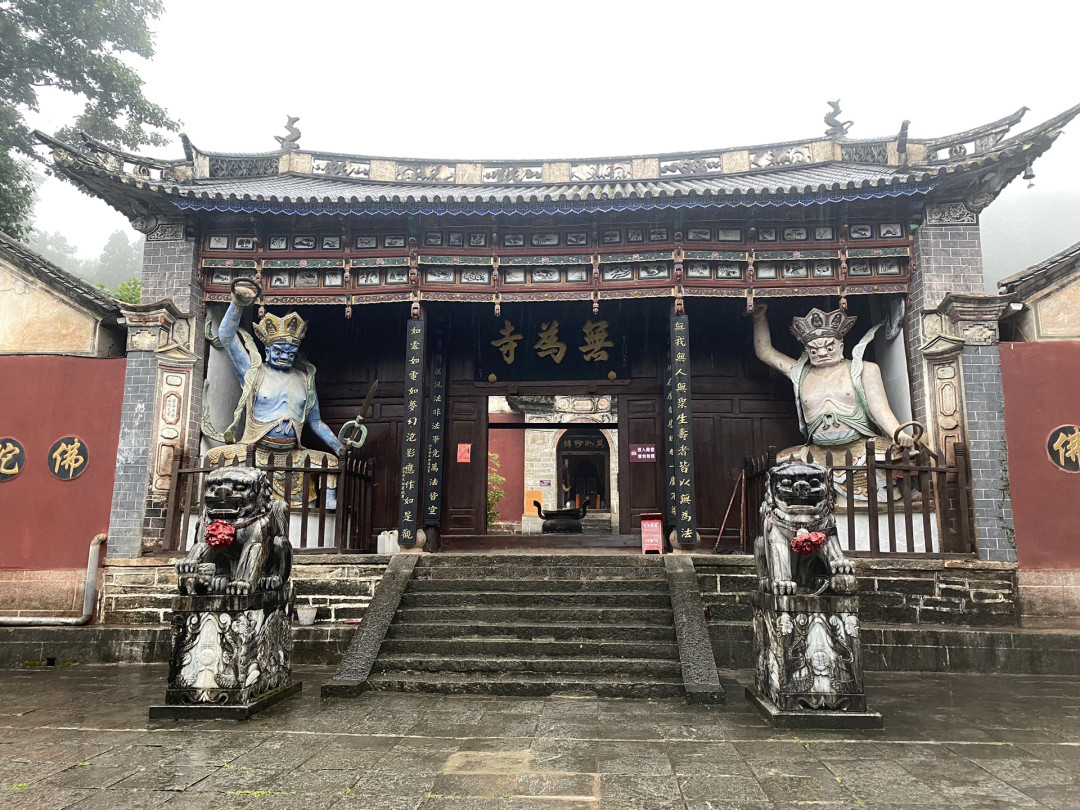
On Dali's Lingjiu Mountain, shrouded in mist, lies the thousand-year-old Wuwei Temple. Its name embodies the philosophy of "the greatest truth is simplicity, following nature." At the temple's entrance stands a Tang Dynasty cedar over 1,200 years old, said to have been brought from India by a monk named Zantuo. Its hollowed trunk seems to radiate a thousand years of equanimity.
The "Plague Relief Spring" inside the temple is said to have healing powers. The Jade Stele, the temple's treasure, is inscribed with a passage by a prince of the Nanzhao Kingdom. In the early morning, monks sweep the grounds, blending the smoke of daily life with the serenity of the Buddhist sanctuary. The ancient poem comes alive here: "At dawn I enter the ancient temple, the first sun lights the tall trees. A winding path leads to a quiet place, where the meditation room is deep in flowers."
The Three Pagodas of Chongsheng Temple: A Millennium of Leaning Vigil
The Three Pagodas of Chongsheng Temple stand 1.5 kilometers northwest of Dali Old Town, facing Yingle Peak of Cangshan Mountain to the west and Erhai Lake to the east. The three pagodas—one large, two small—form a tripod. The main pagoda, Qianxun Pagoda, was built during the Tang Dynasty's Nanzhao Kingdom, over a thousand years ago. Interestingly, the two smaller pagodas lean toward each other—the south pagoda tilts 18 degrees, the north one 12 degrees. According to records from over 400 years ago, they were already leaning, "like two wings facing inward."
DAY 7: Xizhou Ancient Town and the West Erhai Eco-Corridor—Seeing the Shape of the Wind Between Wheat Fields and Erhai Lake
Xizhou Ancient Town: A Living Museum of Bai Architecture
Xizhou, named for joy and bounded by water, leans against Erhai Lake to the east and Cangshan Mountain to the west. Here, there's the fresh beauty of flowers blooming for miles, the tranquil serenity of wind sweeping through wheat fields. Thanks to the TV drama Meet Yourself, Xizhou has become wildly popular, but it still feels more like life—time moves slowly, life is plain, and it seems you can forget all your worries.
Recommended Route: Zhengyi Gate → Cangyi Library → Ziyunshan Temple → Baocheng Mansion → Yan Family Mansion → Sifang Street → Jiangzhi Collection → Jiaqiang Collection → Corner Tower → Xizhou Wall: Coffee Counting Café → Xizhou Wheat Field → Sanshui and Bai
"Three rooms and one screen wall," "four rooms and five patios," "one entrance with two courtyards (six rooms in spring harmony)," "running-horse corner towers"—these well-preserved Bai houses tell Xizhou's thousand-year history. Lao She described Xizhou as a paradise: "The wind of Xizhou, the colors of tie-dye, anchored in the marketplace."
West Erhai Eco-Corridor: Cycling Between Cangshan Mountain and Erhai Lake
The West Erhai Eco-Corridor starts near the Dali Maternal and Child Health Hospital and extends to Taoyuan Pier, covering 46 kilometers. The 6-kilometer stretch from the start to Sansheng Island and the 6-kilometer section from Caicun Pier to Fumeiyi are perfect for running or cycling.
Recommended Route: Fumeiyi Palm Tree Avenue → Shuangyuan Creek Red Sequoia Forest → Xiajiyi Reed Boardwalk → Longfeng Village: Trees Growing in the Lake → Guanhai Pavilion → Caicun Pier
DAY 8: Guanyin Pond—A Legend of Compassion, a Stone That Stopped an Army
Guanyin Pond lies between Xiaguan and Dali Old Town, 9 kilometers from Xiaguan and about 5 kilometers from Dali Old Town. A beautiful legend surrounds it: During the Han Dynasty, when imperial troops invaded Dali, the Bodhisattva Guanyin transformed into an old woman. She carried a massive stone on her back with a straw rope and met the enemy army on the road. The invading soldiers were stunned—if an old woman had such strength, what about the young men? They sounded the retreat. This is the famous legend of "Carrying a Stone to Stop an Army."
To commemorate Guanyin's protection of the land, a pavilion was built on the stone, which later expanded into Guanyin Pond. Today, it's a famous Buddhist site in Dali, with incense smoke curling and Buddhist chants echoing without end.
Epilogue: The Lost Horizon Was Never Lost
Eight days of travel—from the biting cold of Jade Dragon Snow Mountain to the stillness of Potatso, from the smoky warmth of Lijiang Old Town to the chants of Songzanlin Monastery, from Dali's wind, flowers, snow, and moon to the wheat fields of Xizhou. I walked on stone paths, turned prayer wheels, drank butter tea, watched sunrises and sunsets. But in the end, I found that the "Lost Horizon" was never in any specific place.
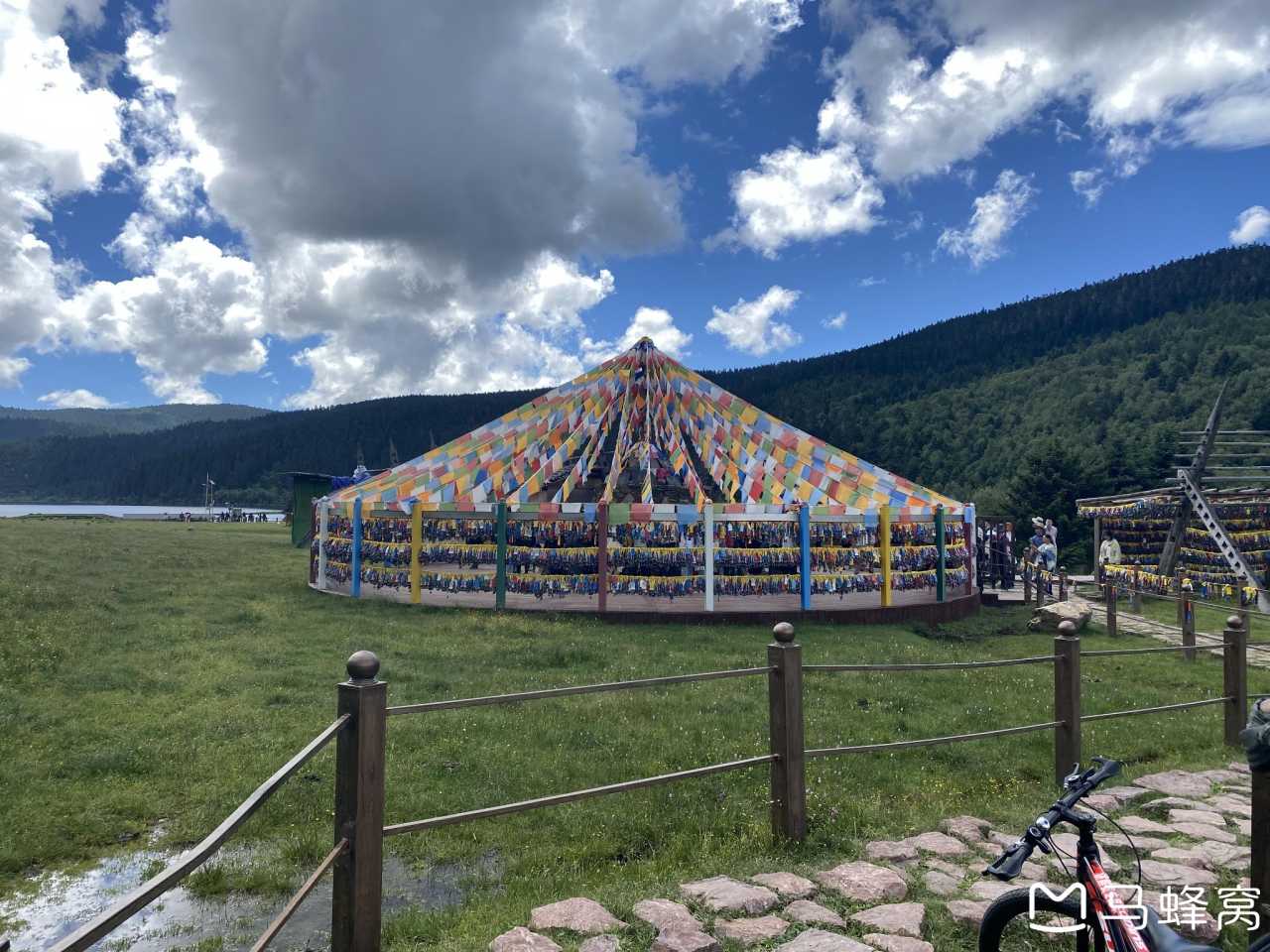
It's there in the moment you put down your phone and look up at the clouds. In the instant your foot touches a thousand-year-old stone and your hand brushes an ancient tree's rings. In the night you share a smile with a stranger and dance the Guozhuang. Seek the form, and you'll miss it by a thousand miles. Let go of attachment, and the horizon is right here.
Colorful Clouds of the South were never lost. They've always been there, waiting for the wind—and waiting for you.
Quick Tips at a Glance
| Item | Key Information |
|---|---|
| Best Season | March–May (spring blossoms), September–November (clear autumn skies) |
| Essential Items | Oxygen canisters, glucose, motion sickness medicine, sunscreen, warm clothing |
| Top Transport | Kunming: Metro; Lijiang: Bus + taxi; Dali: Self-driving |
| Accommodation Tips | Huazhu chain hotels, near ancient town gates, along metro lines |
| Cultural Taboos | No loud talking in temples, dress modestly, respect local customs |
| Money-Saving Tips | Book tickets in advance, travel off-season, prioritize public transport |
You should also read:
Crossing Mountains, Seeking a Different Kind of Beauty: A 7-Day Deep Dive into Lijiang and Lugu Lake
Crossing Mountains, Seeking a Different Kind of Beauty: A 7-Day Deep Dive into Lijiang and Lugu Lake Some trips are long-planned romances; others begin with the impulsive words, "Let's go." In August 2014, my "nemesis"—someone I'd known for six years but only been with for…
Continue reading...
Yunnan: A Journey to Find Lost Time and Myself
Yunnan: A Journey to Find Lost Time and Myself Prologue: When Life Becomes Nothing But a Sprint Have you ever had those moments—when you wake up each day, and the first thought isn't "What do I want to do today?" but rather "What must I…
Continue reading...
Take Me to the Distance: Ten Days in Yunnan, a Poetic Journey Through Our Youth
Take Me to the Distance: Ten Days in Yunnan, a Poetic Journey Through Our Youth Prologue: Setting Off, Just to Be Together Some trips are planned for ages, yet always lack that final spark of spontaneity. We were students, with a tight budget but limitless…
Continue reading...