Self-Driving in Northwest Yunnan in December: An 11-Day Whirlwind Tour of Scenery and Song
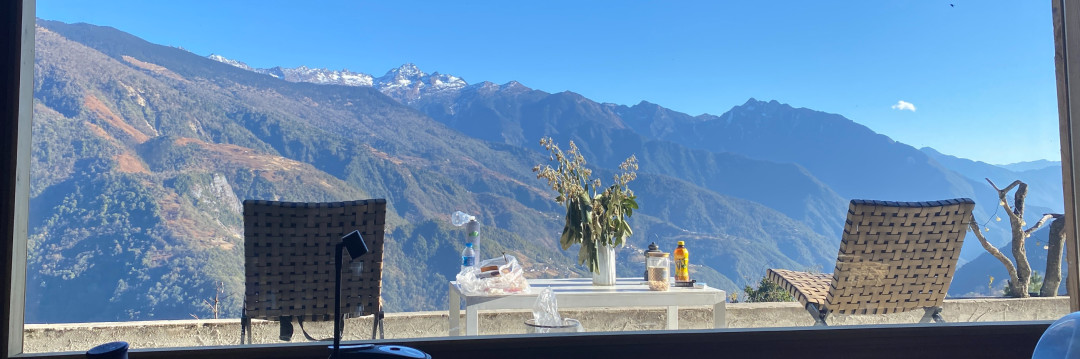
Self-Driving in Northwest Yunnan in December: An 11-Day Whirlwind Tour of Scenery and Song
Preface: Why Northwest Yunnan?
Some say that Northwest Yunnan holds the truest soul of Yunnan. That idea had been planted in my mind for a long time, and finally, in the bitter cold of December, I decided to go and see for myself.
This trip was a family affair. Safety came first, so the itinerary wasn't "hardcore" — no heavy backpacking, no strenuous activity above 4,000 meters. The only high-altitude experience was driving over the Baima Snow Mountain Pass (4,292 meters), and the highest we stayed was at Wunongding in the Meili Snow Mountain scenic area, at 3,700 meters.
To put it plainly, this was a classic "sleep on the bus, snap photos at the stops" kind of tour. But luckily, the scenery of Northwest Yunnan seems tailor-made for exactly this style of travel — the most beautiful views are right there along the roadside.

December in Northwest Yunnan is the off-season for tourists but the peak season for scenery. The sky is a brilliant, washed-out blue; the dark green rivers surge through the gorges; mist-shrouded villages appear and disappear; and the majestic snow-capped mountains glint golden in the sunlight. Among the colorful forests, wildflowers stubbornly bloom; golden ginkgo leaves and pink pampas grass sway in the wind. And then there are the unexpected animal encounters — chickens, ducks, squirrels, rabbits, horses, cows, sheep... they are the true masters of this road.
In this travelogue, I'll summarize everything I experienced along the way: road conditions, scenery (including the spots I had to skip for various reasons), accommodation, and food. I hope it offers some practical help to those who dream of this place but are still a little hesitant.
So, let's begin.
Trip Overview
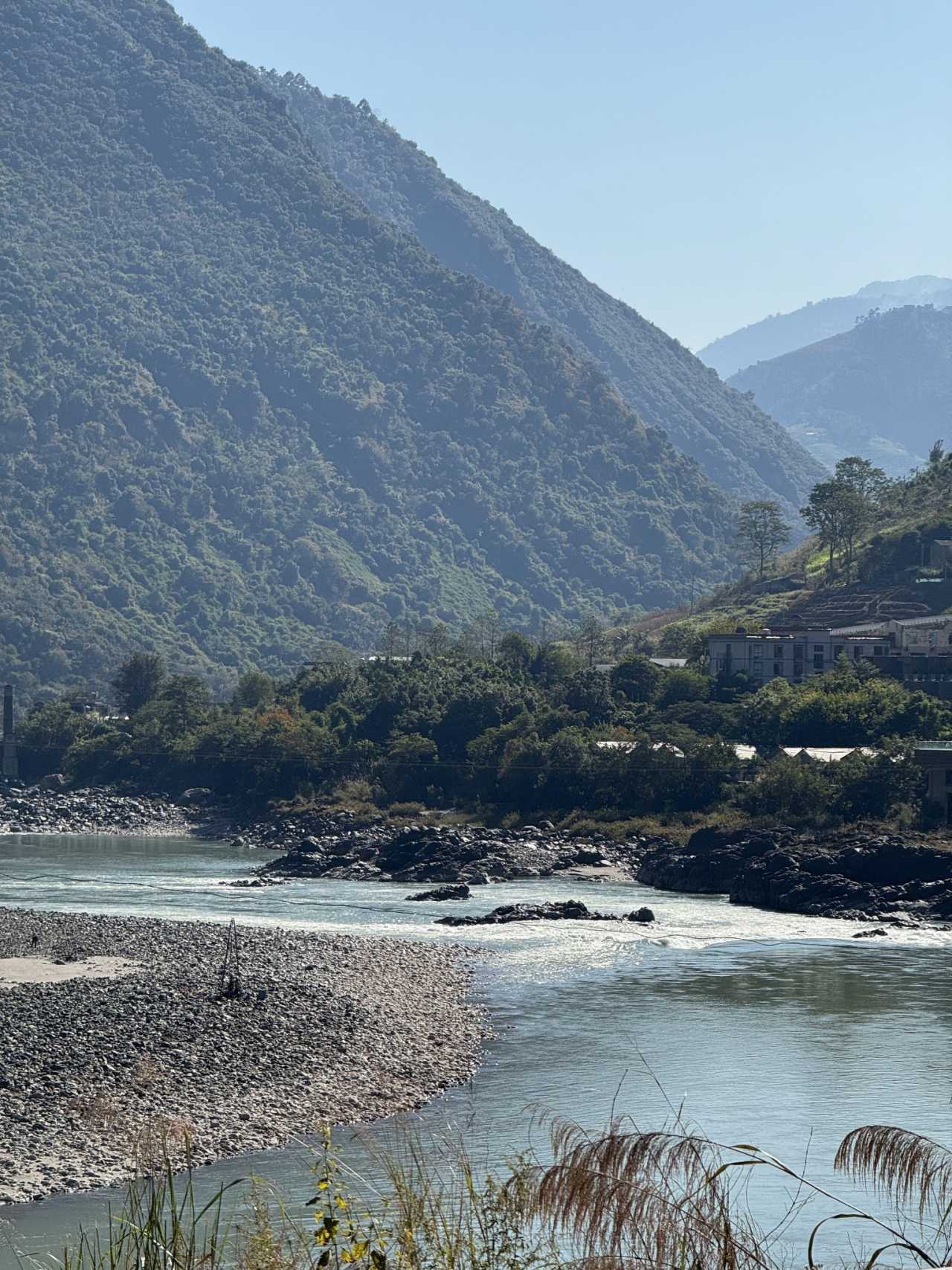
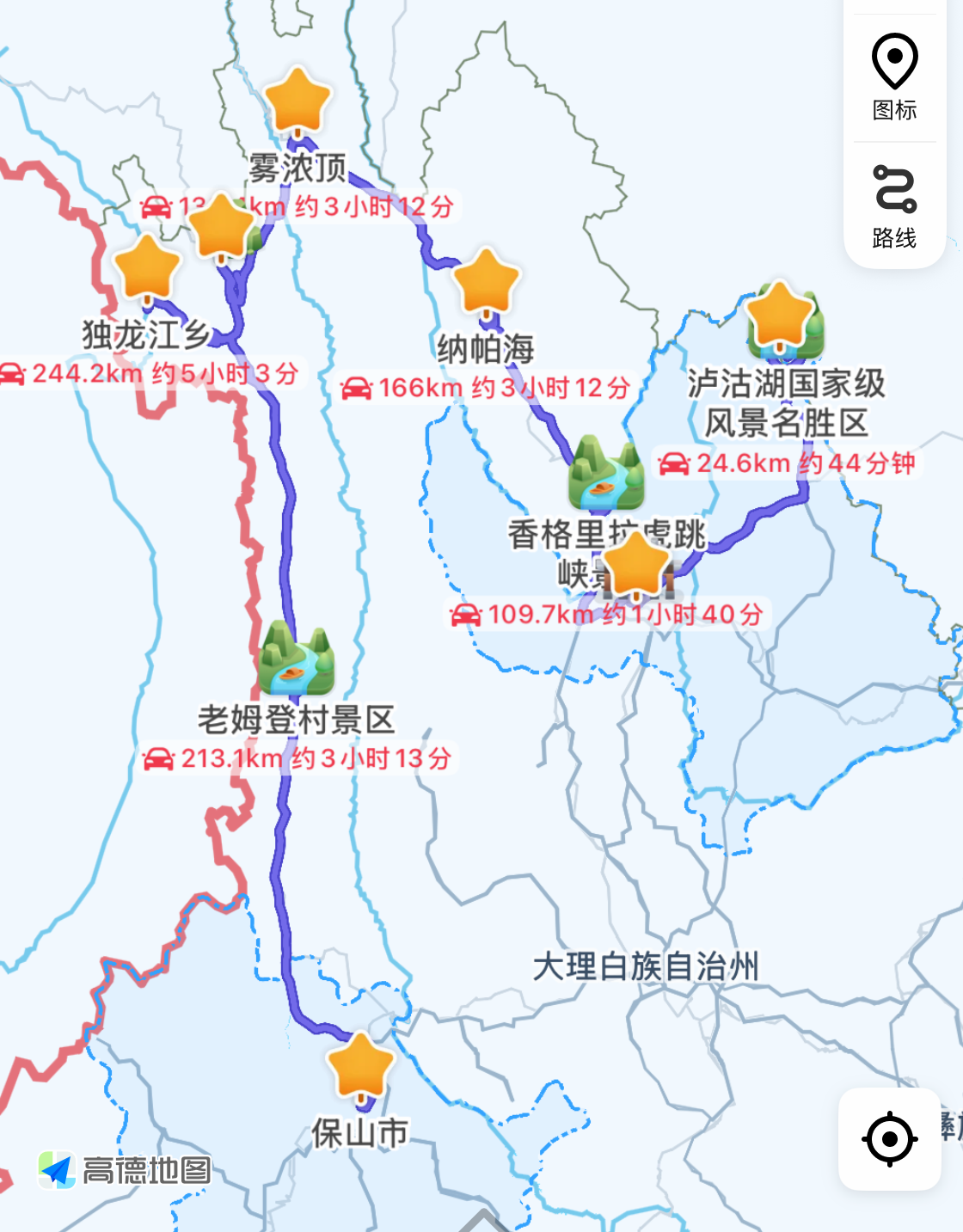
Route: Baoshan → Laomudeng / Zhiziluo → Dulong River → Bingzhongluo → Alulaka → Feilai Temple / Wunongding → Napahai / Shangri-La → Tiger Leaping Gorge High Trail Hike → Lijiang → Lugu Lake → Lijiang
Overall Verdict: The scenery at every single destination far exceeded expectations. My only regret was Lugu Lake — it's not a place for a whirlwind tour; it's a place to settle in and soak up slowly. One or two days is far too short.
Part One: Pre-Trip Preparation
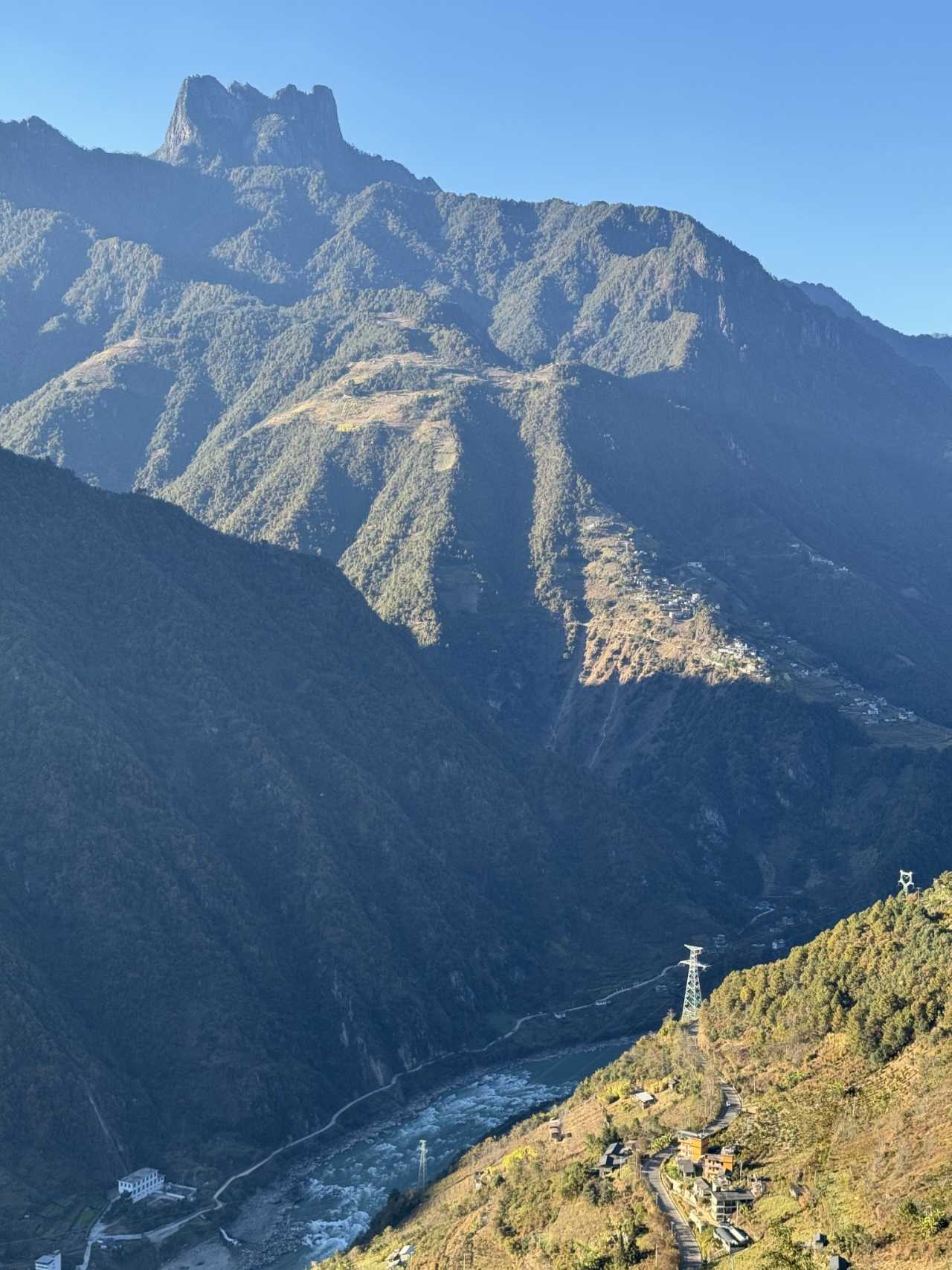
Before you set off, I recommend checking three things in advance: weather, altitude, and road conditions.
Since it's the off-season, accommodation is not a concern at all. Just pick a few options and choose when you arrive. However, if you happen to arrive at a popular scenic area on a weekend and have a generous budget, it's wise to book your preferred room in advance. For example, when I arrived at Feilai Temple on a weekend, there were quite a lot of people.
1. Weather
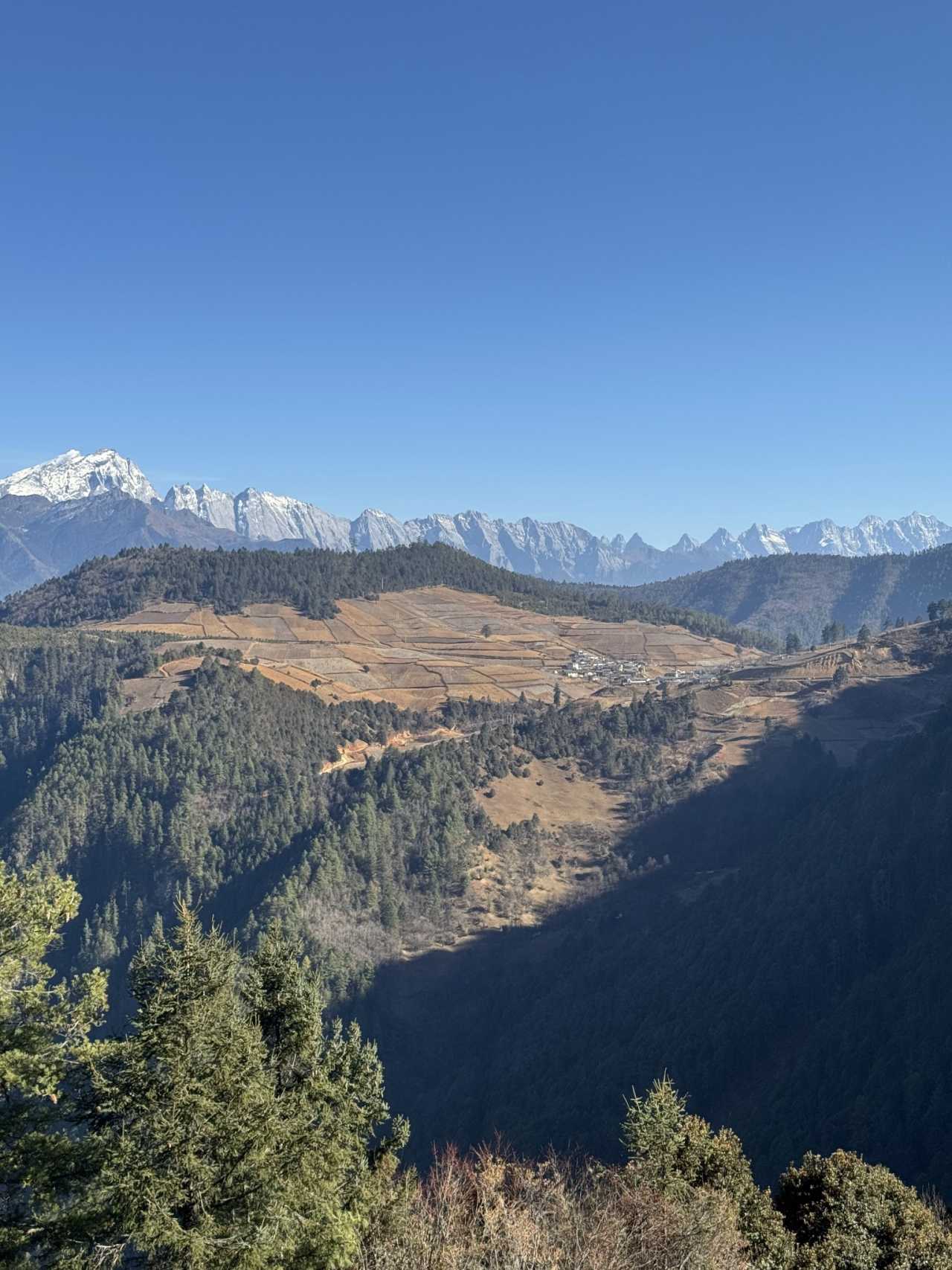
In early December, early morning temperatures are generally around 0°C (32°F), and at Feilai Temple, they can even drop to -7°C to -8°C (19°F to 17°F). During the day, temperatures rise to about 17°C to 18°C (63°F to 64°F), though this varies slightly by area. I recommend bringing a windproof jacket, a down jacket, and sweaters. Since you're driving, it's easy to just keep them in the car. A windproof hat or face mask is also a good idea — the wind can be fierce, and a headache from the cold is no joke.
2. Altitude
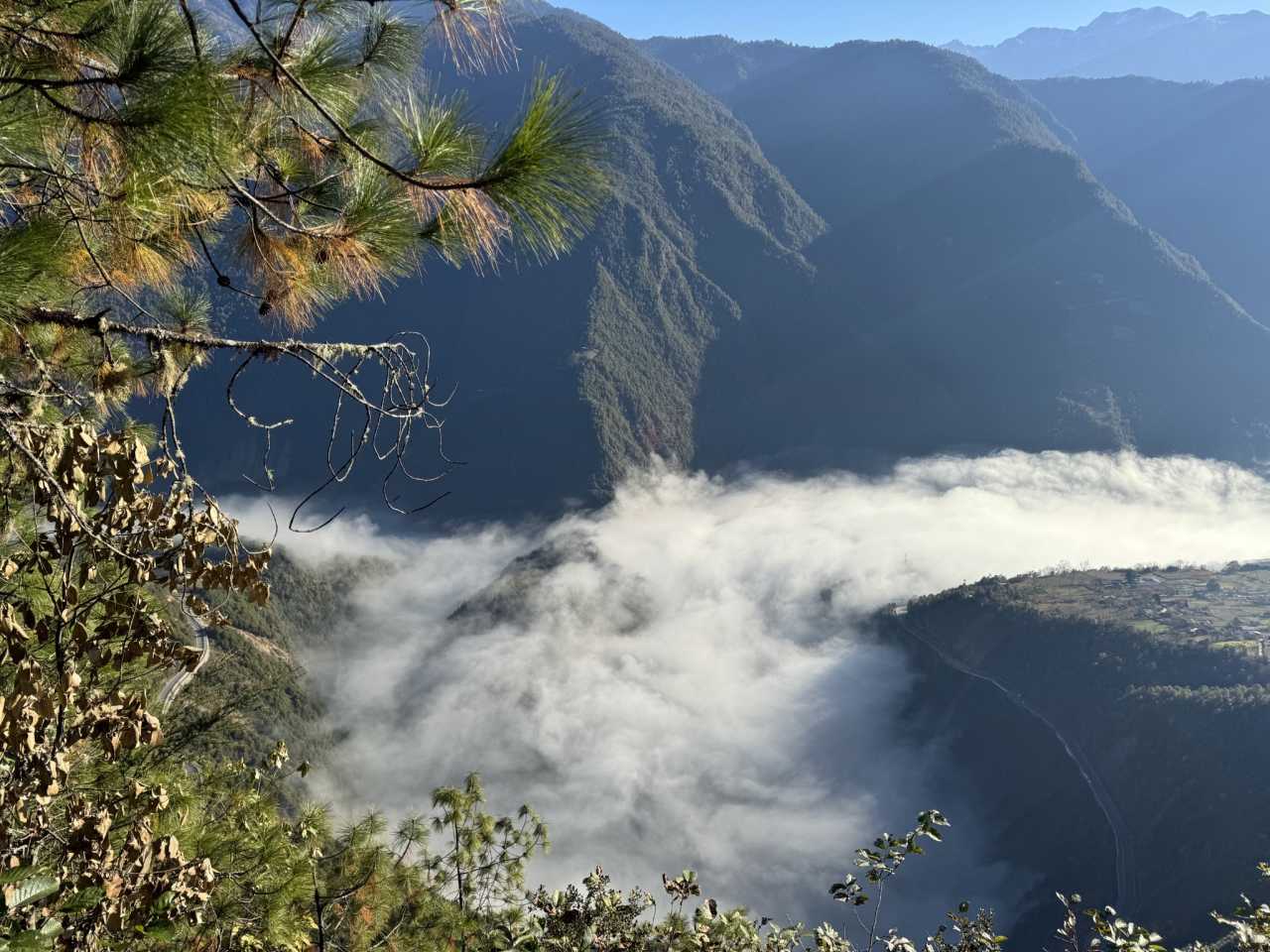
This route's altitude increases gradually, and because the itinerary isn't rushed or strenuous, I experienced virtually no altitude sickness. I even had a cold when I started and took quite a few showers along the way... Of course, you still need to be careful — walk slowly, don't run or jump, and don't do anything foolish. I'd recommend preparing 2-3 oxygen canisters per person for emergencies, depending on your group size. Actually, the scenic spots themselves were fine; it was some of the hotels that felt stuffy due to poor ventilation.
3. Road Conditions
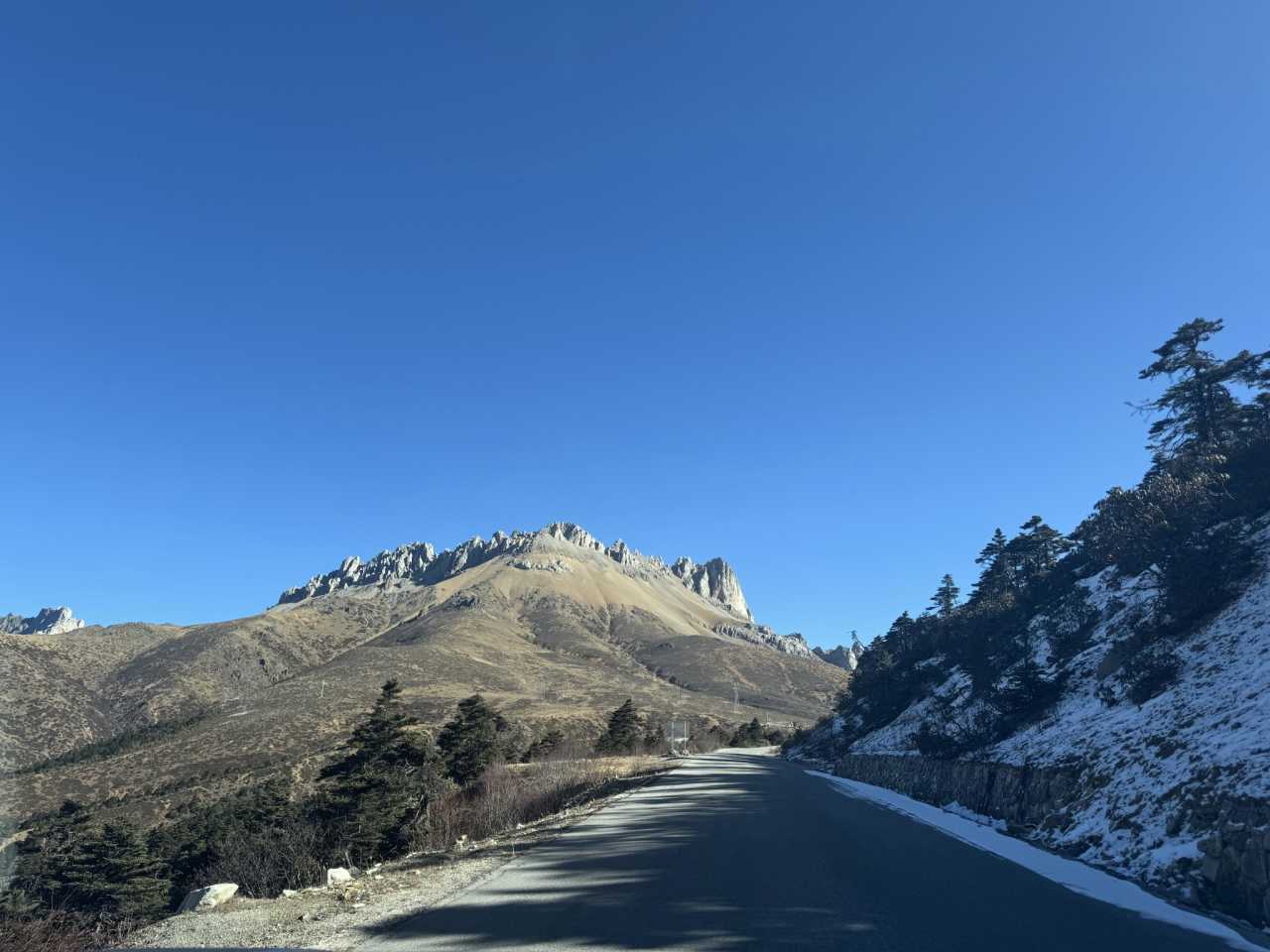
Even though it's not the rainy season, isolated sections of road can still be closed or under construction due to landslides, falling rocks, or icy conditions. It's a good idea to have some backup routes or attractions in mind. Also, plan your route and download offline maps on your navigation app — this makes it easy to check driving distances and times, and allows you to adjust flexibly if something changes.
4. What to Pack
A power bank, emergency medication (sleep aids or anti-altitude-sickness supplements are great), an umbrella or raincoat. If you plan on hiking, trekking poles are a must. Also, bring some calorie-dense snacks: beef jerky, chocolate, and other small treats. You can buy oxygen canisters or oxygen pillows in your departure city.
5. Car Rental
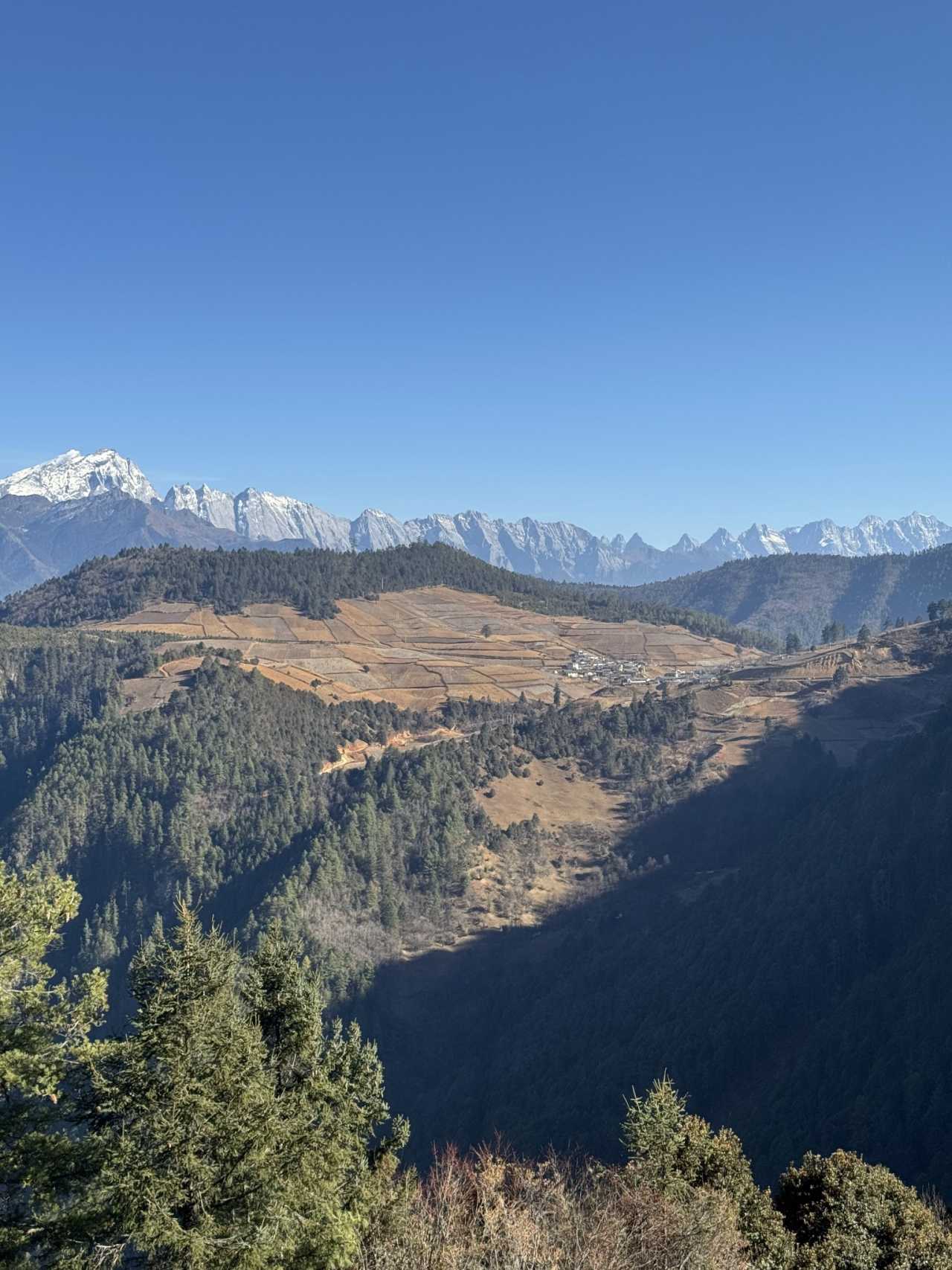
I rented a 1.5T two-wheel-drive SUV with a gasoline engine. It handled all road conditions perfectly, except for the rough, potholed steep slopes when driving up to the pasture at Alulaka.
I also looked into electric car options. If you follow my exact route and don't go to any "tricky" places, an EV would be fine — there are plenty of charging stations along the way. Of course, you'd need to plan your charging stops in advance, trading time for money savings. If you do want to go to tricky places, like up to Alulaka, you can simply park your car in the village by the main road and ask a local guide to take you up in their vehicle.
Part Two: The Itinerary
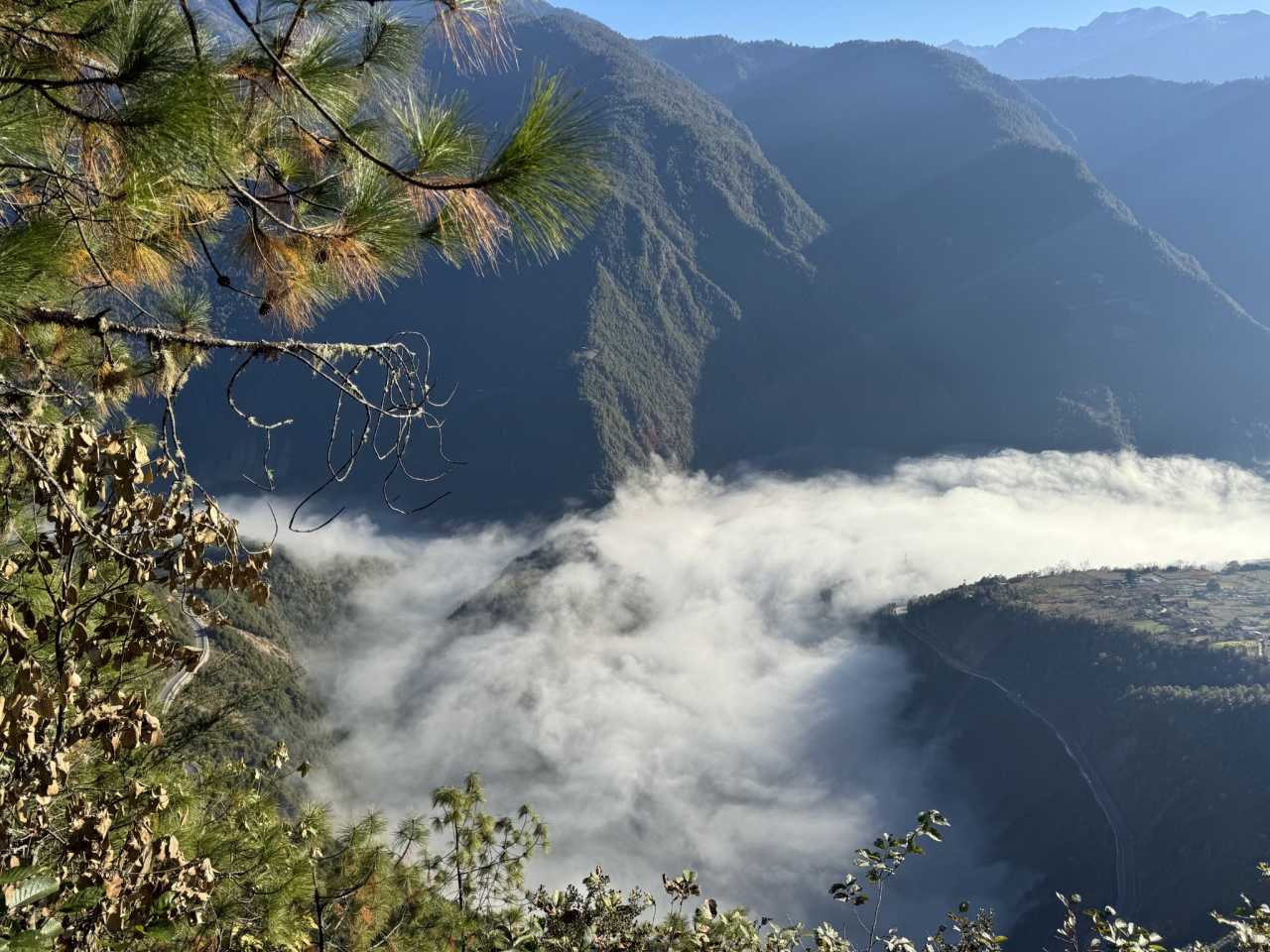
Day 1: Baoshan to Laomudeng
Baoshan (1,800 meters / 5,900 ft)
I flew from Shanghai to Kunming, then transferred to Baoshan. You could also start from Dali, which adds about 2 hours of driving and an extra highway toll, but the road conditions are fine.
Attractions: Baoshan and its surrounding areas have quite a few nice spots. For example, the Qinghuahai West Lake Scenic Area in the city center — if you happen to get altitude sickness here, it's worth a visit. Further out, about 60-70 km from the city center, closer to Tengchong, there are the Rehai Hot Springs and a geological park. You can take a hot air balloon ride at the geological park, but only in the morning, so you'd need to get up very early if you're coming from Baoshan city. If you're not taking the balloon, there's no need to go. I had already crossed the winter route in Southwest Yunnan off my list, so I skipped all of these.
If you have enough time and are in decent shape, consider adding a "Gaoligong Mountain hike" to your itinerary. It's only about 30-40 km from the city center. Allow 1-3 days depending on how deep you want to go.
Also, on the way to Laomudeng, near Denggeng Bathhouse, there's a western branch road leading to Pianma Town, which reaches the China-Myanmar border. You can even go into Myanmar from there. There are cultural, revolutionary history, and border crossing attractions, and I've heard you can buy wood carvings brought over from Myanmar. However, the round trip takes 2 hours, and the road conditions aren't guaranteed to be good, so I didn't go.
Accommodation: I recommend the Baoshan Sanchuan Designer Landscape Hotel. During the off-season, it costs around 200 RMB. It's on the 25th floor with a 270-degree panoramic view of Baoshan, and there's a Shenzhou Car Rental office downstairs. If you want something cheaper, there are plenty of options in the city center. For food, just check a review app.
Laomudeng / Zhiziluo (2,000 meters / 6,560 ft)
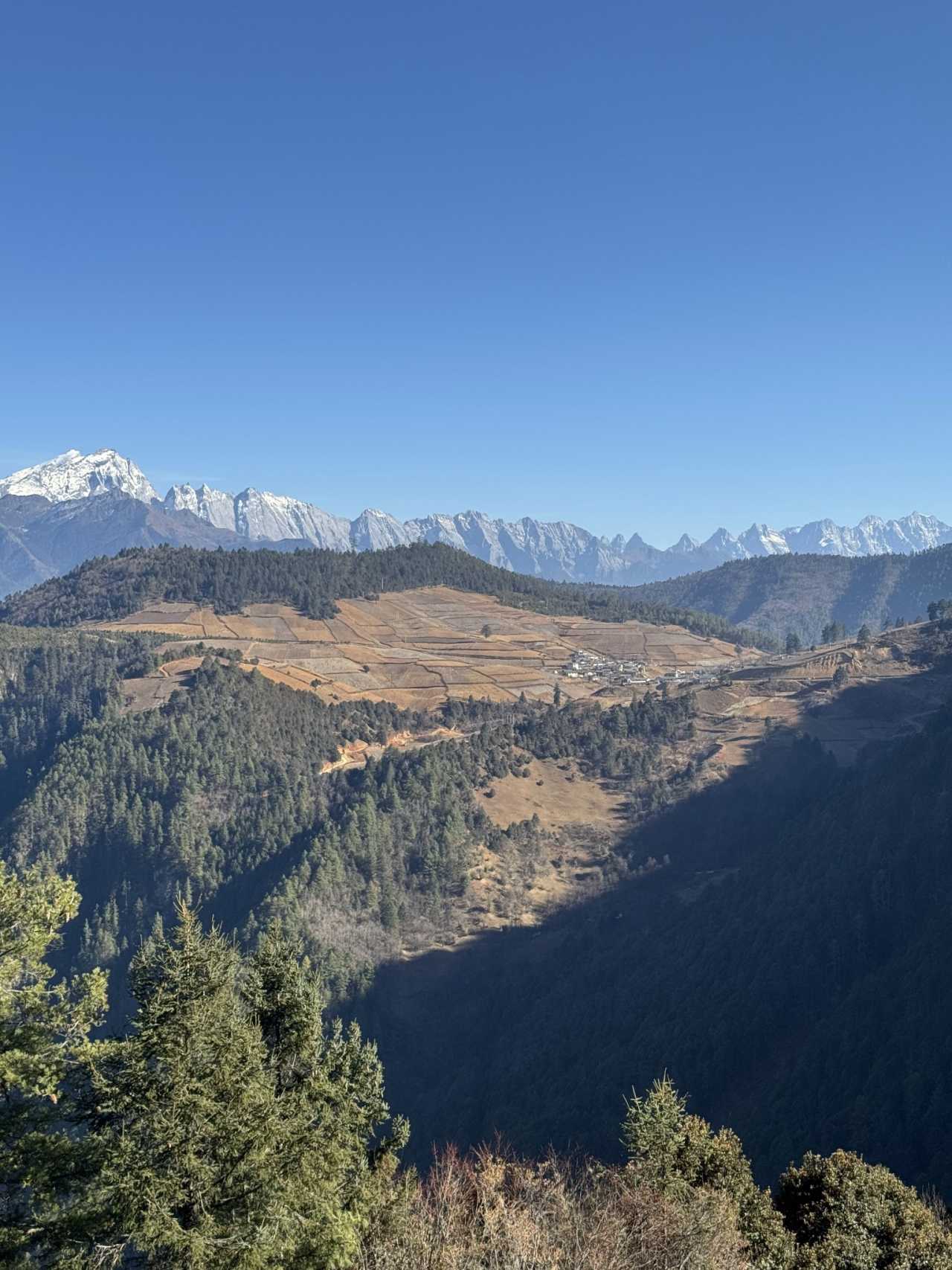
Because I slept in, I ended up driving on the highway for the only time on this trip... and highway tolls are really expensive — basically 1 RMB per kilometer.
After exiting the highway, I passed through:
- Xiaoshaba Service Area: The scenery is decent, the service area is huge, and there are quite a few self-driving travelers resting here. If you're outgoing, you can stop and socialize.
- Denggeng Bathhouse: I suggest not trying to find your own entrance. There's a big sign; just park there and walk down. If you want to ride the zip line, go ahead, but it's not a must. Also, there's a small chance you'll encounter locals bathing — completely naked. Female travelers, be mentally prepared.
- Tiger Jump Viewing Platform: Tigers just love to jump around, and every jump makes for a scenic spot.
- Flying Stone: Easy to miss. There's a temporary parking area opposite a school, but there's no sign.
After arriving at Laomudeng, continue driving a bit further up to reach the old town of Zhiziluo. Then come back down to see the Laomudeng Church. There are choir performances on Wednesdays and Saturdays, but I didn't get to hear one.
Accommodation: There are plenty of guesthouses to choose from right along the roadside in Laomudeng village. They're very convenient for food and lodging. Pick one with a view for 100-200 RMB. If you're not driving, I'd recommend staying here — the overall conditions are good, and there are local dance performances in the evening. There's also a viewing platform on the road that you absolutely must visit.
If you want an even more open view, you have to continue driving up a cobblestone and flagstone road to the tea factory. Because it was too late and I wasn't confident driving on an unpaved road at night, I didn't go up — and now I regret it a little.
I chose a guesthouse (Yunjing Yuanshe) just at the entrance of the village, closer to the mountain and directly facing Crown Mountain with no obstructions. You can lie in bed and watch the "Golden Crown at Sunrise." The downside is that eating and shopping are less convenient, and you need to drive into the village.
Food: There's a restaurant called Yunshang Renjia in the village. It's run by a husband and wife, the food is delicious and affordable, and the location is convenient.
Please forgive my mediocre photography skills — the view here is incredibly wide, with rolling clouds stretching to the horizon, rivers flowing like ink paintings below, and villages on the opposite hillside appearing and disappearing. Photos can't capture even one percent of the beauty.
Day 2: Laomudeng to Dulong River Township
After sleeping in, I first lay in bed and watched the "Golden Crown at Sunrise" (around 8:00 AM), then had a simple breakfast and looked at the sparse sea of clouds (it was quite dry during my visit). With no other minor attractions, I drove on to the next stop.
A heads-up: The Dugong Highway, which leads into Dulong River Township, has high mountains and many curves, and the scenery is beautiful. There are no lights at night. Although the road conditions are good, I strongly recommend driving during the day — for safety, and because the roadside scenery is genuinely stunning.
Along the way, I passed:
- Stone Moon Viewing Platform: A place to see a hole in the mountain peak from the valley floor. I suggest marking the location on your navigation app in advance. Before entering a tunnel, there's a small dirt road leading uphill. It's said that hiking from the viewing platform to Stone Moon itself takes three days, and the area is already being developed into a scenic spot. It might become an official attraction by next year.
- Expeditionary Force Returning Home Ferry Crossing: You can stop here. There's a ferry crossing basket to see, a monument for the "Beautiful Highway" to take a photo with, and a branch attraction called Lamadi Star Valley. It was closed when I visited, but I'd read previous guides that said it's expensive to stay there and there are some hiking trails. The target audience seems to be middle-class independent women staying for a few days (don't ask why...).
- First Roar of the Nujiang River Viewing Platform: In winter, its roar is a bit softer.
- Gongshan County Town: I arrived around noon. I recommend having a good meal here, replenishing your energy and supplies, and resting a bit to recharge. Also, top up your car's electricity or gas. You're about to enter a stretch of road that is itself a scenic highlight. If you stop frequently to take pictures, expect it to take at least 4 hours.
I can say that if you love natural scenery, the entire highway into Dulong River Township is the biggest attraction. Along the way, the green mountains are dotted with patches of red and yellow, with towering peaks in the foreground and rolling snow-capped mountains in the distance. As the altitude rises, the landscape changes dramatically from the first half to the second — from colorful mountain roads to majestic snowy peaks, climbing from 2,000 meters to 3,200 meters and then back down to 2,000 meters.
There are many mountain curves, but the road is good, with no branches — it's a single road in and out, so driving is relatively easy. However, be aware: I saw accidents both coming and going — some fender benders, and one car hit by a falling rock. A reminder for drivers who only ever drive in the city: honk your horn at curves! Don't overtake recklessly! And for heaven's sake, don't look at the scenery while driving. Stop to look! There are plenty of viewing platforms and temporary parking spots along the way.
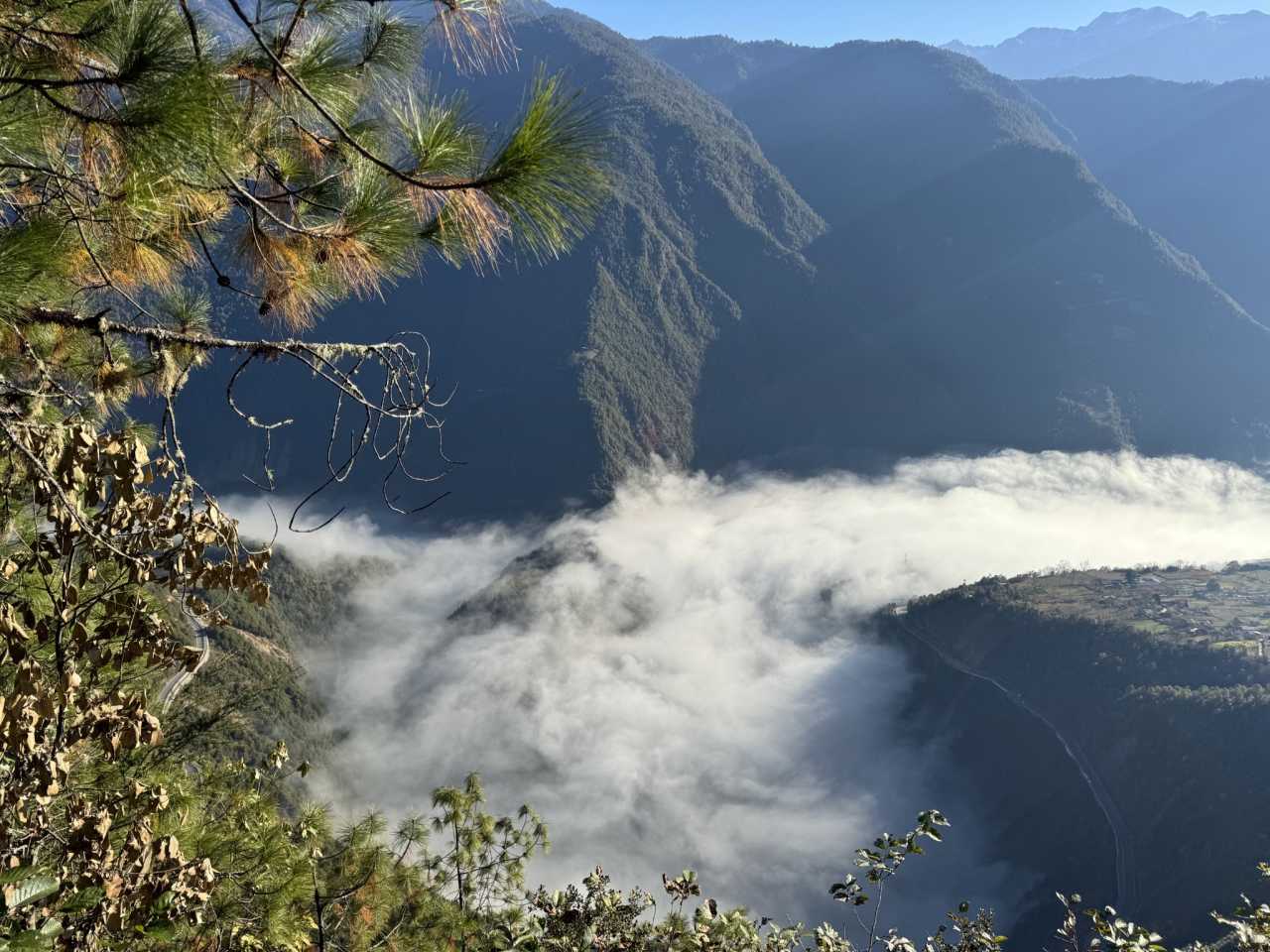
Also, during peak season, you need to make a reservation to enter Dulong River Township. Only 200 people are allowed in per day. Book through the mini-program in advance. If you can't get a spot, call. If the line is busy, keep calling until you get through (peak season means Chinese New Year, summer vacation, and various mini-holidays). During the off-season, just drive to the Dulong River National Park entrance and register. When I arrived, I looked at the register; there were only a few dozen people.
Dulong River Township (1,500 meters / 4,920 ft)
Accommodation: You can choose to stay in Kongdang Village, which is near the entrance. There are guesthouses and hotels, with fairly basic conditions. Around 200 RMB will get you a decent room. If you want something better, try the Gongshan Tianjing Hotel. It looks like a retired cadre's sanitarium — remote, quiet, with good facilities, but small rooms, expensive, and no view. Still, it's the highest-end hotel in the area.
Food: Kongdang Village is a decent size with all the amenities — food, lodging, and even a health clinic. I ate at A Peng Beef Restaurant, where many locals were having hotpot. I recommend trying the local fish — it's caught by hand. Unfortunately, in winter, you need to order in advance, otherwise, no one will go fishing. Once the area becomes more commercialized, you probably won't be able to eat wild-caught fish anymore.
Attractions: There are two main branch routes for exploring Dulong River Township — the northern route for culture, villages, and the famed tattooed women; and the southern route to the border and waterfalls. For an in-depth visit, each route takes about a day. I've heard the roads are unpaved but fine if there are no steep slopes.
Nearby is Pukawang, where you can experience the "glass water" of the Dulong River. A couple of things to note: 1. The entrance to Pukawang has an automatic barrier. It costs 5 RMB to park your car, and the road inside is cobblestone. Actually, you don't have to drive in — it's a pleasant 500-meter walk along a path to the village. 2. Be very careful near the river. I slipped and fell straight into the water. I just wanted to touch the water, but it was apparently too eager to welcome me and I ended up drinking some. The rocks look flat and non-slip, but they are slippery. The result was a soft tissue injury to my thigh muscle, a massive bruise, and I had to use a cane. My phone also got water damaged and stopped working. I had to rest at the Gongshan Tianjing Hotel.
If you get injured while traveling, no matter how minor it seems, stop and rest first. If it's serious, see a doctor. After checking into the hotel, I forced myself to go eat, but my condition worsened to the point where I couldn't walk, and I nearly had to cancel the rest of the trip. Fortunately, I managed to recover with some first aid: rest and cold compresses within the first 24 hours, followed by warm compresses as appropriate, plus Yunnan Baiyao spray and a cane. I could finally hobble around. But the injury didn't fully heal until after January.
Because of my injury, my time in Dulong River Township was cut short. I didn't even get to eat the fish — so frustrating!
Day 3: Dulong River Township to Bingzhongluo
After resting, I drove back the same way to Gongshan County Town. Because the perspective was different on the return trip, the scenery was especially beautiful, and it didn't feel repetitive at all.
Then I headed north towards Bingzhongluo. I encountered temporary road construction and, after asking the locals, crossed the river and drove on a dirt road on the opposite bank for a while — there were also other travelers who just waited for the construction to finish.
After passing the First Bend of the Nujiang River viewing platform, I arrived at my destination.
Bingzhongluo (1,800 meters / 5,900 ft)
There's a viewing platform next to a small tunnel just before entering Bingzhongluo. From one side, you can see the entire town; from the other, you can see Peach Blossom Island (Zhalatong). It's worth stopping for a photo.
Accommodation: I personally recommend staying at a guesthouse along the main street of Bingzhongluo. The street is full of food and lodging options, and the hotel views are generally good. During the off-season, prices range from 100 to 300 RMB. The village is relatively flat, so staying higher up than the main street doesn't offer much of a different view. Plus, the roads up there are narrow, single-lane, and difficult to drive. The guesthouses below the main street, closer to the main road, have decent views, better facilities, and higher prices, but eating is less convenient. So the guesthouses on the main street offer the best overall value. However, the hotel facilities here are generally average and not expensive, so it's a matter of personal preference. I have to mention one particular "Big Hotel" — an elevator building with distorted 90s-style glass windows. What a waste of a great location!
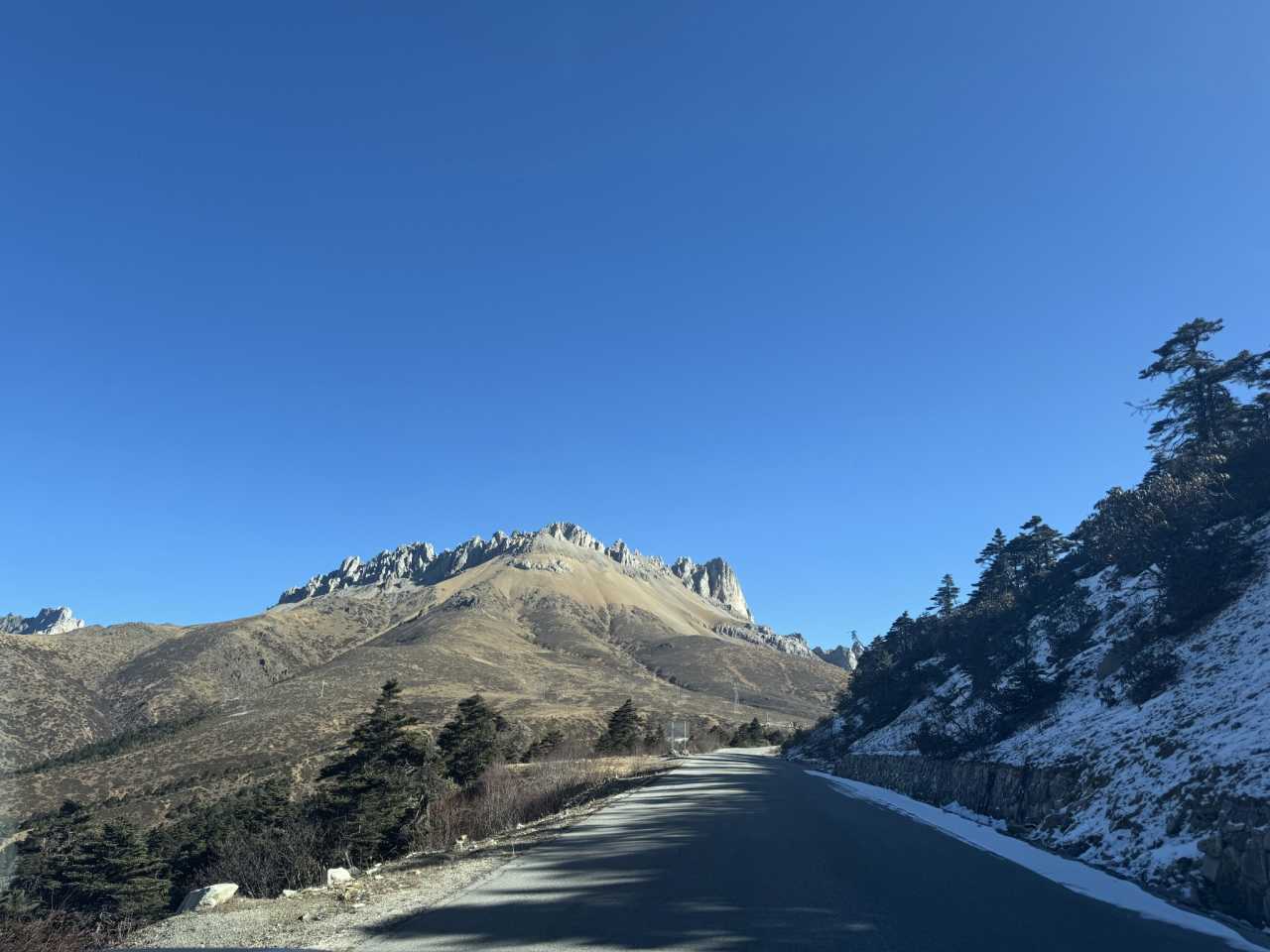
I stayed at a hotel on the street. Just pick one with floor-to-ceiling windows or a balcony. In the morning, you can lie in bed and watch the sea of clouds — the cloud-covered bend is the Nujiang River. The morning mist stretches as far as the eye can see, completely shrouding the river and the road, and it lingers for a long time. It's truly magical.
Food: The main street has a good variety of food. You can try the local specialty, lacquer oil chicken (qī yóu jī), or order stir-fries. There are also cheap noodle dishes.
Attractions: Bingzhongluo has quite a few minor attractions. The tourist center is right next to the main street. The area has already been commercialized. A shuttle bus costs 40 RMB per person. You can't drive your own car up; there's a checkpoint halfway that's very strict, so don't try to be clever. Although it costs 40 RMB, it's worth it — on a clear day, you can see three things: the village, the river bend, and the mountains. If you're lucky, you might see the mist clear from the viewing platform, revealing an incredibly beautiful scene.
Besides this, all the other attractions require a short drive, generally 10 to 30 minutes away:
- Stone Gate Pass
- Wuli Village (Foggy Village)
- Chaohong Bridge (for the Ancient Tea Horse Road hike)
- Qiunatong Village (also serves lacquer oil chicken)
- Yunnan-Tibet Border (I heard the road was closed for construction and the Tibetan monument was blown up, so I didn't go)
Cultural sites include: Chongding Catholic Church, Puhua Temple, and Peach Blossom Island (Zhalatong), which you see when entering the town.
Among these, Wuli Village is truly beautiful when viewed from across the river. On the way there, you'll pass Stone Gate Pass. A bit further is Chaohong Bridge, then Qiunatong Village, and finally the Yunnan-Tibet Border. You can arrange your visit based on your time and schedule. Wuli Village has a loop hiking trail, and nearby is the cliffside path of the Ancient Tea Horse Road. I couldn't hike it because of my leg injury, which is a shame.
Dealing with Altitude Sickness: Some Practical Tips
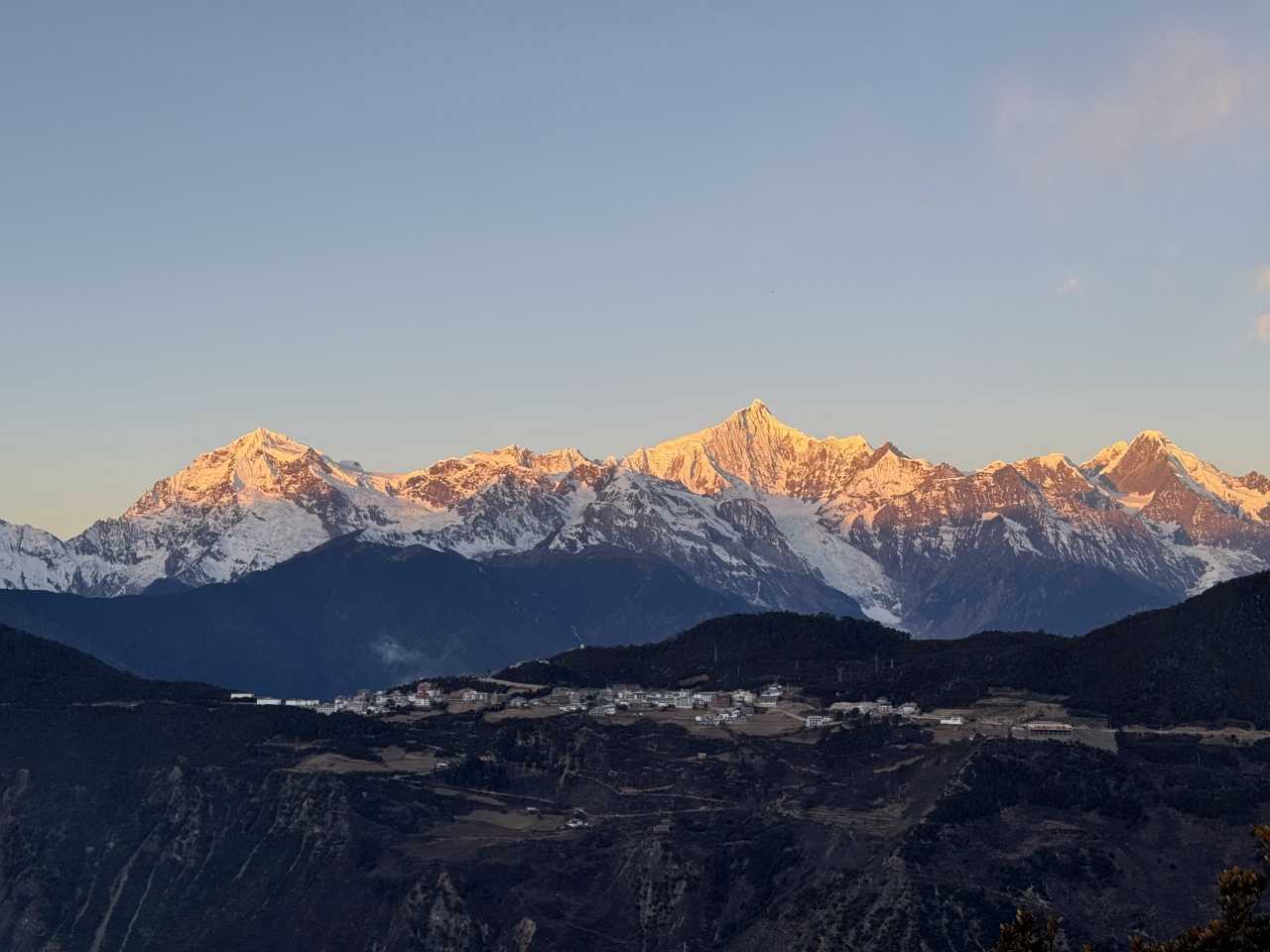
The next part of the itinerary involved staying at places nearly 3,000 meters high, and for several consecutive days, we were above 3,000 meters. Here's some important advice on altitude sickness:
- Exercise before your trip: Do some cardio.
- Effective items: High-sugar drinks — like glucose water or cola.
- Effective activities: Walk slowly, avoid strenuous exercise, and use oxygen if you feel chest tightness.
- Effective relief methods: Drink hot beverages, eat nutritious meals, wear a windproof hat, and get quality sleep.
- An easily overlooked point: ventilation. During this trip, I generally only experienced a slightly elevated heart rate and faster breathing when I was outdoors. But I often started feeling chest tightness when I was in my room or after checking into a hotel. So when you check in, pay attention to the room's ventilation — especially when you're sleeping at night. If the room is poorly ventilated, the oxygen level will decrease over time, which can affect your sleep quality at best, or trigger altitude sickness at worst. Most hotels on this route have heaters, air conditioners, underfloor heating, or electric blankets, so staying warm at night isn't a problem. You can even wear extra clothes to sleep. But it's best to open a window a crack while in the hotel to allow some fresh air to circulate.
Day 4: Bingzhongluo to Alulaka
After exploring the attractions around Bingzhongluo during the day, I headed straight for my destination.
Alulaka (2,900 meters / 9,510 ft)
This was almost a last-minute decision — I booked a room on the fly and navigated directly to Zhaxi's Cabin.
With a nervous heart, I spent 45 minutes climbing a nearly single-lane, winding dirt road. And then, this was the scene that greeted me:
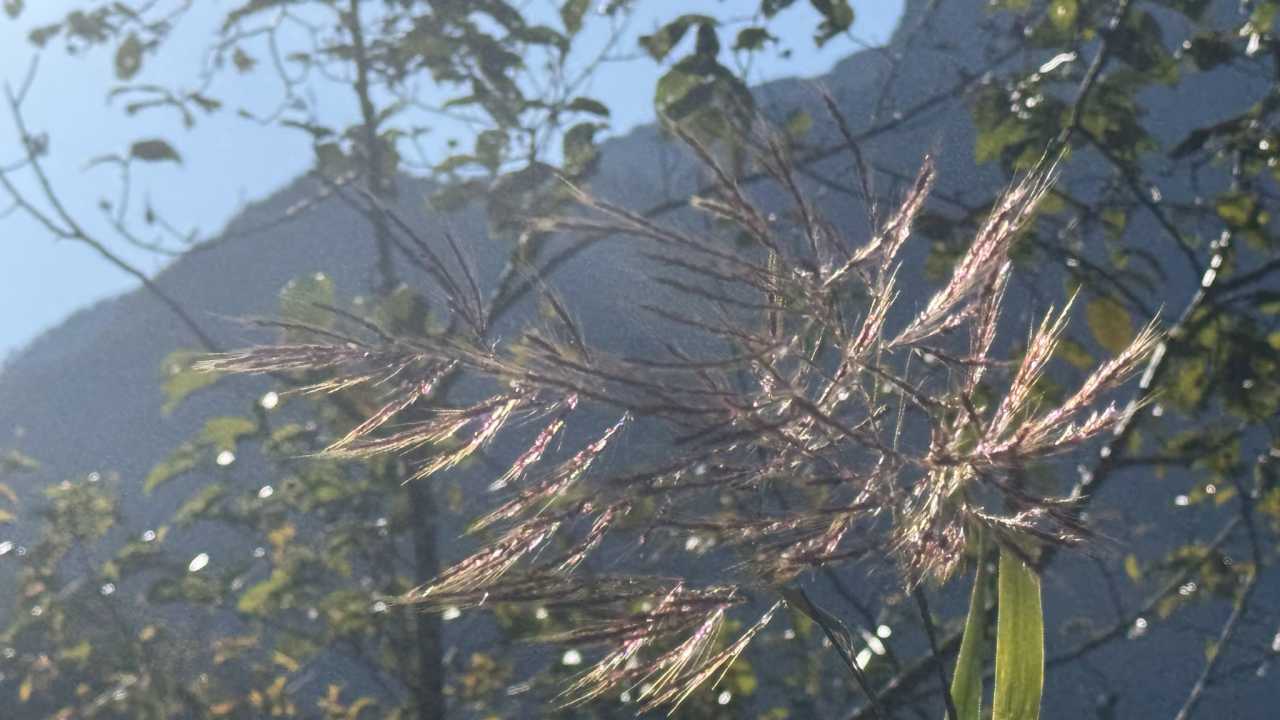
I couldn't describe it for a moment. An uninhabited mountain peak, quietly basking in the sun, drinking tea, watching a lone bird glide across the sky, until sunset. This is the kind of travel I love — even if it's just sitting there, doing nothing.
Accommodation: The guesthouse's scenic treehouse only has one room. If you want to stay there, you must confirm with the owner, Zhaxi, in advance. Otherwise, you'll stay in the cabin behind it. There's also a tent hotel nearby, starting at 2,000 RMB, which is much more expensive.
Food: I recommend eating your fill in the village at the bottom of the mountain before coming up, or bring your own supplies. Food on the mountain is expensive, around 400 RMB for a meal. The pot contains a whole free-range chicken stewed with various Tibetan herbs. Two people couldn't finish it in one sitting; it lasted two days.
Attractions: There are no attractions. But there are plenty of multi-day hiking routes in the surrounding area, making this a place for deep exploration. You can even reach Nanjilu, which is currently closed for development (the owner said you can enter from "this direction"). Ask the cabin owner for details. There are things to do all year round; in winter, you can even ski on the backcountry snow.
Transportation: The single-lane, winding dirt road has no guardrails and is indeed difficult to drive. Meeting oncoming traffic is especially painful — one car has to back up. City drivers should not drive this road at night, and it's best to avoid it during peak season or in rain/snow. You can absolutely park your car in Dimalo Village and arrange for a guide to take you up.
Day 5: Alulaka to Meili Snow Mountain Scenic Area
There are two important potential branch routes along the way:
- Peacock Mountain Tianxin Twelve Lakes: The road to the top of Peacock Mountain is closed. Coming from my direction, I would have had to go through the tunnel and then drive back up the mountain on the other side. Since I couldn't hike, the altitude was over 4,000 meters, and accommodation was questionable, I gave up on this.
- Yubeng: If you have enough time, consider going to Yubeng first, then to the Meili Snow Mountain scenic area. Unfortunately, the only way into Yubeng now is via a hiking trail that climbs up from Ninong village (the road from Xidang is closed). For an in-depth visit, you need to allow 3-5 days, so I had to give it up.
After getting up, I drove on the bumpy, potholed slope road (the legendary "shell crater road") up to the Cloudtop Pasture. It took about 20 minutes. I almost didn't make it up some of the steeper sections — if you're driving a sedan, you'll likely scrape the undercarriage. There's no navigation here; you have to ask the locals for general directions. Once you reach the pasture, there's a 3-4 km light hiking trail that takes about half a day to explore. Along the way, you'll encounter random animals like dogs, cows, sheep, and pigs.
Reluctantly leaving Alulaka, I officially entered the second half of the journey. After a long drive, the scenery suddenly shifted from lush green mountains to vast, rugged landscapes. This section of the road was particularly beautiful, with dramatic changes in scenery. After a long drive, I stumbled upon a wild viewing spot:
A Bend of the Lancang River (Wild) Viewing Platform: Located between the Badaowan Business Hotel and the Jiabi Tunnel, next to what looks like an abandoned small house. There's a dirt slope where you can park.
Finally, I arrived at Deqin County Town. I had a meal at "Dade Shifu" restaurant — vegetable dishes were 20-30 RMB, meat dishes were 40-50 RMB. Good value.
After eating my fill, I drove on to my final destination.
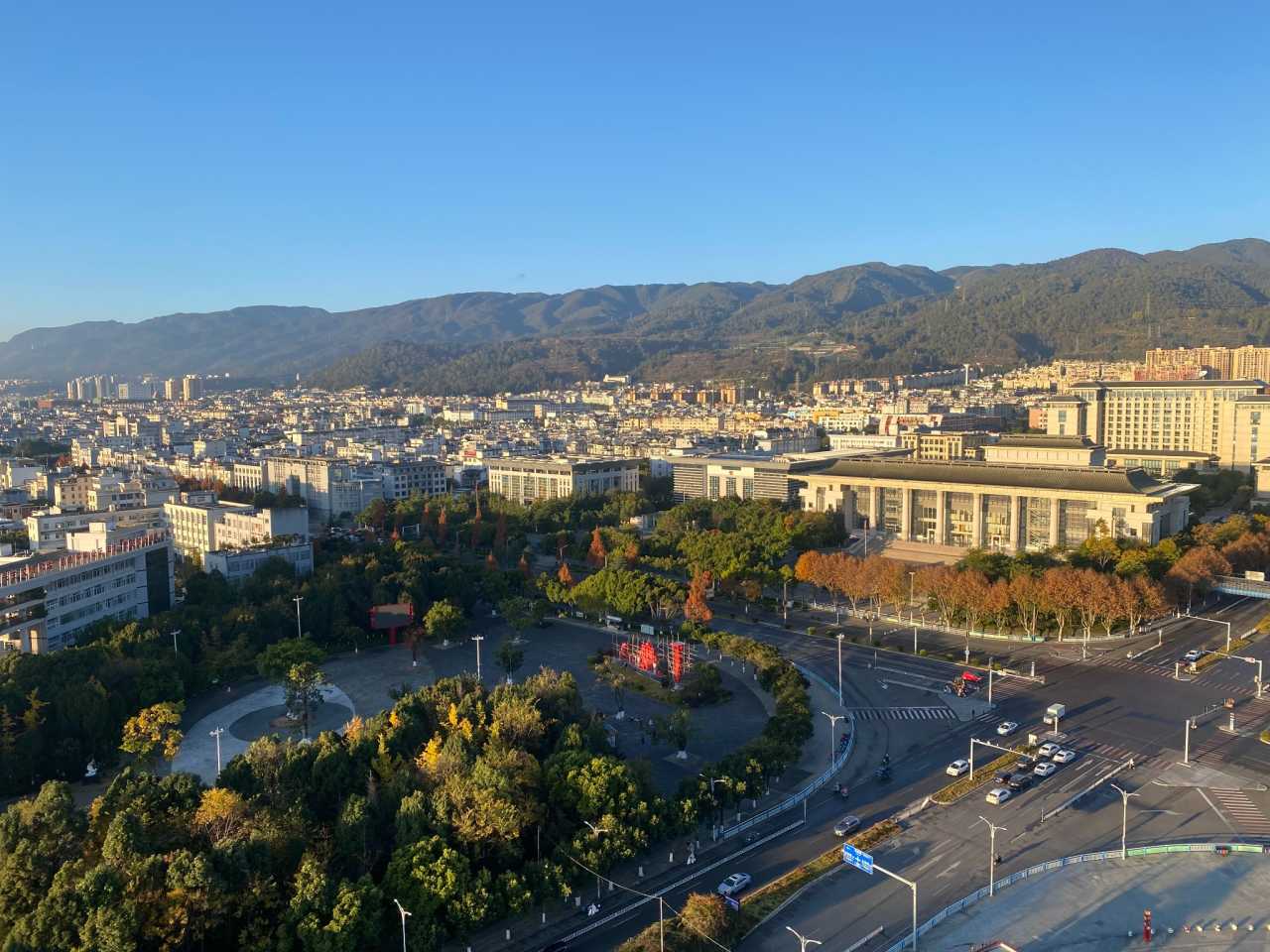
Feilai Temple (3,500 meters / 11,480 ft) vs. Wunongding (3,700 meters / 12,140 ft)
Let me get to the point: Overall, for a first-time visitor, I recommend staying near Feilai Temple.
Even though Feilai Temple is crowded, thoroughly commercialized, with the hotel right on the road, a street of snack stalls in front, a viewing platform, loud music during the day, and noise and light pollution at night... it's directly facing Meili Snow Mountain. It's closer, and more stunning. Nearby, you can also drive to two other viewing platforms for an even closer look at the snow-capped peaks.
Wunongding has a more business-like atmosphere and is less commercialized. But it's farther away. It feels more grand and is better for photography. However, a hill to the right partially blocks the full view. If you can only choose one place for the scenery on your first visit, I personally recommend Feilai Temple — the drive between the two is also 30-40 minutes.
Accommodation (Feilai Temple): There are mid-range and high-end options along the street. For the best, go to Meili Shijia. The rooms have high ceilings, starting around 1,500 RMB, and it costs about 500 RMB more for each higher floor. The higher floors are to see over the buildings on the roadside, so you can lie in bed and watch the "Golden Mountain at Sunrise." For better value, and if you're into photography, you can stay in Deqin County town and then go to the viewing platform at 5:00 AM to grab a good spot. If you have a bit more budget and are in decent shape, choose a hotel further back along the road, like Meili Zhiyan, Xueshan Xinglai, or Jingpin Yiju. You can see the mountain directly, and for photography, you don't need to get up super early — just head down at 6:00 AM to secure a spot.
Food: There are plenty of dining options near Feilai Temple, so you don't need to worry.
Attractions: A short 10-minute drive from Feilai Temple, there are the Dashuiguan Viewing Platform and the Kawagebo Peak Viewing Platform. I strongly recommend visiting both if you can — especially Dashuiguan. You might even consider shooting another "Golden Mountain at Sunrise" there. It's very beautiful, offering a different kind of awe.
Wunongding
After watching the sunset at Feilai Temple, I drove to my accommodation for the night (I was curious). Wunongding doesn't have a snack street; it's relatively quiet. Hotels here are generally cheaper than at Feilai Temple, but the budget-friendly ones are in less convenient locations. From a purely visual standpoint, they have some "flaws" — but these flaws seem less important when you're watching the "Golden Mountain at Sunrise" in the early morning.
Afterword: The Scenery Left Behind
This 11-day whirlwind tour made me fall deeply in love with Northwest Yunnan. Although I missed the fish in Dulong River due to my injury, gave up on the Yubeng hike due to time constraints, and abandoned the exploration of Peacock Mountain due to road conditions — these regrets have become the reasons for my next trip.
The beauty of Northwest Yunnan isn't seen with your eyes; it's measured by your car's wheels. It's hidden in the surprise around every bend, in the sea of clouds every morning, in every unexpected encounter with a little animal. It doesn't require you to climb mountains or trek for miles — it only asks that you're willing to drive, willing to stop by the roadside, and willing to spend some time just doing nothing.
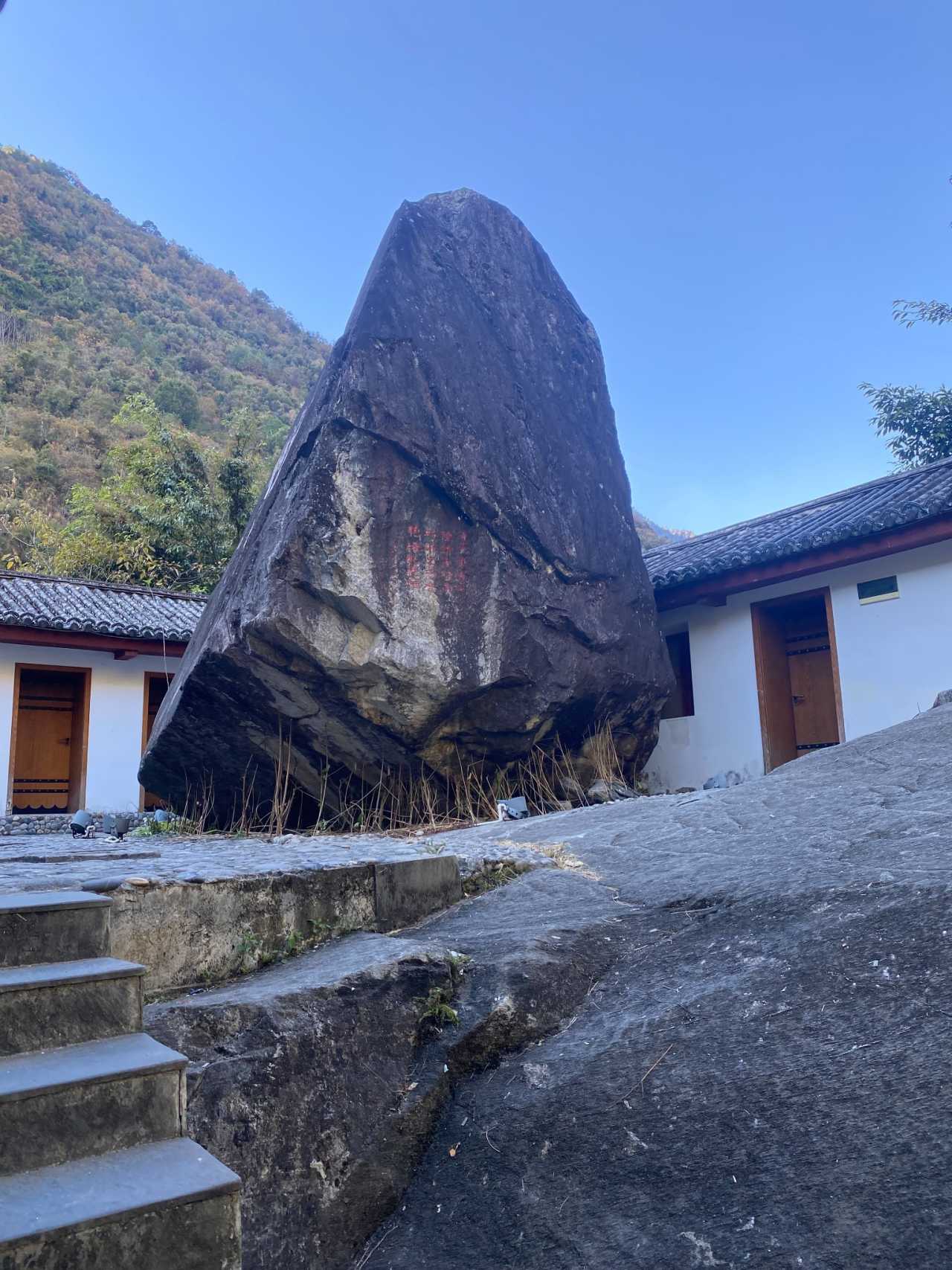
If you also dream of Northwest Yunnan but are still a little hesitant, then my advice is: Don't hesitate. Just go. Bring your car, bring your camera, bring your good mood. December in Northwest Yunnan will not disappoint you.
Key Tips Summary:
- December in Northwest Yunnan is the off-season with few tourists and spectacular scenery. Temperatures range from -8°C to 18°C (17°F to 64°F).
- Altitude increases gradually. Be mindful of altitude sickness; focus on ventilation and moving slowly.
- Road conditions are generally good, but some sections require careful driving, especially winding dirt roads.
- Accommodation is not expensive. For around 200 RMB in the off-season, you can get a good room with a view.
- Dulong River Township requires advance booking during peak season; go directly during the off-season.
- Feilai Temple and Wunongding each have their pros and cons. For a first visit, Feilai Temple is recommended.
You should also read:
A 9-Day Yunnan Journey: From Lijiang to Dali to Tengchong – A Trip Toward Self-Reconciliation
A 9-Day Yunnan Journey: From Lijiang to Dali to Tengchong – A Trip Toward Self-Reconciliation Some say travel is simply going from a place you're tired of to a place other people are tired of. It stings to hear, but it's painfully true. Yet there's…
Continue reading...
Yunnan! Paradise on Earth – The Yubeng Chapter: A Soul-Cleansing Journey into Seclusion
Yunnan! Paradise on Earth – The Yubeng Chapter: A Soul-Cleansing Journey into Seclusion Prologue: Why Yubeng? If you ask me which place in Yunnan is most worth hiking to, I would answer without hesitation: Yubeng. This is not an answer I give lightly. As a…
Continue reading...
Yunnan Travel Mastery: From Beginner to Pro-Level Player – A Complete Guide
Yunnan Travel Mastery: From Beginner to Pro-Level Player – A Complete Guide "Either travel or read, but your body and soul must be on the road." This quote has been repeated countless times, but very few people truly manage to be "on the road" and…
Continue reading...