Self-Driving Tour of Shangri-La's Hidden Realm: A Three-Day, Two-Night Journey for a Soulful Purification
Self-Driving Tour of Shangri-La's Hidden Realm: A Three-Day, Two-Night Journey for a Soulful Purification
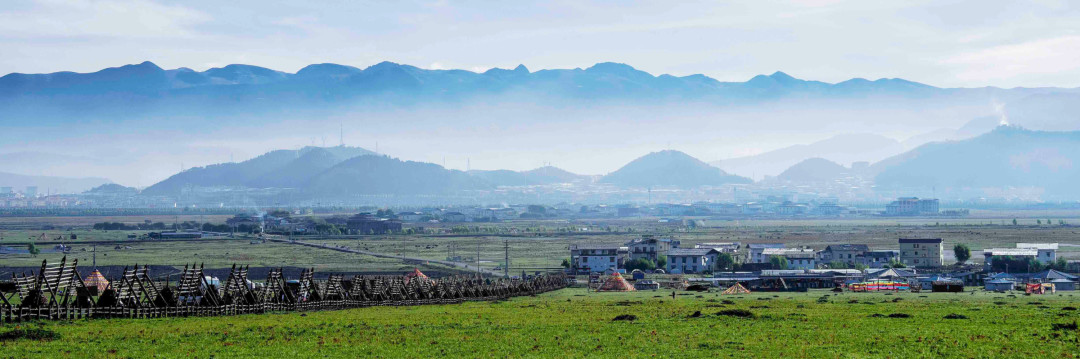
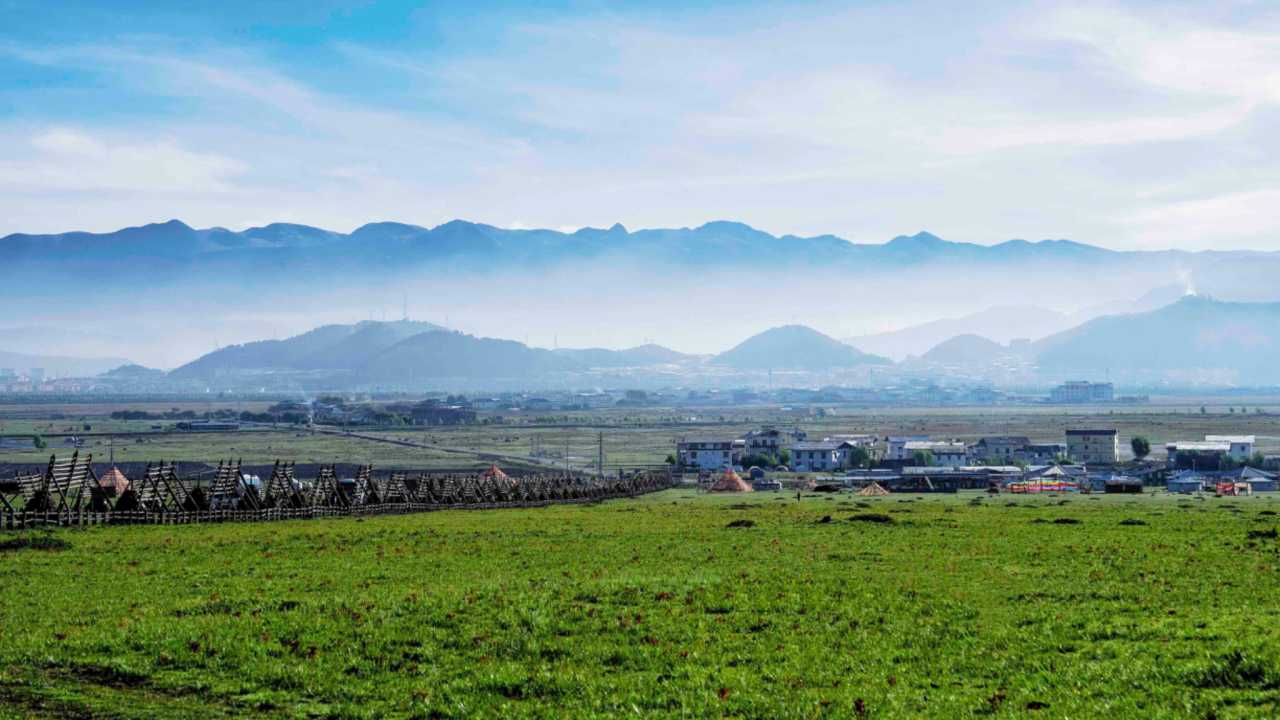
When the word "Shangri-La" rolls softly off the tongue, it seems to carry a breeze from the snow-capped plateau, mingled with the scent of grass and yak butter. It is more than just a place name—it is a symbol, an ultimate vision of distant horizons, purity, and inner peace. In this land, whose Tibetan name means "auspicious and wish-fulfilling," snow mountains, grasslands, lakes, and temples weave together a serene and sacred paradise. As the only Tibetan autonomous prefecture in Yunnan, Shangri-La bears a rich Tibetan cultural heritage and offers breathtaking natural landscapes.
This golden autumn of October, I could no longer resist the call of my heart. Starting from Lijiang, I set off along National Highway G214 on a three-day, two-night self-driving journey. The straight-line distance from Lijiang to Shangri-La is only about 180 kilometers, but we took our time, exploring the hidden gems in the surrounding area, eventually winding our way through approximately 300 kilometers. Along the road, green mountains kept us company, rivers whispered, and yaks strolled leisurely on the meadows. Time seemed to lose its pace here, leaving only profound tranquility and peace. This was not merely a trip; it was a pilgrimage to nature, a deep cleansing of the soul. If you too plan to set foot on this magical land, then please accept this carefully crafted in-depth travel guide.
Itinerary Overview: Three Days, Two Nights, Precise Check-ins
- Day 1: Lijiang → Tiger Leaping Gorge → Baishuitai (White Water Terrace) → Potatso National Park
- Day 2: Shambhala Kalachakra Mandala Cultural Expo Center → Dukezong Ancient Town
- Day 3: Shika Snow Mountain → Return Journey
Practical Tips: Must-Read Before You Go

- Tiger Leaping Gorge (Upper Section): Entrance fee 45 RMB. "Cloud Step Ladder" full-ticket 70 RMB. Opening hours: 8:00–17:30. Best time to visit is from April to October, when the water flow is most abundant and the scenery at its most magnificent.
- Baishuitai (White Water Terrace): Entrance fee 30 RMB. Requires a hike uphill; comfortable shoes are recommended. Wearing bright colors like red or blue for photos yields excellent results. If you prefer not to walk, you can rent a horse at the foot of the mountain.
- Potatso National Park: Entrance + shuttle bus ticket 138 RMB. Opening hours: 8:30–16:00. Take the eco-friendly bus from the entrance for about 20 minutes to reach Shudu Lake, where you can choose to walk or take a boat (additional 65 RMB).
- Shambhala Kalachakra Mandala Cultural Expo Center: Entrance fee 100 RMB. It has 8 floors, and it's best to explore at a leisurely pace. Opening hours: 7:00–22:00. You can rent Tibetan robes on the first floor for photos—very photogenic.
- Dukezong Ancient Town: Free entry. Lined with shops, ideal for buying souvenirs.
- Shika Snow Mountain: Recently reopened. With a valid train, plane, or bus ticket arriving in Shangri-La within three days, or a highway toll receipt, you can enjoy free admission.
Day 1: From Steep Canyons to Dreamlike Terraces, Then an Autumn Fairytale
Tiger Leaping Gorge: Listening to the Earth's Heartbeat
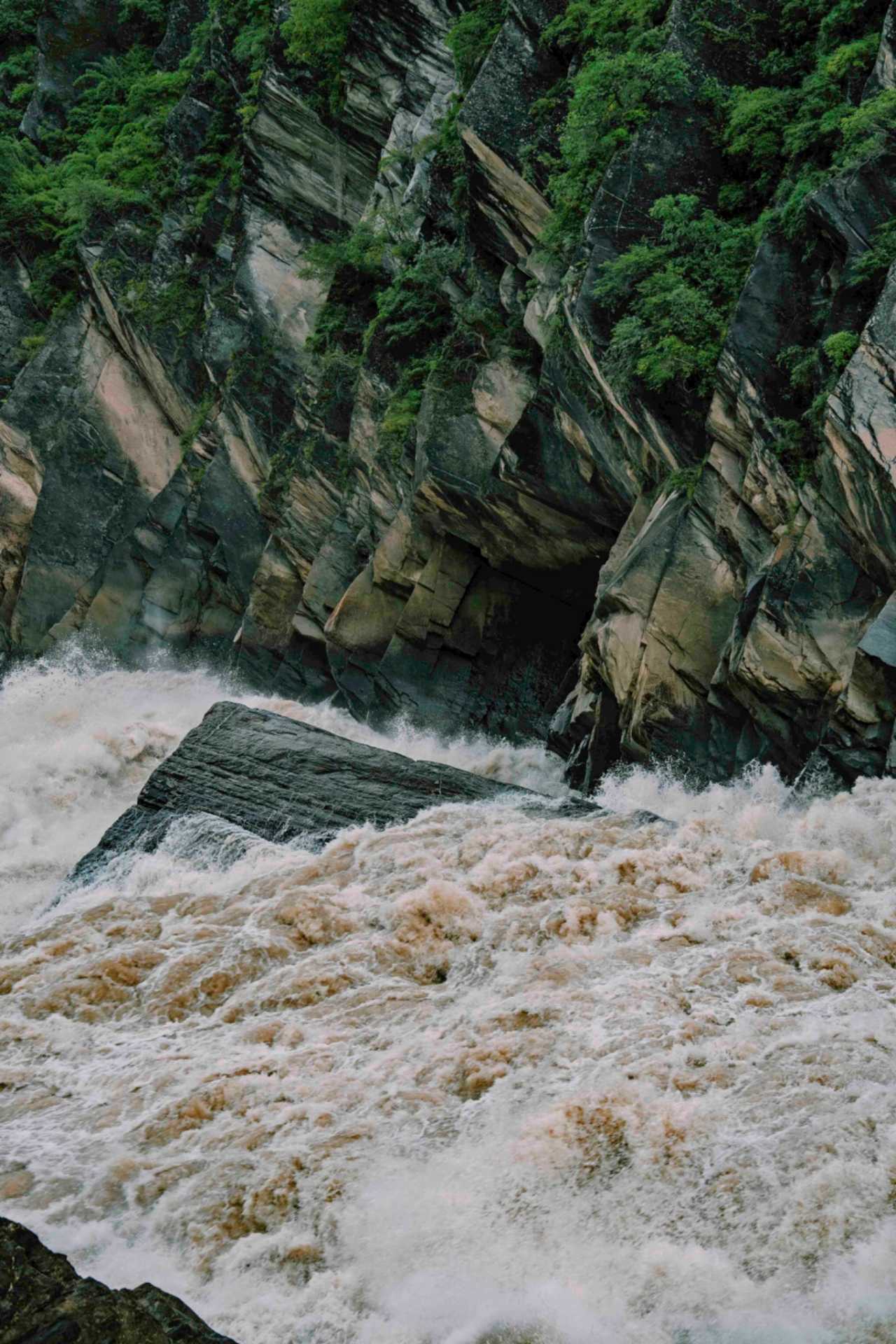
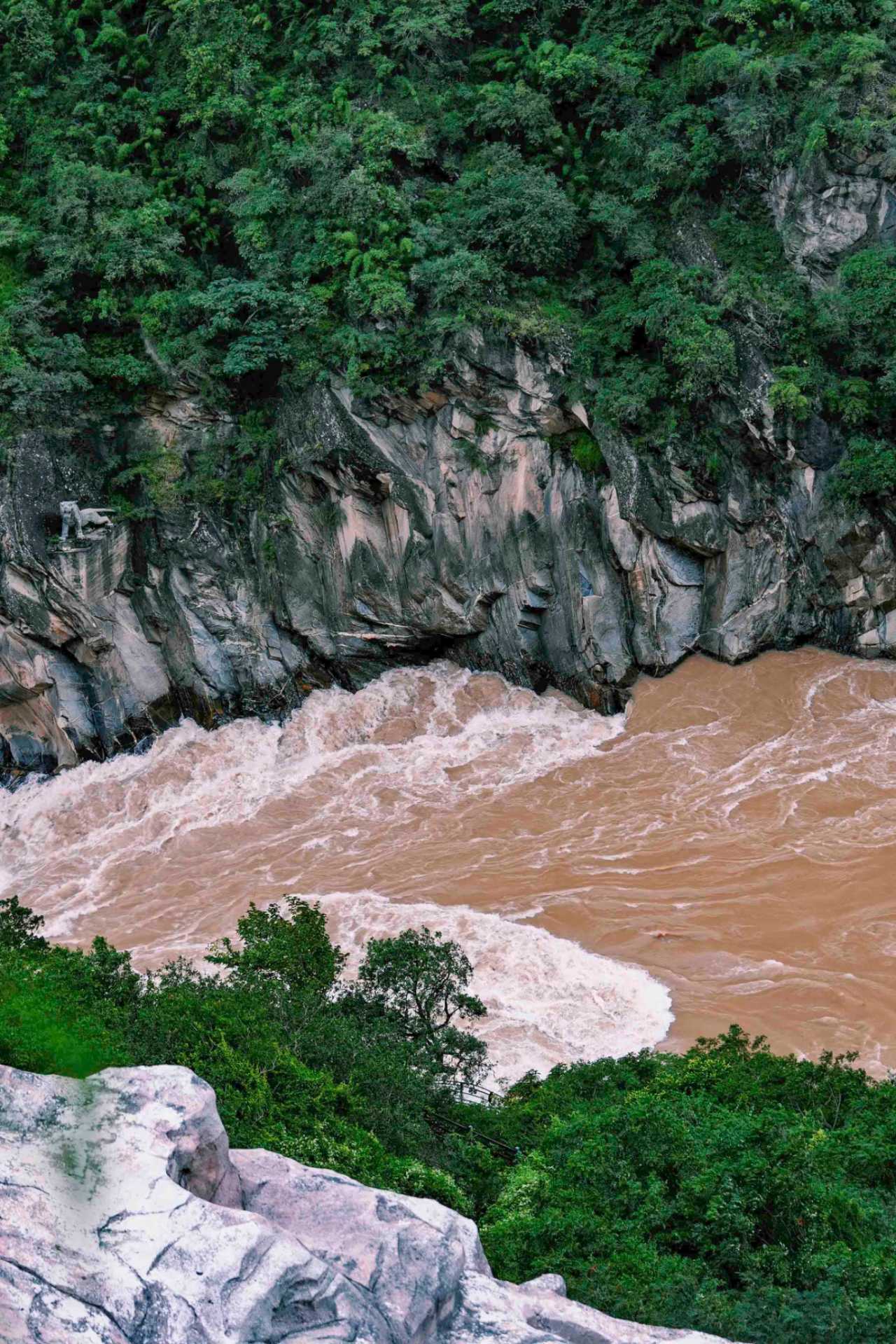
Departing from Lijiang, a drive of about 100 kilometers brings you to the first awe-inspiring stop of the journey—Tiger Leaping Gorge. If you have a passion for steep and magnificent natural landscapes, this is an unmissable pilgrimage site. One of the most famous natural wonders along the Jinsha River, the gorge stretches about 17 kilometers and is divided into upper, middle, and lower sections. On both sides, Haba Snow Mountain and Jade Dragon Snow Mountain pierce the clouds, with a vertical drop of over 3,000 meters, tightly clamping the Jinsha River in between, forming a deep canyon.
The river roars and surges through the gorge, especially during the rainy season, when rapids churn and waves splash against the rocks, producing a thunderous roar as if the earth itself is growling. The upper section is widely regarded as the best viewing spot, where fault structures create natural observation platforms. You can choose to challenge yourself with a hike, winding along the mountain ridges, each step accompanied by the magnificent vista of snow mountains and rapids. Alternatively, take the "Cloud Step Ladder" to easily reach the best viewpoints and feel the thrill of "commanding a view of all lesser peaks."
Notably, a moving legend is associated with this place: a brave tiger, fleeing from hunters, used a massive rock in the gorge to leap across the Jinsha River in a single bound. This rock was later named "Tiger Leaping Rock." Standing beside it, you can almost feel the moment the tiger vaulted over the rapids, adding a touch of mystery and romance to this rugged landscape.
Recommended visiting time: 2–3 hours. Here, you not only experience nature's wild power but also touch the pulse of history through its legendary tales.
Baishuitai (White Water Terrace): Nature's Milky White Palette
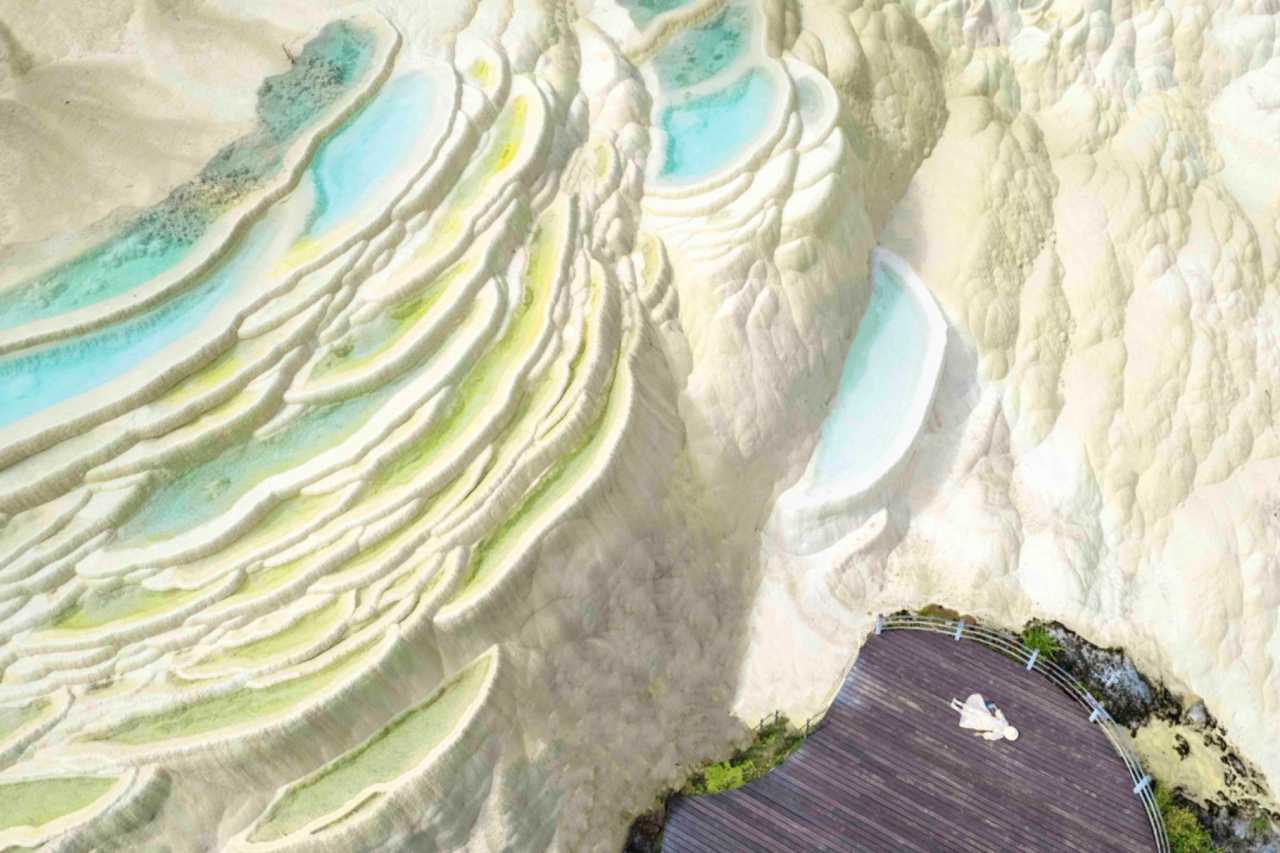
Leaving Tiger Leaping Gorge, continue driving for about an hour to reach a heavenly spot at the foot of Haba Snow Mountain—Baishuitai. At an altitude of 2,380 meters, this is China's largest travertine (calcareous sinter) terrace, a work of art meticulously crafted by nature over millions of years using calcium bicarbonate solution. Viewed from above, the layered milky-white terraces resemble a palette left behind by immortals, blending seamlessly with the surrounding green trees and blue sky, pure enough to intoxicate the soul.
A 20-minute hike uphill offers picturesque scenery along the way. If you prefer not to walk, you can ride a horse at the foot of the mountain, enjoying a leisurely pastoral experience. Bringing a drone is recommended—the beauty of Baishuitai from above is dreamlike, every frame a wallpaper-worthy image. Wearing bright clothing, such as red or blue, on the white terraces will make your photos stand out even more.
In the Naxi language, Baishuitai is called "Shi Bu Zhi," meaning "a gradually growing flower." It changes over time, like a blooming white lotus. Walking on the smooth steps, with spring water gently flowing from above, the atmosphere is soft and serene. There is no noise here, only nature's whisper, as if time has stopped for you.
Potatso National Park: An Autumn Visual Feast
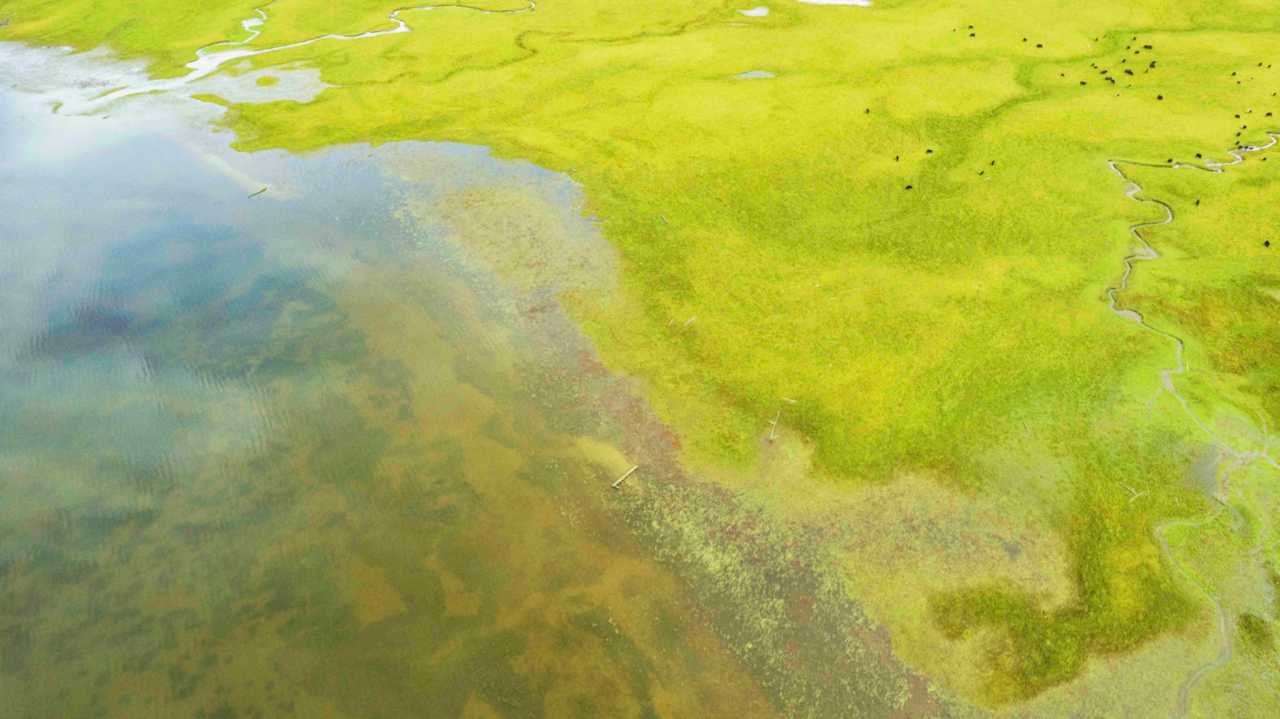
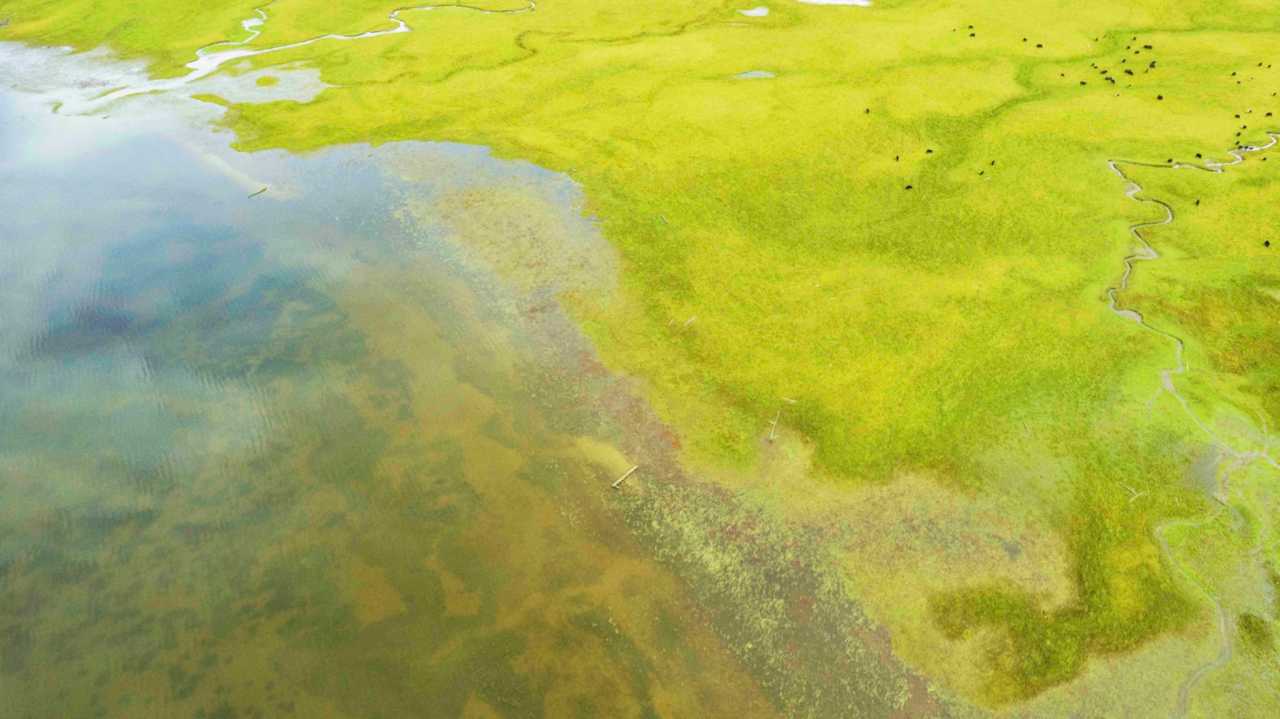
The final stop of the first day brings us to Potatso National Park, and autumn is its most dazzling season. At this time, Potatso resembles a vibrant oil painting. Bita Lake and Shudu Lake, two crystal-clear bodies of water, reflect the colorful forests on their shores and the azure sky. Autumn sunlight spills onto the lake's surface, turning it into a mirror, as if time has quietly frozen.
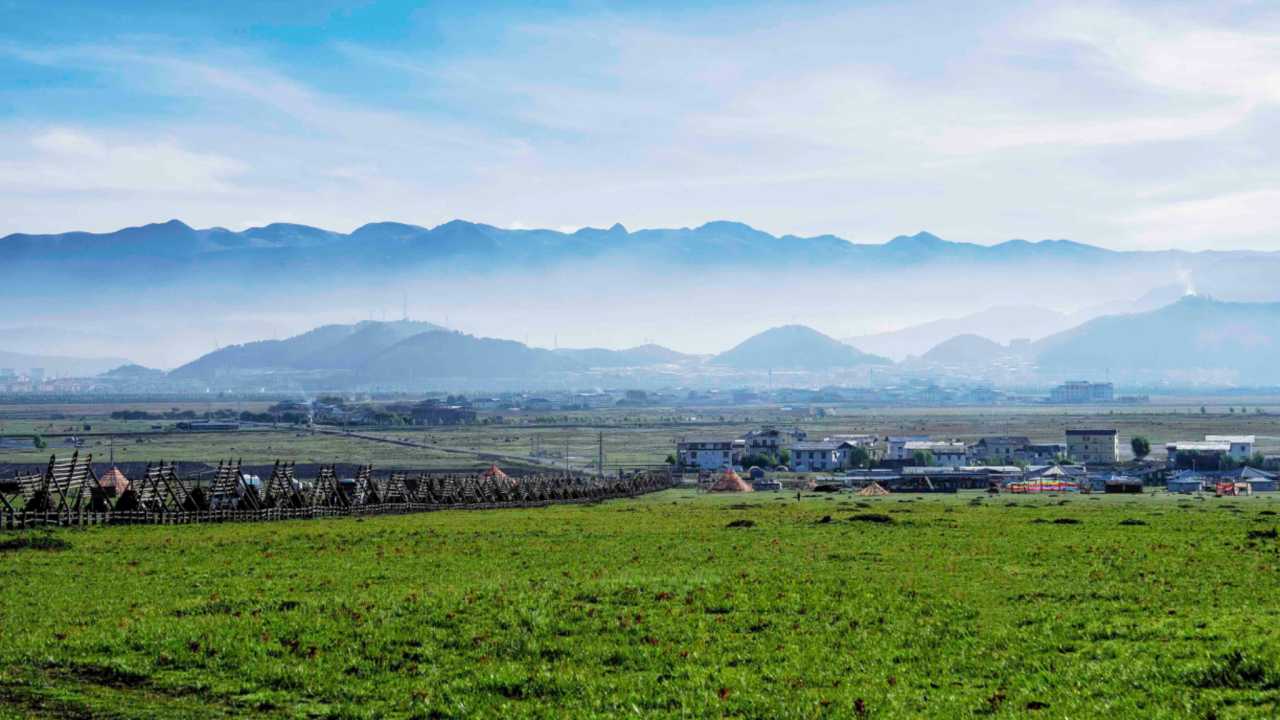
You can choose to take a boat ride, drifting slowly on the lake, feeling the tranquility and harmony of the surrounding scenery. Occasionally, you might encounter leisurely wild ducks or other waterfowl gliding across the surface, adding lively touches to the painting. The trees in the park, changing with the season, don coats of yellow, orange, red, and gold, layered like a giant palette. Walking along the trails, you're surrounded by a tapestry of brilliant autumn forests and peaceful pastures, with distant mountains alternately bright and hazy under the sunlight.
At sunset, the golden rays of the sun bathe the lake and forests, enveloping the entire park in a soft, golden glow. This is the perfect time for capturing stunning landscapes—every photo is poetic, as if freezing the quiet beauty of autumn in an eternal moment.
Day 2: Touching the Soul of Tibetan Culture, Strolling in the Moonlit City
Shambhala Kalachakra Mandala Cultural Expo Center: The Epitome of Tibetan Culture
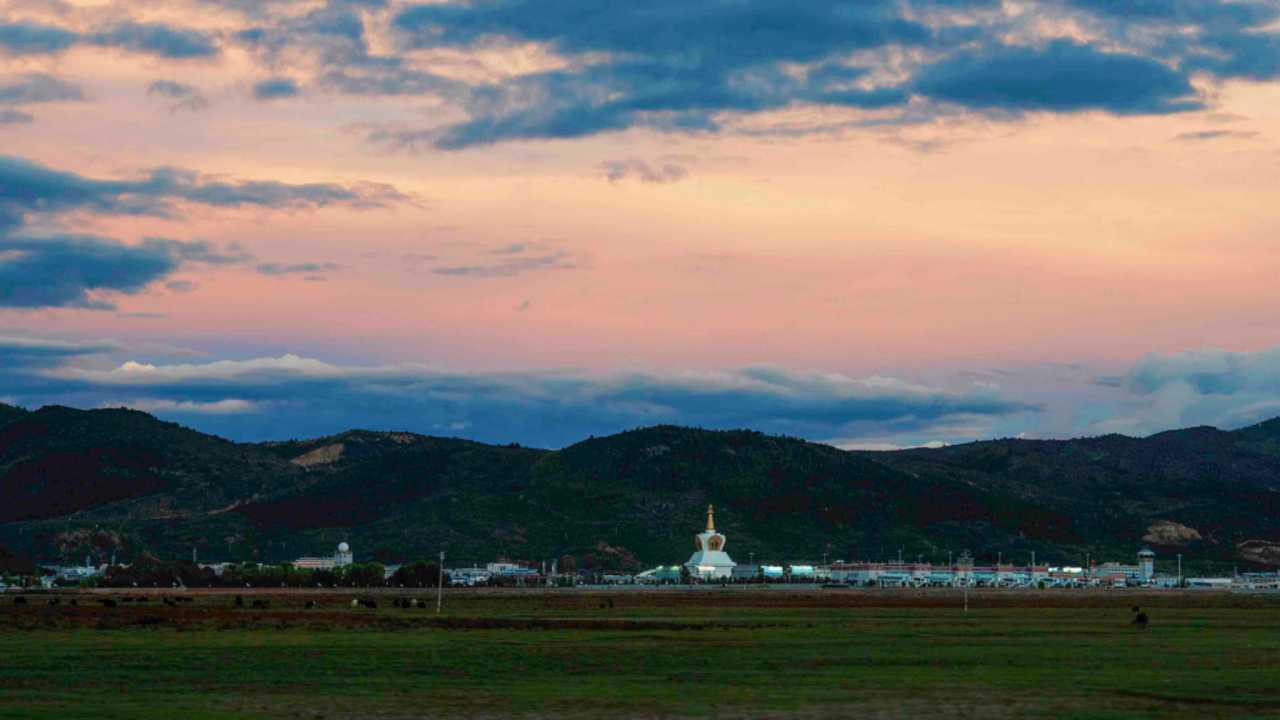
On the second day, we delve into the heart of Shangri-La city, starting with the Shambhala Kalachakra Mandala Cultural Expo Center. This relatively lesser-known attraction hides breathtaking treasures. Located in the center of Mandala Square, designed according to the concept of "round heaven and square earth," the building stands 60.4 meters tall with 11 floors, topped with a white pagoda-style golden roof, making it one of Shangri-La's iconic Tibetan-style structures. The exterior decorative paintings use natural mineral pigments and natural coatings, giving the whole building a majestic, solemn, and mysterious aura.
Stepping into this hall of Tibetan culture, from the first to the eighth floor, each exhibition hall feels like a window into the world of Tibetan culture. You can gain a multi-dimensional understanding of the region's natural scenery, human life, historical origins, and religious art. The center's crown jewel is the largest indoor statue of the Kalachakra Buddha in China, towering and solemn, inspiring reverence. Additionally, it displays the world's largest indoor three-dimensional Kalachakra Mandala, with every detail showcasing the profound religious art of Tibetan Buddhism.
The Expo Center houses nearly two thousand precious artifacts, including vibrant and resplendent thangkas (Tibetan scroll paintings), and exquisitely crafted Tibetan knives. The air is filled with the faint scent of Tibetan incense, mingling the aromas of grassland and yak butter, as if purifying the soul. I highly recommend renting a Tibetan robe on the first floor to take photos upstairs, immersing yourself in the rich ethnic atmosphere.
Recommended visiting time: 2–3 hours. This is an excellent choice for an in-depth understanding of the vast and profound Tibetan culture.
Dukezong Ancient Town: A Millennium-Old City Under Moonlight
As night falls, we choose to explore Dukezong Ancient Town, known as the "Moonlit City." The bright moon rises slowly, gently illuminating the ancient town, making it shine like a brilliant gem embedded in Shangri-La's night sky. In the cool evening breeze, strolling along the ancient cobblestone paths, the exquisite folk houses, the beautiful Turtle Mountain, and the magnificent giant prayer wheel form a moving Tibetan nightscape.
"Dukezong" in Tibetan means "castle built on stone," also symbolizing "Moonlit City." This ancient town has stood quietly for over 1,300 years, witnessing the prosperity of the Ancient Tea Horse Road, once a crucial hub for material transfer and cultural exchange between Yunnan and Tibet. At night, Dukezong's charm becomes even more captivating. The cobblestones glisten with a faint silver light, the folk houses on both sides appear more rustic and cozy under the night sky, and the lights from windows twinkle like stars.
Wandering through the alleys, you can appreciate the exquisite beauty of Tibetan architecture and feel the strong cultural atmosphere. Small shops display a dazzling array of Tibetan handicrafts—unique Tibetan incense, exquisite thangkas, and traditional Tibetan ornaments shimmering in the light. Don't forget to taste the local Tibetan cuisine: fragrant yak meat, delicious highland barley wine (qingke jiu), and various Tibetan-style desserts will satisfy your taste buds.
Day 3: Exploring a Lesser-Known Snow Mountain, Encountering a Hidden Lake
Shika Snow Mountain and Lingxi Lake: Gifts from the God of Wealth
On the last day in Shangri-La, we check in at a lesser-known snow mountain—Shika Snow Mountain. Its main peak stands at 4,500 meters and is connected to the beautiful Napahai Lake. Local Tibetans regard it as the "God of Wealth Mountain." Devout worshippers come here daily to pray for peace and prosperity. You can take a cable car directly to the summit, experiencing the grandeur of "commanding a view of all lesser peaks." The summit is an ideal spot to view eight sacred mountains, including Meili Snow Mountain and Jade Dragon Snow Mountain. On clear days, the continuous snow mountains set against the azure sky create a mesmerizing scene.
If you love hiking, I recommend heading to Lingxi Lake. This is an off-the-beaten-path lake, still retaining its most pristine scenery. Starting from Yanajingbo Pasture, the hike involves a gradual uphill climb, passing through pastures, forests, canyons, streams, and scree slopes, among other beautiful sights. At Yanajingbo Pasture, cattle and sheep graze leisurely, strolling on the grass, as if you've stepped into a serene pastoral painting. Continuing onward, the lush forests along the way boast a rich variety of vegetation. Occasionally, you might spot wild animals playing by the stream, creating a vivid natural tableau.
Recommended visiting time: A full day. Here, you can fully relax, feeling the perfect blend of nature and culture.
Food Recommendations: A Taste of Shangri-La
For an authentic Tibetan dining experience in Shangri-La, I recommend Minzhu Lhamo Tibetan-Themed Restaurant. The restaurant's decor is rich in ethnic cultural characteristics, with beautiful Tibetan artworks adorning the walls, creating a warm and unique dining atmosphere.
- Tibetan-Style Wooden Bowl Yogurt: A signature dish, with rich milky aroma and a unique tanginess, paired with a touch of honey for an unforgettable aftertaste.
- Special Ethnic Small Pastries: Sweet and crispy, full of the fragrant taste of highland barley (qingke) and oats.
- Chieftain's Family Feast Yak Meat: Tender and flavorful, with a strong local character.
- Crispy Skin Tibetan Fragrant Chicken: Golden brown, with a crispy skin and tender, juicy meat, infused with the unique flavor of Tibetan spices.
- Tibetan-Style Vegetable Rolls: Fresh and refreshing, wrapped with a variety of seasonal vegetables, healthy and delicious.
While enjoying the food, the restaurant features daily Tibetan performances, allowing you to experience the charm of traditional Tibetan culture in a joyful dining atmosphere.
Final Thoughts: What You Take Away Is Scenery, But Also a State of Mind
The three-day, two-night journey through Shangri-La gently comes to a close in the tranquility of Shika Snow Mountain. From the roar of Tiger Leaping Gorge to the serenity of Baishuitai; from the autumn fairytale of Potatso to the moonlight of Dukezong Ancient Town; from the solemnity of the Kalachakra Mandala to the pristine nature of Lingxi Lake—along this path, we traversed canyons, terraces, forests, lakes, and snow mountains, and touched the soul of Tibetan culture.
Shangri-La is not just a destination; it is a state of mind. It teaches us that, amidst the rush of modern life, we can still find a sanctuary for the soul. When you stand atop a snow mountain, gazing at the surrounding peaks, or stroll through an ancient town under the moonlight, you realize that the troubles that once plagued you seem so insignificant against the vastness of heaven and earth.
If you too long for such a soulful purification, then take this guide and set off. Shangri-La is always waiting for you.
You should also read:
Yunnan! Paradise on Earth – The Yubeng Chapter: A Soul-Cleansing Journey into Seclusion
Yunnan! Paradise on Earth – The Yubeng Chapter: A Soul-Cleansing Journey into Seclusion Prologue: Why Yubeng? If you ask me which place in Yunnan is most worth hiking to, I would answer without hesitation: Yubeng. This is not an answer I give lightly. As a…
Continue reading...
Into the Hidden Valley: A Solo Journey Through the Mysterious Dulong River
Into the Hidden Valley: A Solo Journey Through the Mysterious Dulong River Deep in the northwestern corner of Yunnan Province, tucked away from the modern world, lies a place that feels like a secret whispered among mountains. The Dulong River Valley is not just a…
Continue reading...
God’s Abandoned Palette: A Self-Drive Journey Through Yunnan’s Dongchuan Red Land
God’s Abandoned Palette: A Self-Drive Journey Through Yunnan’s Dongchuan Red Land Travel has never been about reaching some distant geographic coordinate. It’s about encountering, along the way, the version of yourself buried beneath the rubble of daily routine. During this May Day holiday, I finally…
Continue reading...