September 28th, We Go to Dali: A Spontaneous High-Plateau Healing Journey
September 28th, We Go to Dali: A Spontaneous High-Plateau Healing Journey
Prologue: When the Melody of "Going to Dali" Begins to Play
Have you ever had a moment like this? The hustle and bustle of city life leaves you breathless, and suddenly an image of some distant place flashes into your mind—maybe sun-dappled earthen walls, maybe the sapphire-blue expanse of Erhai Lake, maybe a lazy cat or dog basking on a cobblestone street. This longing, like a seed, quietly takes root deep in your heart.
For me, that seed was planted by a song and a movie. The melody of Going to Dali and the scenes from Heart Blossoms turned Dali into a gentle, distant dream in my heart. And as a Yunnan native who grew up in Lijiang, I know better than most just how much healing power is hidden in the highland sun.
One day at the end of September, my boyfriend Pig—a classic liberal arts girl and a classic tech guy, an odd but perfect match—and I decided to stop waiting. We packed our bags, booked our tickets, and just went. Destination: Dali.
First Stop: Shaxi Ancient Town—Finding the Lijiang of My Memories

From Chengdu to Dali: A Brief Escape
It's only a one-and-a-half-hour flight from Chengdu to Dali. Late September is the off-season, the weather is pleasant, and the airfare is temptingly cheap. We booked a Hyundai in advance through Wukong Car Rental—a manual-automatic that offered great value for money. After landing at Dali Airport, we picked up the car, filled up the tank, and were on our way.
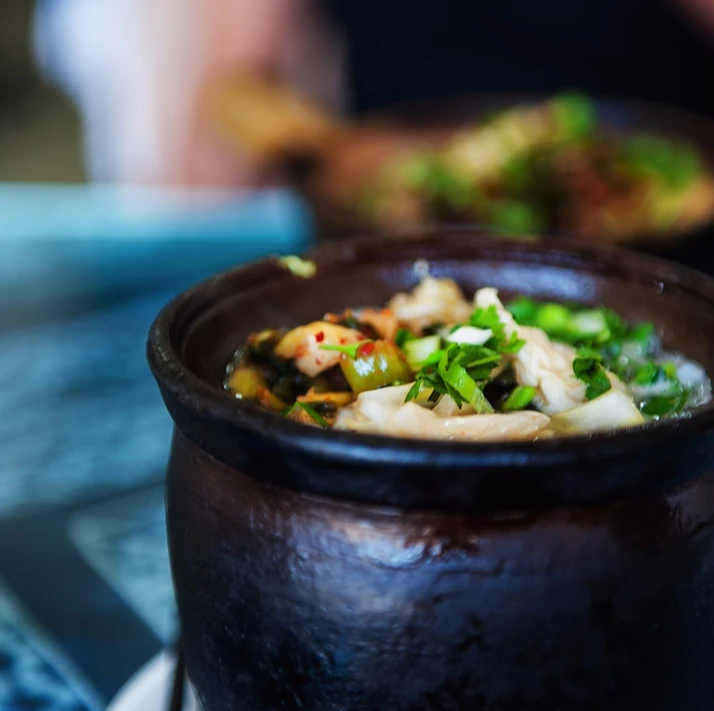
For our first meal, we went for the most authentic opener: a traditional bowl of 酸菜饵丝 (pickled vegetable shredded rice noodles). Yunnan's rice noodles may seem simple, but they're actually quite refined: minced pork, local pickled vegetables, local soy sauce—the proportions, heat control, and timing are all crucial. Only someone who's been cooking them for years can achieve that rich, mellow flavor. Paired with two stir-fried dishes, it was simple but deeply satisfying.
First Glimpse of Shaxi: Wheat Waves and Tranquility

From the airport road, we turned onto the lakeside road and caught our first sight of Erhai Lake. We drove about 70 kilometers along the expressway hugging the lake toward Jianchuan County. After getting off the expressway and navigating a stretch of mountain road—not too rough, not too steep—we arrived at Shaxi Ancient Town.
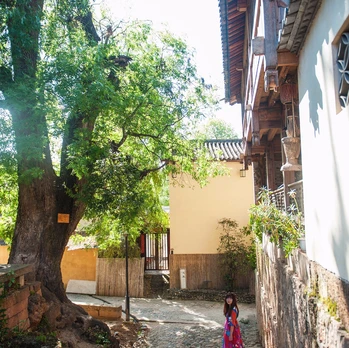
Why Shaxi as our first stop? Because I'd been telling Pig about the Lijiang Old Town of my childhood—no inns, no bars, no endless souvenir shops. Just homes, a cold-noodle stall, and a rice-cake vendor. When the sun set, golden light would spill across the cobblestones, casting long, long shadows of the Naxi elders. Pig said, then let's go to Shaxi and find what it used to look like.
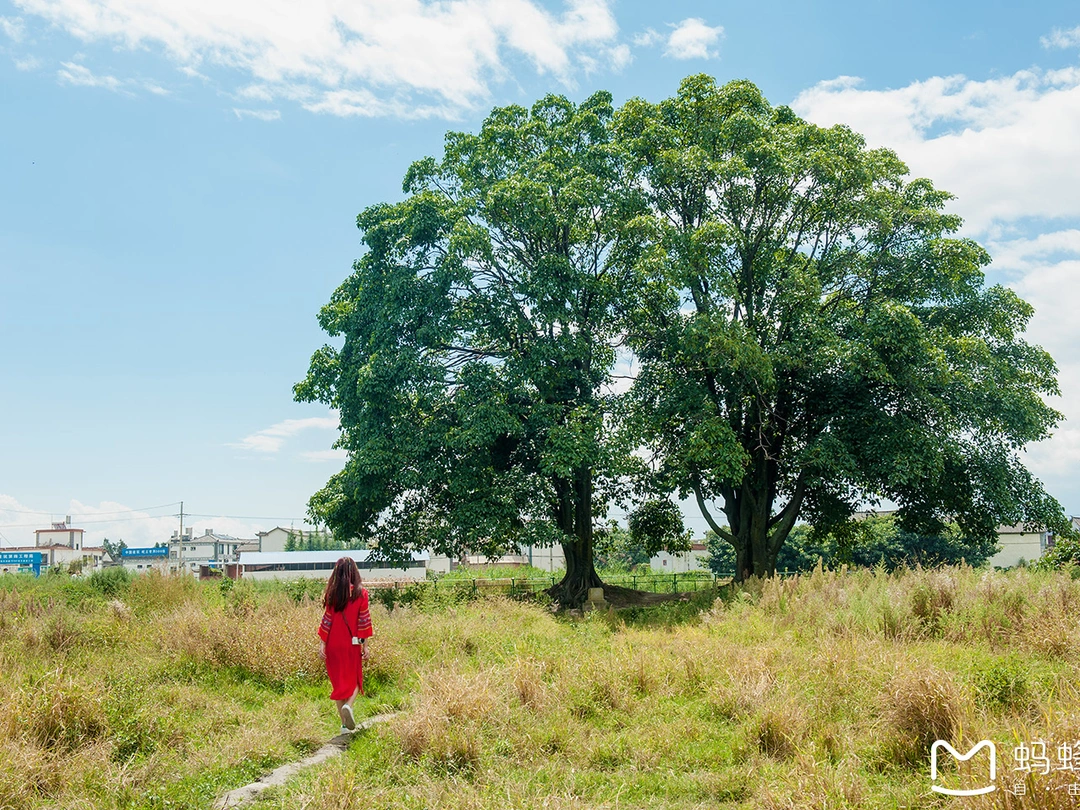
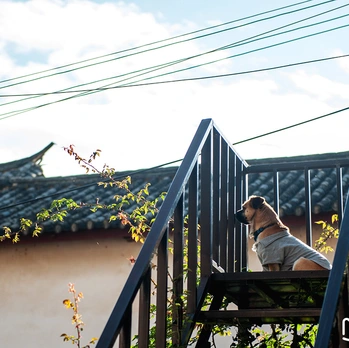
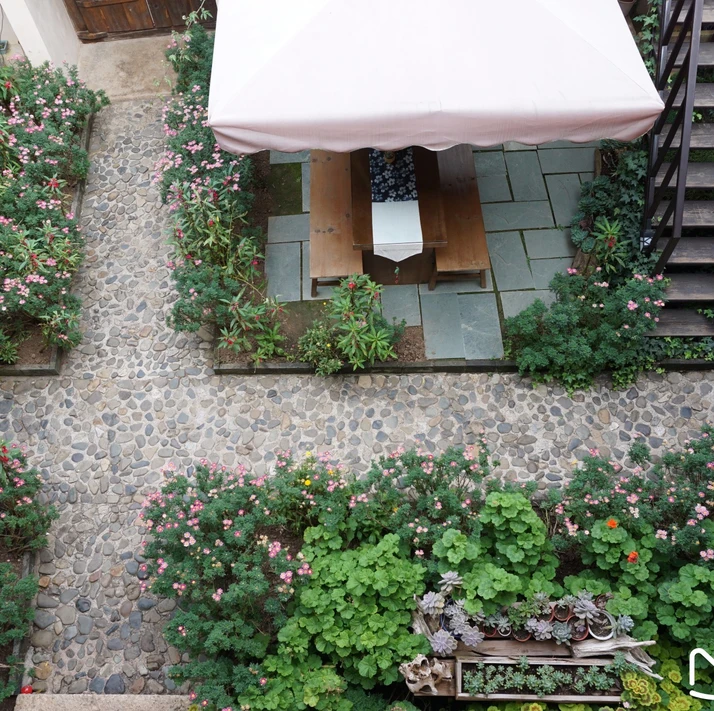
Around four in the afternoon, we reached Shaxi. At the entrance to the ancient town, a vast field of wheat swayed in the wind, layer upon layer, like a golden ocean. Few people, few cars—it was peacefully quiet. We stayed at the local May Nian Inn. The innkeeper was so warm-hearted it was touching—no sooner had we parked than she drove up in her three-wheeled buggy to help us with our luggage. The courtyard was full of flowers, succulents, and pomegranate trees. The second-floor terrace was perfect for sunbathing, and taking a nap under the awning at noon felt like pure bliss.
Night and Morning in Shaxi: Woken by the Sound of Cattle

That evening, we went to the highest-rated local snack shop on the review app. The innkeeper's signature dishes—手撕茄子 (hand-torn eggplant) and 卤肉拼盘 (braised meat platter)—were stunningly delicious. The owner was a kind, hardworking man with a perpetual smile, absolutely adorable. Shaxi's night was so quiet it was almost unbelievable. The next morning, we were woken by the cows mooing next door.
Breakfast was made by the innkeeper herself: toasted bread, fruit salad, and an assortment of little pastries. After eating, we walked toward the town square and unexpectedly ran into a film crew shooting a revolutionary movie—apparently film crews often set up here. We crossed the historic Yudai Bridge, feeling the gentle breeze at the foot of the mountains beside the wheat fields. With so few people around, it felt like time had turned back.
Second Stop: Xizhou Ancient Town—Sunset, Sweet Wine, and a Lakeside Drive
From Shaxi to Xizhou: A Journey of Food and Scenery
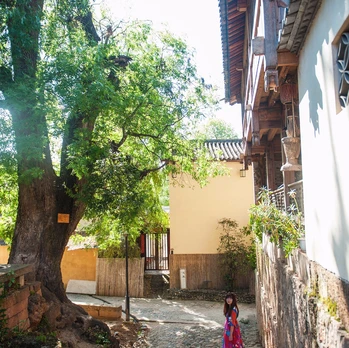
Before leaving Shaxi, we had a classic meal at a halal beef restaurant. Yunnan's halal cuisine is quite different from Sichuan's: the beef is prepared in unique ways, especially the beef rib stew simmered on a small stove fired by cow dung—the aroma was unforgettable. As we drove out of Shaxi, we passed a market and saw freshly picked wild mushrooms from the mountains. Apparently, during the peak mushroom season in July and August, you can even go up the mountain with locals to pick them yourself.
Around four or five in the afternoon, we arrived at Xizhou Ancient Town. Following the GPS, we drove to Haishao Park to watch the sunset. We passed through residential villages, the roads so narrow it was nerve-wracking. Some sections were under construction, and our car barely squeezed through, scraping against the edges on both sides. That's when those rented little electric four-wheelers really showed their advantage.
Sunset at Haishao Park: Ten Minutes of Magic
Haishao Park sits right by Erhai Lake, and it's free. At the entrance, a row of flamboyant horse-drawn carriages were parked—if you didn't want to walk, you could ride one in. Inside, a path lined with bamboo led the way, with little squirrels hopping along the roadside. We walked deeper into the park, found a spot, and sat waiting for the backlight and the sunset.
Backlighting like that is hard to come by in Chengdu, but in Yunnan, you can count on it. The September sun sets fast—in just a few minutes, the sky shifted from orange-red to deep blue. It was a beauty beyond words, something you can only capture with your lens and your memory.
Night in Xizhou: Peach Blossom Wine and Rose Wine
After watching the sunset, we wandered back into Xizhou Ancient Town. The lively daytime town had become quiet and rustic at night. Following a food app, we found a great Chinese restaurant in town. One of the most delightful surprises in Dali is the variety of 酿 (fermented sweet wines)—桃花酿 (peach blossom wine) and 玫瑰酿 (rose wine)—sweet and fragrant, perfect for girls to sip.
Third Stop: Longkanxia Village—An Unexpected Treasure by Erhai Lake
A Last-Minute Decision That Paid Off
From Xizhou, we began our journey around Erhai Lake. In the past, people rented small scooters for the lakeside drive; now, shared bikes are all the rage, and along the way, you can spot all kinds of convertibles—VW Beetles, Smarts, and cool Jeeps. Another big draw in Dali is travel photography and wedding shoots. There are plenty of photo-worthy spots along the lake road: the "Couple Tree" at Haishao Park, a big white bus, and various flower fields—though many of them charge an entry fee.
Our decision to stay in Longkanxia Village was last-minute. Dali was in the middle of renovating lakeside guesthouses, and many were closed for environmental cleanup. We wanted to find accommodation close to the water and finally settled on the highest-rated family room. The owner was incredibly welcoming, brewing us some fine tea and chatting about the best places to visit. He even personally walked us to the lakeside. After just three hundred meters, we saw the Yundu Café from Heart Blossoms—it was closed due to the renovations, but we could go in and take photos.
In September, if you looked down at Erhai Lake from the sky, you'd see a sea of gold—golden wheat ripening, waiting to be harvested, and after the harvest, neatly stacked into bales. Driving along, singing along, we felt the joy of the harvest all around us. We even stumbled upon a magical display of Tyndall light—those rays of sunlight piercing through the clouds and pouring onto the earth, a moment that inspires awe.
Sunrise at Longkan: Quiet Beauty
The next morning, we finally got up. We'd been talking about watching the sunrise for days, and today we actually did it. In the off-season, the village, with the sun slowly emerging from behind the clouds, had a uniquely serene beauty.
Fourth Stop: Dali Old Town—The Last Night of Bustling Life
Saying goodbye to Longkanxia Village, we drove along the lake, circling back to the old town. Along the way, we saw all kinds of colorful little Beijing Jeeps and countless couples taking wedding photos by the lakeside.
The old town was our last stop for accommodation, convenient for buying Yunnan specialties to take home and for enjoying local dishes like 木瓜烧鱼 (papaya-braised fish) and 野菌汤 (wild mushroom soup). At night, the old town was lit up with twinkling lights and crowded with visitors—a stark contrast to the tranquility of Shaxi. But this is the other side of Dali: lively, full of energy, and rich with human warmth.
Final Stop: Jizhao Nunnery—Succulents and Vegetarian Fare with a Zen Touch
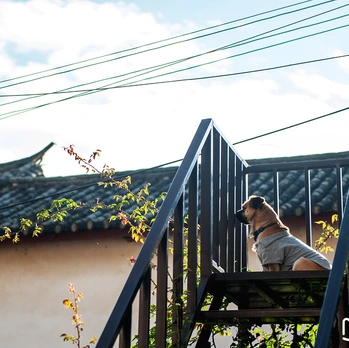
The Succulent Nunnery Hidden in the Cangshan Mountains
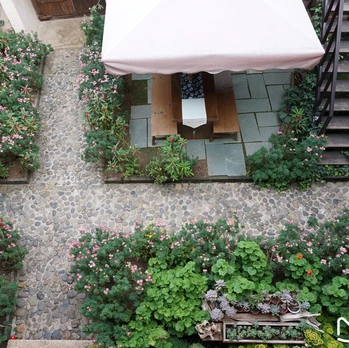
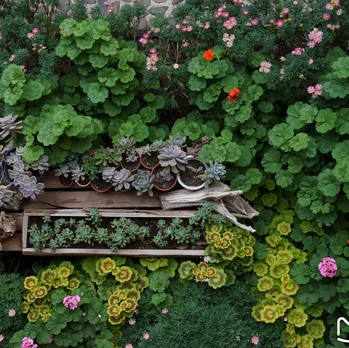
Waking up in Dali Old Town, we headed to our last destination: Jizhao Nunnery, also known as the "Succulent Nunnery." Entering the Cangshan Scenic Area, we found a small path leading upward. The nunnery was nestled among the mountains, surrounded by blooming flowers, and planted with many succulents—meticulously arranged and orderly. Its beauty was the kind that calms the heart.
At noon, we had the famous vegetarian meal at the nunnery. Simple, light, yet deeply satisfying.
Final Farewell: Looking Forward to a Winter Reunion
After the meal, we rushed back to the airport to return the car. Throughout this journey, we'd eaten so many nostalgic Yunnan snacks and captured the ever-changing beauty of the highland sunlight. From the wheat waves of Shaxi to the sunset of Xizhou, from the sunrise of Longkan to the succulents of Jizhao Nunnery—every scene was etched into our memories.
We're already looking forward to returning to Dali in winter, to feel the warm winter sun and see the winter cherry blossoms in full bloom.
Epilogue: Dali, What Heals You Is More Than the Scenery
This trip let me rediscover Yunnan—and rediscover myself. Dali's beauty isn't about how stunning a single attraction is. It's about that slow pace, that feeling of being wrapped in sunlight and a gentle breeze.
If you're visiting Dali for the first time, don't just chase the Instagram-famous spots. Go to Shaxi Ancient Town and experience a tranquility untouched by over-commercialization. Go to Haishao Park and wait for those ten minutes of sunset magic. Go to Longkanxia Village and experience a morning woken by the sound of cattle. Go to Jizhao Nunnery and have a simple vegetarian meal—let your heart settle.
What heals you in Dali isn't just the scenery. It's the courage to say, "Let's just go."
Practical Tips: - Best Season: Late September is the off-season with pleasant weather and cheap airfare, perfect for a spontaneous trip. - Car Rental Recommendation: Wukong Car Rental offers great value; book in advance for the best deals. - Food Recommendations: 酸菜饵丝 (pickled vegetable shredded rice noodles), halal beef, 手撕茄子 (hand-torn eggplant), 桃花酿 (peach blossom wine), 木瓜烧鱼 (papaya-braised fish). - Accommodation Suggestions: In Shaxi, try the May Nian Inn. In Longkanxia Village, look for high-rated family rooms. - Note: Lakeside guesthouses in Dali are undergoing renovations; confirm availability in advance.
You should also read:
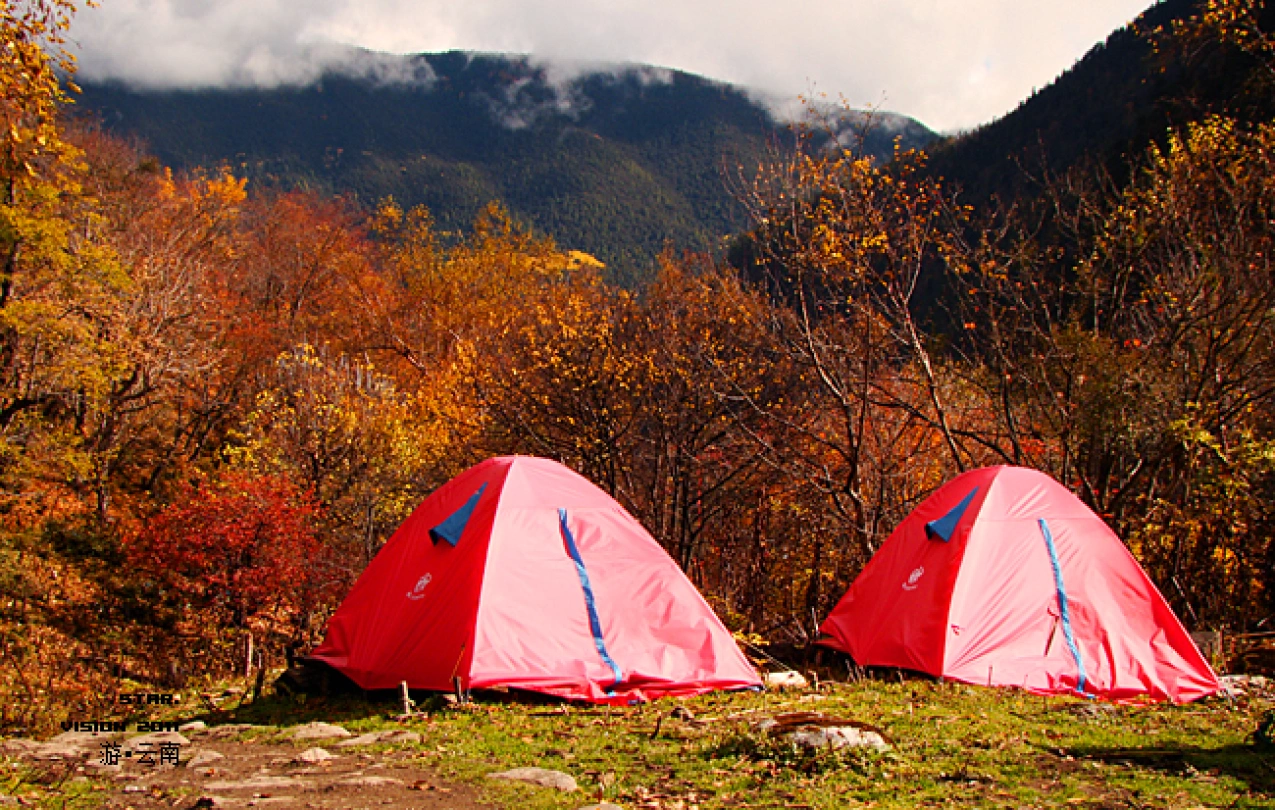
Yunnan! Paradise on Earth – The Yubeng Chapter: A Soul-Cleansing Journey into Seclusion
Yunnan! Paradise on Earth – The Yubeng Chapter: A Soul-Cleansing Journey into Seclusion Prologue: Why Yubeng? If you ask me which place in Yunnan is most worth hiking to, I would answer without hesitation: Yubeng. This is not an answer I give lightly. As a…
Continue reading...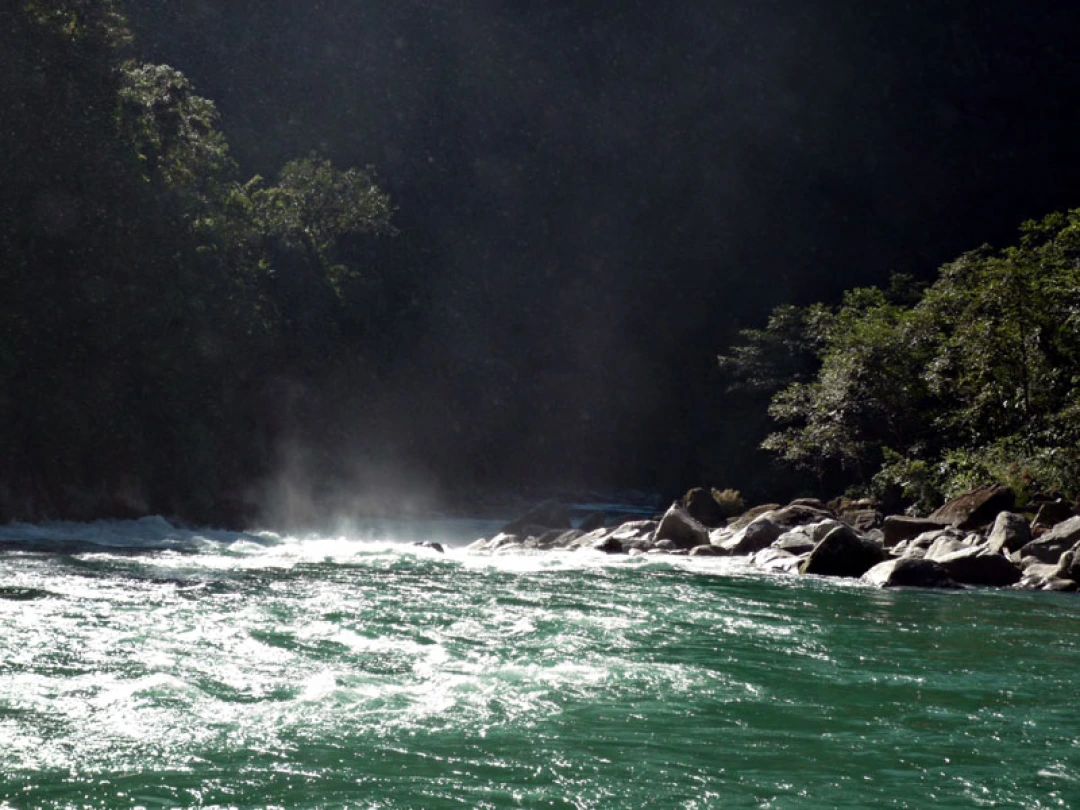
Into the Hidden Valley: A Solo Journey Through the Mysterious Dulong River
Into the Hidden Valley: A Solo Journey Through the Mysterious Dulong River Deep in the northwestern corner of Yunnan Province, tucked away from the modern world, lies a place that feels like a secret whispered among mountains. The Dulong River Valley is not just a…
Continue reading...
God’s Abandoned Palette: A Self-Drive Journey Through Yunnan’s Dongchuan Red Land
God’s Abandoned Palette: A Self-Drive Journey Through Yunnan’s Dongchuan Red Land Travel has never been about reaching some distant geographic coordinate. It’s about encountering, along the way, the version of yourself buried beneath the rubble of daily routine. During this May Day holiday, I finally…
Continue reading...