Seven Trips to Yunnan, and I Still Skip Dali Old Town — Coffee Origins, Cliffside Temples, and Millennia-Old Grottoes Hidden in Western Yunnan
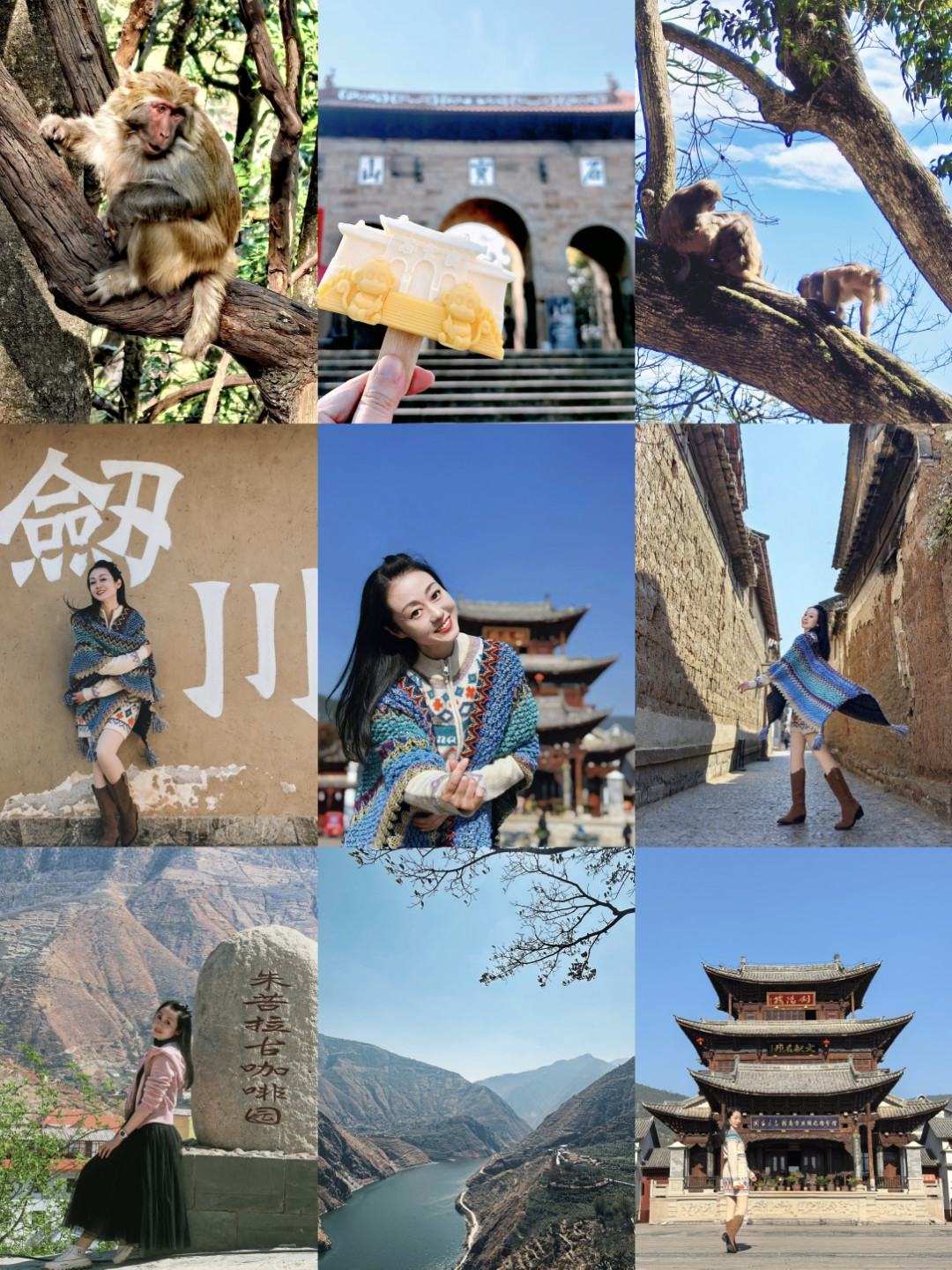
Seven Trips to Yunnan, and I Still Skip Dali Old Town — Coffee Origins, Cliffside Temples, and Millennia-Old Grottoes Hidden in Western Yunnan
While everyone else is cramming into Dali Old Town to snap photos of "the place with the wind," I dedicated my seventh Yunnan journey to three obscure gems that even GPS often fails to find.
If you ask me, after seven visits to Yunnan, what still manages to surprise me, my answer isn't the snow on Cangshan Mountain, the moon over Erhai Lake, or the over-photographed wheat fields of Xizhou Ancient Town. It's the彝族 (Yi ethnic minority) village of Zhukula, buried deep along a tributary of the Jinsha River, where even asphalt roads haven't reached. It's Baoxiang Temple, clinging to a Danxia cliff face and "occupied" by macaques. It's the Shizhongshan Grottoes — inscribed by Jin Yong as "a treasure of the southern sky" — yet so quiet it breaks your heart. And it's Jianchuan Ancient Town, with no crossroads, where Ming and Qing dynasty mansions carry the scent of coffee.
This trip wasn't about going to Dali. It was about going beyond Dali.
1. Heading to Zhukula: A Cup of "Village Coffee" That Tastes Like a Century of Chinese Coffee History
1.1 A Mountain Road That Rattles Your Soul
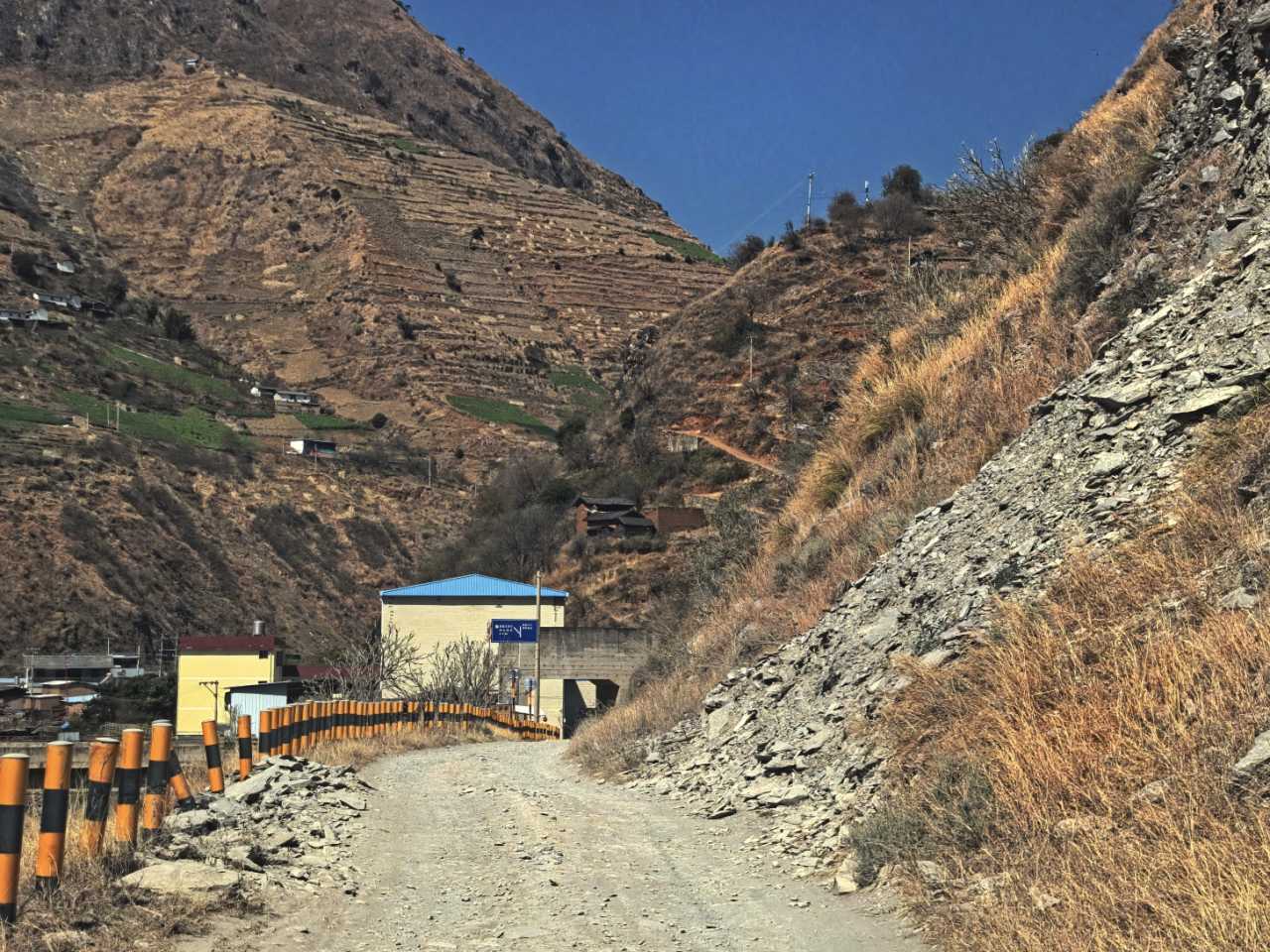
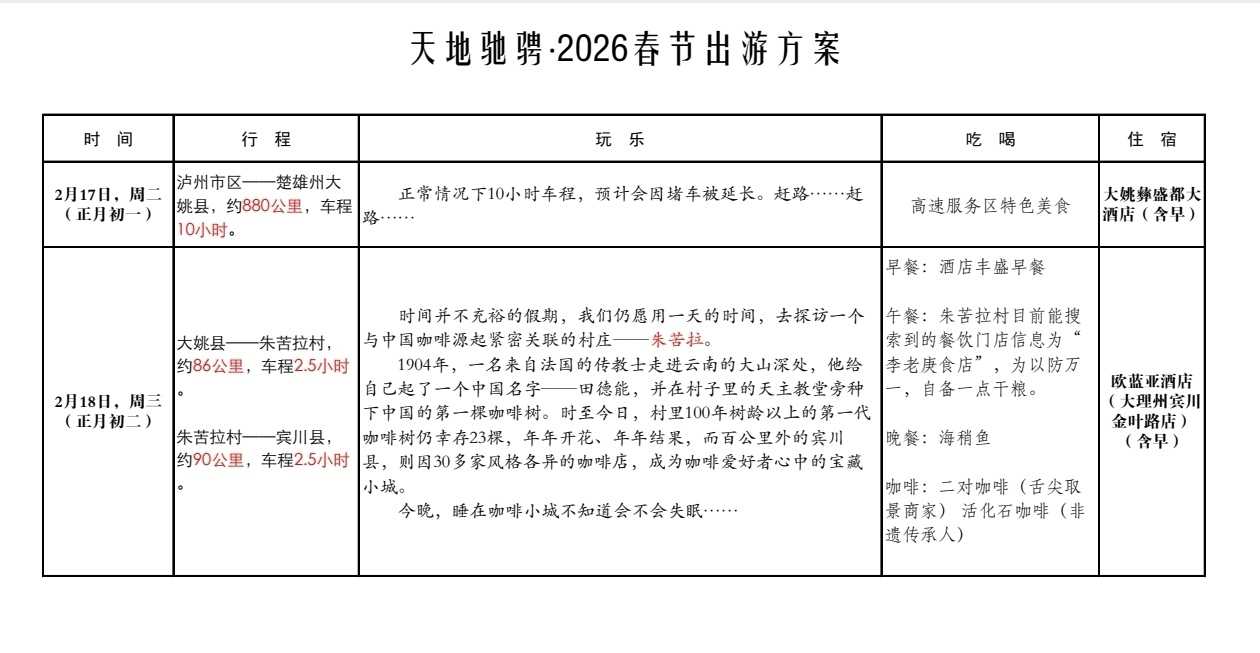
In early 2026, during the Chinese New Year holiday, we spent two days doing just one thing — searching for a single tree.
More precisely, we were looking for the first coffee tree ever planted in China, in 1904 by a French missionary named Père Duclos. He gave himself a Chinese name, and beside the Catholic church in Zhukula village, he buried the first coffee seed. Today, only 23 first-generation coffee trees over a century old remain. They bloom and bear fruit year after year, like 23 silent witnesses guarding a nearly forgotten history.
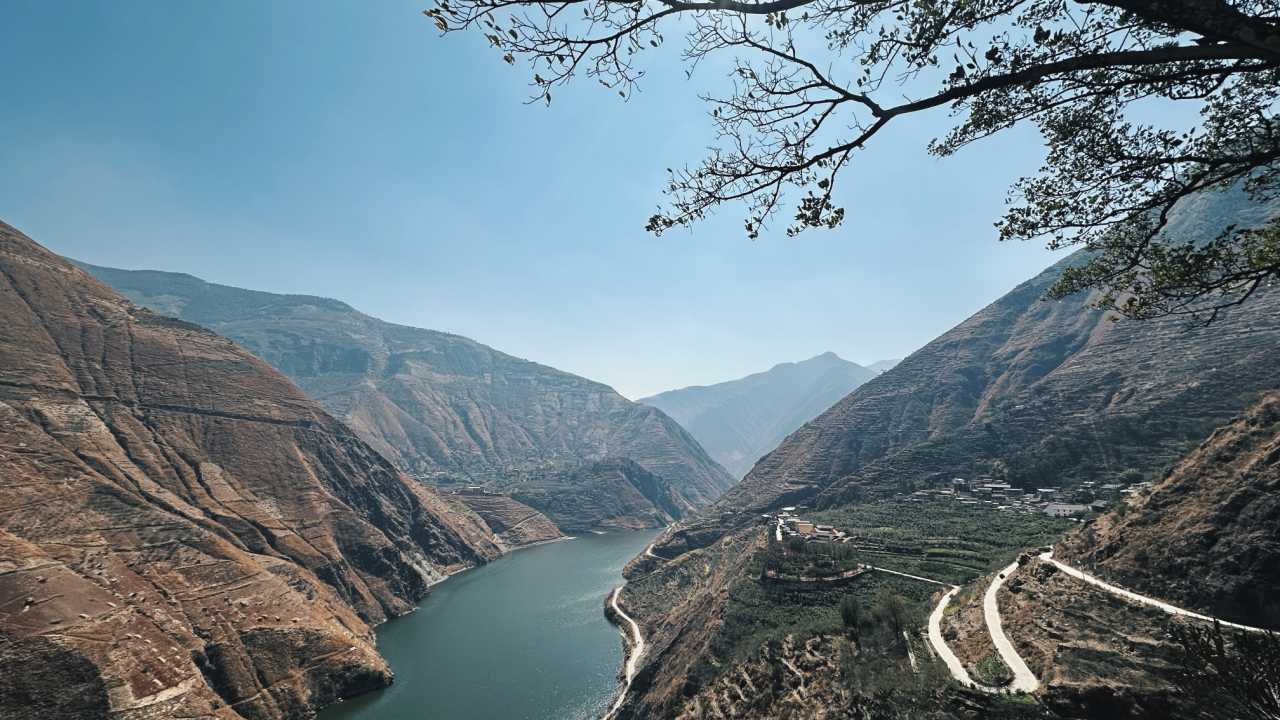
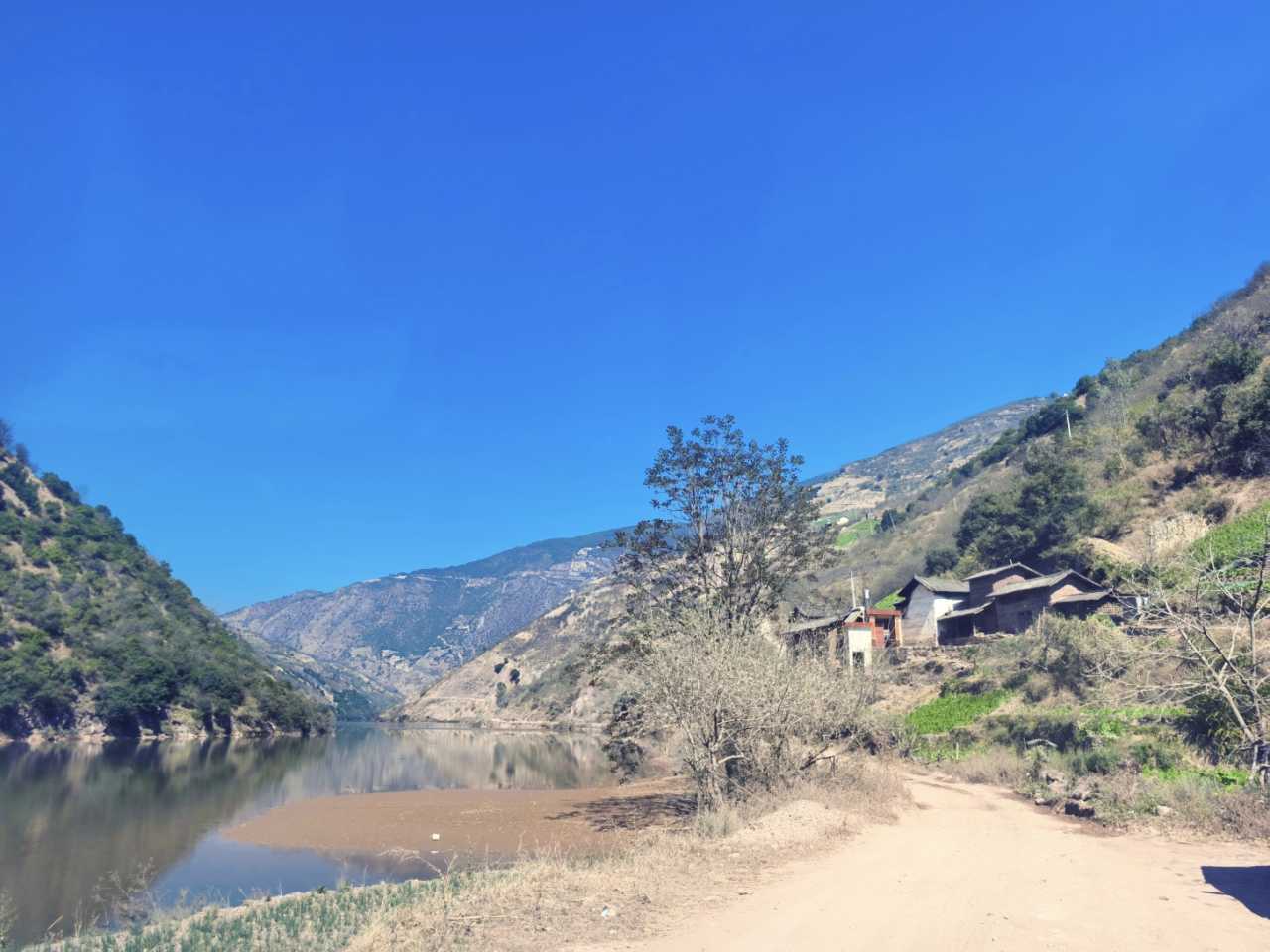
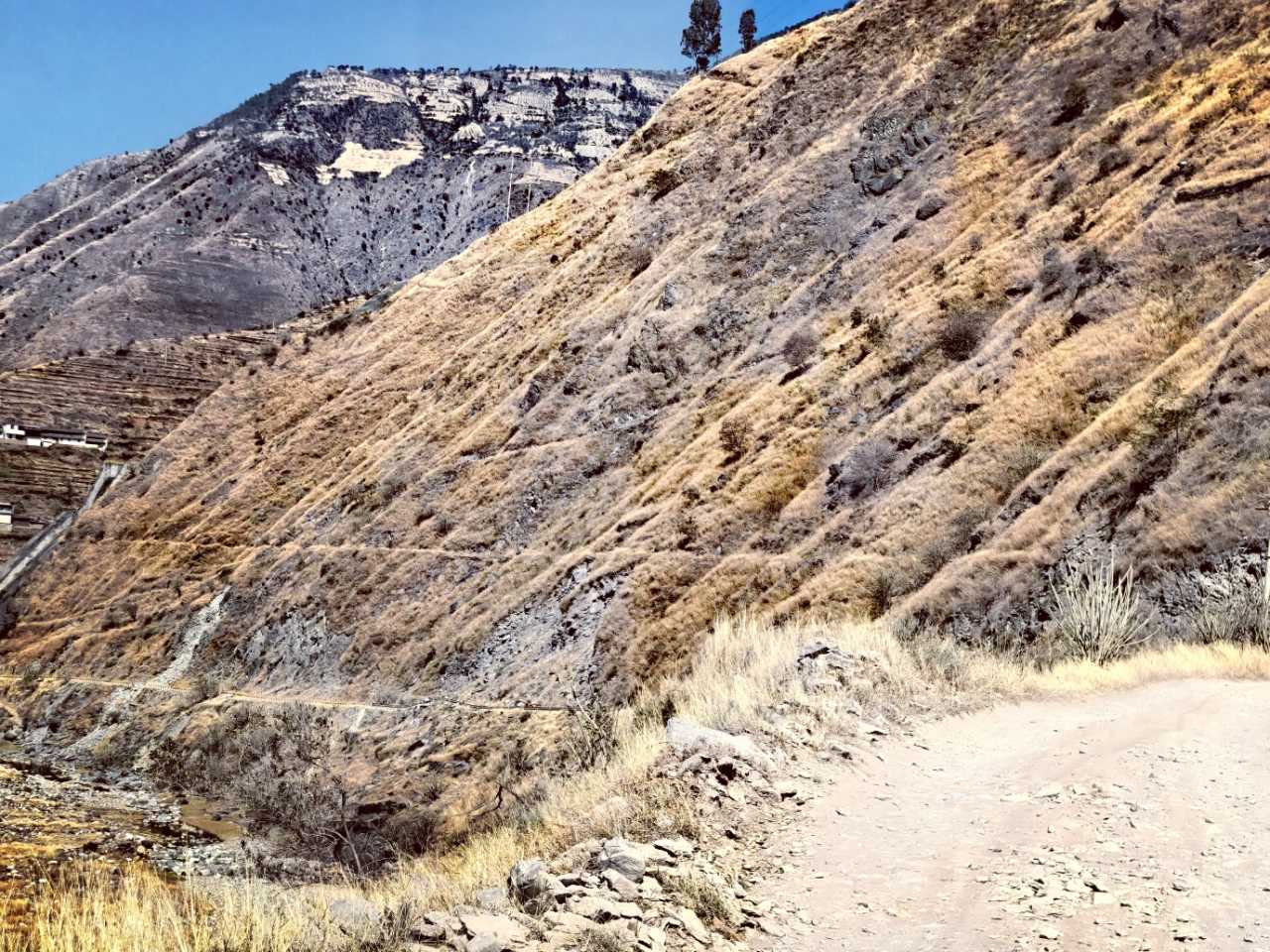
From Dayao County, the navigation apps started their usual antics. Baidu Maps recommended a mountain road that supposedly took "only 2 hours," while Amap insisted on a more conventional 4+ hour route. We chose the shortcut. The result? Bare earth, flying gravel, and every inch of road reminding you: this is no leisurely drive. We bounced along the Yupao River for hours, with the GPS twice telling us to turn around. In the end, we relied on a primitive combination of "navigation + asking locals" to stumble into this tiny village nestled between two mountains.
1.2 A Church That Doesn't Look Like a Church
Looking down on Zhukula from above, the white-walled, grey-tiled houses cling to the mountainside in neat rows. On the slopes outside the village, a lush old coffee grove spreads out. We followed the stone path to find the Catholic church Père Duclos had built. We searched for ages — no spire in sight. We asked a passing villager, who pointed toward a square, two-story building with white walls and grey tiles.
The church in Zhukula was never "foreign." Its pillars and beams are rough timber cut from the mountains. The stairs are wooden planks, the roof is grey tile, and the whitewashed walls have two neat rows of square windows. It blends right in with the village homes, exuding a humble, down-to-earth charm.
1.3 Coffee Ground by Stone Mill, Brewed in a Kettle
There were almost no tourists in the village. Under a wooden building next to the church, villagers sat around chatting. When they saw us, a man called out, "Want to try our coffee?"
How could we visit Zhukula and not taste the coffee hailed as a "living fossil" of Chinese coffee? No high-end grinders — just a stone mill for the beans. No fancy coffee pots — just a stainless steel kettle bubbling on an induction cooker. The aroma of coffee filled the air. I took a sip — smooth, warm, with a rich, roasted depth. No need to analyze the notes, the mid-palate, or the finish. This most authentic "village coffee" made every bump on that mountain road worth it.
The man generously offered us walnuts, honey, and oranges from his home. He told us that his happiest childhood memory was drinking coffee while eating walnuts dipped in honey. We bought two bags of Zhukula coffee beans, packing them along with these stories into our luggage.
2. Shibaoshan: Trekking with Monkeys, Exploring Yunnan's "Cliffside Temple" and Millennia-Old Grottoes
2.1 The "Official Mascots" of Shibaoshan
Years ago, when we visited Shaxi Ancient Town, we were so captivated by its quiet charm that we missed Shibaoshan, just a 30-minute drive away. This time, we made a point to catch up.
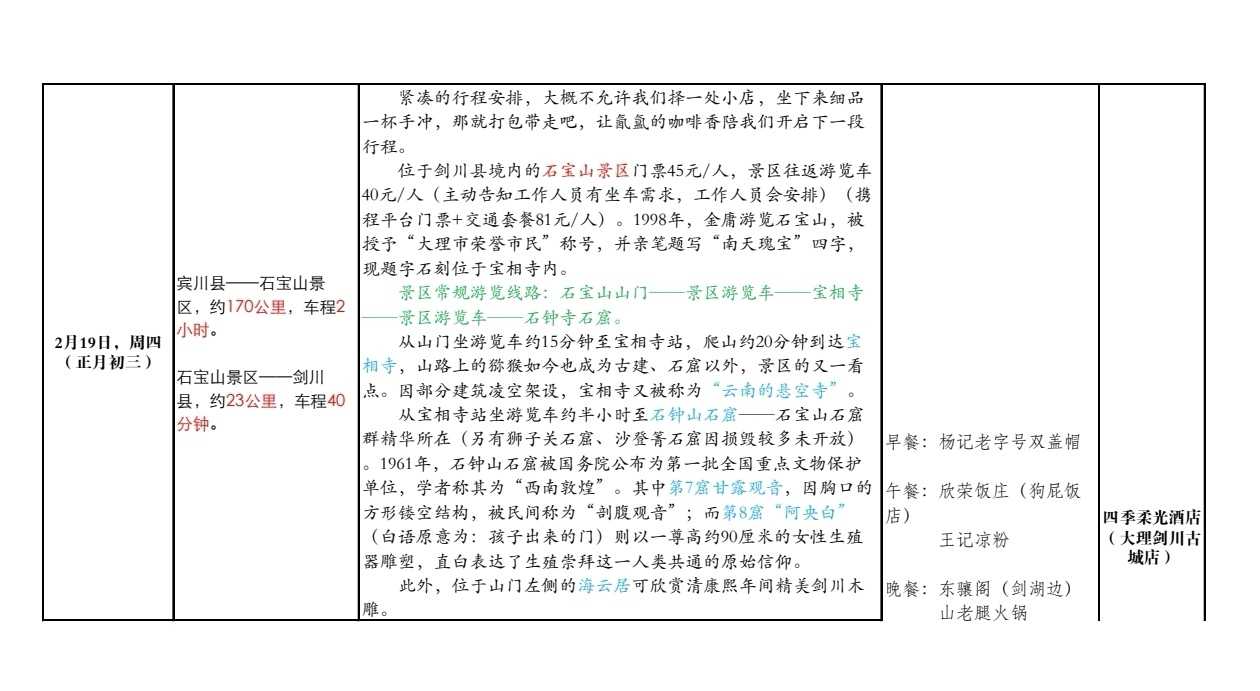
From the entrance, a shuttle bus took us to the Baoxiang Temple stop in about 15 minutes. A 20-minute hike followed, but we were never alone — the true masters of Shibaoshan, a troop of wild macaques, accompanied us the whole way. They were everywhere: on slopes, in trees, along stone railings. Some sat staring into space, others chased each other, others groomed lazily. They showed no fear of visitors, accepting any offerings without hesitation, and posed for cameras with a mix of cunning and cuteness — experts in the art of tourist interaction.
2.2 A Temple Hanging in Midair

Just as I was watching two young monkeys chase each other over a scrap of food, I looked up — and there it was. An ancient temple, seemingly suspended in midair. The entire structure was built into a steep cliff, nestled inside a natural giant cave as if it had grown out of the rock itself. "Yunnan's Cliffside Temple" — the name was no exaggeration.
2.3 The "Jianchuan Smile" in the "Southwest Dunhuang"
From Baoxiang Temple, another shuttle ride to the Shizhong Temple stop took about 30 minutes. Outside the window, we saw vast expanses of cracked, reddish rock — the unique colors of Danxia landforms. The Shizhong Temple Grottoes, designated as one of China's first batch of key cultural heritage sites in 1961, currently have only 8 open caves. They're not large, but their completely different character from the grottoes of central China leaves an unforgettable impression.
Cave 5 features a Vimalakirti Sutra tableau, which locals affectionately call the "Worried Guanyin" — a gaunt face with slightly furrowed brows, an expression of deep melancholy and compassion for suffering beings.
Cave 7's Sweet Dew Guanyin has a round, gentle face, with a hint of a "Jianchuan smile" in her eyes and brows — the representative masterpiece of Shibaoshan's grottoes. Most striking is the hollow space at her chest, unique in all of China, earning her the folk name "Chest-Open Guanyin."
Cave 8's Ayangbai is even more direct in its primitive faith. Under the protection of Buddhist deities and guardian kings, a female生殖器 (vulva) carving is prominently displayed. This coexistence of female生殖崇拜 (fertility worship) totems with Buddhist statues is virtually unique in world grotto art. Centuries of incense smoke have polished the stone carving to a glossy black — a testament to the ancestors' devout belief in the continuation of life.
Half a day was nowhere near enough to savor all of Shibaoshan. From Baoxiang Temple, a one-hour climb leads to the Golden Summit Temple. On a clear day, you can overlook the Shaxi Basin, Jade Dragon Snow Mountain, and Mirror Lake. There's also Lingquan Nunnery with its Ming dynasty Buddhist paintings, and Haiyunjü with its exquisite wood carvings — all waiting for next time.
3. Jianchuan Ancient Town City Walk: No Crossroads, Just Slow Time
We set aside one day to wander Jianchuan Ancient Town.
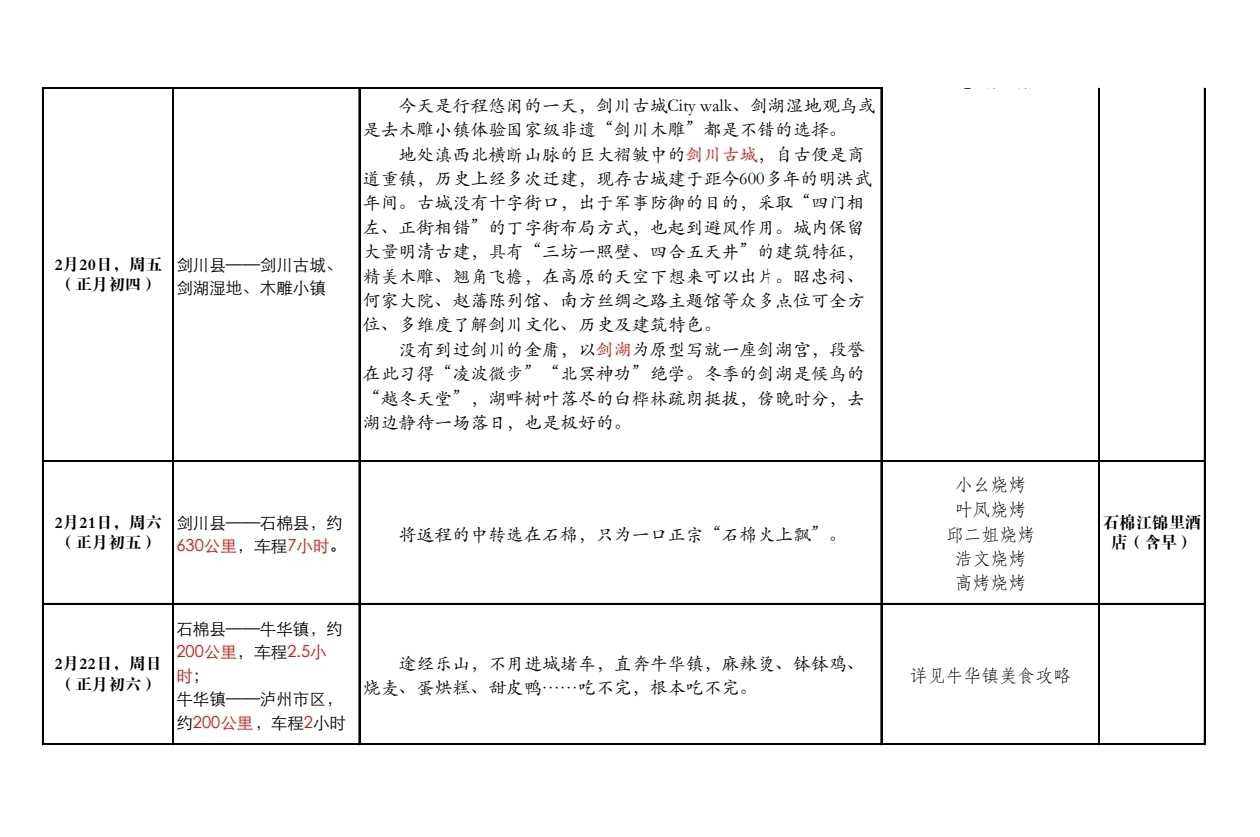
This old town has been a key stop on trade routes since ancient times. The existing town was built during the Hongwu era of the Ming dynasty. For military defense purposes, there are no crossroads. Instead, the layout uses T-junctions with "four gates offset, main streets staggered," which also helps block the wind. At the center stands the majestic Jianyang Tower, with its soaring eaves, multi-tiered roofs, and upturned corners — showcasing the grandeur of Ming and Qing architecture and the exquisite craftsmanship of Jianchuan wood carving.
We didn't systematically check off every site like the Zhaozhong Shrine, the Confucian Temple, the He Family Compound, or the Zhao Fan Exhibition Hall. Instead, we just wandered through the alleys. In one lane, the pyrostegia flowers were in full bloom, and we found a photo wall for a rooftop café called "Alley to Rooftop Coffee." Passing the Zhaozhong Shrine, we stumbled upon a Jiama Post Station — the building was wonderfully photogenic.
Jianchuan Ancient Town is incredibly low-key. Despite being in a tourist hotspot like Dali, the streets aren't crowded. Many restaurants followed tradition and stayed closed during the Chinese New Year — including the famously recommended "Dog Piss Restaurant." The ones that stayed open refused to work overtime. For example, at the popular snack spot "Wang Ji Liang Fen," we arrived around 3 p.m. and found many items already sold out. Customers arriving after 4 p.m. were told: "Everything's gone for today. We open at 8 a.m. tomorrow."
As for Yang Ji Lao Zi Hao Shuang Gai Mao — a bowl of rice noodles or rice shreds topped with two kinds of minced meat sauce (one white, one red) — if you're curious, give it a try.
4. Epilogue: The Missed Sights and Uneaten Meals Are Reasons to Come Back
We started our return trip from Jianchuan. Determined to eat authentic Shimian "fire-floating" barbecue, we set Shimian County as our stopover. But we underestimated the Spring Festival highway traffic — and the appeal of "fire-floating" to food lovers. A 7-hour drive turned into 11 hours. Starving and exhausted, we were told by two barbecue restaurant owners in a row: "The wait is at least 1.5 hours." We gave up and settled for dinner at a restaurant near our hotel.
On the way back from Shimian, we passed through Leshan, so we had to check out the food scene in Niuhua Town. We had egg-filled pancakes grilled by Lei Si Niang herself (only available in Niuhua Town). We ate Niuhua-style tofu pudding. We had Chuanmei-style assorted ice jelly. We tried the shumai and bobo chicken at Pang Ge Dumpling House. We devoured Yanjing oil-glazed sweet duck skin. And there was so much more we didn't have time or stomach for — all saved for future visits.
Practical Information (Key Points)
🎫 Ticket Info
- Zhukula Village: Free entry
- Shibaoshan Scenic Area: Entrance ticket 45 RMB/person, round-trip shuttle bus 40 RMB/person. Ctrip combo ticket 81 RMB/person. Baoxiang Temple and Shizhong Temple Grottoes have no additional fees, and there's no distinction between general and special caves.
- Jianchuan Ancient Town: Free entry
🚗 Zhukula Self-Drive Navigation Tips to Avoid Pitfalls
- Amap (Gaode) recommended route: Dayao → Binchuan → Zhukula. Fully paved roads, good condition, about 4 hours.
- Baidu Maps offers two routes: A conventional 4-hour route and a mountain road that takes 2 hours (the one we chose). Note: Signal is unstable along the way. The GPS told us to turn around twice. We ultimately relied on navigation + asking locals to reach our destination.
- Advice: If you're driving a sedan or aren't confident in your driving skills, go to Zhukula via Binchuan County and return the same way.
🍜 Food Recommendations
- Dayao · Simao Wild Vegetable Restaurant: The water fern is tender and crisp, the lemongrass pork ribs are fragrant, and the sour and refreshing百香果煮鱼 (passion fruit fish soup) is very Yunnan!
- Zhukula · Freshly Brewed "Village Coffee": About 40-60 RMB per pot. You can taste it for free if you buy coffee beans. The village currently has no established restaurants or accommodations, but the man's family is building a guesthouse.
- Binchuan · Haishao Fresh Fish Shop: The soul of the dish is the dipping sauce — chili, garlic, sesame, and Sichuan pepper come together, sizzled with hot oil. The tender white fish, dipped in the sauce, is fresh without being fishy, spicy without being harsh.
- Binchuan · Zhukula 1904 Coffee: A young woman in her 90s returned to her hometown to start a business, using coffee beans from her family's 70-year-old trees for pour-over coffee. The shop displays the iron wok and stone mill used for roasting and grinding.
- Jianchuan · Wang Ji Liang Fen: A popular snack spot, but items may sell out after 3 p.m. Go early.
- Jianchuan · Yang Ji Lao Zi Hao Shuang Gai Mao: Rice noodles or rice shreds with two kinds of minced meat sauce. Give it a try if you're curious.
Conclusion: Beyond Dali, There's a Wilder Yunnan
On this trip, we drank the oldest coffee in China, hiked with monkeys at a cliffside temple, saw the "Jianchuan smile" in millennia-old grottoes, and got lost and found again in the T-junction alleys of Jianchuan Ancient Town.
Dali is wonderful. But beyond Dali, there's a wilder, more authentic, more captivating Yunnan.
If you're tired of those over-photographed tourist spots, give your next trip to these places where even the GPS often fails. You won't regret it.
You should also read:
Tengchong·Heshun: Finding Life as It Should Be in a Border Town Where Time Stands Still
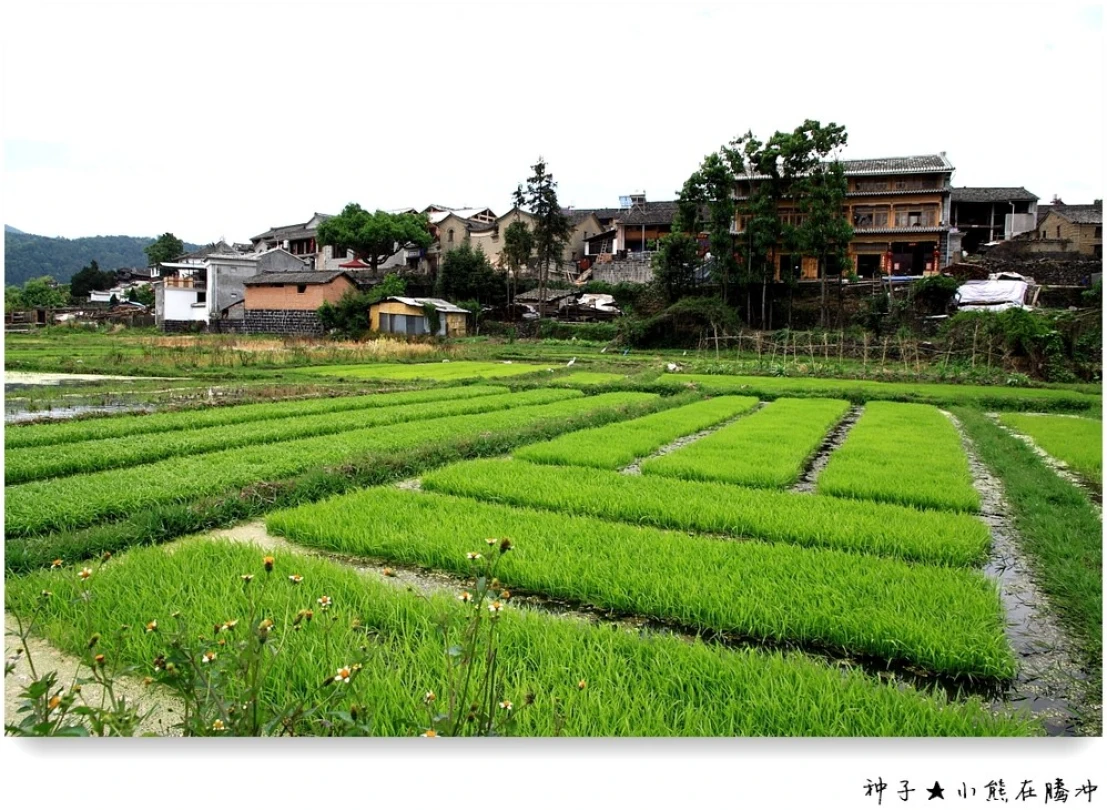
Tengchong·Heshun: Finding Life as It Should Be in a Border Town Where Time Stands Still The long journey of over twenty days was over. On my first day back at the office, I was still in a daze. My fingers couldn't find the keys on…
Continue reading...
God’s Abandoned Palette: A Self-Drive Journey Through Yunnan’s Dongchuan Red Land
God’s Abandoned Palette: A Self-Drive Journey Through Yunnan’s Dongchuan Red Land Travel has never been about reaching some distant geographic coordinate. It’s about encountering, along the way, the version of yourself buried beneath the rubble of daily routine. During this May Day holiday, I finally…
Continue reading...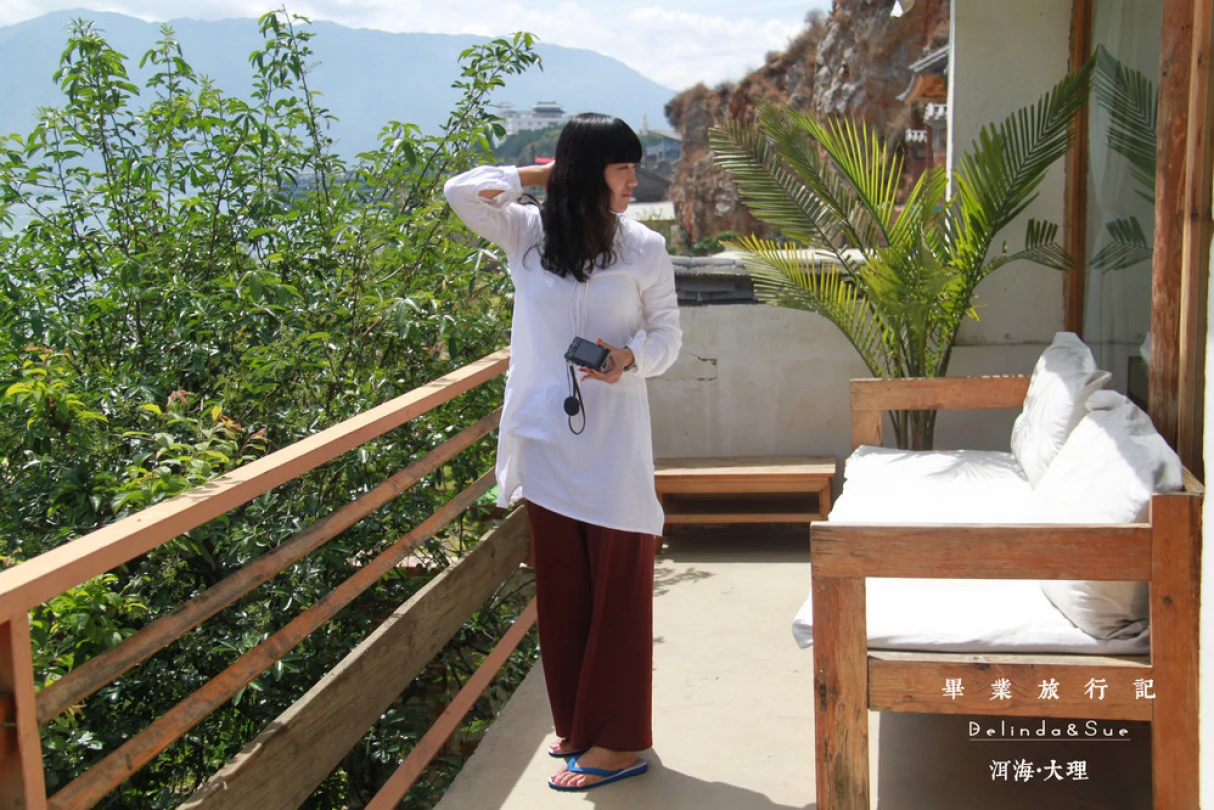
Two Girls' Graduation Trip: Dali and Shuanglang – A Poetic Farewell to Mountains and Sea
Two Girls' Graduation Trip: Dali and Shuanglang – A Poetic Farewell to Mountains and Sea Preface: Catching the Tail of Youth, Heading South During our senior year of college, my roommate and I – two girls studying in Beijing – decided to bid farewell to…
Continue reading...