Shuhe Ancient Town and Jade Dragon Snow Mountain: Lijiang Is Still Worth Your Stay
Shuhe Ancient Town and Jade Dragon Snow Mountain: Lijiang Is Still Worth Your Stay
Foreword: When the "City of Romance" Loses Its Filter
Do you still remember the Lijiang that once captivated countless souls? Not long ago, the melody of "Tick Tock" drifted along every cobblestone street of the ancient town, and the phrase "I'm waiting for you in Lijiang" became a secret code in many people's hearts. Back then, Lijiang was a haven for the heartbroken, a pilgrimage site for bohemian youth, and a synonym for "romance and indulgence" in the minds of many.
But times have changed. As the wave of commercialization swept through the ancient town, and the label "City of Romance" was slapped on a little too liberally, many began to ask: Is Lijiang still worth visiting?
My answer is: Yes, it is. But this time, we need to experience it in a different way.
Shuhe Ancient Town: An Underrated Food Paradise
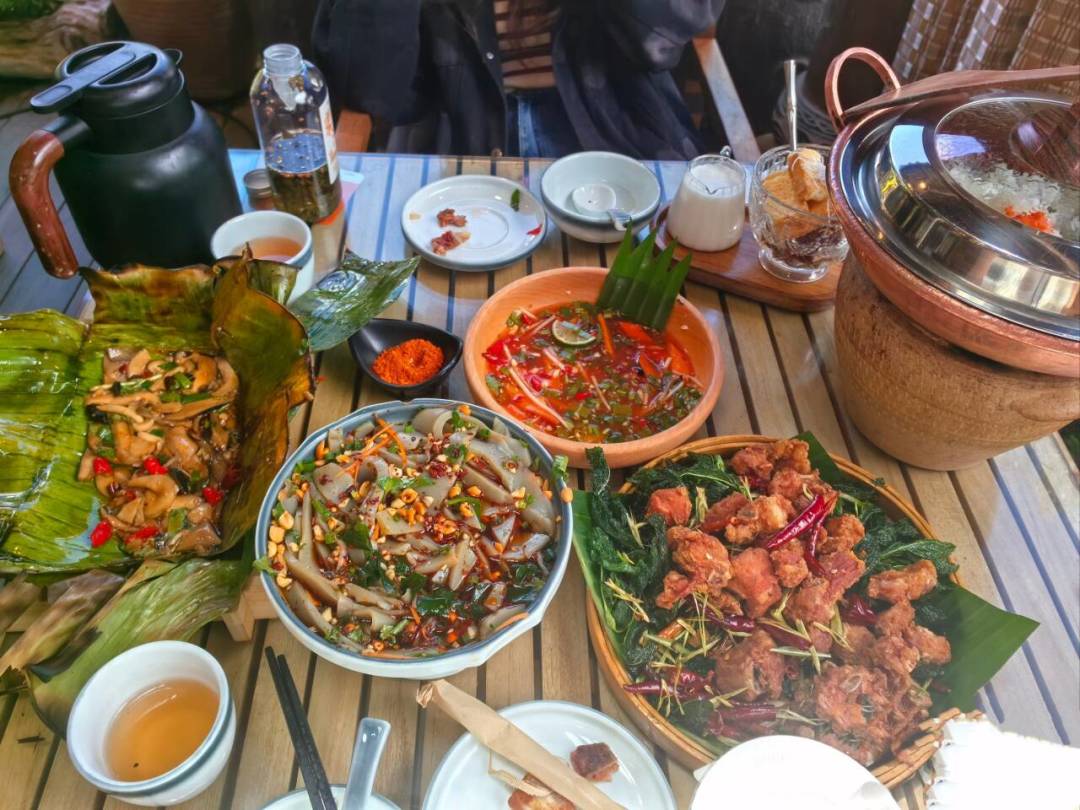
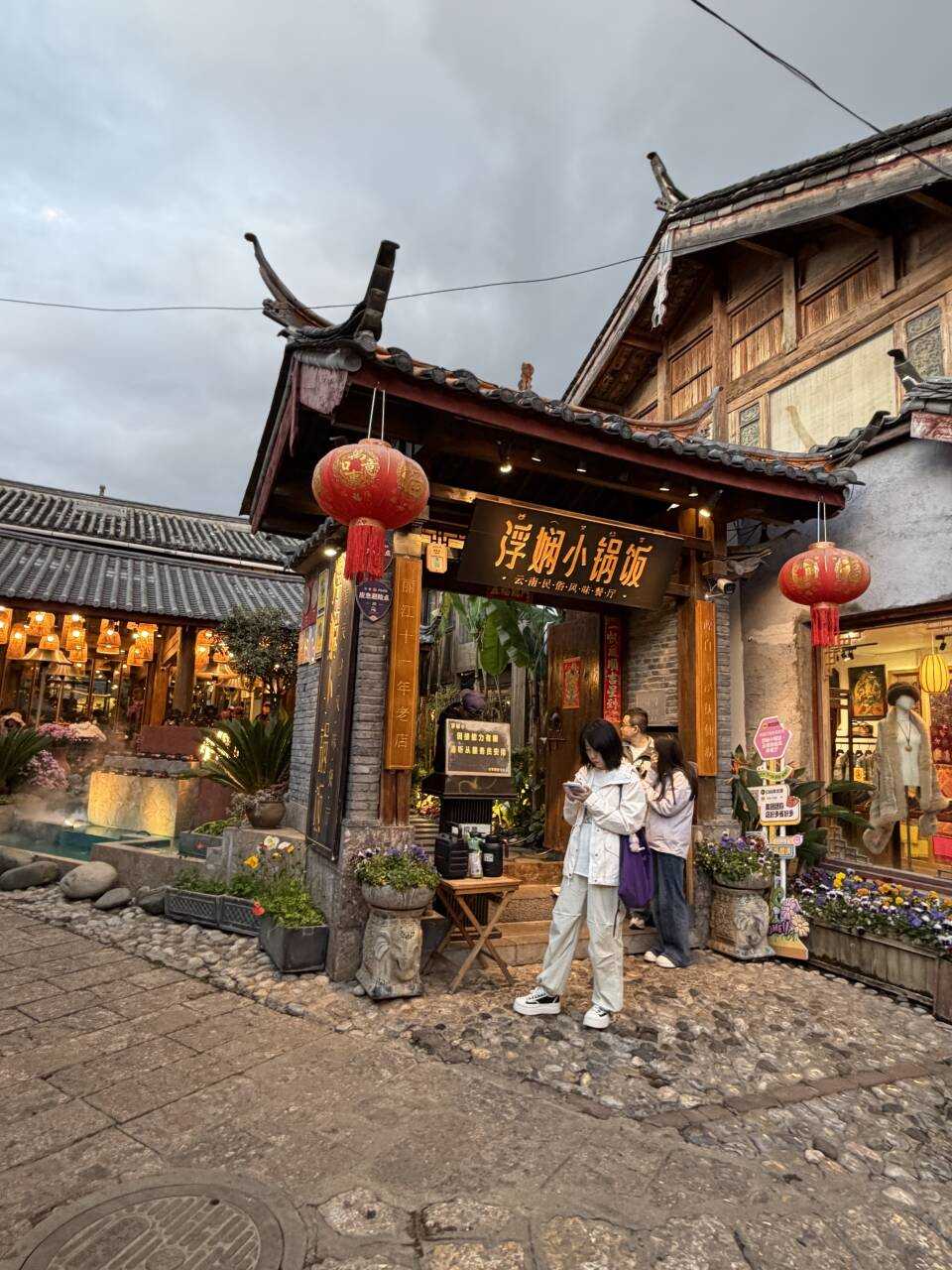
Most people heading to Lijiang make Dayan Ancient Town their first stop. But if you ask me where to find the most authentic flavors of Lijiang, I'll tell you without hesitation—Shuhe Ancient Town.
A Treasure Restaurant Worth Waiting In Line For
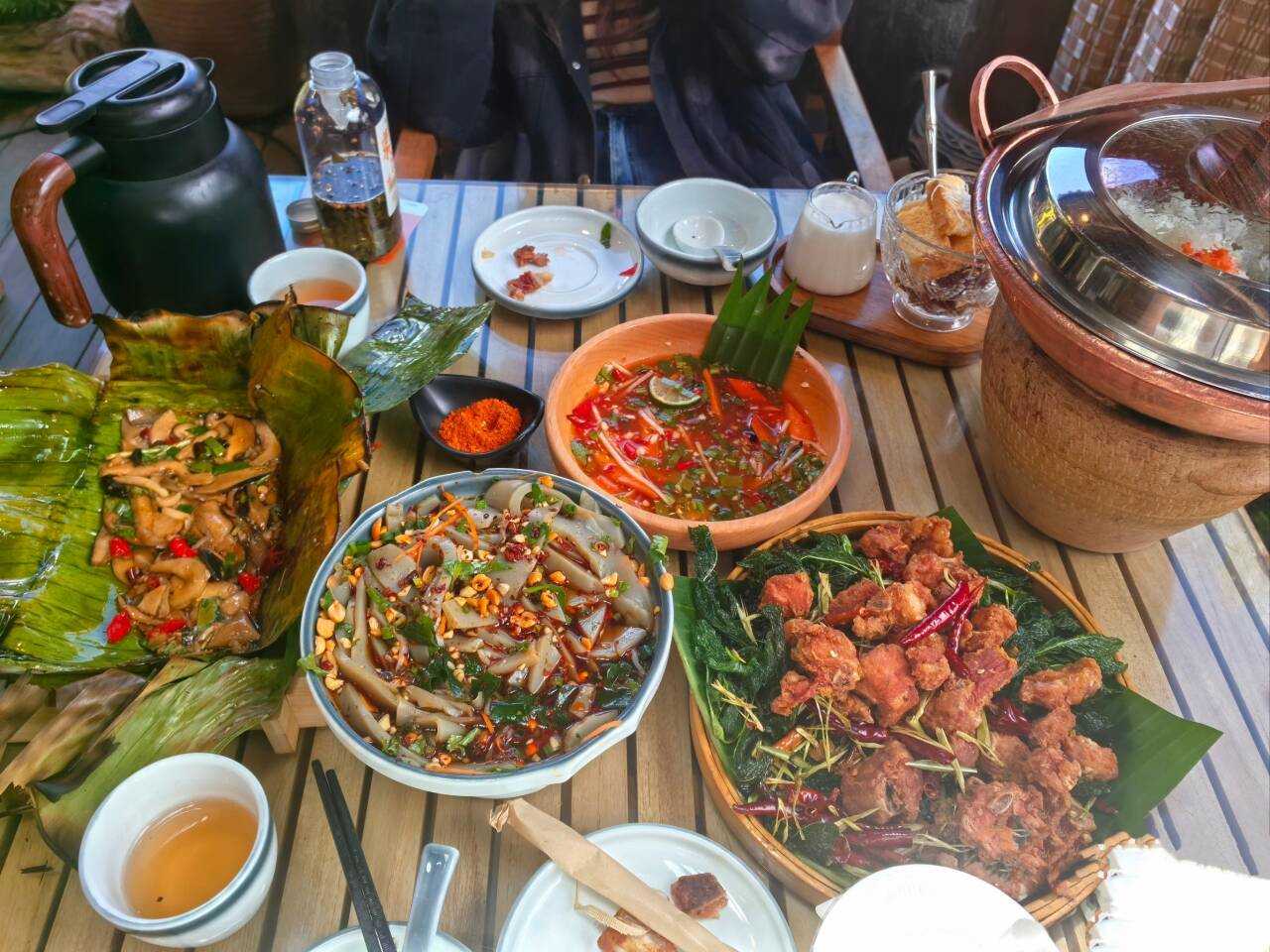
In Shuhe Ancient Town, the truly good eateries are often hidden deep. But there's one restaurant where, even if you arrive at noon, you'll still have to wait in line for about twenty minutes. In the laid-back rhythm of Shuhe, that alone is a silent stamp of quality.
What's the magic of this place? To be honest, it's far better than the cookie-cutter cured pork ribs, chicken hotpot, and yak meat dishes you find everywhere. Its dishes carry a taste of "home"—not the kind deliberately tweaked to please tourists, but the genuine flavor memories of locals. Every dish that hits the table lets you feel the freshness of the ingredients and the perfect balance of seasoning.
If you ask me what exactly we ordered, I'll tell you: that steaming bowl of rice noodles (米线), with a clear broth that's surprisingly rich in flavor; that plate of wild mushrooms (菌子) stir-fried just right, carrying the wild fragrance of the mountains; and that seemingly simple home-style dish that kept us reaching for more, bite after bite. Here, eating isn't a chore—it's a pleasure.
The Right Way to Explore Shuhe
Compared to the hustle and bustle of Dayan Ancient Town, Shuhe feels more like a quiet girl next door. There are no deafening bar tunes, no crushing crowds—only the gentle murmur of flowing water, leisurely dogs, and little shops tucked away in the alleys.
I recommend setting aside at least half a day for Shuhe. Spend the morning strolling along the cobblestone streets, watching sunlight filter through the leaves to cast dappled shadows. At noon, find a restaurant recommended by locals and treat your stomach to a proper feast. In the afternoon, pick a café by the water—daydream, read a book, or simply watch the stream flow by.
Jade Dragon Snow Mountain: Half Sunshine, Half Shadow, Breathtakingly Beautiful

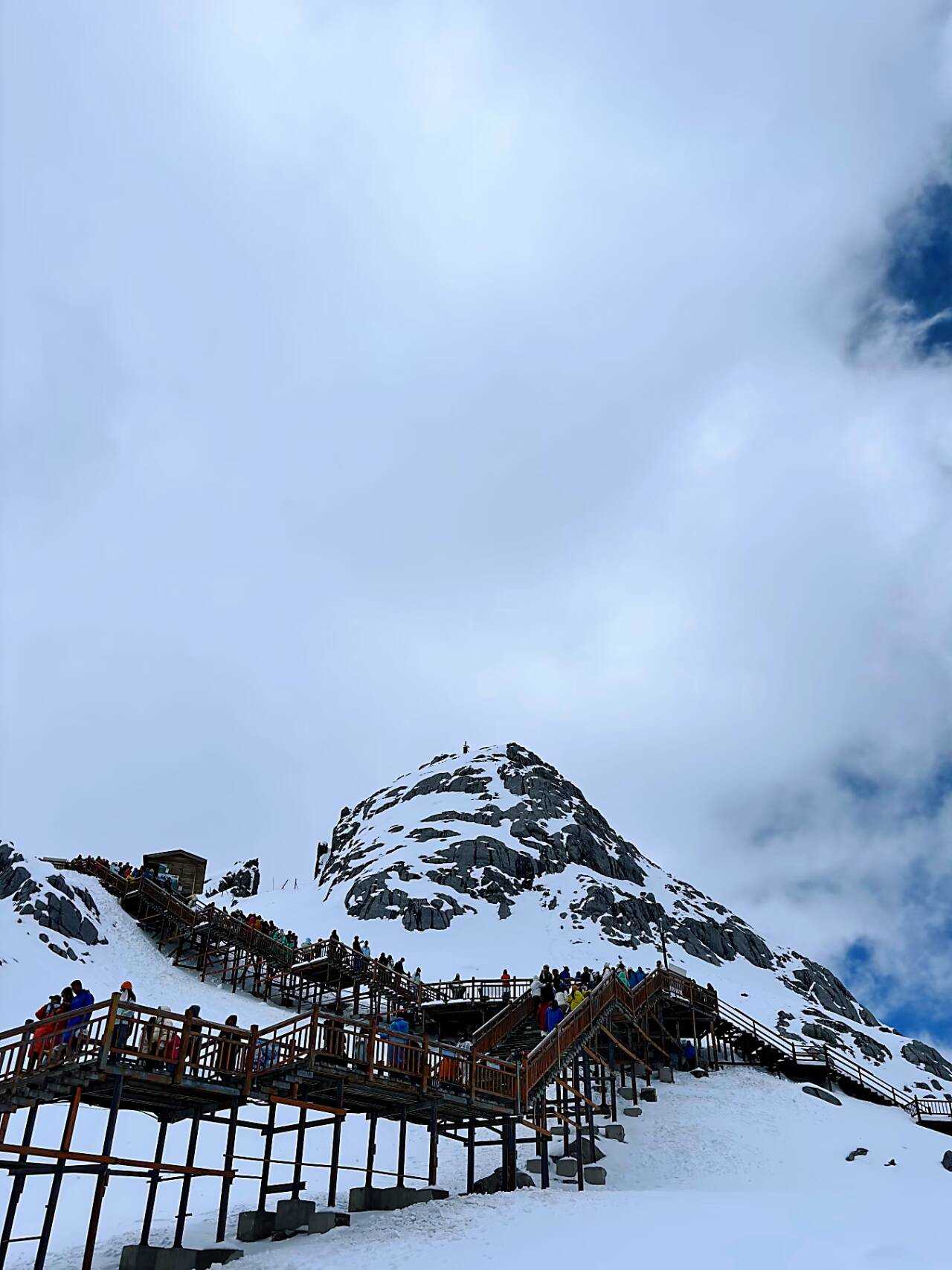
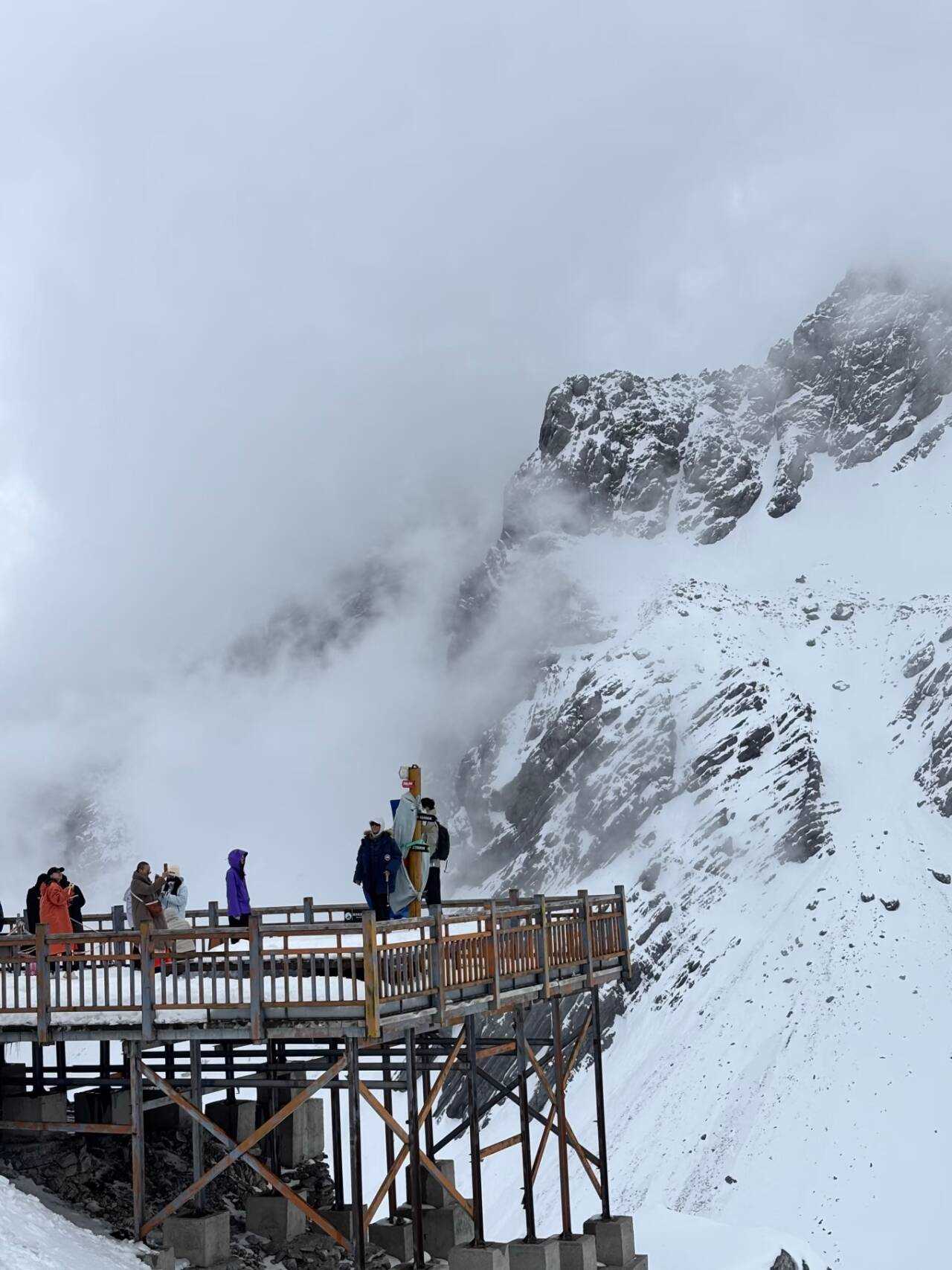
If Shuhe represents Lijiang's gentleness, then Jade Dragon Snow Mountain (玉龙雪山) is its grandeur.
The Magic of Weather: Extreme Beauty Between Sun and Shade

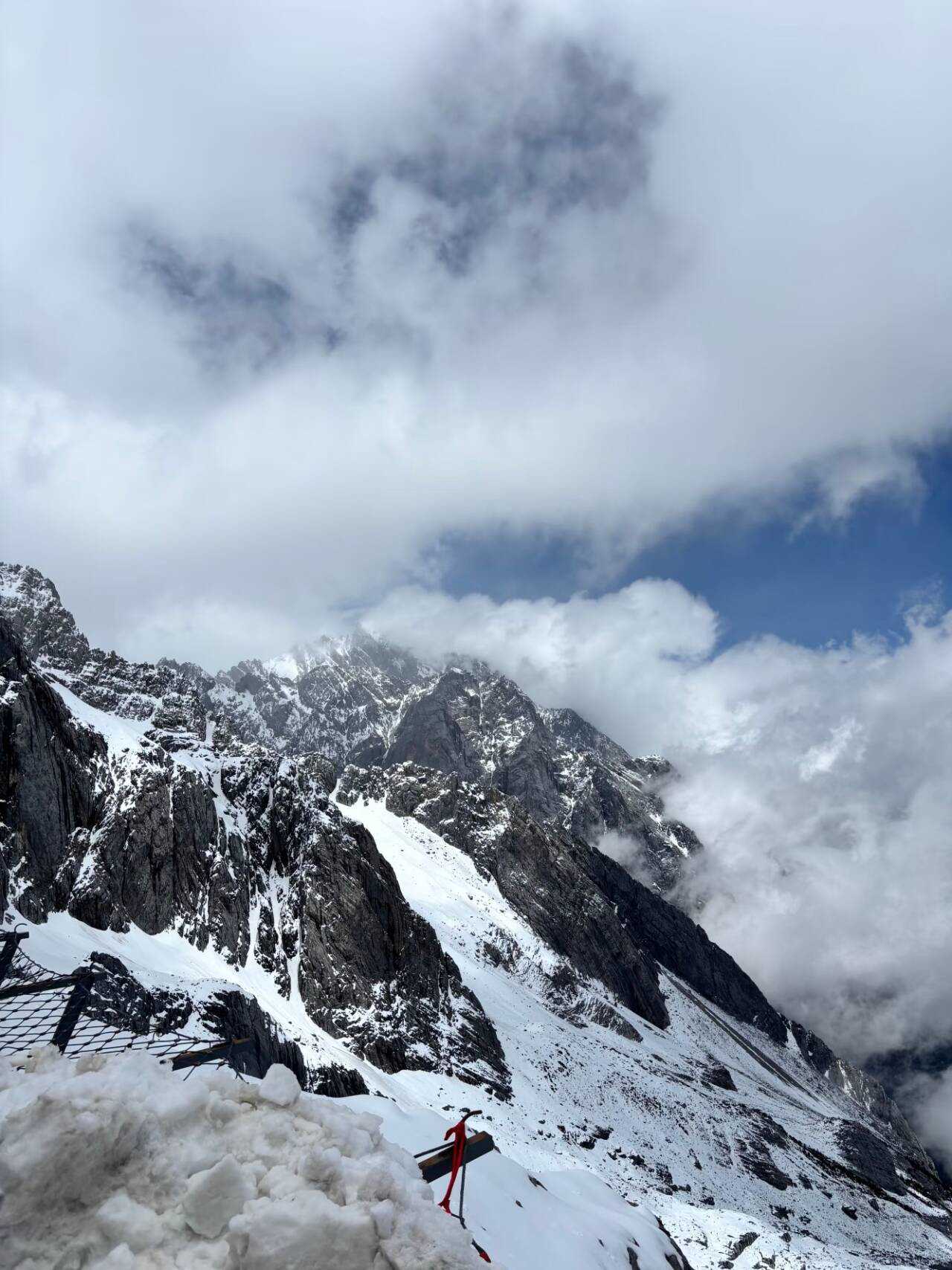
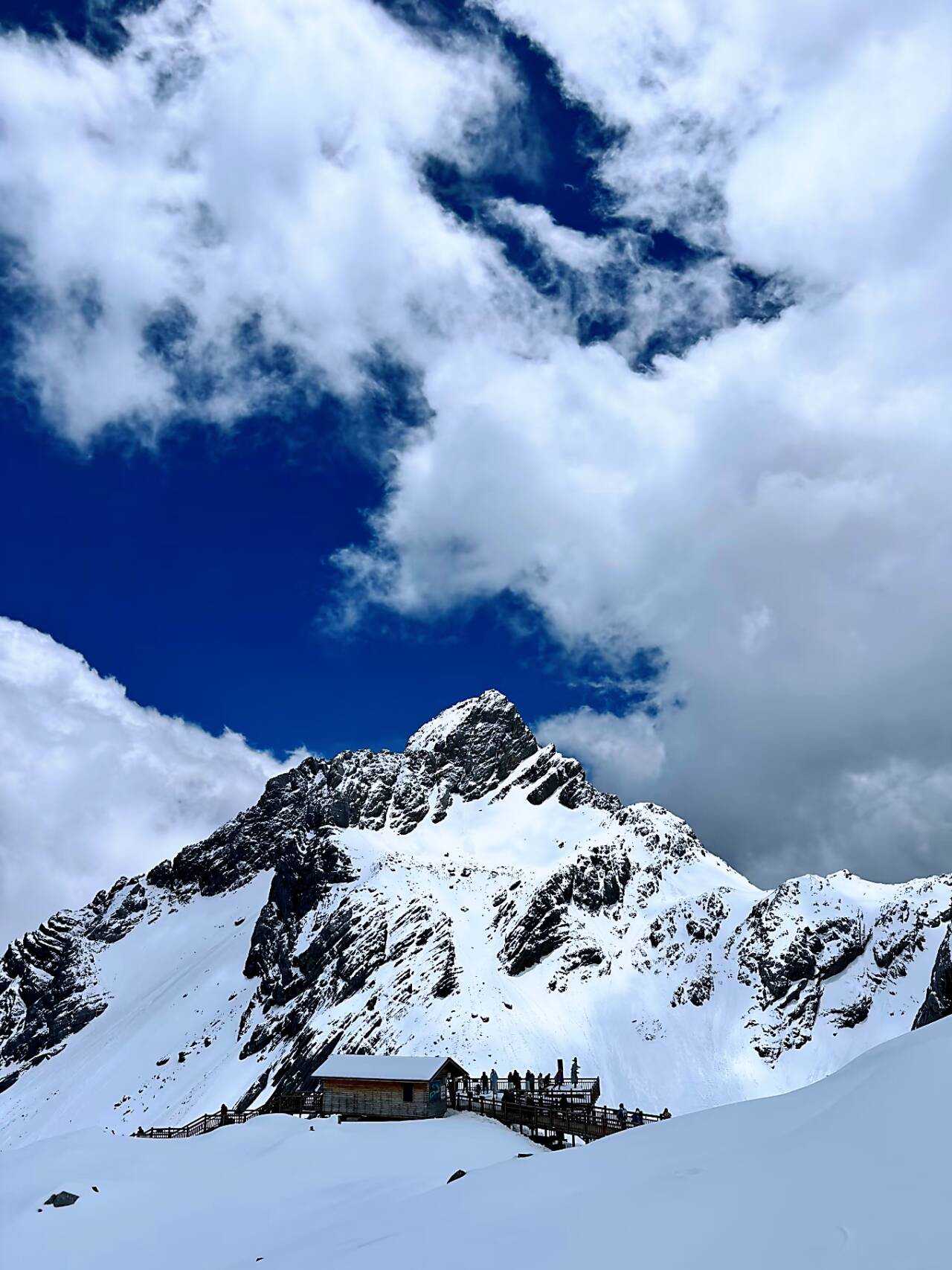
The day we visited, the weather was what you'd call "split"—half clear blue sky, half thick gray clouds. This seemingly imperfect weather gave us an unexpected gift.
When sunlight broke through the clouds and fell upon the snow mountain, we watched the peaks shift colors in the play of light and shadow—sometimes dazzling silver-white, sometimes soft pale gold, and at other times veiled by cloud shadows, revealing a mysterious gray-blue. This dynamic beauty, far more layered than a simple blue-sky backdrop, was utterly awe-inspiring.
Standing at the foot of the mountain, you can't help but marvel: Nature's masterpiece truly needs no filter.
Blue Moon Valley: I Was Standing Inside the Scenery
If Jade Dragon Snow Mountain is a majestic epic, then Blue Moon Valley (蓝月谷) is its gentlest footnote.
The first time you see Blue Moon Valley, you'll be stunned by that shade of blue—not the ordinary blue of the sky, nor the common blue of a lake, but a color somewhere between jade and sapphire, so clear it feels like it could cleanse your soul. The water sparkles under the sunlight, and the distant snow-capped mountains are reflected in it, creating a breathtaking tableau.
Walking along the boardwalk, you'll have the illusion: It's not that I'm looking at the scenery, but that I'm standing inside it. That sense of immersion is something no photograph can convey.
Practical Tips
If you plan to visit Jade Dragon Snow Mountain, here are a few things to keep in mind:
- Book tickets in advance: Especially during peak season, tickets and cable car passes sell out quickly. It's best to book online ahead of time.
- Watch out for altitude sickness: The mountain is at a high elevation. Prepare oxygen canisters in advance and avoid strenuous activity.
- Dress in layers: The temperature difference between the base and the summit is significant. Use the "onion layering" method so you can easily add or remove clothing.
- Best timing: The light is most favorable for photography between 10 a.m. and 2 p.m.
Exploring the Ancient Town: Is Lijiang Worth a Return Visit?
Back to the original question: Is Lijiang still worth visiting?
My answer is: Yes, but you need to experience it the right way.
The Ancient Town Remains, but the People Have Changed
There's no denying that Dayan Ancient Town has become heavily commercialized. Those bars once full of stories have turned into cookie-cutter influencer spots; those once-quiet alleys are now packed with tourists taking photos. If you go expecting to find the "City of Romance," you'll likely be disappointed.
But if you shift your mindset—treating it as just another historic ancient town—you'll find it still has its charm. In the early morning, before the crowds pour in, the cobblestone streets are bathed in sunlight, and the sound of flowing water is especially clear. At night, when the noise fades and the lanterns glow, that quiet beauty still stirs the heart.
A New Way to Open Lijiang
It's not so much that Lijiang has changed, but that our expectations have. Today's Lijiang is better enjoyed like this:
- Skip the check-in style tourism: Don't try to visit every attraction in a single day. Instead, pick a few places you're genuinely interested in and savor them slowly.
- Dive into Shuhe and Baisha (白沙古镇): Compared to Dayan, these two ancient towns are quieter and more authentic, offering a better taste of Lijiang's slow-paced life.
- Eat what the locals recommend: Don't just follow influencer suggestions. Ask locals—they know where the truly good food is.
- Use Lijiang as a base: Lijiang's location is excellent. Use it as a hub to explore nearby Lugu Lake (泸沽湖), Shangri-La (香格里拉), Dali (大理), and other destinations.
A Gentle Farewell to the Old Days
Some people say Lijiang is "dead." I don't think so. It has simply moved from one phase to another. The Lijiang of the past carried the dreams of countless people for romance and freedom. The Lijiang of today feels more like a mature middle-aged person—less impulsive, more settled.
If you have the time, consider staying in Lijiang for a few days. Find a guesthouse with a courtyard, wake up to birdsong, wander aimlessly through the ancient town during the day, and watch the stars from the rooftop at night. You'll discover that Lijiang's magic isn't about perfection—it's about slowing you down and helping you get along with yourself.
Conclusion: Lijiang, Still Worth It
As I write this, I recall a saying: "Travel isn't about escaping life, but about making sure life doesn't escape you."
Lijiang may no longer be the heart-fluttering "City of Romance," but it remains a place where you can quiet your mind. Here, there's the food of Shuhe, the grandeur of Jade Dragon Snow Mountain, the tenderness of Blue Moon Valley, and the stories hidden in the alleys.
So if you ask me whether Lijiang is worth another visit, I'll say: Yes, it is. But this time, let go of unrealistic expectations. Come with an ordinary heart and experience it as it truly is.
After all, the best travel isn't about going to a perfect place—it's about discovering beauty in imperfection.
One last piece of advice: Before you go to Lijiang, ask yourself: What do I really want? If the answer is "relaxation" and "slow living," then Lijiang will not disappoint you.
You should also read:

Cloud Travelogue · Dali of Wind, Flowers, Snow, and Moon: A Three-Day, Two-Night Journey of a Free Spirit
Cloud Travelogue · Dali of Wind, Flowers, Snow, and Moon: A Three-Day, Two-Night Journey of a Free Spirit I am a cultured female foodie with a touch of rogue charm. I slung on my backpack, took my lover's hand, and set off on a spontaneous…
Continue reading...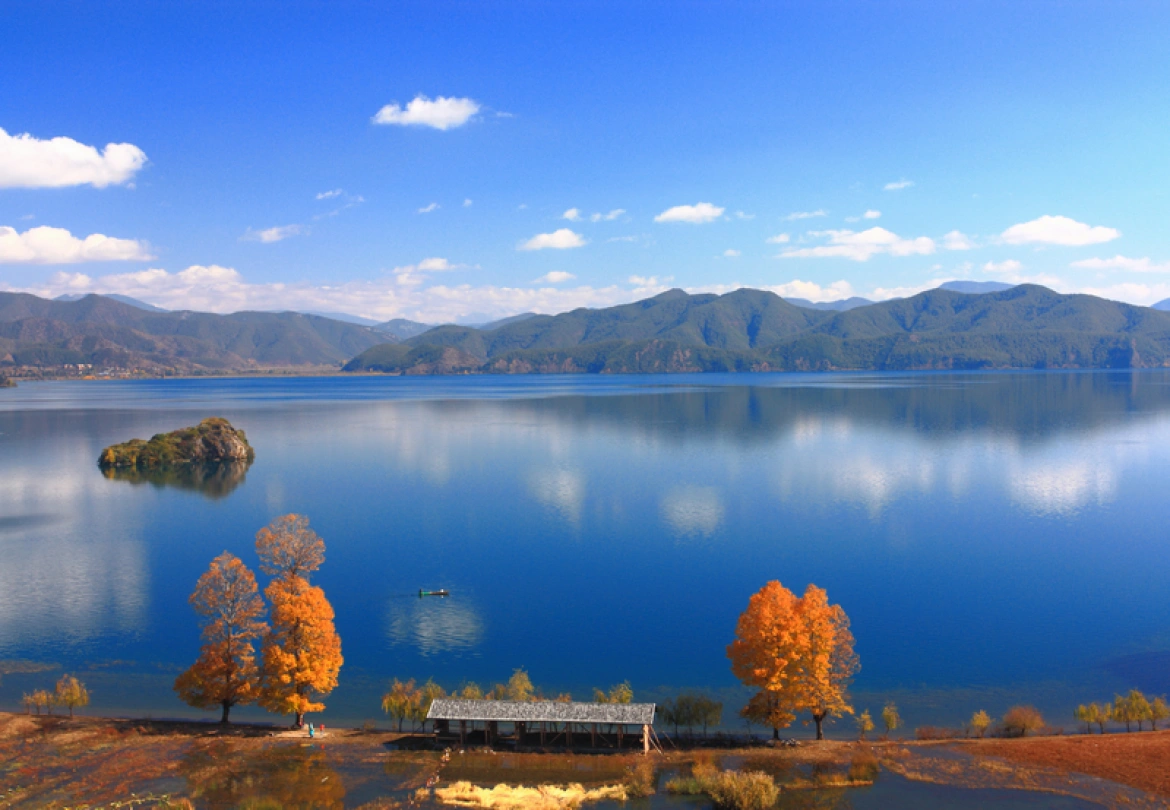
A Spiritual Journey to Lugu Lake in Lijiang: Experiencing the Legend of the Kingdom of Women! (Reproduction and Hotlinking Prohibited)
A Spiritual Journey to Lugu Lake in Lijiang: Experiencing the Legend of the Kingdom of Women! (Reproduction and Hotlinking Prohibited) Off-road自驾, food, hotel and民宿 reviews, Featured Traveler, Tank 300 owner, 200,000 km of self-driving experience. WeChat: y01294987 Ninglang Yi Autonomous County 2010.11.08 · 7 days…
Continue reading...
The Slow Life of Lijiang: A Soft Dream on the Yunnan-Guizhou Plateau
The Slow Life of Lijiang: A Soft Dream on the Yunnan-Guizhou Plateau Some places, just by hearing their name, stir a ripple in your heart. Lijiang is one of those names. It's not the kind of destination that demands you tick off a checklist of…
Continue reading...