Slovenia | A Country with "Love" in Its Name, Embracing Autumn
Slovenia | A Country with "Love" in Its Name, Embracing Autumn
The first time I heard the name "Slovenia," I paused for a second—Slovenia, the spelling actually hides the word "Love." This small linguistic coincidence made me remember it instantly, and filled me with curiosity about this country. As it turns out, this land is not just romantic in name; its scenery and people are equally captivating at first sight.
Over five days, we drove across this small Central European nation, from the breathtaking Lake Bled that left us speechless, to the vast and rugged Triglav National Park; from the massive cave echoing with train rumbles, to medieval castles perched on cliff edges; from the picturesque Lipica white horse farm, to the lazy, leisurely Adriatic coastal town of Piran—along the way, magnificent natural wonders and profound cultural heritage alternated like a carefully orchestrated autumn symphony.
Ljubljana | The Tiny Capital Hiding the Gentlest Autumn
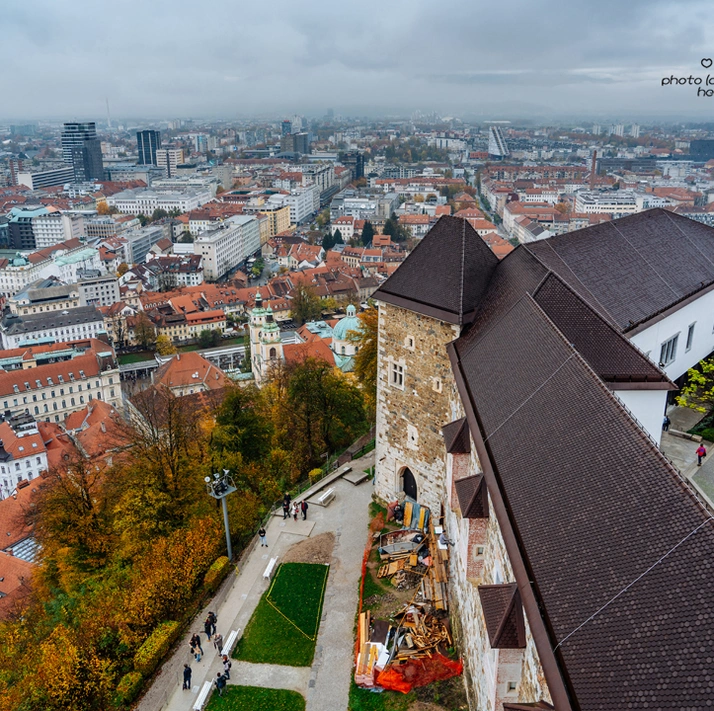
If you fly into Slovenia, Ljubljana is almost certainly your first stop. This capital is endearingly small—the city center can easily be explored on foot. A castle sits quietly on a hill in the middle of the city. Take the cable car up, climb the tower, and the entire city of Ljubljana unfolds before you.
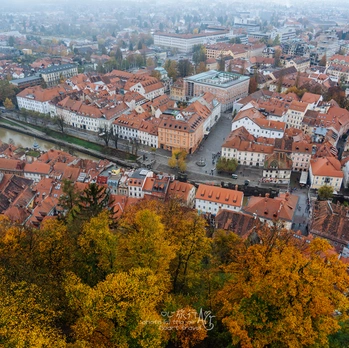
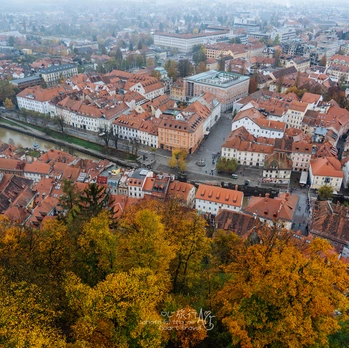
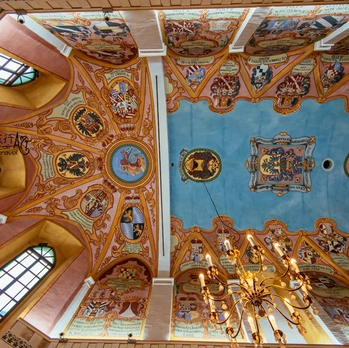
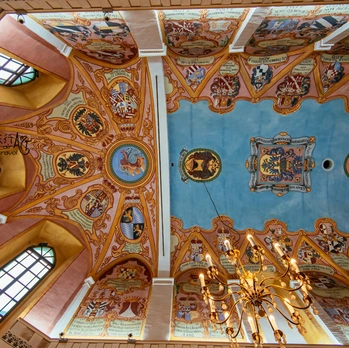
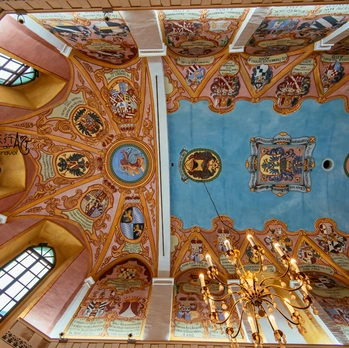
We arrived in early November, and Ljubljana in deep autumn had been painted like a warm-toned oil painting. Orange-yellow leaves intertwined with orange-red rooftops, as if nature had knocked over its palette. The church inside the castle isn't large, but the colorful frescoes on the dome left a lasting impression—a delicacy and solemnity that photos simply cannot convey.
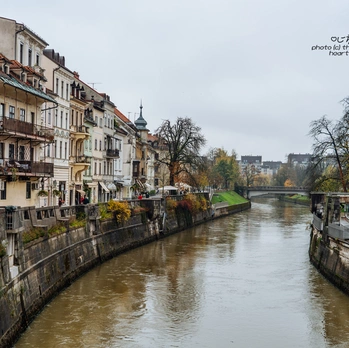
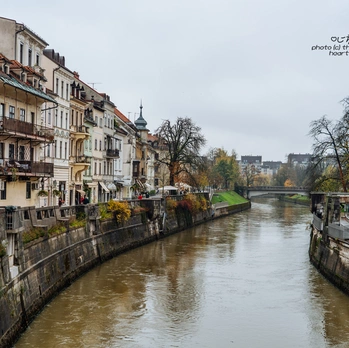
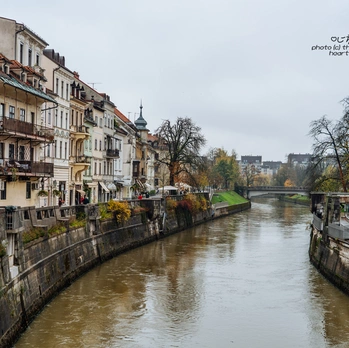
The Sava River flows gently through the city. I've always felt that cities with rivers have a special tenderness. Countless restaurants, bars, and cafés line the riverbanks—the streets and alleys are the truest reflection of this city's lifestyle: slow-paced, lazy, and comfortable.
In the park at the city center, large patches of leaves had turned orange-red, carpeting the ground and crunching underfoot. The entire city was wrapped in autumn colors—every casual snapshot looked like a postcard.
In the early morning, in the alleyways by the river, people order an Espresso, don't sit down, just stand in the lane with a newspaper, starting their ordinary day. This simple, unhurried way of life makes you want to slow down too.

One of Ljubljana's most iconic sights is the Triple Bridge—the main bridge and two side bridges leading in three different directions. On the other side, the pink building is the Franciscan Church of the Annunciation. It had just rained during the day, and the wet ground acted like a mirror, reflecting the bridge's lights, making the night even more enchanting. In front of the church is the circular Prešeren Square, named after the Slovenian poet France Prešeren—the Slovenian national anthem uses his poetry.
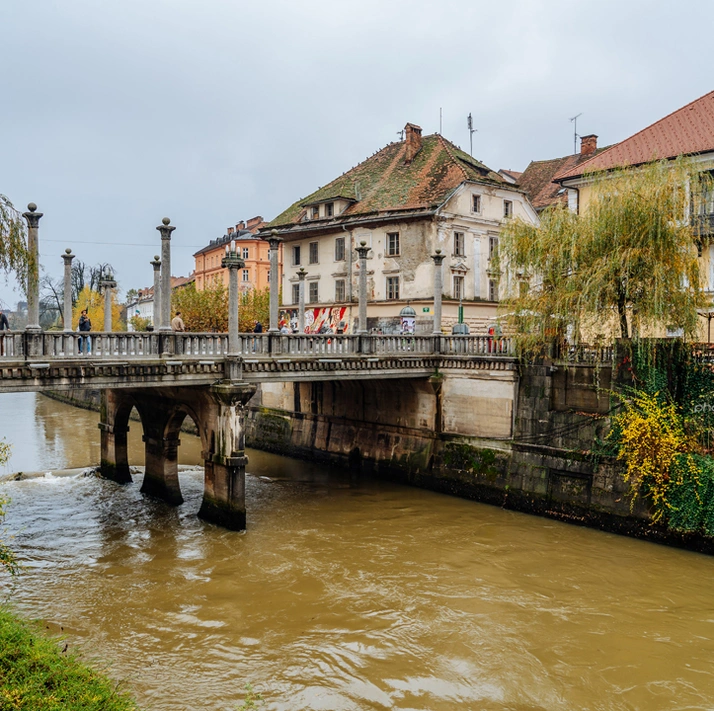
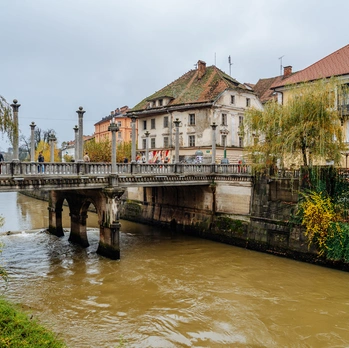
Another landmark not to be missed is the Dragon Bridge. This stone bridge was built in 1901, with four bronze winged dragons standing on pillars at each corner—legend says they are Ljubljana's guardians. St. Nicholas's Cathedral is also worth a visit, especially its bronze door, with exquisite and ingenious details.
We found a hotel in the old town to stay at. The room was modern, with a view of the river outside the window. We had lunch at the castle's hilltop restaurant, eating Slovenian cuisine—traditional yet innovative. For instance, Slovenian dumplings look more like Italian ravioli, with unique fillings. For the main course, one of us chose meat and the other fish—the dishes were refined, the seasoning simple, but the flavors were anything but. Dinner was at the hotel restaurant. The appetizer was tuna, lightly seared on the outside, coated with black pepper to remove any fishiness and enhance the flavor. The main course was octopus tentacles, tender yet chewy, paired with olive seasoning. Whether in architecture or food, there were hints of Italian influence.
Lake Bled | A Single Glimpse, and It's Forever
The drive from Ljubljana to Lake Bled is only about 55 kilometers, almost entirely on the highway, but the scenery was unexpectedly beautiful. Patches of forest were bursting with color, mist wrapped around the mountains—it felt like driving into a flowing oil painting. After leaving the highway and heading further into the mountains, the road ahead seemed to lead to a hidden paradise beyond the world.
Finally, Lake Bled appeared before us—autumn colors rich, the water shimmering. Just one glance, and I was already amazed.
The weather changed quickly. The clouds began to break apart, sunlight poured onto the lake, and colors danced everywhere—so beautiful it took your breath away. From years of travel experience, I knew we had to seize good weather. Forgetting about checking into the hotel first, we decided to immediately hike up to the Osojnica viewpoint.
Before setting out, I checked guides that said there were signposts, but we didn't see a single one. Luckily, after asking one or two people, we found the trail—if you could call it a trail; it was really just a path worn by footsteps. The ground was very slippery. The muddy conditions caused my travel companion to slip and fall at the start, almost making us want to turn back. We later learned it had been raining there for several days.
But the moment we reached the Osojnica viewpoint and saw the scene before us, we instantly felt it was all worth it.
The sky had cleared, the light made the lake appear even bluer, and the island in the center with its church had a perfect reflection. The Julian Alps surrounded it, like a glowing blue opal. No wonder it's known as one of the world's most beautiful alpine resorts.
Lake Bled isn't large—a walk around the entire lake is only about 6 kilometers. To truly appreciate its beauty, walking is the best way. Strolling along the lakeside path, stopping to take photos, it was a feast for the eyes. Taking a traditional Pletna boat from the dock to Bled Island is also an unmissable experience. Sitting on the boat, the brilliant autumn colors on both banks were intoxicating, and the crystal-clear water reflected everything like a dream—like a child's clear gaze. No wonder locals call Lake Bled "the mountain's eye."
When the boat reached the island, through the gaps in the leaves, Bled Castle on the cliff, set against the distant mountains and mist, looked like a palace in the sky. The Baroque church on the island was built in 1004 AD and was once a sacred place of prayer. Pull the rope inside the church, and you can ring the bell in the tower, producing a clear chime. There's a local legend: if you make a wish while ringing the bell, it will surely come true. Newlyweds often visit the island after their wedding to ring the wishing bell, praying to stay together forever.
Bled Castle stands prominently on a high cliff. Both the castle and the church were built by German Emperor Henry II, who gave them to the local bishop at the time. Standing on the castle, the entire Lake Bled is spread out before you. Ordering a coffee at the castle terrace café, looking up at the lake and mountains, is the ultimate way to relax.
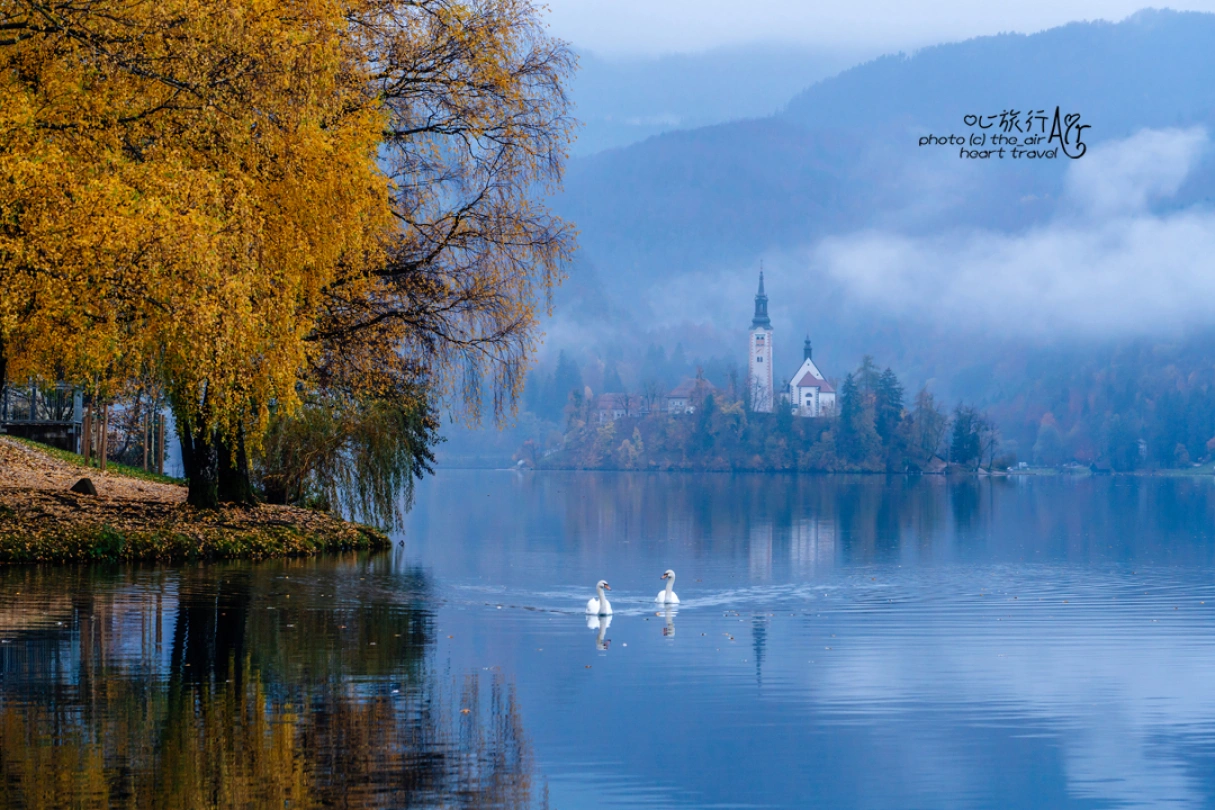
The next morning, Lake Bled had put on a different face—mist shrouded the lake, making it look like a fairyland. A pair of swans swam over from afar, ethereal and graceful. Walking slowly along the lakeside path, the lake was like a mirror, reflecting the town and trees on the shore—two worlds, one above water and one below.
Lake Bled in the early morning was incredibly peaceful. I strolled slowly, capturing one beautiful frame after another with my camera. The Vila Bled by the lake has a café with stunning views. Thanks to the off-season, there was no one else there in the afternoon—just us enjoying the scenery. I ordered a cappuccino and a slice of cake, surrendering myself to the beautiful autumn.
Krema Rezina cake is a traditional delicacy of the Bled region, with three layers—a soft, fine cake base, a sweet, fragrant cream middle, and a crispy pastry top dusted with powdered sugar. Rich in texture, not too sweet or greasy, with a strong, creamy milk flavor—I loved it.
We stayed at the Grand Hotel Toplice in Bled, a historic old hotel. The hotel is right on the lake, with the lobby and most rooms facing Lake Bled. Our room looked directly at Bled Castle. Standing on the balcony, we could enjoy the full autumn scenery of the lake—it was wonderfully relaxing.
Triglav National Park | A Hidden Paradise at the End of the World
Triglav National Park is named after Mount Triglav, the highest peak at its center. It's Slovenia's only national park, covering over 800 square kilometers. Due to the season, we only drove around the Lake Bohinj area this time. For more serious alpine hiking, it's better to come back in summer.
We drove from Lake Bled to the town of Bohinj to meet our hired guide. Mist hung low on the mountainsides, so beautiful that I kept shouting at my co-pilot to take photos while driving. The autumn colors around Lake Bled were at their peak, but in the nearby mountains, due to higher altitude and lower temperatures, many leaves had already fallen. If you want to see autumn colors in the mountains, early October is the best time. But even though peak autumn had passed, the lingering colors in the valley were still stunning!
After meeting our guide in town, he led us on an exploration of the Lake Bohinj area. Lake Bohinj is a huge glacial lake nestled in a valley, with only two valleys leading to it, making it a true hidden paradise. A small village not far from the lake is called Ukanc, which translates to "the end of the world"—probably the best description of the peaceful life here.
Agatha Christie, the famous detective novelist who wrote Murder on the Orient Express, once came here, but she didn't include it in her novels. She said it was too beautiful for a murder.
A stone bridge crossing a quiet river is ironically called "Devil's Bridge." Legend says the devil built the bridge in exchange for the soul of the first person to cross it. But clever villagers tricked him by sending a dog disguised as a sightseer. Next to the bridge is the Church of St. John the Baptist—no one knows exactly when it was built. A black statue of a chamois stands by the lake.
Our guide took us to see one of the most famous waterfalls in the area—Savica Waterfall. The hike from the base to the waterfall takes about 30 minutes, with gentle, well-maintained steps suitable for most people. The valley is crisscrossed by rivers; Slovenia's famous Soča River and Sava River both originate here. Standing at the end of the trail, with layers of peaks before me, I was surrounded and moved by a primal, natural beauty.
A roaring sound came from a corner—that was Savica Waterfall. Two streams of water cascaded down the cliff face, forming an "A" shape. The waterfall has a drop of 78 meters, sending mist scattering everywhere.
Coming down from the mountain, our guide directed us to drive out through another canyon. The paved road connected one mountain village after another. Our guide told us the names and stories of each village along the way. His home was in this valley; he and his wife ran a guesthouse. She managed the accommodation, while he worked as a guide, taking guests hiking in the mountains. We promised to return in summer and stay in one of these small mountain villages, to fully enjoy the peace and nature at the end of the world.
Finally, our guide took us to a small restaurant to try the traditional food of the region.
Postojna | The King of Caves, a Wonder of the Underground World
What Slovenians love and are most proud of is not Lake Bled, but the Postojna Cave in the south-central part of the country. After leaving Lake Bled, we drove south towards Piran, passing right by here. Both the Postojna Cave and Predjama Castle, built into a cliff cave, are located within the Postojnaska Jama Park, only about 10 kilometers apart—perfect for visiting together.
This unassuming cave entrance is the gateway to Postojna Cave. To be honest, I wasn't impressed at first—China certainly doesn't lack large caves. But the entire journey inside completely opened my eyes. What's more, the term "Karst" actually originated in Slovenia. German explorers who first came here discovered this unique limestone landscape in a region called "Kras." Finding the Slovenian word too difficult to pronounce, they modified it slightly to "Karst," a term still used today.
As soon as we entered the cave, I was a bit stunned—because the cave was so large that we needed to take a train to explore it. The cave train first goes deep into the cave, then visitors get off and walk along the pathways, eventually taking the train back out at the end. The whole process takes about 1 hour and 30 minutes. A word of caution: during peak season, the cave train runs once an hour; after October, during the off-season, there are only three trains a day, so it's essential to check the schedule in advance.
The cave train passed through narrow passages, then opened up wider and wider, until we reached a vast hall filled with massive stalactites, some adorned like crystal chandeliers. Beneath the surface, a huge, mysterious, and colorful world was hidden. There are nearly 10,000 underground caves here, but only 20 are open to tourists. The explored length has reached 21 kilometers, yet it's still just a tiny fraction of this enormous cave system.
Postojna Cave is listed as one of the most unique underground caves in the world. Only here has such a complex cave system and such a diverse array of stalactite formations been created, earning it the title "King of Caves." Unlike caves in China that use colorful lighting, this one uses only yellow and white light, allowing the cave formations to be seen in a more natural state, while also minimizing damage to the cave's geology and biology.
Water droplets have fallen continuously for millions of years, carving out a magnificent wonder in the darkness with time and persistence. Strange pillars, stalactites, draperies, and cave flowers—in countless forms, steep and beautiful. Influenced by different mineral elements, the pillars display various colors. The most peculiar sight was in a hall full of reddish-brown pillars, where a single pure white pillar stood out, like a giant vanilla ice cream cone, creating a stark color contrast with its surroundings.
The sculptor of water droplets had painstakingly created many lifelike forms—one sitting on a rock looked like a white rooster. My favorite was a chamber called "Spaghetti," where the ceiling was covered in fine, silvery-white hanging crystals. At the end of the walkway, you can see the spot where the cave was first discovered. In 1818, discoverer Luka Čeč accidentally crossed a small bridge over a river into the cave, unveiling a brand new world.
Predjama Castle | A Knight's Legend on the Cliff
Predjama Castle is the only cave castle in Europe, with a history dating back eight hundred years. The oldest part of the castle was built inside a huge cave, later expanded to include sections outside the cave mouth, creating the spectacular sight of a castle embedded in the cliff face.
The castle changed hands several times throughout history, and the coats of arms of its former owners are displayed inside. The castle's most famous owner was probably the Slovenian version of Robin Hood—Knight Erasmus, nicknamed the "Robber Baron." In the 15th century, when his country was at war with Austria, he occupied the easily defensible Predjama Castle. The enemy had no choice but to try and starve him out through siege. But this castle, built inside a cave, had a secret passage leading outside. Erasmus sent men out through the passage to bring in supplies, even throwing strawberries at the enemy to show how well they were living inside. Eventually, the Austrians bribed the baron's personal servant, learned the location of the secret passage, captured the castle, and executed the baron.
Inside the castle, there is a judgment room—if found guilty, the prisoner was tied hand and foot and thrown out the left door down the mountainside; if found innocent, they could leave through the right door, but still had to pass through the torture chamber where prisoners were held, as a warning against wrongdoing. Looking out from the castle, the view was of a peaceful pastoral scene—it was hard to imagine such thrilling stories had taken place here.
Lipica | The Homeland of the White Stallions
I've loved horses since I was a child. I once watched an equestrian performance at the Spanish Riding School in Vienna, and the elegant dance steps of those horses left a deep impression on me. Later, I learned that those white stallions came from Lipica in Slovenia, and the place name became the breed's name.
The farm dedicated to breeding these horses is called the Lipizzaner Horses Stud Farm, established in 1580. It's now owned by the local government, with the aim of preserving this purebred horse. It's said that there are only about 3,000 of these horses in the world today. At the farm, you can join a small group tour, ride in a carriage, and travel through the picturesque pastures. The golden afternoon sun shone down, romantic and beautiful. During peak season, there are wonderful equestrian performances every day. If you have some riding experience, you can also enjoy riding here.
Our carriage was pulled by two adult horses. Their backs were broad and soft, their steps light and graceful, their white manes flowing with their movements. Our guide told us stories about the Lipizzaner horses. Not only are they beautiful and elegant in appearance, but they are also highly intelligent and quick learners. They have always been the court horses of Vienna and are now top-level dressage horses.
The horses roaming freely outside were all mares. The guide said that mares often forget the movements they've learned—perhaps it's related to foaling, like the saying "a pregnancy makes you forgetful for three years." Additionally, mares have an exaggerated maternal instinct, treating humans as elders, so only stallions are used for training and performances.
There's another interesting and peculiar thing about these horses: foals are born black, and over 7 to 10 years, they gradually turn white. So if you see black or gray foals, don't doubt them—they are purebred Lipizzaners. However, about one percent of horses don't follow this rule and keep their original coat color for life.
The mares and foals lived in communal stables. During most of the day, they were allowed to roam freely on the farm. To ensure most visitors could see them, a few were kept in the stables each day for "duty." One mare raised her head, flared her nostrils to catch a scent, and looked towards the woods, looking very excited—her companions who had been grazing all day were coming home. In the sunset, a foal snuggled close to its mother, the light illuminating their flowing manes.
The final stable we reached was the "bachelor apartments" for the stallions. They had individual stalls because the stallions would fight with each other. That black horse with the white nose was the one percent that refused to turn white.
Piran | I Want to Live Here
The coastal town of Piran was our last stop in Slovenia. Piran's old town sits on a prominent peninsula. From a bird's-eye view, this little town of red roofs is gently embraced by the Adriatic Sea.
We stayed right in the center at Tartini Square, named after the composer Giuseppe Tartini, who was born here. A bronze statue of him stands in the square. The history of Piran's old town dates back to the 7th century AD. Geographically, it borders Italy on one side and Croatia on the other. Historically, it was under Venetian rule for a long time, so both its architecture and lifestyle share many similarities with Italy.
The square is right next to the harbor and the sea. Strolling casually along the coast, you can see the town's beautiful coastline. Italians can't live without coffee, and neither can the people of Piran. While having breakfast at the hotel in the morning, I saw people standing by the roadside, drinking coffee and greeting friends—like a morning ritual. During the day, the cafés in the square were always bustling. We followed local custom, sitting in the square, drinking coffee, and enjoying the peaceful moments of this small town.
Piran produces sea salt. Right next to the square, there was a shop selling only sea salt products. There was edible sea salt and also sea salt for bathing and whitening. A few blocks of sea salt bath soap became the best souvenirs for friends.
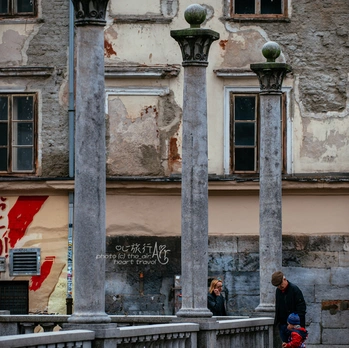
The old town of Piran is full of narrow alleys, closed to cars, which makes walking around even more enjoyable. The Franciscan Monastery has a beautiful white cloister that is unforgettable. This was once the site of the former Church of St. Alexander, where three tombs of famous Piran citizens were discovered. Further into the town is the Old Square, called May 1st Square. Before the 13th century, this was the city's administrative center. A stone carving of a young boy on a nearby stone pillar was originally used to hold up the building's rainwater downpipe—quite interesting.
I especially recommend a small seafood restaurant near May 1st Square called Cantina Klet. The restaurant isn't large, and the decor has a very homey feel. The self-service style of getting food is also fun—you order at the window, get a number, and when your dish is ready, the chef hangs a fish plate with that number in the window, and you go pick it up yourself. The best dish was the baked mussels, baked with tomatoes, cheese, and garlic—rich and fragrant, absolutely delicious! I couldn't bear to waste the sauce and used bread to wipe the plate clean. We also ordered a small seafood platter with fried calamari rings and small grilled cuttlefish stuffed with filling. We ate to our hearts' content. The neighbor's cat kept pacing around our table, probably used to getting seafood treats from diners.
Piran hasn't developed any tourist shopping streets. People still live in their old houses, still living their lives as they always have—everything is as it was. No crowds of tourists, no rows of tacky souvenirs, no modern amusement attractions—yet it has a charm that makes you want to stay.
The weather by the sea is changeable. A gust of wind brought a dark cloud, a sun shower passed, and then the sun came out again. St. George's Church has been guarding Piran since the 16th century and is the town's landmark. The statue on top of the church's bell tower can turn with the wind, and locals use it as a weather forecast—when it faces Piran, the wind is blowing from the sea to the land, usually bringing bad weather; when it faces the other way, good weather is coming.
The city walls at the top of the hill were once defensive fortifications, and now they offer the best viewpoint over Piran. We waited here for the Piran sunset, until the lights in the old town began to glow.
We stayed at the Art Hotel Tartini, right next to Tartini Square. The decor was modern and full of artistic flair. Cars are prohibited inside Piran's old town; all cars must be parked in the public parking lot outside the old town, and visitors take a free shuttle bus into the old town. The free bus stop is at Tartini Square, so staying here was very convenient. The hotel has its own restaurant, where you can watch the comings and goings of Tartini Square while enjoying delicious food. The appetizer was a homemade pâté, served with crispy toasted bread, with dried fig pieces as the highlight. For the main course, I ordered fish with grilled eggplant, paired with a glass of white wine—in the twilight, under the shimmering lights of the square, it was the perfect end to our trip in Slovenia.
Final Thoughts
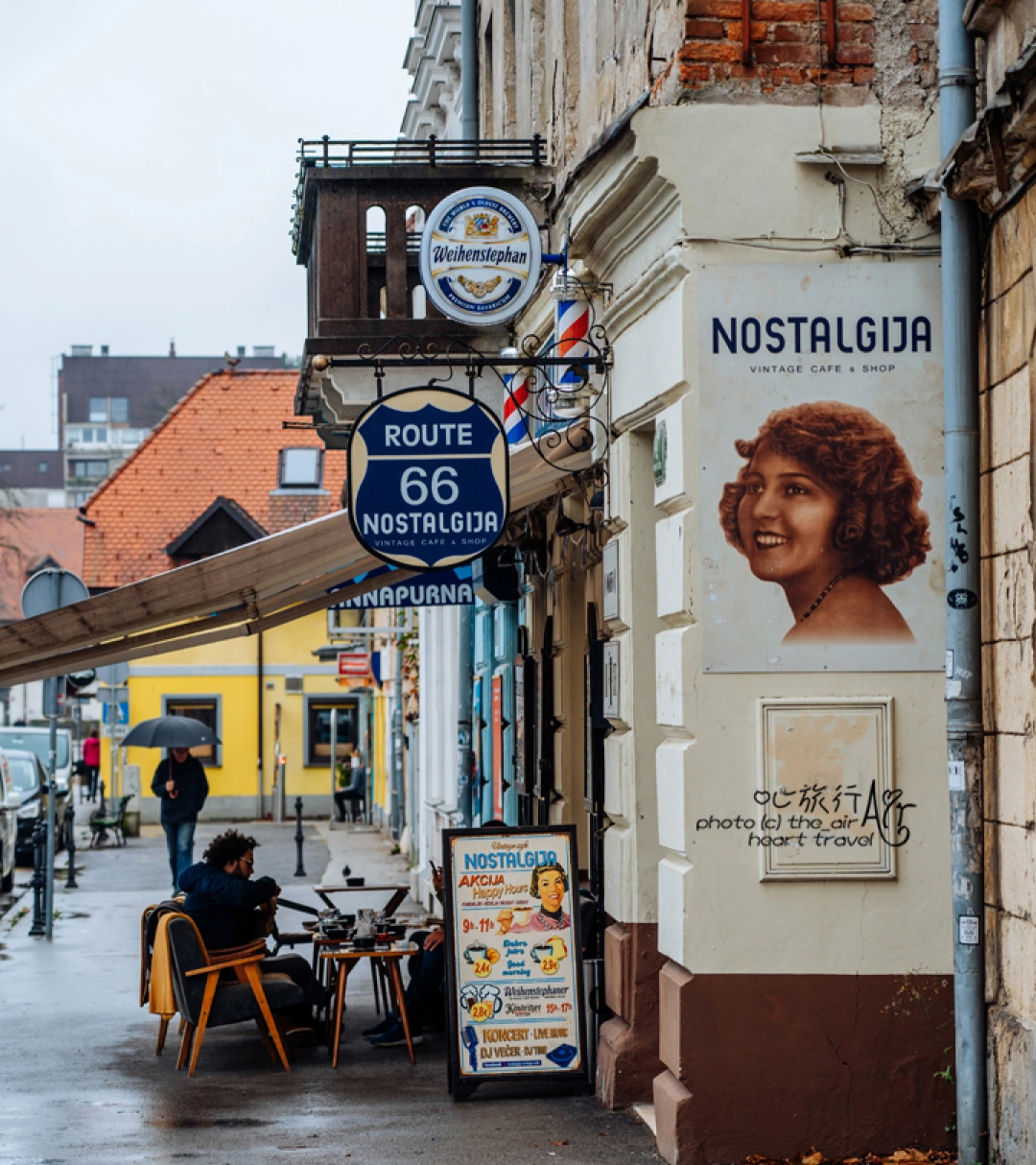
Five days, traversing Slovenia—from lakes to mountains, from caves to the coast, from castles to horse farms. This small country holds an incredible wealth of scenery and stories.
But what I remember most are the people here. They love life, cherish tradition, and treat nature with respect. In the riverside cafés of Ljubljana, in the morning mist of Lake Bled, in the valleys of Triglav, in the sea breeze of Piran—I could feel that calmness and warmth.
Slovenia, a country with "Love" in its name—it truly lives up to it.
You should also read:
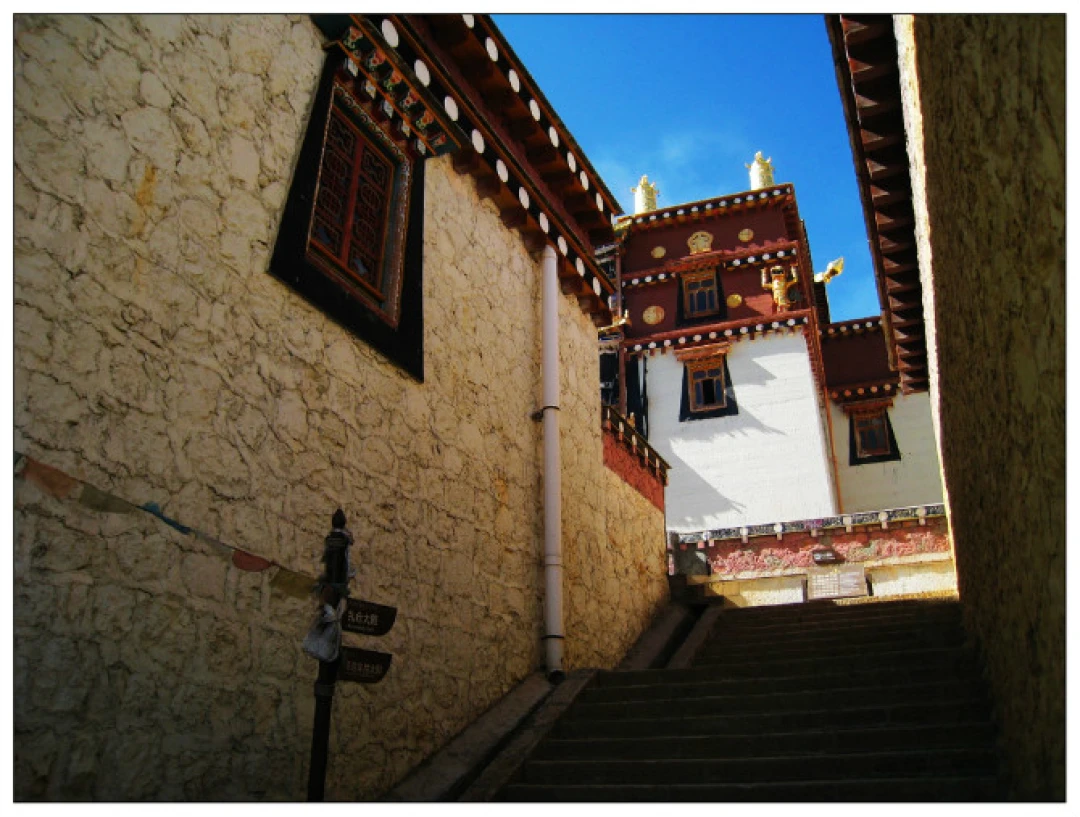
Yunnan's Colorful Clouds: Touching Shangri-La — A Dialogue with the Sky
Yunnan's Colorful Clouds: Touching Shangri-La — A Dialogue with the Sky If you ask me where in China is closest to heaven, I would tell you without hesitation: Shangri-La. The name itself carries a mysterious magic, as if every syllable whispers tales of distant lands.
Continue reading...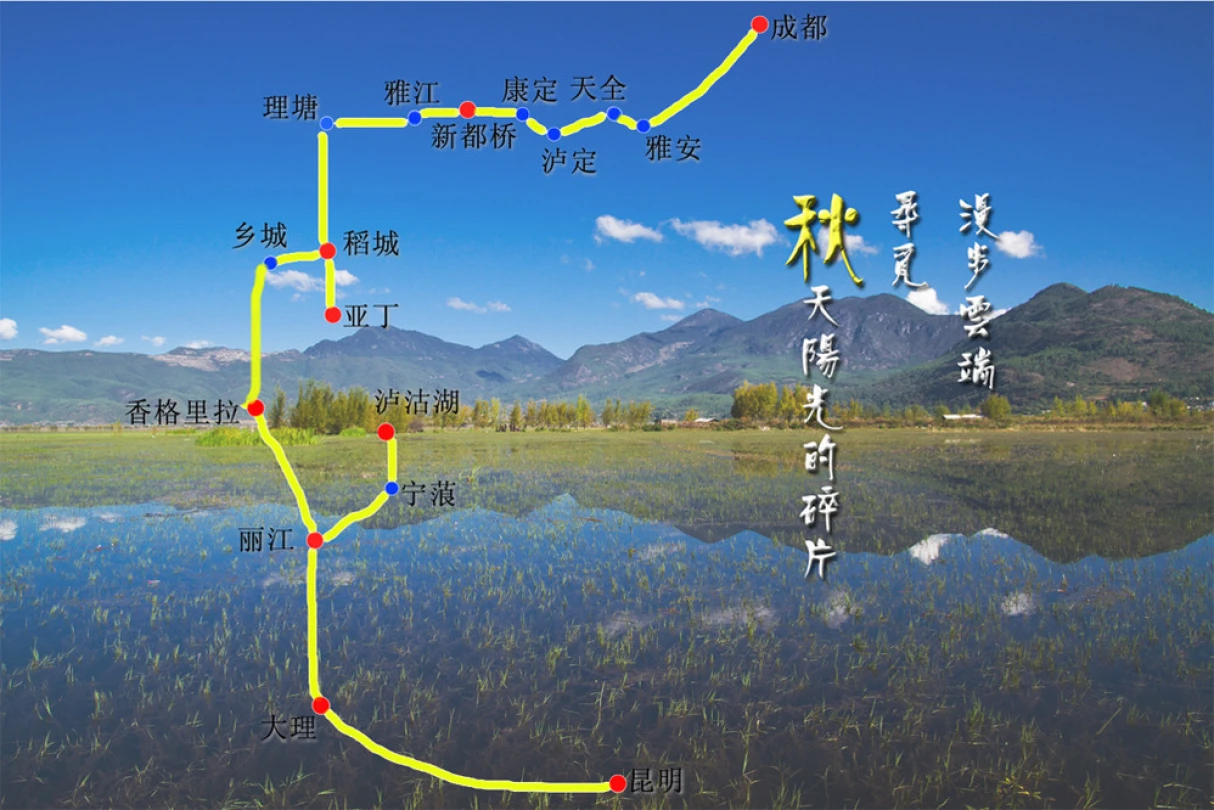
Strolling Among the Clouds: Gathering Autumn's Light on the Western Sichuan Plateau
Strolling Among the Clouds: Gathering Autumn's Light on the Western Sichuan Plateau Prologue: A Sun Chaser's Journey Autumn sunlight is like a gentle painter, using golden brushstrokes to smear the last traces of warmth across the earth. It slips through the gaps between your fingers,…
Continue reading...
Meili Snow Mountain: A Soulful Journey of Dialogue with the Sacred Mountain
Meili Snow Mountain: A Soulful Journey of Dialogue with the Sacred Mountain Prologue: When Travel Becomes Faith Some journeys are forgotten as soon as they end. Others carve themselves into your bones. The trip to Meili Snow Mountain belongs to the latter. Waking up in…
Continue reading...