Slow Life in Shaxi: A True Record of My 20-Day Stay in Changle Village
Slow Life in Shaxi: A True Record of My 20-Day Stay in Changle Village
Confucius said, "He who demands much from himself and little from others will avoid resentment." These words found their most genuine meaning during my stay in Shaxi.
Origin: A Cottage Converted from a Cattle Shed
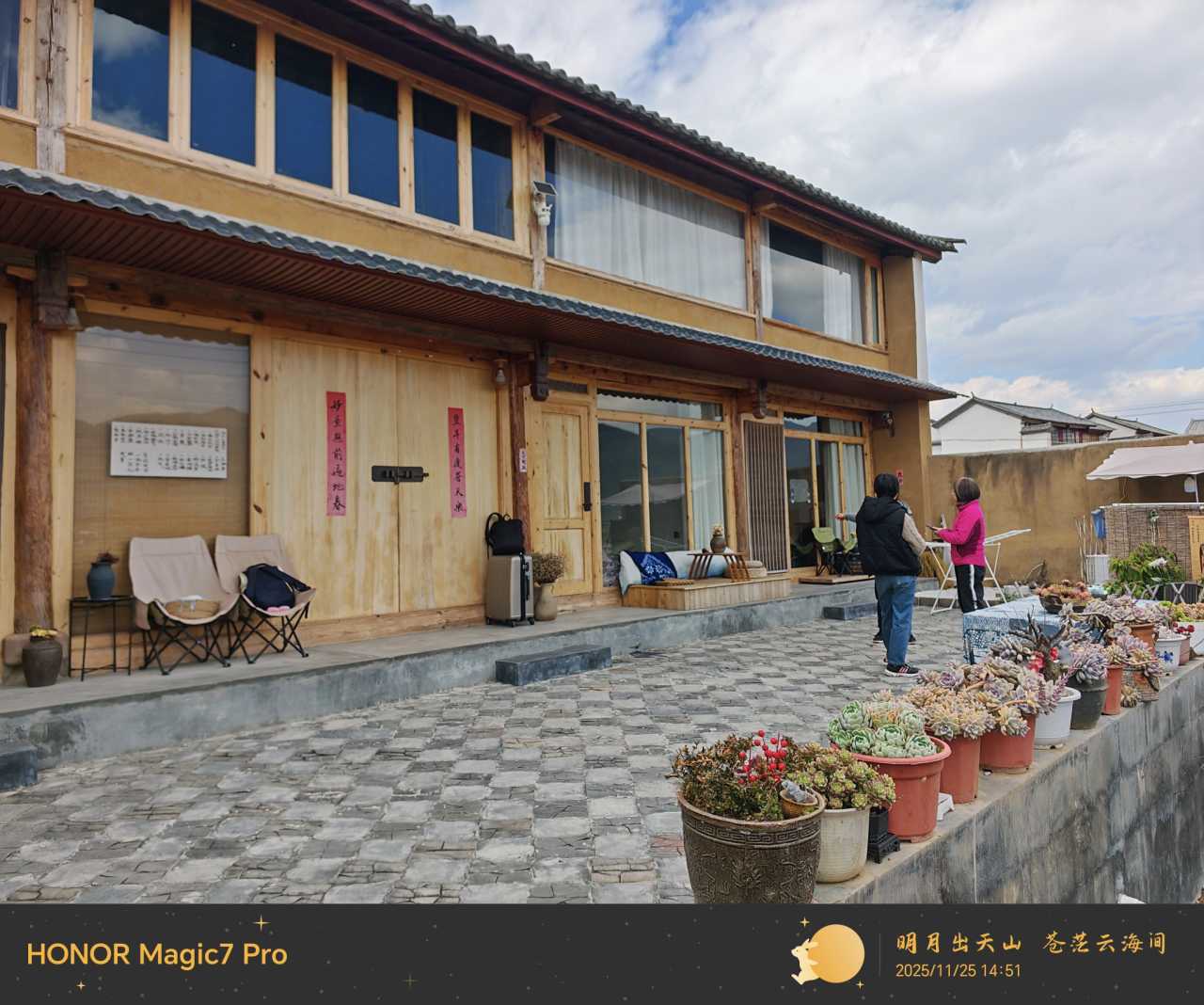
Two years ago, a woman from the northeast, whom I'll call Sister Ya, fell in love with Shaxi's blue skies, white clouds, gentle breezes, and honest folkways. In Changle Village, less than 800 meters from Shaxi Ancient Town, she rented an abandoned cattle shed from a local villager, cleaned it up with her own hands, and built a two-story earth-and-wood cottage. From then on, she lived a leisurely life of "seeing mountains, hearing the wind, and finding lasting joy."
This November, Sister Ya needed to return to her hometown for a month, so she asked friends to help look after the place—feed the cats, water the flowers, and tend to this little world. Her friends were all in Kunming, about 480 kilometers from Shaxi—not too far, but not close either. They divided into three groups of two, taking turns on duty. Sister Lu and I were in the second group, and on November 25th, we drove as scheduled to take over.
Day One: A Long Drive, First Glimpse of Shaxi
We left Chenggong at 8 a.m., picked up Sister Lu and her beloved cat "Mietai" from Dianchi Weicheng, and after a smooth highway drive, arrived at the Changle Village parking lot in Shaxi Town by 2 p.m.
After handing over with Sister Yang and Sister Qin from the first group, we began familiarizing ourselves with the daily routines: Sister Ya's beloved cat "Changle" had an entire suite to himself, needing premium cat food daily, plus playtime, walks, and litter box cleaning; the semi-feral kitten "Weiyang" was a free spirit, roaming indoors and outdoors, coming back when hungry for slightly lower-grade food, with two favorite nests in the yard to sleep in; the two newly transplanted banana trees needed watering every three days; the greens that neighbor Sister Zhang Amei had helped plant needed daily watering...
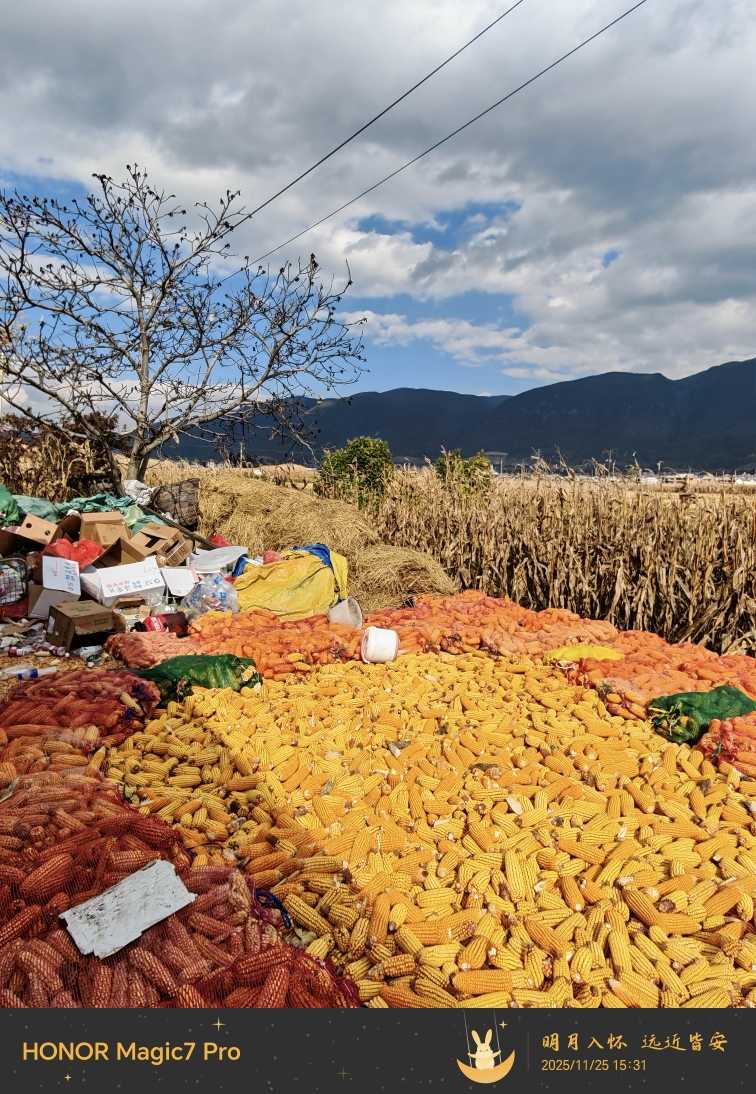
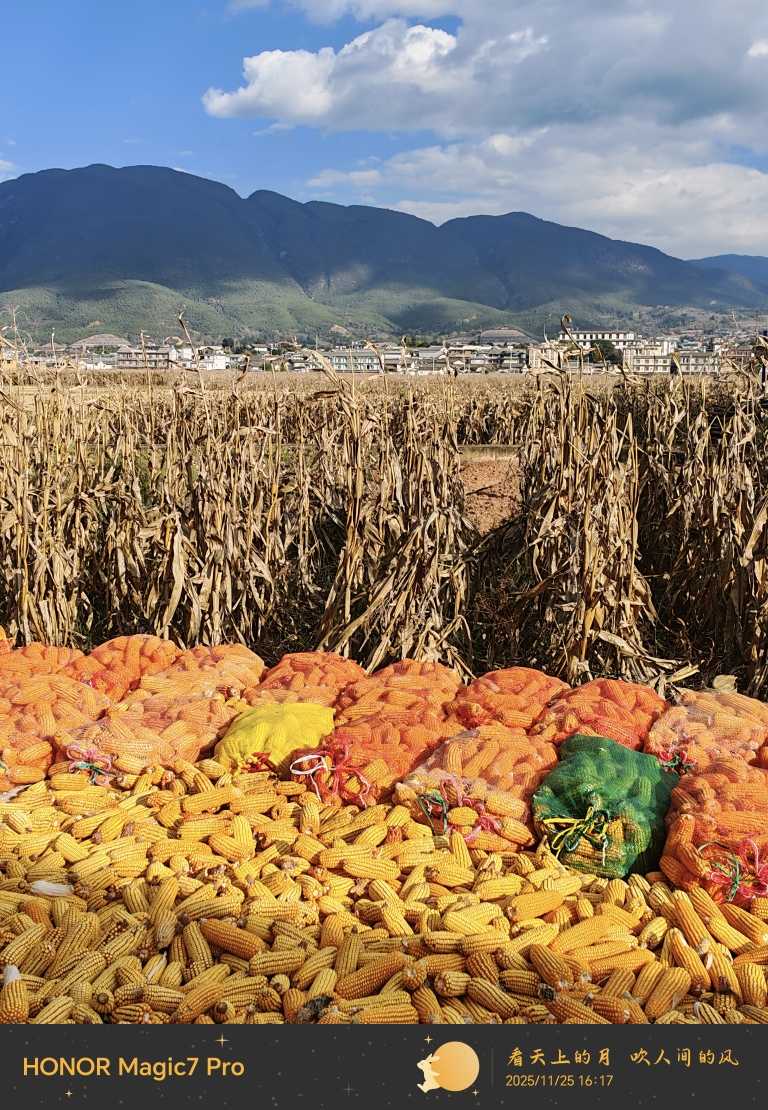
After seeing off the two Sisters, Sister Zhang Amei helped me negotiate parking fees with the lot manager: 150 yuan for 20 days—a reassuring price. Passing by Amei's home on the way back to the cottage, I saw harvested corn drying by her door, a golden scene that was truly beautiful. I sent photos to the group chat and received plenty of praise. But the most-liked photo couldn't bear close scrutiny—under the tree was a pile of recyclables Amei had collected, dirty and messy. Sister Lu and I had our complaints about that.
After settling into our rooms and feeding the three cats, it was already evening. Exhausted from the day's travel, we went to the town's courier shop to pick up Weiyang's cat food and grabbed dinner at a halal restaurant: a plate of minced beef with green peppers, stir-fried arrowhead with pickled vegetables, and a bowl of greens soup. Leftover rice and vegetables were packed to take home. It was my first taste of Shaxi prices—sure enough, a tourist hotspot, even a small restaurant on the edge felt a bit pricey.
Today's expenses: tolls 257 yuan, parking 150 yuan, dinner 91 yuan, total 498 yuan.
Day Two: Reading, Chasing Light, Beginning Pastoral Life
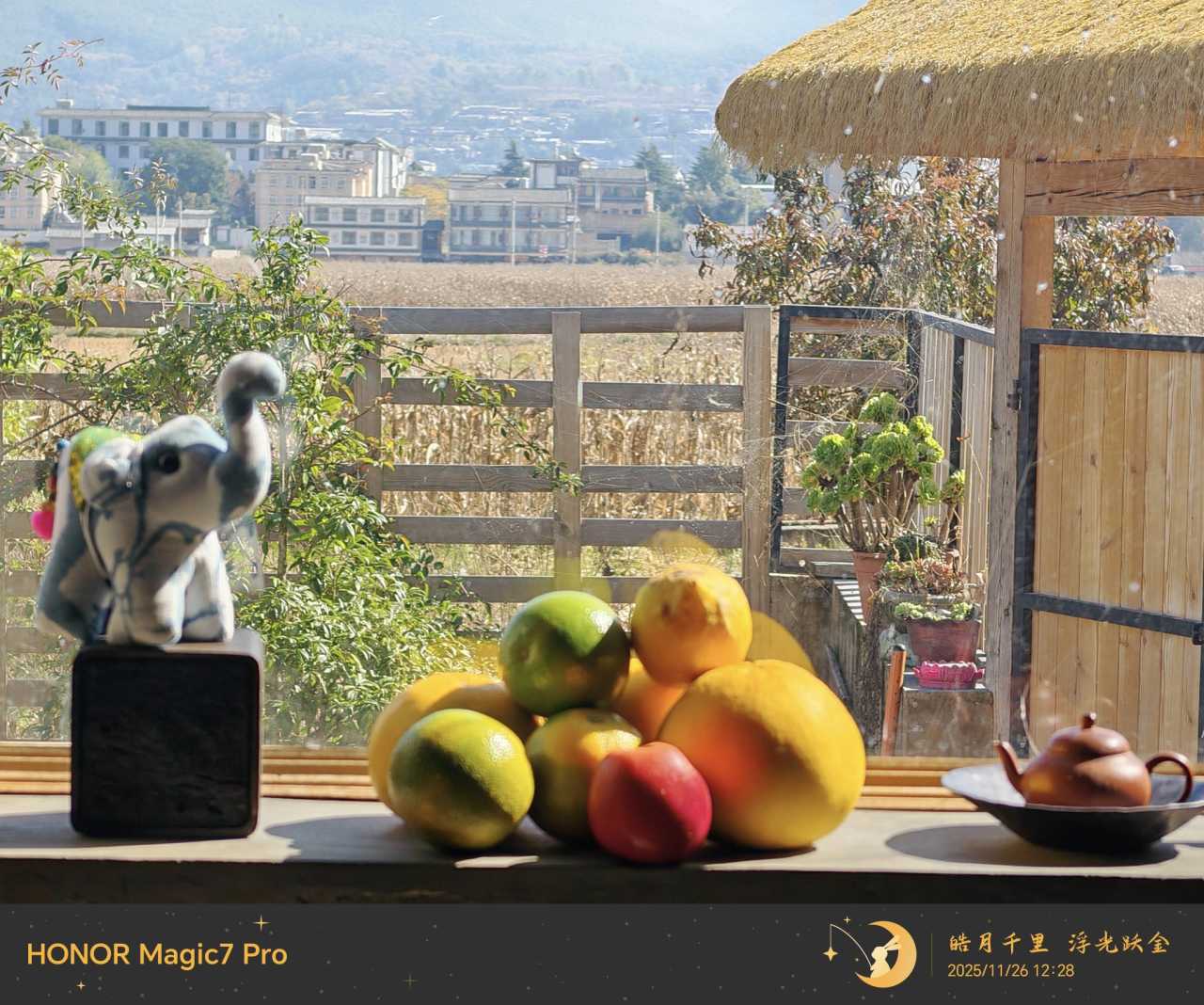
A simple breakfast of leftover flatbread from yesterday's journey, then cleaning the kitchen and familiarizing ourselves with daily utensils. I adjusted the kitchen windowsill slightly, and it became a beautiful tableau. From today, I began living the pastoral life I'd always dreamed of—I felt deeply grateful for heaven's gift. To encounter such beauty in the evening of life—I treasured it.
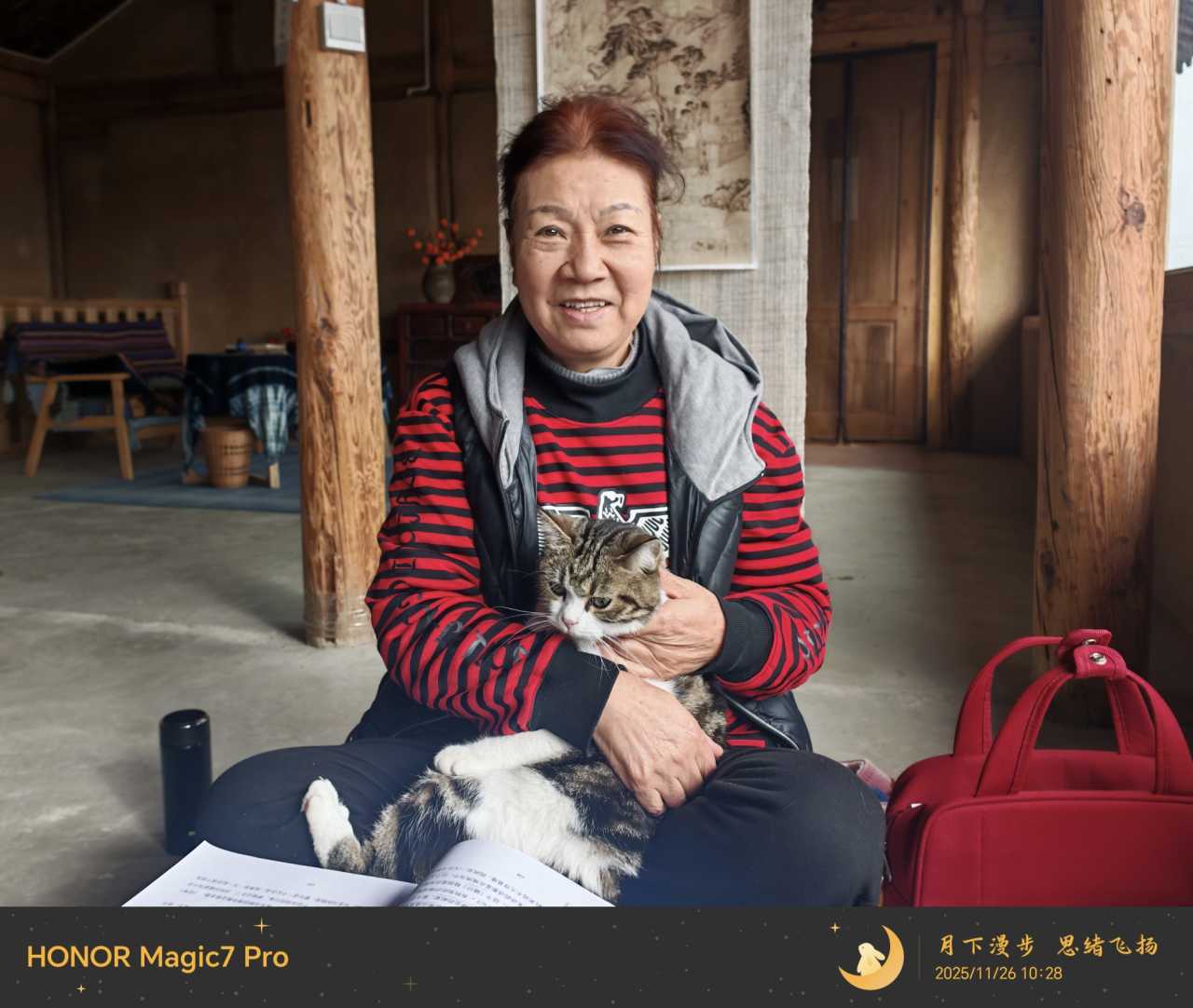
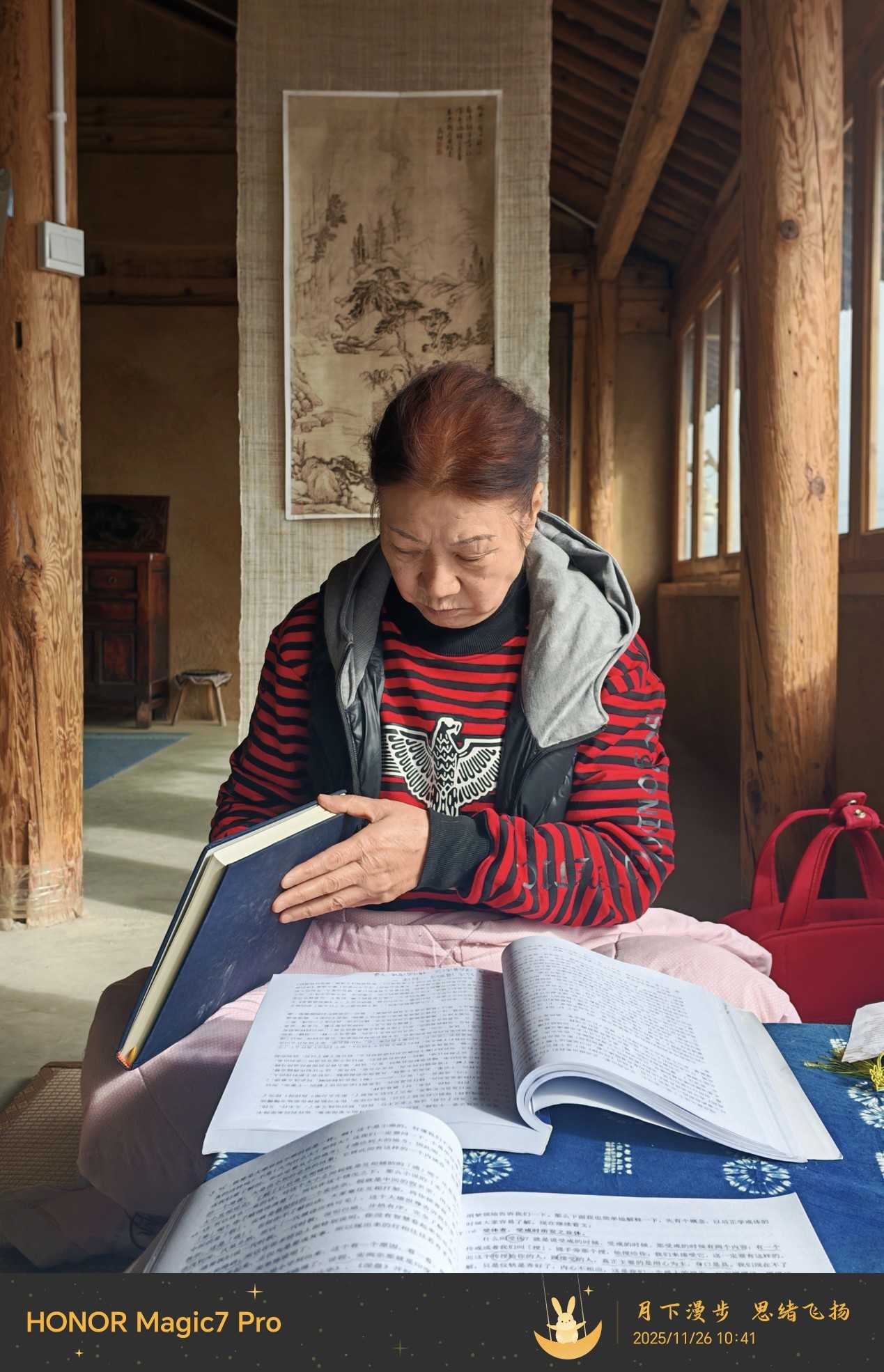
At 10 a.m., we went upstairs to the second floor for reading and study. The winter sun filled the room with warmth and comfort. We brought Changle upstairs, where the spacious room let him play freely and enjoy the sunlight. He wasn't familiar with me yet, his eyes full of wariness.
After class, I was in charge of cooking while Sister Lu went to water the vegetables and flowers. Yesterday's leftover rice became egg-fried rice, and the leftover dishes were lightly reheated into a fine meal.
After lunch, we gave the candies and pomegranates we'd brought from Kunming to Sister Zhang Amei's grandchildren—building neighborly relations was our first task after moving in. Amei's home was large and beautifully built, but messy. She was busy alone shelling corn seeds. When asked where her husband was, she said, "Playing mahjong." Sister Lu felt indignant for her: "With so much work, how can he leave you to do it all alone?" Amei explained that her husband was responsible for picking up the grandchildren from school and driving for other errands.
After chatting awhile, I realized just how hard Amei worked every day: housework, farm work, making milk cakes, and selling them at the market on market days... Busy from morning till night, she truly had no time or energy for household cleanliness. Putting myself in her shoes, everyone's life circumstances are different—judging others by one's own standards would be unfair.
Back at the cottage, Sister Lu and I cleaned and tidied the yard. The sun was bright, a gentle breeze blowing, and Sister Lu sat holding her beloved cat, enjoying the warmth and leisure.
First Stroll Through the Ancient Town
After a nap, we went for a walk in the ancient town. Passing the parking lot, it had become a natural drying ground—golden corn and dark brown yacon roots spread out, basking in the sun's rays to become long-lasting preserved food. A scene of rural harvest joy that warmed the heart.
Walking from Changle Village along the country road, we reached the street where the town government offices are located. I really liked the layout of the Shaxi Town government entrance—all necessary signage in place, yet retaining an old-world charm.
Passing a restaurant with an exterior designed to look "earthy" to the point of being rustic, but with an interior arrangement that felt utterly upscale—clearly a place for those who appreciate refined aesthetics. Flipping through the menu, it was clear this wasn't the kind of luxury spending our generation, frugal all our lives, would enjoy. We knew when to retreat.
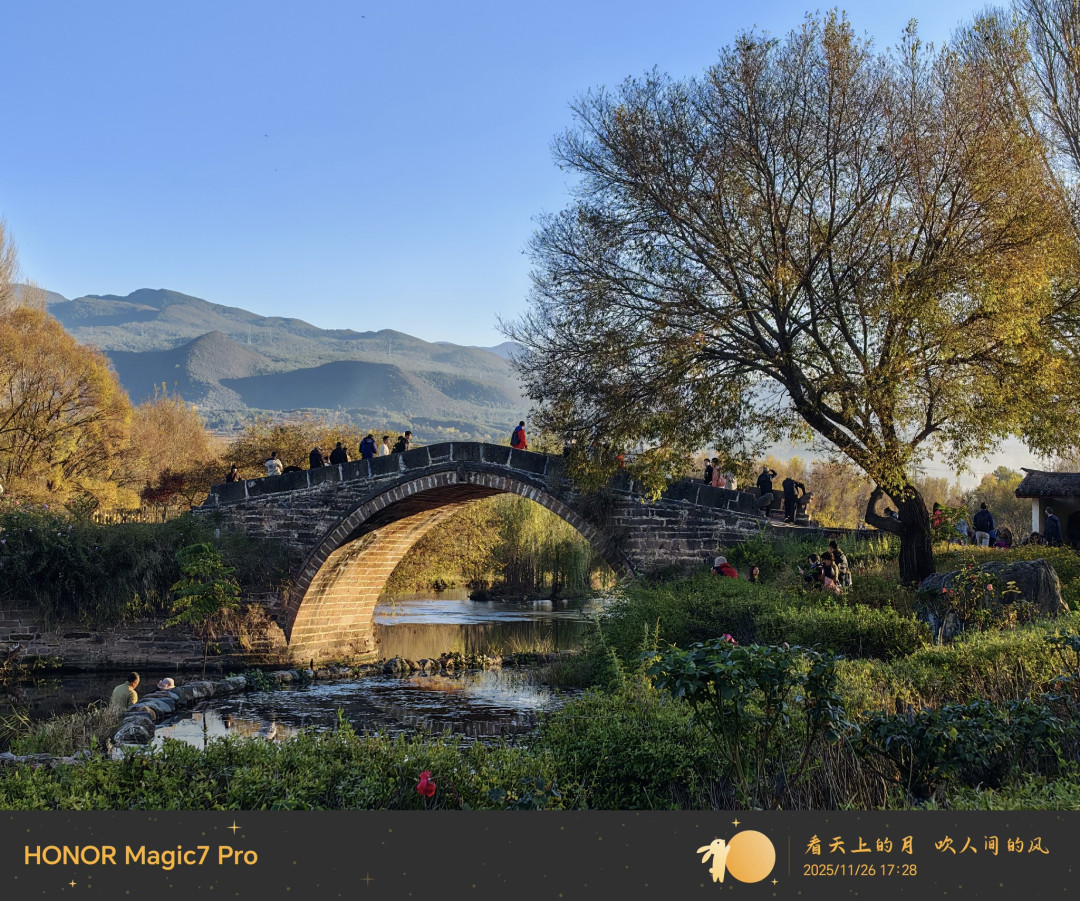
The evening light in Shaxi was enchanting. Chasing the light, we arrived at Yujin Bridge. I'd been here in autumn, in spring, and now again—the scenery at Yujin Bridge was still so beautiful, intoxicating, making one linger and forget to leave.
The restaurant "First Encounter with Shaxi" on Sideng Street had left Sister Lu and me with fond memories. Revisiting it, we decided to have dinner there. Whether we've truly aged and fallen behind the times, or prices have risen too fast, I don't know—but looking at the menu, our impression of it being reasonably priced was completely shattered. Every dish was so expensive. Since we'd already started ordering, we reluctantly picked the cheapest, most homely options: plain stir-fried lotus root and shredded pork with mushrooms, costing 70 yuan. We also endured the waiter's indifferent service.
Today's expenses: dinner 70 yuan.
Day Three: Hot Springs at Niujie in Eryuan
A clear day. The little cottage in Changle looked like a painting in the early morning.
Breakfast was egg noodles, colorful and fragrant. In the sun-drenched yard, I caught sight of Weiyang standing quietly in the sunlight, watching us, still unfamiliar. Everything in the light and shadow seemed beautiful and graceful.
Feeding and playing with Changle was an important daily duty, and his liveliness truly made him endearing. Sister Lu's Mietai, in this new environment, looked tense and unhappy. Both Changle and Mietai were proud pedigree cats, each guarding their territory, ignoring each other—our hope that they'd become playmates seemed unlikely to materialize.
The Niujie Hot Spring Trip
After a thorough cleaning of the second-floor activity space, we felt refreshed seeing the tidy environment, though we were covered in dust. Hearing that the hot springs at Niujie, 30 kilometers from Shaxi, had excellent water quality, we drove there immediately.
Halfway there, we saw mountains covered with reeds and horsetail grass, their fuzzy heads glittering in the sunlight. We stopped to pick a large bunch to bring home for decoration. Though it was deep winter, we unexpectedly encountered a field of lush green wheat—blue skies, white clouds, sparkling sunshine, emerald seedlings—a stunning landscape.

Arriving at Niujie, it happened to be market day. We bought plenty of vegetables, then checked out several hot spring resorts, finally choosing Xianquanwan Hot Spring. The price was friendly: 40 yuan per person, with swimming included.
The spring water quality was excellent. It looked clear on the surface, but once you soaked in it, your skin felt smooth and comfortable. The staff said it was sulfur spring water, good for health with regular soaking. The swimming pool water was also quite warm, around 40°C. Inexperienced, I swam after soaking in the hot spring, and soon felt weak and my heart raced—I hurriedly got out.
On the way back, we rested at a scenic overlook. The reservoir below had a beautiful name—"Haixihai," one of the sources of Erhai Lake. The second and third floors of the overlook were a café, decorated with European flair by the young owner. Many young people liked to come here for coffee, fresh air, and photos. The owner also took the opportunity to sell local specialties to non-drinking visitors like us—I bought some dried apples under her enthusiastic persuasion.
Today's expenses: taro 6.7 yuan, walnuts 12 yuan, milk fan and milk cake 26 yuan, chili peppers 6 yuan, persimmons and carrots 6 yuan, sticky corn 10 yuan, chili powder and peanuts 8 yuan, sweet potatoes and yams 14 yuan, fennel 5 yuan, lettuce 2 yuan, cabbage 8.5 yuan, rice cake 8 yuan, plastic sheeting 10.36 yuan, gas 323.63 yuan, hot springs 80 yuan, total 526.19 yuan.
Day Four: Shaxi Market Day
With the fresh vegetables from Niujie, breakfast suddenly became abundant: corn, sweet potatoes, yams, taro, walnuts, plus half an egg and an apple each—diverse and balanced, a truly nutritious breakfast. Sister Lu sighed, "At home, I'd never have the energy to prepare so many varieties for breakfast. Our life here is wonderful."
After breakfast, we rested a while, then were drawn to Sister Ya's succulents. Placed on the ground paved with blue bricks and tiles, they made for particularly beautiful photos.
Today was Friday, Shaxi Town's market day. The unique sight at Shaxi market was the young outsiders who'd settled or started businesses here—pulling small carts, fashionably dressed but carrying bamboo baskets for their grocery shopping.
The local Shaxi dessert, "sachima" (a kind of honey pastry), was the best I'd ever tasted, made with honey. One woman made it especially well, and many locals bought from her. We bought two large pieces for under 30 yuan—one for the neighbor's grandchildren, one for ourselves.
The market also had vegetables and spices I'd never seen before, along with beautiful bamboo-woven utensils.
We hadn't seen the free-spirited Weiyang return home since morning. Worried, we wondered where he'd gone to enjoy himself. When we pushed open the yard gate, we found him lying lazily in the vegetable patch, basking in the sun. Seeing how relaxed and comfortable he was, I genuinely envied his lifestyle—the vast fields were his playground; when he'd had enough fun and got hungry, he came home to good food waiting; when tired and sleepy, his fixed nest was waiting. No one constrained his behavior, yet someone cared about his meals. In comparison, the pampered Changle, though beloved by his owner, had lost his freedom—far less carefree than Weiyang.
Tonight's dinner was good: purple potatoes, hard to find even in Kunming, and tofu made the traditional way, carrying the faint burnt fragrance of large-pot cooking, refreshing and delicious.
Today's expenses: sweet cake 26.3 yuan, cauliflower and lotus root 5 yuan, tofu 3 yuan, eggs 24 yuan, baked cake 5 yuan, total 63.3 yuan.
Day Five: Exploring Changle Village
Another clear day. Breakfast was simple yet wholesome: old-style flatbread, rice cake, sweet potatoes, walnuts, and apples.
First Tour of Changle Village
We'd been staying in Changle Village for a few days but hadn't really explored it yet. After breakfast, Sister Lu and I decided to wander through the village. Before leaving, we said goodbye to Mietai—he was curled up in his chosen temporary nest, bathing in warm sunlight, his body lazy, his expression cold, giving us a disdainful look.
At the parking lot entrance, a persimmon tree in the yard of the house on the right was laden with red fruits. The yard was simply and neatly arranged. Asking the owner, we learned it was both a residence and a guesthouse called "Manye Bieyuan" (Wilderness Retreat). Sister Lu eagerly toured the rooms under the owner's guidance and said the facilities were good. When asking about prices, the owner said since it was off-season, it was 180 yuan per night, or as low as 150 yuan without air conditioning, including breakfast.
Next door stood the Changle Kuige Pavilion, built during the Republican era, a protected ancient building of Dali Prefecture, now rented to a company as a tea house. Continuing into the village, we saw many new houses being built—Shaxi's growing fame had boosted the guesthouse industry in surrounding villages.
The narrow village roads were best suited for three-wheeled vehicles, which were very common and versatile. One house was covered in blooming firecracker flowers, full of life. Another had fiery red chilies and golden corn hanging. The weight and elegance of old gateways revealed these families' former wealth.
This guesthouse was called "Chiliu Shanfang" (Mountain Room of Lingering). The owner had acquired many old houses, apparently planning a major project. Every fruit and tree in the village delighted us. Persimmon trees were heavy with golden fruit, while walnut trees stood bare. One household's flowers were particularly beautiful; the owner was delighted we admired his plants, his face beaming as we praised them.
Experiencing the Joy Changle Brings
When the sun first rose, the second-floor activity room was at its sunniest. We brought Changle there, watching him play happily in the sunlight while I captured his joyful cat moments.
Finally, a look at our healthy dinner: vegetable hot pot, fried milk fan, and eggplant in fermented sauce.
Today's expenses: cat food for Weiyang 13.93 yuan.
Day Six: Continuing to Roam Changle Village
Morning in Changle Village
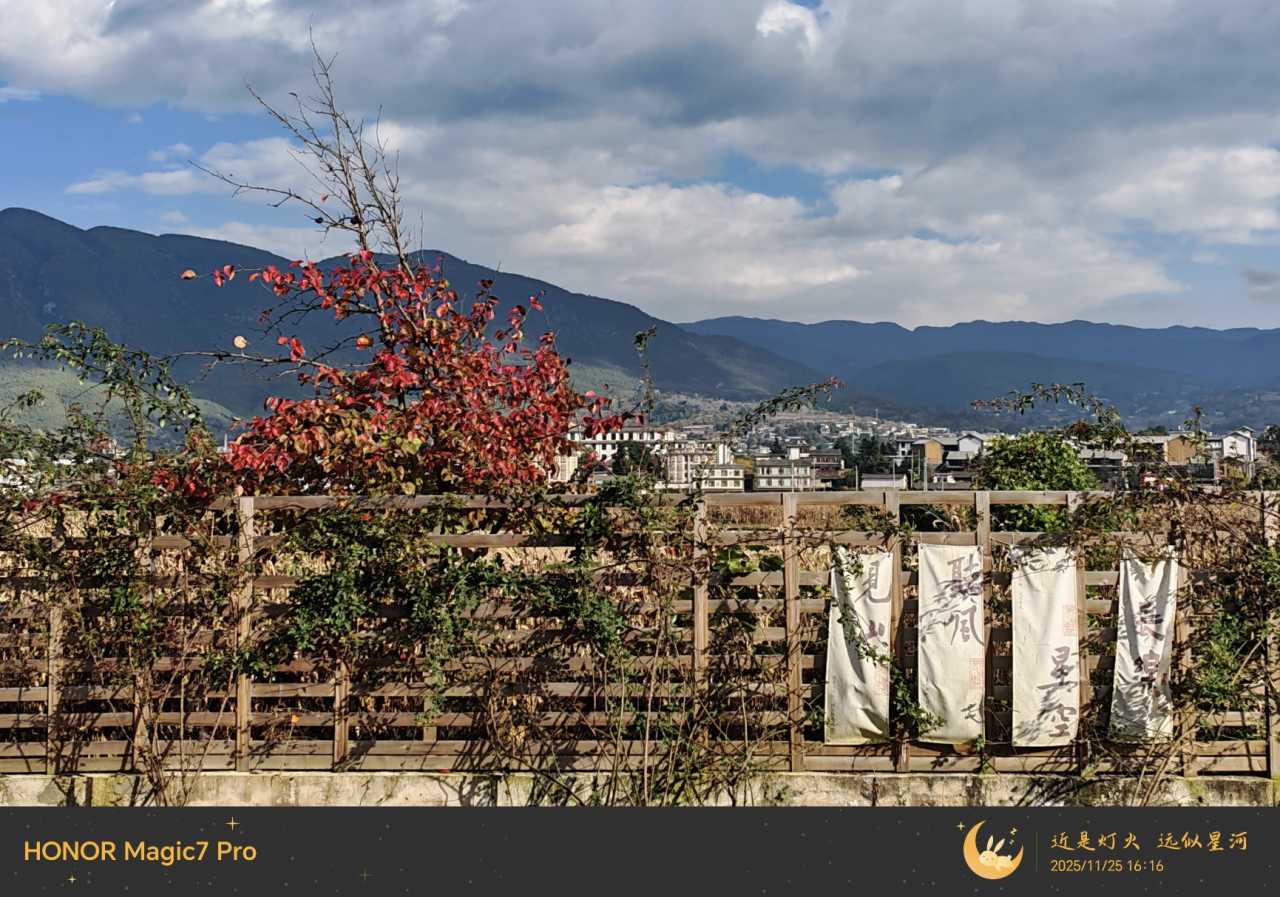
Drawing back the curtains at dawn, I saw distant mountains wreathed in clouds and mist. I hurried to the field ridge outside the yard fence to take photos. The silent fields were covered in frost; the air was cold and crisp. A bright band of light stretched across the eastern horizon between the mountains and clouds, catching the eye.
The ancient town of Shaxi across the way hadn't yet awakened. Thick mist rose from somewhere, merging into the clouds. The radiance of the soon-to-rise sun painted the clouds with a rosy glow—a magnificent scene. Soon, the sun leaped over the mountain peaks, and the earth was bathed in splendor. The withered corn stalks remaining in the fields were transformed, all donning golden garments, enveloping the Changle cottage in a halo of gold. I was filled with joy and wonder.
Returning from admiring the view, I saw the neighbor busy milking a cow with a milking machine. I chatted with him for a while. He told me the cow could be milked twice a day, producing 10 to 20 kilograms of milk. Seeing how robust the cow was, I asked, "Does the cow go out to graze every day?" I was told it never left this cattle shed. Looking at this low, dark, drafty shed, thinking of the cow spending its entire life here, eating rough fodder and grass, yet giving milk to its owner every day, I felt a pang of compassion. Seeing the milk bucket placed among杂物 (odds and ends) also made me uncomfortable. I went home and told Sister Lu to come see. She said the neighbor didn't even clean the milking machine after use—the hygiene was worrisome. We sighed: though the milk was fresh, we dared not drink his milk or buy his milk cakes. What a shame.
Back at the cottage, the sun was shining directly into my room, bright and warm. Being caressed by sunlight every morning was so healing. Looking at the small calligraphy strip Sister Ya had pasted on the wall—"Good people meet, peace and joy"—how true! I wished every being in this world could be blessed by heaven, free from worry and fear, living peacefully.
Outside on the veranda, Weiyang sat in his cozy nest, watching "Ye Hua" (Wildflower) eat breakfast with concern, afraid his friend might go without. Ye Hua was the name I'd given a stray cat; she was Weiyang's playmate but had no home or care. Weiyang was a loyal and chivalrous cat, always sharing his food with Ye Hua. Whenever he spotted her face at the yard fence, he'd run to us, meowing pitifully, and once he got food, immediately summon Ye Hua to feast.
Sister Ya's Taste for Life
I captured Sister Ya's elegant taste in the best light, with Changle becoming my perfect model.
Second Tour of Changle Village
After a breakfast of mixed grains, Sister Lu and I went wandering in the village again. Everything looked beautiful in the sunlight.
We met a woman who had just harvested yacon roots from her field. I struck up a conversation: "Your vegetable garden is lovely. Could we take a look?" She gladly agreed. This was the season for harvesting yacon. The freshly dug roots were plump and white; after washing, boiling, and drying, they become crispy when fried—a favorite snack with wine for the Bai people. She had small chestnuts for sale. Sister Lu tried one—delicious! We bought two jin (about 1 kg) to take home.
Walking and exploring, we found Changle Village's environmental hygiene was really good—except for our neighbor, there was rarely any mess, with every household kept tidy and beautiful.
At one guesthouse, we met Xiao Ma, a young woman from Jilin in the northeast, who had been staying there for a month. Chatting, we learned she was friends with Sister Ya and had even stayed at her cottage for several months. When asked why such a young person wasn't working, she laughed, "I'm between jobs, studying tai chi with a teacher in Shaxi to exercise. Only when my body is healthy can I work hard!"
The Changle Village Committee building looked quite impressive. Finally, we reached the other end of the village, where a standalone villa stood in the middle of the fields. Getting closer, we found it was also a residence with guesthouse, built in the traditional "three rooms with one screen wall" style, but with fully modern interior facilities. The courtyard was filled with flowers and succulents, clean, comfortable, and tasteful. We praised the hostess for being hardworking, virtuous, and having good taste. The woman beamed with joy, and as we were leaving, she chased after us with a large pumpkin—we couldn't refuse, so we accepted it with gratitude.
In the afternoon, we brought Mietai, still not fully adapted to the new environment, to the second floor. Sunlight streamed through the western window, making the room bright and warm. Mietai hid from us, playing quietly by himself. Seeing his cautious, alert expression was both amusing and heart-wrenching.
Tonight's dinner was simple, but the sweetness of fresh, seasonal vegetables couldn't be matched by greenhouse produce in the city.
Today's expenses: milk cake 12 yuan.
Day Seven: Visiting Shibaoshan Mountain
Yesterday, Sister Lu and I decided to visit Shibaoshan today. Waking to cloudy skies seemed to remind us: it's cold on the mountain—dress warmly! To build energy for hiking, we each ate a large bowl of egg noodles for breakfast, packed up, and drove off.
From Shaxi to Shibaoshan was only a half-hour drive. Soon we reached the mountain gate. By then, the clouds had dispersed, and it was another clear, fine day.
Shizhong Temple
On this revisit, Shizhong Temple had been fully restored. The path now entered through a memorial archway, going upward. There was a fork: one path straight to Shizhong Temple, another first to Shiziguan (Lion Pass) and then to Shizhong Temple. Though Sister Lu was in her seventies, she was still physically strong and enthusiastic, determined not to miss any grotto, so we headed up to Shiziguan first.
We reached Grotto No. 9, housing a Persian figure. In front of the grotto was a flat stone surface carved with a recumbent suanni (a mythical creature)—1.5 meters long, 0.7 meters wide. The suanni, born of a dragon and a lion, was said to love the smell of incense and thus lay at Buddhist temple gates, willing to be a guardian.
Continuing a short distance, we arrived at Grotto No. 10. The view here was extremely open and magnificent. Across the way, Shizhong Temple was hidden in the forest, quiet and serene. Grotto No. 10 was a cliff-face carving of an Indian monk, 166 cm tall, standing solemnly, wearing a layered lotus-shaped crown, with a halo behind his head, a white curl between his brows, a kind expression, draped in a kasaya robe, holding a pure vase in his left hand, his right hand raised in the Brahma mudra, wearing short boots with upturned toes. By his left foot was a dog with a bowed head looking back, a bell hanging from its neck.
Descending from Grotto No. 10, we searched for Grotto No. 11. I had no luck with Grotto No. 11. The first time at Shiziguan, my legs gave out, so I sent my husband to look; he gave it a cursory search and said there was nothing—a regretful return. The second time, pressed for time and not wanting to hold back companions, I missed it again. Grotto No. 11 contains a family portrait of Xinuluo, the founder of the Nanzhao Kingdom. I'd always wanted to see it in person, so this time I was determined to succeed.
Behind Grotto No. 10, there was a steep stone staircase with no sign, but I figured if the path was this well-built, it must lead to an important site—likely Grotto No. 11. Sister Lu, being nimble, volunteered to scout ahead. I struggled to a crescent-shaped platform, and Sister Lu called out from ahead for me not to climb further—she said she'd reached the highest point and seen nothing, and the path was narrow and steep, unfriendly to my aging legs. I had to rest briefly and then turn back. I was puzzled—how could we not find the way to Grotto No. 11?
Still confused, as we climbed below Shizhong Temple, we could clearly see the building above Shiziguan. How did the path lead there? Just then, two young people began climbing the stairs we'd just descended. We watched from where we stood. The young people were quick, soon reaching the platform where we'd rested, then continuing upward, soon appearing before the building leading to Grotto No. 11. Sister Lu stamped her foot: "I had already climbed the hardest part! Just a bit further and I would have seen the building—so close!" I was speechless. It was my legs that had failed me. I was several years younger than Sister Lu; I should have been the one to find the way. And so, I missed Grotto No. 11 once again. Perhaps I'll never see it in person. Fortunately, there was a photo of Grotto No. 11 at Shizhong Temple, slightly compensating for the loss.
The path from Shiziguan to Shizhong Temple was covered in moss, suggesting few visitors took this route—I had been too stubborn.
Entering the gate of Shizhong Temple, the layout was indeed different from temples in the interior. The large stone bell at Shizhong Temple: Grotto No. 1 was carved into the side of the bell. Grotto No. 2 had the most figures and the richest detail. The Ksitigarbha Bodhisattva statue standing on a lotus—such iconography was rare in the interior. There was also a well-preserved, exquisitely carved statue of Samantabhadra Bodhisattva riding an elephant. A tech company was scanning digital information with equipment.
Baoxiang Temple
The monkeys at Baoxiang Temple were both endearing and frightening. Descending the mountain, suddenly over twenty monkeys rushed past us, screaming, making us jump aside. Then we saw a large monkey grabbing a bag of potato chips, with a ring of monkeys around it, and more drawn by the smell coming to snatch food. A young man stood nearby, staring blankly at his hand, seemingly in shock. I asked, "Did you feed the monkeys?" He said no—he had been carrying a plastic bag of fried potato chips up the mountain when a monkey suddenly grabbed it; he hadn't even reacted. The young man lacked experience—at Baoxiang Temple, you must seal your bag tightly, never hold food in your hands, and it's best to carry a stick for protection, or you risk being attacked by monkeys.
Haiyunjue Temple
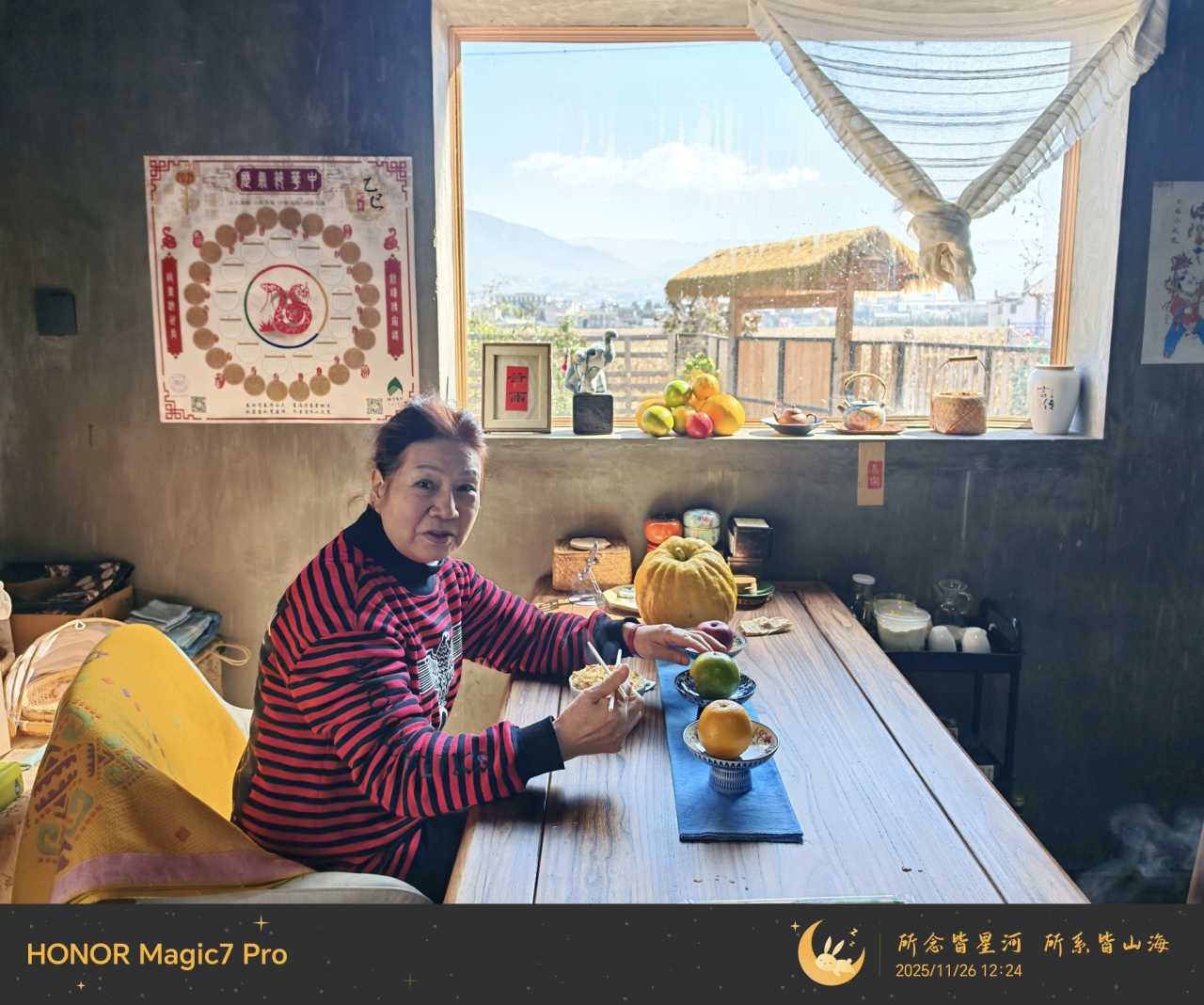
We only reached Haiyunjue Temple at dusk. The fading light made the ancient temple seem even more secluded and serene. The temple gate was already closed. We took a brief look around to mark our visit—we hadn't missed a single spot.
Today's expenses: Sister Lu's ticket free (senior discount), my half-price ticket 22 yuan, shuttle bus 40 yuan each, dinner at the ancient town (clay pot) 105 yuan, ancient town parking 3 yuan.
Day Eight: Walking and Resting
After a full day climbing Shibaoshan yesterday, we were a bit tired. This morning, we lingered a little longer in the sunny cottage, played with Mietai, and took a photo of the beautiful succulents with an old tree root. We combined breakfast and lunch into one meal, then went for a stroll in the ancient town.
The persimmon tree on Sideng Street was striking—I'd forgotten it was deep winter, yet the leaves still clung densely to the branches, unwilling to leave, working hard to create autumn colors for Shaxi in winter, not disappointing the crowds of tourists expecting Shaxi's beauty.
Last time I visited Shaxi, the Ouyang Courtyard was under restoration. Now it was fully repaired and open to the public. The outer courtyard had a row of wooden sheep, very cute. Looking closely, I saw they were made from decayed wood from old houses, connected with steel rings into sheep-shaped chairs—so creative. The old child in me sat on one with great joy. May good fortune shine on Sister Lu—may she have abundant blessings, peace, and happiness.
Every time I walked on Sideng Street, I couldn't help admiring the clear stream, and I was always curious: where did this lively, sparkling water come from? Today, I traced it upstream and found its source in the street—a small pond. And where did this water come from? A woman sorting vegetables at a nearby restaurant told me it was piped from Bailongtan (White Dragon Pool). This piqued my interest. I said to Sister Lu, "Tomorrow, let's go explore Bailongtan!"
We went home for a wonderful afternoon nap. Waking refreshed, I had the energy to prepare a delicious vegetarian meal, putting a satisfying end to today's leisurely life.
Today's expenses: toilet paper 4 yuan.
Day Nine: Tracing the Source at Bailongtan
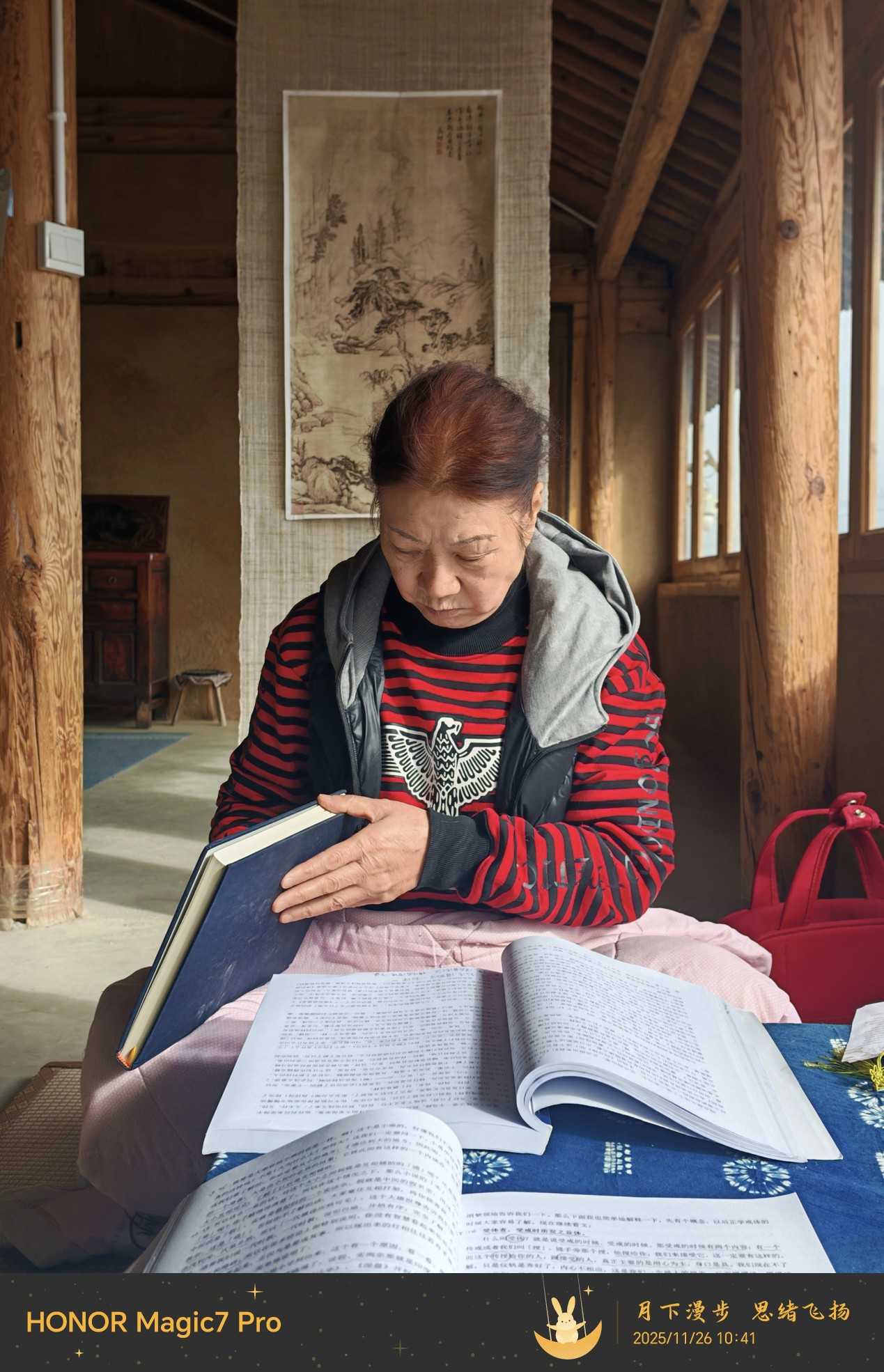
Morning at home for reading... (to be continued)
Reflections on My Stay in Shaxi
My twenty days in Shaxi taught me deeply:
Slowing down lets you truly see life. During my days in Changle Village, there was no city noise, no work pressure—only sunlight, breeze, cats, and books. Watching the sunrise and sunset, hearing the wind and birds, feeling the seasons change—this simple, pure life actually filled my heart.
Putting yourself in others' shoes helps you understand them. From initially criticizing neighbor Zhang Amei's messy home to later understanding her daily hardships—life has no standard answers. Everyone has their own difficulties and choices.
Cherish the present; be grateful for encounters. Whether it's the cottage Sister Ya left behind, the companionship of Changle and Weiyang, or the leisurely time spent with Sister Lu—these are all rare gifts in life.
You should also read:
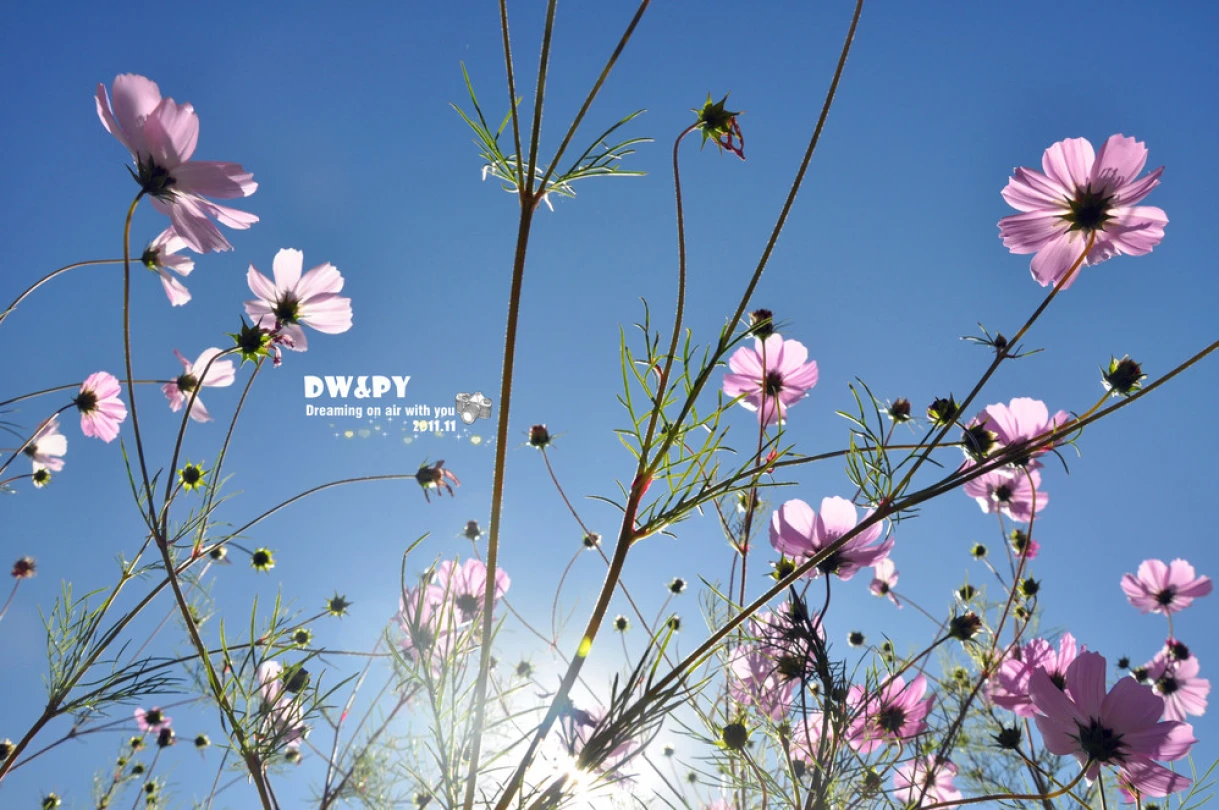
Heart Soaring Among the Clouds: A 20-Day Yunnan Dream Journey
Heart Soaring Among the Clouds: A 20-Day Yunnan Dream Journey From Lijiang's morning light to Meili's snow-capped peaks, from Yubeng's hidden realm to Lugu Lake's tranquility—this was not just a simple trip, but a soul's exile and homecoming. "Never forget why you started, and you…
Continue reading...
Slow Sounds, Gentle Steps: My Wandering Journey Through Lijiang
Slow Sounds, Gentle Steps: My Wandering Journey Through Lijiang Prologue: A Spontaneous "Red-Eye" Escape Some journeys begin just like Lijiang itself—with a touch of spontaneity and a hint of laziness. Late one Sunday night, I was scrolling through my phone while lying in bed when…
Continue reading...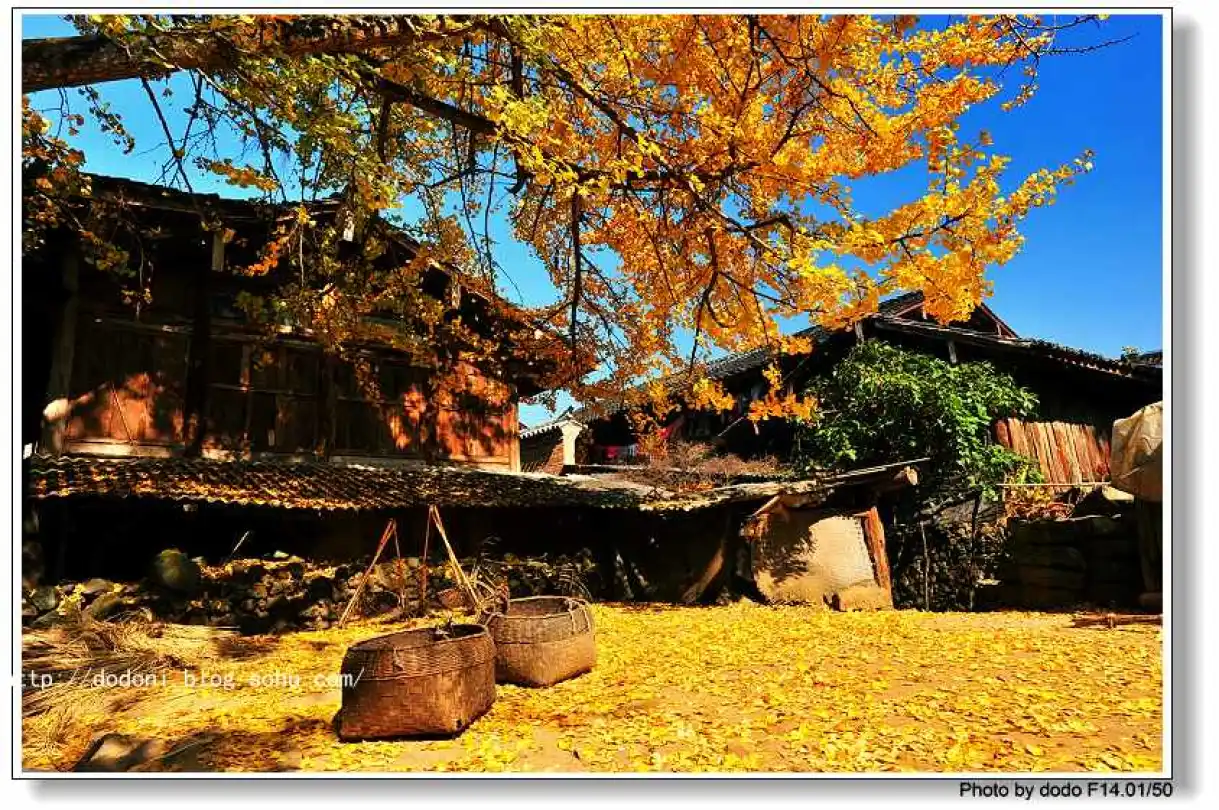
Golden Autumn: A Poetic Tapestry of Light and Shadow in Tengchong's Ginkgo Village
Golden Autumn: A Poetic Tapestry of Light and Shadow in Tengchong's Ginkgo Village A Belated Autumn Rendezvous Everyone harbors a dream about autumn somewhere in their heart. For me, that dream once belonged to Jiuzhaigou—that palette of colors hailed by the world as a "fairy-tale…
Continue reading...