Slow Time in Lijiang: Rediscovering Life as It Should Be, Between Shuhe and the Snow Mountains
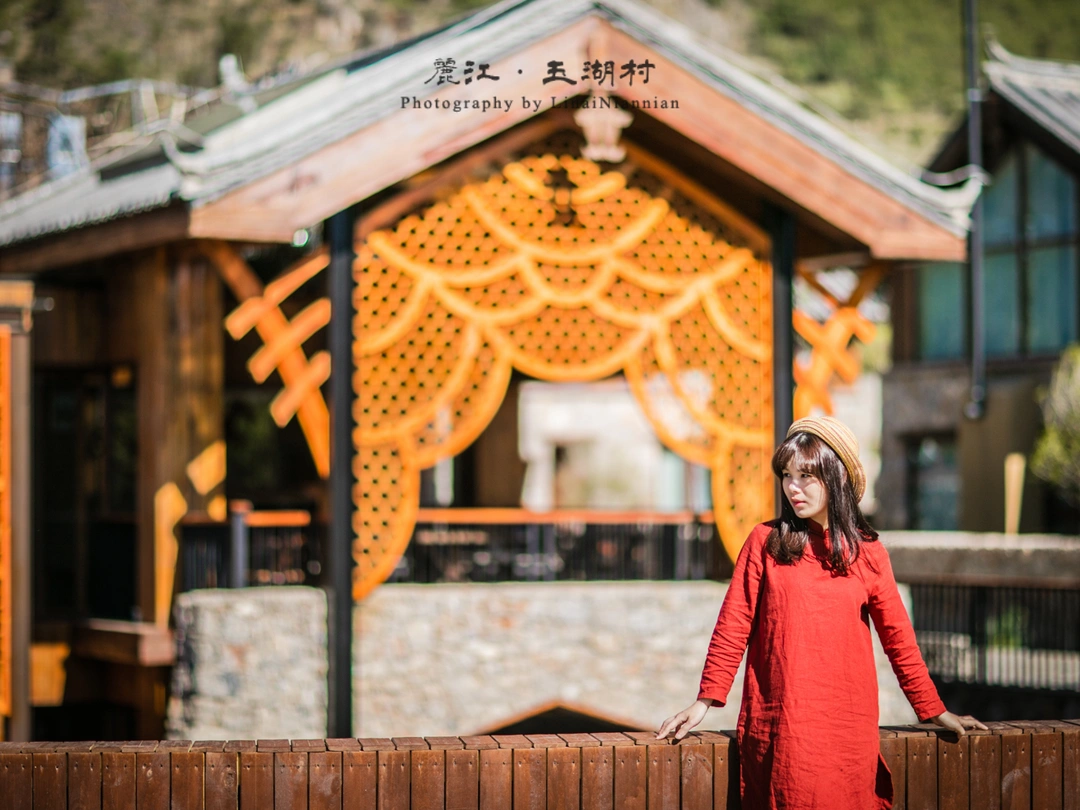
Slow Time in Lijiang: Rediscovering Life as It Should Be, Between Shuhe and the Snow Mountains
Preface: A Belated "Appointment with Happiness"
On April 24, 2016, I wrote a few lines in my notebook—a promise I made to myself for a trip. A poem by Haizi leaped off the page, becoming the perfect epigraph:

"From tomorrow on, I will be a happy person. Feed horses, chop wood, travel the world."
Four days later, Mr. Mao and I boarded a flight to Lijiang. No detailed itinerary, no checklist of must-see spots. We just wanted to spend a few days being properly lazy in this ancient town that countless people have written about, sung about, and dreamed of.
As it turned out, Lijiang's most enchanting moments come precisely when you do nothing at all.
About Us | A Pair of "Unprofessional" Travel Chroniclers
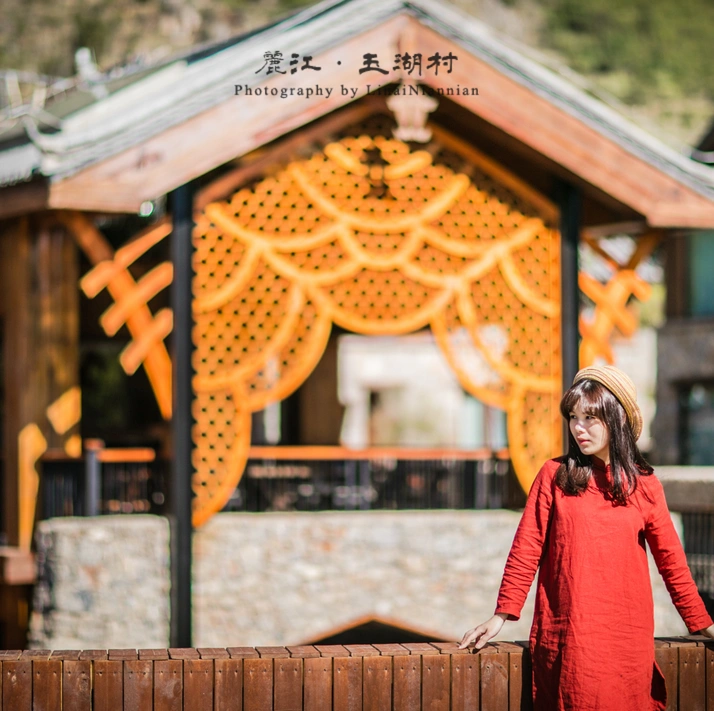
I'm Lily, and beside me is Mr. Mao—my personal photographer, luggage porter, and ever-ready human tripod. We run a travel account called [Mao&Lily], documenting the funny and heartwarming moments we share on the road.
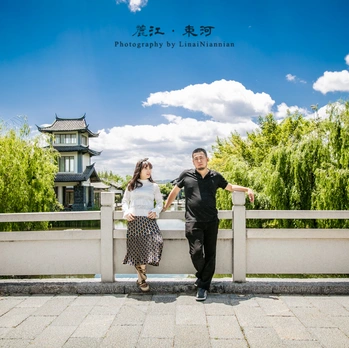
Some say the best kind of travel is bringing your loved one to a place where time slows down. This time, we chose Lijiang.
Trip Overview | Four Days, Three Stops, One Rhythm
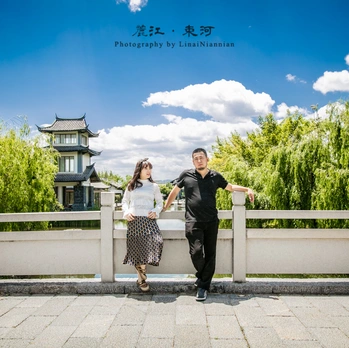
- Day 1: Shanghai → Lijiang, staying at Bivou Hotel in Shuhe
- Day 2: Shuhe Ancient Town (Tea Horse Road Museum, Qinglong Bridge), staying at Pullman Resort
- Day 3: Dayan Ancient Town (Mu Palace, Lion Hill Viewing Platform), staying at Pullman
- Day 4: Ganhaizi → Jade Dragon Snow Mountain → Blue Moon Valley → Impression Lijiang Show → Yuhu Village, staying at Shijia Yulu
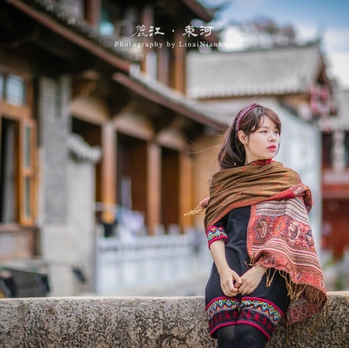
Four days—not long, but enough for an ancient town to take root in your heart.
Pre-Departure Tips | Direct Flight or Connecting?
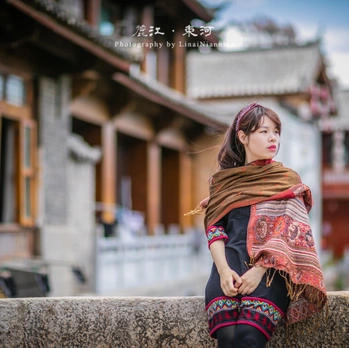
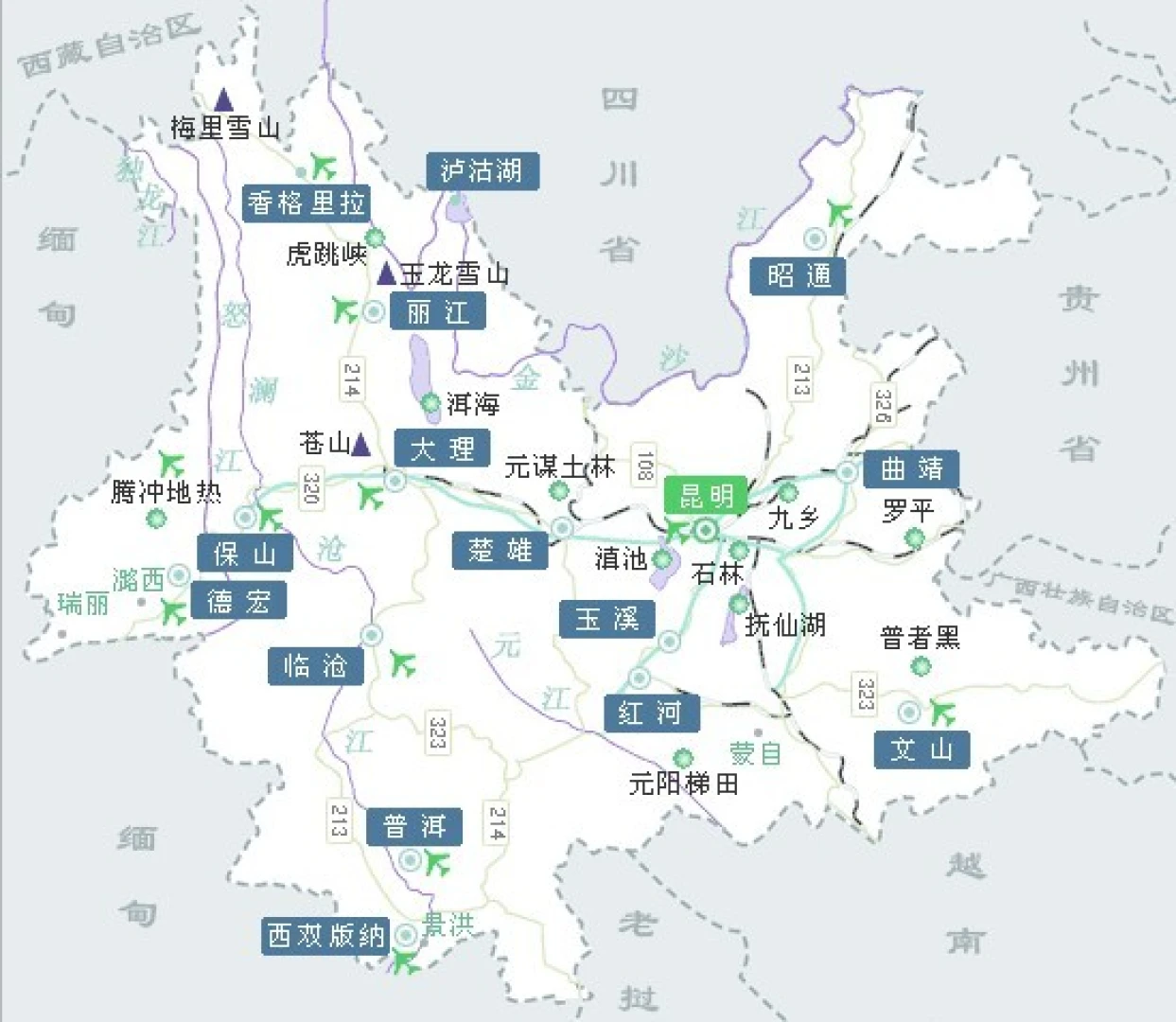
Many people fly to Kunming first, then take the train to Lijiang. But Kunming to Lijiang is 540 kilometers, and the train takes over six hours. If you're short on time and have no plans to stop in Kunming, a direct flight to Lijiang is the better choice.
We flew Capital Airlines flight JD5666, direct from Shanghai to Lijiang. The downsides? Few flights and average punctuality. That day, we were stuck at Pudong Airport for over an hour due to air traffic control. But the moment we landed and saw Yunnan's sky, every minute of waiting was worth it.
Day 1 | Departure: From Chaos to Calm, Just One Flight Away
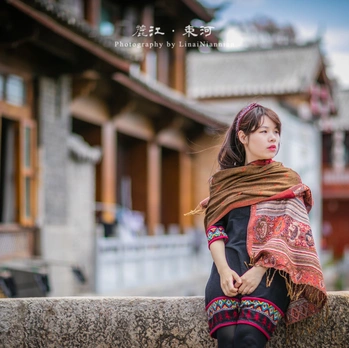
An evening flight means no morning rush. Before boarding, I was still scrolling through work messages. After landing, I opened my phone and found no one was looking for me anymore. That's Lijiang for you—even the signal carries a "what's the hurry" kind of ease.
We reached the hotel late at night. Pushing open the wooden gate of the inn, the courtyard was so quiet I could hear my own breathing. That night, I slept deeply—as if the city had gently caught me and placed me on a soft cloud.
Day 2 | Shuhe: A Morning Without an Alarm Clock
Waking Up in a Century-Old House
At nine o'clock, sunlight squeezed through the gaps in the wooden window shutters, and I slowly opened my eyes. No alarm clock, no traffic jams, no smog—this trip had finally truly begun.
We were staying in a guesthouse converted from a Naxi-style residence over 100 years old. The old bones of the house remained, but the interior had been infused with modern design—rustic yet comfortable. A little cat in the courtyard lay lazily on the pebbles, too lethargic even to roll over. On the table sat a simple bunch of unknown flowers, adding color to the entire morning.
I picked up a copy of The Soft Time of Lijiang and flipped through a few pages. The scenes described in the book were happening right outside my window. It was a strange feeling—the words you've read become the life you're living.
The Tea Horse Road Museum: A Road, A History
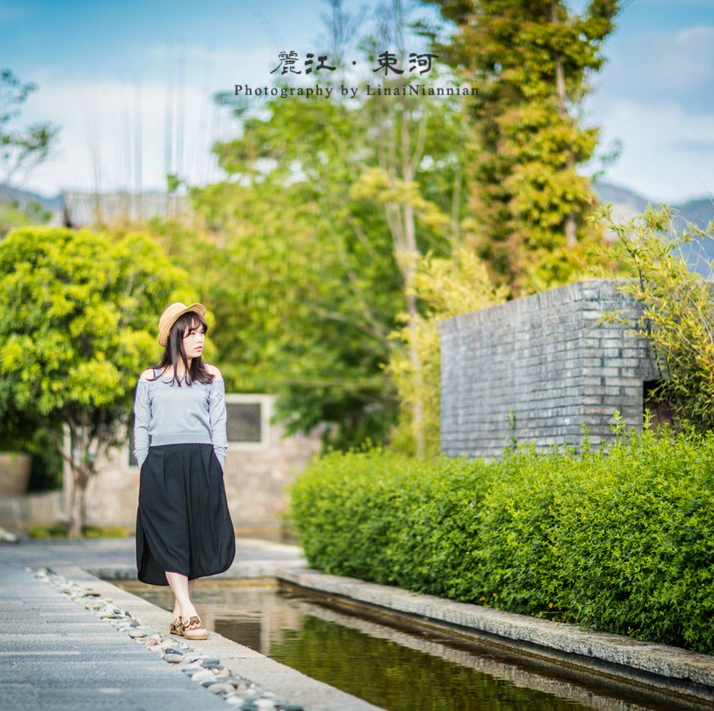
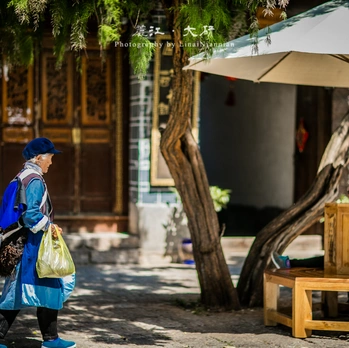
Shuhe Ancient Town isn't large. A three-minute walk from the inn took us into winding alleyways. Small shops lined both sides, but unlike Dali, they felt less commercial and more casual.
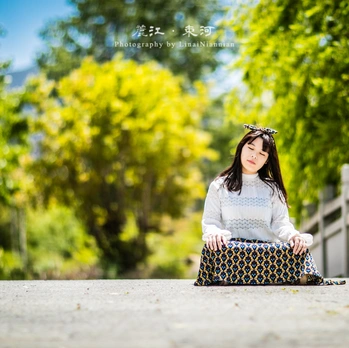
The Tea Horse Road Museum was our first proper "attraction." Originally the "Shuhe Courtyard" of the Mu Clan chieftains during the Ming Dynasty, it later became the site of Shuhe Primary School and is now China's first museum dedicated to the culture of the ancient Tea Horse Road.
The museum is free, but many artifacts inside are off-limits for photography. What impressed me most were the "Dajue Temple Murals," painted by Jiangnan artist Ma Xiaoxian. Despite centuries, their colors remain vivid. In the small courtyard in front of the murals, two fruit trees grew—one cherry, one plum blossom. It was spring when we visited, and both trees were in full bloom, as if racing to offer a gift to visitors.
The museum also has a leather exhibition hall, documenting Shuhe's history as the "Leather Town." Before 1949, it's said that 80% of the town's residents worked in the leather industry, producing up to 500 pairs of shoes a day. Today, only three family-run shops handed down from ancestors remain.
Qinglong Bridge: 400-Year-Old Stones and 10 Wedding Couples
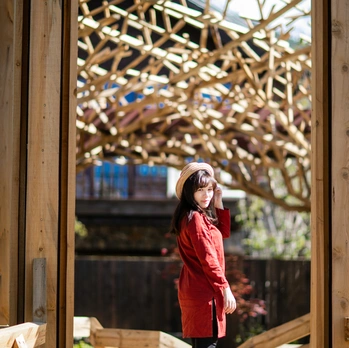
Leaving the museum, we walked along the stone path. Horses occasionally trotted past. They were gentle creatures, their eyes carrying a "seen it all" calm. Dogs, too—the streets were full of them, yet hardly a bark was heard. Even the animals had been assimilated by this little town's laid-back vibe.
Qinglong Bridge, built during the Wanli era of the Ming Dynasty, is over 400 years old and the oldest stone bridge in Lijiang. Its surface, worn smooth and mottled by wind and rain, still stands firmly across the Qinglong River. Legend has it that the Tibetan Buddhist master Karmapa once crossed this bridge in a single stride to reach Jade Dragon Snow Mountain, leaving behind the imprint of an immortal's foot.
But on that day, the most eye-catching thing on the bridge wasn't history—it was wedding photos. I counted at least ten couples having their pictures taken simultaneously. Reflectors, trailing wedding gowns, photographers shouting directions... the ancient bridge suddenly took on a comedic quality. As I sat on the stone slab at the bridge's end striking a pose, Mr. Mao quickly pressed the shutter, then yelled, "Get down! I only have one wife!"—the feeling of being stared at by dozens of people at once, you can imagine.
Su Ren Dessert: A Hometown Tiramisu That Stunned Our Taste Buds
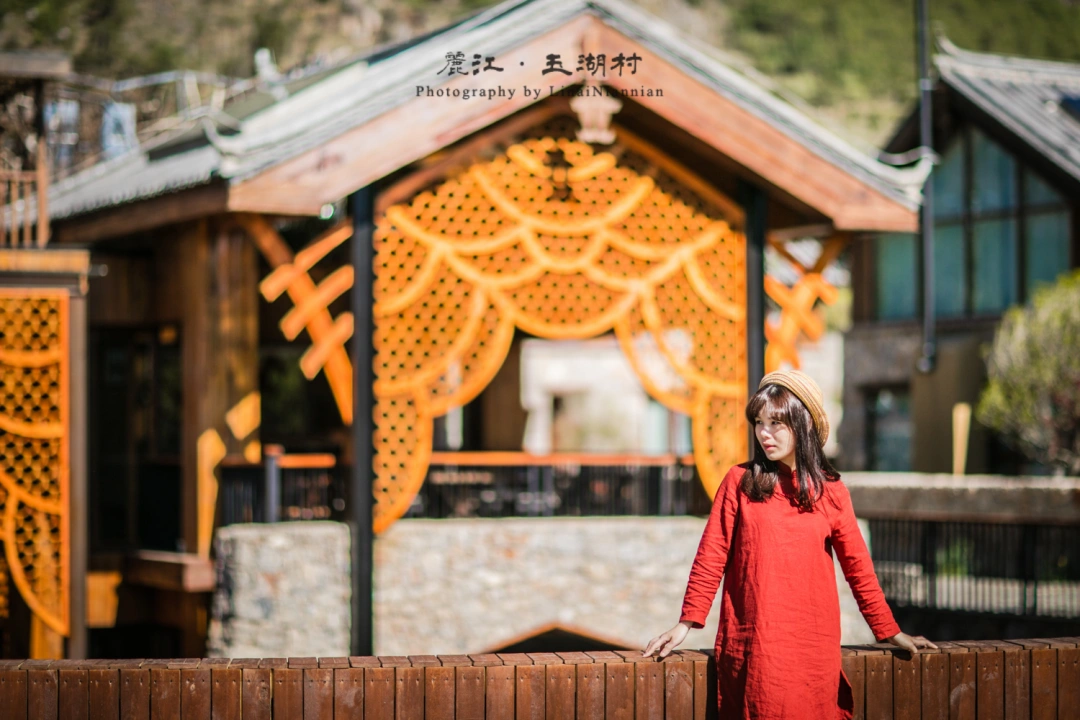
In Shuhe, time is meant to be wasted. When we got tired, we followed a recommendation to a small shop called "Su Ren Dessert." The road outside was under construction, and we had to circle around to find it. But the moment we pushed the door open, everything was worth it.
A gramophone, comic books, cartoon porcelain... the shop was classic artsy-chic. The owner was a young woman who had moved to Lijiang from Shanghai. We chatted and discovered she was from the same hometown. She recommended the marble cheesecake and New York cheesecake. I preferred the former—light on the palate, sweet without being cloying. We later ordered a tiramisu, not expecting much. But one bite in, Mr. Mao and I exchanged a look—it was the best tiramisu we'd ever had, no contest.
Naxi Hot Pot: Gathering Around a Copper Pot, Feeling Lijiang's Night
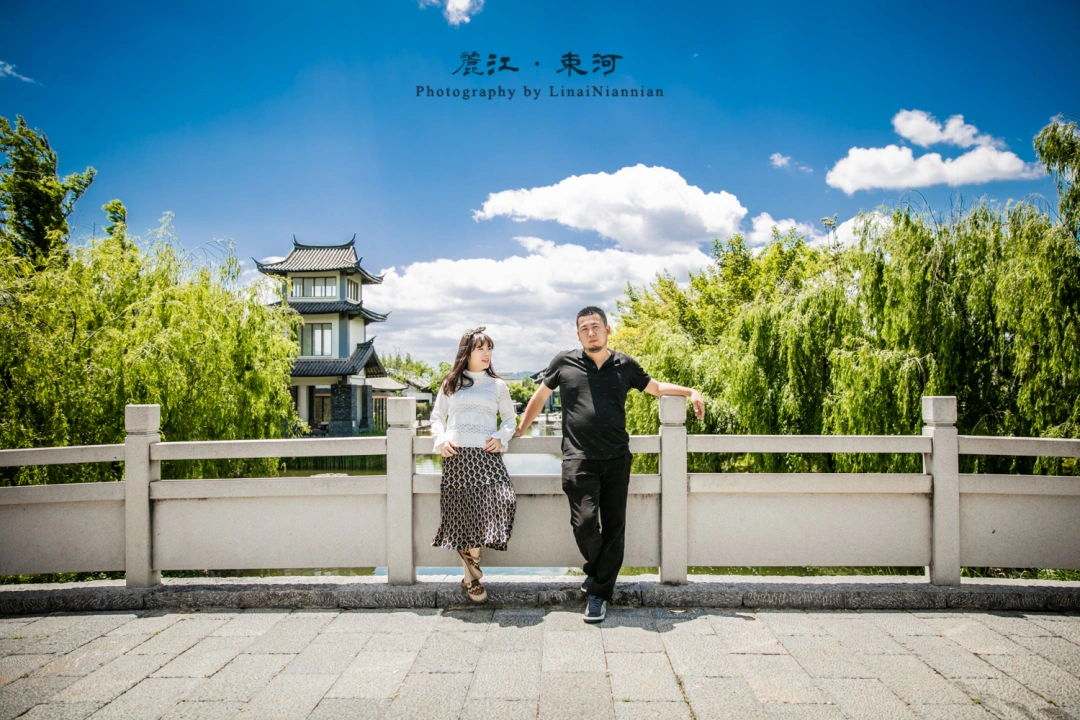
At six in the evening, the sky was still bright. We returned to our hotel—the Lijiang Pullman Resort, our favorite stay of the trip. Sitting on the sofa by the artificial lake at "Liuxi Xiaoyuan," watching the reflection of the pagoda in the water, time truly seemed to stand still.
Dinner was Naxi hot pot. The copper pot had its own rules, filled with a dozen ingredients—cured pork ribs, potatoes, taro, carrots, arrowroot, tofu, and more—slow-cooked over charcoal. The cured ribs needed to simmer for at least thirty minutes before the broth became rich and savory. Gathered around the steaming pot, sipping local wine, I suddenly understood why Lijiang locals always say, "Days are meant to be lived, not rushed."
Day 3 | Dayan: The Ancient Town's Hustle and Bustle, and Its Quiet Moments, Both Worth Seeing
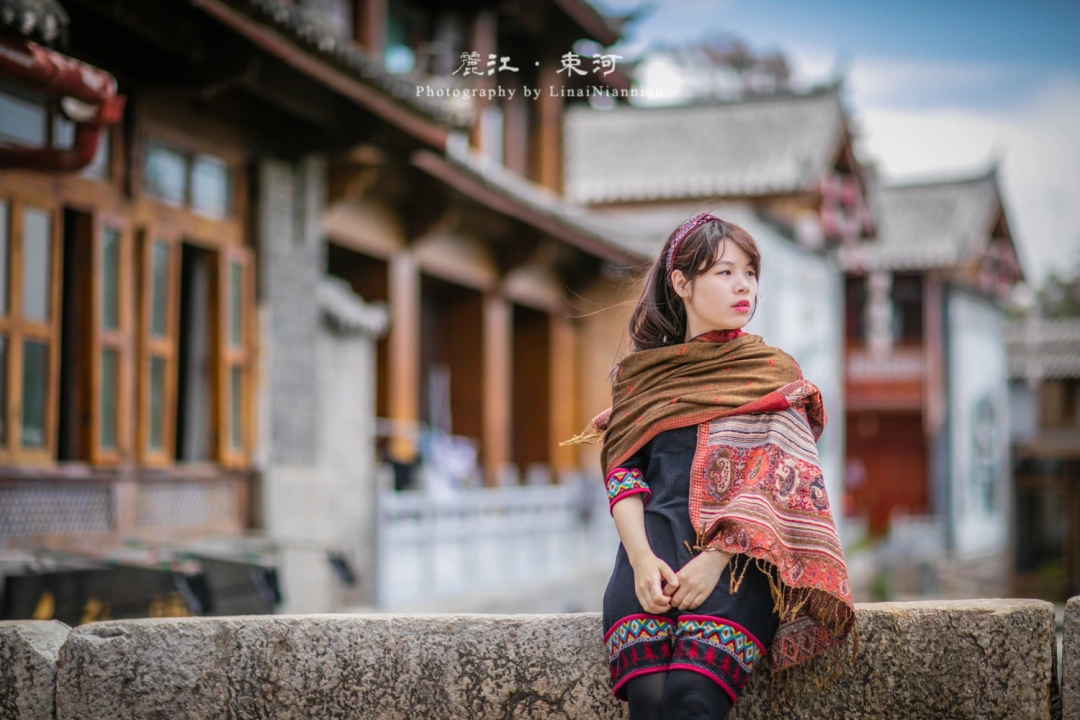
The Big Waterwheel and Dongba Wind Chimes
On the third day, we set out on bicycles borrowed from the hotel—well, Mr. Mao rode, and I pushed. Even the smallest bike was too tall for me to reach the seat, so I used it mostly for posing.
Dayan Ancient Town—what most people call "Lijiang Old Town"—has a giant waterwheel at its entrance. Some call it the Zimu Waterwheel, others the Lovers' Waterwheel. In the open space beside it, locals were dancing in a circle to Naxi music, and many tourists joined in. I stumbled in too, awkward but filled with a pure joy you can't fake.
Nearby, Dongba wind chimes swayed gently in the breeze, covered with visitors' wishes for their loved ones. I wrote one and hung it up. As the wind passed, the chime's sound was soft, like a secret being carried away.
Mu Palace: The Rise and Fall of a "Forbidden City"
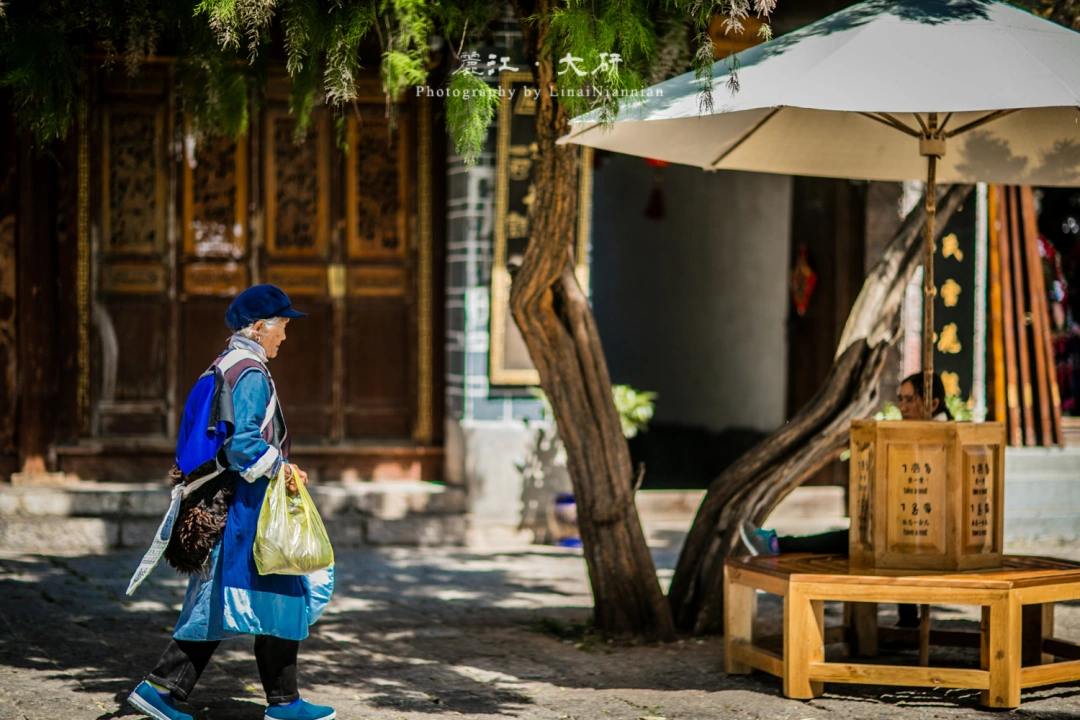
The alleyways of the old town crisscrossed, the stone pavement polished shiny by time. On the walls of Naxi houses, Dongba pictographs were painted—symbols that looked like both drawings and writing, telling ancient stories.
Mu Palace, located in the southwestern corner of the old town, is a Naxi-style palace modeled after the Forbidden City. The Ming Dynasty traveler Xu Xiake once marveled that its "palaces were as splendid as those of a king." Unfortunately, most of the buildings were destroyed in the wars at the end of the Qing Dynasty and later rebuilt with funding from the World Bank. Admission is 60 yuan, and the last entry is at 5:00 PM—arrive early if you want to visit.
Lion Hill: Seeing the Ancient Town from a Different Angle
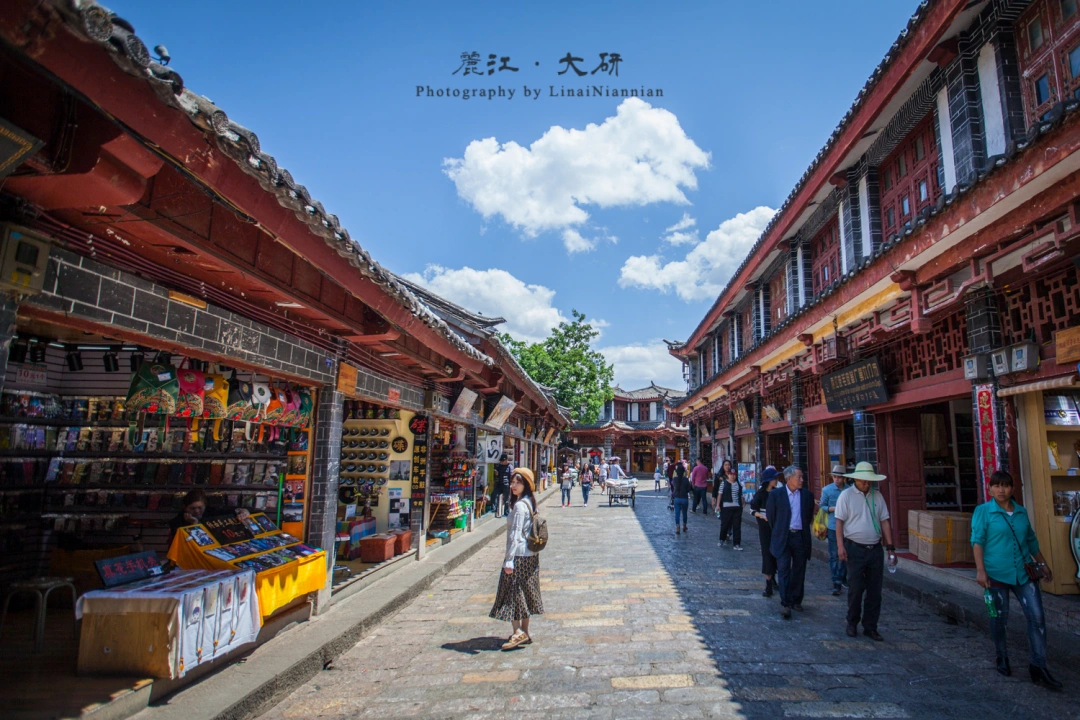
Lion Hill offers the best panoramic view of Dayan. We climbed the bluestone path, surrounded by crowds on a less-than-ideal road. The Wangu Tower at the top charges 50 yuan for entry. After some deliberation, we decided instead to sit on the viewing terrace of a small bar on the hillside.
We ordered a drink and sat on the terrace, the entire old town spread out before us. Gray rooftops layered like frozen waves. In the distance, Jade Dragon Snow Mountain glistened in the sunlight. At that moment, I realized Lijiang's charm isn't about how many places you visit—it's about being willing to stop somewhere, think of nothing, and just look.
Day 4 | The Snow Mountain and Blue Moon Valley: Heaven and Earth Hold Great Beauty Without Words
Day four was the most "serious" of the trip—Ganhaizi, Jade Dragon Snow Mountain, Blue Moon Valley, the Impression Lijiang show, and Yuhu Village.
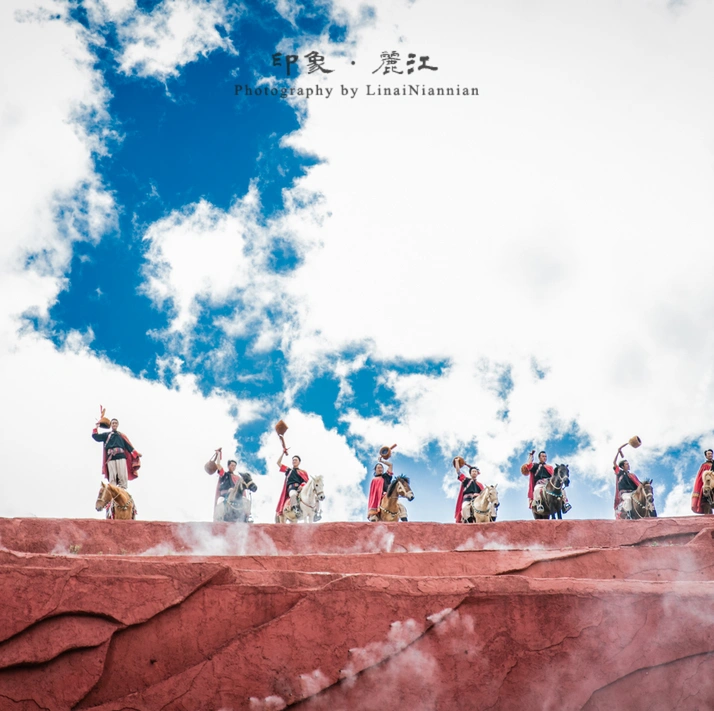
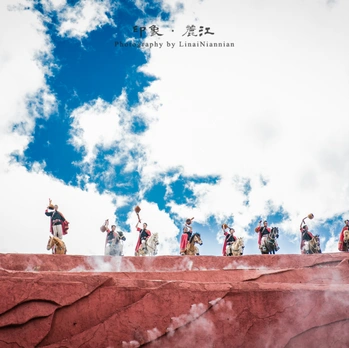
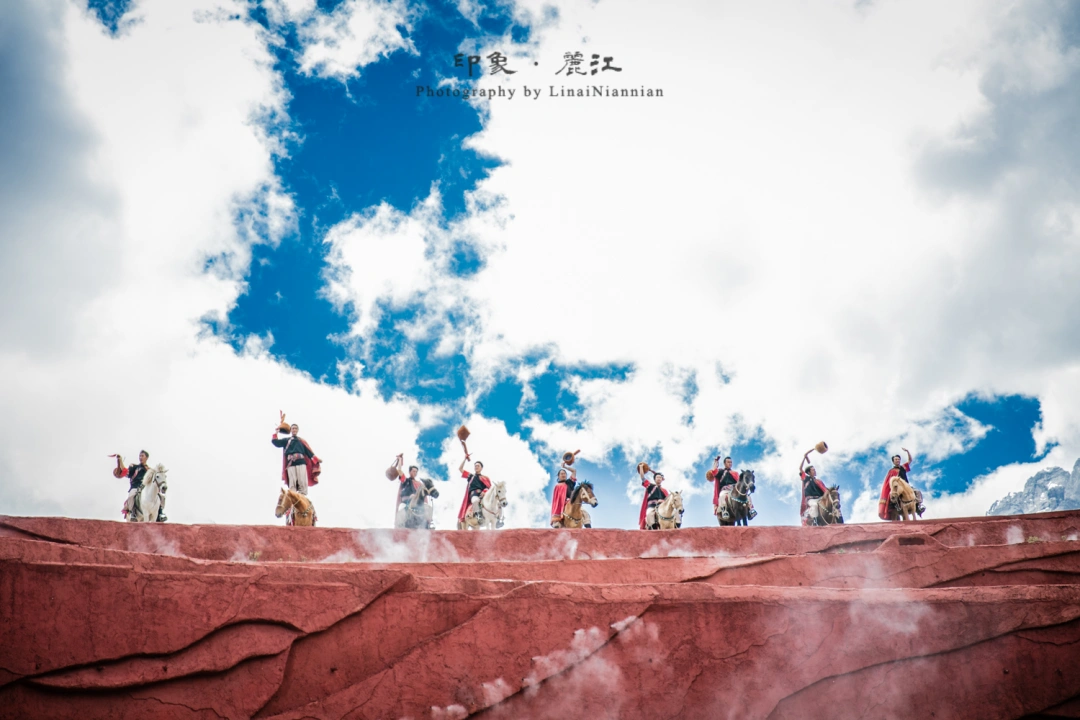
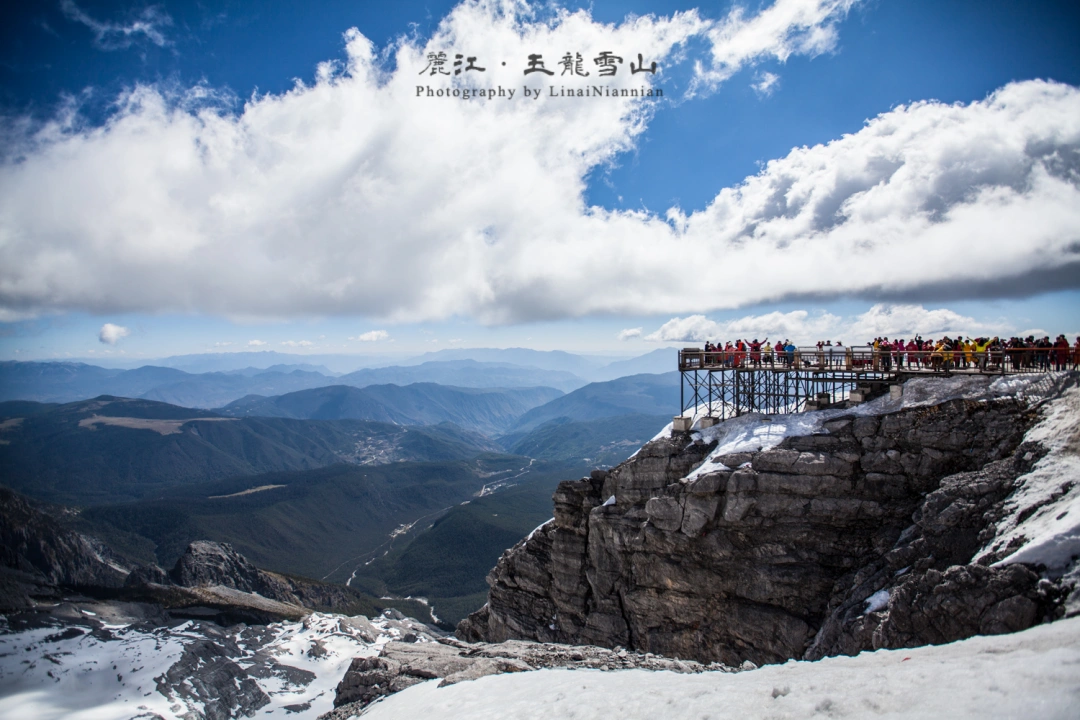
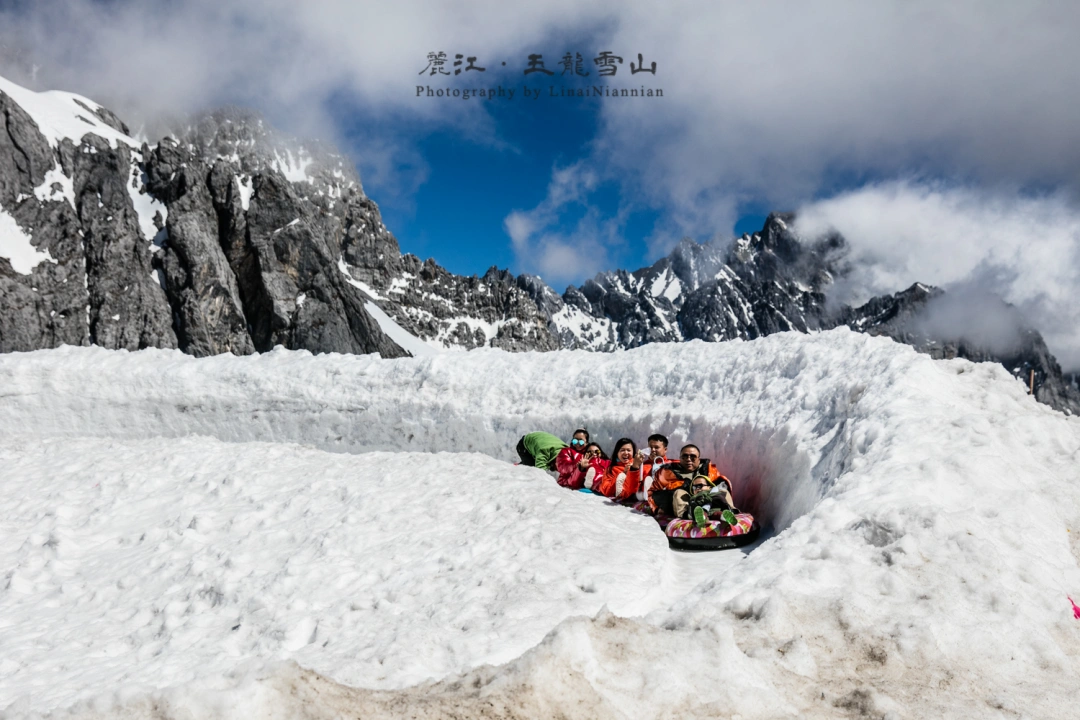
Ganhaizi is an alpine meadow at the foot of the snow mountain, offering an unobstructed view of the entire peak. The water in Blue Moon Valley was an unreal shade of blue, as if someone had poured dye into the lake. The Impression Lijiang show took place in an open-air theater with the snow mountain as its backdrop. The Naxi people's songs echoed through the valley, and in that moment, you felt how small humans really are against the vastness of nature.
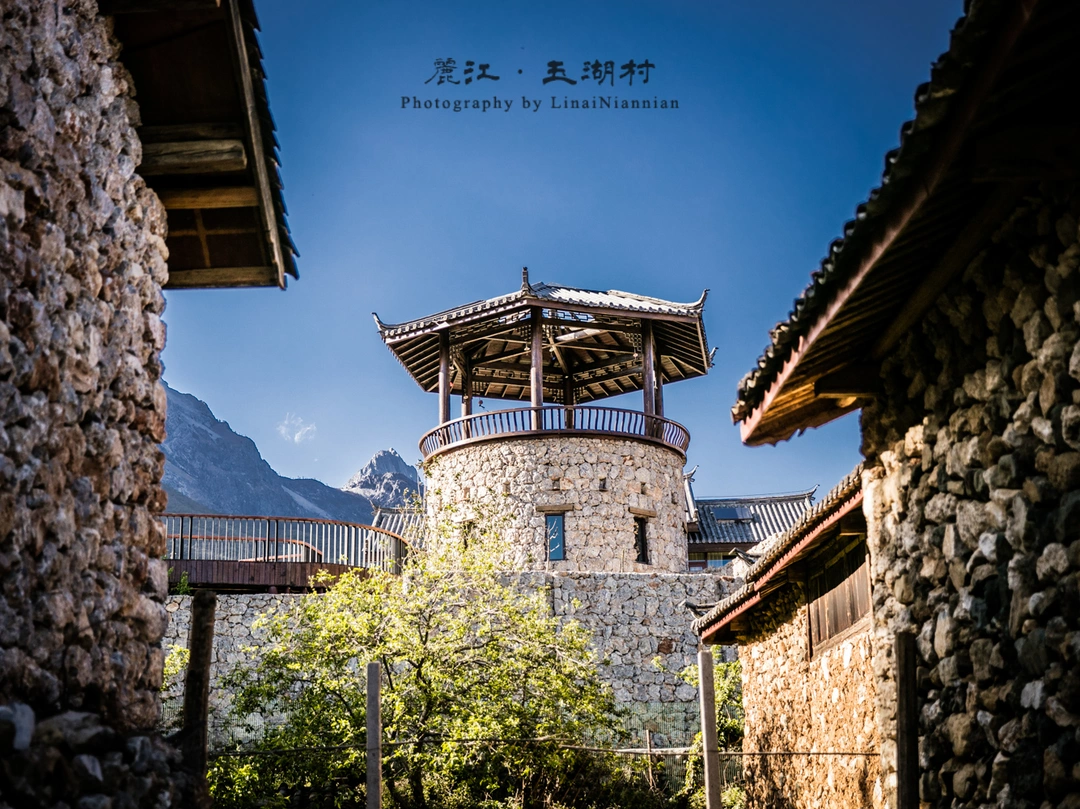
Yuhu Village was our last stop—a Naxi settlement tucked at the foot of the snow mountain. We stayed at Shijia Yulu, a guesthouse in the village. Opening the window, the snow mountain was right there. At night, the village was silent, broken only by the wind and the occasional dog bark. I went to bed early that night, no phone, no thoughts of work. Just the sound of the wind, and it felt like happiness.
Final Thoughts | Three Things Lijiang Taught Me
It's been a week since we returned to Shanghai, and I'm still savoring this trip. If I had to sum it up, there are three things Lijiang taught me:
First, slow down—the world won't fall apart. In Shuhe, we only visited two places in one day. The rest of the time, we just sat around, drank coffee, and watched the cat. But that day was the most relaxed I'd been in years.
Second, the best trip is one you take together. It sounds cheesy, but it's true. When Mr. Mao yelled "I only have one wife!" on Qinglong Bridge, I laughed so hard I nearly fell into the river. Those seemingly trivial moments are the ones most worth treasuring.
Third, Lijiang doesn't need a guidebook—it needs a heart willing to "waste" time. Those so-called "must-see" attractions are nice if you visit them, but no regrets if you don't. Because Lijiang's real magic lies in the unexpected corners—a perfect tiramisu, a cat sunbathing, a morning without an alarm.
I'll end with Haizi's poem:
Stranger, I also wish you well
May you have a brilliant future
May your loved ones be together forever
May you find happiness in this world
I only wish to face the sea, with spring flowers blooming
In Lijiang, you may not face the sea. But the spring flowers blooming? That's real.
If you also love photography, travel, or just need a place to daydream, feel free to reach out. [Mao&Lily] is on the road, looking forward to meeting you.
You should also read:

Cloud Travelogue · Dali of Wind, Flowers, Snow, and Moon: A Three-Day, Two-Night Journey of a Free Spirit
Cloud Travelogue · Dali of Wind, Flowers, Snow, and Moon: A Three-Day, Two-Night Journey of a Free Spirit I am a cultured female foodie with a touch of rogue charm. I slung on my backpack, took my lover's hand, and set off on a spontaneous…
Continue reading...
A Spiritual Journey to Lugu Lake in Lijiang: Experiencing the Legend of the Kingdom of Women! (Reproduction and Hotlinking Prohibited)
A Spiritual Journey to Lugu Lake in Lijiang: Experiencing the Legend of the Kingdom of Women! (Reproduction and Hotlinking Prohibited) Off-road自驾, food, hotel and民宿 reviews, Featured Traveler, Tank 300 owner, 200,000 km of self-driving experience. WeChat: y01294987 Ninglang Yi Autonomous County 2010.11.08 · 7 days…
Continue reading...
The Slow Life of Lijiang: A Soft Dream on the Yunnan-Guizhou Plateau
The Slow Life of Lijiang: A Soft Dream on the Yunnan-Guizhou Plateau Some places, just by hearing their name, stir a ripple in your heart. Lijiang is one of those names. It's not the kind of destination that demands you tick off a checklist of…
Continue reading...