Slow Travel in Western Yunnan: A 9-Day Independent Trip to Mangshi, Tengchong, Baoshan, and Kunming in November
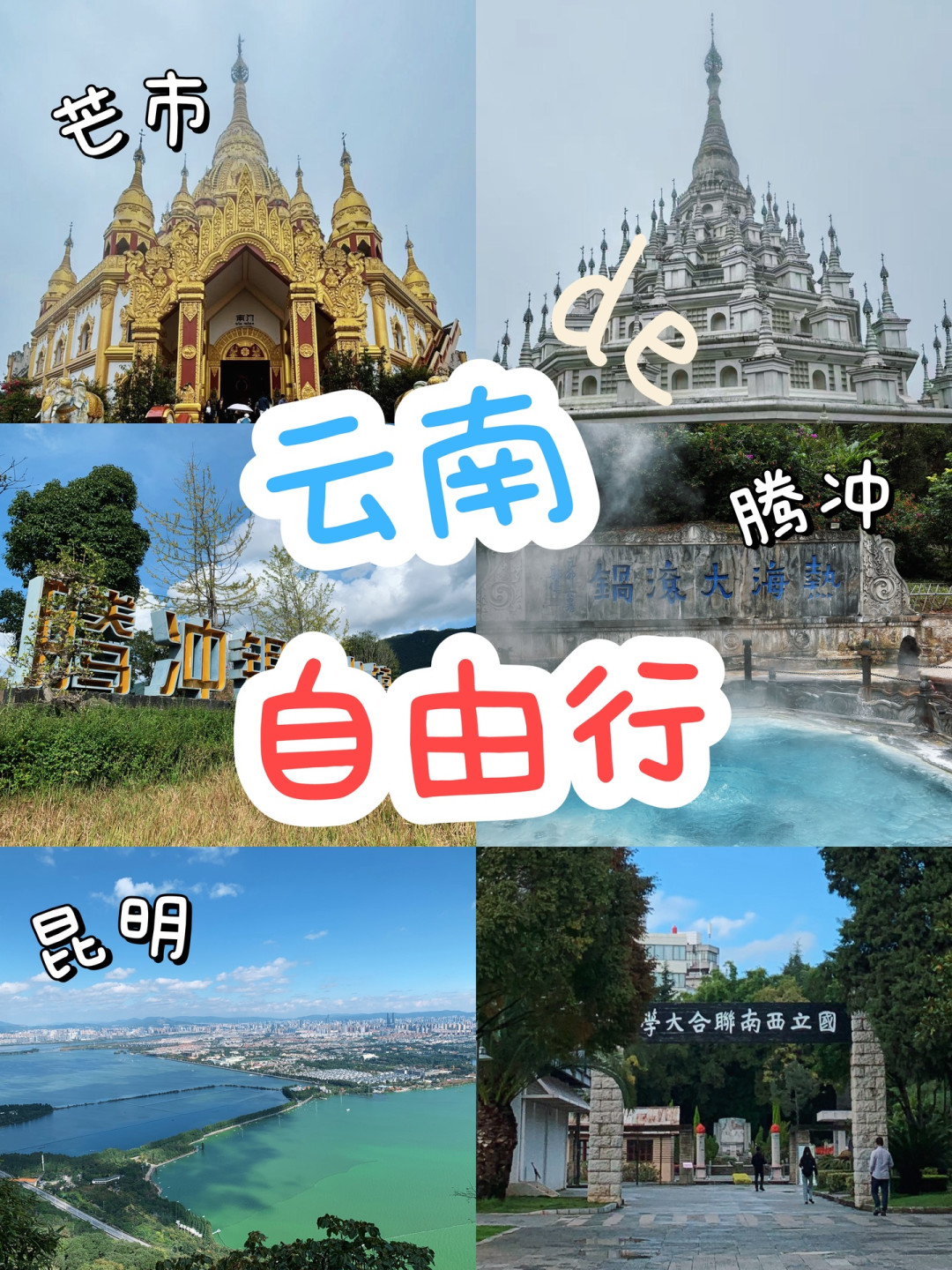
Slow Travel in Western Yunnan: A 9-Day Independent Trip to Mangshi, Tengchong, Baoshan, and Kunming in November
If life has worn you down, head to Yunnan. The wind moves slowly there, the sunlight feels soft, and even time seems to pass more leisurely than anywhere else.
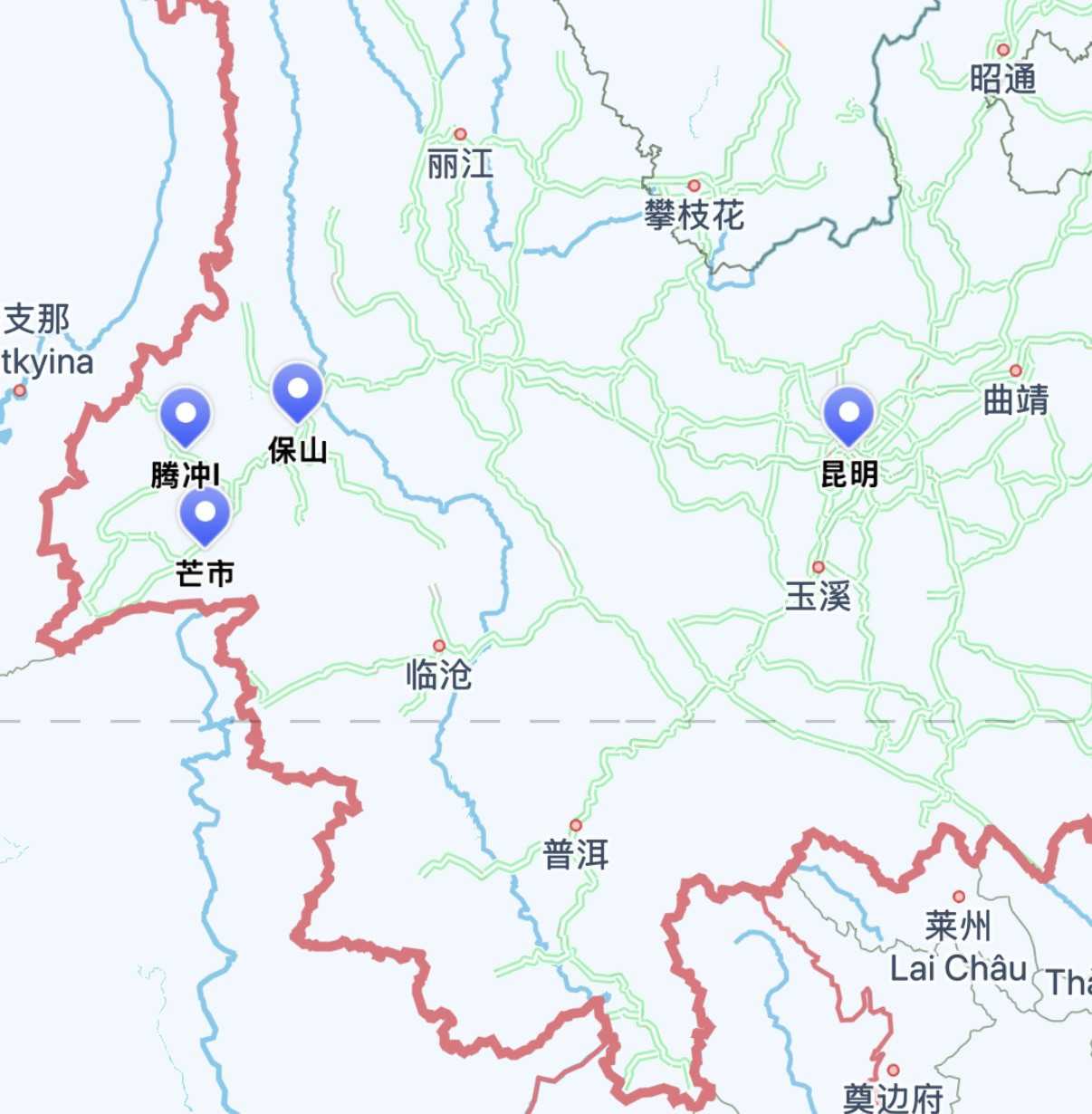
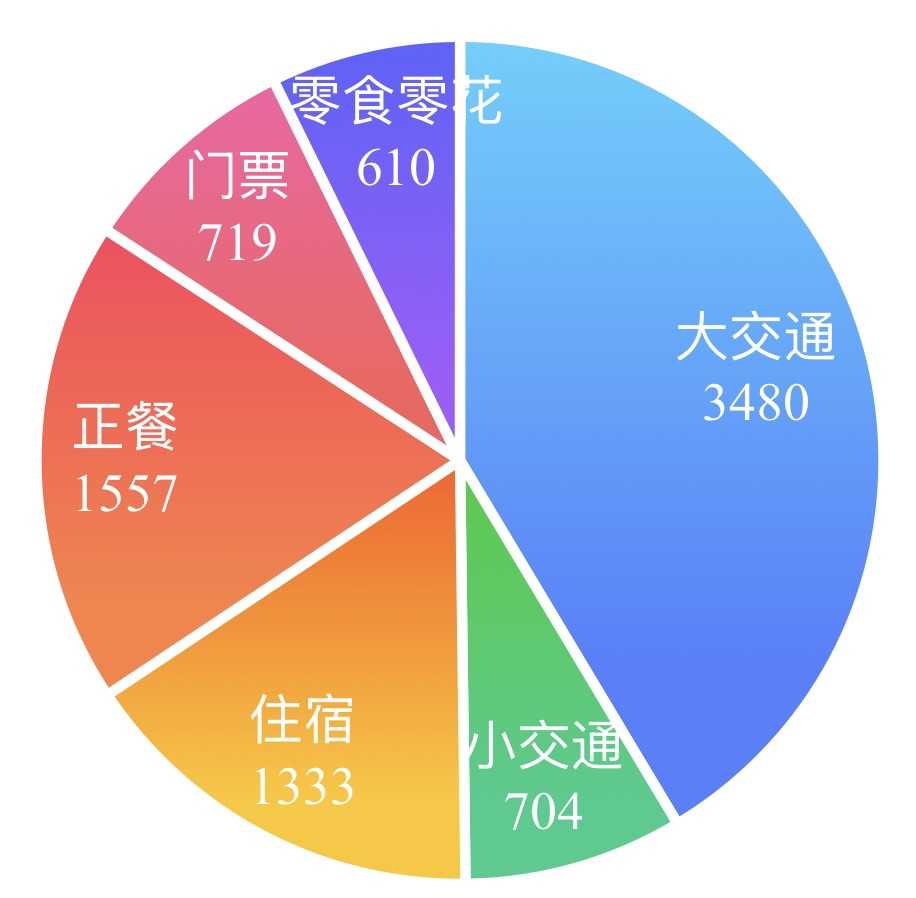
In early November, our family of three set off from Changsha, spending 9 days and 8 nights exploring a less-traveled but incredibly rewarding route through western Yunnan: Mangshi, Tengchong, Baoshan, and Kunming. We relied entirely on public transportation, spent an average of 2,800 RMB per person (excluding round-trip flights), and maintained a relaxed pace while maximizing our experience. If you're a burnt-out office worker craving a cost-effective, unhurried getaway, this guide might just spark some inspiration.
Our Route: Mangshi → Tengchong → Baoshan → Kunming
Dates: November 4 – November 12
Transportation: Planes, buses, intercity trains, city buses, metro, ride-hailing, and city walks – we tried them all
Pace: 1–3 attractions per day, 2–3 days per city, no rushing
Cost: 2,800 RMB per person (excluding round-trip flights; pure sightseeing cost 2,000 RMB per person)
November is the off-season in Yunnan. Direct flights from Changsha to Mangshi or Tengchong are surprisingly affordable, saving you the hassle of transfers and being gentle on both your energy and your wallet.
Stop 1: Mangshi – Exotic Vibes in a Border Town (2 Days, 2 Nights)
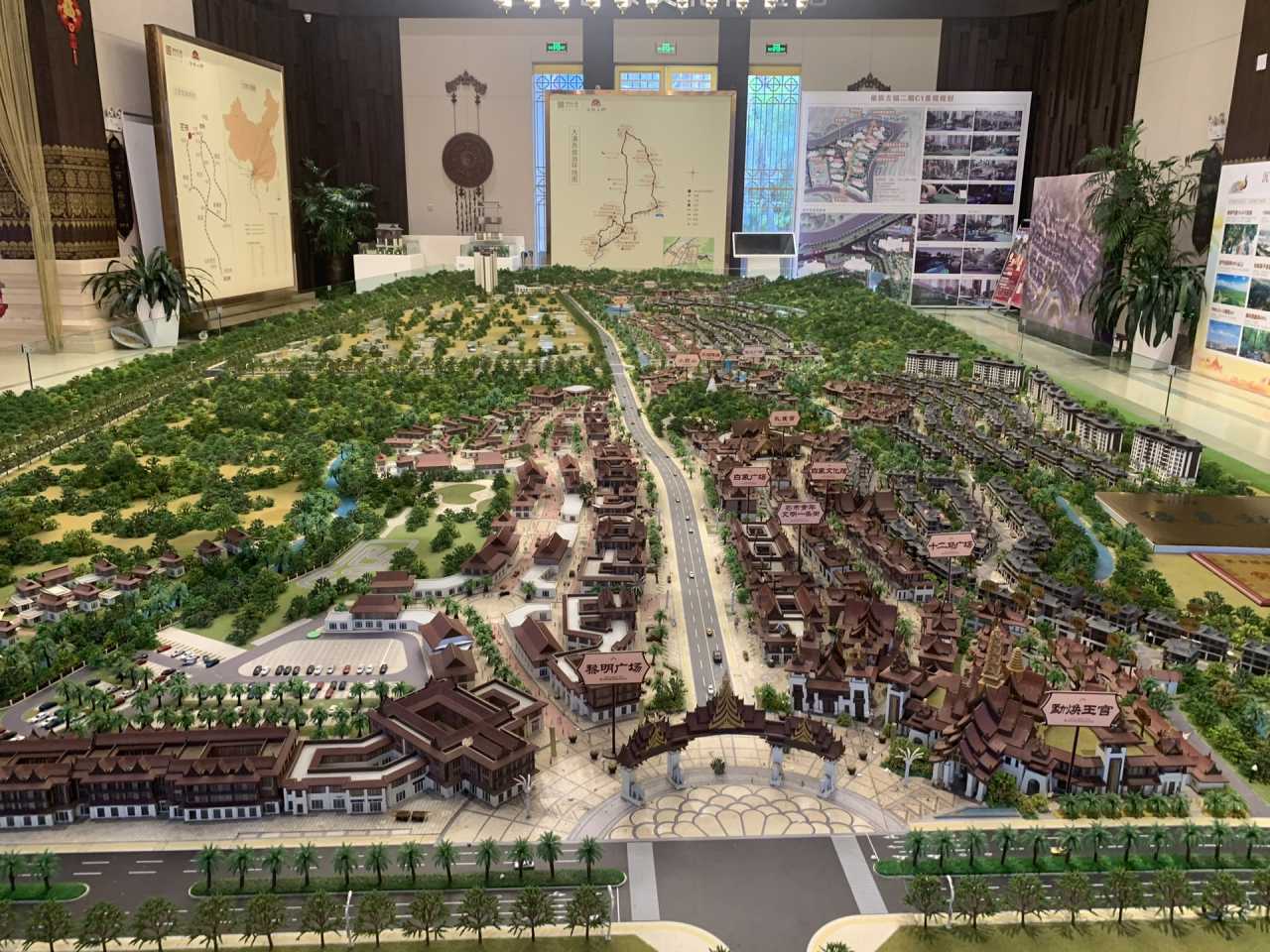
Mangshi is the capital of the Dehong Dai and Jingpo Autonomous Prefecture, bordering Myanmar to the south. It's a small city with an airport very close to the downtown area, so staying in the city center is convenient. We booked a hotel on Golden Peacock Avenue and got around mostly on foot and by ride-hailing – city buses cost only 1 RMB, but they run so infrequently that waiting for one takes longer than walking several blocks.
Dai Ethnic Town: Old Wine in New Bottles, but Surprisingly Good
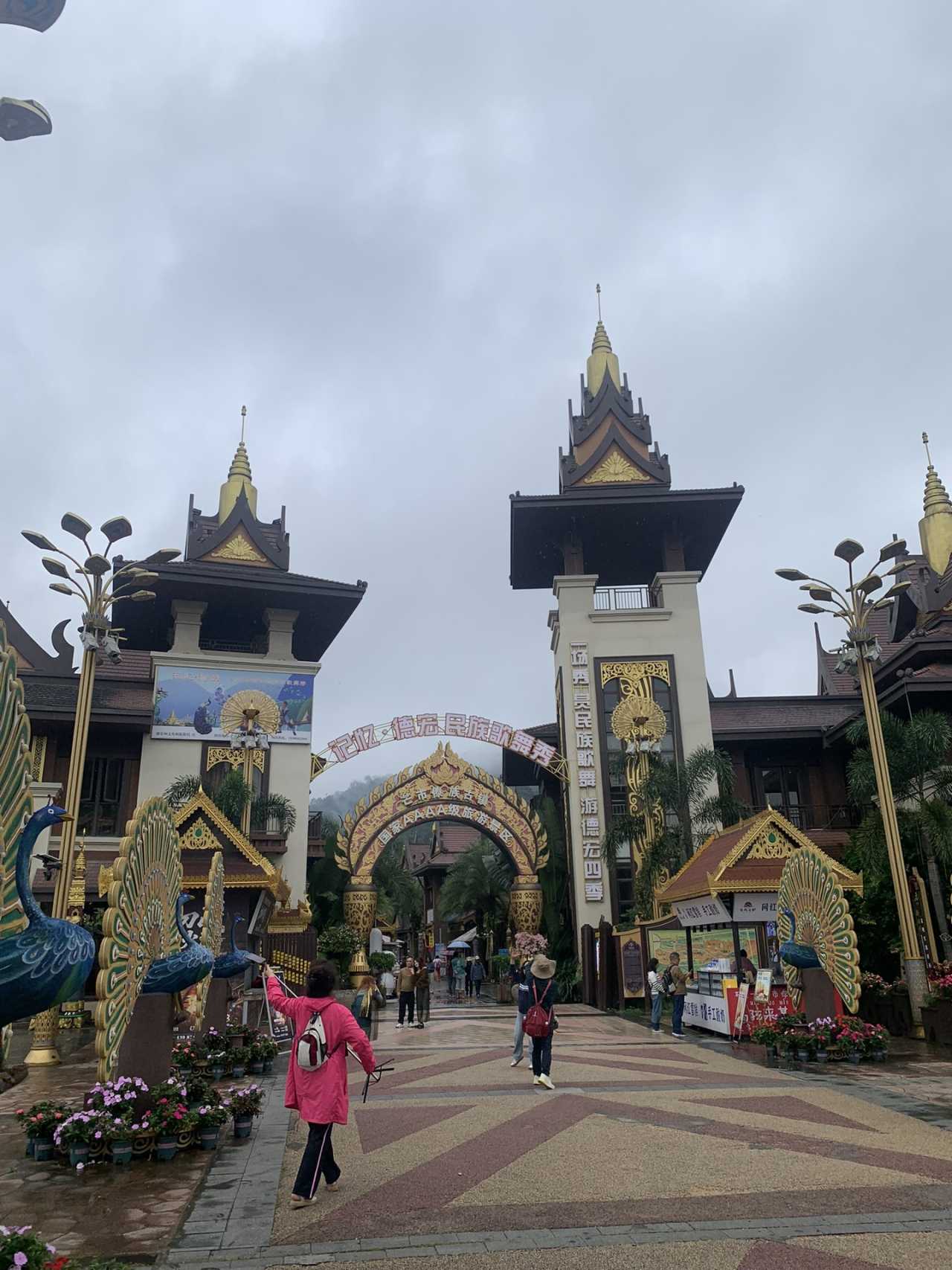
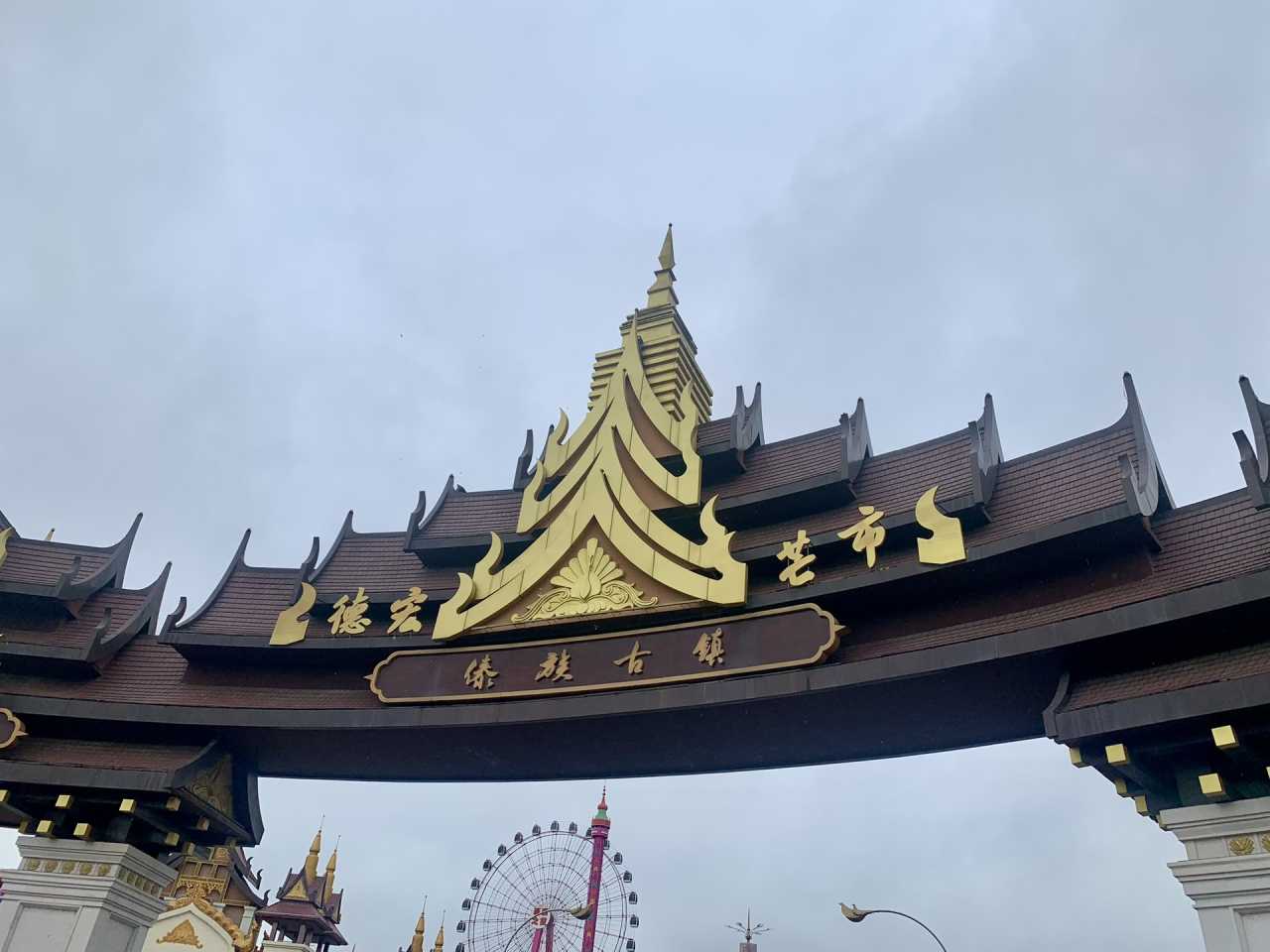
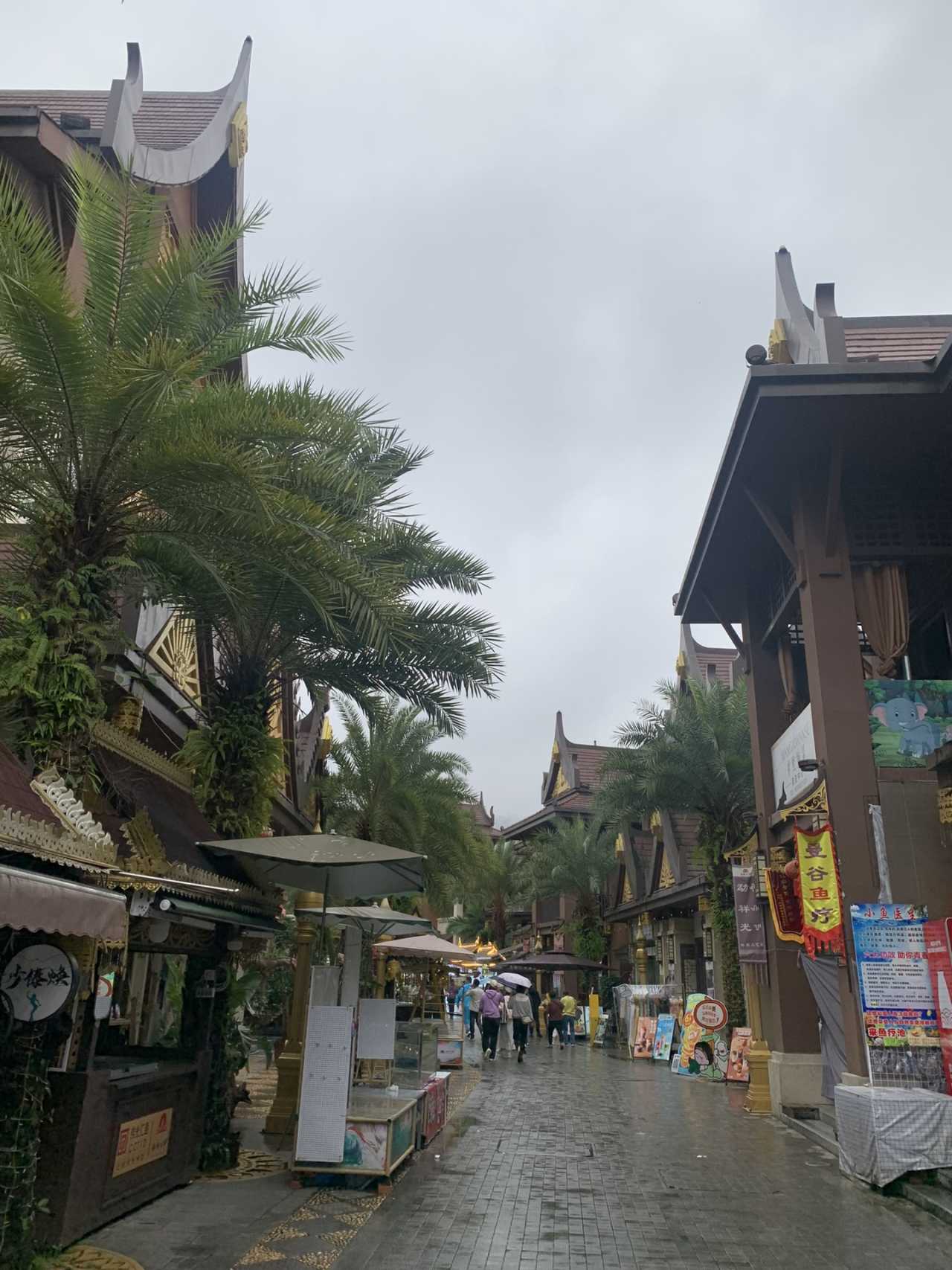
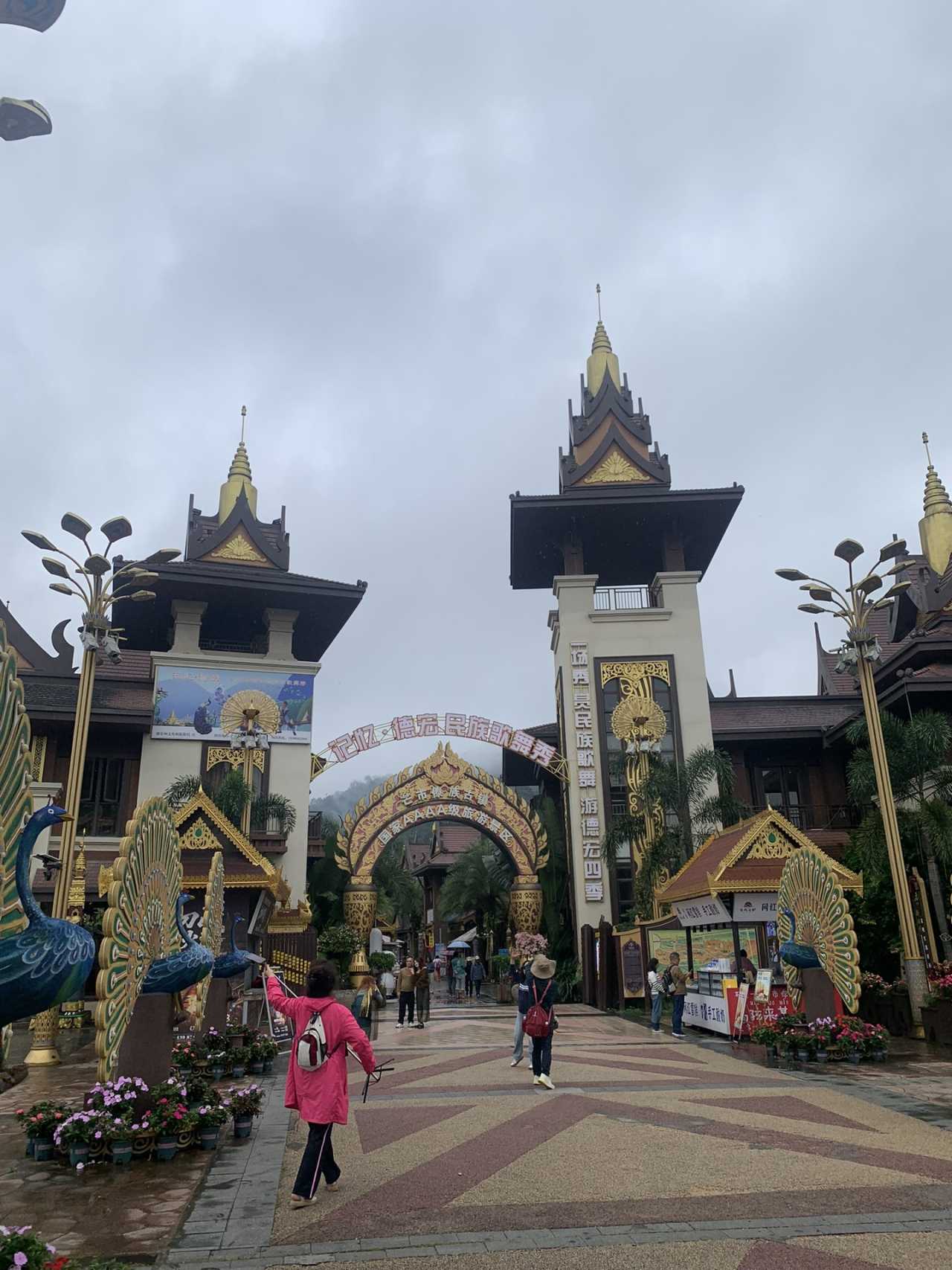
We arrived in Mangshi in the evening and headed straight to Dai Ethnic Town. Calling it an "ancient town" is a stretch – it's a newly built commercial street designed to resemble traditional architecture. But the Dai-style buildings, street food, tropical fruit, and ethnic clothing made it a pleasure to explore. From the entrance to the Water-Splashing Square at the far end, there were photo-worthy spots everywhere.
A side path in the middle of the town leads to Little Round Hill and the Meng Huan White Pagoda, where the real old structures are. At the entrance, the "Pin De Hong" restaurant serves the must-try Peacock Feast – a large bamboo tray piled high with dried beef jerky, Jingpo-style "ghost chicken," grilled pork belly, silkworm pupae, leaf-wrapped meat patties, and assorted rice. The peacock-head presentation, complete with dry ice, makes for an impressively ceremonial meal.
Practical Info: Free, no reservation needed. Recommended time: 2 hours (including meal)
The Golden Pagoda and Silver Pagoda: Sun and Moon Facing Each Other
On Leiyarang Mountain, two pagodas stand facing each other. The Golden Pagoda is Asia's largest hollow pagoda, gilded all over and shining like the sun. The Silver Pagoda is solid, surrounded by silver-white sculptures, evoking the moon and stars. It was raining and foggy when we visited, so we didn't see them at their best, but the exotic, mysterious atmosphere was still palpable.
If you have to choose one: go to the Golden Pagoda if you're interested in Buddhist culture, and the Silver Pagoda if you want great photos. On a clear day, the Silver Pagoda complex is filled with travelers in colorful Dai attire having their portraits taken – they're a sight in themselves.
Practical Info: Golden Pagoda 50 RMB/person, Silver Pagoda 40 RMB/person, no reservation needed. Recommended time: 2–3 hours
Tree-Enveloped Pagoda and Unity Avenue: Wonders of Nature and Culture

A short ride from the Silver Pagoda takes you to the Tree-Enveloped Pagoda, where a massive banyan tree has completely wrapped itself around a brick-and-stone Buddhist pagoda, with the pagoda's tip poking out through the canopy – nature and human craftsmanship intertwined in perfect harmony.
A two-minute walk along Paobo Road brings you to Unity Avenue. Unlike Meng Huan Avenue, the palm trees here have slender, straight trunks, standing in neat rows. Snap a photo, and it looks like a scene straight out of Southeast Asia.
Practical Info: Free, no reservation needed. Recommended time: 1 hour
Dehong Prefecture Museum: A Great Rainy-Day Option
The museum is small, free, and open to all with just a simple registration at the entrance. The most memorable exhibits showcase the customs and traditional dwellings of various ethnic minorities – from the Dai to the Jingpo, the houses get progressively simpler. The Lisu ethnic costumes, adorned with little pom-poms, are especially adorable.
Practical Info: Free, no reservation needed. Recommended time: 1–2 hours
Mangshi Food: Cheap and Fresh
The food in Mangshi is pure happiness. Grilled meat with dipping sauce, sour vegetable soup, fresh wild mushrooms, and all sorts of vegetables whose names I don't even know – you can't go wrong at any garden-style restaurant. Street snacks are so cheap it's heartwarming: three massive pomegranates for 10 RMB at Dai Ethnic Town, three sheets of wind-dried rice cakes for 10 RMB, dragon fruit for 10 RMB per pound at the supermarket, and mangoes bigger than your face. Incredible value.
Stop 2: Tengchong – A Name from Geography Textbooks, a Real-Life Treasure (3 Days, 2 Nights)
Tengchong was the highlight of our trip. For those of us born in the 80s and 90s, it's one end of the "Aihui-Tengchong Line" from geography class. For our parents' generation, it's synonymous with volcanoes and hot springs. But when you actually get there, you realize it's so much more – the serene Heshun Ancient Town, the golden Ginkgo Village, the solemn history of the Burma Road campaign, the weight of the Tea Horse Road culture... every facet deserves a closer look.
Tengchong doesn't have a train station, so we took a bus from Mangshi – a 1.5-hour ride costing 57 RMB per person. The seats were spacious, and tickets were available on the spot. If you don't want to go to the bus station, ride-hailing drivers will ask if you want to carpool: 280 RMB via the national highway, 360 RMB via the expressway.
We stayed near the long-distance bus station for convenient public transport and reasonable prices. If you want to immerse yourself in old-town life, you can also stay inside Heshun Ancient Town.
Rehai (Hot Sea) Scenic Area: Don't Take the Wrong Route, or You'll Miss Half the Scenery
Important tip for Rehai: You cannot go backward. You must get off at the first stop of the shuttle bus and hike from the bottom to the top to see attractions like Frog's Mouth and Pearl Spring. If you ride straight to the second stop, you'll only see the Big Boiling Pot – we made that mistake and were out in under an hour.
At the Big Boiling Pot, you can boil eggs in the hot spring. There's also a spa area nearby, popular with tour groups of older visitors.
Practical Info: Entrance 50 RMB, round-trip electric cart 15 RMB, no reservation needed. Recommended time: at least 1 hour
Ginkgo Village: A Symphony of Gold and Green
Ginkgo Village is about 35 kilometers from downtown Tengchong. A chartered car for the day costs 150 RMB, a very fair price. Our driver even took us on a detour to see the Volcano Park and the Aihui-Tengchong Line Theme Park from a distance.
In November, the ground in Ginkgo Village is carpeted with yellow leaves, while the trees still hold a hint of green. Strolling under thousand-year-old ginkgo trees, taking photos, eating, drinking coffee, playing cards, or just stacking stones by the stone walls of farmhouse courtyards – that's the right way to experience Ginkgo Village.
Be sure to try the farmhouse cooking: stewed chicken with ginkgo nuts, fried eggs with ginkgo flowers, and small angled gourds, all washed down with a glass of homemade bayberry wine. Perfect.
Next to the parking lot is the boundary of the Eurasian tectonic plate. In the distance, you can see waterfalls and streams – a spectacular view.
Practical Info: Entrance 30 RMB/person, no reservation needed. Recommended time: 7 hours (including travel time and lunch)
Museum of the Burma Road Campaign and National Cemetery: Blood, Sweat, and Reverence
Our driver to Ginkgo Village strongly recommended this site, and it was well worth the visit. Unlike museums dedicated to the fall of Northeast China or the Nanjing Massacre, this one focuses on the heroic battles of the Chinese Expeditionary Force, ethnic unity, and allied cooperation – it stirs a deep sense of pride.
There's a flower shop near the cemetery where you can buy chrysanthemums for 3 RMB each to lay in tribute to the soldiers who shed blood for this land.
Practical Info: Free, on-site reservation required. Recommended time: 2–3 hours
Heshun Ancient Town: The Moon in My Heart
Heshun Ancient Town is called "China's Most Charming Small Town," and it lives up to the title. Bridges over flowing water, ancient trees, delicate flowers, distant mountains, white clouds, and birds gliding over wetlands – every frame looks like a painting.
The town is divided into east and west sections. The east section features the Tea Horse Road Museum, Wild Duck Lake, ancestral halls, and a long promenade – highly recommended. The west section has poorer road conditions, with vehicles and pedestrians sharing narrow, steep paths – not recommended.
We visited twice: once in the evening for the night views, and once at noon to explore the east section, spending seven or eight hours total. The 55 RMB entrance fee allows free re-entry for seven days – very traveler-friendly.
Practical Info: Entrance 55 RMB/person, no reservation needed. Recommended time: 7–8 hours (can be split into two visits)
Tengchong Food: Stewed Chicken with Ginkgo Nuts and Rice Noodles
Beyond the ginkgo chicken at Ginkgo Village, you must try er si (a type of rice noodle) – softer than regular rice noodles, with a unique texture. A surprise find was the M restaurant in Heshun Ancient Town, where they fry food fresh to order – much crispier than the stuff kept in warming bins. You can also sit by the wetlands in the ancient town, sip coffee, and learn about the coffee estate culture unique to Baoshan.
Stop 3: Baoshan – A Pleasant Layover (Half a Day)
To get from Tengchong to Kunming, you first take a 2-hour bus to Baoshan, then a 4-hour intercity train to Kunming. To avoid rushing, we decided to spend half a day in Baoshan and visit Qinghuahai Wetland Park.
Baoshan is a new city with affordable prices, but there's not much to see in the downtown area. Coffee and Yongzi weiqi (Go) stones are its claims to fame, though they're less renowned than Pu'er coffee or Kunming's Yunzi Go stones. Qinghuahai Wetland Park was built recently, so don't expect too much – just enjoy it as a pleasant park walk.
Practical Info: Free, no reservation needed. Recommended time: 2–3 hours
Stop 4: Kunming – Seagulls, Western Hills, and Old Streets (3 Days, 3 Nights)
Heavy rain greeted us on our first night in Kunming. To play it safe, we moved up our visits to Green Lake Park and the old streets, saving Dianchi Lake and Western Hills for later.
By November, the seagulls have already arrived in Kunming. Green Lake Park and the Dianchi Haigeng Dam each have their own charm, and feeding the seagulls is a must-do.
Wuhua District City Walk: Green Lake, Yunnan University, Yunnan Normal University, and Nanping Street
Even under a drizzly sky, the seagulls at Green Lake Park were as lively as ever. Besides seagulls, there were real ducks and adorable little squirrels. The campuses of Yunnan University and Yunnan Normal University are rich in history and require advance reservations through the WeChat mini-programs "Ping An Yun Da" and "Ping An Yun Shi Da."
From Yunnan Normal University, a 2-RMB bus ride takes you to Nanping Street, where you're suddenly transported from a campus of old-world charm into a bustling commercial hub. Stroll through Kunming's old streets and soak in the lively sounds of vendors hawking their wares.
Practical Info: Free, campus visits require reservation. Recommended time: 6–7 hours (including lunch)
Western Hills and Dianchi Lake Line: A Perfect No-Backtracking Route
We planned this route in advance to avoid backtracking: take a ride-hailing car to the Tea Horse Flower Street at the north entrance of Western Hills → ride the shuttle bus through free attractions (Huating Temple, Magnolia Garden, etc.) → get off at the Longmen ticket checkpoint near Nie Er's Tomb → take an electric cart to the Longmen hiking trail entrance → spend half an hour climbing over the mountain and through the tunnels to touch the Dragon Pearl → take the electric cart back to the checkpoint → ride the Dianchi cable car across the lake → arrive at Haigeng Dam and Haigeng Park to feed the seagulls.
Dianchi Lake is breathtakingly beautiful – the northern part is a calm, blue expanse, while the southern part shimmers with green ripples. Seagulls circle overhead, creating a scene that feels almost unreal.
Practical Info: Total ticket 122.5 RMB/person (includes Western Hills Longmen 30 RMB, one-way shuttle 12.5 RMB, round-trip electric cart 20 RMB, one-way cable car 60 RMB), no reservation needed. Recommended time: 4–5 hours
Guandu Ancient Town and Yunnan Museum: Where History and Culture Meet
Guandu Ancient Town features historical structures like Miaozhan Temple, the Earth God Temple, the Diamond Pagoda, and Fading Temple. With its Nine-Turn Flower Street, ancient archways, and traditional Yunnan courtyard houses, it truly deserves its nickname "Little Yunnan." Coffee shops, Yunzi Go stones, cross-bridge rice noodles, and Guandu flatbreads – the local specialties are irresistible.
Across the street from the ancient town is the Yunnan Museum, whose architecture is inspired by traditional Yunnan courtyard houses, with staggered facades resembling the Stone Forest. The collections range from dinosaur fossils of prehistoric times to Bronze Age artifacts, from the Dali Kingdom to modern history. We were lucky to catch the "Khitan Imprints" exhibition from the Inner Mongolia Museum – a museum-goer's version of a reunion between Duan Yu and Qiao Feng.
Practical Info: Free, on-site reservation required at Yunnan Museum. Recommended time: 5–6 hours (including lunch)
Kunming Food: Purple Potato Cake is the Soul Food
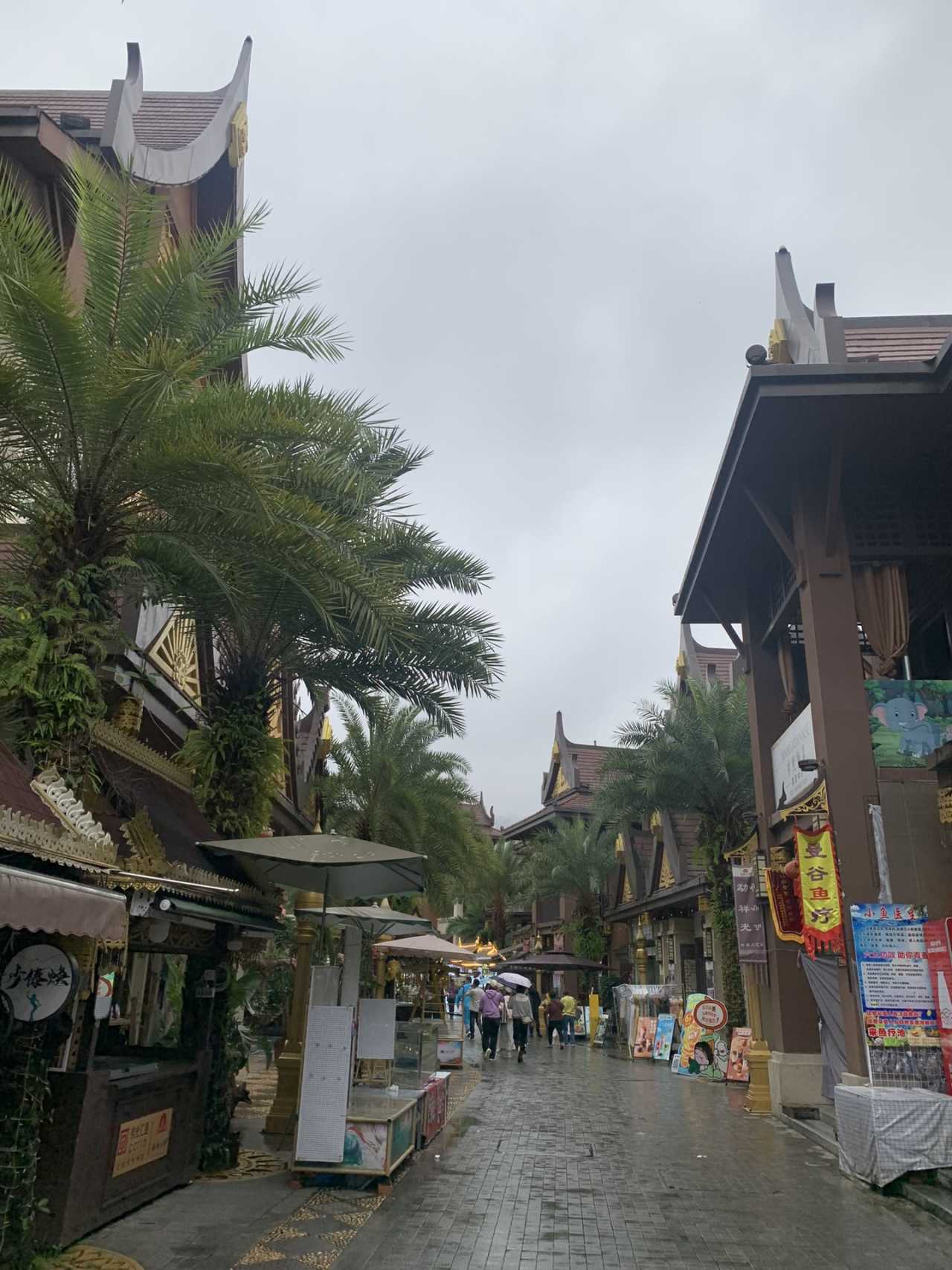
A bowl of chicken soup cross-bridge rice noodles at Guandu Ancient Town is a must – watching the passing crowds while you eat is pure contentment. But my personal favorite was the purple potato cake, mixed with Xuanwei ham sauce – crispy on the outside, savory and fragrant, absolutely delicious. Even steam-pot chicken and Yunnan stir-fried pork couldn't compete.
Chain restaurants like Grandma's Flavor, Eggplant Just Right, Most Yunnan Flavor, and Yun Nan Dao offer great value for money.
Final Thoughts: From the Border to the Center, a Growing Sense of Belonging
From Mangshi to Tengchong, then Baoshan and Kunming, this journey felt like a gradual "return to the homeland." On the road from Tengchong to Baoshan, we passed a border checkpoint where armed police checked every ID card – a strangely reassuring sight. Then came the Burma Road Campaign Museum, the stories of the Chinese Expeditionary Force, the site of the National Southwest Associated University at Yunnan Normal University, and the December 1st Movement Monument... These fragments of history pieced together a complete picture: it's the sacrifices of soldiers, the dedication of our forebears, and the strength of our nation that allow us to travel so freely and enjoy life.
Thank them. And thank this land.
Practical Tips
- Weather and Clothing: Yunnan has spring-like weather year-round, but winter days can be warm and nights chilly. The weather forecast is unreliable – it can rain at any moment. Pack some warm layers, bring rain gear, and wear waterproof shoes.
- Feeding Seagulls: Besides seagull feed, small cakes and old bread work too – the seagulls seem to prefer the cakes.
- Western Hills Longmen Hike: The paths are narrow and steep, involving both climbing and crawling through tunnels at an altitude of over 2,000 meters. Elderly or less fit visitors should be cautious; bring hiking poles if needed.
- Making Choices: Baoshan has coffee estates worth visiting. Tengchong offers hot springs. Dehong Prefecture has Ruili beyond Mangshi. Kunming has the Stone Forest and Fuxian Lake. We made our choices based on personal preference – adjust yours according to your time and interests.
Yunnan is vast, and it's worth exploring at a slow pace. We hope you, like us, have a wonderful holiday here.
You should also read:
A 9-Day Yunnan Journey: From Lijiang to Dali to Tengchong – A Trip Toward Self-Reconciliation
A 9-Day Yunnan Journey: From Lijiang to Dali to Tengchong – A Trip Toward Self-Reconciliation Some say travel is simply going from a place you're tired of to a place other people are tired of. It stings to hear, but it's painfully true. Yet there's…
Continue reading...
Yunnan Travel Mastery: From Beginner to Pro-Level Player – A Complete Guide
Yunnan Travel Mastery: From Beginner to Pro-Level Player – A Complete Guide "Either travel or read, but your body and soul must be on the road." This quote has been repeated countless times, but very few people truly manage to be "on the road" and…
Continue reading...
Solo in Yunnan: A Wanderer’s Guide to the Land of Eternal Spring
Solo in Yunnan: A Wanderer’s Guide to the Land of Eternal Spring There’s something magical about traveling alone. No compromises, no schedules to keep, no one to please but yourself. I’ve been on the road for nearly three months now, and not once have I…
Continue reading...