Solo in Dali: Rediscovering Myself Amid the Wind, Flowers, Snow, and Moon
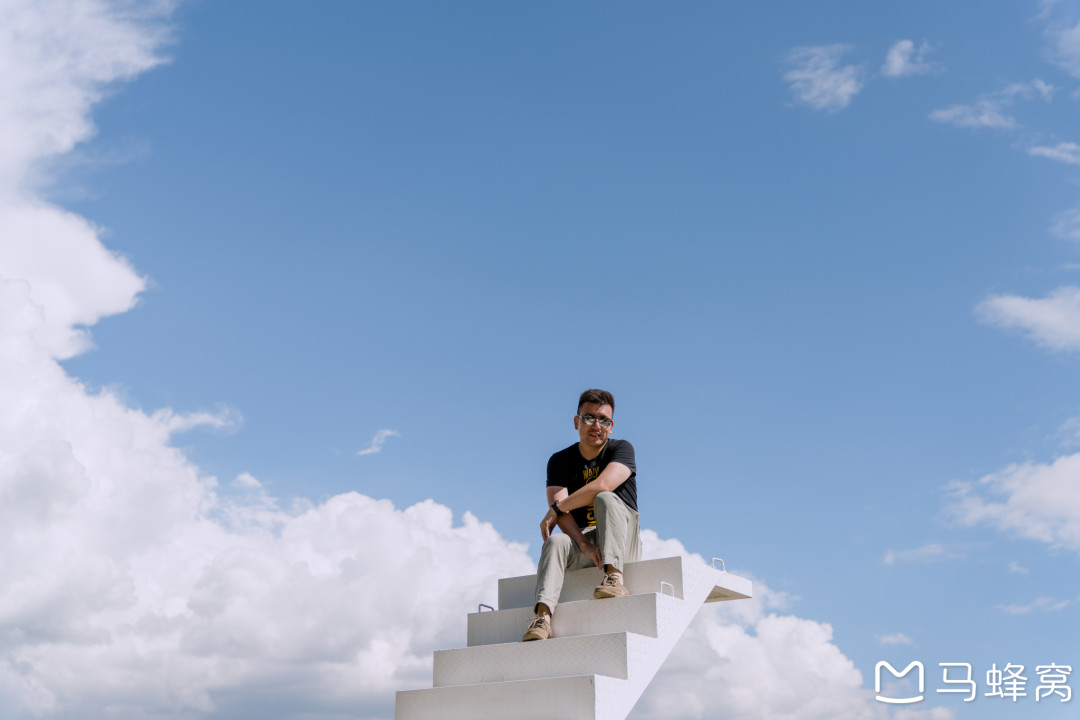
Solo in Dali: Rediscovering Myself Amid the Wind, Flowers, Snow, and Moon
The Spring Festival of 2020 hit like a blunt instrument, shattering everyone's rhythm. None of us could have predicted that the next three years would steal away our freedom to travel on a whim. Before the pandemic, I made it a ritual to take one long-haul trip every year—measuring the world on foot, capturing landscapes through my lens. But in the three years that followed, aside from business trips, I hadn't truly "gone out to play"—that pure, self-indulgent kind of travel done for no one but myself.
Then, in September 2022, I found myself in Shanghai on a work trip. After sorting through a mountain of chores, I flew back to Guangzhou. Over the weekend, a restless urge took hold. Without much deliberation, without a detailed itinerary, without even a clear destination in mind, I pulled out my phone and booked a flight to Dali. Monday morning, I bought the ticket. That evening, I was gone. I reserved just one night at a guesthouse near the airport, leaving everything else to chance.
The last time I'd been to Dali was in 2015, on a company team-building trip—a rushed, superficial visit that lasted only half a day. This time, I wanted to go alone, to quietly soak in Dali's legendary "wind, flowers, snow, and moon" (the four iconic charms of the region), to take some good photos, and maybe even capture a few of myself.
Day 1: From Guangzhou to Dali, a Spontaneous Adventure
My flight took off at 5:30 PM from Guangzhou and landed in Dali just after 8 PM. The guesthouse near the airport was tucked away in a villa complex, far from Erhai Lake. Outside the window, it was pitch black—nothing to see. The room was nothing special, but at least it was quiet. That evening, I arranged a car rental with the guesthouse owner: a vintage Beetle (now discontinued) for 400 yuan per day, including insurance. The car was old, but its retro charm paired perfectly with Dali's blue skies and white clouds.
More unexpectedly, on the drive from the airport to the guesthouse, I ran into Miss L—a girl from Xinjiang who had been on the same flight. We hit it off immediately and decided to explore the lake together the next day, splitting costs. I'd drive; she'd treat me to meals. I felt a quiet thrill at this spontaneous connection: at least for the next two days, I'd have someone to take a few decent photos of me. Otherwise, this Dali trip might leave me with nothing but landscapes and not a single picture of myself.
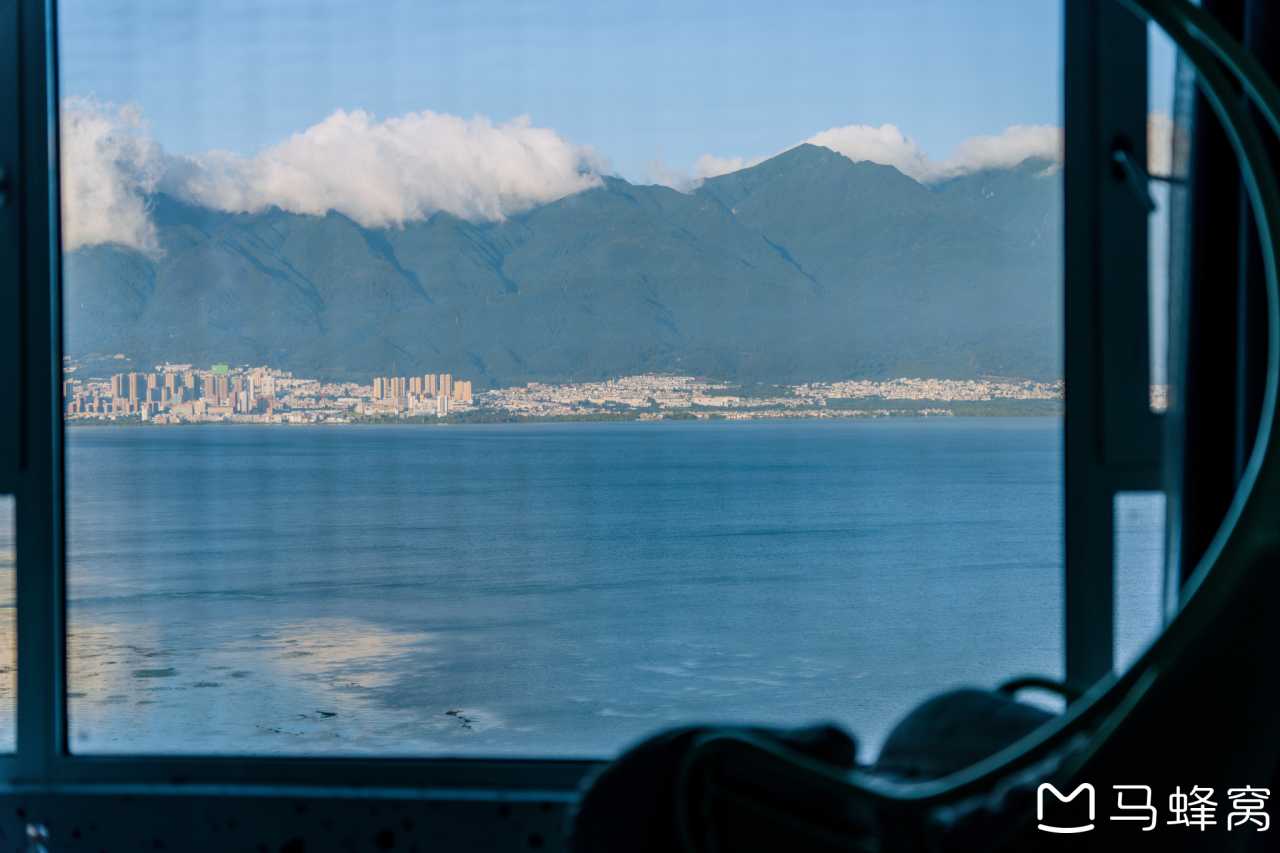
The next morning, I snapped a few shots of the sunrise through the glass window of my guesthouse. Light streamed in, and Erhai Lake shimmered faintly in the distance. The view was modest, but in that moment, my mind was at peace.
Day 2: Circling the Lake Eastward, from Ideal Land to the Romance of Shuanglang
We started our lake loop from the eastern shore of Erhai. Miss L's guesthouse was in Shuanglang, so I followed her lead.
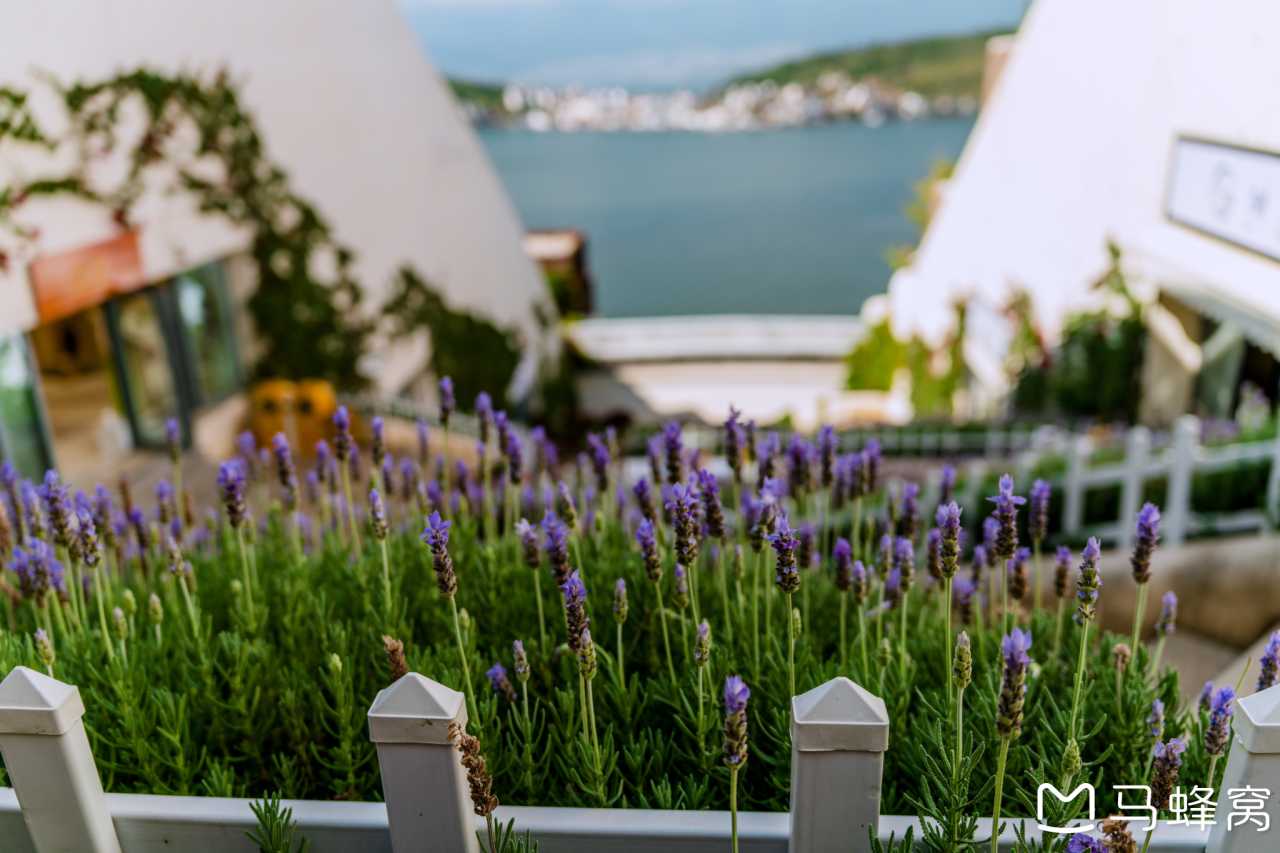
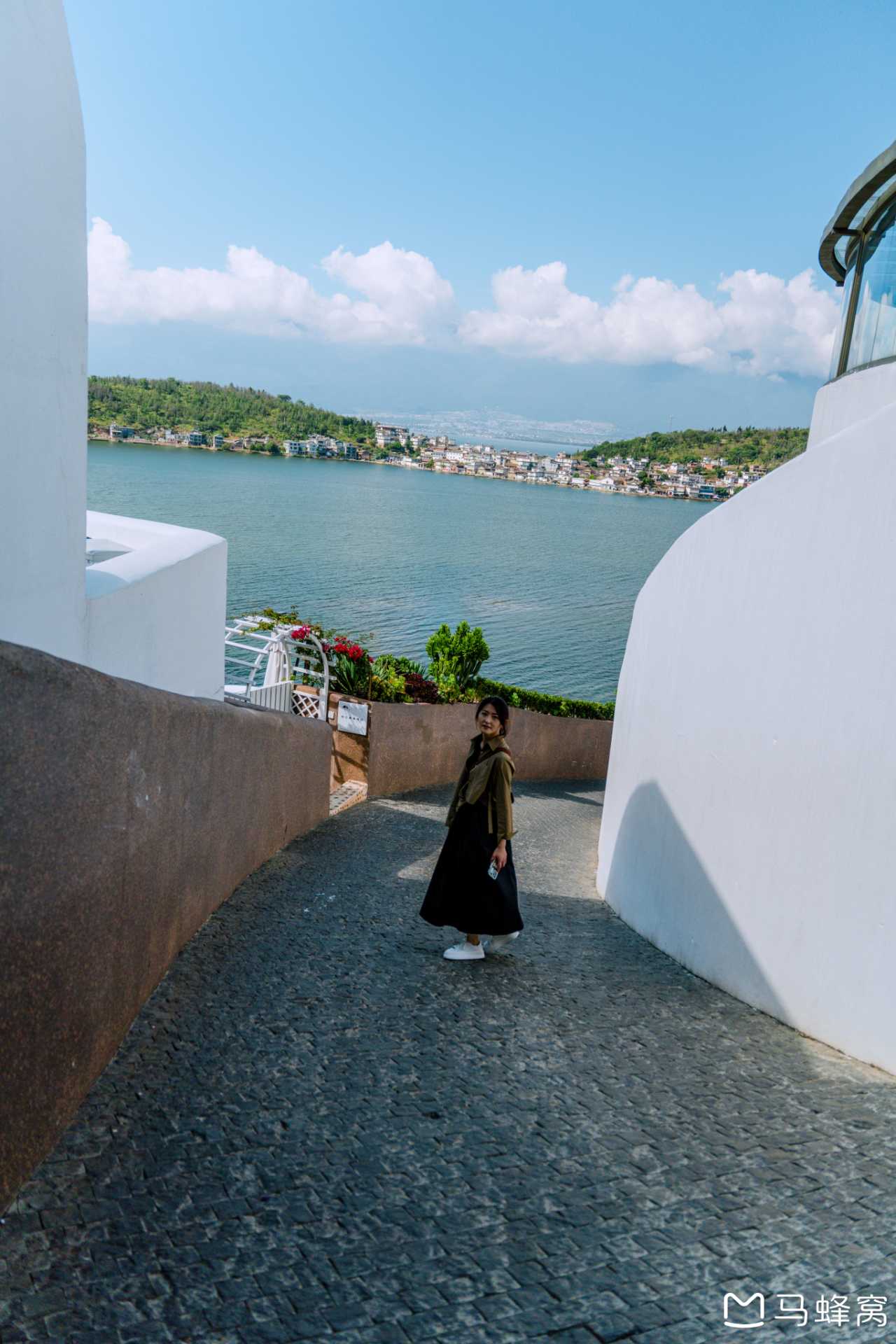
Our first stop was Ideal Land (Lixiangbang)—billed as "Dali's Santorini." Perched on a hillside, this tourist attraction features whitewashed walls and blue rooftops arranged in layered terraces, a photographer's dream. Inside, there are several trendy hotels that require bookings months in advance, with room rates easily reaching thousands of yuan. We spent nearly the entire morning wandering around. I took plenty of photos of Miss L, and she returned the favor. The sun was blazing, but our spirits were high.
From Ideal Land, we continued along the lakeside highway toward Shuanglang, about 40 kilometers away. Along the way, we passed a popular photo spot near Luoquan Peninsula, often called the "California Highway 1" of Dali. It's just a stretch of coastal road, but with the deep blue of Erhai and the crystalline sky, it's incredibly photogenic. We snapped a few quick shots and moved on. Luoquan Peninsula itself is a great place for photos, as it juts out into the lake, but we were in a hurry to reach Shuanglang for lunch, so we skipped it.
Just before entering Shuanglang town, we stopped at Xiaoputuo (Little Putuo), a small temple perched on an island in the lake. Honestly, it wasn't very impressive—half an hour was enough for photos. I tried a long exposure with an ND filter, but the light was too harsh, leaving the colors off and the exposure uneven. It was passable at best.
From there, it was about 20 minutes to Shuanglang town. I found a last-minute guesthouse on the hillside for 400 yuan a night. The conditions were basic, more like a hostel, but the location was unbeatable—it offered a panoramic view of the entire town.

Shuanglang is definitely worth an overnight stay. After dropping off our bags, we hit a trendy restaurant, grabbed coffee, wandered through the ancient town, and even shot some starry sky photos at night. The old town is beautiful after dark. Light pollution was a bit strong, but the stars were still visible. I found a quiet bar by the water, ordered a mojito, and let the sound of the waves slow me down.
The next morning, I strolled through the town. Near the dock, the water was as still as a mirror, reflecting the sky and buildings. I sat at a café next to the Muxi Hotel (Mu Xi Jiu Dian), facing the sea, sipping coffee—so comfortable I didn't want to move. Across the water was Nanzhao Customs Island (Nanzhao Fengqing Dao), accessible by ferry, but our schedule was too tight to visit.
Tip: Don't stay near the airport on your first night. Drive straight to Shuanglang and check in. You'll have to backtrack a bit, but you'll gain hours of time to just sit and stare in Shuanglang.
Day 3: Xizhou, S-Bend, and the Ancient City—From Dull to Delight
On the third day, we left Shuanglang around 11 AM and circled the lake to Xizhou Ancient Town on the western shore. After parking, we rented an electric tricycle for 50 yuan per person. We explored the town, saw the iconic Corner Tower (Zhuanjiao Lou), tried Xizhou baba (a local flatbread), and visited the famous rice paddies. Honestly, Xizhou was pretty boring. Aside from the coffee, nothing really appealed to me. I grew up around rice fields, so they held no novelty, and without a model, I didn't even bother taking photos. The Corner Tower had some charm, but you had to queue for a photo. As for Xizhou baba—it was just okay.
Leaving Xizhou, we headed straight for the viral "Dali's Little Kamakura"—the famous S-shaped bend at Panxi Village (Panxi Cun S Wan). Cars have to park in a lot outside (10 yuan per entry), and then you rent a bicycle to ride in. The S-bend stretches over 4 kilometers. I later discovered it connects to an ecological corridor that extends all the way to Caicun Pier and even into Dali city. The S-bend area was buzzing with energy—stylish cafés everywhere, packed with travel photography teams and Instagram-worthy girls.
This place was right up my alley. I spent the entire afternoon there, even joining a work meeting from a nearby café. And of course, I took plenty of photos. When my gear got too heavy, I climbed to the rooftop of "Awaits Wind" café, where I discreetly watched the crowd of beautiful women—pure entertainment. My telephoto lens captured some lovely shots, and a girl from the café kindly took a few of me.
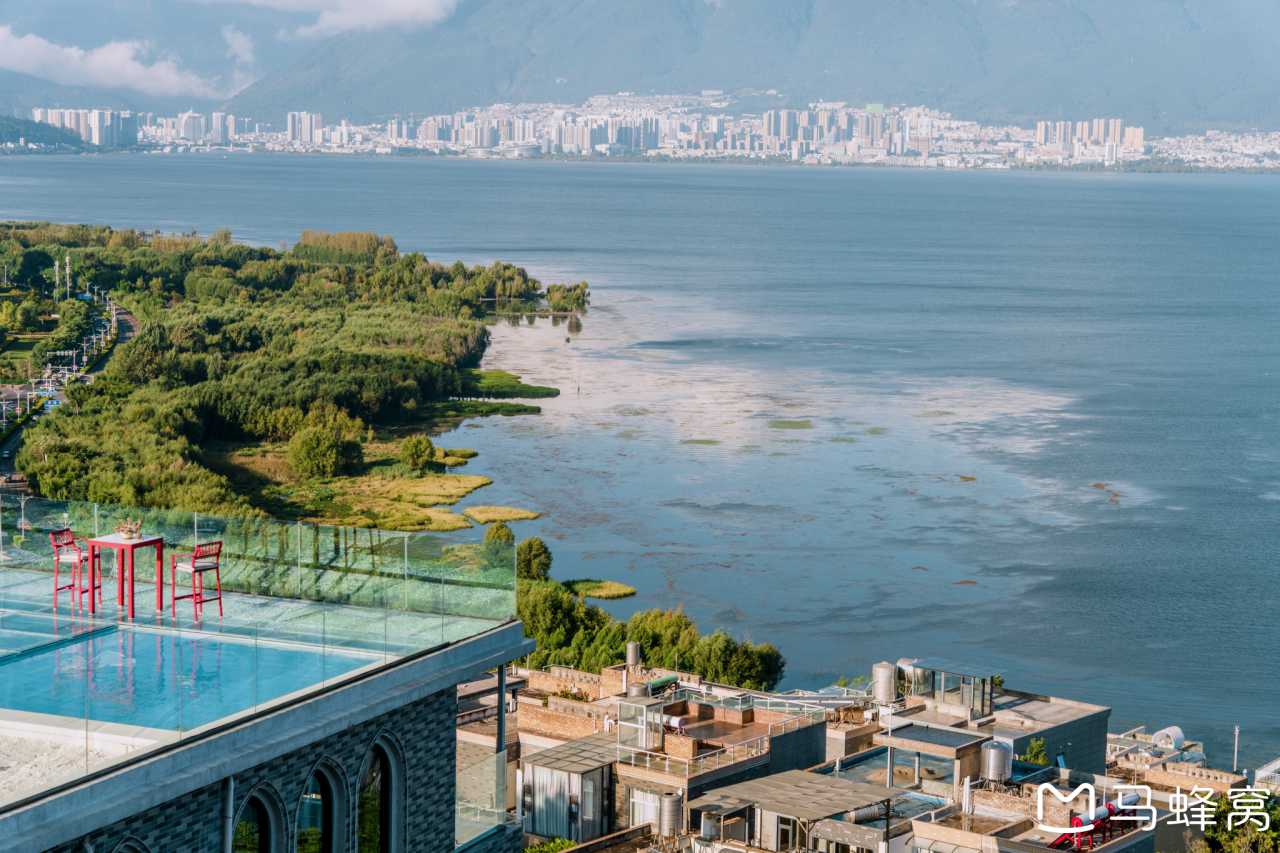
We lingered at the S-bend until around 5 PM, then drove to a guesthouse near Dali Ancient City. Miss L had found it: "Dali Boss Not Here · CM Designer Hotel" (Dali Laoban Bu Zai · CM Shejishi Jiudian). It was a European-style luxury boutique hotel, conveniently located just outside the ancient city. I was impressed and decided to stay there for the rest of the trip. Miss L only had two days, so she flew out early the next morning.
That evening, we ate at Duan Gongzi Restaurant (Duan Gongzi Canting) in the ancient city. The food was solid—a trendy restaurant that lived up to the hype.
Day 4 & 5: Checking In and Zoning Out—This Is What Dali Is Really About
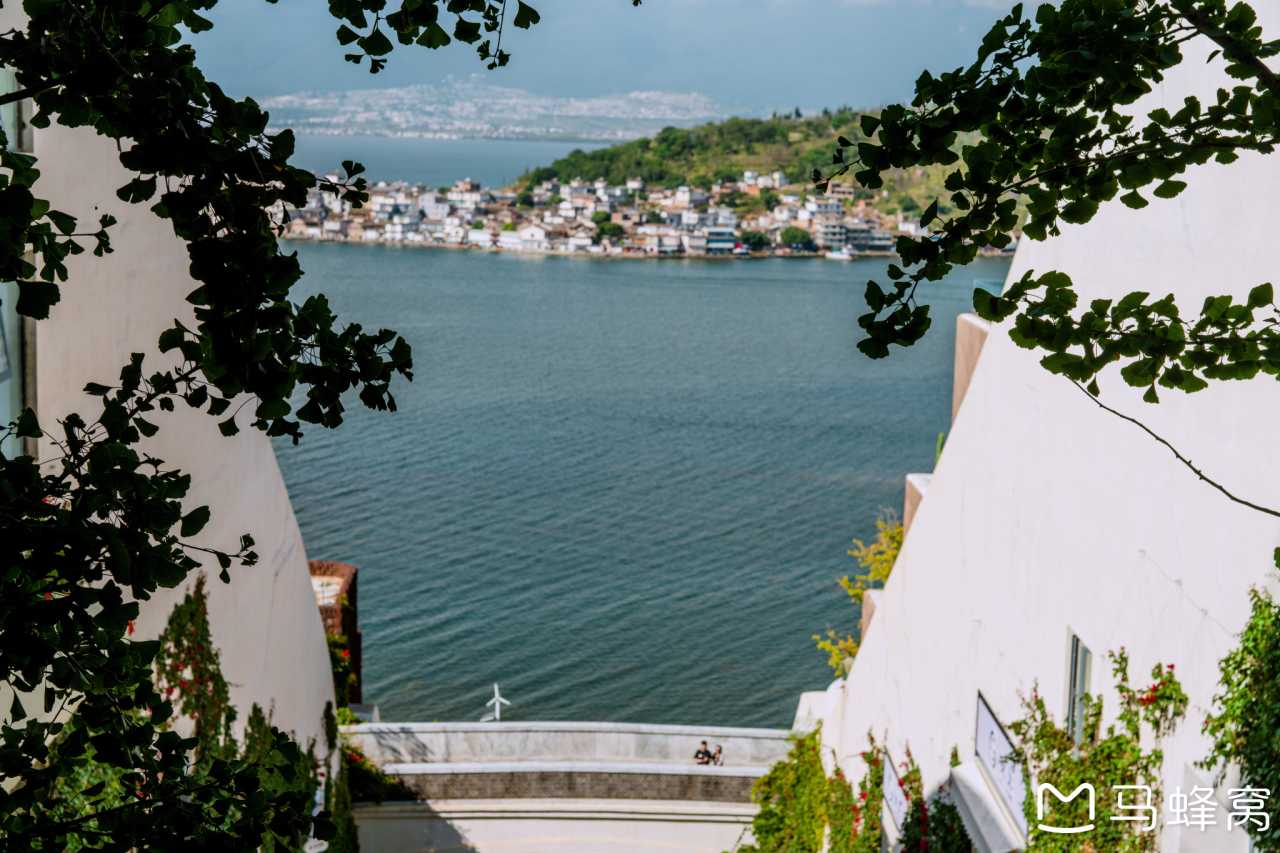
The next two days, the lake loop was done. No more rushing from spot to spot. I spent my time hunting down good food, hopping between cafés, and sitting by the water doing nothing. Honestly, that was the whole point of this trip—I just wanted to come here and zone out.
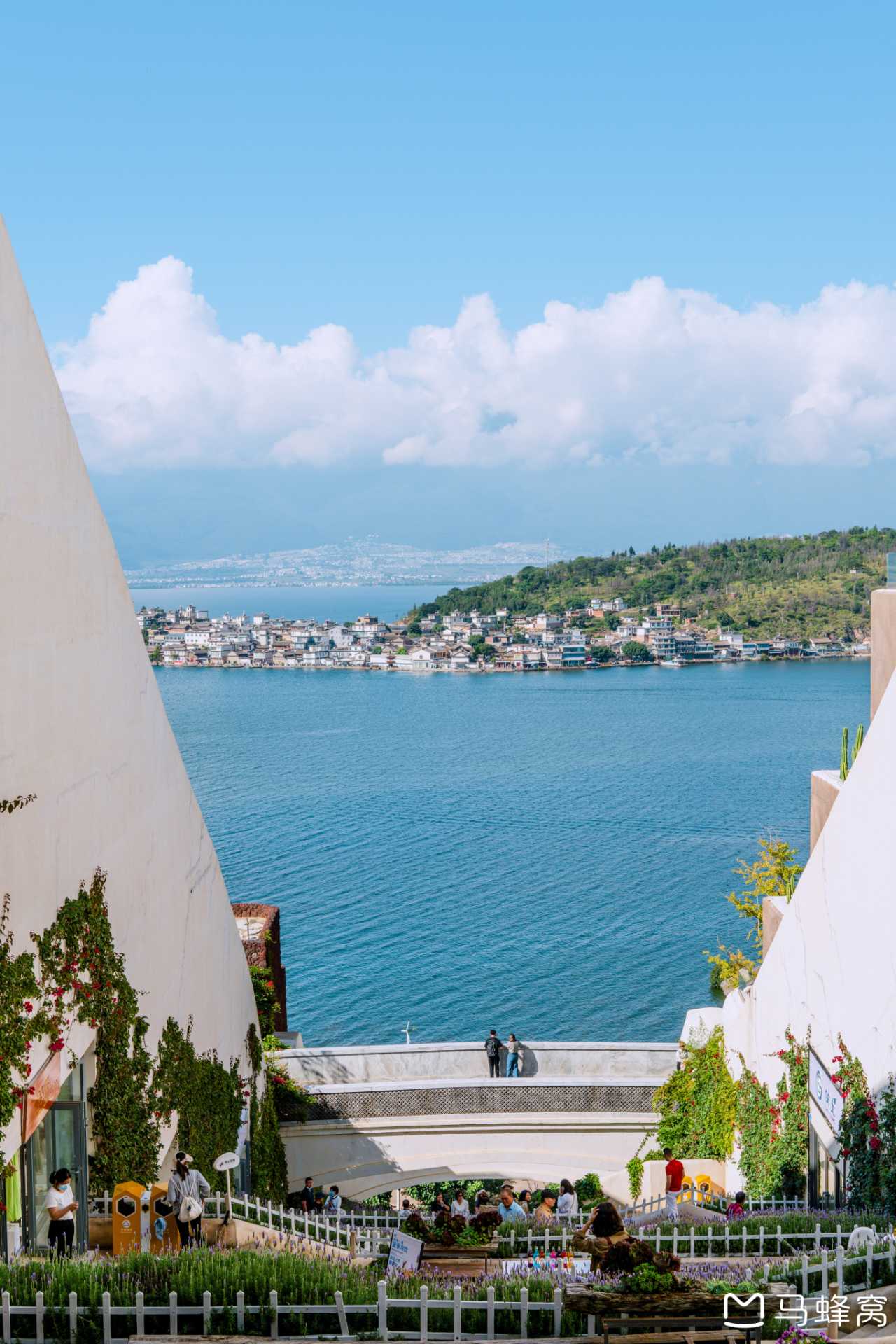
I visited Cloud Coffee (Yunduo Kafei) in the ancient town, a café with a retro 90s Blue Mountain Coffee vibe, but the drinks were good. I also drove to the popular photo spot near Dali University, just a few kilometers from the ancient city—a 10-minute drive. You need a telephoto lens to get the effect. On the way to Caicun Pier, I stopped at the trendy Green Field Restaurant (Cuitian Canting), had a meal, and posed for some photos. The restaurant sits between the ancient city and Caicun Pier, surrounded by rustic farmland and countryside. Eating a fancy Western meal in such a setting felt oddly satisfying. It wasn't too pricey either: I ordered lamb chops, juice, and beef soup for around 200 yuan.
In the afternoon, I went back to the S-bend to take more photos and just sit. The next day, I headed to Caicun Pier, which was much less crowded. The nearby ecological corridor runs right along the lake—you can bike or walk down to the water for photos. There are also plenty of guesthouses here, far cheaper than the lakefront ones in Shuanglang. A meal in Caicun cost me just 70 yuan.
Day 6: Saying Goodbye to Dali, Looking Forward to the Next Time
My flight back to Guangzhou was at 8 PM. I lounged in bed until noon, then drove to the trendy Xingsheng Bridge (Xingsheng Qiao) for a quick look. After that, I found a place to eat and treated myself to a spa to kill time. I picked a restaurant on the fly from a review app, located in a hillside villa complex near Erhai Park. It was part of a hotel (Dali Anyu Alanya Quanhaijing Holiday Hotel), with stunning lake views. A night there costs around 1,700 yuan. If you're traveling with your significant other, I highly recommend splurging for one night. The restaurant's name is a bit of a mouthful—just search for the hotel online. They serve Western food, and the coffee and soup were both good.
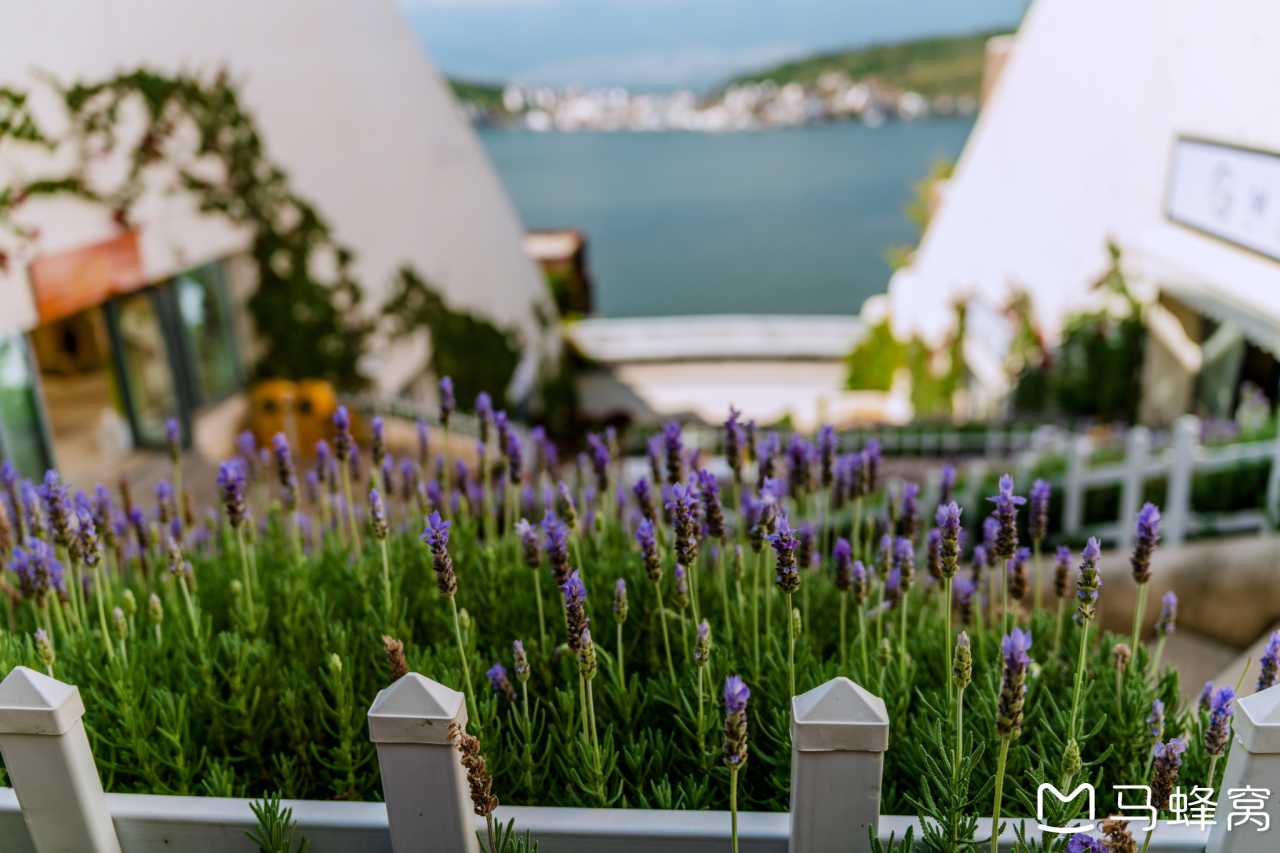
There was also a photo spot nearby. I set up my tripod and took a few casual shots. The midday light was too harsh to linger.
After the spa, I headed to the airport, returned the car, and boarded. Just before midnight on October 1st, I was back in Guangzhou.
One last reminder: wear sunscreen. I didn't bring any, and my arms, forehead, and neck all peeled from the sun.
Final Thoughts
My solo trip to Dali wasn't exactly filled with "wind, flowers, snow, and moon." There were no romantic encounters, no unforgettable stories. But I spent an entire day staring at Erhai Lake, an afternoon on a café rooftop watching people, a mojito in a Shuanglang bar, and a few hours getting lost and found in the ancient city's alleys.
These past three years, we've lost so much. But some things never go away: the courage to leave on a whim, the anticipation of distant places, and the chance to rediscover yourself in an unfamiliar city.
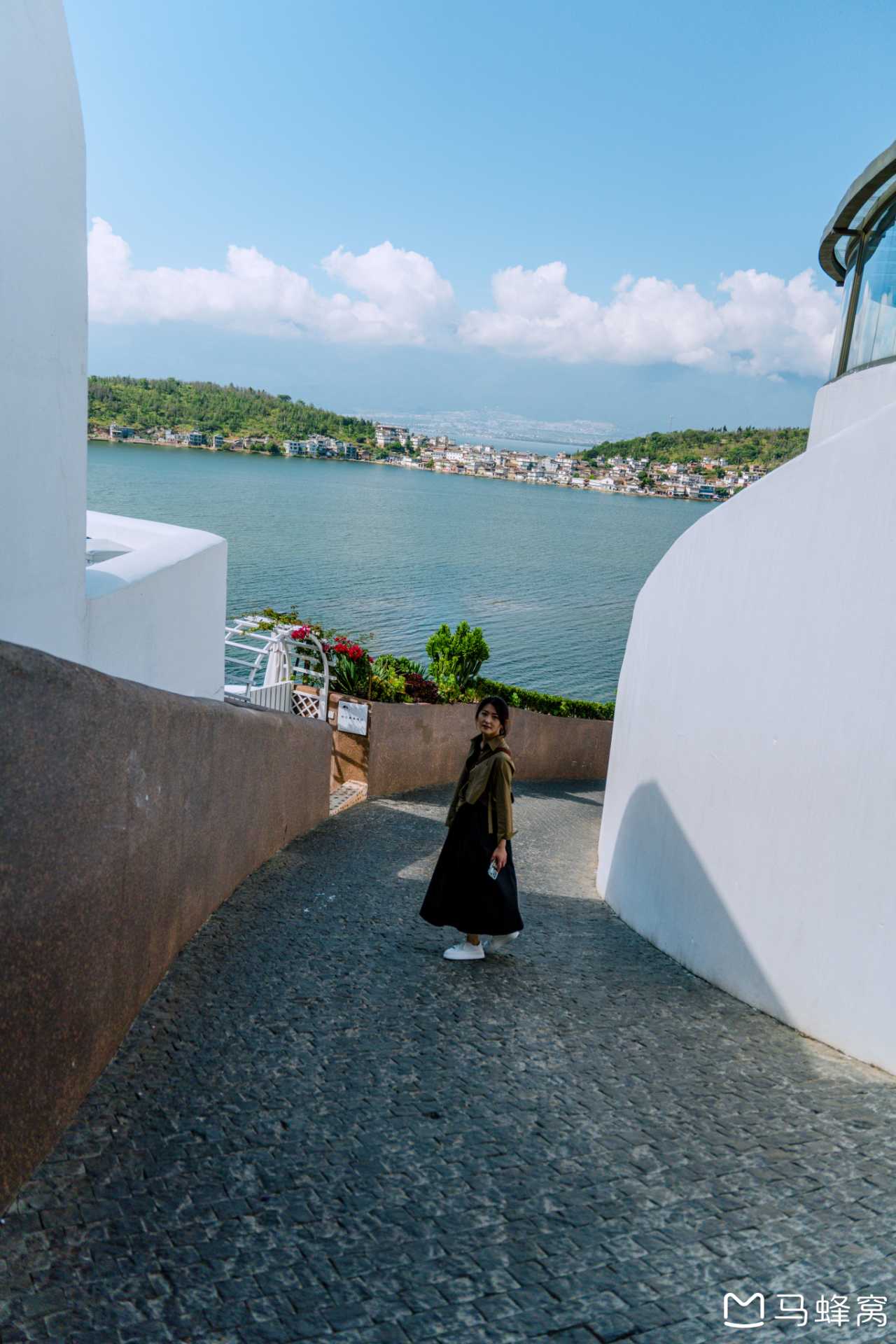
Next time, I hope there's someone special with me. But this time, being alone was just fine.
Practical Tips: - Car Rental: Beetle at 400 yuan/day, including insurance. Book in advance. - Accommodation: Stay one night in Shuanglang—lakefront guesthouses are pricey but worth it. Near the ancient city, you'll find better value. - Photo Spots: Ideal Land, Xiaoputuo, Shuanglang Ancient Town, S-Bend, Caicun Pier, Xingsheng Bridge. - Food: Duan Gongzi Restaurant, Green Field Restaurant (Cuitian Canting), Cloud Coffee (Yunduo Kafei). - Sun Protection: Dali's UV rays are brutal. Bring sunscreen, or you'll end up peeling like I did. - Time Management: Plan for at least 4–5 days. Don't rush—leave room to just sit and do nothing.
This travelogue is dedicated to everyone setting out again after the pandemic.
You should also read:
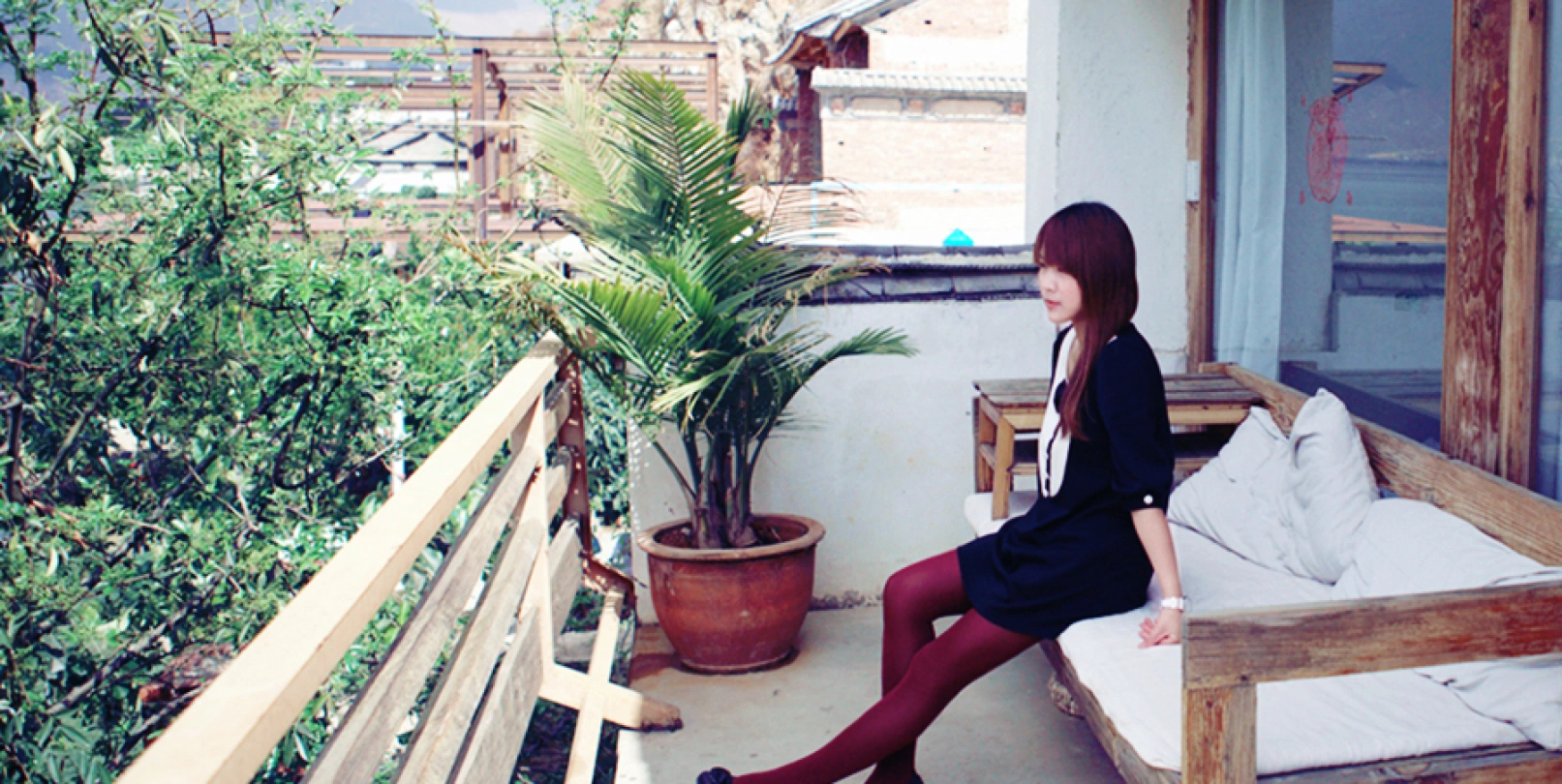
A Solo Journey to Yunnan: Shuanglang Chapter — Meeting Your Truest Self by the Erhai Lake
A Solo Journey to Yunnan: Shuanglang Chapter — Meeting Your Truest Self by the Erhai Lake Introduction: When a Dream Finally Becomes Reality Some say Yunnan is a place meant for solo travelers. It took me three full years to truly understand that. Two years…
Continue reading...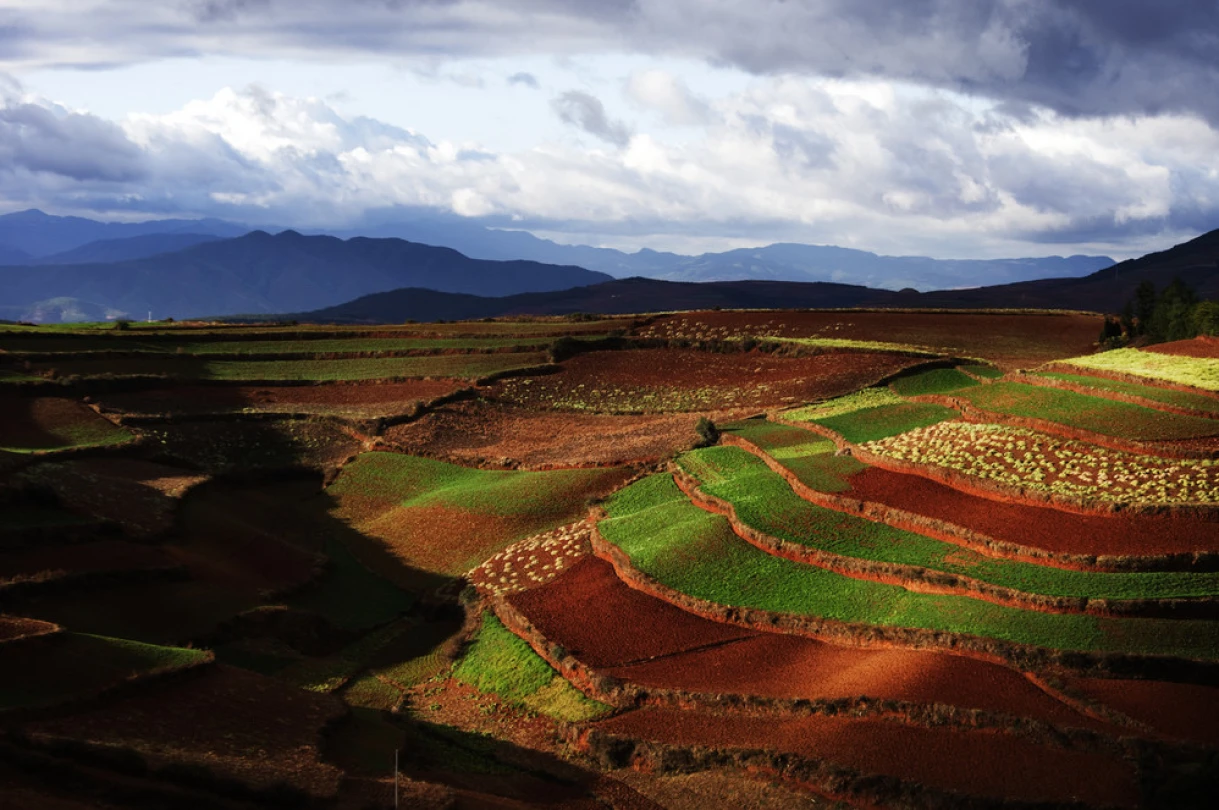
Walking Yunnan — A 23-Day Solo Journey, A Pilgrimage of Faith
Walking Yunnan — A 23-Day Solo Journey, A Pilgrimage of Faith Foreword: That Lonely Planet and a Long-Planned Escape In the winter of 2011, Songjiang, Shanghai was bone-chillingly cold. I huddled in a corner of my dorm room after lights-out, covered in hand warmers, clutching…
Continue reading...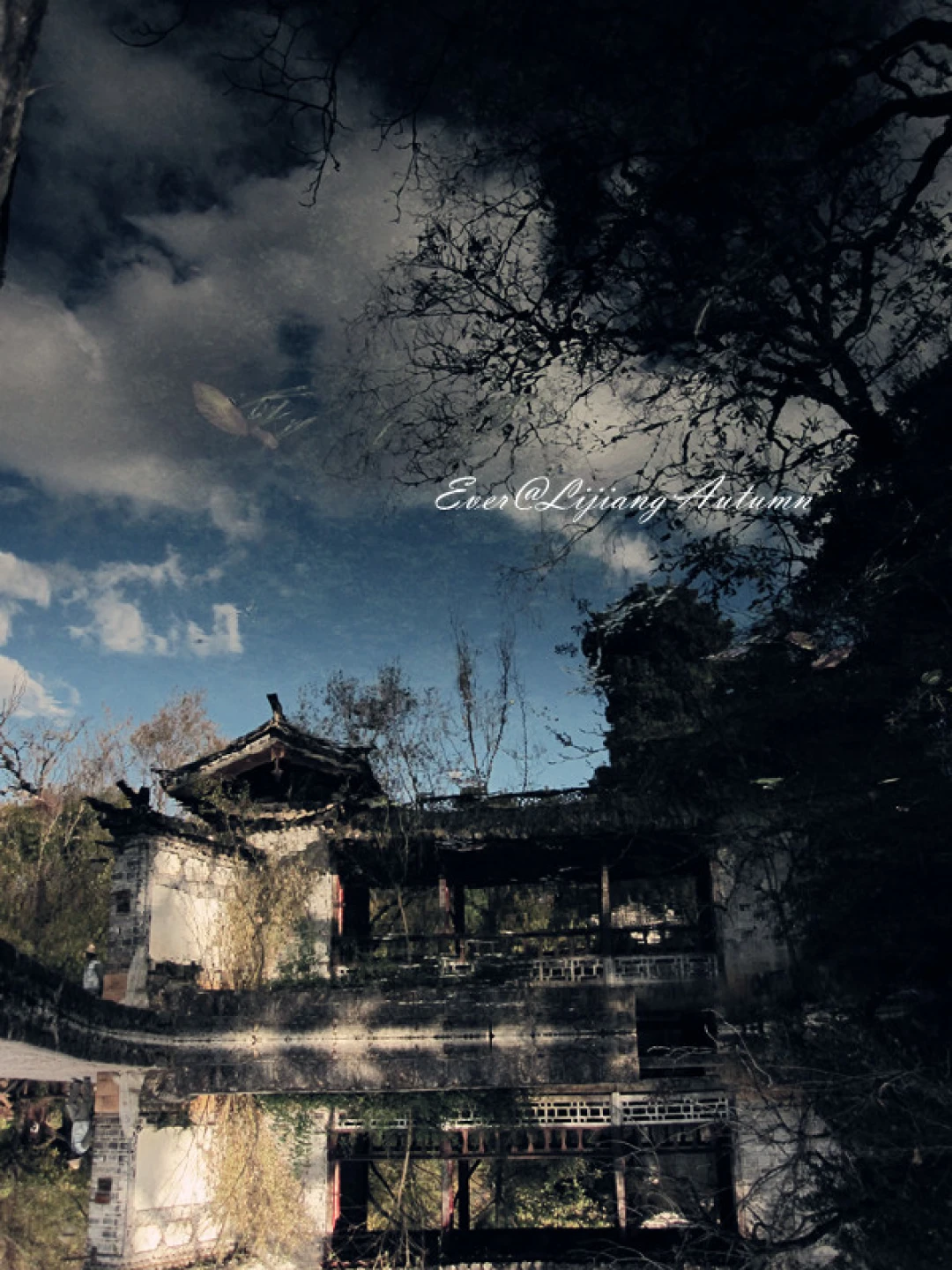
Idle Clouds in Autumn, a Moonlit City: A Slow Travelogue Through Lijiang and Shuhe
Idle Clouds in Autumn, a Moonlit City: A Slow Travelogue Through Lijiang and Shuhe When the autumn wind brushes across the ancient city's eaves, when sunlight spills onto the mottled cobblestone streets, when the melodies of folk songs mingle with the aroma of plum wine…
Continue reading...