Solo Traveler’s 16-Day Odyssey Through Yunnan: Kunming, Fuxian Lake, Lijiang, Dali, Shaxi & Jianshui
Solo Traveler’s 16-Day Odyssey Through Yunnan: Kunming, Fuxian Lake, Lijiang, Dali, Shaxi & Jianshui
Life isn’t about waiting for the storm to pass—it’s about learning to dance in the rain. Or, in my case, learning to navigate a foreign province alone, armed with sunscreen, a power bank, and an appetite for chaos. This is not a polished guidebook. Think of it as a raw, unfiltered travel diary—one that happens to contain a treasure trove of practical tips, honest reflections, and the occasional awkward encounter with a bassist.
Before You Go: The Three Non-Negotiables
Let’s cut through the fluff. You’ve traveled before. You know the drill. But if you’re heading to Yunnan, here’s what truly matters:
- Sunscreen. The UV rays at 2,000+ meters elevation are relentless. You will burn. Don’t test fate.
- Rain gear. A lightweight poncho or umbrella. Yunnan’s weather is moody—one street can be drenched while the next basks in sunshine.
- Power bank. Between navigation, photos, and emergency phone calls, your battery will cry for mercy. Be prepared.
Day 1–3: Kunming – First Impressions & Street Food Glory
Day 1: Hello, Kunming!
I woke up late. Because that’s what solo travelers do when no one is watching.
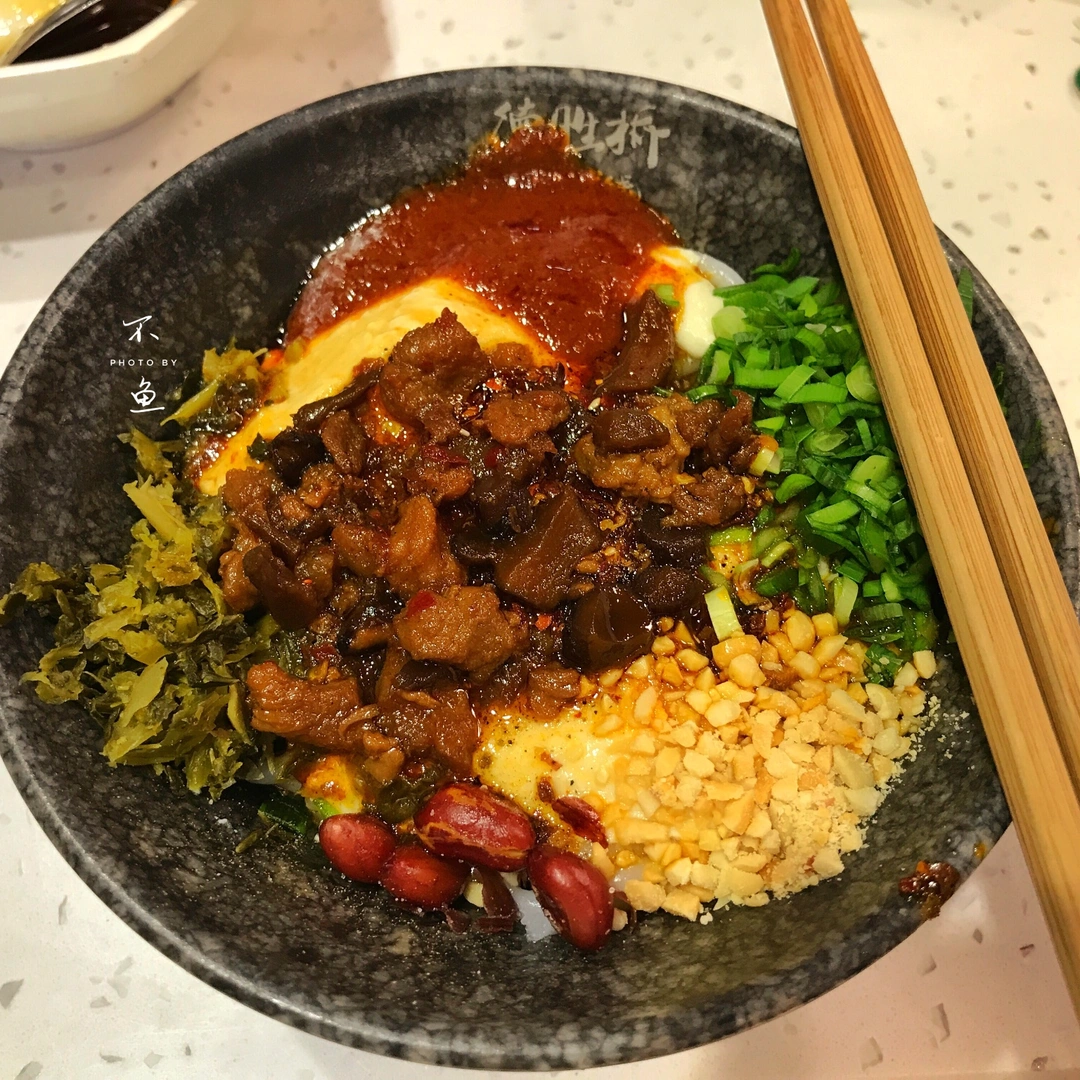
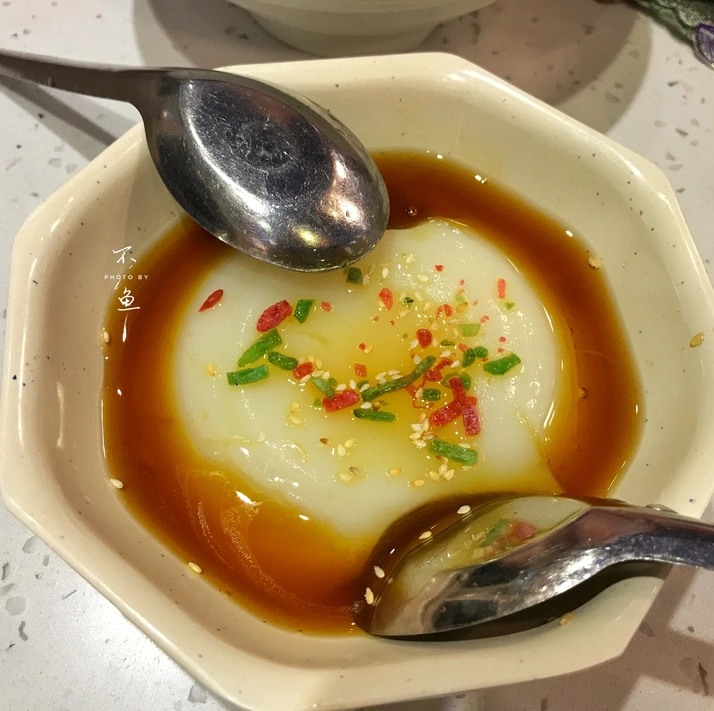
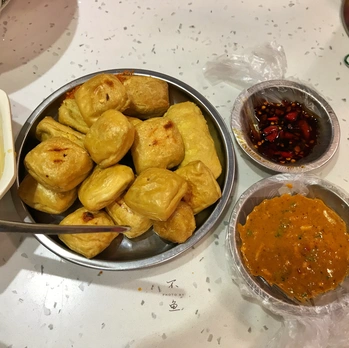
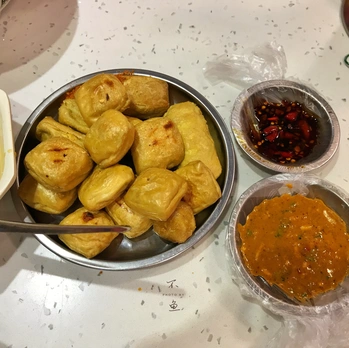
My first meal was at Deshengqiao Tofu Noodles (德胜桥豆花米线), a beloved local chain. I ordered the minced pork with tofu noodles (肉沫豆花米线) for just ¥7—a revelation. The grilled tofu (烧豆腐) was addictive, crispy on the outside, soft within. Pair it with papaya water (木瓜水) and you’ve got a meal that feels like a warm hug.

After lunch, I wandered into Green Lake Park (翠湖公园)—a slice of everyday life where retirees dance, kids chase pigeons, and winter brings flocks of red-billed gulls. Nearby, the Yunnan Military Academy (云南陆军讲武堂旧址) offered a history lesson, complete with a changing of the guard ceremony.
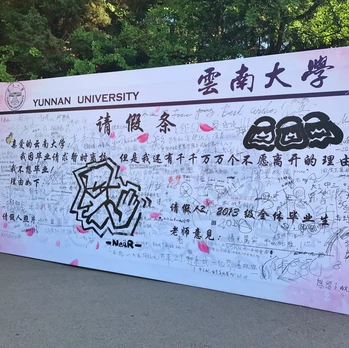
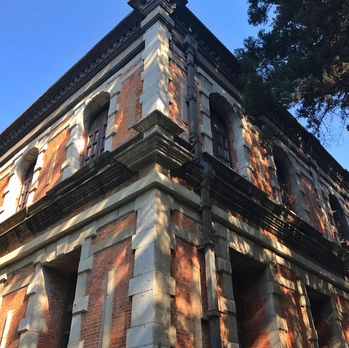
I then strolled to Yunnan University (云南大学). Graduation season hung in the air like perfume. Squirrels scampered fearlessly across the campus—bring nuts if you want a photo op. The Elephant Bookstore (大象书店) was fine, but if you’re a true bibliophile, seek out Wheat Field Bookstore (麦田书店) instead.
That evening, I caught a show at MAO Livehouse. The band, Song & Dance Girl (歌舞姬), played retro disco. I got heckled by the bassist. He offered me a cigarette. I declined. (Note: Many Yunnanese women smoke—it’s culturally common here.)
Key Takeaway: Kunming is a city of contrasts—lazy afternoons and live music, ancient temples and modern art. Embrace the chaos.
Day 2: The Market That Changed My Life
I slept in again. No shame.
Lunch was clay pot stinky tofu noodles (砂锅臭豆腐米线)—¥10 of pure, pungent joy. Then I explored Old Kunming Street (昆明老街). Don’t bother with a map; just wander. The weather is fickle, but that’s half the charm.
My friend took me to Zuanxin Farmers Market (纂新农贸市场) to buy ingredients for dinner. This place is a sensory overload:
- Porcini mushrooms (牛肝菌) and dried milk fan (乳扇)—Yunnan staples.
- Blueberries (蓝莓) from nearby Shilin County—cheap and sweet.
- Grass shoots (草芽)—a crunchy, fragrant vegetable I fell in love with.
- Pounded chicken feet (舂鸡脚)—my favorite snack. Don’t skip it.
- Tonghai sweet rice wine (通海甜白酒)—¥10 per jar. Buy two.
We made a herbal sour soup hotpot (香草酸汤火锅). It was divine. The sunset was pink. The moon hung low and bright. I went to bed full and happy.
Pro Tip: Markets are the soul of a city. Go hungry. Be curious. Talk to vendors.
Day 3: Solo Strolls & Scenic Spots
My friend returned to work, so I ventured alone to Dianchi Lake (滇池). The water was murky, but the breeze was lovely. I sat on a bench, ate Zidi potato chips (子弟土豆片), and watched the world go by.
Next: Yunnan Ethnic Village (云南民族村). With 26 ethnic groups represented, it’s a crash course in cultural diversity. The grounds are beautiful, but it’s huge—hire a guide if you’re with company. I got tired, hungry, and thirsty, so I bailed early.
I ended up at Park 1903 (公园1903)—a fancy shopping area with zero food options. I settled for a Subway sandwich and a flower yogurt (鲜花酸奶) that blew my mind. The night sky after a rainstorm was breathtaking.
Honest Moment: Solo travel means making mistakes. I wasted time at 1903. But I also discovered that sometimes the best moments come from getting lost.
Day 4–5: Fuxian Lake – The Hidden Gem
Day 4: Arrival & A Lesson in Kindness
From Kunming’s Southern Bus Station, I took a ¥20 bus to Chengjiang County, then a ¥20 tuk-tuk to Fuxian Lake (抚仙湖). I stayed at Fuxian Lake Meet Inn (抚仙湖遇见客栈)—¥50/night for a bed, with a view that made my jaw drop.
Lunch at Haiyan Restaurant (海燕饭店) was a revelation. I ordered copper pot potato rice (铜锅洋芋饭) for ¥25 and stir-fried lotus root (炒藕) for ¥15. The owner refused to serve me the rice at first—“Too much for one person!”—but I insisted. He kept refilling my tea and chatting. When I left, he offered to reheat my leftovers that evening. I was stunned. In a good way.
The lake is stunning—clear water, green mountains, moody weather. I spent the afternoon walking, splashing, and taking photos I’ll treasure forever.
Evening: I returned to the restaurant. The owner remembered me. He heated my rice. I sat by the lake, thinking about life, until mosquitoes chased me indoors.
Key Insight: Yunnan’s reputation for “wild” hospitality is real. Trust the locals. They’ll surprise you.
Day 5: Free Breakfast & Free Flowers
My hostel served a ¥10 breakfast—for free. Then the receptionist gave me a box of flower pastries (鲜花饼) worth ¥20. For free. I left Fuxian Lake with a full stomach and a full heart.
Back in Kunming, I visited the Yunnan Provincial Museum (云南省博物馆). The architecture is modern, the exhibits are rich, but my phone died mid-visit. I spent the rest of the day at Shuncheng Shopping Center (顺城购物中心), where I discovered Happy Miss flower pastries (Happy Miss鲜花饼)—the best flower pastries in Yunnan.
Travel Hack: Always carry a backup phone charger. Museums are not forgiving.
Day 6–8: Lijiang – Snowy Peaks & Sour Soup
Day 6: The Night Train to Lijiang
I took the overnight sleeper from Kunming to Lijiang. It’s the smart move—save time, save money. The station had double security checks, which made me feel safe.
Tip: Book your ticket early. Lijiang is never “off-season.”
Day 7: Old Town & A Culinary Challenge
I arrived at 7 AM. The sky was low, the clouds were close. My hostel, Qiju Lijiang Travel International Youth Hostel (Q居丽江旅行纪国际青年旅舍), was a converted villa with a dream kitchen. I stayed in a female dorm with private bathroom—pure luxury.
I visited Shuhe Ancient Town (束河古镇) first. It’s quieter than Lijiang’s main old town, with fewer crowds and more charm. I saw Three-Eye Well (三眼井)—a clever water system where the top pool is for drinking, the middle for washing vegetables, and the bottom for laundry. I also stumbled upon Nine Cauldron Dragon Pool (九鼎龙潭), with water so clear it looked empty.
Dinner was at Ama Smoked Ribs (阿妈腊排骨). I ordered a small portion of smoked ribs with ham chicken. It was… an acquired taste. The water spinach (水性杨花) tasted exactly like what it was: water plants. The dipping sauce, made with houttuynia (折耳根) and chili, was the real star.
Evening: I entered Lijiang Old Town (丽江古城) after 7 PM to avoid the ¥50 maintenance fee. The streets were packed—47,395 people, according to the digital counter. By nightfall, the “love capital” reputation became obvious. I bought yogurt and went to bed.
Honest Review: Lijiang is beautiful but commercial. Shuhe is the better choice for peace.
Day 8: Local Markets & The Train to Dali
I visited Xiangshan Comprehensive Market (象山综合市场). It’s where locals shop. I ate free-range chicken noodles (土鸡米线) from a stall outside. The chicken was tender, the broth rich—a ¥10 masterpiece. I bought dried mushrooms, flower tea, and a bag of Yunnan small coffee (云南小粒咖啡) for souvenirs.
Then I caught the train to Dali. Two hours, ¥34. Easy.
Evening in Dali: I checked into Dali Ancient Town International Youth Hostel (大理古城国际青年旅舍). The courtyard was filled with bougainvillea. I wandered the old town, which felt more laid-back than Lijiang—fewer bars, more bookstores. Dinner was crossing-the-bridge noodles (过桥米线) at a random restaurant. The broth arrived bubbling hot, and I added my own ingredients like a culinary scientist.
Key Difference: Dali feels like a town that hasn’t sold its soul. Yet.
Day 9–11: Dali – Cycling, Chai & Chill
Day 9: Erhai Lake by E-Bike
I rented an e-bike for ¥40 and spent the day circling Erhai Lake (洱海). The route is straightforward—follow the water, stop whenever you like. I passed through Xizhou Ancient Town (喜洲古镇), where I ate Xizhou baba (喜洲粑粑)—a flaky, stuffed flatbread that’s dangerously addictive.
I also visited Zhoucheng Village (周城村), the tie-dye capital of Yunnan. I watched women dip cloth into indigo vats, their hands stained blue. I bought a scarf for ¥30. No haggling necessary—the price was fair.
Sunset: I parked my e-bike near Longkan Pier (龙龛码头) and watched the sky turn peach. A man played guitar. A dog sat beside me. Life felt simple and perfect.
Practical Note: The e-bike battery lasted 60 km. Plan your route or bring a charger.
Day 10: Chai & Chill at a Local Teahouse
I spent the morning at Dali’s Foreigner Street (洋人街). It’s touristy, but I found a hidden teahouse upstairs. The owner, a Bai woman, brewed Pu'er tea (普洱茶) and told me about her family’s tea farm. I stayed for three hours.
Lunch was Yunnan-style cold noodles (云南凉米线)—¥12, with peanuts, bean sprouts, and a vinegar-chili dressing that woke up my taste buds.
Afternoon: I climbed to Dali Ancient City’s South Gate (大理古城南门) for a panoramic view. The Cangshan Mountains (苍山) loomed in the distance, their peaks dusted with snow. I sat there, journal in hand, until the sun dipped low.
Evening: I joined a free walking tour. The guide, a local student, pointed out hidden temples and shared stories about the Naxi people. I tipped ¥50. It was worth every yuan.
Reflection: Dali rewards slow travelers. Rush through, and you’ll miss its quiet magic.
Day 11: Cooking Class & A Rainy Goodbye
I booked a cooking class through my hostel. ¥150 for four hours, including a market visit. We made:
- Steam pot chicken (汽锅鸡)—a Yunnan classic, cooked without water.
- Stir-fried seasonal greens (炒时蔬)—simple, fresh, perfect.
- Liangfen (凉粉)—cold jelly noodles with chili oil.
The rain came down hard during lunch. I ate on a covered terrace, watching droplets hit the courtyard stones. It was one of those meals you remember for years.
Afternoon: I packed my bags. Dali had been kind to me. But Shaxi was calling.
Day 12–13: Shaxi – Time Travel & Tea Horse Road
Day 12: The Bus to Shaxi
From Dali, I took a bus to Shaxi Ancient Town (沙溪古镇). Two hours, ¥25. The road wound through mountains, past terraced fields and villages where old women sold persimmons by the roadside.
Shaxi is what Lijiang was 20 years ago: cobblestone streets, wooden houses, zero chain stores. I stayed at Shaxi Old Theater Inn (沙溪老戏台客栈)—a converted theater from the Ming dynasty. My room had a window overlooking the Sideng Market Square (寺登街), a UNESCO World Heritage site.
Evening: I ate at Old Horse Tea House (老马茶馆). The owner, a retired horse trader, served Bai-style fish (白族酸辣鱼)—sour, spicy, and fresh from the nearby lake. He told me stories about the Tea Horse Road, the ancient trade route that once passed through Shaxi. I listened until the candle burned out.
First Impression: Shaxi feels like stepping into a painting. Time moves slower here.
Day 13: Hiking & Handicrafts
I woke to roosters and church bells. Shaxi has a Catholic church built by French missionaries in the 19th century—a strange but beautiful sight in rural China.
I hiked to Shi Bao Shan (石宝山), a mountain dotted with Buddhist grottoes. The trail was quiet, the air thin. I saw only three other hikers all day. The carvings, dating back to the Nanzhao Kingdom (738–902 AD), were hauntingly detailed.
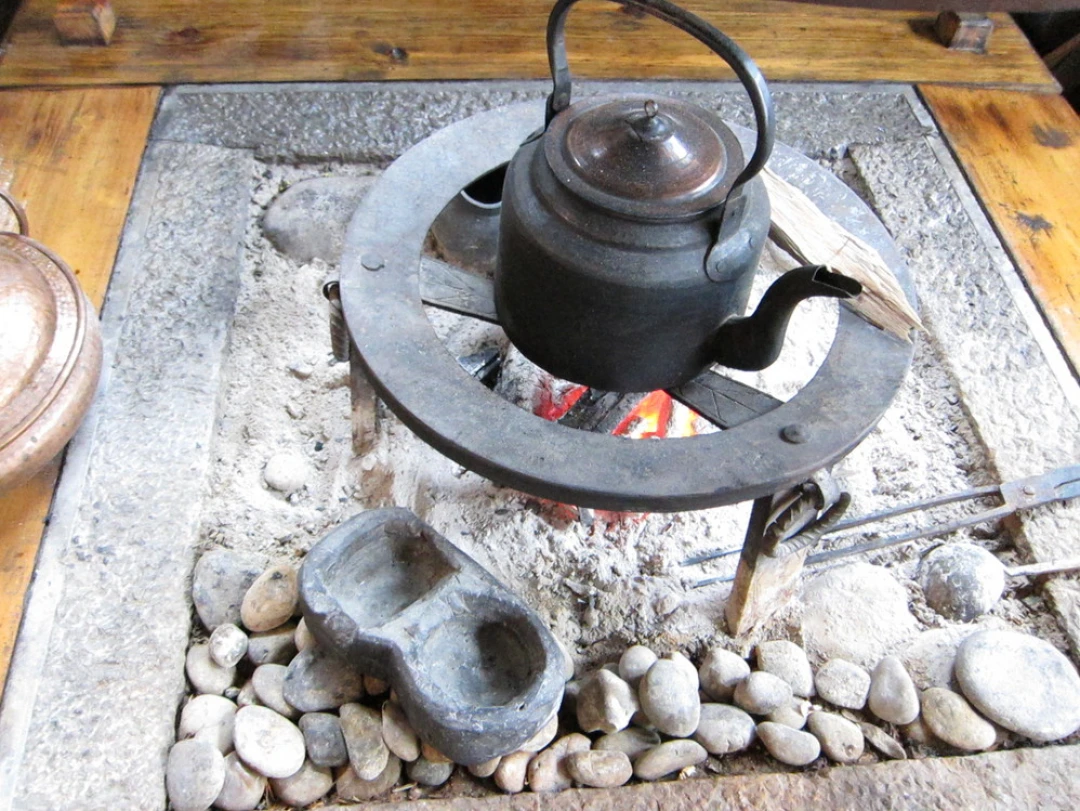
Afternoon: I visited a blacksmith’s workshop (铁匠铺) in town. The smith, a man in his 60s, let me try hammering a red-hot blade. I was terrible. He laughed and offered me tea.
Shopping: I bought Shaxi tie-dye (沙溪扎染) from a women’s cooperative. The patterns were abstract, the colors deep indigo. ¥60 for a scarf. I also picked up Yunnan ham (云南火腿) from a local butcher—cured for two years, wrapped in paper.
Evening: I sat on the theater stage, alone, and watched the stars. Shaxi has no light pollution. The Milky Way was visible, a river of light across the black sky.
Final Thought: If you only have time for one ancient town in Yunnan, make it Shaxi.
Day 14–16: Jianshui – Confucius, Tofu & Ancient Gates
Day 14: The Slow Train to Jianshui
From Shaxi, I backtracked to Kunming, then took a train to Jianshui (建水). Four hours, ¥54. The landscape shifted from mountains to red earth—Yunnan’s wild west.
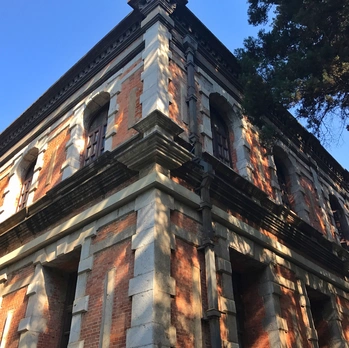
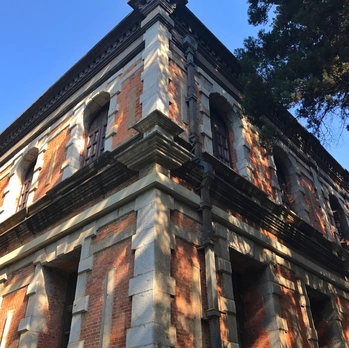
Jianshui is a city of gates. The Chaoyang Tower (朝阳楼) , built in 1389, predates Beijing’s Tiananmen Tower by 28 years. I climbed to the top at sunset. The view was worth every step.
Dinner: I ate at Lin’an Restaurant (临安饭店) , famous for its Jianshui tofu (建水豆腐) . The tofu is grilled over charcoal, served with a dipping sauce of chili, soy sauce, and cilantro. ¥10 for a plate. I ordered three.
Night: I walked the old city walls. The moon was full. Couples whispered on benches. A cat followed me for three blocks.
Vibe: Jianshui feels scholarly—Confucian, refined, with a touch of frontier grit.
Day 15: Confucius, Pottery & A Garden of Dreams
Morning: Jianshui Confucius Temple (建水文庙) . Built in 1285, it’s the second-largest Confucian temple in China. The courtyards were empty. I sat by the lotus pond and read a book for an hour.
Afternoon: I visited Zhu Family Garden (朱家花园) , a sprawling mansion from the Qing dynasty. It’s a maze of courtyards, pavilions, and carved screens. I got lost three times. Each corner revealed something new: a bamboo grove, a koi pond, a scholar’s study.
Pottery: Jianshui is famous for purple clay pottery (建水紫陶) . I visited a workshop where artisans shaped pots on spinning wheels. I bought a small tea cup for ¥80. The clay felt cool and smooth in my hands.
Evening: I joined a tofu-making class. The process is simple: soak soybeans, grind them, press the curd, then grill. I ate my own tofu with Yunnan-style pickled vegetables (云南泡菜) . It was the best meal of the trip.
Reflection: Jianshui is a city that rewards curiosity. Every alley hides a story.
Day 16: The Double Dragon Bridge & Farewell
My last day. I took a tuk-tuk to Double Dragon Bridge (双龙桥) , a 17-arch stone bridge built in the Qing dynasty. The morning mist hung low over the water. I walked the entire length, counting each arch like a prayer.
Lunch: Back in town, I ate crossing-the-bridge noodles (过桥米线) one last time. The broth was rich, the portions generous. I ordered extra tofu. No regrets.
Afternoon: I packed my bags and caught the train to Kunming. The sun was setting over the red earth, painting the landscape in shades of amber and rust. I felt tired, sunburned, and deeply grateful.
Final Thoughts: Yunnan is not a place you visit—it’s a place that visits you. The mountains stay in your bones, the food lingers on your tongue, and the kindness of strangers becomes a standard you carry everywhere. If you’re thinking about solo travel, stop thinking. Just go. The road will provide.
Practical Tips for Your Own Yunnan Adventure
| Category | Recommendation |
|---|---|
| Budget | ¥200–300/day for mid-range travel |
| Best Time | March–May (spring) or September–November (autumn) |
| Packing | Layers, sunscreen, rain jacket, power bank |
| Transport | Buses & trains are reliable; e-bikes for lakes |
| Language | Learn basic Mandarin; apps like Pleco help |
| Solo Safety | Trust your instincts; Yunnan is generally safe |
One Last Thing: The best travel advice I ever received was this: “Leave room for the unexpected.” Yunnan will give you plenty. Say yes to the random invitation. Take the wrong turn. Eat the strange thing. That’s where the magic lives.
You should also read:
Dreaming of Lijiang, Dreaming of Shangri-La: A Journey That Lets Your Soul Breathe Deeply
Dreaming of Lijiang, Dreaming of Shangri-La: A Journey That Lets Your Soul Breathe Deeply Life is like a long trek. We're always rushing through the concrete jungle, searching for a glimmer of light in the monotony of our days. Then one autumn, I heard the…
Continue reading...
Solo in Yunnan: A Wanderer’s Guide to the Land of Eternal Spring
Solo in Yunnan: A Wanderer’s Guide to the Land of Eternal Spring There’s something magical about traveling alone. No compromises, no schedules to keep, no one to please but yourself. I’ve been on the road for nearly three months now, and not once have I…
Continue reading...
Into the Hidden Valley: A Solo Journey Through the Mysterious Dulong River
Into the Hidden Valley: A Solo Journey Through the Mysterious Dulong River Deep in the northwestern corner of Yunnan Province, tucked away from the modern world, lies a place that feels like a secret whispered among mountains. The Dulong River Valley is not just a…
Continue reading...