South of the Clouds, West of Erhai Lake – A Solo Journey Through Western Yunnan in February 2026
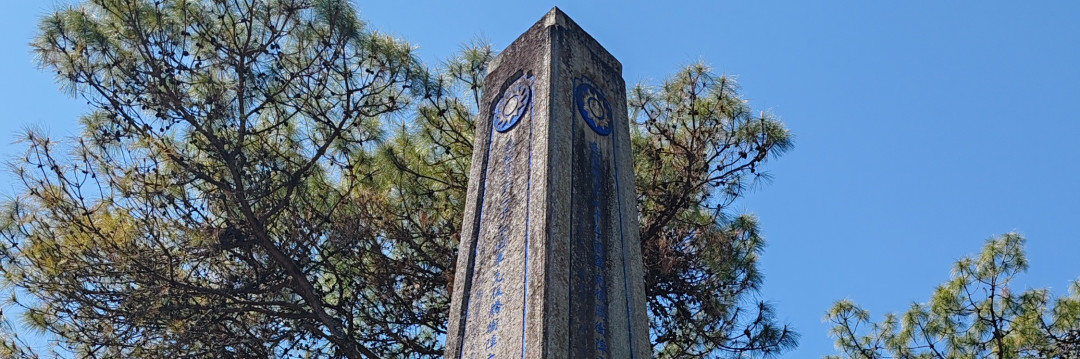
South of the Clouds, West of Erhai Lake – A Solo Journey Through Western Yunnan in February 2026
Prologue: A Spontaneous Trip and a Nearly Lost Self
Life is a flowing banquet, and travel is the most carefree chapter of that feast.
In February 2026, I shouldered my backpack and set foot on the soil of western Yunnan. Ten years ago, I had a brief encounter with Yunnan – a three-day stop in Kunming in 2016 while returning from Tibet to Guangzhou. Back then, I was just a passerby. This time, I carried a long-buried wish: to go to Tengchong, to pay tribute to those抗日 heroes (Chinese soldiers who fought against Japanese invasion) who never made it home.
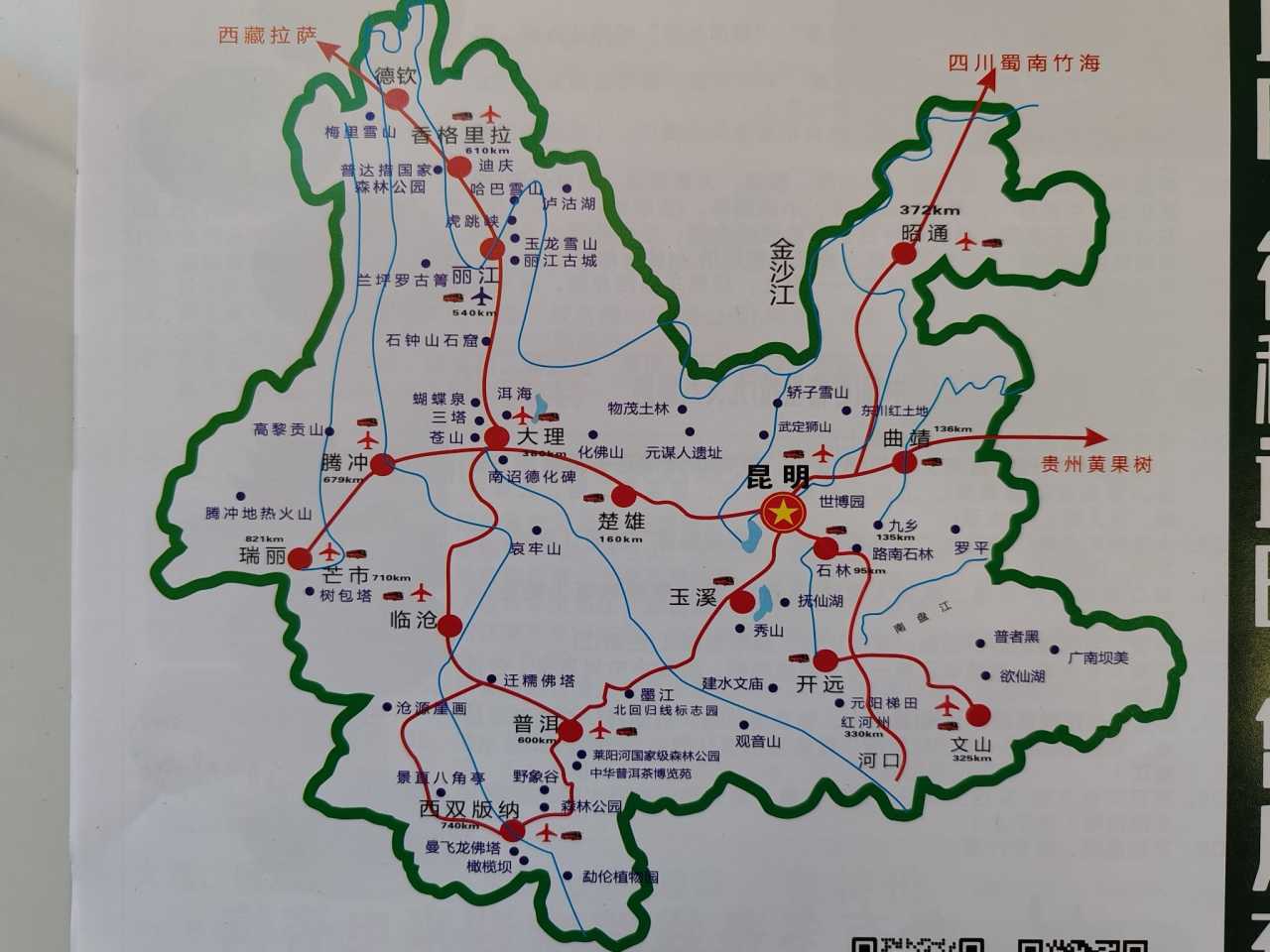
Before setting off, I naively assumed that China's transportation network was seamless, with high-speed rail crisscrossing everywhere. I planned a loop: Kunming–Pu'er–Lincang–Tengchong–Kunming. Only to discover that Pu'er, Lincang, and Tengchong couldn't form a closed loop at all. To get from Lincang to Tengchong, you first have to head north to Dali, then west to Baoshan, and finally take a bus west into Tengchong. If I could do it over, I'd choose Kunming–Dali–Baoshan–Tengchong–Mangshi–Ruili, heading straight west, then fly back to Guangzhou from Ruili.
But the beauty of travel lies precisely in its unpredictability. Since I was already there, I made the best of it. The scenery is on the road, the mood is in the moment – everything was just right.
Day One: The Great Wallet Disappearance
February 12 – Guangzhou to Kunming.
Just before leaving, I finished dinner at my parents' house and casually patted my back pocket – my wallet was gone! ID card, bank cards, cash – everything. My dad and I took a taxi back to my place and tore it apart. Nothing. With no other choice, I steeled myself and set off, ready for a "document-less journey."
Just as I neared the airport, my dad called: "Found it! It fell by the toilet..."
The feeling of loss and recovery was wonderful. From that day on, I never dared to keep my wallet in my back pocket again. Still, for the rest of this trip, I had to make do with a temporary ID for flights, hotels, and high-speed trains.
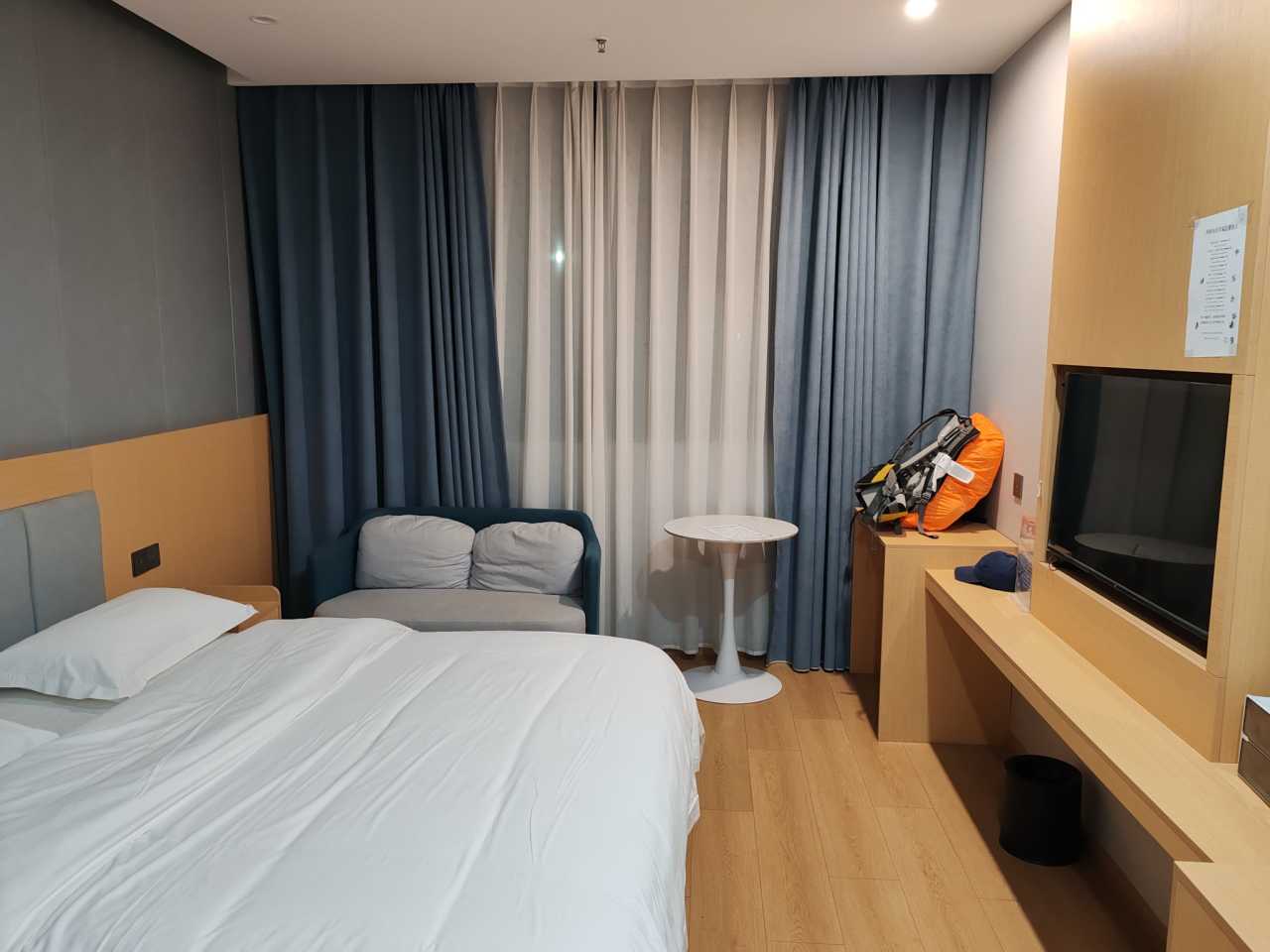
Arrived at Kunming late at night, checked into a hotel near the airport with a shuttle service. Decent enough.
Day Two: From Museum to Dianchi Lake, Then Into Lincang's Night
February 13 – Kunming to Lincang.
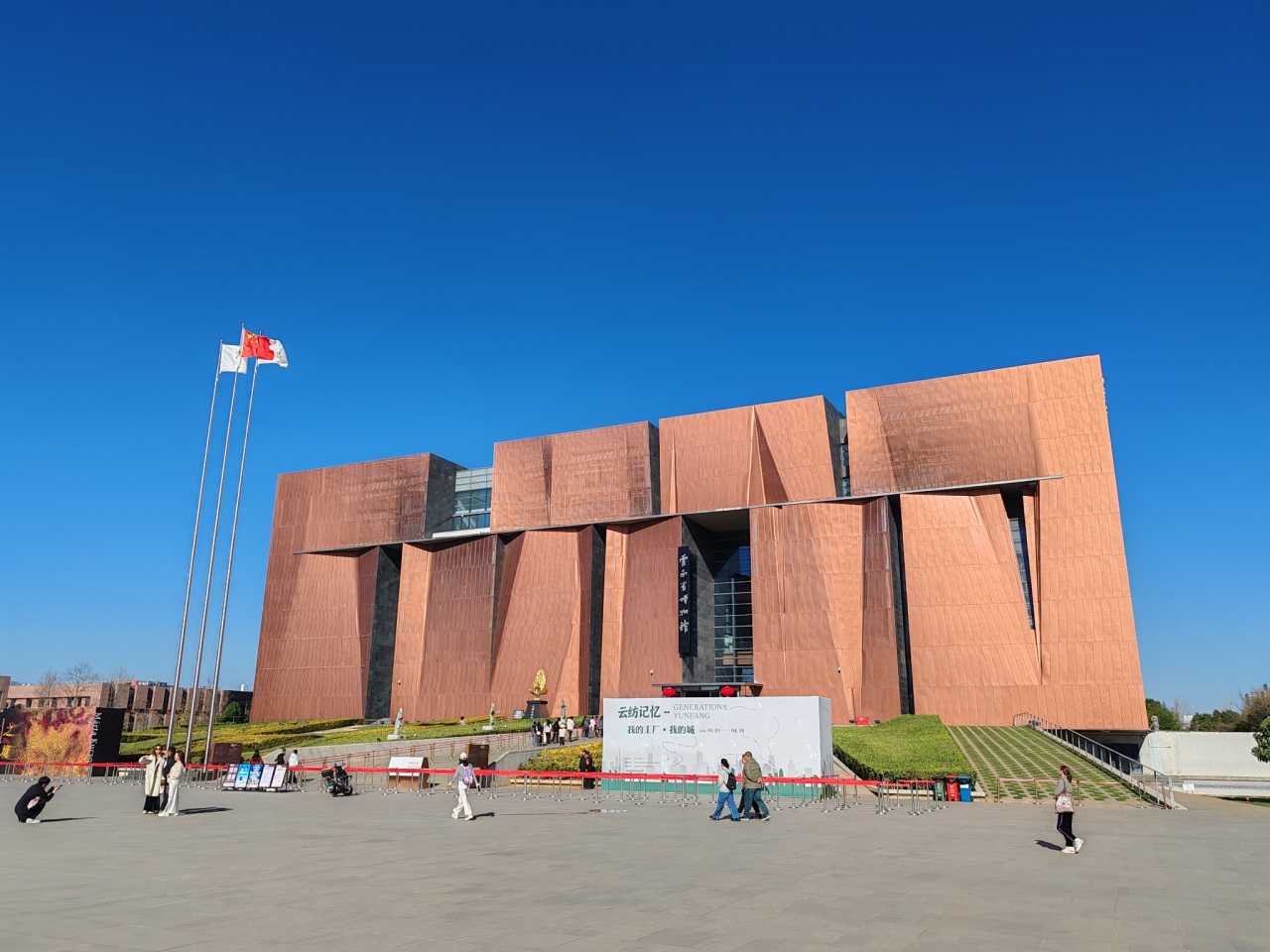
At 9 a.m., the hotel shuttle took me back to the airport, where I transferred to the metro and headed straight for the city center. My first stop is always the museum – even if I've been there ten years ago, I still go again.
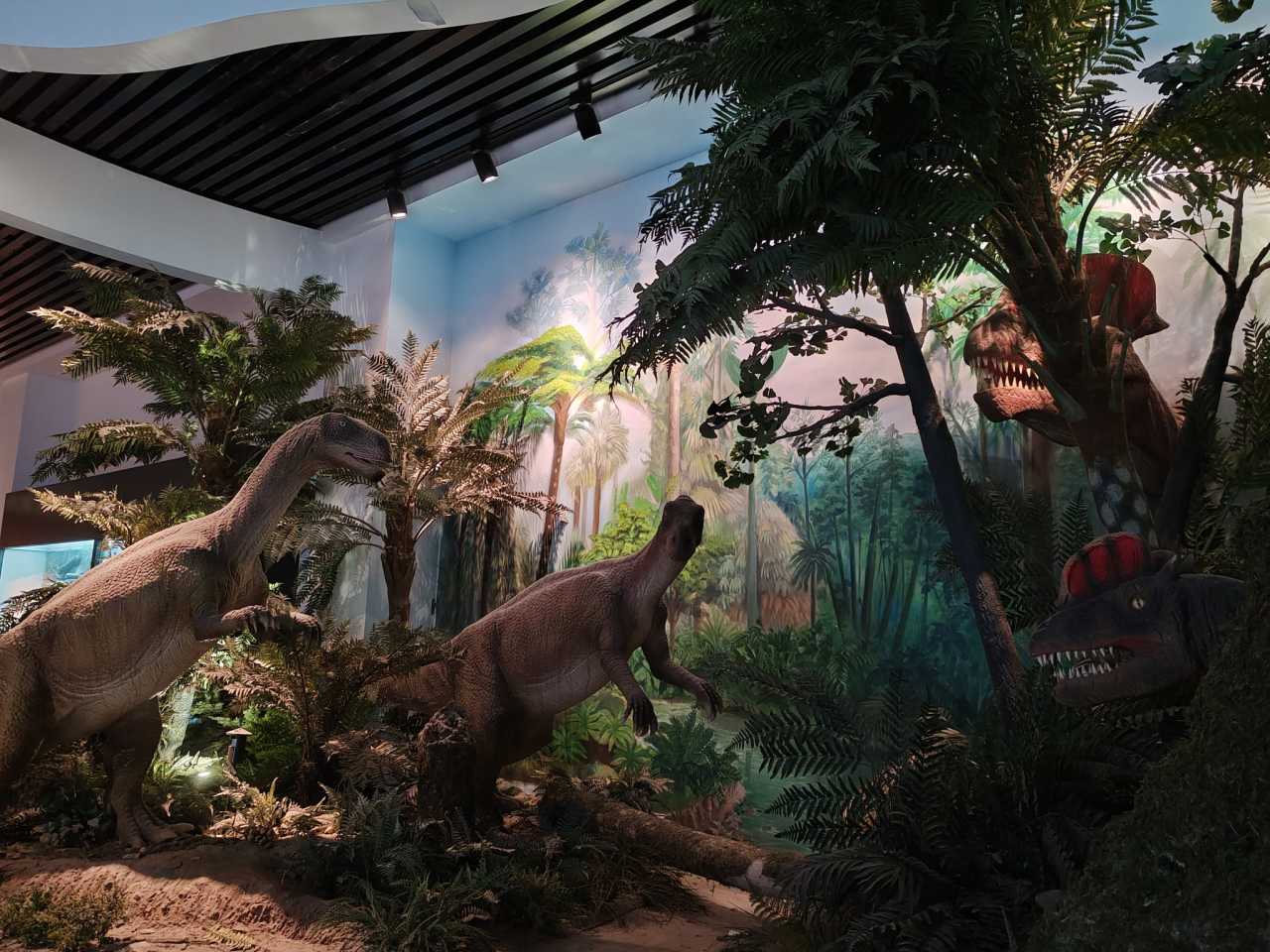
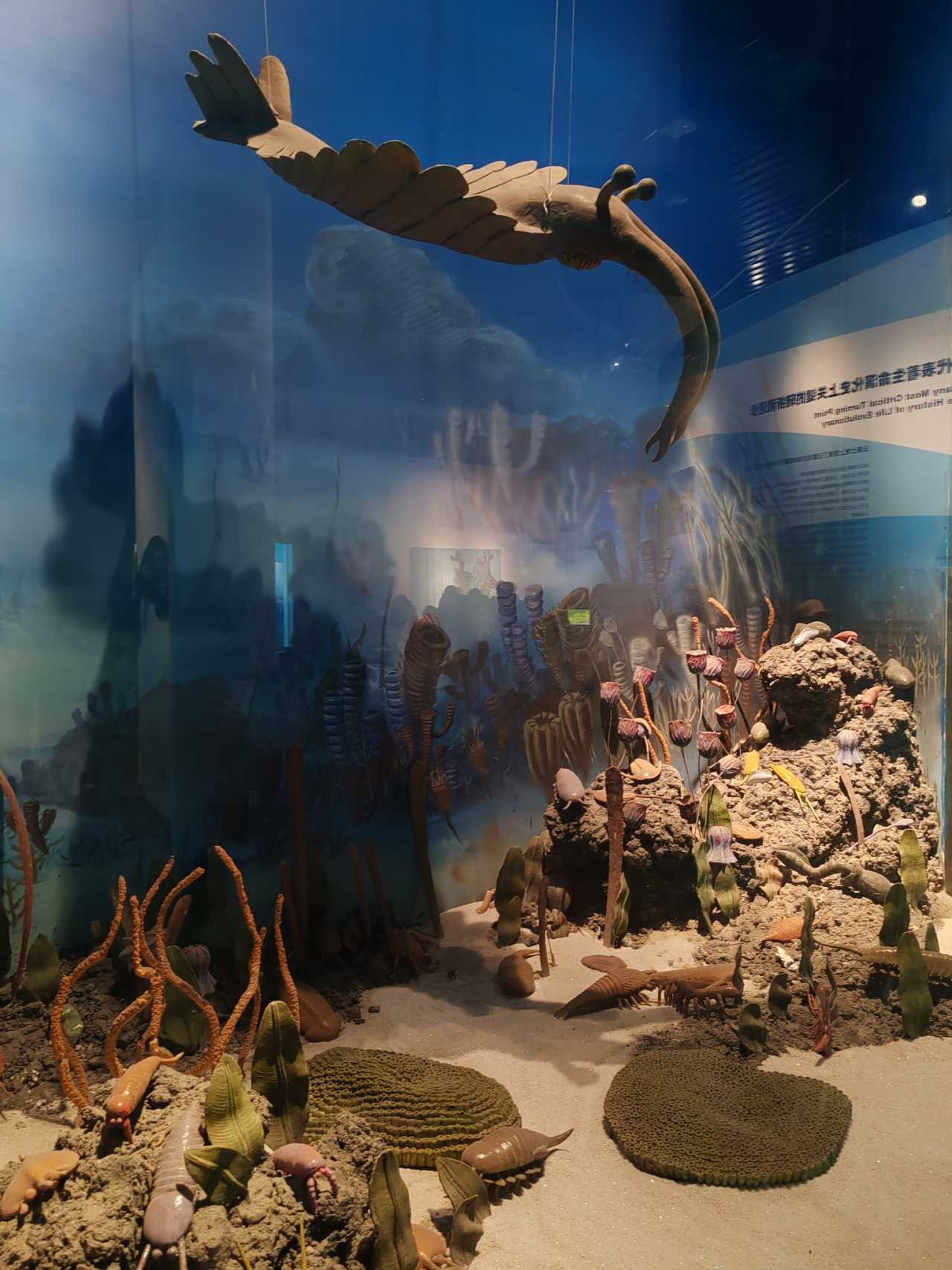
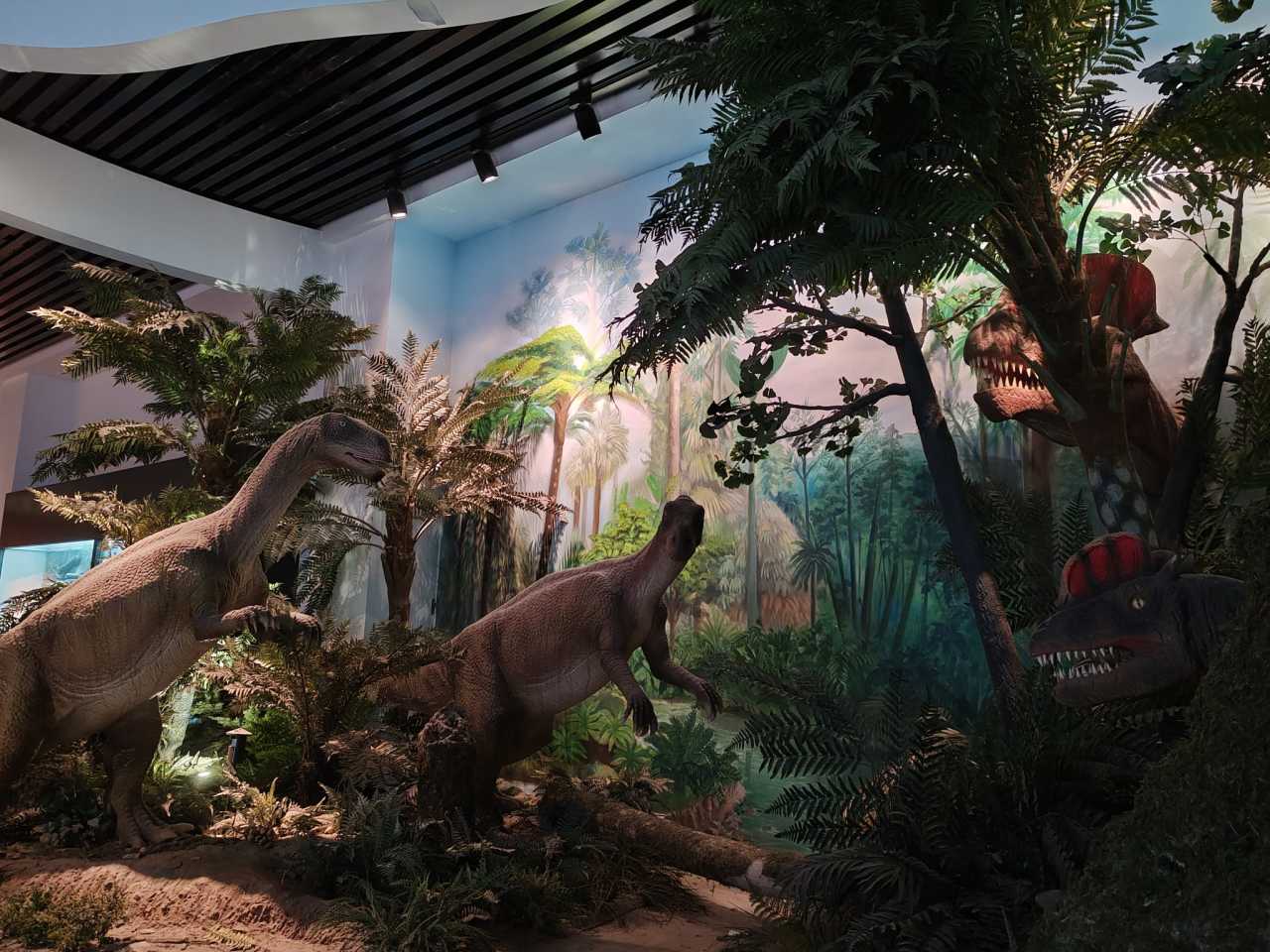
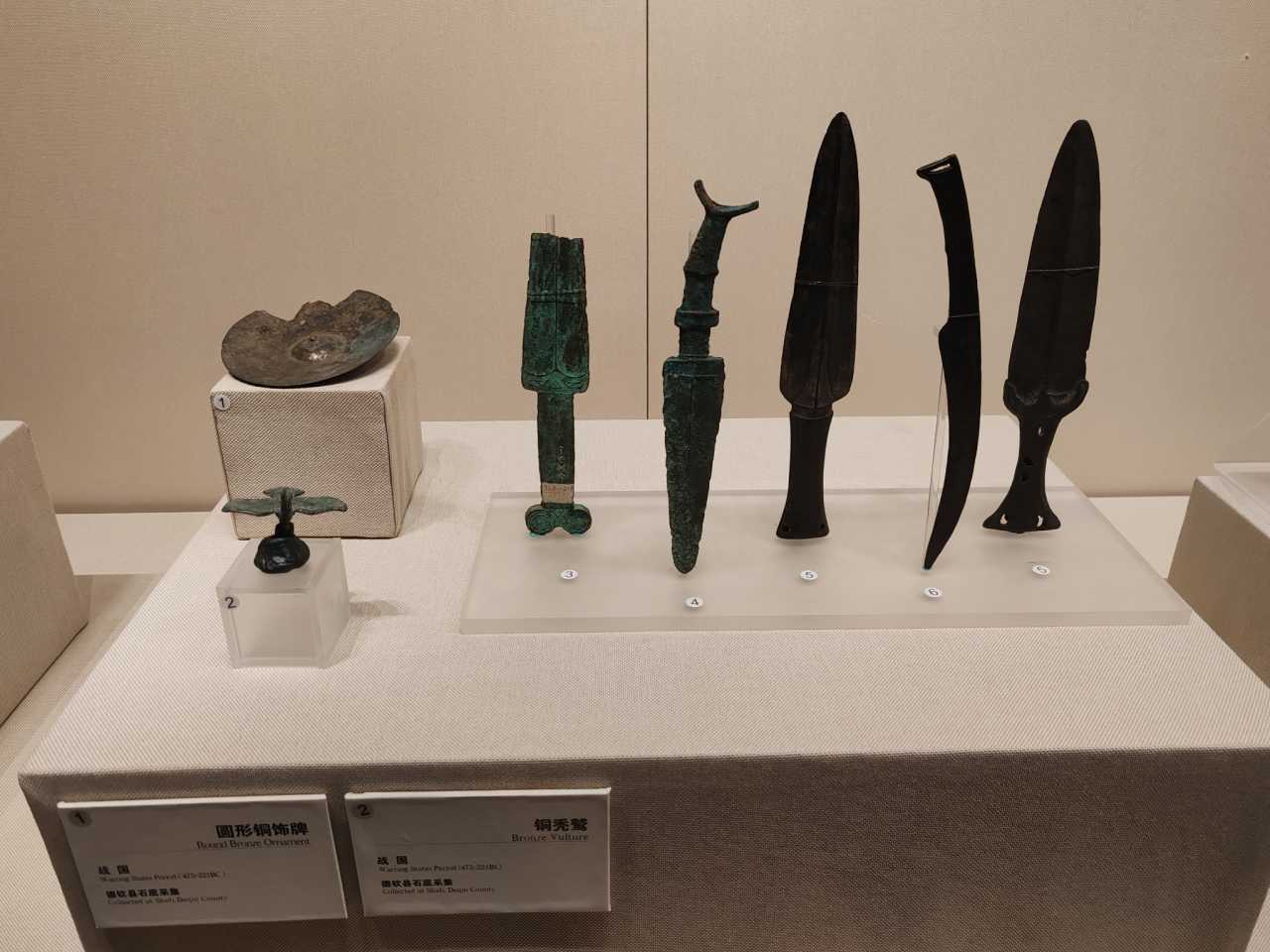
The Yunnan Provincial Museum is absolutely top-tier by domestic standards (on par with Hubei, Hunan, Jiangxi, and other provinces). I'd planned two hours for the visit; I ended up spending three and a half, skipping lunch entirely. The museum starts with the birth of life on Earth and goes all the way to modern times. Yunnan was once the home of dinosaurs, once an ocean world, once a battlefield for ancient Dian people and ancient Kunming people, once a contested land of the ancient Dian Kingdom, Nanzhao Kingdom, and Dali Kingdom, and finally incorporated into China's territory during the Mongol Yuan period. Like Tibet, Manchuria, and Xinjiang – without the Mongol Yuan and Manchu Qing dynasties, there would be no China as we know it today.
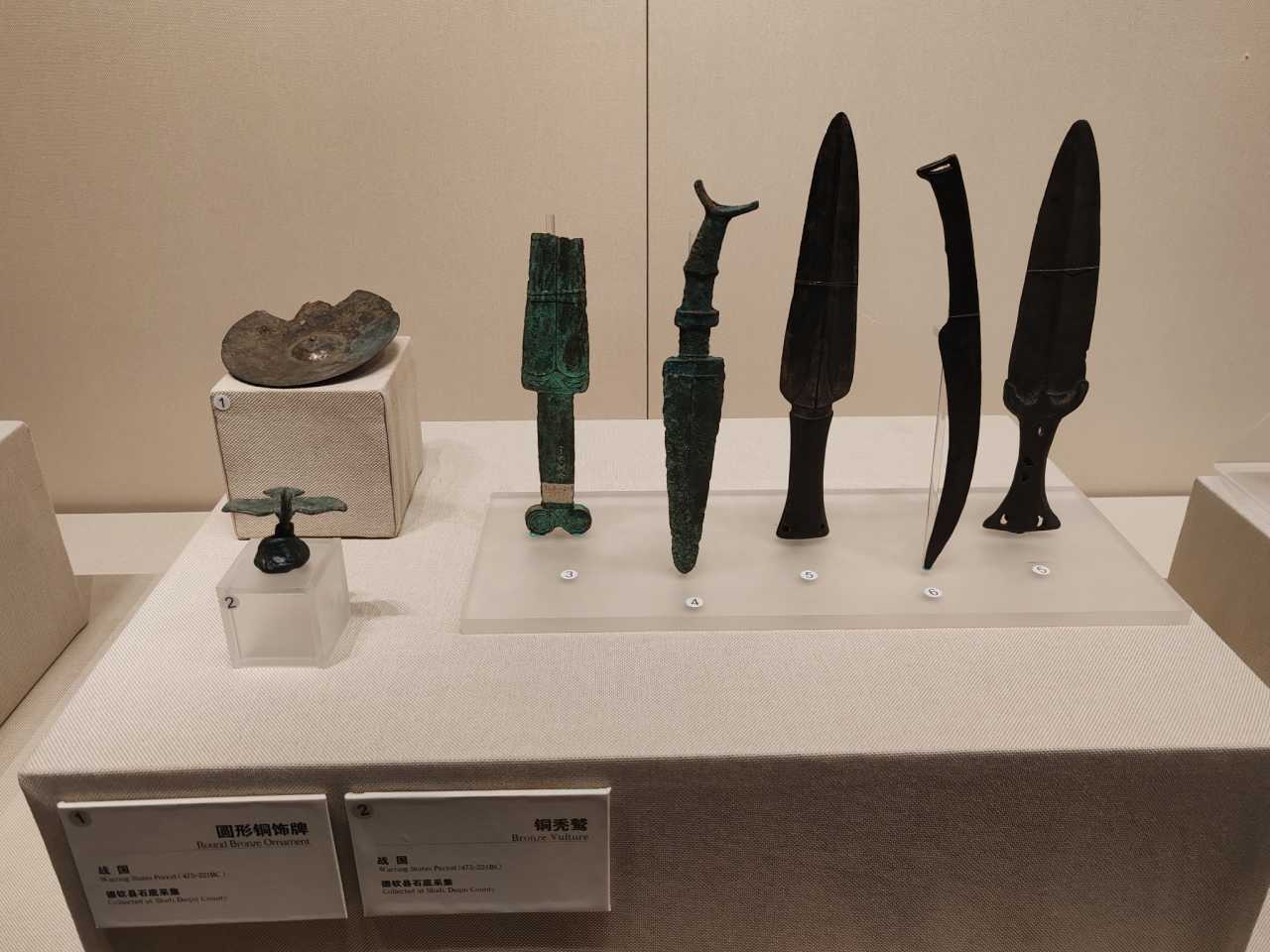
The museum's crown jewels: Cai E's command sword, Nie Er's violin. I lingered long in front of these exhibits.
After the museum, I found a small shop nearby and ordered a bowl of 臭豆腐面 (stinky tofu noodles). The taste? Average, to say the least.
Second stop: Dianchi Lake to see the seagulls. When I came ten years ago, there weren't this many gulls – probably the wrong season. The seagulls were completely unafraid of people. I walked three kilometers along the lakeshore, basking in the plateau sun. The sky was brilliantly blue, and brilliantly hot.
In the afternoon, I boarded a green high-speed train. Yunnan's high-speed trains are green – very pleasing to the eye. Passing through Dali, I arrived in Lincang at 9:40 p.m.
First impression of Lincang: the night view was beautiful. I recommend staying at the Kyriad Hotel near Yulong Lake in Washan Fengcheng – clean and affordable. Nearby, I found a barbecue joint specializing in beef – cheap and delicious, paired with two bottles of Lancang River Beer. Satisfaction.
Day Three: Lincang's Slow Life
February 14 – Lincang.
The hotel breakfast was generous. I set out for Yulong Lake. My original plans included the Ancient Tea Horse Road Memorial Museum, Gourd Town, Wengding Ancient Village, and Cangyuan Cliff Paintings – but a look at the map revealed they were all way too far. Those travel videos claiming "go to Wengding Ancient Village in the morning and return to the city by noon" were pure nonsense.
Today, I'd stick to the city. Washan Fengcheng is a small scenic area modeled after Venice's waterways – eerily quiet, with all the shops shuttered. Clearly, it hasn't taken off yet. Yulong Lake is tiny; I walked half its circumference.
I hopped on a shared electric scooter and wandered aimlessly, soaking in what this small city looked like during the New Year.
An unexpected surprise: the Lincang Archaeological Museum. I navigated to the entrance and passed it three times without daring to enter – it looked like a government compound. Finally, I asked a security guard, who confirmed this was indeed the place. The museum was originally built in 1959 as a Soviet-style building housing the Lincang Commissioner's Office, converted in 2023 into the Southwest Yunnan Archaeological Workstation. Inside, it's a series of small rooms – clearly the layout of government offices – each room a tiny world of its own. I saw the original architectural drawings from back then. Very atmospheric.

Lincang has been inhabited since the Paleolithic era. From here, I learned that Yunnan's ancient humans share origins with Southeast Asia; besides the famous Burma Road, there once existed the Yunnan-Burma Railway, which was forcibly destroyed when Japan entered Burma during the Pacific War. The artifacts aren't numerous, but each small room has detailed explanatory boards. It took quite a while to go through them all. A few rooms recreated items from the 1950s – fascinating stuff.
Outside, they'd recreated scenes from the Ancient Tea Horse Road. A little cat kept following me – I walked, it followed; I stopped, it lay down. Felt like it wanted to go home with me.
After the museum, I wandered in search of food. In an alley, I found a beer shop under the Mixue Ice Cream & Tea brand. I went in for a glass. Under the blazing sun, cold beer was pure bliss. The shop owner was from Wenzhou, still working through the New Year holiday. We chatted like old friends. I grabbed some fried chicken from the Dicos across the street, ordered another beer, and lunch was sorted.
Bidding the owner farewell, I continued my aimless stroll: Fengxiang Buddhist Temple, Ximen Park, the Microfilm Museum – just quick check-ins.
Around 5 p.m., I targeted a vantage point – Flag Mountain. Few people, steep trail – I encountered fewer than ten people the whole way up. The videos claimed you could overlook Lincang from the top, but in reality, the summit was just a flat patch of dirt surrounded by trees. You couldn't see anything. Worst of all, my phone was almost dead, but I gritted my teeth and pushed on for the sake of that view – until the phone shut down completely. Now I couldn't even remember the hotel name.
At least on the way down, I bought a Coke at a JD便利店 (JD convenience store). The owner was kind enough to let me charge my phone before paying. During the twenty-minute wait, I sat on a stool outside. My Bluetooth earbud slipped out (I only realized it later). So there it was – the second loss, following the wallet.
With phone charged, calm returned. I went back to the hotel for a brief rest, then headed out for food. Washan Fengcheng looked better at night than during the day. The square had a bonfire party, with performers leading tourists in dance. I naturally didn't join in – instead, I bought some oden (Japanese-style stewed snacks) from a stall nearby, took it back to the hotel, and drank beer.
Oh, and by the way – today was Valentine's Day. Happy Valentine's Day.
Day Four: Farewell to Lincang, Meeting Dali
February 15 – Lincang to Dali.
Breakfast – more people than the day before, and the yogurt was gone. The person at the table in front of me had piled several yogurts in front of themselves. Some people's manners, huh...
In the morning, I went to check out another vantage point – Lijing Pavilion. Passing Yulong Lake again, this time I took the other side and saw a swan leading its cygnets, swimming leisurely. I navigated to "Ancient Tea Horse Town" – fooled again. It was clearly a commercial area, all tea shops, and all closed. Why give it such a name?
I hiked up. Today's climb was easier – a winding road all the way, no steps. Lijing Pavilion looked beautiful from a distance but shabby up close. The good news: free entry to climb the tower. This time, I really could overlook Lincang.
Back to the hotel to pick up my backpack. Found a small shop nearby and ordered 炒耳丝 (stir-fried pig ear strips). I'll say this responsibly: the ear strips were too tough, not good. Not only did I not finish them, but my stomach bothered me all afternoon and evening.
After eating, I headed straight to Lincang Station for Dali. My time in Lincang was done. It hadn't gone according to plan at all, but Lincang was beautiful, quiet, and clean – no regrets.
Arrived in Dali at 4:40 p.m. I booked a ride-share – a young couple who'd driven down from Shanxi (envious!). On the way, we chatted. They'd just come from Tengchong. When I asked if Tengchong was fun, they said yes enthusiastically, but couldn't quite say what was fun about it. Haha – I'd have to experience it myself. We exchanged WeChat, and they added me to a group. They said there was a gathering in Dali that night – home-cooked food, drinks, bonfire.
My hotel wasn't far from Dali's old town. Cheaper on the south side; couldn't afford to stay further in. The room was fine. The owner was a young guy from Northeast China – friendly enough, except I never saw him again after check-in.
In the evening, I wandered through Dali's old town, eating as I went. Last time I was here was 2003 – how time flies. The old town was packed with people. I ducked into a Xinhua Bookstore – elegant and quiet, a good place to rest.
That bowl of ear strips from lunch was still bothering me. I even wondered if I was getting sick. After much deliberation, I walked into a pizza place. It probably tasted fine, but I had no appetite. I couldn't finish and left.
This hat I'm wearing – I bought it in Yunnan back in 2003. Today, besides me, it was also revisiting old haunts. Time – not only have I aged, but it looks like he's aged too.
On the way back, I rented an electric scooter from a small shop for the next day's ride around Erhai Lake. The owner was easygoing – I could take it right away and return it whenever the next day. Rent: 70 yuan, range: 160 kilometers. Tip: don't rent from shops near the old town – they're expensive.
Tomorrow: circling Erhai Lake.
Day Five: New Year's Eve, Racing Around Erhai
February 16 – New Year's Eve, Dali.
Today, I'd drive around Erhai Lake. I made sure to wear my fleece jacket and layer up – it gets cold riding.
I knew I'd be circling the lake, but I didn't know where to start. I just picked a spot on Gaode Maps and began. Stopped at a breakfast place run by a guy from Anhui. No rush – I had all day.
After breakfast, I noticed the Three Pagodas of Chongsheng Temple were right nearby. I rode over to take a look. The temple complex is quite large, and the pagodas are beautiful. The main pagoda was built during the Nanzhao Kingdom (Tang Dynasty), while the two smaller ones were built during the Dali Kingdom (Song Dynasty). Interesting how the Nanzhao and Dali periods overlap almost perfectly with China's Tang and Song dynasties. History always has its quirks. At the foot of the main pagoda, I encountered a family of pilgrims from Tibet. Watching their devotion stirred something in me – it must be wonderful to have faith. Unfortunately, I can't relate.
By the time I left, it was already 11:30. Oh dear – I'd barely started circling the lake.
I continued, passing fields full of rapeseed flowers. All the way to Xizhou Ancient Town, I still couldn't get close to Erhai Lake – it was all blocked off and required payment. The ancient town was crowded. I grabbed some tofu.
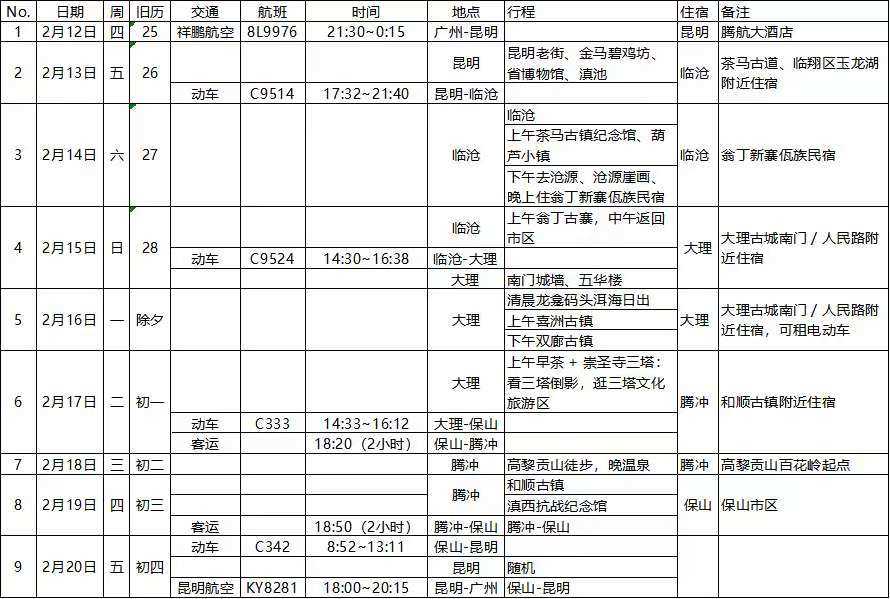
Finally, I found a free stretch of lakeside road. At last, I could walk along, take in the scenery of Erhai, and soak up the sun.
Before I knew it, it was past 3 p.m. I hadn't even covered a third of the lake's circumference – I'd only just reached the east side. If you ask me which side is better, east or west, I'd definitely say east. The east side offers free lake views the whole way, with fewer people and better scenery. There were mobile coffee trucks along the road. I stopped to enjoy the view. Time could wait – even though there was still a long way to go, I wanted to forget about it completely. I wished I could sit here forever. I wished time would stop.
As evening approached, I pressed on. By the time I reached Shuanglang Ancient Town, it was past 5 p.m. I hurried through a quick visit. Used the restroom – almost lost my phone again (third near-loss). If I'd actually lost it, I wouldn't have made it home... That was too close. Nearly a disaster.
The east coast is far more beautiful than the west coast. I really should have saved time on the west side. The scenery all along the east was stunning – but I had no time left. The sun was setting, painting the lake and mountains in golden light. I wished I could stay longer.
It got dark. I still had half the distance to cover. I had no choice but to go into sprint mode, treating the electric scooter like a motorcycle. Across the lake was the old town, its lights twinkling.
As night fell, riding in the wind got bitterly cold. All along the way, I heard firecrackers and saw fireworks – the sights and sounds of New Year's Eve. I stopped several times by the roadside just to watch other people's fireworks for free. Passing through the city, I raced on.
I reached the old town at 11 p.m., frozen stiff. When I called my dad, my voice was shaking. After a barbecue meal, I finally warmed up. This was definitely a New Year's Eve to remember.
Happy New Year's Eve, everyone. Happy New Year. May this year bring success in everything.
Day Six: From Dali to Tengchong – A Fortunate Coincidence
February 17 – Dali to Tengchong.
In the morning, I had one last chance to wander through the old town – a farewell. I bought some Yunnan small-grain coffee as souvenirs to mail home. Observed the differences between the old town by day and by night. For lunch, I had dumplings – it's tradition to eat dumplings on the first day of the New Year. Then I headed to the high-speed rail station, deliberately taking the bus for the experience.
Dali to Baoshan – two hours by train. Arrived in Baoshan. The ride-share I'd arranged earlier stood me up, but luckily, the driver helped me find another car. The driver was a young woman, and there was also a local guy from Tengchong in the car. He kept introducing Tengchong to us along the way. I asked if there was any hiking in Gaoligong Mountain near Tengchong. The young woman driver said, "That's exactly what I do..."
Haha – right there in the car, I signed up for the next day. Tomorrow, a day hike in Gaoligong Mountain – what an incredible coincidence.
The young woman dropped me at my hotel and then took me for a night tour of Heshun Ancient Town. Heshun is the filming location for "My Chief and My Regiment" – a beautiful place. But I only had one evening to explore. The guesthouses inside looked very boutique – I checked the prices and quickly realized I couldn't afford them.
That night, I found a night market near the hotel. Barbecue and beer again. What can I say – only barbecue works for solo dining. And it was delicious.
The further west I traveled, the more expensive the hotels got, and the lower the quality. This slightly dated hotel – when I asked to extend my stay, the front desk told me it was already fully booked for the day after tomorrow.
Good night. Tomorrow: Gaoligong Mountain trek.
Day Seven: Gaoligong Mountain – Ten Kilometers (Actually Six) of Challenge
February 18 – Tengchong, Gaoligong.
The hike included pickup, guide, breakfast + lunch + dinner – 600 yuan.
Early morning, the guide, A-Cheng, came to pick me up. Two families joined: a mother with her third-grade son, and parents with their fourth-grade daughter. Today's route was billed as the "Caterpillar 10 Kilometers."
We had breakfast at the starting point. On the way, I saw balloons. After an hour of winding mountain roads, we reached the trailhead – very close to Myanmar.
The primeval forest was indeed beautiful. The mothers of the two families were frantically taking photos of their kids, eating up a lot of time. The children were overly excited, their energy coming and going. Several times, they wanted to give up on the planned 10-kilometer route. Guide A-Cheng was at a loss, and the adults didn't know what to do either.
As everyone wavered, on the verge of switching to a shorter route, I finally spoke up: "Since we've set a goal, we should work hard to achieve it, right?"
Everyone finally agreed – we'd share the hardship and see it through together. I stayed close to the little boy, helping and encouraging him along the way – because his mother was already exhausted herself.
Along the trail, I lost one of my hiking gloves (the fourth loss – and hopefully the last. I kept losing things this whole trip. I need to do some serious self-reflection). After the climb, we soaked our feet in a wild hot spring by the roadside.
Though everyone ultimately succeeded, I kept a little secret from them: the distance was definitely not 10 kilometers. More like 6. Haha – as long as everyone was happy. That evening, we had barbecue together at the trekking club's camp. Everyone said that without me, the big brother, they probably would have given up. The kids were amazing too. Cheers to a successful challenge!
All-you-can-eat meat and drinks – I just wished my stomach were bigger. I'd thought the little boy's mother was in her early thirties. Turns out she's only two years younger than me. I couldn't believe it. I was impressed – because by this point, with my unshaven white beard, I probably looked sixty.
Thank you all for this shared journey. Happy New Year. Good health.
Tomorrow is the most important part of this trip: the Western Yunnan Anti-Japanese War Memorial Hall (National Cemetery of the Fallen).
Day Eight: Every Inch of Land, Every Drop of Blood
February 19 – Tengchong to Baoshan.
This trip, what mattered most to me was the Western Yunnan Anti-Japanese War Memorial Hall. In times of war, every inch of land is soaked in blood. Of the 100,000 men in the Chinese Expeditionary Force, most remained here. We must not forget the ancestors who sacrificed themselves for national dignity. We must also not forget the American soldiers who aided China – they too shed their blood on this land. And though the Japanese soldiers committed heinous crimes, among them were also innocent victims.
I pray for world peace. I pray for an end to war forever.
Outside, there are graves – of Chinese soldiers, American soldiers, and Japanese soldiers. Through the ages, may the heroes rest in peace.
Here are my reflections after reading "My Chief and My Regiment": This is the story of a group of battle-hardened soldiers turned ruffians. A fake regimental commander leads a band of perennial losers – cannon fodder – fleeing from Burma to Sacrificial Flag Slope, holding out on Nantianmen for thirty-eight days.
Westward or northward? The regimental commander, "Deadlaosi," resolutely chooses to use a once-lucky bullet to shatter his own skull. When the gun turns on his own countrymen, the regimental commander kills himself. Krupp kills himself. Even A-Yi kills himself. The undying Sichuan Regiment kills itself – though there wasn't a single Sichuan native among them.
War is epic. The fates of ordinary people are insignificant. They never thought much of themselves, never felt they had true dignity. But it was these ordinary people who held up the grand machinery of war, and were ultimately devoured by it.
This book makes you reflect on war. War devours not only lives as insignificant as grass, but also the greatness of humanity.
This is a good book because it does not glorify war.
May the world have peace. May there never be war.
Leaving the National Cemetery, I found a random restaurant for a quick meal. Then I visited the Tengchong Museum, and wandered around the lonely ruins of the British Consulate.
I boarded the bus to Baoshan, beginning my journey back. That night, I stayed near the high-speed rail station. Beer, again.
Day Nine: The Journey Home and Reflections
February 20 – Baoshan to Kunming to Guangzhou.
An early morning train. Arrived in Kunming just after 1 p.m. Today was mostly spent in transit – I only had time to visit the Southwest Associated University Memorial Hall at Yunnan Normal University. During the war years, in such简陋 (simple and crude) conditions, so many masters of the Republican era trained so many pillars of the nation. It makes you wonder: in this prosperous and powerful country of today, why have the masters disappeared?
I made it home safely that night. My parents had left dumplings for me. A bottle of old珠江啤酒 (Zhujiang Beer), and a laugh at life's joys and sorrows. The trip officially ended.
A Little Easter Egg: Nine Days of Beard
I didn't shave for nine days. I documented it each day – something to look back on when I'm old, to see what I looked like.
In the End: The Meaning of Travel
On this journey through western Yunnan, I lost my wallet (and found it), lost an earbud, nearly lost my phone, lost a glove. I took wrong turns, ate terrible ear strips, and shivered my way around Erhai Lake on New Year's Eve. But I also saw Lincang's nightscape, Gaoligong's primeval forest, the solemnity of the National Cemetery, and the lanterns of Heshun Ancient Town.
Travel is never perfect. It's a conversation with yourself, a dance with uncertainty. Those unplanned surprises, those spur-of-the-moment decisions, those fleeting encounters – these are travel's true gifts.
If you're thinking of going to western Yunnan, my advice is: do your homework, but don't overplan. Bring your ID, but don't keep it in your back pocket. Rent an electric scooter, but not near the old town. Eat barbecue, but skip the stir-fried ear strips.
Most importantly, bring an open heart. Because the best scenery is always on the road.
You should also read:

Cloud Travelogue · Dali of Wind, Flowers, Snow, and Moon: A Three-Day, Two-Night Journey of a Free Spirit
Cloud Travelogue · Dali of Wind, Flowers, Snow, and Moon: A Three-Day, Two-Night Journey of a Free Spirit I am a cultured female foodie with a touch of rogue charm. I slung on my backpack, took my lover's hand, and set off on a spontaneous…
Continue reading...
The Meaning of Travel – A Tengchong Story: A Journey of the Heart and Personal Growth
The Meaning of Travel – A Tengchong Story: A Journey of the Heart and Personal Growth Setting Out, Only to Return a Better Self Some say travel is nothing more than leaving a place you're tired of, only to go to a place where others…
Continue reading...
A Spiritual Journey to Lugu Lake in Lijiang: Experiencing the Legend of the Kingdom of Women! (Reproduction and Hotlinking Prohibited)
A Spiritual Journey to Lugu Lake in Lijiang: Experiencing the Legend of the Kingdom of Women! (Reproduction and Hotlinking Prohibited) Off-road自驾, food, hotel and民宿 reviews, Featured Traveler, Tank 300 owner, 200,000 km of self-driving experience. WeChat: y01294987 Ninglang Yi Autonomous County 2010.11.08 · 7 days…
Continue reading...