Spring Has Never Been This Beautiful: Kunming's Sea of Flowers and Greenery Rekindled My Soul
Spring Has Never Been This Beautiful: Kunming's Sea of Flowers and Greenery Rekindled My Soul
March in Shenzhen: the office air conditioner is permanently set to 24 degrees Celsius, and the sky outside the window is a dull, endless gray. Sitting at my desk, I felt like a machine that only outputs, never inputs. Someone once told me to go see sights I'd never seen before—that grand, sweeping landscapes can reignite your life force. I believed them. So I took two days off, booked an early morning flight to Kunming—Thursday at 6:55 AM from Bao'an Airport—and left like I was escaping.
Only later did I realize this trip wasn't just about "recharging." It taught me how to breathe again.
Why Kunming?
When friends asked why I chose Kunming, I said: "Because spring is waiting for me there."
Kunming, known as the "City of Eternal Spring," isn't just a nickname—it's a promise. In late March, when the north is still shivering through late-spring cold snaps and Shenzhen is already sticky and humid, Kunming is just entering its gentlest season. Cherry blossoms, crabapple flowers, wisteria, peonies—they all bloom in unison, as if they'd planned it.
And me? I'm just another office worker who'd been grinding away in the city for far too long, desperately in need of some "essence of heaven and earth."
Fengze Botanical Garden: A Monet Painting Come to Life
My first stop was Fengze Botanical Garden. A recommendation from People's Daily Online led me there, but when I actually stood in that garden, I understood what "spring in all its glory" really means.
The entrance fee is just 15 RMB (about $2 USD), and you have to queue to buy tickets on-site—a bit inconvenient, but when you see the garden bursting with spring colors, every second of waiting feels worth it. The garden isn't large, but it hides two iconic sights:

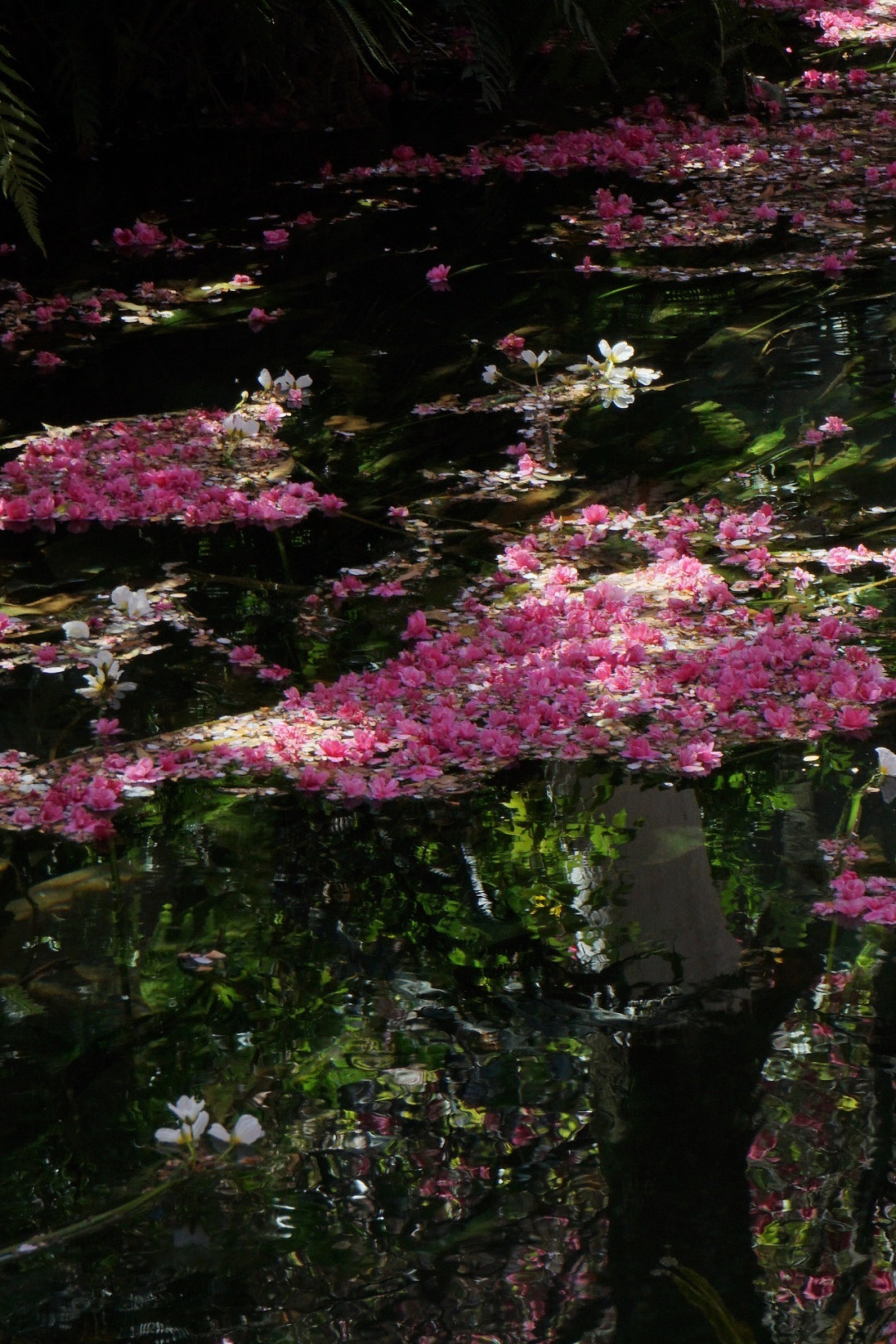
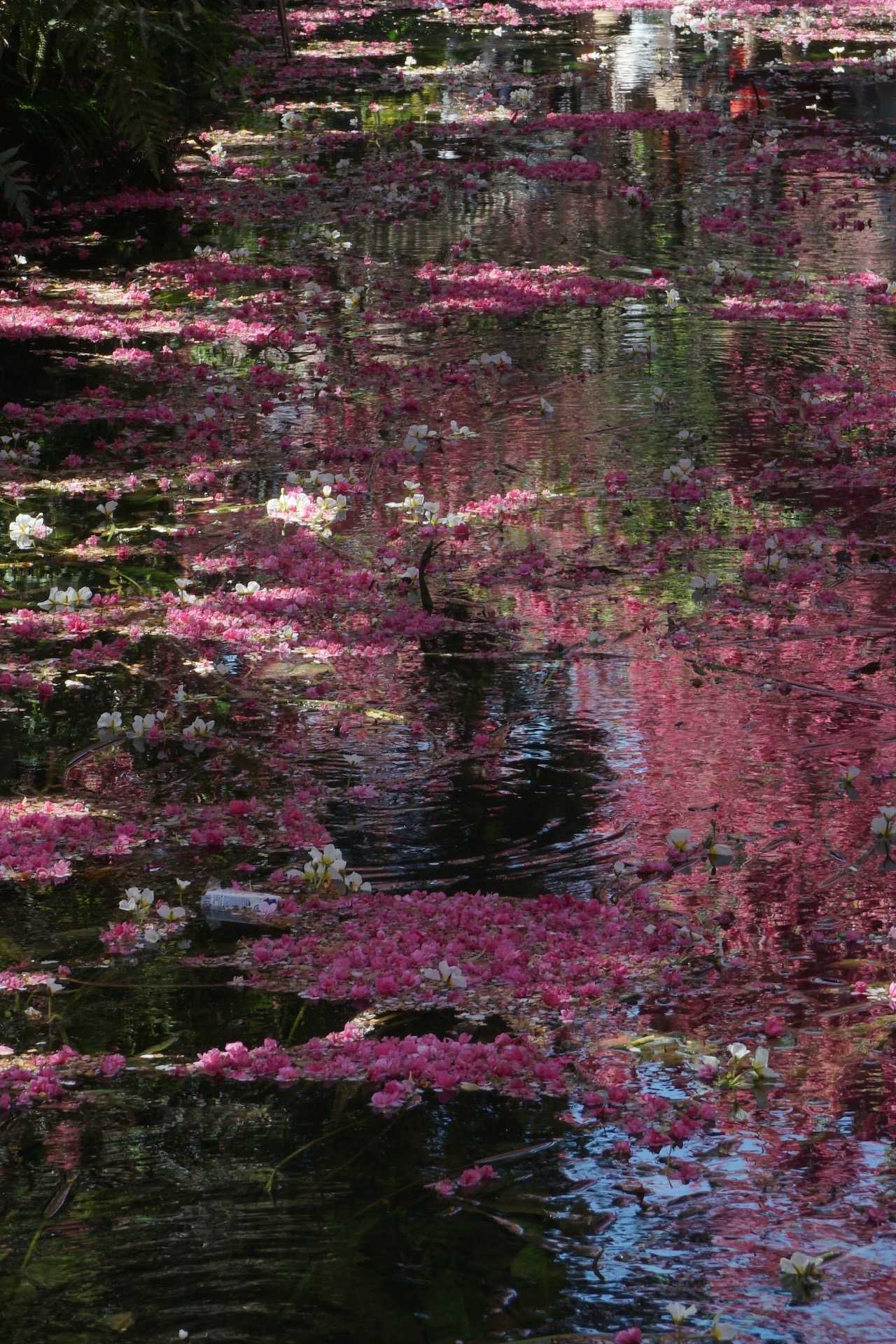
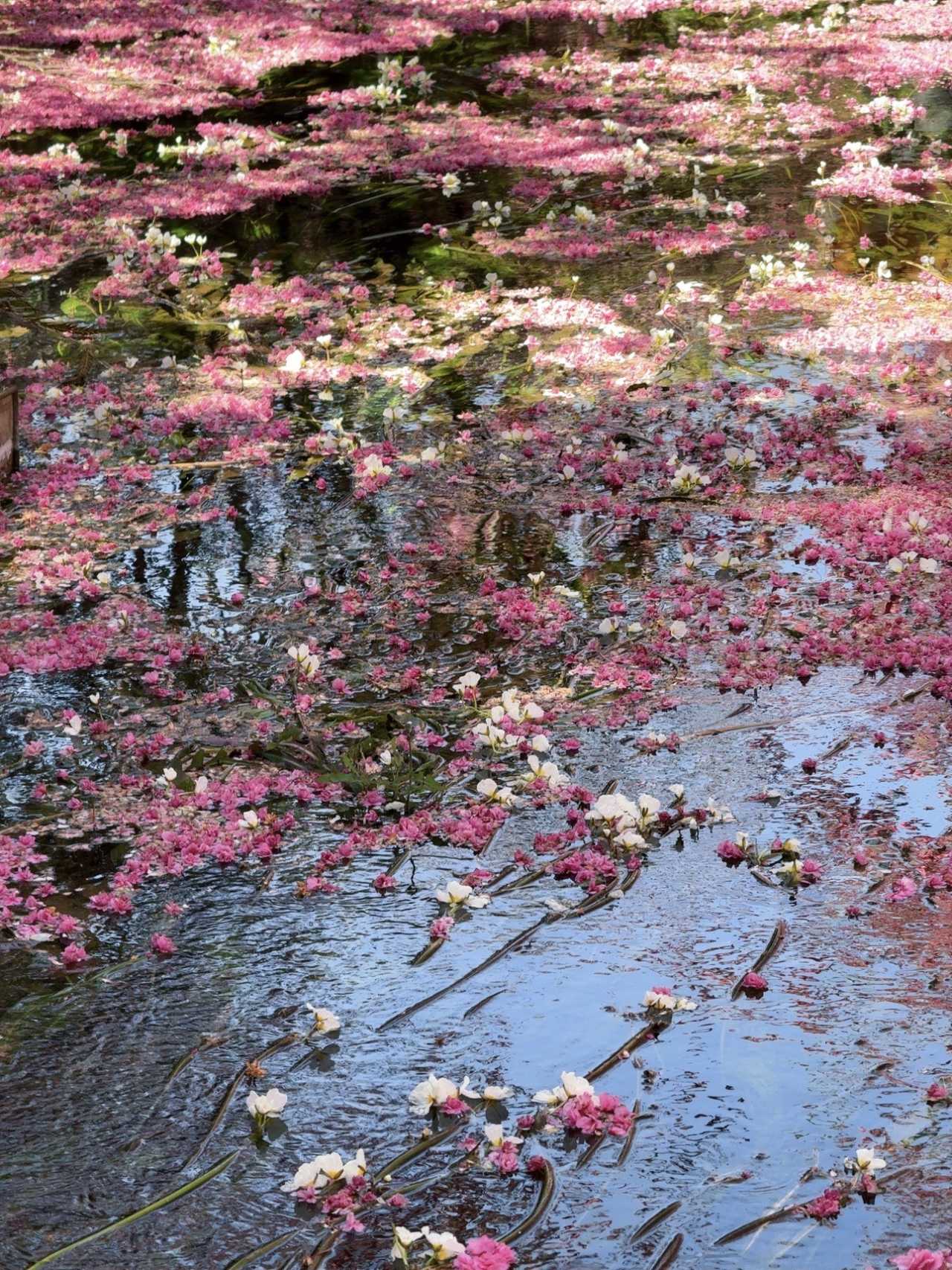
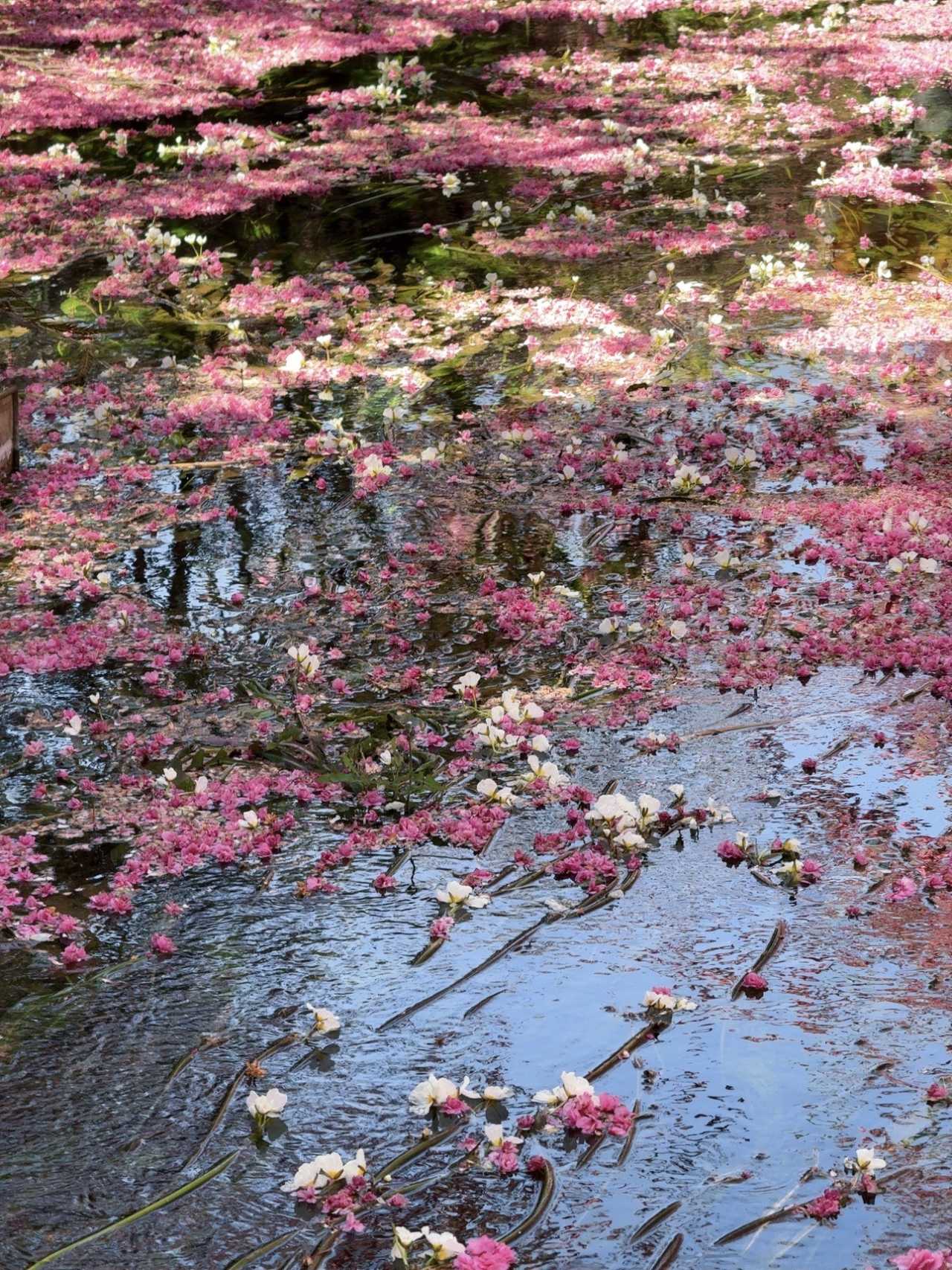
Petals on the Water. The Yunnan double-petal cherry trees were in full bloom in late March. Beneath them ran a small stream covered in water snowflake (水性杨花, Nymphoides indica). Petals drifted onto the water's surface, sunlight filtered through the gaps in the cherry trees, and the whole scene shimmered—exactly like the ancient poem says: "The water gleams bright in the sun's fair light." I stood there, watching, for a very long time.
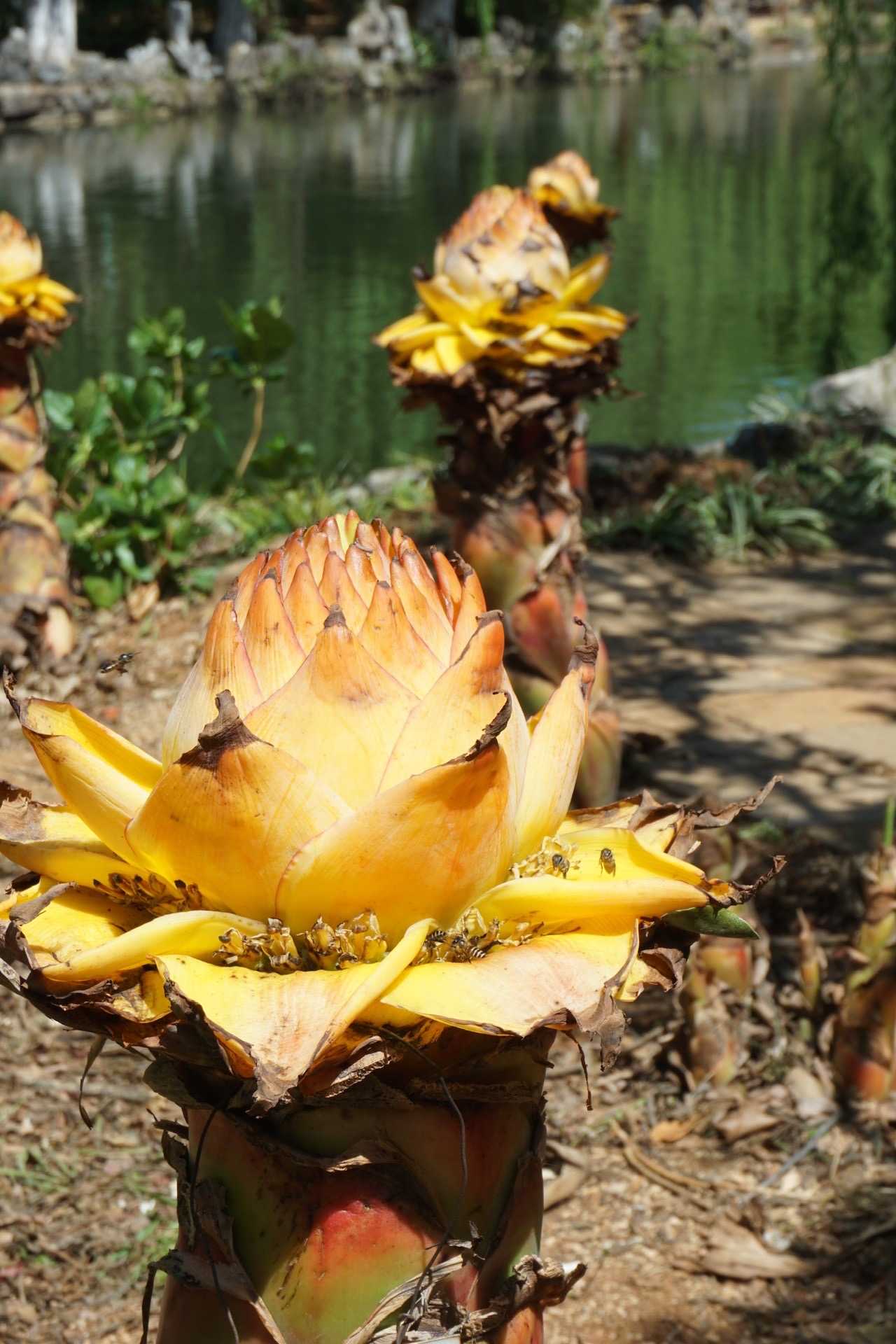
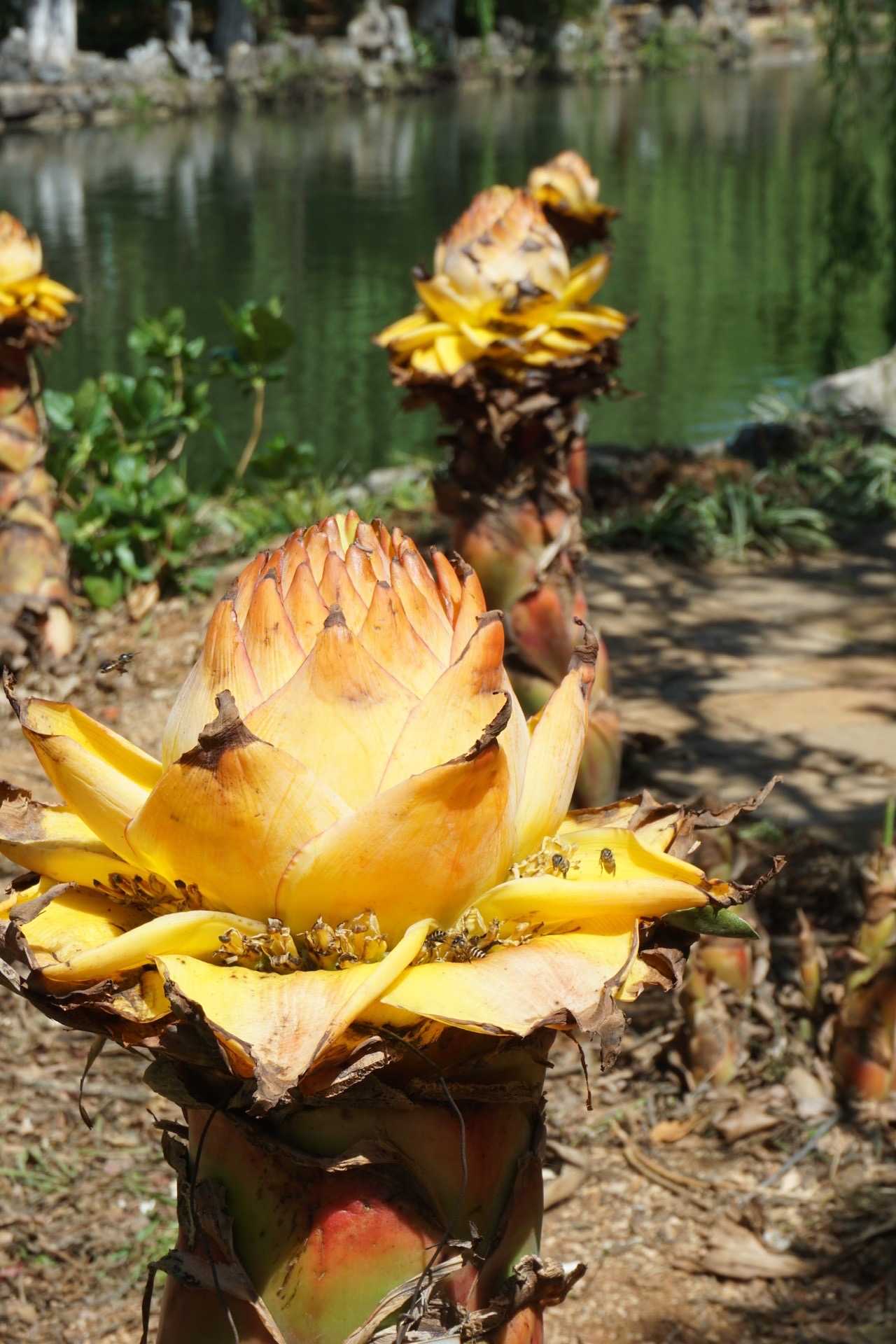
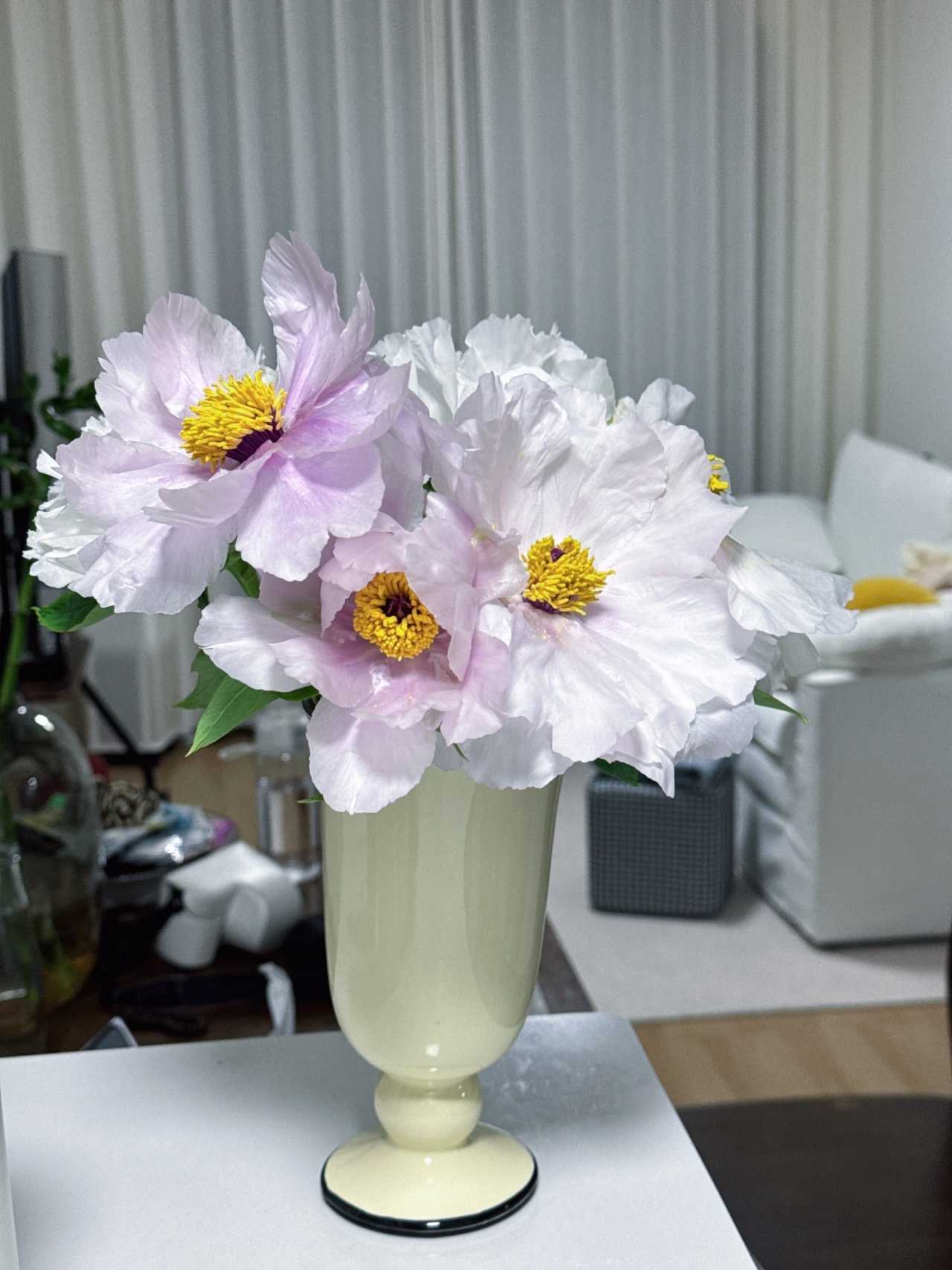
A Botanical Spectacle. The golden lotus banana (Musella lasiocarpa) glowed a brilliant yellow under the sun. Wisteria cascaded down like waterfalls. Oil painting peonies, hydrangeas, camellias, herbaceous peonies—every plant was growing with wild abandon. Later, I bought cut oil painting peonies at home and discovered they actually smell a bit… funky. But in the garden, I didn't notice a thing—probably because the fragrance of all those flowers was just too overwhelming.
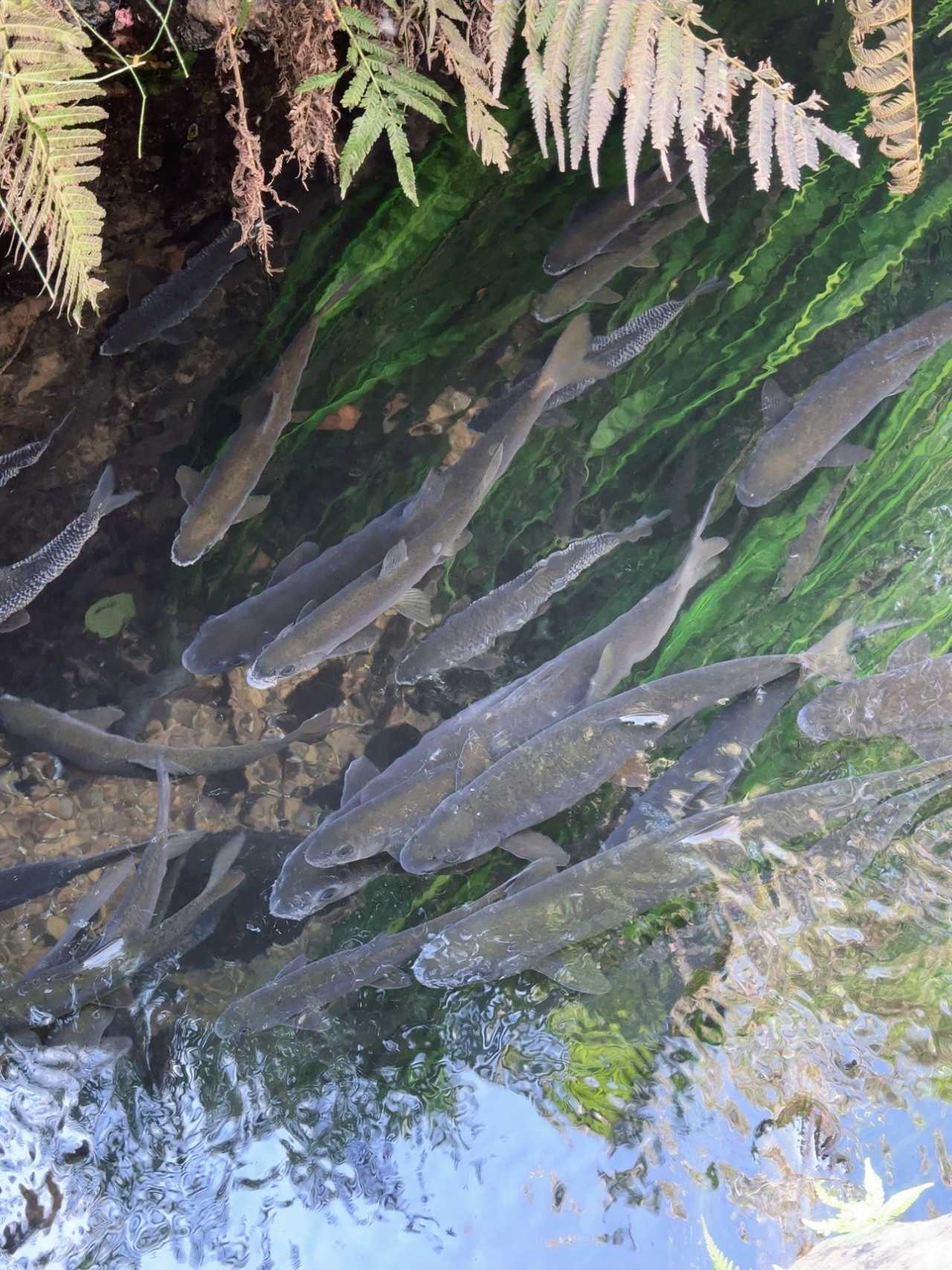
There are also several small ponds in the garden, home to Kunming's unique golden-line fish, schizothorax fish, and acrossocheilus fish. Water snowflake and cherry trees intertwined, with flowing water and poetic charm everywhere.
Tip: From 9:00 AM to 11:00 AM, there are fewer visitors and the lighting is best. In the afternoon, the light gets too harsh and loses that subtle, dreamy quality.
The Palace of Bountiful Harvests: A Place That Redefines How You See Plants
If Fengze Garden is a Monet painting, then the Palace of Bountiful Bountiful Harvests (扶荔宫, Fuli Palace) is a living botanical museum.
The key point first: incredible plant diversity, fascinating guided tours, close to the city, small crowds, and a capped-entry system that ensures a quality experience.
Only 300 visitors are allowed per day, with timed entry slots. I recommend booking tickets in advance through the "Kunming Botanical Garden Smart Park" WeChat official account. The basic garden ticket is 10 RMB (about $1.40 USD), and the Fuli Palace ticket is 80 RMB (about $11 USD, including the guided tour). That 80 RMB is money well spent—the guide's commentary is vivid and engaging. They'll even let you touch various plants and smell them, creating a full sensory experience that feels like "observation, auscultation, olfaction, and palpation" in traditional Chinese medicine. It engages your sight, hearing, touch, and smell all at once.
There are 3-4 guided tours per day. On weekdays, there are three: 10:30 AM, 2:00 PM, and 3:30 PM. You need to check in at the entrance and pick up a headset.
Five Themed Exhibition Halls
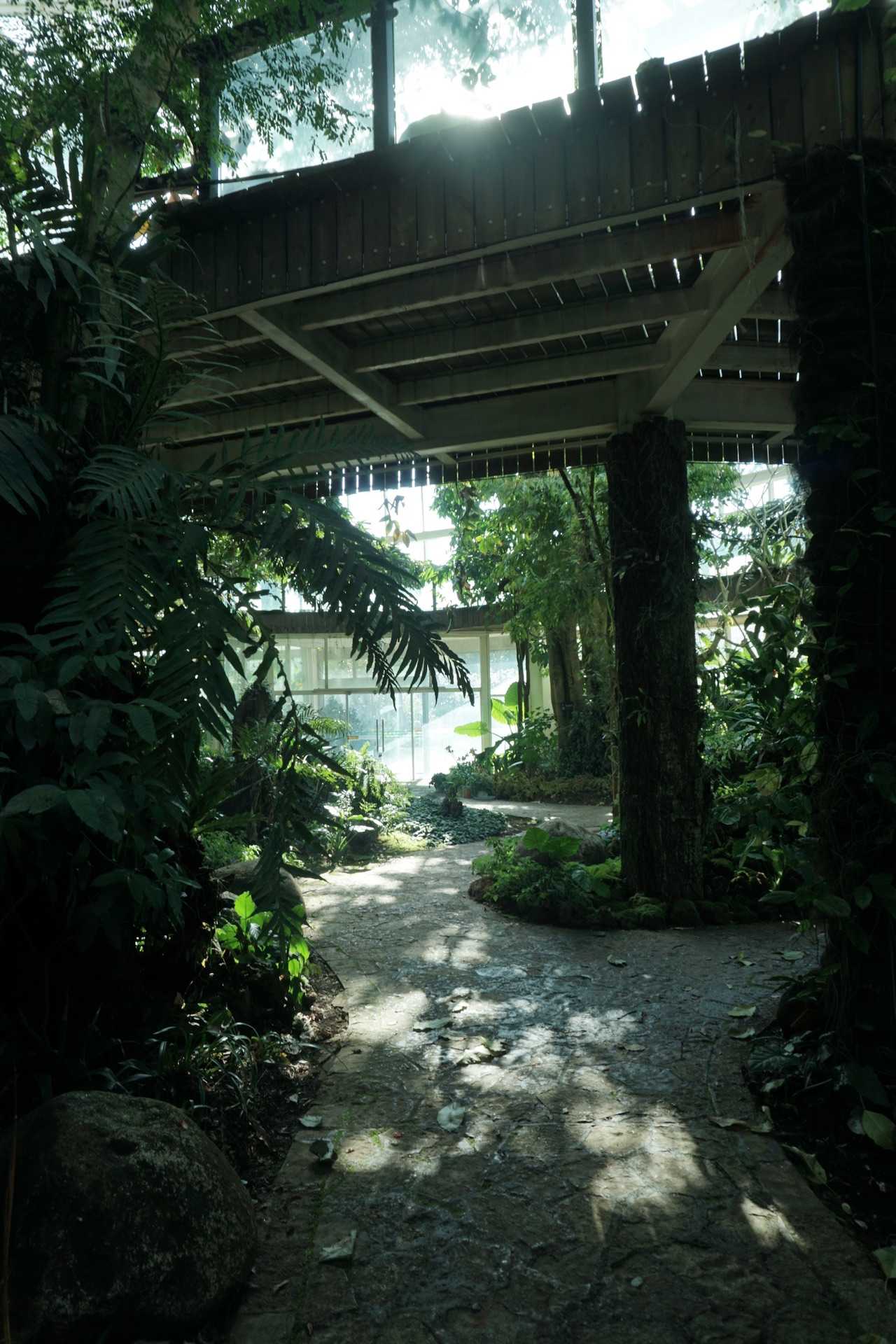
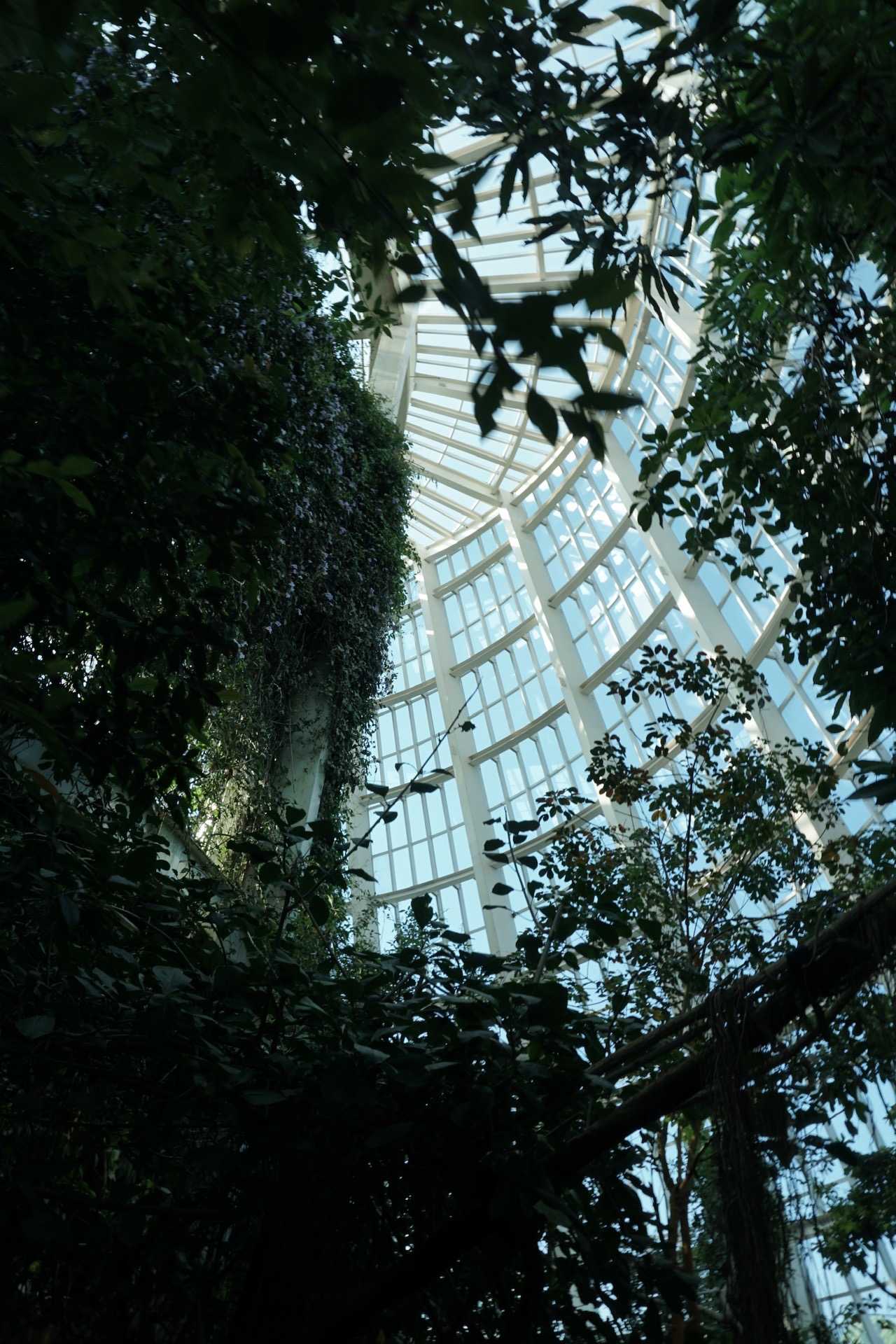
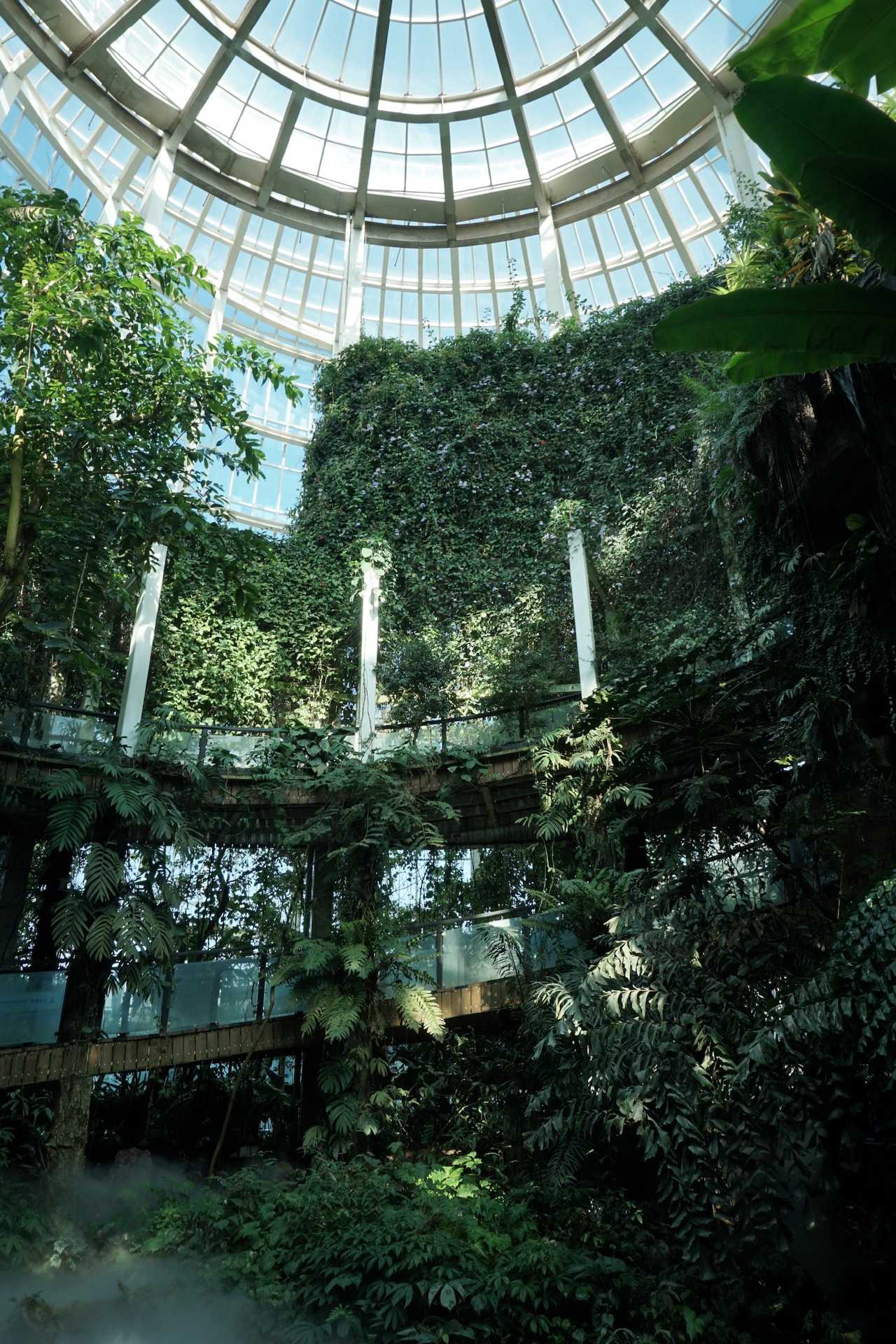
The Main Greenhouse: A spiraling structure where the tropical rainforest zone is tangled with vines, the desert zone features bizarrely shaped succulents, and the tropical aquatic zone's giant Amazon water lilies float like jade plates on the water.
Carnivorous Plant Hall: Home to the largest collection of pitcher plants and sundews in the country, all lying in wait. Rumor has it that one pitcher plant here once swallowed a large rat and grew exceptionally well afterward.
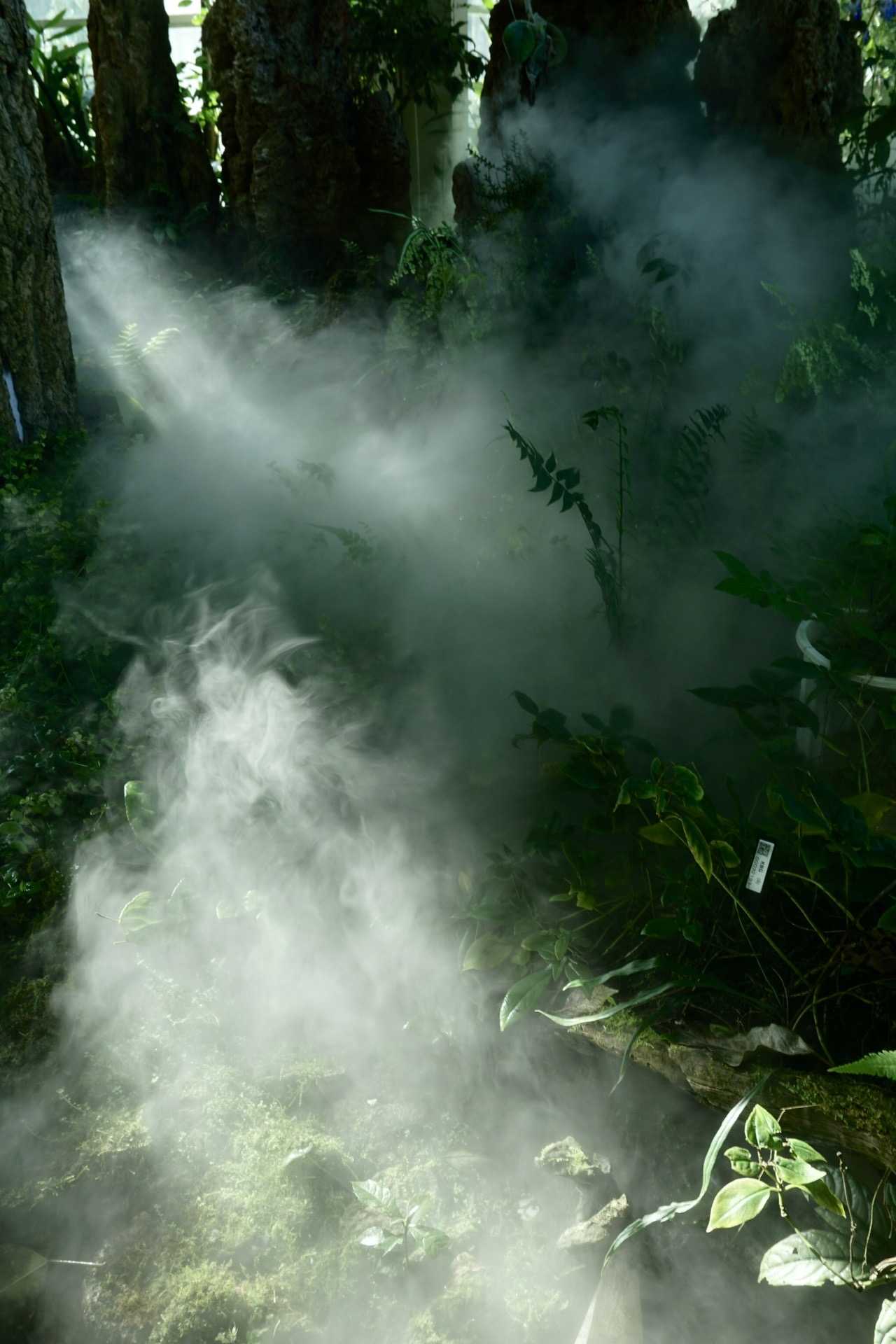
Cryptogam Hall: Mosses and ferns spread across streams and rocks, creating a primordial ecosystem. It's a perfect place for quiet contemplation of the microscopic world's vitality.
Orchid Hall: Over 600 species of orchids, with epiphytic dendrobiums cascading like waterfalls. From April to May, you might catch a limited-edition orchid exhibition. The orchids are elegant, the flowers beautiful, and the whole atmosphere is poetic.
Seed Museum: This was my favorite place. At first glance, it's just a simple display. But the guide will have you touch, smell, and even listen to the seeds. She told us she's a researcher in a plant-related field—studying "life"—and then she explained everything to us, a bunch of city-dwelling "beasts of burden." I suddenly felt a pang of envy. I, too, would love to spend my days caring about how mountains are formed, how water flows, and how the wind blows.
She told us that decades ago, teachers had to hand-draw botanical illustrations for their students and future generations to learn from. You'd need incredible perseverance and passion to stick with something like that. A human life is just a few short decades, but some plants live for centuries, even millennia, endlessly regenerating. Understanding origins, understanding life—how wonderfully romantic is that?
Yunnan Provincial Museum: The Worship and Wisdom of the Ancient Dian People
The museum is free, but you need to make a reservation in advance using your real name through the "Yunnan Provincial Museum" WeChat official account. Opening hours are 9:00 AM to 5:00 PM (last entry at 4:30 PM), closed on Mondays.
The museum is organized chronologically: Prehistoric → Bronze Age → Eastern Han to Early Tang → Tang and Song → Yuan, Ming, and Qing → Modern and Contemporary. I recommend viewing in this order: 2nd floor → 3rd floor → 1st floor.
Among the top ten treasures, my favorites were the Lid of a Storage Vessel Depicting Battle Scenes and the Bronze Ox-and-Tiger Case. There are several theories about the ox-and-tiger case, but I prefer the "death and rebirth" interpretation: the tiger devouring the ox represents the food chain of the real world, while the calf emerging from under the mother ox symbolizes new life.
Other treasures include the Silver Backlit Gold Avalokiteshvara Standing Statue, the Silver-Gilt Golden Winged Garuda Inlaid with Pearls, the Gilded Copper Five-Pronged Vajra, and the Ming Dynasty Gold Crown Inlaid with Rubies and Sapphires. Each piece made me stop and stare for a long time.
What surprised me most was the Naxi people's Dongba script—the only living pictographic script in the world. Looking at the patterns on the Naxi ritual wind-painting tablets, my first thought was: "This would make an amazing tie pattern." What's ethnic is, indeed, global.
Catch-Fish River Wetland: A Romantic Encounter Without a Sunset
During my days in Kunming, the sky was hazy, even a bit smoggy. One driver said it was because of straw burning in Southeast Asia—who knows if that's true. But even without a sunset, the Catch-Fish River Wetland (捞鱼河湿地, Laoyuhe Wetland) was beautiful enough to quiet my mind.
I recommend visiting before mid-March, because by late March, the seagulls are already scarce. Come with a relaxed state of mind—you don't necessarily need to get the perfect photo. Just enjoy the sunset quietly. Even though there were quite a few people, everyone gradually grew still as the sun went down, sharing that peaceful moment together.
Dounan Flower Market: Buying Flowers Like You're Buying Vegetables
Dounan Flower Market is the largest flower trading market in Southeast Asia. During the day, it's mainly retail. After 8:30 PM, a night market opens, focusing on wholesale. You can buy a small bunch of flowers for 4 RMB, 6 RMB, or 10 RMB (less than $1.50 USD). The value for money is insane.
The market gives you a direct feel for the city's unique commercial culture. Stacks of flowers are piled on tables, crowds jostle past each other—it looks exactly like a vegetable market. I took some flowers out for photos the next day, and it was totally worth it.
Fuxian Lake: A Peachy Sea Even on a Cloudy Day
I drove from the west shore of Fuxian Lake to the east shore to chase the sunset. Along the way, I caught glimpses of the sparkling water, which really did look like the ocean. There was no sunset, so it wasn't an "orange sea"—but could I call it a "peachy sea"?
At Star Fish Cave (明星鱼洞, Mingxing Yudong), there's a trendy coffee shop with incredible attention to detail. When it's not too crowded, the whole experience is wonderful. Bring a bouquet of sunflowers for photos—they really light up the picture.
Red Sand Beach isn't worth visiting on a cloudy day. It's better when the weather is good and you have a drone. But Fuxian Lake is big enough that there really aren't many people, and the overall experience is quite pleasant.
The east shore is more developed commercially, with a bit of a California coast vibe. Red, layered rock formations, palm trees lining the roads—it really has an American feel. This is a place to take it slow, stroll leisurely, and let the lake breeze wash over you.
Grass Sea Tunnel Park: See Seagulls Without the Crowds
I managed to see the last batch of seagulls in late March! If you come here between 10:00 AM and 11:00 AM, you can see them. After that, they follow the feeding boats toward Haigeng Park.
Seagulls stay in Kunming from mid-October to early April each year. Haigeng Dam is way too crowded, but Grass Sea Tunnel Park (草海隧道公园, Caohai Tunnel Park) has far fewer people. There were only about a dozen people there, plus two vendors selling bread. When they called out, the seagulls all came flying in.
Watching the flock of gulls take off is pure joy. The banks were covered in blooming double-petal cherry trees, with fresh green water plants and wetlands all around. The air was crisp and clean. Traveling to an unfamiliar city, briefly stepping away from my usual social environment, gave me this floating sensation—maybe that's one manifestation of freedom.
When I got tired, I found a nearby coffee shop and met a plump little cat who was clearly the shop's mascot. Round and chubby, completely unafraid of people, and a natural in front of the camera. The sun was warm, and the cat was wonderful.
Yunnan Cuisine: A Feast of Distinctive Flavors
Yunnan cuisine is incredibly distinctive—unique ingredients, characteristic spices, and flavors reminiscent of Southeast Asia. Mushroom hotpot, Xiaoma duck (宜良小麻鸭, Yiliang small sesame duck), sour fish soup, erkuai (饵块, rice cakes), rushan (乳扇, milk fans), flower cakes… every single dish left me craving more.
Gala Canteen (旮旯食堂, Gala Shitang) offers a wide variety of dishes at reasonable prices, with plenty of spicy and sour options both hot and cold. The iced rice porridge is particularly good—cold, sweet, with a hint of osmanthus fragrance. The millet is cooked until soft and sticky, and it's topped with some kind of plant granules that give it a unique texture.
At Luchong Scenic Area (禄充景区) on Fuxian Lake, the fish soup is clear and bright, not the usual milky white. Cilantro removes any fishy smell and adds fragrance. The copper pot rice with potatoes has slightly crispy potato on the surface, and there's a thin layer of crust at the bottom of the pot—very texturally rich.
Yiliang Xiaoma Duck has a different texture from Cantonese roast duck or roast goose. The meat is tender without being dry, making it suitable for those who prefer lighter flavors.
Jicha Abu's (吉茶阿布) rice pudding is a bit like rice mochi—a carb bomb, but one that makes you happy. The shop also has some experiential touches, like letting you stick your hands into a bowl of rice. How many of us did that as kids?
Itinerary Planning Reference
Choose the Right Time: Check blooming periods for flowers. In late March, go to Fengze Garden for cherry blossoms. In late April, see the jacaranda trees. Seagull season: mid-October to early April.
Flight Reference (from Shenzhen): Take 2 days off. Options: Thursday to Sunday, or Friday to Monday. Early flight: 6:55 AM – 9:30 AM. Late flight: 7:45 PM – 9:55 PM.
Choosing a Hotel: If you like the old city, stay near Cuihu Park (Green Lake Park). For convenient transportation, choose Tangzi Alley metro station (7 stops direct to the airport). If you have Fuxian Lake on your itinerary, consider staying near Dounan Flower Market. If you're specifically here for the seagulls, stay near Dianchi Lake.
Final Thoughts
After returning to Shenzhen, I bought a king fern for my home, went to a stone pot fish restaurant for a paoluda (泡鲁达, a Yunnan-style coconut milk drink with bread), and picked up a souvenir fridge magnet from the Yunnan Museum—a Ming Dynasty-style gold crown inlaid with rubies and sapphires. It cost 49 RMB (about $7 USD) and is as exquisite as a piece of art.
This trip didn't involve grand mountains or vast oceans, but every scene made me feel the power of life. The drifting petals at Fengze Garden, the plant kingdom at Fuli Palace, the ancient Dian civilization at the museum, the sparkling waters of Fuxian Lake, the soaring seagulls at Grass Sea—they were all like seeds planted in my heart.
Some people say travel is about going from a place you're tired of to a place other people are tired of. But I think travel is about going somewhere unfamiliar to rediscover your ability to feel life.
So this is what spring can look like. So my heart can still be reignited.
Key Takeaways: - Late March is the golden period for flower viewing in Kunming. Fengze Garden and Fuli Palace are must-visits. - Definitely join the guided tour at Fuli Palace. The 80 RMB ticket is an incredible value. - At Dounan Flower Market, buy flowers like you're buying vegetables. For as little as 4 RMB, you can have a bundle of joy. - Fuxian Lake is perfect for a slow, leisurely visit. Even cloudy days have their own beauty. - Grass Sea Tunnel Park is great for seagull watching with fewer crowds. - Yunnan cuisine is incredibly diverse. Be bold and try everything.
Next time, I want to come back in April when the jacaranda trees are in full bloom. What about you?
You should also read:

Clouds Over the Rainbow: A Five-Day Soul Journey Through Kunming, Dali, and Lijiang
Clouds Over the Rainbow: A Five-Day Soul Journey Through Kunming, Dali, and Lijiang Prologue: The Decision to Fly into the Clouds In February, the chill of the North still lingered. A single discounted airfare sparked this spontaneous trip. Round-trip from Beijing to Kunming—1,700 yuan made…
Continue reading...
A Soulful Journey to the South of the Clouds: A Love at First Sight
A Soulful Journey to the South of the Clouds: A Love at First Sight Prologue: When Destiny Took a Detour Some journeys are meticulously planned; others arrive as unexpected gifts from fate. I had always believed that Tibet was my soul's true destination—the lover to…
Continue reading...
Let the Knight's Soul Take Flight in Shuanglang
Let the Knight's Soul Take Flight in Shuanglang Prologue: Yunnan, a Journey of the Soul Some places, once you set foot in them, take root in your heart and grow. Yunnan is that kind of place for me. Two years ago, I set foot on…
Continue reading...